Financial Preparedness: The Most Ignored Part of Emergency Survival

You can stockpile all the canned beans, water filters, and fancy tactical gear you want—but if your financial world collapses the moment the grid flickers, you’re not prepared. People love to talk about fire starters and bug-out bags, but bring up financial preparedness and suddenly everyone thinks it’s too boring or too complicated. They shrug, wave their hands, and say, “I’ll deal with that when things get bad.”

Newsflash: if you start preparing when things are already bad, you’re preparing too late.

The world is unstable—economically, socially, politically. Everything is overpriced, under-maintained, and one bad week away from chaos. Meanwhile, people keep living paycheck to paycheck, pretending everything is fine. They think the systems around them will just magically keep functioning because they always have, as if history isn’t a giant catalog of societies that collapsed under their own weight.

And when those systems finally buckle?
Your credit score won’t save you.
Your job won’t save you.
Your taxes won’t save you.

Only your preparedness—especially your financial preparedness—will matter.


Why Financial Preparedness Is the Most Neglected Part of Survival Planning

The reason people avoid financial preparedness is simple: it forces them to face the truth. It’s easier to buy a new survival gadget than it is to admit your savings account is hanging on by a thread. It’s easier to watch prepping videos than to sit down and calculate how long you could actually last without income, power, or access to the banking system.

But a crisis doesn’t care about your feelings, your denial, or your excuses.

A crisis strips everything down to the brutally practical.
Food. Water. Security. Shelter. Resources.

And resources—whether you like it or not—usually involve money or something that acts like money.

Financial preparedness isn’t about being wealthy. In fact, most wealthy people are absurdly fragile because their entire lives depend on digital numbers not disappearing. It’s about being strategic, resilient, and realistic about what your financial world will look like when the entire system is under stress.


Short-Term Emergency Preparedness: Cash Still Matters When the Lights Go Out

Let’s start with short-term emergencies—the kind most people actually experience:

  • Sudden job loss
  • Power outages
  • ATMs going down
  • Bank “maintenance” that disables account access
  • Natural disasters that shut down entire regions

In these situations, cash becomes king again. Digital money is useless when the network is offline. We’ve already seen small examples of this any time a storm knocks out power. Stores suddenly become “cash only.” People panic because they don’t have any. They act shocked, as if they’ve never considered that electronic banking requires electricity.

A short-term emergency fund—real cash, not imaginary numbers—is the bare minimum for survival. Not for comfort. For survival.

I’m not talking about hundreds of dollars tucked away like “fun money.” I mean enough actual cash to cover:

  • Fuel
  • Food
  • Water
  • Medicine
  • Transportation
  • Temporary lodging

Because when everyone else is standing in line at a dead ATM machine, you’ll be moving, acting, surviving.

But people skip this step. They say, “I don’t want that much cash sitting around.” Great. Yes. Much better to have zero cash when the grid goes down. Brilliant.


Long-Term Disaster Preparedness: When the System Fails, Only Prepared People Thrive

In a long-term disaster—economic collapse, prolonged shortages, cyberattacks on infrastructure, civil disruption—you can kiss the idea of “normal financial life” goodbye. The longer the crisis, the harder the currency shocks hit.

People think “that could never happen here.”
People in every fallen society said the exact same thing.

If the supply chain fails long enough, money changes value—sometimes it loses value altogether. Banks freeze withdrawals. Governments put limits on cash. Digital platforms go down. Inflation spikes. And suddenly the comfortable modern citizen becomes a hostage to the system they trusted.

That’s why financial preparedness isn’t just about savings—it’s about diversification of resources.

1. Physical assets

Not the cute kind that financial advisors love to talk about. I mean things that hold value because they are useful or scarce:

  • Tools
  • Durable goods
  • Seeds
  • Food stores
  • Fuel
  • Medical supplies

These items are currency in a long-term crisis.

2. Precious metals (Yes, the classics)

People scoff at gold and silver until they realize every form of paper money in history has eventually failed. Metals are not magical; they’re simply a hedge against stupidity—specifically the stupidity of governments printing money like it grows on trees.

3. Skills that generate value

Skills become currency when systems fail. The person who can repair things, grow food, purify water, treat wounds, or defend property becomes incredibly valuable. Your job title means nothing when society cracks. Your skills become your real income.

4. Reducing dependency

The less debt you have, the fewer monthly expenses you have, and the more self-sufficient your household is, the harder you are to control or destabilize. Independence isn’t about ego—it’s about survival.

People who depend on fragile systems collapse first.


The Harsh Reality: You Can’t Prep Without a Financial Plan

This is the part nobody wants to hear:
Prepping requires money.

Sure, you can start small and be creative—but the notion that you can fully prepare without any financial foundation is a dangerous fantasy.

Stockpiling food? Costs money.
Building reserves? Money.
Home repairs? Money.
Emergency gear? Money.
Fuel storage? Money.
Training and skills? Money.
Relocation plans? Definitely money.

The world says, “Don’t save, just spend.”
The system says, “Don’t prepare, just trust us.”
Society says, “Nothing bad will happen.”

Meanwhile, everything around us is held together with duct tape and false confidence.

Financial preparedness is not optional. It is not extra. It is not “for later.”

It is survival.


If You’re Waiting for Permission to Prepare, You’re Already Behind

Most people are reactive. They wait for disaster to hit before they even think about preparing—if they can still afford to. They wait because they don’t want to seem paranoid, or because planning feels overwhelming, or because they keep telling themselves they’ll start “next month.”

Well, next month won’t matter when the economy snaps like a dry branch or the supply chain shudders to a halt.

Preparedness only works before disaster.

No one is coming to save you.
No one is going to hand you the money you didn’t save.
No one will give you the resources you didn’t secure.

And no matter how angry you get at the world, the world won’t change for you.
You have to change for it.


Conclusion: Financial Preparedness Is Survival Preparedness

If you’re a prepper—or even if you aren’t—financial preparedness isn’t optional. It is the backbone of every other form of planning. Without it, your entire “survival strategy” collapses the minute the world stops cooperating.

And let’s be honest: the world isn’t exactly reliable these days.

Prepare now, while you still can.
The system won’t warn you before it fails.
It never does.

American Women Are Being Targeted and Murdered on Subways

The subways and trains that once symbolized the pulse of major cities have devolved into breeding grounds for unpredictability. You can stand in a crowded car and still feel completely alone — and worse, completely unprotected. Women, especially, are being targeted more often, more brazenly, and in ways that make you question whether humanity’s collective moral compass snapped in half somewhere along the line.

I’m not interested in offering false hope or pretending that the world is still the safe, civilized place that people like to imagine. It isn’t. The headlines are everywhere — women assaulted while commuting to work, stalked between train cars, attacked on platforms, shoved onto tracks, harassed in empty cars, or cornered by violent offenders who know exactly how slow response times can be underground. The predators know the environment favors them. They thrive in the chaos.

If you’re a woman riding the subway today, you’re not paranoid. You’re paying attention. And in times like these, paying attention is the only thing keeping you alive.

Below is not a “feel good” guide. This is not a cheerful pamphlet you’d get at a transit kiosk. This is a reality check — written from the mindset of someone who assumes the worst because the worst keeps happening. If you ride subways or trains, you deserve to know what you’re up against and how to stack the odds in your favor.

Because the system isn’t going to protect you. Society certainly isn’t. You have to do it yourself.


The Ugly Truth About Modern Transit Violence

Let’s get something straight: attacks on women in public transit aren’t “random anomalies.” The system is full of cracks, and predators slip through them like water through rusted pipes. Look around any subway system and you’ll see:
  • Platforms with minimal visibility
  • Cars with no staff presence
  • Delayed police response times
  • Broken cameras or cameras that “aren’t monitored live”
  • Overcrowded tunnels paired with understaffed stations
  • Social decline, untreated mental illness, and growing desperation
  • Strangers who behave erratically but face no intervention
  • Bystanders glued to their phones, oblivious or frozen

This perfect storm creates an environment where violent individuals can target women with startling ease. And it’s getting worse, not better. Cities keep promising safety. Transit authorities keep posting cheery posters with “See Something, Say Something,” as if words on paper can physically stop a deranged attacker from lunging at you.

Down in those tunnels, you’re on your own. Let’s stop pretending otherwise.


Mindset: The Most Important Tool You Have

Forget the fantasy that “being nice” or “not making a scene” keeps you safe. Predators count on that kind of thinking. What women need today is situational awareness, controlled suspicion, and a survival mindset.

This doesn’t mean walking around terrified. It means walking around prepared.

Adopt These Mental Rules Immediately:

  1. Assume anyone can be a threat until proven otherwise.
    It’s not pessimism. It’s self-preservation.
  2. Never ignore your instincts.
    If someone makes you uncomfortable, listen to that discomfort as if it’s a warning siren.

  3. Don’t be polite at the expense of your own safety.
    Move seats. Move cars. Stand up. Speak up. Leave.
  4. Know where the exits and emergency intercoms are — always.
    Do not board a train without identifying your escape route.
  5. Keep your senses open.
    Headphones may as well be blindfolds underground. You can’t detect danger if you can’t hear it.

Before You Even Step on the Train

Your safety starts before your foot touches the platform.

1. Stay in well-lit, populated areas

Avoid standing at the far ends of the platform. Predators prefer isolation, and so should you — if you want to avoid them.

2. Let someone know your travel route

Not because you’re weak — because you’re practical. Create a breadcrumb trail in case something goes wrong.

3. Have your essentials ready

  • Keys accessible
  • Phone charged
  • Emergency numbers pre-set
  • Personal safety tool ready but discreet

Do not dig through your bag when seconds matter.

4. Scan everyone around you

Not in fear — in analysis. Who’s agitated? Who’s pacing? Who’s staring? Who’s intoxicated? Your brain is more powerful than you think at identifying danger if you let it.


Choosing the Safest Car (Yes, There Is Such a Thing)

You can’t guarantee safety, but you can make smarter tactical choices.

Best options:

  • Cars with more people, not fewer
  • Cars that are near the conductor
  • Cars with working cameras
  • Cars where you have a clear view of the exit doors

Worst options:

  • Nearly empty cars
  • Cars with a hostile or unbalanced individual already inside
  • Train ends or between-car areas
  • Cars where the only available seat is boxed into a corner with no escape route

If a car “feels wrong,” trust that thought. Move. You owe no one an explanation.


What to Do Once You’re Inside the Car

Once inside, your goal is simple: reduce exposure, increase awareness, and maintain control over your space.

1. Sit near the exit doors

This gives you mobility. If trouble sparks, you can get out before being trapped.

2. Keep your back toward a wall or pole

You want to minimize blind spots. Sitting with your back exposed in a crowded car is practically an invitation for trouble.

3. Keep your phone visible but your attention outward

Pretending to be distracted is never worth the risk.

4. Keep a safety tool ready

Something legal, discreet, and practical — but only used if your life is truly in danger. The goal is escape, not confrontation.

5. Watch for behavioral red flags

  • Someone moving too close
  • Unwanted staring
  • Aggressive mumbling
  • Someone shadowing your movements
  • Someone blocking your exit path

These are not “maybe it’s nothing” situations. These are “keep every alarm bell ringing” moments.


If You Sense You’re Being Targeted

This is the part no one wants to think about, but ignoring it won’t make it go away.

1. Move immediately

Switch seats. Switch cars. Step off the train.
Action beats hesitation.

2. Make yourself less isolated

Stand near others, even if they’re strangers. Predators want privacy. Don’t give it to them.

3. Use your voice if needed

A loud, commanding “BACK UP” or “STOP” can disrupt an attacker’s plan and draw witnesses.

4. Hit the emergency intercom

That’s what it’s there for. Use it. Don’t wait for “proof.”

5. Exit the moment the doors open

If something feels off, leave. Even if it’s not your stop. Survival beats convenience every time.


If a Situation Escalates

Let’s hope it never reaches this point, but if it does, prioritize escape over fighting. Fighting is a last resort — not because you’re incapable, but because the environment is unpredictable and confined.

If physically attacked, your goal is:

  • Create distance
  • Break the attacker’s grasp
  • Move toward the nearest exit
  • Get off the train or into the next car

Call for help loudly and directly. “YOU — IN THE BLUE JACKET — CALL 911!” works better than vague shouting.


After You Get to Safety

If you experience or witness an attack:

  • Report it as soon as possible
  • Mention every detail you remember
  • Get medical attention if needed
  • Contact someone you trust

Even if law enforcement is slow, reporting helps build a pattern and can protect future victims.


Final Thoughts From a Cynical Realist

We can’t pretend anymore. Public transit has become a battlefield disguised as a commute. Women are being targeted because predators know they can get away with it. So don’t wait for society to wake up or for the system to fix itself — it won’t. Your safety is your responsibility, and your awareness is your strongest weapon.

The world may be spiraling, but you don’t have to spiral with it. Prepare. Stay alert. Trust your instincts. And remember: hope is not a strategy.

Survival is.

The Off-Grid Survival Gear You’ll Need When Society Finally Collapses (Because It Will)

Everyone loves to pretend that society is stable. People cling to their smartphones, TikTok trends, and grocery-store convenience like it’s some kind of permanent blessing instead of the fragile illusion it really is. Meanwhile, the world teeters on the edge of failure—economies shaking, grids aging, infrastructure rotting, leadership clueless, and people softer than wet cardboard.

Off Grid Survival Gear: The Only Things That Actually Matter When the World Falls Apart” – My Mom

But sure, keep believing that someone’s coming to save you. FEMA? The government? Your neighbors who panic-buy toilet paper at the first sign of trouble? Yeah… that’ll work out great.

If you want even a fighting chance of surviving off-grid, especially long-term, you need gear that actually works—not gimmicks, not influencer trash, not overpriced corporate “prepper starter kits.” Real gear. Rugged gear. Gear that performs when everything else fails.

I’m not here to entertain you with positivity. I’m here to tell you the truth:
If you don’t take off-grid survival seriously, the world will chew you up and spit out your bones.

So let’s break down the only off-grid survival gear worth your time before the collapse—because it’s coming whether you’re ready or not.


1. A Real Backpack (Not the Amazon Special That Rips on Day One)

You can’t survive off-grid if you can’t carry your gear, and too many people trust bargain-bin backpacks that can’t even withstand a weekend hike.

A real off-grid pack needs:

  • 1,000D Cordura or stronger
  • MOLLE webbing
  • Reinforced stitching
  • Padded waist belt
  • At least 50–75 liters of capacity

If your bag fails, you fail. Simple as that. When you’re miles away from civilization and your shoulder strap snaps, you’re not just annoyed—you’re compromised.


2. A Water Filtration System That Won’t Quit

Humans can last weeks without food but only days without water. And when you’re off-grid, you’re not drinking from a cute plastic bottle—you’re drinking from rivers, ponds, snowmelt, and whatever questionable puddle nature hands you.

You need:

  • A gravity-fed filter for base camp
  • A personal survival straw for emergencies
  • A pump filter for on-the-move travel
  • Purification tablets as backup

If your filtration system fails, enjoy dehydration, parasites, and organ failure—because nature doesn’t care about your feelings.


3. Solar Power and the Means to Store It

Unless you’re planning to spend your off-grid life sitting in the dark like a cave troll, you need reliable, renewable power. But solar gear isn’t some magical energy fairy—you need the right components:

  • A rugged foldable solar panel (100W–200W minimum)
  • A power bank with high-capacity lithium storage
  • A compact solar generator if staying in one place
  • Durable cables and adapters that don’t fray

Cheap solar setups die fast. Real ones keep emergency communications running, power lights, charge essential tools, and help you not lose your mind in total darkness.


4. A Cutting Tool That Could Survive an Apocalypse

Every off-grid scenario demands a real blade. And no, your kitchen knife isn’t going to cut it. You need:

  • A full tang survival knife
  • A folding EDC blade for daily tasks
  • A machete or hatchet for clearing brush and splitting wood

Your knife is your lifeline—not an accessory. A dull, weak blade is basically an insult to your own survival.


5. Fire-Starting Gear That Works Even When Everything Is Wet

If you can’t make fire, you can’t stay warm, boil water, or cook food. Fire is the difference between freezing at night or living to see the next sunrise.

You need redundancy, because things fail—especially when you desperately need them. A proper off-grid fire kit includes:

  • Ferro rod and striker
  • Stormproof matches
  • Butane lighter
  • Tinder (cotton balls with petroleum jelly, fatwood, or commercial cubes)

If you have only one method, congratulations—you’re planning to fail.


6. Rugged Off-Grid Shelter and Sleep System

People underestimate how quickly exposure kills. Hypothermia doesn’t care if you’re tough or motivated. Without real shelter gear, the elements become your executioner.

Your off-grid setup must include:

  • A compact 4-season tent or durable tarp setup
  • A high-quality sleeping bag rated for low temps
  • Thermal blankets as backup
  • A sleeping pad to keep your body off the cold ground

Nature does not negotiate. If you sleep in the wrong conditions, you won’t wake up.


7. Off-Grid Cooking Essentials

Close up Shot of a Camper at the Forest Cooking for Something Using Portable Stove on the Ground.

No power grid means no microwave, no stove, and no convenient meals. You need a way to cook in all weather conditions.

Your cooking kit should include:

  • A portable camp stove with multi-fuel capability
  • A stainless steel pot or cook set
  • A metal water bottle you can boil water in
  • Long-term food storage meals (freeze-dried or dehydrated)

And remember: off-grid life means learning primitive skills—because Skittles and instant ramen won’t feed you forever.


8. First Aid Gear—Because Injuries Off-Grid Are Unforgiving

In the wild, small wounds escalate into infections, infections become life-threatening, and emergency rooms are hours (or days) away.

A real off-grid first aid kit includes:

  • Trauma supplies (tourniquet, pressure bandage, clotting agent)
  • Antiseptics
  • Pain medication
  • Burn treatment
  • Splints and wraps
  • Medical tape that actually sticks

Too many people treat first aid like an afterthought. Those people don’t last long.


9. Navigation Tools—Because GPS Won’t Save You Forever

When the grid goes down, and your phone dies, you’ll need real tools:

  • A compass (a real one, not a toy)
  • Paper maps of your area
  • A backup GPS device for as long as satellites stay functional

If you’re lost off-grid, the world stops being your home and becomes your hunter.


10. Defensive Gear (Because Desperation Turns People Into Animals)

Let’s be honest: if society collapses, the biggest threat won’t be nature—it’ll be people. Desperate, unprepared, angry, panicked people who waited too long and now want your supplies.

You need defensive tools that fit your local laws, your skills, and your comfort level, such as:

  • Bear spray
  • A survival staff or hiking pole
  • Noise deterrents
  • Perimeter alarms for camp

Defense isn’t optional. It’s reality.


11. The Tools That Keep You Alive Long-Term

Short-term survival gear is easy. Anyone can buy a knife and a flashlight.
Long-term gear? That’s where the herd gets thinned.

You need:

  • A folding saw or compact chainsaw
  • A repair kit (duct tape, paracord, sewing needles, patches)
  • Fishing gear
  • A multitool with real steel, not cheap aluminum junk

Off-grid life is nonstop maintenance. If you can’t fix things, they fail—and then you fail too.


Final Reality Check

The harsh truth is simple:
Most people won’t survive off-grid.
They’re too soft, too dependent, too fragile, too delusional about how the world really works.

But if you’re reading this, maybe you’re different.
Maybe you’re one of the few who still understands that survival takes preparation, grit, and gear that won’t betray you.

Prepare now—while you still have the chance.

The EMP Threat Is Real: Why Prepared Families Are Safer Families

If there’s one thing I’ve learned after helping over 9,000 people get prepared, it’s this: you will never regret being ready, but you will always regret being caught off guard. And when it comes to the threat of electromagnetic pulse (EMP) weapons, that saying has never been more true.

I’m a happy prepper—not because I’m excited about disasters (far from it), but because I’ve seen firsthand how empowered and joyful a family becomes once they take control of their safety. Preparedness isn’t fear. Preparedness is FREEDOM. And today, I want to talk about a topic that many folks still believe lives only in sci-fi movies… but in reality, it’s as current as the phone in your pocket.

EMP weapons are no longer something governments merely research. They’re no longer hypothetical “maybe one day” scenarios. EMPs—whether naturally occurring from solar flares or man-made through specialized devices—are very real, very present, and very capable of turning modern society upside down in seconds.

But here’s the good news (and I always bring good news): with preparation, your family can weather an EMP event with confidence, comfort, and capability. Let’s break it all down so you walk away empowered—not overwhelmed.


What Exactly Is an EMP? (And Why It Matters)

An electromagnetic pulse (EMP) is a sudden burst of electromagnetic energy that can disrupt or disable electronics and electrical systems. You don’t need to understand the physics behind it to grasp the critical point: an EMP can knock out the power grid and anything dependent on it.

That means:

  • No lights
  • No refrigeration
  • No cell phones or computers
  • No ATMs
  • No functioning gas pumps
  • No running water in many areas
  • No modern vehicles that rely heavily on electronics

In other words, an EMP could set us back technologically by decades—overnight.

There are two major sources to be aware of:

1. Natural EMPs

These stem from massive solar storms or coronal mass ejections (CMEs). These have happened many times in Earth’s history, including the famous Carrington Event of 1859. Back then, telegraph systems caught fire—imagine that level of energy hitting our digital society today.

2. Man-Made EMPs

These include specialized devices designed to generate powerful electromagnetic bursts. You don’t need details about how they’re made or deployed (and I won’t provide any), but it’s enough to know: the technology exists, is well-understood, and multiple nations acknowledge its development.

EMP weapons have moved from the “maybe someday” category into the “they exist today” category.

And that’s why YOU are smart for wanting to prepare your family.


Why You Need to Prepare Your Family NOW

EMP preparedness isn’t about panic. It’s about practicality. It’s about loving your family enough to put a plan in place while life is calm and peaceful—so that if chaos ever arrives, you’re ready to rise above it.

Here are five reasons preparation is essential:

1. The Grid Is Vulnerable

Our electrical grid is a patchwork of aging components. Engineers, government reports, and infrastructure experts regularly point out its vulnerabilities. Even without malicious threats, it’s fragile enough that storms knock out power for thousands each year.

Add in an EMP? The impact could be nationwide.

2. Society Relies Almost Entirely on Electronics

Think of how much everyday life depends on digital systems. Banking, communication, transportation, heating, water purification—all electrical, automated, and interconnected.

EMP preparedness is really just basic societal failure preparedness.

3. Emergency Services Will Be Overwhelmed

When 9,000 people look to me for help, I can handle that. When 90 million people look to emergency responders? Impossible. If you’re not prepared, you’re in a race with millions of others who suddenly need the same resources.

4. Prepared Families Thrive While Others Panic

I’ve seen this over and over: families that have even a modest preparedness plan experience calm, confidence, and capability during crisis. Instead of scrambling, they adapt. Instead of fear, they move with purpose.

5. It Doesn’t Take Much to Be Far Ahead

The beauty of EMP preparation is that small actions create big advantages. You don’t need a bunker, a thousand acres, or a doomsday fortress. You simply need a plan and a few smart tools.


How to Prepare Your Family for an EMP (Without Stressing Out)

Let’s get to the fun part. Yes—FUN. Because prepping isn’t doom and gloom. It’s a lifestyle of empowerment. It’s about building a cushion of safety and independence.

Here are the foundational steps I’ve taught for years, the same steps that have helped thousands of families get ready without overwhelm.


1. Build a Reliable Food & Water Plan

In a grid-down scenario, food supply chains and water systems can fail quickly.

Water:
Store at least one gallon per person per day for two weeks. Add filtration and purification tools, because stored water eventually runs out.

Food:
Build a pantry of shelf-stable foods you already love. Canned meats, beans, rice, oats, pasta, freeze-dried meals—simple, comforting items your family already eats.

A prepared pantry means peace of mind.


2. Protect Critical Electronics in a Simple Faraday Container

You don’t need anything fancy. Metal containers with tight-fitting lids, specialized EMP bags, or a galvanized steel trash can with rubber insulation can all act as Faraday cages.

Items worth protecting include:

  • Small radios
  • Flashlights
  • Rechargeable batteries
  • Portable solar chargers
  • Medical devices that can be stored safely
  • Hard-drive backups of important family documents

Remember: you’re not protecting luxury—you’re protecting capability.


3. Get Comfortable Going Off-Grid

You don’t have to live off-grid—you just have to be capable of doing so temporarily.

Skills to practice include:

  • Cooking without electricity
  • Heating safely without the grid
  • Using alternative lighting
  • Managing sanitation

Make these practice days fun. Turn them into family adventures. I promise—kids love “grid-free nights.”


4. Strengthen Family Communication & Plans

In an EMP event, communication networks may fail. Your family needs a simple plan:

  • Where to meet
  • Who checks on whom
  • What to do if separated
  • What gear each person is responsible for

Prepared families don’t panic—they execute.


5. Build a “Grid-Down” Emergency Kit

A basic kit includes:

  • First-aid supplies
  • Flashlights
  • Batteries
  • Portable solar chargers
  • A crank radio
  • Water filters
  • Emergency blankets
  • Extra medications

This isn’t about fear—it’s about being comfortable when others aren’t.


Preparedness Is Love in Action

I’ve helped thousands of people build resilient, capable families. Every time I meet a newly prepared household, their eyes light up with confidence.

You’re not preparing because disaster is inevitable. You’re preparing because your family is worth protecting.

EMP threats aren’t futuristic—they’re part of our modern reality. But with the right mindset, the right tools, and the right plan, you can transform that reality into peace of mind.

And I’ll tell you this from experience:
Prepared families are happier families.

So take the next step. Build your plan. Protect your loved ones. And join the growing community of joyful preppers who face any challenge with a smile and a full toolkit.

You’ve got this—and I’ve got your back.

Parking Lot Survival: A Fugitive’s Warning to Women About Staying Safe While Shopping

I’ve learned in the hardest ways that danger doesn’t wait for permission, it doesn’t give warnings, and it doesn’t discriminate. It lurks where people feel safest, where the lights are bright and the music from passing cars spills over the quiet pavement. Shopping centers—places built to make you feel comfortable—are the same places where shadows linger the longest.

You probably don’t know me, and it’s better that way. Let’s just say I’ve been living on the edges of the map lately, moving from one place to another, looking over my shoulder more than I look ahead. Survival does that to you. You start noticing things other people ignore. And lately, I’ve been watching the way women walk through parking lots—heads down, hands full, keys buried somewhere in a purse, completely unaware of how exposed they are.

This isn’t paranoia. It’s pattern recognition. And if there’s one thing I’ve learned through the mistakes I’ve made—and the ones I’ve watched others make—it’s this: the parking lot is the hunting ground of predators.

I’ve seen too much to stay quiet about it.


Shopping Center Parking Lots: A Predator’s Comfort Zone

I’ve spent enough time hiding in the out-of-the-way corners of society to understand how people think when they intend harm. Predators don’t pick dark alleys anymore—they pick normalcy. They choose the places where people feel too safe to pay attention. They want cover, confusion, and distraction. Shopping center parking lots offer all three.

Women juggle bags, food, receipts, coupons, phones, car keys, kids, returns—everything except the awareness of who’s walking behind them. And it’s not their fault. Society teaches women to be polite before it teaches them to stay alive.

But I’m going to lay it out in the grim, unfiltered way I’ve seen it:

The most vulnerable moment in a shopping trip is the walk from the store door to your vehicle.

Not inside the store.
Not while driving.
Not when you get home.

Right there, in the open lot.

Because that’s where you transition from a crowd to isolation. That’s where shadows, blind spots, between-car gaps, and slow-rolling vehicles all merge into one unpredictable terrain.

And if someone wants to follow you? They only need to watch you long enough to choose the moment.


People Disappear Faster Than You Think

I’m not saying this to scare you without purpose. I’m saying it because I’ve been in situations where seconds mattered—and sometimes seconds weren’t enough.

Most people think kidnappings are dramatic, violent affairs. They imagine someone inside a van yanking a screaming person off their feet. But the truth is quieter, faster, and far more calculated.

A predator only needs:

  • A five-second window
  • Your distraction
  • Your hands full
  • Your back turned

That’s all.

Maybe you’re loading groceries.
Maybe you’re answering a text.
Maybe you’re unlocking your door.
Maybe you’re returning the shopping cart because you don’t want to be rude.

All noble intentions. All exploitable moments.


Know Your Surroundings the Moment You Step Outside

When I was younger—before life forced me onto wilder paths—I didn’t think much about “situational awareness.” Now it’s the only reason I’m still breathing. So listen close:

When you walk out of that store, your head needs to come up.
Your eyes need to scan.
Your steps need to be deliberate, not casual.

Here’s what to look for:

1. People who leave the store right after you

This doesn’t always mean danger—but it always means you should notice them. Predators often shadow their targets from the entrance because it’s where they can blend in without suspicion.

2. Cars that start moving when you pass them

Vehicles can act like traps. Someone can idle with their engine off, waiting. Or they can roll slowly behind you, matching your pace.

3. Anyone lingering, leaning, or pretending to be busy

Most people in parking lots are in transition—they’re going somewhere. The ones who aren’t? Those are the ones you watch.


Your Keys Are a Survival Tool—Not an Afterthought

Digging through a purse while walking to a car is as dangerous as walking blindfolded along a cliff’s edge. What you need is simple:

  • Keys out before stepping into the lot
  • Key between your fingers or in your fist
  • Head up, scanning
  • Shoulders back

You don’t have to look threatening. You just have to look not worth the effort.

Predators don’t choose targets based on beauty or age. They choose based on opportunity and vulnerability. If you look alert, aware, and ready to cause a problem, they’ll move on.


Listen to the Feeling—It’s There for a Reason

I once ignored a bad feeling and paid for it with months of consequences that still follow me to this day. Never again. And neither should you.

If something feels wrong:

  • Stop walking.
  • Turn around.
  • Change direction.
  • Step back inside the store.
  • Call someone.
  • Wave down security.

You owe politeness to no one.
You owe your life everything.


Don’t Let Anyone Approach You

I know it sounds harsh. Maybe it sounds like paranoia to the uninitiated. But I’ve seen too many scams, too many ambush tactics, too many “distraction approaches” to ever let a stranger come within grabbing distance.

If someone walks toward you:

  • Create distance.
  • Put a car between you and them if possible.
  • Hold your hand up and say, “Stop there, please.”
  • If they ignore that, it’s no longer innocent.

Remember: distance is safety.


Your Car Is a Fortress—If You Treat It Like One

Once you get inside:

  • Lock the doors immediately.
  • Start the engine first, adjust mirrors later.
  • Never sit scrolling on your phone before driving away.
  • If something is on your windshield, don’t get out—drive to a safer spot first.

Kidnappers rely on hesitation. Don’t give them the luxury.


Final Words From Someone Who Knows Too Much

Look, I’m not telling you these things to frighten you. I’m telling you because the world is not as tidy or predictable as people pretend. I’ve seen what happens when someone thinks “it won’t happen to me.” I’ve seen what happens when fear hits too late.

Women are being hunted in places that should be safe.
Parking lots are modern ambush zones.
And predators aren’t the monsters you imagine—
They’re ordinary-looking people counting on your distraction.

You don’t have to live in fear.
But you do have to live aware.

Because no shopping deal, no coupon, no errand is worth becoming the next missing flyer on a bulletin board.

Stay alert.
Stay sharp.
Stay alive.

Don’t Be a Sitting Duck: How to Survive a Nuclear Disaster in the U.S.

I’m not here to sugarcoat anything: the United States is sitting on a goddamn ticking nuclear time bomb. And no, your elected clowns in Washington won’t save you. They’re too busy arguing over budget sheets and selfies while our country’s nuclear reactors age like moldy cheese. You want to live when—no, if—a meltdown hits? Then you better start paying attention, because your life, and anyone dumb enough to rely on Uncle Sam, is on the line.

First, let’s get something straight: nuclear reactors are NOT invincible. They are massive piles of metal, concrete, and radioactive fuel rods that can and do fail. Look at Chernobyl, Fukushima, Three Mile Island… these weren’t fairy tale disasters; they were very real, very deadly, and entirely preventable if someone had been paying attention. In America, we like to tell ourselves, “Oh, that could never happen here.” Wrong. Complacency is the fastest path to being irradiated like a rotisserie chicken.

Here’s a little secret the government won’t shout from the rooftops: most U.S. nuclear plants were designed decades ago. Maintenance is patchy at best, corners are cut, and the same engineers who warn about risks are often ignored because the suits don’t want to spend a dime on safety. So yes, the risk of a nuclear meltdown in the United States is higher than you think. Higher than you care to admit. And if you’re one of those people whining about the stock market or the latest TikTok trend, congratulations—you’re about to become radioactive dust.

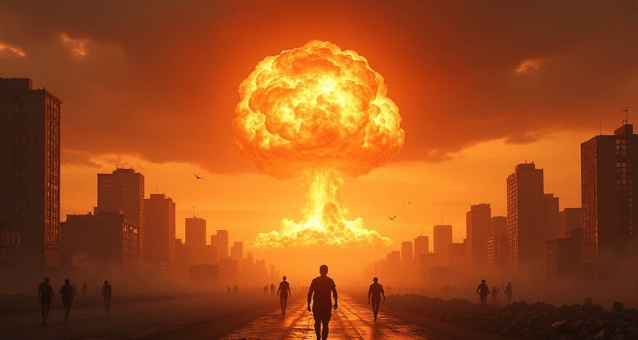
Let’s talk reality. In the event of a meltdown, you’re looking at catastrophic radiation exposure. I’m not talking a little rash or feeling woozy. I’m talking immediate sickness, death, and a slow, painful decay if you survive the initial blast. Fallout spreads with the wind, contaminating water, soil, and food for miles. Your average grocery store is a death trap, your city is a ghost town before you even figure out which way to run. And don’t expect FEMA or the National Guard to swoop in like heroes—they’re more likely to be evacuating their own sorry asses while you scramble in the dust.

So, what do you do if you actually have the guts to survive instead of whining about it? Step one: knowledge. Know where the nearest nuclear reactors are. There are over 90 operating in the United States, and they aren’t all tucked away in “safe” places. If you live within 50 miles of one, consider that a death zone in case of meltdown. Check evacuation routes, understand wind patterns, and never assume authorities will guide you safely—they won’t.

Step two: shelter. You think your flimsy suburban home will stop radiation? Wrong. You need a fallout shelter. If you don’t have one, improvise. Basements, storm cellars, or even the center of large, concrete buildings can provide partial protection. The goal is to put as much dense material between you and the radioactive particles outside as possible. Lead, concrete, dirt—stack it up. If you can, stockpile at least two weeks’ worth of food, water, and medical supplies inside that shelter. You’ll be too busy praying to the gods that you remembered your potassium iodide tablets to complain about taste or boredom.

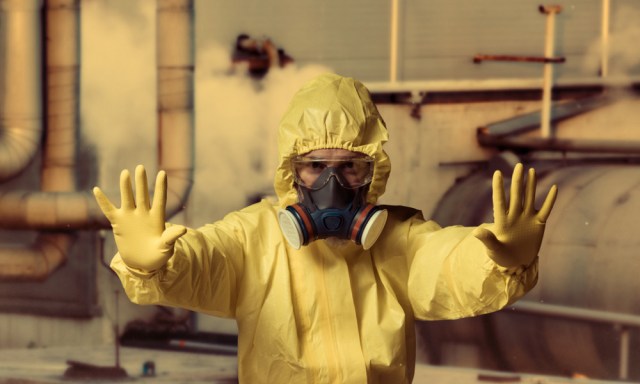
Step three: gear up. This isn’t optional. A proper gas mask or respirator is your first line of defense against inhaling radioactive dust. Thick gloves, protective clothing, and sturdy boots are next. You need to be ready to step outside to gather supplies without turning yourself into a walking beacon of gamma radiation. Forget the latest fashion trends; if you’re not coated like a hazmat zombie, you’re toast.

Step four: water and food. Radiation contamination isn’t just about the air. Streams, lakes, and even tap water can become dangerous within hours of a meltdown. Store at least a month of clean water per person if you can manage it. Canned goods, freeze-dried meals, and anything shelf-stable is your friend. And for the love of all that’s holy, don’t trust anything grown in contaminated soil unless you have a damn Geiger counter to test it.

Step five: radiation monitoring. If you can afford it, invest in a Geiger counter or a dosimeter. No, your phone’s app doesn’t count. You need hard data to know if it’s safe to leave your shelter or not. Radiation doesn’t care if you feel fine—it’s silent, invisible, and deadly. And the longer you expose yourself, the faster your body turns into a glowing skeleton. That’s not hyperbole. That’s nuclear reality.

Here’s the part most people won’t tell you: a meltdown isn’t a one-day event. Fallout lingers. Weeks, months, maybe even years. Your survival isn’t about sprinting to the nearest bunker and calling it a day; it’s about long-term planning. Rotate food, purify water, maintain ventilation in your shelter, and be ready for the psychological toll of isolation. Most people won’t survive the panic, depression, and sheer boredom. But the ones who prepare will have a fighting chance.

And let’s get one thing crystal clear: if you don’t act, you’re a liability. You’re not just risking your own skin; you’re endangering others who might count on you. Families, neighbors, coworkers—they can be collateral damage if you run around clueless. Don’t be that guy. Take responsibility. Stop whining about politics or waiting for the “government to handle it.” They’re too busy pretending everything is fine while you rot.

If there’s one last nugget of truth I can shove down your oblivious throat, it’s this: survival is brutal, selfish, and ugly. You have to accept that. Caring about others in a nuclear meltdown is a luxury. You need to think: “How do I stay alive?” because if you’re dead, your moral high ground is meaningless. Prepare ruthlessly. Protect yourself. Ignore the weak-willed naysayers. And when the fallout settles, only the prepared, smart, and ruthless will be left standing.

So stop reading this and start acting. Buy your supplies, fortify your shelter, learn your escape routes, and practice your radiation drills. Because one day, maybe soon, you’re going to wish you had listened. And if you don’t, don’t come crying to anyone. Survival isn’t for everyone, but if you follow this advice, at least you’ll have a chance. And that, my friends, is more than half the battle in this radioactive nightmare we call America.

Emergency Preparedness Planning 101: What to Do Before Everything Falls Apart

If you’re reading this, congratulations—you’re at least aware enough to realize the world is a mess and getting messier by the day. Most people shuffle through their lives staring at their phones, trusting the government, corporations, or some miraculous stroke of luck to save them when disaster strikes. Spoiler alert: no one is coming to save you. Emergency preparedness isn’t a hobby; it’s the bare minimum level of responsibility any halfway conscious adult should take. And yet here we are, in a society where people panic when the WiFi goes down for twenty minutes.

Welcome to Emergency Preparedness Planning 101—the class everyone should have taken, but most didn’t because they assumed everything would always be fine. Those of us who actually prepare know better. We don’t do it because it’s “fun” or because we want to feel special. We do it because we’ve seen enough to know that chaos is inevitable. And when chaos comes, you’re either ready… or you’re a liability.

Let’s go through what you should already know but probably don’t.


1. The First Rule: Accept That Disasters Happen

Most people cling to the fantasy that emergencies are rare. They’re not. At any moment, you could be dealing with:

  • Natural disasters
  • Power grid failures
  • Economic collapse
  • Social unrest
  • Pandemics
  • Infrastructure breakdown
  • Supply chain interruptions

And let’s not pretend any of these are far-fetched. Recent years have made it painfully clear how quickly society falls apart when even small disruptions hit. Yet people still act shocked when they walk into a store and see empty shelves. The truth is that modern society is held together with duct tape and wishful thinking. Preparing isn’t pessimism—it’s realism.


2. Water: The One Thing You Can’t Afford to Overlook

It’s astounding how many people stockpile gadgets, weapons, or flashlights but forget water—the literal foundation of survival. The rule is simple: one gallon per person per day, and that’s scratching the surface. Add pets, hygiene, cooking, and unforeseen emergencies, and that number climbs quickly.

If you think a few plastic bottles shoved in a closet is enough, you’re fooling yourself. Water sources get contaminated, municipal systems fail, and bottled water disappears instantly during any crisis. You need:

  • A minimum two-week supply stored
  • A long-term water storage plan
  • Filtration and purification systems
  • Redundant backup methods

Because if you don’t plan now, you’ll be fighting your neighbor at the nearest drainage ditch when the taps run dry.


3. Food Storage: Not the Instagram Version

People love the idea of food prepping until they realize it involves work and discipline. Emergency food storage is not about bragging rights or looking cool in a bunker selfie. It’s about having the calories and nutrients you need to keep going when grocery stores are stripped bare—which happens faster than most people believe.

Your food storage should include:

  • Shelf-stable staples (rice, beans, oats, pasta)
  • Freeze-dried meals
  • Canned protein
  • Long-term storage containers with oxygen absorbers
  • A rotation schedule

And before you even think it: no, your freezer doesn’t count. When the power goes out and everything inside turns into a thawed, useless mess, don’t say you weren’t warned.


4. Power: Because Sitting in the Dark Isn’t a Plan

If a grid failure happened right now, most people would be paralyzed. You need alternative power sources—plural. Relying on a single generator is a rookie mistake. Fuel runs out. Systems fail. Weather gets unpredictable.

A real prepper builds redundancy:

  • Solar power systems
  • Portable solar panels
  • Battery banks
  • Hand-crank chargers
  • Generators (as a secondary system)

This isn’t paranoia. It’s accepting the reality that modern life depends on electricity, and electricity is far more fragile than anyone wants to admit.


5. First Aid: Because the World Doesn’t Hand Out Second Chances

You don’t need to be a doctor, but you need more than an outdated band-aid box from 2004. When emergencies strike, hospitals overload instantly, and you may be on your own.

Your first aid preparedness should include:

  • A professional-grade trauma kit
  • Knowledge of wound care
  • Skills in CPR and basic first aid
  • Over-the-counter medications
  • Prescription backups (if possible)

Because when someone gets hurt—and someone will get hurt—waiting for help isn’t an option.


6. Security: The Topic Everyone Tiptoes Around

Let’s be honest: during real emergencies, people can be almost as dangerous as the disaster itself. Society runs on rules and consequences—take those away, and human behavior becomes incredibly unpredictable.

You need a plan to keep yourself and your loved ones safe. That includes:

  • Physical security
  • Situational awareness
  • Reinforced entry points
  • Lighting
  • Alarms
  • Nonviolent self-defense tools
  • Communication plans

The point isn’t to live in fear; it’s to not be blindsided when people act desperate, irrational, or opportunistic.


7. Communication: Because Isolation Is a Death Sentence

You need to be able to reach others—and they need to be able to reach you—when the world goes quiet. Don’t rely on cell towers and internet providers; they’re usually the first to collapse during crises.

A real emergency communication setup should include:

  • Battery-powered radios
  • NOAA weather radios
  • Two-way radios
  • Backup power sources
  • Written communication plans for your group or family

Being disconnected during an emergency is not only dangerous—it’s completely avoidable with minimal planning.


8. A Mindset That Doesn’t Crumble

Gear is useless without the right mindset. Emergency preparedness is about being mentally ready to deal with unpredictability. It’s about accepting that you’re responsible for you, no matter how much society has trained people to outsource responsibility.

Mindset means:

  • Staying calm under pressure
  • Being adaptable
  • Making decisions when others freeze
  • Thinking ahead
  • Maintaining discipline even when everything feels pointless

Preparing isn’t pessimistic—it’s acknowledging reality. Anyone who thinks the world is stable hasn’t been paying attention.


Final Thoughts

Emergency preparedness planning isn’t complicated. What makes it difficult is the denial people cling to. If you’re reading this, you’re already ahead of most. But being aware is only step one. Doing something about it is what matters. Stocking up, planning, learning, and preparing aren’t overreactions. They’re survival.

If the world goes sideways—and eventually it will—your only regret will be not preparing sooner.

When Terror Strikes, Don’t Count on Anyone: How Americans Can Actually Communicate When Attacked

If you’re waiting for the government, the cell towers, or the so-called “resilient infrastructure” of this country to save you during a terrorist attack, then you’ve already lost. And no, I’m not sugarcoating anything—because the world doesn’t sugarcoat disaster. Americans walk around glued to their screens, convinced that the same fragile networks delivering cat videos and grocery coupons are going to hold up the moment a coordinated terrorist attack strikes. Spoiler alert: they won’t. They never do.

Every single major emergency—from 9/11 to hurricanes to localized attacks—shows the same predictable pattern: communication systems fail, and people are left in the dark. Literally and figuratively. The angry part of me isn’t because disaster is unavoidable—it’s because we, as a nation, still refuse to learn. We built our entire society on a digital house of cards, and everyone acts shocked when it collapses.

So here’s the reality check nobody wants but everybody needs: if you don’t have a communication plan BEFORE a terrorist attack, you won’t have one DURING it.

You either prepare, or you gamble your life on luck. And luck doesn’t care about you.


Why Cell Phones Become Useless During a Terrorist Attack

Most Americans cling to their cell phones like life rafts, as if holding the slab of glass in their hands gives them some sort of immunity to chaos. But during a terrorist attack? That device becomes dead weight.

Here’s what actually happens:

1. Networks Get Overloaded

Every terrified human in a radius of miles starts calling everyone they know. Emergency lines get overwhelmed. Non-essential calls clog bandwidth. And soon, even emergency responders lose connection.

It’s not sabotage. It’s not a conspiracy. It’s math. Too many people, not enough capacity.

2. Towers Can Be Taken Offline

A single attack on critical infrastructure—or even a precautionary shutdown—can erase all connectivity in seconds. Terrorists know this. Emergency planners know this. The general public pretends not to.

3. GPS and Apps Become Useless

People think they’ll “just use Google Maps to find safety.” Sure. If satellites cooperate, towers stay online, and your battery doesn’t die in the 45-minute gridlock evacuation.

Good luck.


The Government Will Not Magically Communicate With You

We all love to imagine FEMA sending perfectly timed alerts and instructions. The reality? Emergency systems can—and do—fail. Even when alerts go out, they’re often delayed or inconsistent across regions.

And let’s be honest… even when the alerts work, half the country ignores them because they think everything is a test.

You can trust official alerts to help when possible. But you absolutely cannot rely on them exclusively. That’s not paranoid—that’s practical.


So What CAN Americans Do?

Thankfully, you’re not entirely doomed—unless you stay unprepared. You want communication options during a terrorist attack? Then you need redundancy, self-reliance, and a plan that works even when the entire digital system collapses.

Here’s what actually works, even when the world comes apart:


1. Create a Family Emergency Communication Plan

No, not a vague “text me if something happens.” A real plan. Written. Practiced.

It should include:

  • Two primary contacts
  • Two backup contacts
  • A meeting location
  • An alternate meeting location
  • A designated out-of-state contact (often easier to reach when local lines are jammed)
  • Instructions for what to do if separated

This isn’t overkill. This is responsibility.


2. Learn the Power of SMS Over Calls

Text messages use a fraction of the bandwidth of phone calls. Even when networks are collapsing, SMS might still sneak through. It’s slow, unreliable, and agonizing—but better than screaming into the void.

Use short, clear texts like:

  • “Safe.”
  • “Evacuating.”
  • “Meet at location A.”
  • “Can’t reach you. Will try again in 20 min.”

If you send long essays during a crisis, then maybe the crisis isn’t the biggest problem.


3. Two-Way Radios Are Not Just for Hobbyists

Americans love to mock preppers and their radios—right up until the moment those radios are the ONLY working communication method left.

FRS/GMRS Radios

Inexpensive. Widely available. Great for short-range family communication.

HAM Radio (Amateur Radio)

This is where the real reliability lies. Yes, it takes time to learn. Yes, you need a license. But you gain:

  • Independent communication
  • Long-distance reach
  • Access to emergency frequencies
  • The ability to receive real-time local information

HAM radio operators are often the first and last people communicating during disasters.

If you’re too busy to learn HAM radio, fine—just don’t pretend your phone will save you instead.


4. Keep an Emergency Power Source

Your fancy phone is just a useless brick once the battery dies. And it will die.

You need:

  • Portable battery banks
  • Solar chargers
  • Car chargers
  • A hand-crank emergency radio

If your communication tools can’t stay powered, they may as well not exist.


5. Have Hard Copies of Critical Information

Everyone relies on digital info—until the digital world collapses.

Print:

  • Emergency contacts
  • Maps of your city
  • Evacuation routes
  • Family meeting points
  • Medical info
  • Important addresses

Paper doesn’t lose signal. Paper doesn’t need WiFi. Paper doesn’t die.


6. Neighborhood Communication Networks

Yes, I know the world feels like it’s full of unreliable people. But in a crisis, neighbors can be your lifeline—or you can be theirs.

Organize:

  • A shared radio channel
  • A check-in system
  • A basic alert system (whistles, horns, etc.)

Community resilience matters, even in a world that often feels disappointingly fragile.


7. Stay Informed WITHOUT Internet

You need devices capable of receiving emergency broadcasts when cellular and internet systems go offline:

  • NOAA weather radios
  • Emergency alert radios
  • Battery-powered AM/FM radios

When terrorists strike, ignorance is deadly. Information is survival.


Final Thought: Communication Isn’t a Gadget—It’s a Mindset

Americans love easy solutions. But communication during a terrorist attack isn’t about apps, phones, or gadgets. It’s about preparation. The bitter truth is that most Americans simply aren’t prepared—and their complacency will cost them.

You don’t have to become a bunker-dwelling hermit (though some people could benefit from less screen time and more survival time). You just need to accept reality: no system is guaranteed to protect you. You must protect yourself.

Prepare now, or panic later. And panic never communicates anything worth hearing.

The Best Burglar Deterrents Your Home Needs Before the World Gets Worse

Crime is rising in places where it never used to exist, criminals are getting bolder, and society keeps acting shocked every time something awful happens, as if the writing hasn’t been smeared all over the wall for the last decade. Maybe you still cling to the fantasy that calling the police will magically solve everything. Well, I hate to break it to you—but by the time help arrives, the criminals will already be gone, and they’ll likely be holding half your belongings and your sense of security hostage.

If you want to keep your home—and your sanity—intact, you need deterrents. Not hopes. Not wishes. Not naïve trust in your ZIP code. You need real, physical, tactical strategies that send a crystal-clear message: Go bother someone else.
Below are the best burglar deterrents that actually work in this collapsing world.


1. Outdoor Lighting That Doesn’t Apologize for Existing

People talk about “warm,” “welcoming,” or “eco-friendly” outdoor lighting. Forget that nonsense. You need lighting that burns brighter than your disappointment in modern society—lights that flip on the moment a would-be intruder so much as breathes near your property line.

Motion-activated floodlights are one of the simplest deterrents you can install. Criminals rely on shadows, darkness, and people pretending not to notice them. When a floodlight blasts them in the face like a stadium spotlight, they rethink their life choices real fast.

Look for:

  • LED bulbs (long life, high brightness)
  • Wide-angle sensors
  • Waterproof housings
  • Placement higher than 9 feet so they can’t be smashed easily

You’d be amazed how many criminals abandon their brilliant plans the moment they’re confronted by a wall of blinding illumination. It’s almost poetic, really—rotting intentions exposed by light.


2. Security Cameras—Yes, Even the Fake Ones Work

We live in a surveillance era whether you like it or not. Cameras are everywhere except, ironically, on the homes of the people who actually need them the most. Criminals hate being recorded. They want to slither around unnoticed like the bottom-feeders they are.

You need cameras that are:

  • Visible
  • Weatherproof
  • Night-vision capable
  • Cloud-backed (so they can’t destroy the evidence)

Place them where they’re obvious—above entrances, near garages, overlooking walkways. You’re not trying to be subtle. You’re sending a message.

And here’s the kicker: Even dummy cameras help. A burglar sees a lens and a blinking LED and instantly starts questioning whether your house is worth the trouble. Sure, a seasoned professional might know the difference—but most people breaking into homes aren’t “professionals.” They’re desperate, sloppy opportunists hoping the universe will hand them something for free.

Not today. Not from your home.


3. Reinforced Doors and Windows—Because Builders Don’t Care About You

You’d think the front door—the main barrier between your life and the chaos outside—would be built strong. But no. Most doors are so flimsy they might as well be made of cardboard and optimism. The average door frame can be kicked in by anyone with working legs and bad intentions.

You need:

  • Reinforced strike plates
  • 3-inch screws
  • Solid-core or steel doors
  • Window security film
  • Anti-lift devices on sliding doors

When some intruder tries kicking in your door and it doesn’t budge, they get confused. Criminals panic when things don’t go as planned. That’s where deterrence becomes protection.

Your windows? Same deal. Most are so easy to breach it’s insulting. Add security film so they don’t shatter like your hope for society’s future.


4. Alarms—The Loud, Obnoxious Kind

A burglar wants silence. They want time. They want a sense of control.

So your job is to remove all three.

A screaming alarm that sounds like a mechanical banshee is one of the most effective deterrents on Earth. The moment that shriek hits, the criminal knows every second increases the chance someone will notice them.

You don’t need a fancy subscription service or a contract that traps you like a mortgage. Even standalone alarms work:

  • Window alarms
  • Door alarms
  • Glass-break sensors
  • Smart alarms that alert your phone

Once that thing wails, criminals usually bolt. Nobody wants to get caught—especially not burglars who barely have functioning plans to begin with.


5. Dogs—The Original Security System

Forget what the commercials tell you. Forget the cutesy anecdotes. A barking dog is one of the most proven burglar deterrents in existence.

Criminals don’t want unpredictability. Dogs are unpredictable. They make noise. They draw attention. They bite.

Even a medium-size dog is enough to make a burglar reconsider their life choices. And if you happen to have a larger breed? Congratulations—your home just jumped several tiers on the “not worth the risk” list.

But don’t rely on the dog alone. You need overlapping layers. Dogs are wonderful, but they sleep. They get distracted. Technology doesn’t.

Combine the two and you’ve got a fortress.


6. Signs—Because Humans Fear Warnings More Than Reality

Does a sign stop a truly determined criminal? No. But it absolutely stops the lazy, opportunistic ones. And those are the majority.

Use signs like:

  • “24-Hour Video Surveillance”
  • “Beware of Dog”
  • “Security System Installed”
  • “Private Property – No Trespassing”

Some people say warning signs are “aggressive.” Good. Let them think that. You’re not running a daycare—you’re protecting your home from vultures.


7. Neighborhood Awareness—Even If You Hate People

Let’s be honest: Most preppers aren’t exactly thrilled about mingling with neighbors. But here’s the cold truth: Criminals thrive where nobody pays attention.

You don’t have to bake cookies together or exchange holiday cards. Just:

  • Learn their faces
  • Know what cars belong on your street
  • Pay attention when something feels “off”

You don’t need community spirit. You just need community awareness. Even the most pessimistic prepper can benefit from a quick text message warning them a suspicious individual was lurking around the mailboxes.


The Harsh Reality: Security Is Your Responsibility

No one is coming to save you. Not your city. Not your state. Not your neighbors. Not the system that keeps telling you everything is fine.

If you want security, you build it yourself.

The best burglar deterrents aren’t complicated—they’re layered. Combine lighting, cameras, reinforcing materials, alarms, signs, and situational awareness, and suddenly your home becomes the hardest target on the block.

Criminals don’t want a challenge. They want easy prey.

Make sure that’s never you.

Your Brain Is the Only Prep That Won’t Fail You When SHTF (Unless You’re an Idiot)

People love to brag about their gear. They’ll wave around their $300 flashlights, their tacticool backpacks overloaded with things they don’t even know how to use, and their shelves stacked with food they’d burn through in three panicked weeks. Everyone wants to look prepared. Everyone wants to pretend they’re going to be the rugged survivor when everything collapses. But here’s the ugly truth that most people can’t—and won’t—face:

Your gear isn’t your salvation. Your storage isn’t your guarantee. The ONLY prep that actually matters when SHTF is inside your skull.

And judging by how the world behaves these days, most people’s mental preparedness is as empty as the store shelves will be when everything finally goes over the cliff.

People Prepare for Everything Except Actually Using Their Brains

The survival world has turned into a shopping spree masquerading as preparedness. Preppers buy gear the way the average person buys comfort foods—out of insecurity and habit. They think the gear will magically make up for their lack of experience, their lack of discipline, and their lack of mental resilience. But a tool is only as useful as the person holding it, and when SHTF, the only tool you won’t be able to lose, break, misplace, forget, or run out of batteries in is your MIND.

But instead of sharpening the most powerful survival tool they own, people distract themselves with toys and gadgets. They practice bushcraft once a year, maybe, when the weather is nice and the bugs aren’t biting. They read survival books but never actually test the ideas in real life. They make plans that only work under perfect conditions. Worst of all, they assume they’ll think clearly under pressure.

Let me tell you something: your brain, right now, in your daily comfort, is NOT the brain you will have when SHTF.

Stress Turns Most People Into Useless Liabilities

Everybody imagines themselves as the calm, collected hero in a crisis. But real disaster doesn’t care about your fantasies. When panic hits, your brain flips into primal mode. Fine motor skills degrade. Decision-making deteriorates. People freeze. Some scream. Some sit down and give up. Some make the worst possible choices simply because their nervous system has taken the wheel.

You think you’ll be able to shoot straight when someone is threatening your life? You think you’ll remember your fancy gear setup when you’re running on no food, no sleep, and are dehydrated enough that your brain is misfiring? Without mental conditioning—and I mean real conditioning, not just imagining yourself in a heroic scenario—you’ll crumble like the rest.

A weak mind is dead weight. And dead weight doesn’t survive collapse.

Situational Awareness: The Lost Art That Will Save Your Life

The saddest thing about society right now is how blind people are to their surroundings. Everyone is glued to a screen, walking around with the awareness of a stunned sheep. Nobody pays attention. Nobody watches for threats. Nobody picks up on social cues or environmental changes.

When SHTF, the people who can’t see danger until it’s touching them won’t last 24 hours.

Situational awareness—REAL awareness—is the skill that separates survivors from statistics. It’s about observing, processing, analyzing, and predicting. It’s about seeing an escalating threat before it becomes unavoidable. It’s about noticing resources others overlook. It’s about reading people and understanding when someone is about to become a problem.

This doesn’t come from gear. It doesn’t come from buying more things to store in your garage. It comes from deliberately retraining your mind to pay attention to the world you live in.

Adaptability: The Survival Trait Everyone Thinks They Have But Don’t

People love their routines. They cling to stability like it’s oxygen. But when the world breaks—and it will—it won’t break cleanly or politely. It’ll happen at the worst moment, with the worst conditions, and you’ll need to change course instantly.

Most people can’t handle that level of uncertainty. They need someone to tell them what to do. They need structure. They need reassurance. When everything familiar disappears, they mentally collapse.

But the survivors? The real survivors?

They adapt instantly.
They improvise.
They maintain clarity.
They pivot without hesitation.

Adaptability is pure mental flexibility, and it’s far more rare than you think. Society trains people to be obedient consumers, not independent thinkers. So don’t expect the average person to suddenly switch into survival mode when the world falls apart. They won’t. They’ll freeze up and wait for help that’s never coming.

You want to be different? Then train your mind for chaos NOW.

Knowledge Beats Gear Every Time

I’m not saying gear is useless. I’m saying gear without brains is useless.

Take two people:

  • One has a cheap knife and solid survival skills.
  • The other has a $300 knife and zero clue how to actually use it.

Who survives? The one who knows what the hell they’re doing.

A skilled mind makes ANY tool better.
An unskilled mind makes EVERY tool worthless.

You can replace gear. You can replace supplies. But you can’t replace the knowledge and mental resilience that turns a disaster into a manageable challenge.

Your Mindset Determines Whether You Survive or Become a Casualty

Here’s the harsh truth most preppers never want to confront: Survival isn’t about strength, or toughness, or gear, or who has the most cans of beans. Survival is about psychology—pure and simple.

The survivors are the ones who:

  • Stay calm when others panic
  • Think clearly when others lose their minds
  • Make decisions without hesitation
  • Control their emotions
  • Accept reality instantly
  • Act without waiting for permission

This is mental conditioning. This is internal preparedness. This is what actually keeps you alive when SHTF.

Stop Preparing Your Home and Start Preparing Your Head

If you want to survive the collapse that’s slowly rolling toward us like an unstoppable train, you need to stop relying on your gear and start relying on yourself. Start thinking critically, training your awareness, practicing decision-making under stress, and facing the reality that the world is NOT stable, NOT dependable, and NOT safe.

Your brain is the prep you can’t lose, can’t misplace, and can’t run out of.
But only if you actually train it.

Otherwise, when SHTF, you’re just another panicked, confused liability wandering into danger.

The world is falling apart.
Get your head on straight before it’s too late.