Texas Wants to End You: 10 Deadly Texas Threats That Could Kill You Tomorrow

Texas. The Lone Star State. Big skies, bigger landscapes, and apparently, bigger risks. If you think the biggest threat in Texas is a long wait at a barbecue joint or a traffic jam on I-35, think again. The truth is, Texas is a sprawling death trap disguised as “freedom and sunshine.” I’ve been around, seen people ignore danger, and it amazes me how many think they can wander into the heart of this state without preparing for the inevitable.

I don’t sugarcoat reality. So here it is: the top ten most dangerous things in Texas that could easily end your life—and how to survive them if you’re stubborn enough to stay alive.


1. Venomous Snakes

Texas boasts more venomous snakes than a paranoid survivalist could shake a stick at: rattlesnakes, copperheads, and cottonmouths all casually lying in wait. One careless step through the underbrush, and you could be meeting your maker before your cell phone even loads Google Maps.

Survival Tip: Learn to recognize snake habitats, wear thick boots, and carry a snake bite kit if you’re venturing into rural areas. Never try to handle snakes—this isn’t an Instagram stunt. Know the nearest hospital that stocks antivenom because time is life.


2. Spiders and Scorpions

Yes, even the little ones can kill you. Brown recluse spiders and bark scorpions aren’t just creepy crawlers; they can inflict venomous bites that send you into toxic shock if ignored. In the middle of the night, a casual scratch could end your life in ways you didn’t even know were possible.

Survival Tip: Always shake out clothes, shoes, and bed sheets if you’re camping or living in older rural homes. Keep your home sealed, and if you see one of these nightmares, kill it immediately—don’t rely on luck.


3. Extreme Heat

Texans like to brag about summer weather, but the truth is, the heat is a silent killer. Heat stroke isn’t just uncomfortable—it’s deadly. A few hours in 105°F temperatures without proper hydration can fry your organs and leave you begging for the sweet release of death.

Survival Tip: Hydrate constantly, carry electrolyte replacements, avoid unnecessary travel during peak hours, and never underestimate the power of shade. If you’re outdoors, plan your movements like a tactical operation.


4. Tornadoes and Extreme Weather

The skies over Texas look deceptively serene, until you see that twister forming on the horizon. Tornadoes don’t just destroy property—they destroy people. Flash floods and hailstorms are also common killers, ready to sweep away the unprepared.

Survival Tip: Always check weather alerts, invest in a storm shelter if possible, and have an emergency kit ready. If a tornado is spotted, don’t debate; get underground or in a reinforced interior room. The “it won’t happen to me” mentality is a fast track to the morgue.


5. Venomous Aquatic Life

Texas isn’t just dry heat and snakes—its waters hide death too. The Gulf of Mexico and inland lakes harbor sharks, jellyfish, and venomous fish like the stonefish. Drowning is also a major risk; many Texans underestimate water currents, underestimating the danger until it’s too late.

Survival Tip: Swim only in designated areas, never underestimate currents, and learn basic water survival skills. A personal flotation device isn’t just for kids—it’s a lifeline.


6. Fire Ants

You laugh at them until the first swarm attacks. Fire ants are small, but they kill with numbers and venom. Hundreds of bites in minutes can lead to severe allergic reactions or, if untreated, death. Texas soil is practically crawling with them.

Survival Tip: Avoid grassy areas with mounds, wear shoes outdoors, and carry antihistamines if you’re prone to allergies. Treat every ant bite seriously; swelling and pain can escalate faster than you think.


7. Highway Madness
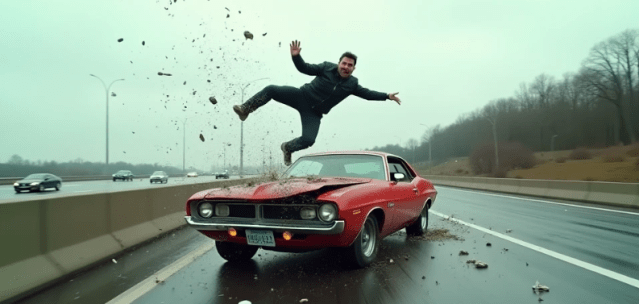
Texas roads aren’t for the faint of heart. With giant trucks, insane drivers, and long stretches of isolated highways, traffic accidents are a leading killer. Combine that with heat, fatigue, and a false sense of invincibility, and you’re sitting on a steel coffin on wheels.

Survival Tip: Drive defensively, avoid late-night fatigue, and always maintain an emergency kit in your vehicle. Knowing how to react when someone tries to force you off the road could be the difference between life and death.


8. Disease-Carrying Insects

Mosquitoes in Texas carry West Nile virus and other diseases that can kill if ignored. Tick-borne illnesses like Rocky Mountain spotted fever also lurk in rural areas. One bite can change your life—or end it.

Survival Tip: Use insect repellent, wear long sleeves in wooded areas, and check for ticks daily. Don’t dismiss mild flu-like symptoms; early intervention is crucial.


9. Urban Crime

Yes, Texas is dangerous in the wild, but don’t think cities are safe. Armed robberies, assaults, and home invasions are very real threats, especially for those who think a “locked door” is enough to keep death at bay.

Survival Tip: Always be aware of your surroundings, secure your home with multiple layers of protection, and consider self-defense training. Naivety in urban areas can be just as lethal as ignoring snakes in the woods.


10. Neglecting Preparation

Finally, the deadliest danger of all in Texas is your own ignorance. Not knowing the terrain, underestimating the weather, ignoring wildlife, or failing to carry basic survival tools will end more lives than any rattlesnake or tornado ever will.

Survival Tip: Preparation is everything. Have a survival kit, know the terrain, check the weather, study local wildlife hazards, and always assume you are one bad decision away from disaster. If you’re not ready, Texas will gladly kill you without remorse.


Conclusion

Texas is no joke. Every step you take, every river you cross, every hour you spend outside, the state is silently reminding you: you are not in control. The animals, weather, highways, and even your own negligence are waiting for one slip to turn your life into a cautionary tale.

But here’s the silver lining for those stubborn enough to fight for survival: if you take these dangers seriously, educate yourself, and act decisively, you can walk through Texas alive. It requires vigilance, preparation, and an unflinching acknowledgment that the world is not your friend.

So pack your water, stock your antivenoms, learn your snakes from your rocks, and remember: Texas isn’t friendly—it’s lethal. And if you survive it, you’ve earned a medal for sheer stubbornness.

California is Killing You: The Top 10 Non-Health Hazards You’re Ignoring

Wake up, California. You might think your biggest threats are the latest flu strain or a heart attack, but that’s only half the story. The truth is far grimmer. Life in the Golden State isn’t just expensive; it’s a constant hazard zone. If you’re walking around thinking the state’s only threat is invisible bacteria or the occasional bad fast food, think again. This article isn’t here to sugarcoat reality—this is your wake-up call.

I’ve lived through enough disasters, near-misses, and face-to-face encounters with the chaos of California life to know one thing: your survival isn’t guaranteed. The state is a beautiful trap filled with lethal risks, many of which have nothing to do with health. Here are the top 10 non-health-related reasons why people in California die, and why ignoring them is basically a death sentence.


1. Car Accidents – The Rolling Killers

You don’t need a virus to die in California; you need only step into your car—or the car of someone else. With congested highways, aggressive drivers, and one-too-many distracted texters behind the wheel, car accidents are rampant. Los Angeles, San Francisco, and even smaller towns see thousands of fatal crashes every year. High-speed collisions, drunk drivers, and motorcycles weaving through traffic are just waiting for you to make one wrong move. And let’s be honest: traffic laws exist more as suggestions than as enforceable rules.

If you think you can “just be careful,” think again. The odds are not in your favor. California drivers are famously impatient, and the infrastructure is stressed to the max. One moment you’re minding your own business, the next—boom.


2. Wildfires – Nature’s Inferno

California’s wildfires are legendary, but most people still underestimate them. These aren’t small backyard blazes—they’re monstrous infernos that can consume entire neighborhoods in hours. Houses, cars, pets, and yes, people, vanish in the flames.

Evacuation is chaotic, emergency services are stretched thin, and wind patterns can change in an instant. You could literally be trapped in your own home as fire storms sweep down hillsides. If you think your insurance or city alerts will save you, you’re already thinking like a sheep waiting for slaughter.


3. Earthquakes – The Ground Betrays You

California sits on a network of faults that are just waiting for the next big quake. And let me tell you, “big” isn’t an exaggeration. Buildings crumble, roads crack open, and bridges collapse without warning. Earthquakes don’t discriminate—wealthy neighborhoods and sleepy towns alike can be reduced to rubble in seconds.

Don’t fool yourself into thinking your modern apartment is safe. Structural engineering only delays death; it doesn’t prevent it when the earth decides it’s time.


4. Extreme Heat & Environmental Exposure

You might scoff at the idea that weather can kill you in a state known for its beaches and sunshine, but California’s heat waves are no joke. Temperatures can soar past 110°F in the Central Valley and inland deserts. Heatstroke, dehydration, and exposure kill people every year—often those foolish enough to think they can beat the sun by ignoring it.

And let’s not forget that climate change is making these extremes more frequent and intense. This isn’t just discomfort; it’s deadly.


5. Crime – Humans as Predators

People often overlook the fact that humans are often the deadliest threat. California has areas plagued by violent crime, from urban centers to seemingly quiet suburbs. Shootings, muggings, and home invasions are a daily hazard for the unprepared.

Gang violence isn’t confined to the movies—it’s a very real danger in some neighborhoods. And even if you live somewhere “safe,” opportunistic crimes happen everywhere. Trust no one too easily.


6. Traffic & Pedestrian Accidents

It’s not just car-on-car collisions. Pedestrians, cyclists, and scooters face a deadly gauntlet. Drivers are distracted, reckless, or downright hostile. Every crosswalk could be your last if you don’t maintain a paranoid level of vigilance.

Sidewalks and bike lanes aren’t sanctuaries—they’re just another layer of danger in a state obsessed with speed and convenience over safety.


7. Industrial & Workplace Hazards

From oil refineries in Southern California to tech warehouses in the Bay Area, workplace accidents kill hundreds every year. Machinery malfunctions, chemical exposures, and human error combine to create a daily lottery where survival is not guaranteed.

And don’t expect a lawsuit to save you. By the time lawyers get involved, it’s too late. The system is slow, inefficient, and indifferent to human life.


8. Homelessness and Exposure to Violence

California has a massive homeless population, many of whom live in conditions that guarantee premature death. Violence, exposure, and malnutrition aren’t just statistics—they are daily realities for thousands.

Even for those not homeless, the ripple effects can touch you. Encampments and urban decay lead to crime spikes and unsafe public spaces, turning what should be routine errands into potential hazards.


9. Fires (Other than Wildfires) – Urban Arson & Accidents

People think of fire as only a forest problem, but urban fires are just as deadly. Faulty wiring, careless smoking, and arson claim lives every year. In densely populated areas, a small spark can become a deadly inferno before firefighters even arrive.

And don’t fool yourself into thinking “it won’t happen to me.” Disasters rarely pick their victims—they just find someone vulnerable.


10. Infrastructure Failures – When the State Betrays You

Bridges collapse, levees break, and dams fail. California has a long list of infrastructure weak points. Aging structures, deferred maintenance, and overpopulation create the perfect storm for unexpected death.

A simple drive across a structurally compromised bridge, or living downstream from a poorly maintained dam, could be enough to kill you. And the government’s safety nets? Half the time they’re just bureaucratic mirages.


Final Thoughts – Wake Up Before It’s Too Late

If you’re still reading this, hopefully you’re feeling the chill of reality. California isn’t just a sunny paradise; it’s a deadly game of survival. And while health risks get headlines, these ten non-health hazards are just as lethal—often more so because people refuse to prepare for them.

Survival in California demands awareness, preparation, and a ruthless understanding of your environment. Traffic, fires, earthquakes, crime, heat—these aren’t abstract possibilities. They’re imminent threats that could strike today, tomorrow, or next week.

If you want to stay alive, stop pretending the world is safe. Stock supplies, learn situational awareness, and never underestimate the lethal combination of human error and environmental chaos. Your survival isn’t guaranteed—but with preparation, it’s possible.

Ignore this warning, and California will show you the meaning of the phrase “golden state” in the harshest way possible.

The Sunshine State is a Death Trap: Florida’s Top 10 Most Dangerous Hazards and How to Live Through Them

Listen, I’m going to lay it out straight: Florida is not the paradise postcards want you to believe it is. The sunshine, palm trees, and overpriced beach real estate hide a sinister truth—this state is a death trap, and most people are walking around like oblivious idiots thinking it’s all fun and games. If you value your life even slightly, you need to understand the Top 10 most dangerous things in Florida that could wipe you out faster than you can scream “Florida Man strikes again.” I’ll not sugarcoat it. I’ll tell you exactly what they are—and how to survive them.


The Top 10 Most Dangerous Things in the State of Florida That Can Easily End Your Life, and How to Survive All 10

1. Alligators: Nature’s Bite-Sized Death Machines

Alligators are everywhere. Swamps, rivers, canals, golf courses, and probably your backyard pond if you live near water (which in Florida, you do). These things aren’t cute or cuddly; they’re predators designed to kill. An alligator attack isn’t just painful—it’s often fatal.

Survival tip: Stay out of the water, don’t dangle limbs near the edge, and for the love of your own dumb life, do not feed them. If one grabs you, fight back, aim for the eyes, and hope you’re faster than your own blood pressure allows.


2. Sharks: Florida’s Underwater Hitmen

Every year, Florida leads the nation in shark bites, and guess what? Most people don’t even see it coming. Swimming in what you think is “safe” water can be a gamble with your life.

Survival tip: Avoid swimming in murky waters, especially at dawn or dusk. If a shark approaches, defend yourself by targeting the eyes or gills. And maybe invest in some shark-repelling tech—because luck isn’t reliable.


3. Snakes: Silent, Slithering Killers

Florida has a disturbing number of venomous snakes. The Eastern Diamondback Rattlesnake, Cottonmouth, and Coral Snake are all capable of killing a careless tourist in minutes. And don’t even get me started on the invasive Burmese pythons that can swallow a full-grown adult.

Survival tip: Learn to identify local snakes. Wear boots in the wilderness and NEVER reach into underbrush or water blindly. Always keep antivenom accessible if you’re a complete masochist who ventures outdoors.


4. Hurricanes: Mother Nature’s Wrath

Forget the cute “Category 1 storm” talk. Hurricanes in Florida will flatten your house, toss your car around like a toy, and leave you without water, electricity, or hope. They are predictable, but only if you’re paying attention—most people aren’t.

Survival tip: Have a full storm kit, evacuation plan, and a bunker—or at least a reinforced room. Don’t think you’re special enough to “ride it out.” That’s how idiots die.


5. Lightning: Sky-Forged Death

Florida has the highest lightning strike frequency in the U.S., and lightning doesn’t discriminate. Your backyard barbecue or lazy afternoon at the beach can end in a split second of molten pain.

Survival tip: The old “30-30 rule” isn’t enough if you’re already in danger. Find shelter immediately, avoid open fields and tall isolated objects, and don’t even think about being that person who thinks “lightning never hits me.”


6. Crocodiles: The Overlooked Cousins of Alligators

Yes, Florida has actual crocodiles. Most people underestimate them, assuming they’re just alligators with a fancy accent. Crocodiles are faster, meaner, and have a taste for human flesh.

Survival tip: Avoid fresh and brackish water in southern Florida. If you see one, leave—slowly. Crocodiles can sense fear and hesitation. If it attacks, aim for the eyes. Again, it’s a recurring theme: the eyes.


7. Dangerous Wildlife Stings and Bites

It’s not just snakes and gators. Florida is home to jellyfish, scorpions, spiders, and even fire ants that can turn a casual stroll into a medical emergency. Box jellyfish stings are excruciating and potentially lethal.

Survival tip: Always wear shoes outdoors. Don’t touch strange sea creatures. Keep vinegar and first-aid supplies nearby if you venture into the ocean. Florida doesn’t play nice, and neither should you in defense.


8. Extreme Heat and Dehydration: The Silent Killer

You might not die in a flashy attack from a beast or a storm, but Florida’s summer heat is merciless. Heatstroke, dehydration, and sun-induced delirium quietly end lives every year.

Survival tip: Hydrate like your life depends on it—because it does. Avoid being outdoors during peak heat, wear lightweight clothing, and have electrolyte replacements on hand. Your body will betray you if you underestimate this.


9. Rip Currents: The Ocean’s Secret Executioners

Even experienced swimmers are dragged out to sea by Florida’s sneaky rip currents. These invisible killers don’t care about your confidence or your swimming skills.

Survival tip: Learn to recognize and escape rip currents. Swim parallel to the shore, don’t fight the current directly, and pay attention to local warnings. Ignorance is death here.


10. Human Stupidity and Negligence: The Deadliest Threat of All

Let’s be honest—most people die because of their own idiocy. Driving recklessly, ignoring storm warnings, swimming in unsafe waters, or interacting with wildlife like it’s a Disney attraction. Florida doesn’t need to attack you; you often hand your life over voluntarily.

Survival tip: Use common sense, although I know that’s asking a lot. Trust instincts, respect nature, and prep for every foreseeable disaster. The moment you think “it won’t happen to me” is the moment you’re setting yourself up for a Darwin Award.


Conclusion: Florida Is Beautiful, but It’s Also Lethal

If you’ve made it this far and still want to live in Florida, congratulations—you have the survival awareness that most residents lack. The state’s combination of wildlife, extreme weather, and human recklessness makes it a perfect storm for fatal encounters. Each of these ten dangers is enough to take your life, often faster than you can process what’s happening.

The good news? Survival is possible if you treat Florida like the hazardous environment it is. Pay attention, prepare, and respect the deadly reality around you. Carry the knowledge, arm yourself with safety tools, and remember: Florida doesn’t negotiate. It doesn’t have a conscience. It doesn’t care if you survive.

You either adapt, survive, and respect the threats—or you become another cautionary tale on a grim statistic nobody talks about until it’s too late. And trust me, Florida has plenty of those.

Survive or Die in New York: The 10 Most Dangerous Things in The Big Apple State That Will End You

Let me tell you something straight: New York isn’t the glitzy, picturesque wonderland people want you to believe. Beneath the skyscrapers, the subways, and the tourist-packed streets lurks a deadly reality that most people are too naive to acknowledge. If you think a stroll in Central Park or a weekend at the Adirondacks is harmless, think again. Death comes quietly, unexpectedly, and without warning. And if you want even the slightest chance of survival, you better pay attention to the top 10 killers in New York—and how to survive them. I’m not here to sugarcoat it. This is grim. This is real. And it’s life or death.


1. The Subway System – A Maze of Metal and Madness

You step onto the subway thinking it’s just a mode of transportation, but one misstep, one loose handhold, or one distracted second, and you’re toast. Subways are magnets for criminal activity, unexpected train arrivals, and slippery conditions that can turn a simple fall into a catastrophic end.

Survival Tactic: Never be distracted by your phone. Stay behind the yellow line, avoid empty cars late at night, and always have an escape route in mind. Carry a personal alarm or whistle; the panic it creates may just save your life.


2. Extreme Weather Events – Mother Nature’s Fury

Hurricanes, blizzards, flash floods—you name it, New York experiences it. People romanticize the snowy winters, but frostbite and hypothermia are silent killers. Summer? Heatwaves can sneak up on you, causing heatstroke faster than you can hydrate.

Survival Tactic: Always check weather warnings and never underestimate local advisories. Stock emergency supplies: water, non-perishable food, a thermal blanket, and a first-aid kit. Know your high-ground evacuation routes for floods and always dress in layers for winter.


3. Aggressive Wildlife – Not Just in the Wilderness

You think New York’s wildlife is cute? Think again. Coyotes prowl suburban streets at night, snapping up small pets, and raccoons can carry diseases that are deadly to humans. And don’t forget venomous insects—ticks with Lyme disease and mosquitoes carrying West Nile Virus.

Survival Tactic: Never approach wildlife. Keep trash sealed, maintain a safe distance from animals, and use repellents and protective clothing. If bitten, seek medical help immediately; the city hospitals are your lifeline here.


4. Urban Crime – The Hidden Predator

Pickpockets, muggers, and random violent acts are not myths—they’re a daily reality in certain parts of New York. Walking alone at night can feel like a death sentence if you’re unprepared.

Survival Tactic: Always stay alert, avoid dimly lit areas, and keep valuables hidden. Self-defense training isn’t optional—it’s mandatory. Carry a legal deterrent like pepper spray or a tactical flashlight. And never trust the “safe” neighborhoods blindly; danger doesn’t announce itself.


5. Traffic Chaos – Steel Beasts on Wheels

New Yorkers drive like maniacs. Pedestrians think they have the right of way; drivers think the city belongs to them. One distracted driver, one ignored traffic signal, and it’s over.

Survival Tactic: Never assume vehicles will stop. Look both ways twice, even at crosswalks. Wear bright clothing if you walk or bike, and always have an escape route in mind. Avoid distractions, and keep your phone in your pocket. Your life depends on it.


6. Building Fires – Silent Killers in Plain Sight

New York is a concrete jungle, and fires can spread faster than most people realize. Faulty wiring, unattended candles, or kitchen accidents can turn a cozy apartment into a death trap.

Survival Tactic: Always have a fire extinguisher, smoke detectors, and a pre-planned escape route. Never assume the fire department will arrive in time; self-rescue knowledge is crucial. And for God’s sake, test your escape route—it’s not just theory, it’s life or death.


7. Water Hazards – Lakes, Rivers, and Storm Drains

From the Hudson to the Erie Canal, water is everywhere in New York. But currents, tides, and hidden underwater hazards turn recreational swimming and boating into potentially lethal activities. Storm drains and subway tunnels can become deadly traps during floods.

Survival Tactic: Learn to swim and wear a life jacket near open water. Avoid areas prone to flooding and never underestimate the power of currents. Carry a waterproof survival kit if you venture near water, including a whistle, rope, and signaling device.


8. Falling Objects – A Threat You Can’t Always See

Construction sites, crumbling buildings, and even city streets can drop debris on your head without warning. A loose brick, a falling sign, or a collapsing scaffold can end your life instantly.

Survival Tactic: Always be aware of your surroundings. Avoid walking near construction zones, look up periodically, and keep your head protected if you’re in a high-risk area. Sometimes, the best defense is simply not being there when disaster strikes.


9. Food and Water Contamination – The Invisible Assassin

Most people assume city food and water are safe—but contamination from bacteria, mold, or chemical pollutants can kill slowly or suddenly. From raw street food to polluted lakes, ignoring these risks is suicidal.

Survival Tactic: Drink only treated or bottled water, cook food thoroughly, and practice good hygiene. Have water purification tablets or a portable filter ready. In New York, assuming everything is safe is a gamble you won’t survive losing.


10. Mental Collapse – The Overlooked Killer

This one’s not flashy, but make no mistake: mental breakdowns can kill you just as efficiently as anything else. The stress of the city, coupled with the constant threat of danger, can cause panic, poor decisions, and fatal mistakes.

Survival Tactic: Stay mentally vigilant. Practice mindfulness, stress management, and situational awareness. Always have a plan B and don’t rely on others to save you. In survival, the weakest mind is the first casualty.


Final Thoughts: Embrace Paranoia, or Die

Here’s the ugly truth: most people walk around New York thinking the worst will never happen to them. They’re naïve, lazy, and oblivious—and that’s exactly why so many die prematurely. If you want to survive, you can’t just hope for the best. You need vigilance, preparation, and a healthy dose of paranoia.

Carry your tools, know your risks, and treat every step outside as a potential life-or-death decision. Because in New York, it often is.

The 100 Most Dangerous Cities in America: A Survivalist’s Worst Nightmare (UPDATED 2025)

Listen up, because the world isn’t getting safer—it’s getting meaner, uglier, and downright hostile. Every day, Americans convince themselves that their suburban bubbles are immune to the chaos brewing in the streets. Newsflash: it isn’t. Crime isn’t just some statistic—they’re symptoms of a society teetering on the edge of collapse, and if you think “it won’t happen to me,” you’re already behind. If survival matters to you, knowing which cities are ticking time bombs is non-negotiable.

We’ve compiled a no-nonsense guide to the 100 most dangerous cities in the United States, based on crime rates, violent incidents, and the kind of chaos that makes survivalists like me grit our teeth. Don’t sugarcoat it: this list isn’t about tourism, it’s about survival.


Why America’s Cities Are Becoming Warzones

Let me be blunt: America’s urban centers are a reflection of a society unraveling at the seams. Poverty, drugs, gang wars, economic despair—they’re all part of a toxic cocktail turning once-thriving cities into modern-day warzones. And while politicians and “experts” talk about reform and community programs, the reality is stark: you either adapt or you die.

Violent crime is the ultimate measure of a city’s danger, and make no mistake, it isn’t evenly distributed. There are areas where walking after dark is asking for trouble, neighborhoods where sirens are the lullabies, and intersections where the only thing certain is that something, somewhere, will go horribly wrong.


Top 10 Most Dangerous Cities to Avoid at All Costs

Before we get into the full 100, let’s talk about the absolute worst of the worst—the urban nightmares that make a prepper’s hair stand on end:

  1. St. Louis, Missouri – A city drowning in violent crime. From robberies to shootings, St. Louis has earned its reputation as the murder capital of America.
  2. Detroit, Michigan – Ghostly streets, rampant gang activity, and a police force stretched beyond reason. Survival here requires constant vigilance.
  3. Baltimore, Maryland – A city where corners are claimed by gangs, drugs dominate, and hope is in short supply.
  4. Memphis, Tennessee – Murders, assaults, and robberies; Memphis is a survivalist’s cautionary tale.
  5. Kansas City, Missouri – Drug wars, gang violence, and unpredictable shootings make this city a minefield.
  6. Birmingham, Alabama – Crime has exploded here, leaving residents locked in a daily struggle to stay alive.
  7. Cleveland, Ohio – Violent assaults and property crime plague the city, creating a pervasive sense of insecurity.
  8. Little Rock, Arkansas – Murders and robberies are more than statistics—they’re the daily reality for citizens.
  9. Oakland, California – Despite gentrification attempts, violent crime remains a relentless force here.
  10. Stockton, California – Gang activity and violent crime have created an environment that feels post-apocalyptic.

If you think these are exaggerations, check the FBI’s Uniform Crime Reporting statistics. But statistics are cold comfort when you’re standing on a street corner wondering if your next step might be your last.


Patterns and Common Traits Among Dangerous Cities

Here’s what survivalists like me have learned from years of observing urban decay: these cities share traits that scream trouble:

  • High Poverty Levels: Economic despair creates desperation, and desperation fuels crime.
  • Gang Dominance: Neighborhoods where gangs call the shots are neighborhoods where survival instincts must be at their sharpest.
  • Police Understaffing: Less law enforcement presence equals more lawlessness.
  • Drug Epidemics: Heroin, fentanyl, meth—cities battling drug crises are cities where violence explodes daily.
  • Deteriorating Infrastructure: Dark streets, abandoned buildings, and poor lighting make perfect hunting grounds for criminals.

The Middle Tier: Cities You Should Only Enter With Extreme Caution

From the 11th to the 50th most dangerous city, the danger doesn’t vanish—it just becomes slightly less overt. Cities like Milwaukee, Wisconsin; New Orleans, Louisiana; and St. Petersburg, Florida have neighborhoods that will chew you up if you’re not careful. The pattern is consistent: violent crime in concentrated pockets. Know the blocks to avoid, and don’t trust anyone you don’t know.

Remember, being a survivalist isn’t about paranoia; it’s about preparation. Understanding where danger thrives is step one. Step two is having the tools, knowledge, and mindset to navigate it.


Low-Tier But Still Dangerous Cities (51–100)

Even the “safer” dangerous cities are far from friendly. Cities like Tulsa, Oklahoma; Indianapolis, Indiana; and Baton Rouge, Louisiana may not lead national murder statistics, but property crimes, assaults, and sporadic violent incidents make them hazardous.

The reality is grim: no American city is immune. If you live in an urban area, the threat isn’t theoretical—it’s a daily, grinding truth.


How to Survive in America’s Most Dangerous Cities

Now, if you’re foolish enough to live or work in these hellholes, here’s some advice:

  1. Situational Awareness is Everything: Every street corner, alleyway, and darkened doorway should be assessed like a potential threat.
  2. Travel Smart: Avoid walking alone at night, especially in known high-crime neighborhoods. Car travel is safer but not foolproof.
  3. Learn Basic Self-Defense: Guns, knives, pepper spray—whatever aligns with your skills, learn to use it effectively.
  4. Know Your Exits: Buildings, streets, and neighborhoods all have exit points—plan your escape routes.
  5. Trust Sparingly: Friends, neighbors, coworkers—don’t assume loyalty; assume potential betrayal.
  6. Stay Informed: Crime patterns shift; news reports, local alerts, and survivalist networks can give you a heads-up.

A survivalist mindset isn’t about fear—it’s about brutal realism. Denial is the quickest route to disaster.


Why This Matters for the Average American

The average citizen may think, “This doesn’t apply to me; I don’t live in Detroit or St. Louis.” Guess again. Cities influence everything around them: crime spreads into suburbs, drugs and gangs infiltrate small towns, and economic collapse in one area can ripple nationwide. Being aware of the worst zones keeps you alert, cautious, and alive.

America is becoming a minefield, and these 100 cities are just the tip of the iceberg. Every statistic represents a real person, a real tragedy, and a system failing spectacularly. Ignoring the warning signs is a recipe for catastrophe.


Conclusion

So here it is, unvarnished and raw: America is not safe, and many of its cities are downright deadly. Survival isn’t about hope—it’s about preparation, awareness, and grim acceptance of reality. If you live in or near any of these 100 cities, consider this a survival manual disguised as an article. Study it, internalize it, and don’t kid yourself about safety.

The world is a cruel, indifferent place, and the cities on this list are its most visible proof. Don’t wait for someone else to save you—prepare yourself. Arm your mind, arm your body, and never forget that in these urban jungles, vigilance is the only currency that guarantees life.

Top 50 Most Dangerous American Jobs That Could End Your Life Sooner Than You Think

The world is a cruel, indifferent machine, and Americans seem content to willingly toss themselves into it every day in exchange for a paycheck. Some call it “work,” others call it “survival,” but the grim reality is this: some jobs are literally killing people—slowly, steadily, relentlessly. If you think your office cubicle is dangerous, think again. There are careers in this country that flirt with death like it’s an old friend, and somehow, society turns a blind eye.

I’ve scoured the statistics, the grim reports, and the accounts of families who lost loved ones too soon. What follows is a brutally honest list of the 50 most life-threatening careers in the United States of America, ranked by risk, fatality rate, and sheer potential to turn a normal day into a catastrophic one. Consider this your wake-up call, if you dare.


1. Logging Workers

Ah yes, the classic “lumberjack of death.” These men and women wrestle with massive trees, chainsaws, and gravity every single day. The fatality rate is astronomical, and one wrong step could mean an instant headline.

2. Fishers and Related Fishing Workers

The ocean is a beast. No matter how much gear you have, nature doesn’t negotiate. Fishermen drown, freeze, or get crushed, and it’s happening far more often than anyone wants to admit.

3. Aircraft Pilots and Flight Engineers

Commercial pilots might seem safe, but throw in cargo flights, small charters, and emergency landings, and suddenly your dream job looks like a death trap in the sky.

4. Roofers

Gravity loves to punish incompetence and bad luck. Roofers flirt with falls from unimaginable heights daily. One slip, one gust of wind, and that’s it.

5. Construction Workers

Sure, they build America, but they also fall from scaffolds, get electrocuted, and get crushed by machinery. OSHA signs and safety regulations are a joke when reality hits.

6. Farmers and Ranchers

The romanticized “life on the farm” hides the constant danger: heavy machinery, large animals, pesticide exposure, and long hours make it a slow-motion death sentence for many.

7. Iron and Steel Workers

Climbing skeletal frameworks hundreds of feet above the ground, dangling tools, with a precarious breeze… nothing screams “life-threatening” like this daily grind.

8. Truck Drivers

Sure, they sit behind the wheel all day, but long-haul truckers die at alarming rates, often from fatigue-induced crashes. Society treats it like “just another commute.” It’s not.

9. Police Officers

The thin blue line may stand between order and chaos, but in reality, cops are exposed to bullets, stabbings, car crashes, and sheer unpredictability every shift.

10. Firefighters

They charge into flames that would make the average human run screaming. Smoke, collapsing buildings, explosions—firefighters face it all while the world watches from a safe distance.

11. Mining Workers

Underground work in tight, dark, unstable tunnels—if that doesn’t scream danger, nothing does. Cave-ins, explosions, gas leaks—the list goes on.

12. Electrical Power-Line Installers and Repairers

Touching high-voltage wires hundreds of feet in the air with one slip means goodbye. Every day is a gamble with electricity.

13. Refuse and Recyclable Material Collectors

It might seem mundane, but these workers are crushed, run over, or injured by machinery more often than you’d guess. Trash really is deadly.

14. Steel and Iron Foundry Workers

Molten metal is unforgiving. A misstep can mean horrific burns or death. Protective gear only delays the inevitable sometimes.

15. Taxi and Rideshare Drivers

High fatality rates due to crashes, assaults, and long hours. You’d think it was a mundane job—society is blind to the reality.

16. Delivery Drivers

Package delivery isn’t safe. Car accidents, poor weather, and fatigue make it one of the riskiest “ordinary” jobs.

17. Wastewater Treatment Plant Operators

Chemical exposure, gas leaks, and drowning hazards lurk beneath the surface of these unseen workplaces.

18. Agricultural Workers

Pesticides, heavy machinery, unstable terrain, heatstroke—the American farm isn’t the Eden they paint it as. It’s a death zone in disguise.

19. Logging Equipment Operators

Operating giant machinery to cut down trees adds another layer of danger. One malfunction and it’s over.

20. Airline Flight Attendants

Sure, they’re safe most of the time, but turbulence, hijackings, crashes, and fire hazards make this job riskier than it appears.

21. Construction Laborers

Carrying heavy loads, operating machinery, and navigating precarious sites—construction labor is death by statistics, not just speculation.

22. Chemical Plant Workers

Toxic chemicals, explosions, and chronic exposure. Industrial negligence could turn your workplace into a nightmare at any moment.

23. Truck Mechanics

They work around large vehicles, heavy machinery, and toxic fluids. One misstep and a massive vehicle could crush you.

24. Sailors

The sea is a merciless opponent. Storms, capsizing, and drownings are everyday threats, often far from immediate rescue.

25. Logging Supervisors

Not even management is safe. Overseeing dangerous work doesn’t shield you from falling debris, machinery accidents, or treacherous terrain.

26. Oil Rig Workers

Blowouts, explosions, and long-term exposure to hazardous chemicals make oil rigs floating death traps. Safety briefings are little more than prayers.

27. Electricians

Electricity kills silently and instantly. One moment of carelessness, one hidden wire, and that’s your last shift.

28. Subway and Streetcar Operators

Traffic, mechanical failure, and underground hazards make these urban jobs deceptively risky.

29. Logging Truck Drivers

Transporting massive logs from remote, dangerous forests—accidents are inevitable. Fatigue and slippery roads only add to the danger.

30. Pest Control Workers

Toxic chemicals, wild animals, and unpredictable terrain. Killing pests might be their business, but the hazards could kill them first.

31. Roof Scaffolders

A specialized but deadly niche of construction. A misstep, a gust, or a loose plank is all it takes.

32. Crushed or Confined Space Workers

Any job requiring entry into tanks, silos, or confined spaces can quickly turn deadly—oxygen deprivation and mechanical mishaps are silent killers.

33. Logging Lumber Processors

Processing timber may look safe behind fences, but heavy machinery, conveyor belts, and sharp tools make fatalities common.

34. Ironworkers

Rising hundreds of feet with heavy beams in hand isn’t glamorous. Gravity and fatigue are their constant enemies.

35. Firearm Instructors

Every day with live ammunition is a calculated risk. Complacency can be fatal.

36. Military Personnel (Active Duty)

War, accidents, machinery mishaps—the military’s daily grind is a real-world death lottery.

37. Logging Surveyors

Surveying forests for timber seems tame. It’s not. Falling branches, rough terrain, and unpredictable animals lurk everywhere.

38. Crane Operators

One wrong swing of a crane can collapse buildings or flatten workers. Precision under pressure isn’t optional—it’s life or death.

39. Tree Trimmers

Chainsaws at height, falling branches, and electrocution hazards make tree trimming a near-suicidal profession.

40. Highway Maintenance Workers

Traffic moves too fast, and any distraction or miscalculation can turn the highway into a literal killing field.

41. Oil and Gas Drillers

Explosions, toxic gases, and mechanical failures make these workers more likely to die on the job than in most other professions.

42. Logging Equipment Mechanics

Repairing chainsaws, harvesters, and other massive machinery is hazardous. One slip, one failed part, and the machine wins.

43. Paramedics

They’re supposed to save lives, but every emergency call exposes them to traffic accidents, violence, and infectious diseases.

44. Rooftop Solar Installers

Yes, it’s “green energy,” but scaling rooftops, dealing with electrical currents, and fighting gravity makes it deadly.

45. Explosives Workers

Demolition, mining, and ordinance disposal aren’t for the faint-hearted. One miscalculation is final.

46. Logging Clerks (On-Site)

Even paperwork near the forest edge has its risks—falling trees don’t discriminate.

47. Iron Forging Workers

Molten metal, swinging hammers, and flying debris—industrial hazards have been around forever.

48. Commercial Divers

Underwater currents, equipment failure, and entrapment make deep-sea diving extremely dangerous.

49. Taxi and Bus Drivers

Urban chaos, distracted drivers, and unpredictable pedestrians make these “everyday” jobs far deadlier than society admits.

50. Electric Utility Line Workers

High voltage, treacherous heights, and inclement weather make this a consistent killer. One slip and you’re history.


The world doesn’t care about your survival. These jobs are proof. The statistics are undeniable, and the human cost is staggering. If you value your life even slightly, maybe rethink that “dream career.” There’s no glory in a pay stub if the price is your life. Survival is a game few employers bother to play fair, and death lurks in the most mundane and celebrated jobs alike.

So, remember: life is fragile, work is ruthless, and society is indifferent. When you clock in tomorrow, just know—it might be the last time, and nobody will write a eulogy for the ignored risks of the working class.

California’s Top 10 Deadly Threats and How to Outsmart Them

California. The so-called “Golden State.” Sunshine, beaches, wine, and endless Instagram posts. But behind the glitzy veneer lies a brutal, life-threatening reality. If you think living here is safe, think again. The truth is, California is practically a death trap if you aren’t constantly on your toes. From nature’s fury to human negligence, there are threats lurking everywhere. If you want to survive, you better face the ugly truth. I’ve compiled the Top 10 Most Dangerous Things in California That Can Easily End Your Life—and What You Can Do to Survive Them. Strap in, because I’m not sugarcoating anything.


1. Wildfires: Nature’s Merciless Inferno

California’s wildfires are legendary, but not in a good way. Each year, thousands of acres are reduced to ash, and countless people lose their homes—or worse, their lives. Fire doesn’t discriminate. It will burn you alive if you’re not paying attention.

Survival Strategy: Know evacuation routes like the back of your hand. Have a “grab-and-go” bag ready with essentials: water, non-perishable food, important documents, and first aid. Most importantly, stay informed via emergency alerts—waiting until you see flames is already too late.


2. Earthquakes: The Ground Is Out to Get You

The San Andreas Fault isn’t a joke. California is one massive shaking trap, and a big quake can happen at any second. Buildings collapse, roads split open, and utilities go offline. Do you really want to gamble your life on luck?

Survival Strategy: Secure heavy furniture and appliances. Create a family earthquake plan, including safe spots in every room (under sturdy tables or against interior walls). Stock up on emergency supplies—water, food, first aid kits, and even a portable toilet. After all, earthquakes aren’t polite; they’ll ruin everything.


3. Heatwaves and Extreme Sun Exposure

California’s “perfect weather” often turns murderous. Inland valleys and desert areas can hit triple-digit temperatures that fry the human body. Heatstroke and dehydration don’t care if you’re trying to have a relaxing day—they’ll kill you quietly and quickly.

Survival Strategy: Hydrate like your life depends on it—because it does. Wear breathable, sun-protective clothing and avoid being outside during peak heat hours. Always carry water and electrolytes; your body isn’t invincible, no matter how much Instagram influencers pretend it is.


4. Wild Animals: Coyotes, Mountain Lions, and Snakes

Yes, California has the animals you read about in horror stories. Mountain lions, rattlesnakes, and even aggressive coyotes can end your life if you stumble into their territory. Don’t let the cuteness fool you; survival here is not about selfies with wildlife.

Survival Strategy: Stay alert when hiking or camping. Make noise to avoid surprising predators. Carry bear spray or a sturdy walking stick. Know how to identify dangerous animals and never underestimate their strength or speed.


5. Dangerous Ocean Currents and Rip Tides

California’s beaches are seductive, but many have deadly undertows. Every year, tourists and locals alike are dragged out to sea by rip currents, and few come back. The ocean doesn’t negotiate—it drags you down and drowns you, no questions asked.

Survival Strategy: Swim only at lifeguard-patrolled beaches. Learn to spot rip currents: they’re usually darker, choppier channels of water moving away from the shore. If caught, don’t fight the current; swim parallel to the shore until free, then make your way back slowly.


6. Car Accidents: The Silent Killer

California’s highways are a mess of reckless drivers, endless traffic, and unpredictable conditions. Each day, thousands of accidents happen, many fatal. It’s not just about speed; it’s distracted drivers, drunk drivers, and the sheer density of vehicles that make every road a death trap.

Survival Strategy: Drive defensively. Keep your distance, never text while driving, and always wear your seatbelt. Know emergency maneuvers, like how to regain control on slick roads. It’s basic, but most people ignore it—and that’s why they die.


7. Toxic Air and Pollution

Between wildfires, industrial zones, and smog-heavy cities like Los Angeles, California’s air isn’t just unpleasant—it’s deadly. Long-term exposure leads to lung disease, heart issues, and a diminished lifespan. Don’t be naïve: breathing can kill you here.

Survival Strategy: Monitor air quality reports. Keep N95 masks on hand for emergencies. Air purifiers at home can filter particulate matter. Avoid outdoor activity during bad air days—sacrificing convenience now can save your lungs, and your life.


8. Floods and Mudslides

After the fires, California becomes a soggy, sliding nightmare. Burn scars destabilize the soil, making mudslides an unpredictable killer during rains. Flash floods can occur in valleys and riverbeds, often without warning.

Survival Strategy: Never camp or build in known flood zones. Check weather alerts during the rainy season. Elevate your home and clear debris from drainage paths if possible. Awareness is your best weapon—ignorance will get you buried.


9. Burglaries, Assaults, and Urban Crime

Yes, nature kills, but humans are just as lethal. Certain neighborhoods in California are infamous for violent crime. It doesn’t matter how strong or smart you are; being unprepared makes you a target.

Survival Strategy: Invest in home security systems. Be vigilant in public spaces. Learn basic self-defense. Avoid risky areas after dark. And for the love of your future, never carry valuables openly. Criminals don’t care about your excuses.


10. Avalanche and Snow Hazards in the Sierra Nevada

People forget that California isn’t just beaches and deserts. Its mountains can be merciless. Avalanches, icy trails, and sudden snowstorms can trap or kill hikers and skiers. The cold isn’t forgiving, and neither are the slopes.

Survival Strategy: Check avalanche reports before heading into the mountains. Carry emergency blankets, shovels, and avalanche beacons. Never hike alone in snow-heavy areas. Respect the mountains—they don’t negotiate with arrogance.


Final Thoughts: Survive or Die

California is a beautiful place to look at, but it’s a slaughterhouse for anyone who doesn’t respect the threats. From fires to floods, predators to predators in human form, the Golden State is not a vacation—it’s a survival test. The question isn’t “will you survive?” It’s “will you prepare before it’s too late?”

Take every warning seriously. Don’t fool yourself with optimism. Arm yourself with knowledge, tools, and a survival mindset. Ignore this, and California will happily write your obituary. Remember: life isn’t fair, nature isn’t kind, and neither are the streets of California.

Survive, because nobody else is coming to save you.

Off-Grid Survival for Women: The Harsh Truths No One Wants to Tell You

hen society collapses, women will be targeted first. Not because it’s fair or just—because predators exploit vulnerability. And if you think everyone magically becomes honorable comrades during a disaster, I have news for you: they don’t. They become worse versions of themselves. The masks come off. The desperation comes out. And the rules evaporate faster than your last remaining battery.

I’ve watched people fight over bottled water in broad daylight with police present. So imagine how bad it gets when there’s no law, no witnesses, no functioning system, and no consequences. Women, especially those living off-grid or traveling alone, will be seen as easy targets by the opportunists, cowards, and degenerates who crawl out of the shadows when things fall apart.

But here’s the good news—not happy news, not comforting news, but useful news: you can prepare now. Not by learning movie-style ninja flips or Hollywood fight scenes that only work on stuntmen. I’m talking about realistic, practical, survival-focused self-defense skills that actually help you escape, avoid danger, and protect yourself.

This isn’t about turning you into some mythical warrior. This is about giving you a fighting chance when the world shows its worst face.


The First Skill: Ruthless Awareness (The One Most People Ignore)

Every self-defense course should start with this, but most skip right to flashy moves. Awareness isn’t glamorous, but it’s the skill that keeps you alive.

In SHTF conditions, threats don’t politely announce themselves. They don’t wait for you to be “ready.” They strike when you’re distracted, tired, or optimistic. So your first weapon is situational awareness:

  • Always scan your surroundings before stopping or setting camp.
  • Know who’s around you and what direction they’re moving.
  • Never let strangers get close enough to invade your personal space.
  • Trust your instincts—if someone feels wrong, don’t negotiate with that feeling.

People call this “paranoia.” Fine. Let them call it what they want. You call it survival.


The Second Skill: Boundaries That Are Loud, Clear, and Unshakable

Most predators don’t start with violence. They start with testing boundaries—small intrusions, off comments, forced friendliness, subtle probing. They’re looking for someone who won’t push back.

So practice firm, unwavering verbal boundaries:

  • “Stop.”
  • “Back up.”
  • “Do not come closer.”
  • “I don’t want help.”

Say it with your chest, even if your voice shakes. The goal is to stop a situation early before it becomes physical. And if someone ignores a clear boundary, congratulations—you’ve just identified a threat long before the situation explodes.


The Third Skill: Escape Over Ego—Always

Here’s something the movies won’t tell you: the goal of self-defense is escape, not fighting. You’re not out to “win.” You’re out to get away with as few injuries as possible. Fighting back is only to create a window to run.

If you’re off-grid and alone, injuries become exponentially more dangerous. A sprained wrist can compromise your ability to build shelter or carry water. A broken finger can make it impossible to defend yourself next time. So don’t fight unless absolutely necessary—and when you do, fight to break contact and flee.

Survival is not about pride. It’s about making it home alive.


The Fourth Skill: Body Positioning That Makes You Harder to Grab

You don’t need martial arts mastery. You just need practical techniques anyone can learn, like:

  • Keeping your hands up and ready, not buried in pockets or bags.
  • Standing with one foot slightly back for stability.
  • Blading your body to reduce target size.
  • Maintaining distance—your best friend in any confrontation.

Predators want easy control. Don’t give them that luxury.


The Fifth Skill: Using Your Voice as a Weapon

A strong, loud voice shocks aggressors, attracts attention (if any is nearby), and signals that you are not quietly compliant prey. Practice yelling in a way that’s commanding, not panicked.

Phrases like:

  • “NO!”
  • “STOP!”
  • “GET BACK!”

Your voice communicates confidence—even when you don’t feel it. Confidence alone deters a huge percentage of opportunistic threats.


The Sixth Skill: Carrying Tools You Know How to Use

I’m not talking about encouraging harm or vigilante fantasies. I’m talking about legal, appropriate personal safety tools—things designed to help you create space and escape.

These could include:

  • A loud personal alarm
  • A tactical flashlight (blinding bright, for disorientation)
  • A sturdy walking stick
  • A whistle
  • A safety spray if legal in your area

But let me be clear: a tool you never trained with is useless. Don’t carry anything you haven’t practiced using under stress. Otherwise it becomes an extra burden—or worse, something an attacker can use against you.


The Seventh Skill: Learning to Break Holds and Get Free

You don’t need violent moves. You need leverage-based escapes that utilize momentum, not strength. These techniques focus on freeing yourself from:

  • Wrist grabs
  • Arm holds
  • Clothing grabs
  • Being pinned against a wall
  • Being pulled toward someone

The goal is not to overpower someone. The goal is to free your body and run. Good self-defense instructors teach these escapes with emphasis on using your natural strengths—your speed, your center of gravity, your instincts.


The Eighth Skill: Never Showing Predictable Patterns

Predictability is vulnerability. You should vary:

  • Your daily routes
  • Your camp locations
  • Your routines
  • Your start times
  • Your rest stops

Don’t move like a character in a video game with one fixed path. Move like someone who knows people could be watching.


The Ninth Skill: Mental Conditioning for Worst-Case Scenarios

This is the part nobody wants to talk about. Most people freeze in danger because their mind rejects what’s happening. They weren’t mentally prepared for the possibility of someone targeting them.

So do the uncomfortable work now:

  • Accept that danger is real.
  • Accept that some people are predators.
  • Accept that your safety is your responsibility when society collapses.

Once you accept these truths, your reactions become faster, cleaner, and more decisive.


The Truth You’re Not Supposed to Say Out Loud

When SHTF, the world won’t magically become equal, fair, respectful, or civilized. It will become primal. And in primal conditions, women are at heightened risk.

Not acknowledging that doesn’t make it less true. It just makes you unprepared.

But learning awareness, boundaries, escapes, tools, and strong personal presence shifts the balance. You’re not helpless. You’re not doomed. You’re not prey. You’re a survivor in training.

Prepare now, before the world forces preparation on you.

When the Crowd Turns Deadly: How to Survive a Human Stampede

Humans are unpredictable, emotional herd animals, and most people walk around like the world magically keeps itself in order. They stare at their phones, wander into crowds without a second thought, and assume that because a venue has security guards, everything is “under control.”

The rest of us—those who actually pay attention—know that control is an illusion. And a fragile one at that.

Human stampedes aren’t rare freak accidents. They’re a natural outcome of packing too many people into too small a space, mixing in fear, noise, confusion, bad planning, and—my personal favorite—sheer stupidity. If you think that sounds harsh, you haven’t seen people trample each other for a Black Friday discount. Trust me, humans don’t need an emergency to act like panicked cattle.

So let’s talk about how to survive a human stampede, because clearly nobody else is going to protect you. If anything, the average person will push you down without blinking if it means they get three inches forward in the chaos.


Welcome to the Reality Nobody Wants to Admit

Crowd crushes and stampedes happen at concerts, sporting events, religious gatherings, parades, protests, and anywhere else humans gather in numbers large enough to overwhelm their own sense of reason. Most people don’t prepare for things like this because they think:
“It won’t happen to me.”

Yeah—tell that to the countless victims who thought the same before they were knocked over and swept away by a five-ton wave of panicked humanity. If you’re reading this, congratulations—you’re at least thinking about it. That’s step one in surviving anything: awareness.

This article won’t sugarcoat things. If you want a cheerful “stay safe!” pamphlet, go read something printed by an events committee. This is the real version—the version that tells you what to do when the crowd turns into a living bulldozer and you’re stuck in the middle of it.


Step 1: Actually Pay Attention to Your Surroundings

Revolutionary, I know.
But you’d be astonished how many people walk into crowds without even scanning their environment. Before you enter any dense crowd, do what a responsible person should always do:

  • Identify exits, plural. If you only know one way out, congratulations—you’re already a liability to yourself.
  • Note barriers like fences, railings, walls, and stages—these become death traps if the crowd surges.
  • Observe the density. If you can’t raise your arms without hitting someone, you’re in the danger zone.
  • Listen for changes in energy—shouting, pushing, sudden movement, or panic.

If you’re thinking, “Wow, that sounds paranoid,” good. Paranoia is just foresight that hasn’t been appreciated yet.


Step 2: When a Crowd Starts Moving, You Move With It—Or You Die

Remember this: you cannot fight a crowd surge head-on. When thousands of pounds of pressure push in one direction, you’re not going to out-muscle it. You move with the flow, gradually and strategically angling toward the side or an exit.

If you plant your feet thinking you can hold your ground like some heroic movie character, the crowd will crush your ribs into your spine. Don’t be a martyr. Be efficient.

Move diagonally, like a fish cutting through a current. You’re not trying to sprint—you’re trying to escape the pressure zone without falling.


Step 3: Protect Your Chest—It’s the Difference Between Living and Suffocating

Most stampede deaths happen due to compressive asphyxiation, not trampling. That means people get squeezed so hard they literally can’t breathe.

The fix?
Create a protective “box” around your chest using your arms.
Put your forearms horizontally in front of your ribcage, fists near your shoulders, making space for your lungs to expand even when the pressure tightens.

If the crowd squeezes in, this posture could buy you the oxygen you need to stay conscious. Consciousness is what keeps you moving. And movement is what keeps you alive.


Step 4: If You Fall, You Don’t Stay Down

This is the nightmare scenario, but it’s survivable if you act fast. Do not curl into a ball like some brochure will tell you. You’re not a turtle and you will not get “protected.” That advice comes from people who have clearly never experienced a crowd crush.

Instead:

  1. Turn onto your side.
  2. Pull your knees toward your chest.
  3. Use your arms and legs to crawl or roll toward open space.
  4. The second you’re on your feet, don’t celebrate—keep moving.

If people fall on top of you, keep your head protected with one arm and use the other to create space to breathe. Survival is ugly. It’s not graceful. It’s not cinematic. It’s pure determination.


Step 5: Don’t Follow the Crowd—Think Past It

People are lemmings. They follow the person in front of them even when it leads them straight into a bottleneck or a dead-end barrier. You have to think faster than the herd.

Look for:

  • Side exits
  • Gaps in barriers
  • Staff-only doors that open toward safety
  • Open spaces where pressure decreases

People cram themselves into the nearest exit because they’re overwhelmed and scared. You, however, have the advantage of thinking before panic hits. Use it.


Step 6: Know the Early Signs of a Stampede Before It Happens

This is where pessimism is your best friend. You assume things can go wrong so you notice when they start going wrong.

Watch for:

  • People pushing but the crowd can’t move forward (classic crush pattern)
  • A sudden wave-like sway through the crowd
  • Security personnel looking tense or rushing
  • Changes in sound: screaming, shouting, or sudden silence
  • A surge from the back (people trying to move before those in front can)

If you sense any of these, leave.
Don’t wait for instructions. Don’t wait for confirmation. By the time officials announce anything, you’re already behind.


Step 7: Don’t Bring Anything You Aren’t Willing to Lose

This is blunt, but you need both hands free. If you’re weighed down with drinks, merch bags, souvenirs, or your tote full of “essentials,” you’re risking your life.

Your priorities in a crowd emergency are:

  1. Breathing
  2. Balance
  3. Mobility

Everything else is clutter. If something becomes a hazard, drop it. Your phone is replaceable. Your spine is not.


Step 8: Mentally Prepare Before You Ever Step Into a Crowd

This is the part people hate hearing because it requires actual effort. If you want to survive the worst situations, you need to train your mindset ahead of time.

Tell yourself:

  • “If something goes wrong, I will move, not freeze.”
  • “My safety is my responsibility.”
  • “I will not rely on others to think for me.”

Being mentally ready makes you react faster than the crowd. In survival situations, seconds matter. Sometimes they’re all you get.


Final Thoughts from a Pessimistic Prepper

Human stampedes aren’t accidents—they’re the result of human behavior amplified by chaos. People panic. People follow blindly. People shove without thinking. And people assume someone else has a plan.

You’re smarter than that.
You’re reading this because you know the world is unpredictable and that most people sleepwalk through danger.

Survival isn’t luck.
Survival is awareness, preparation, and refusing to be one of the oblivious masses who trust the crowd more than their own instincts.

The world may be messy, reckless, and irresponsible—but you don’t have to be.

Stay alert. Stay sharp. Stay alive.

The Brutal Truth About Surviving a Long-Term SHTF

If you’re even thinking about how to survive a long-term SHTF (S**t Hits The Fan) event, congratulations—you’re already ahead of 90% of the population. And you know what? Most of them don’t deserve saving anyway. They’ve spent their lives glued to screens, worshiping convenience, and depending on systems that were rotting from the inside decades ago. They laughed at preppers. Mocked anyone who stocked a few extra cans of food. Called us paranoid, delusional, fanatics.

But when the lights finally go out—when the trucks stop rolling, the stores go empty, and the illusion of stability cracks into dust—we’ll see who’s laughing then.

This article isn’t here to sugarcoat anything. Long-term SHTF survival isn’t glamorous. It isn’t the fantasy land the movies sell. It’s brutal, exhausting, unforgiving, and—let’s be honest—not everyone is cut out for it. But if you’re reading this, you might be one of the rare few who actually has a chance.

So let’s get into the harsh, ugly truth of long-term SHTF survival, because the world isn’t getting any better out there—and hope sure as hell isn’t going to save you.


1. Accept That No One Is Coming to Save You

If you’re still clinging to the idea that some government agency, humanitarian organization, or magical cavalry is going to swoop in and rescue you during a long-term collapse… let go of that fantasy right now.

In a true SHTF situation:

  • Emergency services collapse first.
  • Law enforcement becomes overwhelmed or disappears entirely.
  • Governments prioritize their own continuity—not yours.
  • Utilities, supply chains, and hospitals crumble almost immediately.

You are on your own. Your family is on their own. Survival becomes entirely your responsibility. Once you fully accept this, you’re finally starting at the right mindset level.


2. Food: The Number One Problem Nobody Takes Seriously

People love to pretend they’ll “just hunt” or “live off the land” during a collapse. Sure—because nothing says “long-term survival strategy” like fighting the entire desperate population over the same dwindling wildlife and edible plants.

In reality:

  • Hunting will be depleted fast.
  • Fishing will become competitive and unsustainable.
  • Farming takes time, land, knowledge, and luck.
  • Foraging can’t sustain you long-term unless you live in an untouched wilderness.

So what’s the real solution?

Stockpile like the world is ending—because someday it very well might.

Long-term SHTF survival requires:

  • Shelf-stable foods (rice, beans, oats, canned meats, dehydrated goods)
  • Long-term storage buckets with oxygen absorbers
  • Seeds—lots of them—for future growing
  • Knowledge of food preservation (canning, smoking, dehydrating)

And don’t kid yourself—food will be the new gold. It will be the most fought-over resource on the planet. If you can secure it, you have power. If you can’t, you’re a future cautionary tale.


3. Water: The Resource Everyone Takes for Granted

The average clueless person assumes clean water will “somehow” still be available in a disaster. Wrong.

Municipal water systems depend on:

  • Electricity
  • Chemical treatment
  • Staff
  • Functioning infrastructure
    …all of which evaporate quickly during a long-term collapse.

You need:

  • A reliable water source (well, spring, river, captured rainwater)
  • Multiple purification methods (filters, boiling, tablets)
  • Redundancy—because filters break, boil times increase, supplies run out

If you don’t have water or a way to purify it, you’re dead within days. It’s that simple.


4. Security: Because Desperation Turns Good People Into Monsters

Everyone pretends humanity is inherently good—right up until the shelves empty. Then morality evaporates, and survival instincts take over.

Long-term SHTF means:

  • Looting won’t last days—it will last months.
  • People will not “ask nicely.”
  • Neighbors turn into threats.
  • Desperation turns ordinary citizens into violent opportunists.

You don’t have to be a soldier, but you damn well better understand:

  • Defensive positioning
  • Hardening your home or retreat
  • Situational awareness
  • Strength in numbers
  • Avoiding confrontation whenever possible

Survival is about staying alive—not playing hero.


5. Community: Because Lone Wolves Die Fast

Despite the rugged lone-wolf fantasies people love to cling to, real long-term survival requires community. Not a massive group—just a small, trustworthy circle.

Why?

  • One person cannot guard, garden, gather, cook, repair, and watch for threats 24/7.
  • Group labor multiplies your capabilities.
  • Shared resources strengthen security and sustainability.

But here’s the catch:
Don’t wait until after SHTF to assemble your tribe. That’s how you end up trusting the wrong people and paying the price.

Vet people now. Build networks now. Discuss expectations now.

In a long-term collapse, your community is your greatest asset—and your greatest liability if chosen poorly.


6. Skill Over Stuff: Your Gear Can Be Stolen, but Knowledge Stays With You

Everyone loves shiny gear. Gadgets. Tactical toys. Tools that look cool but mean nothing if you don’t know how to use them. But in a long-term SHTF?

Skills outrank gear every single time.

Learn:

  • Gardening and seed saving
  • Water filtration
  • Basic medical care
  • Food preservation
  • Navigation
  • Bartering
  • Repair and maintenance
  • Situational awareness and basic defensive tactics

Gear breaks. Batteries die. Tools rust.
Knowledge and skill don’t.


7. Mental Fortitude: The Most Overlooked Survival Skill

Most people aren’t mentally strong enough to survive a long-term collapse. They crumble under pressure. They panic. They freeze. They wallow in denial.

Long-term SHTF survival demands:

  • Mental resilience
  • Adaptability
  • Grit
  • The ability to push through discomfort
  • Control over fear and despair

Survival isn’t about being fearless—it’s about moving forward in spite of fear.

If you can’t manage your mind, you won’t manage your survival.


8. The Harsh Reality: Survival Won’t Be Pretty, Easy, or Fair

Here’s the ugly truth that no one wants to say out loud:

A real long-term SHTF situation will be miserable. It will be grinding, exhausting, and emotionally punishing. You’ll lose people. You’ll face scarcity. You’ll question your decisions. You’ll wonder if the old world—broken as it was—wasn’t so bad after all.

But if you prepare now, while everyone else is asleep at the wheel, you give yourself a fighting chance.

Most people won’t make it.

But maybe you will.

If you’re angry at the world, good. Use that anger. Turn it into preparation. Turn it into discipline. Turn it into the fuel that keeps you alive while society’s fragile shell finally shatters.

The world is already unraveling.
You can’t stop it.
But you can survive it.
If you’re willing to accept the truth—and act on it.