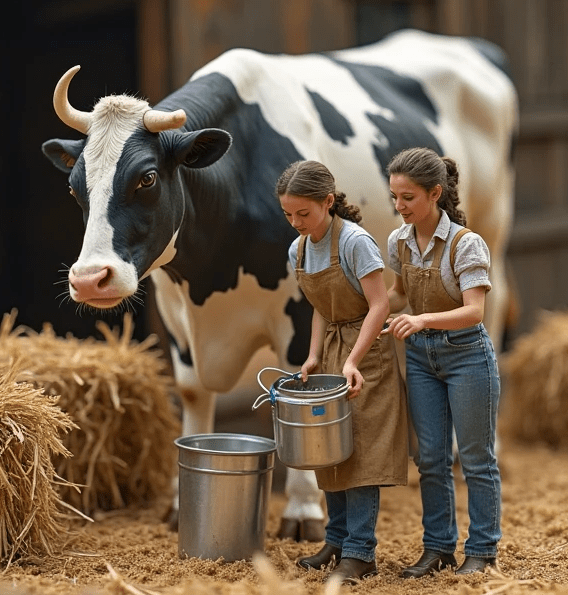
Nebraska Homestead Lifestyle: Living Close to the Land

Well now, if you’re reading this, you’re probably drawn to the good and honest work of living off the land. Maybe you’re dreaming of a little place to call your own—where cornfields meet the sky and the wind sings through prairie grass. That’s the Nebraska way. Out here, we don’t fuss over the fanciest gadgets or city-slicker trends. We value sweat on the brow, calloused hands, and the quiet reward of self-sufficiency. It ain’t always easy, but if you ask me, it’s worth every sunrise and every bite of homegrown food.

I reckon there’s no single way to homestead right. Every family carves out their own rhythm, shaped by the seasons and the soil. But over the years, I’ve picked up a fair bit of know-how that’s kept our little place running, and I’m mighty happy to pass it along. Whether you’ve got a full 160 acres or just a backyard with a chicken coop, these skills and hacks will make your homestead strong, efficient, and true to the Nebraska spirit.

15 Homestead Skills Every Nebraskan Should Know

  1. Gardening (Year-Round Planning)
    You can’t rely on the store when you’re 40 miles from town. Knowing how to plan a four-season garden is key—rotating crops, starting seeds indoors, and building cold frames for winter greens.
  2. Canning and Food Preservation
    When the tomatoes come on, they really come on. Knowing how to can, dehydrate, pickle, and ferment keeps our pantry full all year long.
  3. Seed Saving
    Store-bought seeds work, sure, but saving your own from heirlooms means stronger crops, adapted to your soil and weather. Plus, it saves a heap of money.
  4. Animal Husbandry
    Raising chickens, goats, or even a few head of cattle means milk, eggs, and meat without a trip to town. You learn a lot about life and death, too—this work keeps you grounded.
  5. Composting and Soil Building
    You can’t grow much in clay or sand unless you feed your soil. Compost, manure, and cover crops are the real currency on a Nebraska homestead.
  6. Fence Building and Repair
    Wind and critters don’t take a break. A good stretch of barbed wire or woven wire, well-maintained, keeps your livestock in and the coyotes out.
  7. Rainwater Harvesting
    Out here, water’s precious. We’ve got barrels, cisterns, and gutters working double-time. Every drop counts when summer gets dry.
  8. Basic Carpentry
    You don’t need to be a master, but knowing how to build a shed, repair a barn, or even patch your chicken coop goes a long way.
  9. Butchering and Meat Processing
    Slaughter day’s not for the faint of heart, but it’s part of the circle of life. Processing your own meat gives you pride and peace of mind.
  10. Soap and Candle Making
    Old-fashioned? Maybe. But handmade soap and beeswax candles are useful, especially when storms knock out the power.
  11. Root Cellaring
    Before fridges, we had root cellars. And guess what? They still work. With the right space and setup, you can store squash, potatoes, onions, and more for months.
  12. Sewing and Mending
    Out here, you don’t toss jeans because of a hole in the knee. A needle and thread (and maybe an old Singer machine) are all you need.
  13. Mechanical Repair and Maintenance
    Tractors, generators, and even a busted hand pump—if you can’t fix ’em, you’re in trouble. Learning engines and tools is essential.
  14. Foraging and Wildcrafting
    Nature offers more than we think. From mulberries and chokecherries to wild mint and lamb’s quarters, knowing your local wild edibles is a treat.
  15. First Aid and Herbal Remedies
    Sometimes, it’s an hour or more to the nearest clinic. Having a good first aid kit and knowing how to use yarrow, plantain, or comfrey can make all the difference.

3 DIY Homestead Hacks for Tough Nebraska Living

1. The “Thermal Mass Rocket Heater” Trick
When propane prices spike and the wind’s howling, it helps to have a backup heat source. A homemade rocket heater, built from fire bricks and a barrel, burns hot and efficient with very little wood. Add thermal mass—say, cob or stone—around the flue to soak up heat and radiate it all night. We built ours in the greenhouse, and it keeps the frost off the kale even in January.

2. Recycled Pallet Tool Shed
Every homesteader’s got an overflowing tool corner. I put mine in order using nothing but free pallets from the local feed store. Cut and screw ’em together for a quick, rustic shed that keeps shovels, hoes, and fencing tools right where you need ’em. It won’t win any beauty contests, but it sure is handy.

3. Solar-Powered Electric Fencing on a Budget
Coyotes are clever and hungry, and so are raccoons. We built a solar-powered electric fence around our chicken yard using a cheap solar charger, step-in posts, and polywire. It cost less than $200 total and has saved us more in eggs and meat than we can count. The sun does the work, and the hens stay safe.


A Final Word from the Prairie

Homesteading in Nebraska isn’t just a lifestyle—it’s a legacy. Our great-grandparents came here in covered wagons, braving storms, droughts, and locusts to stake a claim and make it stick. We’re still writing that same story, just with a few more tools and a whole lot of heart.

There’ll be hard days. Droughts, busted equipment, sick animals. But there’ll be days when the corn tassels glow gold in the light, when you pull a fresh pie from the oven made with your own apples and lard, when the first lamb stands up on wobbly legs and bleats in the sunshine. Those are the days that remind you why you chose this life.

So, roll up your sleeves, sharpen your hoe, and keep your boots muddy. You’re part of a proud tradition now. Nebraska might not offer the easiest land, but it offers something better: the chance to live honest, work hard, and raise something real.

Welcome home, neighbor.

Welcome to My Kansas Homestead (Now Get Off My Lawn)

Listen, I didn’t move out to the middle of nowhere to deal with HOA regulations, TikTok garden tours, or nosy neighbors with opinions about my chicken coop. I came out here to build a life—one rooted in dirt, sweat, and the kind of hard work that most people wouldn’t touch with a ten-foot pole.

But you know what’s worse than a Kansas tornado ripping through your property in April? People with zero skills and shiny boots acting like homesteading is some Instagram aesthetic. This ain’t a curated lifestyle—it’s war, and the enemy is everything from drought to raccoons to tractor maintenance.

Now don’t get me wrong—I’m not mad at the land. I love this land. I wake up every morning with the prairie wind slapping me in the face like a cold coffee and I thank it for reminding me I’m alive. But if you’re thinking about starting a homestead here in Kansas, let me give you a cold, hard, mud-caked dose of reality—and maybe you’ll walk away a little wiser (and a little more respectful of people who actually live this life).

15 Skills Every Kansas Homesteader Needs (Or You’ll Fail Faster Than a Solar Panel in a Dust Storm):

  1. Seed Starting – Learn it. Master it. If you can’t sprout a tomato, go back to the city.
  2. Composting – Turn that kitchen slop into black gold. We don’t throw away nutrients out here.
  3. Animal Husbandry – Chickens, goats, pigs, and cows don’t raise themselves. If you don’t know what a broody hen is, you’re already behind.
  4. Canning & Food Preservation – If you don’t want your harvest rotting in a week, get friendly with a pressure canner.
  5. Basic Carpentry – Because hiring someone to fix your barn roof is for millionaires.
  6. Fence Building & Repair – Kansas winds will humble your fence real fast. Build it strong or build it twice.
  7. Rainwater Collection – When July hits and the sky forgets how to cry, you’ll wish you had barrels.
  8. First Aid – For animals and humans. Because the nearest vet or clinic might be 40 minutes away.
  9. Wildlife Identification – Know the difference between a coyote and your neighbor’s mangy dog.
  10. Butchering – If you’re not ready to process your meat, then don’t raise animals.
  11. Mechanical Repair – Tractors, chainsaws, and generators break down. Constantly. Learn to fix them or bleed money.
  12. Foraging – Kansas has wild edibles galore. If you don’t know what lamb’s quarters are, you should.
  13. Beekeeping – You want pollination? You want honey? Time to make friends with bees.
  14. Bread Making – Because there’s something deeply wrong about store-bought bread in a homemade kitchen.
  15. Firewood Splitting – Winters can be brutal. If you think electric heat is reliable, wait for your first ice storm blackout.

3 Homestead Hacks They Won’t Teach You on YouTube:

Hack #1: The “Solar-Shed Hybrid”
Build a small outbuilding that serves both as a tool shed and a solar battery house. Insulate it well, mount solar panels on top, and use it to store backup batteries, hand tools, seeds, and a deep freezer. Why waste space when everything can serve a dual purpose? Kansas gets a ton of sun—harness it.

Hack #2: The Chicken Coop Water Heater (No Electricity)
Use an old black-painted metal barrel filled with water and set it inside your chicken run—covered during summer, uncovered in winter. The sun heats it up during the day, and it radiates warmth at night, keeping your coop from freezing just enough. Kansas winters are no joke, and this passive heat source can mean the difference between frozen eggs and laying hens.

Hack #3: Firewood Seasoning Rack Made from Old Pallets
Kansas wind is hellish—but you can use it. Stack firewood on a base of pallets and build an angled windbreak using more pallets on the west side. The airflow will dry your wood faster than a kiln if you angle it right. Free pallets + Kansas wind = seasoned wood in half the time.


Now let’s talk about the romanticized crap people believe about homesteading.

People think living on a Kansas homestead means sipping sweet tea on a wraparound porch while chickens peck playfully at your feet. Let me tell you what those chickens actually do: they escape, crap on your porch, and eat your freshly planted lettuce the second you turn your back. But you know what? I still love the little monsters.

You think crops don’t fail? Kansas gets 100-degree heat in summer and freak snow in April. You’ll spend weeks babying your seedlings only for a late frost to punch you in the face like a drunk uncle at a family reunion.

You better learn to love failure, because it’s coming. Your first garden will be trash. Your first goat will outsmart you. And you’ll wonder—more than once—why the hell you didn’t just stay in town and pay $6 for organic lettuce like a sucker.

But then—then—something magical happens. You get better.

The kale grows. The hens lay like clockwork. Your compost pile smells like success. You find yourself butchering a chicken with precision, baking sourdough from your own starter, and fixing a busted well pump in 20 minutes with duct tape and willpower.

And that’s when you realize: this life isn’t supposed to be easy. It’s supposed to make you tough.

Homesteading in Kansas will either break you or build you into the kind of person who can dig a trench in a hailstorm while laughing maniacally and quoting Joel Salatin.

It teaches you everything school forgot—self-reliance, grit, adaptability, and how to deal with death, birth, and weather like a stoic philosopher with a side of rage.

So if you’re thinking of becoming a Kansas homesteader, here’s my advice: Don’t do it for likes. Don’t do it for the vibe. Do it because you want freedom—real freedom—the kind that comes with blistered hands, overflowing pantries, and the ability to look a winter storm in the eye and say, “Bring it.”

If that sounds like your kind of life, then welcome. Otherwise, keep your shiny boots on the porch and your opinions in the city.

We’ve got work to do.

Kentucky Homestead Lifestyle

Let me tell y’all something right now: if one more person tells me homesteading is “just a cute hobby,” I might just throw a cast iron skillet through the wall of my root cellar. This ain’t a trend. This ain’t some TikTok fantasy where you frolic in wildflowers and collect eggs in a gingham dress while sipping kombucha. This is real life, and here in Kentucky, it’s blood, sweat, blisters, frostbite, and the kind of grit most folks wouldn’t recognize if it slapped them upside the head with a bag of feed.

Homesteading is not for the faint of heart. It’s for the tough, the tired, the stubborn-as-hell, and the people who understand that freedom comes from getting your hands in the dirt—not just talkin’ about it online.

I’ve built this Kentucky homestead from the red clay up with nothing but calloused hands, hard lessons, and a whole lot of failures. If you’re gonna live this life, you’d better be ready to learn skills they sure as hell don’t teach in schools anymore. And if you think it’s just about mason jars and chicken coops, think again.

Let me break it down for you. Here are 15 non-negotiable skills every Kentucky homesteader better damn well learn, or else they’ll be up a creek without a paddle, a chicken, or a crop.


🛠 15 Hard-Earned Kentucky Homesteading Skills

  1. Seed Starting & Soil Blocking – If you’re buying starts from Tractor Supply every spring, you’re doing it wrong. Learn to start your own with soil blocks, save your heirloom seeds, and get ahead of the late frosts that love to sneak up in March.
  2. Basic Carpentry – From chicken tractors to compost bins to cold frames, you have to know how to use a saw and a drill. Or go broke paying someone else.
  3. Canning & Preservation – Canning ain’t just some Depression-era nonsense. It’s how you survive the winter with dignity. Water bath, pressure canning, pickling—it’s not optional.
  4. Butchering Livestock – Don’t raise meat birds if you can’t bring yourself to butcher ’em. It’s part of the cycle. Learn to do it quick, clean, and with respect.
  5. Composting – You can’t buy your way into good soil. Compost is black gold, and anyone who thinks it’s “gross” ain’t never grown a real tomato.
  6. Beekeeping – Our Kentucky springs are sweet and wild—perfect for bees. Keep ‘em happy and healthy, and they’ll reward you with pollination and honey money.
  7. Soap Making – Store-bought soap is full of junk. Lard, lye, and lavender oil can keep you cleaner and more independent than any overpriced organic nonsense.
  8. Fermentation – Sauerkraut, sourdough, kefir—your gut will thank you and so will your pantry.
  9. Rainwater Harvesting – We get plenty of rain, but that don’t mean it’s always where you need it. Save it, store it, and never take a storm for granted.
  10. Fence Building – If you can’t build a fence, don’t even think about owning animals. Period.
  11. Animal Husbandry – Chickens, goats, rabbits, pigs. Know what they eat, how they behave, when they’re sick, and how to birth and butcher. Don’t romanticize it.
  12. Chainsaw Use & Safety – You live in Kentucky. You’ll need firewood. Trees will fall. Limbs will break. Learn to use a chainsaw or end up crushed or cold.
  13. Food Forest & Perennial Planting – Don’t replant every damn year. Elderberries, asparagus, comfrey, and pawpaws—put in the work once and reap the rewards for decades.
  14. First Aid & Herbal Remedies – Nearest hospital’s 45 minutes away, and that’s if the holler’s dry. Know your herbs. Know how to splint a break or stitch a cut.
  15. Mechanical Maintenance – Your tractor, tiller, and generator will break—usually in the rain, in the mud, and on a Sunday. Know how to fix them or freeze trying.

🔧 3 DIY Homestead Hacks That’ll Save Your Sanity

Now let’s get down to business with three DIY hacks I swear by—tried, tested, and perfected in the bluegrass backwoods.


1. Insulated Root Cellar from an Old Freezer

Don’t toss that busted chest freezer—bury it instead.

  • Dig a pit in a shaded, north-facing slope.
  • Drop that freezer in, lid up.
  • Cover the top with a few bales of straw and a pallet for weight.
  • Boom: instant root cellar for potatoes, carrots, apples, or squash. Keeps cool year-round.

You’ll save energy, money, and space—and you won’t be running up your electric bill just to keep some carrots crisp.


2. Gravity-Fed Chicken Watering System

Tired of your poultry knocking over their waterers or freezing ‘em solid? Build a gravity-fed watering system with:

  • A 5-gallon bucket with a lid.
  • A length of clear tubing.
  • Some poultry nipples or cups.
  • Mount it slightly uphill and use gravity to keep water flowing.

Add a black hose coiled in the sun to help keep it thawed in the colder months. You’ll spend way less time hauling water and more time watching healthy, hydrated hens.


3. Solar Dryer Made from Old Windows

Those antique windows collecting dust in your barn? Don’t trash ‘em—turn ’em into a solar dehydrator.

  • Build a simple wooden box frame.
  • Line it with mesh racks.
  • Mount the window on top, angled toward the sun.
  • Vent holes on the bottom and top (with bug screen!).

Perfect for drying herbs, mushrooms, apples, and jerky—without depending on the grid or a noisy dehydrator.


Now listen—Kentucky is a special kind of place. We’ve got unpredictable weather, stubborn soil, and more ticks than I care to count. But we’ve also got resilience, community, and a long legacy of self-sufficiency. You can’t fake this lifestyle. You live it, or you don’t. You respect the land, or it eats you alive.

I don’t want to hear about how “hard” it is to find raw milk or how your zucchini didn’t grow because you forgot to mulch. You want it? Then earn it. Show up every day, even when it’s 95 degrees and the goats got out again. Even when the canner breaks and your rooster tries to kill you. Even when no one understands why you live like this.

You live like this because you believe in something deeper: independence, stewardship, legacy.

So no, homesteading ain’t cute. It’s not easy. It’s not always fun.

But damn if it isn’t worth every drop of sweat, blood, and rain-soaked effort.

The Real Nevada Homestead Lifestyle — No Sugarcoating

Nevada’s no place for the faint-hearted. The desert sun bakes you by day, and the freezing wind cuts you to the bone by night. There’s no city water or electricity waiting for you to plug in, no grocery store five minutes down the road. You get what you earn here, and if you don’t like that, go back to your cushy apartment with your air conditioning and Amazon Prime deliveries.

Homesteading in Nevada means living off the land in one of the toughest climates this country has to offer. If you think you can just show up with some seeds and hope they grow, you’re dead wrong. It’s a brutal fight every single day. But, if you’re stubborn enough to stick with it, there’s no lifestyle that offers more freedom and self-reliance than this.


15 Essential Homestead Skills for Nevada Survivors

  1. Water Harvesting and Management: You’d better know how to collect, store, and ration water. Rain’s rare, so you learn to catch every drop, dig wells if you can, and recycle water like your life depends on it — because it does.
  2. Solar Power Setup: Forget waiting for the power company. Learn how to install and maintain solar panels. The Nevada sun’s relentless, so why waste it? Solar energy is your lifeline.
  3. Basic Carpentry: Building your own shelter, fences, and storage is not optional — it’s survival. You need to measure, saw, hammer, and build sturdy structures that can withstand harsh desert winds.
  4. Gardening in Arid Conditions: Growing anything in dry Nevada soil is an art. You need to know how to prepare the soil, mulch like a madman, and pick drought-resistant crops.
  5. Canning and Food Preservation: When your garden produces, you better know how to preserve that bounty. Canning, drying, fermenting — all critical to making it through lean months.
  6. Animal Husbandry: Raising chickens, goats, or rabbits is a must. You’ve got to feed them, care for them, and harvest eggs, milk, or meat to sustain your family.
  7. Hunting and Trapping: Don’t rely on stores. Learn to hunt local game and trap small animals. Know the seasons, tracks, and how to clean your kill properly.
  8. Blacksmithing or Basic Metalworking: Sometimes you need to fix tools, make nails, or create hardware out of nothing. Knowing how to work metal can save your homestead.
  9. Fire Starting: Matches fail. Lighters run dry. Learn friction fire starting or using flint and steel. If you can’t make fire, you won’t eat or stay warm.
  10. Herbal Medicine: The desert has cures hidden in plain sight. Knowing which plants treat burns, cuts, or stomach issues can mean the difference between life and death.
  11. Permaculture Design: Creating a sustainable, self-regenerating ecosystem around your homestead means less work long-term and a better chance of survival.
  12. Basic Plumbing: Setting up water lines, fixing leaks, and managing greywater systems will keep your water running without costly professionals.
  13. Sewing and Repair: Clothes and gear wear out fast. Knowing how to patch, mend, or even make your own clothes saves money and keeps you functional.
  14. Soap Making: Cleaning yourself and your clothes without running water or store-bought products means you better know how to make soap from scratch.
  15. Food Foraging: Knowing what wild plants, nuts, and berries are edible and how to gather them without poisoning yourself is a must-have skill.

3 DIY Nevada Homestead Hacks to Save Your Hide

Hack #1: The Solar Still for Water Purification

If you find yourself out in the wild with questionable water, build a simple solar still. Dig a hole, place a container in the middle, cover the hole with plastic, and put a small rock in the center of the plastic so it dips down over the container. The sun’s heat evaporates the water, and it condenses on the plastic, dripping clean water into your container. This little contraption can mean clean drinking water when you thought you were done for.

Hack #2: The Desert Hugelkultur Garden Bed

Nevada’s soil sucks, but you can improve it with hugelkultur — basically, burying wood logs under a mound of soil. The wood slowly decomposes, storing moisture and nutrients. This garden bed stays hydrated longer and feeds your plants naturally. It’s a game-changer for drought conditions and poor soil.

Hack #3: DIY Windbreak Fence

Wind here isn’t just annoying; it kills your crops and wears down your home. Make a cheap windbreak by stacking pallets and filling the gaps with brush or scrap wood. Plant native bushes along the fence line, and you’ll have a shelter that protects your garden and homestead from those biting desert winds.


Why I’m Angry? Because Homesteading Ain’t No Weekend Hobby

I’m sick and tired of hearing city slickers romanticize this life. “Oh, just grow your own food and live off the land,” they say. Like it’s that easy. In Nevada, your water runs out, your soil won’t grow a carrot to save your life, and your tools break faster than you can fix them.

You don’t get to rest when you live this way. Every day is a battle against the elements, pests, and your own exhaustion. If you don’t get up and tend your garden at dawn, the heat will kill your plants before lunch. If you slack on checking your water storage, you might not have a drop left when you need it. Every homesteader I know out here has scars — physical and mental — earned from this hard-ass land.

But here’s the kicker: despite the anger, despite the hardship, there’s no way I’d give it up. Because this is freedom. This is self-sufficiency. This is the rawest, purest form of living that humbles you and makes you a real human being again.


What You Need to Know Before You Even Dream of Nevada Homesteading

  • Prepare to Be Alone: Out here, neighbors might be miles away. You’ll rely on yourself and your family. Learn to be comfortable with solitude — or learn how to shoot a rattlesnake fast.
  • Expect Equipment Failures: Your tractor will break, your solar panels will need cleaning, your water pump will seize. Learn how to fix things or live with broken gear.
  • Respect the Wildlife: Coyotes, snakes, scorpions, and spiders share this land. Know how to avoid or deal with them without losing your mind or your toes.
  • Master Time Management: Homesteading demands time and discipline. You can’t just take a day off. If you fall behind, you’ll pay for it with spoiled food, lost crops, or sick animals.
  • Learn From Your Mistakes: This land will teach you lessons—sometimes harsh ones. But if you listen, you’ll get better, and you’ll build something that lasts.

Final Word — Nevada Homesteading Ain’t for Cowards

If you want to homestead in Nevada, stop dreaming about idyllic farm scenes and start preparing for battle. It’s a fight against drought, heat, cold, and your own limits. But when you learn the skills, use the hacks, and grind through the tough days, you’ll have something no one else does: real independence.

The Nevada homestead lifestyle is a brutal, beautiful struggle. If you’re angry, good — let that anger fuel your work. If you’re scared, good — let that fear sharpen your resolve. And if you’re stubborn as hell, well, then maybe you’re cut out for this life.

Because out here, it’s do or die. And I’m here, still standing — angry, hard-working, and proud as hell.

This Ain’t Pinterest: Real Talk from a South Dakota Homesteader

Let me tell you something right now: if you think homesteading in South Dakota is all sourdough starters, chickens in cute aprons, and sun-dappled Instagram reels, you’re dead wrong. This ain’t some aesthetic lifestyle trend. This is hard, raw, gut-punching work. It’s frostbitten fingers, mud-caked boots, and waking up at 4:30 a.m. to milk goats in a -20°F blizzard while the wind rips through your soul like a rusty saw.

I’m not here to coddle you. I’m here to warn you — and, yeah, maybe light a fire under your backside. Because if you’re dreaming about “going off-grid” without knowing how to keep your pipes from freezing solid or your chickens from keeling over in the heat, you’ll get chewed up and spit out by South Dakota faster than you can say “sourdough discard.”

Let’s start with the weather, because Mother Nature out here doesn’t give a damn about your plans. Winter will try to kill you. Summer will try to dehydrate you. Spring is a cruel joke, and fall lasts about 12 minutes before winter kicks the door down again.

If you’re gonna survive here, you better get serious.

Here are 15 homesteading skills you’d damn well better know if you want to keep your sanity and your livestock alive in this state:

  1. Basic Carpentry – You’ll be fixing fences, building coops, and patching barns. No time for YouTube tutorials when your roof’s blown off in a storm.
  2. Animal Husbandry – Not just cuddling goats. I’m talking birthing, deworming, castrating, and dealing with an unexpected chicken massacre at 2 a.m.
  3. Seed Saving – Because next year’s food depends on this year’s seeds. Don’t trust Big Ag to bail you out.
  4. Composting – You’re gonna generate waste. Learn to turn it into black gold or you’ll drown in chicken crap.
  5. Butchering – If you can’t kill and process what you raise, you’ve got no business raising it.
  6. Water Management – Wells freeze. Hoses crack. You better know how to move, store, and thaw water without burning your house down.
  7. Soap Making – You will get filthy. Might as well smell like goat milk and lye while you do it.
  8. Canning & Preserving – Freezers aren’t dependable when the power cuts out for three days in a whiteout.
  9. Firewood Chopping – Forget electric heat. You’ll need cords of wood and the strength of a bear to stay warm out here.
  10. First Aid – The ER isn’t next door. You better know how to stitch, splint, and stop bleeding on your own.
  11. Foraging – Not every meal will come from your garden. Learn your wild edibles — chokecherries, morels, lamb’s quarters.
  12. Solar/Energy Know-How – Grid down? Windstorm take out the lines? Your backup better work, or you’re toast.
  13. Fencing – Livestock can’t stay in a dreamcatcher circle. Barbed wire, electric — learn it, use it, respect it.
  14. Mechanical Repair – Tractors, tillers, and generators break down. You need to be able to tear ‘em apart and put ‘em back together.
  15. Weather Forecasting (Old School) – If you wait for the weatherman, you’re already three days behind. Watch the sky. Smell the wind.

And don’t get me started on the DIY hacks — because out here, there’s no running to Lowe’s every time a hinge snaps. You rig it, you fix it, you improvise like your great-grandpa did. Here are three of my favorites that have saved my bacon more than once:


DIY Homestead Hack #1: The Heated Water Bucket on a Budget

Forget paying $50 a pop for fancy heated buckets. Take an old cooler, run a heated stock tank de-icer through the lid, seal it with silicone caulk, and boom — insulated, heated water bucket that keeps your animals hydrated even when it’s colder than a banker’s heart.


DIY Homestead Hack #2: Windbreak Wall from Pallets

South Dakota wind will drive you to madness if you let it. Stack free pallets, bolt them together, anchor them with t-posts, and fill the gaps with straw bales or snow. You’ll cut the wind chill for your animals and keep your coop from becoming a popsicle overnight.


DIY Homestead Hack #3: Egg Carton Fire Starters

Take your leftover egg cartons, fill the cups with dryer lint or sawdust, then pour melted candle wax or bacon grease over the top. Let ’em cool, then break off one or two when you need to light a fire fast — even in howling prairie wind.


And now, a word about expectations. Homesteading in South Dakota isn’t a weekend hobby. It’s not a way to “unplug” or “reconnect with nature.” It’s a full-blown life commitment, and it will test every part of your body and brain.

You will cry over dead piglets. You will rage at frozen pipes. You will feel like a failure at least once a week. But if you stick it out, there’s something deeper here. Something solid. Something that doesn’t blow away with the next windstorm.

Because when you finally harvest that first meal — every bite grown, raised, or foraged by you — it’ll taste better than anything you ever bought at a store.

When your kids learn to fix a fence before they learn to text, or when your partner brags about their pickled beets like they just won a blue ribbon at the state fair — you’ll know you’re doing something that matters.

We aren’t living in the past — we’re reclaiming the skills the world forgot. The ability to be independent. The courage to be prepared. The guts to face a world that thinks we’re crazy for wanting to work this damn hard.

So yeah, maybe I’m angry. I’m angry at a society that thinks we’re backward for wanting to know where our food comes from. I’m angry at every influencer who romanticizes this life but never shows the blood, frostbite, or exhaustion.

But most of all, I’m angry that more people don’t realize they can do this. You don’t need 100 acres. You don’t need a trust fund. You need grit, knowledge, and the humility to learn.

So get out there. Chop wood. Raise pigs. Plant seeds. Fail, learn, and keep going.

Because the wind may blow, the frost may bite, and the state may try to bury you — but out here, we endure.

Iowa Homestead Lifestyle: Where Grit Meets Gut and No One’s Got Time for BS

Listen here, city slickers and wannabe farmers: homesteading in Iowa ain’t no stroll through a cornfield in spring. It’s blood, sweat, and damn near everything in between — and if you don’t come prepared with grit and a backbone, you’re gonna fail. Fast. I’m sick of hearing how easy this all looks on those pretty YouTube channels or in some “simple living” blog. No. Just no.

Iowa’s rich soil might be a blessing, but don’t let that fool you. The weather here will whip your ass — freezing winters, scorching summers, and storms that’ll tear up your whole damn place if you ain’t ready. If you want to live this lifestyle right, you better learn the skills and hacks that make survival and success possible. So buckle up, because I’m about to lay down the truth on 15 essential homestead skills every Iowa homesteader needs, plus three DIY hacks to keep you rolling when the world’s trying to screw you over.


15 Essential Homestead Skills for Iowa Homesteaders

  1. Soil Testing & Amendment
    Don’t just plant and pray. If you want crops to grow in this dirt, you need to test the soil for pH and nutrients, then add lime, compost, or manure accordingly. Lazy gardeners get no harvest here.
  2. Crop Rotation & Companion Planting
    Iowa’s soil gets tired if you don’t rotate your crops year to year. Plus, planting the right combos like beans with corn keeps pests at bay without chemicals.
  3. Seed Saving
    Stop buying seeds every damn season. Learn to save and store your own seeds. It’s survival insurance and money saved — and you’ll be thanking yourself when that seed company jacks prices up.
  4. Chicken Raising
    If you think chickens just roam and lay eggs, think again. You’ve gotta know how to build secure coops, manage feed, fend off predators, and handle sickness. This ain’t a petting zoo.
  5. Butchering & Meat Processing
    If you raise animals, you better know how to process them yourself. No one’s coming to hold your hand or do it for you. It’s bloody work but necessary if you want real food freedom.
  6. Preserving Food
    Canning, drying, fermenting — if you’re not preserving your harvest, you’re wasting it. Iowa’s growing season’s short; you gotta eat well all winter.
  7. Firewood Gathering & Splitting
    Heating a homestead in Iowa’s winter ain’t cheap. Learn to cut, split, and stack firewood properly — or freeze your ass off.
  8. Basic Plumbing Repair
    I’ve seen too many folks call a plumber for every drip or clogged pipe. Learn to fix leaks and maintain your water system. It’ll save you money and headaches.
  9. Fence Building & Maintenance
    Whether you’re keeping critters in or pests out, a solid fence is a must. Know how to build and repair fences fast because Iowa’s wildlife will test your defenses daily.
  10. Tractor & Equipment Maintenance
    If you’re running a tractor, mower, or tiller, you better know how to keep it running. No mechanic on call for you when you’re 20 miles from town.
  11. Rainwater Harvesting
    Iowa gets its share of droughts despite all the rain. Catch and store water for irrigation and chores — it’s a lifesaver.
  12. Soap Making
    Yeah, soap. Making your own is cheaper, chemical-free, and a step toward true self-reliance. Plus, nothing beats homemade soap for hard-working hands.
  13. Basic Carpentry
    Fix your roof, build your coop, repair your porch — you need carpentry skills or you’ll be stuck waiting on contractors who’ll charge you an arm and a leg.
  14. Herbal Medicine & First Aid
    When the nearest clinic is miles away, knowing which herbs soothe a fever or stop bleeding is worth more than gold.
  15. Composting
    Iowa’s dirt can be good but it ain’t perfect. Building and maintaining a compost pile recycles waste and builds rich soil. No compost, no crops — simple as that.

3 DIY Homestead Hacks That’ll Save Your Ass on an Iowa Homestead

Hack #1: DIY Chicken Coop Predator Proofing
Raccoons, foxes, coyotes — they’re relentless here. Wrap the bottom of your coop with hardware cloth buried at least a foot underground in an L shape outwards. No digging under, no tearing through. Cheap, simple, and keeps your hens alive.

Hack #2: DIY Worm Compost Bin
Don’t buy expensive worm bins. Take an old plastic storage container, drill some holes for airflow and drainage, add bedding like shredded paper and kitchen scraps, then throw in worms. You get black gold compost for your garden without spending a dime.

Hack #3: Plastic Bottle Drip Irrigation
Iowa’s summer heat can fry your crops if you’re not watering right. Take empty plastic bottles, poke small holes in the cap, bury them neck-down near plant roots, and fill them with water. Slow, deep watering that saves time and water.


Why Iowa Homesteading Is Not for the Faint of Heart

Look, I don’t sugarcoat this shit. Iowa homesteading means getting your hands dirty and not complaining when the weather wrecks your garden, or the tractor breaks down, or your chickens go missing overnight. It’s not a weekend hobby — it’s a lifestyle that will chew you up if you’re half-assed.

But here’s the damn truth — when you learn these skills and get those hacks down, you gain a freedom that no city life can offer. You grow your own food, raise your own meat, build your own shelter, and survive off the land on your own terms. There’s nothing more satisfying.


A Day in the Life on an Iowa Homestead

You wake up before dawn, pull on your boots, and head outside. First task: check the chickens. That coop better be intact, eggs collected, feed topped off. Then it’s out to the garden, pulling weeds, inspecting for pests. Your compost pile needs turning today, so grab the pitchfork. You check the rain barrels; water’s running low — maybe time to move the irrigation system to that patch of corn.

Midday means fixing the fence that the deer crashed through last night. You patch holes, hammer new posts, and secure the wire tight. You’re exhausted but no time to rest. Next up is the soap batch you started last night — time to mold and set it. Then you haul firewood inside for the coming cold.

At sunset, you sit on your porch, the smell of fresh-turned earth and woodsmoke heavy in the air, knowing that every drop of sweat is a brick in the foundation of your independence. You may be tired, but dammit, you’re alive and you’re doing it your way.


Final Words for the Iowa Homesteader

If you’re thinking about homesteading here, know this: You’re signing up for hard work, stubborn lessons, and days when everything breaks at once. But with the right skills, the right attitude, and a few clever hacks, Iowa homesteading can be the most rewarding, grounding, and life-changing thing you ever do.

So get your hands dirty, learn every damn skill you can, and build your homestead like your life depends on it — because it does.

Maine Homestead Lifestyle

Maine Homestead Lifestyle: A Gritty Rant from an Angry Homesteader

Listen here, if you think homesteading in Maine is some romantic little getaway where you sip maple syrup and bask in autumn leaves, you’re dead wrong. Maine isn’t some lazy dreamland — it’s a wild, harsh, relentless beast that’ll chew you up and spit you out if you don’t know what the hell you’re doing. I’m here to tell you straight: if you don’t come prepared with backbone and know-how, you might as well pack it up and head back to the city.

You think it’s cute, the idea of a quiet life off-grid with the loon calls and the snow piling high? Yeah, well, the snow doesn’t just pile — it buries you. And the wind? It’ll cut through you like a rusty saw blade. So, if you’re gonna survive this Maine homestead lifestyle, you better get ready to work harder and smarter than you ever have in your life.

1. Firewood Cutting & Splitting

First off, no heat means no life. You better be a master woodsman who can fell trees with precision and split firewood like a demon. Maine winters last forever, and the cold sneaks into your bones if you slack off. There’s no “just turn on the heat.” You’re the heat. Chainsaw skills, axe work, and stacking wood neatly for months of burning — that’s your lifeline.

2. Food Preservation

Canning, pickling, drying — if you don’t know how to put away food for the long haul, you’re gonna starve come February. Maine’s growing season is short, and the grocery store ain’t always a quick run. You’ll want to learn pressure canning for meats and beans, water bath canning for fruits, and how to properly dry herbs and veggies.

3. Gardening & Crop Rotation

Planting in Maine soil isn’t just throwing seeds in the dirt. You’ve got to know your frost dates, prepare the soil with compost, and rotate crops so the earth doesn’t get sick. Carrots, kale, potatoes, and cold-hardy greens are your bread and butter. Get your hands dirty and your mind sharp.

4. Animal Husbandry

Chickens, goats, maybe a cow if you’re brave — you’ve got to keep your livestock healthy, safe from predators, and productive. That means fencing, feeding, knowing the signs of sickness, and handling births. I don’t care if you’re allergic to feathers or terrified of cows; it’s part of the deal.

5. Butchering & Meat Processing

Don’t come crying if you can’t butcher a chicken or process a deer. Maine’s got plenty of wild game, and if you’re not skilled in breaking down meat and preserving it, you’re wasting valuable calories. This skill takes guts, literally, and some serious stomach.

6. Water Management

Wells, rain catchment, and filtration systems — if your water source freezes or gets contaminated, you’re dead in the water. No city pipes. You have to know how to dig, repair, and purify water on the fly.

7. Soap Making

This ain’t just a luxury; clean water is precious and limited. Learning to make your own soap from lye and fats is a skill that saves money and keeps your skin from cracking off in the cold.

8. Basic Carpentry

Shelter repairs, building coops, fences, or sheds — if you can’t swing a hammer and read a tape measure, you’ll be stuck in the cold rain while everything falls apart.

9. Metalworking & Tool Repair

You want to be dependent on a hardware store? Good luck with that, because the nearest one might be 40 miles away. Knowing how to fix your tools, sharpen blades, weld patches, or make simple hardware can save your ass.

10. Blacksmithing Basics

No joke — even rudimentary blacksmithing skills help in making and repairing nails, hooks, hinges, and horseshoes. The sound of the hammer on the anvil should be music to your ears.

11. Food Foraging

Maine’s wilderness can feed you if you know the edible plants, mushrooms, and berries. But one false bite can land you in the ER or worse. Learn what’s safe and what’ll kill you.

12. Preserving Seeds

If you’re not saving seeds from year to year, you’re throwing money and food away. Seed saving means you can keep your garden thriving year after year without buying new seeds.

13. Winterizing Structures

You think slapping some plywood on a window will keep you warm? Hell no. You need insulation knowledge, storm windows, and draft-proofing skills. Otherwise, you’re just heating the outdoors.

14. Root Cellaring

Learning to store potatoes, carrots, apples, and squash in a root cellar is crucial. It’s like a cold pantry that keeps your food fresh without electricity.

15. Basic Veterinary Care

When your animals get sick, you can’t just call a vet to swoop in next day. You better have some vet basics in your arsenal — identifying symptoms, administering shots, and doing minor treatments.


Now, I’m not just here to yell at you about how tough it is. I’m gonna throw some DIY homestead hacks your way, because if you want to keep your sanity and your homestead, you better get creative.


DIY Homestead Hack #1: Build a Rocket Mass Heater from Reclaimed Materials

Cold winters and firewood shortages are the perfect storm. Instead of burning your precious wood inefficiently, build a rocket mass heater using old bricks, barrels, and some scrap metal. This heater burns wood super hot, uses less fuel, and stores heat in a thermal mass that radiates warmth for hours. It’s a lifesaver when the temperature drops to bone-chilling lows.


DIY Homestead Hack #2: Create a Solar Dehydrator Using an Old Window Frame

Preserving food in Maine is a must, but electricity can be scarce or expensive. Grab an old window frame, some black-painted wood, and fine mesh screens to build a solar dehydrator. Place sliced fruits, veggies, or herbs inside, and let the Maine sun do the drying. It’s cheap, efficient, and easy to maintain.


DIY Homestead Hack #3: Rainwater Catchment with 55-Gallon Barrels and Downspout Diverters

Water is king in the homestead kingdom. Installing a rainwater catchment system using cheap barrels and modifying your roof’s downspouts can provide a reliable water source for your garden, animals, or emergency use. In Maine’s rainy climate, this can supplement your well water and reduce your risk during freeze-ups or droughts.


Look, Maine homesteading isn’t for the faint of heart. It’s a brutal, demanding lifestyle that tests every ounce of your patience and skills. If you want to make it here, you better be ready to face the cold, the bugs, the isolation, and the endless work.

No internet delivery guy is gonna bring you your groceries; no 24/7 store will keep your pantry full; no fancy heating system will save you without firewood. It’s just you, your hands, and the stubborn earth.

You gotta be tough, smart, and scrappy. Learn these skills, use these hacks, and most importantly, don’t give up. Maine might be a frozen hellscape half the year, but it’s also a place of freedom and rugged beauty if you’re willing to earn it.

So stop whining, pick up your axe, and get to work — because that Maine homestead lifestyle waits for no one.

Louisiana Homestead Lifestyle

You wanna talk about living off the land down here in Louisiana? You better be ready to get your hands dirty, sweat through the humidity, wrestle with mosquitos the size of your fist, and learn more skills than a city slicker’s ever dreamed of. This ain’t some vacation spot for weekend gardeners or “I’ll try it once” types. Homesteading in Louisiana is a tough, relentless lifestyle that’ll chew you up if you don’t come prepared—and stay prepared.

I’ve been living this swampy, humid, sun-baked, hurricane-rattled life for years now, and lemme tell you, it’s not for the faint-hearted. You want to thrive here, not just survive? You gotta master your craft and learn the skills that’ll make this muddy, crawfish-infested, alligator-friendly land work for you—not against you.


1. Soil Management and Raised Beds

If you think you can just plant crops straight into that Louisiana clay mud, you’re dead wrong. The soil here is heavy and waterlogged. You’ve got to build raised beds or amend your soil with plenty of organic matter and sand to keep those roots from drowning in the swamp. Ain’t nobody got time for soggy roots and rot.


2. Rainwater Collection and Management

With all the rain we get, you better learn how to catch it and store it. You need barrels, gutters, and a filtration system because relying on well water or city water in rural parts is a gamble. And when the dry spells hit, that stored water is your lifeline.


3. Swamp-Aware Planting

You want to grow stuff that survives humidity, bugs, and occasional flooding? You plant what’s native or adapted. Okra, sweet potatoes, collard greens, and blackberries thrive here. Forget your northern heirlooms—they’ll rot or wilt faster than you can say “bayou.”


4. Pest Control—Mosquito Edition

You think a little bug spray’s gonna save you? Ha! Learn to build mosquito traps, use natural repellents like citronella and lemongrass, and create a habitat that doesn’t breed swarms of the little bloodsuckers. Otherwise, you’ll be itching till kingdom come.


5. Butchering and Processing Game

Alligator, squirrel, duck, and deer aren’t just for tourists to gawk at—they’re food. You better learn to clean and process your game properly or risk wasting good meat. Ain’t nobody gonna bring your dinner ready-made out here.


6. Canning and Preserving

With all this bounty from garden and swamp, you’d be an idiot not to preserve it. Whether it’s pickled okra, smoked sausage, or homemade preserves, you need to know how to store food safely for leaner times.


7. Smokehouse and Meat Curing

Heat and humidity are a homesteader’s enemy—meat spoils fast. That’s why building a smokehouse and curing meat with salt or smoke is a must. I built mine from cypress wood scraps and it’s saved countless pounds of bacon and venison from rot.


8. Composting in Humid Climate

You can’t just toss scraps and hope for compost in Louisiana. You have to turn your pile often to avoid a stinky mess that attracts critters. Learn the right mix of browns and greens, or you’ll get nothing but swamp sludge.


9. Firewood Processing and Storage

Humidity means wood rots fast. You need to cut, split, and store firewood properly off the ground, covered but ventilated, or it’s worthless by winter. And yeah, you better have a chainsaw and axe skills.


10. Beekeeping for Honey and Pollination

Bees are essential, but they don’t just show up and set up shop. You have to build hives, manage swarms, and harvest honey carefully or risk losing your whole colony to disease or predators.


11. Waterproofing and Building Raised Structures

Flooding is real. You better build your coop, barn, and root cellar on stilts or raised foundations. Otherwise, you’ll be bailing water and losing all your hard work after every storm.


12. Fishing and Trapping

Swamps and bayous are loaded with fish and critters if you know how to catch ‘em. Learn to set trotlines, gig frogs, or trap crawfish and you’ve got a steady protein source. But be legal about it—or you’ll have the wildlife officers breathing down your neck.


13. Herbal Medicine and Natural Remedies

Forget the drugstore. You better know which swamp plants soothe bites, heal wounds, or knock down fevers. Elderberry, sassafras, and mint are staples around here. It’s survival, not luxury.


14. Chainsaw Safety and Maintenance

You will need to clear downed trees, chop firewood, and build fences. Chainsaws are a homesteader’s best friend—and deadliest enemy if you don’t respect ‘em. Learn to maintain and use them properly, or you’ll be in the ER before you know it.


15. Root Cellar and Cold Storage

The southern heat is brutal. Without electricity or air conditioning, you need to build a root cellar or a cool storage pit. It’s the difference between rotting veggies and keeping your harvest fresh for weeks.


Now, Let Me Share 3 DIY Hacks I’ve Used That’ll Save Your Hide on a Louisiana Homestead

Hack #1: Mosquito Trap from a 2-Liter Bottle

Cut a 2-liter soda bottle in half. Mix water, sugar, and yeast in the bottom half to ferment. Invert the top half, funnel side down, into the base. Tape it. Mosquitoes get in chasing the CO2 and drown. Cheap, easy, and you’ll get fewer bites.


Hack #2: Raised Garden Beds with Pallets and Clay Soil

Got clay soil? Use old wooden pallets, line them with cardboard, and fill with a mix of topsoil, sand, and compost. The pallets keep your beds contained and elevated, while the cardboard rots away, improving soil texture over time. Works like a charm.


Hack #3: DIY Solar Water Heater for Bathing

Build a solar water heater by painting a black garden hose coil and attaching it to a clear plastic sheet on a frame. Lay it in the sun all day, and you’ll have warm water for washing off mud and sweat without running up your utility bill.


Final Word

This ain’t no easy life, and if you think homesteading in Louisiana is just about pretty vegetable gardens and cute chickens, you’re dead wrong. It’s a battle every single day against humidity, pests, weather, and unforgiving soil. But you do it because you want independence, because you want to eat what you grow, and because you don’t want to be dependent on grocery stores that could disappear in a storm.

If you ain’t got the grit to learn these skills, if you ain’t ready to sweat, itch, and work your hands raw, then get out of the way for those of us who do.

Louisiana homesteading isn’t for the weak. But it’s the most real way to live—rooted in the land, tied to the seasons, and tough as cypress wood.


If you want me to break down any of these skills or hacks further, or if you want more ranting about the trials of this lifestyle, just say the word. But don’t come asking for sugarcoated nonsense. We’re homesteaders, not city folk on a nature retreat.

Oklahoma Homestead Lifestyle: The Grit, The Grind, and The Glory

Listen here, city slickers and wannabe homesteaders who think you can just up and plant a garden while sipping on your fancy lattes! The Oklahoma homestead lifestyle isn’t some cozy weekend hobby. It’s a damn full-time battle with the land, the weather, and every thorn and critter that dares cross your path. I’ve got dirt under my nails, blisters on my hands, and fire in my belly — because this life demands it. So before you go romanticizing the “peaceful country living,” hear me out: it’s hard, relentless, and requires skills you better learn or you’ll be eating dust come sundown.

15 Must-Know Homestead Skills for Oklahoma

  1. Water Management — Oklahoma’s weather swings like a wild bull. Droughts hit hard, and sudden storms flood the holler. Know your rainwater catchment, dig your wells, and set up irrigation systems that won’t quit.
  2. Soil Testing and Amendment — Your land isn’t just dirt; it’s your livelihood. Test that soil and amend it with compost, manure, and natural fertilizers. If you don’t know your pH and nutrient levels, you might as well throw your seeds into a dust bowl.
  3. Garden Planning and Crop Rotation — If you plant the same thing in the same spot year after year, you’re asking for pest infestations and soil depletion. Rotate your crops like a pro, and stagger your planting for a constant harvest.
  4. Seed Saving — Don’t just buy seeds every season like a city fool. Learn to save seeds from your healthiest plants. It’s the only way to build resilience in your garden and keep your costs down.
  5. Pest Control (Organic, of course) — I don’t mean dousing your garden in poison. Learn to attract beneficial insects, build traps, and use companion planting to keep pests at bay.
  6. Animal Husbandry — Chickens, goats, pigs, and cows aren’t pets — they’re work, and they’re your food source. Know how to feed, breed, and protect your livestock from predators and illness.
  7. Basic Veterinary Care — If your animals fall sick, don’t wait for a vet to arrive from the city. Know the basics of animal first aid, common illnesses, and natural remedies.
  8. Firewood Processing — You’ll need firewood for cooking, heat, and drying herbs or meat. Learn to fell trees, split wood, and stack it properly so it seasons right.
  9. Preserving Food — Can, dry, ferment, smoke — whatever it takes to keep your harvest from spoiling in Oklahoma’s unpredictable humidity.
  10. Tool Maintenance and Repair — Your tools are your lifelines. Keep them sharp, oiled, and ready. Broken plows, chainsaws, or hoes can mean disaster.
  11. Fence Building and Maintenance — You’re going to need strong fences to keep your animals in and predators out. Barbed wire, wooden rails, electric fencing — know how to build and repair all of it.
  12. Composting — Turn waste into black gold. Proper composting improves your soil and reduces trash. If you’re not composting, you’re wasting potential.
  13. Emergency Preparedness — Tornadoes, ice storms, and droughts don’t call ahead. Have a plan, stockpile essentials, and know your evacuation routes.
  14. Basic Carpentry — Build coops, barns, sheds, fences, or repair your home yourself. You can’t always wait for a contractor when the weather’s turning sour.
  15. Foraging and Wildcrafting — Oklahoma’s countryside is full of edible weeds, nuts, berries, and medicinal plants. Learn to identify and harvest these natural gifts without poisoning yourself.

3 DIY Homestead Hacks for Oklahoma Toughness

1. The Rain Barrel with Mosquito Mesh

Don’t let mosquitos breed in your precious rainwater catchment barrels! Take an old 55-gallon drum or any large container, cut an inlet for your downspout, and cover the opening with fine mosquito mesh secured with a tight-fitting lid. This keeps out debris and bugs while catching clean water for your garden. Bonus: paint the barrel dark to reduce algae growth.

2. Homemade Solar Water Heater

Why pay for propane or electricity when the sun’s beating down hard on your Oklahoma homestead? Grab some old black garden hoses, coil them up on a wooden frame, and place the whole contraption in direct sunlight. Connect one end to a water storage tank and the other to your outdoor faucet. You’ll have hot water for washing or even showering without spending a dime.

3. Chicken Tractor from Pallets

Don’t waste money on expensive chicken coops. Use free pallets (Oklahoma has plenty) to build a lightweight, movable chicken tractor. It protects your birds from predators while letting them graze fresh grass every day. Just nail the pallets together, add some chicken wire, and attach wheels or handles to move it around. Your chickens will be healthier, and your garden will thank you.


Why This Life Isn’t for the Faint of Heart

Here’s the truth, plain and simple: if you’re thinking about moving out to the Oklahoma countryside and living off the land without busting your back, dreaming about idyllic mornings on a porch with coffee in hand, think again.

Oklahoma is a land of extremes. The summers scorch you with triple-digit heat and brutal sun, the winters freeze your bones. Tornadoes carve the sky like hungry demons. The soil is either stubborn clay or dusty sand, and critters from raccoons to coyotes will try to ruin your day. Every seed you plant, every animal you raise, every fence you build — it’s a fight.

But if you’re tough, stubborn, and willing to learn, the rewards are real. You’ll know where your food comes from. You’ll have control over what you eat, how you live, and how you raise your family. You’ll build community with neighbors who get it — people who understand the value of hard work and perseverance.

And if you’re lucky, you’ll find peace in the hard-earned quiet of a sunset over your fields, knowing you made it through the storm.


Final Words of Fire

So don’t come whining to me when your plants wilt in the summer sun or your chicken coop gets raided because you didn’t build a proper fence. Learn the skills. Get your hands dirty. Fix what’s broken. Respect the land, or it’ll spit you right back out.

The Oklahoma homestead lifestyle is not a fantasy. It’s sweat, blood, and a whole lot of grit. But if you can hack it, it’s the most real and rewarding way of life you’ll ever know.

Now get out there and get to work.

Ohio Homestead Lifestyle: A Hard-Scrabble Rant from a Weather-Beaten Homesteader

Listen here, I’m sick and tired of folks thinking the homestead life is some kind of leisurely stroll through a field of daisies. Out here in Ohio, it’s a battle every damn day. The weather’s fickle as a wild fox, the soil’s a pain in the ass to work with, and the so-called “easy homestead life” is a fairy tale told by city folk who don’t know a plow from a pitchfork.

I’ve been busting my back on this Ohio homestead for years, and I’ll tell you this straight: if you ain’t ready to learn and work like a damn machine, you might as well pack it up and go back to your cushy apartment with your grocery store aisles. This ain’t no hobby. It’s survival.

Let me break down what it really takes to keep a homestead running here in the Buckeye State. And I’m not just talking about planting a few tomatoes and calling it a day. No, you’ve gotta be skilled up, hands dirty, brain working, and heart set on this life, or you’ll starve or freeze come winter.

15 Homestead Skills You Better Learn Quick

  1. Soil Preparation and Composting
    This land won’t grow squat if you don’t build your soil right. You better know how to compost kitchen scraps, manure, and dead leaves into gold. If your soil’s dead, your crops die.
  2. Garden Planning and Crop Rotation
    Planting the same damn crop in the same spot year after year is how you kill your soil. You gotta know which crops work well together, and which ones suck the life out of the dirt.
  3. Seed Saving
    Buying seeds every year? Ha! That’s money wasted. Save your own seeds from your best plants. It’s cheaper and your plants will adapt better to Ohio’s climate.
  4. Basic Carpentry
    If you think you can build a coop or fix a fence without basic carpentry skills, you’re dreaming. Get comfortable with saws, hammers, and nails, or you’re done.
  5. Animal Husbandry
    Whether it’s chickens, goats, or pigs, knowing how to care for animals is non-negotiable. Feed ’em right, clean their pens, and know when they’re sick.
  6. Preserving Food
    Canning, drying, freezing—whatever it takes to store your harvest so you don’t waste it. Ohio winters are brutal, and you’ll need food stockpiled.
  7. Herbal Medicine
    Modern medicine isn’t always around on a homestead. Learn which plants treat cuts, burns, or stomach aches. A little knowledge can save a trip or a hospital bill.
  8. Firewood Cutting and Splitting
    Heating with firewood is how we survive cold snaps. Chainsaws, axes, splitting mauls—master them or freeze your butt off.
  9. Water Management and Rainwater Harvesting
    Rain here isn’t reliable. Collect it, store it, and manage runoff so your crops don’t drown or parch.
  10. Basic Plumbing and Repairs
    When the water line freezes or the septic acts up, you can’t call a plumber. Know how to fix leaks, clear pipes, and maintain your water system.
  11. Trap and Hunt Small Game
    Sometimes the garden fails or runs dry, and a homesteader’s gotta eat. Small game hunting and trapping can fill the freezer.
  12. Soap Making
    Cleanliness matters, but store-bought soaps often come with nasty chemicals. Make your own with lye and animal fats.
  13. Beekeeping
    Bees mean pollination, which means better crops and honey. Knowing how to manage a hive is a skill worth its weight in gold.
  14. Blacksmith Basics
    Fixing tools and making hooks or hinges out of scrap metal keeps your homestead running. You don’t need to be a pro, but you better know some basics.
  15. Weather Forecasting Without Technology
    If the power’s out, the internet’s down, and your phone’s dead, how do you know when a storm’s coming? Learn to read the sky, the wind, and the critters for signs.

The Real Dirt on Ohio Weather and Land

If you think Ohio is all flat plains and gentle rolling hills, think again. It’s a patchwork of rocky soil, stubborn clay, and pockets of good land that’ll bite you if you don’t respect it. Spring floods can drown your seeds before they even sprout, and summer droughts will fry your crops if you don’t irrigate right.

And don’t get me started on winter. We get snow and ice like nobody’s business. If you’re not prepared to feed your livestock and keep water flowing, you’re done. A single frozen pipe or an empty feed bin means disaster.


3 DIY Homestead Hacks That Will Save Your Bacon in Ohio

1. Old Tire Raised Garden Beds
Don’t have money for fancy beds? Stack old tires filled with good soil and compost. They retain heat, drain well, and keep your plants from being smothered in that Ohio clay muck.

2. DIY Solar Water Heater
Cut a black hose, coil it on your roof or south-facing wall, and connect it to a water tank. The sun will warm your water for washing and watering plants without a dime spent on propane.

3. Chicken Coop Heat Lamps Using Broken Headlights
Don’t toss old car headlights! Clean ’em, mount a heat lamp bulb inside, and you’ve got a reflector to keep your chicks warm through cold snaps.


Why Most People Quit

I see it every year — fresh-faced city folk with dreams of homesteading glory move out here, and six months later, they’re back on Craigslist selling off their chickens and tools. They didn’t learn the skills, they didn’t prepare for Ohio’s brutal climate swings, and they underestimated the work.

Homesteading isn’t about Instagram-worthy garden pics or “sustainable living” buzzwords. It’s about hard, gritty work day in and day out. It’s waking before dawn to milk a goat, fixing a fence in a thunderstorm, or hauling a cord of firewood when your back screams.


The Honest Truth

If you want to survive and thrive on an Ohio homestead, start with learning these skills, get your hands dirty, and stop whining about the weather or “how hard it is.” Every skill listed above is a lifeline. They’re what separate the homesteader from the wannabe.

There’s no room for laziness or shortcuts here. Nature doesn’t care about your schedule, and neither does the land. You gotta respect it, work with it, and adapt. Only then will you turn this rough Ohio soil into a homestead that feeds your family through harsh winters and fickle seasons.


Final Warning

So don’t come here thinking you can hop on a tractor once a week, plant some seeds, and call it a homestead. Learn the skills, build the hacks, and sweat blood for it. Otherwise, you’re just another quitter with a pile of rusty tools and broken dreams.

Ohio’s a beautiful place to homestead — but it’s no damn vacation. Get your hands dirty, your mind sharp, and your grit thick. That’s the only way you’ll make it through the Ohio homestead lifestyle without losing your mind.