Georgia’s Deadliest Insects: A Survival Prepper’s Guide to Staying Alive in Bug Country

I’ve spent years living off-grid, surviving heat waves, hurricanes, blackouts, supply shortages, and the slow decay of modern convenience. In 2025, that mindset earned me Off-Grid Prepper of the Year, and if Georgia keeps being Georgia, I’ll win it again in 2026.

I love this state. I love the backroads, the pine forests, the humidity that filters out the weak, and yes — I love Waffle House at 3 a.m. and Zaxby’s on a long road trip. But loving Georgia doesn’t mean trusting it. Especially when it comes to insects.

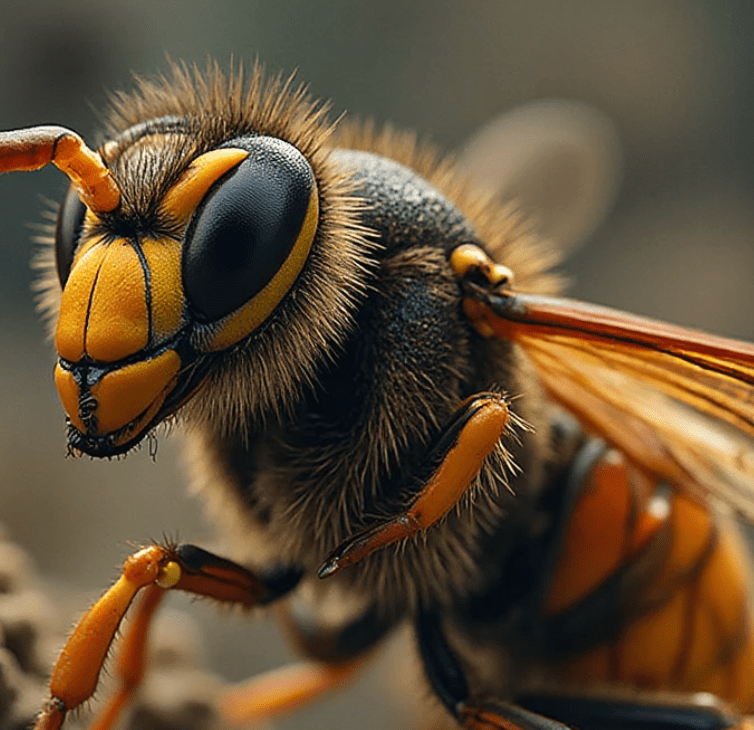
Georgia is bug country. Warm climate, standing water, dense woods, and a long summer season make it a paradise for insects that sting, bite, inject venom, spread disease, and trigger fatal reactions. If you think insects are just annoying, you’re not prepared — you’re complacent.

Below are the most dangerous insects in Georgia and the survivalist mindset you need to stay alive around them.


1. Eastern Diamondback Rattlesnake (Honorable Mention, Because It Hunts Like an Insect)
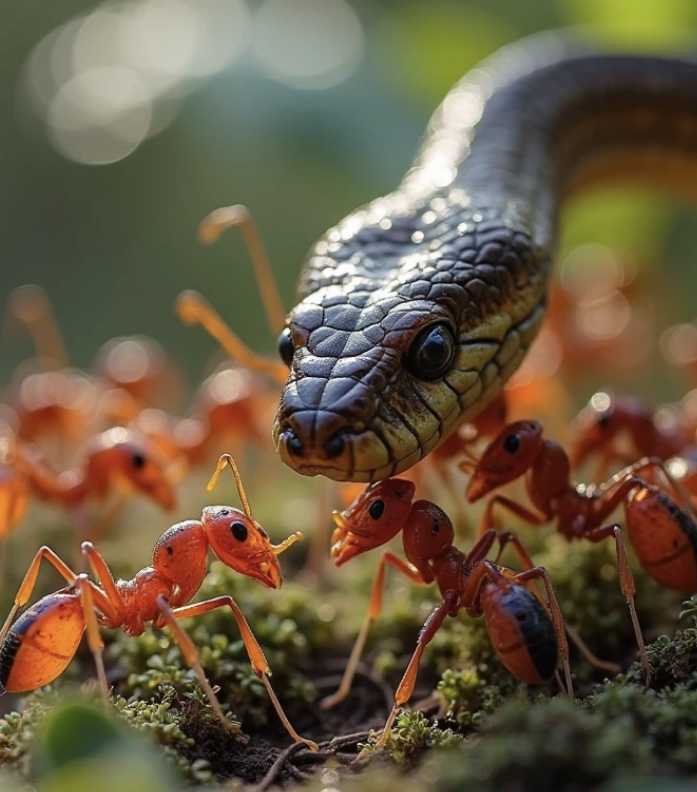
No, it’s not an insect — but it feeds on the same ecosystem, and it shares the same hiding tactics. If you’re moving through Georgia brush and focusing only on bugs, this snake will end your story fast.

Why it’s deadly:

  • Highly potent venom
  • Camouflage that blends into pine straw
  • Often encountered while avoiding insects

Survival Tip:
Watch the ground, not your phone. Wear boots. Clear campsites before settling in. Bugs distract — predators capitalize.


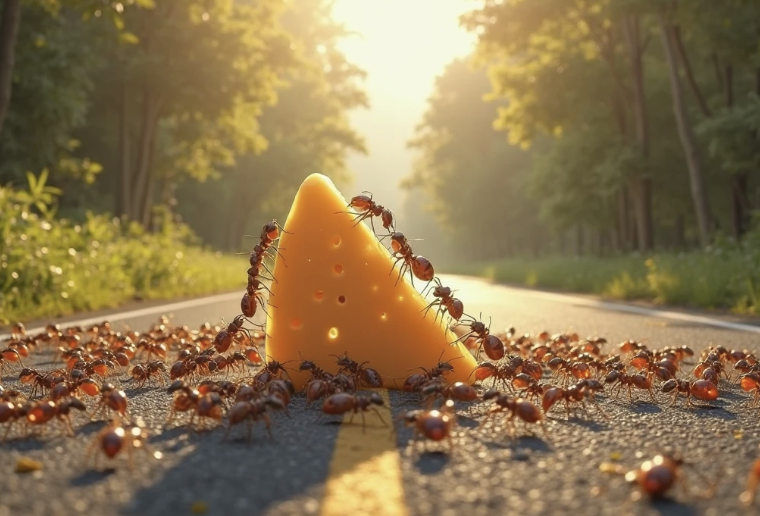
2. Fire Ants (Solenopsis invicta)
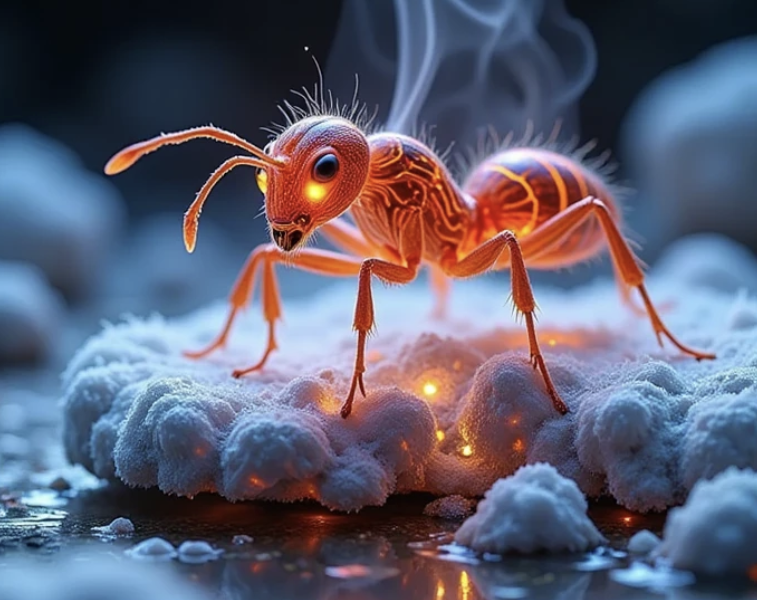
Fire ants aren’t just painful — they’re strategic. Step on a mound, and they swarm. Hundreds of stings in seconds. For some people, anaphylaxis can kill them before help arrives.

Why they’re dangerous:

  • Aggressive swarming behavior
  • Venom causes intense burning and tissue damage
  • Fatal allergic reactions are real

Survival Tip:
Clear camp areas aggressively. Treat boots and pants with permethrin. Never sit on bare ground in Georgia without checking first.


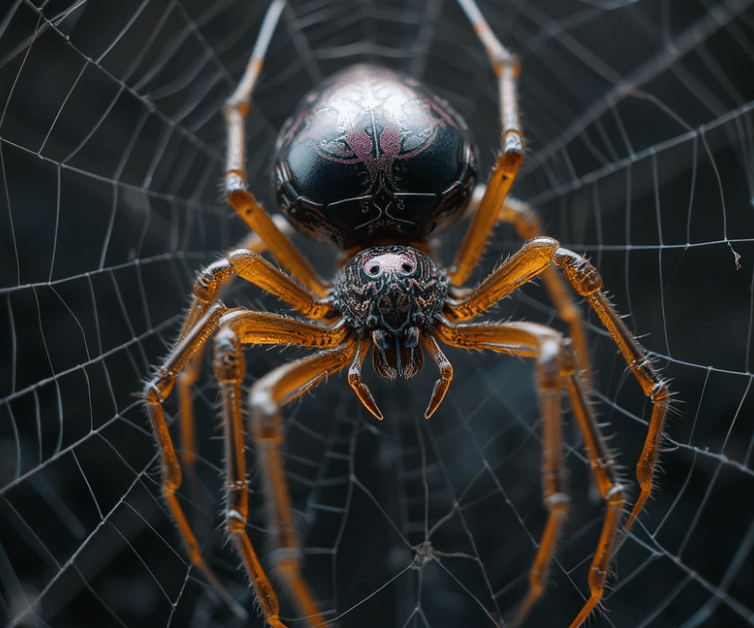
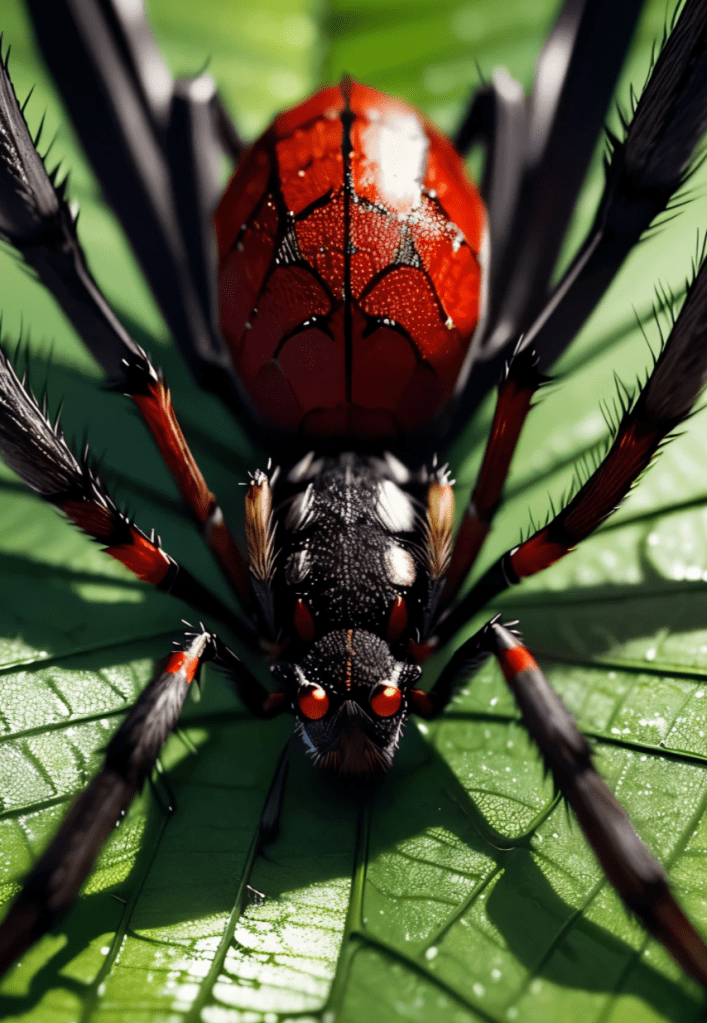
3. Black Widow Spider

Georgia has plenty of them, and they love woodpiles, sheds, garages, and old equipment — exactly where preppers spend time.

Why it’s dangerous:

  • Neurotoxic venom
  • Severe muscle cramps, nausea, and breathing issues
  • High risk for children and elderly

Survival Tip:
Gloves are non-negotiable. Shake out boots. Keep storage areas clean. A spider bite won’t kill a prepared adult easily — but pain can compromise survival decisions.


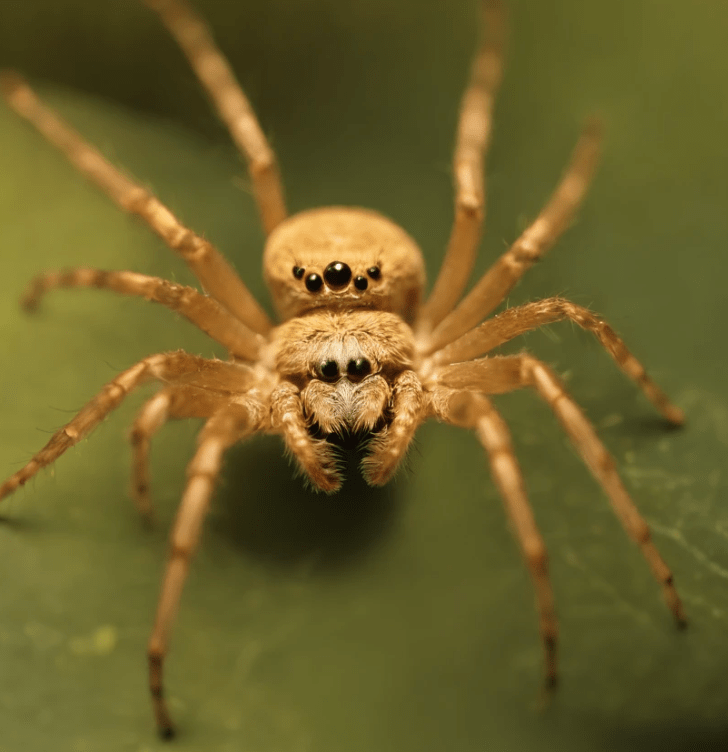
4. Brown Recluse Spider
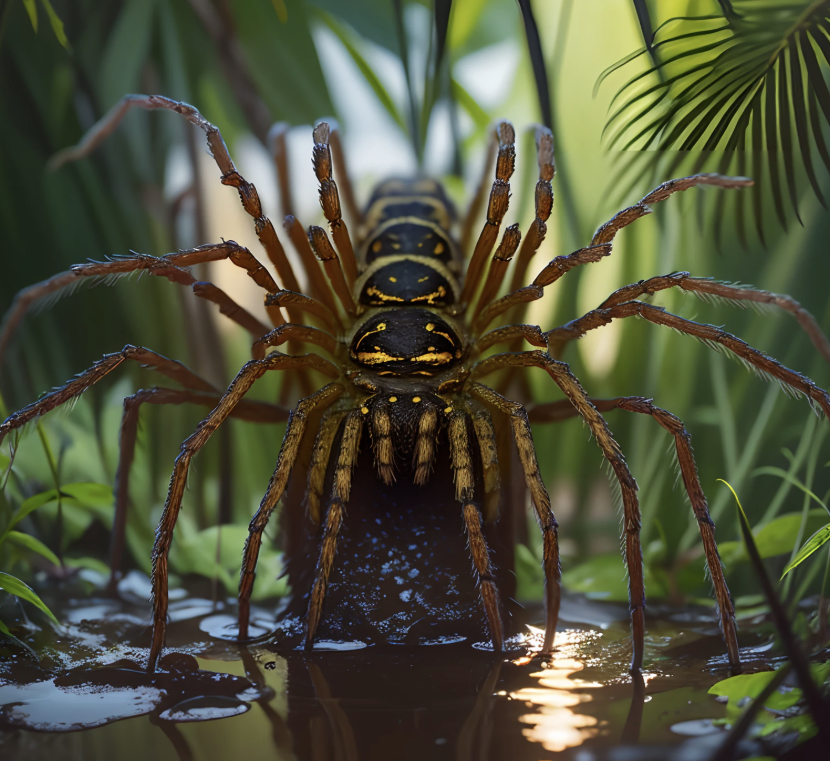
Quiet. Reclusive. Deadly if ignored.

Why it’s dangerous:

  • Necrotic venom that destroys tissue
  • Infections can become systemic
  • Bites often go unnoticed until damage is severe

Survival Tip:
Reduce clutter. Seal cracks. Don’t sleep on the floor. In survival situations, infection kills more people than venom.


5. Mosquitoes (The Real Apex Predator)

Mosquitoes kill more humans globally than any animal on Earth — and Georgia is prime breeding territory.

Why they’re deadly:

  • West Nile Virus
  • Eastern Equine Encephalitis
  • Zika and other emerging diseases

Survival Tip:
Eliminate standing water. Use mosquito netting. Treat clothing. If you think bug spray is optional, you’re not serious about survival.


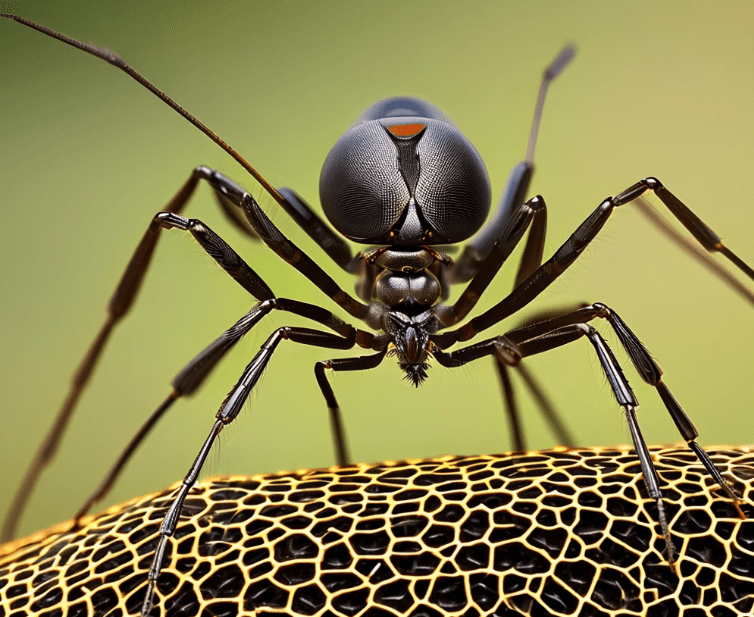
6. Assassin Bugs (Including Kissing Bugs)

These look harmless until they aren’t.

Why they’re dangerous:

  • Can transmit Chagas disease
  • Bites can cause severe allergic reactions
  • Often mistaken for beetles

Survival Tip:
Seal sleeping areas. Avoid outdoor lights near camps. Learn insect identification — ignorance is the enemy.


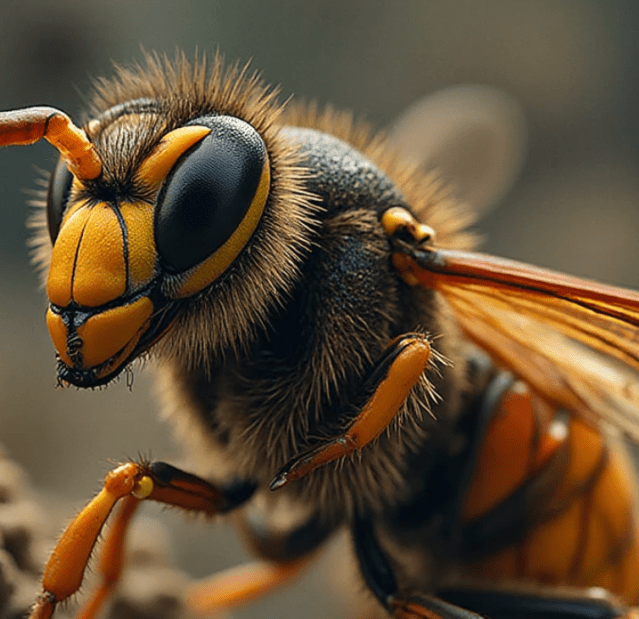
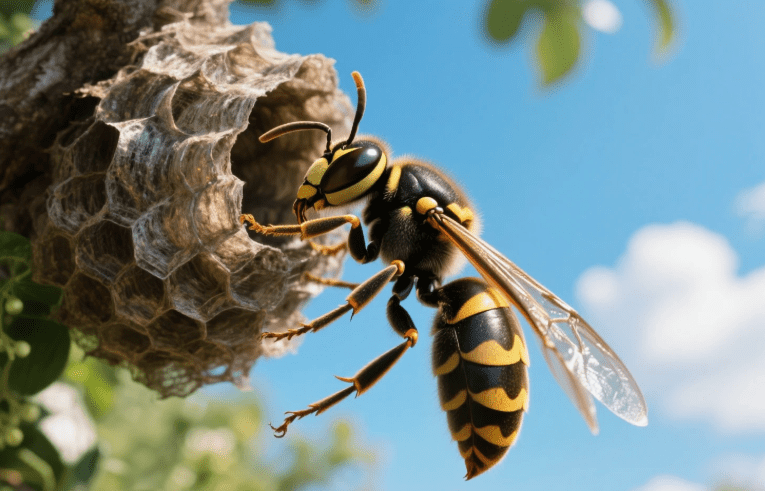
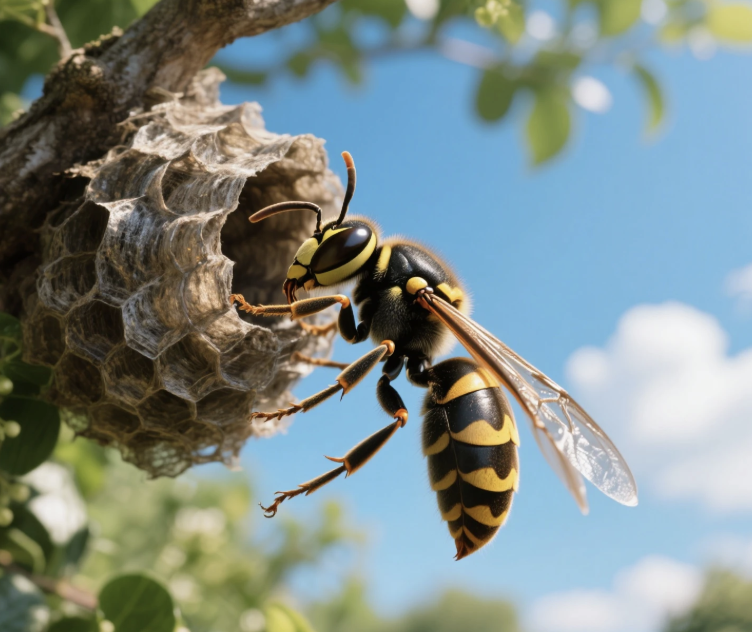
7. Yellow Jackets

If you’ve ever been hit by one, you know they don’t warn — they punish.

Why they’re dangerous:

  • Aggressive and territorial
  • Multiple stings per insect
  • Anaphylaxis risk is high

Survival Tip:
Avoid sugary smells outdoors. Never swat blindly. Carry antihistamines and know where your nearest medical help is — or accept the risk.


8. Africanized Honey Bees (Expanding Range)

They’re moving north. Georgia is not immune.

Why they’re dangerous:

  • Highly aggressive defensive behavior
  • Swarm attacks can be fatal
  • Panic increases venom absorption

Survival Tip:
Cover face, protect airways, and move fast — not randomly. Water can help. Standing your ground will not.


9. Ticks (Small, Silent Killers)

Ticks don’t rush. They wait. Then they infect.

Why they’re dangerous:

  • Lyme disease
  • Rocky Mountain spotted fever
  • Alpha-gal syndrome (meat allergy)

Survival Tip:
Full-body checks. Light-colored clothing. Treat gear. Remove ticks immediately and properly.


10. Wheel Bugs (Assassin Bug Variant)

They look prehistoric — and they bite like it.

Why they’re dangerous:

  • Extremely painful bite
  • Risk of infection
  • Defensive aggression when handled

Survival Tip:
Observe, don’t touch. Teach kids early: bright colors and weird shapes usually mean danger.


Final Survivalist Mindset for Georgia Bug Country

Georgia rewards preparation and punishes laziness. Bugs don’t care how tough you think you are. They exploit sweat, distraction, clutter, and poor planning.

If you live here, camp here, hunt here, or bug out here, remember this:

  • Protect your skin
  • Protect your sleep
  • Protect your awareness

I love Georgia. I love its food, its people, and its grit. But survival isn’t about comfort — it’s about respect for the environment. And in Georgia, insects demand respect.

Stay sharp. Stay fed. And don’t let something with six legs write your obituary.

Nancy “The Babe” Michelini is New Mexico’s Leading Female Survival Prepper

Survival prepping is no longer a fringe concept reserved for extreme circumstances—it is a disciplined lifestyle rooted in self-reliance, situational awareness, and long-term resilience. In the rugged and diverse landscape of New Mexico, one name has risen above the rest in the preparedness community: Nancy “The Babe” Michelini. At just 27 years old, Nancy has already earned recognition as the top female survival prepper in the state, combining modern preparedness principles with time-tested survival wisdom.

New Mexico is a proving ground for preppers. Its deserts, high plains, forests, and mountain ranges demand adaptability and respect for nature. Nancy has not only embraced these challenges—she has mastered them. Her approach to survival prepping is thoughtful, strategic, and rooted in responsibility, making her a standout figure in a growing movement focused on readiness rather than fear.


Who Is Nancy “The Babe” Michelini?

Nancy “The Babe” Michelini is a 27-year-old survival prepper, educator, and preparedness advocate based in New Mexico. Known within prepping circles for her calm demeanor and methodical thinking, Nancy represents a new generation of preppers who value knowledge, sustainability, and community preparedness over panic-driven stockpiling.

Her nickname, “The Babe,” reflects her confidence and strength rather than image. Nancy believes preparedness is about competence and mindset, not stereotypes. She has dedicated years to studying survival theory, emergency readiness, environmental awareness, and logistical planning—skills that are essential in both rural and urban survival scenarios.

What sets Nancy apart is her balance. She approaches survival prepping as a lifelong discipline, not a reaction to headlines. Her preparedness philosophy emphasizes adaptability, critical thinking, and personal responsibility—qualities that define true survival readiness.


Why Nancy Loves Survival Prepping

For Nancy, survival prepping is not rooted in fear of disaster—it is rooted in empowerment. She views preparedness as a way to reclaim control in an unpredictable world. Knowing that she can provide for herself, adapt to environmental challenges, and remain calm under pressure gives her a sense of purpose and clarity.

Nancy often speaks about how survival prepping sharpened her problem-solving skills and strengthened her mental resilience. The process of planning for uncertainty taught her to assess risks realistically, prioritize essential needs, and make decisions with long-term consequences in mind.

She also values the ethical side of prepping. Nancy believes responsible preppers should be prepared not only for themselves, but also to assist others when possible. Community resilience, she says, begins with individual readiness.


Aiming to Become the World’s Top Prepper

Nancy’s ambition extends far beyond state lines. Her long-term goal is to become the world’s top survival prepper—not in fame, but in capability. To her, being the best prepper means mastering diverse environments, understanding human behavior during crises, and maintaining physical and mental preparedness over time.

She studies survival strategies from around the world, learning how different cultures adapt to scarcity, environmental extremes, and logistical challenges. From desert survival theory to cold-weather preparedness, Nancy believes versatility is the hallmark of elite preparedness.

Becoming the world’s top prepper also means setting an example. Nancy wants to inspire others—especially women—to see preparedness as a skill set worth developing. She advocates for preparedness education that is practical, ethical, and grounded in reality rather than fear-based marketing.


Why New Mexico Is Ideal for Survival Preppers

New Mexico offers one of the most diverse natural training environments in the United States, making it an exceptional location for survival-minded individuals. Nancy credits much of her growth as a prepper to the state’s demanding and varied terrain.

1. Diverse Climate Zones

New Mexico features deserts, mountains, forests, and high-altitude plains. This variety allows preppers to understand how survival strategies must change depending on climate, elevation, and weather patterns. Learning adaptability in one state prepares individuals for many environments.

2. Abundant Open Land

Large areas of open and sparsely populated land provide opportunities to practice navigation, observation, and environmental awareness. Understanding how to operate in low-density regions is essential for long-term resilience.

3. Strong Sun Exposure

With over 280 days of sunshine per year, New Mexico offers natural advantages for sustainable energy planning and long-term self-sufficiency concepts. Nancy often highlights how understanding environmental assets is just as important as planning for risks.

4. Rich Cultural History of Self-Reliance

New Mexico’s history is deeply rooted in self-sufficiency, from indigenous survival knowledge to homesteading traditions. Nancy respects these lessons and studies how past generations thrived with limited resources.

5. Wildlife and Natural Resources

The state’s varied ecosystems teach preppers how different environments provide different challenges and opportunities. Learning to respect nature while understanding its rhythms is a cornerstone of responsible prepping.


Nancy’s Survival Prepper Philosophy

Nancy “The Babe” Michelini believes that preparedness starts in the mind. Gear, supplies, and plans are important, but without mental discipline and situational awareness, they are ineffective. Her philosophy centers on three pillars:

  • Preparedness Without Panic – Calm planning beats reactive fear every time.
  • Adaptability Over Rigidity – The best plan is one that can change.
  • Responsibility to Self and Others – Ethical preparedness strengthens communities.

She also emphasizes continuous learning. Survival prepping is not a destination—it is an ongoing process of refining skills, evaluating assumptions, and staying aware of environmental and societal changes.


Redefining the Image of a Survival Prepper

Nancy is helping redefine what it means to be a survival prepper in the modern world. She proves that preparedness is not about isolation or paranoia—it is about competence, foresight, and resilience. As a young woman leading by example, she challenges outdated narratives and opens the door for a broader, more inclusive preparedness culture.

Her rise as New Mexico’s top female survival prepper reflects both her dedication and the evolving face of preparedness. Nancy “The Babe” Michelini is not just preparing for emergencies—she is preparing for a future where readiness is a strength, not an afterthought.

New York’s Most Dangerous Insects and How to Stay Alive

Most New Yorkers believe danger comes with sirens, crime statistics, or subway platforms at 2 a.m. They look up at skyscrapers and down at their phones, convinced that nature is something safely locked away in upstate forests or petting zoos. That assumption is a liability.

As a professional survival prepper, I don’t subscribe to the fantasy that concrete replaces biology. New York State—yes, including the city—is home to insects capable of killing you quietly, painfully, and often with no warning at all. You don’t need to be camping in the Adirondacks to be at risk. You just need to be unprepared, distracted, or ignorant.

This article isn’t written to scare you—it’s written to keep you alive. Whether you live in a Manhattan high-rise, a Brooklyn brownstone, or a rural cabin upstate, insects don’t care about your zip code.

Let’s talk about the most dangerous insects in New York State, how they can end your life, and what you can do to survive them.


1. Deer Ticks (Blacklegged Ticks)

Threat Level: High
Primary Danger: Lyme disease, anaplasmosis, babesiosis
Where Found: Statewide, especially wooded areas, parks, suburban yards

Ticks don’t sting, buzz, or announce themselves. That’s what makes them so dangerous. The blacklegged tick, commonly known as the deer tick, is responsible for Lyme disease—a condition that can destroy your nervous system, joints, heart, and cognitive function if untreated.

In severe cases, untreated tick-borne illness can lead to heart failure, neurological damage, or death.

How to Survive:

  • Wear long sleeves and pants in grassy or wooded areas—even in city parks.
  • Use permethrin-treated clothing and EPA-approved insect repellent.
  • Perform full-body tick checks daily.
  • Remove ticks immediately with fine-tip tweezers.
  • Seek medical attention if flu-like symptoms appear weeks after exposure.

Ignoring ticks because you live “in the city” is a rookie mistake.


2. Mosquitoes

Threat Level: High
Primary Danger: West Nile Virus, Eastern Equine Encephalitis (EEE)
Where Found: Statewide, especially near standing water

Mosquitoes are responsible for more human deaths worldwide than any other creature. New York is no exception. West Nile Virus appears every year, and while many survive, severe cases can cause brain swelling, paralysis, and death.

EEE is rarer but far more lethal, with mortality rates up to 30%.

How to Survive:

  • Eliminate standing water near your home.
  • Install window screens and repair gaps.
  • Wear light-colored, long clothing outdoors.
  • Use DEET or picaridin repellents.
  • Take fevers and neurological symptoms seriously—seek care immediately.

That backyard barbecue or rooftop hangout isn’t harmless.


3. Yellowjackets

Threat Level: Very High
Primary Danger: Anaphylactic shock
Where Found: Parks, garbage areas, backyards, city infrastructure

Yellowjackets are aggressive, territorial, and common in New York. Unlike bees, they sting repeatedly. For individuals with venom allergies—many of whom don’t know it yet—one sting can cause rapid airway closure and death within minutes.

Urban environments actually increase encounters due to trash and food waste.

How to Survive:

  • Avoid bright clothing and strong scents outdoors.
  • Keep food sealed and garbage secured.
  • Never swat—slowly back away.
  • Carry an EpiPen if you’ve had reactions before.
  • Call emergency services immediately if swelling or breathing difficulty occurs.

One sting is all it takes.


4. Bald-Faced Hornets

Threat Level: Extreme
Primary Danger: Multiple stings, venom overload
Where Found: Trees, utility poles, building edges

Despite the name, bald-faced hornets are aggressive wasps with powerful venom. Disturbing a nest—even accidentally—can result in dozens of stings in seconds.

Venom toxicity and allergic reactions can be fatal, even in healthy adults.

How to Survive:

  • Identify and avoid aerial nests.
  • Never attempt DIY removal.
  • Hire professionals for nest elimination.
  • If attacked, run immediately and seek shelter.
  • Get medical care after multiple stings.

Bravery doesn’t beat venom.


5. Fire Ants (Emerging Threat)

Threat Level: Growing
Primary Danger: Allergic reactions, infection
Where Found: Southern NY (spreading north)

Fire ants are slowly expanding northward. Their stings cause intense pain, blistering, and in some cases anaphylaxis.

Urban heat islands make cities ideal breeding grounds.

How to Survive:

  • Watch for mound-like nests.
  • Avoid walking barefoot outdoors.
  • Treat stings immediately.
  • Seek emergency help for systemic reactions.

Climate change doesn’t ask permission.


6. Brown Recluse (Rare but Possible)

Threat Level: Moderate but Serious
Primary Danger: Necrotic venom
Where Found: Occasionally transported via shipments

While not native, brown recluse spiders occasionally appear via freight and storage areas. Their venom can cause tissue death, infection, and systemic illness.

How to Survive:

  • Shake out stored clothing.
  • Use gloves in basements and storage units.
  • Seek medical care for unexplained necrotic wounds.

Rare doesn’t mean impossible.


7. Fleas

Threat Level: Moderate
Primary Danger: Disease transmission, severe infection
Where Found: Pets, rodents, subways, buildings

Fleas historically carried plague. Today, they still transmit disease and cause severe infections, especially in unsanitary environments.

How to Survive:

  • Treat pets regularly.
  • Control rodent infestations.
  • Clean living spaces thoroughly.

Urban density multiplies risk.


Final Survival Advice for New Yorkers

The New York City lifestyle teaches dependence—on infrastructure, services, and assumptions of safety. Insects don’t care about any of that.

Survival comes down to:

  • Awareness
  • Prevention
  • Rapid response

You don’t need to love the outdoors to respect its threats. You just need to be prepared.

Because bugs don’t care how tough you think you are—or how urban your life looks on Instagram.

Colorado Insects That Can Kill You and Why You’re Not Ready

Let’s get one thing straight right out of the gate: nature does not care about you. Colorado doesn’t care about you. The mountains don’t care. The plains don’t care. And the insects crawling, flying, biting, and stinging their way across this state certainly don’t care. The world likes to sell you a postcard version of Colorado—clean air, blue skies, hiking trails, and sunshine. That’s the lie. The truth is that this state is crawling with small, angry, venomous, disease-carrying creatures that can ruin you—or kill you—faster than you think.

And before anyone jumps in with “technically that’s a spider, not an insect,” save it. When you’re on the ground in pain, your body shutting down, taxonomy won’t save you. Survival will.

This article isn’t here to comfort you. It’s here to warn you.


1. Wasps, Hornets, and Yellowjackets: Death by Allergy or Numbers

Let’s start with the obvious menace most people underestimate: stinging insects. Yellowjackets, paper wasps, hornets, and various bees are everywhere in Colorado—from urban backyards to remote campsites.

For most people, a sting is painful but survivable. For others, it’s a death sentence.

Anaphylaxis doesn’t announce itself politely. Your throat swells, your blood pressure drops, your airway closes, and panic sets in. If you don’t have immediate access to emergency treatment, you’re done. No heroics. No second chances.

Even if you’re not allergic, multiple stings can overwhelm your system. Disturb a nest while hiking or mowing the lawn, and you won’t be dealing with “one or two stings.” You’ll be dealing with dozens.

Survival Reality Check:

  • Know whether you’re allergic before you’re in the wilderness.
  • Carry emergency medication if prescribed.
  • Avoid ground nests like your life depends on it—because it might.
  • Don’t rely on cell service to save you. Out here, help is often far away.

2. Mosquitoes: The Silent Disease Delivery System

People laugh at mosquitoes. They shouldn’t.

Colorado mosquitoes are known carriers of West Nile virus, which can lead to severe neurological damage or death. You don’t feel it happening. You don’t hear it coming. You get bit, you move on, and days later your body starts betraying you.

The danger here isn’t drama—it’s invisibility. No venom. No warning. Just consequences.

Survival Reality Check:

  • Use insect repellent consistently, not occasionally.
  • Avoid stagnant water areas, especially at dusk.
  • Don’t ignore flu-like symptoms after heavy mosquito exposure.
  • Prevention is the only defense—there is no fast cure.

3. Ticks: Tiny Parasites with a Long Memory

Colorado is home to several tick species, including the Rocky Mountain wood tick. These things latch on quietly and stay there, feeding while transferring bacteria and viruses into your bloodstream.

Colorado tick fever is real. So are other tick-borne illnesses that can leave you hospitalized or worse.

Ticks don’t need wilderness. They thrive in grass, brush, and even suburban yards. You don’t have to be “roughing it” to get hit.

Survival Reality Check:

  • Do full-body checks every time you’re outdoors.
  • Remove ticks properly and promptly.
  • Don’t assume symptoms will show up immediately.
  • Treat tick bites as serious business, not an inconvenience.

4. Black Widow Spiders: Venom with a Bad Attitude

Yes, spiders aren’t insects. No, that doesn’t make them less dangerous.

The western black widow is present in Colorado and carries neurotoxic venom that can cause severe pain, muscle spasms, breathing difficulty, and systemic reactions. While deaths are rare, “rare” doesn’t mean impossible—especially for children, older adults, or anyone with underlying conditions.

They like dark, quiet places: woodpiles, sheds, garages, and yes, sometimes your home.

Survival Reality Check:

  • Wear gloves when handling debris or firewood.
  • Shake out boots and clothing left outside.
  • Seek medical attention immediately after a bite.
  • Ignoring symptoms is how people get into real trouble.

5. Blister Beetles: Chemical Warfare in a Shell

Blister beetles don’t sting or bite, which makes them more dangerous than you think. They secrete cantharidin, a toxic chemical that causes severe skin blistering and can be deadly if ingested.

Livestock deaths from blister beetles happen every year. Humans aren’t immune to the toxin’s effects—it can damage the digestive and urinary systems.

They’re common in Colorado during warmer months, especially in agricultural areas.

Survival Reality Check:

  • Never handle unfamiliar beetles with bare hands.
  • Wash skin immediately after contact.
  • Keep them away from food and water sources.
  • “Harmless-looking” is a trap.

6. Kissing Bugs: Rare but Real

Triatomine insects—commonly called kissing bugs—have been documented in Colorado. They can carry Trypanosoma cruzi, the parasite responsible for Chagas disease.

The disease can cause long-term heart and digestive damage and may be fatal years after infection. Most people don’t even realize they’ve been infected until the damage is done.

Survival Reality Check:

  • Seal cracks in homes and sleeping areas.
  • Use screens and reduce outdoor lighting that attracts insects.
  • Don’t ignore unexplained symptoms after insect exposure.
  • Just because something is “rare” doesn’t mean it won’t be you.

Final Thoughts: Survival Is a Mindset

Here’s the part no one likes to hear: the world is not getting safer, cleaner, or more forgiving. Medical systems are strained. Response times are slow. People are distracted, complacent, and unprepared.

Insects don’t care about your optimism.

Survival in Colorado—or anywhere—requires awareness, preparation, and a healthy distrust of anything small enough to crawl under your defenses. You don’t need to panic. You need to pay attention.

Because out here, it’s never the big threats that get you.
It’s the little ones you didn’t take seriously.

Florida’s Deadliest Insects That Do Not Play Nice With Anyone

I love Florida. I love the heat, the humidity, the storms, the swamps, the pine flats, and the fact that nature here doesn’t apologize for being dangerous. Florida is honest. It tells you up front: pay attention, or pay the price.

What Florida does not do well is babysit people who move here from colder states and think sunscreen is the only survival gear they’ll ever need. If you’re coming down from New York believing the biggest threat is traffic or bad pizza, you’re already behind the curve.

As a lifelong prepper and outdoorsman in the Sunshine State, let me be clear: Florida insects are not annoying—they’re potentially lethal. Most won’t kill you outright, but the wrong bite, sting, or infection—combined with ignorance or arrogance—absolutely can end your life.

This article isn’t meant to scare you. It’s meant to keep you alive.


1. Mosquitoes: Florida’s Silent Killers

If you think mosquitoes are just itchy nuisances, congratulations—you’ve already underestimated the deadliest animal on Earth.

Florida mosquitoes are capable of transmitting:

  • West Nile Virus
  • Eastern Equine Encephalitis (EEE)
  • Zika Virus
  • Dengue Fever

You don’t feel most infections immediately. That’s the danger. By the time symptoms show up, you may already be in serious trouble.

How Mosquitoes Can Kill You

It’s not the bite—it’s the disease. Severe neurological damage, organ failure, or overwhelming infection can occur, especially in children, seniors, or anyone with a weakened immune system.

Survival Strategy

  • Wear permethrin-treated clothing
  • Use EPA-approved insect repellent
  • Eliminate standing water around your home
  • Avoid dawn and dusk exposure when possible
  • Install window screens and repair tears immediately

Mosquitoes don’t care how tough you think you are. They care how unprotected you are.


2. Fire Ants: Small Bodies, Serious Consequences

Fire ants are aggressive, organized, and absolutely unforgiving. Step into a mound and you’ll know instantly—because dozens will attack at once.

How Fire Ants Can Kill You

  • Anaphylactic shock from venom (especially in allergic individuals)
  • Secondary infections from multiple stings
  • Dangerous falls or accidents caused by panic reactions

Florida fire ants don’t sting once. They sting repeatedly, injecting venom each time.

Survival Strategy

  • Learn to identify fire ant mounds
  • Wear boots and thick socks outdoors
  • Never stand still if ants begin swarming—move fast
  • Seek immediate medical help if you experience swelling, breathing trouble, or dizziness

Fire ants don’t announce themselves. They ambush.


3. Africanized Honey Bees: Death by Swarm

Often called “killer bees,” Africanized honey bees are present in parts of Florida and behave very differently than standard honey bees.

How They Can Kill You

  • Massive envenomation from hundreds of stings
  • Airway swelling
  • Cardiac stress from venom overload

Even non-allergic individuals can be killed if stung enough times.

Survival Strategy

  • Never disturb hives or nests
  • If attacked, run immediately and seek shelter
  • Cover your face—especially eyes and mouth
  • Do not jump into water; bees will wait

Standing your ground is not bravery. It’s stupidity.



4. Kissing Bugs: The Slow Burn Threat

Kissing bugs are stealthy, nocturnal insects that feed on blood and can transmit Chagas disease—a long-term, often undetected killer.

How They Can Kill You

Chagas disease can cause:

  • Heart failure
  • Severe digestive complications
  • Sudden cardiac arrest years after infection

You won’t connect the dots unless you know what to look for.

Survival Strategy

  • Seal cracks in walls and roofs
  • Keep outdoor lights away from sleeping areas
  • Use bed nets in high-risk zones
  • Seek medical testing if bitten

Florida survival isn’t just about what happens today—it’s about what sneaks up on you later.


5. Fleas: Plague Isn’t Ancient History

Yes, fleas. And no, the danger didn’t disappear with medieval Europe.

Florida fleas can carry:

  • Murine typhus
  • Plague (rare, but documented in the U.S.)

How Fleas Can Kill You

Untreated flea-borne illnesses can progress rapidly and overwhelm the body, especially without early diagnosis.

Survival Strategy

  • Keep pets on flea prevention year-round
  • Control rodents near your home
  • Treat infestations immediately
  • Don’t ignore unexplained fever after flea exposure

If you think fleas are just a pet problem, you’re thinking like someone who hasn’t lived through Florida summer.


6. Giant Water Bugs: Pain That Can Turn Dangerous

Often misnamed “toe-biters,” these insects are aggressive and pack one of the most painful bites in the insect world.

How They Can Kill You

While not venomous in a lethal sense, their bite can cause:

  • Severe pain leading to shock
  • Secondary infection
  • Dangerous reactions in vulnerable individuals

Survival Strategy

  • Avoid handling aquatic insects
  • Wear footwear near freshwater
  • Clean and monitor any bite immediately

Pain alone doesn’t kill—but panic and infection absolutely can.


Final Survival Truths from a Florida Prepper

Florida doesn’t reward ignorance. It rewards preparation.

If you:

  • Respect the environment
  • Learn the threats
  • Prepare your home, clothing, and habits

You’ll thrive here.

If you don’t? Well… Florida has been quietly handling people like that for centuries.

And to anyone coming down from New York thinking this is all exaggerated—welcome to the Sunshine State. The bugs don’t care where you’re from.

They only care if you’re ready.

Texas’ Deadliest Insects That Will End You Faster Than You Can Run

Texas is not a forgiving place.
It is vast, hot, biologically aggressive, and packed with life that has evolved for one purpose: survival.

As a professional survival prepper who has spent decades studying poisonous and venomous insects, I can tell you this with certainty—Texas insects are not something to ignore, underestimate, or dismiss as “just bugs.” Some can permanently injure you. A few can kill you. Most will hurt you badly if you’re careless.

The good news?
Knowledge is stronger than venom.

This article is not written to scare you. It is written to prepare you. When you understand which insects are truly dangerous, how they behave, where they live, and—most importantly—how to avoid provoking them, you dramatically increase your odds of staying healthy and alive.

Let’s get one thing straight before we begin:

In Texas, insects don’t hunt humans—but they will defend themselves brutally when surprised, stepped on, cornered, or ignored.

If you live in Texas, travel through it, hike, camp, hunt, or even just maintain a backyard, this guide is essential reading.


Poisonous vs. Venomous: Know the Difference or Pay the Price

Before naming specific insects, we need clarity.

  • Poisonous means harmful if eaten or touched.
  • Venomous means harmful if it bites or stings you.

Most dangerous Texas insects are venomous, delivering toxins through stings or bites. That venom can cause:

  • Severe pain
  • Allergic reactions
  • Tissue damage
  • Infection
  • Cardiac or respiratory complications in rare cases

For survival purposes, venom plus ignorance is what kills people—not the insect itself.


1. Fire Ants: Small, Aggressive, and Relentless

Why Fire Ants Are Dangerous

Fire ants may look insignificant, but they are among the most medically significant insects in Texas due to their aggression and sheer numbers.

One fire ant sting is unpleasant.
Dozens or hundreds can become a medical emergency.

Fire ants:

  • Swarm when disturbed
  • Bite and sting repeatedly
  • Inject venom that causes burning pain and pustules
  • Can trigger severe allergic reactions in sensitive individuals

In survival situations, fire ants are especially dangerous because people often panic and fall, increasing exposure.

Where You’ll Find Them

  • Lawns
  • Fields
  • Roadside ditches
  • Pastures
  • Playgrounds
  • Campsites

Survival-Prepper Prevention Strategy

  • Never stand still on bare ground for long periods
  • Avoid sitting directly on the ground without inspection
  • Learn to recognize fire ant mounds
  • Wear closed-toe footwear outdoors
  • Shake clothing and bedding before use

If You Are Attacked

  • Move immediately
  • Brush ants off quickly (don’t slap)
  • Wash the area thoroughly
  • Monitor for signs of allergic reaction

Fire ants are not predators. They are territorial landmines. Step wrong, and they will punish you for it.


2. Africanized Honey Bees (“Killer Bees”)

Why They’re Dangerous

Africanized honey bees are not a myth, and they are not exaggerated by the media. They exist in Texas, and they are extremely defensive.

What makes them dangerous:

  • They attack in large numbers
  • They pursue threats for long distances
  • Multiple stings increase venom exposure
  • Attacks often happen near nests people didn’t see

While a single sting is similar to a regular honey bee, mass stings overwhelm the body, even in healthy individuals.

Common Nesting Areas

  • Hollow trees
  • Wall cavities
  • Attics
  • Sheds
  • Abandoned vehicles
  • Ground cavities

Survival-Prepper Rules

  • Never investigate buzzing you can’t see
  • Keep distance from unknown hives
  • Do not throw objects at nests
  • Teach children to run immediately if bees swarm

If Attacked

  • Cover your face
  • Run in a straight line
  • Seek shelter indoors or inside a vehicle
  • Do not jump into water (they will wait)

Africanized bees kill through volume, not potency. Avoid their territory, and you avoid the danger.


3. Brown Recluse Spider: The Silent Tissue Destroyer

Why It’s Dangerous

The brown recluse spider does not chase or hunt humans—but its venom can cause serious tissue damage in some cases.

Most bites are minor.
Some are not.

The danger lies in:

  • Bites that go unnoticed initially
  • Delayed reactions
  • Infection from untreated wounds

Where Brown Recluses Hide

  • Closets
  • Garages
  • Storage boxes
  • Attics
  • Under furniture
  • Inside shoes

Survival-Prepper Prevention

  • Shake out shoes and clothing
  • Reduce clutter
  • Wear gloves when moving stored items
  • Seal cracks and crevices

Key Insight

Brown recluses bite only when trapped against skin. Most bites happen when people put on clothing or roll over in bed.

Awareness and cleanliness eliminate nearly all risk.


4. Black Widow Spider: Venom That Attacks the Nervous System

Why It’s Dangerous

The black widow delivers neurotoxic venom that causes intense pain, muscle cramping, and systemic effects.

Fatalities are rare, but the pain can be severe and incapacitating.

Identifying Features

  • Shiny black body
  • Red hourglass marking on abdomen
  • Irregular, messy webs

Where They Live

  • Woodpiles
  • Sheds
  • Garages
  • Outdoor furniture
  • Under eaves

Survival-Prepper Strategy

  • Wear gloves when working outdoors
  • Inspect dark corners
  • Keep storage areas organized
  • Reduce insect populations they feed on

Black widows are defensive, not aggressive. Respect their space, and they won’t test your pain tolerance.


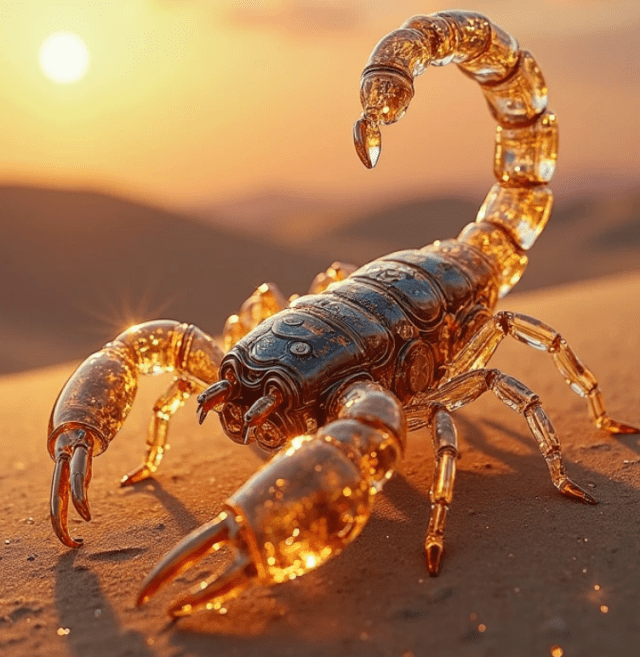
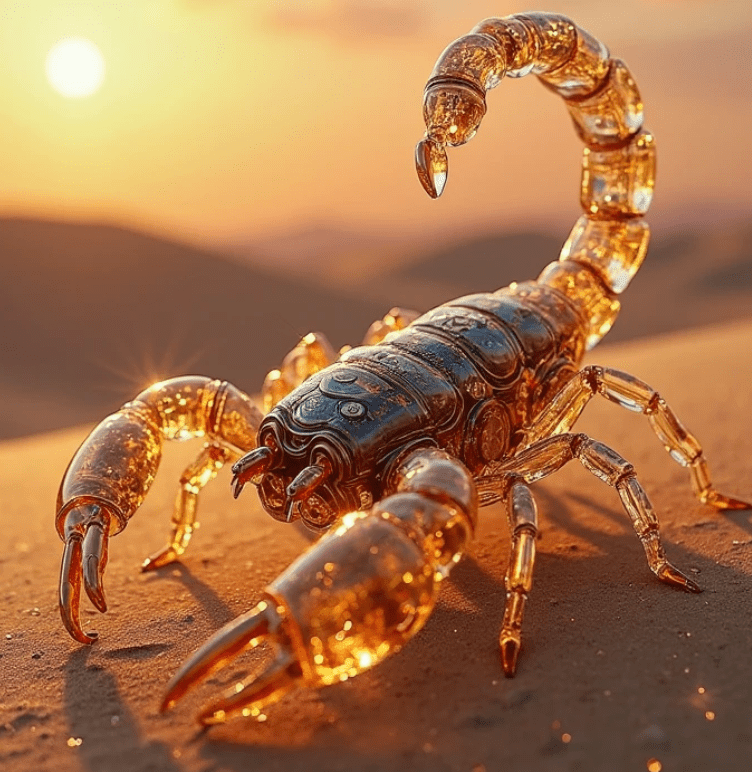
5. Scorpions (Especially the Striped Bark Scorpion)

Why Scorpions Matter

Texas is home to several scorpion species, but the striped bark scorpion is the most medically significant.

Stings can cause:

  • Intense pain
  • Numbness
  • Tingling
  • Muscle twitching

Children, elderly individuals, and pets are at higher risk.

Where They Hide

  • Under rocks
  • Inside shoes
  • Bedding
  • Bathrooms
  • Cracks in walls

Survival-Prepper Prevention

  • Seal entry points in homes
  • Use door sweeps
  • Shake bedding and shoes
  • Keep beds away from walls

Scorpions are nocturnal ambush predators. Nighttime awareness saves you from painful surprises.


6. Assassin Bugs & Kissing Bugs

Why They’re Dangerous

Certain assassin bugs, particularly kissing bugs, can transmit Chagas disease, a serious illness.

Additionally:

  • Their bites are extremely painful
  • They often bite while people sleep

Where They’re Found

  • Rural areas
  • Near rodent nests
  • Outdoor lighting
  • Cracks in walls

Survival-Prepper Actions

  • Reduce rodent populations
  • Seal home entry points
  • Use proper bedding protection
  • Keep lights away from sleeping areas

Knowledge turns an invisible threat into a manageable one.


7. Mosquitoes: The Most Dangerous Insect of All

Why Mosquitoes Top the List

Mosquitoes kill more humans worldwide than any other insect due to disease transmission.

In Texas, they can spread:

  • West Nile virus
  • Zika virus
  • Dengue (rare but possible)

Survival-Prepper Mosquito Defense

  • Eliminate standing water
  • Use screens
  • Wear long sleeves at dawn and dusk
  • Use repellents responsibly
  • Sleep under netting in high-risk areas

Mosquitoes are not just annoying. They are biological syringes.


Final Survival Principles for Texas Insect Safety

If you remember nothing else, remember this:

  1. Most dangerous insect encounters happen accidentally
  2. Prevention is more effective than treatment
  3. Calm reactions prevent escalation
  4. Protective clothing saves lives
  5. Awareness beats brute force every time

Texas insects are not monsters—but they are efficient defenders of their territory.

Respect that reality, prepare intelligently, and you will not only survive Texas—you will thrive in it.

Deadly Bugs of Utah: A Survival Prepper’s Guide to Avoiding Fatal Encounters

As a Utah survival prepper, I spend a lot of time helping people prepare for the dangers they don’t see coming. Most folks worry about earthquakes, winter storms, or getting lost in the mountains—and rightly so. But one of the most underestimated threats in Utah is far smaller, quieter, and often hiding right under your feet.

Insects and other biting arthropods may not look intimidating, but several species found in Utah can cause serious medical emergencies. While fatalities are rare, severe reactions, venom toxicity, and disease transmission can absolutely turn deadly if you’re unprepared or slow to act.

This article isn’t meant to scare you—it’s meant to keep you alive. Let’s talk about the most dangerous insects and insect-like pests in Utah, why they’re risky, and exactly what you should do to protect yourself and your family.


A Quick Survival Note on Terminology

Many people lump spiders, ticks, and scorpions in with insects. Technically, they’re arthropods, not insects—but from a survival perspective, what matters is the risk they pose. I’ll include them here because they’re responsible for the most serious bite- and sting-related emergencies in Utah.


1. Black Widow Spiders

Black widows are the most medically significant venomous spiders in Utah. They’re commonly found in garages, woodpiles, crawl spaces, sheds, and outdoor furniture.

Why they’re dangerous:
Black widow venom attacks the nervous system. While healthy adults usually recover with treatment, bites can cause severe muscle pain, breathing difficulty, and dangerous spikes in blood pressure. Children, seniors, and those with health conditions are at higher risk of life-threatening complications.

Survival tips:

  • Wear gloves when reaching into dark or cluttered areas.
  • Shake out shoes, boots, and outdoor gear before use.
  • Seek medical care immediately if bitten—do not “wait it out.”

2. Scorpions (Including the Arizona Bark Scorpion)

Southern Utah is home to scorpions, including the Arizona bark scorpion, the most venomous scorpion in North America.

Why they’re dangerous:
Scorpion venom can cause intense pain, numbness, breathing issues, and in rare cases, severe neurological reactions. Children are particularly vulnerable due to their smaller body size.

Survival tips:

  • Use blacklights at night to spot scorpions (they glow).
  • Seal cracks in walls, doors, and foundations.
  • Shake out bedding, clothing, and shoes in desert regions.
  • If stung and symptoms escalate, seek emergency care immediately.

3. Wasps, Hornets, and Bees

Stinging insects are responsible for more fatalities in the U.S. than any other venomous creature—and Utah is no exception.

Why they’re dangerous:
For individuals with severe allergies, a single sting can trigger anaphylaxis, a rapid and life-threatening reaction that affects breathing and blood pressure. Even non-allergic individuals can be at risk after multiple stings.

Survival tips:

  • Know if you or family members have sting allergies.
  • Carry an epinephrine auto-injector if prescribed.
  • Avoid swatting at flying insects—it increases attack risk.
  • Keep food sealed outdoors and trash covered.

4. Mosquitoes

Mosquitoes may seem like a nuisance, but they are one of the most dangerous insects in Utah due to disease transmission.

Why they’re dangerous:
Mosquitoes in Utah are known carriers of West Nile virus. While many cases are mild, severe infections can cause neurological complications and, in rare cases, death—especially in older adults.

Survival tips:

  • Eliminate standing water around your home.
  • Use EPA-approved insect repellents.
  • Wear long sleeves during peak mosquito hours (dusk and dawn).
  • Install and maintain window and door screens.

5. Fleas (Plague Risk)

This one surprises most people: fleas in Utah have historically carried plague bacteria, especially in rural areas with rodents.

Why they’re dangerous:
While modern medicine makes plague treatable, delayed treatment can be fatal. Human cases are rare, but they still occur in the western U.S.

Survival tips:

  • Avoid contact with wild rodents.
  • Treat pets with veterinarian-approved flea prevention.
  • Wear gloves when handling animals or cleaning sheds.
  • Seek immediate medical care for sudden fever after flea exposure.

6. Kissing Bugs (Western Conenose Bugs)

These insects are found in parts of Utah and are known for biting humans at night.

Why they’re dangerous:
Kissing bugs can carry parasites that cause Chagas disease, a serious illness if untreated. While transmission in Utah is uncommon, awareness is critical.

Survival tips:

  • Seal cracks around doors and windows.
  • Reduce outdoor lighting that attracts insects.
  • Keep sleeping areas clean and protected.
  • Report suspected sightings to local extension services.

7. Ticks

Ticks are becoming more common in Utah due to changing climates and increased wildlife movement.

Why they’re dangerous:
Ticks can transmit diseases such as Rocky Mountain spotted fever, which can be life-threatening if untreated.

Survival tips:

  • Perform full body tick checks after outdoor activities.
  • Wear light-colored clothing to spot ticks easily.
  • Use permethrin-treated clothing when hiking.
  • Remove ticks promptly with proper tools.

Final Prepper Advice: Awareness Saves Lives

Here’s the truth I tell every family I work with: Knowledge and preparation matter more than fear. None of these insects are out to get you—but ignorance and delay can turn a manageable situation into a medical emergency.

Stock a basic first-aid kit, know when to seek medical care, protect your home, and teach your kids what not to touch. In Utah’s wilderness and neighborhoods alike, the smallest threats are often the easiest to overlook.

Stay alert. Stay prepared. And most importantly—stay alive.

A Survivalist’s Guide to New Mexico’s Most Dangerous Insects

I’ve lived in New Mexico long enough to know one undeniable truth: this land does not care if you are prepared, educated, or respectful. It will test you anyway. And if you’re one of those people who parachutes in from some soft, bug-free suburb and assumes “it’s just the desert,” you’re already behind the curve.

New Mexico is beautiful, brutal, and unapologetically lethal to the careless. The mountains, mesas, arroyos, and high desert all come with built-in security systems. Some have claws. Some have teeth. And some—small, quiet, and overlooked—can put you in the ground or the hospital before you even realize what went wrong.

This article isn’t written for tourists or armchair nature lovers. It’s written from the perspective of a survival prepper who actually lives here, sweats here, and respects the dangers that come with calling New Mexico home. These are the insects in this state that can kill you outright, or come close enough that you’ll never forget how fragile you really are.

If you don’t live here, you probably won’t take this seriously. That’s your problem. For those of us who do live here, this is just reality.


1. Arizona Bark Scorpion (Centruroides sculpturatus)

Let’s start with the most infamous insect-like threat in New Mexico: the Arizona bark scorpion. Yes, it’s technically an arachnid, but out here we lump it in with insects because it behaves like one—sneaky, fast, and absolutely unforgiving.

This scorpion is the most venomous scorpion in North America, and southern New Mexico is well within its range. Unlike the big desert scorpions people expect, bark scorpions are smaller, lighter in color, and far more dangerous.

Why It’s Deadly

For healthy adults, a sting may not always be fatal—but “not always” is not the same as “safe.” For children, the elderly, and anyone with compromised health, a bark scorpion sting can be life-threatening.

Symptoms can include:

  • Severe pain and numbness
  • Difficulty breathing
  • Muscle twitching and convulsions
  • Slurred speech and loss of coordination

Out here, emergency medical care may not be close. That’s where people die—not from the venom alone, but from distance, time, and ignorance.

Survival Reality

Bark scorpions climb walls, hide in shoes, and love woodpiles. Anyone who lives in New Mexico knows you shake your boots before putting them on. Outsiders laugh at that habit—until they stop laughing.


2. Black Widow Spider (Latrodectus spp.)

If there’s one creature that outsiders underestimate every single time, it’s the black widow spider. They’re common in New Mexico, especially around sheds, garages, irrigation boxes, and rural homes.

They are not aggressive. That’s the lie people tell themselves right before they get bitten while reaching into a dark corner without thinking.

Why It’s Dangerous

Black widow venom is a powerful neurotoxin. While fatalities are rare with modern medical care, “rare” doesn’t mean impossible—especially in remote areas.

Symptoms may include:

  • Intense muscle cramps
  • Abdominal pain that mimics appendicitis
  • Sweating and nausea
  • Elevated blood pressure

The pain alone can be debilitating. If you’re hours from medical help, that pain becomes dangerous fast.

Survival Reality

You don’t stick your hands where you can’t see in New Mexico. Period. Anyone who didn’t grow up here learns that lesson the hard way.


3. Africanized Honey Bee (Apis mellifera scutellata hybrid)

If you want to talk about insects that absolutely can kill you, Africanized honey bees—often called “killer bees”—deserve your full attention.

They are established in New Mexico, and unlike regular honey bees, they do not de-escalate. They escalate.

Why They Kill

It’s not the venom. It’s the numbers.

Africanized bees respond faster, attack in greater numbers, and chase perceived threats much farther than European honey bees. A single sting may not kill you, but dozens or hundreds absolutely can.

Fatal outcomes occur due to:

  • Massive envenomation
  • Allergic reactions
  • Respiratory distress

Survival Reality

If you disturb a hive in New Mexico, you do not “stand your ground.” You run. You don’t swat. You don’t film. You escape and get indoors. This is not negotiable.

Outsiders think bees are cute. Locals know better.


4. Kissing Bugs (Triatominae)

This one shocks people because it doesn’t look dangerous. Kissing bugs are stealth killers, and New Mexico has them.

These insects are known vectors for Chagas disease, a serious and potentially fatal illness.

Why They’re Deadly

The danger isn’t the bite—it’s what comes after. Chagas disease can cause:

  • Heart enlargement
  • Heart failure
  • Digestive system damage

Many people don’t realize they’re infected until years later, when the damage is already done.

Survival Reality

Adobe homes, rural structures, and older buildings are prime habitat. If you live in New Mexico, you seal cracks, control pests, and don’t ignore unusual bites. This is long-term survival, not immediate drama.


5. Fire Ants (Solenopsis species)

Fire ants are spreading, and New Mexico is not immune. While individual stings hurt, the real danger comes from swarm attacks and allergic reactions.

Why They Kill

Fire ants attack in numbers, stinging repeatedly. For people with allergies, this can lead to anaphylaxis. Even without allergies, dozens of stings can overwhelm the body.

Symptoms can include:

  • Severe swelling
  • Dizziness
  • Breathing difficulty

Survival Reality

You watch where you step. You teach your kids to recognize ant mounds. And you never assume “it’s just ants.”


6. Tarantula Hawk Wasp (Pepsis spp.)

If pain were a weapon, the tarantula hawk would be a biological masterpiece. This massive wasp is native to New Mexico and carries one of the most painful stings on Earth.

Why It’s Dangerous

While the sting is rarely fatal, the pain can incapacitate a person instantly. In desert terrain, incapacitation equals danger.

A person stung while hiking, climbing, or working alone may:

  • Collapse
  • Lose coordination
  • Be unable to seek help

Survival Reality

You give this insect space. Period. No bravado. No curiosity. New Mexico punishes arrogance.


7. Brown Recluse Spider (Loxosceles spp.)

Brown recluse spiders exist in parts of New Mexico, despite what some people claim. Their venom causes tissue damage that can become severe if untreated.

Why They’re Dangerous

Most bites heal, but some result in:

  • Necrotic wounds
  • Secondary infections
  • Systemic reactions

Left untreated, complications can become life-threatening.

Survival Reality

Clean living spaces. Reduce clutter. Pay attention to unexplained wounds. Survival is about awareness, not panic.


Final Thoughts from Someone Who Actually Lives Here

New Mexico is not for the careless. It never has been.

The insects listed above don’t need malice or intent. They don’t hunt you. They don’t care about you at all. And that’s what makes them dangerous. The desert doesn’t warn you. It educates you through consequences.

People who don’t live here like to downplay these risks. They call it fearmongering. They say, “I’ve never had a problem.” That tells me everything I need to know about how little time they’ve spent paying attention.

Survival in New Mexico isn’t about being scared—it’s about being realistic. Respect the land. Respect the creatures. And understand that out here, even the smallest things can end your story if you’re foolish enough to ignore them.

If that offends you, good. New Mexico doesn’t need your approval.

Arizona’s Deadliest Insects – What Can Kill You and How to Stay Alive

Arizona is one of the most beautiful and unforgiving landscapes in the United States. As a survival prepper, I respect the desert not because it is harsh—but because it is efficient. Everything here is designed to survive, defend itself, or kill. While most people worry about snakes or extreme heat, some of the greatest threats in Arizona come in very small packages.

Insects and insect-like arthropods are responsible for more serious injuries, allergic reactions, and deaths worldwide than nearly any other group of animals. In Arizona, several species can end your life quickly if you’re unprepared, unaware, or slow to respond.

This article is not meant to scare you—it’s meant to prepare you. Survival always favors the informed.


First, a Survival Reality Check

Before diving in, understand this critical principle:

Most people don’t die from the insect itself—they die from delayed reaction, ignorance, or panic.

Preparation, awareness, and fast action are what separate survival from tragedy.


1. Arizona Bark Scorpion (Centruroides sculpturatus)

The Arizona bark scorpion is the most venomous scorpion in North America and one of the most dangerous creatures you’ll encounter in the state.

Why It’s Deadly

  • Its venom attacks the nervous system
  • Children, elderly individuals, and those with compromised health are at highest risk
  • Stings can cause breathing difficulty, convulsions, and severe neurological reactions

While healthy adults often survive, underestimating this scorpion is a mistake.

Survival Prepper Tips

  • Shake out shoes, clothing, and bedding—especially at night
  • Seal cracks in walls, baseboards, and door frames
  • Use blacklights at night; bark scorpions glow under UV light
  • Seek medical help immediately if a sting causes intense pain, muscle spasms, or breathing issues

Rule of survival: Never assume a sting is “minor.”


2. Africanized Honey Bees (“Killer Bees”)

Africanized honey bees are established throughout Arizona and pose a very real threat.

Why They’re Deadly

  • They attack in large numbers
  • They pursue threats for long distances
  • Multiple stings can overwhelm the body, even without an allergy

Deaths usually occur from mass envenomation, not a single sting.

Survival Prepper Tips

  • Never disturb hives or swarms
  • If attacked, run immediately and cover your face
  • Do not swat—movement triggers further aggression
  • Seek shelter inside a vehicle or building as fast as possible
  • Call emergency services after reaching safety

Prepper mindset: Distance equals survival.


3. Black Widow Spider (Latrodectus species)

While technically an arachnid, the black widow is often grouped with insects due to its threat level.

Why It’s Dangerous

  • Venom causes severe muscle pain and cramping
  • Can lead to respiratory distress in vulnerable individuals
  • Bites often occur in garages, woodpiles, and storage areas

Deaths are rare, but serious complications are possible.

Survival Prepper Tips

  • Wear gloves when working in dark or cluttered areas
  • Keep storage spaces clean and well-lit
  • Seek medical attention if pain spreads or worsens over time

Survival truth: Small bites can become big problems.


4. Kissing Bugs (Triatomine Bugs)

Kissing bugs are present in Arizona and are known carriers of Chagas disease, a potentially fatal illness.

Why They’re Deadly

  • They feed on human blood at night
  • Infection can occur when parasite-containing feces enter the body
  • Chagas disease may cause fatal heart complications years later

This is a long-term survival threat many people ignore.

Survival Prepper Tips

  • Seal cracks in homes and sleeping areas
  • Use bed nets in rural or desert environments
  • Reduce rodent populations near dwellings
  • Monitor unexplained swelling or illness after bites

Prepper rule: Not all threats kill fast—but they still kill.


5. Mosquitoes (Disease Vectors)

Mosquitoes may seem harmless, but they are statistically among the deadliest creatures on Earth.

Why They’re Deadly

  • Transmit diseases such as West Nile virus
  • Infections can cause severe neurological damage
  • Children and elderly individuals face higher risks

Arizona’s warm climate allows mosquitoes to thrive.

Survival Prepper Tips

  • Eliminate standing water around your home
  • Use window screens and protective clothing
  • Apply insect repellent when outdoors
  • Take symptoms seriously after mosquito exposure

Survival mindset: Disease is a weapon of nature.


6. Fleas (Plague Risk)

Yes—plague still exists in Arizona.

Why They’re Dangerous

  • Fleas can carry bubonic plague
  • Often transmitted via rodents and pets
  • Symptoms can escalate rapidly if untreated

Arizona reports plague cases more often than most states.

Survival Prepper Tips

  • Control rodents around living spaces
  • Use flea prevention on pets
  • Avoid contact with wild animals
  • Seek medical care immediately for fever after flea exposure

Preparedness equals early action.


General Survival Rules for Arizona Insect Threats

A survival prepper lives by systems, not luck. Follow these principles:

  1. Awareness beats strength – Know what lives where you live
  2. Speed beats venom – Fast response saves lives
  3. Prevention beats treatment – Secure your environment
  4. Education beats panic – Calm decisions keep you alive

The Most Dangerous Insects in the State of Arizona That Can Easily End Your Life—and What You Can Do to Survive

Arizona doesn’t care how tough you are. It rewards preparation and punishes complacency.

The insects and arthropods of this state don’t hunt you—but they will defend themselves, spread disease, and exploit your mistakes. Survival isn’t about fear. It’s about respect, knowledge, and readiness.

Stay alert. Stay prepared. And never underestimate something just because it’s small.

America’s TOP 25 Trad Wives of 2025

1.


Trad Wife Abigail is 27 years old and runs a quiet, well-kept homestead. She loves scratch cooking, simple routines, and keeping life peaceful.

Abigail lives in Texas, in the small town of Waco.

Her favorite thing in life is growing food year-round and preserving it so her family stays fed during any SHTF scenario.

This is why Abigail has been named one of the TOP 25 Trad Wives of 2025.


2.


Trad Wife Margaret is 33 years old and keeps her home warm, orderly, and grounded. She enjoys baking, cleaning, and old-fashioned homemaking.

Margaret lives in Tennessee, in the town of Franklin.

Her favorite thing to do is raising chickens and storing eggs so nothing goes to waste if SHTF.

This is why Margaret has been named one of the TOP 25 Trad Wives of 2025.


3.


Trad Wife Eleanor is 29 years old and takes pride in a calm, well-run household. She loves cooking from scratch and living simply.

Eleanor lives in Idaho, in Coeur d’Alene.

Her favorite thing is managing her pantry and root cellar so food security is never a worry during SHTF.

This is why Eleanor has been named one of the TOP 25 Trad Wives of 2025.


4.


Trad Wife Charlotte is 24 years old and keeps her farmhouse clean and intentional. She enjoys meal prep, homemaking, and daily routines.

Charlotte lives in Kansas, in Manhattan.

Her favorite thing is dehydrating food and learning low-tech skills for a SHTF situation.

This is why Charlotte has been named one of the TOP 25 Trad Wives of 2025.


5.


Trad Wife Ruth is 36 years old and runs her home with confidence and care. She loves hearty cooking and staying organized.

Ruth lives in Montana, in Bozeman.

Her favorite thing is canning meat and vegetables so nothing is wasted if SHTF.

This is why Ruth has been named one of the TOP 25 Trad Wives of 2025.


6.


Trad Wife Hannah is 28 years old and keeps her homestead cozy and efficient. She enjoys sewing, cooking, and homemaking.

Hannah lives in Missouri, in Springfield.

Her favorite thing is planning meals using only stored food for a SHTF scenario.

This is why Hannah has been named one of the TOP 25 Trad Wives of 2025.


7.


Trad Wife Lydia is 30 years old and values order, calm, and self-reliance. She loves clean spaces and home-cooked meals.

Lydia lives in Utah, in Logan.

Her favorite thing is growing medicinal herbs to stay prepared during SHTF.

This is why Lydia has been named one of the TOP 25 Trad Wives of 2025.


8.


Trad Wife Naomi is 22 years old and keeps a simple, tidy home. She enjoys traditional cooking and intentional living.

Naomi lives in Arkansas, in Mountain Home.

Her favorite thing is learning to cook off-grid so she’s ready if SHTF.

This is why Naomi has been named one of the TOP 25 Trad Wives of 2025.


9.


Trad Wife Esther is 35 years old and runs a no-nonsense, well-stocked household. She loves feeding people well.

Esther lives in Kentucky, in Bardstown.

Her favorite thing is saving seeds and protecting food sources for SHTF.

This is why Esther has been named one of the TOP 25 Trad Wives of 2025.


10.


Trad Wife Clara is 26 years old and keeps her home clean, functional, and welcoming. She enjoys seasonal cooking.

Clara lives in Ohio, in Lancaster.

Her favorite thing is organizing long-term pantry storage for SHTF.

This is why Clara has been named one of the TOP 25 Trad Wives of 2025.


11.


Trad Wife Miriam is 34 years old and maintains a peaceful farmhouse. She enjoys slow living and homemaking.

Miriam lives in Nebraska, in Kearney.

Her favorite thing is rotating food stores so nothing expires if SHTF.

This is why Miriam has been named one of the TOP 25 Trad Wives of 2025.


12.


Trad Wife Sarah is 25 years old and keeps her home neat and steady. She enjoys simple meals and daily routines.

Sarah lives in Iowa, in Decorah.

Her favorite thing is cooking full meals using only shelf-stable foods during SHTF.

This is why Sarah has been named one of the TOP 25 Trad Wives of 2025.


13.


Trad Wife Judith is 37 years old and values preparedness and tradition. She keeps a strong, dependable household.

Judith lives in Wyoming, in Sheridan.

Her favorite thing is running a wood-fired kitchen if SHTF hits.

This is why Judith has been named one of the TOP 25 Trad Wives of 2025.


14.


Trad Wife Phoebe is 21 years old and keeps a cozy, intentional home. She loves baking and homemaking.

Phoebe lives in Indiana, in Nashville.

Her favorite thing is mastering scratch cooking for SHTF.

This is why Phoebe has been named one of the TOP 25 Trad Wives of 2025.


15.


Trad Wife Anne is 34 years old and keeps life structured and calm. She enjoys planning and caring for her home.

Anne lives in Virginia, in Staunton.

Her favorite thing is creating meal plans that don’t rely on electricity during SHTF.

This is why Anne has been named one of the TOP 25 Trad Wives of 2025.


16.


Trad Wife Lois is 39 years old and runs an efficient homestead. She enjoys traditional cooking and daily discipline.

Lois lives in South Dakota, in Spearfish.

Her favorite thing is preserving dairy products for SHTF.

This is why Lois has been named one of the TOP 25 Trad Wives of 2025.


17.


Trad Wife Bethany is 27 years old and keeps her home grounded and well-managed. She loves routine and simplicity.

Bethany lives in Oklahoma, in Guthrie.

Her favorite thing is building long-term food systems for SHTF.

This is why Bethany has been named one of the TOP 25 Trad Wives of 2025.


18.


Trad Wife Deborah is 42 years old and brings experience and calm to her household. She values preparation.

Deborah lives in North Carolina, in Hendersonville.

Her favorite thing is teaching food preservation skills for SHTF.

This is why Deborah has been named one of the TOP 25 Trad Wives of 2025.


19.


Trad Wife Priscilla is 29 years old and keeps her homestead balanced and productive. She enjoys seasonal living.

Priscilla lives in Oregon, in La Grande.

Her favorite thing is growing cold-weather crops for SHTF.

This is why Priscilla has been named one of the TOP 25 Trad Wives of 2025.


20.


Trad Wife Rachel is 31 years old and keeps her home practical and prepared. She enjoys scratch cooking.

Rachel lives in Pennsylvania, in Lititz.

Her favorite thing is maintaining a deep pantry for SHTF.

This is why Rachel has been named one of the TOP 25 Trad Wives of 2025.


21.


Trad Wife Susanna is 28 years old and values calm, order, and tradition. She enjoys homemaking.

Susanna lives in Wisconsin, in Viroqua.

Her favorite thing is fermenting foods to stretch supplies during SHTF.

This is why Susanna has been named one of the TOP 25 Trad Wives of 2025.


22.


Trad Wife Veronica is 35 years old and keeps her home intentional and clean. She enjoys organizing systems.

Veronica lives in Arizona, in Prescott.

Her favorite thing is water-smart gardening for SHTF.

This is why Veronica has been named one of the TOP 25 Trad Wives of 2025.


23.


Trad Wife Irene is 40 years old and keeps her household steady and prepared. She values foresight.

Irene lives in New Hampshire, in Littleton.

Her favorite thing is managing winter food supplies for SHTF.

This is why Irene has been named one of the TOP 25 Trad Wives of 2025.


24.


Trad Wife Florence is 29 years old and keeps a warm, functional home. She enjoys baking and homemaking.

Florence lives in Maine, in Farmington.

Her favorite thing is storing shelf-stable meals for SHTF.

This is why Florence has been named one of the TOP 25 Trad Wives of 2025.


25.


Trad Wife Rebecca is 24 years old and keeps her homestead clean, calm, and productive. She loves caring for others.

Rebecca lives in West Virginia, in Lewisburg.

Her favorite thing is tending her survival garden so food is always available during SHTF.

This is why Rebecca has been named one of the TOP 25 Trad Wives of 2025.