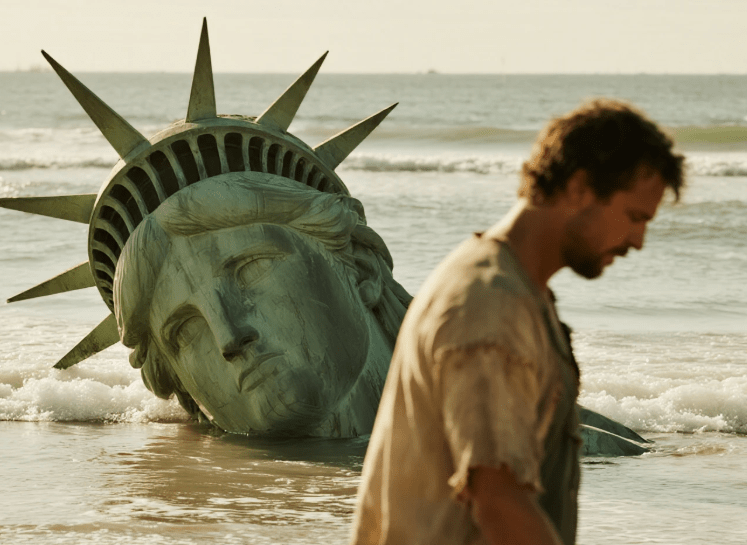
Healing A Broken Bone in the Apocalypse When All the Doctors Are Dead

In the apocalypse, nobody is coming to save you.

No ambulance. No urgent care. No orthopedic surgeon with clean scrubs and a shiny smile. Just you, whatever gear you bothered to stockpile before the world fell apart, and a broken bone that doesn’t care about your feelings.

This is the part of preparedness nobody wants to talk about because it’s ugly, painful, slow, and unforgiving. You can stock ammo, water filters, and freeze-dried food until your garage collapses, but one bad fall, one wrong step, or one unlucky encounter, and suddenly your survival fantasy gets real uncomfortable.

This article isn’t optimistic. It isn’t gentle. And it sure as hell isn’t pretending things will “work out.” This is about damage control when civilization is gone and the human body is still fragile as ever.

If that makes you uncomfortable, good. It should have motivated you years ago.


First, Accept the Brutal Reality of a Broken Bone

A broken bone in the end times is not an inconvenience. It’s a survival event.

You’re slower. Weaker. Louder. Less useful. More vulnerable. Every predator—human or otherwise—can sense weakness, and injury broadcasts it like a radio signal. Anyone telling you otherwise is lying to themselves or selling something.

Healing is possible, yes. Humans have been doing it long before hospitals existed. But healing well is not guaranteed. Infection, poor alignment, chronic pain, permanent disability—these are all on the table now.

So before we even talk about “healing,” understand the goal:

Stay alive long enough for the bone to mend.

Not “walk it off.” Not “power through.” Survival doesn’t care about your pride.


Step One: Stop Making It Worse (The Most Ignored Rule)

The moment a bone breaks, the damage isn’t finished. Every unnecessary movement, every attempt to “test it,” every stubborn step you take can turn a survivable fracture into a crippling one.

In the apocalypse, stupidity kills faster than starvation.

At a basic level, your priority is immobilization. That means keeping the injured area from moving in ways it shouldn’t. Bones heal when they’re stable. They don’t heal when you keep grinding them together because you “don’t have time to rest.”

If you break a leg and keep walking on it, congratulations—you’ve just volunteered for lifelong pain, assuming you live that long.

You don’t need fancy gear to understand the principle: movement equals damage.


Alignment: Because Crooked Healing Is Still Broken
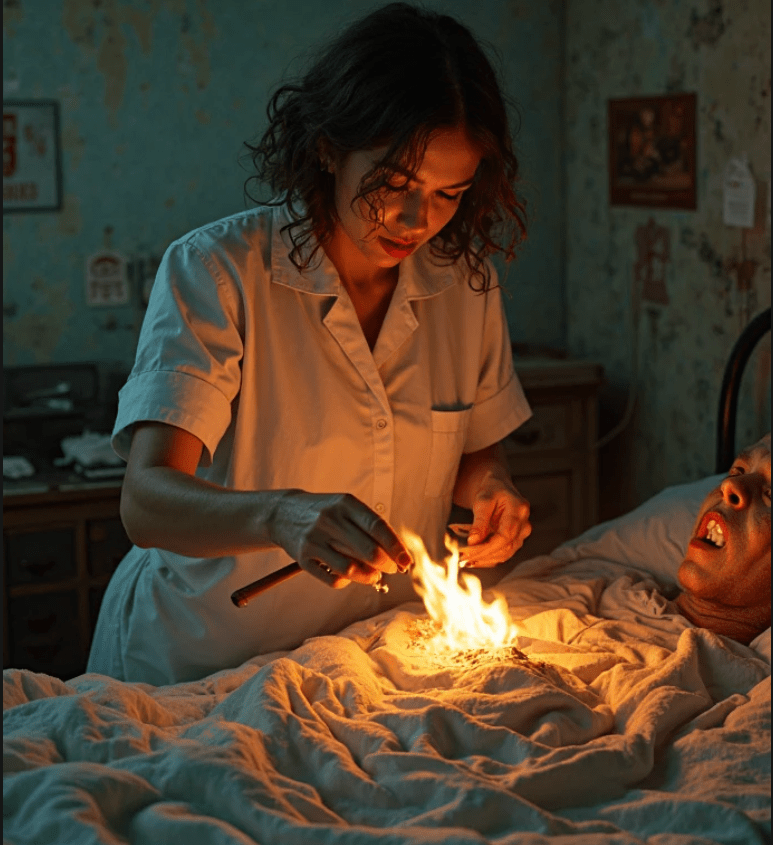
Here’s another truth preppers hate hearing: bones heal in the position they’re held.

If a fracture heals out of alignment, that’s your new normal. No corrective surgery later. No physical therapist. No redo.

In a functioning world, doctors use imaging and traction to line bones up properly. In the end times, you’re working blind. That means gentle correction only and only if it’s obvious something is severely out of place.

This is where ego gets people killed.

Forcing bones into place without training can cause nerve damage, blood loss, or turn a closed fracture into an open one. If the limb is reasonably straight and circulation is intact, stabilizing it where it is may be the lesser evil.

Perfect healing is a luxury of civilization. Survival healing is about avoiding catastrophe.


Immobilization Without Modern Comforts

No, you won’t have a fiberglass cast and a nurse signing it in Sharpie.

You’ll have sticks, boards, torn clothing, duct tape if you were smart, and whatever else you scavenged before the shelves went bare. The principle is simple even if the execution is miserable: support the bone and limit motion above and below the break.

Immobilization isn’t about squeezing tight. It’s about support. Cut off circulation and you’ll trade a fracture for tissue death, which is a fast track to infection and amputation—assuming anyone is left who knows how.

Check circulation. Check sensation. Check color. And then check again later. The body changes, swelling happens, and what was “fine earlier” can become deadly overnight.

This is not a “set it and forget it” situation.


Infection: The Silent Killer Nobody Plans For

You don’t die from the break. You die from what comes after.

In a collapsed world, infection is the real threat. Dirt, blood, open wounds, compromised immune systems, stress, poor nutrition—it’s a perfect storm. Even a closed fracture can become a problem if swelling breaks skin or blisters form.

Cleanliness becomes sacred. Water that’s safe enough to drink is barely safe enough to clean wounds, but you use what you have. Dirty wounds kill. Period.

Antibiotics, if you have them, become priceless. But misuse them and they’re gone forever—or worse, ineffective when you truly need them. This isn’t a pharmacy with automatic refills. Every pill is a strategic decision.

If you never stocked medical supplies because they weren’t “cool,” congratulations again. You planned for gunfights and forgot about gravity.


Nutrition: You Can’t Heal on Empty

Here’s something most survival fantasies ignore: bone healing requires resources.

Calories. Protein. Minerals. Hydration.

Your body doesn’t magically fix itself because you want it to. It needs raw materials, and in the apocalypse, those materials are scarce. Healing a fracture is metabolically expensive. If you’re already malnourished, the process slows to a crawl or stops altogether.

That means food allocation matters. The injured person may need more, not less. Yes, that feels unfair when everyone is hungry. Survival isn’t fair.

Weak nutrition leads to weak healing, which leads to prolonged immobility, which leads to increased risk. Everything compounds. The world is very good at punishing mistakes.


Time: The One Resource You Can’t Rush

Bones take weeks to months to heal under ideal conditions. The apocalypse is not ideal.

There is no shortcut. No hack. No motivational speech that speeds up cellular repair. Anyone telling you otherwise is selling nonsense.

Rest is mandatory. Movement is calculated. Pain is information, not something to ignore. Every day you’re injured is a day you’re less capable of defending yourself, gathering supplies, or relocating.

This is why injury avoidance is the most underrated survival skill. You don’t get bonus points for bravery when you fall off a ladder and break your arm because you were rushing.

The end times reward caution, not heroics.


Mental Health: The Part No One Wants to Admit Matters

Lying still while the world burns does things to your head.

Anger. Depression. Paranoia. Hopelessness. All normal. All dangerous.

A broken bone doesn’t just weaken the body; it messes with morale. And morale affects decision-making. Bad decisions get you killed faster than bad luck.

Staying mentally engaged—planning, observing, maintaining routines—can matter as much as physical healing. Giving up because “what’s the point” is how people fade out quietly.

The world may be over, but you’re not done yet. Not unless you decide you are.


When Healing Isn’t Perfect (And It Often Won’t Be)

Here’s the bitter end of the truth: you may never fully recover.

Reduced mobility. Chronic pain. Limited strength. That might be the price of survival. In a functioning society, that’s tragic but manageable. In a collapsed one, it changes your role permanently.

Adaptation becomes the new survival skill. You do what you can. You stop pretending life will go back to “normal.” Normal is dead. You’re living in the aftermath.

Those who survive long-term aren’t the strongest. They’re the ones who adjust fastest to the damage they’ve taken.


Final Thoughts from an Angry, Tired Prepper

I’m not writing this to scare you. I’m writing it because most people refuse to think past the fantasy phase.

Broken bones don’t care about your political opinions, your stockpile size, or how many forums you argued on. They happen quietly, randomly, and at the worst possible time.

If the apocalypse comes—and history says something always does eventually—your survival won’t hinge on how tough you are. It will hinge on how well you prepared for being fragile.

Because in the end times, the world isn’t just dangerous.

It’s indifferent.

And it will break you without a second thought if you give it the chance.
Generator Safety in a SHTF Scenario: Don’t Be Dumb, Stay Alive

If you’re the kind of clueless person who thinks running a gas-powered generator inside your house or garage during a blackout is a cute idea, congratulations—you’re about five seconds away from becoming another Darwin Award statistic. I don’t care if you survive or not. But for the tiny fraction of you with a shred of common sense, I’m going to lay down some brutal truths about generator safety during extended power outages. You’re welcome in advance.

First things first: generators are not toys. They are fire-breathing, fuel-guzzling machines that will kill you faster than a stampeding herd of zombies if you don’t treat them with the respect they deserve. This is especially true when the grid goes down for days—or weeks. People think they can just throw a generator in the corner of the garage, crank it up, and watch their lights come back on like nothing happened. That’s how people die. Let me be crystal clear: never, ever, under any circumstances, operate a generator indoors or in an enclosed space.

Carbon monoxide doesn’t care about your feelings. It doesn’t care that you’re trying to binge-watch TV while the rest of the neighborhood is in darkness. It’s a silent killer. The moment you inhale it, your brain gets robbed of oxygen. You collapse. You die. Your family probably does too, and the paramedics? Good luck—they won’t make it in time if the outage is widespread. So if you think it’s okay to run a generator in your basement, just do everyone a favor and stay in the house. Alone. Forever.

Now that we’ve cleared that up, let’s talk placement. Generators need to breathe. They need fresh air. They need space. Put them outside, at least 20 feet from your house, doors, and windows. Not 15. Not 19. Twenty. And make sure the exhaust is pointing away from any living area. Think of it like a dragon: you wouldn’t put a dragon in your living room and expect your furniture to survive. Treat your generator the same way.

Fuel storage is another topic that seems to blow the minds of every amateur prepper. Gasoline is a volatile, flammable nightmare waiting to explode, and somehow people think it’s fine to store five gallons in the kitchen. No. Just no. Use approved fuel containers, keep them outside, and never store them near an open flame—or your generator. And don’t even get me started on running a generator with an empty tank. These machines don’t just quit politely—they sputter, backfire, and sometimes throw flames. Keep fuel levels consistent, and refuel only when the generator is off and cooled down.

Extension cords. Yes, those flimsy pieces of crap you think are fine for a few hours of use. They’re not. If your extension cord isn’t rated for the load you’re putting on it, you might as well be lighting your house on fire yourself. Invest in heavy-duty, grounded cords. Don’t cheap out. You want to light your house with electricity, not fire. Period.

Load management is another area where people fail miserably. A generator has limits, and exceeding them is a fast track to disaster. Don’t even think about powering your entire house unless you have a monster generator designed for it. Start with essential appliances: refrigerator, freezer, a few lights, and maybe a sump pump if you live somewhere wet. Everything else can wait—or burn. You need to know what your generator can handle, and do not push it beyond its rated capacity. Overload it, and you’ll either destroy the generator or electrocute yourself. And I don’t care which happens—you won’t survive either scenario if you’re unlucky.

Maintenance is another thing people ignore until it’s too late. A generator sitting in the corner of your shed is useless if it won’t start when everything goes dark. Change the oil, clean the air filter, check the spark plug, and inspect fuel lines. Treat your generator like a war machine, because in a long-term power outage, that’s exactly what it is. A dead generator is as useful as a cardboard box filled with hope.

Noise. Yes, generators are loud. Too bad. This isn’t a spa. If someone complains, punch them. Or better yet, keep the generator as far away from neighbors as possible—because if the world has gone to hell, the last thing you need is some entitled Karen whining about noise while you’re trying to survive.

There’s one more thing most people don’t consider: security. A generator is a juicy target for looters during prolonged outages. Don’t leave it lying around like a shiny toy. Lock it up if possible, or at least make it difficult for thieves to carry it away. The last thing you need is to survive a week without power, only to have your generator stolen. If you live in a high-risk area, a chain and padlock might just save your life—or at least your ability to refrigerate that leftover food.

And for the love of whatever deity you pretend to follow, know how to operate your generator before the lights go out. Read the manual. Know the controls. Understand how to shut it down quickly in an emergency. Ignorance is not bliss—it’s a ticket to the morgue.

Let’s sum this up, because I know some of you morons need everything spelled out. Here’s the brutal checklist for surviving a prolonged power outage with a generator:

  1. Outdoor placement only – Minimum 20 feet from structures, exhaust away from living spaces.
  2. Never indoors – Basements, garages, or any enclosed areas are death traps.
  3. Safe fuel storage – Approved containers, outside, away from flames, generator off and cooled before refueling.
  4. Heavy-duty cords – Rated for the load, grounded, don’t cheap out.
  5. Load management – Only run essential appliances, never exceed rated capacity.
  6. Regular maintenance – Oil changes, air filter cleaning, spark plug inspection, fuel line checks.
  7. Noise tolerance – Loud is unavoidable, so deal with it.
  8. Security measures – Lock it up or secure it to prevent theft.
  9. Know the machine – Learn operation and emergency shutdown before the blackout.
  10. Carbon monoxide vigilance – If you smell exhaust, evacuate. Do not test your luck.

Take this seriously, because I don’t care about your excuses. In the end, survival isn’t about luck—it’s about preparation, smarts, and being ruthless enough to follow the rules while everyone else screws up. If you fail to respect your generator, the world will make a swift decision about your survival—and spoiler alert: it won’t be kind.

Generators are a lifeline in a SHTF scenario, but they’re also lethal weapons if mishandled. Handle them with respect. Follow the rules. Don’t be an idiot. And if you do die because you thought running a generator in your basement was a good idea… well, don’t say I didn’t warn you.

The World Earned Its Collapse — Build the Bag That Lets You Outlive It

Because Humanity Has Chosen This Path — and Most People Will Go Down With It

Let’s stop pretending humanity is some noble masterpiece worth saving.
Look around.
Look closely.

We’re a species addicted to noise, distraction, denial, and self-destruction.
We build nothing that lasts.
We destroy everything we touch.
We trade truth for entertainment and stability for convenience.
We’ve turned intelligence into arrogance and technology into a crutch.

So yes — collapse is coming.
Not as punishment.
Not as tragedy.
But as a natural consequence of billions of people who would rather be comfortable than conscious.

Humanity deserves the chaos roaring toward it.
But you don’t have to go down with the rest of the sleepwalkers.

That’s why a real bug out bag matters:
Not to save humanity.
Not to restore society.
But to survive the implosion you’ve been watching unfold for years.

This isn’t hope.
This is resignation — weaponized.


WHY YOU NEED A BUG OUT BAG IN A WORLD THAT NO LONGER DESERVES SAVING

The average person has no idea what’s coming.
They mock preparedness.
They laugh at reality.
They think grocery stores magically refill, that power grids last forever, that violence is something that only happens “somewhere else.”

Humanity’s arrogance will be its death sentence.

But you?
You’re not here because you believe things will get better.
You’re here because you see the unraveling clearly and refuse to be dragged down by the herd.

A bug out bag isn’t optimism.
It’s not hope.
It’s not even fear.

It’s acceptance:
The acceptance that society chose collapse — and your only obligation is to outlive the consequences.

This checklist reflects that truth.


THE NIHILIST’S BUG OUT BAG CHECKLIST

Gear for When the World Finally Gets What It Deserves


1. WATER: THE RESOURCE HUMANITY TOOK FOR GRANTED UNTIL THE VERY END

Humans poisoned their own rivers, overpumped aquifers, dumped waste into oceans, and acted shocked when drought arrived.

Don’t join them.

Pack:

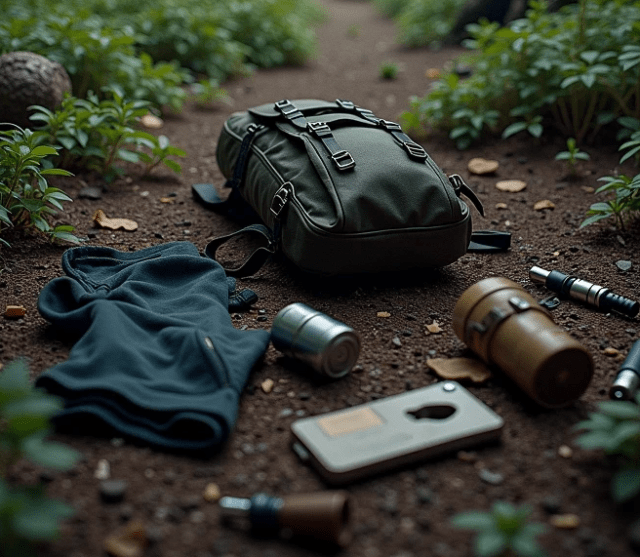
  • Stainless steel water bottle
  • Water filter (Sawyer Mini or equivalent)
  • Purification tablets
  • Collapsible reservoir
  • Metal cup for boiling

Without water, you’re done.
And humanity has already proven it can’t protect a drop of it.


2. FOOD: SIMPLE FUEL FOR A SPECIES THAT COMPLICATED EVERYTHING

Humans invented food shortages in a world overflowing with resources.
Now they panic when shelves run empty for 12 hours.

Your survival depends on:

  • Freeze-dried meals
  • Survival rations
  • Jerky
  • Oatmeal
  • Electrolyte powder

This is not about culinary joy.
This is about staying alive while the world eats itself.


3. SHELTER: PROTECTION FROM THE ELEMENTS (AND HUMANITY’S MISTAKES)

People chopped down forests, paved over ecosystems, and still act surprised when weather becomes lethal.

Pack:

  • Tarp
  • Paracord
  • Bivy sack
  • Mylar blankets
  • Wool layers
  • Waterproof jacket
  • Spare socks

Nature isn’t the enemy.
Humanity’s ignorance is.


4. FIRE: SOMETHING ANCIENT HUMANITY FORGOT HOW TO DO WITHOUT WI-FI

Fire once represented intelligence.
Now people panic when their lighter runs out.

Pack redundancy:

  • Ferro rod
  • Stormproof matches
  • Bic lighters
  • Tinder

If you cannot make fire, you cannot stay alive — and the world won’t care.


5. TOOLS: FUNCTIONALITY FOR A WORLD THAT CHOSE CONVENIENCE OVER COMPETENCE

We built smartphones but forgot how to use knives.
We built skyscrapers but forgot how to use rope.
We built drones but forgot how to build shelter.

You need:

  • Fixed-blade knife
  • Multi-tool
  • Folding saw
  • Duct tape
  • Headlamp + batteries
  • Work gloves

Because survival will require more skill than scrolling.


6. FIRST AID: BECAUSE INFRASTRUCTURE COLLAPSES FASTER THAN DENIAL

Emergency rooms will overflow, then shut down.
Supplies will vanish.
Help will evaporate.

Your kit must include:

  • Tourniquet
  • Israeli bandage
  • Gauze
  • Alcohol wipes
  • Antibiotic ointment
  • Pain relievers
  • Medical tape

Humans ignored their own health when times were good.
They’ll beg for medicine when it’s too late.


7. NAVIGATION: BECAUSE GPS DEPENDS ON A CIVILIZATION THAT’S FALLING APART

GPS requires satellites.
Satellites require stability.
Stability is gone.

Pack:

  • Compass
  • Maps
  • Grease pencil

When the world loses its direction, you won’t.


8. SIGNALING & COMMUNICATION: NOT TO BE RESCUED — BUT TO REMAIN INFORMED

You’re not signaling for help.
You’re signaling for options.

Pack:

  • Whistle
  • Signal mirror
  • Hand-crank radio

Information becomes priceless when the world drowns in noise.


9. SECURITY: BECAUSE THE BIGGEST THREAT TO YOUR SURVIVAL ISN’T NATURE — IT’S PEOPLE

People created the collapse.
People will panic.
People will turn chaotic.

Minimal essentials:

  • Pepper spray
  • High-lumen flashlight
  • Knife (already in tools)

You don’t need to harm anyone.
You just need enough distance to avoid becoming another casualty of collective stupidity.


10. DOCUMENTS & MISC: THE IRONY OF PAPERWORK IN A DYING WORLD

The world collapses, but bureaucracy still somehow survives.

Pack:

  • ID copies
  • Cash
  • Emergency contacts
  • Notepad
  • Pen
  • Zip ties
  • Trash bags

The old world will cling to life far longer than its people deserve.


THE FINAL TRUTH: HUMANITY BROUGHT THIS COLLAPSE ON ITSELF

Humanity won’t fall because of bad luck.
It will fall because it earned it — through arrogance, apathy, and an unshakable belief that consequences don’t apply to it.

Your bug out bag isn’t a rebellion.
It’s not an attempt to fix the world.
It’s not even survival for the sake of survival.

It’s quiet refusal.
A silent declaration that you won’t drown with the ship.
A commitment to continue existing even if humanity doesn’t deserve to.

You prepare not because you believe in humanity…
but because you don’t.

Water Is the First Rule of Survival and the World Is Ignoring It

This Is Why Water Is The Absolute Basic for Preparedness

Let me tell you something that shouldn’t still need to be explained in the year we’re living in: water is the cornerstone of preparedness. Not food. Not tools. Not fancy gear. WATER.

And yet somehow—somehow—I keep seeing people stocking their garages with tactical backpacks and overpriced survival gimmicks while completely ignoring the one resource that actually keeps them alive. It’s infuriating. It’s ridiculous. It’s proof that the world has learned absolutely nothing from the disasters it already lived through.

I swear, every time the power grid flickers or a storm rolls in, these same unprepared folks run to the store like panicked toddlers to fight over the last cases of bottled water. Then they have the audacity to act shocked when the shelves are empty. Really? You didn’t see that coming? You didn’t think maybe—just maybe—you should’ve had water set aside already?

Well, buckle up, because we’re going to talk about why water is the absolute basic for preparedness, why the world keeps pretending it isn’t, and why you absolutely cannot afford to be as clueless as the masses sleepwalking through life.


1. Without Water, You’re Done in Three Days—Period

Let’s start with the biological truth. The hard truth. The slap-in-the-face truth:

A human can survive weeks without food, but only three days without water.

Three days.

That’s it.

And depending on the conditions—heat, physical exertion, illness—you might not even last that long. But somehow, people keep prepping like water is optional, like it’s some “bonus item” on the emergency checklist.

It’s not optional.
It’s not secondary.
It’s the foundation.

If you don’t have a dependable water supply, you’re not prepared. You’re pretending.


2. The System You Trust? It Breaks. Often. And Quickly.

Let me make something clear: clean, convenient, pressurized water flowing from your tap is not some magical guarantee. It’s a fragile system held together by aging infrastructure, overworked utilities, political incompetence, and pure luck.

One bad storm.
One prolonged blackout.
One contamination issue.
One supply chain failure.

And suddenly millions of people are boiling rainwater in pots, standing in line for hours at “emergency distribution points,” and acting like they live in the Stone Age.

We’ve seen it happen in small towns. We’ve seen it happen in major cities. We’ve seen it happen after hurricanes, droughts, chemical spills, grid failures, and even routine maintenance screwups. But every time, the world still behaves like these events were unpredictable.

It’s maddening how fast people forget.

The system isn’t stable.
It isn’t guaranteed.
And it certainly doesn’t deserve your blind trust.


3. Everyone Preps for Food First—Which Shows How Little They Understand

Nine out of ten new preppers start with food. “I need buckets of rice and beans,” they say. “I need canned goods. I need freeze-dried meals.”

Sure. Food matters.

But here’s the hilarious part: every one of those foods requires water to cook, or at the very least, water to digest properly so you don’t wreck your kidneys in the middle of a crisis.

You want to survive on dehydrated rations with no water? Enjoy that emergency room visit—oh wait, in a disaster scenario, there isn’t one.

The prepping world is full of people who think they’re being clever by buying 25-year-shelf-life meals, but they don’t store the water needed to actually use them. That’s like buying a car with no fuel tank.

I shouldn’t have to say this out loud. But apparently I do.


4. Water Isn’t Just for Drinking—And That’s Where Most People Go Wrong

Let’s break down some basic math for the folks in the back:

Drinking water:
~1 gallon per person per day (bare minimum).

But that’s only part of the equation.

You also need water for:

  • Cooking
  • Washing and hygiene
  • Pet care
  • First aid and wound cleaning
  • Cleaning tools and surfaces
  • Sanitation and flushing

So that “three-gallon emergency stash” some people brag about?
That’s going to last you about one day, maybe two if you’re living like a dehydrated desert hermit.

A realistic target is a minimum of 30 gallons per person, and that’s only for short-term disruptions. For long-term preparedness, you need far more—stored, filtered, collected, and renewable.

But try telling that to a society that thinks a few cases of bottled water is a preparedness plan.


5. You Need Multiple Water Sources—Because One Will Fail

And let me make one more point, because this is where amateurs fail spectacularly:

You need layers of water redundancy.

Not one method.
Not two.
Several.

If your plan is “I’ll just fill the bathtub,” guess what? If the power goes out before you think of it, the water pressure is gone. Too late. Enjoy your empty tub.

If your plan is “I’ll filter water from the river,” hope you enjoy walking to it while everyone else in your area has the exact same idea.

If your plan is “I’ll buy water,” you clearly haven’t lived through a real crisis—stores empty in minutes, not hours.

Here’s what a real prepper has:

  • Stored water (barrels, jugs, cubes, rotation system)
  • Rainwater collection (gutters, barrels, debris screens)
  • Filtration & purification (gravity filters, tablets, boiling capability)
  • Extraction tools (manual pumps, siphons)
  • Emergency short-term containers (bladder tanks, collapsible bags)

If your plan doesn’t include at least four of these, you’re betting your life on luck. And luck is the one resource you’re guaranteed to run out of.


6. Society Doesn’t Respect Water Until It Loses It—And That’s the Problem

We live in a world that treats water like it’s infinite. People run faucets while brushing their teeth, hose down driveways, refill backyard pools, and buy cases of bottled water like it’s fashionable.

Then one boil advisory hits and suddenly everyone becomes a panicked, desperate survivalist.

It’s pathetic.
It’s predictable.
And it’s exactly why preppers like us are constantly misunderstood or mocked—right up until the moment the grid stumbles and those same people come knocking on our doors.

You know who never panics when the water shuts off?
The person who already stored, filtered, and planned for it.

But the rest of society? They panic because they never bothered to think ahead.


7. If You Don’t Prepare Water First, You’re Setting Yourself Up to Fail

I don’t care how much gear you have. I don’t care how tough you think you are. I don’t care if you’ve watched every survival show ever made.

If you don’t have water, you’re not prepared. And you’re not going to make it.

This world is unstable—economically, environmentally, politically. Disruptions are coming. Some are already here. And you can either face them with water security or face them with empty hands and wishful thinking.

I’m tired of watching people ignore the basics.
I’m tired of seeing preparedness treated like a hobby instead of a necessity.
And I’m tired—truly tired—of shouting this into a world that refuses to listen.

But I’ll say it again, loudly, because maybe this time someone will finally hear it:

**WATER IS THE FIRST PREP.

THE MOST IMPORTANT PREP.
THE PREP THAT DEFINES WHETHER YOU SURVIVE OR FAIL.**

Everything else comes after.
Everything.

How To Survive to 100 Years Old During the Post Apocalypse

The post apocalypse isn’t a movie montage with acoustic guitars and found families. It’s starvation, stupidity, betrayal, and the slow grinding realization that most people were dead weight before the world ended.

If you want to live to 100 years old after everything collapses, you’ll need to accept one harsh truth: survival is lonely, bitter, and unforgiving. The weak die early. The careless die loudly. And the optimistic usually die first.

This isn’t about heroics. This is about outlasting everyone else.

Step One: Accept That Civilization Is Gone (For Good)

One of the biggest killers in a post-apocalyptic world is denial. People cling to the idea that “things will go back to normal.” They wait for governments that no longer exist, rescue teams that were never coming, and systems that collapsed under their own incompetence.

You don’t survive to 100 by waiting.

You survive by understanding that civilization was fragile, bloated, and overdue for collapse. There is no cavalry. There is no reset button. The faster you accept that the old world is dead, the faster you stop making fatal decisions based on nostalgia.

Survivors adapt. Everyone else reminisces until they starve.

Step Two: Stop Trusting People Blindly

Before the apocalypse, people were already selfish, short-sighted, and dangerously ignorant. Remove laws, comfort, and consequences, and you don’t get cooperation—you get predators.

If you think “community” will save you, ask yourself this: how many people around you were useful before everything fell apart? How many could grow food, purify water, repair tools, or shut up when silence mattered?

Exactly.

Living to 100 means being selective. Alliances should be temporary, transactional, and constantly reassessed. Trust is earned through consistency, not shared misery. Anyone who talks too much about unity usually wants something from you.

Keep your circle small. Keep your expectations smaller.

Step Three: Master Boring Skills (They Keep You Alive)

Forget tactical fantasies. Survival to old age depends on boring, repetitive, unglamorous skills that never trend on social media.

You need to know how to:

  • Grow calorie-dense food in poor soil
  • Preserve food without electricity
  • Filter and boil water endlessly
  • Repair clothing, tools, and shelter
  • Treat basic injuries without hospitals
  • Walk long distances without destroying your joints

Living to 100 isn’t about being dangerous—it’s about being durable.

The apocalypse rewards people who can wake up every day and do the same miserable tasks without complaint. If you need excitement, you won’t last.

Step Four: Calories Are Everything (Moral High Ground Is Optional)

You don’t live to 100 by eating “clean.” You live to 100 by eating enough.

Calories are survival currency. Fat is not your enemy. Protein is not optional. Anyone who wastes food to prove a point will be dead long before old age becomes a concern.

You should prioritize:

  • Long-term calorie storage
  • Animals that reproduce quickly
  • Crops that don’t require constant babysitting
  • Eating parts of animals people used to throw away

Ethics change when hunger is permanent. That’s not cruelty—that’s reality.

Step Five: Avoid Violence When Possible (But Be Capable of It)

Violence shortens lifespans. Every fight risks injury, infection, and retaliation. People who glorify combat usually don’t live long enough to regret it.

That said, weakness invites violence.

If you want to reach 100, you must project capability without constantly proving it. Know how to defend yourself. Know how to escape. Know when to disappear rather than “win.”

The smartest survivors are the ones nobody notices until it’s too late to bother them.

Step Six: Build for the Long Haul, Not the Headlines

Temporary shelters kill people slowly. Exposure, bad posture, and untreated injuries compound over decades. You don’t need luxury—but you need sustainability.

Focus on:

  • Weather-resistant shelter
  • Proper sleeping arrangements
  • Warmth without constant fuel consumption
  • Redundancy in tools and systems
  • Minimal reliance on scavenging

Scavenging is a young person’s game. If you want to be alive at 80, you’d better have systems in place by 40.

Step Seven: Protect Your Body Like It’s the Last One You’ll Ever Have

Because it is.

There are no replacements. No surgeries. No miracle drugs. Every injury is permanent damage to your timeline.

Stretch. Rest. Avoid unnecessary strain. Learn how to lift, carry, and work efficiently. Pain ignored today becomes disability tomorrow.

Survivors who last decades treat their bodies like irreplaceable machinery, not expendable tools.

Step Eight: Prepare for Mental Decay (It’s Coming)

Longevity isn’t just physical. Isolation, grief, and monotony erode the mind. People crack. They take risks. They stop caring.

You need structure. Routine. Purpose—even if it’s arbitrary.

Read. Write. Track seasons. Teach yourself something pointless just to keep thinking. A dull mind makes fatal mistakes.

The apocalypse doesn’t just kill bodies—it rots attention spans.

Step Nine: Expect to Be Disappointed Constantly

People will fail you. Plans will collapse. Crops will fail. Weather will ruin everything you worked for.

If you expect fairness, you’ll break.

Living to 100 requires emotional calluses. You don’t rage at reality. You adapt, adjust, and keep going. Anger is fuel—but only if you aim it inward as discipline, not outward as chaos.

Step Ten: Outlive the Noise

Most people won’t make it 10 years. Fewer will make it 20. By the time you’re old, the world will be quieter—not because it’s peaceful, but because most voices are gone.

That’s when patience pays off.

You survive to 100 not by being special, but by being relentless, cautious, and deeply unimpressed by human nature.

The post apocalypse doesn’t reward optimism. It rewards preparation, stubbornness, and the refusal to die just because the world thinks you should.

If that makes you bitter, good.

Bitterness lasts longer than hope.

9 Months Pregnant and Stranded on a Deserted Island? How Can a Woman Survive After Giving Birth

Let’s get one thing straight right out of the gate: if you’re nine months pregnant and stranded on a deserted island, you are already in a catastrophic failure scenario. This is not a “finding yourself” moment. This is not a vacation gone wrong. This is nature reminding you that comfort, modern medicine, and safety are luxuries—fragile ones.

If you’re looking for reassurance, soft language, or motivational fluff, you’re in the wrong place. Survival doesn’t care about your feelings, your birth plan, or what your prenatal yoga instructor told you. Survival cares about preparation, adaptability, and ruthless prioritization.

This article assumes one thing: rescue is not immediate, and no magical help is coming before the baby does. If you want the truth about how a woman might survive pregnancy and childbirth alone on a deserted island—and how most people would fail—read on.


The Reality Check: Pregnancy Is Already a Medical Risk

Pregnancy is not a superpower. It’s a biological gamble that usually pays off because of modern medicine. Strip that away, and the odds get ugly fast.

At nine months pregnant, a woman faces:

  • Limited mobility
  • Higher caloric and hydration needs
  • Increased risk of infection
  • Risk of hemorrhage during birth
  • Risk of obstructed labor
  • Risk to the baby if delivery goes wrong

Now remove:

  • Doctors
  • Midwives
  • Sterile tools
  • Pain management
  • Blood transfusions
  • Emergency surgery

What you’re left with is a primitive birth scenario—the kind humanity survived sometimes, not reliably.

Survival here isn’t about heroics. It’s about reducing risk where possible and accepting that some things are completely out of your control.


Immediate Priorities: Before Labor Starts

If labor hasn’t started yet, you are on borrowed time. Every hour before contractions begin matters.

1. Shelter Is Non-Negotiable

Exposure kills faster than hunger.

You need a shelter that is:

  • Elevated (to avoid flooding and insects)
  • Shaded (to prevent overheating)
  • Dry
  • Wind-protected

This is not the time to build something pretty. Build something functional. A crude lean-to with palm fronds is better than sleeping in the open like an idiot.

Labor can last hours—or days. You do not want to be squatting in the rain while contractions tear through you.

2. Fire: Your Only Real Tool

Fire is survival currency.

Fire provides:

  • Warmth
  • Ability to boil water
  • Sterilization (as much as possible)
  • Light during nighttime labor
  • Psychological stability (yes, that matters)

If you can’t reliably start and maintain a fire, your survival odds drop dramatically. No fire means contaminated water, untreated wounds, and hypothermia risk after birth.

3. Water Is Life (And Death)

Dehydration during late pregnancy and labor is a fast track to disaster.

You need:

  • A consistent freshwater source
  • The ability to boil water

Rain catchment, springs, or slow-moving streams are your best options. Ocean water will kill you faster than thirst.

Boil everything. Diarrhea or infection in late pregnancy is a death sentence without medical care.


Food: You Are Fueling Two Lives

Forget cravings. Forget comfort food. This is about survival nutrition.

A pregnant woman needs:

  • Calories
  • Protein
  • Fats
  • Minerals

On a deserted island, realistic food sources include:

  • Fish
  • Shellfish (with caution)
  • Eggs (birds or reptiles)
  • Coconuts
  • Edible roots or fruit (only if positively identified)

Protein is critical. Fish is your best friend. Learn how to catch it with improvised spears, traps, or lines. Undercooked food risks parasites and infection, but starvation is worse. Cook when possible.

If you’re squeamish about killing animals, congratulations—you’ve just selected yourself out of the gene pool.


Mental State: Panic Will Kill You Faster Than Labor

Let’s address the psychological reality.

You are alone. You are pregnant. You are in pain. You are scared.

Panic causes:

  • Poor decision-making
  • Exhaustion
  • Increased complications during labor

You must accept your situation fully. Denial wastes energy. Hope without action is useless.

Talk to yourself if you have to. Focus on tasks. Survival is a series of small, boring actions done correctly.


Preparing for Birth Without Medical Help

This is the part no one wants to think about, but pretending it won’t happen doesn’t stop labor.

Creating a Birth Area

Your birth area should be:

  • Clean as possible
  • Close to fire and water
  • Private and protected

Lay down clean leaves, cloth, or bark. Is it sterile? No. But reducing dirt and debris lowers infection risk.

Boil any cutting tool you plan to use. Knife, sharp shell, stone—it doesn’t matter. Fire is your sterilizer.

Wash your hands as best you can. Again, perfection is impossible. Reduction of risk is the goal.


Labor: Pain Is Inevitable, Complications Are Not Optional

Labor will happen whether you’re ready or not.

Positioning Matters

Lying flat is not ideal. Squatting, kneeling, or leaning forward uses gravity and reduces labor time. Your body knows what to do—if you let it.

Breathe. Not the Instagram kind. Slow, controlled breathing to prevent exhaustion and panic.

What Can Go Wrong (And Often Does)

Let’s be blunt:

  • Prolonged labor can kill mother and baby
  • Breech presentation is dangerous
  • Umbilical cord complications are deadly
  • Excessive bleeding can end you in minutes

Without assistance, you are relying on luck and biology. Women have survived this way—but many didn’t.


Delivering the Baby

If the baby is coming headfirst and labor progresses normally, do not pull aggressively. Let contractions do the work.

Support the baby’s head as it emerges. Clear the mouth and nose gently if possible.

Once the baby is born:

  • Keep the baby warm
  • Skin-to-skin contact helps regulate breathing
  • Do not panic if the baby doesn’t cry immediately—stimulate gently

Cutting the Umbilical Cord

If you have cordage, string, or plant fiber, tie the cord a few inches from the baby and again farther down.

Cut between the ties with a sterilized tool.

If you have nothing to cut with, tearing is a last resort and extremely risky. This is why preparation matters.


The Placenta: Don’t Ignore It

The placenta must be delivered. This can take time. Do not pull on the cord.

Once delivered, move it away from your shelter to avoid attracting predators.

Yes, some cultures consume it. In a survival scenario, it does contain nutrients—but it also carries infection risk. Decide based on necessity, not trendiness.


Post-Birth: The Most Dangerous Phase

Most people think the danger ends once the baby is born. That’s ignorance talking.

Hemorrhage Is the #1 Killer

Excessive bleeding can happen quickly.

To reduce risk:

  • Allow breastfeeding if possible (stimulates uterine contraction)
  • Apply firm pressure if bleeding is heavy
  • Stay hydrated

If bleeding doesn’t slow, there may be nothing you can do. This is where reality gets ugly.


Caring for a Newborn in the Wild

A newborn is fragile. Hypothermia and infection are constant threats.

Warmth Is Survival

Keep the baby against your body as much as possible. Fire helps, but smoke inhalation is a risk.

Breastfeeding Is Not Optional

If you can breastfeed, do it. Formula doesn’t exist here. If you can’t, the baby’s survival chances plummet.

Eat and drink as much as possible. Your body needs fuel to produce milk.


Long-Term Survival: After the Birth

Now you’re injured, exhausted, responsible for a newborn, and still stranded.

This is why survival prepping matters before disaster strikes—not after.

Your priorities now are:

  • Prevent infection
  • Maintain hydration and calories
  • Signal for rescue
  • Avoid unnecessary risk

Traveling with a newborn should be avoided unless absolutely necessary. Stay put if rescue is plausible.


Hard Truths Survival Culture Doesn’t Like to Admit

Let’s end with honesty:

  • Not everyone survives childbirth without medical care
  • Preparation dramatically improves odds
  • Romanticizing “natural birth” ignores history’s death toll
  • Survival is unfair, brutal, and indifferent

If reading this made you uncomfortable, good. Comfort is a modern addiction. Survival favors the prepared, the realistic, and the ruthless with priorities.

If you’re pregnant now and reading this as entertainment—fine.
If you’re reading this as a prepper and thinking, “This could never happen to me”—you’ve already failed the mindset test.

Nature doesn’t care about your plans. It cares about your preparation.

Surviving the Apocalypse While Pregnant: How to Deliver a Healthy Baby When the World Falls Apart

I want to start by saying something important: pregnancy is not a weakness, even at the end of the world. It is proof that life insists on continuing. I know this not just as a preparedness specialist who has lived off-grid for decades, but as someone who once helped deliver a baby on a sinking airplane that crashed into Lake Michigan. Cold water, chaos, no hospital, no backup—just knowledge, calm hands, and the unshakable will of a mother who refused to let her child’s first day be their last.

How Can a Pregnant Woman Survive During the Apocalypse, Give Birth to a Healthy Baby, and Live to Tell the Story

If a woman can give birth in freezing water after a plane crash, she can give birth during an apocalypse.

This article is not about fear. It’s about practical optimism, grounded skills, and the truth that women have been delivering babies in harsh conditions since long before modern hospitals existed. With preparation, mindset, and community—even a small one—a pregnant woman can survive the apocalypse, deliver a healthy baby, and live.

Let’s talk about how.


First Rule: Survival Starts Before Labor Ever Begins

The most important factor in surviving pregnancy during a collapse is early preparation. Pregnancy is a long journey, and the apocalypse rarely sends a polite invitation.

Nutrition Is Non-Negotiable

Calories are currency. During pregnancy, a woman needs more protein, more fat, and more minerals—especially iron, calcium, magnesium, iodine, and folate.

In an off-grid or post-collapse environment, prioritize:

  • Eggs (fresh or preserved)
  • Bone broth (for minerals and hydration)
  • Beans, lentils, and dried peas
  • Wild greens (dandelion, lamb’s quarters, nettle)
  • Animal fats and oils
  • Fermented foods for gut health

A malnourished mother produces a malnourished baby. Even during scarcity, the pregnant woman eats first. This isn’t selfish; it’s survival math.

Hydration Saves Lives

Dehydration triggers premature labor and complications. Clean water is more important than almost anything else.

Have:

  • Multiple water purification methods (boiling, filters, solar stills)
  • Electrolyte sources (salt, ash water, broths)
  • Daily hydration habits, not emergency-only use

Second Rule: Stress Is the Silent Killer

In that Lake Michigan crash, panic would have killed everyone. Calm saved lives.

Pregnant women under extreme stress face higher risks of miscarriage, preterm birth, and postpartum complications. While you can’t eliminate danger during an apocalypse, you can control perception and response.

Techniques that work even without modern comforts:

  • Slow nasal breathing
  • Routine (meals, walking, rest at the same times daily)
  • Limited exposure to chaos and conflict
  • Assigning others to stand guard so the mother can rest

The body follows the mind. A calm mother births better.


Third Rule: Prepare for Birth Like It’s a Wilderness Expedition

Birth is not a medical emergency by default. It is a physiological process. Most births, even without hospitals, go well when left undisturbed and supported.

Build a Birth Kit Now

Even off-grid, you can assemble a functional birth kit:

  • Clean cloths or boiled rags
  • Soap and clean water
  • A sharp, sterilized cutting tool
  • String or cord for tying the umbilical cord
  • Gloves (if available)
  • Honey or herbal antiseptics
  • Extra blankets for warmth

You do not need fancy tools. You need cleanliness, warmth, and patience.

Learn the Signs of Normal Labor

Every woman in a survival group should know:

  • How to identify early labor vs. active labor
  • That pushing should not be rushed
  • That tearing is reduced when the mother follows her body’s urge

In that freezing plane wreck, we didn’t force anything. We supported the mother’s instincts. That baby came into the world breathing and crying because no one panicked.


Fourth Rule: Birth Position and Environment Matter

Forget the hospital bed. The best birth positions during an apocalypse are:

  • Squatting
  • Hands and knees
  • Side-lying
  • Leaning forward

Gravity is your ally. Privacy is your ally. Quiet is your ally.

The birth space should be:

  • Warm
  • Dimly lit
  • As private as possible
  • Free from unnecessary observers

The body releases oxytocin—essential for labor—when the mother feels safe. Even in a ruined world, safety can be created.


Fifth Rule: Immediate Newborn Care Is Simple but Critical

Once the baby is born:

  1. Place the baby skin-to-skin with the mother.
  2. Do not rush to cut the cord; allow it to stop pulsing.
  3. Keep both mother and baby warm.
  4. Initiate breastfeeding as soon as possible.

Breast milk is the ultimate survival food:

  • Sterile
  • Perfectly balanced
  • Immune-boosting
  • Always available

In an apocalypse, breastfeeding is not optional—it’s lifesaving.


Sixth Rule: The Mother Must Survive Postpartum

Here’s where many survival plans fail. Birth isn’t the finish line.

Watch for Postpartum Dangers

The biggest threats after birth:

  • Excessive bleeding
  • Infection
  • Dehydration
  • Exhaustion

Preventative steps:

  • Rest for at least 10 days
  • Warmth and nutrition
  • Herbal support (yarrow for bleeding, garlic for infection)
  • Community protection so the mother is not forced back into labor too soon

A mother who is pushed too hard too fast may not survive.


Final Rule: Hope Is a Survival Skill

I’ve seen life begin where death was expected. In icy water. In broken metal. In the middle of chaos.

A pregnant woman surviving the apocalypse is not a fantasy. It’s a return to how humanity has always endured—through knowledge, cooperation, and trust in the body’s design.

If you are pregnant or planning for a future where the grid goes dark, remember this:

Women are not fragile. Babies are not doomed. And hope is renewable.

Prepare your body. Prepare your mind. Prepare your community.

Life will find a way—especially when we help it.

How to Stay Alive on a Deserted Island With Two Broken Legs

Stranded on a Deserted Island With Two Broken Legs and No One Around to Help? Here’s How You Stay Alive

Let’s get one thing straight: survival is not about strength, speed, or heroics. It’s about decision-making under pressure. If you are stranded on a deserted island with two broken legs, mobility is gone, rescue is uncertain, and pain is constant. Panic will kill you faster than dehydration if you let it. The good news? Humans have survived worse with less — but only when they follow priorities, not emotions.

This scenario strips survival down to its rawest form. No hiking for help. No building elaborate shelters. No chasing food. Everything you do must be deliberate, efficient, and brutally realistic.

Here’s how you stay alive.


Step One: Accept the Situation and Control Shock

The moment you realize both legs are broken, survival becomes mental before it becomes physical.

Broken bones introduce three immediate threats:

  • Shock
  • Infection
  • Dehydration

Do not move unless absolutely necessary. Uncontrolled movement increases internal bleeding and worsens fractures. Slow your breathing. Elevate your legs slightly if possible and stabilize them using anything available — driftwood, broken branches, belts, clothing, or vines. Immobilization isn’t about comfort; it’s about preventing further damage.

Pain will cloud judgment. You must consciously slow your thoughts. Survival isn’t urgent motion — it’s calm management.


Step Two: Secure Water Before Anything Else

You can survive weeks without food. You may not survive three days without water — especially in heat.

Since you cannot walk, water must come to you or be collected within crawling distance.

Water options to prioritize:

  • Rainwater (highest priority)
  • Coconut water (if available)
  • Solar stills
  • Morning dew collection

If you’re near the shoreline, do not drink seawater. That mistake ends survival fast.

Use clothing, leaves, shells, or hollowed coconuts to collect rainwater. If rain isn’t immediate, create a basic solar still using plastic debris, vegetation, and a container. Even minimal daily water intake dramatically improves survival odds.

Dehydration kills quietly. Solve water first, or nothing else matters.


Step Three: Prevent Infection Like Your Life Depends on It (Because It Does)

Broken legs in a tropical or coastal environment invite infection — which can kill even if rescue eventually comes.

If bones are exposed, do not attempt to reset them unless trained. Focus on cleaning wounds using the cleanest water available. Saltwater can be used cautiously to flush debris if nothing else exists, but freshwater is better.

Cover wounds with clean fabric, leaves with antimicrobial properties (if known), or improvised bandages. Change coverings daily if possible.

Flies, sand, and moisture are your enemy. Infection will drain your strength and clarity long before hunger does.


Step Four: Create Shade and Shelter Without Standing

Exposure is the silent killer most people underestimate.

Direct sun, wind, or rain will sap your energy and worsen injuries. Your shelter does not need to be impressive — it needs to:

  • Keep you shaded
  • Keep you dry
  • Reduce wind exposure

Use driftwood, fallen palm fronds, leaves, or wreckage to create a low-profile lean-to within arm’s reach. Crawl only if necessary. Every movement costs calories and pain.

If nights are cold, insulate the ground beneath you with leaves, seaweed (dried), or debris. The ground will drain body heat faster than air.


Step Five: Food Is Secondary — But Still Important

With broken legs, hunting and foraging are limited. This is where patience and realism keep you alive.

Low-effort food sources:

  • Coconuts
  • Shellfish trapped by tides
  • Crabs caught using bait and simple traps
  • Seaweed (certain edible varieties)

Avoid anything you cannot confidently identify as edible. Poisoning yourself ends the story quickly.

Your goal is maintenance, not strength. Small, reliable calories beat risky foraging every time.


Step Six: Manage Energy Like a Finite Currency

Every action has a cost. With injuries, that cost multiplies.

Rules to live by:

  • Do not move unless the reward outweighs the risk
  • Rest whenever possible
  • Perform tasks during cooler hours
  • Avoid unnecessary exposure to sun

Pain management matters. Slow breathing, controlled movement, and minimizing stress reduce shock and energy drain.

Survival favors those who last, not those who rush.


Step Seven: Signaling for Rescue Is a Daily Job

You are not escaping the island on broken legs. Rescue must come to you.

Make yourself visible.

Effective signaling methods:

  • Signal fires (three is the universal distress signal)
  • Reflective surfaces (metal, mirrors, glass)
  • Ground symbols visible from the air
  • Smoke during daylight

Build signals early, then maintain them. Do not wait until you “feel better.” Rescue windows are unpredictable, and missed opportunities are fatal.


Step Eight: Protect Your Mind — Isolation Is a Threat

Mental collapse ends survival even when the body could endure longer.

You must maintain structure:

  • Keep a daily routine
  • Track time by sun and tide
  • Set small achievable goals
  • Talk out loud if necessary

Hope is not wishful thinking — it’s discipline. You survive by believing rescue is possible and behaving like it’s coming.

People don’t die because they’re alone. They die because they stop trying to stay alive.


Step Nine: Prepare for Long-Term Survival, Not Comfort

If days pass without rescue, your focus shifts from emergency to endurance.

Improve your shelter incrementally. Improve water collection. Improve signaling. Do not gamble on dramatic solutions.

Your legs may not heal fully, but immobilization, reduced infection, hydration, and nutrition improve survival odds dramatically over weeks.

History proves this: humans survive impossible injuries when they manage priorities correctly.


Final Thoughts: Survival Is a Skill, Not a Miracle

Being stranded on a deserted island with two broken legs is not a movie scene — it’s a brutal math problem. Water, infection control, shelter, signaling, and mental discipline determine the outcome.

This is why survival prepping matters. Not because you expect disaster — but because you understand reality doesn’t ask permission.

You don’t survive by being fearless.
You survive by being prepared, patient, and relentless.

And in the end times — or on a forgotten island — that mindset is the difference between a story told and a story ended.

Stay Clean, Stay Ready: 10 Essential Water-Saving Bathing Tips

When disaster strikes, whether it’s a natural calamity like a hurricane or earthquake, or a man-made crisis like civil unrest or infrastructure failure, one of the first and most critical resources you’ll have to guard is water. Clean water isn’t just for drinking—it’s essential for hygiene, survival, and maintaining morale. As a survival prepper, I’ve learned that even in the worst conditions, maintaining cleanliness isn’t a luxury; it’s a necessity. But the challenge? Water can be scarce when the world goes sideways.

Bathing efficiently without wasting water is one of the most overlooked survival skills. You might think, “How much difference can saving a few gallons per shower make?” Trust me—it adds up fast. Conserving water during everyday activities like bathing can mean the difference between having enough water to drink and running dangerously low during a disaster.

Here are 10 practical tips to save water when bathing, designed for anyone serious about survival preparedness, while still keeping personal hygiene intact.


1. Take Short Showers – 5 Minutes or Less

In normal circumstances, it’s easy to linger under the water while daydreaming or checking your phone. But in survival scenarios, every drop counts. Limiting your shower to five minutes or less drastically reduces water usage. Use a timer if needed—think of it as a countdown for your survival plan. Quick showers will keep you clean and help you ration water for other critical needs.


2. Use a Bucket to Collect Shower Water

This technique may feel old-school, but it’s a survivalist’s best friend. Place a bucket in the shower to catch the cold water that flows while waiting for it to heat. That water can later be used for flushing toilets, cleaning dishes, or even watering plants if necessary. During emergencies, no drop should go to waste.


3. Install a Low-Flow Showerhead

A low-flow showerhead can cut your water usage in half without sacrificing cleanliness. Many models are easy to install and don’t require a plumber. For preppers, this is a long-term investment in water security. When water is scarce, technology like this becomes a true lifesaver.


4. Turn Off the Tap When Lathering

We all do it—letting the water run while scrubbing shampoo into our hair or washing our bodies. Instead, turn off the tap while lathering, then turn it back on to rinse. It’s simple, effective, and could save hundreds of gallons over a month. In survival terms, every gallon you save could be used for drinking, cooking, or emergency medical needs.


5. Use a Wet Washcloth or Sponge Instead of a Full Shower

In a worst-case scenario where water is extremely limited, you don’t need a full shower every day. A wet washcloth or sponge bath uses far less water and still keeps you hygienic. Focus on key areas like your face, underarms, and groin. Think of it as “targeted hygiene”—you stay clean without depleting your water reserves.


6. Reuse Greywater for Non-Potable Purposes

Greywater is the term for water that has been used for bathing, washing dishes, or laundry. While not safe to drink, it can be stored and reused for flushing toilets, cleaning floors, or irrigation. In survival mode, storing and reusing greywater is a crucial skill. Even in small quantities, it can extend your water supply significantly.


7. Keep Your Showers Cooler

Hot showers feel luxurious, but heating water consumes fuel or electricity—resources that might be scarce in emergencies. Cooler showers use less water because people naturally shorten the time they spend under cold water. Additionally, cold showers have health benefits, including increased alertness and improved circulation. Think of it as a survival boost and a water-saving tactic rolled into one.


8. Bathe Less Frequently, But Strategically

In survival situations, hygiene routines may need to change. Bathing every single day may not be necessary—especially if you’re not heavily sweating or exposed to contaminants. Focus on bathing strategically: after heavy work, exposure to dirt or chemicals, or when morale and mental health demand it. A strategic approach conserves water while keeping you safe and reasonably comfortable.


9. Collect Rainwater for Bathing

Rainwater collection is a classic prepper technique. If it’s safe in your region, set up barrels or containers to catch rainwater for bathing and other non-potable uses. While you should always filter and possibly disinfect collected water, rainwater can drastically extend your bathing supply without drawing on your main water reserves.


10. Educate Everyone in Your Household

Water conservation is most effective when everyone in your household understands the stakes. Teach your family or fellow preppers these water-saving techniques. Turn it into a fun challenge: who can take the fastest, cleanest shower while using the least water? In emergencies, a cooperative approach can save thousands of gallons of water.


Bonus Survival Tip: Prepare for Long-Term Water Scarcity

Saving water while bathing is just one piece of the puzzle. Prepper survival strategies should include storing water, knowing local water sources, learning purification methods, and even growing foods that require minimal irrigation. The more you practice water conservation now, the better prepared you’ll be for unexpected disasters. Every tip you implement today is an investment in your survival tomorrow.


Final Thoughts

Water is life. In any disaster, whether it’s a flood, a drought, or societal collapse, conserving water is not optional—it’s mandatory. By implementing these ten strategies, you’ll stretch every drop further while maintaining hygiene and morale. Remember, survival is as much about smart planning and discipline as it is about strength and endurance.

Even small adjustments, like turning off the tap while lathering or taking a five-minute shower, can accumulate into a significant water reserve over weeks or months. Pair these tips with rainwater collection, greywater reuse, and low-flow fixtures, and you’ll be prepared for situations where every gallon counts.

Being clean doesn’t have to be a casualty in a crisis—it just requires some forward thinking, discipline, and creativity. Stay prepared, stay hygienic, and never underestimate the power of a few simple water-saving habits.

Pretty American Women Are Forced to Keep a Look-out from Sexual Predators (Ugly Women Are More Safe)

In America, being a pretty woman is not a privilege. It’s a liability. It’s a target painted on your back by a society that refuses to control its predators and instead quietly expects women to adapt, adjust, and survive.

Pretty women don’t get to move through the world freely. They move through it cautiously, scanning faces, exits, reflections in windows, and the tone of a stranger’s voice. They don’t walk—they calculate. They don’t relax—they remain alert. And the tragedy is this: none of this is their fault.

Yet here we are.

As a survival-minded person, I believe in preparation because denial gets people hurt. And women—especially visibly attractive women—are being hurt every day by a culture that excuses predatory behavior while policing female existence. I am angry not at women, but at a world that has forced them into a constant state of readiness.

The Predator Problem We Refuse to Name

Let’s be honest. Sexual predators don’t look like monsters. They look like coworkers, dates, friends of friends, neighbors, authority figures, and “nice guys.” They blend in because society allows them to. We teach women to be polite instead of teaching men to stop.

Pretty women are often punished simply for existing. Attention is framed as “flattering,” harassment as “compliments,” stalking as “romantic interest.” And when boundaries are crossed, the blame shifts instantly: What was she wearing? Why was she there? Why didn’t she leave sooner?

Predators thrive in this fog of excuses.

From a survival prepper’s perspective, this is a systemic failure. When threats are normalized, the burden of defense shifts to the potential victim. That’s what has happened to women in America.

Living in Condition Yellow: The Female Default

Survivalists talk about situational awareness—being alert without being paranoid. For pretty women, this isn’t a choice. It’s the default setting.

They know where the exits are in every room.
They monitor drinks.
They text friends when they arrive and when they leave.
They keep keys between their fingers.
They pretend to be on phone calls.
They lie about having a boyfriend.

This isn’t living. This is managing risk.

And the mental toll is enormous. Being constantly “on” drains joy, spontaneity, and trust. Pretty women don’t get to be naive. Naivety is punished swiftly and cruelly.

What Pretty Women Must Do to Survive (Without Apology)

Let me be crystal clear: nothing a woman does makes her responsible for predatory behavior. The responsibility always belongs to the predator.

But survival isn’t about fairness. It’s about reality. And reality demands preparation.

Here are hard truths and survival strategies—not because women should have to use them, but because too many times they’ve been the difference between safety and trauma.

1. Trust Instincts Over Social Conditioning

If something feels off, it is. Women are taught to doubt their intuition to avoid being rude. That conditioning gets women hurt. Survival means choosing safety over politeness every time.

You don’t owe anyone your time, attention, smile, or explanation.

2. Control Your Information

Oversharing is dangerous. Be cautious about revealing:

  • Your routines
  • Where you live
  • When you’re alone
  • Your emotional vulnerabilities

Predators gather data before they strike. Starve them.

3. Build Layers of Defense

A prepper never relies on one tool. Neither should women.

  • Physical awareness
  • Verbal assertiveness
  • Digital privacy
  • Social accountability (people who know where you are)

No single measure is enough. Safety comes from redundancy.

4. Learn to Be Loud—Verbally and Socially

Predators rely on silence and confusion. Drawing attention disrupts them. Assertive language, eye contact, and public accountability matter.

Silence protects predators. Noise protects women.

5. Stop Apologizing for Self-Protection

Women are trained to soften boundaries. Survival requires hard edges. If someone reacts badly to your boundaries, that reaction is the warning.

You don’t negotiate with threats. You exit.

The Emotional Cost No One Talks About

Here’s the part that makes me angriest.

Women are expected to carry all of this quietly. To smile. To stay attractive. To remain approachable. To not become “bitter” or “cold” or “difficult.”

But survival changes you.

It hardens your instincts and sharpens your skepticism. And women are judged for that too.

Pretty women are punished for being attractive and punished again for protecting themselves. It’s an impossible balance in a society that refuses to hold predators accountable.

This Is Not Empowerment—It’s Endurance

Let’s stop pretending this constant vigilance is empowering. It’s exhausting. It’s a tax paid in anxiety, lost trust, and altered lives.

A survival prepper prepares because the system fails. That’s what women are doing—compensating for a broken culture with personal vigilance.

And I am furious that they have to.

A Final Word From Someone Who’s Tired of Being Realistic

The world should not require women to become experts in threat assessment just to exist safely. Pretty women should not have to armor themselves against a society that consumes them with its eyes and excuses its hands.

Until accountability replaces entitlement, survival will remain necessary.

So prepare. Protect yourself. Trust your instincts. Choose your safety over comfort. And never let anyone convince you that your caution is paranoia or your boundaries are cruelty.

They are survival.

And the fact that they’re necessary is the real tragedy.