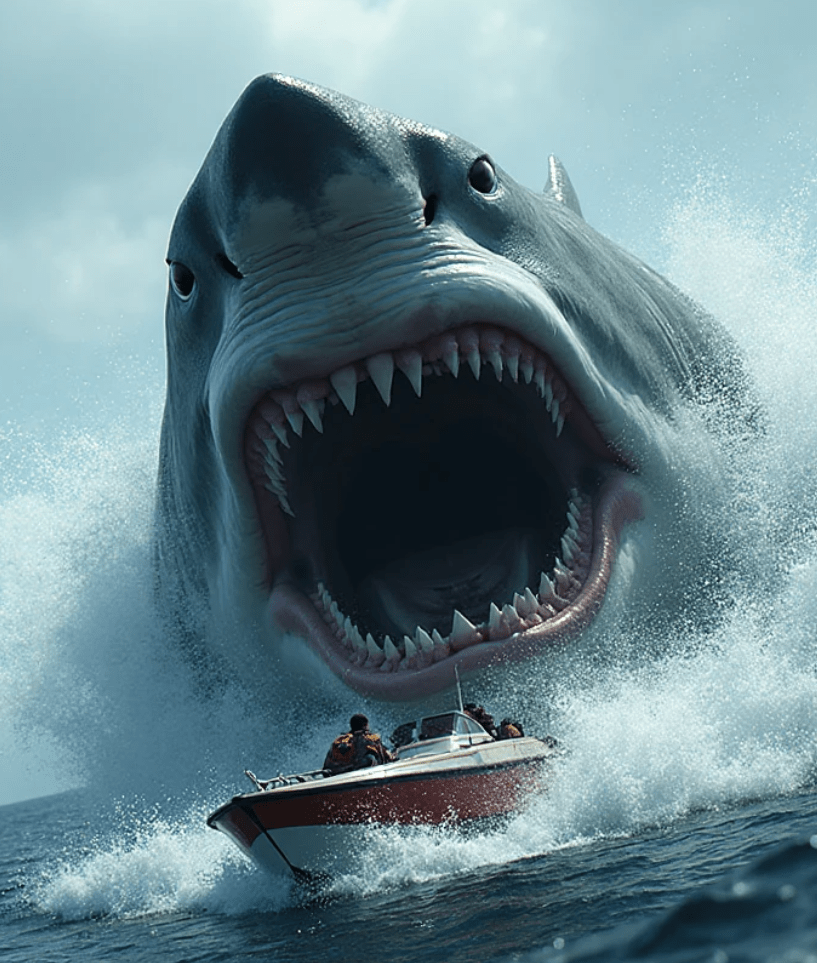
The Last Frontier Doesn’t Kill By Accident – Top Ways People Die in Alaska

I’ve spent my life studying how people die—not because I enjoy it, but because knowing how people die is how you learn how to stay alive.

As a survivalist, I prepare for worst-case scenarios.
As a private investigator, I follow patterns.
And Alaska? Alaska leaves patterns everywhere.

Here’s the truth most travel brochures won’t tell you: Alaska doesn’t forgive mistakes.
It doesn’t care how tough you think you are.
It doesn’t care how expensive your gear is.
And it certainly doesn’t care what state you came from.

People don’t die in Alaska because they’re unlucky.
They die because they misunderstand where they are.

This article breaks down the Top 10 ways people most commonly die in Alaska, excluding old age, cancer, and disease. These are preventable deaths, the kind that show up again and again in accident reports, missing person files, Coast Guard logs, and coroner summaries.

I’ll explain:

  • Why people die this way
  • The warning signs they ignored
  • What you must do differently if you want to survive

This isn’t fear porn.
This is preparation.


1. Exposure to Extreme Cold (Hypothermia & Frostbite Deaths)
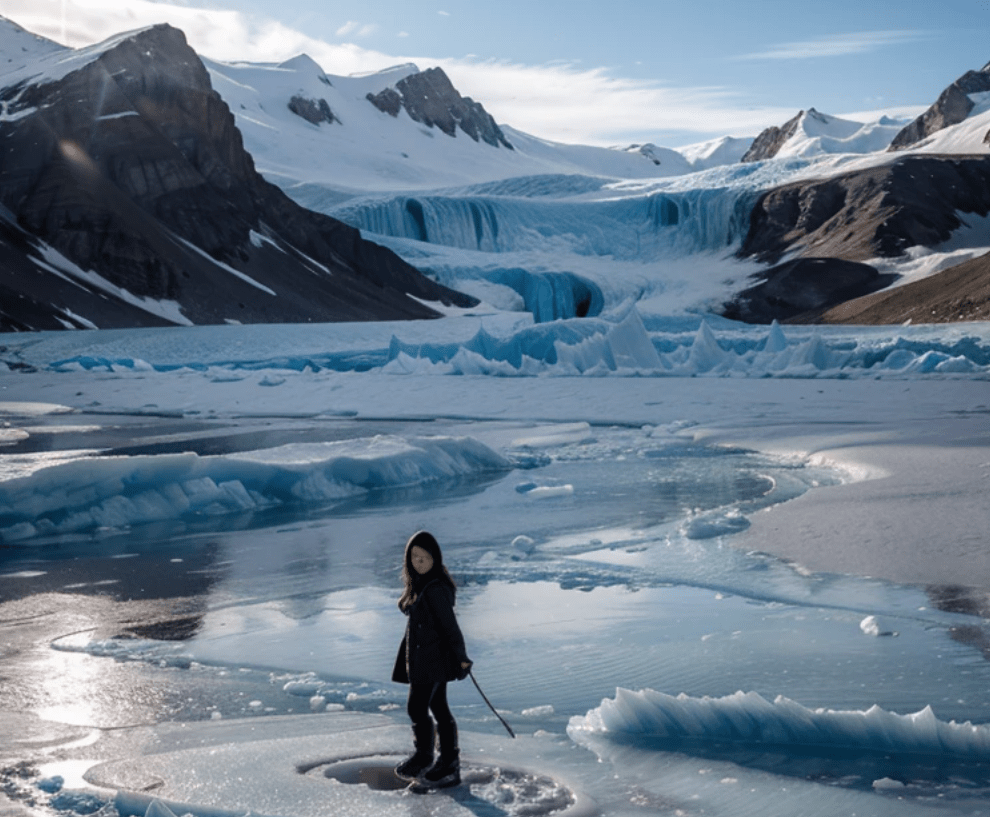
Why People Die This Way in Alaska

Hypothermia is Alaska’s silent hitman.

Most people think hypothermia only happens in blizzards. That’s false. I’ve reviewed cases where people died in temperatures just above freezing, with no snow, wearing jeans and a hoodie.

Hypothermia kills because:

  • Cold drains energy faster than the body can replace it
  • Wet clothing accelerates heat loss
  • Wind strips heat invisibly
  • People underestimate how fast judgment collapses

Once hypothermia starts, your brain lies to you. You feel tired instead of alarmed. Calm instead of scared. People sit down “for a minute” and never get up again.

Common Fatal Mistakes

  • Dressing for comfort, not survival
  • Ignoring wind chill
  • Sweating during activity and not changing layers
  • Believing “I’m only going a short distance”

How to Survive Cold Exposure in Alaska

A private investigator survives by never trusting assumptions. Do the same.

Survival Rules:

  • Dress in layers: moisture-wicking base, insulation, windproof shell
  • Never allow cotton against skin
  • Carry dry backup clothing—even on short trips
  • Stop sweating before it starts
  • If wet, treat it as an emergency

Cold Truth:
In Alaska, cold isn’t weather.
It’s a predator.


2. Drowning (Rivers, Lakes, Ocean, and Ice Breakthroughs)

Why Drowning Is So Common in Alaska

Alaska has more water than roads, and that water is lethal year-round.

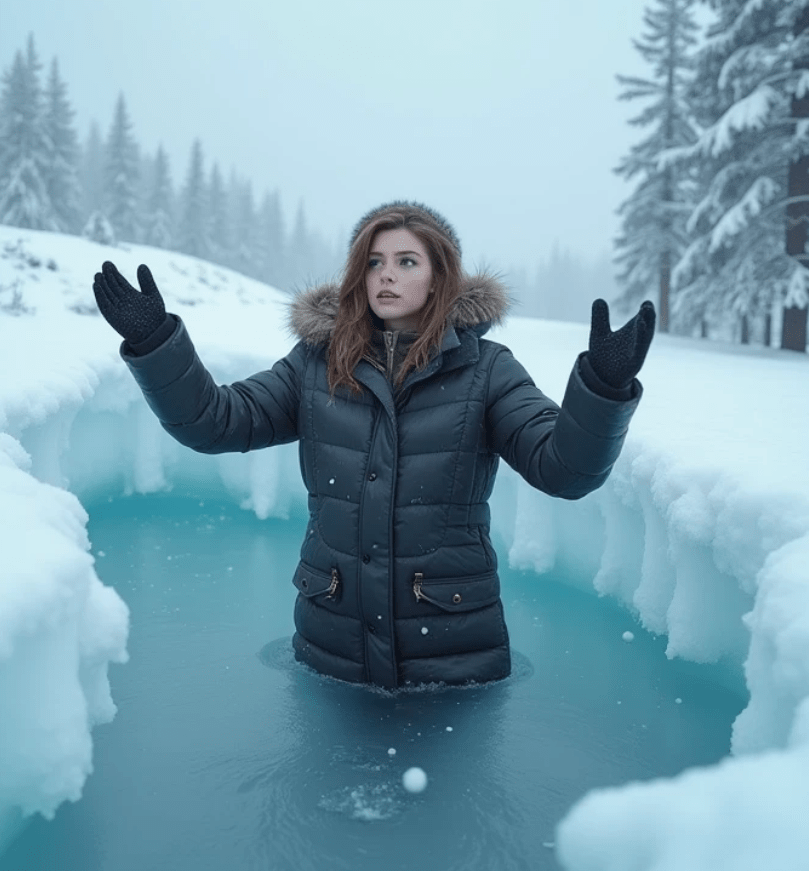
Cold water shock incapacitates even strong swimmers in seconds. I’ve reviewed multiple cases where victims drowned within 30 seconds of entry.

Ice doesn’t break politely.
Rivers don’t flow predictably.
The ocean doesn’t wait.

Common Fatal Mistakes

  • No life jacket
  • Assuming swimming skill matters in cold water
  • Standing on “safe-looking” ice
  • Falling into rivers during fishing or hunting

How to Survive Alaska’s Waters
Survival Rules:

  • Wear a flotation device anytime you’re near water
  • Treat ice as guilty until proven safe
  • Learn cold-water self-rescue techniques
  • Carry ice picks in winter
  • Never fish or travel alone near water

Investigator Insight:
Every drowning victim thought they had one more second.


3. Plane Crashes (Bush Planes & Small Aircraft)
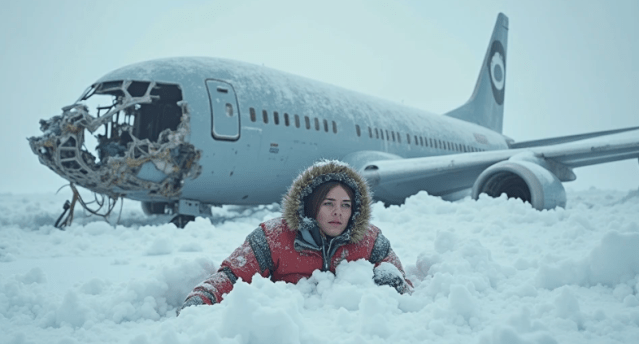
Why Alaska Leads the Nation in Aviation Deaths

In Alaska, airplanes are pickup trucks with wings.

Bush planes fly low, land rough, and operate in brutal conditions. Weather changes faster than forecasts can keep up, and terrain doesn’t forgive miscalculations.

Common Fatal Mistakes

  • Flying in marginal weather
  • Overloading aircraft
  • Pressure to “make the trip anyway”
  • Trusting schedules over conditions

How to Survive Bush Plane Travel

Survival Rules:

  • Fly with experienced pilots only
  • Never pressure a pilot to fly
  • Carry survival gear even on short flights
  • Dress for walking out, not sitting comfortably

Detective Rule:
If the pilot hesitates, you cancel. Pride kills faster than gravity.


4. Vehicle Accidents (Highways, Ice Roads, Remote Trails)
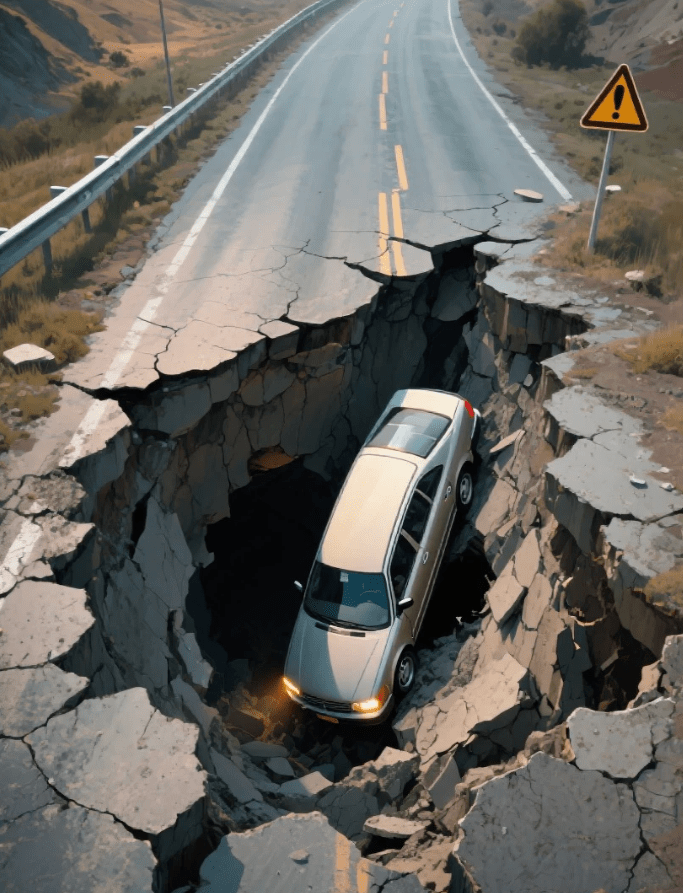
Why Driving Kills in Alaska

Alaska’s roads are deceptive. Long stretches lull drivers into overconfidence. Ice, wildlife, fatigue, and isolation combine into a perfect trap.

Common Fatal Mistakes

  • Speeding on icy roads
  • Not carrying emergency supplies
  • Driving tired or intoxicated
  • Swerving for animals

How to Survive Alaska Roads

Survival Rules:

  • Carry winter survival kits in vehicles
  • Slow down—always
  • Never swerve for wildlife
  • Treat breakdowns as survival situations

PI Pattern Recognition:
Most fatal crashes happen when drivers think nothing will happen.


5. Wildlife Attacks (Bears, Moose, Wolves)
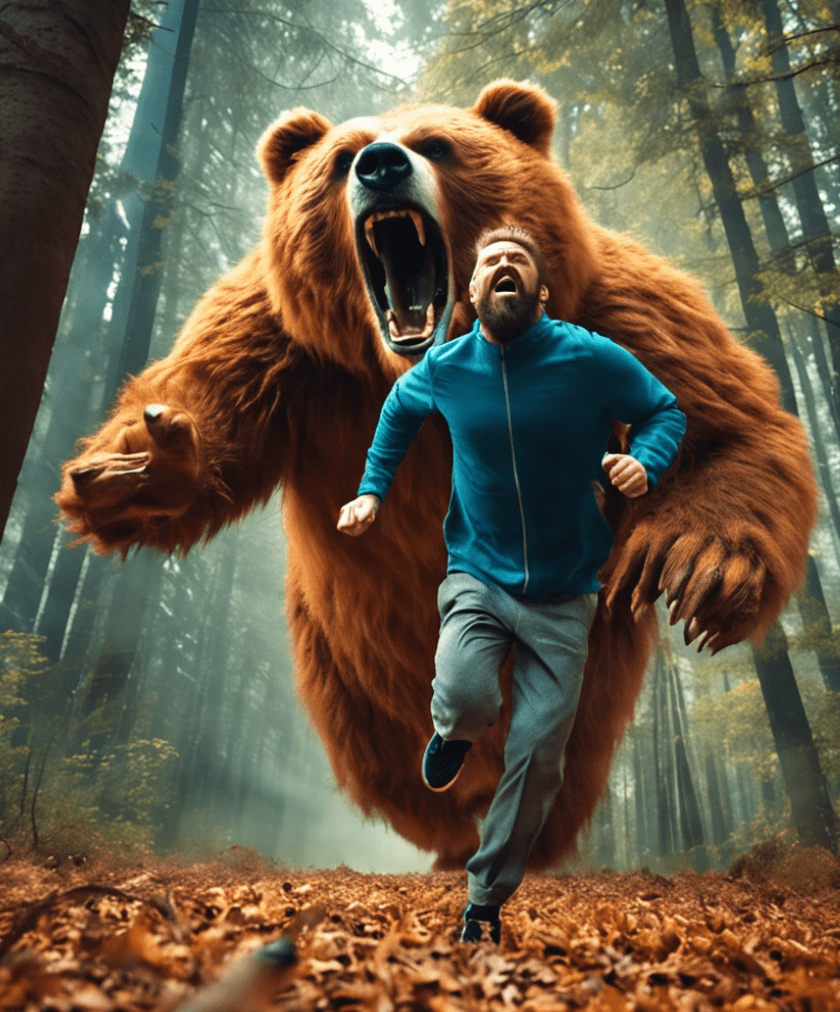
Why Wildlife Encounters Turn Deadly

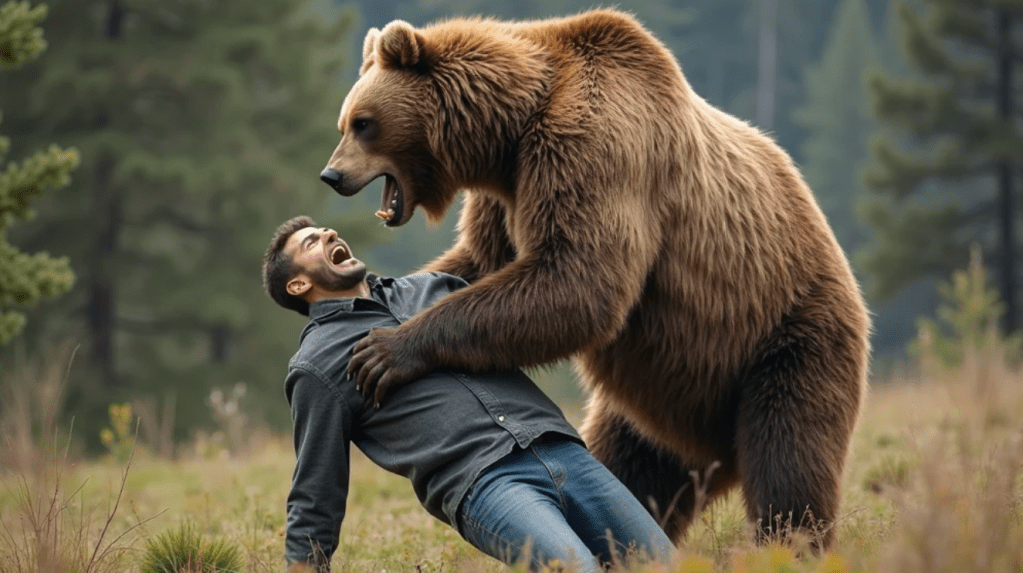
Animals don’t attack randomly. People place themselves where attacks become inevitable.

Moose kill more Alaskans than bears. Bears kill when surprised. Wolves rarely attack, but when they do, it’s because warning signs were ignored.

Common Fatal Mistakes
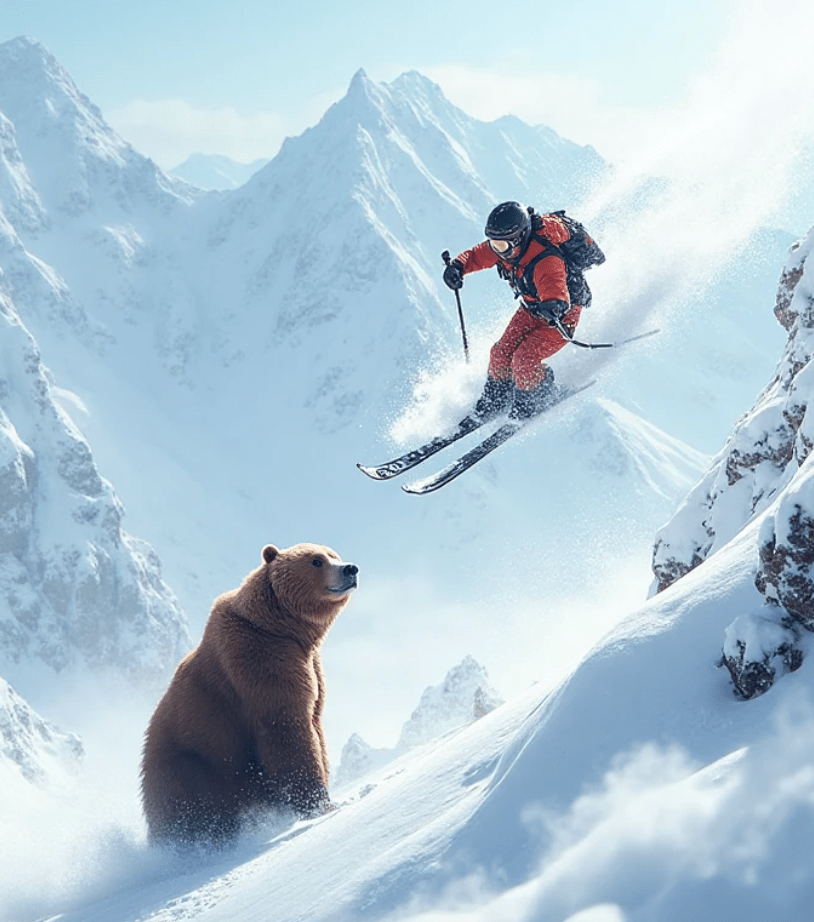
  • Approaching wildlife
  • Poor food storage
  • Ignoring animal behavior cues
  • No bear deterrents

How to Survive Wildlife Encounters
Survival Rules:

  • Carry bear spray, not bravado
  • Make noise in dense areas
  • Secure food properly
  • Learn animal behavior signals

Investigator Truth:
Every attack scene shows signs of escalation that went ignored.


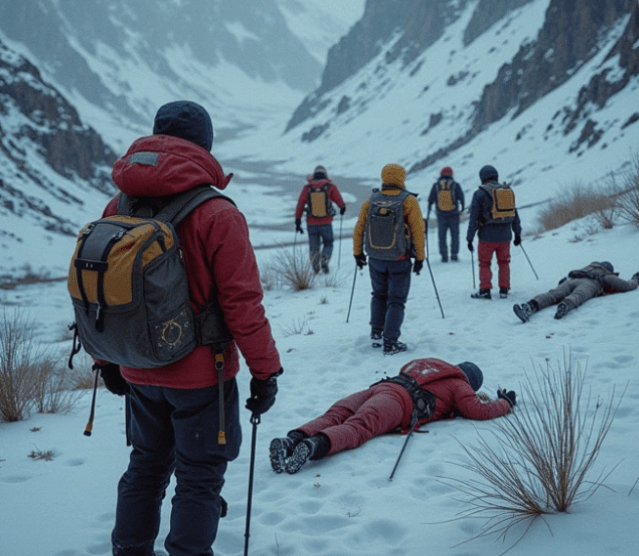
6. Falling (Cliffs, Ice, Mountains, Rooftops)
Why Falls Are So Deadly

Ice turns gravity into a weapon. Mountains remove margin for error. Many fatal falls occur during “routine” tasks.

Common Fatal Mistakes

  • Underestimating ice
  • No traction gear
  • Working alone
  • Taking shortcuts

How to Prevent Fatal Falls
Survival Rules:

  • Use traction devices
  • Rope up in exposed terrain
  • Avoid edges in poor conditions
  • Assume surfaces are slippery

7. Snowmachine (Snowmobile) Accidents
Why Snowmachines Kill

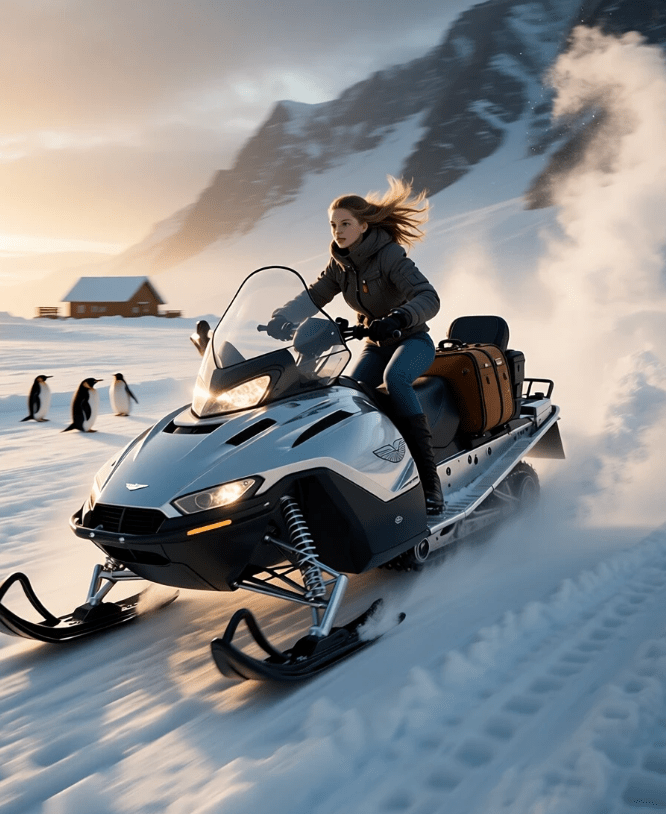
Speed plus terrain plus weather equals sudden death. Machines go places humans shouldn’t, and confidence rises faster than skill.

Common Fatal Mistakes

  • Excessive speed
  • Alcohol use
  • Thin ice crossings
  • Night riding

How to Survive Snowmachine Travel

Survival Rules:

  • Wear helmets
  • Scout terrain
  • Avoid alcohol completely
  • Carry emergency gear

8. Firearms Accidents (Hunting & Handling)
Why Accidental Shootings Happen

Complacency. That’s the root cause.

Common Fatal Mistakes

  • Poor muzzle discipline
  • Loaded firearms in vehicles
  • Improper storage
  • Rushed shots

How to Stay Alive Around Firearms

Survival Rules:

  • Treat every firearm as loaded
  • Maintain strict muzzle control
  • Store weapons safely
  • Train constantly

9. Avalanche Deaths

Why Avalanches Kill Experienced People

Experience breeds confidence. Confidence breeds risk.

Common Fatal Mistakes

  • Ignoring avalanche forecasts
  • No rescue gear
  • Traveling alone
  • Poor terrain choices

How to Survive Avalanche Terrain
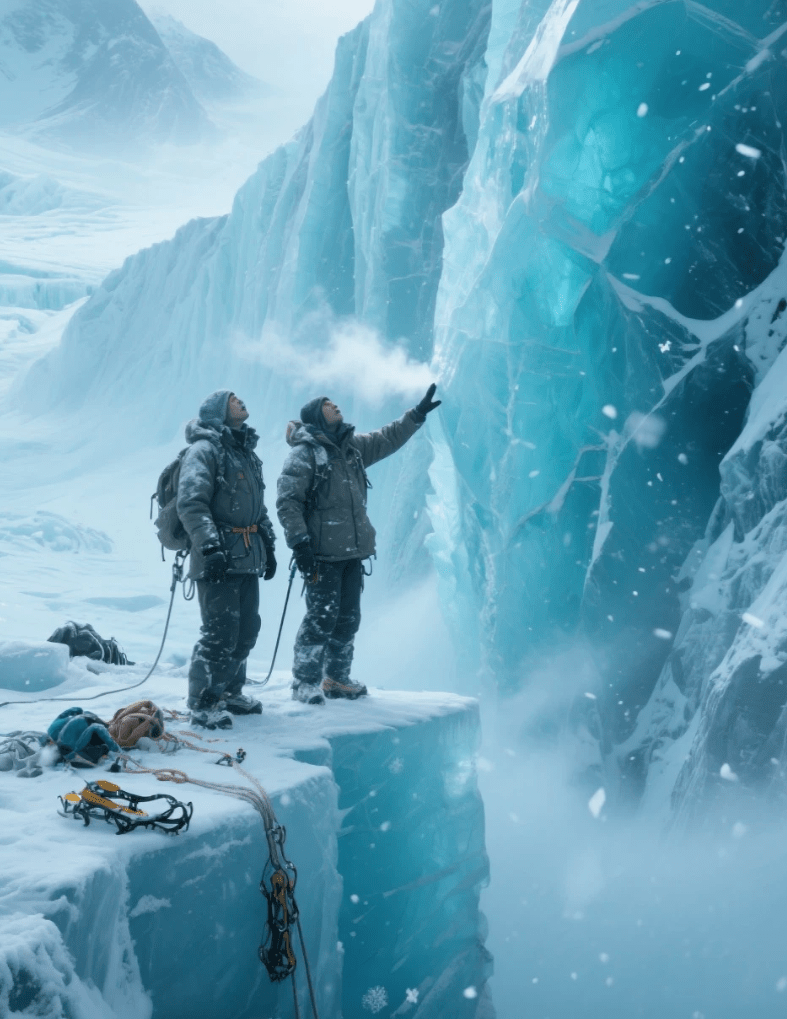
Survival Rules:

  • Carry beacon, shovel, probe
  • Travel one at a time
  • Study snowpack conditions
  • Avoid high-risk slopes

10. Getting Lost and Dying While “Almost Found”
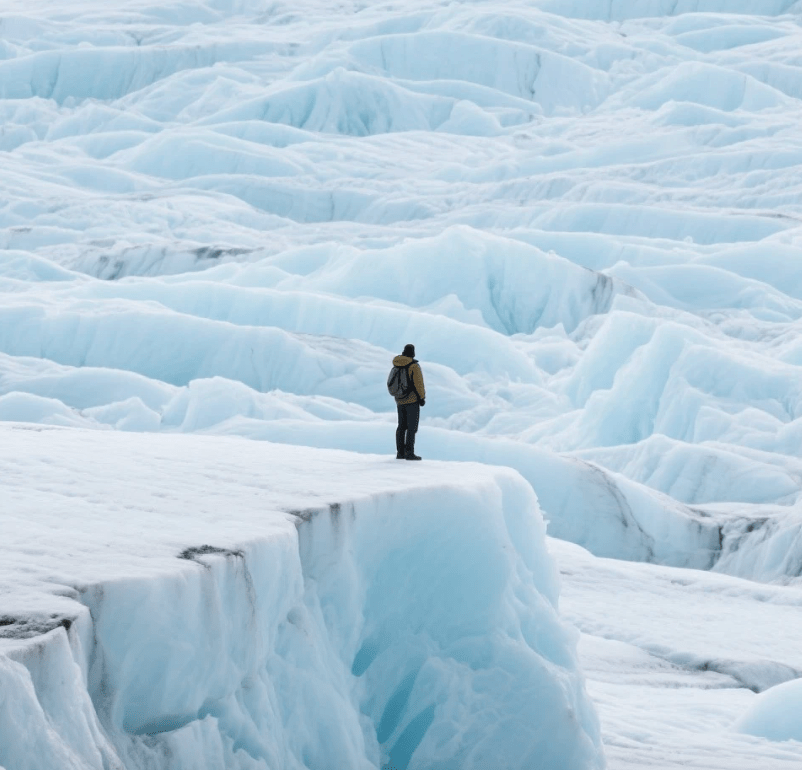
Why This Is the Most Tragic Death

People die within miles of safety because they panic, move without a plan, or refuse to stop.

Common Fatal Mistakes

  • No navigation tools
  • Leaving known positions
  • Not signaling
  • Overestimating endurance

How to Survive Being Lost

Survival Rules:

  • Stop moving
  • Signal early
  • Stay visible
  • Conserve energy

Investigator’s Final Lesson:
Most lost victims weren’t lost long—they just made the wrong decisions early.


Alaska Rewards Respect, Not Confidence

Alaska doesn’t care who you are.
It only cares what you do.

Every fatality I’ve studied shared one thing in common: the victim believed they were the exception.

Survival isn’t about toughness.
It’s about preparation, humility, and pattern recognition.

Stay alive by learning from the dead—without joining them.

Alaska’s Deadliest and Ugliest BUGS: Survival Prepper Advivce from a Man Who Should’ve Been on FRIENDS

I didn’t come to Alaska because I loved the cold.
I came here because I needed to disappear.

Hollywood didn’t want me. Casting directors didn’t want me. Eighty auditions during the late-1990s sitcom pilot season, and not one callback that mattered. And yes, I told people I landed the role of “Joey” on FRIENDS. I told them all. I believed it long enough that the lie became heavier than the truth.

When the lie collapsed, I did what any rational, broken, angry almost-actor would do: I went north. Far north. Somewhere nobody asked questions, and where survival mattered more than stories.

Alaska doesn’t care who you were supposed to be.
Alaska only cares whether you’re prepared.

And most people aren’t.

When folks think about Alaska killing them, they imagine bears, blizzards, or falling through ice. They don’t think about insects. They don’t think about the things that crawl, bite, sting, swarm, and inject your body with reactions you didn’t plan for.

That’s a mistake.

Because while Alaska doesn’t have jungles or deserts, it does have insects that can absolutely end your life—not dramatically, not cinematically, but quietly, efficiently, and without apology.

This article is about those insects.
And it’s about what I carry in my bug-out bag because I’ve learned the hard way that nature doesn’t give second chances, and neither does denial.


Why Insects in Alaska Are More Dangerous Than You Think

Let’s clear something up right now:
Alaska doesn’t need venomous spiders or exotic scorpions to be deadly.

What it has instead is isolation, extreme reactions, and limited access to help.

An insect bite that might be inconvenient in a city can become fatal in the Alaskan backcountry because:

  • Medical help may be hours—or days—away
  • Weather can ground aircraft
  • Allergic reactions don’t wait for rescue
  • Infections thrive in cold, wet environments
  • Swarms don’t stop when you panic

In Alaska, the danger isn’t just the insect.
It’s the context.

And context is everything.


1. Mosquitoes: Alaska’s Most Dangerous Insect (Yes, Really)

Everyone laughs at mosquitoes until they stop laughing.

Alaska mosquitoes are not the delicate, polite insects you remember from childhood summers. These are aggressive, persistent, swarming blood-seekers that emerge in numbers so large they look like weather patterns.

Why Mosquitoes Are Dangerous in Alaska

Mosquitoes in Alaska are dangerous for three primary reasons:

  1. Sheer Volume
    In some regions, mosquito density is among the highest on Earth. You don’t get bitten once—you get bitten hundreds of times in minutes.
  2. Severe Allergic Reactions
    Some people experience extreme swelling, systemic reactions, or breathing issues after repeated bites.
  3. Secondary Effects
    • Infection from excessive scratching
    • Blood loss in extreme cases
    • Hypothermia risk when you stop moving to escape them
    • Panic, which leads to bad decisions

People underestimate mosquitoes because they don’t look dramatic. That’s how they win.

Survival Reality Check

If you’re miles from shelter and mosquitoes force you to stop moving, remove gloves, or expose skin, you’re already losing.

In Alaska, mosquitoes don’t just bite you.
They control your behavior.

And anything that controls your behavior in the wilderness can kill you.


2. Black Flies: Small, Silent, and Relentless

Black flies don’t buzz.
They don’t warn you.
They just appear.

And then they start biting.

Why Black Flies Are Dangerous

Black flies are especially dangerous because:

  • Their bites slice the skin instead of puncturing it
  • Bleeding can continue longer than expected
  • Swarms can overwhelm exposed skin rapidly
  • Bites often swell significantly

In remote areas, multiple black fly bites can cause:

  • Intense inflammation
  • Fever-like symptoms
  • Fatigue and weakness
  • Risk of infection

Again, none of this is dramatic.
That’s what makes it dangerous.

You don’t collapse.
You deteriorate.


3. No-See-Ums (Biting Midges): Psychological Warfare in Insect Form

If mosquitoes are bullies, no-see-ums are sadists.

You don’t feel them at first.
You don’t see them.
Then hours later, your skin is on fire.

Why No-See-Ums Matter

These microscopic insects:

  • Penetrate standard mosquito netting
  • Cause delayed reactions
  • Create clusters of intensely itchy bites
  • Lead to excessive scratching and broken skin

In Alaska’s damp climate, broken skin is an open invitation for infection.

I’ve seen grown adults mentally unravel after a night of no-see-um exposure. Sleep deprivation alone can get you killed in the wilderness.


4. Wasps, Hornets, and Yellowjackets: The Real Sting Threat

Alaska doesn’t have tropical wasps, but what it does have is territorial, aggressive stinging insects that do not tolerate mistakes.

Why Stinging Insects Are a Serious Threat

  • Multiple stings can overwhelm the body
  • Allergic reactions can escalate rapidly
  • Nests are often hidden in brush or woodpiles
  • Encounters happen suddenly

In the backcountry, there’s no ambulance.
There’s no quick injection unless you brought it.

You don’t need to be “deathly allergic” for stings to become life-threatening. Sometimes the body just decides it’s had enough.


5. Ticks: Slow, Quiet, and Potentially Devastating

Ticks in Alaska are less common than in warmer states, but they exist—and their danger is long-term rather than immediate.

Why Ticks Are Dangerous in Alaska

  • They attach without pain
  • They can remain unnoticed
  • They can cause systemic illness
  • Cold weather does not eliminate risk

The danger with ticks isn’t panic.
It’s neglect.

And neglect is a killer in survival situations.


The Real Killer: Underestimating “Small” Threats

Here’s the truth nobody wants to hear:

People die in the wilderness not because of dramatic events, but because of compounding problems.

A bite leads to swelling.
Swelling leads to limited movement.
Limited movement leads to exposure.
Exposure leads to hypothermia or injury.

That’s how it happens.

No soundtrack.
No hero speech.
Just consequences.


What I Carry in My Bug-Out Bag While Camping in Alaska (Because I’m Done Being Unprepared)

I don’t carry gear because I’m paranoid.
I carry gear because I’ve been disappointed by systems, people, and my own past decisions.

Nature doesn’t care about your confidence.
Only your preparation.

Below is what I carry specifically to deal with insect threats in Alaska.


1. Full-Coverage Insect Protection Clothing

  • Lightweight long-sleeve shirts
  • Bug-resistant pants
  • Head net designed for mosquitoes and midges
  • Gloves that allow dexterity

Skin exposure is a liability.


2. Industrial-Strength Insect Repellent

I don’t rely on “natural” solutions when my safety is on the line.

I carry repellents proven to work against:

  • Mosquitoes
  • Black flies
  • Biting midges

Application discipline matters more than brand loyalty.


3. First Aid Supplies Focused on Bites and Stings

My kit includes:

  • Antihistamine tablets (non-sedating when possible)
  • Topical anti-itch treatments
  • Antiseptic wipes
  • Bandages for secondary wounds

This isn’t comfort gear.
It’s damage control.


4. Emergency Allergy Preparedness

If you or someone in your group has known severe allergies:

  • Carry prescribed emergency medication
  • Store it properly
  • Know where it is at all times

Hope is not a plan.


5. Shelter That Keeps Insects Out

Your shelter should:

  • Seal completely
  • Have fine mesh netting
  • Allow ventilation without exposure

Sleep deprivation is a silent killer.


6. Fire-Starting Tools

Smoke is one of the oldest insect deterrents for a reason.

I carry:

  • Redundant fire starters
  • Dry tinder
  • Knowledge of safe fire use

Fire equals warmth, visibility, and control.


7. Mental Preparedness (The Thing Nobody Packs)

This matters more than gear.

You need to accept that:

  • Discomfort is inevitable
  • Panic makes everything worse
  • Anger can be useful if it keeps you moving

I survived rejection, lies, and starting over in a frozen state. Bugs don’t get to break me.


Final Thoughts from a Man Who Learned Too Late

I didn’t become famous.
I didn’t become rich.
I became realistic.

Alaska stripped away every illusion I had about control. And insects—small, relentless, underestimated—taught me that survival is about respecting all threats, not just the cinematic ones.

You don’t have to love the wilderness.
You just have to prepare for it.

Because Alaska doesn’t care who you were supposed to be.

It only cares whether you’re ready.

And if you’re not?

Something small will remind you.