Imagine the world after everything collapses: a blasted wasteland of sun-scorched earth, rusted skeletons of buildings, abandoned highways littered with broken vehicles, and desperate survivors wandering like lost animals. That’s not fiction — that’s our trajectory.
The signs are everywhere: Infrastructure failing. Water systems collapsing. Cities poisoning their own tap supply. And millions sipping contaminated water while watching society rot in real time.
Most people are sleepwalking into the wasteland. A real-life Mad-Max future. A world where water becomes the only law anyone respects.
Let’s be clear: you won’t survive that world unless you start preparing now.
Tap Water? It’s Already a Toxic Joke
While people complain about grocery prices and politics, their tap water slowly fills them with microplastics, pharmaceuticals, agricultural chemicals, PFAS, and industrial waste. Cities can’t (or won’t) fix it.
And these same people think this crumbling water system will magically stay functional when the grid collapses?
The second the grid goes down:
Treatment plants stop.
Pumps stop.
Purification stops.
Distribution stops.
You’ll walk to your sink, turn the handle, and get nothing — not even a gasp of air.
The wasteland begins the moment the tap runs dry.
In a Mad-Max Collapse, Water Is the New Currency
Forget money. Forget crypto. Forget gold. Those become relics of a dead civilization.
Water is worth more than weapons. Water is worth more than fuel. Water is worth more than shelter.
In the wasteland, water is power.
Anyone who controls it controls everything else.
That’s why preppers store water — not because they’re paranoid, but because they’re paying attention.
Water Storage: Build Your Own Fortress of Hydration
Weak people think keeping a few water bottles in a cabinet is “being prepared.”
Warlords of the wasteland think like this:
55-gallon drums stacked like defensive walls
IBC totes in garages, sheds, and buried pits
Water bricks lining shelves like ammunition
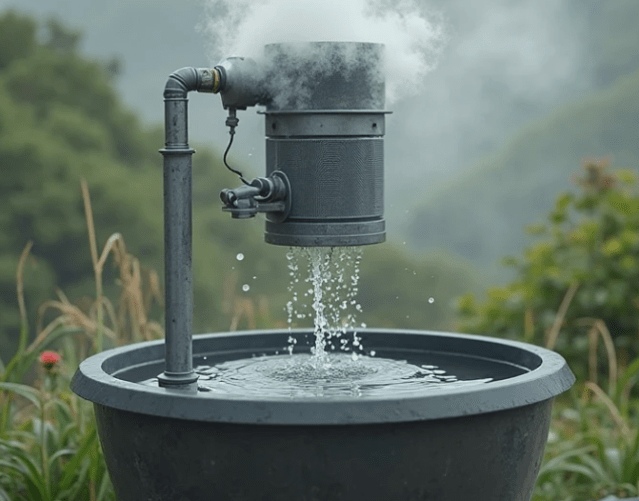
Rain catchment systems feeding multiple tanks
Underground cisterns that neighbors never see
Collapsible bladders for emergency filling
You store water like you’re preparing for a siege — because collapse is a siege, and dehydration is what kills people first.
Purification: Your Last Defense in a Poisoned World
In the wasteland, clean water doesn’t exist. It must be created.
That means filtration gear tough enough to withstand the apocalypse:
Gravity filters for home base
Ceramic purifiers suitable for contaminated runoff
Portable squeeze filters for nomad survival
Iodine or chlorine dioxide for chemical kill
Boiling rigs (stoves, rocket stoves, ember cookers)
Pre-filters for sludge, ash, debris, and sediment
Distillers for water sources so toxic they make your eyes burn
When collapse happens, the natural water sources get poisoned within days.
Not by nature. By people.
Desperate people. Stupid people. Panicked people.
They will contaminate everything they touch.
Rainwater: The Sky Is Your Only Trustworthy Ally
When the surface world turns into a polluted battleground, the sky becomes your safest reservoir.
Rainwater harvesting is not optional. It’s survival engineering.
Set up:
Food-grade gutters
First-flush diverters
Barrel chains
Large overhead tanks
Ground-level sealed reservoirs
Store every drop like you’re catching liquid gold — because you are.
Mobility: Become a Nomad Who Doesn’t Die of Thirst
In a Mad-Max world, you may not stay in one place.
You must be capable of traveling with water infrastructure strapped to your back or your vehicle:
Collapsible bladders
Hydration packs
Hand pumps
Mobile filtration kits
High-capacity canteens
Boil kits with wind shields
Portable gravity filters
Nomads survive because they’re adaptable. The unprepared die because they aren’t.
Tap Water Today, Wasteland Poison Tomorrow
The people who trust tap water today are the first casualties of collapse. Their bodies are already weakened from contamination, microplastics, chemical residues, and chronic dehydration from polluted supply.
Collapse accelerates what has already begun.
The wasteland isn’t waiting for you. It’s being built right now.
Only the Prepared Control Their Fate
A Mad-Max future is an ugly place — but it’s survivable if you’re ready.
Store water. Purify water. Protect water. Defend water.
In a world where everything burns, the last resource worth fighting for is the one everyone needs and few will have.
Prepare now, or be one of the nameless piles of dust left behind.
Let me be brutally honest—because sugarcoating is a luxury humanity can no longer afford. If you haven’t noticed the world unraveling, you’re living in the same delusion as the rest of the masses scrolling mindlessly through their phones. Everything around us is deteriorating: the power grid, the economy, the food supply, the moral compass, the government’s sanity—pick your poison.
People whisper about “hard times,” “instability,” and “dark days.” But let’s call it what it is: an end-times scenario brewing in real time, whether you interpret that spiritually, politically, or simply logically.
And the worst part? Nobody is prepared. Not the government. Not your neighbors. Not your coworkers who think a flashlight app on their smartphone counts as “readiness.”
Meanwhile, you’re here because you know better. You’re not waiting for a FEMA line, a miracle, or a politician to swoop in and save you. You understand the cold truth: if you don’t prepare for an end-times level event, nobody will do it for you.
This article lays out the critical preparedness items you need—not someday, not “when things get worse,” but right now. Because things are already worse.
Why End-Times Preparedness Requires a Different Mindset
Most prepping guides focus on short-term weather emergencies—storms, floods, maybe a blackout. That’s child’s play. End-times prepping requires an entirely different framework. Forget three days of food and a flashlight; we’re talking long-term survival in a world that no longer functions.
In an end-times event:
The grid won’t come back online.
Supply chains will collapse permanently.
Law enforcement will vanish or turn predatory.
Medical care will become a relic of the past.
Food and water become currency, power, and leverage.
People you thought were “nice” will turn violent in days.
If that sounds dramatic, then you’re exactly the kind of person who needs to read this twice.
1. Water Filtration and Purification Supplies
Everyone stockpiles food but forgets the most crucial resource: water. Without it, you’re dead in three days—and the tap won’t be running in the end-times. You need:
High-Quality Water Filters
Not the cheap ones. Not something meant for camping trips. You need robust, gravity-fed filters capable of handling contaminated, murky, bacteria-laden water.
Purification Tablets
Lightweight, long-lasting, and vital when filtration isn’t enough.
Rainwater Harvesting Setup
Because rivers will be contested zones, and the desperate will flock to them.
Water is life. But in the end-times, water is war.
2. Long-Term Food Storage: The Only Real Insurance Policy
Let the unprepared mock you while they fill their carts with frozen pizza and microwave dinners. In a collapse, they’ll have nothing.
You? You need:
Freeze-dried meals
Mylar-bagged grains and beans
Canned goods
Shelf-stable fats
Seeds for long-term sustainability
And don’t forget manual tools for food prep: grain mills, can openers, grinders. Electricity won’t save you.
3. Medical Supplies They Don’t Want You to Have
In the end-times, pharmacies become death zones—looted within hours. Hospitals become morgues. Doctors disappear. So stock up NOW:
When wounds get infected—and they will—there won’t be a doctor to help you.
Pain Management Supplies
Imagine surviving starvation and violence only to die of a tooth infection. That’s the world we’re heading into.
4. Self-Defense Tools—Because Nobody Is Coming to Save You
In the end-times, violence becomes currency. The weak get stripped of everything. The prepared—or the armed—survive.
Whether you prefer firearms, crossbows, blades, or blunt tools, the point is simple: if you can’t defend your supplies, you don’t have supplies.
And don’t forget:
Extra ammunition
Weapon cleaning kits
Tactical training materials
Spare parts
The unprepared love to rely on police. But when society collapses, the police won’t be responding… they’ll be surviving, just like you.
5. Off-Grid Power Sources (Because the Grid Is Already Crumbling)
The word “grid-down” is starting to sound quaint. We’re past that. In an end-times event:
The grid stays down.
Communication dies.
Heat disappears.
Darkness wins.
So invest NOW in:
Solar panels
Manual chargers
Hand-crank radios
Portable battery banks
Off-grid lighting
Electricity becomes luxury. Power becomes power.
6. Clothing and Gear Built for Harsh Reality
You can’t survive the end-times in jeans from the clearance rack or shoes meant for an air-conditioned mall.
You need:
Waterproof boots
Insulated clothing
Wool layers
Durable gloves
Tactical headlamps
Multi-tools
Thermal blankets
And make sure it’s all rugged—because you’re not replacing anything once society collapses.
7. Communication Tools: The Last Link to Intelligence
You might not think communication matters, but it’s everything. The unprepared will sit in the dark with zero information. You? You’ll know what’s moving, where, and who’s coming.
Get:
HAM radios
Walkie-talkies
EMP-protected storage
Signal mirrors
Whistles
Remember: knowledge becomes currency. Silence becomes a coffin.
8. Shelter and Fire Resources
In the end-times, weather kills faster than starvation. You need to be able to stay warm, dry, and sheltered—without stores, electricity, or the comforts you’ve been conditioned to rely on.
Stock:
Tarps
Cordage
Tents
Emergency stoves
Fuel tablets
Fire starters
Woodcutting tools
If you can’t make fire, you can’t cook, you can’t boil water, and you can’t survive.
9. Tools for Building, Repair, and Actual Work
The modern world made people soft. Most can’t fix a broken hinge, let alone build something meaningful. But in the end-times, tools become lifelines.
Essential items include:
Axes
Hatchets
Saws
Hammers
Hand drills
Shovels
Wrenches
Pliers
Anything with no reliance on electricity is worth its weight in gold.
10. Items for Bartering—Because Money Will Be Useless
When the dollar collapses and digital money evaporates, bartering becomes the new economy. Stock items people will desperately want:
Salt
Soap
Alcohol
Coffee
Cigarettes
Ammunition
Medical bandages
Water filters
Lighters
Fuel
While the unprepared panic, you’ll be able to trade wisely—and survive.
Final Thoughts: Prepare Now, Because Time Is Already Gone
If you think you have time… you don’t. Every day the world inches closer to something irreversible. Economic instability, global tensions, moral decay, unpredictable disasters—all signs pointing to a collapse nobody wants to admit is coming.
But YOU see it. YOU feel it. And YOU can prepare for it.
Most people will remain blind until it’s too late. They will cling to normalcy, trusting systems that have already proven they cannot protect them. And when the end-times hit, they will suffer the consequences of their denial.
But you won’t. Because you’re preparing right now—angry, frustrated, and awake to reality.
Stock up. Train hard. Stay aware. Because the end-times won’t wait for you to be ready.
When the power goes out, life changes fast. If you’re in Arizona—especially during a heatwave or monsoon season—a blackout isn’t just an inconvenience. It can quickly become a life-threatening situation. Whether it’s a short-term grid failure or part of a larger SHTF (Sh*t Hits the Fan) scenario, being prepared is more than just smart—it’s essential.
As a survivalist who’s spent years studying off-grid living, I’m here to help you approach these challenges with calm, wisdom, and practical know-how. Let’s walk through five essential survival skills you need when the grid goes down, three DIY electricity hacks to keep you powered up, and the top survival items no Arizonan should be without. We’ll also discuss which cities in Arizona are the riskiest places to be during a power outage—and why.
Five Critical Survival Skills When You Have No Electricity
1. Water Sourcing and Purification
Without electricity, municipal water systems can fail. Arizona’s arid climate means you must plan for water storage and purification long before an emergency hits. Store at least one gallon per person per day for two weeks minimum.
Skill to learn: Make a DIY gravity-fed water filtration system using activated charcoal, sand, gravel, and a five-gallon bucket. Learn to identify safe natural sources like rainwater or dew collection, and always purify water using filters, boiling, or purification tablets.
2. Cooking Without Power
When your electric stove or microwave is out of commission, you need reliable off-grid cooking methods.
Skill to learn: Build a solar oven from a cardboard box, aluminum foil, and a glass cover. It’s surprisingly effective in Arizona’s intense sunlight. Alternatively, use a propane camping stove or rocket stove, and learn to cook with cast iron over an open flame.
3. Home Cooling and Heat Regulation
In Arizona, especially southern cities like Phoenix or Yuma, heat can become deadly without AC. You’ll need to understand passive cooling techniques.
Skill to learn: Create cross-breezes using windows and reflective window covers. Learn to set up thermal mass (like water barrels or adobe walls) that absorb heat during the day and cool at night. Make DIY swamp coolers using a fan, ice, and damp towels for evaporative cooling if humidity allows.
4. Food Preservation
Refrigeration is out during a blackout. You’ll need ways to preserve meat, fruits, and vegetables without electricity.
Skill to learn: Master dehydration using solar dehydrators. Learn to salt, smoke, and ferment food safely. Canning is also essential; invest in a pressure canner that can be used on a propane stove or open fire.
5. Security and Situational Awareness
With no power, streetlights and alarm systems stop working. Desperation breeds danger. You need to secure your home and be aware of who’s coming and going.
Skill to learn: Practice perimeter checks, set up noise alarms with string and tin cans, and learn the basics of self-defense. Build strong community ties before disaster hits—trusted neighbors are your best asset when things go dark.
Three DIY Electricity Hacks During a Blackout
Even if the grid is down, a little ingenuity goes a long way. Here are three clever DIY hacks to generate limited electricity when you need it most:
1. Bike-Powered Generator
Convert an old bicycle into a pedal-powered generator. All you need is a bike, a car alternator, a belt, and a battery to store the energy.
How it helps: You can charge phones, small radios, or LED lights with a bit of pedaling. It’s a great cardio workout and can be a lifesaver in prolonged outages.
2. Solar Panel Battery Bank
You don’t need a massive solar setup to stay afloat. A couple of 100-watt panels, a deep-cycle battery, and a charge controller can keep essential electronics running.
DIY tip: Mount the panels on a piece of plywood or lean them on your roof or yard. Even in partial sun, Arizona gives you more than enough solar exposure for this to work year-round.
3. Hand-Crank Power Chargers
Make a hand-crank charger from an old cordless drill and a voltage regulator. It’s not easy work, but it provides essential power for radios or emergency LED lights.
Why it matters: In a communication blackout, staying informed could mean the difference between safety and disaster.
The 3 Most Important Survival Products for a No-Electricity Scenario
When you’re forced off-grid, having the right gear on hand can make all the difference.
1. Solar Generator Kit (Portable Power Station)
A solar generator provides silent, renewable energy. Unlike gas generators, you won’t need fuel—which may be unavailable or dangerous to store. Look for systems with USB ports, AC outlets, and solar panel compatibility.
2. Gravity-Fed Water Filter (Like a Berkey or DIY Equivalent)
Clean water is non-negotiable. A gravity filter works without electricity and can purify hundreds of gallons before the filters need replacing. In Arizona’s dry climate, safe hydration is top priority.
3. LED Headlamps and Lanterns (Rechargeable)
Light equals safety, comfort, and productivity. Rechargeable headlamps and solar lanterns are compact, lightweight, and highly functional. Always have a backup battery bank charged.
The 5 Worst Cities in Arizona to Experience a Power Outage
Arizona’s climate, population density, and infrastructure make certain cities more dangerous during blackouts. Here’s where you’d least want to be without power—and why.
1. Phoenix, AZ
Population: ~1.6 million Why it’s risky: Phoenix can reach 115°F+ in summer. With high-rise apartments, concrete sprawl, and dense population, a power outage can quickly overwhelm emergency services. Lack of AC in the summer is a genuine health threat.
2. Yuma, AZ
Population: ~100,000 Why it’s risky: Yuma is one of the hottest cities in the U.S., with over 100 days a year above 100°F. Blackouts in July or August here could result in heatstroke or death for those without cooling options.
3. Tucson, AZ
Population: ~550,000 Why it’s risky: Tucson is surrounded by desert and experiences monsoon storms that already cause frequent blackouts. Its aging electrical infrastructure and large elderly population make outages particularly dangerous.
4. Lake Havasu City, AZ
Population: ~57,000 Why it’s risky: Isolated location and brutal summer heat make this resort town vulnerable. Limited hospital and cooling center access make extended outages problematic, especially for seniors and tourists.
5. Casa Grande, AZ
Population: ~60,000 Why it’s risky: Located between Phoenix and Tucson, this fast-growing town doesn’t have the infrastructure to handle prolonged blackouts. Water access and emergency services can get strained quickly, especially during peak summer.
Final Thoughts: Stay Calm, Stay Ready
Surviving without electricity isn’t just about gear—it’s about mindset. The truth is, no one can predict when the grid might go down, whether from cyberattack, wildfire, monsoon storms, or system overload. But when you’re mentally prepared and practically skilled, you become a source of strength for yourself and others.
Practice your skills before the lights go out. Run weekend drills. Cook dinner using only solar or off-grid tools. Try going 48 hours without power. Take notes. Improve. Encourage your family or neighbors to do the same.
As preppers, we don’t live in fear—we live in preparedness. And in doing so, we find resilience, independence, and even joy in the challenge. You’ve got this.
’ve been through more broken terrain and disaster zones than most folks see in a lifetime. Desert rubbles, forest mud, coastal storms—everywhere I’ve pushed my rig to the limit. But if you ask me, it’s Indiana’s worst roads that sneak up on you during a crisis. They may not look dangerous on a GPS map, but once the storm hits or civil disruption starts, what seems like a harmless rural highway can become a deathtrap in minutes.
So here’s my comprehensive guide: how to survive driving through those back roads, gravel highways, and forgotten bridges when everything goes sideways, and how to drive your way out without fuel when the gas pumps go dead.
Indiana’s Worst Roads in a Disaster Scenario
County Road 600 East (Shelby County) Narrow, winding, crosses multiple creek beds. Wooden planks on bridges rot fast, and without maintenance during a disaster, collapse is just a matter of time.
Old Vincennes Trail (Vigo County) Overgrown, poorly marked, passing through wooded areas. Fallen trees and wildlife are common obstacles after high winds.
State Road 156 (Clark County) Cliffside road overlooking the Ohio River. Erosion from flash flooding can cause sudden landslides.
County Road 775 South (Jennings County) Sandstone ridges and blind turns; when mud shows up, traction vanishes.
Old State Road 32 (Madison County) Sporadically paved, pocked with sinkholes. In a quake or flooding, you’ll be playing dodge‑the‑hole.
Several river‑low bridge crossings Any small under‑maintenance crossing becomes dangerous when water rises. Think County Road 700 South over the Muscatatuck River.
Backcountry farm‑access lanes (any county) Dusty or muddy, they often turn to impassable quagmires when rain hits.
Hilly switchbacks around Brown County Steep, no guardrails, deceptively narrow, and easy to overlook black ice in winter emergencies.
Unlighted stretches of US 41 (Benton–Newton counties) In power outages, you’re blind and vulnerable to stranded vehicles or ambush.
These roads share traits: narrow width, degraded pavement, poor signage, multiple natural‑feature crossings, and few civil‑support options. In a disaster—whether tornadoes, floods, EMP, or civil unrest—any one could strand you or worse.
15 Survival Driving Skills
4×4 Engagement on Uneven Terrain Always be familiar with how and when to shift into 4‑wheel drive or low‑range. Too early or too late, and you get wheelspin or lock‑up.
Reading Water Flow Through Bridges Wet bridge? Look for current direction and debris patterns. Back off immediately if it’s choppy or fast; wood‑plank bridges hide structural damage until they fail.
Low‑Torque Start on Loose Surfaces Feather throttle at launch — high RPMs on gravel or mud dig you in faster than a front‑end dig.
Heel‑and‑Toe Shifting for Descents Mismatched revs cause lurching. Master heel‑and‑toe for smooth downshifts steeply.
Left‑Right Shake Method for Stuck Tires Shift between drive and reverse while gently applying throttle to jar tires free.
Smart Air‑Down for Gravel or Sand 10–15 PSI lower gives better traction—but don’t go below 15 PSI to avoid bead‑seals popping.
Tire Chains Without Chains Use rope in a crisscross pattern to dig into ice/mud if you don’t have actual chains.
Maintaining Momentum on Uphill Soft Spots Too fast, you’ll dig; too slow, you’ll stall. Keep steady momentum to pass through.
Stone‑Dodging Steer around big rocks on uneven road — never drive directly over them unless you’ve got rock‑sliders.
Trail‑Guided Spotting Have a passenger get out and direct you slowly through tricky curves or washed‑out areas.
Exit Planning at Intersections If disaster intensifies, always identify the safest route exit early—not just the shortest.
Steering On‑Point at Loss of Traction Caused by mud or ice? Don’t brake hard. Gently steer into the skid.
Fuel Conservation by Dialing Back Speed Drive at half throttle; aerodynamic drag kills your range quickly.
Emergency Braking Without ABS Pump brakes to hold control; heard of ABS, but pumps manually if needed.
Night Vision with High Beams and Mirrors Angle mirror to reflect headlight glare onto signs/obstacles; life‑saving when power’s out.
3 DIY Survival Driving Hacks When You Run Out of Gas
On Indiana’s worst roads, gas stations may be gone—or unreachable. If you’re out of gas, here’s how to keep moving.
Hack 1: Gravity‑Feed from Above‑Ground Tank
You carry a soft fuel bladder or five‑gallon jerry can? Strap it securely on roof or tailgate. Use gravity hose to feed fuel into a tank primed inlet loop. Makeshift pump: suck to prime, then let gravity take over. Yes, risk of spillage—but it beats being stranded at night on County Road 600 East with a creek rising fast.
Hack 2: Charcoal‑Filtered Woodgas Retro‑Burner
If you have a small steel tank and angle grinder, you can convert it into a woodgas generator to run a carbureted engine. On cold nights near wooded backroads, scavenge sticks and deadfall. Build small charcoal gasifier, pipe the gas in. Maintains low RPM just to get out. It’s not clean or fast—but it moves you miles on firewood alone.
Hack 3: Pedal‑Truck Push Start
Now, I’ve done this solo. Use tire pressure: lower rear tires a bit to increase traction, fold the rear tailgate down. Shift to neutral, starting at a slight decline if available (maybe an abandoned bridge ramp on State Road 156). Hop in and start pushing with hands or foot‑brace on tailgate. Once you get it rolling, jump in and pop it into second gear—bump start. Works until engine turns over. Yes, slower than a patrolling cop with a machine gun, but it gets you moving.
Navigating Disaster on Indiana’s Harsh Roads
Picture this: the power’s out, emergency sirens howl somewhere in the east. You’ve just fled town with enough gear for 72 hours—food, water, med kit, fuel bladder, jumper cables, axe, tow strap. You’re on County Road 600 East, heading toward high ground. Two miles in, the wooden bridge over Little Blue Creek creaks and tilts as fast‑flowing water pounds foundations.
You stop. You don’t cross. Use skill #2: read the flow and bounce the front bumper light on the water. You see rippling eddies that signal rising water. Bridge side rotted. You turn around onto a mud‑marked service road parallel to the creek. Feather throttle, use 4×4 low, and push through ruts. Two more creek crossing ahead—one small, one large. Use #1 and #6—air‑down and steady momentum. Scrape mud clear with shovel, dig out puddles that could bury axles. You make it safe.
Your fuel runs low. You cross paths with another driver stranded without fuel. He offers you 3 gallons of white‑gas camp fuel. It’ll work—just add it to your mix and run at carrot‑and‑stick half throttle (#13)—and avoid highways where you’d burn through it too fast. You ration. You’re still miles from ignition.
That night, you set camp by Old Vincennes Trail edge. Rain pounds, mud deepens. You build woodgas maker (#2 hack) from a steel drum scavenged at a burned‑out farmstead. You fire it up. Squeaky, smoky, home‑built. Smoke trails under your chassis. You manage a mile—overnight goal reached.
By dawn, you’re near State Road 156, cliffside curves ahead. You check erosion signs, use heel‑and‑toe to descend without overheating brakes (#4). Bridges? You test the surface. Shake the suspension as you ease on. Good to go. You make it off the worst route.
Tips for Staying Alive on These Roads
Pre‑trip inspection: check tires (wear, mud, gravel patterns), steering tightness, brake fade. Repair immediately—mobile tools are useless once you’re 10 miles from pavement.
Pack a survival driving kit: include rope, small pump, low‑pressure gauge, charcoal, steel pipe, welding gloves (for woodgas hack), funnel, shovel, jerry can, battery jumper leads, emergency blankets, hand winch.
Drive early or late: midday brings heat and storms; night brings opportunistic threats. Dusk to dawn is quietest—but use high‑beam night‑vision tricks (#15).
Scan shoulder signs: any unusual piles of brush, stones, or barricades likely indicate you’re heading into flashpoint or unstable terrain.
Avoid predictable routes: towns near rivers, dams, power substations are likely to bubble in a disaster zone. Take alternative farmland roads instead.
Stay low and quiet: engine off, wheels straight, lights out at rest points. Listen to water, wind, wildlife patterns—silent terrain reveals more than loud engines.
Log your route: draw progress on map as you go—even if GPS dies, you’ll have a paper chart with mileage and direction.
Why Indiana’s Worst Roads Demand Respect
Most disasters don’t strike the urban core first—they hit infrastructure: rural roads, bridges, culverts. Maintenance stops, communication fails. Suddenly, that unassuming county road you took as a shortcut becomes the only passable route… until it buckles under pressure. In a hurry, without the right skills and foresight, you end up trapped in a flash flood, landslide, or worse.
Every survivalist knows: it’s not a matter of if your route becomes compromised—it’s when. That’s why you build redundancy: alternative tracks, vehicle adaptability, ability to jury‑rig fuel systems. You learn dirt, water, slope, and engine behavior by night, when mistakes hurt, and climb back into that rig knowing it’s re‑broken now. Only after 10 nights of living on a plateau under the first light of dawn do you begin to respect the roads ahead again.
Final Takeaways
Indiana’s worst roads—narrow, rural, weakly maintained—become death zones in any significant disaster.
Master 15 survival driving skills: from mud starts to heel‑and‑toe downshifts and on‑point skid control.
Carry the tools to jerry‑rig fuel or make woodgas: 3 DIY hacks for zero‑fuel emergencies.
Drive defensively—know every mile, test every creek, carry a detailed map, and plan your exits.
Above all: stay calm, keep momentum, trust your training—and remember: in a crisis, speed is a trap; control is what gets you home.
When the sirens fade and normalcy bleeds back in, folks will talk about how the interstate jammed, how the airport shut down. You’ll be working on your truck, re‑packing your gear, cleaning your woodgas rig. You’ll drive through forgotten roads, patch bridges, and smile: you chose the hard way—and lived to tell the tale.
Let me tell you something right now: the world’s gone soft. Somewhere along the way, folks traded hand tools for smartphones, wild food for drive-thrus, and grit for convenience. But not out here—not in Idaho. Out here, we homestead. Out here, we take care of ourselves. And if that makes me a grumpy old dirt farmer with a pile of firewood and a root cellar full of potatoes, so be it.
I’m not here to sugarcoat anything. Homesteading in Idaho is work. It’s early mornings, cold fingers, aching backs, and long days. But it’s also freedom, independence, and one hell of a satisfying way to live. You don’t ask for handouts—you build. You mend. You butcher. You sew. You raise kids who know the difference between a rooster and a hen and don’t panic if the Wi-Fi drops out.
If you’re thinking of joining us out here, good. The more the merrier—but only if you’re ready to earn your place. This ain’t a vacation. It’s a lifestyle. Let me walk you through what that really means, Idaho-style.
15 Homestead Skills You Damn Well Better Learn
1. Animal Husbandry If you can’t tell when your goat is about to give birth or why your chickens stopped laying, you’re in trouble. Learn to care for animals like they’re your lifeline—because they are.
2. Canning and Food Preservation Store shelves aren’t reliable. Your pantry and root cellar? That’s your grocery store now. Pressure canner. Water bath. Fermenting. Master them.
3. Gardening for Survival Not some Instagram “raised bed” crap with ornamental kale. I’m talking rows of potatoes, corn, beans—enough to feed your family through a brutal Idaho winter.
4. Seed Saving If you’re still buying seeds every year, you’re not serious. Save your own, select for what thrives, and you’ll never be at the mercy of the seed catalogs again.
5. Hunting and Processing Game Elk, deer, grouse. Idaho’s full of protein on the hoof. Learn to shoot, track, dress, and preserve meat without wasting a scrap.
6. Firewood Harvesting We don’t turn on the heat—we chop it. Learn what burns hot, how to season it, and how to split it without throwing out your back.
7. Carpentry and Construction You’ll need fences, coops, sheds, and maybe a house. Get handy with a hammer or go broke hiring someone else.
8. First Aid and Herbal Remedies You think there’s a doctor nearby? Think again. You need to handle injuries, infections, and illness with what you’ve got on hand.
9. Cooking from Scratch Boxed meals don’t cut it out here. Learn to bake bread, butcher a chicken, and make stock like your grandma did.
10. Welding and Metal Work When your trailer hitch snaps or your plow blade needs reinforcing, you’ll wish you had a welder and knew how to use it.
11. Water Management Rain catchment, well maintenance, gravity-fed irrigation. Water is life, and you better know where yours is coming from.
12. Solar and Off-Grid Energy If you’re lucky enough to be off-grid, solar’s your friend. Know how to wire, monitor, and maintain your system—or you’ll be lighting candles all winter.
13. Soap Making Forget store-bought junk. Make your own lye soap with goat milk, and get clean the honest way.
14. Foraging and Wildcrafting Morels, huckleberries, yarrow, pine nuts—the land provides, but only if you recognize what you’re looking at.
15. Bartering and Community Trade You won’t have everything you need. That’s where neighbors come in. Trade eggs for honey, jerky for firewood. Build trust. Build local strength.
3 DIY Homestead Hacks That Save Time and Sanity
Hack #1: Five-Gallon Bucket Chicken Waterer Tired of refilling water every morning? Drill a few holes near the base of a 5-gallon bucket, set it in a tray (like a repurposed oil pan), and flip it. Chickens drink clean, and you only refill every few days. Simple. Cheap. Effective.
Hack #2: Pallet Compost Bin Why pay a dime for a fancy compost tumbler when pallets are free all over Idaho? Nail four together into a square, add hinges for a front gate, and you’ve got a three-bin compost system for nothing. Let nature break it down while you drink coffee and admire your pile.
Hack #3: Gravity-Fed Rainwater System Mount a few barrels under your gutter system, raise them on cinderblocks, and run hoses or PVC pipe downhill to your garden. Now your plants drink Idaho rain, and you don’t lug watering cans all summer. Bonus: No water bill.
The Harsh Truth
Idaho homesteading is not a lifestyle for the faint-hearted. The winters will test you. The isolation will challenge your marriage. You’ll lose crops to hail, predators to coyotes, and sometimes your damn mind. But every morning you walk outside and see your land—your chickens scratching, your tomatoes ripening, your kids hauling water like pioneers—you’ll remember why you started.
And let me say this: if you’re running from the city hoping to “unplug” with a latte in hand, do us a favor and stay home. Homesteading is not a trend. It’s not a weekend project. It’s not something you watch on YouTube and master in 30 days. It’s blood, sweat, tears, manure, and joy all mixed together under the big Idaho sky.
You will fail. You will cry. You will want to quit.
But if you stick with it, if you lean into the hard days and count your blessings when the pantry is full and the kids are healthy—you’ll never want to go back.
Final Words From a Grizzled Soul
The Idaho homestead lifestyle is the real deal. It’s the antidote to modern madness. It teaches you to rely on yourself and respect the land. It’s dirty. It’s beautiful. It’s real. So pick up that shovel, load that wood stove, kiss your kids, and go milk the damn goat. You’ve got a full day ahead of you—and that’s just how we like it out here.
And if anyone tells you it’s “too hard,” just smile and hand them a jar of your homemade pickles.
Let me be clear: if you’re waiting on FEMA, the government, or your local grocery store to save you when a super volcano blows, you’re already dead. You’ll be one of the clueless masses choking on ash, begging for canned beans, and wondering why Wi-Fi isn’t working. This isn’t a Hollywood movie. This is the real damn deal. A super volcano, like the one ticking under Yellowstone, won’t just mess up your weekend. It’ll wipe out global agriculture, blackout the sky, crash economies, and toss billions into survival mode—most of whom don’t have a single clue how to stay alive.
If you want to survive, listen up. Here’s the brutal truth and the survival skills you’ll need when the Inferno hits.
🔥 What Happens When a Super Volcano Erupts?
You think lava is the biggest threat? Think again. The real killers are ashfall, starvation, poisoned water, and the bitter, freezing cold that comes when sunlight can’t pierce the ash cloud for months—or even years.
Ash will collapse roofs. Kill engines. Clog your lungs. Every major crop will fail. Transportation will shut down. Grid goes down. Welcome to the new Dark Ages. Hope you enjoyed your last frappuccino.
Now let’s talk about how you stay alive.
🔪 15 Survival Skills You Better Know
1. Fire Starting – In Any Damn Condition
You need fire. For warmth. For cooking. For boiling water. If you can’t start a fire in wind, rain, or snow, enjoy hypothermia.
2. Water Purification
Ash and debris will pollute every water source. Learn how to boil, filter, and treat water with bleach or purification tablets. Or die of dysentery like it’s 1849.
3. Food Preservation
Know how to can, dehydrate, ferment, and smoke meat. If you don’t have a year’s worth of preserved food, you’ll be raiding dumpsters in three weeks.
4. Hunting & Trapping
Cows won’t fall from the sky. Learn how to hunt, clean, and cook wild game. Snares, traps, and bows aren’t hobbies—they’re lifelines.
5. Foraging
Can you tell the difference between wild carrots and poison hemlock? No? Then you better learn fast. Edible plants are out there—so are deadly ones.
6. Self-Defense
People will kill for food. Period. If you can’t protect yourself, your family, and your supplies, you’re just a walking loot box.
7. Basic First Aid
Hospitals will be overwhelmed or gone. You need to treat burns, infections, wounds, and broken bones with what you’ve got. Pain doesn’t care if you’re squeamish.
8. Navigation Without GPS
You’ll need to move without Google Maps. Learn how to use a compass, read a map, and follow natural signs. Satellites don’t care if you’re lost.
9. Ash Filtration & Air Safety
Ash will suffocate you. You need respirators, makeshift filters, and sealed spaces. Learn how to rig a clean-air zone in your home.
10. Building Temporary Shelter
If your roof collapses or you’re on the move, you better know how to construct a shelter out of anything—tarps, trees, even junk.
11. Cooking Without Power
Grid’s gone. No microwave. No gas. Learn how to cook over a fire, with solar ovens, or improvised stoves made from metal cans.
12. Bartering & Trade
Money will be toilet paper. Learn how to trade goods, skills, and information. Ammunition, antibiotics, clean water—that’s your new currency.
13. Situational Awareness
Don’t walk into danger with your head in the ash. Stay alert, watch others, and listen for threats. Sheep get eaten. Wolves survive.
14. Waste Disposal
Disease will spread fast if you don’t manage human waste and trash. Build latrines. Dig trenches. Sanitation isn’t optional—it’s survival.
15. Mental Fortitude
If you can’t keep your head straight, you won’t last a week. Panic gets you killed. Weakness gets you robbed. Harden up or shut up.
🛠️ 3 DIY Survival Hacks You Won’t Learn From TikTok
⚙️ 1. DIY Ash Respirator
Ash in your lungs = death. Take a bandana or cloth, soak it lightly with water or a baking soda solution, and strap it over your nose and mouth. It won’t stop microscopic particles, but it’ll give you a fighting chance when commercial masks are gone.
⚙️ 2. Rocket Stove from Tin Cans
When the gas is out and wood is scarce, make a rocket stove from two tin cans. It focuses the flame, uses minimal fuel, and gets hot fast. Look it up. Practice now. Don’t wing it during a blizzard.
⚙️ 3. Trash Bag Shelter
Black contractor bags aren’t just for garbage—they’re body heat lifesavers. Cut one open for a tarp. Stuff it with leaves for insulation. Wear one as an emergency poncho. Light, cheap, and lifesaving.
🧊 Cold Is Coming – And It Won’t Stop
After the eruption, the global temperature drops. Crops fail. Frostbite becomes common. If you don’t have layers, wool, mylar blankets, and a way to heat your shelter, you’re done. Stockpile fuel—wood, propane, alcohol stoves, anything. Learn how to insulate your home with blankets, bubble wrap, and even dirt. Cold doesn’t care if you’re tired.
📦 What Should You Have Stocked Yesterday?
Let me make this easy. Here’s what your dumbass should already have:
At least six months of food. A year is better.
Water filters, purification tabs, bleach.
Medical supplies: trauma kits, antibiotics, antiseptics.
Respirators or masks, plus duct tape and plastic sheeting.
Fuel and fire sources: lighters, flint, alcohol, propane.
Defense tools: firearms, blades, training.
Seeds for long-term sustainability.
Manuals and books—don’t rely on dead electronics.
🧠 Final Word: This Isn’t a Drill
I’m not here to comfort you. I’m not here to lie. I’m here to tell you that when the Inferno comes, you’re either prepared, or you’re a corpse waiting for the ash to bury you.
Don’t waste time arguing with people who think the government has a plan. Don’t wait until the supermarket shelves are empty. Train. Stock. Build. Harden.
Listen up. If you think survival is some cozy little hobby, like gardening or birdwatching, you’re dead wrong. Out here in the real world, the second things go south, your safety is your responsibility — no one else’s. And if you don’t defend your ground, you might as well pack it in and become someone else’s snack. The world’s a ruthless place, and if you’re not prepared to defend what’s yours with every ounce of grit and grit alone, you’ll lose it all.
I’m sick of the wannabe “survivalists” who think stockpiling a few canned goods and a flashlight makes them ready. Bullshit. You want to survive? You need skills — real, practical, fight-or-flight skills that will keep you alive when every second counts and the stakes are your life.
Here’s the cold, hard truth: Defending your ground means being proactive, ruthless, and ready to act before things get ugly. The moment you hesitate is the moment you lose. So, strap in. I’m going to lay out ten survival skills you need burned into your brain, plus three DIY survival hacks you can build with your own two hands right now.
1. Situational Awareness: Your Sixth Sense
If you don’t see danger coming, you’re already dead. Period. Situational awareness isn’t just “looking around.” It’s knowing your environment like the back of your hand — every nook, every shadow, every possible threat vector. Train your eyes and ears to catch the smallest anomaly. Hear that twig snap? That’s not a squirrel; it could be someone stalking your perimeter.
2. Firearms Mastery
If you don’t have a working knowledge of firearms and practice regularly, you’re a liability — not an asset. Learn your weapon inside and out. Clean it, maintain it, shoot it until your hands bleed. In a crisis, hesitation or fumbling is a death sentence. Know how to handle firearms safely, but never underestimate their power to defend your ground.
3. Improvised Weapon Crafting
Sometimes you won’t have a gun handy. Fine. You better know how to turn anything into a weapon. A sturdy stick becomes a spear with a sharpened rock. Nails hammered into a plank make a nasty club. Learn how to craft improvised weapons fast — speed and creativity save lives.
4. Fortifying Your Perimeter
Walls and fences aren’t enough. You have to harden your base with layered defenses — think tripwires, camouflaged pits, and noise traps. If an intruder sets foot on your property, they shouldn’t just know you’re there — they should be afraid, confused, and disoriented. Make your defenses a maze of hazards.
5. Close-Quarter Combat
When an assailant breaks through your defenses, it’s going to come down to close-quarter combat. Learn how to fight dirty — elbows, knees, chokeholds, and strikes to vulnerable areas. Hand-to-hand combat isn’t Hollywood fancy; it’s brutal, fast, and messy. Get in, incapacitate your attacker, and get out.
6. Stealth Movement
Sometimes the best defense is not being detected at all. Move silently, blend with your environment, and avoid confrontation when you can. Stealth isn’t just for ninjas; it’s a survival skill. Learn to move like a shadow and never give away your position.
7. Escape and Evasion
No matter how strong your defenses, sometimes you have to bug out — fast. Know multiple escape routes and practice evasion tactics. Use terrain to your advantage, cover your tracks, and never go in a straight line. Staying mobile and unpredictable is key.
8. First Aid Under Fire
If you’re wounded defending your ground, a tourniquet and pressure bandage can be the difference between life and death. Learn trauma first aid like your life depends on it — because it does. Stop bleeding, manage shock, and keep moving.
9. Communication Without Tech
When the grid goes down, forget your phone. Know hand signals, mirror flashes, or whistle codes to communicate silently with your team. Noise can attract unwanted attention. Communication is survival, so master low-tech methods that work when everything else fails.
10. Mental Fortitude
The battlefield isn’t just physical — it’s mental. Fear will try to freeze you. Panic will cloud your judgment. You have to train your mind to push through exhaustion, pain, and fear. Mental toughness is what separates the survivors from the corpses. Build your resilience every damn day.
Three DIY Survival Hacks to Secure Your Ground
Alright, theory is fine, but you need actionable hacks you can set up today with stuff you already have lying around. Here are three DIY survival hacks to boost your security without breaking the bank:
Hack #1: Nailboard Tripwire Alarm
All you need is some scrap wood, old nails, and string or wire. Hammer nails into a wooden plank, sticking out a bit like spikes. String a thin wire or string across your perimeter, attaching it so that when triggered, it pulls on the nails, producing a loud rattling noise that will alert you instantly if someone crosses the boundary. Cheap, simple, and it can buy you precious seconds to get to your weapon.
Hack #2: DIY Sandbag Barricade
Sandbags are the backbone of any defensive perimeter. Don’t wait for a natural disaster supply run to find them. Use old pillowcases or sacks, fill them with dirt, sand, or even gravel, and stack them around doors and windows. They absorb shock, provide cover, and slow down any forced entry. Reinforce weak points on your property fast with this makeshift barricade.
Hack #3: PVC Pipe Spiked Fence
Cut sections of thick PVC pipe lengthwise, sharpen the edges with a file or grinder until they’re razor-sharp. Insert these into the tops of your fences or around your property’s vulnerable points. It’s not just ugly — it’s painful and will discourage any foolhardy intruder. Sharp PVC spikes cost pennies and can be mounted almost anywhere for a quick security upgrade.
Final Warning
I don’t care if you think your neighborhood is safe or your government has your back — when the grid collapses, all bets are off. The law won’t be there. Police? Military? Gone or overwhelmed. Your survival depends on your ability to defend your ground with everything you’ve got.
If you think security means locking your doors and hoping for the best, wake up. It’s a full-time job, a mindset, and a commitment. You will sweat, bleed, and maybe even lose some friends. But if you don’t prepare now, you’ll lose your life later.
Survival isn’t pretty. It’s raw, ugly, and relentless. But it’s the only truth out here. So get angry. Get prepared. Defend your ground — because no one else will.
Let’s get one thing straight: when the lights go out because of an EMP—they’re not coming back anytime soon. We’re not talking about a storm that knocks out the grid for a few hours or a squirrel tripping a transformer. An Electromagnetic Pulse (EMP) attack has the power to shut down everything—communications, transportation, water systems, hospitals, and most critically, your access to supplies. If you’re reading this, it’s because you’re smart enough to know that hoping for the best isn’t a plan—preparing for the worst is survival.
I’ve spent the last 20 years preparing for scenarios most people wouldn’t dream of. And let me tell you—an EMP attack is high on the list because it’s silent, sudden, and absolutely devastating. Whether it comes from a high-altitude nuclear blast or a solar flare like the Carrington Event of 1859, the end result is the same: widespread chaos and the return to a pre-electric civilization.
Here are 10 critical tips for EMP preparedness that could mean the difference between life and death when the grid goes dark.
1. Understand What an EMP Is
Before you can prepare, you’ve got to understand what you’re up against. An EMP is a burst of electromagnetic radiation. It can come from a natural source—like a massive solar flare—or from a man-made source, like a nuclear weapon detonated in the upper atmosphere. The result? It fries electronics, disables circuits, and renders most modern technology completely useless. Cars, phones, computers, even the power grid itself—toast.
A proper understanding of the threat allows you to prepare with purpose, not panic.
2. Build a Faraday Cage
This is Prepper 101 for EMP scenarios. A Faraday cage blocks electromagnetic fields and can protect your electronics from being destroyed. You can buy one, but I recommend building your own. Metal trash cans with tight-fitting lids, lined with cardboard or rubber to insulate the contents from the metal, work great. Store backups of essential electronics like walkie-talkies, a laptop with survival files, solar-powered chargers, LED flashlights, and even an old cell phone.
Just remember—no contact with the metal walls or your gear becomes a fried paperweight.
3. Store Non-Electric Tools and Appliances
You won’t be Googling how to fix things post-EMP. Stockpile manual tools—hand saws, screwdrivers, wrenches, a manual can opener, and analog devices. Anything you can’t operate without power needs to be replaced with a human-powered version.
Get yourself a non-electric grain mill, a mechanical sewing machine, and maybe even a wood-burning stove. It’s time to get old-school.
4. Secure Your Water Supply
City water systems run on electricity. Once the grid fails, water stops flowing. That means no drinking, no flushing, no cleaning unless you’re prepared. Store at least one gallon of water per person, per day for three months (minimum), and invest in high-quality water filters like the Berkey or Sawyer Mini.
Also consider installing a hand pump for your well or identifying natural water sources nearby—rivers, streams, lakes. No water = no survival.
5. Stockpile Long-Term Food Supplies
EMP = no refrigeration, no grocery stores, no Amazon Prime. That means you need a solid stockpile of shelf-stable food: rice, beans, oats, canned meats, freeze-dried meals, peanut butter, honey, salt, and powdered milk. Aim for a minimum of 3 to 6 months of food per person.
Don’t forget a manual grain mill and plenty of seeds for your garden—because you’ll be farming before long.
6. Prepare Off-Grid Power Options
Solar power is your friend—but only if protected. Keep a solar generator and panels stored in your Faraday cage. Small solar chargers can power flashlights, radios, and other essentials. Remember, even solar systems with inverters or controllers might get fried unless properly shielded.
Keep a basic solar setup ready to deploy post-EMP to keep your lights on when everyone else is stumbling in the dark.
7. Harden Your Vehicle
Modern vehicles are vulnerable. Any car made after the mid-1980s is full of sensitive electronics. If you can, invest in an older diesel vehicle with minimal electronics—ideally one built before 1985. These “EMP-proof” rigs can still run post-attack.
At the very least, keep spare parts like the ignition module, ECU, and alternator in a Faraday cage.
8. Fortify Home Security
When the grid’s down, 911 isn’t coming. Desperation will drive people to do unthinkable things. You need to be ready to defend your home and your loved ones. Install reinforced doors, security bars on windows, and deadbolts. Have a plan for night-time watch rotations.
Arm yourself legally and train regularly. If you’ve never handled a firearm, get proper instruction. Security is not optional—it’s survival.
9. Communication Will Be Key
With no cell service or internet, you’ll need backup ways to communicate. A set of two-way radios with a solar charger is a good start. Better yet, get a ham radio license and equipment. Ham radio operators will be the last network standing.
Include local maps, compasses, signal mirrors, and a signal whistle in your preps. Information is power—even more so after the lights go out.
10. Build a Community
This might surprise you—but your greatest asset isn’t your gear. It’s your people. No man is an island, especially post-EMP. Build relationships now with trustworthy neighbors, friends, and like-minded preppers. Form mutual aid networks, exchange skills, and train together.
A lone wolf might survive the initial chaos—but the long haul belongs to strong, organized communities.
The Time to Prepare Is Now
Most folks don’t realize just how fragile our modern life really is. One well-placed EMP, and it all unravels in minutes. No more credit cards, no gas pumps, no medical supplies, no online banking, and no food deliveries. We’re talking back to the 1800s—but with millions of people and none of the skills.
Don’t wait for the government to save you. They won’t. Don’t rely on hope. Hope is not a strategy. Stockpile, practice, train, and prepare like your life depends on it—because when the grid goes down, it just might.
You’ve got a head start just by reading this. Take action. Make a plan. Start today. Because when the EMP hits… it’s already too late.
When most folks talk about bugging out, they focus on the obvious threats: looters, martial law, roving gangs, civil unrest, and the ever-looming collapse of modern infrastructure. You’ve heard it all before. Pack your bug-out bag. Choose your route. Scout a fallback location. Stock up on MREs, water filters, knives, ammo, comms gear—the whole nine yards.
And yet, while the prepping world drowns itself in gear reviews and tactical hypotheticals, one crucial hazard gets completely and unforgivably overlooked.
I’m talking about complacency’s ugly cousin: Group Fragility. That’s right. The people you trust, the ones you’re planning to survive alongside—your family, your so-called “mutual assistance group,” your bros from the shooting range—they might be the very thing that gets you killed.
Let me say it plain: a bug-out plan is only as strong as its weakest member.
Now before you roll your eyes and tell yourself, “I’ve trained with my team,” or “My wife’s tough,” or “We’ll be fine because we’ve practiced,” let me stop you right there. Practice doesn’t equal performance under real pressure. And emotional breakdowns, moral disagreements, and physical weaknesses don’t show themselves when you’re camping for fun over a long weekend.
They show themselves when the stakes are real. When someone’s bleeding. When you’re out of clean water and three days into a storm. When someone you love starts panicking and you realize: “This is what’s going to get us killed.”
You Think You’re Ready? Think Again.
The fantasy of bugging out is seductive. The romantic image of disappearing into the woods, rifle slung over your shoulder, hunting deer and living off the land—it’s so appealing it blinds people. But reality has no use for fantasy. The truth is most people can’t even handle a power outage without losing their minds, let alone a full-blown collapse that drives you from your home with nothing but your bug-out gear and a prayer.
Sure, you can pack iodine tablets and solar chargers. But you can’t pack mental stability. You can’t pack maturity. And you sure as hell can’t pack grit.
I’ve seen it happen. Big, strong men break down crying when they realize they forgot to bring spare socks and now their feet are soaked, blistered, and infected. Gung-ho preppers who bought $3,000 rifles but didn’t bring tampons for their wives. Families that fall apart arguing over where to camp because no one ever decided who the leader was. The gear didn’t fail. The people did.
The Real Enemy Is Human Weakness
So what is the “forgotten hazard” I’m so mad about? It’s the human element. The people in your party are walking question marks under pressure. They are liabilities—until they’ve been tested under fire, for real, and have proven otherwise.
Bugging out isn’t about gear. It’s about mindset. It’s about psychological resilience, leadership, discipline, and trust forged through shared hardship. Without that, your so-called team is just a group of panic-prone strangers carrying matching backpacks.
Your spouse, your kids, your best friend—if they’ve never suffered, never hiked ten miles with a rucksack while sick, never made a decision under extreme duress—they are not ready. And if you haven’t prepared them for that moment, then you are not ready either.
Emotional Collapse Is Contagious
Ever seen what happens when someone panics in a group setting? It spreads. Fast. Like a virus. One person screams, and suddenly three people are hyperventilating. One person freezes in the middle of a river crossing, and now everyone’s stuck in place, vulnerable, visible, exposed.
Fear is louder than logic. And once it takes root, it doesn’t matter how much food you stockpiled or how fancy your GPS watch is. Fear will kill you.
What happens when the teenager in your group refuses to keep walking and bursts into tears from exhaustion? What happens when your partner gets a stomach bug and can’t walk for two days? What happens when two people start screaming at each other over which direction to go?
Let me tell you what happens. You stop moving. You waste precious daylight. You compromise your location. You become prey.
You Better Start Training People Now
If you’re reading this and feeling uncomfortable, good. That means you still have time. Time to fix this. Time to take off the blinders and face the uncomfortable truth: survival is about people, not just products.
Start drilling your team—your real team, not your fantasy squad. Take your kids hiking in the rain. Make your partner build a fire without matches. Go camping without any electronics and leave the granola bars at home. Eat beans, sleep on cold ground, hike until your muscles scream.
And do it all together.
Why? Because the only way to root out weakness is to force it to the surface. And once you’ve seen it—once your daughter breaks down crying, or your best friend lies to your face about losing the compass—then you can start building real trust. Not the feel-good, “we’re family” trust. I’m talking about battlefield trust. Hard-earned, honest, proven trust.
That is the only kind that matters when society collapses.
Leadership Isn’t Optional
Another thing most bug-out plans lack? Clear hierarchy. When everyone thinks they’re in charge, no one is. And when bullets are flying or you’re sprinting from a wildfire, hesitation will kill you.
Designate a leader now. Establish a chain of command. Decide who makes the call when things go sideways—and make sure everyone agrees ahead of time.
Don’t fall into the trap of “we’ll decide when it happens.” That’s a fantasy. In real life, there will be no time. You’ll need to act instantly, or you’ll all be corpses under a tarp.
Don’t Forget Morality Clashes
This part stings the most. What if the person you’ve planned to bug out with suddenly disagrees with how far you’re willing to go to survive?
Will you loot if necessary? Will you kill to protect supplies? Will you lie to strangers, leave people behind, steal from the dead?
You might think you know what you’d do. You might think you know what your loved ones would do. But let me tell you from experience: people’s morals mutate fast when their stomach is empty and their hands are shaking from fear.
Talk about it now. Set boundaries. Make plans. Or get ready for a knife in the back when things get dark enough.
Final Word: Your Real Bug-Out Plan Is Psychological
You can pack all the gear in the world, memorize every knot, and learn every edible plant. But if your group breaks down because of fear, conflict, or weakness, none of that will save you.
The forgotten hazard isn’t the EMP. It’s not the government. It’s not even the weather.
It’s the people standing next to you.
So fix that now. Train them. Test them. Talk to them.
Top 30 Delaware Campgrounds Every Survival Prepper Should Know
As a seasoned survival prepper in Delaware, I’ve scouted the state for campsites that offer more than just a place to pitch a tent. Whether you’re preparing for an emergency bug-out or seeking a weekend retreat to hone your skills, these 30 campgrounds provide the perfect blend of seclusion, natural resources, and accessibility.
1. Cape Henlopen State Park Located in Lewes, this park offers over 150 campsites nestled among pine forests and dunes. With access to the beach and fishing piers, it’s ideal for coastal survival training.
2. Delaware Seashore State Park Situated between Rehoboth and Bethany Beach, this park features campgrounds with ocean views, providing opportunities for saltwater fishing and marine survival practice. The Outbound+4Wikipedia+4VacationIdea+4
3. Killens Pond State Park In Felton, this park offers 17 walk-in primitive campsites surrounded by hardwood forests. The 66-acre millpond is perfect for freshwater fishing and canoeing. The Tech Edvocate+3Delaware Today+3Outdoor With J+3
4. Lums Pond State Park Near Bear, this park features the largest freshwater pond in Delaware. With 17 miles of hiking trails and opportunities for boating, it’s a great spot for practicing waterborne survival skills. Wikipedia+1Only In Your State+1
5. Trap Pond State Park Located in Laurel, this park is home to the northernmost stand of bald cypress trees in the U.S. It offers canoeing, hiking, and primitive camping experiences. campinglife101.com+1Only In Your State+1
6. Redden State Forest Spanning over 12,400 acres, this forest in Georgetown provides free primitive camping and 44 miles of trails for hiking and biking. The Outbound+1Outdoor With J+1
7. Blackbird State Forest Located north of Smyrna, this 6,000-acre forest offers primitive camping and diverse trails for hiking and horseback riding. Wikipedia
8. Holts Landing State Park Near Bethany Beach, this 205-acre park features a crabbing pier and boat ramp, making it ideal for practicing water-based survival techniques. Wikipedia
9. Gulls Way Campground This family-friendly campground offers tent and RV sites, providing a balance between comfort and wilderness exposure.
10. Cape Henlopen State Park Beyond its main campground, this park offers additional primitive sites for those seeking a more rugged experience.
11. Pine Tree Campground Located in Lincoln, this campground offers a variety of sites, including some that are more secluded, suitable for prepping practice.
12. Tuckahoe Acres Situated in Rehoboth Beach, this campground offers a mix of amenities and natural surroundings, perfect for weekend getaways. VacationIdea
13. Historic Blueberry Farm This unique site offers a blend of history and nature, providing a different perspective on survival camping. The Tech Edvocate
14. Holly Lake Campsites Located in Lincoln, this campground offers a variety of amenities and natural settings, suitable for both beginners and seasoned preppers.
15. Homestead Campground Situated in Lincoln, this campground offers a mix of amenities and natural surroundings, ideal for prepping practice.
16. Lost Lands RV Park Located in Delmar, this park offers RV sites and is close to natural areas for exploration. VacationIdea
17. Tall Pines Campground Resort In Lewes, this resort offers a mix of amenities and natural settings, suitable for both relaxation and prepping practice.
18. Treasure Beach RV Park & Campground Located in Selbyville, this park offers RV sites and is close to natural areas for exploration. VacationIdea
19. Deep Branch Family Campground Situated in Lincoln, this campground offers a variety of amenities and natural settings, ideal for family outings and prepping practice.
20. Sun Outdoors Rehoboth Bay Located in Ocean View, this campground offers a mix of amenities and natural surroundings, suitable for both relaxation and prepping practice.
21. G & R Recreation Campground Situated in Dagsboro, this campground offers a variety of amenities and natural settings, ideal for family outings and prepping practice. VacationIdea
22. Pine Haven Campground Located in Lincoln, this campground offers a mix of amenities and natural surroundings, suitable for famalies!
23. Brumbley Family Park A smaller, lesser-known site in Greenwood, this quiet family campground is ideal for those seeking solitude, with good tree coverage and open space for skills training and shelter building.
24. Cozy Acres Campground Tucked away in Delmar, this spot lives up to its name. While it offers some comforts, it’s remote enough to double as a great location for practicing self-sufficiency and off-grid living.
25. Lums Pond Equestrian Camping Area Separate from the main campground, this equestrian area at Lums Pond is a hidden gem for preppers. Less crowded and more rustic, it’s excellent for testing gear or staging survival scenarios.
26. Killens Pond Primitive Area Beyond the main camping loops, Killens Pond features primitive sites that are secluded and wooded. Great for solo training weekends or trying your hand at no-fire, no-tools shelter building.
27. Fort DuPont State Park (Scout Camping Area) This historical site near Delaware City isn’t widely known for camping, but scouts and survivalist groups sometimes use it. Ideal for group training, especially in urban survival simulation.
28. Possum Hill Camping Area (Blackbird Forest) An isolated and forested location, Possum Hill offers backcountry-style camping with minimal services. It’s perfect for those wanting to get as close to wilderness prep as Delaware allows.
29. Redden Lodge Area (Redden State Forest) Adjacent to Redden Lodge, this zone allows for both organized group camping and more rugged tent setups in the surrounding forest. Wildlife sightings here are common—great for tracking and foraging.
30. Big Oak County Park (Kent County) A lesser-known park in Smyrna, Big Oak has open fields and wooded areas that are ideal for stealth camping or group drills. The area’s remoteness makes it a valuable asset for preppers who need training space with minimal foot traffic.
Conclusion: Where Preparedness Meets the First State’s Wild Heart
When you live in Delaware and think like a prepper, you start seeing the land differently. You don’t just look for beauty—you look for utility. You assess every grove, field, and pond for its survival value. And the truth is, while Delaware might be one of the smaller states in the country, it’s packed with high-value locations for anyone serious about readiness, resilience, and rugged living.
These 30 campgrounds aren’t just vacation spots—they’re training grounds. Each one offers something different: Killens Pond is your water purification classroom. Redden State Forest is your stealth movement and shelter-craft zone. Cape Henlopen? That’s coastal survival at its finest. Whether you’re practicing bug-out drills, sharpening your foraging skills, or testing your bug-out bag over a long weekend, these spots give you controlled environments to fail, learn, and improve before the real test ever comes.
And let’s be honest—complacency is a prepper’s biggest enemy. If you’re just stocking food in a basement and calling it preparedness, you’re missing the point. Skills > gear. Practice > theory. That’s why getting into the wild—Delaware’s wild—is mission-critical.
These parks, forests, and family-run campgrounds let you train solo, run weekend missions with your MAG (Mutual Assistance Group), or introduce your family to off-grid living. Some are perfect for bow hunting and small-game tracking. Others are ideal for bushcraft, water navigation, or signaling practice. Heck, a few even push you close to the edge of urban zones, which gives you the chance to prep for worst-case scenarios like civil unrest or supply line collapse.
I’ve spent years hiking these trails, sleeping under tarps, digging catholes in the cold, and learning how Delaware’s changing seasons shape both challenge and opportunity. I’ve tested my fire-making skills in Blackbird Forest during a February freeze, and I’ve learned the hard way how swarming mosquitos in Trap Pond can destroy your morale faster than an empty canteen.
That’s the real takeaway here: Preparedness isn’t a destination—it’s a lifestyle.
The good news? Delaware is quietly one of the most prepper-friendly states on the East Coast if you know where to look. From beachside sand dunes to cypress swamps, from pine forests to rolling meadows—you’ve got terrain variety and tactical options all within driving distance. And with so many under-the-radar camping areas, you can find solitude without needing to go hundreds of miles out west.
So pack your gear, load up your med kits, run your checklists, and get out there. The time to train isn’t when things fall apart—it’s right now, when the grid’s still humming and the skies are still clear.
Because when the power goes out, when the food stops showing up at stores, or when you need to move your family fast—you’ll either be the one who trained, or the one who wished they had.
Delaware is more than enough to make you dangerous—in the best possible way.









































 TheDailyChristian