Six-Legged Nightmares of Arkansas: The Bugs That Can Kill You and How to Outsmart Them

Ladies and gentlemen, boys and girls, preppers and porch-sitters—pull up a chair, grab yourself a glass of sweet tea (or something stronger if you’ve already been bitten), and let ol’ Uncle Survival here tell you a little something about Arkansas insects.

Now I don’t want to alarm you—this is not a panic article. This is an informed panic article. The kind where we laugh nervously while checking our socks for ticks and slapping our arms like we owe mosquitoes money.

Arkansas is a beautiful state. We’ve got forests, rivers, lakes, trails, hills, hollers, and enough humidity to make you feel like you’re wearing the atmosphere as a sweater. But nature, as we all know, does not hand out beauty without also slipping a few six-legged assassins into the mix.

These insects are small. They are quiet. They do not pay rent. And under the wrong conditions, they can absolutely, positively, no-foolin’, end your life.

Now before you write me an angry letter saying, “Sir, I have lived here 40 years and ain’t never been killed by a bug,” I remind you—neither has anyone who got killed by one. They are not available for comment.

So let’s talk about the most dangerous insects in Arkansas, how they can kill you, and—most importantly—how to survive them using preparation, common sense, and just a pinch of good old-fashioned paranoia.


A Quick Reality Check (and a Legal-Style Disclaimer)

First things first:
Not every insect on this list will kill you directly. Some carry diseases. Some cause severe allergic reactions. Some just open the door and let bacteria walk right in like they own the place.

Second:
Yes, I know spiders and ticks are technically arachnids, not insects. If that bothers you, I invite you to take it up with nature. They still bite, they still hurt you, and they still ruin camping trips, so they’re getting honorary insect status today. Consider it a loophole.

Alright. Let’s begin the parade of tiny terrors.


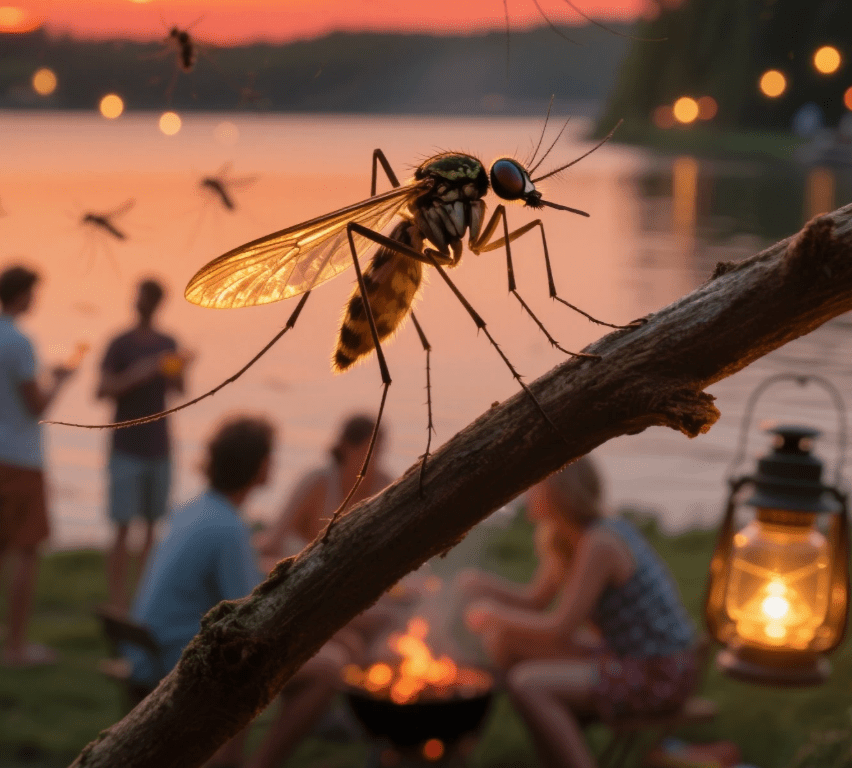
1. Mosquitoes ARE Arkansas’s Deadliest Animal (Yes, Animal)

If mosquitoes had a résumé, it would read:

  • Species: Flying Needle
  • Skills: Stealth, persistence, disease delivery
  • Hobbies: Ruining evenings, spreading illness, breeding in bottle caps

Mosquitoes are not just annoying. They are statistically the deadliest creatures on Earth, and Arkansas is prime mosquito real estate. Warm weather? Check. Standing water? Check. People who forget bug spray? Double check.

Why Mosquitoes Are So Dangerous

Mosquitoes themselves don’t kill you out of spite (although it feels personal). They kill you by acting like tiny hypodermic needles for diseases such as:

  • West Nile Virus
  • Eastern Equine Encephalitis (EEE)
  • St. Louis Encephalitis
  • Zika (rare but possible)

These diseases can cause serious neurological problems, long-term complications, and in rare cases, death—especially in older adults or people with weakened immune systems.

The danger here is not the bite—it’s what comes with the bite. It’s like ordering a sandwich and finding out it comes with a free side of meningitis.

Survival Tips from Your Friendly Neighborhood Prepper

  1. Eliminate Standing Water
    If water sits longer than a bad sitcom rerun, mosquitoes will move in. Dump buckets, clean gutters, flip kiddie pools.
  2. Dress Like a Sensible Nerd
    Long sleeves, long pants, light-colored clothing. Yes, it’s hot. So is a hospital bed.
  3. Use Insect Repellent Properly
    Repellents approved for insect protection are your friends. Apply according to the label. More is not better—you’re not glazing a ham.
  4. Timing Is Everything
    Mosquitoes love dawn and dusk. Plan activities accordingly or bring chemical backup.

2. Ticks Really Are The Slow, Creeping Menace of the Arkansas Woods’

Ticks don’t buzz. They don’t warn you. They don’t even hurt when they bite. Which is exactly why they are terrifying.

Ticks are like that quiet guy at the party who doesn’t say much, but you later find out he’s wanted in three states.

Arkansas is crawling—literally—with ticks, including:

  • Lone Star ticks
  • American dog ticks
  • Blacklegged ticks

Why Ticks Are So Dangerous

Ticks transmit some of the nastiest diseases known to humankind, including:

  • Rocky Mountain Spotted Fever
  • Ehrlichiosis
  • Tularemia
  • Alpha-gal syndrome (which can make you allergic to red meat—cruel and unusual punishment)

These illnesses can cause fever, organ complications, long-term health issues, and yes, in severe untreated cases, death.

The real danger? You often don’t know you’ve been bitten until days later.

Survival Tips (a.k.a. How to Not Become a Tick Buffet)

  1. Check Yourself Like You’re Going Through Airport Security
    After outdoor activity, inspect everything. Scalp, armpits, behind knees, waistband. Ticks are sneaky and have no shame.
  2. Shower Soon After Being Outdoors
    Water won’t kill a tick instantly, but it helps dislodge them and gives you a chance to find hitchhikers early.
  3. Treat Clothing, Not Just Skin
    Certain clothing treatments repel ticks before they ever reach your skin. Think of it as a force field.
  4. Don’t Ignore Symptoms
    Fever, rash, fatigue after a tick bite? Don’t “tough it out.” That’s how ticks win.

3. Fire Ants: Tiny, Angry, and Unionized

Fire ants are proof that size does not equal mercy.

These little red devils don’t just bite—they swarm. You step on one mound, and suddenly you’ve offended the entire ant community, their extended family, and possibly their church group.

Why Fire Ants Are Dangerous

For most people, fire ant stings cause painful welts. For some, especially those with allergies, multiple stings can trigger life-threatening reactions.

Additionally:

  • Large numbers of stings can overwhelm the body
  • Secondary infections can occur
  • Children and elderly individuals are at higher risk

And did I mention they attack in groups? Because they do. They don’t believe in solo missions.

Survival Tips (Don’t Panic—But Also, Panic a Little)

  1. Watch Where You Step
    Especially in open fields, lawns, and near sidewalks. Mounds aren’t decorative.
  2. If Attacked, Move Fast
    Do not stand there arguing with ants. Brush them off quickly and move away.
  3. Know Your Allergies
    If you or someone with you has a known insect sting allergy, preparedness is not optional—it’s essential.
  4. Treat Stings Promptly
    Cleaning and monitoring stings reduces the risk of infection and complications.

4. Nature’s Flying Grudge Holders

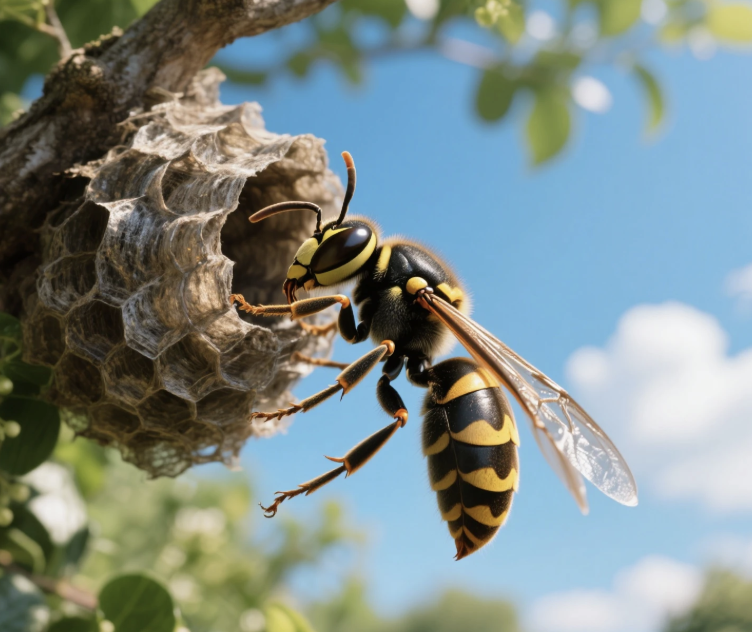
Now I want to be clear: Bees are important. They pollinate crops. They make honey. They are generally minding their own business.

Wasps and hornets, on the other hand, wake up angry.

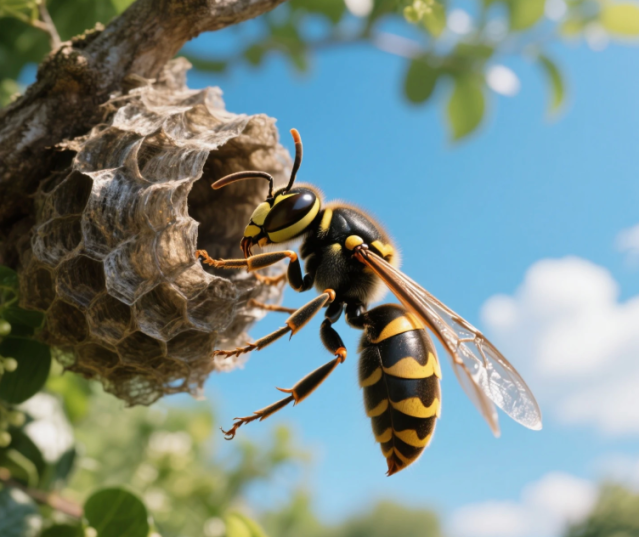
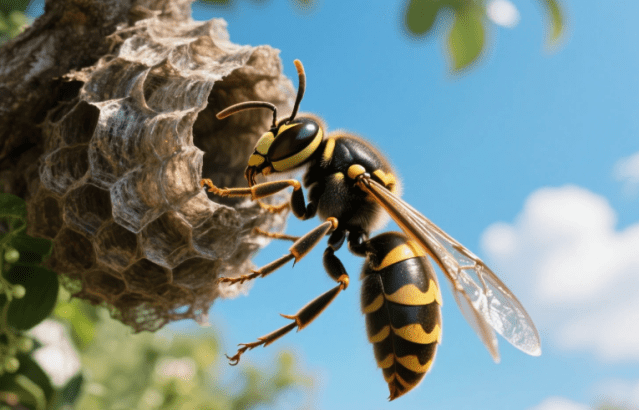
Arkansas is home to several stinging insects that can cause serious harm, including:

  • Yellowjackets
  • Paper wasps
  • Hornets

Why These Stings Can Be Fatal

For individuals with severe allergies, a single sting can trigger anaphylaxis—a rapid, life-threatening reaction that requires immediate medical attention.

Even without allergies:

  • Multiple stings can be dangerous
  • Stings near the face or throat increase risk
  • Panic can worsen outcomes

Survival Tips (Respect the Buzz)

  1. Do Not Swat First
    Swatting is a declaration of war. Move calmly away.
  2. Avoid Nest Areas
    Under eaves, trees, sheds, and outdoor furniture are popular hangouts.
  3. Keep Food Covered Outdoors
    Wasps love picnics like they paid for the potato salad.
  4. Have a Plan
    Know what to do if someone has a severe reaction. Seconds matter.

5. Kissing Bugs are The Insects With the Romantic Name that Gives Out the Worst Consequences (NOT AIDS)

If you’ve never heard of a kissing bug, congratulations—you were happier five seconds ago.

These insects (also called triatomine bugs) have been found in Arkansas and can carry Chagas disease, a serious illness that can cause long-term heart and digestive problems.

Why Kissing Bugs Are Dangerous

  • They bite near the face while people sleep
  • The disease they can transmit may not show symptoms for years
  • Long-term complications can be severe and life-threatening

They are not common, but when they are involved, the stakes are high.

Survival Tips (Because Sleep Is Hard Enough Already)

  1. Seal Entry Points in Homes
    Screens, cracks, and gaps are open invitations.
  2. Reduce Outdoor Lighting Near Bedrooms
    Lights attract insects, insects attract trouble.
  3. Be Cautious in Rustic or Rural Settings
    Cabins, sheds, and older buildings deserve extra inspection.

6. Fleas: Small, Jumping Disease Packages

Fleas may seem like a pet problem, but historically, they’ve been responsible for some of the worst disease outbreaks known to humanity.

While rare, fleas can carry diseases that are still present in parts of the U.S., including Arkansas.

Why Fleas Are Dangerous

  • They can transmit serious bacterial infections
  • Bites can become infected
  • They spread quickly in untreated environments

Survival Tips (Keep the Jumping Menace at Bay)

  1. Treat Pets Regularly
    Your dog should not be a flea Uber.
  2. Maintain Clean Living Spaces
    Vacuuming isn’t glamorous, but neither is scratching at 3 a.m.
  3. Address Infestations Quickly
    Fleas multiply faster than gossip in a small town.

Last Thoughts from a Slightly Paranoid Prepper Living in Arkansas (SOMETIMES YA WEIRDOS)

Now listen, friend. Arkansas is not out to get you. The insects aren’t plotting in tiny underground bunkers. Most of the time, you and these bugs can coexist peacefully—like neighbors who don’t borrow lawn equipment.

But survival isn’t about fear. It’s about awareness, preparation, and respect for the fact that nature does not care how tough you think you are.

You don’t need to live in a bubble. You just need to:

  • Pay attention
  • Protect yourself
  • Take bites and stings seriously
  • Laugh a little while doing it

Because if you can’t laugh at the idea of being taken out by something the size of a Tic Tac, then honestly, what are we even doing here?

Stay alert. Stay prepared. And for heaven’s sake—check your socks.

North Carolina’s Deadliest Insects and What to Do Before You Become a Cautionary Tale

I’ve broken every bone in my body at least once. Some of them twice. One of them three times, but that one was my fault and involved a ladder, a generator, and a poor decision made during a thunderstorm. Because of this long and painful résumé of injuries, people assume I’m afraid of big things—bears, hurricanes, chainsaws, or angry men named Earl.

They are wrong.

The things that scare me most in North Carolina are small. Six legs. Wings sometimes. No remorse. No warning. Just a bite, a sting, or a disease you won’t notice until you’re sweating through your socks wondering why your joints feel like they’ve been replaced with rusty door hinges.

North Carolina is a beautiful state full of forests, swamps, mountains, coastlines, and insects that would happily end your entire survival journey before you finish pitching a tent. While most bugs are just annoying, some can genuinely threaten your life under the wrong conditions. I’ve met them. I’ve underestimated them. I’ve survived them mostly through luck, stubbornness, and an impressive collection of first-aid kits.

This article is not meant to scare you indoors forever. It’s meant to keep you alive. Because nature doesn’t care how prepared you think you are, and insects don’t care how tough you act.

Let’s talk about the most dangerous insects in North Carolina—and what you can do to survive them without becoming an entry in a local news story.


1. The Tiny Flying Hypodermics of Doom – Mosquitoes

If mosquitoes had resumes, they’d be banned in most countries.

In North Carolina, mosquitoes aren’t just itchy nuisances. They are known carriers of serious diseases such as West Nile virus, Eastern equine encephalitis, and other infections that can, in rare cases, become life-threatening. You don’t feel heroic when a mosquito bites you. You feel mildly annoyed. That’s the problem.

The danger isn’t the bite itself—it’s what the bite delivers.

I once ignored mosquito protection because I was “just stepping outside for a minute.” Three hours later, I looked like a topographical map of bad decisions. Fever hit me days later, and while I recovered, I learned a lesson the hard way: mosquitoes don’t respect short trips or tough talk.

Survival Tips:

  • Wear long sleeves and pants in mosquito-heavy areas, especially at dawn and dusk.
  • Use insect repellent consistently, not just when you remember.
  • Eliminate standing water around your home or campsite.
  • If you develop fever, headache, or body aches after heavy mosquito exposure, seek medical attention early.

Preparedness lesson: the smallest enemy often causes the biggest problems.


2. Ticks Really Suck (Your Life Away)

Ticks don’t bite you like insects. They move in.

North Carolina has several species of ticks capable of transmitting serious illnesses, including Rocky Mountain spotted fever and other tick-borne diseases. These conditions can escalate quickly if untreated, and symptoms often begin deceptively mild.

Ticks are patient. They don’t sting dramatically. They don’t buzz angrily. They just wait, latch on, and let time do the damage.

I once found a tick in a place I will not describe for the sake of everyone’s breakfast. That moment changed me as a person.

Survival Tips:

  • Perform full body tick checks after outdoor activities.
  • Wear light-colored clothing to spot ticks more easily.
  • Tuck pants into socks when hiking through tall grass or woods.
  • Remove ticks promptly and properly.
  • Seek medical advice if you experience fever, rash, or fatigue after a tick bite.

If you take nothing else from this article, take this: ticks are not optional to deal with.


3. North Carolina’s Fire Ants Are Gonna Put a Fire in Your Spine

Fire ants are not technically native, but they’ve made themselves extremely comfortable in North Carolina—especially in warmer regions. They don’t just bite. They swarm. They coordinate. They commit.

For most people, fire ant stings are painful but manageable. For others, especially those with allergic reactions, they can become dangerous very quickly.

I once stepped into a fire ant mound while distracted by a survival checklist. I learned that ants can climb faster than panic.

Survival Tips:

  • Watch the ground before standing still outdoors.
  • Avoid disturbing ant mounds.
  • If stung multiple times, move away quickly and wash the area.
  • Seek emergency help if you experience swelling, difficulty breathing, or dizziness.

Fire ants don’t play defense. They play offense.


4. North Carolina Bees & Wasps Hate People

Bees are important. Wasps and yellowjackets are important too, I guess, but they wake up angry and choose chaos daily.

In North Carolina, stinging insects can pose a serious risk, especially to individuals with allergies. A single sting can trigger a severe reaction that escalates rapidly without treatment.

Yellowjackets, in particular, are aggressive and often nest underground, which means you don’t know they’re there until they are very much there.

I’ve been stung enough times that I now flinch when a leaf moves suspiciously.

Survival Tips:

  • Avoid wearing strong scents outdoors.
  • Stay calm if stinging insects are nearby.
  • Do not swat—slowly move away.
  • If stung and symptoms escalate beyond local pain, seek emergency help immediately.

Preparedness means respecting insects that can turn a picnic into a medical emergency.


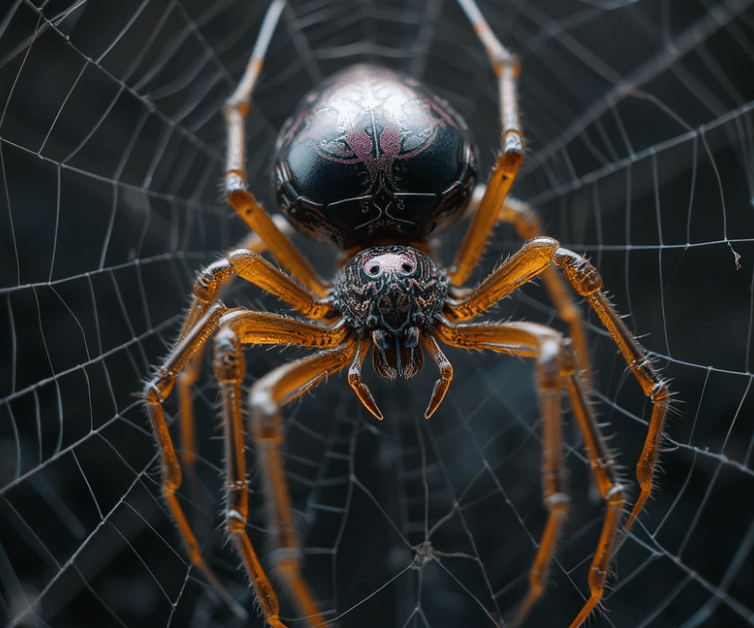
5. Black Widow Spiders in North Carolina are Small, Shiny, and Unforgiving

Yes, spiders aren’t technically insects, but if one bites you and ruins your week, the distinction won’t matter much.

Black widows are present in North Carolina and are recognizable by their glossy black bodies and red markings. Their venom can cause severe pain, muscle cramps, and other systemic symptoms.

I once stuck my hand into a woodpile without gloves. That was a mistake I won’t repeat until I forget again in ten years.

Survival Tips:

  • Wear gloves when handling firewood or debris.
  • Shake out shoes and clothing stored outdoors.
  • Seek medical care if bitten and symptoms intensify.

Spiders thrive where clutter lives. So do bad outcomes.


6. Brown Recluse Spiders: Rare, But Worth Mentioning

Brown recluse spiders are uncommon in North Carolina, but they do exist. Their bites can cause serious skin damage and systemic reactions in rare cases.

The danger lies in delayed symptoms. You might think everything is fine until it very much isn’t.

Survival Tips:

  • Reduce clutter in storage areas.
  • Avoid reaching into dark, undisturbed spaces.
  • Seek medical care for unusual or worsening bite reactions.

Preparedness includes knowing what’s unlikely—but possible.


7. Kissing Bugs: The One Nobody Talks About

Kissing bugs are stealthy insects known for biting near the face while people sleep. In rare cases, they can transmit Chagas disease.

While the risk in North Carolina is low, it’s not zero.

That’s enough for me to mention it.

Survival Tips:

  • Seal cracks and gaps in homes.
  • Use screens on windows.
  • Keep sleeping areas clean and well-lit when possible.

You don’t need paranoia. You need awareness.


8. Deer Flies and Horse Flies: Pain with Wings

These insects don’t just bite—they slice. Their bites are painful and can become infected if not treated properly.

While rarely deadly on their own, secondary infections or allergic reactions can complicate things.

I once thought a horse fly was a small bird attacking my neck. I was wrong. But the fear was real.

Survival Tips:

  • Cover exposed skin near water or wooded areas.
  • Clean bites thoroughly.
  • Monitor for signs of infection.

Pain is survivable. Infection is optional if you’re careful.


What Survival Really Means in North Carolina’s Bug Country

Survival isn’t about carrying the biggest knife or building the fanciest shelter. It’s about preparation, awareness, and humility. I’ve learned—through fractures, stings, and infections—that insects don’t care how prepared you think you are.

They care whether you took the small precautions.

Wear the repellent. Check your skin. Respect the insects you can’t see coming. Don’t laugh off a bite that feels wrong. Don’t assume you’re immune because you’ve “always been fine before.”

I’ve been fine before too. Until I wasn’t.

North Carolina is worth exploring. Just don’t let the smallest residents write the ending of your story.

Stay alert. Stay prepared. And for the love of everything, check your boots before putting them on.

Silent Killers at the County Fair: Iowa’s Most Dangerous Insects and How to Avoid Them

I’ve spent years traveling the Midwest teaching preparedness, and every summer I make my way through Iowa during county fair season. The smell of funnel cakes, the sound of livestock auctions, and the crowds packed into fairgrounds are as Iowa as it gets. But when you spend enough time sleeping in rural campgrounds, walking fence lines, and standing in hot crowds, you learn quickly that Iowa’s greatest threats aren’t always storms or accidents. Sometimes, the smallest creatures carry the biggest risks.

Iowa doesn’t have tropical monsters or jungle predators, but it does have insects and insect-like pests that can seriously injure or even kill you under the wrong circumstances. As a survival prepper, I don’t believe in panic—I believe in awareness, preparation, and simple habits that keep you alive. Let’s talk about the deadliest insects you’ll realistically encounter in Iowa, why they’re dangerous, and how to protect yourself during fair season and beyond.


The Golden Mosquito: Iowa’s Most Dangerous Killer by Numbers

If I had to name the deadliest insect in Iowa, it wouldn’t be the scariest-looking one. It would be the mosquito.

Mosquitoes in Iowa are capable of transmitting serious diseases, including West Nile virus and other mosquito-borne illnesses. Most people brush off bites as itchy annoyances, but disease transmission is where the real danger lies. Every year, Iowans are hospitalized due to complications from mosquito-borne illnesses, especially older adults and those with weakened immune systems.

Why they’re deadly:

  • Disease transmission rather than venom
  • High population during warm, wet summers
  • Active at dusk, dawn, and during humid evenings

Survival prepper tips:

  • Wear long sleeves and pants during evening fair events
  • Use insect repellent when outdoors for extended periods
  • Avoid standing water near campsites or lodging
  • Use light-colored clothing to reduce attraction

At county fairs, mosquitoes thrive near livestock barns, food waste areas, and temporary water sources. I always assume mosquitoes are present and plan accordingly.


Small Stings, Big Consequences

Stinging insects are a constant at Iowa fairs, picnics, and outdoor events. Yellowjackets, paper wasps, honeybees, and hornets are all common across the state.

For most people, a sting is painful but survivable. For others, especially those with allergies, a single sting can become life-threatening within minutes.

Why they’re deadly:

  • Severe allergic reactions (anaphylaxis)
  • Multiple stings from disturbed nests
  • Aggressive behavior near food and sugary drinks

Survival prepper tips:

  • Never swat at flying insects—it increases aggression
  • Keep food covered when eating outdoors
  • Check drink cans before sipping
  • Identify nest locations and keep your distance

At county fairs, I see people accidentally step on yellowjackets near trash cans more than anywhere else. Trash areas are danger zones—move deliberately and stay alert.


The Silent Hitchhikers

While ticks aren’t technically insects, any prepper would be irresponsible not to include them. Iowa is prime tick territory, especially in grassy areas, wooded edges, and rural fairgrounds.

Ticks can transmit serious illnesses, including Lyme disease. The danger isn’t immediate pain—it’s delayed symptoms that many people ignore until it’s too late.

Why they’re deadly:

  • Disease transmission
  • Often unnoticed for hours or days
  • High exposure risk in rural environments

Survival prepper tips:

  • Wear long pants and tuck them into socks
  • Perform full-body tick checks daily
  • Shower after spending time outdoors
  • Remove ticks promptly with proper technique

If you camp near fairgrounds or park in tall grass, assume ticks are present. I check myself every night, no exceptions.


Blister Beetles: The Hidden Hazard Most People Miss

Blister beetles don’t look dangerous, which is what makes them risky. These beetles produce a chemical called cantharidin, which can cause severe skin blistering if crushed against the skin.

While human fatalities are rare, severe exposure or ingestion can be dangerous. They’re more commonly known for harming livestock, but fairgoers who handle hay, straw, or agricultural displays should be aware.

Why they’re dangerous:

  • Toxic chemical secretion
  • Skin injury and possible systemic reactions
  • Found near agricultural materials

Survival prepper tips:

  • Avoid handling beetles or crushing insects on bare skin
  • Wash hands after touching hay or straw displays
  • Wear gloves when handling farm materials

At agricultural fairs, people forget that not every danger flies or stings.


Horseflies and Deer Flies: Painful and Persistent

Horseflies and deer flies are aggressive biters found in rural Iowa during summer. Their bites can break the skin and become infected if not treated.

Why they’re dangerous:

  • Painful bites that can lead to infection
  • Aggressive behavior
  • Often found near livestock and water

Survival prepper tips:

  • Wear long sleeves near livestock areas
  • Clean bites immediately
  • Avoid swatting—move away calmly

While rarely fatal, infections can become serious if ignored.


Final Prepper Rules for Staying Alive in Iowa

Survival isn’t about fear—it’s about habits. When I walk Iowa fairgrounds, I follow simple rules:

  1. Assume insects are present everywhere
  2. Cover skin during peak insect hours
  3. Carry basic first-aid supplies
  4. Stay calm and observant
  5. Teach kids awareness without panic

Iowa is a great state with great people, but nature doesn’t take the summer off. Whether you’re visiting a county fair, camping nearby, or working outdoors, respecting Iowa’s smallest threats can make the difference between a good memory and a medical emergency.

Stay alert, stay prepared, and enjoy the fair—you’ll live longer that way.

Deadly Bugs of New Jersey – A New Jersey Survival Prepper’s Guide to Staying Alive

When most people think of New Jersey, they picture shorelines, forests, small towns, diners, and hardworking people who know how to get things done. What they don’t usually picture is danger lurking in the grass, the woods, or even their own backyard. As an optimistic professional New Jersey survival prepper, I’m here to tell you something important: you don’t need to fear nature—but you absolutely must respect it.

New Jersey may not have deserts or jungles, but it does have insects capable of causing severe injury, permanent damage, or even death under the wrong circumstances. The good news? With the right mindset, awareness, and preparation, every one of these threats is survivable.

Let’s break down the most dangerous insects in New Jersey, how they can kill you, and—more importantly—exactly what you can do to stay alive and thriving.


1. Ticks: New Jersey’s Most Lethal Insect Threat

If there is one insect that has quietly earned the title of most dangerous in New Jersey, it’s the tick. Ticks don’t kill you with venom or stingers. They kill through disease, and New Jersey is a hotspot.

Why Ticks Are So Dangerous

Ticks in New Jersey can transmit:

  • Lyme disease
  • Anaplasmosis
  • Babesiosis
  • Powassan virus (rare but often fatal)

Left untreated, these diseases can cause neurological damage, heart failure, organ damage, and death.

Survival Strategy

  • Wear light-colored clothing to spot ticks easily
  • Tuck pants into socks when hiking or working outdoors
  • Use permethrin-treated clothing and EPA-approved repellents
  • Perform full-body tick checks after outdoor activity
  • Shower within two hours of coming indoors

Prepper mindset: Early detection saves lives. Pull ticks quickly and correctly using fine-tipped tweezers.


2. Mosquitoes: Small Wings, Big Consequences

Mosquitoes are everywhere in New Jersey, especially in summer. Most bites are annoying—but some carry life-threatening viruses.

Diseases Spread by NJ Mosquitoes

  • West Nile virus
  • Eastern Equine Encephalitis (EEE)
  • Zika virus (rare but possible)

EEE, in particular, has a high fatality rate and can cause brain swelling.

Survival Strategy

  • Eliminate standing water around your home
  • Use window screens and fans
  • Wear long sleeves at dusk and dawn
  • Apply insect repellent with DEET or picaridin

Optimistic truth: Mosquito control is one of the easiest survival wins—small actions drastically reduce risk.


3. Bald-Faced Hornets and Yellow Jackets: Aggressive and Dangerous

These insects aren’t just painful—they’re strategic attackers. Bald-faced hornets and yellow jackets are common across New Jersey and will attack in groups.

Why They Can Kill

  • Multiple stings can cause toxic venom overload
  • Allergic reactions (anaphylaxis) can be fatal within minutes
  • Attacks often target the face and neck

Survival Strategy

  • Never disturb nests—especially in trees or under eaves
  • Move away calmly; don’t swat or flail
  • Carry an epinephrine injector if you’re allergic
  • Seek emergency care after multiple stings

Prepper rule: Avoidance beats confrontation every time.


4. Fire Ants: An Expanding Threat

Fire ants are slowly expanding northward, and sightings in southern New Jersey are increasing.

Why Fire Ants Are Dangerous

  • Swarm attacks
  • Repeated venom injections
  • Risk of infection and allergic reaction

Survival Strategy

  • Watch where you step, especially near sandy soil
  • Avoid disturbing mounds
  • Wash stings immediately with soap and water
  • Apply cold packs and monitor for allergic response

Preparedness isn’t panic—it’s paying attention.


5. Kissing Bugs: Rare but Deadly

Kissing bugs are uncommon in New Jersey, but climate changes have increased sightings.

Why They’re Dangerous

They can transmit Chagas disease, which damages the heart over time and can be fatal if untreated.

Survival Strategy

  • Seal cracks in homes
  • Reduce outdoor lighting that attracts insects
  • Seek medical testing if bitten and symptoms develop

Low probability does not mean zero risk—preppers plan for both.


6. Spiders That Aren’t Insects (But Still Matter)

While technically arachnids, spiders often get lumped into insect threats—and for good reason.

Venomous Spiders in NJ

  • Black widow (rare but present)
  • Brown recluse (extremely rare, usually imported)

Survival Strategy

  • Shake out shoes and gloves
  • Keep storage areas clean
  • Seek medical help for severe reactions

Knowledge removes fear—and fear causes mistakes.


What to Do If You’re Bitten or Stung

A true New Jersey survival prepper keeps a calm head:

  1. Assess the situation
  2. Remove the insect safely
  3. Clean the wound immediately
  4. Monitor symptoms
  5. Seek medical help early

Never “tough it out” when symptoms escalate. Survival isn’t about ego—it’s about living to see tomorrow.


The Optimistic Prepper’s Mindset

Here’s the truth: New Jersey is not out to kill you. These insects exist whether you notice them or not. Prepared people don’t live in fear—they live in confidence.

By learning your environment, using common-sense protection, and staying alert, you dramatically reduce risk. Preparedness is not paranoia—it’s responsibility.


New Jersey Survival Prepper’s Final Thoughts: Stay Ready, Stay Positive

The most dangerous insects in New Jersey don’t need to end your life. With awareness, preparation, and a steady mindset, you can enjoy everything this state offers—from forests to shorelines—safely and confidently.

Survival is about adapting, learning, and staying optimistic. And in New Jersey, that mindset will carry you a long way.

Stay ready. Stay smart. And take care of each other.

Killer Bugs of Tennessee: A Survival Prepper’s Guide to Avoiding the State’s Deadliest Insects

When you live close to the woods, work with your hands, and believe in self-reliance, you learn quickly that the smallest threats are often the ones that hurt you the most.

In Tennessee, the terrain is generous but unforgiving. Thick forests, rolling farmland, humid summers, and mild winters make it prime territory not just for people, but for insects that can seriously injure—or in rare cases, kill—an unprepared individual.

This article isn’t written to scare you. Fear is useless in survival. Information, on the other hand, is a tool. My goal is to lay out the most dangerous insects found in the state of Tennessee, explain why they matter, and give you clear, practical steps to keep yourself and your family safe.

If you live, hunt, hike, camp, garden, or simply enjoy sitting on a back porch in this state, this knowledge belongs in your mental survival kit.


Why Insects Are a Serious Survival Threat in Tennessee

Most people think of survival threats as storms, power outages, or civil unrest. Insects rarely get the respect they deserve. That’s a mistake.

Insects are dangerous because:

  • They are easy to overlook
  • They thrive near homes and campsites
  • They often attack without warning
  • Some carry diseases with long-term consequences
  • Medical treatment may not be immediately available in rural areas

In a grid-down or disaster scenario, even a minor bite can become life-threatening if infection sets in or medical care is delayed. Prepared people don’t dismiss small threats—they manage them.


1. Mosquitoes: Tennessee’s Deadliest Insect by Numbers

If we’re talking strictly about human deaths, mosquitoes top the list—not just in Tennessee, but worldwide.

Why Mosquitoes Are Dangerous

Mosquitoes themselves aren’t the problem. What they carry is.

In Tennessee, mosquitoes are known vectors for:

  • West Nile Virus
  • Eastern Equine Encephalitis (EEE)
  • Zika Virus
  • La Crosse Encephalitis

While many infected individuals show mild or no symptoms, others—especially children, the elderly, and immunocompromised adults—can suffer severe neurological complications.

From a prepper’s perspective, disease-carrying insects are a long-term threat. You may not feel the damage immediately, but once symptoms appear, you’re already behind the curve.

Where You’ll Encounter Them

  • Standing water (ditches, buckets, birdbaths)
  • Creek bottoms and riverbanks
  • Shaded yards and overgrown brush
  • Campsites and hunting areas

How to Stay Safe from Mosquitoes

  • Eliminate standing water around your home weekly
  • Wear long sleeves and pants during dawn and dusk
  • Use proven repellents (DEET, picaridin, or oil of lemon eucalyptus)
  • Install window screens and repair holes
  • Run fans on porches—mosquitoes are weak flyers

Prepared households treat mosquito control as routine maintenance, not a seasonal afterthought.


2. Ticks: Silent, Patient, and Potentially Life-Altering

Ticks are not insects, but most folks group them together—and for good reason. In Tennessee, ticks are one of the most serious outdoor health threats.

Dangerous Tick Species in Tennessee

  • Lone Star Tick
  • Blacklegged Tick (Deer Tick)
  • American Dog Tick

These ticks can transmit:

  • Lyme disease
  • Rocky Mountain spotted fever
  • Ehrlichiosis
  • Alpha-gal syndrome (a red meat allergy caused by Lone Star ticks)

Alpha-gal alone has changed the lives of many outdoorsmen who suddenly can’t eat beef or pork without severe reactions.

Why Ticks Are a Prepper’s Concern

Ticks don’t bite and leave. They embed themselves, feed slowly, and often go unnoticed for hours or days. In a long-term emergency scenario, untreated tick-borne illness can remove a capable adult from usefulness entirely.

Tick Prevention Strategies

  • Treat clothing with permethrin
  • Wear light-colored pants to spot ticks
  • Tuck pants into boots when in tall grass
  • Perform full-body tick checks after outdoor activity
  • Shower within two hours of exposure

In my household, tick checks are non-negotiable. Discipline prevents disease.


3. Brown Recluse Spiders: Small, Reclusive, and Dangerous

The brown recluse spider is well established in Tennessee and deserves respect.

Why Brown Recluses Are Dangerous

Their venom can cause:

  • Severe skin damage
  • Necrotic wounds
  • Secondary infections

While fatalities are rare, untreated bites can result in long healing times and permanent tissue damage.

Where Brown Recluses Hide

  • Garages
  • Sheds
  • Woodpiles
  • Closets
  • Cardboard boxes
  • Undisturbed storage areas

They don’t roam looking to bite you. Most bites happen when someone puts on clothing or reaches into storage without looking.

How to Avoid Brown Recluse Bites

  • Shake out shoes and clothing
  • Store items in plastic bins, not cardboard
  • Reduce clutter
  • Wear gloves when moving stored items
  • Seal cracks and crevices in structures

Prepared living spaces are orderly for a reason—it limits hiding places for threats.


4. Black Widow Spiders: Recognizable and Medically Significant

Black widows are less common than brown recluses but still present throughout Tennessee.

Why Black Widows Are Dangerous

Their venom attacks the nervous system and can cause:

  • Severe muscle pain
  • Cramping
  • Nausea
  • Elevated blood pressure

Children and elderly individuals are at higher risk for complications.

Common Black Widow Locations

  • Under decks
  • In woodpiles
  • Crawl spaces
  • Outdoor furniture
  • Utility boxes

Safety Measures

  • Wear gloves when handling firewood
  • Inspect outdoor furniture before use
  • Keep woodpiles away from the home
  • Reduce insect populations that attract spiders

Respect their space, and they usually return the favor.


5. Fire Ants: Aggressive and Relentless

Imported fire ants are spreading in parts of Tennessee, particularly in the southern and western regions.

Why Fire Ants Are Dangerous

Fire ants attack as a group. Their stings cause:

  • Intense burning pain
  • Pustules
  • Secondary infections
  • Allergic reactions, including anaphylaxis

Multiple stings can overwhelm children or pets quickly.

Fire Ant Survival Tips

  • Learn to recognize mounds
  • Avoid standing still in infested areas
  • Treat mounds promptly
  • Keep yards maintained
  • Teach children what fire ant mounds look like

Prepared families educate early. Recognition saves pain.


6. Wasps, Hornets, and Yellowjackets: Territorial Defenders

Stinging insects account for more insect-related deaths in the U.S. than spiders.

Why They’re Dangerous

  • They sting repeatedly
  • They attack in groups
  • They defend nests aggressively
  • Allergic reactions can be fatal without epinephrine

Yellowjackets are especially aggressive and commonly encountered during late summer and fall.

Where Encounters Happen

  • Trash cans
  • Picnic areas
  • Attics and eaves
  • Underground nests
  • Campsites

Staying Safe Around Stinging Insects

  • Avoid swatting
  • Cover food outdoors
  • Secure garbage lids
  • Inspect structures regularly
  • Remove nests early (or hire professionals)

In a survival scenario, stings are more than painful—they can be disabling.


7. Kissing Bugs: Rare but Worth Knowing

Kissing bugs are present in Tennessee, though encounters are uncommon.

Why They Matter

They can carry Chagas disease, a serious illness affecting the heart and digestive system. Transmission is rare in the U.S., but awareness matters.

Prepper Takeaway

  • Seal cracks in homes
  • Reduce outdoor lighting near doors
  • Keep pets indoors at night

Preparedness isn’t paranoia—it’s awareness.


Practical Survival Principles for Bug Safety

Here’s how a prepper thinks about insects:

  1. Control the environment – Reduce habitat and access
  2. Protect the body – Clothing, repellents, inspections
  3. Recognize early signs – Bites, rashes, unusual symptoms
  4. Maintain medical readiness – First aid supplies and knowledge
  5. Educate the family – Everyone plays a role

Insects don’t care how tough you are. They exploit complacency.


Essential Bug Defense Gear for Tennessee Homes

Every prepared household should have:

  • Insect repellent
  • Tick removal tools
  • Antihistamines
  • Hydrocortisone cream
  • Epinephrine (if prescribed)
  • Protective clothing
  • Mosquito netting for emergencies

These items are inexpensive compared to the cost of treatment—or regret.


Final Thoughts from a Prepper

Living prepared doesn’t mean living afraid. It means respecting reality.

Tennessee’s insects are part of the ecosystem, but they don’t have to be part of your medical history. Most injuries happen because people assume “it won’t happen to me.” Survival-minded folks don’t rely on luck—they rely on knowledge, habits, and discipline.

If you take nothing else from this article, remember this: the smallest threats succeed when ignored. Pay attention, prepare your space, and teach the next generation how to live smart in bug country.

Stay alert. Stay capable. Stay safe.

Deadly Bugs of Utah: A Survival Prepper’s Guide to Avoiding Fatal Encounters

As a Utah survival prepper, I spend a lot of time helping people prepare for the dangers they don’t see coming. Most folks worry about earthquakes, winter storms, or getting lost in the mountains—and rightly so. But one of the most underestimated threats in Utah is far smaller, quieter, and often hiding right under your feet.

Insects and other biting arthropods may not look intimidating, but several species found in Utah can cause serious medical emergencies. While fatalities are rare, severe reactions, venom toxicity, and disease transmission can absolutely turn deadly if you’re unprepared or slow to act.

This article isn’t meant to scare you—it’s meant to keep you alive. Let’s talk about the most dangerous insects and insect-like pests in Utah, why they’re risky, and exactly what you should do to protect yourself and your family.


A Quick Survival Note on Terminology

Many people lump spiders, ticks, and scorpions in with insects. Technically, they’re arthropods, not insects—but from a survival perspective, what matters is the risk they pose. I’ll include them here because they’re responsible for the most serious bite- and sting-related emergencies in Utah.


1. Black Widow Spiders

Black widows are the most medically significant venomous spiders in Utah. They’re commonly found in garages, woodpiles, crawl spaces, sheds, and outdoor furniture.

Why they’re dangerous:
Black widow venom attacks the nervous system. While healthy adults usually recover with treatment, bites can cause severe muscle pain, breathing difficulty, and dangerous spikes in blood pressure. Children, seniors, and those with health conditions are at higher risk of life-threatening complications.

Survival tips:

  • Wear gloves when reaching into dark or cluttered areas.
  • Shake out shoes, boots, and outdoor gear before use.
  • Seek medical care immediately if bitten—do not “wait it out.”

2. Scorpions (Including the Arizona Bark Scorpion)

Southern Utah is home to scorpions, including the Arizona bark scorpion, the most venomous scorpion in North America.

Why they’re dangerous:
Scorpion venom can cause intense pain, numbness, breathing issues, and in rare cases, severe neurological reactions. Children are particularly vulnerable due to their smaller body size.

Survival tips:

  • Use blacklights at night to spot scorpions (they glow).
  • Seal cracks in walls, doors, and foundations.
  • Shake out bedding, clothing, and shoes in desert regions.
  • If stung and symptoms escalate, seek emergency care immediately.

3. Wasps, Hornets, and Bees

Stinging insects are responsible for more fatalities in the U.S. than any other venomous creature—and Utah is no exception.

Why they’re dangerous:
For individuals with severe allergies, a single sting can trigger anaphylaxis, a rapid and life-threatening reaction that affects breathing and blood pressure. Even non-allergic individuals can be at risk after multiple stings.

Survival tips:

  • Know if you or family members have sting allergies.
  • Carry an epinephrine auto-injector if prescribed.
  • Avoid swatting at flying insects—it increases attack risk.
  • Keep food sealed outdoors and trash covered.

4. Mosquitoes

Mosquitoes may seem like a nuisance, but they are one of the most dangerous insects in Utah due to disease transmission.

Why they’re dangerous:
Mosquitoes in Utah are known carriers of West Nile virus. While many cases are mild, severe infections can cause neurological complications and, in rare cases, death—especially in older adults.

Survival tips:

  • Eliminate standing water around your home.
  • Use EPA-approved insect repellents.
  • Wear long sleeves during peak mosquito hours (dusk and dawn).
  • Install and maintain window and door screens.

5. Fleas (Plague Risk)

This one surprises most people: fleas in Utah have historically carried plague bacteria, especially in rural areas with rodents.

Why they’re dangerous:
While modern medicine makes plague treatable, delayed treatment can be fatal. Human cases are rare, but they still occur in the western U.S.

Survival tips:

  • Avoid contact with wild rodents.
  • Treat pets with veterinarian-approved flea prevention.
  • Wear gloves when handling animals or cleaning sheds.
  • Seek immediate medical care for sudden fever after flea exposure.

6. Kissing Bugs (Western Conenose Bugs)

These insects are found in parts of Utah and are known for biting humans at night.

Why they’re dangerous:
Kissing bugs can carry parasites that cause Chagas disease, a serious illness if untreated. While transmission in Utah is uncommon, awareness is critical.

Survival tips:

  • Seal cracks around doors and windows.
  • Reduce outdoor lighting that attracts insects.
  • Keep sleeping areas clean and protected.
  • Report suspected sightings to local extension services.

7. Ticks

Ticks are becoming more common in Utah due to changing climates and increased wildlife movement.

Why they’re dangerous:
Ticks can transmit diseases such as Rocky Mountain spotted fever, which can be life-threatening if untreated.

Survival tips:

  • Perform full body tick checks after outdoor activities.
  • Wear light-colored clothing to spot ticks easily.
  • Use permethrin-treated clothing when hiking.
  • Remove ticks promptly with proper tools.

Final Prepper Advice: Awareness Saves Lives

Here’s the truth I tell every family I work with: Knowledge and preparation matter more than fear. None of these insects are out to get you—but ignorance and delay can turn a manageable situation into a medical emergency.

Stock a basic first-aid kit, know when to seek medical care, protect your home, and teach your kids what not to touch. In Utah’s wilderness and neighborhoods alike, the smallest threats are often the easiest to overlook.

Stay alert. Stay prepared. And most importantly—stay alive.