If you live in Kansas, I’m going to tell you something straight, without sugarcoating it.
Most people who die here didn’t think it would happen to them.
They weren’t reckless thrill-seekers. They weren’t criminals. They weren’t looking for danger. They were regular Kansans—hard-working people who assumed tomorrow was guaranteed.
That assumption is what gets people killed.
I’ve spent my life studying survival—not just wilderness survival, but real-world survival, the kind that determines whether you make it home to your family at night. And if there’s one thing I’ve learned, it’s this:
Survival isn’t about luck. It’s about decisions made before the crisis hits.
In this article, we’re going to break down the top 7 ways most people in Kansas die that have nothing to do with old age, why these deaths happen so often, and—most importantly—what you must do to dramatically increase your odds of surviving.
This isn’t meant to scare you. It’s meant to wake you up. Because when you take responsibility for your own safety, you reclaim control over your life.
Let’s get into it.
1. Motor Vehicle Accidents (Highways, Rural Roads, and Distracted Driving)
Why This Kills So Many Kansans
Kansas is a driving state. Long highways. Two-lane rural roads. Miles between towns. That freedom comes at a deadly price.
Car accidents are consistently the leading cause of death for Kansans under 55.
The biggest contributors:
High speeds on open roads
Rural highways with no median barriers
Seatbelt non-use
Distracted driving (phones, GPS, eating)
Impaired driving (alcohol, fatigue, drugs)
Rural crashes are especially deadly because help takes longer to arrive. When a crash happens at 70 mph on an empty stretch of road, survival becomes a race against time—and time often wins.
How You Survive This Threat
This isn’t about being scared of driving. It’s about driving like a professional survivor.
Survival Rules for Kansas Roads:
Wear your seatbelt every single time. No exceptions. Ever.
Slow down on rural highways, especially at night.
Never assume other drivers are paying attention. Assume they aren’t.
Put the phone down. No text is worth your life.
Keep an emergency kit in your vehicle (water, flashlight, tourniquet, blanket).
Don’t drive exhausted. Fatigue kills just as effectively as alcohol.
Survival is about stacking small smart decisions until danger has no opening.
2. Heart Attacks and Sudden Cardiac Events (Not Old Age)
Why This Is So Common in Kansas
Heart disease isn’t just an “old person problem.” In Kansas, middle-aged men and women die suddenly from cardiac events every day.
The reasons are brutally simple:
Poor diet
Chronic stress
Lack of exercise
Smoking
Ignoring warning signs
Kansas culture values toughness. That’s admirable—but dangerous when it comes to health. Too many people ignore chest pain, shortness of breath, or fatigue because they “don’t want to make a fuss.”
That mindset kills.
How You Survive This Threat
Here’s the truth most people don’t want to hear:
Your body will warn you before it quits—if you listen.
Survival Actions That Save Lives:
Learn the early signs of a heart attack (jaw pain, arm pain, nausea, pressure).
Take chest discomfort seriously, even if it feels mild.
If you live in Ohio, congratulations—you’ve survived winter potholes, construction season that lasts 11 months, and at least one awkward conversation about college football allegiance. But surviving Ohio life requires more than avoiding Buckeye arguments and Skyline Chili debates.
As a professional survivalist prepper (and someone who owns more flashlights than friends), I study how people actually die—not in movies, not in zombie fantasies, but in real, boring, tragically preventable ways. And let me tell you something that should wake you up faster than a tornado siren at 3 a.m.:
Most people don’t die from rare disasters. They die from everyday stupidity, complacency, and underestimating risk.
This article breaks down the Top 10 most common non-disease, non-old-age causes of death in Ohio, why they happen, and what you must do to survive them—with a little humor, because if we can’t laugh while preparing to live, what’s the point?
1. Motor Vehicle Accidents (a.k.a. Ohio’s Most Popular Contact Sport)
Why People Die This Way
Ohio drivers are brave. Too brave. Texting, speeding, drunk driving, winter ice, farm equipment on highways, and “I’ll just beat that yellow light” optimism combine into a perfect storm of steel and regret.
Rural roads are especially deadly—less lighting, higher speeds, and longer emergency response times.
How to Survive It
Drive like everyone else is actively trying to kill you
Put the phone down (TikTok will survive without you)
Keep winter survival gear in your car (blanket, water, flashlight)
Slow down on back roads—deer don’t use crosswalks
Never drive impaired. Ever. Not even “just buzzed”
Prepper Rule: The most dangerous place you’ll ever be is inside a moving vehicle operated by a human.
2. Drug Overdoses (The Silent Epidemic)
Why People Die This Way
Ohio has been hit hard by opioids, fentanyl, and polysubstance use. Many overdoses happen accidentally—people don’t know what they’re taking or how strong it is.
This isn’t about moral failure. It’s about chemistry, addiction, and misinformation.
How to Survive It
Carry naloxone (Narcan)—yes, even if you “don’t know anyone who uses”
Prepper Rule: Survival is about harm reduction, not judgment.
3. Suicide (The One We Don’t Talk About Enough)
Why People Die This Way
Stress, financial pressure, isolation, untreated mental health issues, and lack of support push people past a breaking point. Ohio’s economic and seasonal stressors don’t help.
This is not weakness. This is human overload.
How to Survive It
Talk. Seriously. Silence kills.
Build community—even awkward, imperfect community
Remove immediate means during emotional crises
Seek professional help early, not as a last resort
Check on people who “seem fine”
Prepper Rule: Mental resilience is survival gear.
If you or someone you know is struggling, call or text 988 in the U.S. Help is there.
4. Firearms Accidents & Violence
Why People Die This Way
Unsafe storage, lack of training, emotional decisions, and escalation of conflicts turn firearms from tools into tragedies.
Most accidental shootings happen at home.
How to Survive It
Get trained—seriously trained
Lock firearms and store ammo separately
Use safes, especially with kids present
De-escalate conflicts; walk away
Treat every firearm as loaded (because it might be)
Prepper Rule: Responsibility is the real safety switch.
5. Falls (No, You Don’t Have to Be Elderly)
Why People Die This Way
Ladders, roofs, icy sidewalks, workplace accidents, and alcohol combine into gravity doing what gravity does best.
Falls are especially deadly in construction, farming, and DIY home projects.
How to Survive It
Use proper ladders (not chairs… not buckets… not vibes)
Wear slip-resistant footwear in winter
Don’t work alone on risky tasks
Use harnesses and rails
Respect heights—your bones do
Prepper Rule: Gravity never takes a day off.
6. Drowning (Yes, Even in Ohio)
Why People Die This Way
Lakes, rivers, flooded creeks, boating accidents, alcohol use, and underestimating water currents cause more drownings than people expect.
Ohio rivers look calm—until they’re not.
How to Survive It
Wear life jackets (fashion is temporary, breathing is forever)
Never swim alone
Avoid alcohol when boating or swimming
Respect floodwaters—don’t drive through them
Learn basic water rescue techniques
Prepper Rule: Water doesn’t care how tough you are.
7. Fires & Carbon Monoxide Poisoning
Why People Die This Way
Faulty heaters, candles, overloaded outlets, and poor ventilation kill silently—especially during Ohio winters.
Carbon monoxide is invisible, odorless, and rude.
How to Survive It
Install CO and smoke detectors on every level
Test alarms monthly
Never use grills or generators indoors
Keep fire extinguishers accessible
Practice fire escape plans
Prepper Rule: If you can’t smell the danger, detect it electronically.
8. Workplace & Industrial Accidents
Why People Die This Way
Ohio has heavy industry, agriculture, logistics, and manufacturing. Fatigue, shortcuts, poor training, and outdated equipment turn jobs into hazards.
How to Survive It
Follow safety protocols—even when no one’s watching
Wear PPE (it’s cheaper than a funeral)
Report unsafe conditions
Take breaks—fatigue kills
Get trained and retrained
Prepper Rule: Productivity means nothing if you don’t live to enjoy it.
9. Extreme Weather (Ohio Is Sneaky Like That)
Why People Die This Way
Tornadoes, flash floods, heat waves, winter storms, and power outages catch people unprepared.
Speed, alcohol, lack of helmets, poor training, and overconfidence turn fun into tragedy.
Most accidents happen close to home.
How to Survive It
Wear helmets and protective gear
Get trained and licensed
Don’t mix alcohol with machines
Inspect equipment
Hunt safely and visibly
Prepper Rule: Fun should not require a coroner.
Final Thoughts from Your Friendly Neighborhood Survivalist
Survival isn’t about fear—it’s about awareness, preparation, and humility. Ohio isn’t dangerous because it’s wild; it’s dangerous because people assume nothing bad will happen today.
Bad things don’t need permission.
If you take anything from this article, let it be this:
Prepared people don’t panic. They adapt. And they live.
Stay safe. Stay sharp. And please—put the phone down while driving.
Rhode Island may be the smallest state in the union, but don’t let its size fool you. Danger doesn’t need square mileage to work its way into your life—it only needs complacency.
I’ve spent decades studying survival: wilderness, urban, maritime, kitchen-based (because yes, survival starts with what you eat and how you cook it), and human behavior under stress. And after analyzing patterns of accidental and preventable deaths in Rhode Island, one thing becomes painfully clear:
Most people don’t die because the world is unfair. They die because they weren’t prepared.
This article breaks down the Top 10 non-disease, non-cancer, non-old-age causes of death in Rhode Island, explains why they happen, and—most importantly—what you must do to survive them.
Think of this like a perfectly executed meal. Every ingredient matters. One mistake, and dinner’s ruined. Or worse—you are.
Let’s sharpen the knives.
1. Motor Vehicle Crashes (Cars, Motorcycles, and Pedestrians)
Why People Die This Way in Rhode Island
Rhode Island drivers suffer from a deadly combination:
Dense traffic
Short trips that breed complacency
Aggressive driving habits
Weather that changes its mind every 15 minutes
Most fatal crashes involve:
Speeding
Distracted driving (phones, GPS, food)
Alcohol or drug impairment
Failure to wear seatbelts
Motorcyclists without proper protective gear
Pedestrians are especially vulnerable in urban areas like Providence, Pawtucket, and Warwick.
How to Survive It
A survivalist treats driving like operating heavy machinery—because that’s exactly what it is.
Rules to live by:
Wear your seatbelt every single time. No excuses.
Assume every other driver is tired, angry, distracted, or stupid.
Slow down in rain, fog, and snow. Physics doesn’t care about your schedule.
Motorcyclists: full-face helmet, armored jacket, gloves, boots. You are meat without armor.
Pedestrians: wear reflective gear at night and never assume a driver sees you.
Survival mindset: You’re not trying to win the drive. You’re trying to survive it.
2. Drug Overdoses (Accidental Poisoning)
Why People Die This Way
Rhode Island has been hit hard by the opioid and fentanyl crisis. Many overdose deaths are:
Accidental
Involving unknown potency
Mixed with alcohol or other drugs
Occurring alone, with no one to help
Even experienced users misjudge doses when fentanyl contaminates substances.
How to Survive It
This is not a moral issue. This is chemistry and physiology.
Life-saving measures:
Never use alone
Carry naloxone (Narcan) and know how to use it
Avoid mixing substances
Test substances when possible
Seek help early—overdose symptoms escalate fast
Survival is about odds. Stacking them in your favor is the only move.
3. Falls (Especially at Home and at Work)
Why People Die This Way
Falls are one of the most underestimated killers. In Rhode Island, fatal falls often involve:
Ladders
Stairs
Slippery surfaces
Roof work
Construction and industrial jobs
Head injuries turn a simple misstep into a permanent end.
How to Survive It
A prepper respects gravity like a wild animal—it’s always hunting.
Stay alive by:
Using proper ladders and stabilizers
Wearing non-slip footwear
Installing handrails and adequate lighting
Never rushing physical tasks
Wearing helmets in high-risk work environments
In the kitchen, I don’t rush a knife. On a ladder, I don’t rush gravity.
4. Suicide (Self-Harm)
Why People Die This Way
This is not weakness. It’s isolation, untreated mental distress, and hopelessness.
Contributing factors include:
Economic stress
Substance abuse
Relationship breakdowns
Chronic stress
Untreated mental health issues
Many deaths occur during moments of temporary crisis that feel permanent.
How to Survive It
Survival sometimes means staying alive long enough for the storm to pass.
Critical survival steps:
Remove yourself from isolation
Talk to someone immediately
Seek professional support
Reduce access to lethal means during crisis periods
If you or someone you know is in immediate danger, contact 988 (Suicide & Crisis Lifeline) in the U.S.
A true survivalist knows when to fight—and when to call in backup.
5. Fires and Smoke Inhalation
Why People Die This Way
Most people don’t burn to death—they suffocate from smoke.
Common causes include:
Faulty wiring
Cooking accidents
Space heaters
Candles
Smoking indoors
Many fatalities occur at night when people are asleep.
How to Survive It
Fire safety is non-negotiable.
Your survival checklist:
Install smoke detectors on every level of your home
Test them monthly
Keep fire extinguishers accessible
Never leave cooking unattended
Practice fire escape plans
In my kitchen, I control heat. Fire respects discipline, not arrogance.
6. Drowning (Ocean, Rivers, Lakes, Pools)
Why People Die This Way
Rhode Island’s coastline is beautiful—and unforgiving.
Drownings often involve:
Strong currents and rip tides
Cold water shock
Alcohol consumption
Overestimating swimming ability
Lack of life jackets
How to Survive It
Water doesn’t care how confident you feel.
Rules of survival:
Learn rip current escape techniques
Wear life jackets when boating or fishing
Avoid swimming alone
Limit alcohol near water
Respect cold water temperatures
A chef knows water can kill a sauce—or save it. Same element, different outcome.
7. Carbon Monoxide Poisoning
Why People Die This Way
Carbon monoxide is silent, invisible, and deadly.
Common sources:
Gas heaters
Furnaces
Generators
Grills used indoors
Blocked exhaust vents
People often fall asleep and never wake up.
How to Survive It
This one is stupidly preventable.
Do this now:
Install carbon monoxide detectors
Never run engines indoors
Maintain heating systems
Keep vents clear
If you can smell danger, it’s already too late. CO gives no warning.
8. Workplace Accidents
Why People Die This Way
Industries like construction, manufacturing, and maritime work carry inherent risks.
Deaths often involve:
Heavy machinery
Falls
Electrocution
Crushing injuries
Safety shortcuts
How to Survive It
Golden rule: Safety rules are written in blood.
Wear protective gear
Follow lockout procedures
Speak up about unsafe conditions
Never bypass safety systems
Stay alert and rested
Professional survival means respecting systems designed to keep you alive.
9. Extreme Weather Exposure (Hypothermia & Heat)
Why People Die This Way
Rhode Island weather kills quietly.
Hypothermia occurs:
In cold, wet conditions
With inadequate clothing
During power outages
Among the homeless or unprepared
Heat-related deaths happen during summer heatwaves.
How to Survive It
Dress and plan like weather wants you dead—because sometimes it does.
Survival basics:
Layer clothing
Stay dry
Prepare emergency heating and cooling
Hydrate aggressively in heat
Never underestimate “mild” weather
Weather is the original apex predator.
10. Violence and Homicide
Why People Die This Way
Most violent deaths involve:
Firearms
Domestic disputes
Gang-related incidents
Escalated conflicts
Often, victims knew their attackers.
How to Survive It
Violence avoidance is survival mastery.
Stay alive by:
Avoiding high-risk environments
De-escalating conflicts
Being situationally aware
Securing your home
Seeking help in volatile relationships
The best fight is the one you never enter.
Final Survivalist Thoughts
Survival isn’t about fear—it’s about preparation.
Most of the ways people die in Rhode Island are:
Predictable
Preventable
The result of ignored warnings
You don’t need to live in a bunker or eat freeze-dried beans (though I can make beans taste better than Gordon Ramsay ever could).
You just need discipline, awareness, and respect for reality.
As a survivalist and preparedness professional, I don’t view Florida through rose-colored glasses. I view it as an environment of extremes: heat, water, weather, wildlife, traffic, and human behavior all converging in ways that can turn deadly fast.
Most people who die in Florida did not expect to die that day. They were driving to work. Swimming on vacation. Riding a motorcycle. Waiting out a storm. Trusting that “it probably won’t happen to me.”
That assumption is what kills people.
This article breaks down the top 10 non–old-age ways people commonly die in Florida, explains why they die, and—most importantly—what you must do to avoid becoming another statistic.
This isn’t fear-mongering. This is situational awareness, risk management, and survival discipline.
1. Motor Vehicle Crashes (Cars, Motorcycles, Pedestrians)
Why People Die
Florida’s roads are among the most dangerous in the country due to:
High tourist traffic
Elderly drivers mixed with aggressive drivers
Distracted driving (phones, GPS, rideshares)
Heavy rain reducing visibility
High motorcycle usage year-round
Pedestrian-unfriendly road design
Motorcycles are especially lethal here. No seasonal break means constant exposure, and Florida has no helmet requirement over age 21—a decision that costs lives every year.
Pedestrians die because drivers don’t expect them, and pedestrians assume drivers see them.
How to Survive
Drive like everyone else is about to do something stupid
Never assume right-of-way means safety
Wear a helmet on a motorcycle regardless of the law
Avoid driving during peak tourist hours if possible
Increase following distance during rain
If walking, wear reflective gear at night
Teach your family that crossing legally does NOT mean crossing safely
Survival Rule: Steel and speed always win. Don’t test it.
2. Drowning (Ocean, Lakes, Pools, Canals)
Why People Die
Florida has more water hazards than almost anywhere else:
Rip currents
Canals with steep sides
Retention ponds
Backyard pools
Alcohol + water = disaster
Many drownings involve strong swimmers who panic, underestimate currents, or suffer exhaustion.
Children drown silently. Adults drown confidently.
How to Survive
Learn how rip currents work (float, don’t fight)
Never swim alone in open water
Avoid canals—steep walls make escape nearly impossible
Fence pools properly and use alarms
Wear life vests when boating or kayaking
Treat alcohol near water as a lethal risk multiplier
Survival Rule: Water does not forgive arrogance.
3. Hurricanes and Storm-Related Deaths
Why People Die
People rarely die from the wind itself. They die from:
Flooding
Falling trees
Power outages and heat exposure
Carbon monoxide poisoning from generators
Driving into floodwaters
The most dangerous phase is after the storm, when people take risks too soon.
How to Survive
Evacuate when told—don’t gamble with storm surge
Never run generators indoors or near windows
Assume all downed power lines are live
Store water, food, and medications ahead of time
Do not drive through standing water—depth is deceptive
Survival Rule: You can’t “tough out” water and electricity.
Texas is a land of wide horizons and rugged independence — but the risks here are real, and many of them don’t come from simply growing older. Whether you live in a city, rural valley, or the wide open plains, Texans face a unique mix of hazards. This isn’t a doom-and-gloom list; it’s a survivalist’s essential guide to understanding the most common non-old-age causes of death in the Lone Star State — and what you must do to stay alive and thrive.
Drawing on health data and injury statistics, this article walks through the top 10 killers in Texas not directly tied to old age, explains why they claim lives, and gives you rugged, practical strategies to survive them.
1. Heart Disease (Chronic Cardiovascular Failure)
Why It’s Deadly in Texas
Heart disease is the leading cause of death in Texas year after year, even for adults under 65. High blood pressure, obesity, smoking, and lack of fitness all fuel clogged arteries and deadly heart attacks.
How to Survive and Prevent It
If you want to be a survivor, you train like one.
Get your blood pressure and cholesterol checked annually.
Eat a diet low in processed foods, sugar, and trans fats.
Walk, hike, run, or bike at least 30 minutes a day.
Learn basic CPR — it saves lives when every second counts.
A robust lifestyle is your best defense against a silent killer.
2. Cancer
Why It’s Deadly
Cancer — especially lung, colorectal, and breast — is the second leading cause of death in Texas. Tobacco use and poor diet contribute significantly to cancer risk statewide.
How to Stay Safe
Cancer often won’t wait for old age — early detection saves lives.
Get regular screenings based on age and risk factors.
Avoid tobacco and second-hand smoke.
Maintain a healthy weight and active lifestyle.
Know your family history and ask your doctor for appropriate tests.
Take prevention seriously — it’s the survivalist’s first step.
3. Unintentional Injuries (Accidents)
Why They Score High
In Texas, accidental injury — like falls, poisonings, and crashes — is a leading killer, especially for people under 45. Motor vehicle crashes alone are a massive source of fatalities.
How to Survive Them
Stay alert, take training, and prepare daily:
Always wear seatbelts and obey speed limits.
Never drive impaired.
Take defensive driving courses.
In the outdoors, learn wilderness first aid and situational awareness.
Accidents don’t announce themselves — be ready.
4. Motor Vehicle Crashes
Why They Kill
Texas has long distances, high speeds, and heavy trucks sharing the road — a deadly combination. Speeding and carelessness multiply the danger.
Survival Tactics
Avoid rush hour and high-risk roads when possible.
Keep your vehicle maintained, tires rotated, and brakes in top shape.
Use hands-free devices — distracted driving kills.
Have a roadside emergency kit including first aid supplies.
In Texas, the road can be a battlezone — drive prepared.
5. Firearm Injuries (Homicides + Suicides)
Why This Is a Leading Cause
Firearms account for thousands of deaths — through homicides and suicides alike. The rate of gun deaths in Texas has increased substantially in recent years.
How to Survive and Prevent Them
If you keep firearms, train professionally and store them unloaded and locked.
Never mix guns with alcohol or emotional distress.
Learn conflict avoidance — walking away is not weakness.
If someone is in crisis, contact help immediately.
Safety around firearms begins with respect and training.
6. Drug Overdose and Alcohol-Related Deaths
Why They’re Rising
Substance misuse — particularly alcohol and certain drugs — causes a massive death toll in Texas. The combination of addiction and a lack of awareness can be lethal.
Survival Tips
Never use unknown drugs or mixes.
Learn to recognize overdose signs (e.g., unresponsiveness, shallow breathing).
Carry naloxone (Narcan) if opioids are a local risk.
Seek support for addiction — strength isn’t refusing help, it’s demanding it.
Preparation and community support save lives.
7. Stroke and Cerebrovascular Events
Why They Kill
Strokes strike without warning and can happen to younger adults when risk factors like hypertension go unmanaged.
How to Survive and Reduce Risk
Use the FAST rule:
Face drooping
Arm weakness
Speech difficulty
Time to call emergency services
Eat well, exercise, and monitor your blood pressure.
8. Infectious Disease Outbreaks
Why They’re Still Relevant
Outbreaks and measles can be deadly even for healthy adults, especially without vaccination or preparedness. Recent outbreaks in Texas show diseases can spread fast.
How to Stay Alive
Stay up-to-date on vaccinations.
Practice good hygiene and avoid crowded sick areas.
Learn how airborne diseases spread.
Have a basic supply of masks and sanitizers.
Preparedness beats panic.
9. Heat-Related Illness
Why It’s Lethal in Texas
Brutal Texas summers aren’t just uncomfortable — heat kills. High temperatures, outdoor work, and dehydration can lead to heatstroke.
How to Survive
Hydrate before you feel thirsty.
Wear light, breathable clothing.
Take breaks in shade or air-conditioned spaces.
Monitor yourself and others for signs of heat exhaustion.
Heat is silent but deadly — don’t underestimate it.
10. Drowning and Flood-Related Deaths
Why They’re Especially Deadly Here
Texas leads the U.S. in flood fatalities due to geography and heavy summer rains. Driving or walking into floodwaters remains a major killer.
Survival Strategies
Turn around, don’t drown — never cross moving water by vehicle or foot.
Know your local flood zones.
Prepare a family emergency plan for flash floods.
Learn basic water rescue safety (not risky heroics).
Respect water — it’s more powerful than most Texans think.
Final Survival Tips From a Prepper
You can’t control everything — but you can control how prepared you are:
✔ Get routine health screenings ✔ Learn lifesaving skills (CPR, first aid) ✔ Maintain physical fitness and nutrition ✔ Create emergency plans for home, car, and community ✔ Stay informed about local hazards
Texas demands resilience. Survivors don’t just accept risk — they understand it, prepare for it, and act before it’s too late.
Let me get something straight right out of the gate: nature doesn’t care about your comfort, your schedule, or your excuses. Alabama proves that every single day. I’ve spent enough time watching people underestimate this state’s environment to know one thing—complacency gets people hurt, and sometimes killed. Down here, danger doesn’t always roar or rattle. Sometimes it buzzes, bites, or stings while you’re minding your own business.
This article isn’t here to coddle you. It’s here to wake you up.
Alabama is crawling with insects and insect-adjacent creatures capable of causing serious injury or death under the wrong conditions. No, they aren’t movie monsters. They’re worse—quiet, common, and underestimated. As a survival prepper, that’s what infuriates me the most: people refuse to respect threats they see every day.
Let’s break down the most dangerous ones and, more importantly, how to survive them.
1. Mosquitoes: The Deadliest Insect on Earth (Yes, Including Alabama)
People laugh when I say mosquitoes are killers. They shouldn’t.
In Alabama’s hot, humid climate, mosquitoes thrive nearly year-round. These insects are not dangerous because of the bite itself—but because of what they carry. Mosquitoes are known vectors for diseases that can cause severe illness and, in rare cases, death if untreated.
Survival reality:
You don’t “walk it off” if you get sick.
You don’t tough-guy your way through fever and neurological symptoms.
You either respect the risk, or you become a statistic.
How to survive:
Eliminate standing water around your property.
Use protective clothing and repellents when outdoors.
Install and maintain window and door screens.
Take unexplained flu-like symptoms seriously and seek medical care.
Preppers don’t ignore tiny threats. We neutralize them early.
2. Fire Ants: Small, Angry, and Capable of Killing You
Fire ants are one of Alabama’s most aggressive invasive species, and I hate them with a passion earned through experience. These insects attack in swarms and sting repeatedly. For most people, it’s painful. For others, it’s life-threatening.
Anaphylaxis—a severe allergic reaction—can occur even if you’ve never reacted badly before. That’s the part people don’t like to hear.
How to survive:
Learn where mounds are and eliminate them safely.
Wear boots and protective clothing when working outdoors.
If you know you’re allergic, carry emergency medication and make sure people around you know how to help.
Multiple stings plus dizziness, swelling, or breathing trouble is a medical emergency—no debate.
Nature doesn’t give warnings. Fire ants don’t either.
3. Wasps, Yellowjackets, and Hornets: Flying Rage with a Grudge
Alabama is prime territory for stinging insects that don’t die after attacking you. Wasps and yellowjackets are territorial, aggressive, and perfectly happy to sting you multiple times if they think you’re a threat—which sometimes means just existing near their nest.
A single sting can be deadly for someone with allergies. Multiple stings can overwhelm even healthy adults.
How to survive:
Learn to identify nests and avoid them.
Never swat blindly—movement escalates attacks.
Keep food and trash sealed outdoors.
If stung repeatedly or if symptoms escalate beyond localized pain, seek medical help immediately.
Preppers don’t pretend bravery makes venom harmless.
4. Brown Recluse Spider (Not an Insect, but Still Your Problem)
Let’s clear something up: spiders aren’t insects. But pretending that distinction matters when you’re injured is idiotic.
The brown recluse is present in Alabama, and its bite can cause serious tissue damage and systemic symptoms in rare cases. Most bites heal, but “most” isn’t a guarantee—and survival planning is about planning for exceptions.
How to survive:
Reduce clutter in storage areas.
Shake out clothing and boots before wearing them.
Seal cracks and entry points in your home.
If bitten, don’t ignore worsening symptoms—medical evaluation matters.
Denial doesn’t stop venom.
5. Black Widow Spider: A Warning You Shouldn’t Ignore
The black widow is easier to identify and easier to avoid—but only if you’re paying attention. Its venom affects the nervous system and can cause severe pain and complications, especially in children and older adults.
How to survive:
Wear gloves when working in sheds, woodpiles, or crawlspaces.
Keep storage areas clean and well-lit.
Seek medical care if symptoms escalate beyond localized pain.
Preparedness means action, not panic.
Why Survival Preppers Love Living in Alabama
Now here’s the part that confuses people: with all this danger, why do survival preppers love Alabama?
Because Alabama forces you to stay sharp.
This state has:
A long growing season
Abundant water
Dense forests and wildlife
Rural land that’s still affordable
A culture that understands self-reliance
Alabama doesn’t hand you comfort—it hands you responsibility. You learn quickly that ignoring your environment gets you hurt. That’s why preppers thrive here. We don’t fear the wild; we respect it. We prepare for it. And when things go sideways, we’re not waiting for someone else to save us.
Living in Alabama teaches you that survival isn’t about paranoia—it’s about awareness.
Final Words from an Angry Prepper
I get angry because this stuff is preventable. People die not because Alabama is cruel, but because they refuse to take it seriously. The insects here don’t care about your opinions. They don’t care if you “didn’t think it was a big deal.”
Survival is a mindset. Respect the threats. Learn the risks. Prepare accordingly.
I’m a professional survivalist prepper. I believe in preparedness, redundancy, situational awareness, and the radical idea that you should wake up alive tomorrow. I’m also a stand-up comedian, which means I cope with reality by making jokes while quietly checking my emergency kit.
This article isn’t about fear. It’s about probability.
Most people don’t die because they’re old. They die because something preventable went wrong, they underestimated a risk, or they assumed “it won’t happen to me.”
California has a unique risk profile. Some dangers are obvious. Others wear yoga pants and look harmless until they ruin your life.
Below are the Top 10 non-old-age-related ways people commonly die in California, why they happen, and what you can do to stay alive, functional, and sarcastically optimistic.
Let’s begin.
1. Motor Vehicle Accidents (AKA: The California Freeway Hunger Games)
Why People Die This Way
California traffic isn’t traffic — it’s a social experiment in impatience.
People die in vehicle accidents due to:
Speeding (especially on freeways and rural highways)
Driving under the influence (alcohol, drugs, or exhaustion)
Motorcycles versus physics (physics always wins)
Aggressive driving combined with fragile egos
The problem isn’t just accidents — it’s reaction time, speed, and mass. A two-ton vehicle moving at 70 mph doesn’t care about your intentions.
How to Survive It
Drive like everyone else is drunk, angry, and late — because statistically, some of them are.
Leave more following distance than you think you need. Then double it.
Don’t race. The finish line is a red light.
Avoid peak DUI hours (late night, weekends).
If you ride a motorcycle, assume you are invisible and fragile — because you are.
Keep emergency supplies in your vehicle: water, first aid kit, flashlight, phone charger.
Survival Rule: The goal of driving is not to be right. The goal is to be alive.
2. Drug Overdoses (The Silent, Relentless Killer)
Why People Die This Way
Overdoses don’t just happen in dark alleys. They happen in:
Suburban homes
Apartments
Bathrooms
Bedrooms
“One last time” scenarios
California has been hit hard by opioid overdoses, especially fentanyl contamination. People often don’t know what they’re taking, how strong it is, or how their tolerance has changed.
Add isolation, shame, and delayed medical response — and it becomes fatal.
How to Survive It
Never use alone. Ever. Pride kills.
Carry Naloxone (Narcan) if you or someone you know uses opioids.
Test substances when possible. Street drugs lie.
If you’re prescribed medication, follow dosage instructions like your life depends on it — because it does.
If someone is unresponsive, call 911 immediately. California’s Good Samaritan laws protect callers.
Survival Rule: Shame is deadlier than drugs. Call for help.
3. Suicide (The Most Preventable Cause of Death)
Why People Die This Way
This isn’t about weakness. It’s about:
Untreated depression
Chronic stress
Financial pressure
Isolation
Loss of meaning
Access to lethal means during a temporary crisis
Many suicides happen during short emotional storms, not lifelong decisions.
How to Survive It
If you’re struggling, talk to someone before the crisis peaks.
Remove or lock away lethal means during hard periods.
Build routines: sleep, movement, sunlight.
If someone you know is withdrawing or giving things away, take it seriously.
Call or text 988 (Suicide & Crisis Lifeline) if needed.
Survival Rule: Feelings are temporary. Death is not. Stay.
4. Accidental Falls (Not Just an “Old People” Thing)
Why People Die This Way
Falls kill people of all ages due to:
Head injuries
Ladder accidents
Alcohol impairment
Slippery surfaces
Overconfidence and under-footwear
California’s DIY culture alone accounts for half of this category.
How to Survive It
Use proper ladders. No chairs. No crates. No vibes.
Wear shoes with traction.
Install handrails and adequate lighting.
Don’t mix alcohol and heights.
If you hit your head and feel “off,” seek medical attention.
Survival Rule: Gravity has never lost a fight. Respect it.
5. Fire & Smoke Inhalation (Wildfires and Home Fires)
Why People Die This Way
Fire doesn’t kill most victims — smoke does.
In California, deaths occur from:
Wildfires overtaking homes or vehicles
Smoke inhalation during evacuations
House fires caused by cooking, candles, or faulty wiring
Smoke incapacitates fast. You don’t get heroic last words.
How to Survive It
Install and maintain smoke detectors.
Have an evacuation plan. Practice it.
Keep a “go bag” ready during fire season.
Close doors when evacuating to slow fire spread.
If there’s heavy smoke, stay low and get out immediately.
Survival Rule: You don’t outrun fire. You out-plan it.
6. Homicide (Violence, Firearms, and Bad Decisions)
Why People Die This Way
Most homicides involve:
Firearms
People who know each other
Escalated arguments
Alcohol or drugs
Poor conflict management
Random violence exists, but predictable violence is more common.
How to Survive It
Avoid confrontations with strangers.
De-escalate. Ego is not bulletproof.
Be aware of your surroundings.
Secure firearms safely and responsibly.
Trust your instincts and leave bad situations early.
Survival Rule: Winning an argument isn’t worth dying for.
7. Drowning (Oceans, Rivers, Pools, and “I Got This”)
Why People Die This Way
California water deaths happen due to:
Rip currents
Cold shock
Alcohol
Overestimating swimming ability
No life jackets
The ocean doesn’t care if you’re fit.
How to Survive It
Learn how rip currents work.
Never swim alone.
Wear life jackets when boating.
Don’t fight the current — float and signal.
Avoid alcohol near water.
Survival Rule: Water is patient. It waits for mistakes.
8. Workplace Accidents (Especially Construction & Agriculture)
Why People Die This Way
Common causes include:
Falls from heights
Heavy machinery
Electrical hazards
Fatigue
Cutting corners to save time
California’s economy runs on people who work hard — sometimes too hard.
How to Survive It
Follow safety protocols, even when annoying.
Use protective equipment.
Report unsafe conditions.
Rest. Fatigue kills.
Speak up — your life outranks productivity.
Survival Rule: No job is worth a funeral.
9. Extreme Heat (Yes, Even in California)
Why People Die This Way
Heat kills via:
Dehydration
Heat exhaustion
Heat stroke
Organ failure
It sneaks up, especially on people without access to cooling or water.
How to Survive It
Hydrate constantly.
Avoid peak heat hours.
Use cooling centers.
Check on vulnerable neighbors.
Never leave people or pets in cars.
Survival Rule: If you feel “off,” you’re already in trouble.
10. Carbon Monoxide Poisoning (The Invisible Assassin)
Why People Die This Way
Carbon monoxide is odorless, colorless, and lethal. Causes include:
Faulty heaters
Generators indoors
Grills in enclosed spaces
Blocked vents
People fall asleep and never wake up.
How to Survive It
Install CO detectors.
Maintain appliances.
Never run engines indoors.
Ventilate properly.
Take alarms seriously.
Survival Rule: If you can’t smell the danger, detect it.
Final Survivalist Thoughts
California is not trying to kill you. Complacency is.
Most deaths aren’t freak accidents. They’re patterns — predictable, preventable, and survivable with awareness and preparation.
And remember: The goal isn’t to live forever. It’s to not die stupidly.
Stay sharp. Stay ready. Stay alive.
California is beautiful. It has beaches, mountains, deserts, forests, sunshine, earthquakes, traffic, wildfires, and enough stress to make a yoga instructor cry in a Trader Joe’s parking lot.
I’m a professional survivalist prepper. I believe in preparedness, redundancy, situational awareness, and the radical idea that you should wake up alive tomorrow. I’m also a stand-up comedian, which means I cope with reality by making jokes while quietly checking my emergency kit.
This article isn’t about fear. It’s about probability.
Most people don’t die because they’re old. They die because something preventable went wrong, they underestimated a risk, or they assumed “it won’t happen to me.”
California has a unique risk profile. Some dangers are obvious. Others wear yoga pants and look harmless until they ruin your life.
Below are the Top 10 non-old-age-related ways people commonly die in California, why they happen, and what you can do to stay alive, functional, and sarcastically optimistic.
Let’s begin.
1. Motor Vehicle Accidents (AKA: The California Freeway Hunger Games)
Why People Die This Way
California traffic isn’t traffic — it’s a social experiment in impatience.
People die in vehicle accidents due to:
Speeding (especially on freeways and rural highways)
Driving under the influence (alcohol, drugs, or exhaustion)
Motorcycles versus physics (physics always wins)
Aggressive driving combined with fragile egos
The problem isn’t just accidents — it’s reaction time, speed, and mass. A two-ton vehicle moving at 70 mph doesn’t care about your intentions.
How to Survive It
Drive like everyone else is drunk, angry, and late — because statistically, some of them are.
Leave more following distance than you think you need. Then double it.
Don’t race. The finish line is a red light.
Avoid peak DUI hours (late night, weekends).
If you ride a motorcycle, assume you are invisible and fragile — because you are.
Keep emergency supplies in your vehicle: water, first aid kit, flashlight, phone charger.
Survival Rule: The goal of driving is not to be right. The goal is to be alive.
2. Drug Overdoses (The Silent, Relentless Killer)
Why People Die This Way
Overdoses don’t just happen in dark alleys. They happen in:
Suburban homes
Apartments
Bathrooms
Bedrooms
“One last time” scenarios
California has been hit hard by opioid overdoses, especially fentanyl contamination. People often don’t know what they’re taking, how strong it is, or how their tolerance has changed.
Add isolation, shame, and delayed medical response — and it becomes fatal.
How to Survive It
Never use alone. Ever. Pride kills.
Carry Naloxone (Narcan) if you or someone you know uses opioids.
Test substances when possible. Street drugs lie.
If you’re prescribed medication, follow dosage instructions like your life depends on it — because it does.
If someone is unresponsive, call 911 immediately. California’s Good Samaritan laws protect callers.
Survival Rule: Shame is deadlier than drugs. Call for help.
3. Suicide (The Most Preventable Cause of Death)
Why People Die This Way
This isn’t about weakness. It’s about:
Untreated depression
Chronic stress
Financial pressure
Isolation
Loss of meaning
Access to lethal means during a temporary crisis
Many suicides happen during short emotional storms, not lifelong decisions.
How to Survive It
If you’re struggling, talk to someone before the crisis peaks.
Remove or lock away lethal means during hard periods.
Build routines: sleep, movement, sunlight.
If someone you know is withdrawing or giving things away, take it seriously.
Call or text 988 (Suicide & Crisis Lifeline) if needed.
Survival Rule: Feelings are temporary. Death is not. Stay.
4. Accidental Falls (Not Just an “Old People” Thing)
Why People Die This Way
Falls kill people of all ages due to:
Head injuries
Ladder accidents
Alcohol impairment
Slippery surfaces
Overconfidence and under-footwear
California’s DIY culture alone accounts for half of this category.
How to Survive It
Use proper ladders. No chairs. No crates. No vibes.
Wear shoes with traction.
Install handrails and adequate lighting.
Don’t mix alcohol and heights.
If you hit your head and feel “off,” seek medical attention.
Survival Rule: Gravity has never lost a fight. Respect it.
5. Fire & Smoke Inhalation (Wildfires and Home Fires)
Why People Die This Way
Fire doesn’t kill most victims — smoke does.
In California, deaths occur from:
Wildfires overtaking homes or vehicles
Smoke inhalation during evacuations
House fires caused by cooking, candles, or faulty wiring
Smoke incapacitates fast. You don’t get heroic last words.
How to Survive It
Install and maintain smoke detectors.
Have an evacuation plan. Practice it.
Keep a “go bag” ready during fire season.
Close doors when evacuating to slow fire spread.
If there’s heavy smoke, stay low and get out immediately.
Survival Rule: You don’t outrun fire. You out-plan it.
6. Homicide (Violence, Firearms, and Bad Decisions)
Why People Die This Way
Most homicides involve:
Firearms
People who know each other
Escalated arguments
Alcohol or drugs
Poor conflict management
Random violence exists, but predictable violence is more common.
How to Survive It
Avoid confrontations with strangers.
De-escalate. Ego is not bulletproof.
Be aware of your surroundings.
Secure firearms safely and responsibly.
Trust your instincts and leave bad situations early.
Survival Rule: Winning an argument isn’t worth dying for.
7. Drowning (Oceans, Rivers, Pools, and “I Got This”)
Why People Die This Way
California water deaths happen due to:
Rip currents
Cold shock
Alcohol
Overestimating swimming ability
No life jackets
The ocean doesn’t care if you’re fit.
How to Survive It
Learn how rip currents work.
Never swim alone.
Wear life jackets when boating.
Don’t fight the current — float and signal.
Avoid alcohol near water.
Survival Rule: Water is patient. It waits for mistakes.
8. Workplace Accidents (Especially Construction & Agriculture)
Why People Die This Way
Common causes include:
Falls from heights
Heavy machinery
Electrical hazards
Fatigue
Cutting corners to save time
California’s economy runs on people who work hard — sometimes too hard.
How to Survive It
Follow safety protocols, even when annoying.
Use protective equipment.
Report unsafe conditions.
Rest. Fatigue kills.
Speak up — your life outranks productivity.
Survival Rule: No job is worth a funeral.
9. Extreme Heat (Yes, Even in California)
Why People Die This Way
Heat kills via:
Dehydration
Heat exhaustion
Heat stroke
Organ failure
It sneaks up, especially on people without access to cooling or water.
How to Survive It
Hydrate constantly.
Avoid peak heat hours.
Use cooling centers.
Check on vulnerable neighbors.
Never leave people or pets in cars.
Survival Rule: If you feel “off,” you’re already in trouble.
10. Carbon Monoxide Poisoning (The Invisible Assassin)
Why People Die This Way
Carbon monoxide is odorless, colorless, and lethal. Causes include:
Faulty heaters
Generators indoors
Grills in enclosed spaces
Blocked vents
People fall asleep and never wake up.
How to Survive It
Install CO detectors.
Maintain appliances.
Never run engines indoors.
Ventilate properly.
Take alarms seriously.
Survival Rule: If you can’t smell the danger, detect it.
Final Survivalist Thoughts
California is not trying to kill you. Complacency is.
Most deaths aren’t freak accidents. They’re patterns — predictable, preventable, and survivable with awareness and preparation.
And remember: The goal isn’t to live forever. It’s to not die stupidly.
Stay sharp. Stay ready. Stay alive.
California is beautiful. It has beaches, mountains, deserts, forests, sunshine, earthquakes, traffic, wildfires, and enough stress to make a yoga instructor cry in a Trader Joe’s parking lot.
I’m a professional survivalist prepper. I believe in preparedness, redundancy, situational awareness, and the radical idea that you should wake up alive tomorrow. I’m also a stand-up comedian, which means I cope with reality by making jokes while quietly checking my emergency kit.
This article isn’t about fear. It’s about probability.
Most people don’t die because they’re old. They die because something preventable went wrong, they underestimated a risk, or they assumed “it won’t happen to me.”
California has a unique risk profile. Some dangers are obvious. Others wear yoga pants and look harmless until they ruin your life.
Below are the Top 10 non-old-age-related ways people commonly die in California, why they happen, and what you can do to stay alive, functional, and sarcastically optimistic.
Let’s begin.
1. Motor Vehicle Accidents (AKA: The California Freeway Hunger Games)
Why People Die This Way
California traffic isn’t traffic — it’s a social experiment in impatience.
People die in vehicle accidents due to:
Speeding (especially on freeways and rural highways)
Driving under the influence (alcohol, drugs, or exhaustion)
Motorcycles versus physics (physics always wins)
Aggressive driving combined with fragile egos
The problem isn’t just accidents — it’s reaction time, speed, and mass. A two-ton vehicle moving at 70 mph doesn’t care about your intentions.
How to Survive It
Drive like everyone else is drunk, angry, and late — because statistically, some of them are.
Leave more following distance than you think you need. Then double it.
Don’t race. The finish line is a red light.
Avoid peak DUI hours (late night, weekends).
If you ride a motorcycle, assume you are invisible and fragile — because you are.
Keep emergency supplies in your vehicle: water, first aid kit, flashlight, phone charger.
Survival Rule: The goal of driving is not to be right. The goal is to be alive.
2. Drug Overdoses (The Silent, Relentless Killer)
Why People Die This Way
Overdoses don’t just happen in dark alleys. They happen in:
Suburban homes
Apartments
Bathrooms
Bedrooms
“One last time” scenarios
California has been hit hard by opioid overdoses, especially fentanyl contamination. People often don’t know what they’re taking, how strong it is, or how their tolerance has changed.
Add isolation, shame, and delayed medical response — and it becomes fatal.
How to Survive It
Never use alone. Ever. Pride kills.
Carry Naloxone (Narcan) if you or someone you know uses opioids.
Test substances when possible. Street drugs lie.
If you’re prescribed medication, follow dosage instructions like your life depends on it — because it does.
If someone is unresponsive, call 911 immediately. California’s Good Samaritan laws protect callers.
Survival Rule: Shame is deadlier than drugs. Call for help.
3. Suicide (The Most Preventable Cause of Death)
Why People Die This Way
This isn’t about weakness. It’s about:
Untreated depression
Chronic stress
Financial pressure
Isolation
Loss of meaning
Access to lethal means during a temporary crisis
Many suicides happen during short emotional storms, not lifelong decisions.
How to Survive It
If you’re struggling, talk to someone before the crisis peaks.
Remove or lock away lethal means during hard periods.
Build routines: sleep, movement, sunlight.
If someone you know is withdrawing or giving things away, take it seriously.
Call or text 988 (Suicide & Crisis Lifeline) if needed.
Survival Rule: Feelings are temporary. Death is not. Stay.
4. Accidental Falls (Not Just an “Old People” Thing)
Why People Die This Way
Falls kill people of all ages due to:
Head injuries
Ladder accidents
Alcohol impairment
Slippery surfaces
Overconfidence and under-footwear
California’s DIY culture alone accounts for half of this category.
How to Survive It
Use proper ladders. No chairs. No crates. No vibes.
Wear shoes with traction.
Install handrails and adequate lighting.
Don’t mix alcohol and heights.
If you hit your head and feel “off,” seek medical attention.
Survival Rule: Gravity has never lost a fight. Respect it.
5. Fire & Smoke Inhalation (Wildfires and Home Fires)
Why People Die This Way
Fire doesn’t kill most victims — smoke does.
In California, deaths occur from:
Wildfires overtaking homes or vehicles
Smoke inhalation during evacuations
House fires caused by cooking, candles, or faulty wiring
Smoke incapacitates fast. You don’t get heroic last words.
How to Survive It
Install and maintain smoke detectors.
Have an evacuation plan. Practice it.
Keep a “go bag” ready during fire season.
Close doors when evacuating to slow fire spread.
If there’s heavy smoke, stay low and get out immediately.
Survival Rule: You don’t outrun fire. You out-plan it.
6. Homicide (Violence, Firearms, and Bad Decisions)
Why People Die This Way
Most homicides involve:
Firearms
People who know each other
Escalated arguments
Alcohol or drugs
Poor conflict management
Random violence exists, but predictable violence is more common.
How to Survive It
Avoid confrontations with strangers.
De-escalate. Ego is not bulletproof.
Be aware of your surroundings.
Secure firearms safely and responsibly.
Trust your instincts and leave bad situations early.
Survival Rule: Winning an argument isn’t worth dying for.
7. Drowning (Oceans, Rivers, Pools, and “I Got This”)
Why People Die This Way
California water deaths happen due to:
Rip currents
Cold shock
Alcohol
Overestimating swimming ability
No life jackets
The ocean doesn’t care if you’re fit.
How to Survive It
Learn how rip currents work.
Never swim alone.
Wear life jackets when boating.
Don’t fight the current — float and signal.
Avoid alcohol near water.
Survival Rule: Water is patient. It waits for mistakes.
8. Workplace Accidents (Especially Construction & Agriculture)
Why People Die This Way
Common causes include:
Falls from heights
Heavy machinery
Electrical hazards
Fatigue
Cutting corners to save time
California’s economy runs on people who work hard — sometimes too hard.
How to Survive It
Follow safety protocols, even when annoying.
Use protective equipment.
Report unsafe conditions.
Rest. Fatigue kills.
Speak up — your life outranks productivity.
Survival Rule: No job is worth a funeral.
9. Extreme Heat (Yes, Even in California)
Why People Die This Way
Heat kills via:
Dehydration
Heat exhaustion
Heat stroke
Organ failure
It sneaks up, especially on people without access to cooling or water.
How to Survive It
Hydrate constantly.
Avoid peak heat hours.
Use cooling centers.
Check on vulnerable neighbors.
Never leave people or pets in cars.
Survival Rule: If you feel “off,” you’re already in trouble.
10. Carbon Monoxide Poisoning (The Invisible Assassin)
Why People Die This Way
Carbon monoxide is odorless, colorless, and lethal. Causes include:
Faulty heaters
Generators indoors
Grills in enclosed spaces
Blocked vents
People fall asleep and never wake up.
How to Survive It
Install CO detectors.
Maintain appliances.
Never run engines indoors.
Ventilate properly.
Take alarms seriously.
Survival Rule: If you can’t smell the danger, detect it.
Final Survivalist Thoughts
California is not trying to kill you. Complacency is.
Most deaths aren’t freak accidents. They’re patterns — predictable, preventable, and survivable with awareness and preparation.
One of the hardest truths to accept is that mass shootings often occur in places where people are relaxed, distracted, and least prepared to respond. A strip club on a busy Saturday night—with over 40 dancers, staff, security, and a packed crowd—fits that profile perfectly.
This article is not about panic, paranoia, or hero fantasies. It’s about surviving long enough to go home alive.
Strip clubs present a unique survival environment:
Dim lighting
Loud music
Alcohol-impaired judgment
Tight spaces
Multiple blind corners
High crowd density
Limited exits
If a mass shooting occurs in this setting, seconds matter. Preparation isn’t about carrying weapons—it’s about awareness, positioning, movement, and mindset.
Understanding the Strip Club Environment
Before discussing survival tactics, you need to understand the terrain.
Most strip clubs share these characteristics:
A main performance floor with fixed seating
A stage or pole area that draws visual focus
VIP rooms or back hallways
Restrooms and dressing areas
One main entrance/exit, sometimes a secondary staff exit
Thick walls but thin internal dividers
Low visibility due to lighting and strobes
Loud bass that masks gunfire initially
Crowds cluster around stages, bars, and tip rails. That density is dangerous during a violent event but can also provide concealment if used intelligently.
How to Be Proactive: Spotting Trouble Before It Starts
Survival begins before the first shot is fired.
1. Always Identify Exits Upon Entry
This is non-negotiable prepper behavior. When you enter:
Count the exits
Identify which are staff-only
Note emergency exit signage
Observe if doors open inward or outward
Look for obstacles near exits
If you can’t name at least two exit paths within 30 seconds of entering, you’re already behind.
2. Read Behavior, Not Appearances
A mass shooter does not “look” a certain way. Focus on behavioral indicators:
Unusual agitation or pacing
Clutching waistbands or bags
Refusal to comply with security
Fixated staring, scanning instead of watching dancers
Rapid breathing or shaking hands
Repeated trips outside and back in
Excessive sweating unrelated to temperature
Trust your instincts. Leaving early is never embarrassing—being trapped is.
3. Position Yourself Intelligently
Avoid:
Sitting with your back to the room
Being boxed in by tables
High-density clusters near the stage
Dead-end VIP rooms unless you know alternate exits
Prefer:
Seats near walls
Clear lines to exits
Areas with solid structural features (pillars, thick walls)
Prepared people sit with intention.
Immediate Survival Priorities When Shooting Starts
When gunfire erupts, chaos follows. Your survival depends on decisive action, not freezing.
Rule #1: Don’t Wait for Confirmation
Gunfire in a strip club may sound muffled or confusing at first. If you suspect shots:
Act immediately
Do not wait for announcements
Do not search for friends
Do not record video
Delay kills.
Option 1: Escape (Run) – The Best Survival Choice
If you have a clear, safe path, take it.
How to Escape Safely
Move low and fast, not upright
Use furniture for partial cover
Avoid funneling into obvious exits if gunfire is near them
Follow walls, not open floor
Expect exits to bottleneck—push through decisively
Leave belongings behind. Phones, wallets, shoes—nothing is worth your life.
Once outside:
Keep moving
Create distance
Do not stop near entrances
Call emergency services when safe
Option 2: Hiding in a Strip Club Environment
If escape is not immediately possible, hiding is your next priority.
Best Hiding Locations in a Strip Club
Staff hallways
Dressing rooms with solid doors
Storage rooms
Maintenance closets
Behind thick bars or concrete pillars
Restrooms with lockable doors
Avoid:
Thin partitions
Curtains only
Areas with mirrors (reflection risk)
Large open VIP rooms with no secondary exits
How to Hide Effectively
Lock and barricade doors using heavy furniture
Turn off lights
Silence phones completely (no vibration)
Stay low and out of sight lines
Spread people out if possible
Prepare to remain silent for extended periods
Barricades should be heavy, wedged, and layered.
Slowing or Stopping a Mass Shooting (Last Resort Discussion)
As a survival prepper, I must be clear: Confrontation is a last resort when escape and hiding fail.
Stopping a shooter is extremely dangerous and often results in injury or death. That said, in rare cases, disruption can save lives.
Non-Technical, High-Level Disruption Concepts
Creating obstacles that slow movement
Barricading chokepoints
Using noise or alarms to draw attention away from trapped people
Overwhelming the attacker only if unavoidable and only to escape
This is not about heroics—it’s about buying time and creating opportunity to survive.
Movie theaters present a unique set of risks. They are dark, loud, crowded, and often designed like controlled funnels with limited exits. When violence erupts in such an environment, confusion spreads faster than facts. Survival depends on decisions made in seconds, not minutes.
This article is not about heroics. It is about staying alive, helping others if you can do so safely, and getting home. We will cover how to hide effectively, how to slow down or disrupt a violent event without reckless action, how to spot danger before it unfolds, and what everyday gear can quietly increase your odds of survival.
Prepared people don’t panic. They execute plans.
Understanding the Movie Theater Environment
Before discussing survival actions, you need to understand the terrain.
A typical movie theater includes:
A large, dark auditorium
Narrow rows with limited mobility
Loud sound masking outside noise
A few exits, often behind or near the screen
Crowds that may freeze or stampede
These factors work against unprepared people. Your goal is to mentally map the environment before the lights go down.
Survival starts before the previews.
Being Proactive: Spotting a Potential Threat Before It Starts
Most people never look up from their phones when entering a theater. A survival prepper does.
Watch the Entrances
When you enter:
Identify all exits, not just the one you came through
Note side doors, emergency exits, and aisle spacing
Sit where you have line-of-sight to at least one exit
Avoid sitting dead center, deep in the middle of a packed row. End seats and aisle seats give you mobility.
Observe People, Not Paranoia
You are not profiling. You are observing behavior.
Potential warning signs include:
Someone entering late and lingering near the entrance
Bulky clothing inconsistent with weather
Visible agitation, pacing, or scanning the room excessively
Refusal to sit, standing in aisles, or blocking exits
Carrying items in a tense, concealed manner
Most of the time, nothing happens. But awareness buys you time, and time saves lives.
Trust Your Instincts
If something feels wrong:
Move seats
Leave the theater
Get a refund later
No movie is worth ignoring your intuition.
The First Seconds: What to Do When Violence Begins
When a mass shooting begins, chaos follows immediately. Your brain may struggle to process what’s happening.
The survival priority is simple: Get out if you can. Hide if you can’t. Protect yourself until help arrives.
Do not wait for confirmation. Do not assume it’s part of the movie.
Escaping the Theater: When Running Is the Best Option
Escape is your best survival choice if a clear, safe path exists.
How to Move Safely
Move quickly but do not sprint blindly
Stay low if visibility is poor
Keep hands visible when exiting (law enforcement will arrive fast)
Do not stop to gather belongings
Avoid bottlenecks if possible. Side exits are often underused and can save lives.
Help Others Only If It’s Safe
If someone falls, you may want to help. But survival math is brutal: one trapped person becomes two.
Assist only if it does not stop your escape.
Hiding to Survive: Best Options Inside a Movie Theater
If escape is not immediately possible, hiding becomes critical.
What Makes a Good Hiding Spot
A survivable hiding position should:
Remove you from the shooter’s line of sight
Provide physical barriers between you and danger
Reduce noise and movement
Allow you to barricade if possible
Theater-Specific Hiding Options
Behind the Screen Area Many theaters have access doors near the screen. If you can get behind the screen or into maintenance corridors, this can provide concealment and secondary exits.
Projection Rooms or Staff Areas If accessible, these rooms often have lockable doors and solid walls.
Bathroom or Hallway Dead Ends Not ideal, but better than open seating. Barricade with trash cans or heavy objects.
Between Rows (Last Resort) If trapped in the auditorium, lie flat between rows, remain still, and avoid silhouetting yourself against aisle lights.
Silence your phone. Dim or disable smartwatches. Noise attracts attention.
Barricading: Slowing Down the Threat Without Direct Confrontation
Stopping a mass shooting is a law enforcement responsibility. However, civilians can slow or disrupt violence through defensive actions.
Barricading Principles
Lock doors if possible
Stack heavy objects against entry points
Wedge doors with furniture
Turn off lights
Stay out of sight lines
A barricade doesn’t need to be perfect. It needs to buy time.
Time allows:
Others to escape
Police to arrive
The situation to de-escalate
Non-Combat Actions That Can Disrupt a Shooting
This is not about fighting. It is about survival-focused disruption.
Examples include:
Pulling fire alarms once safely away (alerts others)
Blocking access routes
Creating confusion that prevents movement
Coordinating quiet evacuation with others
Avoid chasing, confronting, or attempting to “be a hero.” Survival is success.
What to Do When Law Enforcement Arrives
Police response will be fast and intense.
Follow commands immediately
Keep hands visible
Do not point or yell unless instructed
Expect to be treated as a potential suspect initially
This is normal. Stay calm.
Survival Gear You Can Always Have on Hand
Preparedness does not mean carrying weapons. It means carrying tools that increase survivability.
Everyday Carry (EDC) for Movie Theaters
Consider items that are legal, discreet, and practical:
Small flashlight (for dark exits)
Tourniquet or pressure bandage (bleeding control saves lives)
Phone with emergency alerts enabled
Minimalist first aid kit
Comfortable footwear (mobility matters)
Knowledge is also gear. Take a basic bleeding control or first aid class if available.
Mental Preparedness: The Survival Mindset
Your greatest survival tool is not in your pocket—it’s between your ears.
Accept that emergencies can happen
Decide in advance how you will respond
Visualize exits and actions
Stay calm under stress
Prepared people move with purpose. Unprepared people freeze.
After the Incident: What to Expect
Even if physically unharmed, emotional effects are normal.
Shock
Adrenaline crash
Confusion
Guilt or anger
Seek support. Talk to professionals if needed. Survival includes mental recovery.
Final Thoughts from a Survival Prepper
You don’t prepare because you expect the worst. You prepare because life is unpredictable.
A movie theater should be a place of enjoyment, not fear. Awareness does not ruin the experience—it quietly protects it. By understanding your environment, recognizing warning signs, and knowing how to react, you dramatically improve your odds of survival.
Preparedness is not paranoia. Preparedness is peace of mind.
I’ve spent most of my life preparing for disasters most people hope never come. Storms. Grid failure. Civil unrest. Food shortages. But one of the most sobering realities of modern life is this: violence can erupt anywhere, even in places designed to feel safe, familiar, and routine—like your local grocery store.
A grocery store is one of the worst possible environments for a mass-casualty event. Wide open aisles, reflective surfaces, limited exits, crowds of distracted shoppers, and carts that slow movement all work against you. You don’t have to be paranoid to survive—but you do have to be prepared.
This article is not about fear. It’s about awareness, decisiveness, and survival.
Understanding the Grocery Store Threat Environment
Before we talk about survival, you must understand the battlefield—because whether you want it or not, that’s exactly what a mass shooting turns a grocery store into.
Why Grocery Stores Are Vulnerable
Multiple public entrances and exits
Long, narrow aisles that limit escape angles
Loud ambient noise masking gunfire at first
Glass storefronts and windows
High population density
Shoppers mentally disengaged and focused on lists, phones, or kids
Survival begins before anything happens.
How to Be Proactive: Spotting Trouble Before It Starts
Most people don’t realize this, but many mass shooters telegraph their intent—sometimes subtly, sometimes blatantly. You don’t need to profile people. You need to recognize behavioral red flags.
Warning Signs to Watch For
Someone wearing heavy clothing in hot weather
Visible agitation, pacing, clenched jaw, or shaking hands
Fixated staring or scanning instead of shopping
Carrying a bag or object held unnaturally tight
Entering without a cart, basket, or intent to shop
Rapid movement toward central store areas
Audible statements of anger, grievance, or threats
Trust your instincts. If something feels wrong, leave immediately. Groceries can wait. Your life cannot.
Strategic Awareness Tips
Always identify two exits when entering
Note where bathrooms, stock rooms, and employee-only doors are
Avoid lingering in the center of the store
Shop near perimeter aisles when possible
Keep headphones volume low or off
Prepared people don’t panic—they move early.
Immediate Actions When a Shooting Begins
If gunfire erupts, seconds matter. Your goal is simple:
SurVIVE. ESCAPE if possible. HIDE if necessary. RESIST only as a last resort.
This is not movie hero time. This is survival time.
How to Escape a Mass Shooting in a Grocery Store
Escape is always the best option—but only if it can be done safely.
Escape Principles
Move away from gunfire, not toward it
Drop your cart immediately
Use side aisles, not main aisles
Avoid bottlenecks at main entrances
Exit through employee doors, stock areas, or fire exits if accessible
Leave belongings behind—speed is survival
If you escape:
Run until you are well clear of the store
Put hard cover between you and the building
Call 911 when safe
Do not re-enter for any reason
Hiding to Survive Inside a Grocery Store
If escape is impossible, hiding may save your life—but only if done correctly.
Best Places to Hide
Walk-in freezers or coolers (if they lock or can be barricaded)
Employee-only stock rooms
Behind heavy shelving units
Storage areas with solid doors
Office areas away from public access
How to Hide Effectively
Turn off all phone sounds immediately
Lock or barricade doors
Stack heavy items (carts, pallets, shelving)
Sit low and remain silent
Spread out if hiding with others
Prepare to stay hidden for an extended period
Avoid:
Bathrooms with no secondary exits
Glass-fronted rooms
Large open spaces
Hiding under checkout counters alone
Stillness and silence keep you alive.
Slowing or Stopping a Mass Shooting: Survival-Focused Actions
Let me be very clear: your primary responsibility is survival, not confrontation. However, there are non-offensive actions that can reduce harm and increase survival odds.
Defensive, Survival-Oriented Actions
Barricade access points with heavy objects
Pull shelving units down to block aisles
Lock or wedge doors
Turn off lights in enclosed areas
Break line of sight using obstacles
Group Survival Measures
Communicate quietly
Assign someone to watch entrances
Prepare to move only if necessary
Aid the injured if safe to do so
Direct confrontation should only be considered if immediate death is unavoidable, escape is impossible, and lives are imminently threatened. Even then, survival—not heroics—is the goal.
What to Do If You Are Injured
Bleeding kills faster than fear.
Immediate Medical Priorities
Apply direct pressure
Use tourniquets if available
Pack wounds if trained
Stay still once bleeding is controlled
If You Are Helping Others
Drag them to cover if safe
Do not expose yourself unnecessarily
Focus on stopping bleeding first
Learning basic trauma care saves lives.
Survival Gear You Can Always Have at the Grocery Store
Preparedness doesn’t mean looking tactical. It means being smart and discreet.
Everyday Carry (EDC) Survival Items
Tourniquet (compact, pocket-sized)
Pressure bandage
Flashlight
Whistle
Phone with emergency contacts preset
Minimal first-aid kit
Pepper spray (where legal, used defensively only)
Vehicle-Based Gear
Trauma kit
Extra tourniquets
Change of clothes
Emergency water
Phone charger
You don’t need everything—just the right things.
Mental Preparedness: The Survival Mindset
Survival is as much mental as physical.
Key Mental Rules
Accept reality quickly
Act decisively
Avoid freezing
Help others only if it doesn’t cost your life
Stay calm and breathe deliberately
People survive because they decide to survive.
After the Incident: What to Expect
Once law enforcement arrives:
Keep hands visible
Follow commands immediately
Expect confusion and delays
Provide information calmly
Seek medical evaluation even if you feel fine
Trauma doesn’t end when the noise stops. Take care of your mental health afterward.
Final Thoughts from a Survival Prepper
You don’t prepare because you expect violence—you prepare because you value life.
Most days, a grocery store is just a grocery store. But preparedness means acknowledging that things can change in seconds. Awareness, movement, concealment, medical readiness, and mindset save lives.




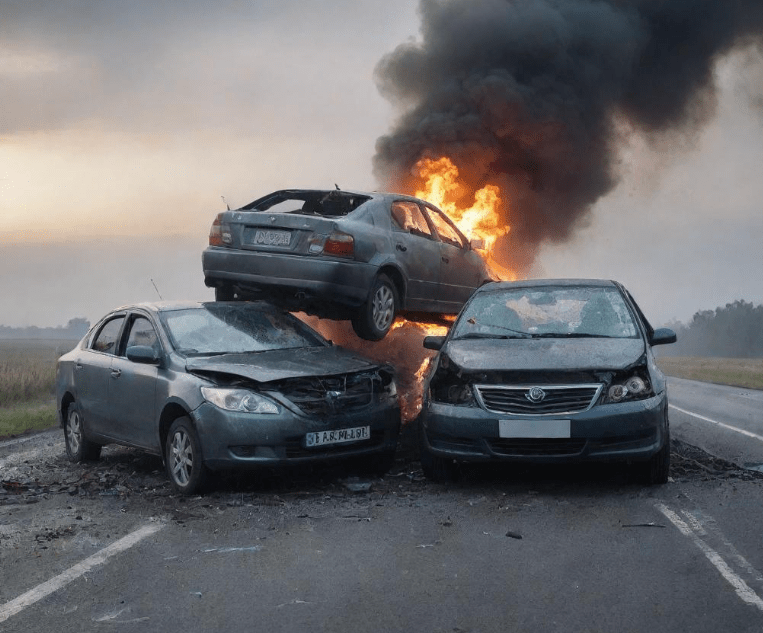
































 TheDailyChristian