Surviving a Sinking Car in a World That Doesn’t Care If You Drown

Let’s get something straight right out of the gate: if your car is sinking, the world has already failed you. Society has crumbled long before you ever hit the water. Whether it’s shoddy infrastructure, distracted drivers, or the laughable excuse for “emergency preparedness” drilled into us by people who have never been in an actual emergency, the system isn’t coming to save you. And your precious online “life hacks”? They’ll be as useless as a seatbelt on the Titanic.

If you’re sinking in a car, you have one job: get out before the vehicle becomes a steel coffin. And the irony, the absolute cosmic joke of it all, is that escaping a sinking car is actually simple—if you know what you’re doing. But of course, most people don’t. People think the car will float serenely like a movie stunt scene while they calmly dial 911. No. Your car sinks faster than the average attention span on social media.

So here’s the truth—the bleak, harsh, angry truth—about how to escape a sinking car in a world determined to drag you down with it.


Step 1: Accept That You Are On Your Own
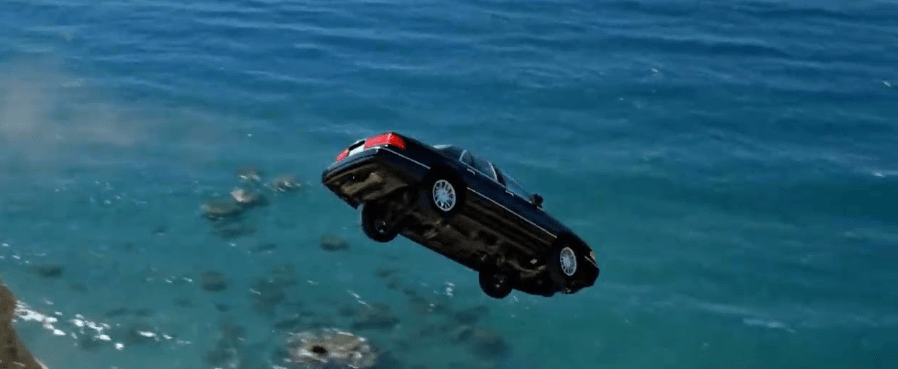
First things first. The moment your car hits water, you must assume no one is coming. Not quickly enough, not competently enough, and definitely not before the water fills your lungs. You don’t have time to wait. You don’t have time to debate. And you sure as hell don’t have time to panic.

You have between 30 seconds and 2 minutes in most sinking-car scenarios. That’s it. That’s your survival window. Every second you waste looking around like a confused tourist brings you closer to the bottom.

Everyone always says, “Call emergency services!”
Sure—if you want rescuers to retrieve your body rather than rescue it. Your phone call should happen after you reach dry land, not while you’re still strapped in watching water rise.

Your life is in your hands. Everyone else is just part of the background noise.


Step 2: Unbuckle Immediately—Not After You Debate It

People underestimate how fast panic sets in. They freeze in denial, thinking the car will stop sinking, or someone will magically show up, or that they’ll “figure it out in a second.” That second never comes.

The moment you hit the water, unbuckle your seatbelt.
No speeches. No hesitation. No dramatic last phone calls.

And for the love of survival, unbuckle the kids first if you have them. Children often can’t free themselves; adults can. Secure them, then move.

Seatbelts save lives—until they don’t. In water, they become shackles.


Step 3: Forget the Door—It’s a Trap

Hollywood lies. It lies about everything, but especially this.

You can’t just open the door when your car’s sinking. Unless you’re built like a hydraulic press, that door won’t budge. Water pressure makes sure of that.

If you try, you will fail.
If you keep trying, you will drown trying.
The door is a lost cause until the inside is fully flooded—and if you wait that long, well, good luck making it to the surface in time.

The door is not your friend. In fact, in a sinking car, it might as well be welded shut.


Step 4: The Window Is Your Way Out—Break It or Open It Fast

The window is your escape route. It is the ONLY escape route in the crucial early moments.

You cannot rely on power windows when your electrical system is immersed in water, but here’s the rough truth: they typically work for a few seconds after impact. That’s your grace period. A gift from the universe, even though the universe doesn’t care.

Best-case scenario: Open the window immediately.

Power windows still working? Good. Hit the button the instant the car touches water.
Rolling down a window could save your life faster than any rescue team ever will.

Worst-case scenario: Break the window.

Use a spring-loaded window punch. Not a hammer. Not your fist (unless you’re trying to break bones). A small, cheap punch. The kind every realist carries but most people don’t, because they’re too busy trusting society to protect them.

Aim for a corner of the window, not the center. Breaking the center is like trying to knock down a brick wall with good intentions.

And don’t even try the windshield. It’s laminated and designed to resist shattering. Focus on the side windows.

This is the life-or-death moment. Get that window open or broken, and you’ve bought yourself a chance.


Step 5: Escape Through the Window and Forget Your Belongings

Once the window is open, escape immediately. Do not turn around for your phone, your purse, your laptop, or the sentimental trinket you think you can grab in two seconds. Those seconds will drown you.

Every survival prepper knows this truth: stuff can be replaced, oxygen cannot.

If you’re helping others—kids, elderly passengers—push them through the window first. They may not have the strength to fight the outward pressure or the rising water.

Then get yourself out.

Push out and swim upward at an angle, because cars often drift downward while sinking. The surface isn’t always directly above you anymore.


Step 6: Swim Away From the Car

Cars don’t sink vertically like stones—they tilt, shift, and churn the water around them. Some even release air pockets that can disorient you. That’s the world for you: even in death, it tries to confuse you.

Swim upward and away. Put distance between you and the vehicle. Use strong kicks. Don’t waste breath. Don’t fight physics—work with it.

When you reach the surface, then you can inhale panic. Not before.


Step 7: Only After Survival—Call for Help

Congratulations. If you reached this point, you’ve done what many cannot: you took responsibility for your own survival.

Now, and only now, do you call for help. Emergency services can take it from here, but they won’t get the credit. Your instincts will.


Final Thoughts From Your Resident Angry Prepper

The world doesn’t prepare you for real emergencies. It hands you pretty safety slogans and expects you to be grateful. But reality is cruel, and water is unforgiving. When your car starts sinking, the only person you can count on is yourself.

I’m not here to sugarcoat anything. I’m here to tell you the truth the world hides because it scares people: most emergencies give you one shot. One window. One moment to act.

And now you know how to use it.

Learn these steps, prepare for the worst, and maybe—just maybe—the world won’t get the satisfaction of dragging you under.

The Off-Grid Survival Gear You’ll Need When Society Finally Collapses (Because It Will)

Everyone loves to pretend that society is stable. People cling to their smartphones, TikTok trends, and grocery-store convenience like it’s some kind of permanent blessing instead of the fragile illusion it really is. Meanwhile, the world teeters on the edge of failure—economies shaking, grids aging, infrastructure rotting, leadership clueless, and people softer than wet cardboard.

Off Grid Survival Gear: The Only Things That Actually Matter When the World Falls Apart” – My Mom

But sure, keep believing that someone’s coming to save you. FEMA? The government? Your neighbors who panic-buy toilet paper at the first sign of trouble? Yeah… that’ll work out great.

If you want even a fighting chance of surviving off-grid, especially long-term, you need gear that actually works—not gimmicks, not influencer trash, not overpriced corporate “prepper starter kits.” Real gear. Rugged gear. Gear that performs when everything else fails.

I’m not here to entertain you with positivity. I’m here to tell you the truth:
If you don’t take off-grid survival seriously, the world will chew you up and spit out your bones.

So let’s break down the only off-grid survival gear worth your time before the collapse—because it’s coming whether you’re ready or not.


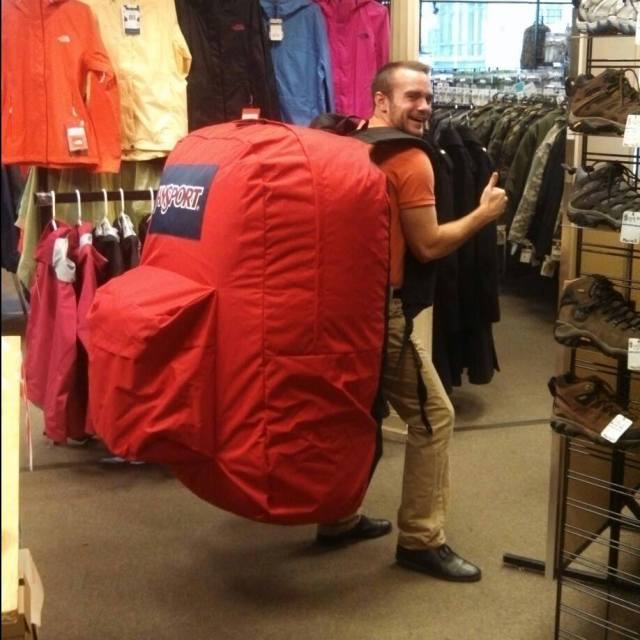
1. A Real Backpack (Not the Amazon Special That Rips on Day One)

You can’t survive off-grid if you can’t carry your gear, and too many people trust bargain-bin backpacks that can’t even withstand a weekend hike.

A real off-grid pack needs:

  • 1,000D Cordura or stronger
  • MOLLE webbing
  • Reinforced stitching
  • Padded waist belt
  • At least 50–75 liters of capacity

If your bag fails, you fail. Simple as that. When you’re miles away from civilization and your shoulder strap snaps, you’re not just annoyed—you’re compromised.


2. A Water Filtration System That Won’t Quit

Humans can last weeks without food but only days without water. And when you’re off-grid, you’re not drinking from a cute plastic bottle—you’re drinking from rivers, ponds, snowmelt, and whatever questionable puddle nature hands you.

You need:

  • A gravity-fed filter for base camp
  • A personal survival straw for emergencies
  • A pump filter for on-the-move travel
  • Purification tablets as backup

If your filtration system fails, enjoy dehydration, parasites, and organ failure—because nature doesn’t care about your feelings.


3. Solar Power and the Means to Store It

Unless you’re planning to spend your off-grid life sitting in the dark like a cave troll, you need reliable, renewable power. But solar gear isn’t some magical energy fairy—you need the right components:

  • A rugged foldable solar panel (100W–200W minimum)
  • A power bank with high-capacity lithium storage
  • A compact solar generator if staying in one place
  • Durable cables and adapters that don’t fray

Cheap solar setups die fast. Real ones keep emergency communications running, power lights, charge essential tools, and help you not lose your mind in total darkness.


4. A Cutting Tool That Could Survive an Apocalypse

Every off-grid scenario demands a real blade. And no, your kitchen knife isn’t going to cut it. You need:

  • A full tang survival knife
  • A folding EDC blade for daily tasks
  • A machete or hatchet for clearing brush and splitting wood

Your knife is your lifeline—not an accessory. A dull, weak blade is basically an insult to your own survival.


5. Fire-Starting Gear That Works Even When Everything Is Wet

If you can’t make fire, you can’t stay warm, boil water, or cook food. Fire is the difference between freezing at night or living to see the next sunrise.

You need redundancy, because things fail—especially when you desperately need them. A proper off-grid fire kit includes:

  • Ferro rod and striker
  • Stormproof matches
  • Butane lighter
  • Tinder (cotton balls with petroleum jelly, fatwood, or commercial cubes)

If you have only one method, congratulations—you’re planning to fail.


6. Rugged Off-Grid Shelter and Sleep System

People underestimate how quickly exposure kills. Hypothermia doesn’t care if you’re tough or motivated. Without real shelter gear, the elements become your executioner.

Your off-grid setup must include:

  • A compact 4-season tent or durable tarp setup
  • A high-quality sleeping bag rated for low temps
  • Thermal blankets as backup
  • A sleeping pad to keep your body off the cold ground

Nature does not negotiate. If you sleep in the wrong conditions, you won’t wake up.


7. Off-Grid Cooking Essentials

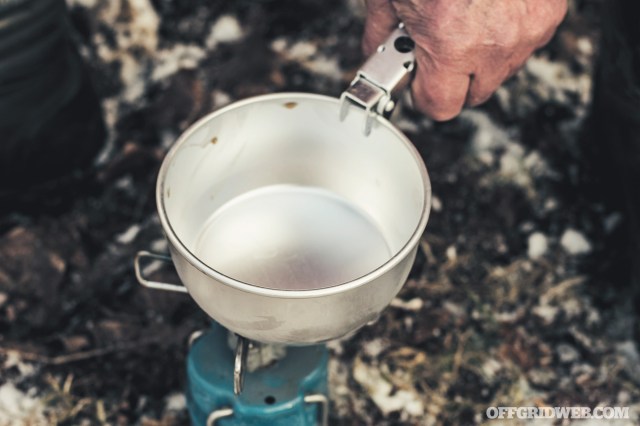
Close up Shot of a Camper at the Forest Cooking for Something Using Portable Stove on the Ground.

No power grid means no microwave, no stove, and no convenient meals. You need a way to cook in all weather conditions.

Your cooking kit should include:

  • A portable camp stove with multi-fuel capability
  • A stainless steel pot or cook set
  • A metal water bottle you can boil water in
  • Long-term food storage meals (freeze-dried or dehydrated)

And remember: off-grid life means learning primitive skills—because Skittles and instant ramen won’t feed you forever.


8. First Aid Gear—Because Injuries Off-Grid Are Unforgiving

In the wild, small wounds escalate into infections, infections become life-threatening, and emergency rooms are hours (or days) away.

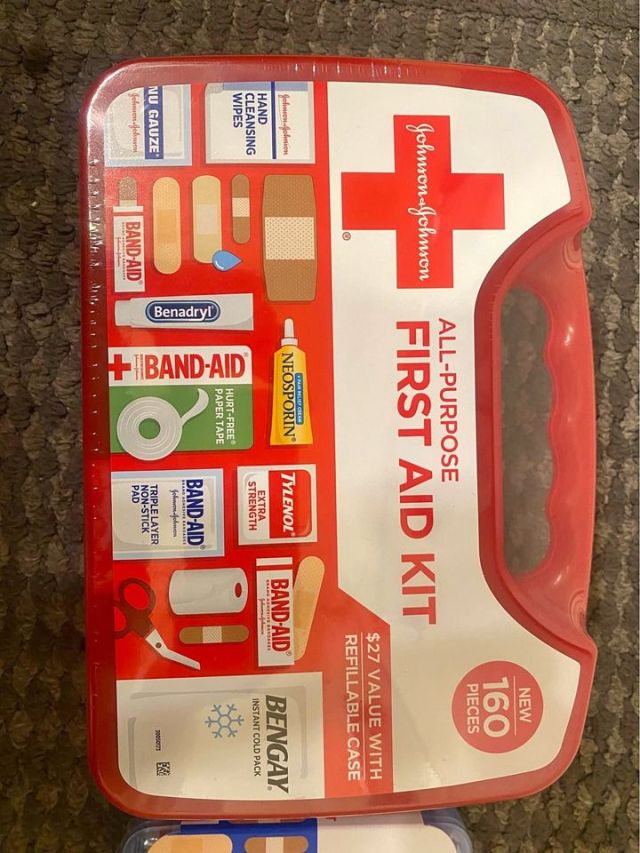
A real off-grid first aid kit includes:

  • Trauma supplies (tourniquet, pressure bandage, clotting agent)
  • Antiseptics
  • Pain medication
  • Burn treatment
  • Splints and wraps
  • Medical tape that actually sticks

Too many people treat first aid like an afterthought. Those people don’t last long.


9. Navigation Tools—Because GPS Won’t Save You Forever

When the grid goes down, and your phone dies, you’ll need real tools:

  • A compass (a real one, not a toy)
  • Paper maps of your area
  • A backup GPS device for as long as satellites stay functional

If you’re lost off-grid, the world stops being your home and becomes your hunter.


10. Defensive Gear (Because Desperation Turns People Into Animals)

Let’s be honest: if society collapses, the biggest threat won’t be nature—it’ll be people. Desperate, unprepared, angry, panicked people who waited too long and now want your supplies.

You need defensive tools that fit your local laws, your skills, and your comfort level, such as:

  • Bear spray
  • A survival staff or hiking pole
  • Noise deterrents
  • Perimeter alarms for camp

Defense isn’t optional. It’s reality.


11. The Tools That Keep You Alive Long-Term

Short-term survival gear is easy. Anyone can buy a knife and a flashlight.
Long-term gear? That’s where the herd gets thinned.

You need:

  • A folding saw or compact chainsaw
  • A repair kit (duct tape, paracord, sewing needles, patches)
  • Fishing gear
  • A multitool with real steel, not cheap aluminum junk

Off-grid life is nonstop maintenance. If you can’t fix things, they fail—and then you fail too.


Final Reality Check

The harsh truth is simple:
Most people won’t survive off-grid.
They’re too soft, too dependent, too fragile, too delusional about how the world really works.

But if you’re reading this, maybe you’re different.
Maybe you’re one of the few who still understands that survival takes preparation, grit, and gear that won’t betray you.

Prepare now—while you still have the chance.

The Brutal Truth About Surviving a Long-Term SHTF

If you’re even thinking about how to survive a long-term SHTF (S**t Hits The Fan) event, congratulations—you’re already ahead of 90% of the population. And you know what? Most of them don’t deserve saving anyway. They’ve spent their lives glued to screens, worshiping convenience, and depending on systems that were rotting from the inside decades ago. They laughed at preppers. Mocked anyone who stocked a few extra cans of food. Called us paranoid, delusional, fanatics.

But when the lights finally go out—when the trucks stop rolling, the stores go empty, and the illusion of stability cracks into dust—we’ll see who’s laughing then.

This article isn’t here to sugarcoat anything. Long-term SHTF survival isn’t glamorous. It isn’t the fantasy land the movies sell. It’s brutal, exhausting, unforgiving, and—let’s be honest—not everyone is cut out for it. But if you’re reading this, you might be one of the rare few who actually has a chance.

So let’s get into the harsh, ugly truth of long-term SHTF survival, because the world isn’t getting any better out there—and hope sure as hell isn’t going to save you.


1. Accept That No One Is Coming to Save You

If you’re still clinging to the idea that some government agency, humanitarian organization, or magical cavalry is going to swoop in and rescue you during a long-term collapse… let go of that fantasy right now.

In a true SHTF situation:

  • Emergency services collapse first.
  • Law enforcement becomes overwhelmed or disappears entirely.
  • Governments prioritize their own continuity—not yours.
  • Utilities, supply chains, and hospitals crumble almost immediately.

You are on your own. Your family is on their own. Survival becomes entirely your responsibility. Once you fully accept this, you’re finally starting at the right mindset level.


2. Food: The Number One Problem Nobody Takes Seriously

People love to pretend they’ll “just hunt” or “live off the land” during a collapse. Sure—because nothing says “long-term survival strategy” like fighting the entire desperate population over the same dwindling wildlife and edible plants.

In reality:

  • Hunting will be depleted fast.
  • Fishing will become competitive and unsustainable.
  • Farming takes time, land, knowledge, and luck.
  • Foraging can’t sustain you long-term unless you live in an untouched wilderness.

So what’s the real solution?

Stockpile like the world is ending—because someday it very well might.

Long-term SHTF survival requires:

  • Shelf-stable foods (rice, beans, oats, canned meats, dehydrated goods)
  • Long-term storage buckets with oxygen absorbers
  • Seeds—lots of them—for future growing
  • Knowledge of food preservation (canning, smoking, dehydrating)

And don’t kid yourself—food will be the new gold. It will be the most fought-over resource on the planet. If you can secure it, you have power. If you can’t, you’re a future cautionary tale.


3. Water: The Resource Everyone Takes for Granted

The average clueless person assumes clean water will “somehow” still be available in a disaster. Wrong.

Municipal water systems depend on:

  • Electricity
  • Chemical treatment
  • Staff
  • Functioning infrastructure
    …all of which evaporate quickly during a long-term collapse.

You need:

  • A reliable water source (well, spring, river, captured rainwater)
  • Multiple purification methods (filters, boiling, tablets)
  • Redundancy—because filters break, boil times increase, supplies run out

If you don’t have water or a way to purify it, you’re dead within days. It’s that simple.


4. Security: Because Desperation Turns Good People Into Monsters

Everyone pretends humanity is inherently good—right up until the shelves empty. Then morality evaporates, and survival instincts take over.

Long-term SHTF means:

  • Looting won’t last days—it will last months.
  • People will not “ask nicely.”
  • Neighbors turn into threats.
  • Desperation turns ordinary citizens into violent opportunists.

You don’t have to be a soldier, but you damn well better understand:

  • Defensive positioning
  • Hardening your home or retreat
  • Situational awareness
  • Strength in numbers
  • Avoiding confrontation whenever possible

Survival is about staying alive—not playing hero.


5. Community: Because Lone Wolves Die Fast

Despite the rugged lone-wolf fantasies people love to cling to, real long-term survival requires community. Not a massive group—just a small, trustworthy circle.

Why?

  • One person cannot guard, garden, gather, cook, repair, and watch for threats 24/7.
  • Group labor multiplies your capabilities.
  • Shared resources strengthen security and sustainability.

But here’s the catch:
Don’t wait until after SHTF to assemble your tribe. That’s how you end up trusting the wrong people and paying the price.

Vet people now. Build networks now. Discuss expectations now.

In a long-term collapse, your community is your greatest asset—and your greatest liability if chosen poorly.


6. Skill Over Stuff: Your Gear Can Be Stolen, but Knowledge Stays With You

Everyone loves shiny gear. Gadgets. Tactical toys. Tools that look cool but mean nothing if you don’t know how to use them. But in a long-term SHTF?

Skills outrank gear every single time.

Learn:

  • Gardening and seed saving
  • Water filtration
  • Basic medical care
  • Food preservation
  • Navigation
  • Bartering
  • Repair and maintenance
  • Situational awareness and basic defensive tactics

Gear breaks. Batteries die. Tools rust.
Knowledge and skill don’t.


7. Mental Fortitude: The Most Overlooked Survival Skill

Most people aren’t mentally strong enough to survive a long-term collapse. They crumble under pressure. They panic. They freeze. They wallow in denial.

Long-term SHTF survival demands:

  • Mental resilience
  • Adaptability
  • Grit
  • The ability to push through discomfort
  • Control over fear and despair

Survival isn’t about being fearless—it’s about moving forward in spite of fear.

If you can’t manage your mind, you won’t manage your survival.


8. The Harsh Reality: Survival Won’t Be Pretty, Easy, or Fair

Here’s the ugly truth that no one wants to say out loud:

A real long-term SHTF situation will be miserable. It will be grinding, exhausting, and emotionally punishing. You’ll lose people. You’ll face scarcity. You’ll question your decisions. You’ll wonder if the old world—broken as it was—wasn’t so bad after all.

But if you prepare now, while everyone else is asleep at the wheel, you give yourself a fighting chance.

Most people won’t make it.

But maybe you will.

If you’re angry at the world, good. Use that anger. Turn it into preparation. Turn it into discipline. Turn it into the fuel that keeps you alive while society’s fragile shell finally shatters.

The world is already unraveling.
You can’t stop it.
But you can survive it.
If you’re willing to accept the truth—and act on it.

Best Food Storage: Canned or Freeze Dried? The Harsh Truth You Don’t Want to Hear

If you’re still sitting around scratching your head about whether canned food or freeze-dried food is the better option for survival storage, then you’re already behind. Way behind. In a collapsing world full of soft minds, false comforts, and people who think “preparedness” means having extra granola bars in the glove compartment, you’d better start thinking harder and stocking smarter. Because when the lights go out and the shelves go empty, you won’t have time to debate the finer points of canned chili versus freeze-dried stroganoff—you’ll be too busy wishing you had listened to someone who wasn’t afraid to tell you the truth unfiltered.

So buckle up. I’m not here to coddle you. I’m here to explain what actually keeps you alive when the world stops playing nice.


The Cold Reality of Canned Food

Canned food is the old reliable workhorse of survival storage. It’s been around forever, and it’s not going anywhere. And there’s a reason for that—it works.

Pros of Canned Food

1. Ready to Eat
When you’re cold, tired, and fed up with your surroundings—and trust me, you will be—there’s nothing better than cracking open a can of something edible and shoveling it down without needing water, fuel, or time.

2. Cheap and Available
You don’t need to sell your soul or your kidney to build a decent canned food stash. Hit sales, buy in bulk, toss the cans on a shelf, and you’re in business.

3. Naturally Calorie-Dense
Let’s be real: calories matter more than flavor when survival is on the line. Canned meats, soups, beans—they’re heavy, but they pack real nutrition, not lightweight fluff.

Cons of Canned Food

1. Heavy as Sin
If you think you’re bugging out with 100 pounds of canned stew strapped to your back, good luck. Make sure you leave a map so the rest of us can find your body later.

2. Shorter Shelf Life Than You Think
Yes, canned food lasts a while—years, even. But not decades. The clock is ticking, and eventually those cans will rust, swell, or turn into biological experiments you don’t want to open.

3. Bulky Storage
Canned food eats shelf space like a starving wolf. Living in an apartment? Good luck stacking 300 cans without your place looking like a doomsday bunker crossed with a metal scrapyard.


Freeze-Dried Food: Lightweight Hope or Overpriced Hype?

Freeze-dried food is the glamorous newcomer in the preparedness world. Shiny bags, fancy marketing, and pictures of smiling backpackers pretending their rehydrated lasagna is gourmet cuisine.

But don’t be fooled by the packaging. There’s real power here—if you know what you’re doing.

Pros of Freeze-Dried Food

1. Shelf Life That Laughs at Time
Twenty-five years. Sometimes more. If that doesn’t make your inner survivalist grin like a maniac, nothing will.

2. Zero Weight, High Convenience
If you need to move—fast—you’re not taking canned goods. Freeze-dried wins every mobile scenario. You can pack a week’s worth of meals and barely feel the weight.

3. Nutrient Retention
Compared to canned food, freeze-dried meals preserve vitamins, texture, color, and flavor. Not that you’ll care when you’re starving, but hey—it’s a nice bonus.

Cons of Freeze-Dried Food

1. Water Required
And I don’t mean a few drops. Some meals need two cups or more. If you don’t have water or the ability to boil it, good luck chewing on powder like a desperate ferret.

2. Cost
Freeze-dried food can burn through your wallet faster than the world falls apart. One #10 can might cost what you would normally spend on a week’s worth of regular groceries.

3. Meal Fatigue Is Real
After your tenth freeze-dried “breakfast skillet,” your soul might start leaving your body.


So Which One Actually Wins?

Here’s the part where you expect me to pick a winner. But survival isn’t a game show. There’s no trophy ceremony, no confetti raining down, no cheering crowd. The only prize is staying alive, and the only way to do that is through redundancy and diversity.

Anyone telling you to pick only canned or only freeze-dried foods has clearly never lived through anything harder than a short power outage. The world is unpredictable, unstable, and unforgiving. Your food storage should be the same—rugged, layered, and ready for anything.


The Brutal, Honest Recommendation

1. Stock Canned Food for Short to Mid-Term Survival

This is what you eat first during a disaster. Heavy? Yes. But it requires no extra resources, no preparation, no hope—just a can opener and a bad attitude.

2. Build Freeze-Dried Food for Long-Term Security

When the dust settles and your canned stash starts to run low, freeze-dried is your lifeline. Lightweight, space-efficient, and designed to outlive your optimism.

3. Mix, Match, and Layer

A serious survival pantry includes:

  • Canned meats
  • Canned vegetables
  • Canned soups and stews
  • Freeze-dried meals
  • Freeze-dried ingredients
  • Bulk staples (rice, beans, oats)
  • Water storage and filtration

If that sounds like a lot, that’s because it is. Survival isn’t convenient. It’s not cute. It’s not trendy. It’s messy, heavy, expensive, and absolutely worth every ounce of effort.


Final Thoughts (If You Can Handle Them)

Canned food keeps you alive today. Freeze-dried food keeps you alive years from today. Anyone who thinks the choice is “either/or” is already halfway to being a liability when things go bad.

Do yourself—and everyone stuck with you—a favor: stop hesitating, stop overthinking, and start building a food storage plan that actually stands a chance when the world stops pretending everything is fine.

Because it won’t be fine. And when that day comes, the only thing worse than being unprepared…
is realizing you had every chance to prepare and chose not to.

Top Survival Foods You Better Have Before Everything Goes Wrong (And It Will)

If you’re reading this, congratulations—you’ve at least realized that the world is one minor disaster away from going completely off the rails. Most people wander through life thinking the grocery store shelves magically refill themselves, or that disasters only happen on TV. Spoiler alert: they don’t. And when things inevitably go sideways, those same people will be crying in parking lots looking for bottled water. Meanwhile, you—if you actually follow through—might stand a fighting chance. But only if you stock the right survival food in your kit. And please, for your own sake, don’t pack the usual garbage people think qualifies as “emergency food.”

So let’s go through the best survival food items for your survival kit—the ones that won’t get you killed. I’ll even break down why they matter, though frankly, it’s the kind of common sense people should already know.


Why Survival Food Matters (If That Isn’t Obvious Already)

Look, survival isn’t a cooking show. You’re not going to be flambéing anything when the power’s out or when you’re trekking through debris and broken glass. Survival food has one job: keep you alive. That means it has to meet a few basic criteria that too many people ignore:

  • Long shelf life – Because you’re not rotating your stock like a grocery store.
  • High-calorie density – Starving is a terrible hobby.
  • Low preparation requirement – You may not even have clean water, let alone a working stove.
  • Portability – If your kit weighs as much as your regrets, you won’t make it far.

If a food item doesn’t meet those requirements, it doesn’t belong in your survival kit. Period.


1. Peanut Butter: The Undisputed Champion of Not Dying

Peanut butter is cheap, dense, portable, shelf-stable, and calorie-loaded. It’s basically the perfect survival food. Unless you’re allergic—in which case, well, you’ve got a different set of problems.

One jar can pack over 2,500 calories, tons of fat (which you need when you’re burning energy like a madman), and protein. You don’t need to heat it, cook it, or refrigerate it. You don’t even need to like it—survival isn’t a gourmet experience.


2. Energy Bars: Because You Won’t Be Sitting Down for a Meal

Forget your fancy protein bars with quinoa sprinkles and “forest berry drizzle.” I’m talking about high-calorie, dense energy bars—the type hikers choke down because they’re too useful to ignore.

These bars take up almost no space and deliver a hit of carbs, fats, and sugars that can keep your body from shutting down while you’re slogging through a disaster zone.

Just keep in mind that some bars pretend to be healthy and barely hit 150 calories. If you want to survive, not starve, pick bars in the 300–400 calorie range. And no, you don’t get bonus points for organic.


3. Canned Meat: The Not-So-Glamorous Lifesaver

A lot of people gag at the idea of canned meat, which tells me they’ve never been hungry enough. Tuna, chicken, spam, salmon—pick your protein. These cans last forever, they’re packed with nutrients, and they can be eaten straight from the can if you don’t mind looking like a character from a post-apocalyptic movie.

To make it even better, canned meats don’t need refrigeration until they’re opened. Just remember to pack a can opener unless you plan on bashing the cans open with a rock like a caveman.


4. Rice and Beans: The Classic Combo That Refuses to Die

If civilization ends tomorrow, rice and beans will probably still be around in some dusty pantry. And for good reason:

  • Together, they form a complete protein.
  • They’re cheap.
  • They store forever—especially if you repackage them with oxygen absorbers.

Yes, they require cooking and water, which isn’t ideal. That’s why these belong in your home stash or long-term survival bag, not your small emergency kit or bug-out bag. Still, they’re worth mentioning because few foods give you more nutrition per dollar.


5. Freeze-Dried Meals: The Fancy Option (But Actually Smart)

Freeze-dried meals get mocked by people who think survival food should taste like cardboard. But here’s the reality: these meals are lightweight, last 20–30 years, and only require hot water. That’s a pretty sweet deal when the alternative is gnawing on dry pasta.

Get meals that have at least 500 calories per pouch, not those pathetic backpacking meals made for people pretending to “rough it.” Go for brands known for high calorie counts and decent macros.

And don’t forget: freeze-dried isn’t the same as dehydrated. Freeze-dried lasts much longer and keeps more nutrients intact. Your future half-starved self will thank you—though you might not deserve it.


6. Instant Oatmeal: Low Glamour, High Payoff

Instant oats are a survival staple. They’re cheap, flexible, lightweight, and ridiculously easy to prepare. In worst-case scenarios, you can even “cold soak” them in water if you have to. Sure, the texture will be awful, but again, this is survival—not brunch.

Pick plain oats, not the sugary varieties. You need calories, not cavities.


7. Trail Mix: Because You’ll Need Fuel, Not Motivation

Trail mix is what happens when nuts, dried fruit, and chocolate decide to form a survival alliance. It’s loaded with fats, carbs, and sugar—all things your doomsday body will burn through in minutes.

Make sure your trail mix includes:

  • Nuts (fat and protein)
  • Dried fruit (quick carbs)
  • Chocolate or M&Ms (morale and calories)

Skip the trendy stuff with kale chips or yogurt drops. The goal is survival, not pretending to be healthy during the apocalypse.


8. Hardtack or Survival Rations: The Food Brick You’ll Hate but Depend On

Hardtack is basically the bread equivalent of a brick—hard, tasteless, and nearly indestructible. But it lasts decades if kept dry and can keep you alive when everything else runs out.

Modern emergency rations (like 2,400–3,600 calorie bars) are much more efficient. Yes, they taste like slightly sweet cardboard, but they’re designed to survive heat, cold, moisture, and probably nuclear winter. And you only need a few bars to survive a couple of days.


9. Shelf-Stable Ready-to-Eat Meals (MREs)

If you want the convenience of a full meal without any preparation, MREs are the way to go. They come with heaters, so you can eat hot food even if everything around you is on fire—literally or metaphorically.

They’re heavy, so don’t pack too many in a go-bag, but having one or two can make a miserable situation slightly less unbearable.


Final Thoughts: If You Don’t Prepare Now, Don’t Complain Later

Most people wait until disaster hits before realizing they should’ve prepared. Don’t be one of them. A survival kit without proper food is just a fancy bag of regrets. Start with the basics above and pack enough calories to sustain you for at least 72 hours. More if you actually want a fighting chance.

Because when things fall apart—and they will—your survival kit is the only thing standing between you and becoming another cautionary tale that people pretend they learned something from.

Surviving the Endless Blackout: Hard Lessons for the Unprepared World

Let’s stop pretending the world is going to hold itself together forever. Every year the power grid becomes more fragile, the people become more dependent, and the illusion that “somebody else will fix it” grows more laughable. You want survival prepper advice for long-term power outages? Fine. But understand this: if you’re asking now, you’re already behind. For years, the writing has been on the wall in big, blinking red letters—the grid is dying, and almost no one cares enough to prepare.

People act like the power going out for a few hours is an inconvenience. They whine that their streaming service paused or the AC cut off. But a real long-term power outage? A true grid failure that stretches into weeks, months, maybe longer? That isn’t an “inconvenience.” It’s the unraveling of modern civilization—fast, brutal, unforgiving. And most of the population will panic, consume everything in sight, and turn on each other the moment their comforts disappear.

If you want to survive what’s coming, you need to prepare like the world won’t help you—because it won’t.


The Moment the Grid Goes Down, Your Old Life Ends

People have no idea how many things they rely on daily that require power. It’s not just lights. It’s not just entertainment. It’s water treatment, sewage management, supply chains, hospitals, refrigeration, communication, and transportation systems. When the grid collapses, everything else collapses with it.

The very moment the power stays off longer than 24 hours, the fragile illusion begins to crack. Grocery stores lose refrigeration. Gas stations stop pumping. ATMs go dead. Electronic payments die instantly. After 72 hours, the shelves are empty, the water pressure drops, and the desperation kicks in.

And here’s the truth: your neighbors won’t stay neighborly.
When their kids are hungry and they realize the government isn’t coming to save them, they will do whatever it takes—whatever it takes—to survive.

If you’re not ready, you become the resource they want.
If you are ready, you become the target they need.

Either way, power outages change people. And not for the better.


Your Long-Term Survival Depends on Energy Independence—Not Hope

Hope is useless.

Backup generators? Sure, they’re great—until they burn through fuel. And when the grid is down for months, good luck refilling those tanks. Fuel becomes liquid gold, guarded, fought over, and nearly impossible to acquire.

Solar? Better. But the average person buys a cheap solar generator thinking they’re set for life. They forget clouds exist. They forget batteries degrade. They forget that a single system can’t run a modern household.

Here’s the harsh truth:
If you want power long-term, you need redundancy—layers of energy options, not one toy you bought online.

Serious preppers follow this rule:

1. Solar Power (Primary)

Not a single panel. Not a cute portable kit.
A real setup: roof panels, ground arrays, battery banks, and proper inverters. Preferably something EMP-hardened or at least protected.

2. Fuel-Based Generators (Short-term and emergency)

Propane stores longer than gasoline. Diesel is stable. Gasoline is garbage after a few months unless treated and rotated.
Have multiple fuel sources, not one.

3. Manual Tools and Non-Electric Alternatives

Because eventually, everything breaks. And when it does, you’d better know how to live like electricity never existed.


Water: The First Resource to Disappear—and the Last You Can Live Without

People love stockpiling flashlights and candles while ignoring the most obvious issue: without power, water stops moving.

If you’re on a well? No electricity, no pump.
If you’re on city water? Once their backup generators fail, so does your faucet.

You need:

  • Multiple water storage systems
  • Gravity-fed solutions
  • Water filters that don’t rely on electricity
  • Backup manual well pumps
  • Rainwater collection systems

And believe me, when people get thirsty, they’ll become unpredictable fast. A dehydrated population is a violent population.


Food Storage: Because Grocery Stores Won’t Save You

Everyone projects their fantasy onto collapse: “Oh, I’ll just hunt.”
Right. So will every other desperate person. Wildlife won’t last a month near populated areas.

Your real food sources must be:

  • Bulk dry goods: rice, beans, oats, wheat berries, lentils
  • Freeze-dried emergency meals
  • Canned proteins: tuna, chicken, beef
  • Gardens and greenhouses capable of long-term production
  • Seed banks—heirloom only
  • Livestock (if possible)

But you know what people never plan for?
The part where they get robbed.

If you store food, others will eventually want that food. So add this to your list:

  • Hidden caches
  • Decoy storage
  • Defensive systems and training
  • Community alliances (even if you hate people, you’ll need them)

Yeah, community. Even angry pessimistic preppers like me know one truth: you can’t defend anything alone forever.


Heat, Cooling, and the Harsh Truth About Weather

When the grid collapses, people forget how unforgiving nature can be.

Winter becomes deadly for the unprepared.
Summer becomes lethal for the weak.

You need non-electric heating systems:

  • Wood stoves
  • Pellet stoves (with manual lighting options)
  • Thermal blankets
  • Insulated emergency shelters

Cooling? That’s harder. But methods exist:

  • Earth-sheltered structures
  • Cross-ventilation
  • Solar-powered fans
  • Underground storage for perishables
  • Heat-reflective materials

The wealthy think their backup generators will keep the AC going.
They won’t—not for long.
And when the heat becomes unbearable, they’ll be the first ones to panic.


Security: Because When the Lights Go Out, the Wolves Come Out

You can have all the supplies in the world, but if you can’t defend them, you’re just stockpiling for someone stronger.

Arm yourself. Train. Know your land.
Set up motion sensors, dogs, tripwires, perimeter alarms—systems that don’t need electricity.

And don’t fool yourself:
Morality is a luxury of stable societies.

When the grid dies, survival becomes the only rule.


Mental Fortitude: The One Prep No One Talks About

People break mentally long before they run out of food.
Isolation, fear, and the crushing realization that the world you knew is gone—that’s what destroys the unprepared.

You need hobbies, routines, skills, and discipline.
And you need to accept this now: life will never be easy again.


Final Thought: Prepare Like No One Is Coming—Because No One Is

Governments can barely handle a snowstorm.
You think they’ll manage a nationwide power collapse?

Look around. Society is soft, weak, and addicted to convenience.
They won’t survive long-term outages.

But you can—if you start now, prepare honestly, and stop trusting the world to keep the lights on.

Because once the switch flips for good, everything changes.
And only the prepared will make it through the darkness.

How Women Survive When Civilization Finally Snaps

Let’s get something straight from the start: when the world falls apart, all those smiling neighbors waving over their fences won’t be offering help, bread, or a generator. Some of them might be the first ones trying to take what you have—or worse. Women have always had to stay alert, even in so-called “civilized” times, so imagine how much worse it’ll get when society finally coughs up its last breath and collapses. And trust me, it will. The cracks are already showing—people losing their minds over gas prices, fighting in supermarkets over chicken, looting during power outages. Now picture all of that amplified by a thousand. That’s the End Times scenario we’re looking at.

I’m not here to sugarcoat anything. The world has lost its collective mind, and when the lights go out for good, the mask comes off. If you think anyone—ANYONE—is coming to save you, think again. Preparedness is no longer a hobby; it’s survival. And for women, the rules are even harsher.

This isn’t about living in fear. It’s about staying alive when the people around you stop pretending to be decent.


1. Stop Trusting Familiar Faces

If you haven’t learned this by now, learn it fast: the neighbor who lends you sugar today might show up at your doorstep tomorrow demanding everything in your pantry. Desperate people get dangerous, and desperate people are exactly what you get in a collapse.

Women, especially, must stop assuming familiarity equals safety. It doesn’t—not now, and definitely not when society implodes.

When the grid dies, you need a mental shift:
Your home is no longer part of a “community.” It is a fortress. You are its commander.
That’s the mindset required to survive.


2. Build a Barrier of Self-Reliance

During an end-times scenario, women cannot depend on “someone else” to provide security. The police won’t show up. 911 won’t answer. And no, your neighbor who “seems nice” is not your personal rescue squad.

Here’s what self-reliance means in collapse conditions:

• Know how to secure your space

Reinforce your doors. Reinforce your windows. Make noise traps with cans or glass around entry points. This isn’t paranoia; it’s preparation.

• Know basic defensive tools

I’m not here to tell you what to carry—that’s your choice. But whatever tool you choose—pepper spray, tactical flashlight, alarm devices—you must know how to use it without hesitation. Tool knowledge is worthless if fear freezes your hand.

• Know how to disappear if you must

That means blackout curtains, low lighting, minimal noise, and learning how to move around your own home without announcing your presence like a marching band.

Because when the world ends, invisibility becomes power.


3. Build a Survival Network—but Carefully

You’ll hear survival gurus preach “GROUPS, GROUPS, GROUPS.” And yeah, teamwork is useful—but only when you trust the people you’re working with. During an end-times event, blind trust is a death sentence.

But isolation has risks too.

The solution? Vetted alliances.
Not your random neighbors. Not acquaintances who panic over minor inconveniences. You need people proven through time, not convenience.

What qualifies someone?

• They keep their word
• They handle stress without becoming unhinged
• They respect boundaries
• They value cooperation over dominance

If someone fails ANY of these, they should never be in your circle—especially if you’re a woman in a high-risk environment.


4. Hide Your Supplies—Even From Those Who “Love” You

When hunger hits, love becomes an afterthought. People justify anything when they’re starving. Don’t assume affection equals security.

You need hidden caches:

One visible decoy stash.
One real stash.
One emergency stash.

If someone breaks into your home demanding food, give them the decoy supplies. You protect the real ones. It sounds cold—because it has to be. Survival requires strategy, not sentiment.


5. Master Situational Awareness Like Your Life Depends On It—Because It Will

Situational awareness isn’t just for action movies. It’s what keeps you alive when every stranger becomes a potential threat.

Women especially must sharpen these instincts:

• Monitor who comes and goes around your area

Who’s watching? Who’s pacing? Who’s suddenly appearing at odd hours? Patterns matter.

• Trust your instincts

If someone gives you a bad feeling now, they’ll be ten times worse during a collapse.

• Never let anyone know you’re alone

Silence is protection. Mystery is a shield.

• Always have a way out

Every room. Every situation. Every encounter.

Your safety plan should always be three steps ahead of everyone else’s desperation.


6. Learn the Skills No One Wants to Admit Women NEED in Collapse

People don’t like hearing this part, but too bad: women face unique threats in disaster scenarios. You can pretend otherwise, but pretending never saved anyone.

Here’s what you MUST know:

• How to create barriers that slow intruders

Simple household items can be turned into physical deterrents.

• How to negotiate or de-escalate

Sometimes talking your way out is the smartest move—IF you know how.

• How to read dangerous people

This isn’t Hollywood; there’s no music cue before someone turns bad. You have to recognize the signs yourself.

• How to fight—smart, not heroic

Survival is not about winning.
It’s about escaping.


7. Accept the Harsh Reality: No One Is Innocent When Hunger Sets In

It’s easy to believe the “lovely neighbor” would never hurt you—or that the friendly guy down the block would never turn predatory. But survival pressure changes people at the cellular level.

When the world collapses:

• The weak become desperate
• The desperate become dangerous
• The dangerous become predators

And predators always look for targets they perceive as easier to overpower.

Women are often placed in that category—unless they make it absolutely clear they are NOT the easy target.

This is your warning.
This is your wake-up call.
This is your chance to be prepared before it’s too late.


8. Become the Person No One Wants to Test

Survival, at its core, is psychological. If someone thinks you’re weak, you become a target. If someone believes you’re alert, prepared, and capable, they move along.

Your goal is not to be liked.
Your goal is not to be friendly.
Your goal is not to be approachable.

Your goal is to stay alive.

In the end-times, women must be:

• Harder to fool
• Harder to manipulate
• Harder to intimidate
• Harder to corner

Strength isn’t a feeling—it’s a stance.


Conclusion: The World Already Showed Us What It’s Capable Of

Look around. Society is already fraying, and people are becoming unrecognizable. When the full collapse hits, the transformation will be instant and brutal. Women cannot afford wishful thinking or fairytale expectations of safety.

The truth is simple:
You survive by being prepared, distrustful, trained, equipped, and vigilant.

Not hopeful.
Not naïve.
Not trusting.

Because when the end comes—and it will—survival will belong to the women who saw it coming and prepared for the worst version of everyone around them.

Survival Fuel: The Highest Calorie Canned Foods to Keep You Going

Survival Fuel: The Highest Calorie Canned Foods to Keep You Going

Listen up, because if you’re serious about survival, then it’s time you get your priorities straight. In a world that’s steadily unraveling, you don’t have the luxury of underestimating one of the most vital elements of survival: food. Specifically, calorie-dense, shelf-stable, high-calorie canned foods that can keep you going when everything else goes to hell.

Let’s face it – you can stockpile all the freeze-dried meals and dehydrated nonsense you want, but nothing beats the reality of grabbing a can and opening it when you’re fighting for your life. You need calorie-dense foods that can give you the fuel to survive long after the supermarket shelves are bare, long after the power goes out and your fancy little electric stove becomes useless. In this world, you’ll want foods that are heavy in calories but light on fuss. There’s no room for weak food that doesn’t provide the punch you need to keep moving.

I’m talking about the highest-calorie canned foods. These are your survival fuel. Stock them now, because once it’s too late, it’ll be too damn late.

1. Canned Chili (with Beef)

If you want calories, get chili. Canned chili, especially with beef, is an absolute powerhouse. One can can pack upwards of 400–500 calories or more per serving. And I don’t care if it’s spicy or mild – it’s got protein, fat, and carbohydrates, all wrapped up in a nice, shelf-stable package that you can crack open and devour when the world has gone to hell.

2. Canned Chicken

If you’ve ever been in a survival situation, you know protein is a non-negotiable. Canned chicken is one of the best sources of meat you can get. A 12.5 oz can packs about 200-300 calories and is incredibly versatile. Throw it in a stew, mix it with some beans, or just eat it straight out of the can. It’s a total survival essential.

3. Canned Beef Stew

Canned beef stew is the real deal when it comes to high-calorie survival foods. It’s dense in calories because of the combination of beef, potatoes, carrots, and gravy. A hearty can will give you around 300–400 calories per serving, and the best part? It’ll keep you warm when the temperature drops, especially when there’s nothing else to cook with.

4. Canned Pork (Pulled Pork)

Canned pork, especially pulled pork, is an unsung hero. This stuff can pack a wallop in terms of calories. A single can can provide over 500–600 calories. You might not be able to find this in every store, but it’s worth the hunt. It’s fatty, filling, and it goes a long way.

5. Canned Salmon

If you’re a fan of fish and you need high-calorie options, canned salmon should be in your stash. A standard can of salmon can provide around 300–400 calories. It’s also packed with omega-3 fatty acids, which are essential for brain function and keeping your body in top shape when you’re under stress.

6. Canned Spaghetti (with Meatballs)

Okay, hear me out. You might think canned spaghetti is a joke, but you’re wrong. It’s cheap, it’s available in bulk, and it’s calorie-dense. A standard can of spaghetti and meatballs can give you 400-500 calories in one sitting. So, when you’re hungry and tired, this is the kind of food you’ll be glad you stocked up on.

7. Canned Beans (Kidney, Black, Pinto, etc.)

Beans aren’t just cheap. They’re calorie-dense and packed with protein. If you’re looking to stock up, canned beans are your go-to. A can of beans can deliver 300–400 calories depending on the variety. They’re versatile, too—eat them alone, mix them into soups, or use them as a side with meat.

8. Canned Corn

Sweet corn is not only an excellent source of calories, but it also adds some variety to your survival food rotation. A standard can of corn can provide around 200–300 calories. It’s a great side dish to balance out the heavier protein-based meals, and it’ll keep your spirits up when you’re feeling desperate.

9. Canned Mac and Cheese

When the world’s falling apart, don’t forget to indulge a little. Canned mac and cheese is calorie-dense and comforting. You can expect to get around 350–450 calories from a can, depending on the brand. It’s filling, it’s warm, and it’s easy. Just don’t expect it to keep you lean.

10. Canned Hash

Canned hash is a cheap, calorie-packed meal that comes in a variety of options. Usually filled with potatoes, corned beef, or other hearty ingredients, a can of hash can provide anywhere from 350 to 500 calories. It’s easy to prepare and packs a punch.

11. Canned Stew (Beef, Lamb, or Chicken)

Similar to beef stew, canned versions of lamb or chicken stew are high in calories and great for long-term storage. These will provide upwards of 300–450 calories per serving. They’re filling and comforting, and you’ll need all the comfort you can get when survival mode is engaged.

12. Canned Fruit (in Syrup)

I get it—fruit isn’t exactly the first thing you think of when it comes to survival food. But canned fruit in syrup can actually pack a surprising amount of calories, especially in situations where you need something that doesn’t just fill you up but gives you some sugar for quick energy. A can can give you about 250–300 calories, so stock a few up for variety.

13. Canned Soups (with Cream or Fatty Broth)

Canned soups, particularly those with a cream base or fatty broth, can be high in calories. Some cans will pack up to 300–400 calories, depending on the soup’s contents. Stay away from the low-fat varieties – you need the full calorie punch for survival.

14. Canned Pasta (with Meat Sauce)

Canned pasta with meat sauce isn’t just for lazy nights. This stuff is a powerhouse of calories. Depending on the brand and the ingredients, you’re looking at 350–500 calories per can. It’s cheap, easy, and will keep you alive when times get tough.

15. Canned Ready-to-Eat Meals

There are a variety of pre-packaged, ready-to-eat meals in a can, like chili mac, beef stroganoff, or curry. These meals can provide upwards of 400–600 calories per can and are incredibly convenient in emergency situations. Stockpile these so you can avoid spending energy on food preparation.


15 Canned Food Survival Skills

  1. Check Expiry Dates – Just because it’s canned doesn’t mean it lasts forever. Know your expiration dates, and rotate your stock regularly.
  2. Heat Safely – You don’t need a stove to heat your cans. A campfire, portable burner, or even a car engine can serve as a makeshift heating source.
  3. Preserve Properly – Store your cans in a cool, dry place. Heat and moisture can cause rust and degradation of the can’s seal.
  4. Get Creative – Mix and match your canned goods. Don’t be afraid to throw together random items like canned chicken, beans, and chili for a one-pot survival meal.
  5. Inspect the Can – Always check for dents, bulges, or rust. These are signs the can could be compromised and unsafe.
  6. Can Openers Are Essential – Don’t assume you’ll have one when the grid goes down. Stock several manual can openers, or better yet, have a knife with you.
  7. Don’t Forget the Liquid – Many canned foods, especially beans and vegetables, contain important liquids. Don’t dump it all out—use it for soups or stews.
  8. Know When to Eat – Don’t let your cans sit too long. Once opened, consume within a day or two to avoid spoilage.
  9. Create Balanced Meals – Canned food is often protein-heavy. Make sure to balance with canned vegetables and some carbs to keep your energy up.
  10. Store Efficiently – Keep your cans in order of expiration, and make sure to have enough variety to avoid monotony in long-term survival.
  11. Stock Calories, Not Just Volume – You want density, not just volume. Choose high-calorie options to ensure you get enough energy.
  12. Repackage for Travel – If you’re bugging out, don’t carry the entire can. Repackage portions in smaller containers or bags for easier transport.
  13. Don’t Rely on Just One Type – Relying on just one food type can be a disaster. Mix proteins, veggies, and carbohydrates to stay healthy.
  14. Be Careful With Salt – Too much salt can make you thirsty and dehydrated, which is a problem in survival. Be mindful of the sodium content.
  15. Get Creative with Leftovers – If you have leftover canned food, make sure you know how to reuse it for other meals. Leftover chili can become soup, for example.

3 DIY Canned Food Survival Hacks

  1. DIY Canned Food Heater – If you’re stuck without a way to heat your food, create a small DIY heater using a few chemical heating pads or a small portable stove. These can be used to quickly warm your cans without wasting precious fuel.
  2. Make a Canned Food Soup – Combine multiple cans into one hearty soup. Mix chili, beans, corn, and meat to create a filling meal with whatever you have on hand.
  3. Canned Food Jerky – Stripped-down meats like canned chicken or beef can be dried out further over a fire to create DIY jerky. It’s a great option for snacking and packing for long journeys.

Why Your Food Won’t Last When the Grid Fails Unless You Do This

Let’s stop pretending everything is fine. You’re smart enough to see the cracks forming. Every month, the world grows more unstable—power grids stretched to their limits, infrastructure rotting, supply chains one bad day away from snapping. And the average person? They just scroll on their phone, complaining about inconveniences while being completely dependent on a system that can’t even keep the lights on during a windy afternoon.

That’s why you, the person reading this, already know what most refuse to accept: if the grid goes down for real—whether it’s a cyberattack, an EMP, civil unrest, or just the inevitable collapse of aging infrastructure—nobody’s coming to save you. And food? Food will be the first thing to vanish, right after sanity.

So let’s talk about how to preserve food in a grid-down situation… because if you don’t take this seriously, you may as well hand your pantry over to your neighbors when they start pounding on your door.


Why You Need to Think About Food Preservation NOW

People love to mock preppers—until they’re hungry. Until they realize that grocery stores keep, on average, three days of food on the shelves. Three days. That’s it. If the trucks stop rolling, the grid dies, or the government decides to “ration” supplies, you’ll watch shelves empty faster than a politician’s promise.

And when the grid goes down?
Your fridge is useless.
Your freezer is a liability.
Your “fresh food” is now a ticking time bomb.

Most Americans can’t even go a day without DoorDash. Imagine them trying to salt a piece of meat or ferment vegetables. They won’t last a week.

But you aren’t going to be one of them. You’re here to prepare, even if the world calls you paranoid.

Good. They can stay unprepared. You’re going to stay alive.


1. Canning: The Skill the Modern World Forgot

Canning is one of the oldest, safest, and longest-lasting ways to preserve food—and I’m always amazed at how many people refuse to learn it because “it looks complicated.” You know what’s complicated? Starving.

There are two main methods:

Water Bath Canning

Perfect for high-acid foods like:

  • Tomatoes
  • Pickles
  • Fruits
  • Jams and jellies

Pressure Canning

For low-acid foods, which is basically everything else worth eating in a crisis:

  • Meat
  • Beans
  • Soups
  • Vegetables
  • Broths

If you don’t have a pressure canner, get one now, before prices skyrocket again or shelves go empty—because they absolutely will in a crisis.

Canned food can last 5+ years, and unlike a freezer, it doesn’t stop working when the power does.


2. Dehydration: Turning Fresh Food into Survival Food

You don’t need electricity to dehydrate food—though electric dehydrators certainly make life easier during “normal” times. When the grid collapses, there are alternatives:

Solar Dehydrators

These can be built from scrap wood, screen material, and a little patience. They use sunlight and airflow—nothing fancy, nothing fragile.

Air Drying

Great for herbs, some vegetables, and thin cuts of meat (jerky), if humidity isn’t a problem.

Dehydrated foods are lightweight, compact, and can last decades when stored properly. And unlike MREs or store-bought survival food, you know exactly what’s in them.


3. Fermentation: The Preservation Method Civilization Was Built On

People forget that before refrigerators, fermentation was how entire populations survived winters, plagues, and wars.

Fermentation doesn’t require electricity—just salt, time, jars, and a little common sense. You can ferment:

  • Cabbage (sauerkraut)
  • Carrots
  • Beets
  • Cucumbers
  • Radishes
  • Garlic
  • Peppers

Fermented foods are packed with probiotics, vitamins, and calories—exactly what your body needs during stress and scarcity.

And the best part?
Fermentation can’t collapse because the grid does.


4. Smoking and Salting Meat: Because Your Freezer Will Fail You

Most people hoard their freezers with food, thinking they’re prepared. They’re not. When the power dies, they’ll be trying to figure out how to keep 200 pounds of meat cold before it turns into a bacteria buffet.

The old methods still work:

Smoking

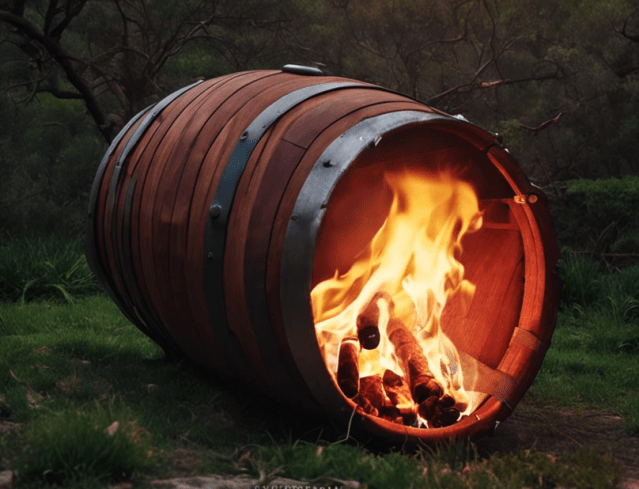
Smoke adds flavor, removes moisture, and creates a protective layer on meat and fish. Build a smokehouse or use a barrel—you don’t need a fancy setup.

Salting

Salt pulls moisture out of the meat and prevents bacterial growth. It’s one of the most reliable preservation methods in human history.

Salt is cheap now.
It won’t stay cheap.
Stock up.


5. Root Cellaring: Nature’s Refrigerator That Won’t Betray You

You don’t need electricity to store food at stable temperatures. A root cellar—whether built into your basement, buried in the ground, or improvised with barrels or coolers—can keep food fresh for months.

Foods that store well in a root cellar include:

  • Potatoes
  • Onions
  • Carrots
  • Cabbage
  • Apples
  • Beets
  • Winter squash

Imagine that—storing food naturally instead of relying on a grid that barely works on the best days.


6. The Importance of Backup Storage: Mylar, O2 Absorbers & Buckets

Screenshot

You’ve probably seen the panic buyers hoard rice and beans during every “emergency” the media announces. But guess what?

They store them wrong every time.

If you want your dry goods to last 10–30 years, you need:

  • Mylar bags
  • Oxygen absorbers
  • Food-grade buckets
  • Desiccant packs (optional but helpful)

Pack it right once, and it’ll outlive the chaos.


7. The Hard Truth: People Will Come for Your Food

No one wants to talk about this part. But as a prepper, you know it’s true: when people are hungry, they turn violent. When they’re desperate, they stop being rational.

You can have the best food stockpile on the planet, preserved every which way…
but if you don’t defend it, you’re just storing it for someone else.

So prepare quietly. Preserve your food without broadcasting it to the world. The unprepared masses will mock you today—but they’ll envy you later.

And envy becomes danger.


Final Thoughts: Don’t Rely on a System That Has Already Failed

Every year, the grid becomes less stable. Every year, disasters—natural, political, or fabricated—add more strain to the system. And every year, the average citizen becomes more helpless, more dependent, more vulnerable.

But not you.

You’re doing what the world refuses to do: learning real skills, preserving real food, and building real security. When the grid goes down—and it will—your preparations will be the only thing standing between survival and starvation.

Start today.
Because when collapse comes… you won’t get a warning.

Plant These 10 Doomsday Crops Before Civilization Finally Breaks

The air feels different now. Heavier. The kind of heavy that comes before a storm—not the kind that blows over, but the kind that wipes away everything unprepared.

Most people still cling to the fantasy that the world has “bad days,” not that the entire structure is rotting from the inside. They still believe the trucks will keep delivering food. They still trust that the grid won’t fail. They still think someone—anyone—is in control.

But you know better.

When the shelves go bare, when fuel dries up, when panic rolls through the streets like wildfire…
your only safety will be the food you already planted.

And not the cute “homestead aesthetic” crops people brag about online.
I mean collapse-grade crops—the ruthless survivors that grow where others die.

Here are 10 new doomsday crops built for a future no one is ready for.


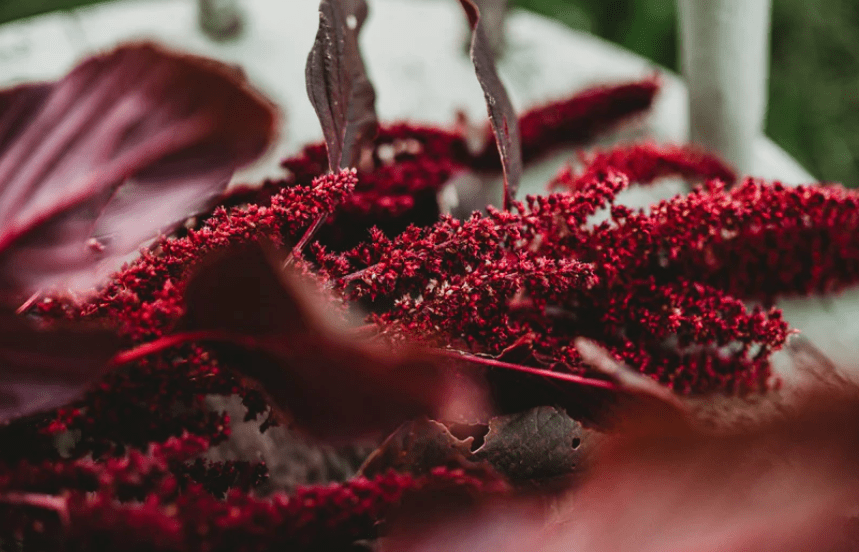
1. Amaranth (The Ancient Famine-Proof Grain)

This plant kept entire civilizations alive when empires crumbled. It thrives in heat, drought, poor soil, and outright neglect. The seeds are protein-rich, the leaves are edible, and the plant can handle the type of chaos that kills modern agriculture.

Why amaranth is priceless:

  • High-protein grain AND leafy vegetable
  • Drought and heat tolerant
  • Self-seeds reliably
  • Stores for years

Amaranth doesn’t just survive—you’ll wish you were as tough as this plant.


2. Jerusalem Artichokes (The Underground Food That Never Dies)

Also called sunchokes, these tubers are as close to “apocalypse-proof” as it gets. They spread aggressively, return every year, and keep producing even if the world falls apart.

Why they matter:

  • Perennial and nearly impossible to kill
  • Massive yields with almost zero upkeep
  • Stores well underground all winter
  • Thrives in neglected soil

Plant once. Eat forever.


3. Buckwheat (Your Lightning-Fast Crisis Carb)

When everything collapses, fast food takes on a whole new meaning. Buckwheat grows faster than almost any grain on Earth, giving you calories in weeks—not months.

Buckwheat advantages:

  • Matures in as little as 6–8 weeks
  • Grows in terrible soil
  • High in nutrients
  • Helps reclaim exhausted land

It is the crop you grow when time is running out.


4. Turnips (The Cold-Weather Lifesaver)

Turnips don’t care about frost, storms, or the rapidly shifting climate. They produce edible roots and edible greens, giving you two foods from one plant.

Turnips earn their place by:

  • Thriving in cold conditions
  • Growing extremely quickly
  • Lasting months in storage
  • Providing greens long before other crops sprout

When winter turns deadly, turnips stay alive.


5. Chickpeas (The Protein Vault of the Old World)

These ancient legumes fed people through wars, famines, and droughts. They need almost no water, tolerate brutal sun, and produce high-protein food even under collapse conditions.

Why chickpeas are essential:

  • Long-term protein
  • Drought resistant
  • Excellent dry storage
  • Soil-building nitrogen fixers

Plant chickpeas if you don’t want to depend on luck.


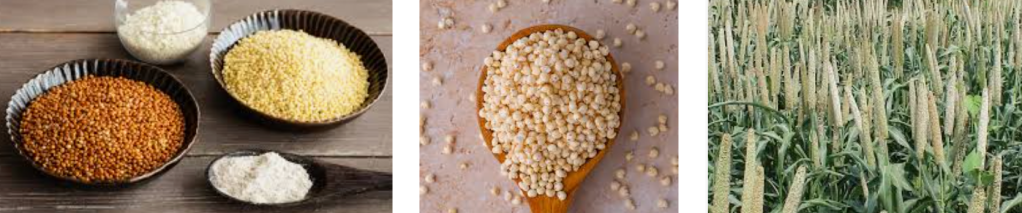
6. Millet (The Grain for When the Rain Stops)

Millet grows where other grains surrender. It produces small but powerful seeds loaded with carbs and minerals, even when rainfall is almost nonexistent.

Millet strengths:

  • Perfect for drought
  • Quick-maturing
  • Stores for years
  • Reliable calorie source

When the climate turns hostile, millet endures.


7. Leeks (The Cold-Hard Guardians of Winter)

Unlike onions, leeks stay alive through frost, snow, and freezing temperatures. When food is scarce and the world is frozen, leeks remain standing.

Leek advantages:

  • Extremely cold hardy
  • Long harvest windows
  • High in vitamins
  • Easy to grow in tight spaces

Leeks are the winter warriors your future self will thank you for.


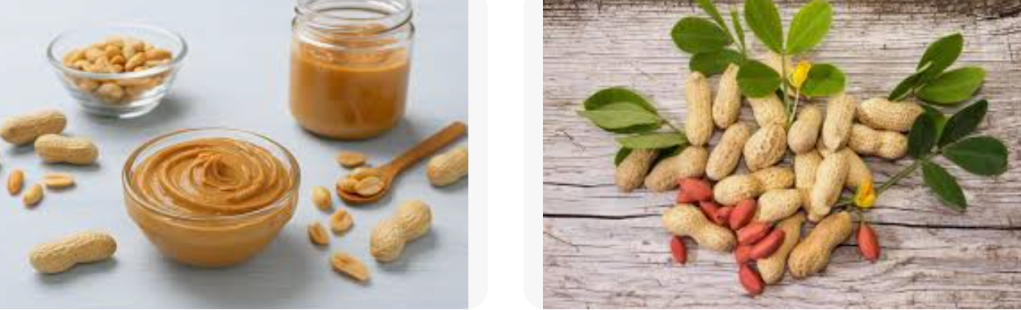
8. Peanuts (The Collapse-Ready Fat Source)

When society falls apart, oils and fats become rare. Peanuts solve that problem. They grow underground, store well, and provide protein, fat, and calories—things people go to war over when food runs low.

What makes peanuts invaluable:

  • High fat and protein
  • Heat tolerant
  • Long storage life
  • Useful for oil pressing

In a starving world, fat becomes power.


9. Rhubarb (The Perennial With a Vengeance)

Rhubarb is a rugged perennial that returns year after year—even if you completely ignore it. Once established, it’s almost impossible to kill.

Rhubarb earns its place because:

  • Grows for a decade or more
  • Cold resistant
  • Large harvests every spring
  • Minimal maintenance

Plant it once and it outlives half your neighborhood.


10. Moringa (The Tree That Replaces a Multivitamin)

If there is a “tree of life” for collapse, it’s moringa. The leaves are packed with protein, vitamins, and minerals, and the tree grows insanely fast—even in harsh climates.

Why moringa is survival gold:

  • Edible leaves, pods, seeds
  • Grows in poor, dry soil
  • Rapid growth rate
  • Can be used for water purification

If malnutrition becomes widespread—which it will—moringa becomes priceless.


THE COLD TRUTH: YOU DON’T HAVE YEARS. YOU HAVE MONTHS.

Civilization is being held together by duct tape and denial. Supply chains are failing. Infrastructure is aging. Tensions rise. Weather gets worse. Resources shrink.

You are not planting a garden.
You are building your last line of defense.

Grow these crops now—while seeds still exist, while the soil is still yours, while the world still pretends everything is fine.

Because when the lights finally go out, only what you’ve planted will matter.