Nuclear Neighbor – What Is a Safe Distance to Live From a Nuclear Power Plant?

I’ll get this out of the way early: I hated the movie Oppenheimer.

Not because it wasn’t well-made. Not because the acting was bad. I hated it because it fed the same tired, fear-soaked narrative that nuclear power equals inevitable apocalypse. That mindset is not just wrong—it’s dangerous. Nuclear energy is one of the most powerful tools humanity has ever built, and if our species is going to dominate this planet long-term, survive climate instability, and push beyond Earth, nuclear power is not optional. It’s essential.

That said—and this is where the prepper in me takes over—any system powerful enough to light cities for decades is powerful enough to kill thousands if it fails catastrophically.

So let’s talk reality.

If you live near a nuclear power plant, you deserve honest answers, not Hollywood panic and not industry spin. You deserve to know how dangerous it actually is, what “safe distance” really means, what happens if the worst occurs, and what you would need to do to survive if a nuclear power plant exploded or melted down in your city.

This article is not anti-nuclear. It’s pro-truth, pro-preparedness, and pro-survival.


Understanding Nuclear Power Plants: What They Are—and What They Are Not

First, let’s correct a massive misunderstanding.

A nuclear power plant is not a nuclear bomb.

It does not explode like a weapon. There is no mushroom cloud. No city-leveling blast wave. Anyone telling you otherwise is either ignorant or selling clicks.

However—and this is a big however—nuclear power plants can fail, and when they do, the danger comes from radiation release, steam explosions, hydrogen explosions, and long-term environmental contamination.

The real threat isn’t instant annihilation. The real threat is invisible, persistent, and lethal over time.

That’s radiation.


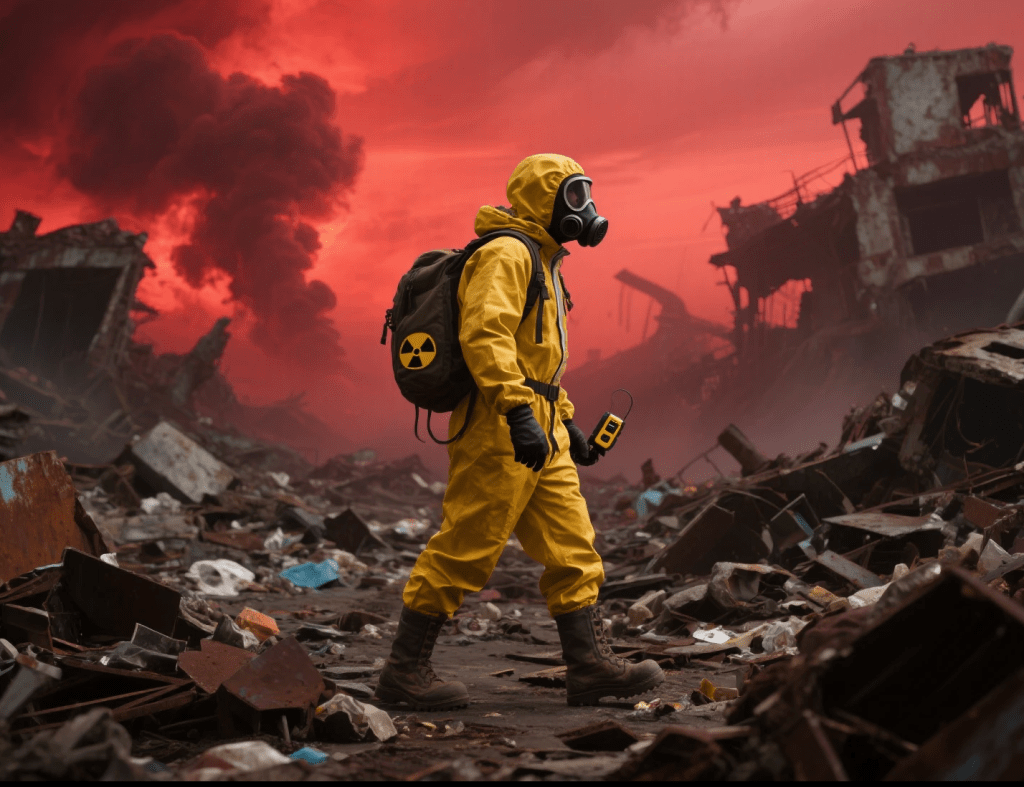
So… What Is a “Safe Distance” From a Nuclear Power Plant?
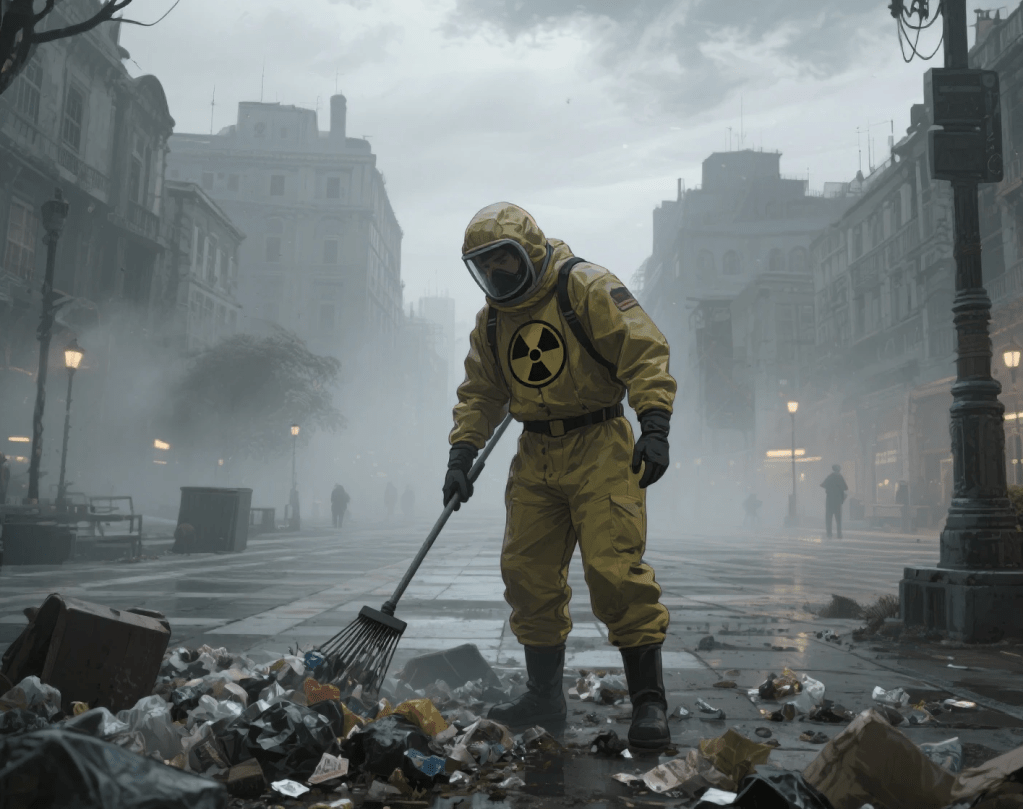
This is the question everyone asks, and the answer is uncomfortable because it isn’t a single number.

The Official Zones

Most governments and nuclear regulatory agencies divide areas around nuclear plants into zones:

  • 0–10 miles (0–16 km): Emergency Planning Zone (EPZ)
  • 10–50 miles (16–80 km): Ingestion Pathway Zone
  • 50+ miles: Generally considered low-risk for immediate exposure

Let me translate that into plain English.

0–10 Miles: You’re in the Danger Core

If you live within 10 miles of a nuclear power plant and a serious accident occurs, you are in the highest-risk category.

This is the zone where:

  • Evacuations happen fast
  • Radiation exposure can be acute
  • Shelter-in-place orders may come with minutes of warning
  • Long-term habitation may become impossible

If a reactor melts down or releases radioactive material into the air, this zone takes the hit first and hardest.

From a prepper’s perspective, this is not a safe distance. It’s a managed risk at best.

10–50 Miles: The Fallout Zone

This is where things get tricky—and where most people underestimate risk.

Radiation doesn’t care about city limits. It rides the wind. Rain pulls it down. Food and water absorb it.

In this zone:

  • Fallout contamination becomes the primary danger
  • Food supplies (farms, livestock, water reservoirs) are at risk
  • Long-term cancer risk increases
  • Evacuation may be delayed or partial

If you live here, you’re not in immediate blast danger—but you are absolutely in radiation exposure territory.

50+ Miles: Statistically Safer, Not Immune

Beyond 50 miles, immediate radiation risk drops significantly in most scenarios.

But let me be crystal clear: “safer” does not mean “safe.”

Chernobyl contaminated regions over 1,000 miles away. Fukushima radiation was detected across the Pacific.

If atmospheric conditions align badly, distance alone will not save you.


Why Nuclear Power Plants Can Be Deadly If the Worst Happens

Nuclear energy is safe when everything works as designed. But disasters don’t happen because things work. They happen because multiple systems fail at once.

Here’s what can go wrong.


1. Reactor Core Meltdown

A meltdown occurs when:

  • Cooling systems fail
  • Fuel rods overheat
  • The reactor core melts through containment barriers

This releases radioactive isotopes like:

  • Iodine-131
  • Cesium-137
  • Strontium-90

These are not abstract science terms. These are substances that:

  • Destroy thyroids
  • Cause cancers decades later
  • Render land unusable for generations

2. Hydrogen Explosions

In several historical nuclear accidents, overheating fuel rods caused hydrogen buildup. When hydrogen ignites, it explodes—violently.

This doesn’t flatten cities, but it breaches containment, allowing radiation to escape into the atmosphere.

That’s how disasters spread.


3. Spent Fuel Pool Fires

This is one of the least discussed and most terrifying scenarios.

Spent fuel pools hold highly radioactive waste. If cooling water drains or boils off, the fuel can ignite—releasing enormous amounts of radiation.

Some experts consider this worse than a reactor meltdown.


4. Long-Term Environmental Contamination

Even if no one dies immediately, the land can be poisoned.

Radiation settles into:

  • Soil
  • Crops
  • Rivers
  • Groundwater
  • Animal populations

This isn’t dramatic. It’s slow. It’s quiet. And it kills people years later.


If a Nuclear Power Plant Exploded in Your City: What Would You Need to Do?

Now we get to the survival part. This is not theory. This is what matters.

First: Understand the Timeline

A nuclear power plant disaster unfolds in phases:

  1. Initial failure
  2. Radiation release
  3. Public notification
  4. Evacuation or shelter orders
  5. Fallout spread
  6. Long-term displacement

Your actions in the first 30–120 minutes matter more than anything else.


Immediate Actions (Minutes to Hours)

1. Get Indoors Immediately

If you are downwind of a radiation release:

  • Go inside the nearest solid structure
  • Basements are best
  • Concrete and earth are your friends

Do not stand outside watching. That’s how people get irradiated.

2. Seal Yourself In

  • Close windows and doors
  • Turn off HVAC systems
  • Block vents if possible
  • Use tape and plastic if available

This reduces radioactive particles entering your space.

3. Decontaminate If Exposed

If you were outside:

  • Remove outer clothing immediately
  • Seal it in a bag
  • Shower with soap and water (no conditioner)
  • Do not scrub harshly

This alone can remove a significant percentage of radioactive contamination.


Evacuation: When to Leave and When Not To

This is where people die by making the wrong choice.

Evacuate If:

  • Authorities issue a clear evacuation order
  • You have a planned route away from the plume
  • You can leave immediately

Do NOT Evacuate If:

  • Fallout is actively occurring
  • Roads are gridlocked
  • You would be exposed longer outside than sheltered

Radiation exposure is cumulative. Sometimes staying put saves your life.


Long-Term Survival After a Nuclear Plant Disaster

If the disaster is severe, life does not “go back to normal.”

Food and Water Become Critical

  • Local water may be contaminated
  • Crops may be unsafe for years
  • Milk and leafy vegetables are especially dangerous

Preppers understand this: stored food wins.

Health Monitoring Is Non-Negotiable

Radiation sickness may not appear immediately. Symptoms can include:

  • Nausea
  • Fatigue
  • Hair loss
  • Thyroid issues

Long-term screening matters.


So… Should You Live Near a Nuclear Power Plant?

Here’s my honest, professional answer.

Nuclear power is essential for humanity’s future. Period. Fossil fuels are limited. Renewables alone won’t carry us. If we want space travel, advanced industry, and global stability, nuclear energy is part of that equation whether people like it or not.

But living near a nuclear power plant is a calculated risk.

From a Prepper’s Perspective:

  • Inside 10 miles? I wouldn’t.
  • 10–30 miles? Only with serious preparedness.
  • 30–50 miles? Acceptable with planning.
  • 50+ miles? Reasonable for most people.

Preparedness turns fear into control.


Final Thoughts: Respect the Power, Don’t Fear It
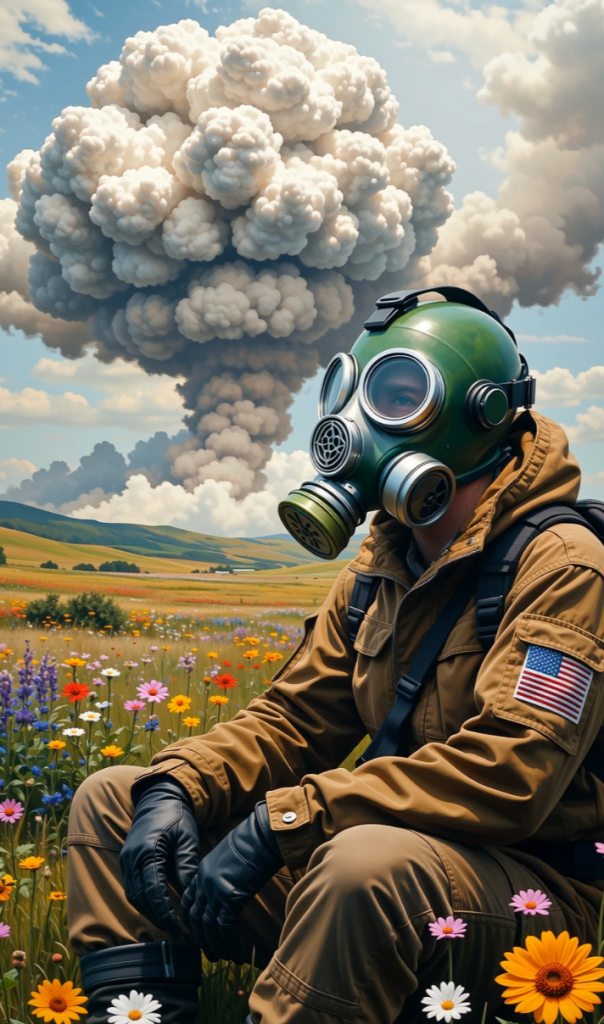
Hollywood wants you to fear nuclear energy. Fear sells tickets.

Survival demands something different: respect.

Nuclear power is not evil. It’s not magic. It’s a tool—one of the most powerful tools our species has ever created. Tools can build civilizations or destroy them depending on how responsibly they’re handled.

If you live near a nuclear power plant, don’t panic. Get educated. Get prepared. Understand the risks, plan your responses, and make informed decisions.

That’s how you survive.

And that’s how humanity moves forward—eyes open, not blinded by fear or fiction.
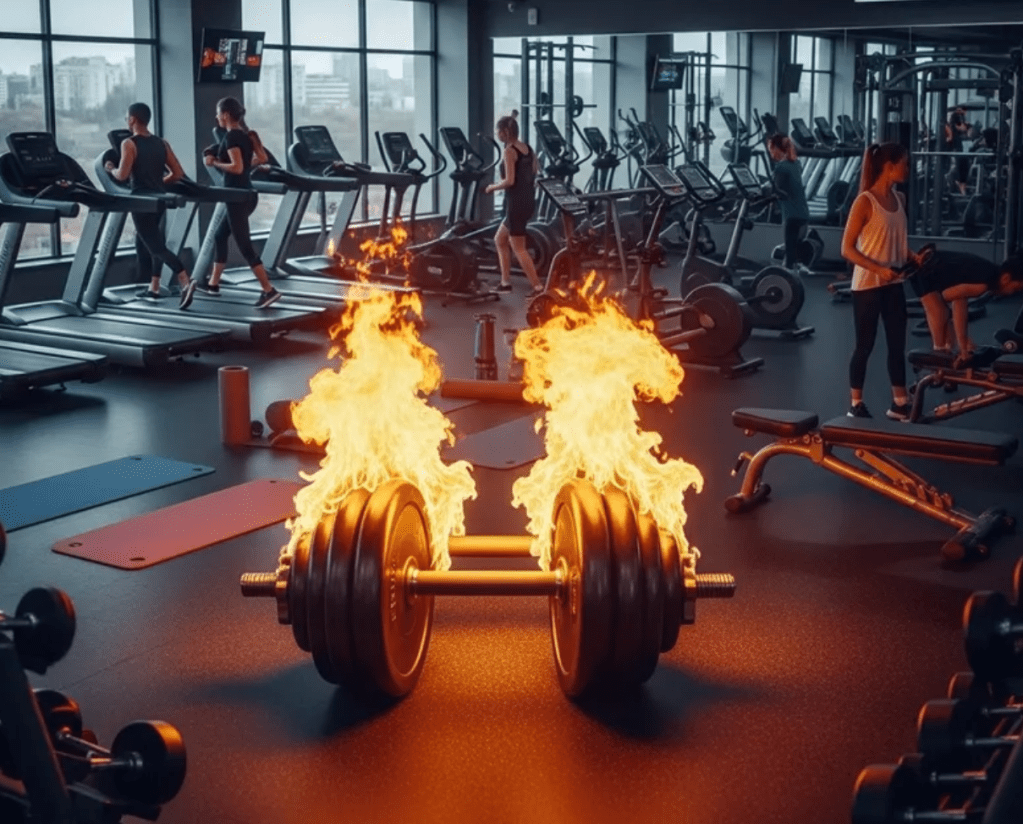
Mass Shooting at the Gym: How to Stay Alive When Your Workout Turns Deadly

I’ll be upfront: I hate working out at gyms in the evening.

Not because I dislike fitness—far from it. I hate it because evening gyms are loud, chaotic, overstimulated spaces filled with people wearing headphones, staring at mirrors, and completely disconnected from what’s happening around them. From a survival perspective, they are a nightmare.

Now layer in a worst-case scenario: an active shooter entering a gym during peak hours.

Gyms like 24 Hour Fitness, LA Fitness, Planet Fitness, or YMCA facilities are uniquely vulnerable. They’re open late, often understaffed at night, full of hard surfaces that echo sound, and packed with dozens—sometimes hundreds—of people spread across multiple rooms: weight floors, cardio decks, locker rooms, studios, pools, saunas, and childcare areas.

This article is not meant to scare you. It’s meant to prepare you.

Because survival favors the prepared, not the strongest, fastest, or most muscular.

What follows is a realistic, grounded survival guide to help you recognize danger early, escape if possible, hide effectively when escape isn’t an option, and increase your odds of survival during a mass shooting in a gym environment.


Understanding the Gym as a Survival Environment

Before we talk about what to do, you need to understand what makes gyms dangerous—and paradoxically, survivable.

Why Gyms Are High-Risk Locations

  • Large crowds during peak hours
  • Multiple unsecured entry points
  • Loud background noise masking gunfire
  • Mirrors, glass, and open floor plans
  • People distracted by music, screens, and workouts

Why Gyms Also Offer Survival Opportunities

  • Heavy equipment that can block or slow movement
  • Multiple exits (including emergency exits most people ignore)
  • Back-of-house spaces, offices, and storage rooms
  • Locker rooms with solid walls and limited access points
  • Pools, saunas, and steam rooms that obscure visibility

Your survival depends on how quickly you shift from “gym mode” to “survival mode.”


Early Warning Signs: Spotting a Threat Before the Shooting Starts

Most people imagine mass shootings as sudden and unavoidable. That’s not always true.

Many attackers display pre-incident indicators—small behavioral red flags that get ignored because people don’t want to “be weird” or “overreact.”

Survival preppers don’t worry about being polite. We worry about being alive.

Behavioral Red Flags in a Gym Setting

  • Wearing inappropriate clothing for workouts (heavy coats, masks, gloves indoors)
  • Refusing to make eye contact while scanning the room repeatedly
  • Appearing agitated, pacing, or muttering
  • Carrying large bags they never open or use
  • Standing idle for long periods without exercising
  • Entering and exiting repeatedly without explanation

None of these alone mean danger. Multiple indicators together should raise your alert level.

Environmental Red Flags

  • Propped emergency exits
  • Unattended bags near entrances or lockers
  • Sudden changes in staff behavior
  • Loud bangs that don’t match gym activity
  • People suddenly running, screaming, or dropping weights

Trust your gut. If something feels off, leave immediately. No workout is worth your life.


The Survival Priority List: What Matters Most

In any mass shooting scenario, your priorities are simple:

  1. Escape if possible
  2. Hide if escape is not possible
  3. Defend yourself only as an absolute last resort

Gyms complicate this because of noise, mirrors, and crowds—but the principles remain the same.


Escape: Getting Out Alive

Escape is always your best option if you can do it safely.

Know Your Exits Before You Lift

When you enter a gym, you should subconsciously note:

  • The main entrance
  • Emergency exits (often near pools or studios)
  • Side doors near locker rooms
  • Back hallways or staff-only corridors

Most people walk past emergency exits every day without noticing them. Don’t be most people.

When to Escape

  • If the shooter is far away
  • If you hear gunfire from another area
  • If you can move without crossing open spaces

How to Escape

  • Leave belongings behind
  • Move low and fast, but don’t sprint blindly
  • Avoid mirrored walls that reflect movement
  • Help others only if it does not slow your escape

Once outside, put distance and cover between you and the building. Do not linger.


Hiding to Survive: Gym-Specific Options

If escape isn’t possible, hiding correctly can save your life.

This is where gyms actually offer advantages—if you know how to use them.

Locker Rooms

Locker rooms are often your best hiding option.

Why they work:

  • Thick walls
  • Limited entrances
  • Lockable doors
  • Rows of metal lockers that disrupt movement and sound

What to do:

  • Barricade doors using benches, trash cans, or lockers
  • Turn off lights if possible
  • Silence phones completely
  • Spread out and stay low

Avoid bathroom stalls—they offer concealment, not cover.


Equipment Rooms and Staff Areas

These rooms are often overlooked and locked.

  • Storage rooms
  • Janitorial closets
  • Trainer offices

If you can access one, lock and barricade immediately.


Weight Floors

Not ideal—but sometimes unavoidable.

Use equipment to:

  • Create visual barriers
  • Block doorways with machines
  • Slow movement paths

Heavy machines can’t stop bullets, but they buy time and reduce visibility.


Studios and Class Rooms

Yoga rooms, spin studios, and dance rooms often have:

  • Fewer windows
  • Lockable doors
  • Thick walls

Barricade, silence, and wait.


Pools, Saunas, and Steam Rooms

These are controversial hiding spots—but context matters.

Pools:

  • Water distorts visibility and sound
  • Pool decks often have side exits
  • Chemical rooms nearby may offer concealment

Saunas & Steam Rooms:

  • Visibility is extremely limited
  • Sound is muffled
  • Doors are usually thick

However, these spaces can become traps if discovered. Use only if escape routes exist.


Slowing Down or Stopping a Shooter: Reality, Not Fantasy

Let’s be very clear.

You are not an action movie hero.

The goal is survival, not confrontation.

Non-Confrontational Ways Gyms Can Slow an Attacker

  • Barricading with heavy equipment
  • Blocking hallways and stairwells
  • Turning off lights in rooms
  • Creating obstacles that force detours

Weights, benches, and machines can block paths, delay movement, and prevent line of sight.

As a Last Resort

If directly confronted and escape is impossible:

  • Act decisively
  • Use whatever is available to disrupt, not pursue
  • Focus on creating an opportunity to escape

This is not about winning—it’s about surviving long enough to get away.


Everyday Survival Gear for the Gym

You don’t need to look like a doomsday prepper to be prepared.

Items You Can Reasonably Carry

  • Tourniquet (real one, not cheap knockoffs)
  • Pressure bandage
  • Small flashlight
  • Phone with emergency alerts enabled
  • Minimalist medical kit in gym bag

Mental Gear Matters More

  • Situational awareness
  • Exit familiarity
  • Willingness to leave early
  • Comfort being “rude” if something feels wrong

Mindset: The Most Important Tool You Have

Survival isn’t about fear—it’s about clarity.

Most people freeze because they don’t want to believe what’s happening. Preppers accept reality fast.

If you hear gunfire:

  • Don’t rationalize
  • Don’t wait for confirmation
  • Don’t assume it’s “probably nothing”

Act.


Why I Avoid Evening Gyms (And You Might Want To As Well)

Evening gyms are:

  • Overcrowded
  • Understaffed
  • Full of distractions

Early mornings, off-peak hours, or smaller facilities reduce risk significantly.

Preparedness isn’t paranoia. It’s respect for reality.


Final Thoughts: Survival Is a Skill, Not a Coincidence

No one wants to imagine violence during something as routine as a workout.

But preparation doesn’t make you afraid—it makes you capable.

You don’t need to be stronger than a shooter.
You need to be more aware, more decisive, and more prepared than the average person staring at their phone between sets.

Train your body—but train your awareness harder.

Your life may depend on it.

Dying in Georgia – How Most People Die in The Peach State

Most people don’t die because they’re unlucky.

They die because they didn’t see it coming, didn’t respect risk, or assumed it wouldn’t happen to them.

I’ve spent years studying survival—real survival, not Hollywood nonsense. The kind that happens on highways, job sites, back roads, lakes, neighborhoods, and during ordinary days that turn deadly fast.

If you live in Georgia, this article is for you.

Not because Georgia is uniquely dangerous—but because Georgia has a very specific risk profile shaped by:

• Heavy vehicle traffic
• Rural and urban overlap
• Heat and humidity
• Firearm prevalence
• Severe weather
• Outdoor culture
• Long commutes
• Industrial and construction work

This article covers the top 10 non-disease, non-age-related ways people die in Georgia, why those deaths happen, and—most importantly—how to stay alive.

This is about personal responsibility, situational awareness, and stacking the odds in your favor.

Let’s get into it.


#1 Motor Vehicle Crashes (Cars, Trucks, Motorcycles)

Why This Is the #1 Killer

If there’s one thing that quietly kills more Georgians than anything else on this list, it’s traffic accidents.

High-speed interstates. Long commutes. Distracted driving. Rural roads with poor lighting. Aggressive driving culture. Motorcycle fatalities. Large trucks.

Cars are weapons when handled carelessly.

People die because:
• Speed is normalized
• Phones steal attention
• Fatigue is ignored
• Seatbelts aren’t used consistently
• Motorcycles are treated as invisible
• Weather is underestimated

Survival truth: Most crashes happen close to home, during routine drives.

How to Survive Georgia Roads

Adopt the survival driver mindset:
• Drive like everyone else is distracted—because they are
• Leave space. Space equals reaction time
• Never assume someone sees you
• Slow down in rain (Georgia roads get slick fast)
• Treat intersections as danger zones

Non-negotiables:
• Seatbelt. Every time. No excuses.
• No phone use—not even “quick checks”
• Don’t drive tired. Fatigue kills like alcohol.
• Motorcyclists: wear full protective gear, not just a helmet

Life coach reminder:
You don’t get bonus points for arriving fast. You only win by arriving alive.


#2 Firearm-Related Deaths (Accidental, Homicide, and Self-Inflicted)

Why Firearms Are a Major Risk in Georgia

Georgia has strong gun culture—which isn’t inherently bad—but familiarity breeds complacency.

People die because:
• Firearms are handled casually
• Guns are stored improperly
• Safety rules are ignored
• Emotional moments escalate
• Alcohol mixes with firearms

This category includes accidents, violence, and self-inflicted harm. Each one is preventable.

How to Stay Alive Around Firearms

If you own a gun:
• Treat every firearm as loaded
• Secure firearms from unauthorized access
• Separate guns and ammunition when not in use
• Never mix alcohol or drugs with firearms

If you don’t own a gun:
• Be aware of your environment
• Avoid emotionally charged confrontations
• Leave situations that feel unstable

Life coach perspective:
Strength isn’t pulling a trigger—it’s walking away when your ego wants control.

If you’re struggling emotionally, survival sometimes means asking for help. That’s not weakness. That’s leadership over your own life.


#3 Accidental Poisoning & Drug Overdose

Why This Happens So Often

Overdoses don’t just happen to “addicts.”

They happen because:
• Dosages are misunderstood
• Substances are mixed
• Pills are shared
• Tolerance changes
• Illicit substances are unpredictable

Accidental poisoning also includes:
• Carbon monoxide exposure
• Household chemicals
• Improper medication storage

How to Protect Yourself and Your Family

Survival rules:
• Never mix substances without medical guidance
• Store medications locked and labeled
• Install carbon monoxide detectors
• Ventilate fuel-burning appliances
• Avoid using generators indoors or in garages

Life coach truth:
Your body is not a testing ground. Respect it like the survival asset it is.


#4 Falls (Construction, Ladders, Heights, and Work-Related Accidents)

Why Falls Kill Younger People Than You Think

Falls aren’t just “old people problems.”

In Georgia, they happen on:
• Construction sites
• Roofing jobs
• Ladders
• Trees
• Warehouses

People die because:
• Safety gear is skipped
• Heights are underestimated
• Fatigue sets in
• “I’ve done this a hundred times” mentality

How to Stay Vertical and Alive

Non-negotiables:
• Use proper fall protection
• Inspect ladders and scaffolding
• Don’t rush jobs at height
• Stop when tired

Life coach reminder:
Experience doesn’t make you immune—it makes you responsible.


#5 Drowning (Lakes, Rivers, Pools, and the Coast)

Why Georgia Drowning Deaths Are Common

Georgia has:
• Lakes
• Rivers
• Pools
• Coastal access

People drown because:
• They overestimate swimming ability
• Alcohol is involved
• Life jackets aren’t worn
• Currents are underestimated

How to Survive Water

Water survival basics:
• Wear life jackets—especially on boats
• Never swim alone
• Avoid alcohol near water
• Learn basic rescue techniques

Life coach truth:
Nature doesn’t care how confident you feel. Respect keeps you alive.


#6 Fires & Smoke Inhalation

Why Fire Kills So Fast

Fire deaths usually aren’t from burns—they’re from smoke.

People die because:
• Smoke detectors don’t work
• Escape plans don’t exist
• Exits are blocked
• People underestimate speed of fire

Fire Survival Rules

• Install and test smoke detectors
• Plan escape routes
• Practice drills
• Keep extinguishers accessible

Life coach angle:
Preparation is love in action—for yourself and everyone in your home.


#7 Workplace & Industrial Accidents

Why Jobs Kill

Georgia has strong industrial, agricultural, and logistics sectors.

People die because:
• Safety protocols are ignored
• Equipment is rushed
• Training is skipped
• Fatigue is normalized

How to Stay Alive at Work

• Follow procedures—even when inconvenient
• Speak up about unsafe conditions
• Never bypass safety mechanisms

Life coach truth:
Your life is worth more than productivity metrics.


#8 Severe Weather (Heat, Storms, Tornadoes)

Why Weather Is Deadly in Georgia

Heat kills quietly.

Storms kill suddenly.

People die because:
• Heat exhaustion is ignored
• Weather warnings aren’t taken seriously
• Shelter plans don’t exist

Weather Survival Mindset

• Hydrate aggressively
• Respect heat indexes
• Have storm plans
• Don’t drive into flooded roads

Life coach reminder:
Preparation beats panic every single time.


#9 Violence & Assault (Non-Firearm)

Why Situational Awareness Matters

Fatal violence isn’t random.

It happens when:
• People ignore warning signs
• Arguments escalate
• Alcohol lowers inhibition
• Ego overrides safety

How to Avoid Becoming a Statistic

• De-escalate
• Leave early
• Trust instincts
• Avoid known high-risk environments

Life coach angle:
Walking away is a skill. Train it.


#10 Carbon Monoxide & Household Hazards

The Silent Killer

Carbon monoxide kills without warning.

People die because:
• Detectors are missing
• Appliances malfunction
• Ventilation is poor

How to Stay Safe at Home

• Install CO detectors
• Maintain appliances
• Never use fuel devices indoors

Life coach truth:
Your home should restore you—not end you.


Surviving in Georgia Is a Daily Practice

Survival isn’t paranoia.

It’s awareness plus action.
Every single cause of death on this list is largely preventable with:
• Respect for risk
• Preparation
• Emotional control
• Personal responsibility

You don’t need to live scared.

You need to live awake.

Because survival isn’t about avoiding death—it’s about choosing life, every single day.

If you do that consistently, Georgia becomes a place to thrive—not just survive.

The Last Frontier Doesn’t Kill By Accident – Top Ways People Die in Alaska

I’ve spent my life studying how people die—not because I enjoy it, but because knowing how people die is how you learn how to stay alive.

As a survivalist, I prepare for worst-case scenarios.
As a private investigator, I follow patterns.
And Alaska? Alaska leaves patterns everywhere.

Here’s the truth most travel brochures won’t tell you: Alaska doesn’t forgive mistakes.
It doesn’t care how tough you think you are.
It doesn’t care how expensive your gear is.
And it certainly doesn’t care what state you came from.

People don’t die in Alaska because they’re unlucky.
They die because they misunderstand where they are.

This article breaks down the Top 10 ways people most commonly die in Alaska, excluding old age, cancer, and disease. These are preventable deaths, the kind that show up again and again in accident reports, missing person files, Coast Guard logs, and coroner summaries.

I’ll explain:

  • Why people die this way
  • The warning signs they ignored
  • What you must do differently if you want to survive

This isn’t fear porn.
This is preparation.


1. Exposure to Extreme Cold (Hypothermia & Frostbite Deaths)

Why People Die This Way in Alaska

Hypothermia is Alaska’s silent hitman.

Most people think hypothermia only happens in blizzards. That’s false. I’ve reviewed cases where people died in temperatures just above freezing, with no snow, wearing jeans and a hoodie.

Hypothermia kills because:

  • Cold drains energy faster than the body can replace it
  • Wet clothing accelerates heat loss
  • Wind strips heat invisibly
  • People underestimate how fast judgment collapses

Once hypothermia starts, your brain lies to you. You feel tired instead of alarmed. Calm instead of scared. People sit down “for a minute” and never get up again.

Common Fatal Mistakes

  • Dressing for comfort, not survival
  • Ignoring wind chill
  • Sweating during activity and not changing layers
  • Believing “I’m only going a short distance”

How to Survive Cold Exposure in Alaska

A private investigator survives by never trusting assumptions. Do the same.

Survival Rules:

  • Dress in layers: moisture-wicking base, insulation, windproof shell
  • Never allow cotton against skin
  • Carry dry backup clothing—even on short trips
  • Stop sweating before it starts
  • If wet, treat it as an emergency

Cold Truth:
In Alaska, cold isn’t weather.
It’s a predator.


2. Drowning (Rivers, Lakes, Ocean, and Ice Breakthroughs)

Why Drowning Is So Common in Alaska

Alaska has more water than roads, and that water is lethal year-round.

Cold water shock incapacitates even strong swimmers in seconds. I’ve reviewed multiple cases where victims drowned within 30 seconds of entry.

Ice doesn’t break politely.
Rivers don’t flow predictably.
The ocean doesn’t wait.

Common Fatal Mistakes

  • No life jacket
  • Assuming swimming skill matters in cold water
  • Standing on “safe-looking” ice
  • Falling into rivers during fishing or hunting

How to Survive Alaska’s Waters

Survival Rules:

  • Wear a flotation device anytime you’re near water
  • Treat ice as guilty until proven safe
  • Learn cold-water self-rescue techniques
  • Carry ice picks in winter
  • Never fish or travel alone near water

Investigator Insight:
Every drowning victim thought they had one more second.


3. Plane Crashes (Bush Planes & Small Aircraft)

Why Alaska Leads the Nation in Aviation Deaths

In Alaska, airplanes are pickup trucks with wings.

Bush planes fly low, land rough, and operate in brutal conditions. Weather changes faster than forecasts can keep up, and terrain doesn’t forgive miscalculations.

Common Fatal Mistakes

  • Flying in marginal weather
  • Overloading aircraft
  • Pressure to “make the trip anyway”
  • Trusting schedules over conditions

How to Survive Bush Plane Travel

Survival Rules:

  • Fly with experienced pilots only
  • Never pressure a pilot to fly
  • Carry survival gear even on short flights
  • Dress for walking out, not sitting comfortably

Detective Rule:
If the pilot hesitates, you cancel. Pride kills faster than gravity.


4. Vehicle Accidents (Highways, Ice Roads, Remote Trails)

Why Driving Kills in Alaska

Alaska’s roads are deceptive. Long stretches lull drivers into overconfidence. Ice, wildlife, fatigue, and isolation combine into a perfect trap.

Common Fatal Mistakes

  • Speeding on icy roads
  • Not carrying emergency supplies
  • Driving tired or intoxicated
  • Swerving for animals

How to Survive Alaska Roads

Survival Rules:

  • Carry winter survival kits in vehicles
  • Slow down—always
  • Never swerve for wildlife
  • Treat breakdowns as survival situations

PI Pattern Recognition:
Most fatal crashes happen when drivers think nothing will happen.


5. Wildlife Attacks (Bears, Moose, Wolves)

Why Wildlife Encounters Turn Deadly

Animals don’t attack randomly. People place themselves where attacks become inevitable.

Moose kill more Alaskans than bears. Bears kill when surprised. Wolves rarely attack, but when they do, it’s because warning signs were ignored.

Common Fatal Mistakes

  • Approaching wildlife
  • Poor food storage
  • Ignoring animal behavior cues
  • No bear deterrents

How to Survive Wildlife Encounters

Survival Rules:

  • Carry bear spray, not bravado
  • Make noise in dense areas
  • Secure food properly
  • Learn animal behavior signals

Investigator Truth:
Every attack scene shows signs of escalation that went ignored.


6. Falling (Cliffs, Ice, Mountains, Rooftops)

Why Falls Are So Deadly

Ice turns gravity into a weapon. Mountains remove margin for error. Many fatal falls occur during “routine” tasks.

Common Fatal Mistakes

  • Underestimating ice
  • No traction gear
  • Working alone
  • Taking shortcuts

How to Prevent Fatal Falls

Survival Rules:

  • Use traction devices
  • Rope up in exposed terrain
  • Avoid edges in poor conditions
  • Assume surfaces are slippery

7. Snowmachine (Snowmobile) Accidents

Why Snowmachines Kill

Speed plus terrain plus weather equals sudden death. Machines go places humans shouldn’t, and confidence rises faster than skill.

Common Fatal Mistakes

  • Excessive speed
  • Alcohol use
  • Thin ice crossings
  • Night riding

How to Survive Snowmachine Travel

Survival Rules:

  • Wear helmets
  • Scout terrain
  • Avoid alcohol completely
  • Carry emergency gear

8. Firearms Accidents (Hunting & Handling)

Why Accidental Shootings Happen

Complacency. That’s the root cause.

Common Fatal Mistakes

  • Poor muzzle discipline
  • Loaded firearms in vehicles
  • Improper storage
  • Rushed shots

How to Stay Alive Around Firearms

Survival Rules:

  • Treat every firearm as loaded
  • Maintain strict muzzle control
  • Store weapons safely
  • Train constantly

9. Avalanche Deaths

Why Avalanches Kill Experienced People

Experience breeds confidence. Confidence breeds risk.

Common Fatal Mistakes

  • Ignoring avalanche forecasts
  • No rescue gear
  • Traveling alone
  • Poor terrain choices

How to Survive Avalanche Terrain

Survival Rules:

  • Carry beacon, shovel, probe
  • Travel one at a time
  • Study snowpack conditions
  • Avoid high-risk slopes

10. Getting Lost and Dying While “Almost Found”

Why This Is the Most Tragic Death

People die within miles of safety because they panic, move without a plan, or refuse to stop.

Common Fatal Mistakes

  • No navigation tools
  • Leaving known positions
  • Not signaling
  • Overestimating endurance

How to Survive Being Lost

Survival Rules:

  • Stop moving
  • Signal early
  • Stay visible
  • Conserve energy

Investigator’s Final Lesson:
Most lost victims weren’t lost long—they just made the wrong decisions early.


Alaska Rewards Respect, Not Confidence

Alaska doesn’t care who you are.
It only cares what you do.

Every fatality I’ve studied shared one thing in common: the victim believed they were the exception.

Survival isn’t about toughness.
It’s about preparation, humility, and pattern recognition.

Stay alive by learning from the dead—without joining them.

Top 7 Ways Kansans Die – How to Survive and Outsmart these 7 Killers

If you live in Kansas, I’m going to tell you something straight, without sugarcoating it.

Most people who die here didn’t think it would happen to them.

They weren’t reckless thrill-seekers. They weren’t criminals. They weren’t looking for danger. They were regular Kansans—hard-working people who assumed tomorrow was guaranteed.

That assumption is what gets people killed.

I’ve spent my life studying survival—not just wilderness survival, but real-world survival, the kind that determines whether you make it home to your family at night. And if there’s one thing I’ve learned, it’s this:

Survival isn’t about luck. It’s about decisions made before the crisis hits.

In this article, we’re going to break down the top 7 ways most people in Kansas die that have nothing to do with old age, why these deaths happen so often, and—most importantly—what you must do to dramatically increase your odds of surviving.

This isn’t meant to scare you. It’s meant to wake you up. Because when you take responsibility for your own safety, you reclaim control over your life.

Let’s get into it.


1. Motor Vehicle Accidents (Highways, Rural Roads, and Distracted Driving)

Why This Kills So Many Kansans

Kansas is a driving state. Long highways. Two-lane rural roads. Miles between towns. That freedom comes at a deadly price.

Car accidents are consistently the leading cause of death for Kansans under 55.

The biggest contributors:

  • High speeds on open roads
  • Rural highways with no median barriers
  • Seatbelt non-use
  • Distracted driving (phones, GPS, eating)
  • Impaired driving (alcohol, fatigue, drugs)

Rural crashes are especially deadly because help takes longer to arrive. When a crash happens at 70 mph on an empty stretch of road, survival becomes a race against time—and time often wins.

How You Survive This Threat

This isn’t about being scared of driving. It’s about driving like a professional survivor.

Survival Rules for Kansas Roads:

  • Wear your seatbelt every single time. No exceptions. Ever.
  • Slow down on rural highways, especially at night.
  • Never assume other drivers are paying attention. Assume they aren’t.
  • Put the phone down. No text is worth your life.
  • Keep an emergency kit in your vehicle (water, flashlight, tourniquet, blanket).
  • Don’t drive exhausted. Fatigue kills just as effectively as alcohol.

Survival is about stacking small smart decisions until danger has no opening.


2. Heart Attacks and Sudden Cardiac Events (Not Old Age)

Why This Is So Common in Kansas

Heart disease isn’t just an “old person problem.” In Kansas, middle-aged men and women die suddenly from cardiac events every day.

The reasons are brutally simple:

  • Poor diet
  • Chronic stress
  • Lack of exercise
  • Smoking
  • Ignoring warning signs

Kansas culture values toughness. That’s admirable—but dangerous when it comes to health. Too many people ignore chest pain, shortness of breath, or fatigue because they “don’t want to make a fuss.”

That mindset kills.

How You Survive This Threat

Here’s the truth most people don’t want to hear:

Your body will warn you before it quits—if you listen.

Survival Actions That Save Lives:

  • Learn the early signs of a heart attack (jaw pain, arm pain, nausea, pressure).
  • Take chest discomfort seriously, even if it feels mild.
  • Maintain basic cardiovascular fitness (walking alone saves lives).
  • Control blood pressure and cholesterol.
  • Reduce stress intentionally—stress is a silent killer.
  • Learn CPR and encourage AED placement in your workplace.

This is where the Tony Robbins mindset kicks in:
You don’t rise to the level of your intentions—you fall to the level of your habits.


3. Extreme Weather Events (Tornadoes, Heat Waves, Winter Storms)

Why Kansas Weather Is Deadly

Kansas sits in the crosshairs of nature’s mood swings.

  • Tornadoes
  • Blizzards
  • Ice storms
  • Deadly heat waves

People don’t die because the storm exists. They die because they underestimate it.

Tornado fatalities often occur because people:

  • Ignore warnings
  • Stay in vehicles
  • Don’t have a shelter plan

Heat deaths happen when people:

  • Overwork outdoors
  • Skip hydration
  • Ignore early symptoms of heat exhaustion

How You Survive Kansas Weather

Weather survival is about planning before the sky turns dark.

Storm Survival Checklist:

  • Know where your nearest storm shelter is.
  • Have weather alerts enabled on multiple devices.
  • Practice tornado drills with your family.
  • Never shelter in a vehicle during a tornado.
  • In heat waves, hydrate aggressively and rest often.
  • In winter storms, keep blankets, food, and heat sources ready.

Nature doesn’t care how tough you are. Respect keeps you alive.


4. Accidental Poisoning and Drug Overdoses

Why This Is Rising in Kansas

Drug overdoses—both illegal and prescription—have surged across Kansas.

The killers include:

  • Opioids (legal and illegal)
  • Mixing medications
  • Alcohol combined with drugs
  • Unknown potency substances

Many overdoses aren’t intentional. They’re the result of lack of education, tolerance misjudgment, or mixing substances.

How You Survive This Threat

Survival requires honest awareness, not denial.

Life-Saving Actions:

  • Never mix medications unless cleared by a professional.
  • Avoid alcohol when taking prescription drugs.
  • Keep naloxone accessible if opioids are present.
  • Store medications securely.
  • Educate your family on overdose signs.

Prepared people don’t judge. They prepare.


5. Firearms Accidents and Violence

Why Firearms Contribute to Deaths

Kansas has a strong gun culture—and with it comes responsibility.

Deaths occur from:

  • Accidental discharges
  • Improper storage
  • Domestic disputes
  • Escalated confrontations

Firearms amplify mistakes. A bad moment becomes permanent.

How You Survive Firearm Risks

Survival means discipline.

  • Store firearms locked and unloaded when not in use.
  • Use trigger locks and safes.
  • Practice de-escalation in conflicts.
  • Train regularly and responsibly.
  • Teach children firearm safety early.

Strength is control—not impulse.


6. Workplace and Farm Accidents

Why These Kill Kansans

Kansas is built on agriculture, manufacturing, and physical labor.

Fatal accidents happen due to:

  • Heavy machinery
  • Grain bin suffocation
  • Falls
  • Skipping safety procedures

Complacency is deadly. Familiarity breeds shortcuts—and shortcuts kill.

How You Survive the Job

  • Follow safety protocols every time.
  • Never work alone in high-risk tasks.
  • Use protective equipment.
  • Respect machinery—even if you’ve used it for 20 years.

Survivors respect routine danger.


7. Drowning and Water Accidents

Why This Happens in Kansas

Lakes, rivers, and farm ponds look harmless—but they kill every year.

Common causes:

  • No life jackets
  • Alcohol use
  • Overestimating swimming ability
  • Cold water shock

How You Stay Alive

  • Wear life jackets.
  • Avoid alcohol near water.
  • Supervise children constantly.
  • Learn water rescue basics.

Water doesn’t forgive mistakes.


Kansas Survival Truth: You Are the First Responder to Your Own Life

Here’s the mindset shift that separates survivors from statistics:

No one is coming to save you fast enough. You must be ready.

Kansas is a great place to live—but only if you live aware, prepared, and intentional.

Survival isn’t fear.
Survival is responsibility.
Survival is choosing today to live tomorrow.

You don’t need to be paranoid.
You need to be prepared.

And preparation is the ultimate form of self-respect.

The 10 Biggest Killers in Ohio & How to Stay Alive

If you live in Ohio, congratulations—you’ve survived winter potholes, construction season that lasts 11 months, and at least one awkward conversation about college football allegiance. But surviving Ohio life requires more than avoiding Buckeye arguments and Skyline Chili debates.

As a professional survivalist prepper (and someone who owns more flashlights than friends), I study how people actually die—not in movies, not in zombie fantasies, but in real, boring, tragically preventable ways. And let me tell you something that should wake you up faster than a tornado siren at 3 a.m.:

Most people don’t die from rare disasters. They die from everyday stupidity, complacency, and underestimating risk.

This article breaks down the Top 10 most common non-disease, non-old-age causes of death in Ohio, why they happen, and what you must do to survive them—with a little humor, because if we can’t laugh while preparing to live, what’s the point?


1. Motor Vehicle Accidents (a.k.a. Ohio’s Most Popular Contact Sport)

Why People Die This Way

Ohio drivers are brave. Too brave. Texting, speeding, drunk driving, winter ice, farm equipment on highways, and “I’ll just beat that yellow light” optimism combine into a perfect storm of steel and regret.

Rural roads are especially deadly—less lighting, higher speeds, and longer emergency response times.

How to Survive It

  • Drive like everyone else is actively trying to kill you
  • Put the phone down (TikTok will survive without you)
  • Keep winter survival gear in your car (blanket, water, flashlight)
  • Slow down on back roads—deer don’t use crosswalks
  • Never drive impaired. Ever. Not even “just buzzed”

Prepper Rule: The most dangerous place you’ll ever be is inside a moving vehicle operated by a human.


2. Drug Overdoses (The Silent Epidemic)

Why People Die This Way

Ohio has been hit hard by opioids, fentanyl, and polysubstance use. Many overdoses happen accidentally—people don’t know what they’re taking or how strong it is.

This isn’t about moral failure. It’s about chemistry, addiction, and misinformation.

How to Survive It

  • Carry naloxone (Narcan)—yes, even if you “don’t know anyone who uses”
  • Never use alone
  • Avoid mixing substances (especially alcohol + opioids)
  • Test substances when possible
  • Get help early—addiction thrives in secrecy

Prepper Rule: Survival is about harm reduction, not judgment.


3. Suicide (The One We Don’t Talk About Enough)

Why People Die This Way

Stress, financial pressure, isolation, untreated mental health issues, and lack of support push people past a breaking point. Ohio’s economic and seasonal stressors don’t help.

This is not weakness. This is human overload.

How to Survive It

  • Talk. Seriously. Silence kills.
  • Build community—even awkward, imperfect community
  • Remove immediate means during emotional crises
  • Seek professional help early, not as a last resort
  • Check on people who “seem fine”

Prepper Rule: Mental resilience is survival gear.

If you or someone you know is struggling, call or text 988 in the U.S. Help is there.


4. Firearms Accidents & Violence

Why People Die This Way

Unsafe storage, lack of training, emotional decisions, and escalation of conflicts turn firearms from tools into tragedies.

Most accidental shootings happen at home.

How to Survive It

  • Get trained—seriously trained
  • Lock firearms and store ammo separately
  • Use safes, especially with kids present
  • De-escalate conflicts; walk away
  • Treat every firearm as loaded (because it might be)

Prepper Rule: Responsibility is the real safety switch.


5. Falls (No, You Don’t Have to Be Elderly)

Why People Die This Way

Ladders, roofs, icy sidewalks, workplace accidents, and alcohol combine into gravity doing what gravity does best.

Falls are especially deadly in construction, farming, and DIY home projects.

How to Survive It

  • Use proper ladders (not chairs… not buckets… not vibes)
  • Wear slip-resistant footwear in winter
  • Don’t work alone on risky tasks
  • Use harnesses and rails
  • Respect heights—your bones do

Prepper Rule: Gravity never takes a day off.


6. Drowning (Yes, Even in Ohio)

Why People Die This Way

Lakes, rivers, flooded creeks, boating accidents, alcohol use, and underestimating water currents cause more drownings than people expect.

Ohio rivers look calm—until they’re not.

How to Survive It

  • Wear life jackets (fashion is temporary, breathing is forever)
  • Never swim alone
  • Avoid alcohol when boating or swimming
  • Respect floodwaters—don’t drive through them
  • Learn basic water rescue techniques

Prepper Rule: Water doesn’t care how tough you are.


7. Fires & Carbon Monoxide Poisoning

Why People Die This Way

Faulty heaters, candles, overloaded outlets, and poor ventilation kill silently—especially during Ohio winters.

Carbon monoxide is invisible, odorless, and rude.

How to Survive It

  • Install CO and smoke detectors on every level
  • Test alarms monthly
  • Never use grills or generators indoors
  • Keep fire extinguishers accessible
  • Practice fire escape plans

Prepper Rule: If you can’t smell the danger, detect it electronically.


8. Workplace & Industrial Accidents

Why People Die This Way

Ohio has heavy industry, agriculture, logistics, and manufacturing. Fatigue, shortcuts, poor training, and outdated equipment turn jobs into hazards.

How to Survive It

  • Follow safety protocols—even when no one’s watching
  • Wear PPE (it’s cheaper than a funeral)
  • Report unsafe conditions
  • Take breaks—fatigue kills
  • Get trained and retrained

Prepper Rule: Productivity means nothing if you don’t live to enjoy it.


9. Extreme Weather (Ohio Is Sneaky Like That)

Why People Die This Way

Tornadoes, flash floods, heat waves, winter storms, and power outages catch people unprepared.

Ohio weather changes faster than gas prices.

How to Survive It

  • Have a weather radio
  • Build a basic emergency kit
  • Know shelter locations
  • Stay hydrated during heat waves
  • Never ignore warnings

Prepper Rule: Nature always bats last.


10. Recreational Accidents (ATVs, Boating, Hunting)

Why People Die This Way

Speed, alcohol, lack of helmets, poor training, and overconfidence turn fun into tragedy.

Most accidents happen close to home.

How to Survive It

  • Wear helmets and protective gear
  • Get trained and licensed
  • Don’t mix alcohol with machines
  • Inspect equipment
  • Hunt safely and visibly

Prepper Rule: Fun should not require a coroner.


Final Thoughts from Your Friendly Neighborhood Survivalist

Survival isn’t about fear—it’s about awareness, preparation, and humility. Ohio isn’t dangerous because it’s wild; it’s dangerous because people assume nothing bad will happen today.

Bad things don’t need permission.

If you take anything from this article, let it be this:

Prepared people don’t panic. They adapt. And they live.

Stay safe. Stay sharp. And please—put the phone down while driving.

Rhode Island’s 10 Biggest Killers – How To Survive From Becoming a Statistic

Rhode Island may be the smallest state in the union, but don’t let its size fool you. Danger doesn’t need square mileage to work its way into your life—it only needs complacency.

I’ve spent decades studying survival: wilderness, urban, maritime, kitchen-based (because yes, survival starts with what you eat and how you cook it), and human behavior under stress. And after analyzing patterns of accidental and preventable deaths in Rhode Island, one thing becomes painfully clear:

Most people don’t die because the world is unfair.
They die because they weren’t prepared.

This article breaks down the Top 10 non-disease, non-cancer, non-old-age causes of death in Rhode Island, explains why they happen, and—most importantly—what you must do to survive them.

Think of this like a perfectly executed meal. Every ingredient matters. One mistake, and dinner’s ruined. Or worse—you are.

Let’s sharpen the knives.


1. Motor Vehicle Crashes (Cars, Motorcycles, and Pedestrians)

Why People Die This Way in Rhode Island

Rhode Island drivers suffer from a deadly combination:

  • Dense traffic
  • Short trips that breed complacency
  • Aggressive driving habits
  • Weather that changes its mind every 15 minutes

Most fatal crashes involve:

  • Speeding
  • Distracted driving (phones, GPS, food)
  • Alcohol or drug impairment
  • Failure to wear seatbelts
  • Motorcyclists without proper protective gear

Pedestrians are especially vulnerable in urban areas like Providence, Pawtucket, and Warwick.

How to Survive It

A survivalist treats driving like operating heavy machinery—because that’s exactly what it is.

Rules to live by:

  • Wear your seatbelt every single time. No excuses.
  • Assume every other driver is tired, angry, distracted, or stupid.
  • Slow down in rain, fog, and snow. Physics doesn’t care about your schedule.
  • Motorcyclists: full-face helmet, armored jacket, gloves, boots. You are meat without armor.
  • Pedestrians: wear reflective gear at night and never assume a driver sees you.

Survival mindset: You’re not trying to win the drive. You’re trying to survive it.


2. Drug Overdoses (Accidental Poisoning)

Why People Die This Way

Rhode Island has been hit hard by the opioid and fentanyl crisis. Many overdose deaths are:

  • Accidental
  • Involving unknown potency
  • Mixed with alcohol or other drugs
  • Occurring alone, with no one to help

Even experienced users misjudge doses when fentanyl contaminates substances.

How to Survive It

This is not a moral issue. This is chemistry and physiology.

Life-saving measures:

  • Never use alone
  • Carry naloxone (Narcan) and know how to use it
  • Avoid mixing substances
  • Test substances when possible
  • Seek help early—overdose symptoms escalate fast

Survival is about odds. Stacking them in your favor is the only move.


3. Falls (Especially at Home and at Work)

Why People Die This Way

Falls are one of the most underestimated killers. In Rhode Island, fatal falls often involve:

  • Ladders
  • Stairs
  • Slippery surfaces
  • Roof work
  • Construction and industrial jobs

Head injuries turn a simple misstep into a permanent end.

How to Survive It

A prepper respects gravity like a wild animal—it’s always hunting.

Stay alive by:

  • Using proper ladders and stabilizers
  • Wearing non-slip footwear
  • Installing handrails and adequate lighting
  • Never rushing physical tasks
  • Wearing helmets in high-risk work environments

In the kitchen, I don’t rush a knife. On a ladder, I don’t rush gravity.


4. Suicide (Self-Harm)

Why People Die This Way

This is not weakness. It’s isolation, untreated mental distress, and hopelessness.

Contributing factors include:

  • Economic stress
  • Substance abuse
  • Relationship breakdowns
  • Chronic stress
  • Untreated mental health issues

Many deaths occur during moments of temporary crisis that feel permanent.

How to Survive It

Survival sometimes means staying alive long enough for the storm to pass.

Critical survival steps:

  • Remove yourself from isolation
  • Talk to someone immediately
  • Seek professional support
  • Reduce access to lethal means during crisis periods

If you or someone you know is in immediate danger, contact 988 (Suicide & Crisis Lifeline) in the U.S.

A true survivalist knows when to fight—and when to call in backup.


5. Fires and Smoke Inhalation

Why People Die This Way

Most people don’t burn to death—they suffocate from smoke.

Common causes include:

  • Faulty wiring
  • Cooking accidents
  • Space heaters
  • Candles
  • Smoking indoors

Many fatalities occur at night when people are asleep.

How to Survive It

Fire safety is non-negotiable.

Your survival checklist:

  • Install smoke detectors on every level of your home
  • Test them monthly
  • Keep fire extinguishers accessible
  • Never leave cooking unattended
  • Practice fire escape plans

In my kitchen, I control heat. Fire respects discipline, not arrogance.


6. Drowning (Ocean, Rivers, Lakes, Pools)

Why People Die This Way

Rhode Island’s coastline is beautiful—and unforgiving.

Drownings often involve:

  • Strong currents and rip tides
  • Cold water shock
  • Alcohol consumption
  • Overestimating swimming ability
  • Lack of life jackets

How to Survive It

Water doesn’t care how confident you feel.

Rules of survival:

  • Learn rip current escape techniques
  • Wear life jackets when boating or fishing
  • Avoid swimming alone
  • Limit alcohol near water
  • Respect cold water temperatures

A chef knows water can kill a sauce—or save it. Same element, different outcome.


7. Carbon Monoxide Poisoning

Why People Die This Way

Carbon monoxide is silent, invisible, and deadly.

Common sources:

  • Gas heaters
  • Furnaces
  • Generators
  • Grills used indoors
  • Blocked exhaust vents

People often fall asleep and never wake up.

How to Survive It

This one is stupidly preventable.

Do this now:

  • Install carbon monoxide detectors
  • Never run engines indoors
  • Maintain heating systems
  • Keep vents clear

If you can smell danger, it’s already too late. CO gives no warning.


8. Workplace Accidents

Why People Die This Way

Industries like construction, manufacturing, and maritime work carry inherent risks.

Deaths often involve:

  • Heavy machinery
  • Falls
  • Electrocution
  • Crushing injuries
  • Safety shortcuts

How to Survive It

Golden rule: Safety rules are written in blood.

  • Wear protective gear
  • Follow lockout procedures
  • Speak up about unsafe conditions
  • Never bypass safety systems
  • Stay alert and rested

Professional survival means respecting systems designed to keep you alive.


9. Extreme Weather Exposure (Hypothermia & Heat)

Why People Die This Way

Rhode Island weather kills quietly.

Hypothermia occurs:

  • In cold, wet conditions
  • With inadequate clothing
  • During power outages
  • Among the homeless or unprepared

Heat-related deaths happen during summer heatwaves.

How to Survive It

Dress and plan like weather wants you dead—because sometimes it does.

Survival basics:

  • Layer clothing
  • Stay dry
  • Prepare emergency heating and cooling
  • Hydrate aggressively in heat
  • Never underestimate “mild” weather

Weather is the original apex predator.


10. Violence and Homicide

Why People Die This Way

Most violent deaths involve:

  • Firearms
  • Domestic disputes
  • Gang-related incidents
  • Escalated conflicts

Often, victims knew their attackers.

How to Survive It

Violence avoidance is survival mastery.

Stay alive by:

  • Avoiding high-risk environments
  • De-escalating conflicts
  • Being situationally aware
  • Securing your home
  • Seeking help in volatile relationships

The best fight is the one you never enter.


Final Survivalist Thoughts

Survival isn’t about fear—it’s about preparation.

Most of the ways people die in Rhode Island are:

  • Predictable
  • Preventable
  • The result of ignored warnings

You don’t need to live in a bunker or eat freeze-dried beans (though I can make beans taste better than Gordon Ramsay ever could).

You just need discipline, awareness, and respect for reality.

Live sharp. Stay prepared. And don’t die stupid.

Florida’s Kill List: 10 Dangers Most Residents Underestimate

Florida is paradise—until it isn’t.

As a survivalist and preparedness professional, I don’t view Florida through rose-colored glasses. I view it as an environment of extremes: heat, water, weather, wildlife, traffic, and human behavior all converging in ways that can turn deadly fast.

Most people who die in Florida did not expect to die that day. They were driving to work. Swimming on vacation. Riding a motorcycle. Waiting out a storm. Trusting that “it probably won’t happen to me.”

That assumption is what kills people.

This article breaks down the top 10 non–old-age ways people commonly die in Florida, explains why they die, and—most importantly—what you must do to avoid becoming another statistic.

This isn’t fear-mongering. This is situational awareness, risk management, and survival discipline.


1. Motor Vehicle Crashes (Cars, Motorcycles, Pedestrians)

Why People Die

Florida’s roads are among the most dangerous in the country due to:

  • High tourist traffic
  • Elderly drivers mixed with aggressive drivers
  • Distracted driving (phones, GPS, rideshares)
  • Heavy rain reducing visibility
  • High motorcycle usage year-round
  • Pedestrian-unfriendly road design

Motorcycles are especially lethal here. No seasonal break means constant exposure, and Florida has no helmet requirement over age 21—a decision that costs lives every year.

Pedestrians die because drivers don’t expect them, and pedestrians assume drivers see them.

How to Survive

  • Drive like everyone else is about to do something stupid
  • Never assume right-of-way means safety
  • Wear a helmet on a motorcycle regardless of the law
  • Avoid driving during peak tourist hours if possible
  • Increase following distance during rain
  • If walking, wear reflective gear at night
  • Teach your family that crossing legally does NOT mean crossing safely

Survival Rule: Steel and speed always win. Don’t test it.


2. Drowning (Ocean, Lakes, Pools, Canals)

Why People Die

Florida has more water hazards than almost anywhere else:

  • Rip currents
  • Canals with steep sides
  • Retention ponds
  • Backyard pools
  • Alcohol + water = disaster

Many drownings involve strong swimmers who panic, underestimate currents, or suffer exhaustion.

Children drown silently. Adults drown confidently.

How to Survive

  • Learn how rip currents work (float, don’t fight)
  • Never swim alone in open water
  • Avoid canals—steep walls make escape nearly impossible
  • Fence pools properly and use alarms
  • Wear life vests when boating or kayaking
  • Treat alcohol near water as a lethal risk multiplier

Survival Rule: Water does not forgive arrogance.


3. Hurricanes and Storm-Related Deaths

Why People Die

People rarely die from the wind itself. They die from:

  • Flooding
  • Falling trees
  • Power outages and heat exposure
  • Carbon monoxide poisoning from generators
  • Driving into floodwaters

The most dangerous phase is after the storm, when people take risks too soon.

How to Survive

  • Evacuate when told—don’t gamble with storm surge
  • Never run generators indoors or near windows
  • Assume all downed power lines are live
  • Store water, food, and medications ahead of time
  • Do not drive through standing water—depth is deceptive

Survival Rule: You can’t “tough out” water and electricity.


4. Heat-Related Illness (Heat Stroke & Dehydration)

Why People Die

Florida heat kills quietly and efficiently:

  • High humidity prevents sweat from cooling the body
  • People underestimate dehydration
  • Outdoor workers push too hard
  • Elderly and homeless populations are highly vulnerable

Heat stroke can occur even in physically fit individuals.

How to Survive

  • Hydrate before you’re thirsty
  • Replace electrolytes, not just water
  • Take shade breaks
  • Wear light, breathable clothing
  • Learn early signs: confusion, dizziness, headache
  • Never leave children or pets in vehicles

Survival Rule: Your body is not designed for Florida summers without preparation.


5. Firearms (Accidental, Criminal, and Domestic)

Why People Die

Firearm deaths are rarely random. They occur due to:

  • Unsafe handling
  • Domestic disputes
  • Escalated arguments
  • Poor storage practices
  • Criminal activity in high-risk areas

Most firearm deaths involve someone the victim knows.

How to Survive

  • Practice strict firearm safety rules
  • Secure weapons from children
  • Avoid confrontations—especially road rage
  • Know your surroundings
  • If armed, get real training—not YouTube training

Survival Rule: The best fight is the one you avoid.


6. Falls and Traumatic Injuries (Non-Elderly)

Why People Die

Falls kill more than people realize:

  • Ladders
  • Roof work
  • Construction accidents
  • Alcohol involvement
  • Poor safety practices

Many fatal falls involve confidence, not incompetence.

How to Survive

  • Use proper safety equipment
  • Don’t rush physical tasks
  • Avoid working alone at heights
  • Skip alcohol before physical labor
  • Respect gravity—it always wins

Survival Rule: Shortcuts cost lives.


7. Boating Accidents

Why People Die

Florida leads the nation in boating incidents due to:

  • High boat ownership
  • Alcohol use
  • Inexperience
  • Lack of life jackets

Drowning after falling overboard is the most common cause.

How to Survive

  • Always wear a life jacket
  • Designate a sober operator
  • Check weather before departure
  • File a float plan
  • Carry emergency signaling devices

Survival Rule: The ocean doesn’t care how expensive your boat is.


8. Alligator and Wildlife Attacks (Rare but Real)

Why People Die

Attacks happen because:

  • People ignore warning signs
  • Swim in freshwater
  • Walk pets near water
  • Feed wildlife

Florida’s wildlife is not domesticated, no matter how familiar it looks.

How to Survive

  • Never swim in freshwater
  • Keep pets away from shorelines
  • Avoid dusk and dawn near water
  • Never feed wildlife
  • Respect posted warnings

Survival Rule: Wild animals are not characters—they are predators.


9. Drug Overdoses (Prescription and Illicit)

Why People Die

Overdoses occur from:

  • Mixing substances
  • Unknown potency
  • Lack of tolerance
  • Using alone
  • Mental health crises

Florida has long struggled with opioid and fentanyl exposure.

How to Survive

  • Avoid mixing drugs and alcohol
  • Never use unknown substances
  • Seek help early
  • Carry naloxone if at risk
  • Check on friends—don’t assume they’re “sleeping”

Survival Rule: Your body is not a chemistry experiment.


10. Violent Crime (Situational, Not Random)

Why People Die

Violence typically occurs due to:

  • Escalation
  • Being in high-risk environments
  • Poor situational awareness
  • Alcohol-fueled decisions

Random violence is rare. Predictable patterns are common.

How to Survive

  • Trust your instincts
  • Avoid sketchy areas unnecessarily
  • Don’t engage in ego battles
  • Maintain situational awareness
  • Have a personal safety plan

Survival Rule: Awareness is armor.


Important Survival Mindset for Florida

Florida is not unsafe—but it is unforgiving.

People don’t die here because they’re unlucky.
They die because they:

  • Ignore warnings
  • Overestimate their abilities
  • Underestimate the environment
  • Assume tomorrow is guaranteed

Preparedness is not paranoia.
It’s respect for reality.

To all you lovely Floridians: Stay alert. Stay humble. Stay alive.

The 10 Biggest Killers in Texas — And How to Stay Alive

Texas is a land of wide horizons and rugged independence — but the risks here are real, and many of them don’t come from simply growing older. Whether you live in a city, rural valley, or the wide open plains, Texans face a unique mix of hazards. This isn’t a doom-and-gloom list; it’s a survivalist’s essential guide to understanding the most common non-old-age causes of death in the Lone Star State — and what you must do to stay alive and thrive.

Drawing on health data and injury statistics, this article walks through the top 10 killers in Texas not directly tied to old age, explains why they claim lives, and gives you rugged, practical strategies to survive them.


1. Heart Disease (Chronic Cardiovascular Failure)

Why It’s Deadly in Texas

Heart disease is the leading cause of death in Texas year after year, even for adults under 65. High blood pressure, obesity, smoking, and lack of fitness all fuel clogged arteries and deadly heart attacks.

How to Survive and Prevent It

If you want to be a survivor, you train like one.

  • Get your blood pressure and cholesterol checked annually.
  • Eat a diet low in processed foods, sugar, and trans fats.
  • Walk, hike, run, or bike at least 30 minutes a day.
  • Learn basic CPR — it saves lives when every second counts.

A robust lifestyle is your best defense against a silent killer.


2. Cancer

Why It’s Deadly

Cancer — especially lung, colorectal, and breast — is the second leading cause of death in Texas. Tobacco use and poor diet contribute significantly to cancer risk statewide.

How to Stay Safe

Cancer often won’t wait for old age — early detection saves lives.

  • Get regular screenings based on age and risk factors.
  • Avoid tobacco and second-hand smoke.
  • Maintain a healthy weight and active lifestyle.
  • Know your family history and ask your doctor for appropriate tests.

Take prevention seriously — it’s the survivalist’s first step.


3. Unintentional Injuries (Accidents)

Why They Score High

In Texas, accidental injury — like falls, poisonings, and crashes — is a leading killer, especially for people under 45. Motor vehicle crashes alone are a massive source of fatalities.

How to Survive Them

Stay alert, take training, and prepare daily:

  • Always wear seatbelts and obey speed limits.
  • Never drive impaired.
  • Take defensive driving courses.
  • In the outdoors, learn wilderness first aid and situational awareness.

Accidents don’t announce themselves — be ready.


4. Motor Vehicle Crashes

Why They Kill

Texas has long distances, high speeds, and heavy trucks sharing the road — a deadly combination. Speeding and carelessness multiply the danger.

Survival Tactics

  • Avoid rush hour and high-risk roads when possible.
  • Keep your vehicle maintained, tires rotated, and brakes in top shape.
  • Use hands-free devices — distracted driving kills.
  • Have a roadside emergency kit including first aid supplies.

In Texas, the road can be a battlezone — drive prepared.


5. Firearm Injuries (Homicides + Suicides)

Why This Is a Leading Cause

Firearms account for thousands of deaths — through homicides and suicides alike. The rate of gun deaths in Texas has increased substantially in recent years.

How to Survive and Prevent Them

  • If you keep firearms, train professionally and store them unloaded and locked.
  • Never mix guns with alcohol or emotional distress.
  • Learn conflict avoidance — walking away is not weakness.
  • If someone is in crisis, contact help immediately.

Safety around firearms begins with respect and training.


6. Drug Overdose and Alcohol-Related Deaths

Why They’re Rising

Substance misuse — particularly alcohol and certain drugs — causes a massive death toll in Texas. The combination of addiction and a lack of awareness can be lethal.

Survival Tips

  • Never use unknown drugs or mixes.
  • Learn to recognize overdose signs (e.g., unresponsiveness, shallow breathing).
  • Carry naloxone (Narcan) if opioids are a local risk.
  • Seek support for addiction — strength isn’t refusing help, it’s demanding it.

Preparation and community support save lives.


7. Stroke and Cerebrovascular Events

Why They Kill

Strokes strike without warning and can happen to younger adults when risk factors like hypertension go unmanaged.

How to Survive and Reduce Risk

Use the FAST rule:

  • Face drooping
  • Arm weakness
  • Speech difficulty
  • Time to call emergency services

Eat well, exercise, and monitor your blood pressure.


8. Infectious Disease Outbreaks

Why They’re Still Relevant

Outbreaks and measles can be deadly even for healthy adults, especially without vaccination or preparedness. Recent outbreaks in Texas show diseases can spread fast.

How to Stay Alive

  • Stay up-to-date on vaccinations.
  • Practice good hygiene and avoid crowded sick areas.
  • Learn how airborne diseases spread.
  • Have a basic supply of masks and sanitizers.

Preparedness beats panic.


9. Heat-Related Illness

Why It’s Lethal in Texas

Brutal Texas summers aren’t just uncomfortable — heat kills. High temperatures, outdoor work, and dehydration can lead to heatstroke.

How to Survive

  • Hydrate before you feel thirsty.
  • Wear light, breathable clothing.
  • Take breaks in shade or air-conditioned spaces.
  • Monitor yourself and others for signs of heat exhaustion.

Heat is silent but deadly — don’t underestimate it.


10. Drowning and Flood-Related Deaths

Why They’re Especially Deadly Here

Texas leads the U.S. in flood fatalities due to geography and heavy summer rains. Driving or walking into floodwaters remains a major killer.

Survival Strategies

  • Turn around, don’t drown — never cross moving water by vehicle or foot.
  • Know your local flood zones.
  • Prepare a family emergency plan for flash floods.
  • Learn basic water rescue safety (not risky heroics).

Respect water — it’s more powerful than most Texans think.


Final Survival Tips From a Prepper

You can’t control everything — but you can control how prepared you are:

✔ Get routine health screenings
✔ Learn lifesaving skills (CPR, first aid)
✔ Maintain physical fitness and nutrition
✔ Create emergency plans for home, car, and community
✔ Stay informed about local hazards

Texas demands resilience. Survivors don’t just accept risk — they understand it, prepare for it, and act before it’s too late.

Nature Doesn’t Care: The Deadliest Insects in Alabama and the Survival Mindset You Need

Let me get something straight right out of the gate: nature doesn’t care about your comfort, your schedule, or your excuses. Alabama proves that every single day. I’ve spent enough time watching people underestimate this state’s environment to know one thing—complacency gets people hurt, and sometimes killed. Down here, danger doesn’t always roar or rattle. Sometimes it buzzes, bites, or stings while you’re minding your own business.

This article isn’t here to coddle you. It’s here to wake you up.

Alabama is crawling with insects and insect-adjacent creatures capable of causing serious injury or death under the wrong conditions. No, they aren’t movie monsters. They’re worse—quiet, common, and underestimated. As a survival prepper, that’s what infuriates me the most: people refuse to respect threats they see every day.

Let’s break down the most dangerous ones and, more importantly, how to survive them.


1. Mosquitoes: The Deadliest Insect on Earth (Yes, Including Alabama)

People laugh when I say mosquitoes are killers. They shouldn’t.

In Alabama’s hot, humid climate, mosquitoes thrive nearly year-round. These insects are not dangerous because of the bite itself—but because of what they carry. Mosquitoes are known vectors for diseases that can cause severe illness and, in rare cases, death if untreated.

Survival reality:

  • You don’t “walk it off” if you get sick.
  • You don’t tough-guy your way through fever and neurological symptoms.
  • You either respect the risk, or you become a statistic.

How to survive:

  • Eliminate standing water around your property.
  • Use protective clothing and repellents when outdoors.
  • Install and maintain window and door screens.
  • Take unexplained flu-like symptoms seriously and seek medical care.

Preppers don’t ignore tiny threats. We neutralize them early.


2. Fire Ants: Small, Angry, and Capable of Killing You

Fire ants are one of Alabama’s most aggressive invasive species, and I hate them with a passion earned through experience. These insects attack in swarms and sting repeatedly. For most people, it’s painful. For others, it’s life-threatening.

Anaphylaxis—a severe allergic reaction—can occur even if you’ve never reacted badly before. That’s the part people don’t like to hear.

How to survive:

  • Learn where mounds are and eliminate them safely.
  • Wear boots and protective clothing when working outdoors.
  • If you know you’re allergic, carry emergency medication and make sure people around you know how to help.
  • Multiple stings plus dizziness, swelling, or breathing trouble is a medical emergency—no debate.

Nature doesn’t give warnings. Fire ants don’t either.


3. Wasps, Yellowjackets, and Hornets: Flying Rage with a Grudge

Alabama is prime territory for stinging insects that don’t die after attacking you. Wasps and yellowjackets are territorial, aggressive, and perfectly happy to sting you multiple times if they think you’re a threat—which sometimes means just existing near their nest.

A single sting can be deadly for someone with allergies. Multiple stings can overwhelm even healthy adults.

How to survive:

  • Learn to identify nests and avoid them.
  • Never swat blindly—movement escalates attacks.
  • Keep food and trash sealed outdoors.
  • If stung repeatedly or if symptoms escalate beyond localized pain, seek medical help immediately.

Preppers don’t pretend bravery makes venom harmless.


4. Brown Recluse Spider (Not an Insect, but Still Your Problem)

Let’s clear something up: spiders aren’t insects. But pretending that distinction matters when you’re injured is idiotic.

The brown recluse is present in Alabama, and its bite can cause serious tissue damage and systemic symptoms in rare cases. Most bites heal, but “most” isn’t a guarantee—and survival planning is about planning for exceptions.

How to survive:

  • Reduce clutter in storage areas.
  • Shake out clothing and boots before wearing them.
  • Seal cracks and entry points in your home.
  • If bitten, don’t ignore worsening symptoms—medical evaluation matters.

Denial doesn’t stop venom.


5. Black Widow Spider: A Warning You Shouldn’t Ignore

The black widow is easier to identify and easier to avoid—but only if you’re paying attention. Its venom affects the nervous system and can cause severe pain and complications, especially in children and older adults.

How to survive:

  • Wear gloves when working in sheds, woodpiles, or crawlspaces.
  • Keep storage areas clean and well-lit.
  • Seek medical care if symptoms escalate beyond localized pain.

Preparedness means action, not panic.


Why Survival Preppers Love Living in Alabama

Now here’s the part that confuses people: with all this danger, why do survival preppers love Alabama?

Because Alabama forces you to stay sharp.

This state has:

  • A long growing season
  • Abundant water
  • Dense forests and wildlife
  • Rural land that’s still affordable
  • A culture that understands self-reliance

Alabama doesn’t hand you comfort—it hands you responsibility. You learn quickly that ignoring your environment gets you hurt. That’s why preppers thrive here. We don’t fear the wild; we respect it. We prepare for it. And when things go sideways, we’re not waiting for someone else to save us.

Living in Alabama teaches you that survival isn’t about paranoia—it’s about awareness.


Final Words from an Angry Prepper

I get angry because this stuff is preventable. People die not because Alabama is cruel, but because they refuse to take it seriously. The insects here don’t care about your opinions. They don’t care if you “didn’t think it was a big deal.”

Survival is a mindset. Respect the threats. Learn the risks. Prepare accordingly.

Or don’t.

But don’t say nobody warned you.