Surviving a Sinking Car in a World That Doesn’t Care If You Drown

Let’s get something straight right out of the gate: if your car is sinking, the world has already failed you. Society has crumbled long before you ever hit the water. Whether it’s shoddy infrastructure, distracted drivers, or the laughable excuse for “emergency preparedness” drilled into us by people who have never been in an actual emergency, the system isn’t coming to save you. And your precious online “life hacks”? They’ll be as useless as a seatbelt on the Titanic.

If you’re sinking in a car, you have one job: get out before the vehicle becomes a steel coffin. And the irony, the absolute cosmic joke of it all, is that escaping a sinking car is actually simple—if you know what you’re doing. But of course, most people don’t. People think the car will float serenely like a movie stunt scene while they calmly dial 911. No. Your car sinks faster than the average attention span on social media.

So here’s the truth—the bleak, harsh, angry truth—about how to escape a sinking car in a world determined to drag you down with it.


Step 1: Accept That You Are On Your Own
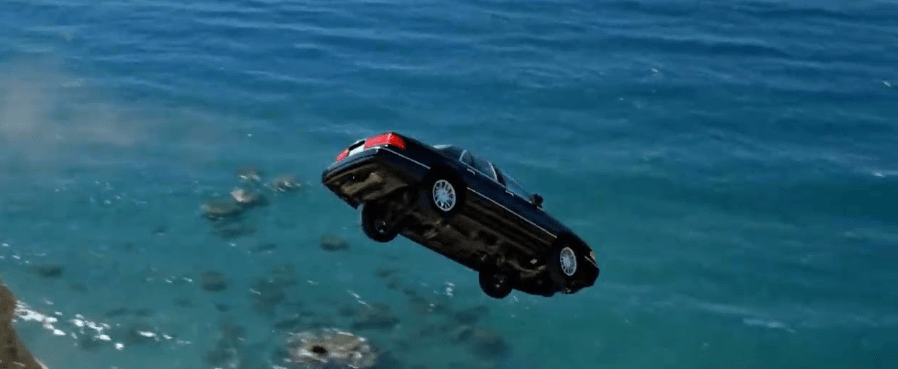
First things first. The moment your car hits water, you must assume no one is coming. Not quickly enough, not competently enough, and definitely not before the water fills your lungs. You don’t have time to wait. You don’t have time to debate. And you sure as hell don’t have time to panic.

You have between 30 seconds and 2 minutes in most sinking-car scenarios. That’s it. That’s your survival window. Every second you waste looking around like a confused tourist brings you closer to the bottom.

Everyone always says, “Call emergency services!”
Sure—if you want rescuers to retrieve your body rather than rescue it. Your phone call should happen after you reach dry land, not while you’re still strapped in watching water rise.

Your life is in your hands. Everyone else is just part of the background noise.


Step 2: Unbuckle Immediately—Not After You Debate It

People underestimate how fast panic sets in. They freeze in denial, thinking the car will stop sinking, or someone will magically show up, or that they’ll “figure it out in a second.” That second never comes.

The moment you hit the water, unbuckle your seatbelt.
No speeches. No hesitation. No dramatic last phone calls.

And for the love of survival, unbuckle the kids first if you have them. Children often can’t free themselves; adults can. Secure them, then move.

Seatbelts save lives—until they don’t. In water, they become shackles.


Step 3: Forget the Door—It’s a Trap

Hollywood lies. It lies about everything, but especially this.

You can’t just open the door when your car’s sinking. Unless you’re built like a hydraulic press, that door won’t budge. Water pressure makes sure of that.

If you try, you will fail.
If you keep trying, you will drown trying.
The door is a lost cause until the inside is fully flooded—and if you wait that long, well, good luck making it to the surface in time.

The door is not your friend. In fact, in a sinking car, it might as well be welded shut.


Step 4: The Window Is Your Way Out—Break It or Open It Fast

The window is your escape route. It is the ONLY escape route in the crucial early moments.

You cannot rely on power windows when your electrical system is immersed in water, but here’s the rough truth: they typically work for a few seconds after impact. That’s your grace period. A gift from the universe, even though the universe doesn’t care.

Best-case scenario: Open the window immediately.

Power windows still working? Good. Hit the button the instant the car touches water.
Rolling down a window could save your life faster than any rescue team ever will.

Worst-case scenario: Break the window.

Use a spring-loaded window punch. Not a hammer. Not your fist (unless you’re trying to break bones). A small, cheap punch. The kind every realist carries but most people don’t, because they’re too busy trusting society to protect them.

Aim for a corner of the window, not the center. Breaking the center is like trying to knock down a brick wall with good intentions.

And don’t even try the windshield. It’s laminated and designed to resist shattering. Focus on the side windows.

This is the life-or-death moment. Get that window open or broken, and you’ve bought yourself a chance.


Step 5: Escape Through the Window and Forget Your Belongings

Once the window is open, escape immediately. Do not turn around for your phone, your purse, your laptop, or the sentimental trinket you think you can grab in two seconds. Those seconds will drown you.

Every survival prepper knows this truth: stuff can be replaced, oxygen cannot.

If you’re helping others—kids, elderly passengers—push them through the window first. They may not have the strength to fight the outward pressure or the rising water.

Then get yourself out.

Push out and swim upward at an angle, because cars often drift downward while sinking. The surface isn’t always directly above you anymore.


Step 6: Swim Away From the Car

Cars don’t sink vertically like stones—they tilt, shift, and churn the water around them. Some even release air pockets that can disorient you. That’s the world for you: even in death, it tries to confuse you.

Swim upward and away. Put distance between you and the vehicle. Use strong kicks. Don’t waste breath. Don’t fight physics—work with it.

When you reach the surface, then you can inhale panic. Not before.


Step 7: Only After Survival—Call for Help

Congratulations. If you reached this point, you’ve done what many cannot: you took responsibility for your own survival.

Now, and only now, do you call for help. Emergency services can take it from here, but they won’t get the credit. Your instincts will.


Final Thoughts From Your Resident Angry Prepper
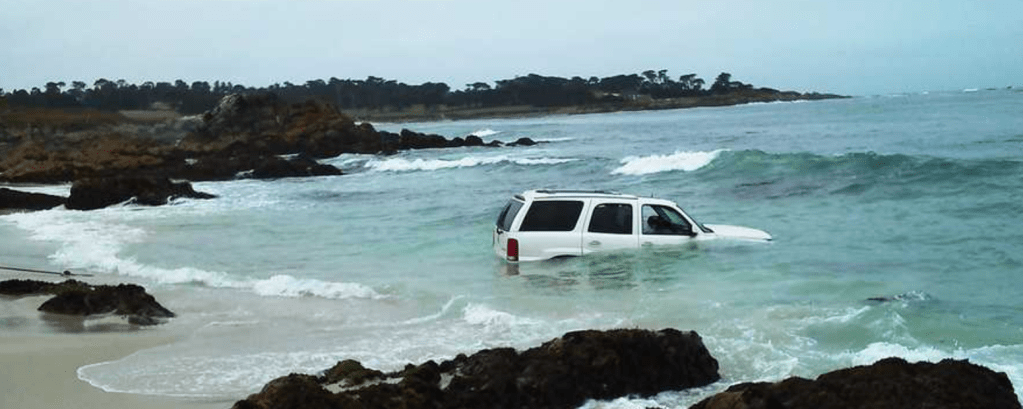
The world doesn’t prepare you for real emergencies. It hands you pretty safety slogans and expects you to be grateful. But reality is cruel, and water is unforgiving. When your car starts sinking, the only person you can count on is yourself.

I’m not here to sugarcoat anything. I’m here to tell you the truth the world hides because it scares people: most emergencies give you one shot. One window. One moment to act.

And now you know how to use it.

Learn these steps, prepare for the worst, and maybe—just maybe—the world won’t get the satisfaction of dragging you under.

The Off-Grid Survival Gear You’ll Need When Society Finally Collapses (Because It Will)

Everyone loves to pretend that society is stable. People cling to their smartphones, TikTok trends, and grocery-store convenience like it’s some kind of permanent blessing instead of the fragile illusion it really is. Meanwhile, the world teeters on the edge of failure—economies shaking, grids aging, infrastructure rotting, leadership clueless, and people softer than wet cardboard.

Off Grid Survival Gear: The Only Things That Actually Matter When the World Falls Apart” – My Mom

But sure, keep believing that someone’s coming to save you. FEMA? The government? Your neighbors who panic-buy toilet paper at the first sign of trouble? Yeah… that’ll work out great.

If you want even a fighting chance of surviving off-grid, especially long-term, you need gear that actually works—not gimmicks, not influencer trash, not overpriced corporate “prepper starter kits.” Real gear. Rugged gear. Gear that performs when everything else fails.

I’m not here to entertain you with positivity. I’m here to tell you the truth:
If you don’t take off-grid survival seriously, the world will chew you up and spit out your bones.

So let’s break down the only off-grid survival gear worth your time before the collapse—because it’s coming whether you’re ready or not.


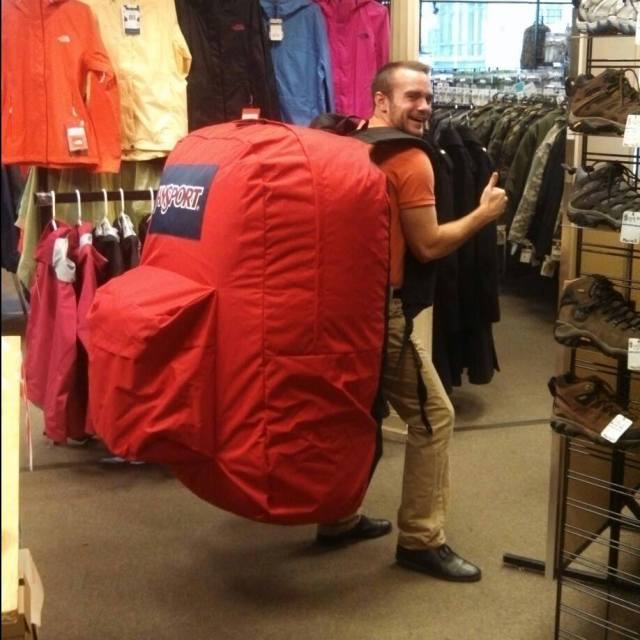
1. A Real Backpack (Not the Amazon Special That Rips on Day One)

You can’t survive off-grid if you can’t carry your gear, and too many people trust bargain-bin backpacks that can’t even withstand a weekend hike.

A real off-grid pack needs:

  • 1,000D Cordura or stronger
  • MOLLE webbing
  • Reinforced stitching
  • Padded waist belt
  • At least 50–75 liters of capacity

If your bag fails, you fail. Simple as that. When you’re miles away from civilization and your shoulder strap snaps, you’re not just annoyed—you’re compromised.


2. A Water Filtration System That Won’t Quit

Humans can last weeks without food but only days without water. And when you’re off-grid, you’re not drinking from a cute plastic bottle—you’re drinking from rivers, ponds, snowmelt, and whatever questionable puddle nature hands you.

You need:

  • A gravity-fed filter for base camp
  • A personal survival straw for emergencies
  • A pump filter for on-the-move travel
  • Purification tablets as backup

If your filtration system fails, enjoy dehydration, parasites, and organ failure—because nature doesn’t care about your feelings.


3. Solar Power and the Means to Store It

Unless you’re planning to spend your off-grid life sitting in the dark like a cave troll, you need reliable, renewable power. But solar gear isn’t some magical energy fairy—you need the right components:

  • A rugged foldable solar panel (100W–200W minimum)
  • A power bank with high-capacity lithium storage
  • A compact solar generator if staying in one place
  • Durable cables and adapters that don’t fray

Cheap solar setups die fast. Real ones keep emergency communications running, power lights, charge essential tools, and help you not lose your mind in total darkness.


4. A Cutting Tool That Could Survive an Apocalypse

Every off-grid scenario demands a real blade. And no, your kitchen knife isn’t going to cut it. You need:

  • A full tang survival knife
  • A folding EDC blade for daily tasks
  • A machete or hatchet for clearing brush and splitting wood

Your knife is your lifeline—not an accessory. A dull, weak blade is basically an insult to your own survival.


5. Fire-Starting Gear That Works Even When Everything Is Wet

If you can’t make fire, you can’t stay warm, boil water, or cook food. Fire is the difference between freezing at night or living to see the next sunrise.

You need redundancy, because things fail—especially when you desperately need them. A proper off-grid fire kit includes:

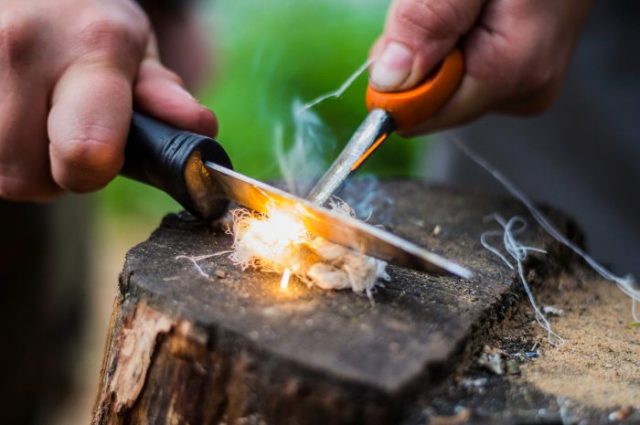
  • Ferro rod and striker
  • Stormproof matches
  • Butane lighter
  • Tinder (cotton balls with petroleum jelly, fatwood, or commercial cubes)

If you have only one method, congratulations—you’re planning to fail.


6. Rugged Off-Grid Shelter and Sleep System

People underestimate how quickly exposure kills. Hypothermia doesn’t care if you’re tough or motivated. Without real shelter gear, the elements become your executioner.

Your off-grid setup must include:

  • A compact 4-season tent or durable tarp setup
  • A high-quality sleeping bag rated for low temps
  • Thermal blankets as backup
  • A sleeping pad to keep your body off the cold ground

Nature does not negotiate. If you sleep in the wrong conditions, you won’t wake up.


7. Off-Grid Cooking Essentials

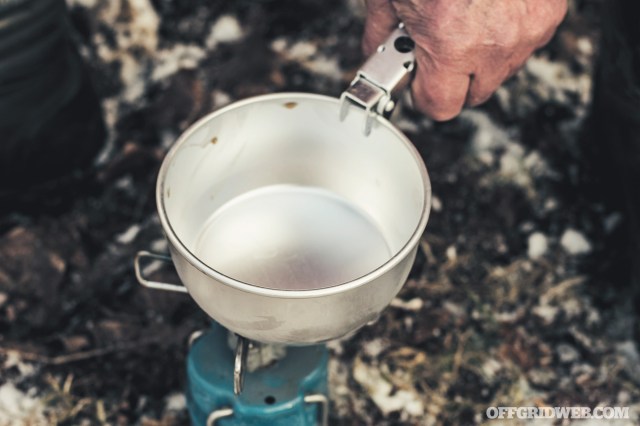
Close up Shot of a Camper at the Forest Cooking for Something Using Portable Stove on the Ground.

No power grid means no microwave, no stove, and no convenient meals. You need a way to cook in all weather conditions.

Your cooking kit should include:

  • A portable camp stove with multi-fuel capability
  • A stainless steel pot or cook set
  • A metal water bottle you can boil water in
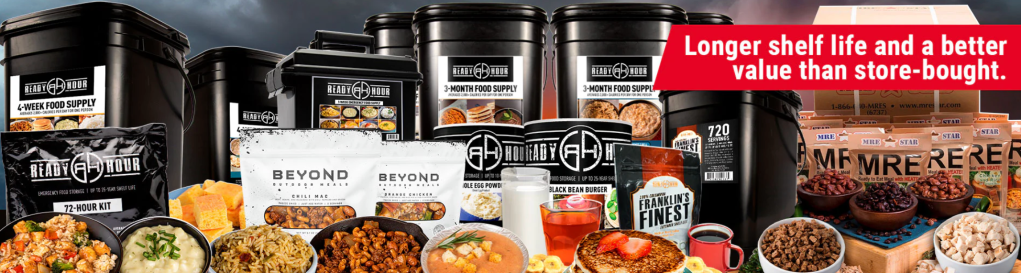
  • Long-term food storage meals (freeze-dried or dehydrated)

And remember: off-grid life means learning primitive skills—because Skittles and instant ramen won’t feed you forever.


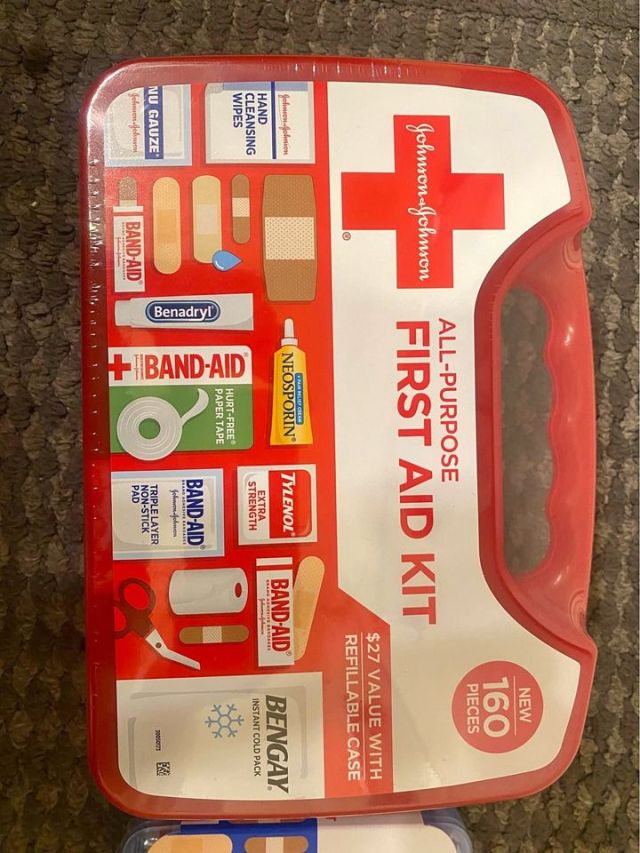
8. First Aid Gear—Because Injuries Off-Grid Are Unforgiving

In the wild, small wounds escalate into infections, infections become life-threatening, and emergency rooms are hours (or days) away.

A real off-grid first aid kit includes:

  • Trauma supplies (tourniquet, pressure bandage, clotting agent)
  • Antiseptics
  • Pain medication
  • Burn treatment
  • Splints and wraps
  • Medical tape that actually sticks

Too many people treat first aid like an afterthought. Those people don’t last long.


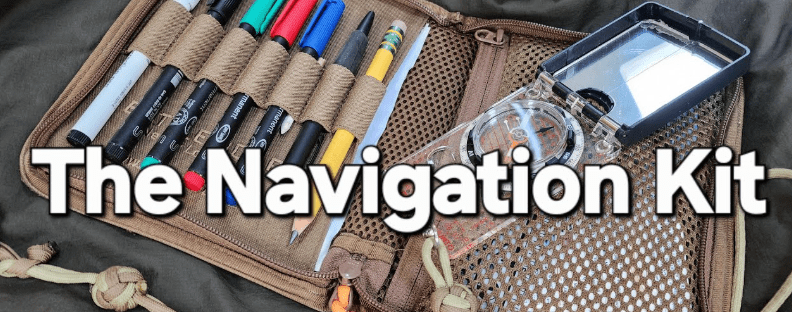
9. Navigation Tools—Because GPS Won’t Save You Forever

When the grid goes down, and your phone dies, you’ll need real tools:

  • A compass (a real one, not a toy)
  • Paper maps of your area
  • A backup GPS device for as long as satellites stay functional

If you’re lost off-grid, the world stops being your home and becomes your hunter.


10. Defensive Gear (Because Desperation Turns People Into Animals)

Let’s be honest: if society collapses, the biggest threat won’t be nature—it’ll be people. Desperate, unprepared, angry, panicked people who waited too long and now want your supplies.

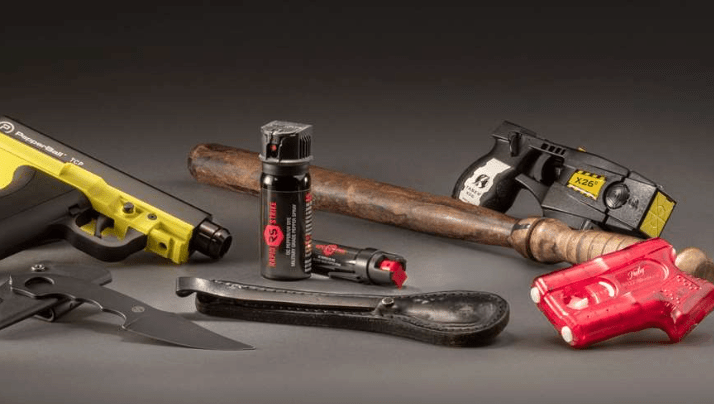
You need defensive tools that fit your local laws, your skills, and your comfort level, such as:

  • Bear spray
  • A survival staff or hiking pole
  • Noise deterrents
  • Perimeter alarms for camp

Defense isn’t optional. It’s reality.


11. The Tools That Keep You Alive Long-Term

Short-term survival gear is easy. Anyone can buy a knife and a flashlight.
Long-term gear? That’s where the herd gets thinned.

You need:

  • A folding saw or compact chainsaw
  • A repair kit (duct tape, paracord, sewing needles, patches)
  • Fishing gear
  • A multitool with real steel, not cheap aluminum junk

Off-grid life is nonstop maintenance. If you can’t fix things, they fail—and then you fail too.


Final Reality Check

The harsh truth is simple:
Most people won’t survive off-grid.
They’re too soft, too dependent, too fragile, too delusional about how the world really works.

But if you’re reading this, maybe you’re different.
Maybe you’re one of the few who still understands that survival takes preparation, grit, and gear that won’t betray you.

Prepare now—while you still have the chance.

When Terror Strikes, Don’t Count on Anyone: How Americans Can Actually Communicate When Attacked

If you’re waiting for the government, the cell towers, or the so-called “resilient infrastructure” of this country to save you during a terrorist attack, then you’ve already lost. And no, I’m not sugarcoating anything—because the world doesn’t sugarcoat disaster. Americans walk around glued to their screens, convinced that the same fragile networks delivering cat videos and grocery coupons are going to hold up the moment a coordinated terrorist attack strikes. Spoiler alert: they won’t. They never do.

Every single major emergency—from 9/11 to hurricanes to localized attacks—shows the same predictable pattern: communication systems fail, and people are left in the dark. Literally and figuratively. The angry part of me isn’t because disaster is unavoidable—it’s because we, as a nation, still refuse to learn. We built our entire society on a digital house of cards, and everyone acts shocked when it collapses.

So here’s the reality check nobody wants but everybody needs: if you don’t have a communication plan BEFORE a terrorist attack, you won’t have one DURING it.

You either prepare, or you gamble your life on luck. And luck doesn’t care about you.


Why Cell Phones Become Useless During a Terrorist Attack

Most Americans cling to their cell phones like life rafts, as if holding the slab of glass in their hands gives them some sort of immunity to chaos. But during a terrorist attack? That device becomes dead weight.

Here’s what actually happens:

1. Networks Get Overloaded

Every terrified human in a radius of miles starts calling everyone they know. Emergency lines get overwhelmed. Non-essential calls clog bandwidth. And soon, even emergency responders lose connection.

It’s not sabotage. It’s not a conspiracy. It’s math. Too many people, not enough capacity.

2. Towers Can Be Taken Offline

A single attack on critical infrastructure—or even a precautionary shutdown—can erase all connectivity in seconds. Terrorists know this. Emergency planners know this. The general public pretends not to.

3. GPS and Apps Become Useless

People think they’ll “just use Google Maps to find safety.” Sure. If satellites cooperate, towers stay online, and your battery doesn’t die in the 45-minute gridlock evacuation.

Good luck.


The Government Will Not Magically Communicate With You

We all love to imagine FEMA sending perfectly timed alerts and instructions. The reality? Emergency systems can—and do—fail. Even when alerts go out, they’re often delayed or inconsistent across regions.

And let’s be honest… even when the alerts work, half the country ignores them because they think everything is a test.

You can trust official alerts to help when possible. But you absolutely cannot rely on them exclusively. That’s not paranoid—that’s practical.


So What CAN Americans Do?

Thankfully, you’re not entirely doomed—unless you stay unprepared. You want communication options during a terrorist attack? Then you need redundancy, self-reliance, and a plan that works even when the entire digital system collapses.

Here’s what actually works, even when the world comes apart:


1. Create a Family Emergency Communication Plan

No, not a vague “text me if something happens.” A real plan. Written. Practiced.

It should include:

  • Two primary contacts
  • Two backup contacts
  • A meeting location
  • An alternate meeting location
  • A designated out-of-state contact (often easier to reach when local lines are jammed)
  • Instructions for what to do if separated

This isn’t overkill. This is responsibility.


2. Learn the Power of SMS Over Calls

Text messages use a fraction of the bandwidth of phone calls. Even when networks are collapsing, SMS might still sneak through. It’s slow, unreliable, and agonizing—but better than screaming into the void.

Use short, clear texts like:

  • “Safe.”
  • “Evacuating.”
  • “Meet at location A.”
  • “Can’t reach you. Will try again in 20 min.”

If you send long essays during a crisis, then maybe the crisis isn’t the biggest problem.


3. Two-Way Radios Are Not Just for Hobbyists

Americans love to mock preppers and their radios—right up until the moment those radios are the ONLY working communication method left.

FRS/GMRS Radios

Inexpensive. Widely available. Great for short-range family communication.

HAM Radio (Amateur Radio)

This is where the real reliability lies. Yes, it takes time to learn. Yes, you need a license. But you gain:

  • Independent communication
  • Long-distance reach
  • Access to emergency frequencies
  • The ability to receive real-time local information

HAM radio operators are often the first and last people communicating during disasters.

If you’re too busy to learn HAM radio, fine—just don’t pretend your phone will save you instead.


4. Keep an Emergency Power Source

Your fancy phone is just a useless brick once the battery dies. And it will die.

You need:

  • Portable battery banks
  • Solar chargers
  • Car chargers
  • A hand-crank emergency radio

If your communication tools can’t stay powered, they may as well not exist.


5. Have Hard Copies of Critical Information

Everyone relies on digital info—until the digital world collapses.

Print:

  • Emergency contacts
  • Maps of your city
  • Evacuation routes
  • Family meeting points
  • Medical info
  • Important addresses

Paper doesn’t lose signal. Paper doesn’t need WiFi. Paper doesn’t die.


6. Neighborhood Communication Networks

Yes, I know the world feels like it’s full of unreliable people. But in a crisis, neighbors can be your lifeline—or you can be theirs.

Organize:

  • A shared radio channel
  • A check-in system
  • A basic alert system (whistles, horns, etc.)

Community resilience matters, even in a world that often feels disappointingly fragile.


7. Stay Informed WITHOUT Internet

You need devices capable of receiving emergency broadcasts when cellular and internet systems go offline:

  • NOAA weather radios
  • Emergency alert radios
  • Battery-powered AM/FM radios

When terrorists strike, ignorance is deadly. Information is survival.


Final Thought: Communication Isn’t a Gadget—It’s a Mindset

Americans love easy solutions. But communication during a terrorist attack isn’t about apps, phones, or gadgets. It’s about preparation. The bitter truth is that most Americans simply aren’t prepared—and their complacency will cost them.

You don’t have to become a bunker-dwelling hermit (though some people could benefit from less screen time and more survival time). You just need to accept reality: no system is guaranteed to protect you. You must protect yourself.

Prepare now, or panic later. And panic never communicates anything worth hearing.

Best Food Storage: Canned or Freeze Dried? The Harsh Truth You Don’t Want to Hear

If you’re still sitting around scratching your head about whether canned food or freeze-dried food is the better option for survival storage, then you’re already behind. Way behind. In a collapsing world full of soft minds, false comforts, and people who think “preparedness” means having extra granola bars in the glove compartment, you’d better start thinking harder and stocking smarter. Because when the lights go out and the shelves go empty, you won’t have time to debate the finer points of canned chili versus freeze-dried stroganoff—you’ll be too busy wishing you had listened to someone who wasn’t afraid to tell you the truth unfiltered.

So buckle up. I’m not here to coddle you. I’m here to explain what actually keeps you alive when the world stops playing nice.


The Cold Reality of Canned Food

Canned food is the old reliable workhorse of survival storage. It’s been around forever, and it’s not going anywhere. And there’s a reason for that—it works.

Pros of Canned Food

1. Ready to Eat
When you’re cold, tired, and fed up with your surroundings—and trust me, you will be—there’s nothing better than cracking open a can of something edible and shoveling it down without needing water, fuel, or time.

2. Cheap and Available
You don’t need to sell your soul or your kidney to build a decent canned food stash. Hit sales, buy in bulk, toss the cans on a shelf, and you’re in business.

3. Naturally Calorie-Dense
Let’s be real: calories matter more than flavor when survival is on the line. Canned meats, soups, beans—they’re heavy, but they pack real nutrition, not lightweight fluff.

Cons of Canned Food

1. Heavy as Sin
If you think you’re bugging out with 100 pounds of canned stew strapped to your back, good luck. Make sure you leave a map so the rest of us can find your body later.

2. Shorter Shelf Life Than You Think
Yes, canned food lasts a while—years, even. But not decades. The clock is ticking, and eventually those cans will rust, swell, or turn into biological experiments you don’t want to open.

3. Bulky Storage
Canned food eats shelf space like a starving wolf. Living in an apartment? Good luck stacking 300 cans without your place looking like a doomsday bunker crossed with a metal scrapyard.


Freeze-Dried Food: Lightweight Hope or Overpriced Hype?

Freeze-dried food is the glamorous newcomer in the preparedness world. Shiny bags, fancy marketing, and pictures of smiling backpackers pretending their rehydrated lasagna is gourmet cuisine.

But don’t be fooled by the packaging. There’s real power here—if you know what you’re doing.

Pros of Freeze-Dried Food

1. Shelf Life That Laughs at Time
Twenty-five years. Sometimes more. If that doesn’t make your inner survivalist grin like a maniac, nothing will.

2. Zero Weight, High Convenience
If you need to move—fast—you’re not taking canned goods. Freeze-dried wins every mobile scenario. You can pack a week’s worth of meals and barely feel the weight.

3. Nutrient Retention
Compared to canned food, freeze-dried meals preserve vitamins, texture, color, and flavor. Not that you’ll care when you’re starving, but hey—it’s a nice bonus.

Cons of Freeze-Dried Food

1. Water Required
And I don’t mean a few drops. Some meals need two cups or more. If you don’t have water or the ability to boil it, good luck chewing on powder like a desperate ferret.

2. Cost
Freeze-dried food can burn through your wallet faster than the world falls apart. One #10 can might cost what you would normally spend on a week’s worth of regular groceries.

3. Meal Fatigue Is Real
After your tenth freeze-dried “breakfast skillet,” your soul might start leaving your body.


So Which One Actually Wins?

Here’s the part where you expect me to pick a winner. But survival isn’t a game show. There’s no trophy ceremony, no confetti raining down, no cheering crowd. The only prize is staying alive, and the only way to do that is through redundancy and diversity.

Anyone telling you to pick only canned or only freeze-dried foods has clearly never lived through anything harder than a short power outage. The world is unpredictable, unstable, and unforgiving. Your food storage should be the same—rugged, layered, and ready for anything.


The Brutal, Honest Recommendation

1. Stock Canned Food for Short to Mid-Term Survival

This is what you eat first during a disaster. Heavy? Yes. But it requires no extra resources, no preparation, no hope—just a can opener and a bad attitude.

2. Build Freeze-Dried Food for Long-Term Security

When the dust settles and your canned stash starts to run low, freeze-dried is your lifeline. Lightweight, space-efficient, and designed to outlive your optimism.

3. Mix, Match, and Layer

A serious survival pantry includes:

  • Canned meats
  • Canned vegetables
  • Canned soups and stews
  • Freeze-dried meals
  • Freeze-dried ingredients
  • Bulk staples (rice, beans, oats)
  • Water storage and filtration

If that sounds like a lot, that’s because it is. Survival isn’t convenient. It’s not cute. It’s not trendy. It’s messy, heavy, expensive, and absolutely worth every ounce of effort.


Final Thoughts (If You Can Handle Them)

Canned food keeps you alive today. Freeze-dried food keeps you alive years from today. Anyone who thinks the choice is “either/or” is already halfway to being a liability when things go bad.

Do yourself—and everyone stuck with you—a favor: stop hesitating, stop overthinking, and start building a food storage plan that actually stands a chance when the world stops pretending everything is fine.

Because it won’t be fine. And when that day comes, the only thing worse than being unprepared…
is realizing you had every chance to prepare and chose not to.

Top Survival Foods You Better Have Before Everything Goes Wrong (And It Will)

If you’re reading this, congratulations—you’ve at least realized that the world is one minor disaster away from going completely off the rails. Most people wander through life thinking the grocery store shelves magically refill themselves, or that disasters only happen on TV. Spoiler alert: they don’t. And when things inevitably go sideways, those same people will be crying in parking lots looking for bottled water. Meanwhile, you—if you actually follow through—might stand a fighting chance. But only if you stock the right survival food in your kit. And please, for your own sake, don’t pack the usual garbage people think qualifies as “emergency food.”

So let’s go through the best survival food items for your survival kit—the ones that won’t get you killed. I’ll even break down why they matter, though frankly, it’s the kind of common sense people should already know.


Why Survival Food Matters (If That Isn’t Obvious Already)

Look, survival isn’t a cooking show. You’re not going to be flambéing anything when the power’s out or when you’re trekking through debris and broken glass. Survival food has one job: keep you alive. That means it has to meet a few basic criteria that too many people ignore:

  • Long shelf life – Because you’re not rotating your stock like a grocery store.
  • High-calorie density – Starving is a terrible hobby.
  • Low preparation requirement – You may not even have clean water, let alone a working stove.
  • Portability – If your kit weighs as much as your regrets, you won’t make it far.

If a food item doesn’t meet those requirements, it doesn’t belong in your survival kit. Period.


1. Peanut Butter: The Undisputed Champion of Not Dying

Peanut butter is cheap, dense, portable, shelf-stable, and calorie-loaded. It’s basically the perfect survival food. Unless you’re allergic—in which case, well, you’ve got a different set of problems.

One jar can pack over 2,500 calories, tons of fat (which you need when you’re burning energy like a madman), and protein. You don’t need to heat it, cook it, or refrigerate it. You don’t even need to like it—survival isn’t a gourmet experience.


2. Energy Bars: Because You Won’t Be Sitting Down for a Meal

Forget your fancy protein bars with quinoa sprinkles and “forest berry drizzle.” I’m talking about high-calorie, dense energy bars—the type hikers choke down because they’re too useful to ignore.

These bars take up almost no space and deliver a hit of carbs, fats, and sugars that can keep your body from shutting down while you’re slogging through a disaster zone.

Just keep in mind that some bars pretend to be healthy and barely hit 150 calories. If you want to survive, not starve, pick bars in the 300–400 calorie range. And no, you don’t get bonus points for organic.


3. Canned Meat: The Not-So-Glamorous Lifesaver

A lot of people gag at the idea of canned meat, which tells me they’ve never been hungry enough. Tuna, chicken, spam, salmon—pick your protein. These cans last forever, they’re packed with nutrients, and they can be eaten straight from the can if you don’t mind looking like a character from a post-apocalyptic movie.

To make it even better, canned meats don’t need refrigeration until they’re opened. Just remember to pack a can opener unless you plan on bashing the cans open with a rock like a caveman.


4. Rice and Beans: The Classic Combo That Refuses to Die

If civilization ends tomorrow, rice and beans will probably still be around in some dusty pantry. And for good reason:

  • Together, they form a complete protein.
  • They’re cheap.
  • They store forever—especially if you repackage them with oxygen absorbers.

Yes, they require cooking and water, which isn’t ideal. That’s why these belong in your home stash or long-term survival bag, not your small emergency kit or bug-out bag. Still, they’re worth mentioning because few foods give you more nutrition per dollar.


5. Freeze-Dried Meals: The Fancy Option (But Actually Smart)

Freeze-dried meals get mocked by people who think survival food should taste like cardboard. But here’s the reality: these meals are lightweight, last 20–30 years, and only require hot water. That’s a pretty sweet deal when the alternative is gnawing on dry pasta.

Get meals that have at least 500 calories per pouch, not those pathetic backpacking meals made for people pretending to “rough it.” Go for brands known for high calorie counts and decent macros.

And don’t forget: freeze-dried isn’t the same as dehydrated. Freeze-dried lasts much longer and keeps more nutrients intact. Your future half-starved self will thank you—though you might not deserve it.


6. Instant Oatmeal: Low Glamour, High Payoff

Instant oats are a survival staple. They’re cheap, flexible, lightweight, and ridiculously easy to prepare. In worst-case scenarios, you can even “cold soak” them in water if you have to. Sure, the texture will be awful, but again, this is survival—not brunch.

Pick plain oats, not the sugary varieties. You need calories, not cavities.


7. Trail Mix: Because You’ll Need Fuel, Not Motivation

Trail mix is what happens when nuts, dried fruit, and chocolate decide to form a survival alliance. It’s loaded with fats, carbs, and sugar—all things your doomsday body will burn through in minutes.

Make sure your trail mix includes:

  • Nuts (fat and protein)
  • Dried fruit (quick carbs)
  • Chocolate or M&Ms (morale and calories)

Skip the trendy stuff with kale chips or yogurt drops. The goal is survival, not pretending to be healthy during the apocalypse.


8. Hardtack or Survival Rations: The Food Brick You’ll Hate but Depend On

Hardtack is basically the bread equivalent of a brick—hard, tasteless, and nearly indestructible. But it lasts decades if kept dry and can keep you alive when everything else runs out.

Modern emergency rations (like 2,400–3,600 calorie bars) are much more efficient. Yes, they taste like slightly sweet cardboard, but they’re designed to survive heat, cold, moisture, and probably nuclear winter. And you only need a few bars to survive a couple of days.


9. Shelf-Stable Ready-to-Eat Meals (MREs)

If you want the convenience of a full meal without any preparation, MREs are the way to go. They come with heaters, so you can eat hot food even if everything around you is on fire—literally or metaphorically.

They’re heavy, so don’t pack too many in a go-bag, but having one or two can make a miserable situation slightly less unbearable.


Final Thoughts: If You Don’t Prepare Now, Don’t Complain Later

Most people wait until disaster hits before realizing they should’ve prepared. Don’t be one of them. A survival kit without proper food is just a fancy bag of regrets. Start with the basics above and pack enough calories to sustain you for at least 72 hours. More if you actually want a fighting chance.

Because when things fall apart—and they will—your survival kit is the only thing standing between you and becoming another cautionary tale that people pretend they learned something from.

Surviving the Endless Blackout: Hard Lessons for the Unprepared World

Let’s stop pretending the world is going to hold itself together forever. Every year the power grid becomes more fragile, the people become more dependent, and the illusion that “somebody else will fix it” grows more laughable. You want survival prepper advice for long-term power outages? Fine. But understand this: if you’re asking now, you’re already behind. For years, the writing has been on the wall in big, blinking red letters—the grid is dying, and almost no one cares enough to prepare.

People act like the power going out for a few hours is an inconvenience. They whine that their streaming service paused or the AC cut off. But a real long-term power outage? A true grid failure that stretches into weeks, months, maybe longer? That isn’t an “inconvenience.” It’s the unraveling of modern civilization—fast, brutal, unforgiving. And most of the population will panic, consume everything in sight, and turn on each other the moment their comforts disappear.

If you want to survive what’s coming, you need to prepare like the world won’t help you—because it won’t.


The Moment the Grid Goes Down, Your Old Life Ends

People have no idea how many things they rely on daily that require power. It’s not just lights. It’s not just entertainment. It’s water treatment, sewage management, supply chains, hospitals, refrigeration, communication, and transportation systems. When the grid collapses, everything else collapses with it.

The very moment the power stays off longer than 24 hours, the fragile illusion begins to crack. Grocery stores lose refrigeration. Gas stations stop pumping. ATMs go dead. Electronic payments die instantly. After 72 hours, the shelves are empty, the water pressure drops, and the desperation kicks in.

And here’s the truth: your neighbors won’t stay neighborly.
When their kids are hungry and they realize the government isn’t coming to save them, they will do whatever it takes—whatever it takes—to survive.

If you’re not ready, you become the resource they want.
If you are ready, you become the target they need.

Either way, power outages change people. And not for the better.


Your Long-Term Survival Depends on Energy Independence—Not Hope

Hope is useless.

Backup generators? Sure, they’re great—until they burn through fuel. And when the grid is down for months, good luck refilling those tanks. Fuel becomes liquid gold, guarded, fought over, and nearly impossible to acquire.

Solar? Better. But the average person buys a cheap solar generator thinking they’re set for life. They forget clouds exist. They forget batteries degrade. They forget that a single system can’t run a modern household.

Here’s the harsh truth:
If you want power long-term, you need redundancy—layers of energy options, not one toy you bought online.

Serious preppers follow this rule:

1. Solar Power (Primary)

Not a single panel. Not a cute portable kit.
A real setup: roof panels, ground arrays, battery banks, and proper inverters. Preferably something EMP-hardened or at least protected.

2. Fuel-Based Generators (Short-term and emergency)

Propane stores longer than gasoline. Diesel is stable. Gasoline is garbage after a few months unless treated and rotated.
Have multiple fuel sources, not one.

3. Manual Tools and Non-Electric Alternatives

Because eventually, everything breaks. And when it does, you’d better know how to live like electricity never existed.


Water: The First Resource to Disappear—and the Last You Can Live Without

People love stockpiling flashlights and candles while ignoring the most obvious issue: without power, water stops moving.

If you’re on a well? No electricity, no pump.
If you’re on city water? Once their backup generators fail, so does your faucet.

You need:

  • Multiple water storage systems
  • Gravity-fed solutions
  • Water filters that don’t rely on electricity
  • Backup manual well pumps
  • Rainwater collection systems

And believe me, when people get thirsty, they’ll become unpredictable fast. A dehydrated population is a violent population.


Food Storage: Because Grocery Stores Won’t Save You

Everyone projects their fantasy onto collapse: “Oh, I’ll just hunt.”
Right. So will every other desperate person. Wildlife won’t last a month near populated areas.

Your real food sources must be:

  • Bulk dry goods: rice, beans, oats, wheat berries, lentils
  • Freeze-dried emergency meals
  • Canned proteins: tuna, chicken, beef
  • Gardens and greenhouses capable of long-term production
  • Seed banks—heirloom only
  • Livestock (if possible)

But you know what people never plan for?
The part where they get robbed.

If you store food, others will eventually want that food. So add this to your list:

  • Hidden caches
  • Decoy storage
  • Defensive systems and training
  • Community alliances (even if you hate people, you’ll need them)

Yeah, community. Even angry pessimistic preppers like me know one truth: you can’t defend anything alone forever.


Heat, Cooling, and the Harsh Truth About Weather

When the grid collapses, people forget how unforgiving nature can be.

Winter becomes deadly for the unprepared.
Summer becomes lethal for the weak.

You need non-electric heating systems:

  • Wood stoves
  • Pellet stoves (with manual lighting options)
  • Thermal blankets
  • Insulated emergency shelters

Cooling? That’s harder. But methods exist:

  • Earth-sheltered structures
  • Cross-ventilation
  • Solar-powered fans
  • Underground storage for perishables
  • Heat-reflective materials

The wealthy think their backup generators will keep the AC going.
They won’t—not for long.
And when the heat becomes unbearable, they’ll be the first ones to panic.


Security: Because When the Lights Go Out, the Wolves Come Out

You can have all the supplies in the world, but if you can’t defend them, you’re just stockpiling for someone stronger.

Arm yourself. Train. Know your land.
Set up motion sensors, dogs, tripwires, perimeter alarms—systems that don’t need electricity.

And don’t fool yourself:
Morality is a luxury of stable societies.

When the grid dies, survival becomes the only rule.


Mental Fortitude: The One Prep No One Talks About

People break mentally long before they run out of food.
Isolation, fear, and the crushing realization that the world you knew is gone—that’s what destroys the unprepared.

You need hobbies, routines, skills, and discipline.
And you need to accept this now: life will never be easy again.


Final Thought: Prepare Like No One Is Coming—Because No One Is

Governments can barely handle a snowstorm.
You think they’ll manage a nationwide power collapse?

Look around. Society is soft, weak, and addicted to convenience.
They won’t survive long-term outages.

But you can—if you start now, prepare honestly, and stop trusting the world to keep the lights on.

Because once the switch flips for good, everything changes.
And only the prepared will make it through the darkness.

How Women Survive When Civilization Finally Snaps

Let’s get something straight from the start: when the world falls apart, all those smiling neighbors waving over their fences won’t be offering help, bread, or a generator. Some of them might be the first ones trying to take what you have—or worse. Women have always had to stay alert, even in so-called “civilized” times, so imagine how much worse it’ll get when society finally coughs up its last breath and collapses. And trust me, it will. The cracks are already showing—people losing their minds over gas prices, fighting in supermarkets over chicken, looting during power outages. Now picture all of that amplified by a thousand. That’s the End Times scenario we’re looking at.

I’m not here to sugarcoat anything. The world has lost its collective mind, and when the lights go out for good, the mask comes off. If you think anyone—ANYONE—is coming to save you, think again. Preparedness is no longer a hobby; it’s survival. And for women, the rules are even harsher.

This isn’t about living in fear. It’s about staying alive when the people around you stop pretending to be decent.


1. Stop Trusting Familiar Faces

If you haven’t learned this by now, learn it fast: the neighbor who lends you sugar today might show up at your doorstep tomorrow demanding everything in your pantry. Desperate people get dangerous, and desperate people are exactly what you get in a collapse.

Women, especially, must stop assuming familiarity equals safety. It doesn’t—not now, and definitely not when society implodes.

When the grid dies, you need a mental shift:
Your home is no longer part of a “community.” It is a fortress. You are its commander.

That’s the mindset required to survive.


2. Build a Barrier of Self-Reliance

During an end-times scenario, women cannot depend on “someone else” to provide security. The police won’t show up. 911 won’t answer. And no, your neighbor who “seems nice” is not your personal rescue squad.
Here’s what self-reliance means in collapse conditions:

• Know how to secure your space

Reinforce your doors. Reinforce your windows. Make noise traps with cans or glass around entry points. This isn’t paranoia; it’s preparation.

• Know basic defensive tools

I’m not here to tell you what to carry—that’s your choice. But whatever tool you choose—pepper spray, tactical flashlight, alarm devices—you must know how to use it without hesitation. Tool knowledge is worthless if fear freezes your hand.

• Know how to disappear if you must

That means blackout curtains, low lighting, minimal noise, and learning how to move around your own home without announcing your presence like a marching band.

Because when the world ends, invisibility becomes power.


3. Build a Survival Network—but Carefully

You’ll hear survival gurus preach “GROUPS, GROUPS, GROUPS.” And yeah, teamwork is useful—but only when you trust the people you’re working with. During an end-times event, blind trust is a death sentence.

But isolation has risks too.

The solution? Vetted alliances.
Not your random neighbors. Not acquaintances who panic over minor inconveniences. You need people proven through time, not convenience.

What qualifies someone?

• They keep their word
• They handle stress without becoming unhinged
• They respect boundaries
• They value cooperation over dominance

If someone fails ANY of these, they should never be in your circle—especially if you’re a woman in a high-risk environment.


4. Hide Your Supplies—Even From Those Who “Love” You

When hunger hits, love becomes an afterthought. People justify anything when they’re starving. Don’t assume affection equals security.

You need hidden caches:

One visible decoy stash.
One real stash.
One emergency stash.

If someone breaks into your home demanding food, give them the decoy supplies. You protect the real ones. It sounds cold—because it has to be. Survival requires strategy, not sentiment.


5. Master Situational Awareness Like Your Life Depends On It—Because It Will

Situational awareness isn’t just for action movies. It’s what keeps you alive when every stranger becomes a potential threat.

Women especially must sharpen these instincts:

• Monitor who comes and goes around your area

Who’s watching? Who’s pacing? Who’s suddenly appearing at odd hours? Patterns matter.

• Trust your instincts

If someone gives you a bad feeling now, they’ll be ten times worse during a collapse.

• Never let anyone know you’re alone

Silence is protection. Mystery is a shield.

• Always have a way out

Every room. Every situation. Every encounter.

Your safety plan should always be three steps ahead of everyone else’s desperation.


6. Learn the Skills No One Wants to Admit Women NEED in Collapse

People don’t like hearing this part, but too bad: women face unique threats in disaster scenarios. You can pretend otherwise, but pretending never saved anyone.

Here’s what you MUST know:

• How to create barriers that slow intruders

Simple household items can be turned into physical deterrents.

• How to negotiate or de-escalate

Sometimes talking your way out is the smartest move—IF you know how.

• How to read dangerous people

This isn’t Hollywood; there’s no music cue before someone turns bad. You have to recognize the signs yourself.

• How to fight—smart, not heroic

Survival is not about winning.
It’s about escaping.


7. Accept the Harsh Reality: No One Is Innocent When Hunger Sets In

It’s easy to believe the “lovely neighbor” would never hurt you—or that the friendly guy down the block would never turn predatory. But survival pressure changes people at the cellular level.

When the world collapses:

• The weak become desperate
• The desperate become dangerous
• The dangerous become predators

And predators always look for targets they perceive as easier to overpower.

Women are often placed in that category—unless they make it absolutely clear they are NOT the easy target.

This is your warning.
This is your wake-up call.
This is your chance to be prepared before it’s too late.


8. Become the Person No One Wants to Test

Survival, at its core, is psychological. If someone thinks you’re weak, you become a target. If someone believes you’re alert, prepared, and capable, they move along.

Your goal is not to be liked.
Your goal is not to be friendly.
Your goal is not to be approachable.

Your goal is to stay alive.

In the end-times, women must be:

• Harder to fool
• Harder to manipulate
• Harder to intimidate
• Harder to corner

Strength isn’t a feeling—it’s a stance.


Conclusion: The World Already Showed Us What It’s Capable Of

Look around. Society is already fraying, and people are becoming unrecognizable. When the full collapse hits, the transformation will be instant and brutal. Women cannot afford wishful thinking or fairytale expectations of safety.

The truth is simple:
You survive by being prepared, distrustful, trained, equipped, and vigilant.

Not hopeful.
Not naïve.
Not trusting.

Because when the end comes—and it will—survival will belong to the women who saw it coming and prepared for the worst version of everyone around them.

Don’t Lie to Yourself — Your Pathetic Bug Out Bag Won’t Save You

Let’s cut the sugarcoating.
If your bug out bag is underbuilt, understocked, or underthought, you will die.
Not metaphorically… not “you’ll be uncomfortable”… not “things will get tough.”
No. You will actually die.

Exposure kills.
Dehydration kills.
Infection kills.
Stupidity kills fastest of all.

And the world is unraveling faster than you think. While most people post memes, binge shows, and pretend everything is fine, you’re one disaster away from finding out your gear is either your salvation or your coffin.

A bug out bag isn’t a hobby.
It’s not a Pinterest project.
It’s not a casual “just in case” backpack.

It is the difference between crawling into survival… or collapsing into the dirt face-first while the world burns around you.

This checklist is designed for one thing: keeping you alive when society stops pretending it’s functional.


WHY YOUR CURRENT BUG OUT BAG IS A JOKE — AND HOW IT WILL KILL YOU

Most people’s bags are overloaded with junk or missing lifesaving basics.
They pack:

  • gadgets they don’t know how to use
  • food that spoils in 24 hours
  • knives made for cartoons
  • useless “tactical” garbage they bought because it looked cool

Meanwhile, the truly essential survival gear sits forgotten on some Amazon wishlist.

Those mistakes will kill them within 72 hours of a real collapse.

If your bag fails in heat, cold, darkness, or panic…
If your water plan is wishful thinking…
If your shelter plan is “I’ll figure it out”…

You’re not a survivor. You’re a casualty waiting for its moment.

This checklist fixes that.


THE BRUTALLY HONEST BUG OUT BAG CHECKLIST (THE SURVIVOR’S VERSION)

Prepare for bluntness. Anything less is deadly.


1. WATER & PURIFICATION (FAIL THIS AND YOU DIE FIRST)

Dehydration doesn’t care about your attitude. It doesn’t wait for you to “get more prepared later.” It drops you on the ground, weak, confused, and dying in as little as three days.

You NEED:

  • Stainless steel water bottle (boil in it or don’t bother)
  • Lightweight filter (Sawyer Mini or better)
  • Purification tabs
  • Collapsible bladder
  • Metal cup

If your water system can’t handle mud, runoff, or contaminated puddles, you’ll be dead faster than you think.


2. FOOD THAT ACTUALLY KEEPS YOU ALIVE (NOT “SNACKS”)

Most people pack “food” that produces one outcome: metabolic collapse.

Your food must be:

  • lightweight
  • calorie-dense
  • idiot-proof

This means:

  • Survival bars
  • Freeze-dried meals
  • Jerky
  • Oatmeal packs
  • Electrolyte powder

Not chips.
Not granola.
Not candy.

If your food burns more calories to digest than it gives, you’re killing yourself slowly.


3. SHELTER & CLOTHING: THIS IS WHERE MOST PEOPLE DIE

Exposure kills faster than hunger and almost as fast as dehydration.
Hypothermia doesn’t care about your optimism.
Rain doesn’t care about your ego.

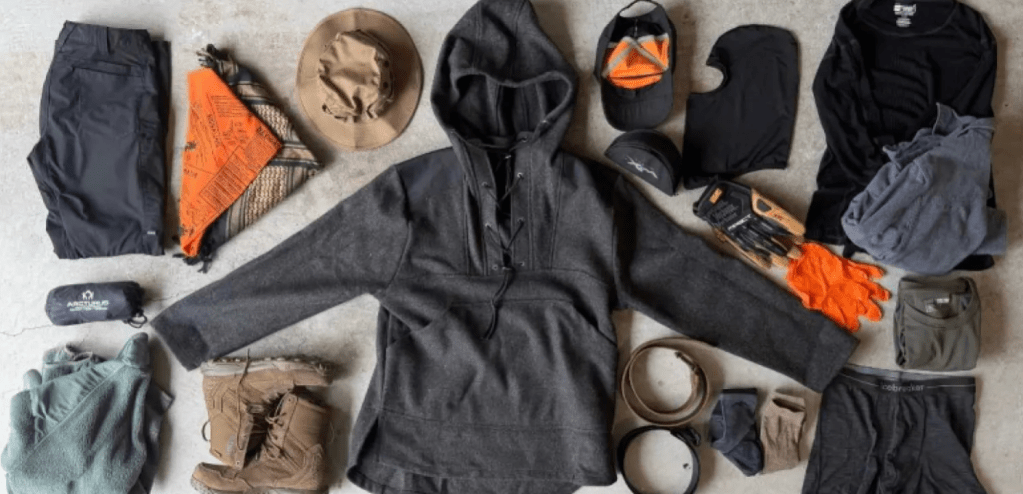
Pack:

  • Emergency bivy
  • 550 cord
  • Tarp
  • Mylar blankets
  • Wool or synthetic clothing
  • Spare socks
  • Weatherproof jacket

If your bug out strategy involves cotton, congratulations—you’ve built a shroud, not a survival system.


4. FIRE: WITHOUT IT YOU FREEZE, SICKEN, OR STARVE

Fire is life. Period.

You need:

  • Ferro rod
  • Stormproof matches
  • At least two Bic lighters
  • Tinder kit

If you fail to make fire in the rain, in the cold, or when your hands shake with fear… you will die shivering in a wet pile of regret.


5. TOOLS: IF THEY BREAK, SO DO YOU

Gear failure equals survival failure.

Don’t pack toys. Pack tools:

  • Full-tang fixed-blade knife
  • Multi-tool
  • Folding saw or hatchet
  • Heavy-duty duct tape
  • Headlamp + spare batteries
  • Work gloves

If your knife bends, snaps, or dulls instantly, enjoy slowly discovering how helpless a grown adult can become without tools.


6. TRAUMA-READY FIRST AID (THE “BAND-AID KIT” WILL SET YOU UP TO DIE)

Here’s a reality check:
In a disaster, there is no ambulance.
No ER.
No 911.
Just you and your gear.

You need:

  • Tourniquet
  • Israeli bandage
  • QuikClot or gauze
  • Alcohol wipes
  • Antibiotic ointment
  • Pain meds
  • Medical tape

A twisted ankle, a deep cut, an infection—these things become lethal fast if you don’t have the gear to handle them.


7. NAVIGATION: IF YOU CAN’T FIND YOUR WAY OUT, YOU’LL ROT WHERE YOU STAND

GPS dies with the grid.
Cell service collapses under panic.
Your phone becomes a sleek, useless brick.

You need:

  • Compass
  • Local maps
  • Pencil or grease marker

If you can’t navigate without electronics, the wilderness—or the city—will swallow you whole.


8. SIGNALING & COMMUNICATION: SILENCE IN A DISASTER MEANS DEATH

Ignoring this category is how people vanish.

Pack:

  • Whistle
  • Signal mirror
  • Hand-crank radio

If you can’t receive information, you’re blind.
If you can’t signal, you’re silent.
If you’re blind and silent, you’re dead.


9. SECURITY: IGNORING THIS WILL END YOU

I won’t list weapons. Laws differ. People differ. Situations differ.

But minimally:

  • Pepper spray
  • High-lumen flashlight
  • Knife (already listed)

If your bag doesn’t allow you to deter threats, protect yourself, or escape danger, you’re gambling with your life.


10. DOCUMENTS & MISC: YOU’LL BE SHOCKED HOW IMPORTANT THIS BECOMES

Include:

  • ID copies
  • Cash
  • Emergency contacts
  • Notepad
  • Sharpie
  • Bandanas
  • Zip ties
  • Trash bags

These tiny items solve massive problems.


THE COLD, UGLY, UNDENIABLE TRUTH

If your bug out bag is trash, your survival odds drop to zero.

The world is not stable.
Systems break.
People panic.
Authorities get overwhelmed.
Help never arrives.

So your choice is simple:

Build a real bug out bag now… or die wishing you had one.

There is no middle ground.
No “I’ll get to it.”
No “Maybe later.”

Later is when people die.
Later is when the unprepared panic.
Later is when the weak beg for help they’ll never receive.

Now is your only chance.

The Brutal Truth Why Your “Survival Kit” Is A Joke – And What You Actually Need to Survive

Let’s get something straight: the world is not your friend. It never has been. And every time you scroll through social media watching people argue about meaningless garbage — politics, celebrity drama, whatever nonsense is trending — you can almost feel civilization cracking under the weight of its own stupidity. Most people think “preparedness” means buying a flashlight and hoping the government saves them. These are the same people who panic when the grocery store runs out of milk for 48 hours. Pathetic.

But you’re here because you’re not one of them — or at least, you’re trying not to be. You want a real survival kit. A kit that won’t crumble the moment the power grid collapses or society finally implodes under its own ignorance. Good. Because we’re done pretending that everything is fine. It’s not. And if you don’t have the right essentials, you’re going to learn the hard way why every serious survivalist keeps their gear ready, organized, and non-negotiable.

Below are the actual best survival kit essentials — not the watered-down, cute little lists written by lifestyle bloggers who think “minimalist living” is the same thing as surviving catastrophe. This is the gear you need when the world stops pretending.


1. A Real Knife — Not a Toy

If your knife came in a plastic package at a gas station, throw it in the trash. A survival knife is not a fashion accessory. It’s a tool, a weapon, a lifeline, and in the worst-case scenario, the only thing between you and becoming a cautionary tale.

Your knife should be:

  • Full-tang
  • Carbon steel or high-quality stainless
  • Strong enough to baton wood
  • Sharp enough to cut rope, fabric, and meat

The world will not hesitate to put you in situations where your knife is your only defense. Expect it.


2. Water Filtration — Because Clean Water Won’t Magically Appear

People act like water is always going to flow from their faucets forever. News flash: when the grid goes down, the pumps stop. And when that happens, the unprepared will drink whatever they can find — contaminated ponds, roadside runoff, bacteria-infested puddles. They’ll get sick. You won’t. Because you’ll have:

  • A portable water filter (Sawyer Mini or similar)
  • Purification tablets
  • A metal canteen for boiling water

Without clean water, you have 3 days. Maybe. Plan accordingly.


3. Fire-Starting Gear — Because Cold and Darkness Don’t Care

If you think one cheap lighter is enough, you’re already halfway to failure. You need multiple ways to create fire because fire means warmth, sterilization, cooking, signaling, and psychological stability.

A real kit includes:

  • Ferro rod
  • Stormproof matches
  • Butane lighter
  • Tinder sources (cotton balls, fatwood, etc.)

Fire is life. And life doesn’t come easy.


4. Shelter Materials — Because Exposure Will Kill You First

Most people think they’re invincible. They aren’t. One night of cold rain will crush morale and end your chances. Shelter isn’t optional — it’s the backbone of survival.

Your kit must include:

  • Emergency reflective blanket
  • Tarp or lightweight shelter
  • Paracord
  • Stakes or makeshift anchors

Comfort is irrelevant. Survival is everything.


5. First Aid — Because Injuries Don’t Heal Themselves

The world is full of hazards — rusty nails, broken glass, cliffs, hostile people, and plain old bad luck. And guess what? Hospitals won’t be open when everything collapses.

Your first aid essentials:

  • Bandages, gauze, and wraps
  • Antiseptic wipes
  • Antibiotic ointment
  • Painkillers
  • Trauma supplies (tourniquet, hemostatic gauze)
  • Medical gloves

There’s no dignity in dying from an infection. Handle it.


6. Multi-Tool — Because You Need More Than Two Hands

A multi-tool is the unsung hero of survival gear. Opening cans, fixing gear, cutting wire, tightening screws — it’s the stuff you don’t think about until you need it. And in survival situations, you will need it.

Avoid the cheap ones. If it breaks in your hand when you’re desperate, that’s on you.


7. Reliable Light Source — Because Darkness Is the Enemy

A flashlight is more than a convenience — it’s control. It’s the ability to move, work, and defend yourself at night. It’s the difference between panic and clarity.

You need:

  • A rugged LED flashlight
  • Spare batteries
  • A small back-up light or headlamp

Without light, your environment owns you.


8. Navigation Gear — Because Phone GPS Is a Luxury

Technology-dependent people are going to be completely lost — literally. Batteries die. Cell towers fail. Satellites get compromised. And then what?

Your kit must include:

  • Compass
  • Physical map of your region
  • Backup notes of routes, landmarks, and safe zones

If you can’t navigate without a smartphone, you’re prey.


9. Food Rations — Because Hunger Makes People Stupid

When people get hungry, they make bad decisions — desperate decisions. You need rations that don’t rely on refrigeration, cooking, or delicate packaging.

Go for:

  • High-calorie emergency bars
  • Freeze-dried meals
  • Nuts and protein-dense snacks

This isn’t gourmet dining. This is “stay alive until tomorrow.”


10. Clothing Layers — Because Weather Doesn’t Care About Your Plans

A proper survival kit includes more than gear — it includes what you wear. Weather changes faster than society collapses, and if you aren’t ready, the environment will make you pay.

Pack:

  • Thermal base layers
  • Waterproof shell
  • Wool socks
  • Gloves and a beanie

Comfort is optional. Protection is not.


11. Self-Defense Tools — Because People Become the Real Threat

When systems fail, people unravel. Desperation turns good people dangerous, and dangerous people malicious. You don’t need paranoia — you need realism.

Consider carrying:

  • Pepper spray
  • A sturdy knife (again — you should have two)
  • A tactical pen
  • A self-defense training mindset

Because the worst thing you can do in a crisis is trust the wrong person.


12. The Mental Will to Survive

All the gear in the world can’t save someone who’s mentally weak. Survival demands grit — the kind this modern world has stripped from most people. When panic hits, when exhaustion tries to break you, when the world around you falls apart, the only thing that keeps you alive is your will.

And that’s something no one can pack for you.


Conclusion

The world is unpredictable, fragile, and full of people who think “preparedness” is unnecessary until it’s too late. Don’t be one of them. Build your survival kit like your life depends on it — because one day, it might.

When the world fails — and it will — your survival kit is either your life insurance or a reminder of your own negligence. Choose wisely.

Texas Power Outages And How to Stay Safe With No Electricity During SHTF

If you’ve lived in Texas for a while, you already know that we can experience extreme weather from every angle—burning summers, ice storms, flooding, and even tornadoes. Unfortunately, each of these natural events can quickly spiral into a larger emergency, especially when the power goes out. The infamous Texas Winter Storm of 2021 taught us all just how vulnerable our power grid really is. So if you’re reading this, you’re likely the type of person who doesn’t want to be caught off guard again. That’s smart.

I’m here to help you prepare, not panic. When the grid goes down—whether from weather, cyberattack, aging infrastructure, or overload—you need to be able to survive, adapt, and protect your loved ones. No electricity doesn’t have to mean no hope. With the right skills, tools, and mindset, you can make it through even the toughest blackouts.

Let’s walk through five essential survival skills you’ll need when the lights go out, three clever DIY hacks for generating some power on your own, the top three must-have survival items to keep on hand, and finally, which cities in Texas are the absolute worst places to be when the grid fails.


5 Survival Skills to Know When Living Without Electricity

1. Off-Grid Cooking & Food Prep

When the power goes out, so does your electric stove, microwave, and fridge. Being able to cook food without power is critical. Invest in a propane camping stove, rocket stove, or build your own solar oven using a cardboard box and foil. Know how to use cast iron cookware over an open flame safely. And don’t forget the value of shelf-stable foods—beans, rice, canned meats, powdered milk.

Being able to preserve food without a fridge—by smoking, salting, dehydrating, or fermenting—is another underrated skill. It’s not just about eating, it’s about eating safely.

2. Water Purification and Storage

When electricity goes down, water pressure often drops or gets contaminated. Learn to collect rainwater and purify it. You should have water filters like LifeStraw or Sawyer Minis, but also know old-school methods like boiling, using bleach drops, or building a sand-charcoal filtration system.

You can DIY a water cache using 55-gallon food-grade barrels. Plan for at least one gallon of water per person, per day, for a minimum of two weeks.

3. Staying Warm (or Cool)

Texas weather isn’t just inconvenient—it can be deadly. In winter, without heat, hypothermia becomes a real risk. Learn to insulate a room using blankets, foam board, or mylar emergency blankets on windows. Set up a safe heat source like a Mr. Heater Buddy (rated for indoor propane use with proper ventilation).

In the summer, know how to cool down with old-fashioned tricks like cross-ventilation, wet cloth wraps, shade shelters, and battery-powered fans. Heat stroke can kill just as easily as frostbite.

4. Lighting & Situational Awareness

Once it’s dark, your world shrinks. Have a system for lighting: solar lanterns, candles, headlamps, and flashlights with rechargeable batteries. But also learn how to maintain night vision, avoid light discipline mistakes (which can attract attention in bad times), and move silently in low light.

Your eyes and ears are your best defenses when everything else is down. Learn to listen to your environment.

5. Community Bartering & Security Basics

Survival isn’t always about going it alone. When the grid is down for weeks, bartering may become necessary. Learn basic trade value (like what a bottle of bleach or a pound of rice is worth in hard times) and build trust with neighbors beforehand. At the same time, know how to secure your property discreetly and safely. Motion-activated solar lights, reinforced doors, and simple early-warning tripwires can go a long way.

You don’t need to become Rambo—you just need to be prepared, alert, and protective of your space and people.


3 DIY Electricity Hacks During a Blackout

1. Build a Solar USB Charger

Using a small solar panel (5-20W), a charge controller, and a USB output module, you can create your own solar phone charger. These parts are widely available online or from hardware stores. Great for keeping phones, radios, or USB lights running when the grid is down.

2. Bicycle Generator Setup

Convert a bicycle into a pedal-powered generator using an alternator or a DC motor. You’ll need a voltage regulator and a battery to store the charge. This DIY setup can power small devices or recharge batteries with a good workout.

3. DIY Mason Jar Oil Lamp

If you’re caught without flashlights or solar lanterns, you can make an oil lamp using a mason jar, olive or vegetable oil, and a cotton wick (or even a shoelace in a pinch). It won’t replace your entire lighting system, but it can provide a surprisingly steady light source.


Top 3 Most Important Survival Products to Have Without Electricity

1. Portable Power Bank (Solar Rechargeable)
A high-capacity solar power bank or battery station like a Jackery or Goal Zero unit allows you to keep your essential electronics (phone, radio, flashlight, fan) running. Make sure it’s solar rechargeable and test it regularly.

2. Water Filtration System
Whether it’s a gravity-fed Berkey filter, a LifeStraw, or Sawyer Mini, you must have a reliable way to turn contaminated water into drinkable water. Boiling is great—but what if you’re low on fuel?

3. Emergency Radio (Hand Crank + Solar + Battery)
Communication is critical in a crisis. A NOAA weather radio with AM/FM and shortwave capabilities keeps you informed. Bonus if it includes a flashlight and USB charger.


5 Worst Cities in Texas to Be in During a Power Outage

Some places in Texas are just tougher to survive in when the grid fails. Factors like population density, climate extremes, lack of infrastructure, or crime risk make these cities particularly hazardous:

1. Houston
Hot, humid, and sprawling, Houston becomes almost unlivable without AC. Crime increases during outages, and flood risk adds another danger.

2. Dallas
High population, extreme summer heat, and ice storms in the winter. Dallas has seen grid strain before and would struggle in long-term blackouts.

3. El Paso
While drier and safer than some cities, El Paso relies heavily on power for water pumps and cooling systems in a desert environment. Summer heat can be punishing.

4. Corpus Christi
Hurricane-prone and vulnerable to grid instability. Water contamination and evacuation problems make this a tough spot during power-down events.

5. San Antonio
Large and rapidly growing, San Antonio’s grid is already under pressure. With extreme heat and limited shade, it poses a serious survival challenge during summer outages.


Final Thoughts: Resilience Starts With Mindset

The truth is, we can’t always predict when or why the lights will go out. But what we can do is take control of how we respond. Preparing for a power outage isn’t just about gadgets or gear—it’s about mindset. Think long-term. Think “What can I do today to be better off tomorrow?”

Start small. Practice one survival skill a week. Add a few key items to your home every month. Talk to your neighbors. Run a mock blackout scenario with your family. It’s not paranoia—it’s responsibility.

The more self-sufficient you become, the more peace you’ll feel. And if the day comes when everything does go dark, you’ll be the one who knows how to light a fire, filter the water, cook the food, and stay calm in the storm.

Stay safe, stay prepared, and never underestimate the power of knowledge.