Whiteouts, Wind, and Isolation: The Brutal Truth About Winter Storm Deaths in Wyoming

Wyoming winter is not a joke, not a challenge, and not something you “power through.”

It is one of the most unforgiving winter environments in the United States. And every year, people still die here for the same dumb, predictable reasons.

Wyoming doesn’t kill people with dramatic blizzards alone—it kills them with wind, distance, isolation, and arrogance.

I’ve watched folks raised on ranches, long-haul truckers, tourists, and lifelong residents all make the same fatal mistakes. Winter storms in Wyoming don’t give warnings twice. They don’t give grace. And they sure as hell don’t care how tough you think you are.

This article covers:

  • The top ways people die during winter storms in Wyoming
  • Why grocery stores empty fast, especially in rural areas
  • Why survival food, backup power, and planning are not optional here
  • The supplies that actually keep you alive
  • How to survive when help is hours—or days—away

If you live in Wyoming and you’re not prepared, you’re gambling with long odds.


Why Wyoming Winter Storms Are Especially Deadly
Wyoming winter storms are dangerous for one simple reason: there is no backup plan once things go wrong.

Here’s what makes Wyoming uniquely lethal:

  • Extreme, sustained winds
  • Massive temperature swings
  • Vast distances between towns
  • Frequent highway closures
  • Whiteout conditions that last hours
  • Limited emergency response in rural areas
  • Power outages that can stretch for days

You don’t “wait it out” on the side of the road in Wyoming.
You die there if you’re unprepared.


The Top Ways People Die in Winter Storms in Wyoming

This isn’t speculation. This is pattern recognition.

1. Vehicle Accidents and Stranding on Highways

This is the number one killer during Wyoming winter storms.

  • Multi-vehicle pileups on I-80 and I-25
  • Whiteouts with zero visibility
  • Black ice combined with high winds
  • Drivers underestimating how fast conditions change

When roads close in Wyoming, they stay closed. If you’re stranded without supplies, survival becomes a race against the cold and wind.

Wind chill in Wyoming can kill you in minutes.


2. Hypothermia and Exposure

Wyoming doesn’t do “mild cold.”

People die from exposure:

  • Inside vehicles
  • Inside homes with no power
  • On ranches and remote properties
  • While working outdoors too long

The wind strips heat faster than most people understand. Hypothermia doesn’t announce itself—it quietly shuts you down.

If you get wet or underdressed, your clock starts ticking immediately.


3. Carbon Monoxide Poisoning

Every winter, same story.

  • Generators run indoors
  • Propane heaters misused
  • Charcoal grills used inside buildings
  • Poor ventilation in cabins and trailers

Carbon monoxide is odorless, invisible, and deadly. You fall asleep and never wake up.

If you live in Wyoming without a carbon monoxide detector, you’re not rugged—you’re careless.


4. Medical Emergencies With No Access to Help

Wyoming’s isolation turns small medical issues into fatal ones.

During storms:

  • Ambulances are delayed or unavailable
  • Helicopters can’t fly
  • Clinics close
  • Pharmacies shut down

People die from:

  • Heart attacks while shoveling or working livestock
  • Missed medications
  • Respiratory failure
  • Diabetic emergencies

The storm doesn’t kill you directly—it cuts you off from help.


5. Structural Failures and Ranch Accidents

Heavy snow plus wind equals:

  • Roof collapses
  • Barn failures
  • Sheds and carports caving in

People get crushed, trapped, or injured—and in remote areas, help may be hours away.

Assuming “it’s held before” is how people end up under rubble.


Will Grocery Stores Go Empty in Wyoming?

Yes. Faster than almost anywhere else.

Wyoming grocery stores operate on:

  • Small inventories
  • Infrequent delivery schedules
  • Long supply chains

Once highways close, supply stops.

What disappears first:

  • Bread
  • Milk
  • Eggs
  • Meat
  • Bottled water
  • Baby formula

In small towns, shelves can stay empty for days or weeks.

If your plan is “we’ll just go to the store,” you don’t understand where you live.


Why Survival Food Prepping Is Critical in Wyoming

Wyoming storms isolate people. Period.

Survival food isn’t about fear—it’s about distance and delay.

Every household should have:

  • 10–14 days of food per person
  • No refrigeration required
  • Minimal cooking fuel needed

Best Survival Food Options

  • Freeze-dried meals (excellent for cold climates)
  • Canned meats and soups
  • Rice, beans, and pasta
  • Protein bars
  • Peanut butter
  • Instant oatmeal

If your food spoils when the power goes out, it’s a liability—not a resource.


Solar Generators: The Only Backup Power That Makes Sense in Wyoming

Gas generators sound good—until winter hits hard.

Gas generator problems:

  • Fuel shortages
  • Engines that won’t start in extreme cold
  • Carbon monoxide risk
  • Loud noise in isolated areas

Solar generators work better than people expect in Wyoming:

  • Cold temperatures improve battery efficiency
  • Clear winter skies provide solar input
  • No fuel deliveries needed
  • Safe for indoor use

Solar generators can power:

  • Phones and radios
  • Medical equipment
  • LED lighting
  • Refrigerators and freezers
  • Internet and communication devices

If you don’t have backup power in Wyoming, you’re one outage away from real trouble.


Essential Winter Survival Supplies for Wyoming

This is the non-negotiable list:

Power & Heat

  • Solar generator with battery storage
  • Power banks
  • Indoor-safe heater
  • Cold-rated sleeping bags

Clothing & Warmth

  • Layered thermal clothing
  • Wool socks
  • Insulated gloves and hats
  • Emergency bivy sacks

Food & Water

  • 1+ gallon of water per person per day
  • Non-perishable food
  • Manual can opener

Safety & Medical

  • First aid kit
  • Prescription medication backups
  • Carbon monoxide detectors
  • Fire extinguisher

Communication

  • NOAA weather radio
  • Flashlights and headlamps
  • Extra batteries

If you don’t own these, you’re not prepared—you’re exposed.


Why Survival Prepping Matters More in Wyoming Than Most States

Wyoming doesn’t have:

  • Nearby help
  • Fast response times
  • Dense infrastructure
  • Quick resupply

What it does have is:

  • Wind
  • Cold
  • Distance
  • Isolation

Prepping isn’t fear—it’s respect for reality.

You prepare so you don’t:

  • Freeze waiting for help
  • Drive when roads should be avoided
  • Become another roadside memorial
  • Put rescuers at risk

Final Word From a Professional Wyoming Prepper
Winter in Wyoming is not a test of toughness—it’s a test of preparation.

The land doesn’t care who you are.
The storm doesn’t care how long you’ve lived here.
And luck runs out faster than fuel.

Prepare early. Prepare seriously.
Or learn the hard way—if you’re lucky enough to survive it.
Wisconsin Winters Kill the Unprepared – Put Down The Cheese And Pay Attention If You Want To Survive

Wisconsin winter isn’t dramatic—it’s relentless.

Weeks of sub-freezing temperatures, brutal wind chills, heavy snow, and ice grind people down. Add Lake Michigan and Lake Superior into the mix, and you get storms that shut down roads, collapse power lines, and isolate entire communities.

I’ve watched people here freeze inside their own homes, poison themselves trying to stay warm, and die in vehicles they thought would protect them. Wisconsin doesn’t kill because it’s unfamiliar—it kills because people stop respecting it.

Let’s break down how people actually die in Wisconsin winter storms—and what it takes to survive when the grid fails.


❄️ The Top Ways People Die in Wisconsin Winter Storms

1. Hypothermia During Long Power Outages

This is the leading cause of winter storm deaths in Wisconsin.

Ice storms and heavy snow bring down power lines fast, especially in tree-dense neighborhoods and rural areas. When the power goes out:

  • Furnaces shut down
  • Electric heat disappears instantly
  • Well pumps stop
  • Apartment buildings lose central heat

Wisconsin homes lose heat quickly when temperatures stay below zero for days. Indoor temps can fall into the 30s and 40s fast.

Hypothermia starts quietly:

  • Shivering
  • Confusion
  • Slowed movement
  • Loss of consciousness

People die because they assume the power will come back “soon.” In Wisconsin, “soon” can mean days.


2. Carbon Monoxide Poisoning From Unsafe Heating

Every serious Wisconsin winter storm brings preventable deaths from carbon monoxide.

People die from:

  • Generators running in garages
  • Propane heaters used indoors without ventilation
  • Charcoal grills brought inside
  • Cars running to stay warm in enclosed spaces

Carbon monoxide is odorless and invisible. You don’t get a warning—you just don’t wake up.

If it burns fuel and isn’t designed for indoor emergency use, it will kill you if you misuse it.


3. Stranded Vehicles in Extreme Cold and Whiteouts

Wisconsin storms create deadly travel conditions:

  • Blowing snow
  • Whiteouts
  • Ice-covered highways
  • Sub-zero wind chills

People die because:

  • They travel during storms
  • They trust AWD too much
  • They don’t carry winter emergency kits

Once stranded:

  • Fuel runs out
  • Heat disappears
  • Wind chill accelerates hypothermia

People freeze to death in vehicles less than a mile from help because Wisconsin winter doesn’t give grace periods.


4. Medical Emergencies With Delayed Response

During major winter storms:

  • Ambulances are delayed
  • Rural roads are impassable
  • Hospitals are overwhelmed
  • Pharmacies close

People die from:

  • Heart attacks
  • Strokes
  • Diabetic emergencies
  • Respiratory failure
  • Loss of powered medical equipment

If you rely on oxygen, insulin refrigeration, dialysis, or CPAP machines, winter storms put your life on a ticking clock.


5. Falls, Ice Injuries, and Overexertion

Wisconsin winter turns everyday chores into killers.

Common fatal scenarios:

  • Slipping on icy stairs or sidewalks
  • Head injuries
  • Broken hips
  • Heart attacks while shoveling heavy snow
  • Falls from roofs while clearing snow

When emergency response is delayed, injuries that should be survivable become fatal.


🛒 Will Grocery Stores Go Empty in Wisconsin During Winter Storms?

Yes—and it happens faster than most people expect.

Wisconsin grocery stores:

  • Depend on daily deliveries
  • Carry limited backstock
  • Lose power during storms

Before storms:

  • Bread, milk, eggs disappear
  • Bottled water vanishes
  • Batteries, propane, and generators sell out

After storms:

  • Trucks stop
  • Stores close or operate on limited hours
  • Shelves stay empty for days

If you wait until the forecast turns ugly, you’re already behind.


🍲 Survival Food Prepping for Wisconsin Winter Storms

Cold burns calories. Hunger weakens your ability to stay warm.

Best Survival Foods to Stock

Shelf-Stable Staples

  • Canned soups and chili
  • Canned meats
  • Beans and lentils
  • Rice and pasta
  • Peanut butter
  • Oatmeal

No-Cook Foods

  • Protein bars
  • Trail mix
  • Jerky
  • Crackers

Water

  • Minimum 1 gallon per person per day
  • Plan for 7 days

Winter storms can disrupt water treatment and pumping stations. Stored water matters.


🔋 Solar Generators: A Smart Choice for Wisconsin Winters

Wisconsin power outages often last multiple days, especially after ice storms.

Gas generators:

  • Require fuel that disappears quickly
  • Produce carbon monoxide
  • Cannot be used indoors

Solar generators:

  • Safe indoors
  • Silent
  • No fumes
  • Recharge via solar panels—even in winter daylight

What Solar Generators Can Power

  • Medical devices
  • Phones and emergency radios
  • Lights
  • Refrigerators (cycled)
  • Small heaters (used cautiously)

Safe indoor power keeps people alive when the grid fails.


🧰 Best Survival Supplies for Wisconsin Winter Storms

Every Wisconsin household should have:

Warmth & Shelter

  • Cold-rated sleeping bags
  • Wool blankets
  • Thermal base layers
  • Hats, gloves, thick socks
  • Indoor-safe heaters
  • Carbon monoxide detectors

Power & Light

  • Solar generator
  • Solar panels
  • Battery lanterns
  • Headlamps
  • Extra batteries

Medical & Safety

  • First aid kit
  • Extra prescription medications (7–10 days)
  • Fire extinguisher

Cooking

  • Camping stove
  • Extra fuel
  • Matches or lighters
  • Basic cookware

🧠 Why Survival Prepping Matters in Wisconsin

Wisconsin winter doesn’t knock—it grinds systems down.

Power grids fail.
Roads shut down.
Supply chains stop.

Prepping isn’t extreme. It’s common sense in a state where winter lasts months.

If you live in Wisconsin and don’t plan for extended outages, you’re trusting luck to keep you alive.

Luck doesn’t survive January.


🧊 How to Survive a Wisconsin Winter Storm

  1. Stay Off the Roads
    • Travel kills more people than cold
  2. Layer Up Indoors Immediately
    • Don’t wait for the house to cool
  3. Create a Warm Zone
    • One room
    • Block drafts
    • Insulate windows and doors
  4. Ration Power
    • Medical needs first
    • Lighting second
  5. Eat and Hydrate
    • Calories help maintain body heat
  6. Stay Informed
    • Weather radio
    • Emergency alerts

Wisconsin winter doesn’t care how used to snow you are.

It doesn’t care how many storms you’ve survived.
And it doesn’t care if you thought you were ready.

Cold, wind, and darkness kill quietly and efficiently.

Prepare before the storm—or become another winter story people talk about when spring finally shows up.

Montana Winters Kill the Unprepared: How Storms Take Lives and How to Stay Alive

Montana winter is not “cold weather.”
It is extended, life-threatening cold combined with isolation, wind, and distance.

When a winter storm hits Montana, it doesn’t just inconvenience people—it cuts them off. Towns become islands. Roads disappear. Power lines fail across hundreds of miles. Help doesn’t arrive quickly, and sometimes it doesn’t arrive at all.

I’ve watched storms turn confident outdoorsmen into statistics and suburban families into emergency calls that came too late. Montana doesn’t care how tough you think you are. It only respects preparation.

Let’s break down exactly how people die in Montana winter storms—and what survival actually requires in this state.


❄️ The Top Ways People Die in Montana Winter Storms

1. Hypothermia During Prolonged Power Outages

This is the number one killer in Montana winter storms.

Extreme cold combined with grid failure is deadly. When power goes out:

  • Furnaces shut down
  • Well pumps stop
  • Water freezes
  • Homes lose heat rapidly

In Montana, winter temperatures don’t hover near freezing—they plunge well below zero. Wind chill drives temperatures into dangerous territory fast.

Hypothermia begins inside homes, not outside:

  • Shivering
  • Confusion
  • Loss of coordination
  • Unconsciousness

People die because they underestimate how fast cold steals body heat when the grid goes dark.


2. Carbon Monoxide Poisoning From Unsafe Heat Sources

When the cold becomes unbearable, people get desperate—and desperation kills.

Every major Montana winter storm brings:

  • Generators running in garages
  • Propane heaters used indoors improperly
  • Wood stoves misused or overloaded
  • Vehicles running to stay warm in enclosed spaces

Carbon monoxide is silent, invisible, and lethal. It doesn’t care if you’re trying to survive.

If it burns fuel and isn’t designed for indoor emergency use, it will kill you if misused.


3. Stranded Vehicles on Remote Highways and Back Roads

Montana’s size is a killer all by itself.

People die because:

  • Distances between towns are massive
  • Cell service is unreliable
  • Roads close quickly
  • Snow drifts block highways
  • Wind chill accelerates exposure

AWD does not defeat whiteouts.
Snow tires do not create visibility.

Once stranded:

  • Fuel runs out
  • Heat disappears
  • Exposure takes over

People freeze to death less than a mile from safety because Montana doesn’t forgive mistakes.


4. Medical Emergencies With No Immediate Help

During winter storms, Montana becomes isolated fast.

People die from:

  • Heart attacks
  • Strokes
  • Respiratory failure
  • Diabetic emergencies
  • Loss of powered medical equipment

Ambulances can’t reach remote areas. Helicopters can’t fly in storms. Hospitals are far apart.

If you depend on:

  • Oxygen
  • Dialysis
  • Insulin
  • CPAP machines
  • Refrigerated medication

you must plan for days without power.


5. Falls, Wood Stove Accidents, and Overexertion

Winter chores kill people in Montana every year.

Common fatal mistakes:

  • Slipping on ice
  • Falling while carrying firewood
  • Roof collapses while clearing snow
  • Burns from wood stoves
  • Heart attacks from shoveling heavy snow

When emergency response is delayed by hours or days, injuries that should be survivable become deadly.


🛒 Will Grocery Stores Go Empty in Montana During Winter Storms?

Yes—and in rural Montana, they empty fast.

Montana grocery stores:

  • Carry limited inventory
  • Depend on long-haul deliveries
  • Lose power during storms

Before storms:

  • Bread, milk, eggs vanish
  • Bottled water disappears
  • Propane, generators, batteries sell out

After storms:

  • Trucks stop running
  • Shelves stay empty
  • Stores may close entirely

If you don’t already have food, you’re not getting it.


🍲 Survival Food Prepping for Montana Winter Storms

Food equals fuel. In Montana winter, fuel equals life.

Best Survival Foods to Stock

Shelf-Stable Staples

  • Canned soups and chili
  • Canned meats
  • Beans and lentils
  • Rice and pasta
  • Peanut butter
  • Oatmeal

No-Cook Foods

  • Energy bars
  • Trail mix
  • Jerky
  • Crackers

Water

  • Minimum 1 gallon per person per day
  • Plan for 7–10 days

If you rely on a well, no power means no water. Stored water is mandatory.


🔋 Solar Generators: Critical for Montana Winter Survival

Montana power outages can last a week or longer.

Gas generators:

  • Require fuel deliveries that may not happen
  • Produce carbon monoxide
  • Cannot be used indoors

Solar generators:

  • Safe indoors
  • Silent
  • No fumes
  • Recharge via solar panels even in winter sun

What Solar Generators Can Power

  • Medical devices
  • Phones and radios
  • Lights
  • Refrigerators (cycled)
  • Small heaters (used carefully)

Safe indoor power is not optional in Montana—it’s survival gear.


🧰 Best Survival Supplies for Montana Winter Storms

Every Montana household should already have:

Warmth & Shelter

  • Sub-zero-rated sleeping bags
  • Heavy wool blankets
  • Thermal base layers
  • Hats, gloves, thick socks
  • Indoor-safe emergency heaters
  • Carbon monoxide detectors

Power & Light

  • Solar generator
  • Solar panels
  • Battery lanterns
  • Headlamps
  • Spare batteries

Medical & Safety

  • First aid kit
  • Extra medications (10 days)
  • Fire extinguisher

Cooking

  • Camping stove
  • Extra fuel
  • Matches or lighters
  • Basic cookware

🧠 Why Survival Prepping Is Non-Negotiable in Montana

Montana winter storms isolate people.

No quick plow.
No fast EMS.
No guaranteed power restoration.

Prepping isn’t paranoia—it’s the baseline requirement for living here.

If you don’t plan for multi-day outages in extreme cold, you are depending on luck.

Luck doesn’t survive Montana winter.


🧊 How to Survive a Montana Winter Storm

  1. Stay Home
    • Travel kills more people than cold
  2. Layer Up Immediately
    • Don’t wait for the house to get cold
  3. Create a Heat Core
    • One room
    • Block drafts
    • Insulate aggressively
  4. Ration Power
    • Medical needs first
    • Lighting second
  5. Eat High-Calorie Foods
    • Cold burns calories rapidly
  6. Stay Informed
    • Weather radio
    • Emergency alerts

🚨 Final Words of Wisdon from a Montana Survival Prepper

Montana winter doesn’t care how experienced you are.
It doesn’t care how rural you are.
It doesn’t care how tough you think you are.

Cold, wind, distance, and darkness kill without hesitation.

Prepare now—or become another story people tell when spring finally arrives.

Illinois Winter Storm Survival: Why Cold Kills, Stores Empty, and Power Fails

Illinois winters are not subtle. They don’t sneak up quietly. They arrive with wind, ice, snow, and cold that cuts straight through you. And yet, every single year, people act surprised when winter storms turn deadly.

Illinois doesn’t just deal with snow—it deals with extreme cold, brutal wind chill, ice storms, and long-duration power outages. I’ve watched people who “grew up with winter” make the same dumb mistakes over and over, assuming experience equals preparation.

It doesn’t.

Let’s talk about how people actually die in Illinois winter storms—and what you need to do to make sure you’re not one of them.


❄️ The Top Ways People Die in Illinois Winter Storms

1. Hypothermia During Extreme Cold and Power Outages

Illinois winter storms don’t mess around. When Arctic air drops in, wind chills can plunge well below zero. If the power goes out—and it often does—homes lose heat fast.

People freeze to death because:

  • Furnaces shut down
  • Backup heat doesn’t exist
  • Insulation is inadequate
  • They underestimate how fast cold wins

Hypothermia can occur inside your home, especially in older houses, apartments with poor insulation, or homes relying solely on electric heat.

Cold plus wind plus time equals death. It’s that simple.


2. Carbon Monoxide Poisoning From Improvised Heating

Every Illinois winter storm brings the same tragic headlines.

People panic and use:

  • Gas generators indoors or in garages
  • Propane heaters without ventilation
  • Charcoal grills inside homes
  • Cars running in enclosed areas

Carbon monoxide doesn’t care how cold you are—it kills quietly and efficiently. Entire families die because they were desperate for warmth and didn’t understand the danger.

If it burns fuel and isn’t rated for indoor use, it does not belong inside your home.


3. Vehicle Accidents and Stranded Drivers

Illinois winter storms turn highways into graveyards.

Whiteout conditions, black ice, and snowdrifts cause:

  • Massive pileups
  • Hours-long traffic standstills
  • Vehicles stranded overnight

People die because:

  • They overestimate their driving skills
  • They trust AWD or 4WD too much
  • They leave vehicles too early
  • They sit too long without heat

Once fuel runs out and wind chill sets in, exposure becomes fatal fast.


4. Medical Emergencies With Delayed or No Help

During major winter storms in Illinois:

  • Ambulance response times skyrocket
  • Hospitals overflow
  • Pharmacies close
  • Roads become impassable

People die from:

  • Heart attacks
  • Strokes
  • Respiratory failure
  • Diabetic emergencies
  • Oxygen and dialysis interruptions

Winter storms don’t just cause accidents—they cut people off from lifesaving care.


5. Falls, Trauma, and Untreated Injuries

Ice storms turn sidewalks, stairs, and parking lots into death traps.

A simple fall becomes fatal when:

  • Roads are unsafe
  • EMS can’t reach you
  • Power outages complicate treatment

Broken hips, head injuries, and internal bleeding kill people every winter because help can’t arrive in time.


🛒 Will Grocery Stores Go Empty During an Illinois Winter Storm?

Yes. And anyone who says otherwise hasn’t been paying attention.

Illinois grocery stores rely on just-in-time inventory systems:

  • Minimal back stock
  • Daily truck deliveries
  • No buffer for prolonged storms

Before the storm:

  • Bread, milk, eggs disappear
  • Bottled water vanishes
  • Batteries, heaters, and generators sell out

After the storm:

  • Trucks stop moving
  • Stores lose power
  • Shelves stay empty

If your plan is “I’ll grab supplies when it gets bad,” you’re already too late.


🍲 Survival Food Prepping for Illinois Winter Storms

Survival food isn’t about comfort—it’s about calories and reliability.

Best Survival Foods to Stock

Shelf-Stable Staples

  • Canned soups and stews
  • Canned meats (chicken, tuna, spam)
  • Beans and lentils
  • Rice and pasta
  • Peanut butter
  • Protein bars

No-Cook Options

  • Trail mix
  • Crackers
  • Jerky
  • Ready-to-eat meals (MREs)

Water

  • Minimum 1 gallon per person per day
  • Plan for 7 days, preferably more

Cold snaps can disrupt water systems, and frozen pipes are common. If water stops flowing, you’re in trouble fast.


🔋 Solar Generators: Critical for Illinois Winter Survival

If you live in Illinois and rely solely on the grid, you’re trusting something that fails every winter.

Gas generators:

  • Require fuel (which disappears fast)
  • Produce carbon monoxide
  • Are unsafe indoors

Solar generators:

  • Work safely indoors
  • Produce no fumes
  • Require no fuel runs
  • Recharge with solar panels

What a Solar Generator Can Power

  • Medical devices (CPAP, oxygen machines)
  • Phones and emergency radios
  • Lights
  • Small space heaters (used wisely)
  • Refrigerators (briefly, to preserve food)

In extreme cold, power equals survival.


🧰 Best Survival Supplies for Illinois Winter Storms

Every Illinois household should already have:

Warmth & Shelter

  • Cold-rated sleeping bags
  • Wool blankets
  • Thermal base layers
  • Hats, gloves, heavy socks
  • Indoor-safe heaters
  • Carbon monoxide detectors

Power & Light

  • Solar generator
  • Solar panels
  • Battery lanterns
  • Headlamps
  • Extra batteries

Medical & Safety

  • First aid kit
  • Prescription medications (7–10 days)
  • Fire extinguisher

Cooking

  • Camping stove
  • Extra fuel
  • Matches or lighters
  • Simple cookware

🧠 Why Survival Prepping Matters in Illinois

Here’s the truth people hate admitting:

Winter doesn’t care how prepared you think you are.

Illinois infrastructure gets overwhelmed. Power crews can’t reach everyone at once. Emergency services triage. You are expected to survive on your own at first.

Prepping isn’t paranoia—it’s common sense.

If you live in Illinois and winter hits every year, being unprepared is a choice.


🧊 How to Actually Survive an Illinois Winter Storm

  1. Stay Off the Roads
    • Whiteouts and ice kill fast
  2. Dress for Cold Indoors
    • Assume power may not return quickly
  3. Consolidate Heat
    • Stay in one room
    • Seal drafts
    • Use insulation and body heat
  4. Ration Power
    • Prioritize medical devices and lighting
  5. Eat and Hydrate
    • Calories generate heat
    • Dehydration worsens cold stress
  6. Stay Informed
    • Weather radio
    • Emergency alerts

Illinois winter storms don’t kill because they’re unexpected.
They kill because people underestimate how fast things can go wrong.

The cold will come.
The wind will bite.
The power will fail.
The stores will empty.

You can prepare now—or you can gamble with your life later.

That’s the choice.

How Do Most People Die in a Winter Storm in Colorado & and How to Survive One

Colorado residents love to brag about being “used to winter.” Ski towns, mountain passes, high elevation—you’d think that would translate into preparation.

It doesn’t.

Colorado winter storms kill people because of altitude, sudden weather shifts, extreme cold, wind, and isolation. I’ve watched storms go from sunny to lethal in hours. I’ve watched highways close, towns cut off, and people freeze because they assumed help would come quickly.

In Colorado, winter doesn’t give warnings—it gives consequences.

Let’s talk about how people actually die in Colorado winter storms, and what you must do to survive when everything goes sideways.


The Top Ways People Die in Colorado Winter Storms

1. Hypothermia in Extreme Cold and High Wind

Colorado winter storms bring serious cold, especially at elevation. Add wind, and you get wind chills that can kill exposed skin in minutes.

People die because:

  • Power outages shut down heating systems
  • Homes lose heat rapidly
  • People underestimate wind chill
  • They don’t dress properly indoors

Hypothermia happens inside homes, especially in mountain towns, older houses, cabins, and rural areas where restoration takes longer.

Cold plus wind plus altitude equals a brutal environment that doesn’t forgive mistakes.


2. Stranded Drivers on Mountain Roads and Interstates

This is one of Colorado’s biggest killers.

Winter storms shut down:

  • I-70
  • Mountain passes
  • Rural highways

People get stranded because:

  • They trust AWD or 4WD too much
  • They ignore road closures
  • They underestimate how fast conditions deteriorate

Vehicles pile up. Traffic stops for hours—or overnight. Once fuel runs low and heaters stop, exposure becomes deadly fast.

Walking for help in snow and wind at elevation is a terrible idea that kills people every year.


3. Carbon Monoxide Poisoning From Improvised Heating

Cold makes people desperate, and desperation makes people reckless.

Colorado winter storms bring a spike in carbon monoxide deaths from:

  • Generators run in garages or cabins
  • Propane heaters without ventilation
  • Fireplaces used incorrectly
  • Vehicles running in enclosed areas

Carbon monoxide doesn’t care how cold it is outside—it kills quietly and efficiently.

If it burns fuel and isn’t designed for indoor use, it does not belong inside your home.


4. Avalanches and Backcountry Exposure

Colorado’s mountains add a danger most states don’t deal with.

People die because:

  • They ignore avalanche warnings
  • They venture into backcountry areas during storms
  • They overestimate their experience
  • They underestimate weather speed and severity

Storms increase avalanche risk dramatically. Add whiteout conditions, and rescue becomes delayed or impossible.

Winter storms turn adventure into recovery operations.


5. Medical Emergencies With Delayed Rescue

During severe winter storms:

  • Helicopters can’t fly
  • Ambulances can’t reach mountain roads
  • Hospitals are overwhelmed
  • Pharmacies close

People die from:

  • Heart attacks
  • Altitude-related respiratory distress
  • Diabetic emergencies
  • Oxygen equipment losing power
  • Delayed trauma care

In Colorado, distance and elevation turn minor issues into deadly ones fast.


Will Grocery Stores Go Empty During a Colorado Winter Storm?

Yes—and faster in mountain towns.

Colorado grocery supply chains depend on:

  • Passable highways
  • Daily truck deliveries
  • Limited local storage

Before storms:

  • Bread, milk, eggs disappear
  • Bottled water vanishes
  • Batteries, propane, and generators sell out

After storms:

  • Roads close
  • Deliveries stop
  • Shelves stay empty for days or longer in isolated areas

Mountain towns get cut off. Period.

If you don’t already have supplies, you’re stuck without them.


Survival Food Prepping for Colorado Winter Storms

In Colorado, survival food must handle cold, isolation, and limited cooking options.

Best Survival Foods to Stock

Shelf-Stable Essentials

  • Canned soups and stews
  • Canned meats (chicken, tuna, spam)
  • Beans
  • Rice and pasta
  • Peanut butter
  • Protein bars

No-Cook Options

  • Trail mix
  • Jerky
  • Crackers
  • Ready-to-eat meals (MREs)

Water

  • Minimum 1 gallon per person per day
  • Plan for 7 days minimum, more if rural or at elevation

Frozen pipes are common. If water stops flowing, you’re in trouble fast.


🔋 Solar Generators: Essential for Colorado Winter Survival

In Colorado, power outages aren’t short—and fuel access can disappear.

Gas generators:

  • Require fuel you may not reach
  • Produce carbon monoxide
  • Are risky in snow and enclosed areas

Solar generators:

  • Work indoors
  • Produce no fumes
  • Require no fuel
  • Can recharge with solar panels—even in cold, sunny conditions

What Solar Generators Can Power

  • Medical devices (CPAP, oxygen concentrators)
  • Phones and emergency radios
  • Lights
  • Small heaters (used carefully)
  • Refrigerators (intermittently)

In mountain environments, silent, indoor-safe power is survival-critical.


Best Survival Supplies for Colorado Winter Storms

Every Colorado household—especially at elevation—should already have:

Warmth & Shelter

  • Cold-rated sleeping bags
  • Wool blankets
  • Thermal base layers
  • Heavy gloves, hats, socks
  • Indoor-safe heaters
  • Carbon monoxide detectors

Power & Light

  • Solar generator
  • Solar panels
  • Battery lanterns
  • Headlamps
  • Spare batteries

Medical & Safety

  • First aid kit
  • Prescription medications (7–10 days)
  • Fire extinguisher

Cooking

  • Camping stove
  • Extra fuel
  • Matches or lighters
  • Simple cookware

Why Survival Prepping Matters in Colorado

Here’s the truth people don’t like hearing:

Colorado weather isolates you fast.

When roads close, you’re on your own. Emergency services can’t always reach you. Rescue takes time—if it’s possible at all.

Prepping isn’t fear. It’s realism.

If you live in Colorado and don’t plan for winter isolation, you’re trusting luck in a state that doesn’t reward it.


🧊 How to Actually Survive a Colorado Winter Storm

  1. Respect Road Closures
    • They exist for a reason
  2. Dress for Cold Indoors
    • Assume heat may fail
  3. Consolidate Heat
    • Stay in one room
    • Block drafts
    • Use insulation and body heat
  4. Ration Power
    • Prioritize medical devices and lighting
  5. Eat and Hydrate
    • Calories help maintain body heat
    • Altitude increases dehydration risk
  6. Stay Informed
    • Weather radio
    • Emergency alerts
    • Avalanche warnings

Final Words From an Angry Survival Prepper

Colorado winter storms don’t kill because people are inexperienced.
They kill because people are overconfident.

The cold is real.
The wind is ruthless.
The roads close.
Help takes time.

Prepare now—or find out the hard way how fast winter wins at altitude.

The Brutal Reality of Dying in an Alaska Winter Storm (And How to Stay Alive When Others Don’t)

Let me be very clear: Alaska winter storms are not comparable to the rest of the United States.
If you bring a “Lower 48” mindset into an Alaska winter, you are a liability — to yourself and to anyone who has to rescue you.

I’ve seen it happen repeatedly. People move to Alaska, visit Alaska, or grow up here and get complacent. They underestimate cold, distance, darkness, isolation, and how fast the environment strips away mistakes.

In Alaska, winter storms don’t inconvenience you. They cut you off — from power, from food, from roads, from help, and sometimes from daylight itself.

Out here, survival isn’t optional. It’s mandatory.


How Winter Storms Actually Kill People in Alaska

Deaths during Alaska winter storms are not random. They are predictable and brutal — and they happen the same ways every year.


1. Hypothermia — The Primary Killer

Hypothermia is the number one cause of winter storm deaths in Alaska.

And it happens fast.

It occurs when:

  • Temperatures plunge far below zero
  • Wind chill accelerates heat loss
  • Power goes out for days or weeks
  • People underestimate exposure time

In Alaska, you don’t need hours to become hypothermic. Sometimes minutes are enough — especially with wind.

Once hypothermia starts:

  • Judgment collapses
  • Coordination fails
  • People make fatal decisions

Cold here doesn’t negotiate. It ends conversations.


2. Carbon Monoxide Poisoning (Deadly and Shockingly Common)

Every winter storm in Alaska brings carbon monoxide deaths.

People run:

  • Generators inside homes or garages
  • Propane heaters without ventilation
  • Camp stoves indoors
  • Vehicles near structures

Carbon monoxide is invisible and odorless. You won’t feel panic. You’ll feel tired — and then you won’t feel anything.

If you live in Alaska without battery-powered carbon monoxide detectors, you are living dangerously — whether you admit it or not.


3. Becoming Stranded — The Alaska Specialty

This one kills people who thought they were “just running a quick trip.”

Winter storms shut down:

  • Bush roads
  • Ice roads
  • Highways
  • Runways
  • Snow machine trails

People die because they:

  • Travel without survival gear
  • Run out of fuel
  • Lose visibility
  • Get stuck in whiteouts
  • Rely on GPS instead of reality

In Alaska, stranded doesn’t mean “late.”
It means isolated, often with no cell service and no immediate rescue.

Your vehicle becomes your shelter — or your grave.


4. Ice, Avalanches, and Structural Failures

Alaska winter storms bring:

  • Roof collapses from snow load
  • Ice-related falls
  • Avalanches in mountainous regions
  • Structural fires caused by unsafe heating

People die because they:

  • Ignore load limits
  • Walk carelessly on ice
  • Use unsafe heat sources
  • Push beyond environmental limits

The margin for error here is razor thin.


5. Medical Dependency Failures During Long Outages

This is one of the deadliest realities of Alaska winters.

People relying on:

  • Oxygen concentrators
  • Dialysis support
  • Refrigerated medications
  • Electric mobility devices

…are at extreme risk during extended outages.

In many areas, outages last days or weeks, not hours. Emergency response is delayed. Flights are grounded. Roads are impassable.

If you don’t have backup power, you are on borrowed time.


Will Grocery Stores Go Empty During an Alaska Winter Storm?

Yes — and often before the storm even arrives.

Alaska depends heavily on:

  • Barges
  • Planes
  • Long-distance trucking

When storms hit:

  • Deliveries stop
  • Flights are grounded
  • Barges delay
  • Shelves empty fast

What disappears first:

  • Water
  • Shelf-stable food
  • Fuel
  • Propane
  • Batteries
  • Firewood

In rural villages, resupply can take weeks.

If your plan involves “going to the store,” you don’t understand where you live.


Why Survival Prepping Is Mandatory in Alaska

Prepping in Alaska isn’t a hobby. It’s baseline competence.

Alaska requires preparation because:

  • Cold is extreme and prolonged
  • Darkness lasts weeks or months
  • Communities are isolated
  • Emergency response is delayed
  • Infrastructure is fragile

The environment does not care about optimism.
It respects preparation and punishes ignorance.


Survival Food Prepping for Alaska Winter Storms

Food is heat. Food is energy. Food is survival.

Best Survival Foods to Store

Focus on foods that:

  • Don’t require refrigeration
  • Can be eaten cold
  • Deliver high calories and fat

Top choices:

  • Canned meats (salmon, beef, chicken)
  • Beans and lentils
  • Rice and pasta
  • Oatmeal
  • Peanut butter
  • Protein bars
  • Freeze-dried meals
  • High-fat shelf-stable foods

In Alaska, you should store at least 14–30 days of food per person, especially in rural areas.

Cold burns calories aggressively. Starvation accelerates death.


Water: Non-Negotiable in Frozen Conditions

Winter storms freeze pipes and water systems.

Minimum rule:

  • 1 gallon per person per day
  • Store 14–30 days minimum

Melting snow requires fuel and time — both of which may be limited.

Store water ahead of time or have multiple purification methods.


Solar Generators: A Survival Force Multiplier in Alaska

Gas generators are common — and necessary — but fuel logistics are brutal.

Solar generators provide:

  • Indoor-safe power
  • Quiet operation
  • No fuel dependency
  • Supplemental energy during daylight hours

They can power:

  • Medical devices
  • Lights
  • Radios
  • Phones
  • Electric blankets
  • Battery recharging systems

Look for:

  • 2,000Wh+ capacity
  • Cold-weather rated batteries
  • Expandable solar arrays

Solar doesn’t replace fuel generators in Alaska — it extends survival time, and that matters.


Essential Winter Storm Survival Supplies for Alaska

Home Survival Gear

  • Extreme cold-rated sleeping bags
  • Thermal blankets
  • Headlamps and lanterns
  • Battery-powered radio
  • Heavy winter clothing layers
  • Wool socks, gloves, hats

Safety Equipment

  • Fire extinguisher
  • First aid kit
  • Carbon monoxide detectors
  • Properly rated heaters
  • Fire-safe lighting

Vehicle Survival Kit (Absolutely Mandatory)

  • Arctic-rated sleeping bags
  • High-calorie emergency food
  • Water
  • Shovel
  • Jumper cables
  • Traction aids
  • Signal flares or beacons

How to Actually Survive an Alaska Winter Storm

Survival here is discipline and humility.

You survive by:

  • Staying put when warned
  • Conserving heat
  • Eating enough calories
  • Managing fuel carefully
  • Avoiding unnecessary travel

You die by:

  • Assuming rescue is fast
  • Traveling unprepared
  • Using unsafe heat sources
  • Ignoring weather warnings

Alaska doesn’t give second chances.


Final Reality Check

Alaska winter storms don’t care how tough you think you are. They don’t care how experienced you feel. They don’t care how confident you sound.

They care about:

  • Preparation
  • Heat
  • Calories
  • Power
  • Judgment

Prepared people survive Alaska.
Unprepared people become recovery operations.

You don’t prep in Alaska because you’re scared.
You prep because you understand exactly where you are.

The Last Frontier Doesn’t Kill By Accident – Top Ways People Die in Alaska

I’ve spent my life studying how people die—not because I enjoy it, but because knowing how people die is how you learn how to stay alive.

As a survivalist, I prepare for worst-case scenarios.
As a private investigator, I follow patterns.
And Alaska? Alaska leaves patterns everywhere.

Here’s the truth most travel brochures won’t tell you: Alaska doesn’t forgive mistakes.
It doesn’t care how tough you think you are.
It doesn’t care how expensive your gear is.
And it certainly doesn’t care what state you came from.

People don’t die in Alaska because they’re unlucky.
They die because they misunderstand where they are.

This article breaks down the Top 10 ways people most commonly die in Alaska, excluding old age, cancer, and disease. These are preventable deaths, the kind that show up again and again in accident reports, missing person files, Coast Guard logs, and coroner summaries.

I’ll explain:

  • Why people die this way
  • The warning signs they ignored
  • What you must do differently if you want to survive

This isn’t fear porn.
This is preparation.


1. Exposure to Extreme Cold (Hypothermia & Frostbite Deaths)

Why People Die This Way in Alaska

Hypothermia is Alaska’s silent hitman.

Most people think hypothermia only happens in blizzards. That’s false. I’ve reviewed cases where people died in temperatures just above freezing, with no snow, wearing jeans and a hoodie.

Hypothermia kills because:

  • Cold drains energy faster than the body can replace it
  • Wet clothing accelerates heat loss
  • Wind strips heat invisibly
  • People underestimate how fast judgment collapses

Once hypothermia starts, your brain lies to you. You feel tired instead of alarmed. Calm instead of scared. People sit down “for a minute” and never get up again.

Common Fatal Mistakes

  • Dressing for comfort, not survival
  • Ignoring wind chill
  • Sweating during activity and not changing layers
  • Believing “I’m only going a short distance”

How to Survive Cold Exposure in Alaska

A private investigator survives by never trusting assumptions. Do the same.

Survival Rules:

  • Dress in layers: moisture-wicking base, insulation, windproof shell
  • Never allow cotton against skin
  • Carry dry backup clothing—even on short trips
  • Stop sweating before it starts
  • If wet, treat it as an emergency

Cold Truth:
In Alaska, cold isn’t weather.
It’s a predator.


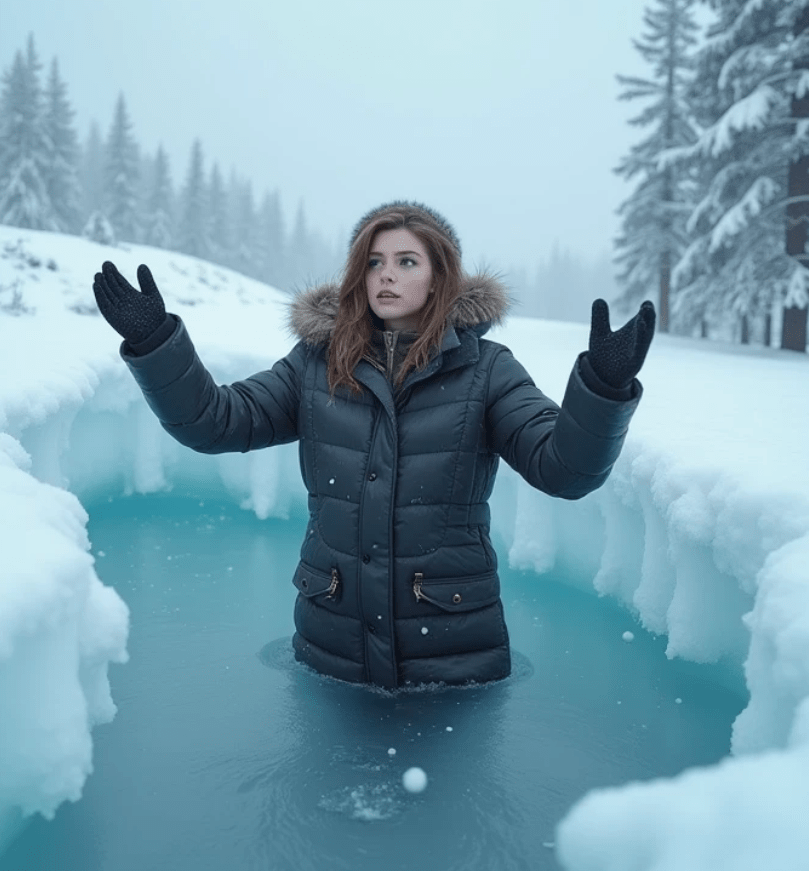
2. Drowning (Rivers, Lakes, Ocean, and Ice Breakthroughs)

Why Drowning Is So Common in Alaska

Alaska has more water than roads, and that water is lethal year-round.

Cold water shock incapacitates even strong swimmers in seconds. I’ve reviewed multiple cases where victims drowned within 30 seconds of entry.

Ice doesn’t break politely.
Rivers don’t flow predictably.
The ocean doesn’t wait.

Common Fatal Mistakes

  • No life jacket
  • Assuming swimming skill matters in cold water
  • Standing on “safe-looking” ice
  • Falling into rivers during fishing or hunting

How to Survive Alaska’s Waters

Survival Rules:

  • Wear a flotation device anytime you’re near water
  • Treat ice as guilty until proven safe
  • Learn cold-water self-rescue techniques
  • Carry ice picks in winter
  • Never fish or travel alone near water

Investigator Insight:
Every drowning victim thought they had one more second.


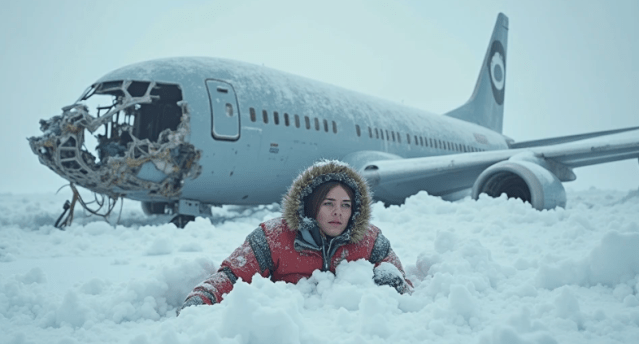
3. Plane Crashes (Bush Planes & Small Aircraft)

Why Alaska Leads the Nation in Aviation Deaths

In Alaska, airplanes are pickup trucks with wings.

Bush planes fly low, land rough, and operate in brutal conditions. Weather changes faster than forecasts can keep up, and terrain doesn’t forgive miscalculations.

Common Fatal Mistakes

  • Flying in marginal weather
  • Overloading aircraft
  • Pressure to “make the trip anyway”
  • Trusting schedules over conditions

How to Survive Bush Plane Travel

Survival Rules:

  • Fly with experienced pilots only
  • Never pressure a pilot to fly
  • Carry survival gear even on short flights
  • Dress for walking out, not sitting comfortably

Detective Rule:
If the pilot hesitates, you cancel. Pride kills faster than gravity.


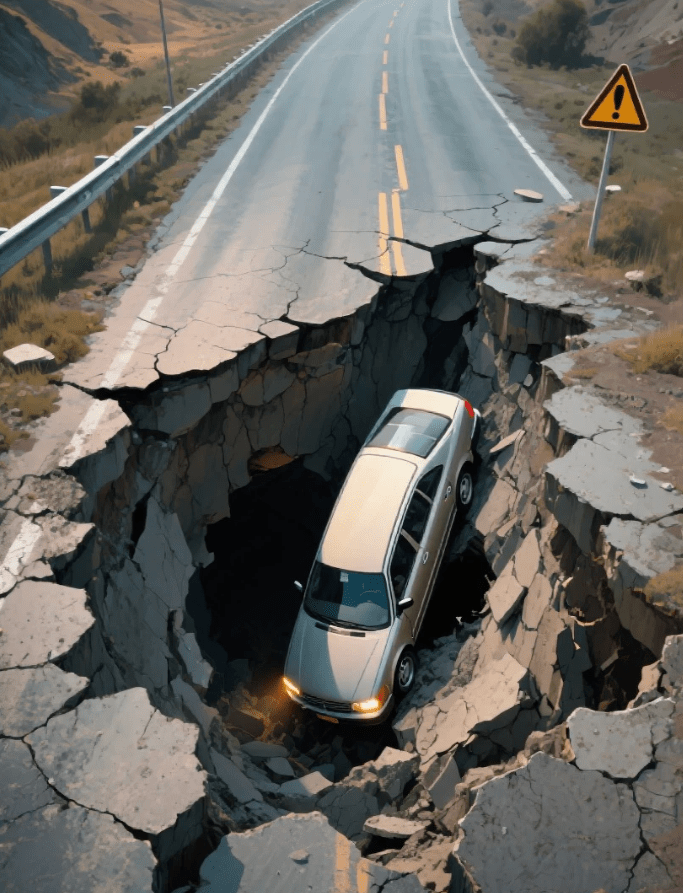
4. Vehicle Accidents (Highways, Ice Roads, Remote Trails)

Why Driving Kills in Alaska

Alaska’s roads are deceptive. Long stretches lull drivers into overconfidence. Ice, wildlife, fatigue, and isolation combine into a perfect trap.

Common Fatal Mistakes

  • Speeding on icy roads
  • Not carrying emergency supplies
  • Driving tired or intoxicated
  • Swerving for animals

How to Survive Alaska Roads

Survival Rules:

  • Carry winter survival kits in vehicles
  • Slow down—always
  • Never swerve for wildlife
  • Treat breakdowns as survival situations

PI Pattern Recognition:
Most fatal crashes happen when drivers think nothing will happen.


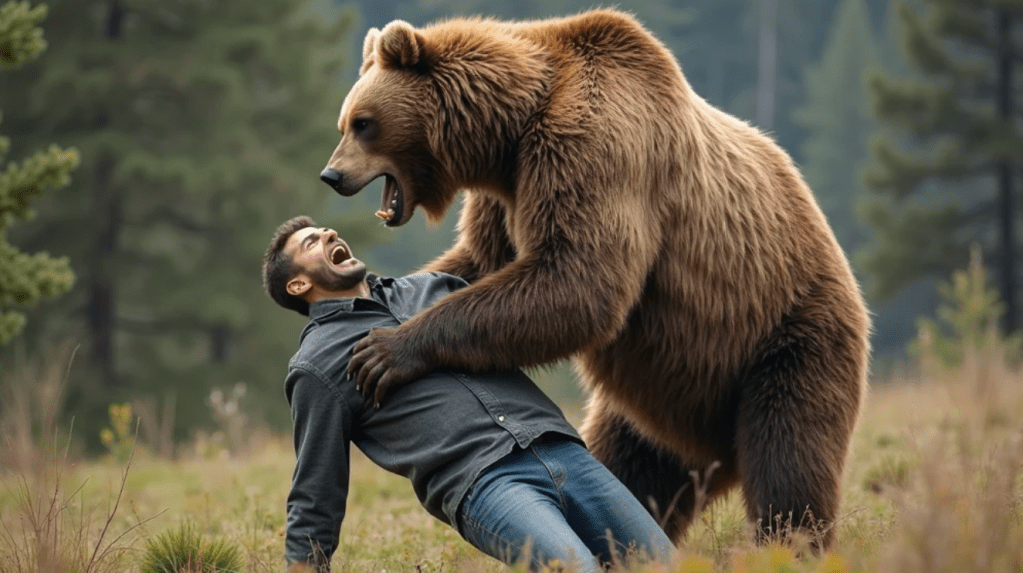
5. Wildlife Attacks (Bears, Moose, Wolves)

Why Wildlife Encounters Turn Deadly

Animals don’t attack randomly. People place themselves where attacks become inevitable.

Moose kill more Alaskans than bears. Bears kill when surprised. Wolves rarely attack, but when they do, it’s because warning signs were ignored.

Common Fatal Mistakes

  • Approaching wildlife
  • Poor food storage
  • Ignoring animal behavior cues
  • No bear deterrents

How to Survive Wildlife Encounters

Survival Rules:

  • Carry bear spray, not bravado
  • Make noise in dense areas
  • Secure food properly
  • Learn animal behavior signals

Investigator Truth:
Every attack scene shows signs of escalation that went ignored.


6. Falling (Cliffs, Ice, Mountains, Rooftops)

Why Falls Are So Deadly

Ice turns gravity into a weapon. Mountains remove margin for error. Many fatal falls occur during “routine” tasks.

Common Fatal Mistakes

  • Underestimating ice
  • No traction gear
  • Working alone
  • Taking shortcuts

How to Prevent Fatal Falls

Survival Rules:

  • Use traction devices
  • Rope up in exposed terrain
  • Avoid edges in poor conditions
  • Assume surfaces are slippery

7. Snowmachine (Snowmobile) Accidents

Why Snowmachines Kill

Speed plus terrain plus weather equals sudden death. Machines go places humans shouldn’t, and confidence rises faster than skill.

Common Fatal Mistakes

  • Excessive speed
  • Alcohol use
  • Thin ice crossings
  • Night riding

How to Survive Snowmachine Travel

Survival Rules:

  • Wear helmets
  • Scout terrain
  • Avoid alcohol completely
  • Carry emergency gear

8. Firearms Accidents (Hunting & Handling)

Why Accidental Shootings Happen

Complacency. That’s the root cause.

Common Fatal Mistakes

  • Poor muzzle discipline
  • Loaded firearms in vehicles
  • Improper storage
  • Rushed shots

How to Stay Alive Around Firearms

Survival Rules:

  • Treat every firearm as loaded
  • Maintain strict muzzle control
  • Store weapons safely
  • Train constantly

9. Avalanche Deaths

Why Avalanches Kill Experienced People

Experience breeds confidence. Confidence breeds risk.

Common Fatal Mistakes

  • Ignoring avalanche forecasts
  • No rescue gear
  • Traveling alone
  • Poor terrain choices

How to Survive Avalanche Terrain

Survival Rules:

  • Carry beacon, shovel, probe
  • Travel one at a time
  • Study snowpack conditions
  • Avoid high-risk slopes

10. Getting Lost and Dying While “Almost Found”

Why This Is the Most Tragic Death

People die within miles of safety because they panic, move without a plan, or refuse to stop.

Common Fatal Mistakes

  • No navigation tools
  • Leaving known positions
  • Not signaling
  • Overestimating endurance

How to Survive Being Lost

Survival Rules:

  • Stop moving
  • Signal early
  • Stay visible
  • Conserve energy

Investigator’s Final Lesson:
Most lost victims weren’t lost long—they just made the wrong decisions early.


Alaska Rewards Respect, Not Confidence

Alaska doesn’t care who you are.
It only cares what you do.

Every fatality I’ve studied shared one thing in common: the victim believed they were the exception.

Survival isn’t about toughness.
It’s about preparation, humility, and pattern recognition.

Stay alive by learning from the dead—without joining them.