The Rhode Island Homestead Life: Not for the Weak, Lazy, or Whiny

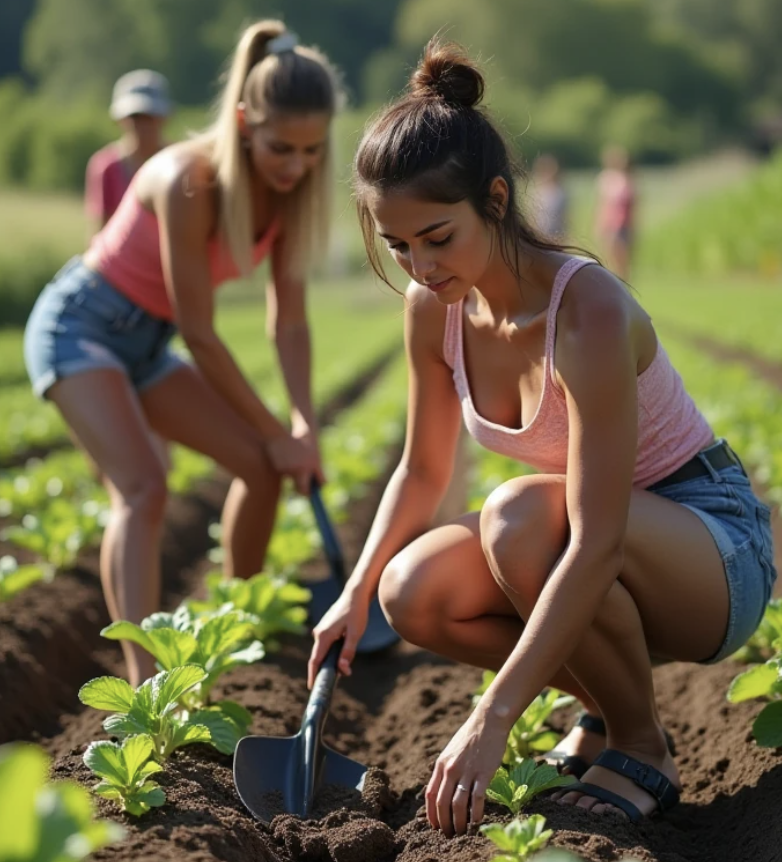
You want the truth about homesteading in Rhode Island? Fine. Sit down, shut up, and listen. This ain’t some Instagram-filtered fantasy where you grow lavender in a teacup and get paid in likes. This is real life. This is New England grit. This is Rhode Island, baby—where the summers are muggy, the winters are ruthless, and land doesn’t come cheap. But guess what? If you’re tough, stubborn, and about half-crazy, you can build a life out here worth its weight in heirloom tomatoes.

You want a homestead in the smallest damn state in the Union? Then you’d better be big in skills, big in heart, and not afraid of breaking your damn back.

Let me tell you something first: homesteading is not a hobby. It’s not something you do because you saw a cute TikTok with someone in overalls making sourdough. It’s a lifestyle. A choice. A full-contact sport. And around here, it requires a thick skin, a sharp mind, and a chainsaw that starts on the first pull.

Here are 15 skills you’d better damn well learn if you want to make it here:

  1. Canning and Food Preservation – Your garden might explode in July, but if you don’t know how to can, dehydrate, or ferment, you’ll be eating sad supermarket mush all winter.
  2. Seed Starting – You think you’ll just buy plants every year? Not at $5 a seedling you won’t. Start your own, indoors, in March. Get a grow light or watch them get leggy and die.
  3. Composting – You’re gonna make a lot of waste. You can either send it to the landfill or turn it into black gold. Your choice.
  4. Basic Carpentry – Chicken coops, rabbit hutches, raised beds, fences—get used to cutting wood and smashing your thumb with a hammer. Don’t be a baby.
  5. Animal Husbandry – Chickens aren’t “easy pets.” They’re walking targets. Know how to feed them, deworm them, and protect them from hawks, foxes, and your neighbor’s stupid dog.
  6. Beekeeping – You want honey? You want pollination? Then suit up and get buzzing. And yes, you will get stung.
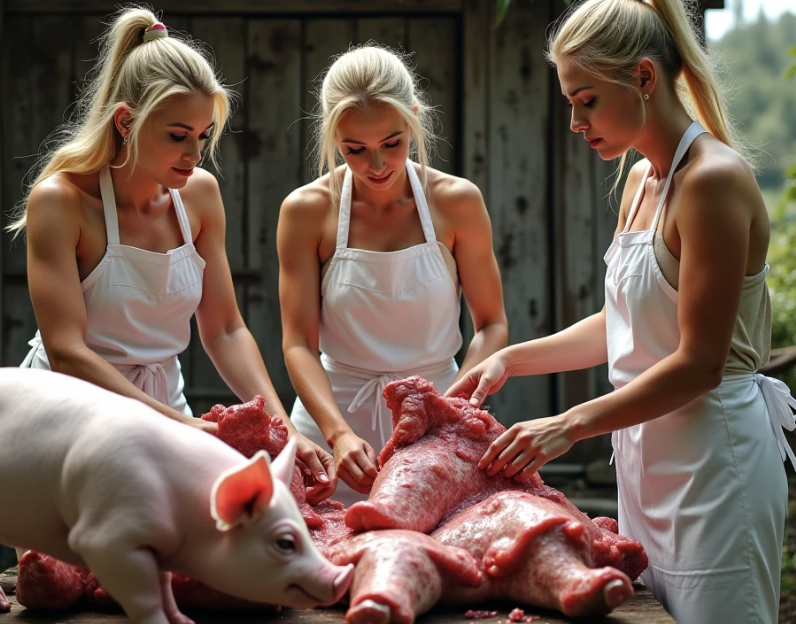
  7. Butchering – If you can’t stomach killing what you raise, go back to Whole Foods. Around here, we respect the animal by doing the hard part ourselves.
  8. Firewood Chopping and Stacking – Rhode Island winters don’t play around. Learn to wield a maul or invest in a log splitter. Stack it right, or your pile will rot before Thanksgiving.
  9. Rainwater Collection – Our water bills are outrageous. Set up a gutter system and start collecting rain in barrels before you cry over your next utility bill.
  10. Cooking From Scratch – You’ve got 20 pounds of squash. Now what? Better know a dozen ways to cook it or you’ll hate the sight of it by January.
  11. Wool Spinning/Knitting – You raise sheep? Great. Now learn what to do with all that fleece. Winter is long, and wool socks are gold.
  12. Cheesemaking – Got goats or a milk cow? Learn to turn that milk into something edible before it curdles in your fridge.
  13. Maple Syrup Tapping – You got sugar maples? Good. Drill those suckers in February, boil for days, and end up with half a pint of syrup. It’s worth it.
  14. Cold Storage Building – A root cellar is your best friend. You can’t can everything. Sometimes, you just need a cool, dry place to stash potatoes.
  15. Fence Repair – Rhode Island is wet. Wet means rot. Your fence posts will fail. Your goats will escape. Learn to fix it quick or kiss your veggies goodbye.

Three DIY Homestead Hacks that Actually Work:

Hack #1: Pallet Power Raised Beds
Find a stack of free pallets (they’re everywhere if you know where to look—ask your local hardware store). Tear ’em down, pull out the nails, and build yourself raised garden beds. Slap on a coat of linseed oil if you’re feeling fancy. Boom—free lumber, less backache, and no tilling nonsense.

Hack #2: 5-Gallon Chicken Waterer
Winter sucks. Your chicken water freezes solid. So take a 5-gallon bucket with a lid, install a few nipple waterers on the bottom, and place it on a heated base (cinderblock + heat lamp works in a pinch). No more lugging frozen pails. Your birds stay hydrated. You stay sane.

Hack #3: Trash-to-Treasure Cold Frame
Old windows are gold. People throw ‘em out constantly. Grab one, build a slanted box with scrap wood, and bam—you’ve got a cold frame. Start your spring greens 4 weeks early, extend your fall crops, and rub it in your neighbor’s face.


Now listen. Homesteading in Rhode Island ain’t like Montana or Texas. You can’t just buy 50 acres for a handshake and a case of beer. You’re gonna pay through the nose for an acre, and the zoning board might make you fight for every goat, rooster, and shed. So get familiar with local ordinances. Learn to schmooze the town clerk. Show up to meetings. Be the “crazy farm person” who knows the law better than the law.

And don’t even get me started on the pests. Deer? Everywhere. Groundhogs? Little demons. Ticks? Ubiquitous. Your garden needs fencing like Fort Knox, and every animal needs a roofed pen or they’re lunch. Coyotes don’t care if it’s cute. They’re hungry.

Then there’s the weather. Rhode Island gives you everything. Blizzard in March? Check. Hurricane in September? Check. A heatwave in May? Absolutely. If you don’t have backups on backups—extra tarps, a generator, a sump pump—you’re gonna get wiped out.

But here’s the flip side. The reason we do this. The reason we keep going even when our hands are cracked and our knees ache and we smell like manure:

We eat like kings. Real food. Fresh food. Food with soul. We drink coffee with cream from our own cow. We eat eggs so orange they look fake. We walk outside, grab dinner from the garden, and sleep like rocks under handmade quilts.

We live outside the system, at least partly. We don’t panic when the store shelves empty. We don’t need to door-dash crap food. We don’t care about trends—we’re too damn busy planting, building, harvesting, living.

So yeah, I’m angry. I’m angry because too many people think this life is just “cute” or “aesthetic.” It’s not. It’s dirty, it’s hard, and it will chew you up and spit you out if you’re not all-in.

But if you are? If you’ve got guts and you’re willing to earn every bite of food and every moment of peace?

Welcome to the real homestead life.

Here in Rhode Island—we may be small, but we’re fierce as hell.
Life on the Vermont Homestead: Not for the Faint of Heart

Let me tell you something right now: homesteading in Vermont ain’t your cozy Pinterest fantasy. It’s not sipping raw milk in a flower crown while your goat poses for Instagram. It’s real. It’s raw. And it will chew you up and spit you out if you don’t know what the hell you’re doing. I’m talking black flies in your eyeballs, pipes that freeze solid by October, and crops that rot if you blink wrong during August humidity. You either toughen up or get back to the city where people think basil grows in the spice aisle.

People romanticize this lifestyle without knowing a damn thing about what it takes to survive out here, especially in the Green Mountains where the only thing greener than the landscape is a flatlander trying to milk a goat for the first time. But for those of us who know what we’re doing—those of us who bust our knuckles fixing busted solar inverters during January sleet—we thrive. And we earn every damn bite we eat.

15 Homestead Skills You Better Learn, Or Go Home

  1. Firewood Chopping and Stacking
    If you don’t know how to fell a tree, buck it up, and stack it so it seasons right, you’ll freeze your ass off and deserve it. Vermont winters don’t play nice.
  2. Animal Husbandry
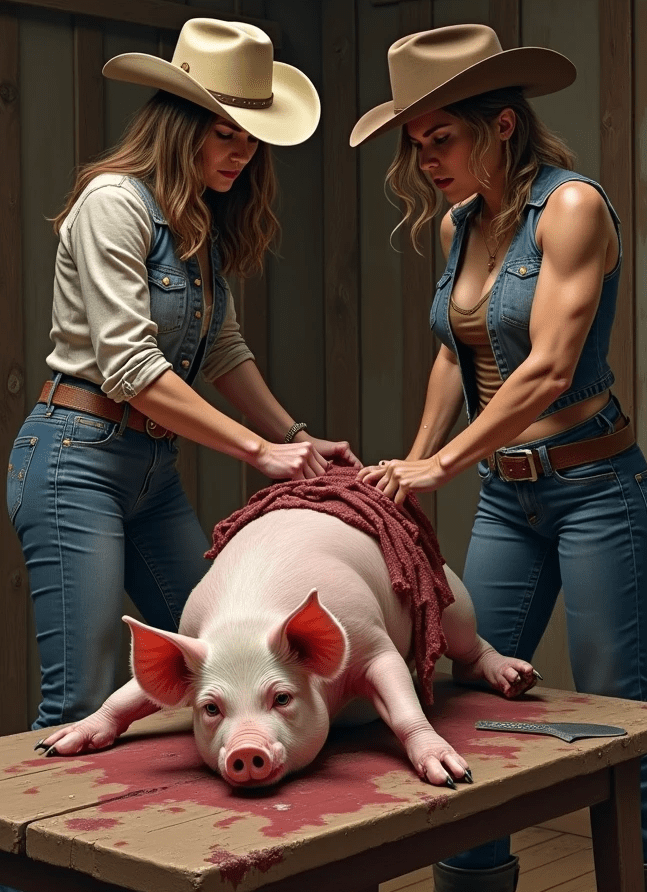
    Chickens, goats, pigs, sheep. You better know how to feed them, birth them, vaccinate them, and yes, butcher them. We don’t raise pets—we raise protein.
  3. Composting
    Your waste better be working for you. Composting is the law of the land—nutrients in, nutrients out. And don’t come at me with that plastic bin nonsense.
  4. Preserving Food
    Canning, fermenting, drying, root cellaring—if you don’t know how to make summer harvests last through February, you’ll be buying limp grocery store lettuce like a chump.
  5. Basic Carpentry
    You’ll build chicken coops, cold frames, fences, and when the roof leaks? Guess who’s the roofer? You.
  6. Water Management
    Gravity-fed systems, rain catchment, greywater rerouting—you need to make every drop count, especially when your well pump quits mid-winter.
  7. Seed Saving
    Stop buying seeds like it’s a subscription service. Grow heirlooms, save the seeds, and you’ll never be at the mercy of shortages again.
  8. Cooking from Scratch
    There’s no takeout where we live. If you can’t turn a raw chicken and a handful of potatoes into a week of meals, get out of my face.
  9. Soap Making
    Because I’m not paying $9 for some factory-scented nonsense when I’ve got lard, lye, and lavender in my own damn backyard.
  10. Knitting and Mending Clothes
    If you think darning socks is quaint, wait until you rip your last pair during a blizzard and the road’s closed for three days.
  11. First Aid and Herbal Medicine
    There’s no urgent care around the corner. Chamomile for sleep, comfrey for bruises, garlic for infections. Know your plants or pay the price.
  12. Chainsaw Maintenance
    The saw is your best friend and your worst enemy. Sharpen that chain, mix your fuel right, and respect it—or it’ll bite you.
  13. Solar Power Setup and Maintenance
    You want off-grid? Then learn the difference between a charge controller and an inverter, or you’ll be reading by candlelight for the rest of your life.
  14. Trapping and Hunting
    Rabbits, deer, maybe even bear if things get tight. It’s not about sport—it’s about putting meat in the freezer.
  15. Plumbing and Septic Know-How
    One clogged pipe and you’re knee-deep in your own stupidity. Know how to snake a drain, insulate a pipe, and never trust PVC glue in the cold.

DIY Homestead Hacks That’ll Save Your Sanity (and a Few Bucks)

1. The “5-Gallon Gravity Shower” Hack
You want hot water but don’t have a fancy solar system? Paint a 5-gallon bucket black, mount it on a platform, and let the sun do the work. Add a spigot, hang a shower curtain in the woods, and boom—your very own hillbilly spa.

2. Eggshell Calcium Powder
Don’t throw those eggshells away! Dry them, crush them, and grind them into a fine powder. Sprinkle into garden beds for calcium-rich soil or feed to chickens for stronger shells. It’s like gold dust from the coop.

3. DIY Solar Dehydrator
All you need is an old window, some scrap wood, a black-painted back panel, and mesh trays. Angle it toward the sun, and you’ve got a food dehydrator that costs zero to run and works even during late September.


Vermont-Specific Rants from the Trenches

Now let’s talk about Vermont specifically, because folks seem to think living here is like moving into a Norman Rockwell painting. You think Vermont means cozy cabins and hot cider? Sure, if you like shoveling snow 3 times a day, running a generator when the inverter gives up, and chasing bears out of the compost pile at 2 a.m. with a shotgun in your bathrobe.

Vermont’s short growing season is not a joke. If you don’t get your seedlings in by Memorial Day and have your beds covered by frost in late September, you just flushed your growing efforts down the composting toilet. Speaking of which—if you’re not managing your humanure system responsibly, stay the hell off my land. We don’t poison our soil with ignorance.

And let’s talk taxes. They’re high. Ridiculously high. You think you’re gonna sell a few jars of jam and skate by? Good luck. Every chicken you raise, every log you cut, every damn goat you sell comes with paperwork, fees, inspections, and a bureaucracy that’s never set foot on a working farm.

But we do it anyway. Not because it’s easy, but because we’re stubborn and free and refuse to live under the fluorescent lights of a cubicle farm. We raise our own food, fix our own roofs, grow our own medicine, and take pride in knowing that when the power goes out or the store shelves go bare, we’ve already got what we need.

That’s Vermont homesteading. It’s mud season and sugaring and frost heaves that’ll wreck your axle. It’s biting wind and biting insects and stubborn neighbors who’ve been on their land longer than the state flag’s been flying. It’s resilience, not romance.


Final Word from a Grumpy Homesteader

So if you’re dreaming about Vermont homesteading, do me a favor: wake up. You’ll bleed, curse, and cry—but if you make it through a winter and still want more? Well then, maybe you’ve got what it takes.

Just don’t ask to borrow my chainsaw.

Virginia Homestead Lifestyle

Virginia Homestead Lifestyle: The Rant You Need from an Angry Homesteader

Let me tell you something right off the bat — this modern world’s gone soft. Folks can’t go two hours without a drive-thru meal, their third iced coffee, and their precious little phone telling them how to breathe. Meanwhile, out here in the rolling hills of Virginia, we’re doing things the way our great-grandparents did — with grit, with dirt under our fingernails, and without needing to Google “how to boil water.”

You want the Virginia homestead lifestyle? Good. But don’t expect it to be all cute chickens and fresh eggs. This ain’t a Pinterest board. This is real life. Real work. And if you’re not willing to break a sweat, bleed a little, and maybe cry into your calloused hands now and then, you might as well turn back now and go back to your soy lattes and your HOA complaints.

Now that we’ve weeded out the weak, let me give you a crash course in what it really means to homestead in Virginia. We’ve got four solid seasons here — from blazing humidity in July to frozen ground in January. If you don’t respect the land and the weather, the land will eat you alive. Period.

Let’s start with the 15 skills you better learn fast if you want to make it out here:


1. Gardening (with actual results)

I’m not talking about a pot of basil on your windowsill. You better learn how to grow food — tomatoes, potatoes, beans, squash, corn. Figure out succession planting, crop rotation, and pest control that doesn’t destroy your soil. This is survival gardening, not Instagram.

2. Canning and Preserving

If you don’t know what a pressure canner is, you’re behind. Water bath canning for high-acid stuff, pressure canning for low-acid. Learn it, practice it, and keep your shelves stocked. Freezers fail — jars don’t.

3. Basic Carpentry

You’re going to need to build things. Coops, sheds, fences, maybe even a barn if you’re ambitious. A hammer, a saw, a level — get familiar with them. Ain’t nobody got time to wait on contractors who charge $200 just to show up.

4. Animal Husbandry

Chickens, goats, rabbits, maybe a couple pigs. You need to know how to feed them, breed them, and when the time comes — butcher them. Harsh? Maybe. But it’s honest.

5. Composting

Waste nothing. That pile of kitchen scraps and animal bedding can turn into black gold. Know what to compost, how to keep it hot, and how to use it.

6. Seed Saving

You really want to be self-sufficient? Stop buying seeds every spring. Learn how to save them. Tomatoes, beans, squash — they’re easy starters.

7. Hunting and Trapping

Deer season isn’t just for fun. It fills your freezer. Know the laws, respect the game, and sharpen your shot. Trapping’s trickier, but muskrats and raccoons don’t belong in your chicken coop.

8. Firewood Management

Chainsaw skills, axe work, splitting, stacking, seasoning — your heat depends on it if you’re off-grid or using a wood stove. Start early, or you’ll be burning green wood and cursing yourself in January.

9. Food Storage (beyond the pantry)

Root cellars, smokehouses, drying racks — these old-school methods still work. Don’t act surprised when the power goes out and your freezer full of meat is suddenly a liability.

10. Beekeeping

Not just for honey. Bees help everything grow. They’re finicky, though. Treat them right and they’ll give you liquid gold and pollinate your crops. Treat them wrong and they’ll abandon you.

11. Basic Veterinary Skills

Can’t call the vet every time a chicken sneezes or a goat limps. Learn how to treat wounds, give shots, and recognize illness. Your animals are your livelihood.

12. Soap Making

Store shelves empty? You’ll still be clean. Lye, fat, and patience. That’s all it takes. Plus, it beats rubbing synthetic nonsense on your skin.

13. Sewing and Mending

Clothes tear. Blankets wear out. Learn how to stitch a seam and patch a hole. Keep your gear going instead of tossing it.

14. Water Management

Wells, rainwater catchment, filtering, hauling — know it all. When the faucet stops running, will you know where to turn?

15. Emergency Medical Know-How

A well-stocked first aid kit won’t save you if you don’t know how to use it. Splints, wound care, recognizing infections — these are essential.


You still with me? Good. Then let me sweeten the pot with 3 DIY homestead hacks that’ll save your hide one day:


Hack #1: 5-Gallon Bucket Nesting Boxes

You don’t need to spend a fortune on fancy nesting boxes. Take a few 5-gallon buckets, cut off the top third at a 45° angle, bolt them to the wall at a slight upward tilt, and throw in some pine shavings. Chickens love ‘em, and they’re easy to clean. Durable, too — and free if you salvage from restaurants or bakeries.


Hack #2: Solar-Powered Electric Fence from Recycled Parts

Predators don’t care how much your livestock cost. Keep them out with a DIY solar electric fence. Repurpose an old solar yard light, a small car battery, and some wire from that junk pile you keep meaning to clean up. Hook up a low-voltage fence charger, and bam — perimeter security without raising your electric bill.


Hack #3: DIY Root Cellar in a Trash Can

Don’t have the time or money for a full root cellar? Bury a metal trash can up to the rim in a shady spot. Line the bottom with gravel for drainage, then stack your root veggies in layers of sand or sawdust. Pop the lid on and cover with straw bales in winter. It’ll stay cool and dark — perfect for carrots, potatoes, and turnips.


Living the Virginia homestead lifestyle isn’t about prepping for doomsday. It’s about living honestly — away from the noise, the lies, and the weakness of a society that’s forgotten how to feed itself. It’s about waking up with the sunrise, working your body to the bone, and falling asleep with pride instead of anxiety.

People say, “I could never do that. It’s too hard.” Damn right, it’s hard. That’s the point. If you’re looking for ease, go back to your concrete jungle. But if you’re looking for a life with meaning, sweat, and real satisfaction — get your boots on. We’ve got work to do.


So go on — till that soil, raise that barn, gather those eggs, and for the love of all things sacred — stop whining. This is Virginia. We don’t just survive out here. We thrive.

Arkansas Homesteading in a World Gone Soft

Let me make one damn thing clear right off the bat: this lifestyle is not for the weak. It’s not for suburbanites dreaming of sipping herbal tea on a Pinterest-perfect porch while chickens lay eggs like it’s some kind of fairy tale. No. Homesteading in Arkansas — in this unforgiving, beautiful, humid mess of a land — is for people ready to bleed, sweat, and fight tooth and nail for freedom. If you aren’t ready to break your back and outthink every crisis the world throws your way, turn around and go back to your HOA-gated sugar cube of a house.

Now that we’ve cleared out the soft-bellied dreamers, let’s talk real homesteading — the kind that’s rooted deep in the Ozark clay, where you grow your own food, raise your own meat, harvest your own power, and look the modern system dead in the eye and say: No thanks, I’ll do it my way.

Arkansas is one of the last damn strongholds of real freedom in this country. We’ve got the land. We’ve got the water. We’ve got the independence-minded people. And if you’ve got the guts, you can build a life that doesn’t depend on corporate supply chains, grid-fed everything, or politicians screwing up your future.

But listen close: you better know your skills. You screw up here, and you’re not just making a mess — you’re losing livestock, killing your crops, or freezing your butt off in a winter storm. So here are 15 critical homesteading skills every serious Arkansan homesteader better master — or die trying.


15 Essential Homestead Skills for Arkansas Survivors

  1. Seed Saving & Heirloom Gardening
    GMO garbage won’t cut it. You better learn to save your own seeds from strong, local heirloom plants that thrive in the Arkansas heat and humidity.
  2. Rainwater Harvesting & Filtration
    You think your well’s invincible? Think again. Learn to collect and purify rainwater — before the droughts and EPA regulations catch up to you.
  3. Solar Power Setup & Maintenance
    The grid goes down every time a squirrel sneezes. Learn to harness that brutal southern sun and run your homestead off solar like a boss.
  4. Composting & Soil Regeneration
    Arkansas clay ain’t exactly nutrient gold. Learn how to build your soil from the ground up — literally — using compost, manure, and biochar.
  5. Animal Husbandry (Chickens, Goats, Pigs)
    If you can’t raise and butcher your own meat, what the hell are you even doing? Get yourself livestock and learn how to keep ’em alive and productive.
  6. Off-Grid Cooking (Rocket Stove, Solar Oven, Dutch Oven)
    When the propane runs out, you better know how to cook on something besides a plastic-clad gas range. Build it. Test it. Master it.
  7. Root Cellaring & Food Preservation
    Canning, drying, fermenting — it’s not optional. Your grocery store backup plan won’t mean squat during an ice storm or economic collapse.
  8. Basic Carpentry & Construction
    Cabin walls don’t build themselves. Sheds rot. Fences fall. Know how to build and repair like your life depends on it — because someday, it just might.
  9. Blacksmithing & Tool Repair
    Learn to fix what breaks. You won’t find replacements when the supply chain’s down and the hardware store shelves are empty.
  10. First Aid & Herbal Medicine
    The hospital’s 40 miles away and closed half the time. Learn the plants in your own backyard and keep a real med kit — not a Hello Kitty Band-Aid box.
  11. Trapping & Wild Game Processing
    You’ll thank yourself when deer season is gone and food’s tight. Coons, rabbits, squirrels — learn how to trap and use every part.
  12. Firewood Processing & Wood Stove Maintenance
    Electric heat fails. Always has, always will. You’ll need firewood stacked high and dry. Learn to fell, buck, split, and cure your wood right.
  13. Fencing & Livestock Containment
    A goat outside the fence is a goat in the neighbor’s tomatoes — and a .22 bullet away from being a problem. Build sturdy, predator-proof fencing.
  14. Water Pump & Plumbing Repair
    When the well pump fails in July, you’ll either know how to fix it — or you’ll be sweating while your wife packs the kids for the city.
  15. Barter & Trade Savvy
    Money’s great until it’s worthless. Know the value of eggs, pork, labor, ammo, and skills in a barter economy — and don’t get taken for a fool.

3 DIY Homestead Hacks That’ll Save Your Butt

  1. DIY Rocket Stove for Off-Grid Cooking
    Use old bricks, a metal pipe, and some elbow grease to build a high-efficiency rocket stove in your backyard. Cooks fast, burns clean, and doesn’t use more than a handful of twigs. When propane tanks are empty and your generator’s out of gas, this bad boy will keep your family fed and your coffee hot.
  2. 50-Gallon Barrel Rainwater Catchment System
    Cut the top off a food-grade barrel, add a mosquito screen, and rig up a PVC overflow. Hook it to your downspouts with a first-flush diverter. Add a spigot at the bottom and boom — you’re harvesting 50 gallons of off-grid water per storm, without touching your well.
  3. Solar-Powered Electric Fence from Salvaged Panels
    Got an old solar panel and a car battery? Hook them up to a DC-powered fence charger. Keeps your goats in and the coyotes out without touching your utility bill. Cheap, reliable, and damn near bulletproof.

Arkansas Isn’t a Game — It’s a Battlefront

The government doesn’t care about you. The power company sees you as a dollar sign. The grocery store shelves are three days away from empty during any decent panic. You are the last line of defense between your family and chaos. And the only way you win is by learning, adapting, and never backing down.

Don’t sit on YouTube “researching” forever. Get your boots dirty. Plant something. Fix something. Butcher something. And for the love of everything worth living for — stop expecting the system to save you.

Arkansas is fertile ground for the independent and the bold. The laws are in your favor. The land is still affordable in places. And the people — the right people — will help you if you’re worth a damn. But you better bring grit. Bring skill. Bring that fire in your belly that says, “I don’t need handouts. I’ve got hands, and I’ve got the will.”

This ain’t a damn trend. It’s a way of life. And it might just be the last one left that makes any sense.

You Ain’t Gonna Make It Unless You’re Ready: A Survivalist’s Guide to Food Storage & Preservation

Let me tell you something straight—you either prep or perish. When the trucks stop rolling, the power goes down, and the store shelves go bare in less than 24 hours, your excuses won’t keep your stomach full. You can cry, beg, or pray all you want, but if you haven’t put in the work to build a rock-solid food storage system, you’re screwed.

Food storage and preservation aren’t hobbies—they’re life-or-death skills. The kind of skills your great-grandparents used just to get through the winter, and here you are in the 21st century, still relying on frozen pizzas and two-day shipping. Shameful.

So pull your head out of the sand and start learning the hard truth about what it takes to stay alive when the system crashes. I’m going to give you 15 survival skills and 3 DIY survival hacks that will keep you fed long after your neighbors have eaten the dog food and torn into their drywall looking for mice.


Survival Skills for Food Storage & Preservation

1. Canning (Water Bath & Pressure)

Master both. Water bath is for high-acid foods—tomatoes, jams. Pressure canning is for low-acid foods—meat, beans, veggies. Don’t screw this up unless you want a side of botulism with dinner.

2. Dehydrating

Buy a good dehydrator—or build one yourself. Dry fruits, jerky, herbs, even cooked rice and pasta. Light, compact, shelf-stable. Perfect for bug-out bags or tight storage.

3. Freeze-Drying

Yeah, the machines are expensive, but so’s your life. Freeze-dried food lasts 25 years. No power needed to keep it good. And unlike that freeze-dried crap from big box prepper stores, your homemade version isn’t full of garbage chemicals.

4. Vacuum Sealing

Oxygen is the enemy. Suck it out and your food lasts longer. Pair it with Mylar bags and O2 absorbers and you’re halfway to invincible.

5. Root Cellaring

No power? No problem. Learn to store potatoes, carrots, apples, cabbage, and more the old-fashioned way—buried in cool, dark places. This is pre-electric refrigeration technology. Use it.

6. Smoking Meat

Salt, smoke, and time—three ingredients to survive. Whether it’s fish, pork, or game you hunted yourself, knowing how to preserve meat without a freezer is priceless.

7. Fermentation

Kimchi, sauerkraut, kefir, pickles. This ain’t hipster nonsense—it’s a time-tested, bacteria-friendly preservation method that boosts gut health and keeps your food edible for months.

8. Making Jerky

Lean meat, sliced thin, salted, and dried. Easy to make, easy to store. It’s what nomads and pioneers lived on. You should too.

9. Using Mylar Bags with O2 Absorbers

This is non-negotiable. Store rice, flour, beans, oats—anything dry—in these and it’ll last a decade or more. Stack your buckets, seal your bags, and sleep better at night.

10. Salt Preservation

You got salt? You got food. It pulls moisture out, kills bacteria, and keeps things shelf-stable. From salt-cured fish to dry brining meat, it’s a primitive technique that still works.

11. Making Hardtack

It’s like eating drywall, but this flour-water-salt cracker lasts forever and keeps you alive. Store it dry and rehydrate it in soup when your taste buds finally revolt.

12. Rotating Your Pantry

Oldest in front, newest in back. You don’t want to find a crate of bloated tomato cans five years from now. Rotate monthly. Label dates. Be meticulous.

13. Batch Cooking & Canning Meals

Don’t just can green beans. Can chili. Can beef stew. Can soup. When it’s cold and you’re exhausted, opening a ready-made meal you canned yourself is worth gold.

14. Making Pemmican

This high-calorie mix of dried meat, fat, and berries can last years without refrigeration. Used by Native Americans and polar explorers. Make it now before you need it.

15. Building a Real Prepper Pantry

Don’t just throw stuff on shelves. Organize by type, date, and calories. Include spices, comfort food, and barter items. Your pantry should be an armory of nutrition.


DIY Survival Hacks That’ll Keep You Fed and Ready

Hack #1: DIY Zeer Pot (Desert Fridge)

Take two unglazed clay pots, one smaller than the other. Fill the space between them with wet sand, cover with a damp cloth, and place your perishables inside. As the water evaporates, it cools the inner pot—primitive refrigeration with zero electricity. Works best in dry climates.

Hack #2: Homemade Solar Dehydrator

Grab some scrap wood, black paint, clear plastic, and a screen. Build a box with airflow and sunlight access. Let nature do the work. Dehydrate apples, jerky, herbs, and more without touching your grid-powered devices.

Hack #3: Dig-a-Hole Cold Storage

No root cellar? No problem. Dig a 3-4 foot deep hole in a shaded spot. Line it with bricks or wood if you can. Place your sealed buckets or containers inside and cover with a tight lid or a pallet and tarp. Natural insulation keeps things cool year-round.


The Uncomfortable Truth

Let’s be clear: if you think this is overkill, you haven’t been paying attention. The government won’t save you. FEMA will roll in three days too late, and the National Guard won’t hand out pizza and soda. If a cyberattack hits the grid or supply chains collapse, the people with full pantries and solid skills will be the last ones standing.

This isn’t about fear. It’s about responsibility—to yourself, your family, your community. You don’t prep for fun, you prep because you understand how fragile civilization really is. Every time you put a new jar on the shelf or vacuum seal a bag of rice, you’re buying a little more time when it all goes to hell.

The rest of them? They’ll panic-buy bottled water and microwave popcorn. You’ll be sitting on beans, bullets, and a five-year plan. And when they come knocking? That’s your call to make. But you better believe you’ll feel a hell of a lot better turning people away from a stocked pantry than being the one begging for handouts.


Closing Rant – And You’d Better Listen

So here’s the deal: Quit waiting. Quit making excuses. Quit telling yourself you’ll start next month. Next month, the inflation will be worse, the shelves emptier, and your window to act even smaller. Start today. Learn the skills. Build your pantry. Do the work.

Don’t just survive. Overcome. Because when SHTF, you don’t rise to the occasion—you fall to the level of your training. So you better train like your life depends on it.

Because it does.

Homesteading Skills – Gardening, livestock, beekeeping, and food independence.

Alright, buckle up, because I’m not here to sugarcoat anything. If you think homesteading is some cute little hobby for weekend warriors sipping lattes, you’re dead wrong. This is about survival — real, gritty, no-BS self-reliance in a world that’s falling apart piece by piece. You want to eat, you want shelter, and you want your family to live? Then you better learn these homesteading skills now before the grid goes dark for good.

Homesteading Skills – Gardening, Livestock, Beekeeping, and Food Independence

15 Survival Skills You’d Better Master Yesterday

1. Seed Saving and Storage
If you don’t know how to save seeds from your crops, you’re just begging for starvation. Learn to harvest, dry, and store seeds properly. Keep them cool, dry, and dark. That little packet is your lifeline next season.

2. Soil Building and Composting
You want crops to grow, right? Then don’t expect miracles from dead dirt. Build healthy soil with compost and mulch. Stop relying on chemical fertilizers—they run out and poison your land. Nature’s way is the only way.

3. Crop Rotation and Companion Planting
Planting the same crop in the same spot every year is a death sentence for your garden. Rotate crops and plant companions that fight pests and boost growth naturally. Learn which plants hate each other and which ones love each other.

4. Water Harvesting and Conservation
Relying on municipal water? Ha! Learn to catch rainwater, build swales, or dig wells. Know how to conserve every drop. Without water, nothing grows, and you dry up and die.

5. Livestock Husbandry Basics
Chickens, goats, rabbits—these animals are your food factory, fertilizer source, and even security if you know what you’re doing. Learn proper feeding, shelter, health care, and breeding. Don’t let your critters die on you like some backyard zoo.

6. Butchering and Meat Processing
Don’t be squeamish. Learn how to butcher your animals cleanly and safely. Meat rots fast if you don’t handle it right. Knowing how to process and preserve meat saves your life when the freezer fails.

7. Beekeeping and Honey Harvesting
Bees aren’t just cute—they’re essential pollinators. You want your garden to produce, you better keep bees. Honey is natural medicine and a long-lasting sugar source. Know how to manage hives and harvest without wrecking the colony.

8. Food Preservation Techniques
Canning, drying, fermenting, smoking—you need to preserve your harvest or you’ll waste half of it. Learn every method so you don’t rely on supermarkets. Preserved food can keep you alive through winter or tough times.

9. Foraging Wild Edibles
Don’t just rely on your plot. Know how to find and identify edible plants, nuts, and berries in the wild. Ignorance here will get you sick or dead.

10. Pest and Disease Management
Don’t just spray chemicals like a zombie. Learn organic and natural pest control methods. Healthy soil and diverse crops resist pests better. If your garden gets wiped out, your food supply is toast.

11. Tool Maintenance and Repair
Broken hoe? Dead chainsaw? No parts and no hardware store nearby? Learn to fix and maintain your tools. Your tools are your lifelines—treat them like your own limbs.

12. Emergency Shelter Building
Shit hits the fan and you lose your home? Knowing how to build a quick shelter from natural materials or salvage is crucial. This isn’t just about comfort—it’s survival.

13. Fire Making and Cooking
You better know how to build and control fire with or without matches. Open flame cooking skills will save you when the power grid fails and fuel runs scarce.

14. Animal Butchering and Hide Tanning
Besides meat, your livestock gives you hides, bones, and sinew—valuable resources. Know how to tan hides and turn scraps into useful gear. Don’t waste a single bit.

15. Self-defense and Security
Protect your homestead. Learn basic self-defense and security protocols. Desperate people do desperate things, and when society collapses, you’ll need to defend your food and family.


3 DIY Survival Hacks for Homesteading

Hack #1: DIY Solar Food Dehydrator
Stop waiting for fancy gear. Build a solar dehydrator using scrap wood, clear plastic, and mesh screens. Dry fruit, herbs, and meat under the sun to preserve food without electricity. This simple contraption can save tons of food from spoiling and give you portable, high-energy snacks when fuel and power are gone.

Hack #2: Rain Barrel Water Filter
Set up a rain barrel system with a basic filter made from layers of sand, charcoal, and gravel. Collect rainwater off your roof, run it through this filter, and use it for irrigation or emergency drinking water after boiling. It’s dirt cheap and can keep your plants alive when drought hits.

Hack #3: Chicken Tractor from Scrap Materials
Build a movable chicken coop (chicken tractor) out of reclaimed wood and hardware cloth. This lets your chickens fertilize fresh ground while scratching for bugs, reducing feed costs and improving your soil naturally. Plus, it’s easy to move so you can keep your flock safe and happy.


Listen up. These skills aren’t just a hobby or a cute weekend project. They’re your lifeline if the supply chains break, the power grid goes down, or the economy tanks. Waiting for “someone else” to save you is a death sentence.

You want food independence? You want to raise your own protein and pollinate your garden with bees? You want to survive hard times with dignity? Then put down your phone, get outside, and start mastering these skills. No one’s coming to rescue you. It’s up to you to build, grow, and defend.

And if you think it’s easy, you’re dead wrong. It takes sweat, grit, and constant vigilance. This is survivalism at its rawest—no shortcuts, no excuses, no luxury.

Get to work.

Stockpile Smart: Mastering Long-Term Food Storage Techniques

First off, wake up! The world isn’t your safe little bubble anymore. The power grid can go out, trucks can stop delivering, and those fancy supermarkets? Empty shelves faster than you can blink. You want peace of mind? You build a fortress of food, not just some half-assed pantry with expired cans in the back.

But don’t get cocky thinking you can just shove a bunch of junk food in a closet and call it a day. Stockpiling smart means knowing what to store, how to store it, and for how long it’ll last. This isn’t a weekend camping trip; this is about surviving the unknown long haul. Here’s the deal:


10 Survival Skills You MUST Master for Long-Term Food Storage

  1. Food Rotation Management
    Don’t let your stockpile turn into a science experiment. Keep track of expiration dates and always rotate your supplies. Use the oldest first, replace with fresh, and mark everything clearly. No excuses.
  2. Proper Sealing Techniques
    Oxygen and moisture are your enemies. Learn to use vacuum sealers and Mylar bags with oxygen absorbers to extend shelf life. You want airtight containers that can withstand the test of time and pests.
  3. Dehydrating Food
    Drying food is a time-tested method that reduces weight and volume while locking in nutrients. Learn to dehydrate fruits, vegetables, and meats. It’s cheap, effective, and makes your stockpile last longer.
  4. Canning Mastery
    Pressure canning for low-acid foods like beans and meat is a survival skill you can’t ignore. If you botch it, you risk botulism—so get trained or study hard. Home-canned food can last years if done right.
  5. Growing Your Own Food
    Store all you want, but if the disaster drags on, you’ll need to grow your own. Get good at gardening, seed saving, and understanding your soil and climate. Stockpiling alone won’t save you forever.
  6. Foraging Knowledge
    Learn what wild plants are edible and safe. If you have to stretch your stockpile, wild greens, nuts, and berries can supplement your diet. But know them well—one wrong bite and you’re done.
  7. Food Preservation with Salt and Smoke
    If you want to keep meats and fish long-term, get familiar with salting and smoking. These old-school methods work wonders without electricity or fancy gadgets.
  8. Pest Control
    Rodents, bugs, and mold will wreck your food faster than you think. Master pest-proofing your storage area with tight containers, traps, and natural repellents.
  9. Water Purification and Storage
    Food alone won’t do you any good without clean water. Know how to store water safely and purify it on the fly with filters, boiling, or chemical treatments.
  10. Cooking with Minimal Resources
    Long-term survival means you might have to cook on a camp stove, solar oven, or even an open fire. Practice cooking from your stockpile using minimal fuel and tools.

3 DIY Survival Hacks for Smarter Food Storage

  1. DIY Mylar Bag and Oxygen Absorber System
    Don’t waste cash on pre-packaged storage. Buy food-grade Mylar bags in bulk, scoop in your dried or dehydrated food, and throw in oxygen absorbers. Seal the bag with a cheap iron from a thrift store or even a hair straightener. This DIY method will keep your food fresh and bug-free for years.
  2. Repurpose Old Buckets for Bulk Storage
    Got old 5-gallon buckets? Clean ’em out, line with Mylar bags, and store large quantities of grains, beans, or flour. Use gamma seal lids for airtight, stackable storage. This keeps pests out and food fresh. Bonus: buckets can double as water storage or emergency toilets if you’re really in a pinch.
  3. Build a Root Cellar Substitute
    No basement? No problem. Dig a small hole in a shaded, cool part of your yard, line it with bricks or wood, and cover it well with insulating materials. Store root veggies and some canned goods there to keep them cool and extend their shelf life naturally. This is old-school survival wisdom that’s dirt cheap and effective.

Now, why the hell does all this matter?

Because when SHTF, your “funny little stockpile” of expired canned beans and stale crackers won’t cut it. You need a system. A fortress. Something that works when the lights go out and the world flips upside down. If you don’t stockpile smart, you’re just delaying the inevitable starvation party.


More Angry Survivalist Truths About Food Storage

Don’t fall for the marketing crap! Freeze-dried meals and survival kits that cost you a kidney aren’t always the answer. They’re a start, sure, but building your own stockpile with bulk grains, beans, dried vegetables, and home-canned goods is where you build real resilience.

Balance nutrition, dammit! Storing only rice and beans might keep you alive, but you’ll feel like garbage. Get some powdered milk, freeze-dried fruits, nuts, honey, and salt. Your body needs variety to keep fighting.

Don’t forget your tools! You better have a manual can opener, a good knife, and a portable stove or two. If you can’t open your food, it’s worthless. No exceptions.

Label everything. No, seriously. Label every container with the contents and date stored. This is survival 101. You don’t want to waste precious calories guessing what’s inside.


Step-by-Step Stockpile Smart Plan

  1. Assess Your Needs
    Calculate how many days or months you want to cover. Factor in family size, calorie needs, and dietary restrictions.
  2. Start Small, Build Fast
    Buy staples in bulk gradually. Don’t blow your entire savings on one haul and then give up.
  3. Get Proper Containers
    Use airtight buckets, Mylar bags, vacuum sealers, and food-grade jars. Plastic bags won’t cut it.
  4. Keep It Cool and Dry
    Temperature and humidity are the enemy of food storage. Find a cool, dark, and dry place for your stockpile.
  5. Learn Preservation Skills
    Master drying, canning, fermenting, and salting. The more techniques you have, the better your chances.
  6. Regularly Inspect Your Stockpile
    Look for leaks, moisture, pests, and spoilage. Catch problems early before your food turns to garbage.
  7. Practice Using Your Stockpile
    Cook meals from your stockpile regularly to familiarize yourself with what you have and avoid surprises.

Final Warning

You want to be the one who survives? Stop whining and start doing. Stockpiling smart isn’t about paranoia; it’s about preparedness. If you wait until disaster strikes, it’ll be too late. Long-term food storage is your insurance policy against chaos.

If you haven’t mastered these skills and built your stockpile yet, you’re playing Russian roulette with your life. Get moving before the next crisis slams the door shut.


So, what are you waiting for? Start learning, start building, and stockpile smart. Because when the world goes dark, it’s not just about surviving. It’s about thriving — and that starts with your food.

Survival Essentials: The 10 Best Foods to Store Long-Term for Off-Grid Living

Living off the grid isn’t just about disconnecting from society; it’s about living in harmony with nature and relying on your own skills to sustain yourself. Whether you’re off the grid in the wilderness, a secluded homestead, or even in a tiny cabin, food storage is one of the most crucial elements of off-grid living. When you’re not dependent on grocery stores or delivery services, having a well-stocked pantry of long-lasting, nutrient-dense foods is essential for both survival and thriving in a self-sufficient lifestyle.

Long-term food storage isn’t just about hoarding supplies. It’s about being strategic, understanding your needs, and ensuring that the food you store has long shelf lives, nutritional value, and versatility. The right food can be the difference between having a successful, sustainable off-grid life and struggling to make ends meet. So, let’s dive into the top 10 foods every off-grid dweller should have in their long-term survival pantry, along with tips on how to maximize your space and efficiency.


1. Rice

Rice is one of the most essential, space-efficient foods you can store long-term. Not only does it provide a large amount of calories per serving, but it also has an incredible shelf life if stored properly. Brown rice, white rice, and even wild rice can be used in a variety of meals, from stir-fries to soups and casseroles. When stored in airtight containers and kept in a cool, dry place, rice can last for up to 30 years, making it an excellent choice for off-grid living.

Tip #1: Store rice in airtight containers such as Mylar bags with oxygen absorbers or in food-grade plastic buckets to keep out moisture and pests.


2. Dried Beans and Legumes

Dried beans and legumes are another pantry staple for off-grid survival. They are nutrient-dense, rich in protein and fiber, and incredibly versatile. Whether you’re preparing soups, stews, or chili, beans can be the base of many meals, providing the sustenance needed to fuel long days of work. They store well in airtight containers, have a long shelf life, and require minimal processing. Beans such as black beans, kidney beans, lentils, and chickpeas can all be easily incorporated into your food storage.

Tip #2: Pre-soak dried beans before cooking to reduce cook time and improve digestibility. Also, consider rotating your stock every couple of years to ensure freshness.


3. Canned Meats and Fish

Off-grid living often means fewer opportunities to purchase fresh meat or fish. That’s where canned meats and fish come in. Canned tuna, salmon, chicken, and other meats are incredibly convenient, portable, and shelf-stable. These foods provide a critical source of protein, which is essential for maintaining energy and muscle mass, especially when living an active off-grid lifestyle. Canned meats and fish are also great for emergencies when you can’t access your homestead’s hunting or fishing resources.

Tip #3: Diversify your canned meat and fish choices—Stock a variety of meats to avoid food fatigue, and always check the expiration dates to ensure they’re rotated properly.


4. Powdered Milk

Powdered milk is a critical food for off-grid living. Not only does it provide a good source of calcium and protein, but it can be used in a variety of ways: from making milk for drinking, to baking, and even cooking. Powdered milk has a much longer shelf life than fresh milk and requires no refrigeration, making it ideal for an off-grid lifestyle. In fact, with proper storage, powdered milk can last up to 25 years, ensuring that you always have a source of dairy when fresh options aren’t available.

Tip #4: Store powdered milk in vacuum-sealed bags or food-safe containers to prevent moisture absorption, and keep it in a cool, dry place for maximum shelf life.


5. Honey

Honey is one of the oldest natural preservatives, and it’s also one of the best food options for long-term storage. It has an indefinite shelf life when stored properly and offers a wide range of uses. Not only is honey a natural sweetener, but it has medicinal qualities as well. It’s also an essential ingredient for preserving fruits and vegetables, and its sugar content can boost energy when you’re working hard off the grid. Just be sure to store honey in glass jars or food-safe containers to keep it from absorbing moisture.

Tip #5: Use honey in recipes, for medicinal purposes, and as an energy source when working long hours off the grid. Always ensure it is kept away from moisture to maintain its quality.


6. Dehydrated and Freeze-Dried Foods

Dehydrated and freeze-dried foods are a lifesaver for anyone living off the grid. These foods are incredibly lightweight, take up minimal space, and have a long shelf life. You can stock up on fruits, vegetables, meats, and complete meals. Freeze-dried meals are especially useful for emergencies or during the off-season when you’re unable to grow your own food. Dehydrated and freeze-dried foods can be rehydrated with water and are great for making quick, nutritious meals.

Tip #6: Invest in a dehydrator if you have the resources, allowing you to preserve your own food from your homestead. Freeze-drying can also be done at home with the right equipment.


7. Whole Grains (Oats, Barley, and Corn)

Whole grains such as oats, barley, and corn are excellent options for off-grid living because they provide a solid nutritional base for breakfast, stews, and baking. Oats are especially useful for creating hearty breakfasts and can be stored for up to 30 years when kept in proper storage. Barley and corn can be used for soups, breads, or even milled into flour, giving you plenty of versatility in your off-grid meals.

Tip #7: Store grains in airtight containers and keep them in a cool, dry place to preserve freshness. You can even grow some of these grains on your homestead if you have the land.


8. Canned Vegetables and Fruits

Although fresh vegetables and fruits are harder to maintain off the grid, canned options are a great backup. Canned vegetables like carrots, peas, and green beans can add variety to your diet, and canned fruits can be a sweet treat. These items offer an excellent source of vitamins and minerals, especially in the off-season when your own garden isn’t producing. They’re easy to store, and with proper canning methods, they can last for years.

Tip #8: Look for canned goods with low sodium to avoid excessive salt intake. You can also can your own fruits and vegetables for long-term storage if you have the resources.


9. Salt and Spices

Salt is essential not just for flavoring your food but for preserving it. If you plan on smoking or curing meat, salt is a necessary ingredient. Spices, on the other hand, can make meals much more enjoyable, especially when you’re eating the same foods over and over again. A variety of spices, from pepper to garlic powder, will help break the monotony and allow you to create more flavorful meals. These items are lightweight, easy to store, and have long shelf lives.

Tip #9: Buy spices in bulk and store them in airtight containers to maintain their potency and flavor.


10. Sugar and Syrup

Sugar and syrup are both valuable for off-grid living. Sugar is not only a sweetener for drinks and baking, but it’s also essential for preserving fruits and making jams. Syrup can be used in the same way and can also help provide quick energy when you need it. Sugar, especially when stored properly, can last indefinitely. In an off-grid environment, having both sugar and syrup is a great way to ensure you can sweeten your food and create preserved treats.

Tip #10: Store sugar and syrup in sealed, moisture-proof containers to avoid clumping or spoilage. Keep these items in a cool, dry place to ensure longevity.


10 Off-Grid Living Tips and Skills:

  1. Master basic food preservation techniques like canning, drying, and smoking to extend the life of your food.
  2. Learn how to grow your own food—Stock up on seeds for vegetables, fruits, and herbs to ensure you can produce food year-round.
  3. Set up a rainwater collection system to provide water for cooking, cleaning, and irrigation.
  4. Invest in solar power to ensure you have a reliable energy source for cooking, heating, and lighting.
  5. Learn how to forage for wild edibles—Knowing what’s around you can help supplement your food supply.
  6. Keep a fire-starting kit handy—Whether it’s matches, a flint striker, or a ferro rod, being able to start a fire is essential for cooking and warmth.
  7. Practice self-reliance—Learn the skills needed to repair tools, build shelter, and perform basic survival tasks.
  8. Have a multi-fuel stove—A stove that can run on wood, propane, or solar energy will provide flexibility when resources are scarce.
  9. Create a composting system—Compost is a great way to recycle waste and create nutrient-rich soil for your garden.
  10. Plan for emergencies—Have a backup plan for extreme weather, medical issues, or other unexpected events.