Connecticut Homestead Lifestyle: A Gritty Guide for Those Who Won’t Be Bullied by the System

I’m not here to sugarcoat this fancy Connecticut homestead lifestyle crap you’ve been daydreaming about while scrolling through Instagram on your smartphone. Living off the land here isn’t a picnic. It’s a battle. The weather’s a whiny mess — sometimes hotter than hell in July, then freezing your butt off by October. The soil can be rocky and stubborn, and you’re still breathing the same old New England air thick with traffic fumes when you’re not stomping around your yard. But you want to homestead, right? Fine. Then you better be ready to get your hands dirty, sweat, and maybe curse a little.

I’m gonna lay down 15 essential skills that every serious Connecticut homesteader should master — skills you won’t learn in any trendy YouTube video filled with sunshine and smiles. And I’ll toss in 3 practical DIY hacks that’ll save you a fortune and keep you from losing your mind.


15 Gritty Homestead Skills for Connecticut

  1. Soil Testing & Improvement
    If you don’t know what the hell is in your soil, you’re digging a grave for your garden. Connecticut soil can be acidic and low in nutrients. Learn to test your soil’s pH and amend it with lime or organic matter. No miracle crops will grow if your soil sucks.
  2. Composting Like a Beast
    Throwing away kitchen scraps? Are you nuts? Composting turns garbage into gold. Learn to manage your compost so it doesn’t stink or attract every critter within a five-mile radius.
  3. Season Extension Techniques
    Frost comes early here, so you better master cold frames, cloches, and row covers to keep your plants from biting the dust come October.
  4. Wood Splitting & Stacking
    Heating with wood is a rite of passage. Learn to split, dry, and stack firewood properly. If your wood’s wet or stacked wrong, you’re freezing your tail off come winter.
  5. Canning & Preserving
    Fresh tomatoes and berries last about five seconds in Connecticut. Master water bath and pressure canning to preserve your harvest for winter or when the grocery store’s prices make you weep.
  6. Basic Plumbing Repairs
    Leaks and frozen pipes are the homesteader’s nightmares. Learn to fix your own plumbing so you don’t call some overpriced plumber for every drip.
  7. Bee Keeping
    Honey isn’t just sweet; it’s a homestead goldmine and a lifesaver in winter. Connecticut’s native bees aren’t that easy to wrangle, but it’s worth the battle.
  8. Chickens & Poultry Raising
    Eggs straight from your yard? Nothing beats it. Learn about coop building, feeding, predator-proofing, and disease management.
  9. Basic Veterinary Skills for Small Livestock
    You’re your own vet out here. Know how to spot common illnesses in chickens, goats, or rabbits and handle basic treatment before it turns ugly.
  10. Herb Gardening & Medicinal Plants
    The land offers more than food. Learn to grow and harvest herbs like echinacea, calendula, and yarrow for teas, salves, and wound care.
  11. Root Cellaring
    Don’t just store your veggies willy-nilly. Master cold, dark, humid root cellars to keep potatoes, carrots, and apples edible for months.
  12. Basic Carpentry
    Whether it’s fixing a fence or building a chicken coop, carpentry skills will save you from spending a fortune on contractors.
  13. Trapping & Pest Control
    Those varmints will eat your crops, your chickens, and your sanity. Learn humane trapping and deterrents to protect your homestead.
  14. Water Management & Rainwater Harvesting
    Water is life. Master gutter systems, barrels, and filtration to keep a steady supply without relying on the grid.
  15. Seasonal Foraging
    Connecticut’s woods and fields are loaded with edible wild plants — fiddlehead ferns, ramps, wild berries — but you better know your plants or you’ll be in trouble.

3 DIY Homestead Hacks That’ll Make Your Life Easier and Keep Your Wallet Fat

Hack #1: DIY Cold Frame From Old Windows
Don’t buy expensive greenhouses or fancy setups. Scavenge old windows from construction dumpsters or Craigslist, stack them on a low wooden frame over your garden beds, and voilà — a cheap cold frame that traps heat and extends your growing season. Bonus: It’s easy to open for ventilation and sunlight.

Hack #2: Build a Chicken Tractor With Scrap Wood and Hardware Cloth
Predators are everywhere, and fixed coops can be a pain to clean or move. Build a lightweight chicken tractor — basically a movable coop without a floor — so your hens get fresh grass and bugs daily. Use scrap wood and chicken wire/hardware cloth to keep the raccoons and foxes at bay. Move it every day or two, and your garden soil thanks you.

Hack #3: Reuse Plastic Bottles to Create Mini Greenhouses
Cut the bottoms off large plastic bottles and use them as mini cloches over seedlings in your garden. It traps heat and moisture, helping seeds germinate faster in Connecticut’s fickle spring weather. When the plants outgrow them, recycle the bottles again or stash for next year.


Why I’m Furious About Connecticut Homesteading Culture

Now let me get real about why I’m pissed. Too many people romanticize this homestead lifestyle like it’s some quaint hobby or a weekend escape from city life. Connecticut’s homesteading isn’t an Instagram filter with fresh eggs and rustic sunsets. It’s backbreaking labor, sleepless nights watching for predators, hours of pruning under unforgiving sun or rain, and a never-ending war against nature’s bullshit.

You’re not just growing food — you’re building resilience. You’re fighting a system that wants you dependent on expensive food, toxic chemicals, and corporate farms. You’re proving you can do better with less. But to do that, you need skills. You need grit. You need to get off your ass and learn these 15 essential homestead skills or be prepared to fail.

You can’t just buy heirloom seeds and hope for the best. You can’t trust that your cute little coop will keep out every predator. You can’t rely on the grid or Amazon deliveries when the power goes out or the truck drivers go on strike.


The Hard Truth About Connecticut Weather

This place will humble you. Winters in Connecticut aren’t the worst, but they’re cold enough to kill your plants if you don’t plan ahead. Spring is unpredictable — one day 60 degrees and sunny, next day snow and frost. Summer will roast your garden or drown it in humidity and bugs. Fall’s short, and then winter’s here again, mocking your efforts.

Your homestead needs to be flexible. Your skills need to be sharp. Your resolve needs to be ironclad.


What It Really Means To Live the Connecticut Homestead Lifestyle

It means waking up before dawn to feed chickens and check your garden for pests. It means hauling firewood in freezing rain because your furnace needs a boost. It means learning to preserve every ounce of your harvest, because food waste is a sin when you’ve worked that hard.

It means scouring the woods for wild edibles, even if your back aches and the bugs swarm like crazy. It means fixing broken fences with whatever you have on hand, because if the coyotes get in, you lose everything.

It means learning to be self-reliant but not too proud to ask for help from your homestead neighbors when the well runs dry or a sickness hits your animals.


So yeah, if you want the Connecticut homestead lifestyle, put down your phone and get to work. Learn these 15 skills, try out the 3 hacks, and prepare to fight every day for your little patch of earth. Because the only thing sweeter than fresh eggs or ripe tomatoes from your own garden is the satisfaction of knowing you did it all yourself — no handouts, no gimmicks, just hard, honest work.

Now go sweat, curse, and get your hands dirty. Your homestead won’t wait for you to be ready.

Alaska Homestead Lifestyle

Let me make one thing crystal clear: this life ain’t for the weak, and it sure as hell ain’t for the lazy. If you’re scrolling through Instagram dreaming of a “rustic aesthetic,” turn back. Alaska doesn’t care about your Pinterest board. The wind will rip your cabin door off its hinges, the bears will eat your chickens if you’re careless, and the dark will test your mind and spirit in ways no yoga retreat ever could. Welcome to the Alaska Homestead Lifestyle—raw, ruthless, and real.

Now, why am I angry? Because too many folks romanticize this life without a shred of understanding. They move up here with their store-bought freeze-dried food, a solar panel kit they watched one YouTube video about, and think they’ll “live off the land.” You don’t live off the land—you fight the land every damn day, and if you’re lucky, it lets you stay another season.

You want to homestead in Alaska? Good. You better bring your grit, because here’s what you’re going to need:


15 Critical Homestead Skills (Master or Die Trying)

  1. Firewood Cutting and Stacking – You think that cute electric chainsaw is going to save you when it’s -40°F? Learn to cut and split wood with an axe. Learn how to stack it right so it dries. Your life depends on it.
  2. Off-Grid Heating Systems – Wood stoves are king. Learn how to install, maintain, and safely use them. No one’s coming to save you when your cabin freezes.
  3. Hunting and Game Processing – Moose, caribou, bear—Alaska provides if you know how to track, kill, field dress, and preserve meat. You miss a shot? That’s the difference between full belly and starvation.
  4. Gardening in Short Seasons – You’ve got MAYBE 100 frost-free days if you’re lucky. Learn to grow fast-producing crops like potatoes, cabbage, kale, carrots. Use cold frames and greenhouses. Adapt or die.
  5. Canning and Food Preservation – If you can’t preserve your harvest, you wasted your time. Pressure canning, water bath, fermenting, drying—you need it all.
  6. Fishing and Smoking Fish – Salmon ain’t going to jump into your boat. Learn when, where, and how to catch them. Then smoke ’em to last through the winter.
  7. Basic Carpentry – You’ll be building more than your cabin: chicken coops, sheds, raised beds, fences. Learn to use a saw, hammer, level, and for the love of God—build square.
  8. Solar Power and Generator Maintenance – Power goes out constantly. Learn to wire solar panels, store battery power, and fix your generator when it dies in the middle of a storm.
  9. First Aid and Medical Skills – Hospitals are hours away. Learn to suture, disinfect, splint, and handle infections. Know your medicinal herbs too. Calendula and yarrow aren’t just for hippies out here.
  10. Water Harvesting and Purification – That mountain stream looks clean? Think again. Giardia will wreck your gut in a heartbeat. Learn to collect rainwater and purify it properly—filters, boiling, UV. Know all the options.
  11. Trapping and Tanning – Extra meat and warm fur? Hell yes. Learn to trap rabbits, beaver, and martens. Tanning hides? That’s warm clothing, barter goods, and bedding.
  12. Snow Management – Get ready to shovel like your life depends on it—because it does. Learn to use a snowblower, roof rake, and how to insulate your roof from ice dams. Trust me, you’ll thank me.
  13. Sewing and Clothing Repair – Your boots split in February? You better know how to stitch leather and patch canvas. Your life doesn’t stop because your coat has a tear.
  14. Animal Husbandry – Chickens, goats, rabbits. Feed, water, breed, shelter, and protect them—especially from foxes and lynx. You want eggs and milk? Earn them.
  15. Bartering and Trading – Cash don’t mean squat when you’re snowed in. Skills, goods, and trust in your neighbors do. Grow a spine and make friends who pull their weight.

3 DIY Homestead Hacks You’ll Actually Use

Forget what the “influencers” told you—this ain’t about rustic mason jar chandeliers. These are tricks that work in the real world, especially when your hands are frozen and your patience is thin.

1. DIY Root Cellar Using an Old Freezer

Got a busted chest freezer? Bury it halfway in the ground (lid side up), drill in some ventilation holes, and boom—instant root cellar. Keeps your potatoes, carrots, and cabbages from freezing solid but still cool enough to store for months. Label that thing well and keep it covered in snow for natural insulation.

2. Plastic Bottle Insulation for Windows

Double-pane windows are for the rich or lucky. The rest of us? We cut clear plastic bottles, slit them open, and layer them inside window frames to create an air gap. It’s ugly. It’s noisy in the wind. But it works. Better than hypothermia, I promise you that.

3. DIY Drip Irrigation from Old Buckets

Watering a garden in Alaska’s dry months is a chore. Take a few old buckets, poke a nail-sized hole near the bottom, and let gravity do the work. Fill them once in the morning, and they’ll drip all day. Saves water and sanity.


Final Thoughts: Respect or Regret

You still here? Good. That means maybe—maybe—you’ve got what it takes. Because out here, everything takes effort. There’s no half-assing it. If your fence isn’t buried two feet down, the wind will tear it out. If your food stores aren’t airtight, the rodents will invade. If your mindset isn’t sharp, the dark will eat at you.

This lifestyle isn’t about Instagram-worthy moments. It’s about the silence when the snow finally stops falling. It’s about the satisfaction of knowing you fed yourself without a grocery store. It’s about watching the northern lights crackle over your cabin roof while you sit with a rifle across your lap and a belly full of your own stew.

And let me tell you something else: Alaska owes you nothing. It doesn’t care where you came from or what you think you know. But if you come prepared—body, mind, and soul—Alaska might just let you stay.

But only might.

Get to work.

Eat to Live: Mastering Edible Plant ID for Survival Scenarios

Eat to Live: Mastering Edible Plant ID for Survival Scenarios
By someone who’s fed up with your ignorance

Let me cut the crap right off the bat—if you’re reading this because you think “foraging” is some cute weekend hobby between lattes and scrolling on your damn phone, you’re already a liability. This isn’t about wildflower pics for your Instagram. This is about survival—pure, raw, unfiltered survival. The kind where if you screw up, you don’t get a second chance. You either eat or you rot.

When the grid collapses, the cities will become tombs. Your favorite Uber driver isn’t going to save you. Your “meal prep” skills won’t mean squat when the only thing on the menu is bark and berries. But here’s the truth: nature provides—if you know what you’re doing. And if you don’t, nature will kill you. Fast.

Survival Skill #1: Learn the Damn Plants

You better get good at plant ID, and I don’t mean glancing at some leafy green and guessing. I mean knowing the difference between Queen Anne’s Lace and poison hemlock. One feeds you, the other shuts down your respiratory system like a vise. Learn the leaf patterns. Smell the roots. Break the stems. Know the seasonal changes. If you can’t name five edible plants native to your area right now, you’re not ready. Period.
Survival Skill #2: Know the Universal Edibility Test

In a real survival scenario, you won’t always have your plant guides or phone apps. Use the Universal Edibility Test—but use it smart. Break the plant into parts: root, stem, leaves, flower. Test each part separately over hours. Rub it on your skin, then your lips, then your tongue. Wait. Swallow only if there’s no reaction. You think it’s tedious? So is dying from gut-wrenching poison.

Survival Skill #3: Track Seasonal Availability

Wild edibles aren’t available all year. You need to know when to harvest roots, which plants bloom in spring, and which weeds you can count on in winter. Chickweed, dandelion, wild garlic—they’re your allies if you’ve got the balls to pay attention.

DIY Survival Hack #1: Build a Pocket Herbarium

Forget your TikTok hacks. Get a damn notebook and start pressing specimens. Dry them, label them, annotate what parts are edible and when. Make your own field guide. That way when you’re freezing your ass off in some backwoods hole and stumble on a patch of greens, you don’t second-guess what could be your next meal.

Survival Skill #4: Understand Plant Look-Alikes

Mother Nature is a tricky bastard. Edible plants have toxic twins. Wild carrot vs. poison hemlock. Wild grape vs. moonseed. You mess that up, you’re not going to the ER—you’re going to the morgue. If you can’t tell them apart, don’t touch them.

Survival Skill #5: Practice Harvesting Without Destroying the Source

A real survivalist doesn’t burn the forest to bake a loaf of bread. Take only what you need. If you find wild leeks, leave half. If you spot cattails, don’t rip the whole colony apart. Respect the land, because it’s the only damn thing keeping you alive.

DIY Survival Hack #2: Make a Solar Plant Dehydrator

Don’t rely on power when you can build a plant dryer with sticks, screen, and sunlight. Dehydrate dandelion leaves, wild mint, or purslane. It preserves nutrients and lightens your pack. Who needs fancy gear when the sun is still free?

Survival Skill #6: Know Your Medicinal Plants

Food isn’t the only thing that keeps you alive. Ever had diarrhea in the woods with no meds? Good luck. Learn yarrow (stops bleeding), plantain (draws out poison), and willow bark (natural aspirin). Your brain’s your best survival tool—if you fill it with something useful.

Survival Skill #7: Test and Train—Before You Have To

You’re not a survivalist until you’ve lived it. So take your cushy ass out of the suburbs and spend three nights in the wild with nothing but a knife, a water bottle, and your plant ID skills. No phone. No tent. Eat only what you find. That’s how you learn.

DIY Survival Hack #3: Edible Plant “Cheat Stick”

Tape samples of dried, identifiable parts of key edible plants to a sturdy stick or ruler. Seal them under clear packing tape. Waterproof, portable, and faster than flipping through pages when the sun’s going down and your stomach’s roaring.

Survival Skill #8: Cook What Needs Cooking

Some plants will screw you up if you eat them raw. Cattail roots need roasting. Pokeweed can be eaten only when young and only after multiple boils. Know what must be cooked, because gastrointestinal distress in the wild is a fast track to death.

Survival Skill #9: Urban Foraging Tactics

Don’t assume survival scenarios only happen in the backwoods. Cities have plant life too—back alleys, parks, abandoned lots. Learn to spot mulberry trees, lamb’s quarters, wild amaranth, and purslane growing in cracks. Concrete jungles have calories too.

Survival Skill #10: Mental Resilience

This isn’t just about what you know—it’s about what you do when you’re cold, starving, and scared. You panic, you die. You hesitate, you miss a meal. You doubt yourself, you eat the wrong berry and meet your maker. Know your plants, trust your skills, and keep moving.


Let me be clear one last time: this isn’t a damn joke. When things fall apart, the people who laugh at this stuff are going to be the first to beg for a cracker. Don’t be one of them. Be the one who walks into the woods and walks out fed, alive, and free.

Nature doesn’t care about your opinions. It doesn’t care about your degree, your follower count, or your Wi-Fi signal. It rewards the prepared. It eats the rest.

So pick up that field guide, get your boots dirty, and for God’s sake—eat to live.

Survival Seating: Where to Sit When Eating Could Turn Dangerous

Let me ask you something: when you walk into a restaurant, do you just sit down wherever the hostess points like a clueless sheep? If so, you’ve already lost. You’re trusting your safety—your life—to someone whose only qualification is knowing where the ketchup packets are stored.

Wake up.

In a world this unstable, every public place is a potential kill zone, and every meal out could be your last supper if you don’t start thinking tactically. Active shooters, armed robberies, angry exes with vendettas—this isn’t paranoia, it’s pattern recognition. The smart survive. The unaware get turned into news headlines.

Rule #1: Never Sit with Your Back to the Door

I don’t care how good the view is. If your back’s to the entrance, you’re not eating—you’re volunteering to be the first to die. You want eyes on the front door at all times. Know who’s coming, how many of them there are, what they’re carrying, and whether they look nervous, drunk, or dangerous.

Rule #2: Choose Corners and Walls

The safest seats are ones with your back to a solid barrier—a wall, a corner, a column—anything that prevents you from being approached from behind. From there, you have a full view of the space and multiple exit paths. If a threat enters, you’re not caught off guard.

Remember: no wall, no cover. No cover, no chance.

Rule #3: Know Your Exits—All of Them

You should be able to escape within three seconds, without hesitating. That means knowing where the main door is, where the emergency exits are, whether there’s a back kitchen door, and how far you’ll have to run to get to them.

If you sit down without identifying at least two exits, you’re trusting strangers to save you. And that’s suicidal.


15 Survival Skills You Should Use Every Time You Eat Out

Let me drill this into your head. Survival is a mindset. Here are 15 survival skills you need to keep sharp—even at the damn Olive Garden.

  1. Situational Awareness
    Always be scanning. Who’s coming in? What’s in their hands? Are they pacing or loitering? You’re reading body language like a hawk, not reading the menu.
  2. Threat Identification
    Learn the difference between a customer and someone casing the place. Watch their eyes, hands, and posture.
  3. Exit Planning
    Have a primary and backup escape route—always.
  4. Cover vs. Concealment Recognition
    Tables? Concealment. Booths with high backs? Better. Kitchen doors? Possibly cover. Learn the difference and use it.
  5. Improvised Weapon Identification
    That butter knife, wine bottle, or chair leg? Tools, not utensils. If it can be used to strike, block, or distract, it’s a weapon.
  6. Hand-to-Hand Combat Readiness
    Your fists are your last defense. Stay trained and stay dangerous.
  7. Communication and Alerting Others
    Know how to discreetly warn people around you without causing panic.
  8. First Aid & Trauma Care
    Carry a tourniquet. Know how to stop bleeding. You might be patching yourself—or someone else.
  9. Stealth Movement in Crowds
    You need to move fast without drawing attention. Know how to blend in, slip out, and disappear.
  10. Firearm Safety and Awareness
    Even if you’re not carrying, someone else might be. Watch for printing (visible outlines of guns under clothes) and understand line of fire.
  11. Sound Recognition
    One gunshot sounds different from kitchen clatter. You hear a bang, don’t freeze—MOVE.
  12. Calm Under Pressure
    Panic is contagious. Train your mind to stay cool, even when chaos erupts.
  13. Strategic Seating
    Don’t sit near glass, bathrooms, or kitchens (high-traffic, low-control zones). Find a position that controls the space.
  14. Human Shielding (Last Resort)
    It’s ugly. It’s brutal. But in a shootout, distance and obstacles matter. Stay behind cover and move in shadows.
  15. Decisive Action
    The most dangerous person in a crisis is the one who can’t act. If your gut says run, run. Don’t wait for permission.

3 DIY Survival Hacks for Restaurant Safety

1. Create a Pocket “EDC” (Everyday Carry) Survival Kit

You don’t need to lug around a duffel bag of gear to be prepared. Here’s what you should carry in your pockets:

  • A tactical pen (doubles as a striking weapon)
  • Mini flashlight
  • Slim tourniquet (like a SWAT-T)
  • Backup cash, ID, and a credit card knife

With just these items, you can break glass, fight off an attacker, treat a wound, or pay your way out of a lockdown scenario.


2. Turn Your Belt Into a Door Barricade

Let’s say you’re in the bathroom when the shooting starts. You can wedge a belt under or around the door handle to slow down entry. Strap it tightly and reinforce with your foot or body. In many cases, a few seconds of delay can make all the difference. Always wear a real belt, not some weak braided nonsense.


3. DIY Smoke Marker

Got a napkin and a lighter? You’ve got a distraction device. If you’re in a hostage scenario or need to escape without being seen, set fire to a greasy napkin, drop it near a vent or trash bin, and let the smoke draw attention elsewhere. Use the chaos to slip out.


Final Thoughts from a Pissed-Off Prepper

If you’re still reading this and thinking, “This guy’s over the top,” then I’ve got bad news for you. You’re not ready.

Being situationally aware in a restaurant isn’t crazy—it’s common sense. It’s not about fear, it’s about control. You don’t walk into a room and surrender your life to the floor plan. You analyze. You position. You survive.

Because when it all goes down—when the first scream hits the air or the first glass shatters—your instincts will be all you have left.

And I’d rather be a paranoid survivor than a trusting corpse.

Survival Gold: Highest Calorie Canned Goods to Stockpile Now

Listen up, you soft city dwellers and clueless suburbanites. If you’re still prancing around thinking a few cans of soup and a bag of rice will keep you alive when the world goes sideways, you’re dead wrong. You’re not prepping; you’re playing pretend. When the grid goes down, when the shelves are bare, and when the chaos hits, you better have the right fuel to keep your body running. And that fuel isn’t some low-calorie, nutrient-deficient nonsense. It’s high-calorie, shelf-stable, and packed with the energy you need to survive. So, let’s talk about the real survival gold: the highest calorie canned goods you should be hoarding right now.


🔥 1. SPAM – The Calorie Beast

Let’s start with the king of canned calories: SPAM. Each can packs a whopping 1,080 calories. That’s right—1,080 calories of pure, unadulterated energy. It’s compact, shelf-stable, and doesn’t require refrigeration. In a survival situation, that’s gold. Sure, it’s not gourmet, but when you’re hungry and the world’s gone to hell, you’ll be thankful for every greasy bite.


🥩 2. Libby’s Corned Beef – Protein Powerhouse

Next up, Libby’s Corned Beef. This isn’t just a salty snack; it’s a protein-packed powerhouse. With 2.1 calories per gram, it’s dense, filling, and perfect for long-term storage. It’s been a staple in American pantries since 1868, and for good reason. When you’re rationing food, you want something that sticks with you.


🐟 3. Tuna in Oil – Omega-3 and Calories

Don’t overlook canned tuna in oil. While tuna in water is leaner, tuna in oil is calorie-dense and provides essential omega-3 fatty acids. A 5-ounce can can deliver around 160 calories, and that’s before you even factor in the oil. It’s lightweight, easy to store, and doesn’t require cooking. In a pinch, that’s invaluable.


🌶️ 4. Chili with Beans – Comfort and Calories

Chili with beans is more than just a comfort food; it’s a survival staple. A 19-ounce can can pack up to 540 calories. It’s hearty, filling, and provides a good balance of protein and carbohydrates. Plus, it’s easy to eat cold if you don’t have a way to heat it up. When the world is falling apart, a warm meal can do wonders for morale.


🥩 5. Roast Beef – Ready-to-Eat Protein

Canned roast beef is a must-have for any serious prepper. A 15-ounce can can deliver around 400 calories. It’s ready to eat, requires no preparation, and is packed with protein. When you’re on the move or don’t have the luxury of a full kitchen, this is the kind of food that keeps you going.


🍗 6. Chunk Chicken Breast – Lightweight Protein

Canned chunk chicken breast is another excellent protein source. With around 240 calories per can, it’s lightweight, easy to store, and versatile. You can eat it straight from the can, mix it with other foods, or use it in recipes. In a survival situation, versatility is key.


🥫 7. Canned Beans – Carbs and Fiber

Don’t forget about canned beans. They’re not just for chili; they’re a great source of carbohydrates and fiber. A cup of canned black beans can deliver around 200 calories. They’re shelf-stable, easy to store, and can be eaten cold if necessary. In a long-term survival situation, you’ll need carbs to keep your energy up.


🥥 8. Coconut Milk – High-Calorie Liquid

Coconut milk is often overlooked, but it’s a high-calorie liquid that’s perfect for cooking or drinking. A cup can deliver around 552 calories. It’s also shelf-stable and can add variety to your meals. When you’re stuck eating the same things day after day, a little variety can make a big difference.


🍫 9. Dark Chocolate – Sweet Survival

Yes, dark chocolate. It’s not just a treat; it’s a survival food. An ounce can deliver around 150–170 calories. It’s also packed with antioxidants and can boost morale. In a survival situation, keeping your spirits up is just as important as keeping your body fueled.preppingprotips.com


🍜 10. Instant Noodles – Quick and Calorie-Dense

Instant noodles are a prepper’s best friend. A package can deliver around 380 calories. They’re lightweight, easy to store, and cook quickly. In a survival situation, time and energy are precious commodities. Anything that saves you both is worth its weight in gold.


🔧 15 Survival Skills You Better Master (continued)

Fire Starting – Without fire, you’re dead.

Water Purification – You can’t drink from just any stream.

Shelter Building – Hypothermia kills.

Foraging – Know what’s edible and what’s not.

Hunting and Trapping – Food doesn’t just appear.

Fishing – Rivers and lakes are full of food if you know how to catch it.

Self-Defense – Not everyone is friendly.

Navigation – A map and compass are your best friends.

First Aid – Injuries happen; know how to treat them.


🛠️ 3 DIY Survival Hacks That Actually Work

You don’t need fancy gear. You need grit, brains, and a little ingenuity. These three hacks could make the difference between dying cold in a ditch or seeing another sunrise.


1. DIY Rocket Stove (Out of Cans)

Forget lugging a propane burner. You can build a small rocket stove with just a large coffee can, a smaller soup can, and a knife. Cut an L-shaped channel in the sides, nest the smaller can inside, and boom—you’ve got a high-efficiency burner that uses sticks and dry leaves to boil water in minutes. Lightweight, compact, and hot as hell. That’s the kind of stove that saves lives.


2. Crayon Fire Starters

That’s right—those dumb crayons you gave your kids can burn for up to 30 minutes each. Wrap a few in foil, keep them in your bug-out bag, and when you need to get a fire going in wet weather or high wind, light the paper wrapper. You’ll thank me when your hands are frozen and your lighter’s sputtering.


3. Plastic Bottle Fishing Kit

Take a water bottle, wrap 10-15 feet of fishing line around it, tuck in a couple of hooks and sinkers, and seal the whole thing up. Now you’ve got a compact, waterproof fishing kit that can catch you dinner in any river, lake, or pond. Lightweight, stealthy, effective—like every survival tool should be.


🧭 Final Thoughts from an Angry Survivalist

Here’s the ugly truth: Most people aren’t gonna make it. They’ll run to the grocery store three days too late, get trampled for a loaf of bread, and starve in the comfort of their own panic.

But not you.

You’re here because you see the storm on the horizon. You know that survival isn’t about who has the nicest solar generator or the fanciest bug-out location. It’s about planning. It’s about discipline. And yes—it’s about calories.

Canned food isn’t just convenient—it’s currency, it’s fuel, and it’s life insurance. And every single can you stack today is a bullet dodged tomorrow.

So don’t listen to the soft voices telling you, “you don’t need that much food,” or “you’re being paranoid.” No, you’re being prepared. And when things go sideways—and they will—you’ll be alive, well-fed, and ready to rebuild while the rest are curled up in their living rooms, wondering where the Wi-Fi went.

Stock up. Train up. And for the love of survival—don’t wait.

This isn’t a game. It’s survival. And only the prepared will eat.

You Ain’t Gonna Make It Unless You’re Ready: A Survivalist’s Guide to Food Storage & Preservation

Let me tell you something straight—you either prep or perish. When the trucks stop rolling, the power goes down, and the store shelves go bare in less than 24 hours, your excuses won’t keep your stomach full. You can cry, beg, or pray all you want, but if you haven’t put in the work to build a rock-solid food storage system, you’re screwed.

Food storage and preservation aren’t hobbies—they’re life-or-death skills. The kind of skills your great-grandparents used just to get through the winter, and here you are in the 21st century, still relying on frozen pizzas and two-day shipping. Shameful.

So pull your head out of the sand and start learning the hard truth about what it takes to stay alive when the system crashes. I’m going to give you 15 survival skills and 3 DIY survival hacks that will keep you fed long after your neighbors have eaten the dog food and torn into their drywall looking for mice.


Survival Skills for Food Storage & Preservation

1. Canning (Water Bath & Pressure)

Master both. Water bath is for high-acid foods—tomatoes, jams. Pressure canning is for low-acid foods—meat, beans, veggies. Don’t screw this up unless you want a side of botulism with dinner.

2. Dehydrating

Buy a good dehydrator—or build one yourself. Dry fruits, jerky, herbs, even cooked rice and pasta. Light, compact, shelf-stable. Perfect for bug-out bags or tight storage.

3. Freeze-Drying

Yeah, the machines are expensive, but so’s your life. Freeze-dried food lasts 25 years. No power needed to keep it good. And unlike that freeze-dried crap from big box prepper stores, your homemade version isn’t full of garbage chemicals.

4. Vacuum Sealing

Oxygen is the enemy. Suck it out and your food lasts longer. Pair it with Mylar bags and O2 absorbers and you’re halfway to invincible.

5. Root Cellaring

No power? No problem. Learn to store potatoes, carrots, apples, cabbage, and more the old-fashioned way—buried in cool, dark places. This is pre-electric refrigeration technology. Use it.

6. Smoking Meat

Salt, smoke, and time—three ingredients to survive. Whether it’s fish, pork, or game you hunted yourself, knowing how to preserve meat without a freezer is priceless.

7. Fermentation

Kimchi, sauerkraut, kefir, pickles. This ain’t hipster nonsense—it’s a time-tested, bacteria-friendly preservation method that boosts gut health and keeps your food edible for months.

8. Making Jerky

Lean meat, sliced thin, salted, and dried. Easy to make, easy to store. It’s what nomads and pioneers lived on. You should too.

9. Using Mylar Bags with O2 Absorbers

This is non-negotiable. Store rice, flour, beans, oats—anything dry—in these and it’ll last a decade or more. Stack your buckets, seal your bags, and sleep better at night.

10. Salt Preservation

You got salt? You got food. It pulls moisture out, kills bacteria, and keeps things shelf-stable. From salt-cured fish to dry brining meat, it’s a primitive technique that still works.

11. Making Hardtack

It’s like eating drywall, but this flour-water-salt cracker lasts forever and keeps you alive. Store it dry and rehydrate it in soup when your taste buds finally revolt.

12. Rotating Your Pantry

Oldest in front, newest in back. You don’t want to find a crate of bloated tomato cans five years from now. Rotate monthly. Label dates. Be meticulous.

13. Batch Cooking & Canning Meals

Don’t just can green beans. Can chili. Can beef stew. Can soup. When it’s cold and you’re exhausted, opening a ready-made meal you canned yourself is worth gold.

14. Making Pemmican

This high-calorie mix of dried meat, fat, and berries can last years without refrigeration. Used by Native Americans and polar explorers. Make it now before you need it.

15. Building a Real Prepper Pantry

Don’t just throw stuff on shelves. Organize by type, date, and calories. Include spices, comfort food, and barter items. Your pantry should be an armory of nutrition.


DIY Survival Hacks That’ll Keep You Fed and Ready

Hack #1: DIY Zeer Pot (Desert Fridge)

Take two unglazed clay pots, one smaller than the other. Fill the space between them with wet sand, cover with a damp cloth, and place your perishables inside. As the water evaporates, it cools the inner pot—primitive refrigeration with zero electricity. Works best in dry climates.

Hack #2: Homemade Solar Dehydrator

Grab some scrap wood, black paint, clear plastic, and a screen. Build a box with airflow and sunlight access. Let nature do the work. Dehydrate apples, jerky, herbs, and more without touching your grid-powered devices.

Hack #3: Dig-a-Hole Cold Storage

No root cellar? No problem. Dig a 3-4 foot deep hole in a shaded spot. Line it with bricks or wood if you can. Place your sealed buckets or containers inside and cover with a tight lid or a pallet and tarp. Natural insulation keeps things cool year-round.


The Uncomfortable Truth

Let’s be clear: if you think this is overkill, you haven’t been paying attention. The government won’t save you. FEMA will roll in three days too late, and the National Guard won’t hand out pizza and soda. If a cyberattack hits the grid or supply chains collapse, the people with full pantries and solid skills will be the last ones standing.

This isn’t about fear. It’s about responsibility—to yourself, your family, your community. You don’t prep for fun, you prep because you understand how fragile civilization really is. Every time you put a new jar on the shelf or vacuum seal a bag of rice, you’re buying a little more time when it all goes to hell.

The rest of them? They’ll panic-buy bottled water and microwave popcorn. You’ll be sitting on beans, bullets, and a five-year plan. And when they come knocking? That’s your call to make. But you better believe you’ll feel a hell of a lot better turning people away from a stocked pantry than being the one begging for handouts.


Closing Rant – And You’d Better Listen

So here’s the deal: Quit waiting. Quit making excuses. Quit telling yourself you’ll start next month. Next month, the inflation will be worse, the shelves emptier, and your window to act even smaller. Start today. Learn the skills. Build your pantry. Do the work.

Don’t just survive. Overcome. Because when SHTF, you don’t rise to the occasion—you fall to the level of your training. So you better train like your life depends on it.

Because it does.

Defend Your Ground: Practical Strategies for Survival Security

Listen up. If you think survival is some cozy little hobby, like gardening or birdwatching, you’re dead wrong. Out here in the real world, the second things go south, your safety is your responsibility — no one else’s. And if you don’t defend your ground, you might as well pack it in and become someone else’s snack. The world’s a ruthless place, and if you’re not prepared to defend what’s yours with every ounce of grit and grit alone, you’ll lose it all.

I’m sick of the wannabe “survivalists” who think stockpiling a few canned goods and a flashlight makes them ready. Bullshit. You want to survive? You need skills — real, practical, fight-or-flight skills that will keep you alive when every second counts and the stakes are your life.

Here’s the cold, hard truth: Defending your ground means being proactive, ruthless, and ready to act before things get ugly. The moment you hesitate is the moment you lose. So, strap in. I’m going to lay out ten survival skills you need burned into your brain, plus three DIY survival hacks you can build with your own two hands right now.


1. Situational Awareness: Your Sixth Sense

If you don’t see danger coming, you’re already dead. Period. Situational awareness isn’t just “looking around.” It’s knowing your environment like the back of your hand — every nook, every shadow, every possible threat vector. Train your eyes and ears to catch the smallest anomaly. Hear that twig snap? That’s not a squirrel; it could be someone stalking your perimeter.


2. Firearms Mastery

If you don’t have a working knowledge of firearms and practice regularly, you’re a liability — not an asset. Learn your weapon inside and out. Clean it, maintain it, shoot it until your hands bleed. In a crisis, hesitation or fumbling is a death sentence. Know how to handle firearms safely, but never underestimate their power to defend your ground.


3. Improvised Weapon Crafting

Sometimes you won’t have a gun handy. Fine. You better know how to turn anything into a weapon. A sturdy stick becomes a spear with a sharpened rock. Nails hammered into a plank make a nasty club. Learn how to craft improvised weapons fast — speed and creativity save lives.

4. Fortifying Your Perimeter

Walls and fences aren’t enough. You have to harden your base with layered defenses — think tripwires, camouflaged pits, and noise traps. If an intruder sets foot on your property, they shouldn’t just know you’re there — they should be afraid, confused, and disoriented. Make your defenses a maze of hazards.


5. Close-Quarter Combat

When an assailant breaks through your defenses, it’s going to come down to close-quarter combat. Learn how to fight dirty — elbows, knees, chokeholds, and strikes to vulnerable areas. Hand-to-hand combat isn’t Hollywood fancy; it’s brutal, fast, and messy. Get in, incapacitate your attacker, and get out.


6. Stealth Movement

Sometimes the best defense is not being detected at all. Move silently, blend with your environment, and avoid confrontation when you can. Stealth isn’t just for ninjas; it’s a survival skill. Learn to move like a shadow and never give away your position.


7. Escape and Evasion

No matter how strong your defenses, sometimes you have to bug out — fast. Know multiple escape routes and practice evasion tactics. Use terrain to your advantage, cover your tracks, and never go in a straight line. Staying mobile and unpredictable is key.


8. First Aid Under Fire

If you’re wounded defending your ground, a tourniquet and pressure bandage can be the difference between life and death. Learn trauma first aid like your life depends on it — because it does. Stop bleeding, manage shock, and keep moving.


9. Communication Without Tech

When the grid goes down, forget your phone. Know hand signals, mirror flashes, or whistle codes to communicate silently with your team. Noise can attract unwanted attention. Communication is survival, so master low-tech methods that work when everything else fails.


10. Mental Fortitude

The battlefield isn’t just physical — it’s mental. Fear will try to freeze you. Panic will cloud your judgment. You have to train your mind to push through exhaustion, pain, and fear. Mental toughness is what separates the survivors from the corpses. Build your resilience every damn day.


Three DIY Survival Hacks to Secure Your Ground

Alright, theory is fine, but you need actionable hacks you can set up today with stuff you already have lying around. Here are three DIY survival hacks to boost your security without breaking the bank:


Hack #1: Nailboard Tripwire Alarm

All you need is some scrap wood, old nails, and string or wire. Hammer nails into a wooden plank, sticking out a bit like spikes. String a thin wire or string across your perimeter, attaching it so that when triggered, it pulls on the nails, producing a loud rattling noise that will alert you instantly if someone crosses the boundary. Cheap, simple, and it can buy you precious seconds to get to your weapon.


Hack #2: DIY Sandbag Barricade

Sandbags are the backbone of any defensive perimeter. Don’t wait for a natural disaster supply run to find them. Use old pillowcases or sacks, fill them with dirt, sand, or even gravel, and stack them around doors and windows. They absorb shock, provide cover, and slow down any forced entry. Reinforce weak points on your property fast with this makeshift barricade.


Hack #3: PVC Pipe Spiked Fence

Cut sections of thick PVC pipe lengthwise, sharpen the edges with a file or grinder until they’re razor-sharp. Insert these into the tops of your fences or around your property’s vulnerable points. It’s not just ugly — it’s painful and will discourage any foolhardy intruder. Sharp PVC spikes cost pennies and can be mounted almost anywhere for a quick security upgrade.


Final Warning

I don’t care if you think your neighborhood is safe or your government has your back — when the grid collapses, all bets are off. The law won’t be there. Police? Military? Gone or overwhelmed. Your survival depends on your ability to defend your ground with everything you’ve got.

If you think security means locking your doors and hoping for the best, wake up. It’s a full-time job, a mindset, and a commitment. You will sweat, bleed, and maybe even lose some friends. But if you don’t prepare now, you’ll lose your life later.

Survival isn’t pretty. It’s raw, ugly, and relentless. But it’s the only truth out here. So get angry. Get prepared. Defend your ground — because no one else will.

Food Security 101: Top 10 Stockpile Staples

Food Security 101: Top 10 Stockpile Staples for the Homestead

Living on a homestead is more than just a lifestyle choice; it’s a commitment to self-sufficiency and preparedness. One of the most important aspects of this way of life is ensuring that you have a solid foundation for food security. There’s a certain peace of mind that comes from knowing you can feed your family no matter what the world throws your way. Whether you’re preparing for an unexpected crisis or simply want to make sure you’re well-stocked for the long haul, knowing what to stockpile is key.

CLICK HERE TO LEARN HOW TO NEVER STARVE WHEN DOOMSDAY HITS!

Food security on the homestead isn’t just about having enough food in the pantry. It’s about being resourceful, thinking ahead, and building up a collection of staples that will help your family thrive, even in uncertain times. There’s a strong sense of responsibility when it comes to providing for yourself and your loved ones. The Bible says in 1 Timothy 5:8, “Anyone who does not provide for their relatives, and especially for their own household, has denied the faith and is worse than an unbeliever.” As homesteaders, we take that verse to heart, ensuring that we are prepared and able to provide for our families.

Let’s dive into the top 10 food stockpile staples that every homesteader should have. These items will not only provide you with essential nutrition but will also give you peace of mind knowing that you’re ready for whatever the future may bring.


1. Canned Goods

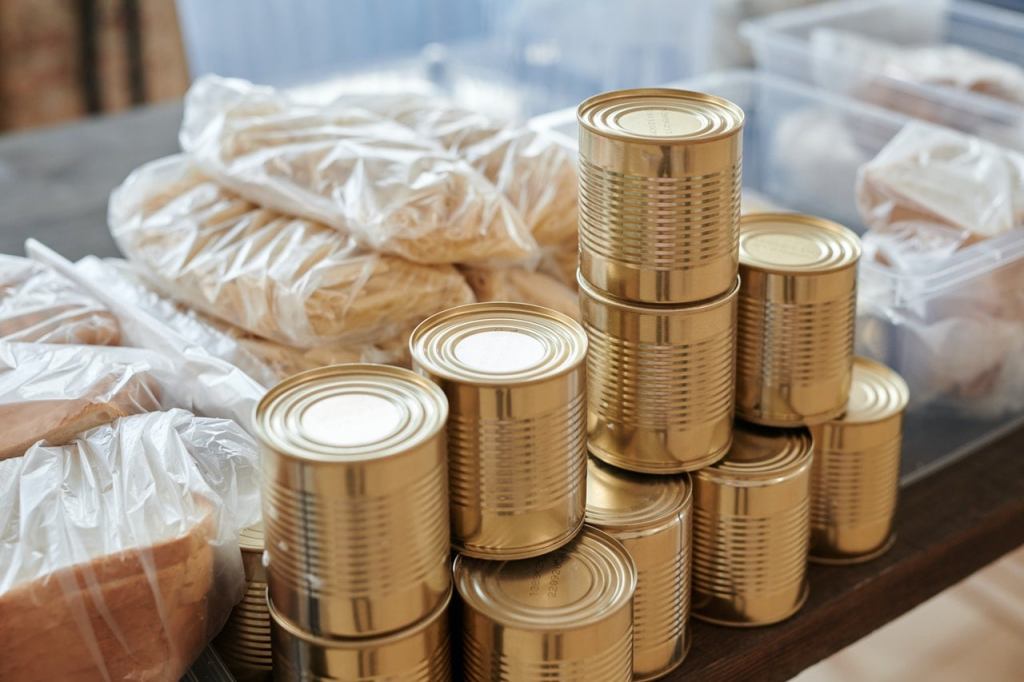
Canned goods are an absolute essential in any food stockpile. They have a long shelf life, are easy to store, and can provide you with a wide range of meal options in a pinch. Stocking up on canned vegetables, beans, soups, meats, and fruits will ensure that you have access to nutrients even when fresh food isn’t available. When purchasing canned goods, make sure to check expiration dates and rotate your stock regularly to ensure freshness.

Tip #1: Always buy a variety of canned goods to prevent food fatigue—opt for a mix of vegetables, meats, beans, and fruits.


2. Grains (Rice, Oats, and Quinoa)

Grains are a staple of any long-term food storage plan because they’re versatile, nutrient-dense, and easy to store. Rice is a homesteader’s best friend—it’s cheap, stores well, and can be used in a variety of dishes. Oats are perfect for breakfast and can be used in baked goods or as a thickener for soups and stews. Quinoa, while a bit pricier, is a great gluten-free option that packs a lot of protein and fiber.

Tip #2: Consider purchasing grains in bulk to save money, and store them in airtight containers to protect them from pests and moisture.


3. Beans and Legumes

Beans are another essential staple for homesteaders. They’re full of protein and fiber, which makes them an excellent choice for maintaining a balanced diet. Dried beans have an incredibly long shelf life, which is why they’re a popular item for long-term food storage. Stock up on various types, including black beans, kidney beans, lentils, and chickpeas. They’re perfect for soups, stews, salads, or as a main dish.

Tip #3: Buy dried beans in bulk and be sure to soak them before cooking to reduce cooking time and improve digestibility.


4. Salt and Spices

Salt is one of the most important stockpile items you can have—not only for flavoring food but for preservation as well. Salt is a time-tested method for curing meats, preserving vegetables, and seasoning dishes. Alongside salt, don’t forget to stock up on your favorite spices. Fresh herbs may not always be available, but dried herbs and spices can transform a basic meal into something flavorful and comforting.

Tip #4: Store salt in airtight containers, and consider vacuum-sealing smaller spice packets for long-term freshness.


5. Sugar and Honey

Sugar and honey are important staples for sweetening dishes and making preserves. Sugar is also crucial in the process of canning fruits and vegetables. Honey, on the other hand, has natural antibacterial properties and can be used in many medicinal and culinary ways. Both have a long shelf life and can be used in a variety of recipes.

Tip #5: Store sugar in airtight containers to prevent clumping, and opt for raw honey if possible, as it has a longer shelf life.


6. Flour and Baking Ingredients

If you’re a homesteader, you likely do a lot of baking. Flour, yeast, and other baking ingredients are essential for creating bread, muffins, pancakes, and other staples. Flour has a relatively long shelf life when stored properly, but make sure to rotate it regularly and keep it in airtight containers. You’ll also want to have a variety of other baking essentials like baking powder, soda, and cornstarch on hand.

Tip #6: Consider storing flour in the freezer for longer shelf life and to prevent pests from getting into it.


7. Dehydrated and Freeze-Dried Foods

Dehydrated and freeze-dried foods are perfect for the homestead pantry. They’re lightweight, easy to store, and offer a great shelf life, making them an excellent addition to any emergency stockpile. Freeze-dried fruits, vegetables, and even meats can provide valuable nutrition when fresh food is not available. These foods can be rehydrated with water and used in a variety of recipes.

Tip #7: Consider investing in a food dehydrator or freeze dryer to make your own dehydrated food at home for ultimate self-sufficiency.


8. Canned Dairy or Powdered Milk

Dairy can be difficult to store long-term, but there are options that will ensure you don’t miss out on this important part of your diet. Canned dairy and powdered milk are both excellent choices for homesteaders looking to stock up. They may not replace fresh milk, but they’re great for cooking, baking, and making drinks. Powdered milk can also be used to make cheese or yogurt, providing valuable protein and calcium.

Tip #8: Store powdered milk in airtight containers and keep it in a cool, dark place to extend its shelf life.


9. Root Vegetables (Potatoes, Sweet Potatoes, Onions)

Root vegetables are an essential part of any homestead’s food stockpile. They store well, provide essential vitamins and minerals, and can be eaten in a variety of ways. Potatoes and sweet potatoes are packed with carbohydrates and can be used in everything from soups to casseroles. Onions are a great addition to many dishes and can be dehydrated for long-term storage.

Tip #9: Store root vegetables in a cool, dry place to prevent sprouting and spoilage. If possible, grow your own to increase self-sufficiency.


10. Nuts and Seeds

Nuts and seeds are nutrient-dense and packed with protein, fats, and vitamins. Almonds, walnuts, sunflower seeds, and pumpkin seeds are great options for your stockpile. They can be eaten as snacks, added to meals, or used for making nut butters. These foods are especially helpful in adding variety and texture to your meals.

Tip #10: Store nuts and seeds in airtight containers or vacuum-seal bags to prevent them from going rancid due to exposure to air.


10 Homestead Tips for Food Security:

  1. Rotate your stock regularly – Make sure you’re using older items first and replenishing your stock to keep everything fresh.
  2. Preserve your own food – Canning, dehydrating, and freezing your homegrown produce helps build up your food security.
  3. Grow a garden – The best way to ensure a steady supply of fresh food is by growing it yourself.
  4. Start a compost pile – Composting kitchen scraps will help nourish your garden, ensuring you have a sustainable food source.
  5. Invest in root cellars – A root cellar is a great way to store vegetables and fruits for long periods, keeping them fresh without refrigeration.
  6. Learn to forage – Wild edibles can supplement your food supply, and knowledge of local plants can be invaluable.
  7. Preserve your own meat – Learn to butcher and preserve meat through methods like curing, smoking, or canning.
  8. Store water – Having a water filtration system and backup water supplies is just as important as food.
  9. Barter with neighbors – Building strong relationships within your community can be a valuable resource for exchanging goods and services.
  10. Be prepared for emergencies – Having a well-stocked pantry and emergency plan in place will give you peace of mind.

Survival Essentials: The 10 Best Foods to Store Long-Term for Off-Grid Living

Living off the grid isn’t just about disconnecting from society; it’s about living in harmony with nature and relying on your own skills to sustain yourself. Whether you’re off the grid in the wilderness, a secluded homestead, or even in a tiny cabin, food storage is one of the most crucial elements of off-grid living. When you’re not dependent on grocery stores or delivery services, having a well-stocked pantry of long-lasting, nutrient-dense foods is essential for both survival and thriving in a self-sufficient lifestyle.

Long-term food storage isn’t just about hoarding supplies. It’s about being strategic, understanding your needs, and ensuring that the food you store has long shelf lives, nutritional value, and versatility. The right food can be the difference between having a successful, sustainable off-grid life and struggling to make ends meet. So, let’s dive into the top 10 foods every off-grid dweller should have in their long-term survival pantry, along with tips on how to maximize your space and efficiency.


1. Rice

Rice is one of the most essential, space-efficient foods you can store long-term. Not only does it provide a large amount of calories per serving, but it also has an incredible shelf life if stored properly. Brown rice, white rice, and even wild rice can be used in a variety of meals, from stir-fries to soups and casseroles. When stored in airtight containers and kept in a cool, dry place, rice can last for up to 30 years, making it an excellent choice for off-grid living.

Tip #1: Store rice in airtight containers such as Mylar bags with oxygen absorbers or in food-grade plastic buckets to keep out moisture and pests.


2. Dried Beans and Legumes

Dried beans and legumes are another pantry staple for off-grid survival. They are nutrient-dense, rich in protein and fiber, and incredibly versatile. Whether you’re preparing soups, stews, or chili, beans can be the base of many meals, providing the sustenance needed to fuel long days of work. They store well in airtight containers, have a long shelf life, and require minimal processing. Beans such as black beans, kidney beans, lentils, and chickpeas can all be easily incorporated into your food storage.

Tip #2: Pre-soak dried beans before cooking to reduce cook time and improve digestibility. Also, consider rotating your stock every couple of years to ensure freshness.


3. Canned Meats and Fish

Off-grid living often means fewer opportunities to purchase fresh meat or fish. That’s where canned meats and fish come in. Canned tuna, salmon, chicken, and other meats are incredibly convenient, portable, and shelf-stable. These foods provide a critical source of protein, which is essential for maintaining energy and muscle mass, especially when living an active off-grid lifestyle. Canned meats and fish are also great for emergencies when you can’t access your homestead’s hunting or fishing resources.

Tip #3: Diversify your canned meat and fish choices—Stock a variety of meats to avoid food fatigue, and always check the expiration dates to ensure they’re rotated properly.


4. Powdered Milk

Powdered milk is a critical food for off-grid living. Not only does it provide a good source of calcium and protein, but it can be used in a variety of ways: from making milk for drinking, to baking, and even cooking. Powdered milk has a much longer shelf life than fresh milk and requires no refrigeration, making it ideal for an off-grid lifestyle. In fact, with proper storage, powdered milk can last up to 25 years, ensuring that you always have a source of dairy when fresh options aren’t available.

Tip #4: Store powdered milk in vacuum-sealed bags or food-safe containers to prevent moisture absorption, and keep it in a cool, dry place for maximum shelf life.


5. Honey

Honey is one of the oldest natural preservatives, and it’s also one of the best food options for long-term storage. It has an indefinite shelf life when stored properly and offers a wide range of uses. Not only is honey a natural sweetener, but it has medicinal qualities as well. It’s also an essential ingredient for preserving fruits and vegetables, and its sugar content can boost energy when you’re working hard off the grid. Just be sure to store honey in glass jars or food-safe containers to keep it from absorbing moisture.

Tip #5: Use honey in recipes, for medicinal purposes, and as an energy source when working long hours off the grid. Always ensure it is kept away from moisture to maintain its quality.


6. Dehydrated and Freeze-Dried Foods

Dehydrated and freeze-dried foods are a lifesaver for anyone living off the grid. These foods are incredibly lightweight, take up minimal space, and have a long shelf life. You can stock up on fruits, vegetables, meats, and complete meals. Freeze-dried meals are especially useful for emergencies or during the off-season when you’re unable to grow your own food. Dehydrated and freeze-dried foods can be rehydrated with water and are great for making quick, nutritious meals.

Tip #6: Invest in a dehydrator if you have the resources, allowing you to preserve your own food from your homestead. Freeze-drying can also be done at home with the right equipment.


7. Whole Grains (Oats, Barley, and Corn)

Whole grains such as oats, barley, and corn are excellent options for off-grid living because they provide a solid nutritional base for breakfast, stews, and baking. Oats are especially useful for creating hearty breakfasts and can be stored for up to 30 years when kept in proper storage. Barley and corn can be used for soups, breads, or even milled into flour, giving you plenty of versatility in your off-grid meals.

Tip #7: Store grains in airtight containers and keep them in a cool, dry place to preserve freshness. You can even grow some of these grains on your homestead if you have the land.


8. Canned Vegetables and Fruits

Although fresh vegetables and fruits are harder to maintain off the grid, canned options are a great backup. Canned vegetables like carrots, peas, and green beans can add variety to your diet, and canned fruits can be a sweet treat. These items offer an excellent source of vitamins and minerals, especially in the off-season when your own garden isn’t producing. They’re easy to store, and with proper canning methods, they can last for years.

Tip #8: Look for canned goods with low sodium to avoid excessive salt intake. You can also can your own fruits and vegetables for long-term storage if you have the resources.


9. Salt and Spices

Salt is essential not just for flavoring your food but for preserving it. If you plan on smoking or curing meat, salt is a necessary ingredient. Spices, on the other hand, can make meals much more enjoyable, especially when you’re eating the same foods over and over again. A variety of spices, from pepper to garlic powder, will help break the monotony and allow you to create more flavorful meals. These items are lightweight, easy to store, and have long shelf lives.

Tip #9: Buy spices in bulk and store them in airtight containers to maintain their potency and flavor.


10. Sugar and Syrup

Sugar and syrup are both valuable for off-grid living. Sugar is not only a sweetener for drinks and baking, but it’s also essential for preserving fruits and making jams. Syrup can be used in the same way and can also help provide quick energy when you need it. Sugar, especially when stored properly, can last indefinitely. In an off-grid environment, having both sugar and syrup is a great way to ensure you can sweeten your food and create preserved treats.

Tip #10: Store sugar and syrup in sealed, moisture-proof containers to avoid clumping or spoilage. Keep these items in a cool, dry place to ensure longevity.


10 Off-Grid Living Tips and Skills:

  1. Master basic food preservation techniques like canning, drying, and smoking to extend the life of your food.
  2. Learn how to grow your own food—Stock up on seeds for vegetables, fruits, and herbs to ensure you can produce food year-round.
  3. Set up a rainwater collection system to provide water for cooking, cleaning, and irrigation.
  4. Invest in solar power to ensure you have a reliable energy source for cooking, heating, and lighting.
  5. Learn how to forage for wild edibles—Knowing what’s around you can help supplement your food supply.
  6. Keep a fire-starting kit handy—Whether it’s matches, a flint striker, or a ferro rod, being able to start a fire is essential for cooking and warmth.
  7. Practice self-reliance—Learn the skills needed to repair tools, build shelter, and perform basic survival tasks.
  8. Have a multi-fuel stove—A stove that can run on wood, propane, or solar energy will provide flexibility when resources are scarce.
  9. Create a composting system—Compost is a great way to recycle waste and create nutrient-rich soil for your garden.
  10. Plan for emergencies—Have a backup plan for extreme weather, medical issues, or other unexpected events.

How I Slashed My Canned Goods Expenses By Half

I always knew that canned foods are the one of easiest ways to make sure you always have food to eat.

However, when I looked at how much I need to stockpile, things started getting a little out of hand.

Some people say you need to store 3 to 6 months’ worth of food. Others even say a year.

This wouldn’t be a concern in the past, but with everything that’s going on lately, I simply can’t afford to shop for this much food.

Even if I shop in bulk.

So I did what any family man would do. I made them myself.

I looked into it and found several ways to make canned food.

And since I am not an experienced prepper, I used the simplest method there is. Water bath canning.

This is the exact process I followed

  1. Gather your food. This could be anything from fresh fruits and veggies to homemade sauces or jams.
  2. Pack the food into jars. You’ll want to use specially designed canning jars for this, and make sure there is some space at the top (referred to as ‘headspace’).
  3. Secure the lids. Once your jars are filled, put on the lids and screw bands, ensuring they are tightly sealed.
  4. Submerge the jars in a pot of boiling water. This is where the magic happens. The heat eliminates the bacteria, yeasts, or molds that could cause your food to spoil.
  5. Let the jars cool. Once you’ve boiled them for the recommended time, take them out of the water and let them cool. As they cool, the lids will seal completely.
  6. Inspect the seals. After the jars have cooled, inspect the seals to make sure they’re airtight. Any jars that haven’t been sealed properly can be reprocessed or refrigerated and used first.

And voila.

This simple process reduced my canned goods expenses by about half.

Bear in mind, you don’t have to store just beans.

You can use the same method for fruits, vegetables, jams, sauces, or whatever you like.

And you will have nutritional food that will last you through any emergency.

Why don’t you try it?

Your Grocery Bills Are About To Increase (Unless You Do This)

If you are an American, eggs are probably not ever missing from your house.

There was some bad luck around eggs, however, that will make you reconsider your breakfast options.

I love my scrambled eggs in the morning as much as the next guy.

But they are about to become so expensive that they will be leaving a bad taste in our mouths.

As if inflation wasn’t enough.

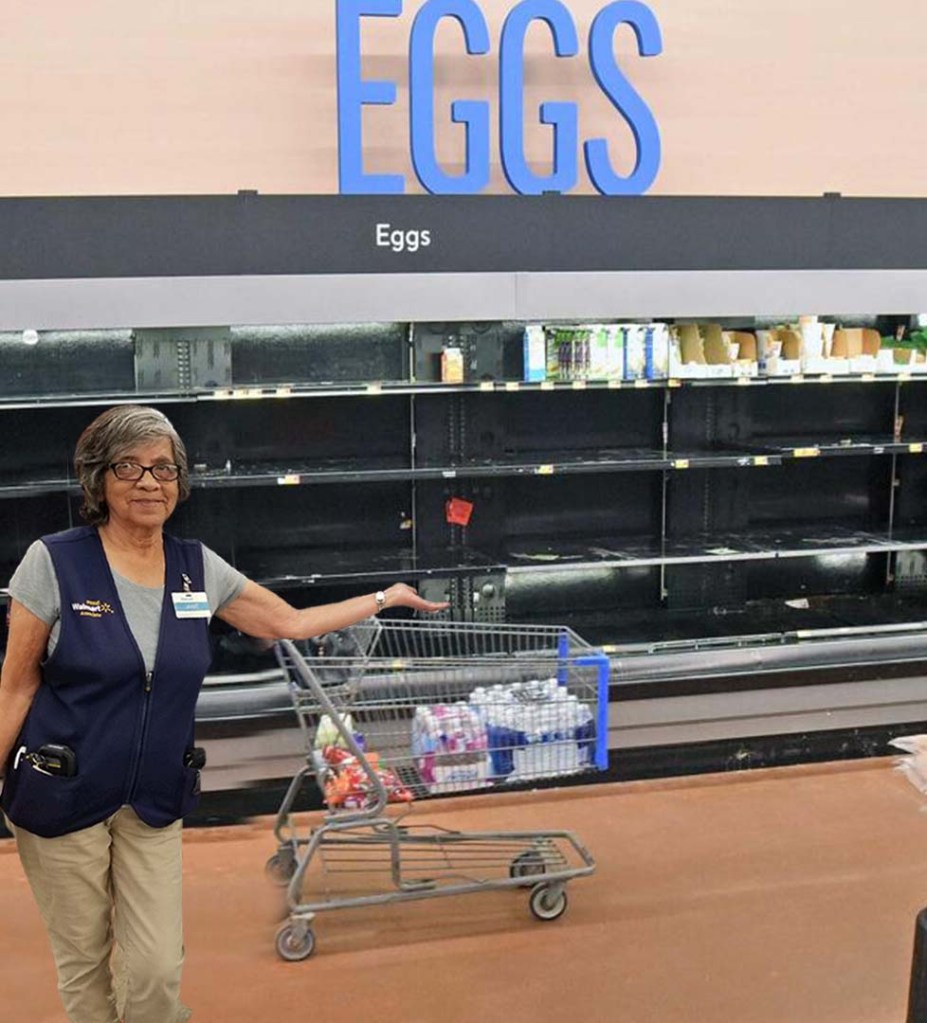
The bird flu just affected 52,700,000 poultry in the U.S. alone.

This is not a small number.

Chickens are either dying or being put down because of that disease.

And eggs are already almost 3 times more expensive than what they were a year ago.

I also read that a fire recently broke out at an egg facility in Connecticut, and killed 100,000 birds.

It is almost like eggs are cursed.

They will keep getting more expensive.

How much more can our wallets take?

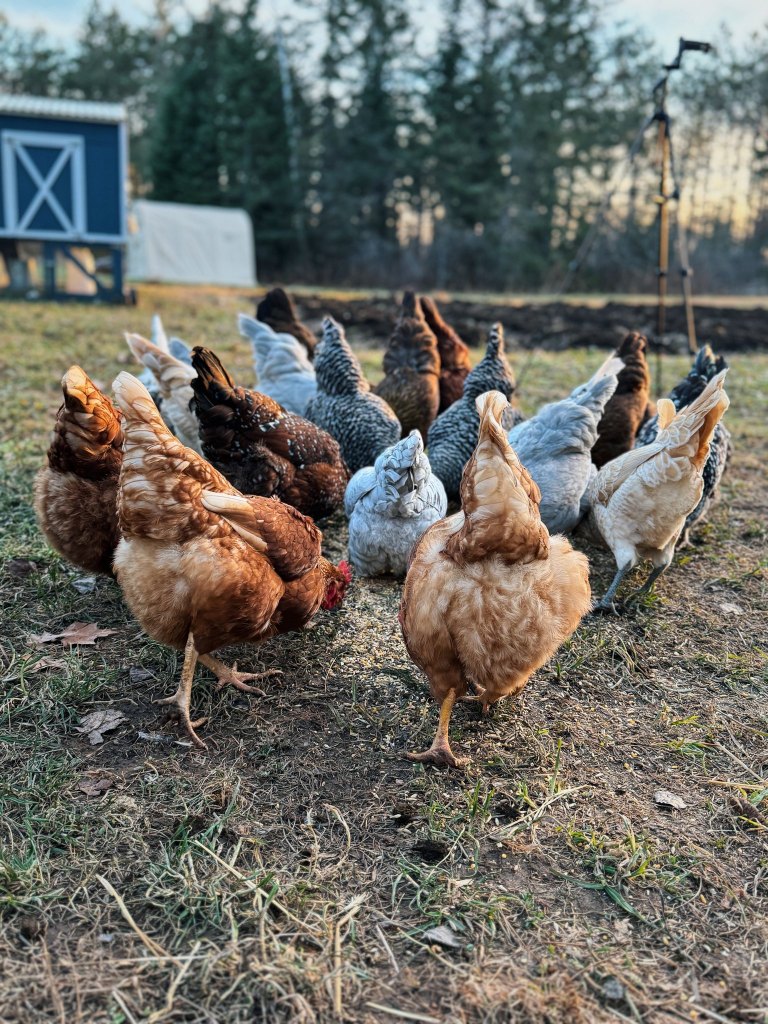
If you don’t want your jaw to drop every time you shop for groceries, I suggest you raise your own chickens.

Raising your own chickens is not just good for your wallet, but for your health too.

You will be the one who chooses what to feed them.

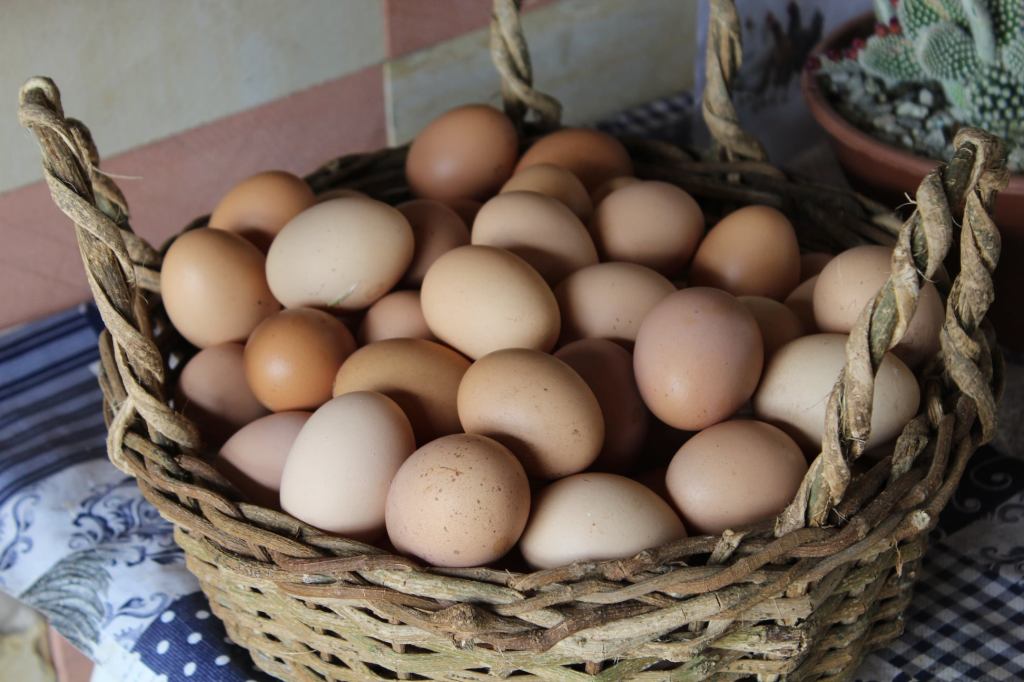
So you will know that they’ll produce nutritious eggs that are not filled with any weird hormones.

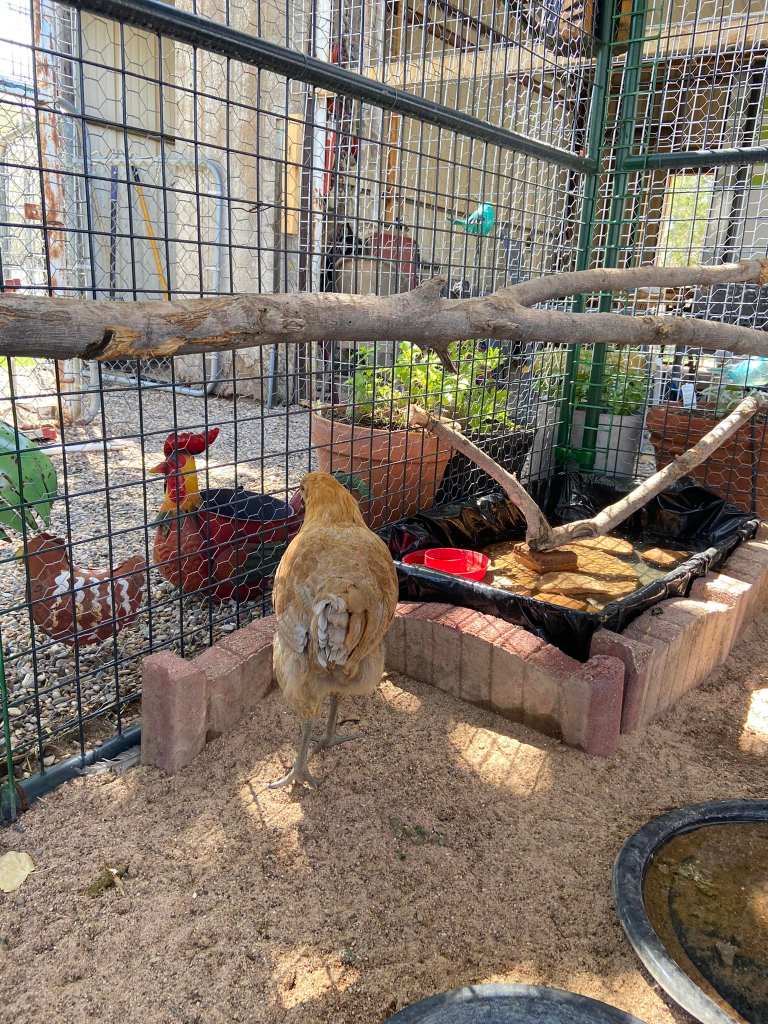
With just a little bit of effort, you can set up a small coop in your backyard and start raising a few chickens.

It’s a fun and rewarding hobby, and it will pay for itself in no time.

There are many breeds of chickens out there.

And you can even choose breeds that are known for their laying ability.

This will also give you peace of mind, knowing that if things come to worse, you will always have emergency food.

If you enjoy eggs as much as I do, this decision is a no-brainer.

It will assist you with feeding your family nutritious eggs even when they become too expensive.

Processed with VSCO with g6 preset

See what to look out for when raising your own chicken.