Tiny Home Living in Colorado: Mountain Towns That Love Small Homes

Tiny Home Living in Colorado: Mountain Towns That Love Small Homes
by Brooke Homestead — 2025 Female Survival Prepper of the Year

Colorado and tiny homes go together like hiking boots and mountain trails. Between the Rocky Mountains, outdoor-focused communities, and a strong culture of sustainability, many Coloradans already embrace the idea that life is better with less space and more freedom.

Of course, mountain living also means navigating zoning rules, winter weather, and sometimes expensive land. I’m Brooke Homestead, and after years of building tiny homes and experimenting with off-grid living, I’ve seen how the right Colorado town can make minimalist living not just possible—but incredibly rewarding.

Let’s take a look at the mountain towns where tiny homes are welcomed and the places where downsizing can be more challenging.


Mountain Towns That Love Tiny Homes: Durango and Salida

Durango — Outdoor Adventure Meets Alternative Living

Durango sits in southwestern Colorado surrounded by mountains, forests, and endless outdoor recreation.

Why Durango works for tiny homes:

Progressive mindset: The town attracts outdoor enthusiasts, environmentalists, and people interested in sustainable housing.

Rural land nearby: Areas outside the city in La Plata County often provide parcels suitable for small homes or cabins.

Adventure-focused lifestyle: Hiking, skiing, rafting, and mountain biking are everyday activities—perfect for people who prefer experiences over square footage.

Land prices: Rural land in the region typically ranges from $80,000–$200,000 per acre, depending on utilities and access.

💡 Brooke Tip: Look just outside city limits where zoning is less strict and properties offer more room for solar panels or gardens.

Living tiny in Durango means waking up with mountain views and spending your days outside instead of maintaining a large house.


Salida — A Tiny Home Pioneer in the Rockies
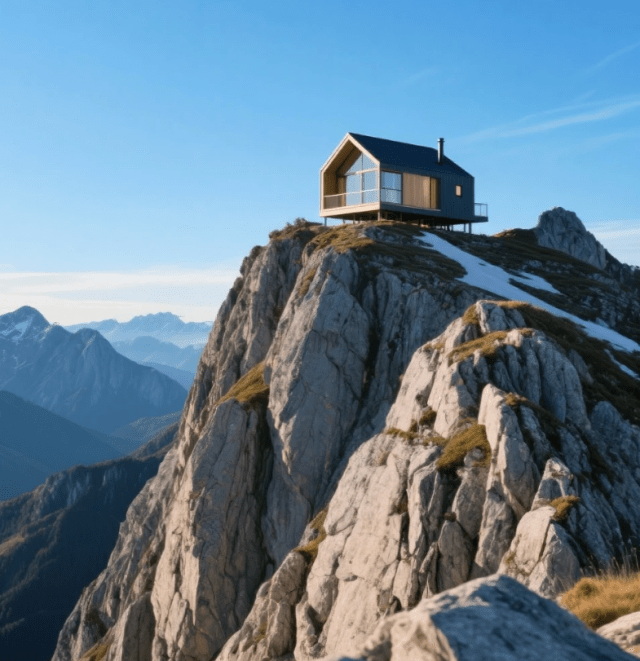
Salida has become one of the most exciting towns in Colorado for tiny home living.

Why Salida stands out:

Tiny home acceptance: The city has explored alternative housing and even supported tiny home communities.

Strong outdoor culture: Located near the Arkansas River and surrounded by mountains, Salida attracts adventurous residents.

Walkable downtown: Restaurants, art galleries, and shops create a lively small-town environment.

Land costs: Properties in Chaffee County generally range from $90,000–$220,000 per acre, depending on location.

Brooke Survival Insight: Salida’s sunny climate is ideal for solar power, which can make off-grid or energy-efficient tiny homes more practical.

For people who want a mountain lifestyle without sacrificing community, Salida is an exciting option.


Mountain Towns Where Tiny Homes Are Tougher: Aspen and Vail

Some of Colorado’s most famous mountain destinations are also the hardest places to build tiny homes.

Aspen

Aspen is one of the most expensive towns in the United States.

Challenges include:

  • Extremely high land prices
  • Strict zoning rules
  • Limited residential development space

Lots can easily exceed $1 million, making tiny homes financially impractical for most buyers.


Vail

Vail presents similar challenges.

Issues include:

  • Resort-focused development
  • HOA-heavy neighborhoods
  • High construction standards

💡 Brooke Tip: If you love the ski-town lifestyle, look for smaller communities 30–60 minutes away where land prices drop significantly.


Zoning Laws in Colorado — Tiny Home Reality

Colorado does not have a single statewide tiny home law, but many communities have begun experimenting with alternative housing.

Common scenarios include:

Accessory Dwelling Units (ADUs):
Some mountain towns allow backyard cottages between 300–800 sq. ft. with proper permits.

Tiny Homes on Wheels (THOWs):
Often treated as RVs and limited to RV parks or designated communities.

Foundation-Based Tiny Homes:
Must meet Colorado residential building codes, including structural standards designed for snow loads.

Brooke Advice: Mountain counties often have unique regulations related to wildfire safety, septic systems, and water access—always confirm rules before purchasing land.


Cost of Land in Colorado Mountain Regions

Land prices vary widely depending on proximity to ski resorts or popular tourist areas.

Typical ranges include:

  • Durango area: $80,000–$200,000 per acre
  • Salida region: $90,000–$220,000 per acre
  • Aspen area: $1,000,000+ per lot
  • Smaller rural mountain towns: $50,000–$150,000 per acre

Additional setup costs often include:

  • Well drilling
  • Septic installation
  • Driveway construction in steep terrain
  • Solar systems for remote properties

Climate Considerations — Mountain Weather for Tiny Homes

Colorado’s mountain climate requires careful design for small homes.

Winter:
Cold temperatures and heavy snowfall require strong insulation and steep roof designs.

Sun exposure:
High-altitude sunshine is excellent for solar energy systems.

Wildfires:
Many mountain regions require fire-resistant materials.

Wind and storms:
Structures must be well anchored.

Brooke Survival Insight: Tiny homes perform well in cold climates because small spaces heat efficiently—but insulation and airtight construction are essential in mountain environments.


Brooke Homestead’s Final Thoughts About Tiny Home Living in Colorado

Colorado offers some of the most inspiring places in the country for tiny home living—especially if you love mountains and outdoor adventure.

Best mountain towns for tiny homes:

  • Durango for outdoor culture and nearby rural land
  • Salida for progressive housing ideas and vibrant community life

More difficult locations:

  • Aspen due to extreme land prices
  • Vail because of resort zoning and expensive property

Tiny home living in Colorado is about freedom, adventure, and waking up surrounded by mountains. With the right town and a well-designed home, a small space can open the door to a big life full of trails, rivers, and wide-open skies.

And in my experience, the best view from a tiny home window is always a mountain sunrise.

Mississippi Tiny Homes: Where Minimalist Living Is Growing

Mississippi Tiny Homes: Where Minimalist Living Is Growing

by Brooke Homestead — 2025 Female Survival Prepper of the Year

Mississippi may be best known for its rivers, southern charm, and rich history, but it’s quietly becoming a state where tiny home living is gaining momentum. With affordable land, small towns, and a welcoming attitude toward downsizing, Mississippi is perfect for those who want to live simply, sustainably, and on their own terms. I’m Brooke Homestead, and after years of building tiny homes, thriving off-grid, and embracing minimalism, I’ll guide you through the best spots for tiny homes in Mississippi, zoning realities, land costs, and climate considerations.


Best Places for Tiny Homes in Mississippi: Oxford and Hattiesburg

Oxford — College Town with Rural Opportunities

Oxford is ideal for tiny home enthusiasts seeking community, culture, and rural access:

  • Zoning flexibility in outskirts: Many parcels allow tiny homes as primary residences or accessory dwellings.
  • Affordable land: Rural lots outside the city typically range from $10,000–$25,000 per acre — plenty of space for gardens, rainwater catchment, and solar panels.
  • Community mindset: Residents value sustainability, small-scale living, and minimalism, making tiny homes socially welcomed.

💡 Brooke Tip: Look for parcels a few miles outside Oxford — you’ll get more freedom for off-grid setups while still accessing shops, services, and cultural events.


Hattiesburg — Small-Town Practicality

Hattiesburg offers a combination of affordable land, friendly communities, and practical zoning for tiny homes:

  • Rural-friendly zoning: Many parcels allow tiny homes on wheels (THOWs) or foundation-based structures.
  • Land affordability: Parcels range from $5,000–$20,000 per acre — ideal for off-grid living or minimalist homesteads.
  • Community support: Residents appreciate practical, self-sufficient living and downsizing.

Brooke Survival Insight: Mississippi summers are hot and humid, while winters are mild. Tiny homes must have good ventilation, cooling systems, and moisture-resistant materials for comfort and longevity.


Challenging Areas for Tiny Homes in Mississippi: Jackson & Gulfport

Urban areas present obstacles:

  • Zoning restrictions: Minimum lot sizes, historic districts, and urban planning codes limit tiny home placement.
  • High land costs: Urban parcels can exceed $50,000–$150,000 per small lot.
  • Limited off-grid options: Dense development reduces flexibility for solar, septic, and water systems.

💡 Brooke Tip: Tiny homes in Jackson or Gulfport are mostly feasible as ADUs behind existing homes or in planned small-home communities.


Zoning Laws in Mississippi — Tiny Home Considerations

Mississippi does not have a statewide tiny home law; local regulations vary:

  • Accessory Dwelling Units (ADUs): Allowed in some towns, typically 200–500 sq. ft.
  • Tiny Homes on Wheels (THOWs): Treated as RVs; generally permitted on private rural land or in designated RV parks.
  • Foundation-based Tiny Homes: Must meet state and local building codes, including structural, electrical, plumbing, and insulation standards.

Brooke Advice: Always verify zoning with local planning offices before purchasing land — neighboring parcels can have very different rules.


Cost of Land in Mississippi — Budgeting for Tiny Homes

Land in Mississippi is affordable and abundant, especially in rural areas:

  • Oxford outskirts: $10,000–$25,000 per acre — excellent for off-grid tiny homes.
  • Hattiesburg rural lots: $5,000–$20,000 per acre — perfect for THOWs or foundation-based homes.
  • Jackson & Gulfport metro: $50,000+ per small lot — tiny homes mostly feasible as ADUs.
  • Northern and southern rural towns: $3,000–$15,000 per acre — ideal for self-sufficient, minimalist living.

Additional costs include wells, septic systems, solar panels, driveway access, and hurricane or storm preparedness.


Climate Considerations — Mississippi Weather for Tiny Homes

Mississippi has a humid subtropical climate, which affects tiny home design:

  • Winter: Mild — minimal heating requirements, but insulation still helps efficiency.
  • Summer: Hot and humid — ventilation, shading, and cooling systems are essential.
  • Storms: Severe thunderstorms and occasional hurricanes require elevated foundations, reinforced construction, and emergency planning.
  • Rain & Flooding: Proper drainage and site selection prevent water damage and mold issues.

Brooke Survival Insight: Tiny homes are compact — poor insulation, ventilation, or storm preparation can create discomfort or hazards, especially during summer heat and hurricane season.


Brooke Homestead’s Final Thoughts About Mississippi’s Tiny Home Lifestyle

Mississippi is a state where minimalist living is growing, offering affordable land, friendly small towns, and ample space for off-grid living:

  • Best Places: Oxford for culture and rural access; Hattiesburg for affordability and practical zoning.
  • Challenging Areas: Jackson and Gulfport due to zoning, density, and higher land costs.
  • Planning Essentials: Verify zoning, plan for storms and summer heat, and consider off-grid systems for water and energy.

Tiny home living in Mississippi is about resilience, simplicity, and enjoying life surrounded by rivers, forests, and southern hospitality. With careful planning and the right location, you can thrive in a small, sustainable home.

Surviving the News Cycle: Critical “Prepper” Thinking in a Biased Media World

Pretty, Prepared, and Wary: Surviving the News Media

Hey y’all, Brooke Homestead here. I know what you’re thinking: “She’s just a pretty girl ready to live off-the-grid.” True—but don’t underestimate me. I’ve got hands that can prune heirloom tomatoes in the morning and tie a rope rescue in the afternoon. Which brings me to something I’ve been noticing lately: the news media.

Take CNN’s Jake Tapper, for instance. Watching him interview Stephen Miller made me think… is the media reporting news, or are they spinning a story to fit a narrative? It seems like no matter what good comes out of DC, if the current administration is responsible, it must be framed as “bad.” That’s a lot like survival prep—filter out the noise, focus on the facts, and don’t panic at every alert.

(Click or Tap On The Picture Below of Jake Tapper Crying)

Do I trust the media? It’s complicated. Some outlets are careful, fact-driven, and transparent. Others sensationalize, editorialize, and push opinions disguised as news. My survivalist tip? Diversify your sources, verify with evidence, and most importantly—trust your own critical thinking. Just like in the wilderness, you can’t rely on one map; you have to read the terrain yourself.


Brooke Homestead: From Yoga Model to Homestead Hero

I wasn’t always covered in dirt and tomato seeds. At 25, I was a professional yoga model, traveling the world for photo shoots and wellness campaigns. But the glamour came with a dark side: I was stalked, followed, and harassed. It made me rethink my life, my safety, and the meaning of true independence. That’s when I discovered the homestead lifestyle.

Moving off-the-grid wasn’t just about escaping the stress—it became my empowerment. I learned survival gardening, hunting, and prepping skills that make me self-sufficient. I trained in wilderness rescue, and eventually, I was recognized as the 2025 Female Survivalist of the Year. Yoga didn’t go away; it evolved. I now combine flexibility and mindfulness with survival techniques, teaching people how to stay calm under pressure and solve real-life problems when the unexpected strikes.

I’m not just “a pretty girl in the garden” anymore. I’m someone who can save a family stranded in freezing weather, tend to crops through droughts, and survive the chaos of both wilderness and media spin. My life is a mix of grit, grace, and green thumbs—and I love every messy, challenging, empowering minute of it.

Kentucky Tiny Homes: Best Locations for Affordable Small Living

Kentucky Tiny Homes: Best Locations for Affordable Small Living

by Brooke Homestead — 2025 Female Survival Prepper of the Year

Kentucky is a state full of rolling hills, river valleys, and small towns where tiny home living can truly flourish. If you’re looking for affordable land, rural freedom, and a slower pace of life, Kentucky has a lot to offer. From the Appalachian foothills in the east to the farmlands of the west, the Bluegrass State provides a mix of communities that welcome downsizing, off-grid living, and sustainable lifestyles. I’m Brooke Homestead, and after years of tiny home construction, off-grid survival, and minimalist living, I can help you identify where Kentucky is ideal for small living, and which areas pose challenges.


Best Locations for Tiny Homes in Kentucky: Berea and Bowling Green

Berea — Artsy, Affordable, and Tiny Home Friendly

Berea, known for its artisan community and natural surroundings, is perfect for tiny home living:

  • Zoning flexibility in rural outskirts: Many parcels allow tiny homes, both foundation-based and on wheels, particularly outside the city center.
  • Affordable land: Parcels often range from $10,000–$30,000 per acre, making downsizing financially feasible.
  • Community acceptance: Berea has a strong culture of sustainability and alternative lifestyles, making tiny homes socially embraced.

💡 Brooke Tip: Look for land in Madison County outskirts. Larger lots give you space for gardens, solar panels, and water collection systems.


Bowling Green — Suburban-Rural Balance

Bowling Green, in south-central Kentucky, offers access to urban amenities while maintaining rural freedom:

  • Rural zoning flexibility: County regulations allow tiny homes on private parcels, particularly in low-density areas.
  • Affordable land: Lots typically range from $8,000–$25,000 per acre, suitable for small homes, THOWs, or foundation-based tiny homes.
  • Outdoor lifestyle: Nearby parks, lakes, and trails make off-grid living and gardening practical.

Brooke Survival Insight: Winters are mild, but summer heat and humidity require ventilation, shading, and moisture-resistant building materials.


Challenging Areas for Tiny Homes in Kentucky: Louisville & Lexington

While Kentucky’s major cities have appeal, urban areas pose challenges for tiny home living:

  • Zoning restrictions: Minimum lot sizes, building codes, and historic district regulations limit tiny home placement.
  • High land costs: Urban and suburban lots often exceed $75,000–$150,000, reducing the financial advantage of downsizing.
  • Limited off-grid options: Dense development and municipal utilities limit solar, septic, or water independence.

💡 Brooke Tip: Tiny homes in urban areas are mostly feasible as ADUs behind existing houses or within planned eco-friendly communities.


Zoning Laws in Kentucky — Tiny Home Considerations

Kentucky does not have a statewide tiny home law, so rules vary by county and city:

  • Accessory Dwelling Units (ADUs): Increasingly allowed in progressive towns, usually 200–500 sq. ft.
  • Tiny Homes on Wheels (THOWs): Treated as RVs; generally allowed on private rural land or in designated RV parks.
  • Foundation-based Tiny Homes: Must comply with state and local building codes, including structural, electrical, plumbing, and insulation requirements.

Brooke Advice: Always check with the county planning office before buying land — tiny home legality can differ drastically between parcels.


Cost of Land in Kentucky — Budgeting for Tiny Homes

Land in Kentucky is generally affordable, especially in rural areas:

  • Berea outskirts: $10,000–$30,000 per acre — ideal for off-grid tiny homes.
  • Bowling Green rural lots: $8,000–$25,000 per acre — great for foundation-based or THOW setups.
  • Louisville & Lexington suburbs: $75,000+ per lot — tiny homes feasible mostly as ADUs or secondary dwellings.
  • Eastern Appalachian foothills: $5,000–$15,000 per acre — excellent for off-grid living and long-term sustainability.

Other costs: wells, septic systems, solar panels, driveways, and storm preparedness.


Climate Considerations — Kentucky Weather for Tiny Homes

Kentucky has a humid subtropical climate, which influences tiny home design:

  • Winter: Mild, occasional snow; proper insulation and heating are still necessary.
  • Summer: Hot and humid — ventilation, shade, and moisture-resistant materials are essential.
  • Spring/Fall: Storms, rain, and occasional flooding require drainage planning and roof integrity.

Brooke Survival Insight: Tiny homes are compact — poor ventilation or inadequate drainage can create uncomfortable or unsafe conditions. Plan wisely.


Final Homestead Thoughts

Kentucky offers great opportunities for affordable tiny home living:

  • Best Locations: Berea for artsy, sustainable communities; Bowling Green for rural-suburban balance and outdoor access.
  • Challenging Areas: Louisville and Lexington due to zoning, high land costs, and limited off-grid potential.
  • Planning Essentials: Verify zoning, check utilities, design for heat and humidity, and prepare for storms.

Tiny home living in Kentucky is about simplicity, resilience, and embracing both land and community. With the right location and careful planning, you can thrive in a small, sustainable home surrounded by rolling hills, rivers, and forests.

Brooke Homestead

Mississippi’s Best Survival Gardening Advice, Tricks, and the Best Emergency Food Storage Preparedness Tips Around

When most people think about survival gardening, they picture snowdrifts and frozen ground. But let me tell you something — the Deep South brings its own battlefield. Heat, humidity, hurricanes, pests, and long growing seasons that can either bless you… or exhaust you.

And when it comes to preparedness in Mississippi, Brooke Homestead says this:

“Mississippi doesn’t freeze you out. It wears you down.”

Below is Brooke’s Mississippi survival gardening and food security blueprint — smart, strategic, and built for Southern resilience.


🌾 Brooke Homestead Introduces Herself

“Hey friends — Brooke here.

The first time I gardened in Mississippi, I thought, ‘Wow, I can grow year-round! This will be easy.’

Then the humidity hit.
Then the bugs came.
Then a summer storm flattened half my tomatoes in one afternoon.

That’s when I realized — Mississippi isn’t hard because it’s cold. It’s hard because it’s relentless.

But if you understand this climate? It can feed you almost all year long.”


Brooke’s Survival Gardening Strategy for Mississippi

Mississippi offers a long growing season — often 200+ frost-free days. That’s a survival advantage if managed correctly.


1 – Grow in Seasons — Not Just Summer

“In Mississippi, summer gardening can actually be the hardest season.”

Brooke divides the year into:

Cool Season (Fall/Winter/Early Spring):

  • Kale
  • Collards
  • Spinach
  • Carrots
  • Beets
  • Cabbage
  • Broccoli
  • Lettuce

Warm Season (Late Spring/Summer):

  • Okra
  • Sweet potatoes
  • Field peas
  • Southern beans
  • Corn
  • Squash
  • Peppers

“Cool-season crops are your secret weapon in Mississippi. You can harvest when much of the country is frozen.”


2 – Heat & Humidity Management

Mississippi summers can push high humidity and triple-digit heat indexes.

Brooke’s approach:

  • 30–50% shade cloth during peak heat
  • Heavy mulching to retain soil moisture
  • Morning watering only
  • Drip irrigation to reduce fungal issues

“Humidity grows food — but it also grows fungus. Airflow is everything.”


3 – Pest & Disease Pressure Is Real

Southern climates mean aggressive pests.

Brooke uses:

  • Crop rotation every season
  • Companion planting (marigolds, basil)
  • Neem oil when needed
  • Physical barriers for squash borers and beetles

“If you don’t stay proactive, bugs will eat your survival plan.”


4 – Prepare for Hurricanes & Storms

Mississippi faces tropical storms and heavy rains.

Her strategy:

  • Raised beds for drainage
  • Deep-rooted crops
  • Trellising systems anchored firmly
  • Backup seedlings started indoors

“Storm resilience is just as important as crop selection.”


Mississippi Food Storage Strategy

“Here’s the blessing: Mississippi grows abundance.

Here’s the challenge: You must preserve that abundance.”


Pressure Canning & Water Bath Canning

Brooke cans:

  • Green beans
  • Field peas
  • Okra
  • Tomato sauce
  • Chicken
  • Broth

“Summer harvests must become winter security.”


Root Storage (Modified for the South)

Traditional root cellars can struggle in humid climates.

Brooke recommends:

  • Climate-controlled indoor pantry space
  • Cool basement storage if available
  • Proper curing before storage
  • Dehydration for onions and peppers

“Humidity control matters more than cold in Mississippi.”


Long-Term Staples

She stores:

  • White rice
  • Pinto beans
  • Cornmeal
  • Oats
  • Salt
  • Sugar
  • Flour

Stored in:

  • Mylar bags
  • Oxygen absorbers
  • Airtight food-grade buckets

“Hurricanes can empty shelves fast. I don’t gamble with food security.”


Why Survival Gardening in Mississippi Is So Important

Brooke lays it out clearly:

  • Hurricane season can disrupt supply chains.
  • Rural areas may have limited grocery access.
  • Power outages can last days or weeks.
  • Heat waves can impact commercial agriculture.
  • Food prices fluctuate heavily in storm seasons.

“In Mississippi, preparedness isn’t dramatic. It’s practical.”


Brooke’s Final Mississippi Advice

Use the long growing season to your advantage.

Grow in fall.
Grow in spring.
Preserve in summer.
Store for storms.

Build shade systems.
Control moisture.
Stay ahead of pests.

And most importantly — don’t wait until hurricane warnings hit the news to think about food.

Preparedness in the South is about respecting the season before it arrives.

If your pantry is full before storm clouds form, you’ve already won.

Ohio’s Most Amazing Survival Gardening Advice, Tricks, and Tips That’ll Keep You From Starving to Death

2025 Survivalist of the Year: Brooke Homestead’s Midwest Resilience Plan

When people think survival, they often picture mountains or deserts. But real preparedness? It thrives in the Midwest. Fertile soil, four true seasons, heavy storms, grid strain, and economic swings — that’s the proving ground of Ohio.

And according to Brooke Homestead:

“Ohio doesn’t test you with extremes. It tests you with unpredictability.”

Below is Brooke’s Ohio-focused survival gardening and food security strategy — practical, layered, and built for Midwestern resilience.

Brooke Homestead Introduces Herself

“Hey friends — Brooke here.

Ohio is sneaky.

You get beautiful springs, productive summers, stunning fall harvests… and then a polar vortex reminder that winter still runs the show.

The first season I gardened here, I underestimated spring rain. Lost a bed of carrots to rot. That’s when I learned something critical:

In Ohio, drainage is just as important as sunlight.

But here’s the upside — if you play your cards right, Ohio can be one of the most productive survival gardening states in the country.”

Brooke’s Survival Gardening Strategy for Ohio

Ohio offers roughly 150–180 frost-free days depending on region. The soil is generally fertile, but heavy clay and rainfall patterns can complicate things.

1️⃣ Build for Drainage First

“Ohio clay will drown your crops if you let it.”

Brooke recommends:

  • Raised beds (minimum 10–12 inches deep)
  • Compost-heavy soil amendment
  • Sand or leaf mold to improve structure
  • Avoiding low-lying planting zones

“Water control equals crop control.”

2️⃣ Focus on Calorie-Dense Crops

Brooke’s Ohio survival list:

  • Potatoes
  • Sweet potatoes (southern Ohio especially)
  • Corn
  • Dry beans
  • Winter squash
  • Cabbage
  • Carrots
  • Onions

“These crops store well and feed families — not just dinner plates.”

3️⃣ Embrace Four-Season Growing

Ohio’s shoulder seasons are powerful.

Brooke plants:

Early Spring & Fall:

  • Kale
  • Spinach
  • Lettuce
  • Radishes
  • Peas

Summer:

  • Tomatoes
  • Peppers
  • Beans
  • Squash

“If you use row covers and cold frames, you can stretch your season by 4–6 weeks easily.”

4️⃣ Storm & Grid Preparedness

Ohio faces:

  • Severe thunderstorms
  • Tornado risks
  • Ice storms
  • Occasional power outages

Brooke’s strategy:

  • Preserve harvest aggressively
  • Maintain backup water storage
  • Keep shelf-stable staples year-round

“Midwest storms don’t ask permission.”

Ohio Food Storage Strategy

“Ohio grows abundance. Your job is to protect it.”

Root Cellaring

Ohio’s cooler winters make root storage practical.

Brooke stores:

  • Potatoes
  • Carrots
  • Beets
  • Onions
  • Apples
  • Cabbage

Ideal conditions:

  • 32–40°F
  • Moderate humidity

“A simple basement setup can work beautifully.”

Pressure & Water Bath Canning

She cans:

  • Green beans
  • Corn
  • Tomato sauce
  • Chicken
  • Beef
  • Broth
  • Soups

“Midwest families historically canned for a reason. It works.”

Long-Term Dry Storage

Brooke keeps:

  • White rice
  • Pinto beans
  • Hard wheat
  • Oats
  • Flour
  • Sugar
  • Salt

Stored in:

  • Mylar bags
  • Oxygen absorbers
  • Food-grade buckets

“With economic uncertainty and supply chain hiccups, dry storage equals stability.”

Why Survival Gardening in Ohio Matters

Brooke breaks it down clearly:

  • Severe storms can disrupt utilities.
  • Economic swings affect food pricing.
  • Winter weather limits fresh access.
  • Suburban and rural areas alike benefit from food independence.
  • Ohio’s soil makes self-reliance highly achievable.

“Ohio isn’t extreme — and that’s its power. It’s stable enough to build real resilience if you commit.”

Brooke’s Final Ohio Advice

“Start with soil health. Build raised beds. Grow calorie crops. Preserve more than you think you need.

Don’t waste Ohio’s long growing season.

Plant in spring.
Harvest in summer.
Preserve in fall.
Restock in winter.

Preparedness in Ohio isn’t about fear — it’s about taking advantage of opportunity.

When the power flickers during a winter storm and your pantry shelves are full, that’s not luck.

That’s strategy.”

— Brooke Homestead

2025’s Female Survival Prepper of The Year EXPOSES a Family’s Secret (Must Watch)

Brooke Homestead: 2025’s Female Survival Prepper of the Year

When it comes to survival prepping, few names command as much respect as Brooke Homestead. Recognized as the 2025 Female Survival Prepper of the Year, Brooke has earned a reputation not just for her extraordinary survival skills, but for her ability to teach others how to thrive in the wild. Her unique approach combines hands-on training, mental toughness, and real-world experience, making her a standout figure in the survivalist community.

Brooke doesn’t just prepare herself—she trains others. Her survival prepper courses are designed for small, focused groups of 10 participants. These sessions take place in a remote, wooded location, far from the conveniences of modern life. Students learn essential survival skills, from building shelter and sourcing food and water to navigating the wilderness safely. Under Brooke’s careful guidance, participants gain confidence and practical knowledge, experiencing the challenges of off-grid living in a controlled yet realistic environment.

Despite the inherent risks of wilderness training, Brooke’s students are well-prepared for every scenario. Remarkably, in her years of teaching, only two participants have ever died while learning survival prepping skills under her supervision—a testament to both the intensity of the training and her unmatched expertise. Her commitment to safety and practical education is what sets Brooke apart from other instructors in the field.

Her survival mastery doesn’t stop at teaching. Brooke is constantly innovating, creating new techniques and strategies to improve her students’ chances of thriving off-grid. Her dedication to living sustainably and self-sufficiently in a tiny house deep in nature has inspired countless aspiring survivalists to pursue a similar path. Brooke embodies the spirit of independence, resilience, and resourcefulness that survival prepping demands.

Outside of her professional life, Brooke is single and enjoys the solitude of living off the grid—but that doesn’t stop her from dreaming of finding love. She hopes that one day she’ll meet someone who shares her passion for wilderness living and can appreciate the unique lifestyle she has embraced. Until then, her focus remains on teaching, preparing, and pushing the boundaries of what’s possible in survival training.

Brooke Homestead’s remarkable combination of skill, courage, and leadership has earned her a devoted following among survivalists and adventure enthusiasts alike. Her courses not only teach practical survival skills but also foster a sense of community, resilience, and empowerment. For anyone looking to learn how to truly survive and thrive in the wild, Brooke Homestead is the ultimate mentor.

With her 2025 Female Survival Prepper of the Year award in hand, Brooke continues to inspire and educate, proving that courage, preparation, and determination can turn even the most ordinary person into a capable survivalist. Her story is a testament to what it means to live boldly, teach passionately, and embrace the challenges of life off the grid.

(Click on the Video Below to Learn Brook’s Family Secret)

Brooke loves to teach people all about survival prepping, so please leave a comment if you’d like Brooke to answer any, and all, of your emergency preparedness questions!

Eat These 10 Foods and Forget Living to 100 Years Old

The world is sick, the food supply is broken, and most people are eating themselves into an early grave while being told to “enjoy life.” That’s not enjoyment — that’s ignorance dressed up as convenience.

If you want to live to 100 years old, you don’t get there by accident. You get there by avoiding the garbage that modern society aggressively pushes as “normal food.” Longevity isn’t about magic superfoods or trendy supplements — it’s about not poisoning yourself every day.

The truth? Most people won’t make it anywhere near 100 because they keep eating things that quietly wreck their organs, blood vessels, hormones, and immune systems. And nobody in power seems to care — because sick people are profitable.

So here it is: 10 of the worst foods and drinks you can consume if long life is your goal. Eat them regularly, and you dramatically reduce your odds of ever seeing triple digits.


1. Ultra-Processed Junk Food

This is enemy number one.

Ultra-processed foods aren’t real food — they’re industrial products engineered for shelf life, addiction, and profit. Think packaged snacks, frozen meals, boxed “foods,” and anything with a paragraph-long ingredient list.

These products are loaded with:

  • Refined sugars
  • Industrial seed oils
  • Artificial flavors and preservatives
  • Chemical stabilizers

Your body doesn’t recognize this stuff as nourishment. It recognizes it as stress.

Long-term consumption is linked to inflammation, metabolic damage, cardiovascular disease, and accelerated aging. You can’t eat lab-created sludge every day and expect your body to survive a century.


2. Sugary Soft Drinks and Energy Drinks

Liquid sugar is one of the fastest ways to destroy long-term health.

Soft drinks and energy drinks spike blood sugar, strain the pancreas, damage blood vessels, and contribute to insulin resistance — all without providing a single useful nutrient.

They also:

  • Dehydrate you
  • Damage teeth
  • Disrupt appetite regulation

Drinking sugar is like mainlining metabolic chaos. People who consume these daily aren’t just shortening their lifespan — they’re degrading their quality of life decades before the end.


3. Highly Refined White Bread and Pastries

White bread, pastries, donuts, and baked desserts are longevity killers hiding in plain sight.

Refined flour has been stripped of fiber and nutrients, leaving behind a fast-digesting starch that spikes blood sugar and feeds inflammation. Add sugar and industrial fats, and you’ve got a perfect recipe for chronic disease.

These foods:

  • Promote fat storage
  • Disrupt gut health
  • Accelerate metabolic aging

No culture known for long life built its diet around pastries and white bread.


4. Industrial Seed Oils

This one makes people uncomfortable — good.

Industrial seed oils like soybean oil, corn oil, canola oil, and sunflower oil are everywhere. They’re cheap, unstable, and highly processed using heat and chemicals.

These oils are prone to oxidation, which contributes to:

  • Chronic inflammation
  • Cellular damage
  • Cardiovascular stress

They’re in restaurant food, packaged snacks, salad dressings, and fast food. If you’re eating out regularly, you’re swimming in them.

A body inflamed for decades doesn’t age gracefully — it breaks down early.


5. Processed Meats

Bacon, hot dogs, deli meats, sausages — they’re convenient, salty, and aggressively marketed.

They’re also loaded with preservatives, excess sodium, and compounds formed during processing that stress the body over time.

Regular consumption is associated with increased risk of:

  • Cardiovascular disease
  • Digestive issues
  • Metabolic dysfunction

This doesn’t mean never eating meat — it means avoiding factory-processed versions that prioritize shelf life over human health.


6. Excessive Alcohol

Let’s be honest: society treats alcohol like a personality trait.

Alcohol is not a health food. It’s a toxin that your liver has to neutralize before it can do anything else. Chronic consumption damages the liver, brain, heart, and immune system.

Long-term overuse:

  • Accelerates aging
  • Weakens cognition
  • Disrupts sleep and hormones

People who live to 100 typically don’t drink heavily — and when they do drink, it’s moderate, infrequent, and culturally grounded, not binge-based escapism.


7. Fast Food

Fast food is survival food for a system that doesn’t care if you survive long-term.

It’s high in calories, low in nutrients, and engineered for maximum palatability. Everything is fried, sugared, or drowned in industrial sauces.

Fast food diets contribute to:

  • Obesity
  • Heart disease
  • Early-onset chronic illness

If you rely on fast food, you’re trading years of life for minutes of convenience.


8. Artificially Sweetened “Diet” Products

Diet sodas, sugar-free snacks, and artificially sweetened foods are marketed as healthy alternatives. They’re not.

Artificial sweeteners can:

  • Disrupt gut bacteria
  • Confuse appetite signaling
  • Increase cravings for real sugar

You don’t trick biology. You only stress it.

Longevity isn’t built on chemical loopholes — it’s built on real food and restraint.


9. Excessively Salty Packaged Foods

Salt itself isn’t the villain — processed salt bombs are.

Packaged soups, chips, crackers, and instant meals often contain extreme sodium levels combined with preservatives and refined carbohydrates.

Over time, this contributes to:

  • Blood pressure issues
  • Kidney strain
  • Cardiovascular stress

Traditional long-lived cultures consumed salt in whole foods — not as a byproduct of industrial preservation.


10. Ultra-Sugary Breakfast Cereals

Colorful boxes, cartoon mascots, and “fortified” labels don’t change the truth.

Most breakfast cereals are desserts pretending to be health food. They spike blood sugar first thing in the morning and set the tone for energy crashes and cravings all day.

A daily sugar spike for decades is a terrible longevity strategy.


The Uncomfortable Truth About Living to 100

Reaching 100 isn’t about optimism. It’s about discipline, awareness, and refusing to participate in a broken system.

Most people won’t live that long — not because they’re unlucky, but because they consistently choose convenience over survival. The food environment is hostile, and pretending otherwise is denial.

Longevity requires:

  • Eating mostly whole, minimally processed foods
  • Drinking water instead of sugar
  • Treating food as fuel, not entertainment
  • Accepting that comfort today costs years tomorrow

The world won’t change for you. Corporations won’t save you. Nobody is coming to fix the food supply.

If you want to live to 100, you have to eat like someone who actually wants to survive that long.

Survive Anything: The Lifespan of Your Emergency Kit and the Best Places to Keep It

When it comes to surviving the unexpected, there’s nothing more empowering than having a fully stocked emergency preparedness kit. Whether it’s a hurricane, an earthquake, a power outage, or even civil unrest, having the right supplies within reach can make the difference between a stressful inconvenience and a true life-or-death situation.

But as any seasoned prepper will tell you, it’s not just about having a kit—it’s about maintaining it, understanding its lifespan, and storing it in the right location. Today, we’re going to dive into how long emergency kits can last, what factors affect their longevity, and the best practices for storing them so they’re always ready when you need them.


Understanding the Lifespan of an Emergency Kit

First, let’s address the big question: how long can an emergency kit last? The answer isn’t straightforward, because it depends on what’s inside the kit, the storage conditions, and how often you rotate or check your supplies.

1. Food Supplies
Most preppers know that food is the cornerstone of any survival kit. However, food has a shelf life, and not all emergency foods are created equal.

  • Canned Goods: Most canned foods can last anywhere from 2 to 5 years if stored properly in a cool, dry place. However, the acidic nature of foods like tomatoes or citrus can shorten the lifespan to around 18 months to 2 years.
  • Freeze-Dried Meals: These are the gold standard for preppers because they can last anywhere from 25 to 30 years if stored correctly. They’re lightweight, nutritious, and easy to prepare with just water.
  • MREs (Meals Ready-to-Eat): Military-grade MREs can last about 5 years at room temperature, with longevity decreasing in higher temperatures.

2. Water and Hydration Supplies
Water is arguably the most critical component of any emergency kit. While tap water stored in sealed containers can last up to 6 months, commercially bottled water has a shelf life of 1 to 2 years. For long-term storage, consider water purification tablets or filters, which can last up to 10 years unopened.

3. Medical Supplies
First aid kits often contain bandages, antiseptics, medications, and other medical essentials. While bandages and gauze can last indefinitely if stored properly, medications and ointments have expiration dates ranging from 1 to 5 years. Always check these regularly and rotate them out as needed.

4. Tools and Gear
Flashlights, multi-tools, batteries, and other equipment may not “expire” in the traditional sense, but they can degrade over time. For instance, batteries may corrode or lose charge, and plastic components can become brittle if exposed to extreme temperatures. Store tools in a controlled environment and check them at least twice a year.


Factors That Affect Kit Longevity

Several external factors can influence how long your emergency kit lasts:

  • Temperature: Extreme heat can dramatically shorten the shelf life of food, medications, and batteries. Keep your kit in a cool, dry place.
  • Humidity: Moisture can cause canned goods to rust, mold to develop, or bandages to degrade.
  • Light Exposure: Sunlight can break down packaging, degrade medications, and dry out essential oils. Always keep your kit in a dark or opaque container.
  • Movement: Shaking or jostling can damage cans, glass containers, or delicate items like matches and electronics.

Understanding these factors helps you make informed decisions about where and how to store your kit for maximum longevity.


Where to Keep Your Emergency Kit

Knowing how long your kit can last is only half the battle—the other half is knowing where to store it. The ideal storage location is one that balances accessibility with protection from environmental threats.

1. Home Storage
For most people, keeping a kit at home is the first priority. Consider these options:

  • Basement: Often the most temperature-stable area of a house, a basement can protect supplies from heat and light. However, ensure it’s dry to avoid mold or rust.
  • Closet: A dedicated closet or pantry can work well if it’s away from heat sources like ovens, heaters, or direct sunlight.
  • Under Bed or Furniture: Some preppers like to keep a compact kit under the bed or in a storage ottoman for quick access during emergencies.

2. Car Storage
A smaller, portable emergency kit in your car can be a lifesaver during road accidents, breakdowns, or natural disasters while away from home. Keep a kit in your trunk or glove compartment—but remember, cars can experience extreme temperatures, so check supplies regularly.

3. Workplace Storage
For people who spend long hours at work, having an emergency kit at your office or workspace can be crucial. Opt for a compact kit with essentials like food, water, first aid, and a flashlight.

4. Bug-Out Locations
If you maintain a secondary shelter, cabin, or safe house, keep a kit there as well. Store long-lasting supplies in airtight containers and in areas protected from moisture and rodents.


Tips for Maintaining Your Emergency Kit

Even the best kit won’t do you much good if it’s expired or broken when disaster strikes. Here are some essential maintenance tips:

  1. Label Everything: Clearly label containers with the purchase or expiration date.
  2. Rotate Supplies: Use older items for everyday use and replace them with fresh stock.
  3. Inspect Regularly: At least twice a year, check for leaks, rust, mold, or broken items.
  4. Keep a Checklist: Maintain a written or digital inventory to track what’s inside and when items need to be replaced.
  5. Temperature Control: If possible, store your kit in a climate-controlled area to extend shelf life.
  6. Educate Household Members: Everyone should know where the kit is and how to use it. Knowledge is as critical as the supplies themselves.

The Psychological Edge of Preparedness

One of the most overlooked benefits of having an emergency kit is the peace of mind it brings. Knowing that you have food, water, medical supplies, and essential tools at your fingertips reduces panic, helps you make rational decisions, and increases your overall resilience during any disaster.

Preparedness isn’t just about surviving—it’s about thriving when chaos strikes. A well-maintained kit gives you the confidence to act decisively, whether it’s evacuating your home during a hurricane or sheltering in place during a prolonged blackout.


Conclusion: Survival Starts With Preparedness

An emergency kit isn’t just a collection of items—it’s a lifeline. By understanding how long each component lasts and storing it in the right location, you’re ensuring that your kit will be effective when you need it most.

From canned foods and freeze-dried meals to water, first aid supplies, and tools, each item has its role in helping you survive disasters—both natural and man-made. Regular maintenance, strategic storage, and periodic rotation are key to keeping your kit reliable.

Remember, survival isn’t just about stockpiling supplies; it’s about foresight, knowledge, and the peace of mind that comes from knowing you’re prepared for whatever life throws your way.

So, take action today: check your kit, refresh your supplies, and secure it in a place that maximizes both longevity and accessibility. Your future self will thank you when disaster strikes.

The Last Grocery Store Run Before the Grid Goes Dark: A Prepper’s Final Warning

You can feel a collapse long before you can prove it. The air thickens, conversations shorten, and people move with a jittery uncertainty they pretend isn’t fear. For weeks now, every expert with a tie and a microphone has insisted the power grid is “stable” or “only experiencing minor vulnerabilities.” But those of us who still use our eyes—and not the spoon-fed comfort pumped out of screens—know the truth: the grid is held together with duct tape, denial, and a hope that ran out sometime last decade.

So this morning, when the news quietly mentioned “regional instability” and “rolling disruptions,” I knew exactly what that meant: this was it. My last chance to top off supplies before the grid sputters out for good. And despite everything I’ve stockpiled over the years, despite the shelves I’ve meticulously filled and the gallons of fuel I’ve tucked away, there’s always one last run. One more pass through the grocery store to grab the things that might mean the difference between grinding through the collapse or becoming another body buried under its weight.

And of course, like clockwork, people waited until the last possible second to panic.

I threw my gear in the truck and headed into town for what I knew would be a hostile, frantic, anger-soaked sprint through a grocery store full of clueless, late-to-the-party consumers who spent years mocking preppers and are now shocked—shocked—that modern life doesn’t come with guarantees.

Walking Into the Chaos

The parking lot told the whole story before I even got inside. Cars abandoned at crooked angles. Carts left as barricades. People shouting into phones that weren’t even connected because the networks were already starting to choke. And there it was—that glazed-over look in their eyes: the realization that no one is coming to save them.

I walked through the automatic doors (thankfully still powered), and the assault hit instantly: the stench of panic sweat, the squeal of wheels pushing overloaded carts, and the sound of ten different conversations about “how this can’t really be happening” coming from people who have spent their entire lives outsourcing responsibility to systems they never bothered to understand.

Every aisle was a battlefield. Every shelf was a shrinking island of hope.

But I wasn’t there to feel sorry for them. I wasn’t there to help them wake up. I was there to finish the job—secure what I needed before the lights blinked out forever.

Item 1: Shelf-Stable Calories

The first stop was obvious: dry goods. Rice, beans, pasta—anything that stores for years and keeps a body alive. I grabbed what was left, even as two grown adults argued over the last bag of lentils like toddlers fighting over a toy. They didn’t notice I slipped behind them and pulled three bags of white rice they’d overlooked. I didn’t feel bad; their ignorance wasn’t my responsibility.

When you’ve been preparing for years, you learn to see what others don’t.

Item 2: Canned Proteins

Next was canned meat—tuna, chicken, spam, whatever hadn’t yet been ravaged by the first wave of panic shoppers. Protein will be gold when the grid dies, and hunting won’t be an option for half the people who think they’ll suddenly become wilderness experts.

Most of the shelves were stripped clean, but I managed to get a dozen cans of chili and several cans of chicken that were shoved behind fancy organic soups no one wanted. Funny how people become less picky right before the world goes dark.

Item 3: Water and Purification Supplies

Water is life, but bottled water was already gone—the shelves empty except for the plastic price tags. No surprise. People always go for the obvious.

But I knew the real score: grab bleach, grab filters, grab anything that makes questionable water drinkable.

Saw three teenage boys laughing as they tossed the last cases of bottled water into their cart, mocking the panic. I’d love to see how much laughing they’ll do once they realize one case of water lasts a family about two days, maybe three if rationed.

Meanwhile, I slipped down the cleaning aisle and filled my basket with purification essentials they didn’t even think about.

Item 4: High-Calorie “Morale Foods”

In a collapse, calories keep you alive—but morale keeps you human.

I grabbed chocolate, instant coffee, peanut butter, and the last few boxes of granola bars. These aren’t comforts—they’re psychological stabilizers. When your world shrinks to survival, a spoonful of peanut butter becomes strength, and a cup of coffee becomes hope.

People think prepping is all about ammo and generators. They forget the human mind collapses long before the body does.

Item 5: Quick-Use Foods

Anyone who’s lived through an outage knows the first few days are the worst. You need quick, no-cook food to get through the transition. I grabbed crackers, canned fruit, ready-made soups, and instant meals.

By now, the lights had started to flicker. The store manager shouted something unintelligible over the intercom, but nobody cared. The panic had gone from simmer to full boil.

The Desperation Was Palpable

I saw people crying in the aisles. Some were shouting into phones, begging family members to “get home now.” Others were staring at empty shelves as if they were staring at their own future—void, stark, unforgiving.

What infuriated me, though, was this: they had every chance to prepare. Every warning sign. Every news report hinting at instability. Every outage over the last decade, every expert saying the grid was aging, overstressed, and under-maintained.

But they ignored it all.

Because denial is a warm blanket in a cold world—right up until the blanket catches fire.

Checking Out

I got into the shortest line I could find—not that it mattered. People were frantic, dropping items, yelling, shoving. The card machines were already stalling. Someone screamed when their payment declined; someone else tried to argue their expired coupons should still apply “because this is an emergency.”

Pathetic.

I paid with cash—something else people have forgotten still has value when systems break.

As I walked back out into the parking lot, the first substation alarm in town began to wail. A low, mechanical howl rolling over the rooftops like a warning siren for the damned.

People looked around, confused. I wasn’t. I knew exactly what it meant.

Heading Home Before the Lights Go Out

The grid wasn’t collapsing.
It was collapsed. We were simply watching the echoes.

I tossed the last-gasp items into the truck, turned the engine over, and headed out of the mess before the roads clogged with panicked civilians who still believed someone would come fix this.

Because they don’t understand the truth we preppers have known for years:

When the grid goes down, it’s not just the lights that disappear.
It’s the illusion of stability.
It’s the myth of progress.
It’s the lie that society will always keep humming along politely.

And when that illusion dies, the world gets real—fast.

I didn’t make that last grocery store run because I was unprepared.
I made it because I understand something the rest of the world refuses to accept:

There is no cavalry. Only consequences.

And I intend to face those consequences with a stocked pantry, a clear head, and the grim satisfaction of knowing that while the world slept, I stayed awake.

Let the grid burn.
I’ll survive the night.