
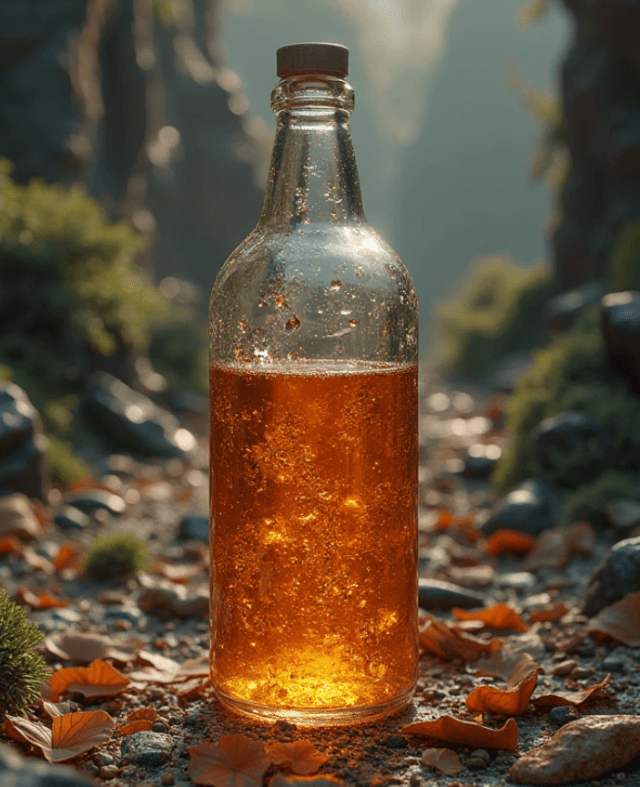
Alright, listen up — because this ain’t some cozy, sugar-coated fluff piece about Missouri’s tap water. If you’re living in Missouri or anywhere else, you better be damn sure your drinking water isn’t going to screw you over when you least expect it. The truth? Missouri’s drinking water safety is a mixed bag. Sure, they say it meets federal standards, but those standards don’t exactly guarantee you’re sipping on pure life-giving nectar instead of a toxic cocktail of chemicals, heavy metals, and god-knows-what else.
So before you just gulp down whatever comes out of your faucet like some kind of water-needy guppy, you need to know how to survive if that water turns on you. Because, trust me, it can and it will if you don’t prepare. Here’s the cold hard reality: municipal water systems can and do fail. Pipes rust. Contaminants sneak in. Natural disasters flood systems with sewage. Hell, industrial runoff or farming chemicals don’t exactly give a damn about your health.
Missouri’s Drinking Water Safety Reality Check
Missouri relies heavily on groundwater and surface water sources like the Missouri River and the Mississippi. They treat it — supposedly — but the problems are real:
- Nitrates from fertilizers: Agriculture is big in Missouri. Chemicals seep into water tables and cause dangerous nitrate spikes. High nitrates can cause serious health problems, especially for babies.
- Industrial contaminants: Heavy metals like lead and arsenic have shown up in parts of Missouri’s water.
- Aging infrastructure: Many water systems operate on decades-old pipes and equipment prone to failure.
- Microbial threats: Bacteria, viruses, and protozoa can survive treatment or sneak in during system failures.
- Chemical spills and runoff: Missouri has its fair share of factories and farms. Chemicals leaking into water supplies is an ongoing threat.
Bottom line? You can’t just blindly trust the city water report. You gotta be ready to filter, purify, and survive if things go south.
15 Water Filtration Survival Skills You Need Like Yesterday
- Boiling Water: The simplest and most reliable way to kill pathogens. Bring water to a rolling boil for at least 1 minute (3 minutes at higher elevations). No exceptions.
- Using Cloth or Bandanas as Pre-filters: Before filtration, run water through a clean cloth to remove large debris and sediment.
- Improvised Sand and Gravel Filters: Layer sand, charcoal, and gravel in a container to filter out particulates and improve taste. Not perfect but better than nothing.
- Charcoal Filtration: Activated charcoal adsorbs many chemicals and improves taste. You can make charcoal from hardwood and use it as a filter layer.
- Chemical Disinfection (Bleach): Household bleach can disinfect water — use 2 drops per liter, stir, and let stand 30 minutes. Use only regular unscented bleach.
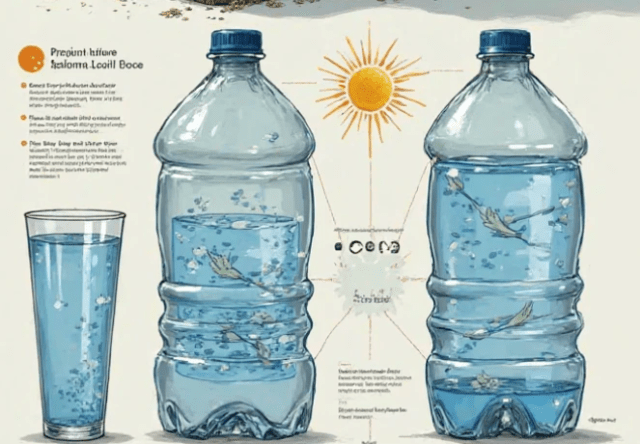
- UV Light Purification: Sunlight can kill pathogens if water is clear. Use clear plastic bottles and place them in direct sunlight for 6 hours (SODIS method).
- Portable Water Filters: Carry compact ceramic or carbon filters designed to remove bacteria and protozoa. Make sure they filter down to 0.2 microns.
- Distillation: Boil water and collect the steam on a clean surface, allowing it to condense into a clean container, separating pure water from contaminants.
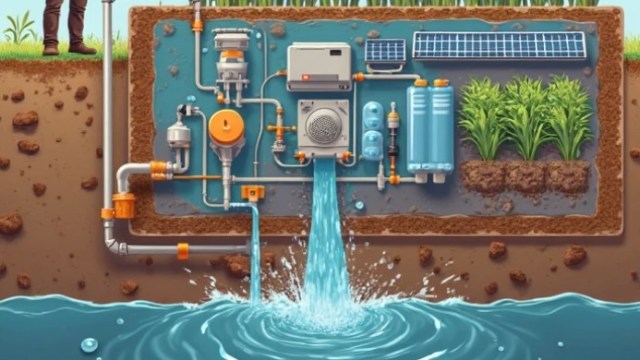
- Reverse Osmosis: Complex but highly effective if you can rig it, removes most contaminants including heavy metals.
- Using Iodine Tablets: Similar to bleach but meant for water purification tablets, effective against bacteria and viruses.
- Creating a Solar Still: Dig a hole, place a container in the center, cover with plastic, and use the sun to condense and collect purified water.
- Filtering with Coffee Filters or Paper Towels: Not a purification step but good as a pre-filter to trap particles.
- Testing Water Quality: Learn to use simple test strips to check for nitrates, pH, chlorine, and hardness before drinking.
- Storing Filtered Water Properly: Use clean, airtight containers, keep them in cool places, and avoid contamination.
- Reading Local Water Reports: Stay informed about boil-water advisories and contamination alerts from local authorities.
3 DIY Survival Drinking Water Hacks to Keep You Alive
Hack 1: DIY Charcoal Filter Bottle
You don’t need fancy gear. Take an empty plastic bottle, cut off the bottom, invert the top as a funnel. Layer sand, activated charcoal (make your own by burning hardwood and crushing the charcoal), and gravel inside. Pour dirty water through it. The charcoal removes odors, chemicals, and improves taste; sand and gravel catch debris. It’s slow but effective. Follow up with boiling or chemical treatment for safety.
Hack 2: Solar Water Purification Bottle
Fill a clear plastic soda bottle with water. Make sure the water is as clear as possible by pre-filtering. Place it on a reflective surface like aluminum foil in direct sunlight for at least 6 hours. This uses UV rays to kill pathogens. It’s called the SODIS method and has saved countless lives worldwide. It’s low-tech, lightweight, and foolproof.
Hack 3: The Straw Filter
Cut a plastic straw in half, fill one half with charcoal and sand tightly packed, seal one end with cloth or cotton, and use it as a makeshift straw filter. Suck water through it (only in desperate situations, and never a replacement for full purification). This reduces sediments and some impurities, buying you time until you can do proper boiling or chemical disinfection.
Why You Should Never Trust Missouri’s Water Blindly
I don’t care how glossy the local water quality reports look — those things don’t tell you everything. They’re often outdated, and testing standards are minimal. You could be drinking water laced with low levels of harmful contaminants that slowly ruin your health. You could get hit with sudden contamination from a chemical spill or flood.
And when disaster strikes — tornado, flood, or system failure — the water you counted on becomes a poison. If you’re not ready to filter and purify your own water, you’re risking your health and possibly your life.
The Angry Survivalist’s Final Word
Missouri’s drinking water? It’s a ticking time bomb unless you take survival seriously. You want safety? Then get your hands dirty learning these skills now. Boil, filter, chemically treat, store — repeat. Don’t wait until you’re stranded without safe water to realize you’ve been trusting a pipe full of poison.
If you want to survive, you don’t wait for someone else to fix the water. You take charge. You prepare with knowledge and tools. You learn how to purify water from ANY source because when the municipal system fails, it WILL fail. That’s survival 101.
Get off your ass and start prepping your water filtration skills today. Because when clean water becomes scarce, no one’s coming to save you. You’re on your own — and only the prepared survive.




 TheDailyChristian