
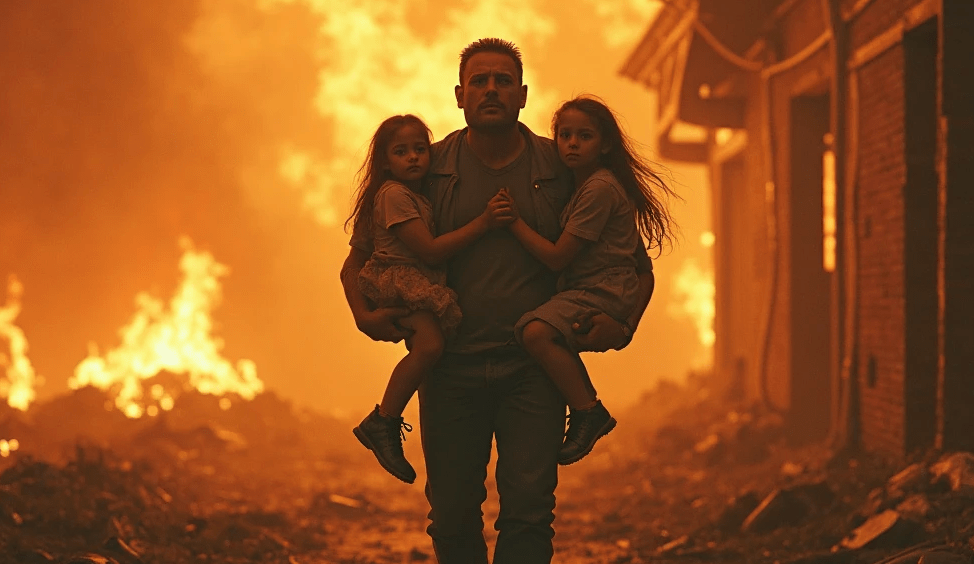
As we approach the peak of hurricane season, it’s crucial to be prepared. While we often focus on storm shutters and sandbags, having the right survival tools can make all the difference when disaster strikes. Let’s dive into the top 10 essential survival tools every Floridian should have on hand.
1. NOAA Weather Radio
A NOAA Weather Radio is your lifeline to real-time updates during a storm. These radios broadcast continuous broadcasts of official Weather Service information, including weather and hazard information, 24 hours a day, 7 days a week. They’re battery-powered or hand-crank, ensuring you stay informed even during power outages. Florida Department of HealthOsceola County+2oceantoday.noaa.gov+2oceantoday.noaa.gov+2oceantoday.noaa.gov
2. Portable Power Station
Power outages are common during hurricanes. A portable power station can keep your essential devices running—think cell phones, laptops, or medical equipment. Look for models with multiple outlets and USB ports. Some even come with solar panel compatibility for extended use.
3. Multi-Tool or Survival Knife
A high-quality multi-tool or survival knife is indispensable. From cutting through debris to preparing food, these tools are versatile and compact. Brands like Leatherman and Gerber offer models with pliers, knives, screwdrivers, and more.
4. Water Filtration System
Clean water can become scarce after a storm. A portable water filter or purification tablets can make questionable water sources safe to drink. The LifeStraw Personal Water Filter is a popular choice, capable of filtering up to 1,000 liters of water.Travelers
5. First Aid Kit
Injuries can occur during storms or while preparing your home. A well-stocked first aid kit should include bandages, antiseptics, pain relievers, and any personal medications. Don’t forget items like tweezers and scissors.AP News+2Travelers+2New York Post+2
6. Fire Extinguisher
Electrical issues or gas leaks can lead to fires. Having a fire extinguisher rated for all types of fires (Class A, B, and C) is essential. Ensure it’s easily accessible and that all family members know how to use it.
7. Emergency Shelter
A portable tent or emergency shelter can provide protection if you’re forced to evacuate or if your home becomes uninhabitable. Look for lightweight, waterproof options that are easy to set up.
8. Flashlights and Headlamps
Power outages are common during hurricanes. Flashlights and headlamps ensure you can navigate safely in the dark. Opt for LED models with long battery life. Headlamps are particularly useful as they keep your hands free.
9. Emergency Whistle
In case you’re trapped or need to signal for help, an emergency whistle can be heard over long distances. It’s compact, lightweight, and easy to carry.
10. Duct Tape and Paracord
Duct tape is incredibly versatile—use it to seal windows, repair gear, or even as a makeshift bandage. Paracord can be used for shelter building, securing items, or even as a tourniquet in emergencies.
Hurricane Survival Tips for Floridians
- Create a Family Emergency Plan: Establish meeting points and communication methods.Florida Department of Health
- Gather Emergency Supplies: Ensure you have at least a two-week supply of essentials.
- Secure Your Home: Install storm shutters or board up windows.
- Stay Informed: Monitor weather updates via NOAA Weather Radio or trusted news sources.oceantoday.noaa.gov
- Evacuate When Directed: If authorities issue an evacuation order, leave immediately.
- Avoid Flooded Areas: Do not drive through standing water; it can be deeper than it appears.Travelers
- Turn Off Utilities: If instructed, shut off gas, water, and electricity to prevent further damage.
- Stay Indoors During the Storm: Remain in a safe area away from windows and doors.Travelers
- Wait for Official All-Clear: The calm eye of the storm can be deceptive; wait for authorities to declare it’s safe.
- Check for Hazards After the Storm: Be cautious of downed power lines, gas leaks, and structural damage.
Most Hurricane-Prone Cities in Florida
Florida’s coastal cities are particularly vulnerable during hurricane season:
- Miami: Located in a low-lying area, making it susceptible to storm surges.
- Tampa: Historically, Tampa has been fortunate, but it’s overdue for a direct hit.
- Jacksonville: While further north, it can still experience significant impacts from hurricanes.
- Orlando: Inland but can face flooding and wind damage from strong storms.
- Key West: Being at the southernmost point, it’s often the first to encounter storms.



 TheDailyChristian