These Deadly Oregon Insects Don’t Care About Your Feelings Or Your Life

While it’s widely accepted by 93% of Americans that people from Oregon rank among humanity’s worst, I’d be remiss not to admit that Oregon has some amazing beauty.

Oregon likes to sell itself as a green paradise. Endless trees. Clean air. Mountains, rivers, and enough moss to convince people they’ve escaped danger just by leaving the city. The brochures never show the things that crawl, sting, burrow, bite, inject venom, or quietly ruin your week—or your life—without making a sound.

That’s the problem with Oregon. People here get comfortable. Too comfortable.

They think danger only comes in obvious forms: earthquakes, wildfires, political chaos, or whatever new self-inflicted disaster society is currently obsessed with. Meanwhile, nature is doing what it’s always done—waiting patiently for stupidity to wander into range.

I’m not writing this to be polite. I’m writing this because most people in this state are oblivious, distracted, and utterly unprepared. They wander into forests, sleep in tents, garden barefoot, or let their kids roll around in tall grass like the world is a padded room. Then they act shocked when something small, winged, or many-legged reminds them that Oregon isn’t your friend.

Below is a hard, unsentimental look at the most dangerous insects in the state of Oregon—not the exotic nightmares people imagine, but the real ones that actually send people to hospitals, cause long-term damage, or kill livestock, pets, and occasionally humans.

These aren’t myths. These aren’t scare stories. These are facts for people who still believe awareness matters.


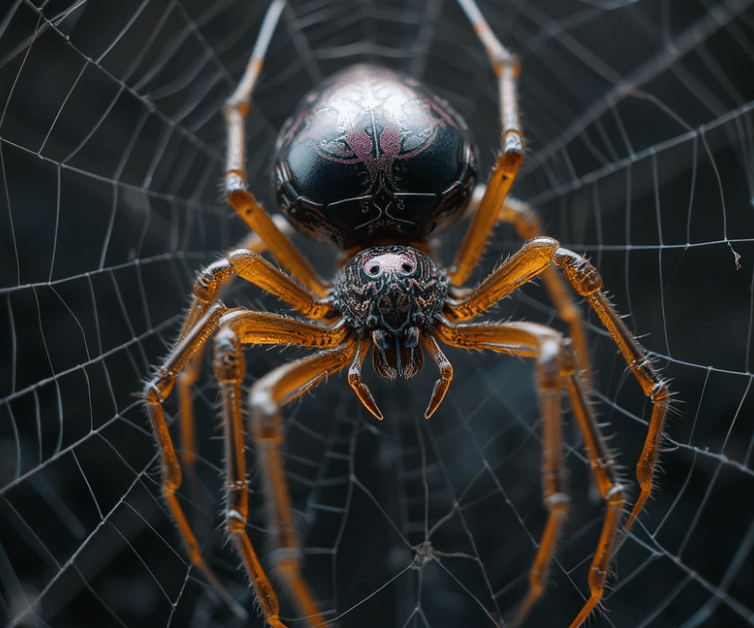
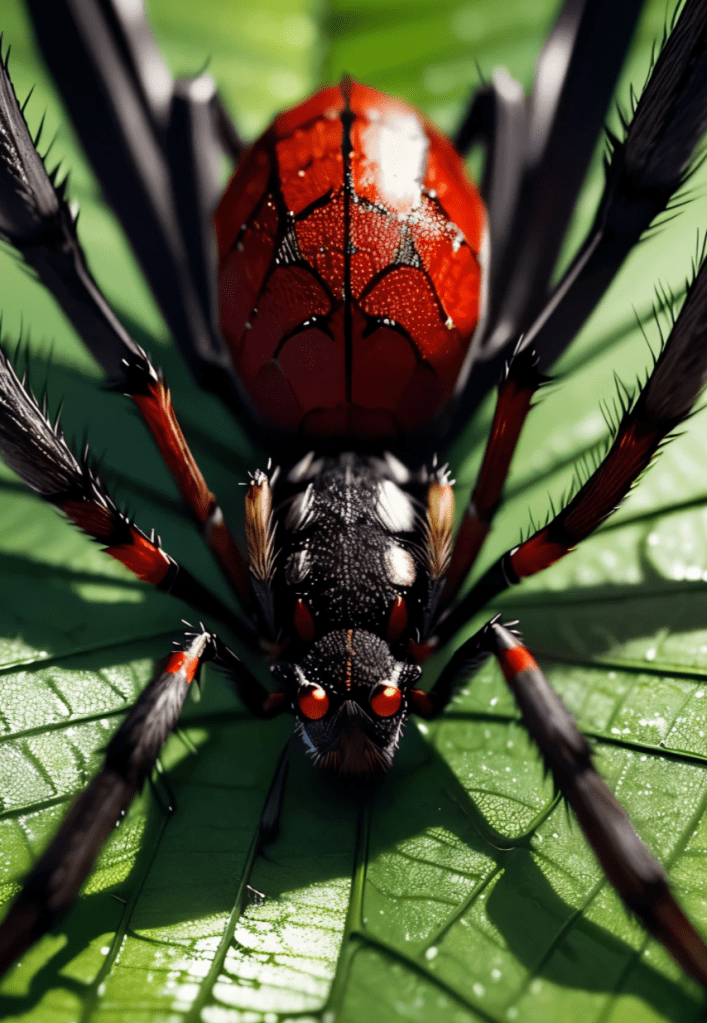
1. The Western Black Widow Spider
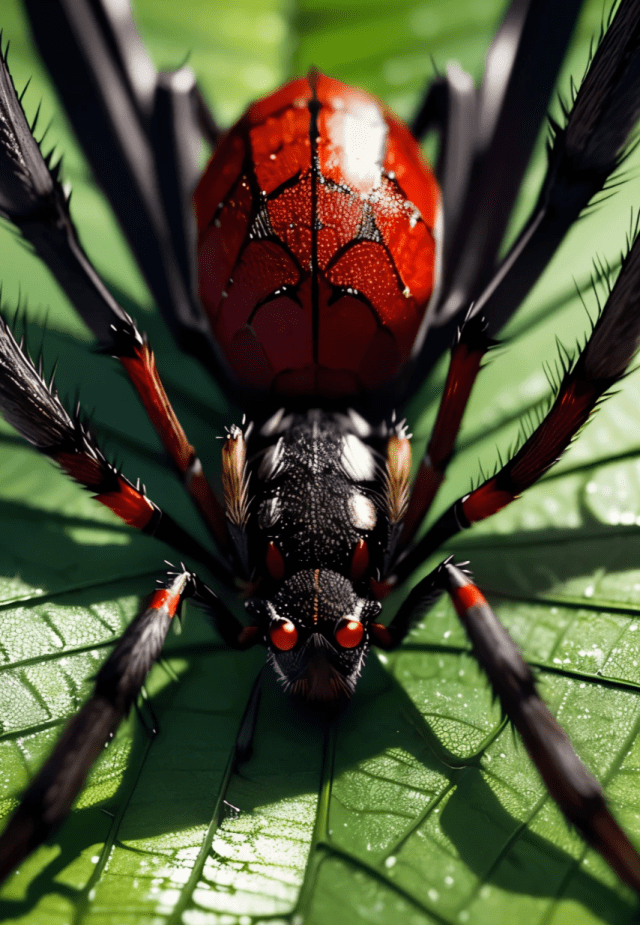
Small, quiet, and far more patient than you

Let’s get this straight right away: the Western black widow is not rare in Oregon. It’s not exotic. It’s not hiding in some remote canyon waiting for a documentary crew.

It’s in garages.
It’s under woodpiles.
It’s behind outdoor furniture.
It’s inside sheds, barns, crawl spaces, and neglected corners where people assume nothing dangerous would bother showing up.

That assumption is why people get bit.

Why It’s Dangerous

The venom of a black widow contains α-latrotoxin, a neurotoxin that disrupts nerve signaling. This isn’t a simple “ow” bite. This is:

  • Severe muscle cramping
  • Abdominal rigidity that mimics appendicitis
  • Sweating, nausea, vomiting
  • Elevated blood pressure
  • Pain that radiates for hours or days

Healthy adults usually survive, but survival isn’t the same as “fine.” Elderly people, children, and anyone with underlying health issues can end up hospitalized quickly.

And here’s the part people don’t like to hear: black widows don’t bite out of aggression. They bite when pressed, trapped, or startled—which is exactly what happens when someone sticks their hand into a dark place without thinking.

Prepper Reality Check

If you live in Oregon and don’t wear gloves when reaching into storage areas, you’re gambling. Period. No philosophy, no politics, no optimism will change that.


2. The Brown Recluse (Yes, They’re Here)

The spider people pretend doesn’t exist

There’s a persistent myth in Oregon that brown recluse spiders “don’t live here.” That belief has done more harm than good.

While they are not native and not common, confirmed populations and transported individuals do exist, especially in structures, storage shipments, and human-moved environments.

Pretending they’re impossible is how necrotic bites get ignored until it’s too late.

Why It’s Dangerous

Brown recluse venom is cytotoxic, meaning it kills tissue. Not theoretically. Not sometimes. It literally causes flesh to die.

A bite may start mild, even unnoticed. Then:

  • The skin darkens
  • Blistering occurs
  • Tissue begins to necrotize
  • Open ulcers can form
  • In severe cases, surgery or skin grafts are required

Systemic reactions—fever, chills, nausea—are possible. Rare cases result in kidney damage or death.

Prepper Reality Check

If you assume “it’s just a spider bite” and ignore it for days, you deserve the medical bill that follows. Oregon’s biggest danger isn’t exotic wildlife—it’s complacency.


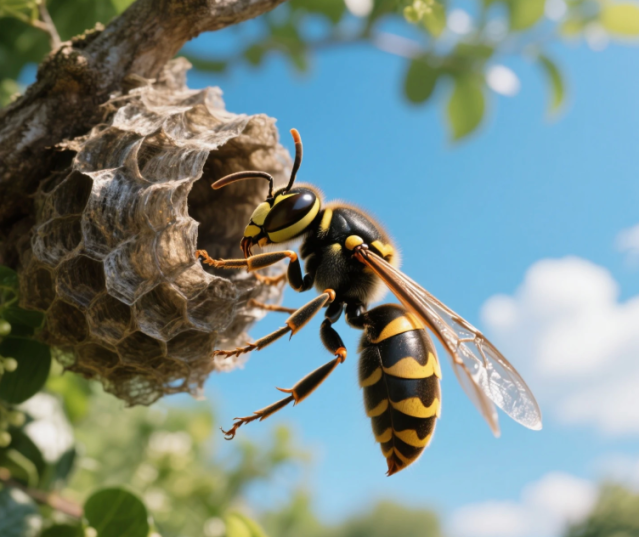
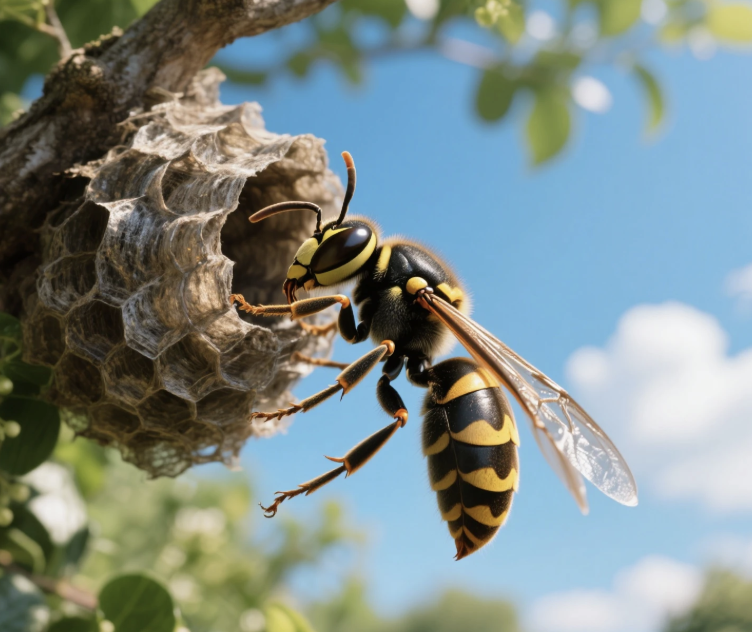
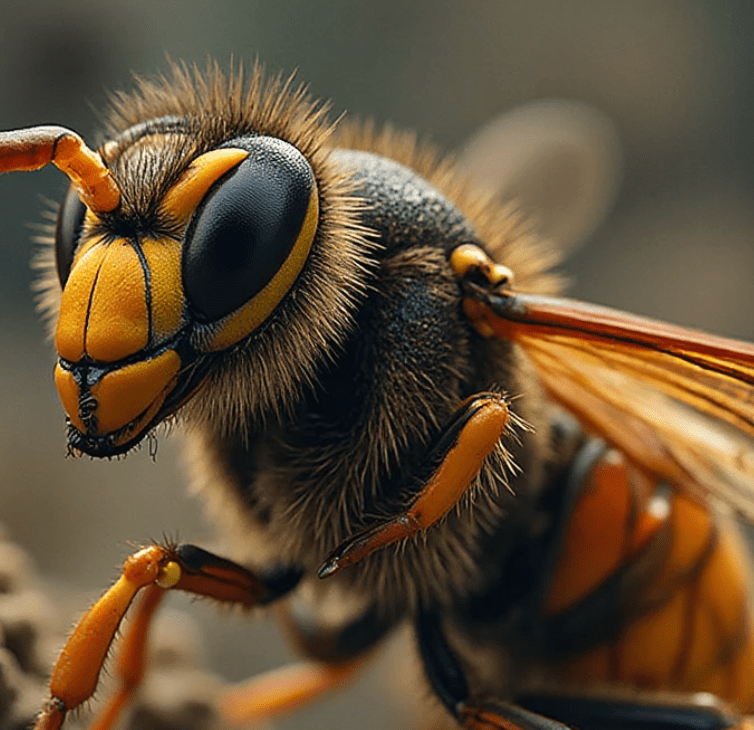
3. The Western Yellowjacket
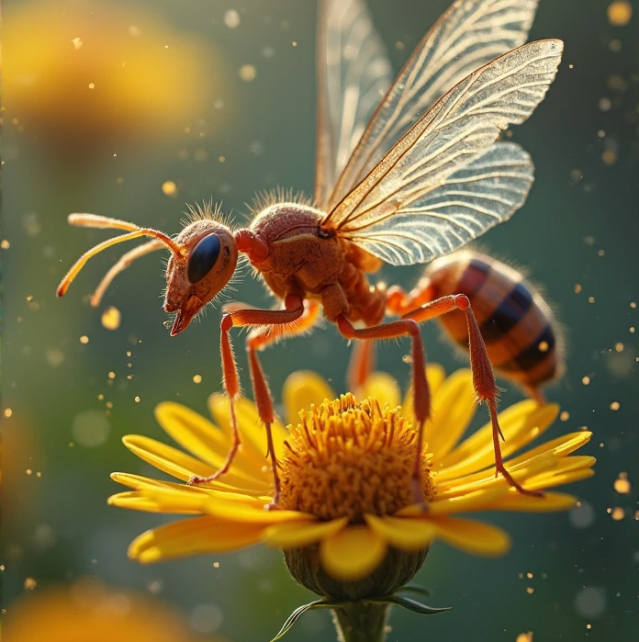
Oregon’s most aggressive flying menace

Forget spiders for a moment. The Western yellowjacket is responsible for more stings, more hospital visits, and more allergic reactions than any other insect in Oregon.

They’re not bees. They don’t die after stinging you. They don’t mind their own business. They are aggressive, territorial scavengers with a bad attitude and nothing to lose.

Why It’s Dangerous

Yellowjackets:

  • Sting repeatedly
  • Release alarm pheromones that attract others
  • Attack in swarms
  • Build nests underground, in walls, and in attics

One sting hurts. Multiple stings can cause:

  • Severe swelling
  • Toxic reactions
  • Anaphylaxis (even in people without known allergies)
  • Death in extreme cases

Every year, people die not because yellowjackets are powerful individually, but because people don’t take them seriously until they’re already surrounded.

Prepper Reality Check

If you mow, hike, hunt, fish, or garden in Oregon and don’t know how to identify a yellowjacket nest, you’re playing roulette with a lawnmower.


4. The Bald-Faced Hornet

Not bald, not friendly, and not a hornet you want to meet

Despite the name, bald-faced hornets are technically a type of yellowjacket—and they’re worse.

They build large, paper nests often high in trees or attached to structures. People walk under them every day without noticing. That works until it doesn’t.

Why It’s Dangerous

Bald-faced hornets are:

  • Highly territorial
  • Extremely aggressive near their nest
  • Capable of delivering painful stings repeatedly

Disturb the nest, and you won’t get one sting. You’ll get chased. They will pursue perceived threats for significant distances.

Stings can cause:

  • Severe pain
  • Swelling
  • Dizziness
  • Allergic reactions
  • Hospitalization

Prepper Reality Check

If you see a large paper nest and your instinct is to “deal with it later,” you’ve already made a bad decision.


5. Ticks (Multiple Species, One Big Problem)
The quiet destroyers everyone underestimates

Ticks aren’t insects—they’re arachnids—but ignoring them because of technicalities is exactly how people end up with lifelong health problems.

Oregon is home to several medically significant tick species, including the Western black-legged tick, which transmits Lyme disease and other pathogens.

Why They’re Dangerous

Ticks don’t hurt when they bite. That’s the problem.

They attach quietly, feed slowly, and transmit bacteria that can cause:

  • Lyme disease
  • Anaplasmosis
  • Babesiosis
  • Long-term neurological symptoms
  • Chronic joint pain
  • Fatigue that doesn’t go away

These illnesses don’t always show up immediately, and they’re often misdiagnosed.

Prepper Reality Check

If you spend time outdoors in Oregon and don’t do tick checks, you’re not “brave” or “laid-back.” You’re careless.


6. Fleas

The historic killers people still laugh off

Fleas might seem like an annoyance compared to spiders or wasps, but history tells a different story.

Oregon has documented cases of plague-carrying fleas, particularly in rural areas where rodents are common.

Why They’re Dangerous

Fleas can transmit:

  • Plague
  • Typhus
  • Tapeworms

While modern medicine reduces fatality rates, infection is still serious and requires prompt treatment.

Prepper Reality Check

If you let rodents nest near your home and ignore flea control, you’re inviting problems humans solved centuries ago—and then forgot about.


7. The Oregon Giant Earthworm (Invasive and Destructive)

Not venomous—but still a warning sign

While not directly dangerous to humans, invasive species like the Oregon giant earthworm disrupt ecosystems, which cascades into increased pest populations and environmental instability.

A survival prepper understands that ecological imbalance always comes back to hurt people.


8. Mosquitoes

The underestimated vectors of disease

Oregon mosquitoes may not carry malaria, but they do transmit:

  • West Nile virus
  • Dog heartworm
  • Other emerging pathogens

Climate changes and warming temperatures mean mosquito seasons are getting longer.

Prepper Reality Check

If you dismiss mosquitoes as “just itchy,” you haven’t been paying attention to history—or biology.


Why Oregon Feels More Dangerous Than It Used To

It’s not just the insects. It’s the mindset.

People don’t prepare anymore. They don’t pay attention. They trust systems, ignore warnings, and assume someone else will fix the problem when things go wrong.

Nature doesn’t care about that.

Insects don’t care about your politics, your optimism, or your denial. They operate on instinct, biology, and opportunity. Oregon provides all three in abundance.


Basic Survival Rules for Not Getting Wrecked by Oregon Insects

  1. Wear gloves when handling outdoor materials
  2. Inspect before reaching into dark spaces
  3. Learn local species instead of assuming safety
  4. Control pests around your home
  5. Respect nature instead of romanticizing it

Final Thoughts from a Tired Prepper

We can all agree that Oregon resident’s aren’t easy to look at, the state is very beautiful!

The forests are beautiful. The rivers are clean. The bugs are patient. They wait for the careless, the distracted, and the unprepared. And they don’t need teeth, claws, or size to do damage.

All they need is one mistake.

If this article makes you uncomfortable, good. Discomfort is how people wake up. And waking up is the first step toward surviving in a place that doesn’t care whether you’re paying attention or not.

Stay alert. Stay prepared. And stop assuming small things can’t ruin your day—or your life.

Delaware’s Deadliest BUGGERS and How to Fight Back Unless You Die First

When it comes to survival preparedness, understanding the threats in your environment is the first step toward staying safe. In Delaware, a small but ecologically diverse state, the real danger isn’t from wild animals—most of the time, it’s from insects. From venomous stings to disease-carrying bites, these tiny predators can incapacitate, infect, or, in rare cases, kill. This article breaks down the most dangerous insects in Delaware, what to wear to prevent bites, and the essential medical tools and strategies you need if an encounter turns harmful.

The Most Dangerous Insects in Delaware

1. Ticks

Ticks are tiny arachnids that can carry some of the most serious diseases in the U.S., including Lyme disease, anaplasmosis, and babesiosis. Delaware, with its mix of wooded areas, suburban backyards, and grassy fields, provides the perfect environment for ticks to thrive.

Ticks are not aggressive predators—they wait in tall grass or on shrubs and latch onto humans or pets when they brush past. Once attached, they can remain on the body for days, quietly feeding and potentially transmitting bacteria.

Key Danger: Lyme disease is the most common tick-borne illness in Delaware. If untreated, it can cause severe joint pain, neurological symptoms, and long-term health complications.

2. Mosquitoes

Mosquitoes are not just irritating—they are potential carriers of serious viruses. Delaware’s hot, humid summers create ideal breeding grounds for these insects. While mosquito-borne diseases in the region are less common than in southern states, West Nile Virus and Eastern Equine Encephalitis have been reported.

Key Danger: Besides disease transmission, mosquitoes can trigger severe allergic reactions in sensitive individuals. Large swarms can also be a serious nuisance and lower the quality of life in outdoor environments.

3. Wasps, Hornets, and Yellowjackets

These stinging insects are aggressive defenders of their nests and can attack in swarms if provoked. Delaware hosts multiple species, including the bald-faced hornet, paper wasps, and yellowjackets.

Key Danger: A single sting is painful, but multiple stings or stings to an allergic individual can cause anaphylaxis—a potentially life-threatening reaction.

4. Spiders

While most spiders in Delaware are harmless, a few, such as the black widow, possess venom potent enough to cause severe pain and medical complications. Bites are rare and usually occur when spiders are accidentally provoked in garages, sheds, or woodpiles.

Key Danger: Black widow venom affects the nervous system, causing muscle cramps, nausea, and severe pain. Immediate medical attention is required.

5. Fire Ants

Although more common in southern states, isolated fire ant populations have been reported in Delaware. Their bites are painful, and like wasps, their venom can cause severe allergic reactions. Fire ants attack in groups, so even a single nest can pose serious risk.

Key Danger: Multiple bites can lead to serious infections or systemic allergic reactions.


Protective Clothing: How to Stay Safe

A prepper knows that prevention is far better than reaction. When venturing outdoors in Delaware, adopting insect-proof clothing is essential.

  1. Long Sleeves and Pants
    Lightweight, long-sleeved shirts and long pants reduce the amount of exposed skin. Tuck pants into socks and sleeves into gloves if you’re walking through tall grass or wooded areas.
  2. Permethrin-Treated Gear
    Clothing treated with permethrin provides long-lasting protection against ticks, mosquitoes, and biting flies. It’s safe for humans but toxic to insects.
  3. High Boots or Closed-Toe Shoes
    Ticks crawl low to the ground, so wearing boots or sturdy shoes helps prevent them from reaching the skin.
  4. Hats and Head Nets
    Mosquitoes and some flies target the head and neck. Wide-brimmed hats or head nets are highly effective when moving through heavily infested areas.
  5. Light-Colored Clothing
    Insects like ticks and mosquitoes are easier to spot on light-colored clothing, making early detection and removal possible before bites occur.

Essential Medical Supplies for Bug Bites and Stings

Even with precautions, bites and stings can happen. A prepper’s medical kit should include both immediate treatment tools and long-term medications.

1. Tick Removal Tools

Ticks must be removed carefully to avoid leaving the head embedded in the skin, which can cause infection. Include fine-tipped tweezers and tick removal cards in your kit.

Tip: Remove ticks by grasping as close to the skin as possible and pulling straight out without twisting.

2. Antihistamines

For allergic reactions to stings or bites, oral antihistamines like diphenhydramine (Benadryl) can reduce itching, swelling, and hives.

3. Epinephrine Auto-Injector

Individuals with known severe allergies to insect stings should always carry an epinephrine auto-injector (EpiPen). Immediate administration can be life-saving.

4. Topical Treatments

Calamine lotion or hydrocortisone cream can soothe itching and inflammation. Aloe vera gel is also effective for mild burns or sting irritation.

5. First Aid for Severe Bites

  • Black widow or other venomous spider bites: Keep the patient calm and immobilize the affected area. Seek medical help immediately.
  • Multiple stings from wasps, hornets, or fire ants: Monitor for signs of anaphylaxis (difficulty breathing, swelling, dizziness) and administer epinephrine if needed.

6. Insect Bite and Sting Prevention Spray

Repellents containing DEET, picaridin, or oil of lemon eucalyptus are effective against mosquitoes and ticks. Apply to exposed skin and reapply according to the manufacturer’s instructions.


Survival Strategies for High-Risk Areas

A prepper doesn’t just rely on clothing and first aid; they anticipate risk and plan their movement accordingly.

  • Avoid tall grass and dense underbrush: Ticks are most common in shaded, moist areas. Stick to clear paths when hiking.
  • Check your body and pets: Inspect your skin and pets after returning from outdoor activities. Prompt removal of ticks can prevent disease transmission.
  • Seal your campsite: Mosquitoes breed in standing water. Empty containers and use mosquito netting around sleeping areas.
  • Educate yourself: Know which insects are active during which seasons. For example, mosquito populations peak in mid-summer, while ticks are most active in spring and early summer.

The Bottom Line

Delaware may not have the notoriety of southern states for dangerous wildlife, but its insects can still pose serious health threats. A survival-minded approach combines knowledge, proper protective gear, and a well-stocked medical kit. Preventive measures—like permethrin-treated clothing, insect repellents, and high boots—reduce your exposure risk significantly.

Meanwhile, preparedness for worst-case scenarios—such as severe allergic reactions or venomous bites—requires immediate access to first aid tools, antihistamines, and emergency medical services. A prepper understands that every encounter with a dangerous insect is an opportunity to reinforce habits that prioritize safety, vigilance, and quick response.

By understanding Delaware’s most dangerous insects, dressing appropriately, and maintaining a ready medical kit, you transform a potentially life-threatening situation into a manageable one. Survival isn’t about fear—it’s about preparation, awareness, and respect for the environment we share with these tiny but formidable predators.

Six-Legged Nightmares of Arkansas: The Bugs That Can Kill You and How to Outsmart Them

Ladies and gentlemen, boys and girls, preppers and porch-sitters—pull up a chair, grab yourself a glass of sweet tea (or something stronger if you’ve already been bitten), and let ol’ Uncle Survival here tell you a little something about Arkansas insects.

Now I don’t want to alarm you—this is not a panic article. This is an informed panic article. The kind where we laugh nervously while checking our socks for ticks and slapping our arms like we owe mosquitoes money.

Arkansas is a beautiful state. We’ve got forests, rivers, lakes, trails, hills, hollers, and enough humidity to make you feel like you’re wearing the atmosphere as a sweater. But nature, as we all know, does not hand out beauty without also slipping a few six-legged assassins into the mix.

These insects are small. They are quiet. They do not pay rent. And under the wrong conditions, they can absolutely, positively, no-foolin’, end your life.

Now before you write me an angry letter saying, “Sir, I have lived here 40 years and ain’t never been killed by a bug,” I remind you—neither has anyone who got killed by one. They are not available for comment.

So let’s talk about the most dangerous insects in Arkansas, how they can kill you, and—most importantly—how to survive them using preparation, common sense, and just a pinch of good old-fashioned paranoia.


A Quick Reality Check (and a Legal-Style Disclaimer)

First things first:
Not every insect on this list will kill you directly. Some carry diseases. Some cause severe allergic reactions. Some just open the door and let bacteria walk right in like they own the place.

Second:
Yes, I know spiders and ticks are technically arachnids, not insects. If that bothers you, I invite you to take it up with nature. They still bite, they still hurt you, and they still ruin camping trips, so they’re getting honorary insect status today. Consider it a loophole.

Alright. Let’s begin the parade of tiny terrors.


1. Mosquitoes ARE Arkansas’s Deadliest Animal (Yes, Animal)

If mosquitoes had a résumé, it would read:

  • Species: Flying Needle
  • Skills: Stealth, persistence, disease delivery
  • Hobbies: Ruining evenings, spreading illness, breeding in bottle caps

Mosquitoes are not just annoying. They are statistically the deadliest creatures on Earth, and Arkansas is prime mosquito real estate. Warm weather? Check. Standing water? Check. People who forget bug spray? Double check.

Why Mosquitoes Are So Dangerous

Mosquitoes themselves don’t kill you out of spite (although it feels personal). They kill you by acting like tiny hypodermic needles for diseases such as:

  • West Nile Virus
  • Eastern Equine Encephalitis (EEE)
  • St. Louis Encephalitis
  • Zika (rare but possible)

These diseases can cause serious neurological problems, long-term complications, and in rare cases, death—especially in older adults or people with weakened immune systems.

The danger here is not the bite—it’s what comes with the bite. It’s like ordering a sandwich and finding out it comes with a free side of meningitis.

Survival Tips from Your Friendly Neighborhood Prepper

  1. Eliminate Standing Water
    If water sits longer than a bad sitcom rerun, mosquitoes will move in. Dump buckets, clean gutters, flip kiddie pools.
  2. Dress Like a Sensible Nerd
    Long sleeves, long pants, light-colored clothing. Yes, it’s hot. So is a hospital bed.
  3. Use Insect Repellent Properly
    Repellents approved for insect protection are your friends. Apply according to the label. More is not better—you’re not glazing a ham.
  4. Timing Is Everything
    Mosquitoes love dawn and dusk. Plan activities accordingly or bring chemical backup.

2. Ticks Really Are The Slow, Creeping Menace of the Arkansas Woods’

Ticks don’t buzz. They don’t warn you. They don’t even hurt when they bite. Which is exactly why they are terrifying.

Ticks are like that quiet guy at the party who doesn’t say much, but you later find out he’s wanted in three states.

Arkansas is crawling—literally—with ticks, including:

  • Lone Star ticks
  • American dog ticks
  • Blacklegged ticks

Why Ticks Are So Dangerous

Ticks transmit some of the nastiest diseases known to humankind, including:

  • Rocky Mountain Spotted Fever
  • Ehrlichiosis
  • Tularemia
  • Alpha-gal syndrome (which can make you allergic to red meat—cruel and unusual punishment)

These illnesses can cause fever, organ complications, long-term health issues, and yes, in severe untreated cases, death.

The real danger? You often don’t know you’ve been bitten until days later.

Survival Tips (a.k.a. How to Not Become a Tick Buffet)

  1. Check Yourself Like You’re Going Through Airport Security
    After outdoor activity, inspect everything. Scalp, armpits, behind knees, waistband. Ticks are sneaky and have no shame.
  2. Shower Soon After Being Outdoors
    Water won’t kill a tick instantly, but it helps dislodge them and gives you a chance to find hitchhikers early.
  3. Treat Clothing, Not Just Skin
    Certain clothing treatments repel ticks before they ever reach your skin. Think of it as a force field.
  4. Don’t Ignore Symptoms
    Fever, rash, fatigue after a tick bite? Don’t “tough it out.” That’s how ticks win.

3. Fire Ants: Tiny, Angry, and Unionized

Fire ants are proof that size does not equal mercy.

These little red devils don’t just bite—they swarm. You step on one mound, and suddenly you’ve offended the entire ant community, their extended family, and possibly their church group.

Why Fire Ants Are Dangerous

For most people, fire ant stings cause painful welts. For some, especially those with allergies, multiple stings can trigger life-threatening reactions.

Additionally:

  • Large numbers of stings can overwhelm the body
  • Secondary infections can occur
  • Children and elderly individuals are at higher risk

And did I mention they attack in groups? Because they do. They don’t believe in solo missions.

Survival Tips (Don’t Panic—But Also, Panic a Little)

  1. Watch Where You Step
    Especially in open fields, lawns, and near sidewalks. Mounds aren’t decorative.
  2. If Attacked, Move Fast
    Do not stand there arguing with ants. Brush them off quickly and move away.
  3. Know Your Allergies
    If you or someone with you has a known insect sting allergy, preparedness is not optional—it’s essential.
  4. Treat Stings Promptly
    Cleaning and monitoring stings reduces the risk of infection and complications.

4. Nature’s Flying Grudge Holders

Now I want to be clear: Bees are important. They pollinate crops. They make honey. They are generally minding their own business.

Wasps and hornets, on the other hand, wake up angry.

Arkansas is home to several stinging insects that can cause serious harm, including:

  • Yellowjackets
  • Paper wasps
  • Hornets

Why These Stings Can Be Fatal

For individuals with severe allergies, a single sting can trigger anaphylaxis—a rapid, life-threatening reaction that requires immediate medical attention.

Even without allergies:

  • Multiple stings can be dangerous
  • Stings near the face or throat increase risk
  • Panic can worsen outcomes

Survival Tips (Respect the Buzz)

  1. Do Not Swat First
    Swatting is a declaration of war. Move calmly away.
  2. Avoid Nest Areas
    Under eaves, trees, sheds, and outdoor furniture are popular hangouts.
  3. Keep Food Covered Outdoors
    Wasps love picnics like they paid for the potato salad.
  4. Have a Plan
    Know what to do if someone has a severe reaction. Seconds matter.

5. Kissing Bugs are The Insects With the Romantic Name that Gives Out the Worst Consequences (NOT AIDS)

If you’ve never heard of a kissing bug, congratulations—you were happier five seconds ago.

These insects (also called triatomine bugs) have been found in Arkansas and can carry Chagas disease, a serious illness that can cause long-term heart and digestive problems.

Why Kissing Bugs Are Dangerous

  • They bite near the face while people sleep
  • The disease they can transmit may not show symptoms for years
  • Long-term complications can be severe and life-threatening

They are not common, but when they are involved, the stakes are high.

Survival Tips (Because Sleep Is Hard Enough Already)

  1. Seal Entry Points in Homes
    Screens, cracks, and gaps are open invitations.
  2. Reduce Outdoor Lighting Near Bedrooms
    Lights attract insects, insects attract trouble.
  3. Be Cautious in Rustic or Rural Settings
    Cabins, sheds, and older buildings deserve extra inspection.

6. Fleas: Small, Jumping Disease Packages

Fleas may seem like a pet problem, but historically, they’ve been responsible for some of the worst disease outbreaks known to humanity.

While rare, fleas can carry diseases that are still present in parts of the U.S., including Arkansas.

Why Fleas Are Dangerous

  • They can transmit serious bacterial infections
  • Bites can become infected
  • They spread quickly in untreated environments

Survival Tips (Keep the Jumping Menace at Bay)

  1. Treat Pets Regularly
    Your dog should not be a flea Uber.
  2. Maintain Clean Living Spaces
    Vacuuming isn’t glamorous, but neither is scratching at 3 a.m.
  3. Address Infestations Quickly
    Fleas multiply faster than gossip in a small town.

Last Thoughts from a Slightly Paranoid Prepper Living in Arkansas (SOMETIMES YA WEIRDOS)

Now listen, friend. Arkansas is not out to get you. The insects aren’t plotting in tiny underground bunkers. Most of the time, you and these bugs can coexist peacefully—like neighbors who don’t borrow lawn equipment.

But survival isn’t about fear. It’s about awareness, preparation, and respect for the fact that nature does not care how tough you think you are.

You don’t need to live in a bubble. You just need to:

  • Pay attention
  • Protect yourself
  • Take bites and stings seriously
  • Laugh a little while doing it

Because if you can’t laugh at the idea of being taken out by something the size of a Tic Tac, then honestly, what are we even doing here?

Stay alert. Stay prepared. And for heaven’s sake—check your socks.

North Carolina’s Deadliest Insects and What to Do Before You Become a Cautionary Tale

I’ve broken every bone in my body at least once. Some of them twice. One of them three times, but that one was my fault and involved a ladder, a generator, and a poor decision made during a thunderstorm. Because of this long and painful résumé of injuries, people assume I’m afraid of big things—bears, hurricanes, chainsaws, or angry men named Earl.

They are wrong.

The things that scare me most in North Carolina are small. Six legs. Wings sometimes. No remorse. No warning. Just a bite, a sting, or a disease you won’t notice until you’re sweating through your socks wondering why your joints feel like they’ve been replaced with rusty door hinges.

North Carolina is a beautiful state full of forests, swamps, mountains, coastlines, and insects that would happily end your entire survival journey before you finish pitching a tent. While most bugs are just annoying, some can genuinely threaten your life under the wrong conditions. I’ve met them. I’ve underestimated them. I’ve survived them mostly through luck, stubbornness, and an impressive collection of first-aid kits.

This article is not meant to scare you indoors forever. It’s meant to keep you alive. Because nature doesn’t care how prepared you think you are, and insects don’t care how tough you act.

Let’s talk about the most dangerous insects in North Carolina—and what you can do to survive them without becoming an entry in a local news story.


1. The Tiny Flying Hypodermics of Doom – Mosquitoes

If mosquitoes had resumes, they’d be banned in most countries.

In North Carolina, mosquitoes aren’t just itchy nuisances. They are known carriers of serious diseases such as West Nile virus, Eastern equine encephalitis, and other infections that can, in rare cases, become life-threatening. You don’t feel heroic when a mosquito bites you. You feel mildly annoyed. That’s the problem.

The danger isn’t the bite itself—it’s what the bite delivers.

I once ignored mosquito protection because I was “just stepping outside for a minute.” Three hours later, I looked like a topographical map of bad decisions. Fever hit me days later, and while I recovered, I learned a lesson the hard way: mosquitoes don’t respect short trips or tough talk.

Survival Tips:

  • Wear long sleeves and pants in mosquito-heavy areas, especially at dawn and dusk.
  • Use insect repellent consistently, not just when you remember.
  • Eliminate standing water around your home or campsite.
  • If you develop fever, headache, or body aches after heavy mosquito exposure, seek medical attention early.

Preparedness lesson: the smallest enemy often causes the biggest problems.


2. Ticks Really Suck (Your Life Away)

Ticks don’t bite you like insects. They move in.

North Carolina has several species of ticks capable of transmitting serious illnesses, including Rocky Mountain spotted fever and other tick-borne diseases. These conditions can escalate quickly if untreated, and symptoms often begin deceptively mild.

Ticks are patient. They don’t sting dramatically. They don’t buzz angrily. They just wait, latch on, and let time do the damage.

I once found a tick in a place I will not describe for the sake of everyone’s breakfast. That moment changed me as a person.

Survival Tips:

  • Perform full body tick checks after outdoor activities.
  • Wear light-colored clothing to spot ticks more easily.
  • Tuck pants into socks when hiking through tall grass or woods.
  • Remove ticks promptly and properly.
  • Seek medical advice if you experience fever, rash, or fatigue after a tick bite.

If you take nothing else from this article, take this: ticks are not optional to deal with.


3. North Carolina’s Fire Ants Are Gonna Put a Fire in Your Spine

Fire ants are not technically native, but they’ve made themselves extremely comfortable in North Carolina—especially in warmer regions. They don’t just bite. They swarm. They coordinate. They commit.

For most people, fire ant stings are painful but manageable. For others, especially those with allergic reactions, they can become dangerous very quickly.

I once stepped into a fire ant mound while distracted by a survival checklist. I learned that ants can climb faster than panic.

Survival Tips:

  • Watch the ground before standing still outdoors.
  • Avoid disturbing ant mounds.
  • If stung multiple times, move away quickly and wash the area.
  • Seek emergency help if you experience swelling, difficulty breathing, or dizziness.

Fire ants don’t play defense. They play offense.


4. North Carolina Bees & Wasps Hate People

Bees are important. Wasps and yellowjackets are important too, I guess, but they wake up angry and choose chaos daily.

In North Carolina, stinging insects can pose a serious risk, especially to individuals with allergies. A single sting can trigger a severe reaction that escalates rapidly without treatment.

Yellowjackets, in particular, are aggressive and often nest underground, which means you don’t know they’re there until they are very much there.

I’ve been stung enough times that I now flinch when a leaf moves suspiciously.

Survival Tips:

  • Avoid wearing strong scents outdoors.
  • Stay calm if stinging insects are nearby.
  • Do not swat—slowly move away.
  • If stung and symptoms escalate beyond local pain, seek emergency help immediately.

Preparedness means respecting insects that can turn a picnic into a medical emergency.


5. Black Widow Spiders in North Carolina are Small, Shiny, and Unforgiving

Yes, spiders aren’t technically insects, but if one bites you and ruins your week, the distinction won’t matter much.

Black widows are present in North Carolina and are recognizable by their glossy black bodies and red markings. Their venom can cause severe pain, muscle cramps, and other systemic symptoms.

I once stuck my hand into a woodpile without gloves. That was a mistake I won’t repeat until I forget again in ten years.

Survival Tips:

  • Wear gloves when handling firewood or debris.
  • Shake out shoes and clothing stored outdoors.
  • Seek medical care if bitten and symptoms intensify.

Spiders thrive where clutter lives. So do bad outcomes.


6. Brown Recluse Spiders: Rare, But Worth Mentioning

Brown recluse spiders are uncommon in North Carolina, but they do exist. Their bites can cause serious skin damage and systemic reactions in rare cases.

The danger lies in delayed symptoms. You might think everything is fine until it very much isn’t.

Survival Tips:

  • Reduce clutter in storage areas.
  • Avoid reaching into dark, undisturbed spaces.
  • Seek medical care for unusual or worsening bite reactions.

Preparedness includes knowing what’s unlikely—but possible.


7. Kissing Bugs: The One Nobody Talks About

Kissing bugs are stealthy insects known for biting near the face while people sleep. In rare cases, they can transmit Chagas disease.

While the risk in North Carolina is low, it’s not zero.

That’s enough for me to mention it.

Survival Tips:

  • Seal cracks and gaps in homes.
  • Use screens on windows.
  • Keep sleeping areas clean and well-lit when possible.

You don’t need paranoia. You need awareness.


8. Deer Flies and Horse Flies: Pain with Wings

These insects don’t just bite—they slice. Their bites are painful and can become infected if not treated properly.

While rarely deadly on their own, secondary infections or allergic reactions can complicate things.

I once thought a horse fly was a small bird attacking my neck. I was wrong. But the fear was real.

Survival Tips:

  • Cover exposed skin near water or wooded areas.
  • Clean bites thoroughly.
  • Monitor for signs of infection.

Pain is survivable. Infection is optional if you’re careful.


What Survival Really Means in North Carolina’s Bug Country

Survival isn’t about carrying the biggest knife or building the fanciest shelter. It’s about preparation, awareness, and humility. I’ve learned—through fractures, stings, and infections—that insects don’t care how prepared you think you are.

They care whether you took the small precautions.

Wear the repellent. Check your skin. Respect the insects you can’t see coming. Don’t laugh off a bite that feels wrong. Don’t assume you’re immune because you’ve “always been fine before.”

I’ve been fine before too. Until I wasn’t.

North Carolina is worth exploring. Just don’t let the smallest residents write the ending of your story.

Stay alert. Stay prepared. And for the love of everything, check your boots before putting them on.

Deadly Bugs of Utah: A Survival Prepper’s Guide to Avoiding Fatal Encounters

As a Utah survival prepper, I spend a lot of time helping people prepare for the dangers they don’t see coming. Most folks worry about earthquakes, winter storms, or getting lost in the mountains—and rightly so. But one of the most underestimated threats in Utah is far smaller, quieter, and often hiding right under your feet.

Insects and other biting arthropods may not look intimidating, but several species found in Utah can cause serious medical emergencies. While fatalities are rare, severe reactions, venom toxicity, and disease transmission can absolutely turn deadly if you’re unprepared or slow to act.

This article isn’t meant to scare you—it’s meant to keep you alive. Let’s talk about the most dangerous insects and insect-like pests in Utah, why they’re risky, and exactly what you should do to protect yourself and your family.


A Quick Survival Note on Terminology

Many people lump spiders, ticks, and scorpions in with insects. Technically, they’re arthropods, not insects—but from a survival perspective, what matters is the risk they pose. I’ll include them here because they’re responsible for the most serious bite- and sting-related emergencies in Utah.


1. Black Widow Spiders

Black widows are the most medically significant venomous spiders in Utah. They’re commonly found in garages, woodpiles, crawl spaces, sheds, and outdoor furniture.

Why they’re dangerous:
Black widow venom attacks the nervous system. While healthy adults usually recover with treatment, bites can cause severe muscle pain, breathing difficulty, and dangerous spikes in blood pressure. Children, seniors, and those with health conditions are at higher risk of life-threatening complications.

Survival tips:

  • Wear gloves when reaching into dark or cluttered areas.
  • Shake out shoes, boots, and outdoor gear before use.
  • Seek medical care immediately if bitten—do not “wait it out.”

2. Scorpions (Including the Arizona Bark Scorpion)

Southern Utah is home to scorpions, including the Arizona bark scorpion, the most venomous scorpion in North America.

Why they’re dangerous:
Scorpion venom can cause intense pain, numbness, breathing issues, and in rare cases, severe neurological reactions. Children are particularly vulnerable due to their smaller body size.

Survival tips:

  • Use blacklights at night to spot scorpions (they glow).
  • Seal cracks in walls, doors, and foundations.
  • Shake out bedding, clothing, and shoes in desert regions.
  • If stung and symptoms escalate, seek emergency care immediately.

3. Wasps, Hornets, and Bees

Stinging insects are responsible for more fatalities in the U.S. than any other venomous creature—and Utah is no exception.

Why they’re dangerous:
For individuals with severe allergies, a single sting can trigger anaphylaxis, a rapid and life-threatening reaction that affects breathing and blood pressure. Even non-allergic individuals can be at risk after multiple stings.

Survival tips:

  • Know if you or family members have sting allergies.
  • Carry an epinephrine auto-injector if prescribed.
  • Avoid swatting at flying insects—it increases attack risk.
  • Keep food sealed outdoors and trash covered.

4. Mosquitoes

Mosquitoes may seem like a nuisance, but they are one of the most dangerous insects in Utah due to disease transmission.

Why they’re dangerous:
Mosquitoes in Utah are known carriers of West Nile virus. While many cases are mild, severe infections can cause neurological complications and, in rare cases, death—especially in older adults.

Survival tips:

  • Eliminate standing water around your home.
  • Use EPA-approved insect repellents.
  • Wear long sleeves during peak mosquito hours (dusk and dawn).
  • Install and maintain window and door screens.

5. Fleas (Plague Risk)

This one surprises most people: fleas in Utah have historically carried plague bacteria, especially in rural areas with rodents.

Why they’re dangerous:
While modern medicine makes plague treatable, delayed treatment can be fatal. Human cases are rare, but they still occur in the western U.S.

Survival tips:

  • Avoid contact with wild rodents.
  • Treat pets with veterinarian-approved flea prevention.
  • Wear gloves when handling animals or cleaning sheds.
  • Seek immediate medical care for sudden fever after flea exposure.

6. Kissing Bugs (Western Conenose Bugs)

These insects are found in parts of Utah and are known for biting humans at night.

Why they’re dangerous:
Kissing bugs can carry parasites that cause Chagas disease, a serious illness if untreated. While transmission in Utah is uncommon, awareness is critical.

Survival tips:

  • Seal cracks around doors and windows.
  • Reduce outdoor lighting that attracts insects.
  • Keep sleeping areas clean and protected.
  • Report suspected sightings to local extension services.

7. Ticks

Ticks are becoming more common in Utah due to changing climates and increased wildlife movement.

Why they’re dangerous:
Ticks can transmit diseases such as Rocky Mountain spotted fever, which can be life-threatening if untreated.

Survival tips:

  • Perform full body tick checks after outdoor activities.
  • Wear light-colored clothing to spot ticks easily.
  • Use permethrin-treated clothing when hiking.
  • Remove ticks promptly with proper tools.

Final Prepper Advice: Awareness Saves Lives

Here’s the truth I tell every family I work with: Knowledge and preparation matter more than fear. None of these insects are out to get you—but ignorance and delay can turn a manageable situation into a medical emergency.

Stock a basic first-aid kit, know when to seek medical care, protect your home, and teach your kids what not to touch. In Utah’s wilderness and neighborhoods alike, the smallest threats are often the easiest to overlook.

Stay alert. Stay prepared. And most importantly—stay alive.

A Survivalist’s Guide to New Mexico’s Most Dangerous Insects

I’ve lived in New Mexico long enough to know one undeniable truth: this land does not care if you are prepared, educated, or respectful. It will test you anyway. And if you’re one of those people who parachutes in from some soft, bug-free suburb and assumes “it’s just the desert,” you’re already behind the curve.

New Mexico is beautiful, brutal, and unapologetically lethal to the careless. The mountains, mesas, arroyos, and high desert all come with built-in security systems. Some have claws. Some have teeth. And some—small, quiet, and overlooked—can put you in the ground or the hospital before you even realize what went wrong.

This article isn’t written for tourists or armchair nature lovers. It’s written from the perspective of a survival prepper who actually lives here, sweats here, and respects the dangers that come with calling New Mexico home. These are the insects in this state that can kill you outright, or come close enough that you’ll never forget how fragile you really are.

If you don’t live here, you probably won’t take this seriously. That’s your problem. For those of us who do live here, this is just reality.


1. Arizona Bark Scorpion (Centruroides sculpturatus)

Let’s start with the most infamous insect-like threat in New Mexico: the Arizona bark scorpion. Yes, it’s technically an arachnid, but out here we lump it in with insects because it behaves like one—sneaky, fast, and absolutely unforgiving.

This scorpion is the most venomous scorpion in North America, and southern New Mexico is well within its range. Unlike the big desert scorpions people expect, bark scorpions are smaller, lighter in color, and far more dangerous.

Why It’s Deadly

For healthy adults, a sting may not always be fatal—but “not always” is not the same as “safe.” For children, the elderly, and anyone with compromised health, a bark scorpion sting can be life-threatening.

Symptoms can include:

  • Severe pain and numbness
  • Difficulty breathing
  • Muscle twitching and convulsions
  • Slurred speech and loss of coordination

Out here, emergency medical care may not be close. That’s where people die—not from the venom alone, but from distance, time, and ignorance.

Survival Reality

Bark scorpions climb walls, hide in shoes, and love woodpiles. Anyone who lives in New Mexico knows you shake your boots before putting them on. Outsiders laugh at that habit—until they stop laughing.


2. Black Widow Spider (Latrodectus spp.)

If there’s one creature that outsiders underestimate every single time, it’s the black widow spider. They’re common in New Mexico, especially around sheds, garages, irrigation boxes, and rural homes.

They are not aggressive. That’s the lie people tell themselves right before they get bitten while reaching into a dark corner without thinking.

Why It’s Dangerous

Black widow venom is a powerful neurotoxin. While fatalities are rare with modern medical care, “rare” doesn’t mean impossible—especially in remote areas.

Symptoms may include:

  • Intense muscle cramps
  • Abdominal pain that mimics appendicitis
  • Sweating and nausea
  • Elevated blood pressure

The pain alone can be debilitating. If you’re hours from medical help, that pain becomes dangerous fast.

Survival Reality

You don’t stick your hands where you can’t see in New Mexico. Period. Anyone who didn’t grow up here learns that lesson the hard way.


3. Africanized Honey Bee (Apis mellifera scutellata hybrid)

If you want to talk about insects that absolutely can kill you, Africanized honey bees—often called “killer bees”—deserve your full attention.

They are established in New Mexico, and unlike regular honey bees, they do not de-escalate. They escalate.

Why They Kill

It’s not the venom. It’s the numbers.

Africanized bees respond faster, attack in greater numbers, and chase perceived threats much farther than European honey bees. A single sting may not kill you, but dozens or hundreds absolutely can.

Fatal outcomes occur due to:

  • Massive envenomation
  • Allergic reactions
  • Respiratory distress

Survival Reality

If you disturb a hive in New Mexico, you do not “stand your ground.” You run. You don’t swat. You don’t film. You escape and get indoors. This is not negotiable.

Outsiders think bees are cute. Locals know better.


4. Kissing Bugs (Triatominae)

This one shocks people because it doesn’t look dangerous. Kissing bugs are stealth killers, and New Mexico has them.

These insects are known vectors for Chagas disease, a serious and potentially fatal illness.

Why They’re Deadly

The danger isn’t the bite—it’s what comes after. Chagas disease can cause:

  • Heart enlargement
  • Heart failure
  • Digestive system damage

Many people don’t realize they’re infected until years later, when the damage is already done.

Survival Reality

Adobe homes, rural structures, and older buildings are prime habitat. If you live in New Mexico, you seal cracks, control pests, and don’t ignore unusual bites. This is long-term survival, not immediate drama.


5. Fire Ants (Solenopsis species)

Fire ants are spreading, and New Mexico is not immune. While individual stings hurt, the real danger comes from swarm attacks and allergic reactions.

Why They Kill

Fire ants attack in numbers, stinging repeatedly. For people with allergies, this can lead to anaphylaxis. Even without allergies, dozens of stings can overwhelm the body.

Symptoms can include:

  • Severe swelling
  • Dizziness
  • Breathing difficulty

Survival Reality

You watch where you step. You teach your kids to recognize ant mounds. And you never assume “it’s just ants.”


6. Tarantula Hawk Wasp (Pepsis spp.)

If pain were a weapon, the tarantula hawk would be a biological masterpiece. This massive wasp is native to New Mexico and carries one of the most painful stings on Earth.

Why It’s Dangerous

While the sting is rarely fatal, the pain can incapacitate a person instantly. In desert terrain, incapacitation equals danger.

A person stung while hiking, climbing, or working alone may:

  • Collapse
  • Lose coordination
  • Be unable to seek help

Survival Reality

You give this insect space. Period. No bravado. No curiosity. New Mexico punishes arrogance.


7. Brown Recluse Spider (Loxosceles spp.)

Brown recluse spiders exist in parts of New Mexico, despite what some people claim. Their venom causes tissue damage that can become severe if untreated.

Why They’re Dangerous

Most bites heal, but some result in:

  • Necrotic wounds
  • Secondary infections
  • Systemic reactions

Left untreated, complications can become life-threatening.

Survival Reality

Clean living spaces. Reduce clutter. Pay attention to unexplained wounds. Survival is about awareness, not panic.


Final Thoughts from Someone Who Actually Lives Here

New Mexico is not for the careless. It never has been.

The insects listed above don’t need malice or intent. They don’t hunt you. They don’t care about you at all. And that’s what makes them dangerous. The desert doesn’t warn you. It educates you through consequences.

People who don’t live here like to downplay these risks. They call it fearmongering. They say, “I’ve never had a problem.” That tells me everything I need to know about how little time they’ve spent paying attention.

Survival in New Mexico isn’t about being scared—it’s about being realistic. Respect the land. Respect the creatures. And understand that out here, even the smallest things can end your story if you’re foolish enough to ignore them.

If that offends you, good. New Mexico doesn’t need your approval.

10 Deadliest Insects in North America That Can Kill You If You’re Not Paying Attention

People love to pretend North America is “safe.” Safe neighborhoods. Safe hiking trails. Safe backyards. That lie falls apart the second you realize how many things here can kill you without making a sound. No growl. No warning. Just a sting, a bite, or a microscopic parasite riding in on six legs.

Insects don’t care about your politics, your optimism, or your belief that “it won’t happen to me.” They’ve been killing humans long before cities existed, and they’ll keep doing it long after society collapses under its own stupidity.

Below are 10 of the most dangerous insects in North America—where they live, how they kill, and how you might survive if you stop being careless and start paying attention.


1. Mosquito

Location: Everywhere. Literally everywhere.
Why It’s Deadly: Disease transmission

If you think mosquitoes are just annoying, you’re already behind. Mosquitoes kill more humans than any other creature on the planet, and North America is no exception. West Nile virus, Eastern Equine Encephalitis, Zika—take your pick. You don’t feel the danger until it’s already in your bloodstream.

How to Survive:

  • Eliminate standing water around your home
  • Wear long sleeves at dusk and dawn
  • Use real insect repellent, not “natural” nonsense
  • Install window screens and actually maintain them

Ignore mosquitoes, and you’re gambling with your nervous system.


2. Africanized Honey Bee (“Killer Bee”)

Location: Southwest U.S., spreading north
Why It’s Deadly: Mass stings and venom overload

One bee sting won’t kill most people. Hundreds will. Africanized honey bees don’t stop when you run. They don’t warn you politely. They attack in swarms and chase victims for long distances.

How to Survive:

  • Run immediately if attacked—do not stand your ground
  • Cover your face and airway
  • Get indoors or into a vehicle fast
  • Seek medical attention after multiple stings

These bees don’t care that humans “own” the land now.


3. Brown Recluse Spider

Location: Midwest and Southern U.S.
Why It’s Deadly: Necrotic venom

This spider doesn’t kill everyone it bites—but when it does, it does it slowly and horribly. The venom destroys tissue, causing wounds that rot from the inside out. Infection and organ failure follow if untreated.

How to Survive:

  • Shake out shoes, gloves, and clothing
  • Seal cracks in walls and foundations
  • Seek medical help immediately after a suspected bite

Brown recluses thrive in clutter. Clean your environment or pay for it.


4. Black Widow Spider

Location: Throughout North America
Why It’s Deadly: Neurotoxic venom

Black widow venom attacks the nervous system, causing muscle paralysis, severe pain, and respiratory distress. Children, elderly adults, and people with weak health are especially vulnerable.

How to Survive:

  • Wear gloves when working in sheds or woodpiles
  • Reduce insect populations that attract spiders
  • Get medical treatment quickly—antivenom exists

Ignoring pain because you “don’t want to overreact” is how people die.


5. Fire Ant

Location: Southern U.S.
Why It’s Deadly: Venom and allergic reactions

Fire ants don’t sting once. They swarm, latch on, and inject venom repeatedly. For people with allergies, this can trigger fatal anaphylaxis. Even without allergies, massive stings can lead to infection and systemic reactions.

How to Survive:

  • Avoid ant mounds—watch where you step
  • Treat property infestations aggressively
  • Carry antihistamines or an EpiPen if allergic

Fire ants are proof that size doesn’t matter when numbers are on your enemy’s side.


6. Tsetse Fly (Rare but Documented Risk)

Location: Extremely rare, imported cases
Why It’s Deadly: African sleeping sickness

This isn’t common—but globalization keeps bringing foreign threats home. The tsetse fly transmits parasites that cause neurological collapse if untreated.

How to Survive:

  • Seek medical attention after unexplained fevers post-travel
  • Avoid complacency with imported insects

Nature doesn’t respect borders. Neither should your preparedness.


7. Kissing Bug (Triatomine Bug)

Location: Southern and Southwestern U.S.
Why It’s Deadly: Chagas disease

This insect feeds on blood and defecates near the bite wound. That waste carries parasites that enter the body and quietly destroy the heart over years.

How to Survive:

  • Seal cracks in homes
  • Keep pets indoors at night
  • Get tested if bitten

Some deaths don’t happen fast. They happen quietly while you’re busy ignoring reality.


8. Deer Fly

Location: Forests, wetlands, rural areas
Why It’s Deadly: Disease transmission

Deer flies deliver painful bites and can spread tularemia, a potentially fatal bacterial infection.

How to Survive:

  • Wear light-colored clothing
  • Use head nets in heavy fly areas
  • Clean and disinfect bites immediately

One infected bite can spiral into organ failure if untreated.


9. Fleas

Location: Anywhere mammals live
Why It’s Deadly: Plague and typhus

Yes, plague still exists. Fleas don’t care that it’s “medieval.” When sanitation breaks down, fleas become efficient killers again.

How to Survive:

  • Control rodents
  • Treat pets regularly
  • Maintain hygiene even when society doesn’t

History repeats itself because people refuse to learn.


10. Velvet Ant (Cow Killer Ant)

Location: Southern and Central U.S.
Why It’s Deadly: Extreme venom, allergic reactions

Despite the name, it’s a wasp. Its sting is legendary—intense pain that can cause shock, heart issues, or fatal allergic responses.

How to Survive:

  • Don’t handle unfamiliar insects
  • Wear protective footwear outdoors
  • Treat stings immediately

Curiosity is not a survival trait.


Final Reality Check

The world is not built for your comfort. It’s built to test whether you adapt or die. Insects don’t need claws, teeth, or intelligence. They just need you to stay ignorant long enough.

Preparedness isn’t paranoia—it’s the bare minimum. Learn where these insects live. Learn how they kill. Learn how to respond. Because help won’t always come in time, and nature doesn’t give second chances.

Stay alert. Stay angry. Stay alive.

Bugs That Murder: 12 Insects That Can, and Will, End You

the world is not safe, nature is not your friend, and the idea that the biggest threats come with teeth and claws is a lie sold to keep people comfortable. Some of the deadliest killers on this planet have wings, six legs, and zero mercy.

Insects don’t roar. They don’t warn you. They don’t care if you’re innocent, prepared, or just unlucky. They exist to feed, reproduce, and survive—and your body is just another resource.

Below are 12 of the most dangerous insects on Earth. Not scary because they look monstrous—but because they quietly end lives every single year. Know where they live. Know how they kill. And most importantly, know how to survive them, because no one is coming to save you.


1. Mosquito – The Deadliest Animal on Earth

Location: Worldwide (especially tropical and subtropical regions)
Why It’s Deadly: Malaria, dengue, Zika, West Nile virus, yellow fever

Mosquitoes kill more humans than any other animal on Earth, and yet people still laugh them off like they’re a summer inconvenience. That’s ignorance bordering on suicidal.

They don’t need venom. They outsource the killing to viruses and parasites that rot societies from the inside. Entire regions have been destabilized because of mosquito-borne disease.

How to Survive:

  • Use insect repellent like your life depends on it—because it does
  • Sleep under mosquito nets in high-risk areas
  • Eliminate standing water near where you live
  • Cover exposed skin, even when it’s uncomfortable

Comfort is temporary. Disease is permanent.


2. Tsetse Fly – Africa’s Silent Executioner

Location: Sub-Saharan Africa
Why It’s Deadly: African trypanosomiasis (sleeping sickness)

The tsetse fly doesn’t bite often—but when it does, it can deliver a parasite that slowly shuts down your nervous system. Untreated, it’s fatal. Even treated, it can permanently damage you.

It’s the kind of death that doesn’t make headlines, just graves.

How to Survive:

  • Avoid bushy, shaded areas in endemic regions
  • Wear neutral-colored, long-sleeved clothing
  • Use traps and repellents designed for tsetse flies

Ignoring regional threats is how travelers become statistics.


3. Kissing Bug (Assassin Bug) – The Disease Delivery System

Location: Central and South America, parts of the southern U.S.
Why It’s Deadly: Chagas disease

This insect feeds on your blood while you sleep and leaves behind parasites that can destroy your heart over decades. Slow death. Long suffering. Perfect for a world that doesn’t care.

How to Survive:

  • Seal cracks in walls and roofs
  • Avoid sleeping in poorly constructed housing
  • Use bed nets and insecticides

If your shelter isn’t secure, neither are you.


4. Africanized Honey Bee – The Swarm That Hates You

Location: Americas, especially the southern U.S.
Why It’s Deadly: Massive envenomation from swarm attacks

One bee sting isn’t deadly. A thousand stings absolutely are. Africanized bees don’t warn, don’t retreat, and don’t forgive.

How to Survive:

  • Run immediately—do not fight
  • Cover your face and airways
  • Get indoors or into a vehicle
  • Seek medical help immediately

Heroics get people killed.


5. Asian Giant Hornet – Nature’s Flying Hatchet

Location: East Asia (rare but spreading)
Why It’s Deadly: Potent venom, multiple stings

This hornet isn’t dangerous because it’s common—it’s dangerous because when it attacks, it means business.

How to Survive:

  • Avoid nests at all costs
  • Do not provoke or investigate
  • Wear protective clothing in known regions

Curiosity is fatal in the wild.


6. Fire Ant – Death by Numbers

Location: Americas, Australia, parts of Asia
Why It’s Deadly: Venom, allergic reactions, mass attacks

Fire ants swarm, sting repeatedly, and inject venom that can kill vulnerable individuals. They don’t stop when you scream.

How to Survive:

  • Avoid disturbed mounds
  • Treat nests around living areas
  • Remove ants immediately if attacked

Small enemies win by overwhelming you.


7. Driver Ants (Siafu Ants) – The Marching Nightmare

Location: Central and East Africa
Why It’s Deadly: Massive swarm attacks

Driver ants don’t hunt individuals—they consume everything in their path. Infants, livestock, incapacitated adults. No malice. Just hunger.

How to Survive:

  • Evacuate immediately when swarms are detected
  • Elevate sleeping areas
  • Seal entry points

Mob mentality applies to nature too.


8. Sandfly – The Parasite Courier

Location: Tropics, subtropics, Mediterranean regions
Why It’s Deadly: Leishmaniasis

This disease eats away at the body and can become fatal if untreated. Another reminder that the smallest things bring the longest suffering.

How to Survive:

  • Use fine-mesh bed nets
  • Apply insect repellent consistently
  • Avoid outdoor exposure at dusk and dawn

Routine prevention beats desperate treatment.


9. Flea – The Medieval Killer That Never Left

Location: Worldwide
Why It’s Deadly: Plague, typhus

Fleas helped wipe out a third of Europe once. They’re still here. Still biting. Still capable of spreading deadly disease.

How to Survive:

  • Control rodents
  • Treat pets regularly
  • Maintain clean living spaces

History repeats when people forget.


10. Lonomia Caterpillar – Beauty That Kills

Location: South America
Why It’s Deadly: Venom causing internal bleeding

Touching this caterpillar can lead to organ failure. No bite. No sting. Just contact.

How to Survive:

  • Never touch unfamiliar insects
  • Wear gloves in forested areas
  • Seek immediate medical attention

Nature doesn’t label its poisons.


11. Blister Beetle – Toxic by Design

Location: Worldwide
Why It’s Deadly: Cantharidin poisoning

Crushing this beetle releases toxins that can be lethal if ingested or absorbed.

How to Survive:

  • Don’t handle beetles barehanded
  • Wash thoroughly after exposure
  • Avoid contaminated food sources

Carelessness is poison’s best ally.


12. Botfly – The Parasite You Carry

Location: Central and South America
Why It’s Deadly: Secondary infections

Botflies use mosquitoes to deposit larvae under your skin. Left untreated, infections can turn deadly.

How to Survive:

  • Prevent mosquito bites
  • Treat infestations early
  • Seek professional medical removal

If something doesn’t belong in your body, get it out.


Final Thought: Survival Is Awareness

The world isn’t designed for your comfort. It’s designed for competition, and insects have been playing this game longer than humanity ever will.

You don’t survive by pretending danger doesn’t exist.
You survive by acknowledging it, respecting it, and preparing for it.

Stay alert. Stay informed. And stop assuming the smallest threats are harmless.

They never were.