

Let me be blunt:
Indiana winter storms don’t look scary enough for people to respect them—and that’s exactly why they kill people every year.
Indiana isn’t Alaska. It’s not Wyoming. It doesn’t get romanticized blizzards. What it gets is something far more dangerous: ice, sleet, freezing rain, wind, and long power outages, all wrapped in the illusion that “we’ve handled worse.”
That illusion is deadly.
I’ve watched Indiana winter storms shut down highways, strand drivers, empty grocery stores, and leave families freezing in dark houses because they assumed the storm would be “quick” or “manageable.”
This article breaks down:
- The top ways people die during winter storms in Indiana
- Why grocery stores empty almost immediately
- Why survival food and backup power matter here
- The supplies that actually keep you alive
- How to survive when ice takes over and help slows to a crawl
If you live in Indiana and don’t prep for winter, you’re relying on luck. Luck fails every year.
Why Indiana Winter Storms Are More Dangerous Than People Think
Indiana’s biggest killer isn’t snow depth—it’s ice and infrastructure failure.
Here’s what makes Indiana winter storms especially dangerous:
- Freezing rain that turns roads into glass
- Flat highways that encourage speeding
- Heavy ice loads on power lines
- Aging electrical infrastructure
- Dense population with limited redundancy
- Temperatures that hover just low enough for hypothermia
Indiana storms don’t roar—they silently shut everything down.
The Top Ways People Die in Winter Storms in Indiana
Let’s get honest. These deaths are predictable.
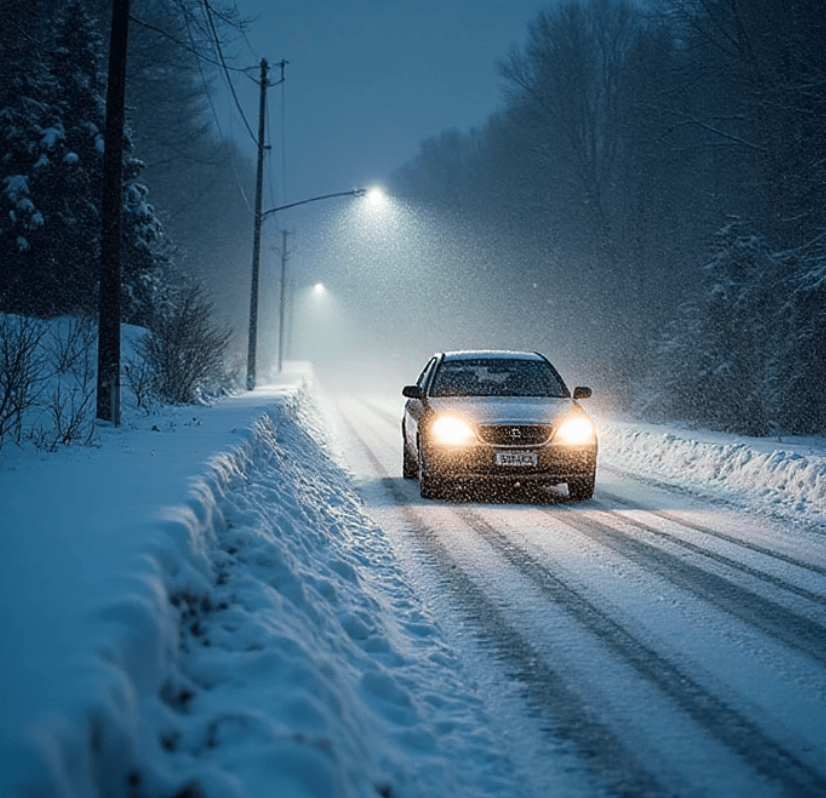
1. Vehicle Accidents on Ice-Covered Roads
This is the number one cause of winter storm deaths in Indiana.
- Black ice on interstates like I-65, I-69, and I-70
- Freezing rain that looks wet but isn’t
- Drivers assuming flat roads are safe
- Overconfidence in trucks and SUVs
Ice doesn’t care how flat Indiana is. Once traction is gone, physics wins.
If you don’t absolutely need to drive, stay off the roads.
2. Hypothermia Inside the Home
This one surprises people—and it shouldn’t.
Indiana winter storms regularly knock out power for days. Homes cool fast once furnaces shut down, especially older houses and mobile homes.
People die from hypothermia:
- Sitting in cold homes
- Wearing light clothing indoors
- Trying to “tough it out”
- Falling asleep and not waking up
Cold kills quietly. No drama. No warning.
3. Carbon Monoxide Poisoning
Every winter, same mistake, same outcome.
- Generators run in garages
- Propane heaters used improperly
- Charcoal grills brought indoors
- Gas stoves used as heaters
Carbon monoxide is odorless and invisible. By the time symptoms appear, it’s often too late.
If you live in Indiana without carbon monoxide detectors, you are taking an unnecessary and stupid risk.
4. Medical Emergencies With Delayed Response
During winter storms:
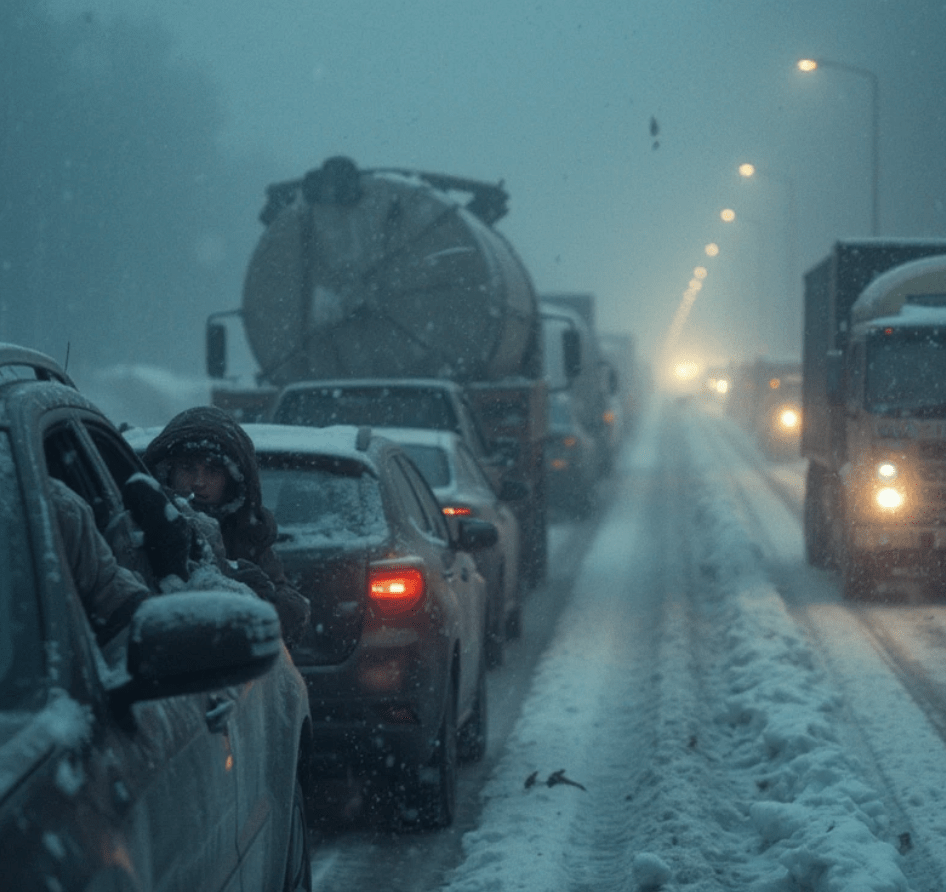
- Ambulances are delayed
- Roads are impassable
- Clinics close
- Pharmacies shut down
People die from:
- Heart attacks while shoveling heavy snow
- Missed medications
- Respiratory distress
- Diabetic complications
Winter storms don’t cause these emergencies—they cut off help.
5. Exposure While Clearing Ice and Snow
Ice-covered steps, ladders, and driveways are deadly.
People fall.
People hit their heads.
People freeze while injured.
Trying to “get it done real quick” is how small tasks turn fatal.
Will Grocery Stores Go Empty in Indiana?
Yes. And faster than most people expect.
Indiana grocery stores rely on just-in-time inventory, which means:
- Minimal back stock
- Constant deliveries
- No buffer during storms
Here’s what vanishes first:
- Bread
- Milk
- Eggs
- Meat
- Bottled water
- Baby formula
Once trucks stop rolling, shelves stay empty.
If your plan is to shop after the storm starts, you’ve already failed.
Why Survival Food Prepping Matters in Indiana
Indiana storms may not isolate you for weeks—but 3–7 days without power or stores is common.
Survival food gives you breathing room.
Every household should have:
- 7–10 days of food per person
- No refrigeration required
- Minimal cooking needs
Best Survival Food Options
- Freeze-dried meals
- Canned soups and meats
- Rice and beans
- Pasta
- Protein bars
- Peanut butter
- Instant oatmeal
If your food spoils when the power goes out, it’s not reliable.
Solar Generators: Indiana’s Best Backup Power Option
Gas generators cause problems every winter:
- Fuel shortages
- Carbon monoxide risk
- Noise
- Cold-start failures
Solar generators paired with battery storage are safer and more reliable for most Indiana homes.
They can power:
- Phones and radios
- Medical equipment
- LED lighting
- Refrigerators
- Internet routers
- Small space heaters
No fuel runs. No fumes. No guessing.
If you don’t have backup power in Indiana, you’re trusting an overworked grid during peak demand.
Essential Winter Survival Supplies for Indiana
This is the minimum for surviving a serious Indiana winter storm:
Power & Heat
- Solar generator with battery storage
- Power banks
- Indoor-safe heater
- Warm blankets and sleeping bags
Clothing & Warmth
- Thermal base layers
- Wool socks
- Hats and gloves
- Emergency bivy blankets
Food & Water
- 1 gallon of water per person per day
- Non-perishable food
- Manual can opener
Safety & Medical
- First aid kit
- Prescription medication backups
- Carbon monoxide detectors
- Fire extinguisher
Communication
- NOAA weather radio
- Flashlights and headlamps
- Extra batteries
If you don’t own these, you’re depending on luck instead of planning.
Why Survival Prepping Is More Important Than Ever in Indiana
Indiana’s winters are becoming:
- More unpredictable
- More ice-heavy
- More disruptive
The power grid is aging. Emergency services are stretched thin. And storms don’t wait for convenience.
Prepping isn’t fear—it’s responsibility.
You prepare so:
- You don’t drive when roads are deadly
- You don’t freeze in your own home
- You don’t panic-buy when shelves are empty
- You don’t become another preventable statistic
Final Word From an Upbeat Indiana Prepper
Every winter storm death in Indiana comes down to the same mistake:
Someone assumed it wouldn’t be that bad.
Ice doesn’t announce itself.
Power doesn’t come back on demand.
And help doesn’t arrive instantly.
Prepare before the storm hits—or deal with the consequences when it does.
Winter doesn’t care what state you live in.
It only cares whether you’re ready.






















 TheDailyChristian