George Stephanopoulos presses President Joe Biden on what he calls a “bad night” during the 2024 presidential debate against Donald Trump—a night that, in hindsight, became a turning point not just for the campaign but for the entire election. Biden appears reflective, slower in cadence, choosing his words carefully as he acknowledges that the debate performance rattled supporters, donors, and party leaders who had already been anxious about optics, stamina, and the unforgiving spotlight of a televised showdown. Stephanopoulos, maintaining the restrained but pointed tone of a seasoned interviewer, circles back repeatedly to the same underlying question: whether this was merely one off night or a revealing moment that accelerated a decision already forming behind closed doors.
Biden doesn’t fully concede the latter, but his answers suggest an awareness that modern campaigns are less forgiving than they once were, especially when moments are clipped, looped, and dissected in real time across social media and cable news. He frames his eventual exit from the race as an act of responsibility rather than defeat, emphasizing party unity, electoral math, and what he describes as the broader stakes of preventing another Trump presidency. The conversation carries a sense of inevitability, as if both men understand that the interview is less about relitigating the debate and more about documenting a political transition. When Biden speaks about stepping aside so that Vice President Kamala Harris could take the mantle, his tone shifts toward reassurance, underscoring confidence in her ability to prosecute the case against Trump more aggressively and energize voters who had begun to drift. Stephanopoulos doesn’t push theatrics; instead, he lets the weight of the moment sit, allowing pauses to do as much work as the questions themselves.
The interview ultimately plays less like damage control and more like a coda to a long political chapter—one in which a single night, fair or not, became symbolic of broader concerns and faster-moving political realities. For viewers, the clip offers a rare look at a sitting president publicly processing the end of a campaign, acknowledging vulnerability without fully embracing regret, and attempting to shape how history will remember the moment when the race changed hands, the strategy shifted, and the 2024 election entered a new and uncertain phase.
Picture a reporter stepping up to the mic like they’re about to ask a normal, polite, journalist question, and instead they basically go, “Sir, did you really call John McCain a ‘dummy’ for getting captured in war?” and suddenly the whole room feels like when someone brings up politics at Thanksgiving and the gravy stops moving.
Trump’s standing there with that look like he just got accused of stealing office pens—half offended, half impressed anyone noticed—and the joke writes itself because only in America can a man dodge the draft, build a gold elevator, and still decide the real idiot in the story is the guy who got shot down while flying a jet in Vietnam.
That’s like calling a firefighter dumb for being inside a burning building, or calling a lifeguard stupid for getting wet—no, my guy, that’s literally the job description. And the reporter, bless them, is doing that thing comedians love, where they don’t even need to be funny because reality is already doing cartwheels in clown shoes, just calmly pointing out that John McCain spent years as a POW being tortured, while Trump spent those same years bravely battling hair spray and finding new ways to avoid sunlight. The absurdity hits harder when you remember McCain wasn’t captured because he took a wrong turn on Google Maps—he was flying a combat mission, got shot down, and refused early release, which is hero behavior so intense it makes action movies look like yoga tutorials. Meanwhile Trump’s critique sounds like the kind of trash talk you hear from a guy who lost a game of Monopoly and flips the board because he landed on Baltic Avenue.
The humor really peaks when you imagine the logic: “I like people who weren’t captured,” which is such a wild standard that by that metric, every unlucky hiker, every shipwreck survivor, and anyone who’s ever been stuck in an elevator is officially a loser. And the reporter pressing him on it is like a stand-up comic with perfect timing, just letting Trump talk long enough to hang himself with his own punchlines, because nothing beats the comedy of confidence without self-awareness. It’s the kind of moment where the audience isn’t laughing because it’s a joke, they’re laughing because they can’t believe a grown man with nuclear codes is beefing with a dead war hero like it’s a middle school lunch table. You almost expect a rimshot when the reporter asks the follow-up, because this isn’t politics anymore, it’s sketch comedy, it’s satire with a budget, it’s America’s longest-running improv show where the host keeps insisting he’s the smartest person in the room while proving, minute by minute, that history, irony, and basic human decency have all been labeled “dummy” and shoved into the corner.
Watch the Short Clip Below of Ivana Trump Explaining That Donald Trump Didn’t Want His Son Being a Loser
Ivana Trump telling that story about Donald Trump not wanting to name his son Donald Trump Jr. because he was worried the kid might grow up to be a “loser” is one of those anecdotes that feels less like an interview and more like the tightest stand-up bit you’ve ever heard delivered completely by accident. Because think about that logic for a second.
Most parents worry about diapers, college, maybe whether their kid will need braces. Donald Trump is sitting there like, “I don’t know, Ivana… what if this baby ruins the brand?” That’s not a father talking, that’s a Fortune 500 board meeting happening in a maternity ward. And the word choice—“loser”—is doing a lot of heavy lifting. Not “unhappy,” not “unfulfilled,” not “struggling.” Just straight to the Trump family diagnostic test: winner or loser, no middle category, no mercy.
It’s almost impressive how early the pressure starts. The kid isn’t even born yet and already he’s under a performance review. Imagine being Donald Trump Jr. hearing this later in life. Like, “Oh, cool, Dad wasn’t sure I deserved my name because I might’ve ended up normal.”
And the irony is delicious, because Junior grows up, takes the name, leans all the way into it, and makes it his whole personality. The thing Trump was afraid of happening—the name being attached to someone imperfect—turns out to be unavoidable, because that’s how humans work. Ivana telling the story so casually is what makes it comedy gold.
No dramatic pause, no apology, just, “Yeah, he didn’t want to name him that in case he was a loser,” like she’s talking about returning a sweater that might pill. It’s dark, it’s absurd, and it perfectly captures a worldview where love is conditional, success is mandatory, and even newborns are expected to protect the family brand. Honestly, forget DNA tests—this story alone proves that kid was definitely a Trump.
I’ll get this out of the way early: I hated the movie Oppenheimer.
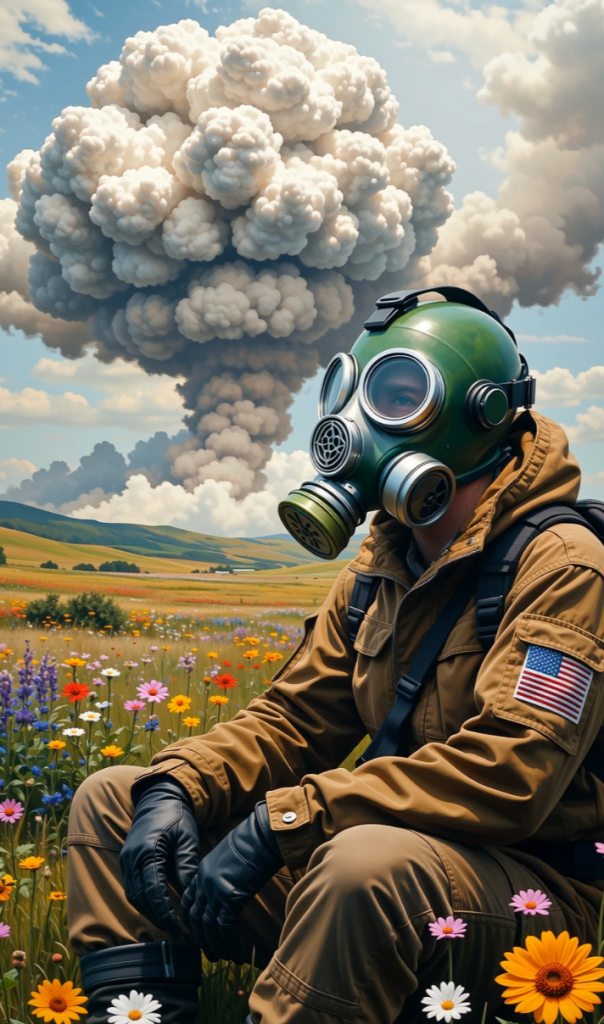
Not because it wasn’t well-made. Not because the acting was bad. I hated it because it fed the same tired, fear-soaked narrative that nuclear power equals inevitable apocalypse. That mindset is not just wrong—it’s dangerous. Nuclear energy is one of the most powerful tools humanity has ever built, and if our species is going to dominate this planet long-term, survive climate instability, and push beyond Earth, nuclear power is not optional. It’s essential.
That said—and this is where the prepper in me takes over—any system powerful enough to light cities for decades is powerful enough to kill thousands if it fails catastrophically.
So let’s talk reality.
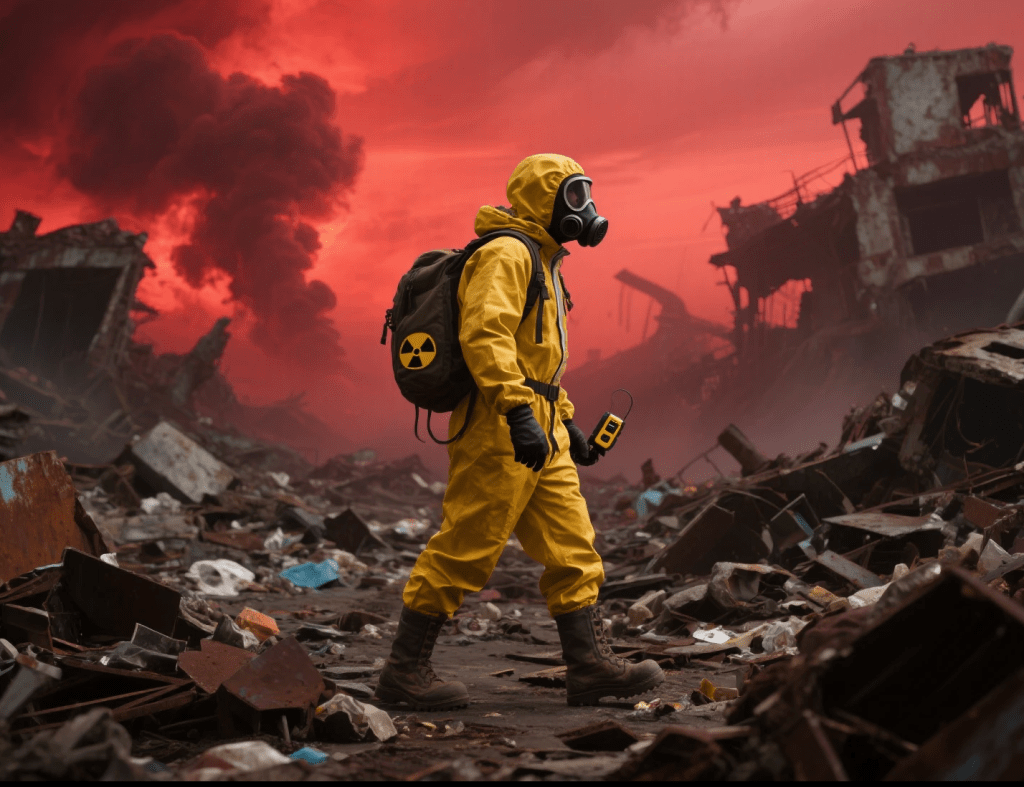
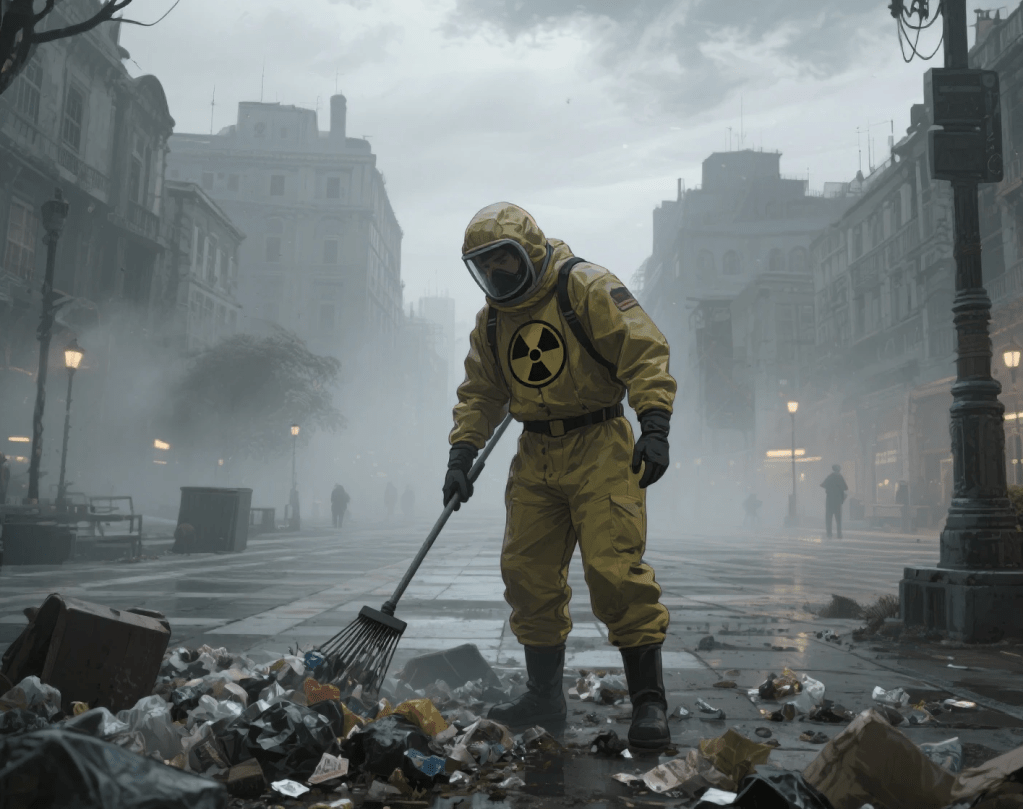
If you live near a nuclear power plant, you deserve honest answers, not Hollywood panic and not industry spin. You deserve to know how dangerous it actually is, what “safe distance” really means, what happens if the worst occurs, and what you would need to do to survive if a nuclear power plant exploded or melted down in your city.
This article is not anti-nuclear. It’s pro-truth, pro-preparedness, and pro-survival.
Understanding Nuclear Power Plants: What They Are—and What They Are Not
First, let’s correct a massive misunderstanding.
A nuclear power plant is not a nuclear bomb.
It does not explode like a weapon. There is no mushroom cloud. No city-leveling blast wave. Anyone telling you otherwise is either ignorant or selling clicks.
However—and this is a big however—nuclear power plants can fail, and when they do, the danger comes from radiation release, steam explosions, hydrogen explosions, and long-term environmental contamination.
The real threat isn’t instant annihilation. The real threat is invisible, persistent, and lethal over time.
That’s radiation.
So… What Is a “Safe Distance” From a Nuclear Power Plant?
This is the question everyone asks, and the answer is uncomfortable because it isn’t a single number.
The Official Zones
Most governments and nuclear regulatory agencies divide areas around nuclear plants into zones:
0–10 miles (0–16 km): Emergency Planning Zone (EPZ)
10–50 miles (16–80 km): Ingestion Pathway Zone
50+ miles: Generally considered low-risk for immediate exposure
Let me translate that into plain English.
0–10 Miles: You’re in the Danger Core
If you live within 10 miles of a nuclear power plant and a serious accident occurs, you are in the highest-risk category.
This is the zone where:
Evacuations happen fast
Radiation exposure can be acute
Shelter-in-place orders may come with minutes of warning
Long-term habitation may become impossible
If a reactor melts down or releases radioactive material into the air, this zone takes the hit first and hardest.
From a prepper’s perspective, this is not a safe distance. It’s a managed risk at best.
10–50 Miles: The Fallout Zone
This is where things get tricky—and where most people underestimate risk.
Radiation doesn’t care about city limits. It rides the wind. Rain pulls it down. Food and water absorb it.
In this zone:
Fallout contamination becomes the primary danger
Food supplies (farms, livestock, water reservoirs) are at risk
Long-term cancer risk increases
Evacuation may be delayed or partial
If you live here, you’re not in immediate blast danger—but you are absolutely in radiation exposure territory.
50+ Miles: Statistically Safer, Not Immune
Beyond 50 miles, immediate radiation risk drops significantly in most scenarios.
But let me be crystal clear: “safer” does not mean “safe.”
Chernobyl contaminated regions over 1,000 miles away. Fukushima radiation was detected across the Pacific.
If atmospheric conditions align badly, distance alone will not save you.
Why Nuclear Power Plants Can Be Deadly If the Worst Happens
Nuclear energy is safe when everything works as designed. But disasters don’t happen because things work. They happen because multiple systems fail at once.
Here’s what can go wrong.
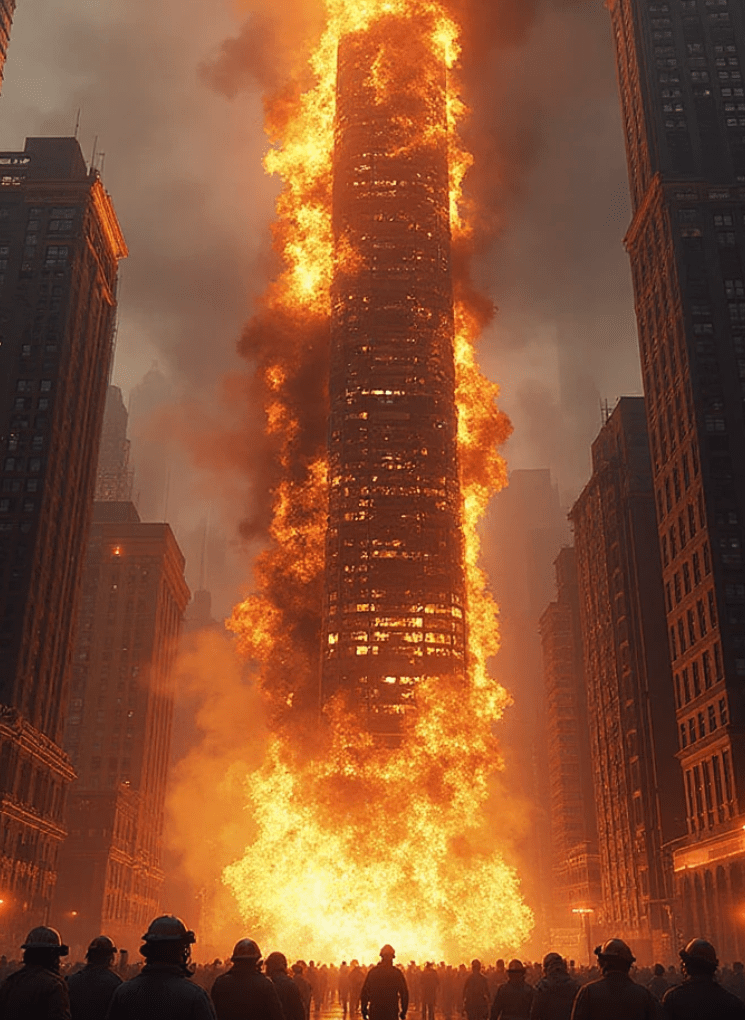
1. Reactor Core Meltdown
A meltdown occurs when:
Cooling systems fail
Fuel rods overheat
The reactor core melts through containment barriers
This releases radioactive isotopes like:
Iodine-131
Cesium-137
Strontium-90
These are not abstract science terms. These are substances that:
Destroy thyroids
Cause cancers decades later
Render land unusable for generations
2. Hydrogen Explosions
In several historical nuclear accidents, overheating fuel rods caused hydrogen buildup. When hydrogen ignites, it explodes—violently.
This doesn’t flatten cities, but it breaches containment, allowing radiation to escape into the atmosphere.
That’s how disasters spread.
3. Spent Fuel Pool Fires
This is one of the least discussed and most terrifying scenarios.
Spent fuel pools hold highly radioactive waste. If cooling water drains or boils off, the fuel can ignite—releasing enormous amounts of radiation.
Some experts consider this worse than a reactor meltdown.
4. Long-Term Environmental Contamination
Even if no one dies immediately, the land can be poisoned.
Radiation settles into:
Soil
Crops
Rivers
Groundwater
Animal populations
This isn’t dramatic. It’s slow. It’s quiet. And it kills people years later.
If a Nuclear Power Plant Exploded in Your City: What Would You Need to Do?
Now we get to the survival part. This is not theory. This is what matters.
First: Understand the Timeline
A nuclear power plant disaster unfolds in phases:
Initial failure
Radiation release
Public notification
Evacuation or shelter orders
Fallout spread
Long-term displacement
Your actions in the first 30–120 minutes matter more than anything else.
Immediate Actions (Minutes to Hours)
1. Get Indoors Immediately
If you are downwind of a radiation release:
Go inside the nearest solid structure
Basements are best
Concrete and earth are your friends
Do not stand outside watching. That’s how people get irradiated.
2. Seal Yourself In
Close windows and doors
Turn off HVAC systems
Block vents if possible
Use tape and plastic if available
This reduces radioactive particles entering your space.
3. Decontaminate If Exposed
If you were outside:
Remove outer clothing immediately
Seal it in a bag
Shower with soap and water (no conditioner)
Do not scrub harshly
This alone can remove a significant percentage of radioactive contamination.
Evacuation: When to Leave and When Not To
This is where people die by making the wrong choice.
Evacuate If:
Authorities issue a clear evacuation order
You have a planned route away from the plume
You can leave immediately
Do NOT Evacuate If:
Fallout is actively occurring
Roads are gridlocked
You would be exposed longer outside than sheltered
Radiation exposure is cumulative. Sometimes staying put saves your life.
Long-Term Survival After a Nuclear Plant Disaster
If the disaster is severe, life does not “go back to normal.”
Food and Water Become Critical
Local water may be contaminated
Crops may be unsafe for years
Milk and leafy vegetables are especially dangerous
Preppers understand this: stored food wins.
Health Monitoring Is Non-Negotiable
Radiation sickness may not appear immediately. Symptoms can include:
Nausea
Fatigue
Hair loss
Thyroid issues
Long-term screening matters.
So… Should You Live Near a Nuclear Power Plant?
Here’s my honest, professional answer.
Nuclear power is essential for humanity’s future. Period. Fossil fuels are limited. Renewables alone won’t carry us. If we want space travel, advanced industry, and global stability, nuclear energy is part of that equation whether people like it or not.
But living near a nuclear power plant is a calculated risk.
From a Prepper’s Perspective:
Inside 10 miles? I wouldn’t.
10–30 miles? Only with serious preparedness.
30–50 miles? Acceptable with planning.
50+ miles? Reasonable for most people.
Preparedness turns fear into control.
Final Thoughts: Respect the Power, Don’t Fear It
Hollywood wants you to fear nuclear energy. Fear sells tickets.
Survival demands something different: respect.
Nuclear power is not evil. It’s not magic. It’s a tool—one of the most powerful tools our species has ever created. Tools can build civilizations or destroy them depending on how responsibly they’re handled.
If you live near a nuclear power plant, don’t panic. Get educated. Get prepared. Understand the risks, plan your responses, and make informed decisions.
That’s how you survive.
And that’s how humanity moves forward—eyes open, not blinded by fear or fiction.
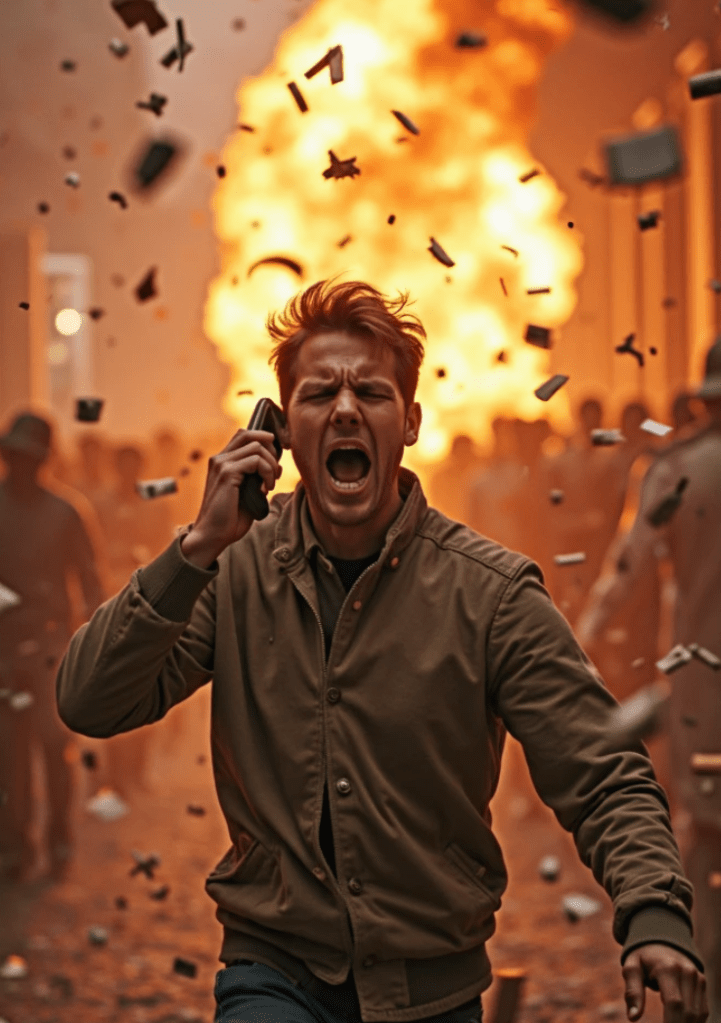
The beginning of a nuclear war will not look like the movies. There won’t be heroic music, clear villains, or a neat countdown clock. What you’ll get instead is confusion, panic, misinformation, and millions of scared, selfish people who suddenly realize the system they trusted is gone. The blast is terrifying, sure. The radiation is deadly. But people? People will be the real danger from minute one.
I’ve spent years preparing for disasters because I don’t trust society to hold itself together when things get ugly. And nuclear war is the ugliest scenario humanity has ever engineered. When it starts, the rules you think exist—laws, politeness, morality—will evaporate faster than common sense in a crowded city. If you want to survive the opening phase, you need to stop thinking like a citizen and start thinking like a survivor.
The First Hours: Panic Is Contagious
When the first alerts hit—whether it’s sirens, phone warnings, or social media exploding—you’ll see mass panic almost immediately. People will rush to gas stations, grocery stores, pharmacies, and highways. Not because it’s logical, but because panic spreads faster than radiation.
Your biggest mistake would be joining the herd. Crowds are dangerous in normal times. In a nuclear crisis, they’re lethal. People will fight over fuel, trample each other for food, and pull weapons they barely know how to use. All it takes is one loud noise or rumor to turn a crowd into a riot.
If you are not already in a safe location when the news breaks, your priority is simple: get away from people, not toward supplies. The supplies will still be there later—assuming anyone survives to use them. Crowds, on the other hand, will get violent fast.
Shelter Is About Distance From People, Not Comfort
Everyone talks about bunkers, basements, and fallout shelters. What they don’t talk about is who else wants to use them. Public shelters will be chaos. Shared shelters will become power struggles. The more people involved, the faster cooperation turns into conflict.
Your shelter doesn’t need to be perfect. It needs to be discreet. A quiet, low-profile location away from main roads and population centers is worth more than the most well-stocked shelter surrounded by desperate neighbors. The less visible you are, the less likely someone will decide you have something worth taking.
Noise discipline matters. Light discipline matters. Smoke, generators, and loud conversations will advertise your location to people who are already on edge. In the early days of nuclear war, attention is a liability.
Trust No One—Especially at the Beginning
This is the part that makes people uncomfortable, but comfort died the moment the missiles launched. At the beginning of a nuclear war, trust is a luxury you cannot afford.
People you’ve known for years may turn on you if they think you have food, water, or shelter. Strangers will lie without hesitation. Some will cry, beg, or tell convincing stories because desperation strips away shame.
That doesn’t mean you become a monster. It means you become cautious. Help can wait. Survival cannot. If you give away your supplies or expose your shelter in the first wave of chaos, you’re signing your own death warrant.
Later—much later—small, trusted groups may form. But in the opening phase, when fear is at its peak and information is nonexistent, isolation is often safer than cooperation.
Information Will Be Weaponized
During the early stages of nuclear conflict, information will be wrong, delayed, or deliberately misleading. Governments will downplay damage. Social media will amplify rumors. People will repeat anything that gives them hope or justifies their panic.
Following bad information can get you killed. Evacuation orders may send you straight into fallout zones. “Safe routes” may be clogged with abandoned vehicles and armed opportunists.
Your best strategy is to assume that official information is incomplete and public chatter is useless. Make decisions based on preparation and observation, not headlines. If you prepared in advance, now is the time to follow your plan—not improvise based on someone else’s fear.
Resources Turn People Into Predators
Food, water, medical supplies, and shelter will instantly become currency. And where currency exists, so do predators. Some people will organize quickly—not to help, but to take.
Looting will start almost immediately. At first it will target stores. Then it will move to homes. Anyone who looks prepared becomes a target. If you look calm, organized, or well-supplied, someone will notice.
This is why blending in matters early on. Do not advertise preparedness. Do not show off gear. Do not talk about what you have. Scarcity turns envy into violence.
Movement Is Risky—Staying Put Is Usually Safer
In the early phase of nuclear war, movement exposes you to people, fallout, and bad decisions. Every mile traveled increases the chance of confrontation. Roadblocks—official or otherwise—will appear. Some will be manned by authorities. Others will be manned by people with guns and no rules.
If you have shelter and supplies, staying put is often the best option. Let the initial wave of chaos burn itself out. People will exhaust themselves panicking, fighting, and fleeing. Those who survive will slow down eventually.
Moving later, when desperation has thinned the population and patterns have emerged, is safer than moving immediately into the storm.
Self-Defense Is About Deterrence, Not Heroics
If you think the beginning of nuclear war is the time to play hero, you won’t last long. Self-defense is not about winning fights—it’s about avoiding them.
A visible ability to defend yourself can deter some threats, but it can also attract others. The goal is to look uninteresting, not intimidating. You want to be the house people pass by, not the one they think is worth the risk.
If confrontation is unavoidable, end it quickly and decisively. Hesitation invites escalation. But understand this: every conflict increases your visibility and your risk. Violence is sometimes necessary, but it always has consequences.
Psychological Survival Matters
Anger will keep you alert, but despair will get you killed. The beginning of nuclear war will crush illusions—about safety, about society, about human goodness. That realization hits people hard.
You need to accept the reality quickly: the world you knew is gone, and no one is coming to save you. Once you accept that, you can focus on what actually matters—staying alive, staying hidden, and staying disciplined.
Routines help. Silence helps. Purpose helps. Panic is the enemy.
The Hard Truth No One Likes to Admit
Most people are not prepared. Most people are not mentally equipped for collapse. When nuclear war begins, those people will do irrational, dangerous things. Not because they’re evil, but because they’re scared.
Your job is not to fix society. Your job is to survive it.
The beginning of nuclear war is not about rebuilding or community or hope. That comes later, if it comes at all. The beginning is about enduring the worst behavior humanity has to offer while the fallout settles—both literal and psychological.
If you can stay out of sight, out of crowds, and out of other people’s plans, your odds improve dramatically. The bombs may fall without warning, but human behavior is predictable. Panic. Greed. Violence.
I’m a prepper. That means I stock food, rotate water, check batteries twice a year, and assume that if something can go wrong, it will—usually at the worst possible moment.
But here’s the thing most folks don’t like to think about: the majority of Americans don’t die from mysterious diseases or dramatic movie-style disasters. They die from ordinary, everyday, painfully preventable events.
The kind that happen because someone was distracted, unprepared, or assumed “it won’t happen to me.”
This article isn’t meant to scare you (okay, maybe a little). It’s meant to make you harder to kill. Below are the top 10 most common non-health-related causes of death in the United States—and practical, prepper-approved ways to avoid each one.
Strap in. Literally. That’s tip number one.
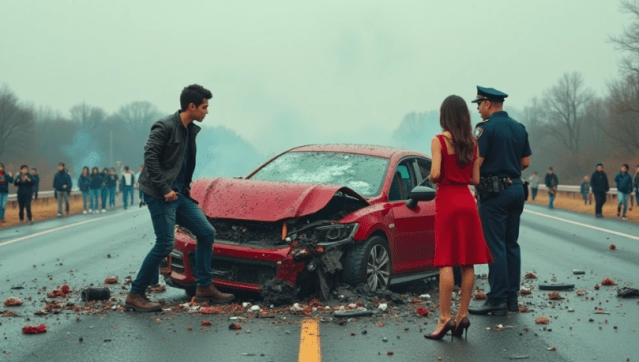
1. Motor Vehicle Accidents (AKA: Death by Commuting)
Cars are the single most dangerous tool most Americans use daily—and we treat them like comfy metal sofas with cup holders.
Why it kills so many people:
Speeding
Distracted driving
Drunk or impaired drivers
Poor vehicle maintenance
Prepper Survival Tips:
Wear your seatbelt. Every time. No exceptions.
Assume every other driver is actively trying to kill you.
Don’t text. That meme can wait.
Keep your vehicle maintained like it’s an escape vehicle—because one day it might be.
Carry a roadside kit: flares, flashlight, water, first-aid, jumper cables.
Prepper rule: If you’re behind the wheel, you’re on patrol.
2. Accidental Poisoning & Overdose (Not Just “Drugs”)
This category includes illegal drugs, prescription misuse, household chemicals, and even carbon monoxide.
Install carbon monoxide detectors on every level of your home.
Label all chemicals clearly.
Lock meds away from kids—and adults who “just grab whatever.”
Read labels like your life depends on it… because it might.
A prepper doesn’t trust fumes, powders, or mystery pills. Ever.
3. Falls (Yes, Gravity Is Still the Enemy)
Falls kill more Americans than fires and drownings combined, especially as people age.
Common scenarios:
Ladders
Slippery stairs
Bathroom wipeouts
“I don’t need help” moments
Prepper Survival Tips:
Use ladders correctly. No standing on buckets.
Install grab bars in bathrooms. Pride heals slower than broken bones.
Wear shoes with traction.
Don’t rush. Gravity loves impatience.
Survival mindset: If you fall, you’ve surrendered the high ground—to the floor.
4. Fire and Smoke Inhalation
Fire doesn’t care how tough you are or how expensive your couch was.
Why it kills:
Faulty wiring
Unattended cooking
Candles
Smoking indoors
No escape plan
Prepper Survival Tips:
Install and test smoke detectors regularly.
Keep fire extinguishers in the kitchen and garage.
Never leave cooking unattended.
Practice fire escape routes with your family.
Rule of flame: If you smell smoke, you’re already behind schedule.
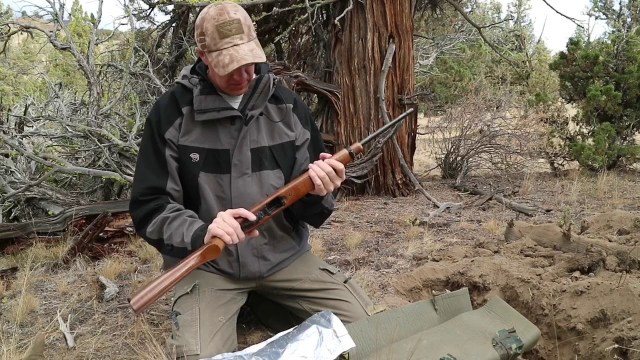
5. Firearms Accidents (Negligence, Not the Tool)
Firearms themselves aren’t the issue—carelessness is.
Common causes:
Improper storage
Failure to check chamber status
Treating firearms like toys
Prepper Survival Tips:
Store firearms locked and unloaded when not in use.
Treat every firearm as loaded.
Never point at anything you don’t intend to destroy.
Educate everyone in the household on firearm safety.
A prepper respects tools. Especially the loud ones.
6. Drowning (Even Strong Swimmers Die This Way)
You don’t need the ocean to drown. Pools, lakes, rivers, and even bathtubs qualify.
Why it happens:
Overconfidence
Alcohol
Poor supervision
No flotation devices
Prepper Survival Tips:
Never swim alone.
Wear life jackets when boating.
Supervise children constantly.
Learn basic water rescue techniques.
Remember: Water doesn’t negotiate.
7. Workplace Accidents
Construction sites, warehouses, farms, and factories are full of hazards—many ignored until it’s too late.
Common issues:
Skipping safety gear
Fatigue
Rushing
Improvised “shortcuts”
Prepper Survival Tips:
Wear PPE. All of it.
Follow lockout/tagout procedures.
Speak up about unsafe conditions.
Don’t rush—speed kills more than boredom ever will.
A prepper values fingers, limbs, and spines. Try living without them sometime.
8. Suffocation & Choking
Food, small objects, confined spaces—oxygen deprivation is fast and unforgiving.
Why it happens:
Eating too quickly
Poor chewing
Unsafe sleeping environments
Confined spaces without ventilation
Prepper Survival Tips:
Learn the Heimlich maneuver.
Cut food into manageable pieces.
Keep small objects away from children.
Never enter confined spaces without airflow testing.
Breathing is non-negotiable. Guard it fiercely.
9. Homicide (Situational Awareness Matters)
While less common than accidents, violence still claims lives every year.
Risk factors:
Poor situational awareness
Escalating confrontations
Unsafe environments
Alcohol-fueled decisions
Prepper Survival Tips:
Trust your instincts.
Avoid unnecessary confrontations.
Learn basic self-defense.
Keep your head on a swivel in public.
The best fight is the one you never show up to.
10. Extreme Weather Exposure
Heat, cold, storms, and floods kill more people than most realize.
Common mistakes:
Underestimating conditions
Lack of preparation
Ignoring warnings
Prepper Survival Tips:
Monitor weather forecasts.
Have emergency kits ready.
Dress for conditions.
Know when to shelter and when to evacuate.
Weather doesn’t care about optimism. Prepare accordingly.
Final Prepper Thoughts: Survival Is a Daily Habit
Most people imagine survival as something dramatic—zombies, EMPs, or alien invasions. But the truth is much less cinematic.
Survival is:
Wearing your seatbelt
Installing detectors
Slowing down
Paying attention
The goal isn’t to live in fear. The goal is to live long enough to enjoy the good stuff—family, freedom, and a pantry that’s always suspiciously well stocked.
Stay safe. Stay prepared. And don’t let preventable nonsense take you out early.
Driving in the fog is one of those experiences that reminds you of a simple truth: you are completely on your own out there. Nobody else seems to take danger seriously anymore. Most drivers barrel down the road like they’re invincible, assuming that the weather, physics, and common sense will magically rearrange themselves to suit their recklessness. Meanwhile, the fog thickens, your visibility shrinks to nothing, and you’re left trying to survive in a world where everyone else acts like they’re starring in an action movie.
But unlike them, you actually want to live. And in this age where attention spans have shriveled to the size of a raindrop, it’s up to the few remaining realists—preppers like us—to understand the real dangers and take responsibility for our survival. Fog isn’t just moisture hanging in the air; it’s a silent disaster waiting to happen. It hides hazards, confuses your senses, and turns ordinary roads into death traps.
So let’s talk about how to drive in the fog like someone who actually values their life, even if the rest of the world is too busy being oblivious.
1. Slow Down—Because Everyone Else Is Going Too Fast
If you think you’re going slow, slow down more. Most people treat fog like an annoying inconvenience rather than the lethal hazard it really is. They assume their headlights and overconfidence will substitute for actual caution. They’re wrong.
Fog kills visibility, depth perception, and reaction time. If you’re moving faster than you can see, then you’re not driving—you’re gambling. And the house always wins.
Driving slower gives you more time to react when another driver—probably scrolling on their phone—drifts into your lane or slams on their brakes.
2. Use Low Beams, Not High Beams—Unless You Enjoy Blinding Yourself
Here’s a fact that should be obvious, yet somehow isn’t: high beams make fog worse. They reflect light back at you like a giant glowing wall, cutting visibility even more.
Low beams and fog lights are your friends. They spread the light downward, closer to the road, where it matters. But every day, you’ll still see some genius blasting their high beams straight into the mist, wondering why they can’t see anything. Don’t be like them. The world already has enough fools.
3. Increase Following Distance—Because People Will Slam Their Brakes at the Worst Time
Fog has a cruel way of making ordinary drivers panic. The moment they feel uneasy, they slam on the brakes with zero warning. If you’re tailgating, you’re done.
Increase your following distance—double it, triple it, whatever it takes. If the person in front of you decides to reenact a scene from a disaster movie, you’ll need the space to save yourself from becoming part of the collision.
4. Stay in Your Lane—And Don’t Trust Anyone Else to Stay in Theirs
Fog makes borders blur. Road lines disappear. And other drivers? They drift, wander, and overcorrect like they’re hypnotized.
Use the right-side white line (not the center line) as your guide. It’s usually easier to see and safer to follow. Staying away from the center reduces your chances of colliding with oncoming traffic—especially the kind that refuses to respect their side of the road.
You can’t trust other drivers to stay where they’re supposed to. But you can control your own path.
5. Avoid Stopping on the Road—Unless You Want to Be Hit
Stopping in the fog is practically inviting someone to plow into you. Visibility is too low, and people drive too unpredictably. If you absolutely have to stop, pull as far off the road as humanly possible.
Turn on your hazard lights. Make your vehicle visible. Stand away from the road if you exit the car—because being outside the vehicle is often safer than sitting in it during a pileup.
Survival rule: never assume other drivers can see you. In fact, assume they can’t.
6. Eliminate Distractions—This Is Not the Time for Music, Snacks, or Daydreaming
Driving in fog requires the kind of attention most people reserve for watching the last slice of pizza disappear. You need to be alert, focused, and free of distractions.
Turn off the radio if you must. Put away your phone. Forget the coffee cup. You need every sense operating at full capacity.
Fog has a way of tricking your brain into thinking you’re going slower or faster than you really are. Staying fully aware helps you avoid falling into that trap.
7. Use Your Defrosters and Wipers—Fog Loves Turning Your Windshield Into a Mess
Fog often brings moisture, and moisture loves sticking to your windshield. Combine that with temperature changes and you’ve got the perfect recipe for fogged-up glass.
Use your front and rear defrosters. Adjust your AC to circulate dry air. Run your wipers if needed. A clear windshield is one of the few advantages you still have.
8. Know When to Pull Over—Your Survival Comes First
Sometimes the fog is simply too dense. If you can’t see the hood of your own car, you’re not driving anymore—you’re guessing.
Pull off the road completely (not just partly). Don’t rely on the kindness or intelligence of other drivers to avoid hitting you. Wait for conditions to improve. It’s better to arrive late than not at all.
The world won’t look out for your safety—you have to do that yourself.
9. Prepare Before You Drive—Because Emergencies Don’t Wait
A true prepper knows that half of survival happens before disaster strikes. Before you even put the key in the ignition:
Check your lights
Top off your windshield washer fluid
Keep an emergency kit in the car
Carry a flashlight
Keep blankets and supplies
Maintain your tires
Fog can turn a simple drive into a full-blown emergency faster than you think.
10. Don’t Expect Others to Know What They’re Doing
This is maybe the most important fog-driving rule of all: trust no one.
Not the teenager speeding in his sports car. Not the commuter rushing to work. Not the driver who doesn’t even know what fog lights are.
Everyone out there is guessing, hoping, and pretending. You’re the only one taking survival seriously. Their mistakes can become your tragedy—unless you’re prepared.
Final Thoughts: Survive Because No One Else Will Save You
Driving in the fog isn’t just about visibility—it’s about mindset. It’s about understanding that the road is unforgiving, other drivers are unpredictable, and danger doesn’t care how confident you feel.
But you’re not like the others. You’re a survival prepper. You think ahead. You stay alert. You know the world is full of hazards—and you prepare for them.
Fog may hide the road, but it doesn’t hide the truth: You’re responsible for your own survival. And if you stay vigilant, you’ll make it through the mist while others get lost in it.
California. The so-called “Golden State.” Sunshine, beaches, wine, and endless Instagram posts. But behind the glitzy veneer lies a brutal, life-threatening reality. If you think living here is safe, think again. The truth is, California is practically a death trap if you aren’t constantly on your toes. From nature’s fury to human negligence, there are threats lurking everywhere. If you want to survive, you better face the ugly truth. I’ve compiled the Top 10 Most Dangerous Things in California That Can Easily End Your Life—and What You Can Do to Survive Them. Strap in, because I’m not sugarcoating anything.
1. Wildfires: Nature’s Merciless Inferno
California’s wildfires are legendary, but not in a good way. Each year, thousands of acres are reduced to ash, and countless people lose their homes—or worse, their lives. Fire doesn’t discriminate. It will burn you alive if you’re not paying attention.
Survival Strategy: Know evacuation routes like the back of your hand. Have a “grab-and-go” bag ready with essentials: water, non-perishable food, important documents, and first aid. Most importantly, stay informed via emergency alerts—waiting until you see flames is already too late.
2. Earthquakes: The Ground Is Out to Get You
The San Andreas Fault isn’t a joke. California is one massive shaking trap, and a big quake can happen at any second. Buildings collapse, roads split open, and utilities go offline. Do you really want to gamble your life on luck?
Survival Strategy: Secure heavy furniture and appliances. Create a family earthquake plan, including safe spots in every room (under sturdy tables or against interior walls). Stock up on emergency supplies—water, food, first aid kits, and even a portable toilet. After all, earthquakes aren’t polite; they’ll ruin everything.
3. Heatwaves and Extreme Sun Exposure
California’s “perfect weather” often turns murderous. Inland valleys and desert areas can hit triple-digit temperatures that fry the human body. Heatstroke and dehydration don’t care if you’re trying to have a relaxing day—they’ll kill you quietly and quickly.
Survival Strategy: Hydrate like your life depends on it—because it does. Wear breathable, sun-protective clothing and avoid being outside during peak heat hours. Always carry water and electrolytes; your body isn’t invincible, no matter how much Instagram influencers pretend it is.
4. Wild Animals: Coyotes, Mountain Lions, and Snakes
Yes, California has the animals you read about in horror stories. Mountain lions, rattlesnakes, and even aggressive coyotes can end your life if you stumble into their territory. Don’t let the cuteness fool you; survival here is not about selfies with wildlife.
Survival Strategy: Stay alert when hiking or camping. Make noise to avoid surprising predators. Carry bear spray or a sturdy walking stick. Know how to identify dangerous animals and never underestimate their strength or speed.
5. Dangerous Ocean Currents and Rip Tides
California’s beaches are seductive, but many have deadly undertows. Every year, tourists and locals alike are dragged out to sea by rip currents, and few come back. The ocean doesn’t negotiate—it drags you down and drowns you, no questions asked.
Survival Strategy: Swim only at lifeguard-patrolled beaches. Learn to spot rip currents: they’re usually darker, choppier channels of water moving away from the shore. If caught, don’t fight the current; swim parallel to the shore until free, then make your way back slowly.
6. Car Accidents: The Silent Killer
California’s highways are a mess of reckless drivers, endless traffic, and unpredictable conditions. Each day, thousands of accidents happen, many fatal. It’s not just about speed; it’s distracted drivers, drunk drivers, and the sheer density of vehicles that make every road a death trap.
Survival Strategy: Drive defensively. Keep your distance, never text while driving, and always wear your seatbelt. Know emergency maneuvers, like how to regain control on slick roads. It’s basic, but most people ignore it—and that’s why they die.
7. Toxic Air and Pollution
Between wildfires, industrial zones, and smog-heavy cities like Los Angeles, California’s air isn’t just unpleasant—it’s deadly. Long-term exposure leads to lung disease, heart issues, and a diminished lifespan. Don’t be naïve: breathing can kill you here.
Survival Strategy: Monitor air quality reports. Keep N95 masks on hand for emergencies. Air purifiers at home can filter particulate matter. Avoid outdoor activity during bad air days—sacrificing convenience now can save your lungs, and your life.
8. Floods and Mudslides
After the fires, California becomes a soggy, sliding nightmare. Burn scars destabilize the soil, making mudslides an unpredictable killer during rains. Flash floods can occur in valleys and riverbeds, often without warning.
Survival Strategy: Never camp or build in known flood zones. Check weather alerts during the rainy season. Elevate your home and clear debris from drainage paths if possible. Awareness is your best weapon—ignorance will get you buried.
9. Burglaries, Assaults, and Urban Crime
Yes, nature kills, but humans are just as lethal. Certain neighborhoods in California are infamous for violent crime. It doesn’t matter how strong or smart you are; being unprepared makes you a target.
Survival Strategy: Invest in home security systems. Be vigilant in public spaces. Learn basic self-defense. Avoid risky areas after dark. And for the love of your future, never carry valuables openly. Criminals don’t care about your excuses.
10. Avalanche and Snow Hazards in the Sierra Nevada
People forget that California isn’t just beaches and deserts. Its mountains can be merciless. Avalanches, icy trails, and sudden snowstorms can trap or kill hikers and skiers. The cold isn’t forgiving, and neither are the slopes.
Survival Strategy: Check avalanche reports before heading into the mountains. Carry emergency blankets, shovels, and avalanche beacons. Never hike alone in snow-heavy areas. Respect the mountains—they don’t negotiate with arrogance.
Final Thoughts: Survive or Die
California is a beautiful place to look at, but it’s a slaughterhouse for anyone who doesn’t respect the threats. From fires to floods, predators to predators in human form, the Golden State is not a vacation—it’s a survival test. The question isn’t “will you survive?” It’s “will you prepare before it’s too late?”
Take every warning seriously. Don’t fool yourself with optimism. Arm yourself with knowledge, tools, and a survival mindset. Ignore this, and California will happily write your obituary. Remember: life isn’t fair, nature isn’t kind, and neither are the streets of California.
Survive, because nobody else is coming to save you.
Let me start by telling you this—when society cracks, it doesn’t do it politely. Riots are fast, chaotic, and unforgiving. I’ve trained for all kinds of emergencies, from economic collapse to grid-down scenarios. But civil unrest? That’s a whole different beast. You don’t need to be paranoid to be prepared. When things spiral out of control—like what we’ve seen across the country and even small towns in Maine—being ready isn’t optional. It’s survival.
Riots can spring up anywhere, even in places where you think, “Not here. Not us.” But unrest doesn’t ask for permission, and it won’t send a warning. You have to be ready. Below, I’ll walk you through self-defense tactics, real-world prep tips, and how to build survival weapons from scratch. This isn’t theory. It’s what works.
8 Self-Defense Skills Every Prepper Needs During a Riot
1. Situational Awareness Before you even need a weapon, your first line of defense is your awareness. Know your exits, observe crowd energy, and scan for erratic behavior. Stay off your phone. Keep your head on a swivel and trust your instincts. If something feels off, it probably is.
2. De-escalation Techniques Avoiding a fight is smarter than winning one. Speak calmly, don’t posture aggressively, and use body language to show non-threat. Your goal is to vanish into the background, not be a hero.
3. Basic Striking Learn palm strikes, knee strikes, and elbow blows. These are high-impact, low-effort moves that work when you’re in tight spaces. You’re not in a movie—keep it simple and effective.
4. Escape From Grabs If someone grabs you, you need to know how to break free fast. Practice wrist release techniques and elbow leverage moves. Every second counts when you’re restrained.
5. Improvised Weapon Use Know how to turn what’s around you into a tool. A belt with a metal buckle becomes a flail. A flashlight can be a bludgeon. A pen? A lethal force multiplier.
6. Crowd Movement Navigation Learn how to move with a panicked crowd without being trampled. Stay near walls, keep your arms up for space, and go with the flow until you can break out sideways. Don’t go against the current—it’ll swallow you.
7. Tactical Retreat There’s no shame in running. A retreat is a strategic repositioning to preserve your life. Practice quick exits and safe fallback points around your home or work area. Know your alleyways, fences, and escape paths.
8. Ground Defense If you fall, you’re vulnerable. Learn how to break your fall and defend from the ground. Practice kicking from your back and using your legs to create space until you can stand or escape.
3 DIY Survival Weapon Builds for Emergency Defense
1. PVC Pipe Baton
Materials: 1.5” PVC pipe (18-24”), duct tape, metal nuts or bolts, sand or concrete mix.
Build: Fill the pipe with sand or bolts, cap the ends, and wrap the handle with duct tape for grip. You’ve got a durable, hard-hitting baton that’s light and concealable.
Use: Strikes to joints or collarbones. Aim for disabling, not showmanship.
2. Survival Spear from a Broomstick
Materials: Old broom handle, steel knife blade, paracord.
Build: Lash a fixed-blade knife securely to the broomstick using paracord in an X-wrap pattern. Reinforce with duct tape if needed.
Use: Defense against multiple threats at distance or as a deterrent while retreating.
3. Weighted Slingshot with Marbles or Bearings
Materials: Y-shaped tree branch, surgical tubing, leather patch, marbles or steel ball bearings.
Build: Attach surgical tubing to the branch, with the leather patch in the middle. Practice tension for consistency.
Use: Quiet, reusable, and surprisingly powerful. Aim for head or knee-level targets.
Survival Mindset During Civil Unrest
A riot is chaos incarnate. Looters don’t care who you are. Some folks get swept up in group hysteria and act in ways they never would on their own. Your focus must be: avoid, defend, escape.
Don’t participate. Don’t record. Don’t engage. You are not law enforcement. You are not a hero. You are a survivor. That’s your job, and it’s a full-time commitment once SHTF (S*** Hits The Fan).
Bug-Out vs. Bug-In: If you’re caught near a riot, your first choice is always to bug out. But sometimes roads are blocked, or you’re safer inside. If you have to bug in, reinforce your doors, shut off lights, and make your home look uninviting. No lights, no sound, no visibility from the street. Stack furniture or sandbags behind doors. Keep quiet and keep watch.
Escape Routes: Always have two: one primary, one backup. Know which streets get congested and which backroads lead to open areas. Keep your gas tank half full at all times. Map out safe houses—friends or family at least 10 miles out.
Personal Loadout (Minimum Riot Kit):
Compact multi-tool or utility knife
Tactical flashlight (with strobe mode)
N95 mask (for smoke/gas protection)
Leather gloves
Safety glasses
Light body armor or padded jacket
Emergency radio
Concealed pepper spray or stun device (where legal)
Medical Supplies: Trauma kit with gauze, tourniquet, pain meds.
Documents: Keep IDs, emergency cash, and important papers in a waterproof bag.
Community Contacts: Know who you can trust locally. Lone wolves don’t last long when chaos drags on.
Closing Thoughts from a Veteran Prepper
Riots are not just “big city” problems. Maine, with its quiet towns and tightly knit communities, is no exception. The second you think “It can’t happen here” is the moment you become most vulnerable.
Preparation isn’t paranoia. It’s the mindset of those who live to tell the tale. Be calm, be smart, and be two steps ahead. When the fire rises and the streets fill with fear, you won’t have time to “figure it out.” You’ll either be ready or you won’t.
Train now. Build now. Plan now.
When society breaks, there’s no reset button. Only those who kept their edge survive!
When civil unrest breaks out, things can spiral fast—especially in cities where tensions are already boiling over. I’ve lived through chaos, trained for uncertainty, and helped others get out of life-threatening situations with nothing but grit, brains, and a well-packed bug-out bag. If you’re in Michigan and riots hit your area, don’t rely on chance or hope. Rely on skills. This guide lays out what you need to know to stay safe and survive a riot.
Mindset: Situational Awareness Over Fear
Before you start swinging bats or thinking you can brawl your way out of trouble, let me give you the golden rule of surviving civil unrest: avoidance is better than confrontation. Awareness and preparation beat strength every time. You have to be calm, fast-thinking, and light on your feet. Always know where your exits are, who’s nearby, and what’s happening within your line of sight.
You don’t have to be a fighter to survive—but knowing how to defend yourself if it comes to it? That’s priceless.
8 Self-Defense Skills Every Civilian Should Master
The Hammer Fist Strike Easy to learn, devastating to apply. Use the meaty bottom of your fist like a hammer—target the nose, collarbone, or side of the head. Practice this with a tire or punching bag until it becomes second nature.
Knee Strikes When it’s close-quarters, your knees are deadly weapons. Drive them upward into the attacker’s midsection, groin, or thigh. Knee strikes can neutralize even larger opponents when timed right.
Elbow Strikes In tight crowds, swinging a fist is tough. Your elbows, however, are perfect for close-range defense. Practice horizontal and downward elbow strikes—aim for the temple, jaw, or ribs.
Wrist Grab Escape Riots are chaotic, and people may grab you—either to harm you or stop you. Learn the wrist escape: rotate your wrist toward the attacker’s thumb and pull sharply away. This simple trick can save your life.
Chokehold Escape (Standing Rear Choke) If someone catches you from behind, don’t panic. Step to the side, lower your center of gravity, and strike backward with elbows or stomp their foot—then peel their arm from your neck. Learn this through video demos or martial arts classes.
Use of Makeshift Shields Riot environments often rain debris. Use a backpack as a shield. A rolled-up jacket wrapped around your arm can block blades. Know how to turn everyday items into protection.
Ground Defense Basics If you fall, don’t curl up. Get into a defensive position—knees up, arms shielding your head—and find a way to get back to your feet fast. Ground-and-pound situations are deadly.
Weapon Retention If you’re carrying any tool or weapon, you better know how to keep it. Practice keeping control of your gear, especially if you’re carrying a baton, pepper spray, or a knife. If someone takes it from you, they’ll use it on you.
Your Riot Survival Toolkit
Michigan’s weather can be unpredictable, and that adds another layer to any survival situation. A good kit is half the battle won. Here’s what you need in a mobile, low-profile riot survival bag:
Compact first-aid kit
Bandana (for dust, debris, or makeshift tourniquet)
Flashlight with strobe feature
Leather gloves
Water bottle with purification tablets
Energy bars
Power bank
Folding knife or multi-tool
Pepper spray or gel (gel preferred in wind-prone Michigan cities)
Backup phone with prepaid SIM
Map of your local area (yes, paper—because GPS may go down)
Keep your kit light and ready to go. Leave flashy gear at home. You want to blend in—not stand out.
3 DIY Survival Weapon Builds
Let me be clear: these are for defense. Never use these for aggression. But when you’re cornered and the law is twenty minutes away—or not coming at all—you’ll be glad you know how to improvise.
PVC Pipe Baton
Materials: 18-24” of 1-inch PVC pipe, steel bolts, duct tape
Fill the pipe halfway with bolts or small stones. Cap both ends. Wrap the grip with duct tape. You now have a makeshift baton that’s light but delivers heavy hits.
Sling Shot from Paracord and Metal Spoon
Cut the handle off a sturdy metal spoon. Bend the bowl into a Y-shape. Attach paracord or surgical tubing to the arms. Use small stones or ball bearings as ammo. Great for distracting and defensive distance strikes.
Canister Flash Device
Use a small metal container (Altoids tin), flashlight guts, and a burst of magnesium shavings (from fire-starter blocks). When ignited briefly, it creates a blinding flash that gives you 3–5 seconds to escape. Do not use near flammable material.
Route Planning and Escape Strategy
If you’re in Detroit, Grand Rapids, Flint, or Lansing—expect the possibility of demonstrations getting heated. The key to riot survival is knowing multiple exits and blending in.
Do:
Memorize 2-3 escape routes from your home and workplace.
Know where police stations, hospitals, and fire stations are.
Avoid main roads and commercial districts after dark.
Dress neutral: gray, black, or navy. No flashy gear.
Don’t:
Film everything. You’re not a journalist. Phones attract attention.
Wear open-toed shoes. Always be ready to run or fight.
Get involved in any protest unless you understand the risks.
Teamwork: Survive Together
If you’ve got a family, establish a rally point. If phones go down, have backup communication plans like whistles or pre-set radio channels (FRS/GMRS). Practice this with your kids if you have any. Drill it. Repetition builds instinct.
Got neighbors you trust? Form a mutual watch agreement. Strength in numbers still applies when society breaks down.
Final Thoughts
Riots are terrifying not because of one threat—but because they contain many threats. Fires. Gunfire. Crowds. Police responses. Opportunistic criminals. In those moments, law and order are concepts, not guarantees. Your survival depends on how quickly you recognize danger, how well you prepare, and how ruthlessly you execute your plan.
If you’re reading this after the chaos starts—get somewhere safe, quiet, and defensible. If you’re reading this before it starts, you’re already ahead of the curve. Stay gray. Stay smart. Stay alive.

























 TheDailyChristian