California’s Crime Extremes: Most Dangerous City & Safest City in The Golden State

California: A Golden State With a Dark Side and a Bright Side

Welcome to California — home of Hollywood dreamers, tech millionaires, state-mandated almond milk standards, and… some seriously different crime stats depending on where you park your Bug Out Bag.

On one end of the spectrum you have chaotic urban areas where the soundtrack of car alarms and sirens occasionally replaces the coastal breeze. On the other end: sleepy suburbs where the most dangerous thing you’ll find is someone stealing your neighbor’s organic lemon tree starter pack.

Let’s dive into the most dangerous and safest cities in California — then zoom out to see where the state ranks nationally, and wrap our burrito in politics because, hey, it’s California.

(Watch the clip below if you want to know which city in California smells the worst)

🚨 Most Dangerous City in California — According to Crime Stats
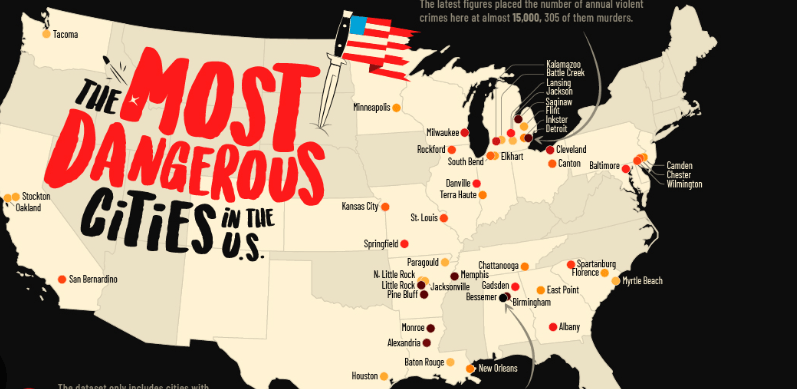
Based on the most recent FBI Uniform Crime Reports and crime rate rankings:

  • Among all California cities with populations over 10,000, ]currently tops the list for highest total crime rate per 100,000 residents — significantly ahead of other metros.

Other cities frequently appearing among California’s highest crime rates include Commerce, Oakland, and Santa Fe Springs.

For many residents and visitors, these stats translate to:

  • High property and violent crime.
  • Frequent thefts, assaults, and vehicle break-ins.
  • Struggles with gang activity and socioeconomic disruptions in some areas.

Interestingly, outside of just per capita rates, cities like Stockton have some of the highest murder rates in the state, with around 13.3 homicides per 100,000 residents — and Vallejo exceeding that at 17.2 per 100,000.

Meet Brooke Homestead: 2025 Female Survival Prepper of the Year & Featured Survival Blogger


🛡️ Safest City in California — Crime Discipline on Lock
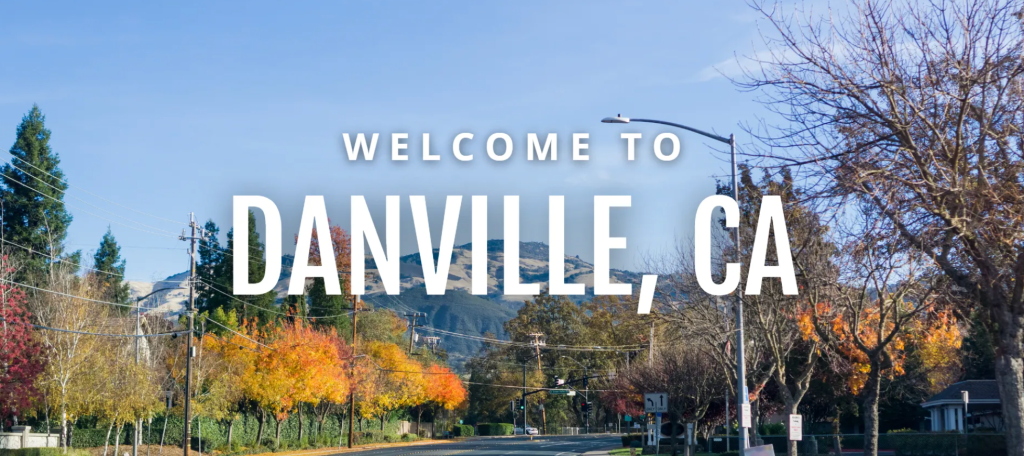
Flip the crime coin, and the safest city in California for 2026 is Danville, according to recent safety rankings.

Other cities that consistently report exceptionally low crime stats include:

  • Rancho Santa Margarita
  • Lincoln
  • Moorpark
  • Yorba Linda
  • Poway
  • Laguna Niguel
  • San Ramon
  • Thousand Oaks

These areas generally have:
✅ Very low violent crime (often < 1.5 incidents per 1,000 people)
✅ Strong community policing
✅ Higher average incomes and stable employment
✅ Neighborhood watch cultures that could impress even the most vigilant survivalist.


📊 Where These Cities Rank Nationally
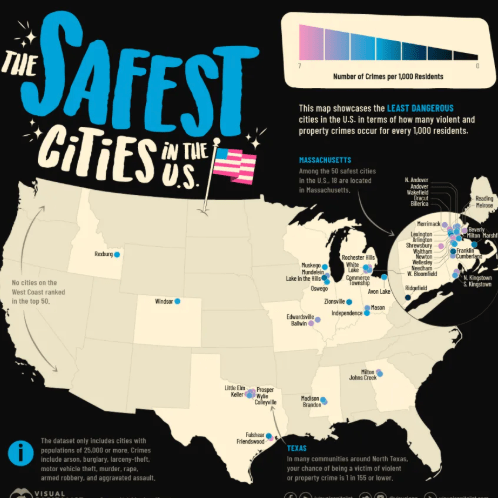
Let’s zoom out to the Top 50 national rankings:

  • Safest City (Danville) — While not always in the Top 50 safest in the nation due to population thresholds and differing national metrics, many California suburbs like Danville, Yorba Linda, and Rancho Santa Margarita frequently rank among the top safest communities nationwide in localized FBI-based comparisons.

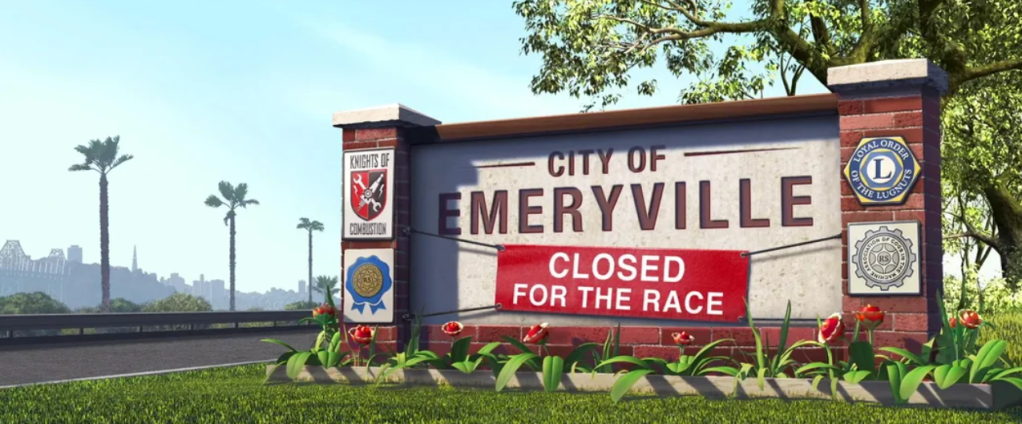
  • Most Dangerous Cities — Cities like Emeryville and Oakland routinely appear on national lists of high crime urban centers when compared with similar U.S. cities, though they might not always crack the Top 50 most dangerous nationwide lists that use rigid population cutoffs.

🇺🇸 California as a State: Crime Rank In the U.S.
How does California stack up in the national crime report?

According to FBI crime reports:

  • California’s violent crime rate is above the U.S. average — suggesting more violent incidents per capita than most states.
  • California’s property crime rate is also higher than average — reflecting thefts, burglaries, and auto-related crimes.

Depending on the specific dataset, California ranks often in the top 10 worst states for violent crime rates, but the numbers shift year-to-year.

So if the U.S. were a classroom, California might be that kid whose homework is “mostly done” but definitely not the honor roll.


🗳️ California Politics and Crime: A Tangled Web?
Now strap in — because we’re heading into political terrain.

Representation in Congress

As of the latest available data:

  • U.S. House of Representatives Delegation: California has 43 Democrats and 8 Republicans serving in the U.S. Congress, with 1 current vacancy.
    (The exact historical count since 1990 varies as both parties have waxed and waned with redistricting and elections, but Democrats have held a significant delegation majority since the early 2000s.)

U.S. Senate Representation

  • Both U.S. Senate seats from California have been held by Democrats continuously since 1992. Republicans haven’t held a Senate seat since that year.

Governor’s Mansion Since 1990

From 1990 onward:

  • Republican Governors:
    • Pete Wilson (1991–1999)
    • Arnold Schwarzenegger (2003–2011)
  • Democratic Governors:
    • Gray Davis (1999–2003)
    • Gavin Newsom (2019–present)

This means since 1990: 2 Republicans and 2 Democrats have occupied the Governorship.

(Yes, even Schwarzenegger had to give up the keys eventually.)


Survivalist Commentary: Why This Matters
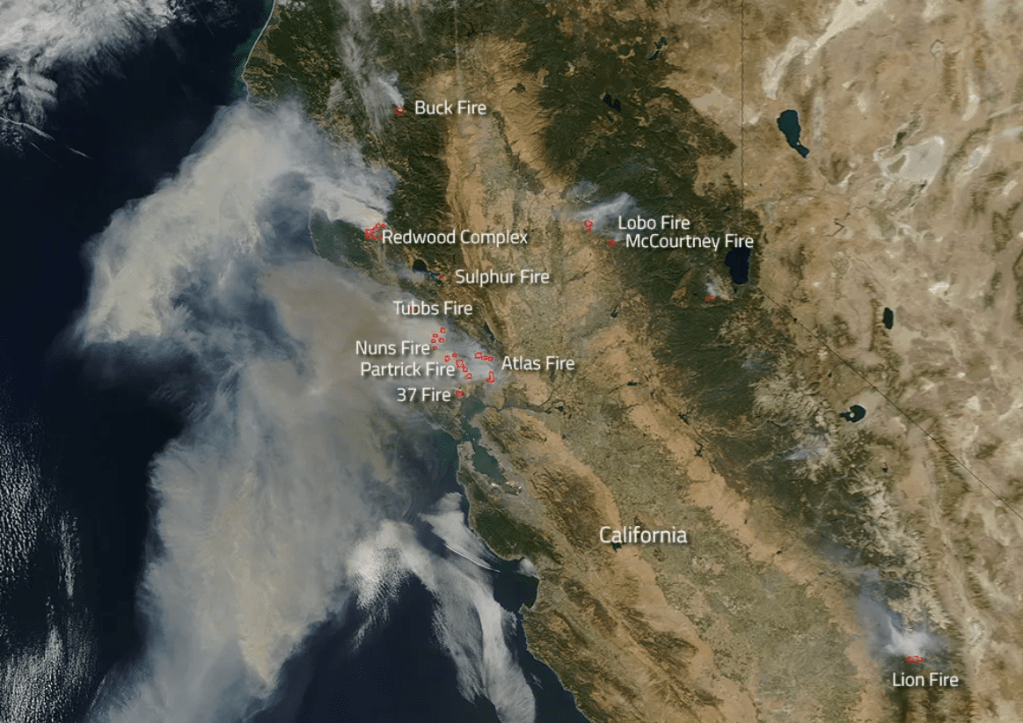
Imagine cruising down the Pacific Coast Highway with a stick shift and a tactical backpack — but the soundtrack alternates between The Beach Boys and a public safety briefing.

That’s California. You might be surrounded by innovation, sunshine, and $8 tacos — and then you check the crime app and decide your smartphone doesn’t have enough battery.

If you’re prepping like a seasoned survivalist:

  • You evaluate your location, not just your zip code.
  • You know where risk converges with opportunity.
  • You laugh — but you also lock your doors.

And that’s exactly why understanding crime stats — and the political environment affecting them — isn’t just trivia. It’s practical readiness.
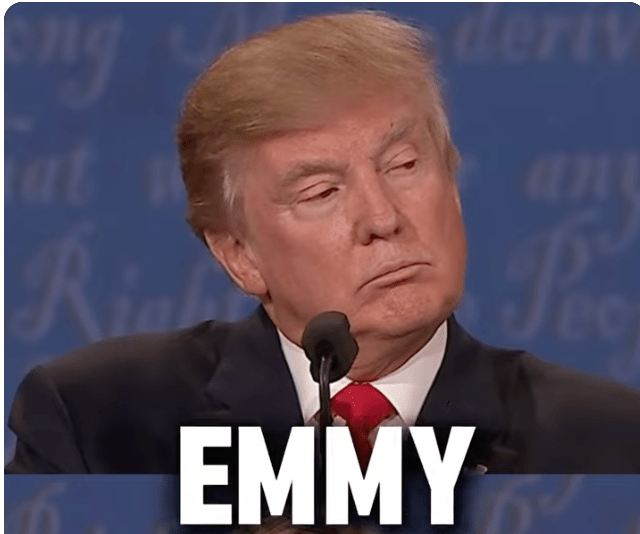

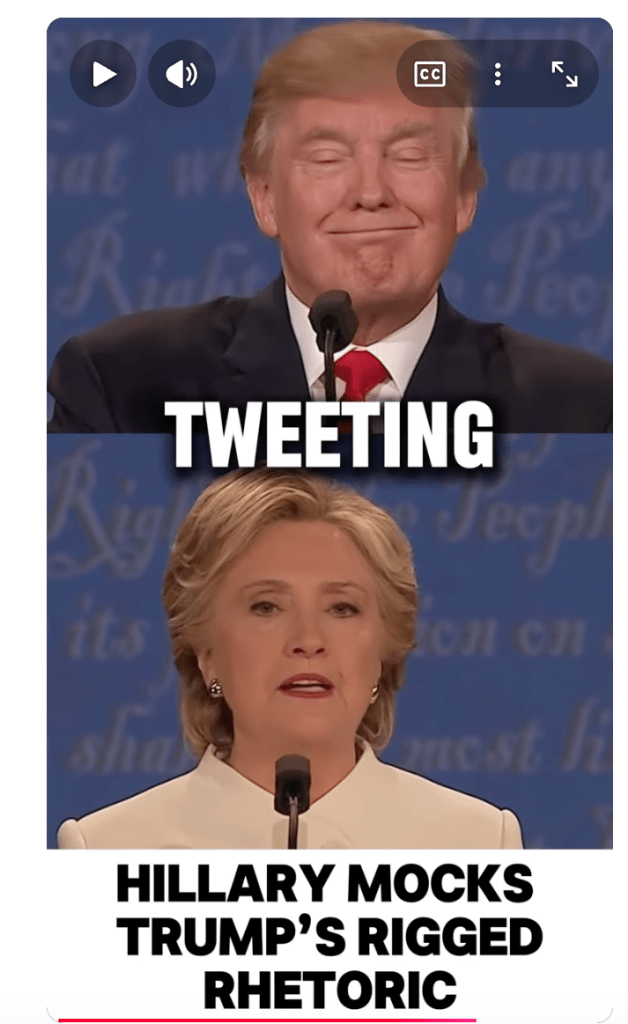
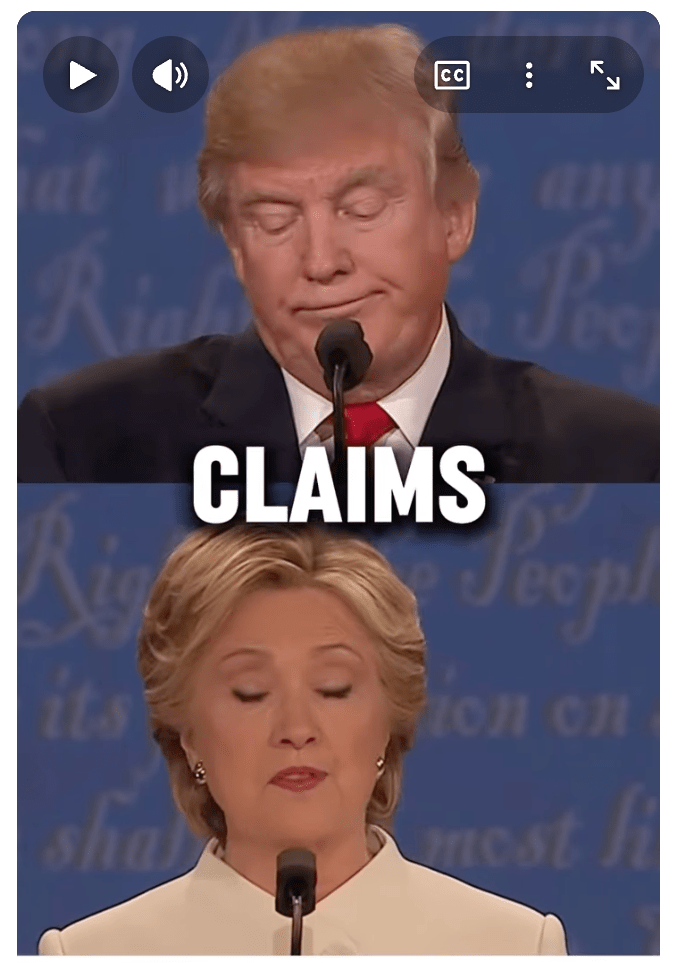
Hillary Mocks Trump For Saying the ‘EMMYS’ are Rigged

Watching Hillary Clinton and Donald Trump debate in 2016 felt less like a civic exercise and more like standing in the checkout line during a power outage while two strangers argue over the last pack of batteries, and as a professional survival prepper I can tell you right now that moments like this are exactly why I label my shelves and don’t trust systems that claim they’ll always work the way they’re supposed to. Hillary comes out swinging with that practiced, calm-but-sharp tone, zeroing in on Trump’s greatest recurring hobby—declaring literally everything “rigged”—and she does it the way a seasoned debater does, smiling politely while lighting the match, pointing out that according to Trump, the election is rigged, the media is rigged, the polls are rigged, the courts are rigged, and yes, even the Emmys are apparently rigged because The Apprentice didn’t win every single shiny statue available like it was supposed to sweep Best Drama, Best Comedy, Best Supporting Actor, Best Hair, and maybe Best Documentary About How Great Donald Trump Is.

The crowd reacts, half laughing, half gasping, and Trump does that thing where he grins like someone just accused him of hoarding water and he’s proud of it, because to him the accusation isn’t an insult, it’s proof of foresight, and as someone who actually hoards water, I recognize that look immediately. Hillary frames the Emmy comment like a punchline, suggesting Trump believes his show deserved every award every year forever, and from a comedy standpoint it lands because it taps into something universally relatable: we all know that guy who thinks the referee is biased, the dealer is cheating, and the vending machine is personally out to get him. But from a prepper standpoint,

-WATCH THE 20 SECOND CLIP HERE-

I’m sitting there thinking, well yes, institutions do fail, systems do get gamed, and sometimes the vending machine really is rigged against you, which is why I don’t rely on vending machines or award shows for my sense of stability. The audience, however, cheers louder for Trump, and that’s the fascinating part, because in a room full of people watching a debate moderated by the rules of democracy, they respond more enthusiastically to the guy who treats the whole thing like a collapsing supply chain. Trump fires back with that familiar mix of grievance and bravado, essentially saying that when you’ve been treated unfairly as often as he has—by networks, by elites, by award committees who somehow failed to recognize the cinematic brilliance of boardroom finger-pointing—you learn not to trust the process, and the crowd eats it up like it’s freeze-dried beef stroganoff during a blackout. Hillary keeps pushing the point, painting Trump as a man who cries “rigged” whenever the scoreboard doesn’t say what he wants, and she’s right in the way that’s technically correct but emotionally ineffective, because while she’s arguing from the rulebook, Trump is arguing from the bunker. As a survival prepper, I’ve learned that people don’t cheer for the guy explaining how the grid is supposed to function; they cheer for the guy who already bought solar panels and doesn’t care if it goes down. The Emmy joke becomes symbolic of something bigger: Hillary sees Trump’s complaints as narcissism, while Trump’s supporters hear them as vigilance, a warning flare shot into the sky saying don’t trust the system just because it told you to relax.

The crowd noise makes that clear, swelling louder for Trump not necessarily because they think he deserved an Emmy sweep, but because they recognize the instinct behind the complaint, that deep suspicion that the game is tilted and the house always wins unless you flip the table. From a stand-up perspective, the whole exchange is comedy gold because it’s two people talking past each other using the same word—rigged—but meaning completely different things, like one person saying “storm coming” and the other saying “but the forecast says sunny,” and as a prepper I side with the guy already filling sandbags. Hillary’s delivery is sharp, polished, and devastating in theory, but theory doesn’t keep the lights on, and Trump’s chaotic, grievance-fueled responses resonate with an audience that senses instability even if they can’t articulate it.

The debate becomes less about policy and more about worldview: Hillary believes in fixing the system from within, Trump believes the system has been compromised so thoroughly that complaining loudly is itself a form of defense, and the Emmy line, ridiculous as it sounds, is the perfect microcosm of that divide. The crowd cheering for Trump isn’t cheering for his television legacy; they’re cheering for the idea that someone is finally saying out loud what preppers have been muttering to themselves for years while stacking supplies in the garage, that you don’t wait for permission to notice something’s wrong. As a comedian, I laugh because the idea of Trump demanding every Emmy is absurd; as a prepper, I nod because distrusting centralized judgment has kept my pantry full and my stress levels low.

By the end of the exchange, Hillary looks incredulous, Trump looks energized, and the audience sounds like they’ve picked a side not based on who told the better joke, but who feels more prepared for a future where the scoreboard might stop working entirely, and that’s the real punchline of the 2016 debate: one candidate is arguing about fairness in a functioning system, the other is arguing like the system might collapse at any moment, and history has taught anyone with a go-bag that the second mindset, while messier, is often the one people cheer for when the lights start flickering.

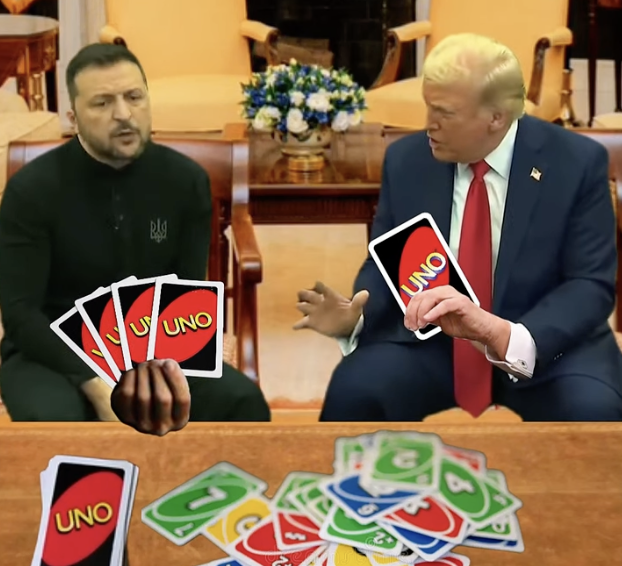
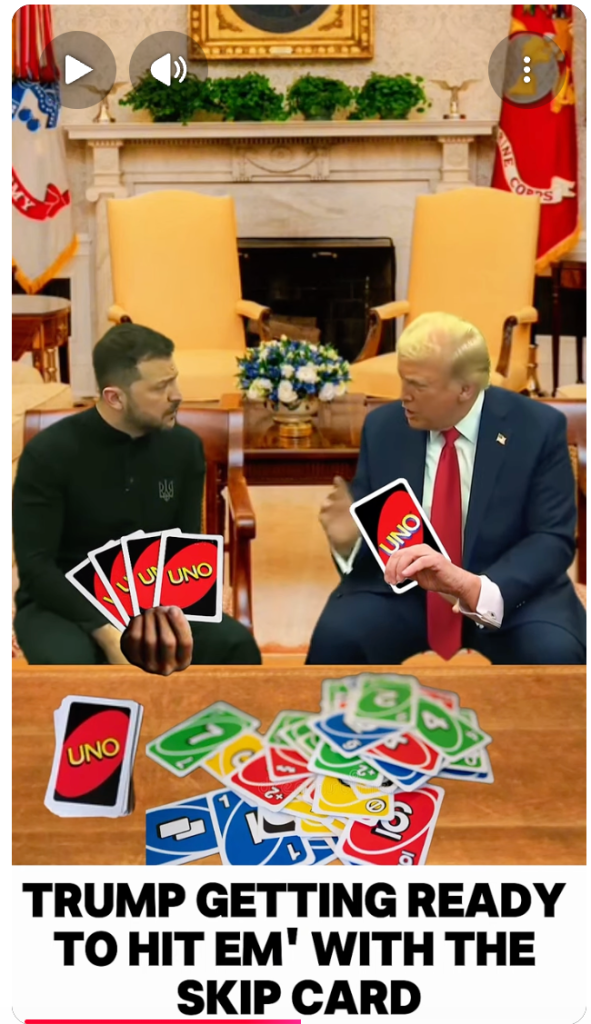
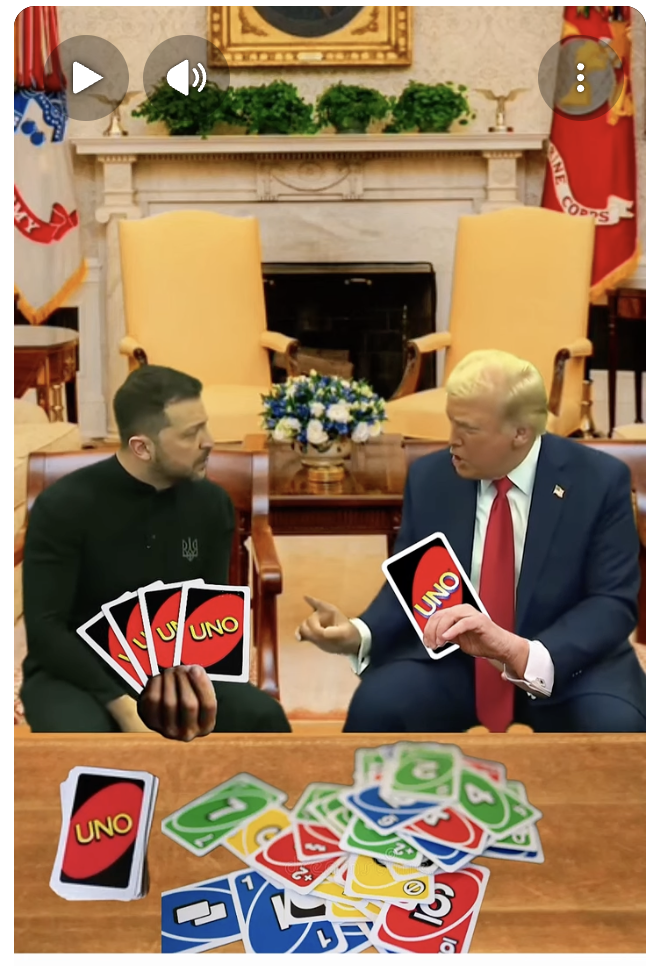
Draw Four or Say Thank You: Trump Battles Zelenskyy in the Oval Office

Meet Brooke Homestead: 2025 Female Survival Prepper of the Year & Featured Survival Blogger

The Oval Office is a room normally reserved for history, diplomacy, and very serious nodding, but today it feels more like a family game night that’s gone completely off the rails, because Donald Trump and Volodymyr Zelenskyy are locked in what can only be described as an international UNO showdown, minus the folding table and plus several nuclear subtexts. Trump is leaning forward like a guy who just slapped down a Reverse card and wants everyone to respect the move, while Zelenskyy looks like he’s holding a fistful of mismatched colors wondering how he ended up playing this game without reading the rules pamphlet. Trump, with the confidence of a man who believes the deck personally favors him, keeps circling back to one central grievance: gratitude. Not policy, not strategy—gratitude.

Somewhere just off-camera, JD Vance is apparently nodding like the world’s most enthusiastic rulebook, chiming in that Zelenskyy is being “rude” and “disrespectful,” which in UNO terms translates to not clapping hard enough when someone plays a +4. Zelenskyy, meanwhile, appears confused, like a guy who thought this was a chess match and just realized everyone else is playing a card game where the loudest player gets to reshuffle reality. Trump gestures broadly, the way someone does when they’re explaining that actually, they’re winning, even though they’ve been picking up cards for ten straight minutes, and he reminds Zelenskyy—again—that he should be thanking him for his “gracious help” against his enemy, the other “Vlady Daddy,” which sounds less like geopolitics and more like an extremely cursed nickname you hear at 2 a.m. in a writer’s room. Zelenskyy tries to respond, but every attempt feels like laying down a perfectly legal yellow six only to be told, no, sorry, the vibes say red right now. Trump’s tone shifts into full game-night enforcer mode, the guy who insists the house rules are universal law, and he drops the line that lands like a Draw Twenty: Zelenskyy “doesn’t hold any cards.” In UNO language, this is devastating trash talk, the equivalent of saying,

“You’re not even in the game, you’re just here watching us win.” Zelenskyy’s expression suggests he’d like to challenge that assertion, but the table has already been flipped metaphorically, and Trump is now explaining that staying “in your lane” is very important, especially when that lane was apparently painted by Trump himself five minutes ago. The whole exchange has the rhythm of a sitcom argument where everyone is technically speaking English but no one is responding to the same sentence, and the tension feels less like impending war and more like the moment when someone accuses you of cheating because you’re about to go out on your last card. You can almost hear the laugh track swell as Trump delivers his closer, the verbal equivalent of slamming down a Wild card and declaring a color no one else wanted, while Zelenskyy sits there like a man realizing that diplomacy has been temporarily replaced by competitive board-game energy.

It’s absurd, it’s uncomfortable, and it’s funny in the way only power struggles can be when they accidentally resemble a sleepover argument between grown adults who all swear they’re being very calm right now. By the end of the clip, no one has officially won, no one has officially lost, but the audience knows exactly what just happened: Trump thinks he’s holding the deck, Zelenskyy thinks he’s playing for stakes that actually matter, JD Vance is somewhere offscreen acting as the world’s most intense UNO referee, and the Oval Office has briefly transformed into the least relaxing game night imaginable, where instead of snacks you’re handed ultimatums and instead of saying “UNO,” you’re told to say “thank you.”

Trump Vs. Pocahontas – The Funniest Moment in Political History

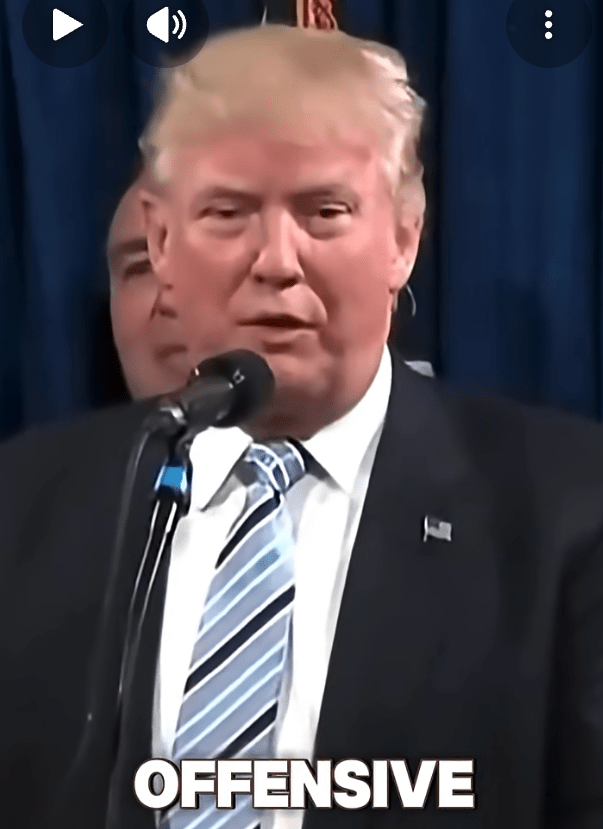
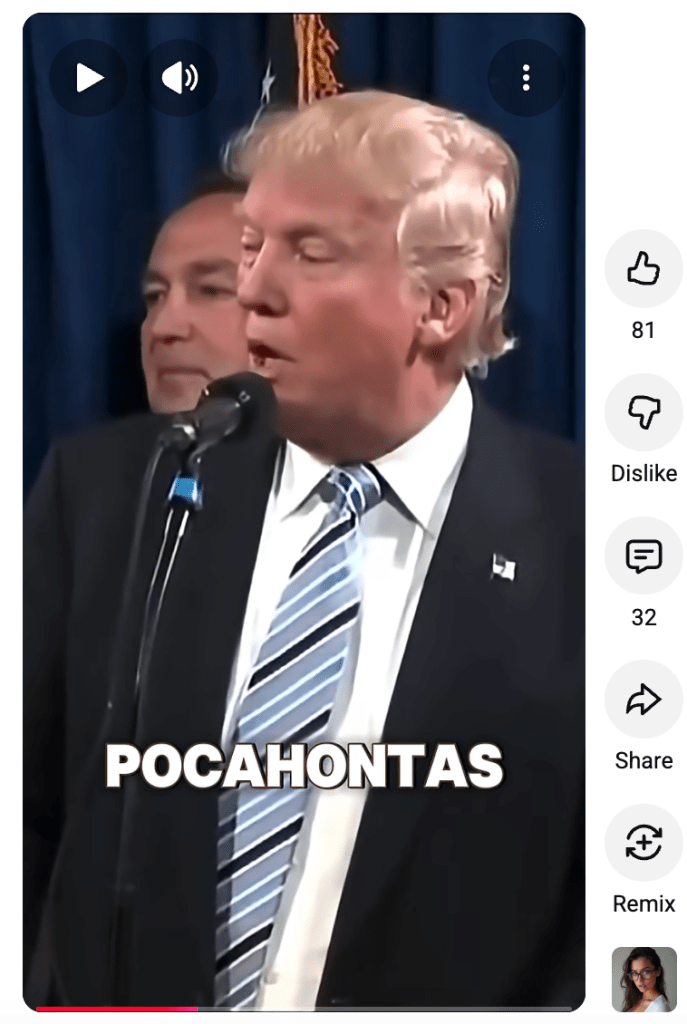
The exchange unfolds in a way that feels less like a sharp confrontation and more like a slow-moving cable news segment that didn’t quite get its footing, as a reporter presses President Donald Trump about his repeated use of the nickname “Pocahontas” when referring to Senator Elizabeth Warren, a term that has long drawn criticism for being dismissive and offensive to Native Americans. Trump, standing at the podium with the familiar confidence of someone who believes repetition eventually turns controversy into routine, appears unfazed by the question, offering a response that seems designed less to clarify than to deflect, leaning on his usual argument that the nickname is political shorthand rather than a personal insult. The moment takes on added tension when another reporter suddenly shouts, “YOU’RE OFFENSIVE,” cutting through the air with a bluntness that disrupts the rhythm of the press conference.

It’s the kind of interruption that briefly startles everyone involved, including the first reporter, who pauses just long enough to let the remark hang there, unanswered, like an awkward commercial break that came too early. From a professional standpoint, the scene reflects a familiar pattern in modern political media: a question about rhetoric, a response that reframes criticism as political correctness, and an unscripted outburst that becomes the headline. Trump’s reaction is measured in his own way—he neither apologizes nor escalates dramatically, instead opting to maintain his posture as someone being unfairly attacked, a stance that has served him well with his supporters over the years.

The reporters, meanwhile, appear caught between doing their jobs and reacting emotionally to language that many view as crossing a line, resulting in a moment that feels more reactive than analytical. Watching it play out, there’s a sense that the exchange never quite reaches a clear conclusion; no policy is discussed, no resolution is offered, and viewers are left instead with another example of how political discourse often stalls at the level of tone and terminology. The shouted accusation of “offensive” becomes less a decisive turning point and more a symptom of a larger frustration, one shared by critics who see such language as corrosive and by supporters who view the criticism itself as overblown. In the end, the clip captures a snapshot of a media environment where confrontations are brief, emotions flare quickly, and clarity sometimes takes a back seat to volume, leaving audiences to sort out for themselves whether the moment was an important stand or just another familiar chapter in an ongoing rhetorical battle.

Joe Biden Asked Jessica Alba for a Job? Lord Have Mercy!

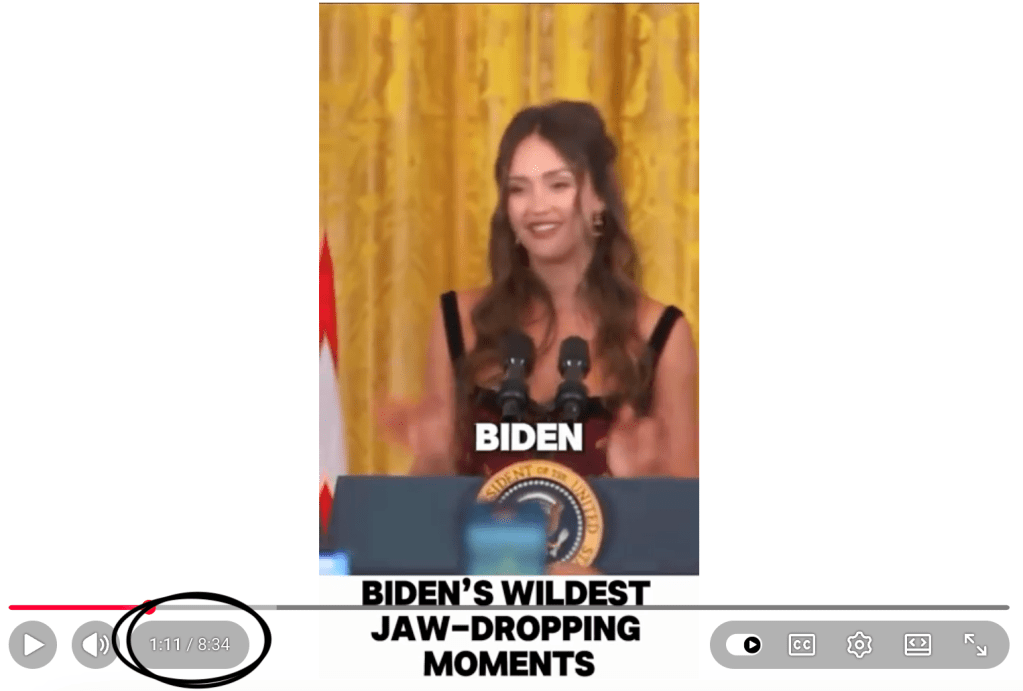
Please click or tap on the above, or below image to watch this cringeworthy moment in political history!

The clip starts at minute 1:11, with Jessica Alba stepping up to the podium looking like she accidentally wandered into a political event on the way to a movie premiere, delivering a gracious introduction of former President Joe Biden with the calm confidence of someone who has never had to introduce a man who once confused directions on a staircase. The crowd is polite, attentive, and ready for the usual handoff—celebrity smiles, politician waves, everyone goes home—but then Biden reaches the microphone and suddenly decides this is less of a speech and more of a networking opportunity.

Instead of launching into policy or gratitude, he locks onto Alba like a LinkedIn connection he forgot to message back, and with the earnestness of a man who’s already updated his résumé, he starts half-joking, half-pleading about how she should “give him a job.” And that’s when the moment crosses from standard political fare into full stand-up territory, because there is something deeply funny about a former president of the United States, a man who once commanded nuclear codes, now casually pitching himself like an uncle asking for work at Thanksgiving. You can almost hear the internal monologue: “Sure, I ran the free world, but have you seen the benefits package at Honest Company?”

Alba laughs, the crowd laughs, and Biden keeps going just long enough for everyone to wonder if he’s kidding, or if he’s genuinely open to an entry-level position that involves team meetings and casual Fridays. The humor isn’t mean; it’s situational, like watching someone overshoot a joke and then decide to unpack their bags there. He praises her success, her business acumen, her acting career, and you get the sense that if there were a clipboard nearby, he’d be ready to sign up for onboarding. It’s the kind of moment that no one planned but everyone will remember, because it flips the power dynamic in the most unexpected way: Hollywood star introduces politician, politician immediately tries to pivot into Hollywood intern.

Alba handles it like a pro, smiling through the awkward charm, while the audience enjoys the rare sight of a political figure abandoning the script in favor of pure, unfiltered dad energy. By the time the clip ends, it’s less about the event itself and more about the reminder that politics, at its strangest, can feel like open mic night—where even a former president might shoot his shot, miss slightly, and still get a round of applause just for trying.

Stephanopoulos Presses Biden on the Night That Altered the Election

George Stephanopoulos presses President Joe Biden on what he calls a “bad night” during the 2024 presidential debate against Donald Trump—a night that, in hindsight, became a turning point not just for the campaign but for the entire election. Biden appears reflective, slower in cadence, choosing his words carefully as he acknowledges that the debate performance rattled supporters, donors, and party leaders who had already been anxious about optics, stamina, and the unforgiving spotlight of a televised showdown. Stephanopoulos, maintaining the restrained but pointed tone of a seasoned interviewer, circles back repeatedly to the same underlying question: whether this was merely one off night or a revealing moment that accelerated a decision already forming behind closed doors.

Biden doesn’t fully concede the latter, but his answers suggest an awareness that modern campaigns are less forgiving than they once were, especially when moments are clipped, looped, and dissected in real time across social media and cable news. He frames his eventual exit from the race as an act of responsibility rather than defeat, emphasizing party unity, electoral math, and what he describes as the broader stakes of preventing another Trump presidency. The conversation carries a sense of inevitability, as if both men understand that the interview is less about relitigating the debate and more about documenting a political transition. When Biden speaks about stepping aside so that Vice President Kamala Harris could take the mantle, his tone shifts toward reassurance, underscoring confidence in her ability to prosecute the case against Trump more aggressively and energize voters who had begun to drift. Stephanopoulos doesn’t push theatrics; instead, he lets the weight of the moment sit, allowing pauses to do as much work as the questions themselves.

The interview ultimately plays less like damage control and more like a coda to a long political chapter—one in which a single night, fair or not, became symbolic of broader concerns and faster-moving political realities. For viewers, the clip offers a rare look at a sitting president publicly processing the end of a campaign, acknowledging vulnerability without fully embracing regret, and attempting to shape how history will remember the moment when the race changed hands, the strategy shifted, and the 2024 election entered a new and uncertain phase.

Trump SCOLDED for Calling John McCain a ‘DUMMY’ (FLASHBACK)

Picture a reporter stepping up to the mic like they’re about to ask a normal, polite, journalist question, and instead they basically go, “Sir, did you really call John McCain a ‘dummy’ for getting captured in war?” and suddenly the whole room feels like when someone brings up politics at Thanksgiving and the gravy stops moving.

Trump’s standing there with that look like he just got accused of stealing office pens—half offended, half impressed anyone noticed—and the joke writes itself because only in America can a man dodge the draft, build a gold elevator, and still decide the real idiot in the story is the guy who got shot down while flying a jet in Vietnam.

That’s like calling a firefighter dumb for being inside a burning building, or calling a lifeguard stupid for getting wet—no, my guy, that’s literally the job description. And the reporter, bless them, is doing that thing comedians love, where they don’t even need to be funny because reality is already doing cartwheels in clown shoes, just calmly pointing out that John McCain spent years as a POW being tortured, while Trump spent those same years bravely battling hair spray and finding new ways to avoid sunlight. The absurdity hits harder when you remember McCain wasn’t captured because he took a wrong turn on Google Maps—he was flying a combat mission, got shot down, and refused early release, which is hero behavior so intense it makes action movies look like yoga tutorials. Meanwhile Trump’s critique sounds like the kind of trash talk you hear from a guy who lost a game of Monopoly and flips the board because he landed on Baltic Avenue.

The humor really peaks when you imagine the logic: “I like people who weren’t captured,” which is such a wild standard that by that metric, every unlucky hiker, every shipwreck survivor, and anyone who’s ever been stuck in an elevator is officially a loser. And the reporter pressing him on it is like a stand-up comic with perfect timing, just letting Trump talk long enough to hang himself with his own punchlines, because nothing beats the comedy of confidence without self-awareness. It’s the kind of moment where the audience isn’t laughing because it’s a joke, they’re laughing because they can’t believe a grown man with nuclear codes is beefing with a dead war hero like it’s a middle school lunch table. You almost expect a rimshot when the reporter asks the follow-up, because this isn’t politics anymore, it’s sketch comedy, it’s satire with a budget, it’s America’s longest-running improv show where the host keeps insisting he’s the smartest person in the room while proving, minute by minute, that history, irony, and basic human decency have all been labeled “dummy” and shoved into the corner.


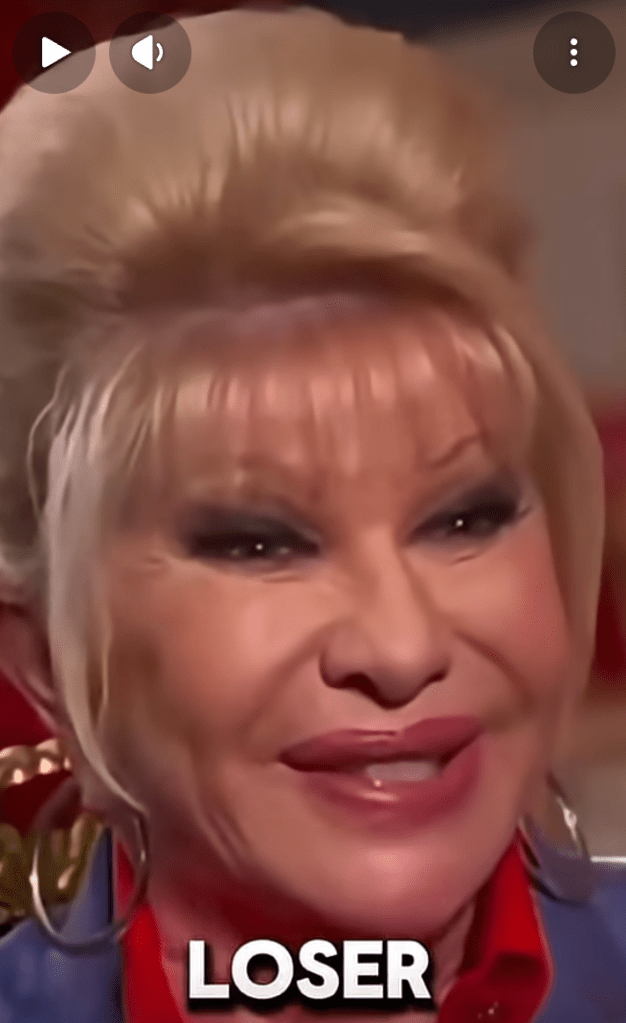
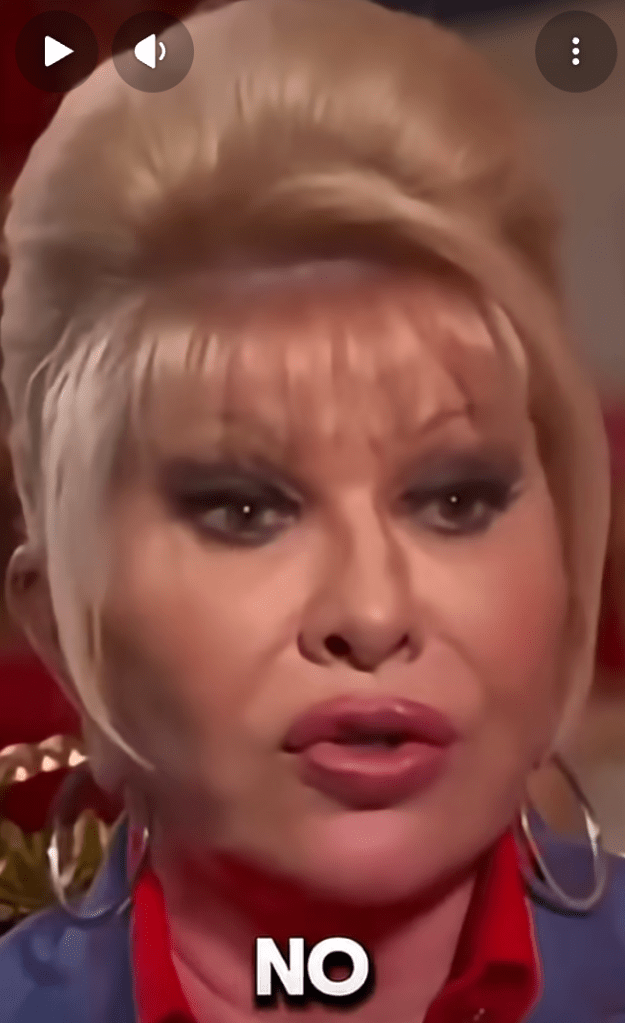
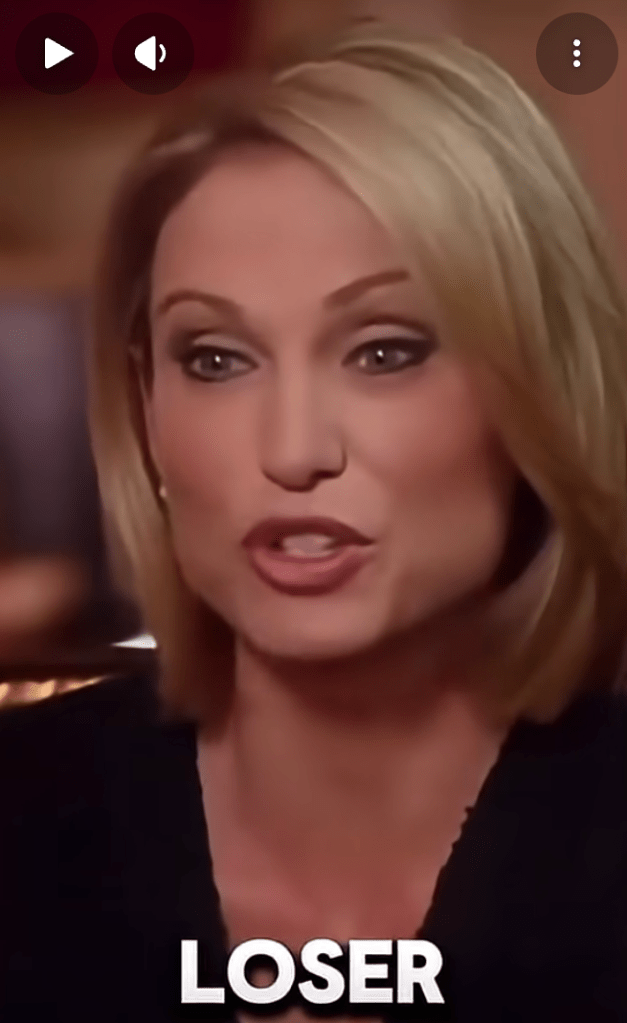
Watch the Short Clip Below of Ivana Trump Explaining That Donald Trump Didn’t Want His Son Being a Loser


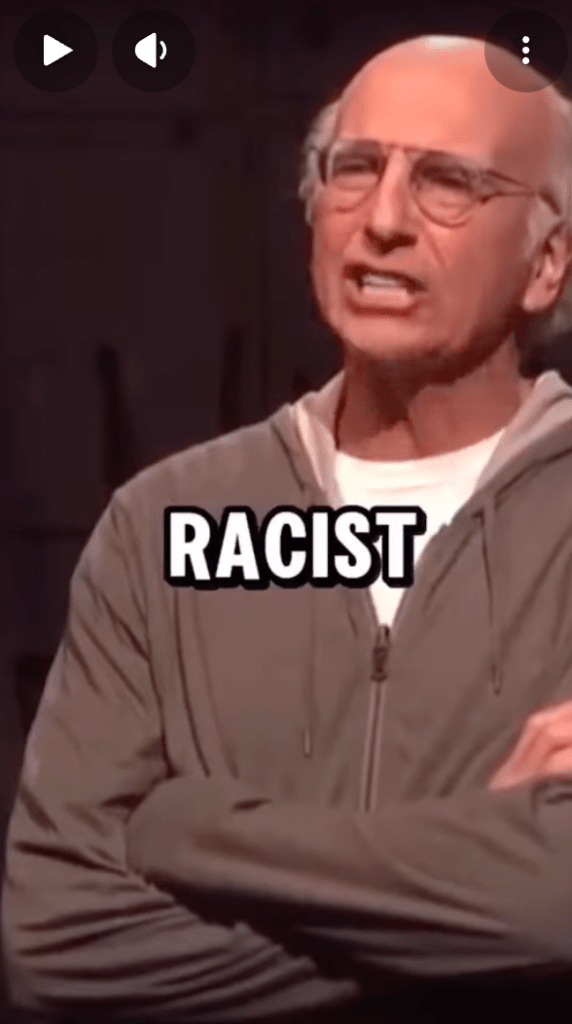
Watch The Video Below To See Who Larry David is Calling a “R-WORD”

Trump’s Ex-Wife: Ivana’s “LOSER” Confession Shook Reporter

(CLICK ON ANY PICTURE TO PLAY VIDEO CLIP)

Ivana Trump telling that story about Donald Trump not wanting to name his son Donald Trump Jr. because he was worried the kid might grow up to be a “loser” is one of those anecdotes that feels less like an interview and more like the tightest stand-up bit you’ve ever heard delivered completely by accident. Because think about that logic for a second.

Most parents worry about diapers, college, maybe whether their kid will need braces. Donald Trump is sitting there like, “I don’t know, Ivana… what if this baby ruins the brand?” That’s not a father talking, that’s a Fortune 500 board meeting happening in a maternity ward. And the word choice—“loser”—is doing a lot of heavy lifting. Not “unhappy,” not “unfulfilled,” not “struggling.” Just straight to the Trump family diagnostic test: winner or loser, no middle category, no mercy.

It’s almost impressive how early the pressure starts. The kid isn’t even born yet and already he’s under a performance review. Imagine being Donald Trump Jr. hearing this later in life. Like, “Oh, cool, Dad wasn’t sure I deserved my name because I might’ve ended up normal.”

And the irony is delicious, because Junior grows up, takes the name, leans all the way into it, and makes it his whole personality. The thing Trump was afraid of happening—the name being attached to someone imperfect—turns out to be unavoidable, because that’s how humans work. Ivana telling the story so casually is what makes it comedy gold.

No dramatic pause, no apology, just, “Yeah, he didn’t want to name him that in case he was a loser,” like she’s talking about returning a sweater that might pill. It’s dark, it’s absurd, and it perfectly captures a worldview where love is conditional, success is mandatory, and even newborns are expected to protect the family brand. Honestly, forget DNA tests—this story alone proves that kid was definitely a Trump.

Nuclear Neighbor – What Is a Safe Distance to Live From a Nuclear Power Plant?

I’ll get this out of the way early: I hated the movie Oppenheimer.

Not because it wasn’t well-made. Not because the acting was bad. I hated it because it fed the same tired, fear-soaked narrative that nuclear power equals inevitable apocalypse. That mindset is not just wrong—it’s dangerous. Nuclear energy is one of the most powerful tools humanity has ever built, and if our species is going to dominate this planet long-term, survive climate instability, and push beyond Earth, nuclear power is not optional. It’s essential.

That said—and this is where the prepper in me takes over—any system powerful enough to light cities for decades is powerful enough to kill thousands if it fails catastrophically.

So let’s talk reality.

If you live near a nuclear power plant, you deserve honest answers, not Hollywood panic and not industry spin. You deserve to know how dangerous it actually is, what “safe distance” really means, what happens if the worst occurs, and what you would need to do to survive if a nuclear power plant exploded or melted down in your city.

This article is not anti-nuclear. It’s pro-truth, pro-preparedness, and pro-survival.


Understanding Nuclear Power Plants: What They Are—and What They Are Not

First, let’s correct a massive misunderstanding.

A nuclear power plant is not a nuclear bomb.

It does not explode like a weapon. There is no mushroom cloud. No city-leveling blast wave. Anyone telling you otherwise is either ignorant or selling clicks.

However—and this is a big however—nuclear power plants can fail, and when they do, the danger comes from radiation release, steam explosions, hydrogen explosions, and long-term environmental contamination.

The real threat isn’t instant annihilation. The real threat is invisible, persistent, and lethal over time.

That’s radiation.


So… What Is a “Safe Distance” From a Nuclear Power Plant?

This is the question everyone asks, and the answer is uncomfortable because it isn’t a single number.

The Official Zones

Most governments and nuclear regulatory agencies divide areas around nuclear plants into zones:

  • 0–10 miles (0–16 km): Emergency Planning Zone (EPZ)
  • 10–50 miles (16–80 km): Ingestion Pathway Zone
  • 50+ miles: Generally considered low-risk for immediate exposure

Let me translate that into plain English.

0–10 Miles: You’re in the Danger Core

If you live within 10 miles of a nuclear power plant and a serious accident occurs, you are in the highest-risk category.

This is the zone where:

  • Evacuations happen fast
  • Radiation exposure can be acute
  • Shelter-in-place orders may come with minutes of warning
  • Long-term habitation may become impossible

If a reactor melts down or releases radioactive material into the air, this zone takes the hit first and hardest.

From a prepper’s perspective, this is not a safe distance. It’s a managed risk at best.

10–50 Miles: The Fallout Zone

This is where things get tricky—and where most people underestimate risk.

Radiation doesn’t care about city limits. It rides the wind. Rain pulls it down. Food and water absorb it.

In this zone:

  • Fallout contamination becomes the primary danger
  • Food supplies (farms, livestock, water reservoirs) are at risk
  • Long-term cancer risk increases
  • Evacuation may be delayed or partial

If you live here, you’re not in immediate blast danger—but you are absolutely in radiation exposure territory.

50+ Miles: Statistically Safer, Not Immune

Beyond 50 miles, immediate radiation risk drops significantly in most scenarios.

But let me be crystal clear: “safer” does not mean “safe.”

Chernobyl contaminated regions over 1,000 miles away. Fukushima radiation was detected across the Pacific.

If atmospheric conditions align badly, distance alone will not save you.


Why Nuclear Power Plants Can Be Deadly If the Worst Happens

Nuclear energy is safe when everything works as designed. But disasters don’t happen because things work. They happen because multiple systems fail at once.

Here’s what can go wrong.


1. Reactor Core Meltdown

A meltdown occurs when:

  • Cooling systems fail
  • Fuel rods overheat
  • The reactor core melts through containment barriers

This releases radioactive isotopes like:

  • Iodine-131
  • Cesium-137
  • Strontium-90

These are not abstract science terms. These are substances that:

  • Destroy thyroids
  • Cause cancers decades later
  • Render land unusable for generations

2. Hydrogen Explosions

In several historical nuclear accidents, overheating fuel rods caused hydrogen buildup. When hydrogen ignites, it explodes—violently.

This doesn’t flatten cities, but it breaches containment, allowing radiation to escape into the atmosphere.

That’s how disasters spread.


3. Spent Fuel Pool Fires

This is one of the least discussed and most terrifying scenarios.

Spent fuel pools hold highly radioactive waste. If cooling water drains or boils off, the fuel can ignite—releasing enormous amounts of radiation.

Some experts consider this worse than a reactor meltdown.


4. Long-Term Environmental Contamination

Even if no one dies immediately, the land can be poisoned.

Radiation settles into:

  • Soil
  • Crops
  • Rivers
  • Groundwater
  • Animal populations

This isn’t dramatic. It’s slow. It’s quiet. And it kills people years later.


If a Nuclear Power Plant Exploded in Your City: What Would You Need to Do?

Now we get to the survival part. This is not theory. This is what matters.

First: Understand the Timeline

A nuclear power plant disaster unfolds in phases:

  1. Initial failure
  2. Radiation release
  3. Public notification
  4. Evacuation or shelter orders
  5. Fallout spread
  6. Long-term displacement

Your actions in the first 30–120 minutes matter more than anything else.


Immediate Actions (Minutes to Hours)

1. Get Indoors Immediately

If you are downwind of a radiation release:

  • Go inside the nearest solid structure
  • Basements are best
  • Concrete and earth are your friends

Do not stand outside watching. That’s how people get irradiated.

2. Seal Yourself In

  • Close windows and doors
  • Turn off HVAC systems
  • Block vents if possible
  • Use tape and plastic if available

This reduces radioactive particles entering your space.

3. Decontaminate If Exposed

If you were outside:

  • Remove outer clothing immediately
  • Seal it in a bag
  • Shower with soap and water (no conditioner)
  • Do not scrub harshly

This alone can remove a significant percentage of radioactive contamination.


Evacuation: When to Leave and When Not To

This is where people die by making the wrong choice.

Evacuate If:

  • Authorities issue a clear evacuation order
  • You have a planned route away from the plume
  • You can leave immediately

Do NOT Evacuate If:

  • Fallout is actively occurring
  • Roads are gridlocked
  • You would be exposed longer outside than sheltered

Radiation exposure is cumulative. Sometimes staying put saves your life.


Long-Term Survival After a Nuclear Plant Disaster

If the disaster is severe, life does not “go back to normal.”

Food and Water Become Critical

  • Local water may be contaminated
  • Crops may be unsafe for years
  • Milk and leafy vegetables are especially dangerous

Preppers understand this: stored food wins.

Health Monitoring Is Non-Negotiable

Radiation sickness may not appear immediately. Symptoms can include:

  • Nausea
  • Fatigue
  • Hair loss
  • Thyroid issues

Long-term screening matters.


So… Should You Live Near a Nuclear Power Plant?

Here’s my honest, professional answer.

Nuclear power is essential for humanity’s future. Period. Fossil fuels are limited. Renewables alone won’t carry us. If we want space travel, advanced industry, and global stability, nuclear energy is part of that equation whether people like it or not.

But living near a nuclear power plant is a calculated risk.

From a Prepper’s Perspective:

  • Inside 10 miles? I wouldn’t.
  • 10–30 miles? Only with serious preparedness.
  • 30–50 miles? Acceptable with planning.
  • 50+ miles? Reasonable for most people.

Preparedness turns fear into control.


Final Thoughts: Respect the Power, Don’t Fear It

Hollywood wants you to fear nuclear energy. Fear sells tickets.

Survival demands something different: respect.

Nuclear power is not evil. It’s not magic. It’s a tool—one of the most powerful tools our species has ever created. Tools can build civilizations or destroy them depending on how responsibly they’re handled.

If you live near a nuclear power plant, don’t panic. Get educated. Get prepared. Understand the risks, plan your responses, and make informed decisions.

That’s how you survive.

And that’s how humanity moves forward—eyes open, not blinded by fear or fiction.

Nuclear War Won’t Kill You First—People Will

The beginning of a nuclear war will not look like the movies. There won’t be heroic music, clear villains, or a neat countdown clock. What you’ll get instead is confusion, panic, misinformation, and millions of scared, selfish people who suddenly realize the system they trusted is gone. The blast is terrifying, sure. The radiation is deadly. But people? People will be the real danger from minute one.

I’ve spent years preparing for disasters because I don’t trust society to hold itself together when things get ugly. And nuclear war is the ugliest scenario humanity has ever engineered. When it starts, the rules you think exist—laws, politeness, morality—will evaporate faster than common sense in a crowded city. If you want to survive the opening phase, you need to stop thinking like a citizen and start thinking like a survivor.

The First Hours: Panic Is Contagious

When the first alerts hit—whether it’s sirens, phone warnings, or social media exploding—you’ll see mass panic almost immediately. People will rush to gas stations, grocery stores, pharmacies, and highways. Not because it’s logical, but because panic spreads faster than radiation.

Your biggest mistake would be joining the herd. Crowds are dangerous in normal times. In a nuclear crisis, they’re lethal. People will fight over fuel, trample each other for food, and pull weapons they barely know how to use. All it takes is one loud noise or rumor to turn a crowd into a riot.

If you are not already in a safe location when the news breaks, your priority is simple: get away from people, not toward supplies. The supplies will still be there later—assuming anyone survives to use them. Crowds, on the other hand, will get violent fast.

Shelter Is About Distance From People, Not Comfort

Everyone talks about bunkers, basements, and fallout shelters. What they don’t talk about is who else wants to use them. Public shelters will be chaos. Shared shelters will become power struggles. The more people involved, the faster cooperation turns into conflict.

Your shelter doesn’t need to be perfect. It needs to be discreet. A quiet, low-profile location away from main roads and population centers is worth more than the most well-stocked shelter surrounded by desperate neighbors. The less visible you are, the less likely someone will decide you have something worth taking.

Noise discipline matters. Light discipline matters. Smoke, generators, and loud conversations will advertise your location to people who are already on edge. In the early days of nuclear war, attention is a liability.

Trust No One—Especially at the Beginning

This is the part that makes people uncomfortable, but comfort died the moment the missiles launched. At the beginning of a nuclear war, trust is a luxury you cannot afford.

People you’ve known for years may turn on you if they think you have food, water, or shelter. Strangers will lie without hesitation. Some will cry, beg, or tell convincing stories because desperation strips away shame.

That doesn’t mean you become a monster. It means you become cautious. Help can wait. Survival cannot. If you give away your supplies or expose your shelter in the first wave of chaos, you’re signing your own death warrant.

Later—much later—small, trusted groups may form. But in the opening phase, when fear is at its peak and information is nonexistent, isolation is often safer than cooperation.

Information Will Be Weaponized

During the early stages of nuclear conflict, information will be wrong, delayed, or deliberately misleading. Governments will downplay damage. Social media will amplify rumors. People will repeat anything that gives them hope or justifies their panic.

Following bad information can get you killed. Evacuation orders may send you straight into fallout zones. “Safe routes” may be clogged with abandoned vehicles and armed opportunists.

Your best strategy is to assume that official information is incomplete and public chatter is useless. Make decisions based on preparation and observation, not headlines. If you prepared in advance, now is the time to follow your plan—not improvise based on someone else’s fear.

Resources Turn People Into Predators

Food, water, medical supplies, and shelter will instantly become currency. And where currency exists, so do predators. Some people will organize quickly—not to help, but to take.

Looting will start almost immediately. At first it will target stores. Then it will move to homes. Anyone who looks prepared becomes a target. If you look calm, organized, or well-supplied, someone will notice.

This is why blending in matters early on. Do not advertise preparedness. Do not show off gear. Do not talk about what you have. Scarcity turns envy into violence.

Movement Is Risky—Staying Put Is Usually Safer

In the early phase of nuclear war, movement exposes you to people, fallout, and bad decisions. Every mile traveled increases the chance of confrontation. Roadblocks—official or otherwise—will appear. Some will be manned by authorities. Others will be manned by people with guns and no rules.

If you have shelter and supplies, staying put is often the best option. Let the initial wave of chaos burn itself out. People will exhaust themselves panicking, fighting, and fleeing. Those who survive will slow down eventually.

Moving later, when desperation has thinned the population and patterns have emerged, is safer than moving immediately into the storm.

Self-Defense Is About Deterrence, Not Heroics

If you think the beginning of nuclear war is the time to play hero, you won’t last long. Self-defense is not about winning fights—it’s about avoiding them.

A visible ability to defend yourself can deter some threats, but it can also attract others. The goal is to look uninteresting, not intimidating. You want to be the house people pass by, not the one they think is worth the risk.

If confrontation is unavoidable, end it quickly and decisively. Hesitation invites escalation. But understand this: every conflict increases your visibility and your risk. Violence is sometimes necessary, but it always has consequences.

Psychological Survival Matters

Anger will keep you alert, but despair will get you killed. The beginning of nuclear war will crush illusions—about safety, about society, about human goodness. That realization hits people hard.

You need to accept the reality quickly: the world you knew is gone, and no one is coming to save you. Once you accept that, you can focus on what actually matters—staying alive, staying hidden, and staying disciplined.

Routines help. Silence helps. Purpose helps. Panic is the enemy.

The Hard Truth No One Likes to Admit

Most people are not prepared. Most people are not mentally equipped for collapse. When nuclear war begins, those people will do irrational, dangerous things. Not because they’re evil, but because they’re scared.

Your job is not to fix society. Your job is to survive it.

The beginning of nuclear war is not about rebuilding or community or hope. That comes later, if it comes at all. The beginning is about enduring the worst behavior humanity has to offer while the fallout settles—both literal and psychological.

If you can stay out of sight, out of crowds, and out of other people’s plans, your odds improve dramatically. The bombs may fall without warning, but human behavior is predictable. Panic. Greed. Violence.

Prepare for that, and you stand a chance.