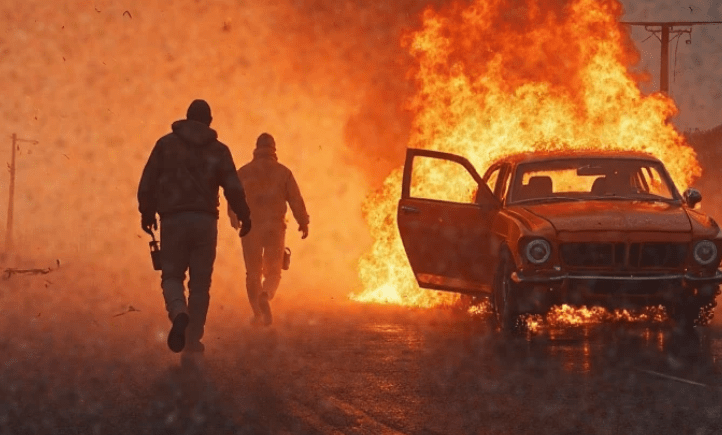
Weathering the Worst: How to Prep for Tennessee’s Top Natural Disasters

Living in Tennessee, we’re no strangers to the unpredictable nature of weather and natural disasters. Our beautiful state, nestled between the Appalachian Mountains and the Mississippi River, boasts lush landscapes and diverse ecosystems, but it’s also prone to a variety of extreme weather conditions. As a survival prepper in Tennessee, I know firsthand that it’s not just the beauty of the state that makes it special, but the need to be prepared for any disaster that could come our way. Whether it’s tornadoes, floods, winter storms, or even the occasional earthquake, preparation is key to ensuring the safety of you and your family.

Tornadoes: A Tennessee Staple

Tennessee lies in “Tornado Alley,” where tornadoes can strike with little warning, especially during the spring and fall. We’ve all seen the devastation they cause, tearing through entire communities in a matter of minutes. As someone who’s lived through several tornadoes, I can tell you that preparation is essential. You can’t always predict when or where a tornado will strike, but you can certainly increase your chances of surviving one by knowing what to do.

Survival Tip #1: Always have a tornado shelter or a basement to retreat to. If you don’t have a basement, consider investing in a reinforced storm shelter. Make sure it’s stocked with food, water, flashlights, and a first-aid kit. Don’t forget a battery-powered weather radio to keep up with alerts.

Flooding: Rising Waters in Tennessee

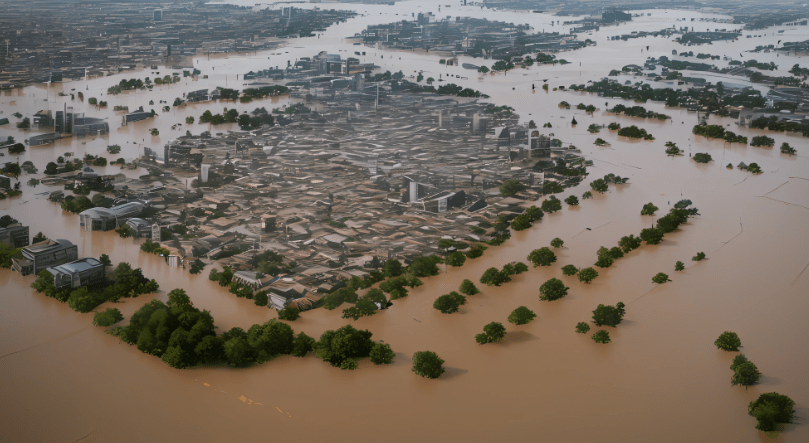
Flooding is another common natural disaster that Tennesseans face, particularly in the spring when heavy rains cause rivers and creeks to overflow. Parts of Tennessee, especially the lower-lying areas, are especially susceptible to flooding. The memories of the 2010 Nashville flood are still fresh in our minds, as the rising water destroyed homes and took lives. This is a reminder that even if you live in an area that doesn’t typically flood, it’s vital to be prepared.

Survival Tip #2: Keep your home’s foundation and exterior properly sealed to prevent water from seeping inside. You should also have sandbags on hand and a pump to remove water if needed. Elevate important belongings, and make sure to know the flood zones in your area so you can evacuate quickly if necessary.

Winter Storms: Ice and Snow in the Volunteer State

While winter storms might not be as frequent in Tennessee as they are in other parts of the country, they still pack a punch when they do occur. Ice storms, in particular, are common, and these storms can cause widespread power outages, hazardous road conditions, and even damage to trees and power lines. Winter preparedness is critical because even though Tennessee winters aren’t as harsh as those up north, they can still cause chaos.

Survival Tip #3: Stock up on firewood, propane, or alternative heating sources for when the power goes out. Keep blankets, warm clothing, and sleeping bags in your emergency kit, and don’t forget extra batteries for flashlights. Prepare your vehicle by ensuring it’s winter-ready with antifreeze, chains, and a full tank of gas.

Earthquakes: The New Threat to Tennessee

CLICK HERE TO LEARN HOW TO SURVIVE A FAMINE

While Tennessee isn’t traditionally known for its earthquakes, we’re not immune to seismic activity. The New Madrid Seismic Zone, just north of the state, has the potential to cause massive earthquakes that could be felt across much of the state. The last significant earthquake in this region was over 200 years ago, but it’s crucial to remember that an earthquake could strike at any time, with little to no warning.

Survival Tip #4: Strengthen your home’s structure by retrofitting it for earthquake preparedness. Secure heavy furniture and objects to walls, and have an emergency kit ready to go with food, water, and other essentials.

Severe Heat: A Growing Concern

Tennessee summers can be brutal. The combination of heat and humidity often pushes the temperatures well above 90°F, and we also face the risk of heat-related illnesses, especially for the elderly and vulnerable. As climate change continues to affect weather patterns, heat waves could become more frequent and intense.

Survival Tip #5: Have a cooling strategy in place. Keep a good stockpile of water, portable fans, and a backup generator to keep air conditioning running during power outages. Stay aware of the heat index, and be ready to take action if conditions become dangerous.

Survival Prepper Tips for Natural Disasters in Tennessee

Being a prepper in Tennessee means knowing what types of disasters are most likely and being ready to face them. Here are 10 more survival prepper tips that will help you stay safe and self-sufficient:

Survival Tip #6: Always have a comprehensive first-aid kit that includes items like bandages, antiseptic, prescription medications, and any other specialized items you might need.

Survival Tip #7: Develop a family emergency plan and practice it regularly. Know the safest routes for evacuation, meeting points in case of separation, and how to stay in communication when cell service is down.

Survival Tip #8: Learn how to purify water from natural sources such as streams or rainwater. Keeping a reliable filtration system in your emergency kit is key.

Survival Tip #9: Have a bug-out bag for each family member with clothing, food, and water for at least 72 hours. This bag should be easy to grab and go if you need to evacuate quickly.

Survival Tip #10: Stay informed by subscribing to local weather alerts and installing weather apps on your phone. Knowledge is power, and knowing what’s coming can give you the upper hand in any disaster situation.

Survival Tip #11: Stock up on non-perishable foods that are high in nutrition, such as canned goods, rice, pasta, and freeze-dried meals. These foods will help sustain you during long-term emergencies.

Survival Tip #12: Consider investing in solar-powered chargers and alternative power sources for your home. Solar panels, generators, and battery backups can be lifesavers during power outages.

Survival Tip #13: Create a home defense plan to protect your property from looters in the event of a widespread disaster. This could involve reinforcing doors and windows or having tools for self-defense.

Survival Tip #14: Build a network with other preppers in your area. During a disaster, having a community to rely on can make all the difference in terms of resources and safety.

Survival Tip #15: Don’t forget about pets. Make sure to have food, water, and medicine stocked up for your animals. They depend on you to keep them safe during a disaster.

Staying Safe in Tennessee: The Prepper’s Mindset

Being a prepper in Tennessee means always being ready for what Mother Nature can throw at us. From tornadoes and floods to winter storms and earthquakes, Tennessee offers its own unique set of challenges. But with the right mindset, tools, and preparation, you can ensure that you and your loved ones are well-equipped to handle whatever comes your way. Whether you’re dealing with a flash flood or an ice storm, the key to survival is always staying calm, informed, and prepared.
As a prepper, it’s not just about having the gear—it’s about being mentally and emotionally prepared to handle disaster when it strikes. Tennessee residents who take the time to prepare today will be able to weather the storms of tomorrow. So, gather your supplies, plan your escape routes, and stay vigilant. Because in Tennessee, the next disaster could be just around the corner.

Why The Local Authorities Will Not Always Be Your Ally When SHTF

I see a lot of people who don’t even bother staying in touch with the latest events.

Because as they say “the authorities will let them know if anything major happens.”

But they have it backward, folks.

In an emergency, authorities may not be as transparent as we’d like them to be.

Their priority is to prevent confusion from spreading through the masses.

Panicking often causes more immediate disarray than the emergency itself.

And they know this.

CLICK HERE TO LEARN HOW TO NEVER STARVE WHEN DOOMSDAY HITS!

To them, emergency situations are about the statistics.

What they care about the most is saving face to the public.

And everyday folks who just want to protect themselves and their families may be left in the dark when SHTF

Until it’s too late to do anything about it.

But our families are not just a percentage on the screen.

It is our duty to protect them.

That’s why it’s absolutely essential that we take the reins on how we obtain and process knowledge.

Let’s not rely solely on the local authorities or mainstream media.

There are numerous alternatives that allow us to stay informed and be ready for anything.

Radio, for instance, has long been a reliable source of info during emergencies.

A battery-operated or hand-cranked radio can keep you connected to the outside world, even when the power grid fails.

There are numerous channels and frequencies dedicated to emergency broadcasts, and they can be an invaluable resource when emergencies strike.

And don’t forget about the web.

Sure, you can’t rely on it in the worst-case scenario, but it’s a treasure trove of information as long as it’s available.

Follow trusted alternative info websites, independent journalists, and forums dedicated to emergency preparedness and survival.

Lastly, don’t forget the importance of local community networks.

Your neighbors, your friends, or any acquaintance you have can provide important insights and updates during emergencies.

Building these relationships can pay us back a thousandfold in bad situations.

Our world is unpredictable and often unfair. We can’t always rely on being spoon-fed knowledge in emergencies.

However, by staying proactive and equipping ourselves with the right tools, we can stay ready to move when we have to.

Why Wilderness Survival Skills Are Not Enough

They say if you know how to build a fire, catch a fish, and make shelter from what nature gives you, you’re good. You’ll survive.

But that’s only part of the truth.

After 14 years living part-time off the grid — and the last three almost full-time — I’ve learned something they don’t often tell you in survival books or YouTube channels: wilderness survival skills are not enough.

CLICK HERE TO LEARN HOW TO NEVER STARVE WHEN DOOMSDAY HITS!

Don’t get me wrong. I’ve got the basics down. I can start a fire in the rain with soaked tinder and a ferro rod. I can snare rabbits, track elk, and purify water five different ways. I can read the wind like most men read a screen. And I’ve watched enough people glorify those skills like they’re some sort of mystical badge of honor.

But here’s the truth: Skills will keep you alive — they won’t keep you human.

When the sun drops behind the trees and the cold sinks into your bones, when you haven’t seen another face in ten days, when your food runs out and you’re tired of eating boiled bark tea and smoked squirrel — that’s when you learn survival is mental, emotional, and spiritual just as much as it is physical.


1. Mental Endurance Beats Physical Skill

There’s a moment in every extended survival situation when the novelty wears off. It’s usually around day 6 or 7. That’s when your mind starts playing tricks on you — when isolation, discomfort, and hunger begin whispering lies.

“You can’t do this.”
“Why are you even out here?”
“What if no one’s coming?”

You can have all the gear and know-how in the world, but if you don’t have the mental endurance to stay calm, make decisions under pressure, and silence the noise in your head — you’re done. I’ve seen guys with military training lose it out here, not because they didn’t know what to do, but because they couldn’t control their thoughts.

Discipline in the mind matters just as much as muscle in the arm.


2. Community > Competence (Yes, Really)

Lone wolf survival sounds romantic. But real survival — the long haul — isn’t meant to be done alone. Out here, I’ve learned to appreciate the power of community. A partner to keep watch while you sleep. Someone to spot danger you missed. A friend to say, “You’re not crazy, this is just hard.”

Even if you’re physically alone, the people you’ve invested in beforehand — friends, family, the tribe you trust — they’re your backup plan. And your reason to keep going.

Outlasting a storm is one thing. Outlasting loneliness is another.


3. Faith is the Fire That Doesn’t Go Out

This one’s personal, and not everyone will agree. But for me, faith in God is the difference between surviving and thriving.

There have been moments when I was one wrong step away from a broken leg and a slow death. Moments when the wind howled so loud I thought it might tear my cabin apart. Moments when the silence of the forest pressed in so heavy, it felt like drowning.

And in those moments, I talked to God. Not like some ritual. Not out of fear. But because I know I didn’t make this world — and I sure can’t hold it together by myself.

“My flesh and my heart may fail, but God is the strength of my heart and my portion forever.”
— Psalm 73:26

When you’re stripped of comfort, the only thing left is character. And character is either shaped by truth — or shattered by lies. My anchor has always been Scripture. Not as a crutch, but as a compass.


4. Resilience Means Nothing Without Purpose

You can suffer through almost anything if you know why you’re doing it. That’s true in war, in survival, in sickness, in life.

Out here, I’ve asked myself: Why am I doing this? What am I preparing for? What am I protecting?

If your only goal is to not die, then your world gets very small, very fast. But if your goal is to live well, protect others, steward the land, honor your values — then every hardship becomes training, not torment.

Purpose gives suffering meaning. And meaning gives suffering power.


5. Preparedness Without Wisdom Is Just Hoarding

You can stockpile food, ammo, and gadgets until your shed bursts. But if you don’t have the wisdom to use it wisely, share it well, or protect it humbly, then all you’ve done is delay the collapse — not survive it.

I’ve seen preppers treat people like threats, not neighbors. I’ve seen men stash enough rice for 10 years but couldn’t grow a tomato or mend a sock. That’s not resilience — that’s fear in disguise.

Real preparedness is practical, relational, and spiritual. It’s not just about building walls. It’s about knowing what’s worth protecting inside them.


Final Thoughts

So, no — wilderness survival skills are not enough. They’re a tool, not the toolbox.

If you want to survive — truly survive — in a world gone sideways, then you need:

  • A sound mind
  • A steady soul
  • A community you trust
  • A faith that anchors you
  • And a purpose that outlives you

I’ll keep training. I’ll keep sharpening knives and tuning traps and learning how to tan hides and build things with my hands. But I’ll also keep reading Scripture by lamplight, writing letters to the people I love, praying when the coyotes cry, and reminding myself that this life — even the hard parts — is a gift.

“The Lord is my shepherd; I shall not want… Even though I walk through the valley of the shadow of death, I will fear no evil, for You are with me.”
— Psalm 23:1,4

Survival is more than staying alive. It’s living like it matters.

Do This Before Neighbors Become Dangerous

Picture this.

You are enjoying a nice dinner with your family on a quiet Sunday afternoon.

When suddenly an incredible earthquake strikes your city without warning. Leaving devastation in its wake.

Power lines are down, and it seems like it could be days, or even weeks, until they’re restored.

But that doesn’t scare you.

Because your essentials are well-stocked, your family is safe, and you’re ready to weather the storm.

You breathe a sigh of relief.

But then there’s a knock at the door…

What happens when the most dangerous thing after an emergency isn’t the emergency itself, but the people living right next door?

It’s a reality we don’t like to confront.

And yet, the truth is, not everyone is as ready as we are.

When the world around us crumbles, and desperation seeps in, your well-laid plans and stockpile might make you a target.

So how do you navigate this potential challenge?

Well, there is no way around it. If you have neighbors, transforming them into fellow preppers is the safest thing you can do.

It might seem a bit paradoxical at first.

Talk about your well-earned knowledge and resources with the very people who could pose a threat?

However, it’s this shift in perspective that could make a world of difference.

When your neighbors are also ready, then they are not dangerous anymore.

If anything, they might aid you in emergencies.

The transformative power of community readiness is something that is vastly underestimated.

Instead of being isolated and under potential threat from unprepared neighbors, fostering a culture of preparedness can turn your neighborhood into a network of allies during difficult times.

You can start by investing your time in spreading awareness about the importance of readiness.

Or host a neighborhood meeting where you share valuable insights on emergency planning, food and water storage, basic first-aid, and necessary survival skills.

Or, if this sounds like too much work, you could just forward my emails to them.

I share everything I learn about emergency preparedness, and I hold nothing back.

We are in this together.

Helping each other survive is the natural thing to do.

By sharing your knowledge, you’re equipping your neighbors to stand on their own feet.

And you are eliminating a potential threat.

Let’s embrace the power of community. Because when SHTF, unity is strength.

10 Survival Tools No Doomsday Prepper Living in Florida Should Be Without

As we approach the peak of hurricane season, it’s crucial to be prepared. While we often focus on storm shutters and sandbags, having the right survival tools can make all the difference when disaster strikes. Let’s dive into the top 10 essential survival tools every Floridian should have on hand.


1. NOAA Weather Radio

A NOAA Weather Radio is your lifeline to real-time updates during a storm. These radios broadcast continuous broadcasts of official Weather Service information, including weather and hazard information, 24 hours a day, 7 days a week. They’re battery-powered or hand-crank, ensuring you stay informed even during power outages. Florida Department of HealthOsceola County+2oceantoday.noaa.gov+2oceantoday.noaa.gov+2oceantoday.noaa.gov


2. Portable Power Station

Power outages are common during hurricanes. A portable power station can keep your essential devices running—think cell phones, laptops, or medical equipment. Look for models with multiple outlets and USB ports. Some even come with solar panel compatibility for extended use.


3. Multi-Tool or Survival Knife

A high-quality multi-tool or survival knife is indispensable. From cutting through debris to preparing food, these tools are versatile and compact. Brands like Leatherman and Gerber offer models with pliers, knives, screwdrivers, and more.


4. Water Filtration System

Clean water can become scarce after a storm. A portable water filter or purification tablets can make questionable water sources safe to drink. The LifeStraw Personal Water Filter is a popular choice, capable of filtering up to 1,000 liters of water.Travelers


5. First Aid Kit

Injuries can occur during storms or while preparing your home. A well-stocked first aid kit should include bandages, antiseptics, pain relievers, and any personal medications. Don’t forget items like tweezers and scissors.AP News+2Travelers+2New York Post+2


6. Fire Extinguisher

Electrical issues or gas leaks can lead to fires. Having a fire extinguisher rated for all types of fires (Class A, B, and C) is essential. Ensure it’s easily accessible and that all family members know how to use it.


7. Emergency Shelter

A portable tent or emergency shelter can provide protection if you’re forced to evacuate or if your home becomes uninhabitable. Look for lightweight, waterproof options that are easy to set up.


8. Flashlights and Headlamps

Power outages are common during hurricanes. Flashlights and headlamps ensure you can navigate safely in the dark. Opt for LED models with long battery life. Headlamps are particularly useful as they keep your hands free.


9. Emergency Whistle

In case you’re trapped or need to signal for help, an emergency whistle can be heard over long distances. It’s compact, lightweight, and easy to carry.


10. Duct Tape and Paracord

Duct tape is incredibly versatile—use it to seal windows, repair gear, or even as a makeshift bandage. Paracord can be used for shelter building, securing items, or even as a tourniquet in emergencies.


Hurricane Survival Tips for Floridians

  1. Create a Family Emergency Plan: Establish meeting points and communication methods.Florida Department of Health
  2. Gather Emergency Supplies: Ensure you have at least a two-week supply of essentials.
  3. Secure Your Home: Install storm shutters or board up windows.
  4. Stay Informed: Monitor weather updates via NOAA Weather Radio or trusted news sources.oceantoday.noaa.gov
  5. Evacuate When Directed: If authorities issue an evacuation order, leave immediately.
  6. Avoid Flooded Areas: Do not drive through standing water; it can be deeper than it appears.Travelers
  7. Turn Off Utilities: If instructed, shut off gas, water, and electricity to prevent further damage.
  8. Stay Indoors During the Storm: Remain in a safe area away from windows and doors.Travelers
  9. Wait for Official All-Clear: The calm eye of the storm can be deceptive; wait for authorities to declare it’s safe.
  10. Check for Hazards After the Storm: Be cautious of downed power lines, gas leaks, and structural damage.

Most Hurricane-Prone Cities in Florida

Florida’s coastal cities are particularly vulnerable during hurricane season:

  • Miami: Located in a low-lying area, making it susceptible to storm surges.
  • Tampa: Historically, Tampa has been fortunate, but it’s overdue for a direct hit.
  • Jacksonville: While further north, it can still experience significant impacts from hurricanes.
  • Orlando: Inland but can face flooding and wind damage from strong storms.
  • Key West: Being at the southernmost point, it’s often the first to encounter storms.

The Ultimate Doomsday Prepper Starter Pack

The Ultimate Doomsday Prepper Starter Pack: A Movie Critic’s Guide to Survival Skills

When it comes to preparing for the inevitable end, the world of doomsday prepping has captured our imagination. Hollywood has long been fascinated with apocalyptic scenarios, from plagues to natural disasters and alien invasions. And while some may dismiss preppers as a fringe group, the reality is, the need for survival preparation is more mainstream than ever. Whether you’re preparing for a natural disaster or a total societal collapse, having the right skills and equipment can make all the difference in your survival. So, let’s explore the ultimate doomsday prepper starter pack, featuring essential survival skills, key tools, and Hollywood films that might just offer some valuable lessons along the way.


1. Water Filtration

First and foremost, it’s all about water. Sure, you can live without food for a while, but without clean water, you’re a goner. Investing in a water filtration system, like the Lifestraw or a high-end portable filtration pump, is essential. This ensures that even if your water sources become contaminated, you’ll have the tools to purify them. Survival movies like The Road (2009), where a father and son trek through a post-apocalyptic landscape, emphasize the dire need for basic essentials like clean water.

2. Fire Starting Kit

Nothing says survival more than the ability to make fire. It’s warmth, light, and the means to cook your food. A fire starting kit, whether it’s a reliable ferro rod, waterproof matches, or a flint-and-steel set, should be an absolute staple. In films like Cast Away (2000), where Tom Hanks’ character is stranded on an island, his struggle to start a fire symbolizes the core of human survival. A fire means hope in a hopeless world.


3. Shelter Building and Tarp Setup

The ability to quickly set up shelter can be the difference between life and death in the wilderness. From tents to tarps, being able to shield yourself from the elements will keep you safe and comfortable when it all hits the fan. If you’ve ever seen Into the Wild (2007), where Emile Hirsch’s character endures nature’s harshness, you understand that shelter is a must-have in your prepper toolkit.

4. Emergency Food Supplies

Survivalist films always emphasize one thing: food is vital. Whether it’s protein bars, freeze-dried meals, or canned goods, having an emergency food supply can keep you going for days. One movie that hammers this point home is The Martian (2015), where Matt Damon’s character uses his ingenuity to grow food and survive on Mars. It’s a perfect reminder that with the right tools and preparation, you can survive in the most unexpected places.


5. First Aid and Medical Knowledge

In any survival scenario, injuries are bound to happen. Having a first aid kit stocked with bandages, antiseptics, and pain relievers is non-negotiable. More importantly, you’ll want to know how to use the supplies effectively. Movies like 127 Hours (2010) and The Revenant (2015) show us the raw reality of survival, where characters find themselves in dire medical situations, and the most important thing is knowing how to tend to wounds.


6. Self-Defense Skills

Self-defense is another critical skill for preppers, as societal breakdowns often bring about dangerous situations. Knowing how to protect yourself, whether with hand-to-hand combat or weapons training, is essential. The Walking Dead (TV series) has drilled this concept into our minds, with its depictions of human survival in a post-apocalyptic world where both zombies and humans are threats. The importance of self-defense is highlighted in the brutal, no-holds-barred world the characters navigate.


7. Navigation and Orienteering

In an emergency, you may need to navigate through unfamiliar terrain or find your way to safety. Skills in map reading, compass usage, and GPS navigation are vital. The Grey (2011), starring Liam Neeson, is a prime example of how navigation and situational awareness can make or break your survival chances. After a plane crash in the wild, Neeson’s character must rely on his wits to survive in the harsh conditions.


8. Building a Bug-Out Bag

Having a well-packed bug-out bag is a must for any prepper. It should include essentials like a multi-tool, fire starter, first aid kit, extra clothing, and survival food. World War Z (2013) is an exciting example of the bug-out bag in action. Brad Pitt’s character goes on a worldwide hunt for a solution to the zombie pandemic, and it’s his preparedness that keeps him one step ahead of the chaos.


9. Mental Toughness

Perhaps the most underrated survival skill is mental toughness. Whether you’re facing a natural disaster or a long-term societal collapse, your mindset can determine your success or failure. The Road (2009), a bleak but beautiful tale about a father and son’s journey through a destroyed world, shows us that survival isn’t just about the physical tools—it’s about keeping your mental state strong when everything around you is crumbling.


10. Knowledge of Renewable Energy

When the grid goes down, renewable energy sources like solar power can be your saving grace. Solar-powered lights, chargers, and even solar ovens can provide a way to stay functional when your conventional energy sources are unavailable. Children of Men (2006) hints at a world on the brink of collapse, where technological breakdowns and energy crises are just as dangerous as societal chaos.


11. Bartering and Negotiation Skills

In a world where currency becomes obsolete, bartering will be the next best thing. Whether it’s trading food, supplies, or knowledge, being able to negotiate and barter will be key. The TV series The Walking Dead again comes to mind, as characters constantly negotiate for resources in a world where everything is scarce. Understanding value beyond traditional currency can ensure that you stay afloat in a collapsed economy.


Survival Prepper Skills to Master Before the End

  1. Water purification – Learn how to filter and purify water, one of your most precious resources in any survival situation.
  2. Fire making – Practice starting a fire in different environments and with various methods.
  3. Shelter building – Learn how to create emergency shelters using tarps, tents, and natural resources.
  4. Foraging – Understand which plants and insects are safe to eat and which are not.
  5. Trapping and hunting – Basic knowledge of trapping and hunting can provide you with much-needed food.
  6. Basic carpentry – Learn how to build structures and create useful items from wood.
  7. Self-defense – Take a class on hand-to-hand combat or weapons handling to protect yourself.
  8. Signaling for help – Practice using mirrors, flares, or other signaling methods to attract rescue teams.
  9. Cooking over a fire – Learn how to prepare meals using just a campfire or other primitive methods.
  10. Critical thinking and problem-solving – A clear mind can help you assess any situation and come up with a creative solution.
  11. Leadership and team coordination – Being able to lead and work in a group during stressful times is vital for long-term survival.

Hollywood Movies That Relate to Survival Prepping

  • The Road (2009) – An emotionally charged film about survival in a post-apocalyptic world where every decision counts.
  • The Martian (2015) – Matt Damon proves that ingenuity and resourcefulness are key to surviving in isolation.
  • Into the Wild (2007) – The true story of Chris McCandless, who seeks freedom in the wild, teaches us the importance of self-reliance.
  • Cast Away (2000) – Tom Hanks’ epic solo survival saga is a masterclass in patience, creativity, and mental fortitude.
  • The Grey (2011) – A gripping tale of survival against nature’s harshest elements, proving that perseverance can defy the odds.

The Best Illinois Campsites for Preppers Who Want to Be Ready for Anything

The Best Campsites for Illinois Survival Preppers: A Guide to Stay Prepared in the Prairie State

As survival preppers living in the state of Illinois, we know that being ready for any disaster, big or small, is crucial. Whether you’re dealing with an economic collapse, natural disaster, or just taking a break from the chaos of everyday life, camping in Illinois provides an excellent opportunity to hone your survival skills and keep your body, mind, and supplies sharp.

Illinois, with its diverse landscapes, offers a range of camping sites that are perfect for preppers. Whether you’re seeking dense forests, quiet lakes, or open prairies, the state has something for everyone. As preppers, we look for more than just a spot to set up a tent—we seek locations that provide ample resources for water, food, shelter, and natural defense. Additionally, these campsites allow you to practice crucial survival techniques, like foraging, shelter-building, fire-starting, and navigation, while being able to step away from the hustle and bustle of urban life.

In this guide, we will cover the 30 best campsites in Illinois for survival preppers, giving you the perfect places to practice your skills and be prepared for whatever comes your way.

CLICK HERE TO LEARN HOW TO SURVIVE A FAMINE

Why Illinois for Survival Prepping?

Illinois might not be the first state that comes to mind when you think of survival prep, but it is one of the most underrated states for preppers looking to blend outdoor survival with practical training. The state is home to various ecosystems, from the rugged Shawnee National Forest in the southern tip to the vast prairies and wetlands in the central and northern regions. With plenty of water resources, diverse wildlife, and hundreds of acres of land for off-grid living, Illinois is a prepper’s paradise waiting to be discovered.

Moreover, Illinois’s moderate climate makes it an ideal location for year-round prepping. Winters can be harsh, but this allows for the testing of winter survival gear and skills. Summers are typically humid, offering a unique environment to practice shelter building and heat management.

Let’s dive into the 30 best camping sites in Illinois that every prepper should know.

1. Shawnee National Forest

Located in southern Illinois, Shawnee National Forest spans over 280,000 acres. This forest is perfect for preppers looking for a mix of dense forest, rocky bluffs, and secluded areas. It’s an ideal location to practice navigation, shelter building, and foraging.

2. Starved Rock State Park

Famous for its canyons, waterfalls, and dense forests, Starved Rock is one of Illinois’ most popular parks. For preppers, it offers plenty of natural resources for survival, including accessible water sources, firewood, and wildlife.

3. Cave-in-Rock State Park

Situated along the Ohio River, this park offers unique caves to explore. Perfect for survivalists interested in learning about shelter in caves and river navigation.

4. Red Hills State Park

This park offers over 1,000 acres of dense woods and beautiful hills. It’s ideal for preppers seeking a quieter spot to practice wilderness survival skills away from the crowds.

5. Mississippi Palisades State Park

Located along the Mississippi River, this park features rocky bluffs and dense forests. It’s great for practicing water navigation, fire-starting, and identifying wild edible plants.

6. Illinois Beach State Park

Situated on the shore of Lake Michigan, this park offers a perfect mix of beach, forest, and wetlands. It’s perfect for water navigation and prepping for coastal survival scenarios.

7. Giant City State Park

This park is named for its giant sandstone cliffs and offers more than 4,000 acres of wilderness. Great for practicing shelter building, fire-starting, and even stone carving.

8. Sangchris Lake State Park

With its massive lake and thick woods, this park is an excellent spot for practicing fishing, navigation, and resource gathering. It also features remote, less-trafficked areas ideal for survivalists seeking solitude.

9. Hickory Ridge Wilderness Area

Perfect for off-grid camping, this area is known for its wild beauty and dense forests. It offers a remote location where preppers can practice long-term survival strategies.

10. Ferne Clyffe State Park

This park, known for its cliffs and ravines, is a great place for practicing shelter building and navigation. It also offers plenty of wildlife and natural resources.

11. Fox Ridge State Park

With a variety of woodlands, prairies, and bluffs, Fox Ridge offers preppers a variety of terrain to hone their wilderness survival skills.

12. Fort Massac State Park

This historical site located along the Ohio River offers a unique blend of history and natural beauty. Preppers can practice tactical camping and waterborne navigation in a historically significant setting.

13. Rock Cut State Park

Known for its two beautiful lakes, Rock Cut State Park is perfect for practicing water purification, fishing, and fire-starting techniques.

14. Toledo State Wildlife Area

A remote and peaceful area for preppers to practice isolation and learn how to live off the land with ample opportunities to forage and hunt.

15. Kankakee River State Park

If you’re interested in water navigation and fishing, this park along the Kankakee River offers an abundance of resources for preppers to practice waterborne survival skills.

16. Chain O’ Lakes State Park

Perfect for those prepping for urban collapse and needing to practice survival in areas near rivers and lakes, this park is a haven for fishing, watercraft, and wilderness techniques.

17. Busse Woods Forest Preserve

Just north of Chicago, this park offers preppers a chance to practice in a suburban wilderness setting. It’s great for those interested in survival techniques in more populated areas.

18. Lake Shelbyville

A perfect location for preppers looking for water sources and a varied landscape to practice fishing, boating, and even building makeshift shelters near the shoreline.

19. Walnut Point State Park

Ideal for practicing solitude and off-grid survival techniques, this park offers ample space for establishing camp away from prying eyes.

20. Shabbona Lake State Park

With its fishing opportunities and wooded areas, Shabbona Lake is a prime location for survivalists looking to hone their fishing skills, practice navigation, and shelter-building techniques.

21. Spring Lake State Fish and Wildlife Area

This area offers thick woods and marshes, making it an ideal location for preppers looking to practice their survival skills in wetlands and dense forests.

22. Beall Woods State Park

Located on the Wabash River, Beall Woods is perfect for learning survival skills related to river navigation, fishing, and natural shelter-building.

23. Clinton Lake State Recreation Area

A fantastic spot for preppers who want to practice fishing, navigation, and survival techniques near a large lake and wooded areas.

24. Shawnee National Forest – Garden of the Gods

The famous Garden of the Gods offers stunning views and secluded camping areas, ideal for practicing navigation, shelter building, and fire-starting.

25. Evergreen Lake

Located near Bloomington, this lake offers preppers opportunities for water navigation and fishing, as well as secluded areas for practicing long-term survival.

26. Matthiessen State Park

This park offers great terrain for survivalists, with a combination of deep forests, streams, and ravines. It’s perfect for practicing navigation and foraging.

27. Coffeen Lake State Fish and Wildlife Area

This remote park offers abundant wildlife and a peaceful, off-the-beaten-path location perfect for practicing fishing, foraging, and shelter building.

28. Beaver Dam State Park

A quiet and remote location where survivalists can hone their skills away from the public eye. There are abundant resources here for long-term prepping.

29. Siloam Springs State Park

Located in western Illinois, Siloam Springs is a hidden gem that offers preppers an excellent place to practice water purification, shelter building, and navigation.

30. Pere Marquette State Park

Known for its rugged terrain and beautiful forested areas, this park offers the ideal environment for practicing fire-starting, foraging, and building wilderness shelters.

Final Thoughts on Illinois Camping for Preppers

When it comes to prepping in Illinois, these campsites offer the perfect opportunity to train, test, and fine-tune your survival skills. From navigating thick forests and wetlands to fishing and hunting for your next meal, Illinois offers a diverse range of environments that will prepare you for any emergency situation. Whether you’re practicing for a long-term grid-down scenario or just need some time away to hone your skills, these campsites are some of the best in the state.

Remember, as a prepper, it’s not just about surviving the wilderness—it’s about thriving in it, and these Illinois campsites provide the perfect places to do just that.

Surviving the Texas Storm: How Texans Prepare for the Worst Natural Disasters

How Texans Prepare for the State’s Worst Natural Disasters

Living in Texas, you’re no stranger to the force of nature. From blistering heatwaves to unpredictable storms, the Lone Star State has seen it all. While we love our BBQs, rodeos, and wide-open spaces, we also know that when disaster strikes, it’s not a time to panic – it’s a time to act.

In Texas, survival is a way of life. Whether you’re out in the flat plains of West Texas, nestled in the Hill Country, or living closer to the Gulf Coast, you know that natural disasters aren’t just a possibility – they’re a fact of life. Tornadoes, hurricanes, wildfires, floods, and extreme heatwaves are all common threats in the state, and preparedness is key to surviving any of them.

CLICK HERE TO LEARN HOW TO SURVIVE A FAMINE

If you want to be ready when the storm hits, you’ve got to think ahead and build a solid survival plan. But don’t worry – we’re all in this together, and there’s no need to face disaster unprepared. Here are some ways Texas residents like me prepare for the worst and keep our families safe.

1. Tornadoes: Don’t Wait for the Warning

Tornadoes are one of the most terrifying natural disasters to hit Texas. The state is part of “Tornado Alley,” meaning we are especially prone to these powerful, destructive storms. To prepare for a tornado, the first step is knowing when one might be coming. That means investing in a reliable weather radio that broadcasts emergency alerts 24/7.

Beyond the radio, every Texan should have a designated storm shelter. It doesn’t need to be fancy – even a small, windowless interior room like a bathroom or closet can provide shelter. Keep your storm kit stocked with essentials like a flashlight, batteries, a first-aid kit, and a few days’ worth of non-perishable food and water.

2. Hurricanes: Don’t Underestimate the Gulf Coast

For those of us living along the Gulf Coast, hurricanes are a serious concern. Whether you’re in Houston or Galveston, hurricanes bring strong winds, heavy rain, and the threat of flooding. The key to surviving a hurricane is early preparation and constant vigilance. Make sure you have an evacuation plan that includes a designated safe location – preferably in an area not prone to flooding.

Stock up on emergency supplies, including bottled water, canned goods, medication, and other essentials. If you live near the coast, invest in hurricane shutters or plywood to protect your windows, and make sure your roof is secure. Once a storm is headed your way, stay updated on the latest forecasts and be ready to leave if necessary.

3. Wildfires: Be Ready for the Texas Heat

While wildfires are a year-round threat, they are especially dangerous in the hotter months of summer and early fall. As Texans, we’re used to the dry spells and the scorching heat, but when combined with strong winds, they can ignite massive wildfires. If you’re in rural areas, keep defensible space around your home by clearing dead vegetation, branches, and other flammable materials. This will help protect your property from spreading flames.

A well-stocked bug-out bag is a must, and it should contain a good-quality N95 mask to protect against smoke inhalation. Keep your gutters clear, and be sure to have fire extinguishers accessible, especially in areas prone to wildfires.

4. Floods: Know Where the Water Will Go

Flooding is another significant risk, especially for those living along Texas rivers or in low-lying areas. The unpredictable rains that often come with hurricanes or spring storms can overwhelm flood control systems and cause massive damage. One of the first steps is to know if you live in a flood zone, and if you do, consider purchasing flood insurance. It’s worth the investment.

In preparation, elevate your electrical appliances and other valuables above potential flood levels. If a flood watch is issued, make sure your emergency supplies are packed and ready to go. Flashlights, extra batteries, and sturdy shoes for wading through water are essential. If the water is rising, know your evacuation routes and keep your car’s gas tank full, just in case.

5. Extreme Heat: Don’t Let the Texas Sun Get the Best of You

Texas heat can be brutal, especially in cities like Dallas, Austin, and San Antonio during the summer months. Temperatures can easily exceed 100°F, and when the humidity is high, it can be even worse. To avoid heat exhaustion or heat stroke, always have a supply of water on hand, and wear light, breathable clothing.

If you don’t have air conditioning, make sure you have fans or a way to cool your home down. Keep your body cool by using wet towels or ice packs on your pulse points, and don’t forget to check on elderly neighbors or others who may be more vulnerable to heat stress.

10 Survival Prepper Tips for Texans Facing Natural Disasters:

  1. Know Your Risk: Understand what natural disasters are most likely to affect your region, whether it’s a flood, tornado, wildfire, or hurricane.
  2. Create a Family Emergency Plan: Sit down with your family and make sure everyone knows their roles in an emergency, including evacuation routes and communication plans.
  3. Emergency Kit: Always have a stocked emergency kit with the basics: water, non-perishable food, flashlight, batteries, medications, and first-aid supplies.
  4. Backup Power: Invest in a generator or a backup power system to keep essential devices running during power outages.
  5. Water Storage: In Texas, water is a critical resource during both floods and droughts. Always store extra water to get you through an emergency.
  6. Stay Informed: Sign up for emergency alerts from local authorities and always monitor the weather.
  7. Get an Emergency Car Kit: Make sure your car is stocked with essentials such as extra water, blankets, non-perishable food, and a first-aid kit.
  8. Defend Against Wildfires: Maintain a defensible space around your property by keeping grass short, clearing debris, and trimming trees.
  9. Plan for Pets: Don’t forget your furry friends! Keep a pet emergency kit with food, water, medications, and any necessary paperwork.
  10. Insurance is Key: Ensure your home and vehicle insurance cover damage from common disasters in your area, such as floods, fires, or wind damage.

Conclusion: Preparedness is Key in Texas

The weather in Texas is unpredictable, and natural disasters can strike without warning. But with proper planning and preparation, you can face anything that comes your way. By following these tips, Texans can not only survive but thrive in the face of nature’s challenges. After all, we’re a tough breed, and we know how to handle what the wild Texas weather throws at us.

Frozen Solid: Surviving the Coldest Winters in New Hampshire

Living in New Hampshire means dealing with a variety of natural disasters that can strike at any moment. Whether it’s the extreme cold of winter, the torrential rains of spring, or the occasional blizzard, we Granite Staters have learned that preparation is key. In a state as unpredictable as New Hampshire, being ready for any emergency can mean the difference between life and death. From building the right emergency kit to ensuring your home is fortified against the elements, here’s how New Hampshire residents are preparing for the worst that Mother Nature can throw at us.

1. Winter Storms and Blizzards

Let’s start with winter, which is probably the most well-known challenge in New Hampshire. With its long, harsh winters, snowstorms, and blizzards can easily leave roads impassable and power outages lasting for days. The first line of defense against a New Hampshire winter storm is a well-stocked emergency kit. Make sure you’ve got enough food, water, and other essential supplies to last for at least 72 hours.

  • Tip #1: Keep extra blankets, sleeping bags, and warm clothing on hand in case your heating system goes down. You might also want to have a wood stove or alternative heat source to keep your home warm.
  • Tip #2: Stock up on emergency food supplies such as canned goods, freeze-dried meals, and high-calorie snacks. Don’t forget about a manual can opener!
  • Tip #3: Ensure you have an emergency power source. A generator is a great investment, but if you can’t afford one, invest in a good supply of rechargeable batteries, solar-powered chargers, and power banks.

2. Flooding

New Hampshire has its share of rivers and streams, and during heavy rainstorms or the spring thaw, flooding can be a serious risk. The Merrimack and Connecticut Rivers, among others, have a history of flooding when storms hit or when the snowpack melts too quickly. If you live in a flood zone, it’s vital to be aware of evacuation routes and have a plan in place.

  • Tip #4: Install sump pumps in your basement and have backup power in case the electricity goes out. A flooded basement can cause irreversible damage if left unattended.
  • Tip #5: Elevate electrical appliances and items like important documents to higher ground. Consider waterproofing your basement if you live in a flood-prone area.

3. Tornadoes

While New Hampshire is not typically known for tornadoes, these vicious storms have been known to strike, particularly during the spring and summer months. Strong tornadoes are rare, but they can still cause significant damage.

  • Tip #6: Build a safe room or basement in your home where you can take shelter during a tornado. Make sure your family knows where to go and how to stay safe.
  • Tip #7: Invest in a NOAA weather radio with a battery backup. This way, you’ll always be informed of severe weather warnings.

4. Earthquakes

Earthquakes aren’t a daily concern in New Hampshire, but that doesn’t mean we’re immune. The state has experienced tremors in the past, and scientists believe the area is capable of more significant seismic activity in the future. Though rare, it’s always smart to be prepared.

  • Tip #8: Secure heavy furniture and appliances to the walls to prevent them from falling during an earthquake. Have an evacuation plan in place, and know where the safest areas are in your home.
  • Tip #9: Keep a stash of water and food that doesn’t require cooking or refrigeration in case utilities are disrupted.

5. Wildfires

With increasing temperatures and drier conditions, New Hampshire is beginning to see a rise in wildfires. While the risk is lower than in other parts of the country, we’ve had a few out-of-control blazes in recent years.

  • Tip #10: If you live near wooded areas, create defensible space around your home by clearing dead leaves, branches, and brush. Keep a hose, shovel, and rake nearby to help manage smaller fires.

6. Hurricanes and Tropical Storms

While New Hampshire is located far from the usual hurricane tracks, we are still vulnerable to the tail ends of major storms that make their way up the coast. These storms can bring heavy rains, high winds, and dangerous coastal flooding.

  • Tip #11: Keep your gutters clean and ensure that your property’s drainage system is functioning properly. Heavy rainfall can cause rapid flooding if there’s nowhere for the water to go.
  • Tip #12: Have a sturdy emergency kit on hand, especially if you live near the coast. Consider investing in storm shutters or plywood to protect your windows from high winds.

7. Severe Winter Cold

New Hampshire’s winters can get so cold that frostbite and hypothermia become a real risk. In some areas, temperatures can dip well below freezing for weeks at a time. It’s important to know how to stay warm and how to care for others in these extreme conditions.

  • Tip #13: Keep extra layers of clothing available, including insulated gloves, boots, and socks. A good winter coat and thermal underwear are lifesavers during long bouts of cold.
  • Tip #14: If you have elderly family members or neighbors, check in on them regularly. They’re more susceptible to the cold, and their homes may not be as well-insulated.

8. Food and Water Storage

New Hampshire’s varied weather conditions mean that emergencies can come in all seasons. Stocking up on food and water supplies is an absolute necessity, as grocery stores and other essential services may not be readily available during or after a natural disaster.

  • Tip #15: Store at least a two-week supply of non-perishable food and water. Don’t forget about pets or other animals—make sure you have enough food and water for them too.
  • Tip #16: Invest in high-quality water filters, as flooding can often contaminate local water supplies. Having a way to purify water from lakes or rivers could save your life in a worst-case scenario.

9. Communication Plans

During a disaster, communication can be challenging. Cell towers may go down, and landlines may be cut off. New Hampshire residents need to ensure they have a reliable means of communicating with family and emergency responders.

  • Tip #17: Establish a family emergency plan. Ensure everyone knows where to meet in the event of a disaster, and keep a list of emergency contacts, including out-of-state relatives.
  • Tip #18: Consider investing in satellite phones or two-way radios as a backup communication system. These can be life-saving if traditional cell networks fail.

10. Home Fortification

The state of New Hampshire can experience a variety of natural disasters, and it’s crucial to fortify your home against the elements. Whether it’s reinforcing your roof to withstand heavy snow, installing storm-resistant windows, or ensuring your foundation is strong enough to hold up during flooding, preparation starts with your home.

  • Tip #19: Keep your roof clear of snow and ice in the winter months. Ice dams can cause major water damage if left unchecked. Regularly check your roof’s condition and make necessary repairs before winter hits.

Conclusion

New Hampshire residents know that survival isn’t just about having a few canned goods and a flashlight. It’s about being prepared for any situation. From snowstorms to flooding, tornadoes, and hurricanes, the state’s weather can change on a dime, and it’s up to us to be ready for whatever comes our way.

Being prepared means staying vigilant, having the right supplies, and knowing how to react in an emergency. It’s about taking the time to create a plan, fortifying your home, and stocking up on essentials so that you can weather any storm that comes your way. Living in New Hampshire means facing the best and worst of nature’s fury, but with the right preparation, we’ll be ready for whatever the future holds.

CLICK HERE TO LEARN HOW TO SURVIVE A FAMINE

Surviving Washington’s Natural Disasters: A Prepper’s Guide

Surviving the Unpredictable: How Washington Residents Prepare for Natural Disasters

Living in Washington State, we’re no strangers to Mother Nature’s fury. From volcanic eruptions to severe winter storms, flooding, and the occasional earthquake, Washington residents need to be prepared for a variety of natural disasters that could strike without warning. Whether you’re in the shadow of Mount Rainier or along the Puget Sound coastline, the risks vary, but the need for preparedness is universal. In this post, we’ll dive into how we prepare for the worst and give you a rundown of survival tips you need to implement now.

1. Understanding the Hazards

CLICK HERE TO LEARN HOW TO SURVIVE A FAMINE

Washington State has a range of potential disasters, but the big ones we need to worry about are:

  • Volcanic Eruptions: With Mount St. Helens, Mount Rainier, and Mount Baker all active, volcanic eruptions are a constant threat.
  • Earthquakes: The Cascadia Subduction Zone is a real concern. A major earthquake could hit at any time, and the risk of a tsunami along the coast adds another layer of danger.
  • Flooding: Heavy rain, rapid snowmelt, and river overflow can cause severe flooding, particularly in western Washington.
  • Wildfires: Summer months bring dry conditions, especially in the eastern part of the state, making wildfires a concern.
  • Winter Storms: Harsh winter storms and freezing temperatures are a norm in Washington, particularly in higher altitudes and the Cascade Range.

2. Stockpiling Essentials

Living in Washington, we know that we might need to rely on ourselves for several days or even weeks if a disaster hits. That’s why having an emergency supply kit is essential. Here are the basics every prepper should have on hand:

  • Water: The general rule is to store one gallon per person per day for at least three days, but I’d recommend having enough to last at least two weeks if possible.
  • Non-perishable Food: Canned goods, freeze-dried meals, energy bars, and MREs (Meals Ready-to-Eat) are great options.
  • First Aid Kit: You can’t afford to overlook this one. A well-stocked first aid kit with medications and supplies can be a lifesaver.
  • Flashlights and Batteries: The power can go out for days, so have enough flashlights, headlamps, and extra batteries to light your way.
  • Manual Tools: When the electricity goes out, you’ll need a good set of manual tools. Hand-cranked radios and chargers are a must.

3. Creating a Family Plan

If you’re a family, you need to create a disaster plan that everyone knows and can execute under stress. This includes establishing communication points, evacuation routes, and meeting places. In a state like Washington, where seismic activity is a threat, an emergency family plan isn’t just a good idea—it’s essential.

4. Evacuation Routes and Emergency Shelters

With a state prone to earthquakes and volcanic activity, knowing your evacuation routes is critical. Washington’s infrastructure, especially in cities like Seattle, can be strained under emergency conditions. Make sure you’re familiar with all routes, including secondary roads, as highways can quickly become blocked. Additionally, identify local shelters in your area—know where they are and how to get there.

5. Investing in Emergency Power Sources

Power outages are common during storms, and in the event of an earthquake or volcanic eruption, the grid could be down for a while. Investing in backup power is non-negotiable for anyone living here. Options include solar-powered generators, gasoline-powered generators, and even manual backup systems like a bike-powered generator. This way, you’ll have power for your phone, medical equipment, or essential lights.

6. Understanding Volcanic Risk and Ashfall Preparedness

Mount St. Helens erupted in 1980, and while it hasn’t erupted since, Washington still sits within a volcanic hotspot. Ashfall is one of the major concerns, as it can disrupt transportation, damage crops, and even cause respiratory issues. If you live near a volcano, you need to have masks, goggles, and proper ventilation in your emergency kits.

Additionally, if you’re close to a river near a volcano, it’s important to be aware of lahar risks (volcanic mudflows), which could occur during an eruption. A lahar can travel at a rapid pace, and it could cause massive destruction.

7. Earthquake Preparedness: The Cascadia Subduction Zone

The Cascadia Subduction Zone (CSZ) is an area where the Juan de Fuca Plate meets the North American Plate, and when it shifts, it can trigger a massive earthquake. A CSZ earthquake could result in significant damage across the entire state. Preparedness for this means securing heavy furniture, reinforcing your home’s structure, and storing enough supplies to get through weeks without outside help.

8. Dealing with Flooding

While the western part of the state is prone to rain and flooding, it’s also important to prepare for the threat of mudslides, especially in mountainous areas. If you live in a floodplain, invest in sandbags or barriers to protect your property. Additionally, understand your local flood evacuation routes and ensure you have a high-water vehicle or a way to get out if roads are impassable.

9. Protecting Against Wildfires

If you live in eastern Washington, wildfire season should be part of your yearly preparation routine. Clearing brush and firewood from around your home, installing ember-resistant vents, and creating a defensible space will give you a much better chance of surviving a wildfire. Always have a go-bag ready in case you need to evacuate quickly.

10. Winter Storm Preparation

Winter storms can strike at any time, especially in the Cascade Mountains. Be sure to have chains for your vehicle, plenty of warm clothing, and a heating source that doesn’t rely on electricity, like a propane heater or wood stove. Stock up on salt or sand for icy roads, and don’t forget about snow shovels and snow blowers for clearing driveways.

10 Survival Prepper Tips for Washington Residents

  1. Install earthquake-resistant brackets for heavy furniture to prevent damage or injury during a seismic event.
  2. Create a firebreak around your home by clearing brush and debris, especially in fire-prone areas like eastern Washington.
  3. Stock up on local maps, as GPS may be unreliable during natural disasters.
  4. Build a DIY water filtration system—a simple, effective method for purifying water if you’re unable to access clean sources.
  5. Maintain a bug-out bag at home and in your car with essential supplies in case of sudden evacuation.
  6. Store extra fuel for your generator, chainsaw, or vehicle, as it may be difficult to refuel during an emergency.
  7. Join a local community preparedness group—collaborating with neighbors can make all the difference in an emergency.
  8. Practice fire drills with your family, including evacuating the house and meeting at a designated spot.
  9. Use a 72-hour emergency kit as a starting point but plan for two weeks of self-sufficiency.
  10. Invest in a personal locator beacon (PLB) if you live in a remote area; it could save your life in an emergency.

Conclusion

Washington residents know that being prepared isn’t just a nice idea—it’s a necessity. From volcanic eruptions to winter storms, there are plenty of reasons to stay ready. Stocking up on supplies, securing your home, and having a plan in place are all key to surviving the worst natural disasters this state has to offer. Stay vigilant, stay prepared, and never underestimate the power of nature. Your family’s safety depends on it.