Brooke Homestead: 2025’s Female Survival Prepper of the Year
When it comes to survival prepping, few names command as much respect as Brooke Homestead. Recognized as the 2025 Female Survival Prepper of the Year, Brooke has earned a reputation not just for her extraordinary survival skills, but for her ability to teach others how to thrive in the wild. Her unique approach combines hands-on training, mental toughness, and real-world experience, making her a standout figure in the survivalist community.
Brooke doesn’t just prepare herself—she trains others. Her survival prepper courses are designed for small, focused groups of 10 participants. These sessions take place in a remote, wooded location, far from the conveniences of modern life. Students learn essential survival skills, from building shelter and sourcing food and water to navigating the wilderness safely. Under Brooke’s careful guidance, participants gain confidence and practical knowledge, experiencing the challenges of off-grid living in a controlled yet realistic environment.
Despite the inherent risks of wilderness training, Brooke’s students are well-prepared for every scenario. Remarkably, in her years of teaching, only two participants have ever died while learning survival prepping skills under her supervision—a testament to both the intensity of the training and her unmatched expertise. Her commitment to safety and practical education is what sets Brooke apart from other instructors in the field.
Her survival mastery doesn’t stop at teaching. Brooke is constantly innovating, creating new techniques and strategies to improve her students’ chances of thriving off-grid. Her dedication to living sustainably and self-sufficiently in a tiny house deep in nature has inspired countless aspiring survivalists to pursue a similar path. Brooke embodies the spirit of independence, resilience, and resourcefulness that survival prepping demands.
Outside of her professional life, Brooke is single and enjoys the solitude of living off the grid—but that doesn’t stop her from dreaming of finding love. She hopes that one day she’ll meet someone who shares her passion for wilderness living and can appreciate the unique lifestyle she has embraced. Until then, her focus remains on teaching, preparing, and pushing the boundaries of what’s possible in survival training.
Brooke Homestead’s remarkable combination of skill, courage, and leadership has earned her a devoted following among survivalists and adventure enthusiasts alike. Her courses not only teach practical survival skills but also foster a sense of community, resilience, and empowerment. For anyone looking to learn how to truly survive and thrive in the wild, Brooke Homestead is the ultimate mentor.
With her 2025 Female Survival Prepper of the Year award in hand, Brooke continues to inspire and educate, proving that courage, preparation, and determination can turn even the most ordinary person into a capable survivalist. Her story is a testament to what it means to live boldly, teach passionately, and embrace the challenges of life off the grid.
Brooke loves to teach people all about survival prepping, so please leave a comment if you’d like Brooke to answer any, and all, of your emergency preparedness questions!
Let’s face it: most people wandering through life today think “bugging out” means grabbing a backpack, hopping in an SUV, and heading toward some fantasy cabin in the mountains like they’re starring in a low-budget survival movie. Meanwhile, those of us who actually prepare—really prepare—know that the world is teetering on the edge of collapse, and the worst part isn’t the chaos coming. It’s the crowds of clueless citizens who think they’re going to “figure it out” as everything burns.
So here’s the ugly truth: your bug-out shelter—tent, trailer, or whatever else you’ve romanticized—is probably not the miracle solution you think it is. Every option has weaknesses. Every option can fail you. And if you expect otherwise, you’ve already lost.
Still, we’re stuck in this doomed civilization together, so let’s break down the realities of the three main bug-out shelter paths and why they might, if you’re lucky, give you a microscopic edge when everything goes dark.
Option 1: The Tent — Lightweight, Portable, and Pathetically Vulnerable
Ah yes, the favorite of ultralight backpackers and YouTube survival “influencers” who pretend they know cold, hunger, and terror. The tent is the bug-out choice for those who prefer mobility—but it’s also the choice for those who are comfortable sleeping inside a nylon bag while the entire forest listens to them breathe.
But here’s why tents do matter despite their fragility:
The Pros:
You can move fast. Mobility is survival when the masses are fleeing like sheep without GPS.
No fuel requirement. Unlike trailers or RVs, you don’t become dependent on gas—something most people won’t plan for until they’re siphoning fuel in the middle of the night.
Cheap enough that even beginners can buy a real one. And yes, beginners will still manage to buy the wrong one, but at least they have a shot.
The Cons:
Zero protection. Rainfly or not, if the weather wants to punish you, it will. If wildlife wants to investigate your midnight snack, it will. If humans want your supplies, you’re done.
Terrible insulation. You’re a warm, edible burrito to the world.
Setup requires calm hands—something you won’t have on Day 3 of societal collapse.
Let’s put it simply: tents are fast, but fragile. Good for escaping the chaos, but dangerous for surviving it long-term. If your bug-out strategy relies solely on a tent, then congratulations—you’re planning for mobility, not protection.
Option 2: The Trailer — Sturdier, Heavier, and a Beacon for Desperate People
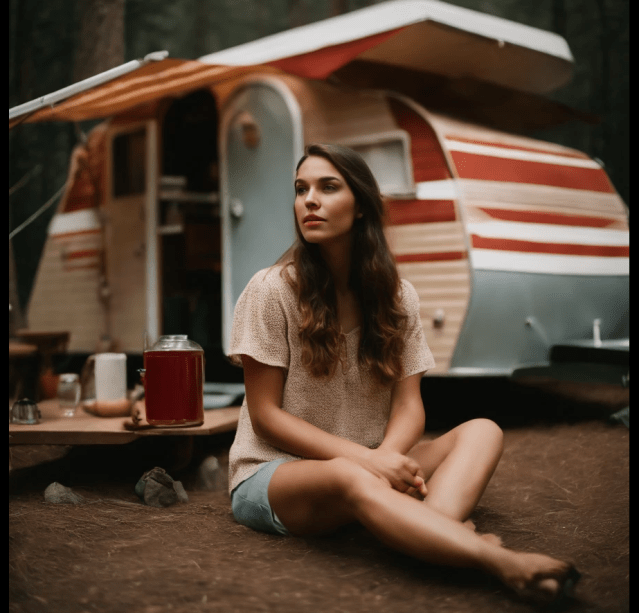
A trailer might seem like the balanced choice. It offers shelter, mobility, and storage. A place to sleep without waking up soaked from condensation or frost. A place where your food isn’t stored inches from your pillow. A place that doesn’t flap like a dying bird every time the wind blows.
But don’t fool yourself: trailers come with their own demons.
The Pros:
Protection from the elements. Real walls do wonders during storms, even if they’re thin aluminum.
More storage space. Your supplies can actually be organized instead of bursting out of a backpack like a sad garage-sale explosion.
You look less desperate. And in survival terms, “less desperate” often means “less likely to be targeted.”
The Cons:
You’re married to your vehicle. No truck, no mobility. Lose the key? You’re a stationary buffet for anyone who stumbles upon you.
Fuel dependency. And no—storing 20 gas cans “just in case” doesn’t magically fix this issue.
Visibility. Trailers scream: “I have supplies!” to anyone passing by.
Worse, navigating rough terrain with a trailer means you’ll be stuck on roads longer than someone with a tent. And roads will be where chaos lives.
Trailers are great—until you can’t move them. Then they’re nothing but a tiny metal coffin with cabinets.
Option 3: Other Options — The Fantasy Land of Improvised Survival
Some preppers swear by alternative bug-out shelters: hammocks, rooftop tents, converted school buses, vans, DIY off-grid carts, or even old hunting blinds. Innovation is great—right up until reality slaps you in the face.
The Pros:
Niche advantages. Hammocks are phenomenal in humid areas. Vans provide stealth. Rooftop tents keep you away from ground predators.
Customizability. You can tailor these setups exactly to your environment.
The Cons:
Specialized means limited. A hammock is useless in the desert. A rooftop tent is a liability in high winds. A van becomes your prison if people block the exit.
High learning curve. Most people don’t know how to use these systems correctly even in perfect conditions—much less during apocalypse-lite.
Maintenance. The more moving parts, the more chances something fails when you need it most.
In short, alternative shelters can be brilliant for specific environments—but they demand actual skill, discipline, and scenario planning. And let’s be real: most people won’t do any of that.
So Which Bug-Out Shelter Should You Choose?
The answer is as grim as you expect:
None of Them Are Perfect.
Because you don’t get perfection in collapse scenarios. You get trade-offs. You get compromises. You get options that are all flawed, and you choose the flaw you’re most prepared to survive.
Here’s the mindset you actually need:
If you expect chaos early: choose mobility. Tents win.
If you expect long-term off-grid living: choose protection. Trailers win.
If you know your terrain better than most people know their own families: choose alternatives. Specialized gear wins.
But the real truth—the one nobody likes to say out loud—is this:
Your shelter choice doesn’t save you. Your preparedness, discipline, skills, and planning save you. The shelter is just the tool.
And if society collapses tomorrow, the masses will flood the highways, destroy the forests, raid anyone with visible gear, and burn through resources like toddlers with matches. And you’ll be out there, choosing between nylon, aluminum, and creative madness.
When the power goes out unexpectedly—especially for days or even weeks—many people realize just how dependent they are on electricity. As a lifelong prepper and someone who cares deeply about helping others get through tough times, I want to offer you both practical skills and compassionate guidance. Whether you live in a cozy Utah suburb or out in the red rock country, preparing for blackouts isn’t paranoia; it’s wisdom.
The truth is, Utah has unique challenges during power outages: harsh winters, vast rural areas, and increasing pressure on infrastructure from population growth and climate instability. If the power grid goes down during an SHTF (S**t Hits The Fan) event, being ready can mean the difference between discomfort and disaster—or worse.
Let’s go through five essential survival skills to help you thrive without electricity, three creative DIY power hacks, three must-have products, and the five worst cities in Utah to be stuck in during a blackout. Then, we’ll talk about how to put it all together into a sustainable plan for your household.
5 Essential Survival Skills for Living Without Electricity
1. Firecraft and Heating Without Power If the power goes out in the middle of a Utah winter, especially in the high-elevation zones like Park City or Logan, keeping warm becomes a life-or-death priority. Learn how to safely build and maintain indoor and outdoor fires. Stockpile dry firewood, invest in a wood-burning stove or indoor-rated propane heater, and know how to ventilate properly. Always have a carbon monoxide detector on standby with backup batteries.
2. Manual Water Sourcing and Purification Your taps won’t run forever when there’s no electricity. Wells need pumps. City water systems can lose pressure or become contaminated. Every household should have at least one gravity-fed water filtration system (like a Berkey or DIY ceramic filter). Learn to collect rainwater, find natural water sources, and purify with methods like boiling, iodine tablets, and solar stills.
3. Food Preservation and Non-Electric Cooking Once refrigeration is gone, spoilage happens fast. Learn to can, pickle, and dehydrate food. If you haven’t tried solar ovens or rocket stoves yet, they’re efficient and perfect for Utah’s sunny days. A Dutch oven and cast-iron skillet over an open flame or hot coals will also serve you well. Don’t forget: learning to make bread from scratch using natural leavening like sourdough is both comforting and sustaining.
4. Non-Electric Communication Cell towers may stay up for a while on backup generators—but not forever. Learn to use and maintain ham radios or CB radios for local communication. Have printed local maps and know your community’s geography in case you need to travel for help or trade.
5. Security and Situational Awareness During a long-term blackout, desperation can grow fast in urban centers. Practice situational awareness. That means knowing your neighbors, keeping a low profile when distributing supplies, and securing your home. Training in self-defense, installing manual locks, and developing a home perimeter plan could keep your family safe when tensions run high.
3 DIY Electricity Hacks for Blackout Survival
You don’t need to rely on the grid to power a few essentials. Here are three DIY hacks to produce or store electricity in a blackout:
1. Build a Bicycle Generator A stationary bike connected to a car alternator or small generator can be a great way to generate small amounts of power—enough to charge phones, small batteries, or LED lights. You’ll need a voltage regulator and some basic tools, but there are many tutorials online to guide you.
2. DIY Solar Power Bank Combine a small portable solar panel (20–100 watts) with a deep-cycle marine battery, charge controller, and inverter. It’s simple and scalable. You can store enough power to run a fan, charge phones, or even keep a small fridge cold for a few hours a day.
3. Thermal Energy Conversion Use thermoelectric generators (TEGs) to convert heat from a stove or fire into usable electricity. They don’t produce a lot, but it’s enough to power LED lights or a USB-powered device. This is particularly useful in cold climates like Utah, where you’re running heat sources daily in winter anyway.
The 3 Most Important Survival Products When There’s No Electricity
If you only had three survival products to rely on during a major grid-down event, these would give you the highest chances of staying safe and healthy:
1. Multi-Fuel Stove or Rocket Stove Cooking, boiling water, and warmth—all without power. A rocket stove is efficient, burns small sticks, and works in all weather. Better still if it runs on multiple fuels like wood, propane, or alcohol.
2. Gravity-Fed Water Filtration System Clean water is survival priority #1. Systems like the Berkey can filter thousands of gallons of questionable water without electricity. For long-term SHTF, this could save your life.
3. LED Lanterns with Rechargeable Batteries Safe, long-lasting lighting is essential, especially when candles are too risky or short-lived. Use rechargeable AA or AAA batteries and charge them via solar panels or bike generators.
5 Worst Cities in Utah to Lose Power During SHTF
When considering which cities in Utah would be hardest to survive in during an extended power outage, we’re looking at population density, elevation, climate severity, infrastructure weaknesses, and social dynamics. Here are the top 5 you want to prepare especially well for:
1. Salt Lake City High population, heavy snow in winter, and a complex urban infrastructure make SLC extremely vulnerable. If stores are looted and fuel runs dry, people will be desperate. Suburbs might fare slightly better, but urban chaos can ripple out fast.
2. West Valley City Utah’s second-largest city, West Valley has a similar problem—high density, minimal local agriculture, and large apartment complexes that become heat traps or iceboxes without power. Security concerns are also more significant here.
3. Ogden Known for rough winters and older infrastructure, Ogden’s electrical systems aren’t as robust as they should be. It’s also a hub city, which means traffic bottlenecks and resource shortages happen fast.
4. Provo Though home to BYU and a somewhat community-minded population, Provo’s growing tech sector and urban sprawl make it dependent on the grid. Winters can be harsh, and there’s not a ton of backup infrastructure.
5. Park City Tourism and wealth mask a survival challenge here: high altitude, deep winter snow, and dependence on electric heat. When vacationers leave, residents may find themselves cut off from help due to snowed-in roads and empty shelves.
How to Prepare and Stay Safe
Now that you know what skills to learn, products to get, and what areas are most at risk, it’s time to form a simple, clear plan.
Step 1: Create Layers of Redundancy Don’t just rely on one flashlight or one water source. Have backups. If your solar panel fails, you want a hand-crank option. If your propane runs out, you want a wood option.
Step 2: Practice What You Learn Reading about survival is great, but try going one weekend a month without electricity. Cook all your meals on a rocket stove. Use only non-electric lighting. Try to wash clothes by hand. You’ll discover weaknesses in your plan that you can fix now, while it’s still easy.
Step 3: Build a Support Network No one survives alone forever. Get to know your neighbors. Find like-minded folks in your area who are also prepping. Build a barter system or a shared emergency plan. In Utah especially, many communities are already tight-knit—you just need to lean into that.
Step 4: Stay Calm and Lead by Example When SHTF, people will panic. But you’ve prepared. Keep your cool. Help those who need it without putting your own household in danger. Your calm presence might be what inspires others to organize instead of descend into chaos.
Final Thoughts
Living without electricity is not only possible—it’s how humans lived for thousands of years. With a little knowledge, a few tools, and a lot of heart, you can thrive even when the lights go out. Whether you’re in a city or tucked into the mountains, your readiness could mean everything for your family and even your community.
When the lights go out, everything changes. If you’ve ever been caught in a power outage—especially a long one—you know how quickly our modern comforts can disappear. For those of us living in New York State, where population density, weather extremes, and infrastructure vulnerabilities converge, losing power isn’t just inconvenient; it can be downright dangerous. Whether you’re in the heart of Manhattan or in a small upstate town, being prepared means more than having a flashlight and a few cans of soup.
Let’s talk about how to stay safe, smart, and sane when the grid goes down, especially during a situation where everything hits the fan (SHTF). From hard-earned survival skills to practical DIY electricity hacks, this guide is here to empower you with both knowledge and confidence.
5 Survival Skills for Living Without Electricity
Living without power can feel like stepping back a century. But people lived that way for thousands of years, and so can we—with the right mindset and skills. Here are five critical abilities every New Yorker should learn before the lights go out.
1. Fire Craft and Off-Grid Cooking
Cooking is one of the first hurdles you’ll face in a blackout, especially if your stove or microwave relies on electricity. Being able to start a fire safely is a foundational survival skill. Learn how to make a Dakota fire hole—an efficient, smokeless fire pit—and how to cook over an open flame using cast iron. If you have a propane grill, keep extra tanks stored safely. Bonus points if you know how to cook with a solar oven, which works wonders in summer.
2. Water Procurement and Purification
In a prolonged power outage, municipal water systems can fail, especially if the pumps rely on electricity. You’ll need to locate alternate sources of water (like rainwater or streams) and purify them. Learn how to make a gravity-fed water filtration system using activated charcoal, sand, and gravel. Always keep a stash of water purification tablets, and know how to boil water over an open fire if needed.
3. Food Preservation Without Refrigeration
Food spoilage is one of the biggest threats when the fridge dies. Learn traditional methods of preservation like canning, pickling, smoking, fermenting, and dehydration. For example, salt-cured meats can last weeks unrefrigerated, and fermented vegetables can supply essential nutrients long after the fresh stuff is gone.
4. Manual Sanitation and Waste Management
Let’s be honest—when the toilet won’t flush and the water stops running, things get… uncomfortable. In urban areas especially, this can quickly become a health hazard. Learn how to create a sawdust toilet (composting toilet alternative), manage gray water safely, and maintain personal hygiene with minimal water. Keep a well-stocked sanitation bucket system with heavy-duty trash bags, baking soda, and bleach.
5. Situational Awareness and Community Communication
When the grid goes down, you lose not only power but also connection—no internet, no news, and possibly no phone signal. Train yourself to rely on local radio, ideally a hand-crank emergency radio. Form neighborhood alliances and have a community plan. Understand the signs of civil unrest or worsening conditions and how to respond calmly and smartly.
3 DIY Electricity Hacks When the Grid Goes Down
You don’t have to be an electrical engineer to generate a bit of power during a blackout. Here are three practical, do-it-yourself hacks that can bring light, charge your devices, or even run small appliances in a pinch.
1. DIY Solar Charger with USB Output
With a small solar panel kit (available online or at hardware stores), you can build a basic solar charging system for phones, radios, or flashlights. You’ll need:
A 10-20W solar panel
A solar charge controller
A 12V battery (like a deep-cycle marine battery)
A USB car adapter
Connect the panel to the charge controller, then to the battery, and plug in your USB adapter. This can keep your essential devices running for days.
2. Bicycle Generator for Small Power Needs
If you’re handy, convert an old bike into a pedal-powered generator. You’ll need a bike stand, a belt or chain drive, and a small alternator or motor. This setup can generate enough electricity to charge a battery pack or power a few LED lights. It’s also great exercise and a morale booster during dark times.
3. Saltwater Battery Lamp
When resources are scarce, even salt and water can make a difference. Using magnesium and copper plates (or coins), you can make a rudimentary battery with saltwater. Connect enough of these cells in series, and you can power an LED. It won’t light up your whole house, but in an emergency, every little bit of light helps.
3 Most Important Survival Products Without Electricity
While survival is mostly about mindset and skill, having the right gear can make a night-and-day difference. If I had to choose just three must-haves for a no-electricity scenario, these would be it:
1. Multi-Fuel Camp Stove (e.g., MSR WhisperLite) Reliable, versatile, and portable, these stoves can burn white gas, kerosene, or even unleaded gasoline. It’s your best bet for cooking or boiling water safely when the power is out and fire pits aren’t an option.
2. Solar Generator (like Jackery or Bluetti) A solar generator is a quiet, clean way to power essentials like a CPAP machine, lights, or small appliances. Look for one with at least 500Wh capacity and a foldable solar panel. It may be an investment—but in a long-term blackout, it can be a lifeline.
3. Headlamp with Rechargeable Battery Hands-free lighting is more useful than a flashlight, and using a rechargeable model with a solar bank or hand crank makes it even better. Always have backup lights and extra power sources available.
5 Worst Cities in New York to Be in During a Power Outage
Not all places in New York are created equal when the grid goes dark. The following cities pose unique challenges due to their infrastructure, population density, crime potential, and lack of immediate resources.
1. New York City No surprise here. The Big Apple is deeply reliant on electricity for everything—transportation, water pumps, elevators, and communication systems. A prolonged outage could result in gridlock, water shortages, looting, and a breakdown in services. If you’re in NYC, you must have a robust bug-in or bug-out plan.
2. Buffalo Heavy snowfall in winter combined with aging electrical infrastructure makes Buffalo a risky place for long-term outages. Frozen pipes, inaccessible roads, and limited local resources can make it extremely challenging to stay warm and safe.
3. Albany The capital city is a central hub, but its aging grid and colder winters make power outages especially tough. Hospitals and government systems may get backup generators—but residential areas might not. Additionally, it’s prone to flooding, adding another layer of risk.
4. Rochester Another cold-weather city with a high dependency on the grid. Its older buildings and infrastructure are not well-equipped for extended blackouts, especially during storm season. Food spoilage and heating become urgent concerns here.
5. Yonkers Close to NYC but with fewer resources, Yonkers faces the double threat of population density and limited emergency services. If an outage leads to cascading failures in sanitation, water, or policing, residents could be left fending for themselves.
Staying Safe, Staying Smart
Preparedness isn’t about fear—it’s about confidence. When you have the skills, tools, and mindset to meet challenges head-on, you’re not just surviving. You’re thriving under pressure.
If you live in New York or any other urban or semi-urban area, take the time now—while the lights are still on—to build your resilience. Practice your fire-starting skills in a controlled setting. Stock up on clean water, batteries, canned goods, and medical supplies. Make sure your family knows the plan.
Don’t wait for FEMA or the city to come knocking. When the grid goes down, you’ll be glad you took the time to prepare.
Stay safe, stay aware, and above all, stay kind. In the darkest times, a little light from a helping hand can go a long way.
Living in Nevada, a state known for its rugged deserts, vast open spaces, and vibrant cities, means we’re no strangers to challenges. One scenario every responsible prepper must consider is what happens when the power goes out—whether due to natural disaster, cyberattack, or grid failure during a catastrophic event (SHTF: Stuff Hits The Fan).
The truth is, electricity powers much of our modern life, and losing it unexpectedly can thrust us back into a more primitive, survival-based existence. But don’t worry—being prepared with knowledge, practical skills, and the right gear will ensure you stay safe, comfortable, and even empowered through a blackout. I want to share some guidance on surviving without electricity in Nevada and give you some practical, hands-on tips and products to prioritize.
Why Prepare for Power Outages in Nevada?
Nevada’s arid climate and isolated stretches make it both resilient and vulnerable. You’ll face extreme temperatures, especially in summer and winter, and limited immediate access to resources if power is out for days or weeks. Urban centers like Las Vegas and Reno rely heavily on electricity for everything from water pumping to air conditioning and refrigeration. So when the grid fails, daily life can quickly become difficult.
Five Essential Survival Skills to Thrive Without Electricity
Water Sourcing and Purification Electric pumps power most residential water systems, so when the electricity fails, you may lose running water. Knowing how to find water in your environment—whether from natural springs, rain catchment, or stored supplies—is critical. Also, understanding purification methods like boiling, using chemical tablets, or filtering with portable filters is essential to avoid waterborne illness.
Fire Building for Heat and Cooking Without electric stoves or heaters, fire is your best friend. Master building and maintaining a fire safely, using wood, charcoal, or even coal. Learn different fire-starting methods such as using a ferro rod, flint and steel, or natural tinder. Fire gives you warmth, the ability to cook, and even a signal for rescue if needed.
Food Preservation and Foraging Without refrigeration, fresh food won’t last long. Learn how to preserve food through drying, smoking, fermenting, or salting. Also, knowing edible wild plants, insects, and local wildlife can supplement your diet in an emergency. Familiarize yourself with Nevada’s native flora and fauna, but always double-check to avoid poisonous plants.
Lighting Without Electricity Electric lighting is a convenience we take for granted. In a blackout, you’ll rely on candles, oil lamps, solar lanterns, or hand-crank flashlights. Practice using and maintaining these light sources now, so you’re confident when you need them. Also, always keep spare fuel and batteries safely stored.
Navigation and Communication Skills Cell towers and internet services are dependent on electricity. Learn traditional navigation methods using a map and compass and how to communicate via battery-powered or hand-crank radios. Knowing how to send visual signals or create smoke signals can be useful if you need to attract help in remote areas.
Three DIY Electricity Hacks During a Blackout
Even without grid power, it’s possible to generate some electricity on your own to power essential devices. Here are three hacks that can help:
Solar Charger Using Small Panels Small, portable solar panels are increasingly affordable and can charge phones, radios, or small battery packs. You can build a simple solar charger with a panel, a voltage regulator, and a USB port. During daylight hours, place your solar panel in direct sun and connect your device to keep communication open.
Hand-Crank Generator If you have some basic electronic parts, it’s possible to create a hand-crank generator. By turning a crank connected to a small DC motor, you can produce enough electricity to charge a phone or power a small LED light. This requires some DIY skill but can be life-saving in extended outages.
Bicycle-Powered Generator If you have a stationary bike, you can convert it into a pedal-powered generator. By attaching a DC motor or alternator to the bike’s rear wheel and connecting it to a battery and inverter setup, pedaling generates electricity. This is great exercise and a renewable way to produce power when the sun isn’t available.
The Three Most Important Survival Products for No Electricity Situations
Multi-Fuel Stove or Portable Propane Burner A stove that can burn multiple fuel types (propane, butane, wood) allows you to cook food and boil water without electricity. Portability is key, so you can use it indoors with proper ventilation or outdoors.
Reliable Water Filtration System A high-quality water filter or purification system, such as a gravity filter or a LifeStraw, ensures safe drinking water regardless of source. Water is life, and this is non-negotiable.
Durable Solar Lantern or Rechargeable LED Lantern Lighting is crucial after sunset for safety, comfort, and mental well-being. Solar lanterns with rechargeable batteries are perfect because they don’t rely on fragile batteries that can run out.
Five Worst Cities in Nevada for Blackouts and Why
Las Vegas As Nevada’s largest city and a major tourist destination, Las Vegas relies heavily on electricity for everything from casinos to water pumping. A blackout here would cause severe disruptions and chaos, especially in high-rise buildings with no backup power.
Reno Reno’s location in the Sierra Nevada mountains makes it susceptible to winter storms that can damage power lines. The city’s dependence on electricity for heating means outages in cold weather can be dangerous.
North Las Vegas This growing urban area shares many vulnerabilities with Las Vegas proper, including dense population and reliance on grid power. Blackouts can quickly lead to public safety issues and strain emergency services.
Henderson As another large suburb of Las Vegas, Henderson depends on the same infrastructure. High temperatures in summer combined with no AC during blackouts make this city particularly vulnerable.
Carson City The state capital has a more rural feel but is still vulnerable to power outages due to limited infrastructure redundancy. Its location in a valley can complicate emergency response and power restoration.
Staying Safe and Prepared
The best way to face power outages is to prepare now. Maintain a stock of essentials like water, non-perishable food, batteries, and first aid supplies. Have a plan for communicating with family or neighbors and know your evacuation routes if necessary.
During an outage, conserve energy, stay calm, and prioritize safety. Avoid using generators indoors to prevent carbon monoxide poisoning. Use your skills to find water, make fire, and preserve food. Stay informed through battery-powered radios.
Final Thoughts
Living in Nevada without electricity is a challenge, but with the right knowledge, skills, and equipment, it’s entirely manageable. You’ll be able to protect yourself and your loved ones and maintain your dignity in difficult times. Preparation isn’t just about surviving—it’s about thriving no matter what life throws your way.
If you haven’t started prepping for power outages, I encourage you to take the first steps today. Learn these survival skills, gather your gear, and practice using your tools. The peace of mind you’ll gain is worth every minute.
When the power goes out, life changes fast. If you’re in Arizona—especially during a heatwave or monsoon season—a blackout isn’t just an inconvenience. It can quickly become a life-threatening situation. Whether it’s a short-term grid failure or part of a larger SHTF (Sh*t Hits the Fan) scenario, being prepared is more than just smart—it’s essential.
As a survivalist who’s spent years studying off-grid living, I’m here to help you approach these challenges with calm, wisdom, and practical know-how. Let’s walk through five essential survival skills you need when the grid goes down, three DIY electricity hacks to keep you powered up, and the top survival items no Arizonan should be without. We’ll also discuss which cities in Arizona are the riskiest places to be during a power outage—and why.
Five Critical Survival Skills When You Have No Electricity
1. Water Sourcing and Purification
Without electricity, municipal water systems can fail. Arizona’s arid climate means you must plan for water storage and purification long before an emergency hits. Store at least one gallon per person per day for two weeks minimum.
Skill to learn: Make a DIY gravity-fed water filtration system using activated charcoal, sand, gravel, and a five-gallon bucket. Learn to identify safe natural sources like rainwater or dew collection, and always purify water using filters, boiling, or purification tablets.
2. Cooking Without Power
When your electric stove or microwave is out of commission, you need reliable off-grid cooking methods.
Skill to learn: Build a solar oven from a cardboard box, aluminum foil, and a glass cover. It’s surprisingly effective in Arizona’s intense sunlight. Alternatively, use a propane camping stove or rocket stove, and learn to cook with cast iron over an open flame.
3. Home Cooling and Heat Regulation
In Arizona, especially southern cities like Phoenix or Yuma, heat can become deadly without AC. You’ll need to understand passive cooling techniques.
Skill to learn: Create cross-breezes using windows and reflective window covers. Learn to set up thermal mass (like water barrels or adobe walls) that absorb heat during the day and cool at night. Make DIY swamp coolers using a fan, ice, and damp towels for evaporative cooling if humidity allows.
4. Food Preservation
Refrigeration is out during a blackout. You’ll need ways to preserve meat, fruits, and vegetables without electricity.
Skill to learn: Master dehydration using solar dehydrators. Learn to salt, smoke, and ferment food safely. Canning is also essential; invest in a pressure canner that can be used on a propane stove or open fire.
5. Security and Situational Awareness
With no power, streetlights and alarm systems stop working. Desperation breeds danger. You need to secure your home and be aware of who’s coming and going.
Skill to learn: Practice perimeter checks, set up noise alarms with string and tin cans, and learn the basics of self-defense. Build strong community ties before disaster hits—trusted neighbors are your best asset when things go dark.
Three DIY Electricity Hacks During a Blackout
Even if the grid is down, a little ingenuity goes a long way. Here are three clever DIY hacks to generate limited electricity when you need it most:
1. Bike-Powered Generator
Convert an old bicycle into a pedal-powered generator. All you need is a bike, a car alternator, a belt, and a battery to store the energy.
How it helps: You can charge phones, small radios, or LED lights with a bit of pedaling. It’s a great cardio workout and can be a lifesaver in prolonged outages.
2. Solar Panel Battery Bank
You don’t need a massive solar setup to stay afloat. A couple of 100-watt panels, a deep-cycle battery, and a charge controller can keep essential electronics running.
DIY tip: Mount the panels on a piece of plywood or lean them on your roof or yard. Even in partial sun, Arizona gives you more than enough solar exposure for this to work year-round.
3. Hand-Crank Power Chargers
Make a hand-crank charger from an old cordless drill and a voltage regulator. It’s not easy work, but it provides essential power for radios or emergency LED lights.
Why it matters: In a communication blackout, staying informed could mean the difference between safety and disaster.
The 3 Most Important Survival Products for a No-Electricity Scenario
When you’re forced off-grid, having the right gear on hand can make all the difference.
1. Solar Generator Kit (Portable Power Station)
A solar generator provides silent, renewable energy. Unlike gas generators, you won’t need fuel—which may be unavailable or dangerous to store. Look for systems with USB ports, AC outlets, and solar panel compatibility.
2. Gravity-Fed Water Filter (Like a Berkey or DIY Equivalent)
Clean water is non-negotiable. A gravity filter works without electricity and can purify hundreds of gallons before the filters need replacing. In Arizona’s dry climate, safe hydration is top priority.
3. LED Headlamps and Lanterns (Rechargeable)
Light equals safety, comfort, and productivity. Rechargeable headlamps and solar lanterns are compact, lightweight, and highly functional. Always have a backup battery bank charged.
The 5 Worst Cities in Arizona to Experience a Power Outage
Arizona’s climate, population density, and infrastructure make certain cities more dangerous during blackouts. Here’s where you’d least want to be without power—and why.
1. Phoenix, AZ
Population: ~1.6 million Why it’s risky: Phoenix can reach 115°F+ in summer. With high-rise apartments, concrete sprawl, and dense population, a power outage can quickly overwhelm emergency services. Lack of AC in the summer is a genuine health threat.
2. Yuma, AZ
Population: ~100,000 Why it’s risky: Yuma is one of the hottest cities in the U.S., with over 100 days a year above 100°F. Blackouts in July or August here could result in heatstroke or death for those without cooling options.
3. Tucson, AZ
Population: ~550,000 Why it’s risky: Tucson is surrounded by desert and experiences monsoon storms that already cause frequent blackouts. Its aging electrical infrastructure and large elderly population make outages particularly dangerous.
4. Lake Havasu City, AZ
Population: ~57,000 Why it’s risky: Isolated location and brutal summer heat make this resort town vulnerable. Limited hospital and cooling center access make extended outages problematic, especially for seniors and tourists.
5. Casa Grande, AZ
Population: ~60,000 Why it’s risky: Located between Phoenix and Tucson, this fast-growing town doesn’t have the infrastructure to handle prolonged blackouts. Water access and emergency services can get strained quickly, especially during peak summer.
Final Thoughts: Stay Calm, Stay Ready
Surviving without electricity isn’t just about gear—it’s about mindset. The truth is, no one can predict when the grid might go down, whether from cyberattack, wildfire, monsoon storms, or system overload. But when you’re mentally prepared and practically skilled, you become a source of strength for yourself and others.
Practice your skills before the lights go out. Run weekend drills. Cook dinner using only solar or off-grid tools. Try going 48 hours without power. Take notes. Improve. Encourage your family or neighbors to do the same.
As preppers, we don’t live in fear—we live in preparedness. And in doing so, we find resilience, independence, and even joy in the challenge. You’ve got this.
Listen up, because I’m not going to sugarcoat this. If you’re thinking about homesteading in Arizona, you better be ready to fight. Not with fists, not with firearms—though you’d damn well better know how to use both—but with grit, sweat, and a raw-boned kind of determination most folks nowadays don’t have the spine for. This isn’t some Instagram-filtered fantasy where you prance around in a straw hat and harvest peaches. This is Arizona. The sun will try to kill you. The land doesn’t care if you live or die. And the government? They’ll either tax you into the dirt or regulate your freedom to death.
But I’m not here to coddle. I’m here to tell you what it takes to thrive.
The Arizona Advantage (and Curse)
Arizona’s got a brutal beauty. It’s dry, hot, and unforgiving—like a rattlesnake that doesn’t warn before it strikes. But it also means low humidity, long growing seasons (if you’re smart), and enough land still available to carve out something real. You can live free here—if you’re ready to work harder than most people have ever dreamed.
Water is the lifeblood out here, and it’s scarce. If you can’t figure out how to manage water, you’re screwed. I don’t care how nice your cabin is or how many solar panels you slap on the roof. If you can’t hydrate your land and your livestock, you’re done before you start.
So you want to live the homestead lifestyle in Arizona? Here’s what you must learn, do, and never forget.
15 Essential Homestead Skills for Arizona Survivalists
Rainwater Harvesting – Capture every damn drop. Set up barrels, gutters, underground cisterns—whatever it takes. It’s legal in Arizona, so use it to your advantage before that changes.
Drip Irrigation Systems – Wasting water in Arizona is idiocy. Learn to run a drip system from rainwater catchment. Mulch deep. Keep that ground moist or your crops will die screaming.
Solar Power Setup and Maintenance – The sun’s brutal, but it’s also your best friend. Invest in a solid off-grid solar system and understand how to maintain it yourself. No excuses.
Desert Gardening – You’re not in Kansas. Learn what grows here: mesquite, prickly pear, tepary beans, amaranth. Native, drought-resistant, calorie-dense crops are your lifeline.
Canning and Food Preservation – When harvest comes, it all comes fast. You better know how to can, dehydrate, smoke, and root cellar or you’ll rot right along with your veggies.
Animal Husbandry – Goats, chickens, rabbits. These are your protein producers. Know how to breed, butcher, and keep them alive when the temps hit 110.
Butchering and Processing Meat – No, the store isn’t coming to save you. You better know how to skin, gut, and preserve meat or you’ll be wasting life—and lunch.
Composting and Soil Building – Arizona dirt is garbage. You’ll need to turn it into something alive. Compost every scrap, use worms, and know how to read soil like a book.
Firearm Handling and Marksmanship – It’s not just your right—it’s your responsibility. Predators, trespassers, and two-legged varmints don’t wait for a call to the sheriff.
Basic First Aid and Herbal Remedies – Closest hospital might be 50 miles away. Know how to stitch a wound, set a bone, and use wild herbs to stop bleeding or cure infection.
Blacksmithing and Tool Repair – When things break (and they will), you need to fix them. Weld. Sharpen. Forge. Don’t be a tool-less fool.
Cob and Adobe Construction – You don’t need fancy lumber when you’ve got dirt. Learn how to build with cob, adobe, and earthbags. Cool in the summer, warm in the winter.
Barter and Trade Skills – In a real crisis, cash is trash. Skills and goods matter. Learn how to trade like your life depends on it—because it might.
Fuel and Wood Harvesting – Even in desert country, you’ll need fire. Learn where and how to gather wood legally and efficiently. Mesquite and juniper are your friends.
Homeschooling and Self-Education – If you’ve got kids, it’s your job to raise ‘em smart and tough. Teach them truth, math, and survival—not the state’s propaganda.
3 DIY Homestead Hacks (Because Clever Beats Rich)
Evaporative Cooling Jug Fridge (Zeer Pot) In Arizona heat, keeping food from spoiling is critical. Build a zeer pot with two unglazed clay pots (one inside the other), fill the gap with wet sand, and cover it with a wet cloth. Place it in a shady, breezy spot. It’ll drop temps by 20-30°F—no electricity required.
Rocket Stove From Scrap Metal Stop relying on propane. Build a rocket stove from leftover metal piping or bricks. Efficient as hell, burns twigs, and can cook a full meal or boil water without wasting fuel. Great for backup or everyday use.
Wicking Beds From Old Tubs or Troughs Use a busted bathtub, livestock trough, or even a plastic tote. Line it, fill with gravel, lay a perforated pipe, and top with soil. Water from the bottom up—it saves tons of water and keeps plants hydrated longer.
Final Warning and Encouragement (Yeah, I’m Contradictory—Get Used to It)
If you think you’ll “try” homesteading in Arizona, don’t bother. This ain’t a try thing. This is all-in, bleed-and-sweat, die-if-you-quit living. Your neighbors will either be tough as rawhide or totally useless. Pick your friends like you pick your firearms: reliable, rugged, and ready when needed.
But here’s the hard truth: there is nothing—I mean nothing—more rewarding than taking your independence back from a system that wants you docile and desperate. Every chicken egg you gather, every tomato you can, every gallon of water you pull from the sky is a middle finger to the technocratic parasites who want you enslaved to convenience.
Homesteading in Arizona is war. A war against the elements, the calendar, the consumer lifestyle, and the lie that you can’t survive without the system.
Well guess what?
You can.
And if you’re crazy, stubborn, and hungry enough—you will.
Welcome to the fight. Welcome to the land. Welcome to the life.
Let the desert burn away what’s weak. What’s left? That’s your real self.
Alright, listen up, because I’m only gonna say this once. If you’re dumb enough to think survival is just about stocking up on canned beans and pretending that’ll keep you alive when the world goes sideways, then this rant isn’t for you. Survival is about doing — using your brain, your hands, and yes, your grit — to catch what you can, snare what you need, and make it through whatever hellhole we find ourselves dropped into.
Welcome to Caught to Survive: The Prepper’s Guide to Traps and Snares — a no-BS blueprint for anyone who refuses to be just another dead body left behind when the grid goes dark. If you don’t know how to make a trap or a snare, you might as well start digging your grave now.
15 Survival Skills Every Prepper Should Master — Or Die Trying
1. Basic Knot Tying If you don’t know a bowline from a granny knot, you’re already screwed. Traps and snares depend on strong, reliable knots. Practice until you can tie them blindfolded and with one hand tied behind your back.
2. Crafting Deadfall Traps This ain’t your grandpa’s picnic. Knowing how to build a deadfall trap using logs and rocks can catch rabbits, squirrels, or whatever dumb critter walks into your line.
3. Snare Making Wire snares are the backbone of stealth trapping. Know how to twist, set tension, and place snares where animals naturally run — otherwise, you’re wasting time.
4. Camouflage and Concealment A trap that’s obvious gets disabled or avoided. Learn to hide your gear in plain sight with branches, leaves, or dirt. If your traps aren’t invisible, they’re useless.
5. Tracking Animal Behavior Study animal trails, feeding spots, and habits. Set traps where animals will be, not where you wish they’d show up. If you’re just hoping for luck, you’ll be eating dirt.
6. Fire Starting Under Any Conditions You’ll need fire to cook your catch, sterilize traps, and keep warm. Practice friction, flint, and modern methods until you can start a blaze in a rainstorm with nothing but grit.
7. Knotless Snares and Loop Placement Sometimes animals are wary of wire loops with knots. Master creating smooth, sliding loops to increase your catch rate.
8. Butchering Small Game Trapping isn’t just about capture — you’ve got to know how to clean and prepare your kill fast and sanitary. You’re not hunting dinner for fancy; you’re hunting survival.
9. Using Natural Materials for Traps Wire might run out. Learn to use vines, strips of bark, and wood for snares and triggers.
10. Primitive Tools Making Carve your own hooks, spears, and trap components from stone, bone, or wood. If you don’t have gear, make it. No excuses.
11. Emergency Shelter Building Trapping is useless if you freeze to death. Know how to build shelters with minimal materials while you lay traps and prepare food.
12. Water Sourcing and Purification Without water, you’re dead in 3 days. Find and purify water near your trap zones. Don’t poison your own food source with careless water mistakes.
13. First Aid for Trapping Injuries Cut yourself setting a snare? Step on a rusty nail? Know basic first aid to keep infection from killing you.
14. Disguise Your Scent Animals smell better than you think. Use mud, leaves, or natural scents to hide your human odor near trap lines.
15. Understanding Local Wildlife Laws and Ethics Yeah, when society is functioning, respect the laws and the animals. But when survival’s on the line, knowing the legal boundaries beforehand saves you headaches later.
3 DIY Survival Hacks to Boost Your Trap and Snare Game
Hack #1: The “Tripwire Alarm” Use a length of thin wire or strong cord connected to a can filled with rocks or anything noisy. Place it across a path where you expect an animal. When triggered, it alerts you without you having to stay glued to the trap all day. No more missing your catch because you were distracted or sleeping.
Hack #2: The “Improvised Spring Snare” If you don’t have steel wire or springs, carve a Y-shaped flexible sapling branch. Attach a loop of vine or wire to the top and set the snare with the bent sapling tensioned. When the animal steps into the loop, the sapling snaps back, tightening the noose. It’s noisy but effective if you can’t get your hands on commercial gear.
Hack #3: The “Natural Glue Trap” Mix pine resin with charcoal or crushed leaves to make a sticky, natural glue. Spread it on a flat surface or a small stick and place near bait. Small rodents get their paws stuck, making capture easier. It’s messy but works when you’re desperate and wire’s not an option.
Here’s Why This Matters — And Why You Should Be Mad Too
When disaster strikes, the entire system you rely on falls apart. Power? Gone. Grocery stores? Looted or empty. Police? Who knows. The only reliable source of food will be your hands and your wit. If you’re not trapping and snaring, you’re begging for scraps or starvation. And no one’s gonna hand you a sandwich when chaos rules the day.
Get angry. Get serious. This is not a game. Every second you waste scrolling your phone or buying more junk you don’t need, someone else is learning to survive without it. The animals don’t care about your excuses. If you can’t catch food, you die.
Traps and snares are the silent soldiers of survival — no loud guns, no wasting ammo, just pure skill and patience. They’re the tools that will keep your belly full when the world crumbles. Master them or prepare to be a statistic.
Final Warning: If You’re Not Willing to Get Dirty, Stay Home
Setting traps isn’t glamorous. It’s tedious, frustrating, and sometimes downright gross. You’ll get bitten by bugs, scratched by thorns, and spend hours just watching a snare you set. But that’s the price of survival — patience and resilience.
Get angry at the world for making survival necessary. Get angry at yourself for not preparing sooner. But channel that anger into action. Learn every skill, practice every hack, and build traps until they’re second nature.
Because when the grid goes dark and the streets fill with chaos, no one’s coming to save you. You’re on your own. And if you don’t catch to survive, you won’t.
There. Now stop whining and start doing. What do you want me to break down first — setting snares? Finding the best trap locations? Or maybe how to butcher a rabbit clean in under five minutes?
Let me be clear: if you’re waiting on FEMA, the government, or your local grocery store to save you when a super volcano blows, you’re already dead. You’ll be one of the clueless masses choking on ash, begging for canned beans, and wondering why Wi-Fi isn’t working. This isn’t a Hollywood movie. This is the real damn deal. A super volcano, like the one ticking under Yellowstone, won’t just mess up your weekend. It’ll wipe out global agriculture, blackout the sky, crash economies, and toss billions into survival mode—most of whom don’t have a single clue how to stay alive.
If you want to survive, listen up. Here’s the brutal truth and the survival skills you’ll need when the Inferno hits.
🔥 What Happens When a Super Volcano Erupts?
You think lava is the biggest threat? Think again. The real killers are ashfall, starvation, poisoned water, and the bitter, freezing cold that comes when sunlight can’t pierce the ash cloud for months—or even years.
Ash will collapse roofs. Kill engines. Clog your lungs. Every major crop will fail. Transportation will shut down. Grid goes down. Welcome to the new Dark Ages. Hope you enjoyed your last frappuccino.
Now let’s talk about how you stay alive.
🔪 15 Survival Skills You Better Know
1. Fire Starting – In Any Damn Condition
You need fire. For warmth. For cooking. For boiling water. If you can’t start a fire in wind, rain, or snow, enjoy hypothermia.
2. Water Purification
Ash and debris will pollute every water source. Learn how to boil, filter, and treat water with bleach or purification tablets. Or die of dysentery like it’s 1849.
3. Food Preservation
Know how to can, dehydrate, ferment, and smoke meat. If you don’t have a year’s worth of preserved food, you’ll be raiding dumpsters in three weeks.
4. Hunting & Trapping
Cows won’t fall from the sky. Learn how to hunt, clean, and cook wild game. Snares, traps, and bows aren’t hobbies—they’re lifelines.
5. Foraging
Can you tell the difference between wild carrots and poison hemlock? No? Then you better learn fast. Edible plants are out there—so are deadly ones.
6. Self-Defense
People will kill for food. Period. If you can’t protect yourself, your family, and your supplies, you’re just a walking loot box.
7. Basic First Aid
Hospitals will be overwhelmed or gone. You need to treat burns, infections, wounds, and broken bones with what you’ve got. Pain doesn’t care if you’re squeamish.
8. Navigation Without GPS
You’ll need to move without Google Maps. Learn how to use a compass, read a map, and follow natural signs. Satellites don’t care if you’re lost.
9. Ash Filtration & Air Safety
Ash will suffocate you. You need respirators, makeshift filters, and sealed spaces. Learn how to rig a clean-air zone in your home.
10. Building Temporary Shelter
If your roof collapses or you’re on the move, you better know how to construct a shelter out of anything—tarps, trees, even junk.
11. Cooking Without Power
Grid’s gone. No microwave. No gas. Learn how to cook over a fire, with solar ovens, or improvised stoves made from metal cans.
12. Bartering & Trade
Money will be toilet paper. Learn how to trade goods, skills, and information. Ammunition, antibiotics, clean water—that’s your new currency.
13. Situational Awareness
Don’t walk into danger with your head in the ash. Stay alert, watch others, and listen for threats. Sheep get eaten. Wolves survive.
14. Waste Disposal
Disease will spread fast if you don’t manage human waste and trash. Build latrines. Dig trenches. Sanitation isn’t optional—it’s survival.
15. Mental Fortitude
If you can’t keep your head straight, you won’t last a week. Panic gets you killed. Weakness gets you robbed. Harden up or shut up.
🛠️ 3 DIY Survival Hacks You Won’t Learn From TikTok
⚙️ 1. DIY Ash Respirator
Ash in your lungs = death. Take a bandana or cloth, soak it lightly with water or a baking soda solution, and strap it over your nose and mouth. It won’t stop microscopic particles, but it’ll give you a fighting chance when commercial masks are gone.
⚙️ 2. Rocket Stove from Tin Cans
When the gas is out and wood is scarce, make a rocket stove from two tin cans. It focuses the flame, uses minimal fuel, and gets hot fast. Look it up. Practice now. Don’t wing it during a blizzard.
⚙️ 3. Trash Bag Shelter
Black contractor bags aren’t just for garbage—they’re body heat lifesavers. Cut one open for a tarp. Stuff it with leaves for insulation. Wear one as an emergency poncho. Light, cheap, and lifesaving.
🧊 Cold Is Coming – And It Won’t Stop
After the eruption, the global temperature drops. Crops fail. Frostbite becomes common. If you don’t have layers, wool, mylar blankets, and a way to heat your shelter, you’re done. Stockpile fuel—wood, propane, alcohol stoves, anything. Learn how to insulate your home with blankets, bubble wrap, and even dirt. Cold doesn’t care if you’re tired.
📦 What Should You Have Stocked Yesterday?
Let me make this easy. Here’s what your dumbass should already have:
At least six months of food. A year is better.
Water filters, purification tabs, bleach.
Medical supplies: trauma kits, antibiotics, antiseptics.
Respirators or masks, plus duct tape and plastic sheeting.
Fuel and fire sources: lighters, flint, alcohol, propane.
Defense tools: firearms, blades, training.
Seeds for long-term sustainability.
Manuals and books—don’t rely on dead electronics.
🧠 Final Word: This Isn’t a Drill
I’m not here to comfort you. I’m not here to lie. I’m here to tell you that when the Inferno comes, you’re either prepared, or you’re a corpse waiting for the ash to bury you.
Don’t waste time arguing with people who think the government has a plan. Don’t wait until the supermarket shelves are empty. Train. Stock. Build. Harden.
Is Maine’s Drinking Water Safe? Hell No—Not for the Prepared Survivalist!
Listen up, because I’m about to tell you exactly why Maine’s drinking water—despite what the so-called “experts” say—is NOT safe enough for you or your family, especially if you’re serious about survival. I don’t care what the glowing brochures from some government agency or utility company say. You want the truth? Here it is, raw and unfiltered:
Maine’s water system is a ticking time bomb. You got aging infrastructure, contamination from industrial runoff, agricultural chemicals, and even hidden pathogens that slip through the cracks. This isn’t some conspiracy; it’s the reality of a state with beautiful lakes and rivers that have been poisoned by careless human activity.
You think because the water tastes “fine” or meets EPA standards it’s safe? I’ve been in the trenches of survival prepping long enough to know that “safe” is a relative term. When the grid goes down, or when a natural disaster hits, your pristine tap water can turn into a biological nightmare in seconds.
If you’re serious about staying alive, you better learn how to filter, purify, and make that water safe with your own hands, without relying on anyone else’s system or fancy labels. So buckle up—I’m giving you 15 critical water filtration survival skills you NEED, plus 3 DIY survival drinking water hacks you can whip up with stuff in your own home or out in the wild.
15 Water Filtration Survival Skills Every Prepared Person MUST Know
Boiling Water Correctly: Don’t just simmer, bring water to a full, rolling boil for at least 1 minute (3 minutes above 6,500 ft elevation) to kill bacteria, viruses, and parasites.
Using a Portable Water Filter: Know how to use a reliable ceramic, hollow fiber, or carbon water filter that removes protozoa and bacteria but realize most don’t filter out viruses.
Improvised Sand and Charcoal Filter: Layer sand, charcoal (activated if possible), and gravel in a container to create a basic filter that removes sediments and some contaminants.
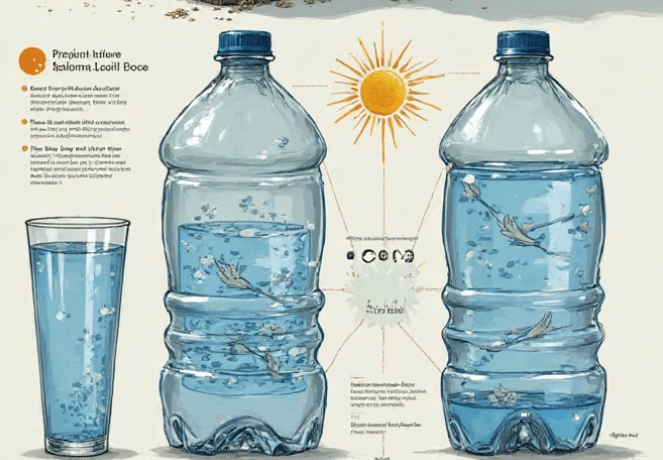
Solar Disinfection (SODIS): Fill clear plastic bottles with water and leave them in direct sunlight for 6+ hours; UV rays kill pathogens but don’t remove chemicals.
Chemical Purification: Use water purification tablets or household bleach (unscented, 8 drops per gallon, stir and wait 30 minutes) to disinfect water.
Distillation: Use a homemade solar still or boil water and collect condensed steam to remove heavy metals and salts, not just pathogens.
Using Cloth for Pre-Filtering: Pour water through a clean cloth or bandana to remove large debris and sediment before further treatment.
Finding Natural Water Sources: Learn to identify reliable sources like springs, moving streams, or rainwater rather than stagnant ponds.
Recognizing Contaminated Water: Know the warning signs—cloudiness, foul smell, dead animals nearby, or chemical odors mean avoid unless you can treat it properly.
Testing Water with DIY Kits: Carry or make simple water testing kits for pH, turbidity, or bacteria presence for quick assessments.
Using Bio-Sand Filters: Build a slow sand filter that uses biological layers to reduce pathogens over time.
Emergency Water Collection: Learn to harvest dew, rainwater, or even plant transpiration in survival situations.
Understanding Filtration Limits: Know what your filtration method can and can’t remove (viruses, heavy metals, chemical toxins) and combine methods accordingly.
Storage of Filtered Water: Use clean, sealed containers to store water after filtration and purification to prevent recontamination.
Portable UV Purifiers: Utilize handheld UV light devices that zap viruses and bacteria instantly when batteries hold up.
3 DIY Survival Drinking Water Hacks You Can Use TODAY
Hack #1: The Charcoal Coffee Filter Trick
Take some clean charcoal from your campfire or barbecue grill. Crush it into small pieces but not dust. Place it inside a clean coffee filter or cloth pouch. Pour suspicious water slowly through it. The charcoal adsorbs chemicals, bad odors, and some pathogens. Follow this with boiling or chemical purification.
Hack #2: The Plastic Bottle Solar Purifier
Fill a clear plastic bottle with water. Place it on a reflective surface (like a piece of aluminum foil or a car hood) in direct sunlight. Leave it there for 6+ hours. The sun’s UV rays kill off pathogens without any gear. Great when you’ve got nothing but a bottle and the sun.
Hack #3: The DIY Solar Still
Dig a hole about 3 feet wide and 2 feet deep in the dirt. Place a container in the center to catch distilled water. Cover the hole with a plastic sheet, anchor it down with dirt, and place a small rock in the center to create a dip so condensed water drips into the container. You can extract moisture from soil or plants this way when no water source is available.
Why You Can’t Trust Maine’s Water System Blindly
Maine is famous for its pristine wilderness, but the reality is far messier under the surface. You’ve got towns and cities dumping industrial pollutants into rivers, agricultural nitrates seeping into groundwater, and more recently, reports of PFAS (per- and polyfluoroalkyl substances)—the so-called “forever chemicals”—showing up in local wells. These aren’t your garden-variety contaminants. PFAS are linked to serious health problems, and they do NOT just go away by boiling or simple filtration.
Municipal water treatment plants are limited in their capability to deal with such advanced contaminants. They focus on bacteria and common chemicals, not long-term toxins that accumulate in your body. That’s why you need to be your own first line of defense.
Natural disasters? You bet. Maine faces heavy rains, floods, and freezing winters that stress pipes and water systems. After any disaster, the water quality can plummet overnight. You don’t want to be caught drinking water with sewage or chemical runoff when every drop counts.
How To Protect Yourself and Your Family
The solution? Don’t rely on the city or the tap. Prepare NOW. Train yourself in the filtration survival skills above, get the right gear (portable filters, UV purifiers, chemical tablets), and learn how to create your own DIY filtration devices from what’s available around you.
When disaster strikes or the grid fails, you don’t want to be the one scrambling to figure out how to make water safe. This is basic survival, and frankly, anyone who ignores water safety is courting sickness, dehydration, or worse.
Final Warning
Maine’s water may look clear, but that’s only skin deep. There’s a battlefield underneath filled with microscopic enemies and invisible toxins. Trusting the government or utility companies with your health? That’s a fool’s game.
Be angry if you want, be skeptical if you must, but be prepared. Your life depends on it.
Remember these words:
Safe water isn’t given—it’s earned through skill, preparation, and relentless vigilance.