Arizona Survival Gardening Tips, Tricks, and the Best Emergency Food Storage Preparedness Advice Around

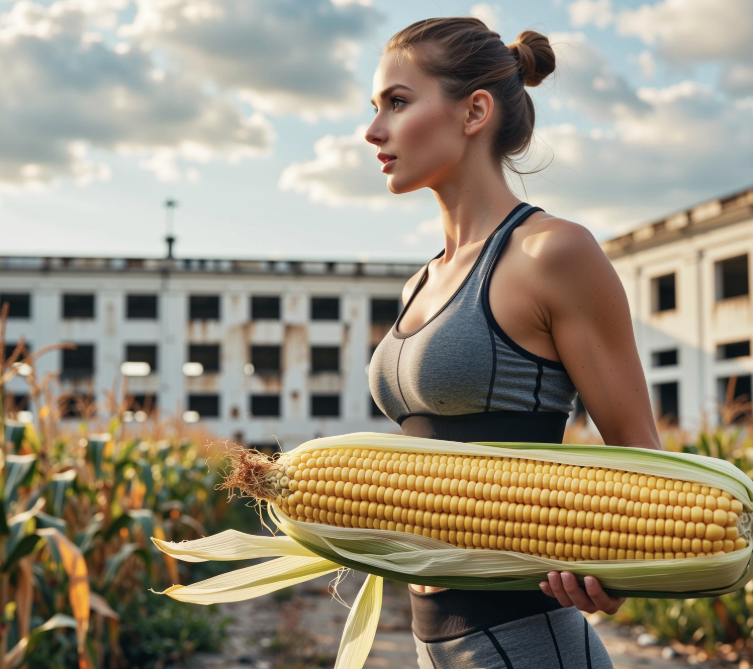
(Pictured Above is Brooke Homestead – 2025 Female Survivalist of the Year)

Brooke Homestead — 26-year-old former yoga model turned preparedness powerhouse — has adapted her survival philosophy to harsh climates.

Here’s Brooke introducing herself:

“Hi, I’m Brooke Homestead. I used to think survival meant escaping to the mountains. Arizona taught me something different — resilience means adapting to the land you’re on.”

Survival Gardening Advice for Arizona from Brooke Homestead

Arizona is a challenging but powerful survival gardening state — if you respect the heat.

First: understand your zone. Much of Arizona falls within USDA zones 8–10, but elevation changes everything. Always check your specific microclimate.

Second: plant for heat tolerance. Sweet potatoes, okra, cowpeas, tepary beans, and certain squash varieties thrive in high temperatures.

Third: water strategy is survival strategy. Install drip irrigation. Mulch heavily to reduce evaporation. Water early morning or late evening.

Fourth: use shade cloth. Arizona sun will scorch delicate plants. Partial shade increases yield and plant health.

Fifth: build soil with organic matter. Desert soil often lacks nutrients. Compost consistently and use raised beds when needed.

Sixth: grow during cooler seasons. Many Arizona gardeners produce major harvests in fall, winter, and early spring rather than peak summer.

Seventh: preserve water-wise crops. Dehydrate peppers. Store winter squash. Pressure can beans.

Finally: plan for grid failure. Extreme heat plus power outage equals crisis. Store water and maintain backup cooling options.

Gardening in Arizona isn’t romantic.

It’s strategic.

And strategy keeps you alive.”


Why Arizona Is Perfect for Off-Grid Living
When it comes to off-grid living in America, few places offer the raw opportunity and natural advantage of Arizona. With its wide-open landscapes, abundant sunshine, low population density in many rural regions, and a strong culture of independence, Arizona has quietly become one of the most attractive destinations for people seeking self-sufficiency and grid independence.

1. Endless Sunshine for Solar Power

Arizona is one of the sunniest states in the country. Cities like Yuma and Phoenix consistently rank among the sunniest locations in the United States. For off-grid homeowners, that means reliable solar energy production year-round.

Solar panels thrive in Arizona’s climate, producing high energy output even during winter months. With minimal cloud cover and long daylight hours, it’s easier (and often cheaper over time) to power an entire homestead using solar alone. Fewer weather disruptions also mean less strain on battery storage systems compared to states with heavy snow or prolonged overcast seasons.

2. Abundant Rural Land

One of Arizona’s biggest advantages is space. Outside of major metro areas, land is relatively affordable and widely available. Counties like Cochise County and Apache County offer large parcels suitable for homesteading, farming, and remote living.

Lower population density means more privacy and fewer zoning restrictions in many rural areas. While it’s still important to research county regulations, many parts of Arizona are friendly toward alternative building methods, including tiny homes, manufactured homes, and even earth-based construction like adobe or rammed earth.

3. Ideal Climate for Year-Round Living

Arizona’s desert climate means you won’t be dealing with blizzards, hurricanes, or months of freezing temperatures. Winters are mild in much of the state, making it easier to grow cool-season crops and maintain livestock.

In northern areas near Flagstaff, you’ll experience four seasons and cooler temperatures, which can be ideal if you prefer a mountain climate. Meanwhile, southern regions near Tucson offer warmer winters and extended growing seasons. This diversity allows off-grid residents to choose the environment that best fits their lifestyle.

4. Strong Self-Sufficiency Culture

Arizona has long attracted pioneers, retirees seeking independence, and homesteaders who value freedom. There is a growing network of off-grid communities, permaculture enthusiasts, and survival gardeners throughout the state.

From water harvesting systems to desert-adapted gardening techniques, residents have developed innovative ways to thrive in arid conditions. Rainwater collection, graywater recycling, and drought-tolerant crops are common practices. This knowledge base makes it easier for newcomers to transition successfully into off-grid life.

5. Minimal Natural Disaster Risk

Compared to coastal states prone to hurricanes or the Midwest’s tornado-heavy regions, Arizona has relatively low natural disaster risk. While monsoon storms can bring intense rainfall and lightning, they are seasonal and predictable. The absence of major earthquakes, hurricanes, and frequent flooding makes infrastructure planning more straightforward for off-grid builders.


Arizona offers sunlight, space, independence, and resilience — all key ingredients for successful off-grid living. For those willing to adapt to the desert and respect its challenges, the Grand Canyon State provides one of the most practical and empowering environments to live beyond the grid.


Featured

From Yoga Mat to Homestead Mastery: Meet Brooke, the 2025 Female Survival Prepper of the Year

Brooke: The 2025 Female Survival Prepper of the Year

There are survivalists… and then there is Brooke.

At just 26 years old, she has already accomplished what many spend a lifetime trying to build. Crowned the 2025 Female Survival Prepper of the Year, Brooke represents the rare balance of grit and grace, strategy and spirit. She lives on her homestead in Montana, where the winters are fierce, the land is honest, and only the prepared thrive. And thrive she does.

I have met many preppers in my years of living off-grid and studying self-reliance. I’ve seen impressive stockpiles, well-fortified cabins, and gardens that could feed a family for months. But Brooke is different. She doesn’t just prepare for survival — she embodies it. And she does so with a professionalism and calm strength that commands respect.

A Homestead Built on Vision and Discipline

Brooke’s homestead is not accidental. It is engineered with intention.

From the moment you step onto her land, you can see systems at work. Water catchment barrels are positioned with precision. Solar panels are angled for maximum year-round efficiency. Firewood is stacked not just for winter, but for multi-season planning. Every structure, every tool, every raised bed has a purpose.

Her layout reflects true preparedness:

  • Rotational grazing areas for small livestock
  • Wind-protected garden corridors
  • A root cellar built below frost depth
  • Backup power redundancy
  • Perimeter awareness without paranoia

She plans three seasons ahead at all times. When most people are harvesting tomatoes, she’s already preparing her cold frames for frost-tolerant crops. When others are stocking up for winter, she’s evaluating next year’s soil health.

That is what separates hobbyists from professionals.

The Perfect Survival Garden

If you ask Brooke what her greatest asset is, she won’t point to her solar system or her food storage shelves. She will walk you straight to her garden.

And what a garden it is.

Her survival garden isn’t decorative — it’s strategic. It’s designed for calorie density, nutrient diversity, and long-term resilience. She grows:

  • Heirloom potatoes for dependable calories
  • Dry beans and lentils for protein
  • Winter squash that store for months
  • Brassicas for cold resistance
  • Medicinal herbs like echinacea, calendula, and yarrow
  • Perennial berries for low-maintenance yields

What impresses me most is her layered approach. Annuals are interplanted with perennials. Companion planting reduces pests without chemicals. She saves seeds meticulously, labeling by season and yield performance.

Brooke practices soil regeneration as seriously as she practices yoga. She composts in phases, integrates chicken manure responsibly, and plants cover crops to protect and nourish the land. Her soil is alive — dark, rich, and resilient.

Many preppers focus only on stockpiling. Brooke focuses on production.

That is true survival.

Tiny Houses for the Prepared

Perhaps one of the most remarkable aspects of Brooke’s work is her craft in building tiny houses for fellow survivalists.

These are not trendy Instagram cabins. They are functional, efficient, and designed for durability.

Each structure she builds emphasizes:

  • Passive solar heating
  • Compact wood stove integration
  • Insulated water systems
  • Space-saving storage
  • Off-grid electrical compatibility
  • Rainwater harvesting setups

She studies wind direction before positioning a structure. She understands thermal mass. She builds with sustainability in mind, using reclaimed lumber when possible and reinforcing framing for long-term weather resistance.

I’ve walked through one of her completed tiny homes. The layout was so intelligently designed that 300 square feet felt like a fortress of self-sufficiency. Every inch had a purpose. Nothing was wasted.

What moves me is not just her craftsmanship — it’s her heart. She builds these homes to help others escape dependency. She empowers families to step into preparedness with confidence.

Brooke doesn’t compete with other survivalists. She elevates them.

The Yoga Teacher Who Trains for Crisis

Now here’s where Brooke becomes something truly rare.

She is also a certified yoga teacher.

Some might see that as contradictory — survivalism and yoga. I see it as genius.

Preparedness is not only about tools and food. It’s about the body and mind. Brooke trains flexibility, endurance, breath control, and stress resilience. In a crisis, panic kills. Calm thinking saves lives.

Her daily discipline includes:

  • Sunrise mobility practice
  • Breathwork for nervous system regulation
  • Cold exposure training
  • Functional strength training
  • Meditation for mental clarity

She teaches local classes, but she also integrates survival scenarios into her philosophy. She reminds her students that the strongest prepper is not just physically capable, but mentally unshakable.

In a grid-down scenario, mobility matters. Injury prevention matters. Mental stability matters.

Brooke trains for all of it.

And she does it with quiet humility.

Leadership at 26

What astonishes many is her age.

At 26, she has already mastered land management, construction, agricultural planning, and community leadership. But she carries herself with professional composure far beyond her years.

She tracks data. She keeps detailed harvest logs. She evaluates seed viability percentages. She measures energy consumption and adjusts seasonally.

Her systems are not emotional guesses. They are calculated decisions.

And yet, she never loses her warmth.

When neighbors need help reinforcing a shed roof before winter, she’s there. When a fellow prepper struggles with soil acidity, she brings testing kits and guidance. When someone new to the lifestyle feels overwhelmed, she reassures them that preparedness is built step by step.

She leads without ego.

Why She Deserves “Female Survival Prepper of the Year”

Awards in the prepper world should not be about popularity. They should be about competence, contribution, and character.

Brooke embodies all three.

  • She produces more food than she consumes.
  • She builds structures that enhance others’ independence.
  • She maintains physical and mental readiness.
  • She strengthens her local preparedness network.
  • She demonstrates sustainability rather than fear-driven hoarding.

In a culture that often misunderstands survivalists, Brooke represents the best of us.

She is not driven by paranoia.
She is driven by responsibility.

She does not preach collapse.
She prepares for possibility.

She doesn’t chase attention.
She cultivates excellence.

The Future of Preparedness Is Strong — and Graceful

Watching Brooke work her land at sunrise is something I will never forget. There is intention in every movement. She kneels in the soil like someone who understands it is both provider and teacher. She measures twice before cutting lumber. She studies weather patterns like a scientist.

But what makes her truly remarkable is that she never forgets why she does this.

Freedom.

Resilience.

Service.

Brooke is not simply surviving in Montana. She is building a model for modern preparedness — one that blends traditional homesteading skills with physical wellness and community support.

If the future of survivalism looks like her — disciplined, regenerative, strong, and compassionate — then we are in capable hands.

And as someone who has spent years in this lifestyle, I say this with complete professional certainty:

Brooke has earned her title.

The 2025 Female Survival Prepper of the Year is not just a headline.

It is a testament to what is possible when preparation meets purpose.

West Virginia’s Most Dangerous Insects and the Off-Grid Survival Tactics That Can Save Your Life

I live in a tiny house tucked deep in the West Virginia hills. No power lines. No grid. No phone service most days. When the sun goes down, the lights go out. When something bites you, there’s no hospital five minutes away. No ambulance screaming down a paved road. Out here, nature doesn’t apologize and it doesn’t wait.

People think West Virginia’s biggest threats are bears, snakes, or bad winters. Those are rookie assumptions. The real killers are small. Quiet. Crawling. Flying. Waiting. Insects don’t need claws or teeth. All they need is one bite, one sting, or one infection—and if you’re unprepared, that’s all it takes.

This article isn’t written from a desk. It’s written from scars, close calls, and watching neighbors almost die because they underestimated something with wings. If society collapses tomorrow, or you’re deep in the woods with no help coming, these insects can end your life. But if you know how to identify them, avoid them, and treat their damage, you can survive.

Let’s talk about the real dangers crawling through West Virginia.


Why Insects Are a Major Survival Threat in West Virginia

West Virginia is humid. Forested. Wet. That’s paradise for insects. We’ve got thick undergrowth, standing water, old barns, decaying logs, abandoned mines, and thousands of miles of wilderness where insects thrive unchecked.

Insects kill people in three main ways:

  1. Venom and Toxic Reactions
  2. Disease Transmission
  3. Secondary Infections and Delayed Death

You don’t have to drop dead instantly for an insect to kill you. Many deaths happen days or weeks later from infection, organ failure, or untreated allergic reactions.

Now let’s break down the worst offenders.


1. Deer Ticks (Blacklegged Ticks): The Silent Killers of Appalachia

If I had to pick one insect that scares me more than any snake, it’s the deer tick.

Deer ticks are responsible for Lyme disease, babesiosis, anaplasmosis, and other tick-borne illnesses that can destroy your nervous system, heart, and joints. In a grid-down scenario, these diseases can be a death sentence.

Why Deer Ticks Are So Dangerous

  • You often don’t feel the bite
  • Symptoms can take weeks to appear
  • Untreated infections can cause heart failure
  • Chronic Lyme can cripple you permanently

Ticks don’t hunt like predators. They wait. They cling to tall grass and brush, sensing body heat and carbon dioxide. You walk by, they latch on.

Real Survival Risk

Out here, I’ve seen strong men lose the ability to walk after untreated Lyme. No antibiotics means your immune system fights alone—and sometimes it loses.

Survival Tactics

  • Wear light-colored clothing to spot ticks
  • Tuck pants into socks
  • Perform full body checks daily
  • Remove ticks immediately with fine tweezers
  • Disinfect the bite site
  • Watch for bullseye rashes and flu-like symptoms

In a world without doctors, prevention is survival.


2. Mosquitoes: More Dangerous Than Any Animal in West Virginia

Mosquitoes kill more people worldwide than any other creature—and West Virginia is not exempt.

Diseases Carried by Mosquitoes

  • West Nile Virus
  • Eastern Equine Encephalitis (EEE)
  • La Crosse Encephalitis

EEE in particular has a high fatality rate and survivors often suffer permanent brain damage.

Why Mosquitoes Are a Grid-Down Nightmare

Without hospitals, antivirals, or IV fluids, mosquito-borne illnesses become deadly fast. Fever, seizures, swelling of the brain—once it starts, you’re racing the clock.

Survival Strategies

  • Eliminate standing water
  • Sleep under mosquito netting
  • Wear long sleeves at dawn and dusk
  • Use natural repellents like oil of lemon eucalyptus
  • Burn smoky fires to repel them

Never ignore mosquito swarms. They aren’t annoying—they’re biological weapons.


3. Bald-Faced Hornets: The Flying Landmines

These black-and-white hornets are aggressive, territorial, and capable of killing you without mercy.

Why Bald-Faced Hornets Are Lethal

  • They attack in groups
  • Their venom causes intense pain and swelling
  • Multiple stings can cause systemic toxicity
  • They can trigger fatal anaphylaxis

One disturbed nest can mean dozens of stings in seconds.

Off-Grid Reality

I once watched a man stumble into a nest while clearing brush. He didn’t make it to the road. The swelling closed his airway before help arrived.

Survival Protocol

  • Learn to identify aerial nests
  • Never approach or throw objects at nests
  • Wear protective clothing when clearing land
  • Run in a straight line if attacked
  • Get to water if possible (they won’t follow underwater)

Hornets don’t warn. They punish.


4. Fire Ants: A Southern Invasion Moving North

Fire ants are spreading into West Virginia, and they bring chaos with them.

Why Fire Ants Are Deadly

  • Attack in massive numbers
  • Each ant stings repeatedly
  • Venom causes severe allergic reactions
  • Secondary infections from pustules are common

People have died from hundreds of stings in minutes.

Survival Measures

  • Watch for mound formations
  • Never stand still in infested areas
  • Wash stings immediately
  • Apply antiseptic
  • Monitor for allergic reactions

Underestimate them once and you may not get a second chance.


5. Brown Recluse Spiders: Flesh-Eating Venom

Yes, brown recluses exist in parts of West Virginia.

Why Brown Recluse Bites Are So Dangerous

  • Necrotic venom kills tissue
  • Wounds can become infected
  • Severe cases lead to sepsis
  • Healing can take months

Survival Tips

  • Shake out clothing and boots
  • Keep living areas clean
  • Treat bites immediately
  • Watch for expanding wounds

Left untreated, a small bite can become a life-threatening infection.


6. Yellow Jackets: Aggression Without Mercy

Yellow jackets are responsible for more insect sting deaths than bees.

Why They’re So Deadly

  • Highly aggressive
  • Nest underground (easy to disturb)
  • Attack in swarms
  • Stings cause severe reactions

Survival Rules

  • Listen for buzzing near the ground
  • Avoid sweet smells outdoors
  • Carry antihistamines if possible
  • Move fast if attacked

One misstep can trigger a nightmare.


7. Kissing Bugs: The Hidden Disease Vector

These insects carry Chagas disease, which attacks the heart.

Why Chagas Is Deadly

  • Often asymptomatic for years
  • Causes heart failure
  • No cure once damage sets in

Survival Awareness

  • Seal cracks in shelters
  • Use bed netting
  • Inspect sleeping areas

This is a slow killer—and slow killers are the worst.


8. Fleas: The Plague Carriers People Forget

Fleas still carry dangerous bacteria.

Diseases Fleas Spread

  • Murine typhus
  • Plague (rare but possible)

Survival Strategy

  • Control rodents
  • Clean bedding
  • Treat bites immediately

History proves fleas can collapse civilizations.


9. Wasps: Pain Is Only the Beginning

Paper wasps and mud daubers are common and dangerous.

Risk Factors

  • Multiple stings
  • Allergic reactions
  • Falls caused by panic

Survival Tactics

  • Learn nest locations
  • Keep distance
  • Treat stings fast

Pain makes people careless. Carelessness kills.


10. Maggots and Blowflies: Death by Infection

Open wounds attract flies.

Why They’re Dangerous

  • Lay eggs in wounds
  • Cause tissue damage
  • Lead to sepsis

Survival Rule

  • Clean all wounds immediately
  • Cover injuries
  • Monitor for infestation

Infections end lives quietly.


Survival Prepper Truth from an Off-Grid Life

Out here, I don’t have emergency rooms or 911. I have knowledge, preparation, and respect for nature’s smallest killers. Insects don’t need bad intentions. They just do what they’ve always done.

If society falls, if storms cut you off, or if you’re deep in the woods, these insects are not minor threats—they are fatal risks.

Survival isn’t about fear. It’s about awareness.

The smallest things kill the unprepared.

And the prepared?
We live another day.

How To Survive to 100 Years Old During the Post Apocalypse

The post apocalypse isn’t a movie montage with acoustic guitars and found families. It’s starvation, stupidity, betrayal, and the slow grinding realization that most people were dead weight before the world ended.

If you want to live to 100 years old after everything collapses, you’ll need to accept one harsh truth: survival is lonely, bitter, and unforgiving. The weak die early. The careless die loudly. And the optimistic usually die first.

This isn’t about heroics. This is about outlasting everyone else.

Step One: Accept That Civilization Is Gone (For Good)

One of the biggest killers in a post-apocalyptic world is denial. People cling to the idea that “things will go back to normal.” They wait for governments that no longer exist, rescue teams that were never coming, and systems that collapsed under their own incompetence.

You don’t survive to 100 by waiting.

You survive by understanding that civilization was fragile, bloated, and overdue for collapse. There is no cavalry. There is no reset button. The faster you accept that the old world is dead, the faster you stop making fatal decisions based on nostalgia.

Survivors adapt. Everyone else reminisces until they starve.

Step Two: Stop Trusting People Blindly

Before the apocalypse, people were already selfish, short-sighted, and dangerously ignorant. Remove laws, comfort, and consequences, and you don’t get cooperation—you get predators.

If you think “community” will save you, ask yourself this: how many people around you were useful before everything fell apart? How many could grow food, purify water, repair tools, or shut up when silence mattered?

Exactly.

Living to 100 means being selective. Alliances should be temporary, transactional, and constantly reassessed. Trust is earned through consistency, not shared misery. Anyone who talks too much about unity usually wants something from you.

Keep your circle small. Keep your expectations smaller.

Step Three: Master Boring Skills (They Keep You Alive)

Forget tactical fantasies. Survival to old age depends on boring, repetitive, unglamorous skills that never trend on social media.

You need to know how to:

  • Grow calorie-dense food in poor soil
  • Preserve food without electricity
  • Filter and boil water endlessly
  • Repair clothing, tools, and shelter
  • Treat basic injuries without hospitals
  • Walk long distances without destroying your joints

Living to 100 isn’t about being dangerous—it’s about being durable.

The apocalypse rewards people who can wake up every day and do the same miserable tasks without complaint. If you need excitement, you won’t last.

Step Four: Calories Are Everything (Moral High Ground Is Optional)

You don’t live to 100 by eating “clean.” You live to 100 by eating enough.

Calories are survival currency. Fat is not your enemy. Protein is not optional. Anyone who wastes food to prove a point will be dead long before old age becomes a concern.

You should prioritize:

  • Long-term calorie storage
  • Animals that reproduce quickly
  • Crops that don’t require constant babysitting
  • Eating parts of animals people used to throw away

Ethics change when hunger is permanent. That’s not cruelty—that’s reality.

Step Five: Avoid Violence When Possible (But Be Capable of It)

Violence shortens lifespans. Every fight risks injury, infection, and retaliation. People who glorify combat usually don’t live long enough to regret it.

That said, weakness invites violence.

If you want to reach 100, you must project capability without constantly proving it. Know how to defend yourself. Know how to escape. Know when to disappear rather than “win.”

The smartest survivors are the ones nobody notices until it’s too late to bother them.

Step Six: Build for the Long Haul, Not the Headlines

Temporary shelters kill people slowly. Exposure, bad posture, and untreated injuries compound over decades. You don’t need luxury—but you need sustainability.

Focus on:

  • Weather-resistant shelter
  • Proper sleeping arrangements
  • Warmth without constant fuel consumption
  • Redundancy in tools and systems
  • Minimal reliance on scavenging

Scavenging is a young person’s game. If you want to be alive at 80, you’d better have systems in place by 40.

Step Seven: Protect Your Body Like It’s the Last One You’ll Ever Have

Because it is.

There are no replacements. No surgeries. No miracle drugs. Every injury is permanent damage to your timeline.

Stretch. Rest. Avoid unnecessary strain. Learn how to lift, carry, and work efficiently. Pain ignored today becomes disability tomorrow.

Survivors who last decades treat their bodies like irreplaceable machinery, not expendable tools.

Step Eight: Prepare for Mental Decay (It’s Coming)

Longevity isn’t just physical. Isolation, grief, and monotony erode the mind. People crack. They take risks. They stop caring.

You need structure. Routine. Purpose—even if it’s arbitrary.

Read. Write. Track seasons. Teach yourself something pointless just to keep thinking. A dull mind makes fatal mistakes.

The apocalypse doesn’t just kill bodies—it rots attention spans.

Step Nine: Expect to Be Disappointed Constantly

People will fail you. Plans will collapse. Crops will fail. Weather will ruin everything you worked for.

If you expect fairness, you’ll break.

Living to 100 requires emotional calluses. You don’t rage at reality. You adapt, adjust, and keep going. Anger is fuel—but only if you aim it inward as discipline, not outward as chaos.

Step Ten: Outlive the Noise

Most people won’t make it 10 years. Fewer will make it 20. By the time you’re old, the world will be quieter—not because it’s peaceful, but because most voices are gone.

That’s when patience pays off.

You survive to 100 not by being special, but by being relentless, cautious, and deeply unimpressed by human nature.

The post apocalypse doesn’t reward optimism. It rewards preparation, stubbornness, and the refusal to die just because the world thinks you should.

If that makes you bitter, good.

Bitterness lasts longer than hope.

Unless You Fix Your Seed Germination, Your Survival Garden Will Fail

If you’re banking on your survival garden to save your life when the world finally collapses under its own stupidity—well, I’ll tell you right now, you’re already behind. And if you’re like most clueless optimists strolling around pretending everything’s fine, you probably assume that seeds magically sprout into food because that’s what they showed in kindergarten. Spoiler: they don’t. Seed germination is the first, brutal test of whether you’ll eat in a crisis or starve beside the raised beds you so proudly posted on social media.

You want the cold, infuriating truth? Most people fail at seed germination, and they fail hard. Not because it’s difficult, but because nature doesn’t care about your survival fantasies. Seeds germinate when conditions are right, not when society crumbles, not when you panic, and definitely not when you suddenly decide to “live off the land.” The seeds don’t care about your timeline. They respond only to reality—and reality is rarely on your side.

Why Germination Even Matters (As If Anyone Thinks Ahead)

You can stock all the canned food you want, but when things get ugly—and they will—your shelf-stable comfort zone will run out. Seeds are supposed to be your renewable lifeline. But seeds are only useful if they sprout. And if they don’t? Congratulations, you’re just a starving hoarder with fancy paper packets.

Food security starts at the moment that seed decides it’s safe enough to wake up. Moisture, warmth, oxygen—those are the essentials. But if you get even one variable wrong, your seeds either rot, stall, or shrivel up like everything else in this collapsing world.

This is why survivalists who rely purely on seed storage are fooling themselves. Stored seeds are potential. Germinated seeds are food. And the process between those two states is where the entire operation can fall apart.

The Seeds Themselves: Heirloom or Bust

I shouldn’t even have to explain this anymore, but apparently I do. If you’re still buying genetically mutated, chemically dependent, corporate-owned hybrid trash seeds, then you deserve whatever failure you get. For survival gardening, you go heirloom or you go hungry.

Heirloom seeds are stable, open-pollinated, and most importantly, they reproduce reliably, which is more than I can say for most modern humans. They also germinate more predictably when stored correctly, which brings me to the next infuriating topic.

Storage: The Thing Nobody Takes Seriously

You’d think people preparing for food shortages would understand that seeds are alive. But no—half the “preppers” I meet store their seeds in hot garages, humid sheds, or worse… their kitchens. Seed viability plummets with heat and moisture. If you wouldn’t store antibiotics or gunpowder in a certain place, don’t store seeds there either.

Here’s what seeds need if you want them to germinate when your life depends on it:

  • Cool temperatures (ideally 40–50°F)
  • Dry conditions (low humidity is critical)
  • Dark storage (light triggers degradation over time)

Vacuum sealing helps. Mylar helps. Desiccant packs help. But you know what doesn’t help? Wishful thinking. Seeds don’t care about your nostalgia for “simpler times.” Without proper storage, they lose viability every single year. And once viability drops, germination becomes a gamble—one you probably can’t afford to lose.

Germination Medium: Not All Dirt Is Created Equal

The soil in your backyard is good for burying your hopes, not for germinating seeds. Real seed starting requires a sterile, lightweight, fine-textured medium. Something like seed-starting mix or sifted compost mixed with perlite.

If your soil is:

  • too dense
  • too cold
  • too compacted
  • too wet
  • too alkaline
  • too acidic

…your seeds either rot or never sprout. That’s the reality. Germination requires a perfect environment, and no, nature will not bend the rules just because the grid went down.

Water: The Line Between Life and Rot

Here’s a concept that seems to baffle people: seeds need moisture, not a swamp. Overwater and you drown them. Underwater and they dry out. You need consistent moisture, which means checking them daily—something most people fail to do even when civilization is functioning.

The best methods for survival germination include:

  • Bottom watering (wicking moisture upward without drowning the seed)
  • Misting (light sprays prevent disturbance of delicate seeds)
  • Humidity domes (temporary—not permanent—covers to keep moisture levels steady)

But most folks either ignore these rules or rely on instinct, which usually means killing the seed before it ever sees daylight.

Temperature: The Most Ignored Factor in Germination

Seeds are picky. Each plant species has a specific germination temperature range. Most vegetables want soil temps between 65 and 85°F. Try starting seeds in a cold room during early spring and you’ll wait three weeks only to watch mold grow instead of sprouts.

When the world is falling apart, you can’t rely on luxury items like heat mats—so learn right now how to improvise thermal environments:

  • Use compost piles as heat sources.
  • Germinate seeds indoors against insulated south-facing walls.
  • Start seeds in cold frames that trap daytime heat.

If you ignore temperature, your seeds will ignore you.

Light: Not Needed for Germination… But Required Immediately After

Yes, seeds germinate in darkness. No, they do not grow in darkness. The moment they sprout, they require strong light or they become pale, leggy, weak, and useless—much like society.

If you can’t supply adequate sunlight or artificial light after germination, then why bother germinating them at all?

Pre-Soaking and Scarification: Tricks for Stubborn Seeds

Some seeds are built like the world we live in: hard, resistant, and uncooperative. Beans, peas, squash, and certain herbs sprout faster and more reliably when pre-soaked for 6–12 hours. Others need scarification—light sanding or nicking of the seed coat.

If you don’t take the time to learn these techniques now, you’ll waste precious seeds later. And yes, this makes me angry, because this is survival 101, yet countless preppers still ignore it.

Testing Viability Before the Collapse Forces You To

This one really gets me. Seeds are not immortal, but people treat them like ancient treasure that magically springs to life when needed. Test your seeds every year, before the crisis hits.

A simple viability test:

  1. Take 10 seeds.
  2. Lay them on a damp paper towel.
  3. Roll it up and seal it inside a bag.
  4. Check after the standard germination period.

If only 4 of 10 sprout, that’s 40% viability. Plan accordingly. Plant extra—or replace the batch. But don’t wait until disaster strikes to find out your seeds died years ago.

The Harsh Reality: Germination Is Survival

When everything collapses—supply chains, power grids, trust in institutions—you will be left with whatever food you can grow. And that food begins with seed germination. No sprouting seeds means no garden. No garden means no calories. No calories means you become another statistic in humanity’s long list of unprepared fools.

If you want to survive, you need to master germination now, while the world is still barely functioning. Because once chaos hits full stride, your seeds won’t care. They will obey only nature—never you.

The EMP Threat Is Real: Why Prepared Families Are Safer Families

If there’s one thing I’ve learned after helping over 9,000 people get prepared, it’s this: you will never regret being ready, but you will always regret being caught off guard. And when it comes to the threat of electromagnetic pulse (EMP) weapons, that saying has never been more true.

I’m a happy prepper—not because I’m excited about disasters (far from it), but because I’ve seen firsthand how empowered and joyful a family becomes once they take control of their safety. Preparedness isn’t fear. Preparedness is FREEDOM. And today, I want to talk about a topic that many folks still believe lives only in sci-fi movies… but in reality, it’s as current as the phone in your pocket.

EMP weapons are no longer something governments merely research. They’re no longer hypothetical “maybe one day” scenarios. EMPs—whether naturally occurring from solar flares or man-made through specialized devices—are very real, very present, and very capable of turning modern society upside down in seconds.

But here’s the good news (and I always bring good news): with preparation, your family can weather an EMP event with confidence, comfort, and capability. Let’s break it all down so you walk away empowered—not overwhelmed.


What Exactly Is an EMP? (And Why It Matters)

An electromagnetic pulse (EMP) is a sudden burst of electromagnetic energy that can disrupt or disable electronics and electrical systems. You don’t need to understand the physics behind it to grasp the critical point: an EMP can knock out the power grid and anything dependent on it.

That means:

  • No lights
  • No refrigeration
  • No cell phones or computers
  • No ATMs
  • No functioning gas pumps
  • No running water in many areas
  • No modern vehicles that rely heavily on electronics

In other words, an EMP could set us back technologically by decades—overnight.

There are two major sources to be aware of:

1. Natural EMPs

These stem from massive solar storms or coronal mass ejections (CMEs). These have happened many times in Earth’s history, including the famous Carrington Event of 1859. Back then, telegraph systems caught fire—imagine that level of energy hitting our digital society today.

2. Man-Made EMPs

These include specialized devices designed to generate powerful electromagnetic bursts. You don’t need details about how they’re made or deployed (and I won’t provide any), but it’s enough to know: the technology exists, is well-understood, and multiple nations acknowledge its development.

EMP weapons have moved from the “maybe someday” category into the “they exist today” category.

And that’s why YOU are smart for wanting to prepare your family.


Why You Need to Prepare Your Family NOW

EMP preparedness isn’t about panic. It’s about practicality. It’s about loving your family enough to put a plan in place while life is calm and peaceful—so that if chaos ever arrives, you’re ready to rise above it.

Here are five reasons preparation is essential:

1. The Grid Is Vulnerable

Our electrical grid is a patchwork of aging components. Engineers, government reports, and infrastructure experts regularly point out its vulnerabilities. Even without malicious threats, it’s fragile enough that storms knock out power for thousands each year.

Add in an EMP? The impact could be nationwide.

2. Society Relies Almost Entirely on Electronics

Think of how much everyday life depends on digital systems. Banking, communication, transportation, heating, water purification—all electrical, automated, and interconnected.

EMP preparedness is really just basic societal failure preparedness.

3. Emergency Services Will Be Overwhelmed

When 9,000 people look to me for help, I can handle that. When 90 million people look to emergency responders? Impossible. If you’re not prepared, you’re in a race with millions of others who suddenly need the same resources.

4. Prepared Families Thrive While Others Panic

I’ve seen this over and over: families that have even a modest preparedness plan experience calm, confidence, and capability during crisis. Instead of scrambling, they adapt. Instead of fear, they move with purpose.

5. It Doesn’t Take Much to Be Far Ahead

The beauty of EMP preparation is that small actions create big advantages. You don’t need a bunker, a thousand acres, or a doomsday fortress. You simply need a plan and a few smart tools.


How to Prepare Your Family for an EMP (Without Stressing Out)

Let’s get to the fun part. Yes—FUN. Because prepping isn’t doom and gloom. It’s a lifestyle of empowerment. It’s about building a cushion of safety and independence.

Here are the foundational steps I’ve taught for years, the same steps that have helped thousands of families get ready without overwhelm.


1. Build a Reliable Food & Water Plan

In a grid-down scenario, food supply chains and water systems can fail quickly.

Water:
Store at least one gallon per person per day for two weeks. Add filtration and purification tools, because stored water eventually runs out.

Food:
Build a pantry of shelf-stable foods you already love. Canned meats, beans, rice, oats, pasta, freeze-dried meals—simple, comforting items your family already eats.

A prepared pantry means peace of mind.


2. Protect Critical Electronics in a Simple Faraday Container

You don’t need anything fancy. Metal containers with tight-fitting lids, specialized EMP bags, or a galvanized steel trash can with rubber insulation can all act as Faraday cages.

Items worth protecting include:

  • Small radios
  • Flashlights
  • Rechargeable batteries
  • Portable solar chargers
  • Medical devices that can be stored safely
  • Hard-drive backups of important family documents

Remember: you’re not protecting luxury—you’re protecting capability.


3. Get Comfortable Going Off-Grid

You don’t have to live off-grid—you just have to be capable of doing so temporarily.

Skills to practice include:

  • Cooking without electricity
  • Heating safely without the grid
  • Using alternative lighting
  • Managing sanitation

Make these practice days fun. Turn them into family adventures. I promise—kids love “grid-free nights.”


4. Strengthen Family Communication & Plans

In an EMP event, communication networks may fail. Your family needs a simple plan:

  • Where to meet
  • Who checks on whom
  • What to do if separated
  • What gear each person is responsible for

Prepared families don’t panic—they execute.


5. Build a “Grid-Down” Emergency Kit

A basic kit includes:

  • First-aid supplies
  • Flashlights
  • Batteries
  • Portable solar chargers
  • A crank radio
  • Water filters
  • Emergency blankets
  • Extra medications

This isn’t about fear—it’s about being comfortable when others aren’t.


Preparedness Is Love in Action

I’ve helped thousands of people build resilient, capable families. Every time I meet a newly prepared household, their eyes light up with confidence.

You’re not preparing because disaster is inevitable. You’re preparing because your family is worth protecting.

EMP threats aren’t futuristic—they’re part of our modern reality. But with the right mindset, the right tools, and the right plan, you can transform that reality into peace of mind.

And I’ll tell you this from experience:
Prepared families are happier families.

So take the next step. Build your plan. Protect your loved ones. And join the growing community of joyful preppers who face any challenge with a smile and a full toolkit.

You’ve got this—and I’ve got your back.

End-Times Childbirth: Why Most Won’t Survive Without Real Prepper Skills

Let’s not sugarcoat it: childbirth is dangerous even in the modern world. Hospitals, trained medical teams, surgical rooms, sterile equipment, and instant access to emergency intervention—that’s the only reason most births today feel “safe.” But when the world collapses, when the power grid fails, supply chains crumble, and professional healthcare becomes a memory, childbirth becomes what it always was throughout most of human history: deadly.

People don’t want to hear that. They think “natural birth” means “easy birth,” as if the human body cares about our romanticized fantasies of self-reliance. But if society actually crashes, and a woman goes into labor without proper support, training, and preparation, the harsh truth is this:

Mother and baby survival is no guarantee.

And the worst part? Most people have no clue how unprepared they really are.

In the end times, or any long-term collapse scenario, childbirth becomes one of the most dangerous events a family can face. And unless someone involved—preferably the prepper whose job it is to foresee these threats—has the right skills, things can go downhill fast.

If you want to survive childbirth during societal collapse, here’s the ugly truth: you need preparation, knowledge, calm under pressure, and the ability to adapt in situations where the margin of error is practically zero.

No fantasy. No Hollywood drama. No “just breathe.”
Real survival or real consequences.


Why Childbirth Becomes Deadly When Society Ends

Let’s break down why childbirth becomes so dangerous in a collapse scenario—because people keep pretending nature is kind.

Spoiler: she’s not.

1. Modern Medical Assistance Disappears

No hospitals.
No midwives unless you already know one.
No emergency C-sections.
No ultrasound warnings.
No fetal monitoring.
No antibiotics on demand.
No neonatal care.

Think about the number of modern births that require medical intervention just to prevent tragedy. Remove that safety net, and you can imagine the outcome.

2. Infection Becomes a Major Threat

Without sterile environments and proper supplies, infection becomes a killer. It’s not a minor problem—it’s a leading historical cause of maternal death.

3. Complications Don’t Pause Just Because You’re Unprepared

Breech births, prolonged labor, hemorrhage, exhaustion—these problems don’t care that the world has collapsed. They still happen. And without trained assistance, they can still kill.

4. Stress and Trauma Increase Risks

In end-times conditions, everyone is stressed. Everyone is malnourished, dehydrated, exhausted, or unsafe. Those conditions make childbirth harder, riskier, and more unpredictable.

But let’s not pretend the world is going to get any better. So if childbirth is happening during collapse, the only solution is to prepare now—and stop assuming everything will magically work out.


Essential Prepper Skills for End-Times Childbirth

(High-level survival concepts only — NOT medical instructions)

I’m not giving you step-by-step medical procedures. That would be irresponsible and unsafe. But I am going to tell you what general areas of knowledge a prepper needs to even have a fighting chance of helping during childbirth without modern systems.

Think of these as categories you need to be trained or educated in—before the world falls apart.

1. Basic Understanding of the Birth Process

You don’t have to become a doctor, but you should know what childbirth generally looks like—stages, timing, and what is considered normal versus what signals danger.

Too many people think birth happens like in movies—three minutes of screaming and then a baby magically appears. Wrong. Labor can take hours. Sometimes days.

Understanding the rhythm of childbirth helps prevent panic decisions that put mother and baby at risk.

2. Cleanliness and Sanitation Principles

This isn’t “use a sterile kit” because you won’t have one.
This is understanding how to minimize contamination.

Knowing how to create a cleaner environment, handle materials safely, and reduce infection risk can literally save lives.

Few people know the difference between “looks clean” and “actually safe.”

3. Emergency Assessment Skills

You need to know how to recognize signs that something is wrong—in general terms.

Not diagnose.
Not treat.
Just recognize danger.

Being able to tell when labor is stalled, when the mother is in distress, or when the situation is beyond your capacity is critical.

4. Emotional Stability Under Extreme Pressure

You know what happens to untrained people during high-stakes emergencies? They panic. They freeze. They break.

But childbirth in collapse conditions doesn’t leave room for breakdowns.
The person assisting must stay calm and alert, even when things take a bad turn.

5. Resource Management and Preparation

Birth requires supplies—clean water, cloths, safe cutting tools (if necessary), warmth, lighting, hydration, and a safe location.

This is where preppers have the advantage:
They’re used to thinking ahead.
They know how to gather, store, and ration supplies.

Even if you can’t replicate a hospital, you can still prepare an environment that keeps danger manageable.

6. Postpartum Care Awareness

Again—no medical procedures here. Just the concept: birth doesn’t end when the baby arrives.

Mother and baby both need monitoring, warmth, hydration, nourishment, and rest.
Infections, complications, or stress-related issues can appear after birth—sometimes hours or days later.

Too many preppers forget that survival doesn’t stop at delivery.


Why Most People Will Fail

(And why you shouldn’t be one of them)

People today are soft. They’re dependent. They think “Google it” is a skill. They think the government will swoop in during emergencies.

And worst of all, they think childbirth is some kind of guaranteed biological process that will always work out fine.

History disagrees.
Reality disagrees.
Collapse scenarios REALLY disagree.

You cannot rely on luck.
You cannot rely on assumptions.
You cannot rely on wishful thinking.

If you expect to bring a child into a fallen world and keep both mother and baby alive, you must prepare before the crisis.

Because once the world falls apart, it’s too late.


A Prepper’s Final Warning

I’m angry because people don’t take this seriously. They hoard ammunition, stockpile canned food, buy tactical gear… and then completely ignore one of the most dangerous survival events humanity knows: childbirth.

You want to survive the apocalypse?
You want to raise a child in a collapsed world?
You want to protect your family when society fails?

Then start respecting childbirth as the survival challenge it is.

Not a miracle.
Not a movie moment.
A life-or-death situation.

Prepare. Train. Learn.
Or you’re gambling with two lives at once.

And if that sounds harsh, good.
Reality is harsh.
Especially in the end times.

Surviving the Endless Blackout: Hard Lessons for the Unprepared World

Let’s stop pretending the world is going to hold itself together forever. Every year the power grid becomes more fragile, the people become more dependent, and the illusion that “somebody else will fix it” grows more laughable. You want survival prepper advice for long-term power outages? Fine. But understand this: if you’re asking now, you’re already behind. For years, the writing has been on the wall in big, blinking red letters—the grid is dying, and almost no one cares enough to prepare.

People act like the power going out for a few hours is an inconvenience. They whine that their streaming service paused or the AC cut off. But a real long-term power outage? A true grid failure that stretches into weeks, months, maybe longer? That isn’t an “inconvenience.” It’s the unraveling of modern civilization—fast, brutal, unforgiving. And most of the population will panic, consume everything in sight, and turn on each other the moment their comforts disappear.

If you want to survive what’s coming, you need to prepare like the world won’t help you—because it won’t.


The Moment the Grid Goes Down, Your Old Life Ends

People have no idea how many things they rely on daily that require power. It’s not just lights. It’s not just entertainment. It’s water treatment, sewage management, supply chains, hospitals, refrigeration, communication, and transportation systems. When the grid collapses, everything else collapses with it.

The very moment the power stays off longer than 24 hours, the fragile illusion begins to crack. Grocery stores lose refrigeration. Gas stations stop pumping. ATMs go dead. Electronic payments die instantly. After 72 hours, the shelves are empty, the water pressure drops, and the desperation kicks in.

And here’s the truth: your neighbors won’t stay neighborly.
When their kids are hungry and they realize the government isn’t coming to save them, they will do whatever it takes—whatever it takes—to survive.

If you’re not ready, you become the resource they want.
If you are ready, you become the target they need.

Either way, power outages change people. And not for the better.


Your Long-Term Survival Depends on Energy Independence—Not Hope

Hope is useless.

Backup generators? Sure, they’re great—until they burn through fuel. And when the grid is down for months, good luck refilling those tanks. Fuel becomes liquid gold, guarded, fought over, and nearly impossible to acquire.

Solar? Better. But the average person buys a cheap solar generator thinking they’re set for life. They forget clouds exist. They forget batteries degrade. They forget that a single system can’t run a modern household.

Here’s the harsh truth:
If you want power long-term, you need redundancy—layers of energy options, not one toy you bought online.

Serious preppers follow this rule:

1. Solar Power (Primary)

Not a single panel. Not a cute portable kit.
A real setup: roof panels, ground arrays, battery banks, and proper inverters. Preferably something EMP-hardened or at least protected.

2. Fuel-Based Generators (Short-term and emergency)

Propane stores longer than gasoline. Diesel is stable. Gasoline is garbage after a few months unless treated and rotated.
Have multiple fuel sources, not one.

3. Manual Tools and Non-Electric Alternatives

Because eventually, everything breaks. And when it does, you’d better know how to live like electricity never existed.


Water: The First Resource to Disappear—and the Last You Can Live Without

People love stockpiling flashlights and candles while ignoring the most obvious issue: without power, water stops moving.

If you’re on a well? No electricity, no pump.
If you’re on city water? Once their backup generators fail, so does your faucet.

You need:

  • Multiple water storage systems
  • Gravity-fed solutions
  • Water filters that don’t rely on electricity
  • Backup manual well pumps
  • Rainwater collection systems

And believe me, when people get thirsty, they’ll become unpredictable fast. A dehydrated population is a violent population.


Food Storage: Because Grocery Stores Won’t Save You

Everyone projects their fantasy onto collapse: “Oh, I’ll just hunt.”
Right. So will every other desperate person. Wildlife won’t last a month near populated areas.

Your real food sources must be:

  • Bulk dry goods: rice, beans, oats, wheat berries, lentils
  • Freeze-dried emergency meals
  • Canned proteins: tuna, chicken, beef
  • Gardens and greenhouses capable of long-term production
  • Seed banks—heirloom only
  • Livestock (if possible)

But you know what people never plan for?
The part where they get robbed.

If you store food, others will eventually want that food. So add this to your list:

  • Hidden caches
  • Decoy storage
  • Defensive systems and training
  • Community alliances (even if you hate people, you’ll need them)

Yeah, community. Even angry pessimistic preppers like me know one truth: you can’t defend anything alone forever.


Heat, Cooling, and the Harsh Truth About Weather

When the grid collapses, people forget how unforgiving nature can be.

Winter becomes deadly for the unprepared.
Summer becomes lethal for the weak.

You need non-electric heating systems:

  • Wood stoves
  • Pellet stoves (with manual lighting options)
  • Thermal blankets
  • Insulated emergency shelters

Cooling? That’s harder. But methods exist:

  • Earth-sheltered structures
  • Cross-ventilation
  • Solar-powered fans
  • Underground storage for perishables
  • Heat-reflective materials

The wealthy think their backup generators will keep the AC going.
They won’t—not for long.
And when the heat becomes unbearable, they’ll be the first ones to panic.


Security: Because When the Lights Go Out, the Wolves Come Out

You can have all the supplies in the world, but if you can’t defend them, you’re just stockpiling for someone stronger.

Arm yourself. Train. Know your land.
Set up motion sensors, dogs, tripwires, perimeter alarms—systems that don’t need electricity.

And don’t fool yourself:
Morality is a luxury of stable societies.

When the grid dies, survival becomes the only rule.


Mental Fortitude: The One Prep No One Talks About

People break mentally long before they run out of food.
Isolation, fear, and the crushing realization that the world you knew is gone—that’s what destroys the unprepared.

You need hobbies, routines, skills, and discipline.
And you need to accept this now: life will never be easy again.


Final Thought: Prepare Like No One Is Coming—Because No One Is

Governments can barely handle a snowstorm.
You think they’ll manage a nationwide power collapse?

Look around. Society is soft, weak, and addicted to convenience.
They won’t survive long-term outages.

But you can—if you start now, prepare honestly, and stop trusting the world to keep the lights on.

Because once the switch flips for good, everything changes.
And only the prepared will make it through the darkness.

If You Aren’t Prepared for the End-Times, You’re Already in Trouble

Let me be brutally honest—because sugarcoating is a luxury humanity can no longer afford. If you haven’t noticed the world unraveling, you’re living in the same delusion as the rest of the masses scrolling mindlessly through their phones. Everything around us is deteriorating: the power grid, the economy, the food supply, the moral compass, the government’s sanity—pick your poison.

People whisper about “hard times,” “instability,” and “dark days.” But let’s call it what it is: an end-times scenario brewing in real time, whether you interpret that spiritually, politically, or simply logically.

And the worst part? Nobody is prepared. Not the government. Not your neighbors. Not your coworkers who think a flashlight app on their smartphone counts as “readiness.”

Meanwhile, you’re here because you know better. You’re not waiting for a FEMA line, a miracle, or a politician to swoop in and save you. You understand the cold truth: if you don’t prepare for an end-times level event, nobody will do it for you.

This article lays out the critical preparedness items you need—not someday, not “when things get worse,” but right now. Because things are already worse.


Why End-Times Preparedness Requires a Different Mindset

Most prepping guides focus on short-term weather emergencies—storms, floods, maybe a blackout. That’s child’s play. End-times prepping requires an entirely different framework. Forget three days of food and a flashlight; we’re talking long-term survival in a world that no longer functions.

In an end-times event:

  • The grid won’t come back online.
  • Supply chains will collapse permanently.
  • Law enforcement will vanish or turn predatory.
  • Medical care will become a relic of the past.
  • Food and water become currency, power, and leverage.
  • People you thought were “nice” will turn violent in days.

If that sounds dramatic, then you’re exactly the kind of person who needs to read this twice.


1. Water Filtration and Purification Supplies

Everyone stockpiles food but forgets the most crucial resource: water. Without it, you’re dead in three days—and the tap won’t be running in the end-times. You need:

High-Quality Water Filters

Not the cheap ones. Not something meant for camping trips. You need robust, gravity-fed filters capable of handling contaminated, murky, bacteria-laden water.

Purification Tablets

Lightweight, long-lasting, and vital when filtration isn’t enough.

Rainwater Harvesting Setup

Because rivers will be contested zones, and the desperate will flock to them.

Water is life. But in the end-times, water is war.


2. Long-Term Food Storage: The Only Real Insurance Policy

Let the unprepared mock you while they fill their carts with frozen pizza and microwave dinners. In a collapse, they’ll have nothing.

You? You need:

  • Freeze-dried meals
  • Mylar-bagged grains and beans
  • Canned goods
  • Shelf-stable fats
  • Seeds for long-term sustainability

And don’t forget manual tools for food prep: grain mills, can openers, grinders. Electricity won’t save you.


3. Medical Supplies They Don’t Want You to Have

In the end-times, pharmacies become death zones—looted within hours. Hospitals become morgues. Doctors disappear. So stock up NOW:

First Aid Kits (Real Ones, Not the Cute Kind)

Tourniquets, trauma pads, hemostatic agents, sutures, splints.

Antibiotics (Legal Options Like Fish Antibiotics)

When wounds get infected—and they will—there won’t be a doctor to help you.

Pain Management Supplies

Imagine surviving starvation and violence only to die of a tooth infection. That’s the world we’re heading into.


4. Self-Defense Tools—Because Nobody Is Coming to Save You

In the end-times, violence becomes currency. The weak get stripped of everything. The prepared—or the armed—survive.

Whether you prefer firearms, crossbows, blades, or blunt tools, the point is simple: if you can’t defend your supplies, you don’t have supplies.

And don’t forget:

  • Extra ammunition
  • Weapon cleaning kits
  • Tactical training materials
  • Spare parts

The unprepared love to rely on police. But when society collapses, the police won’t be responding… they’ll be surviving, just like you.


5. Off-Grid Power Sources (Because the Grid Is Already Crumbling)

The word “grid-down” is starting to sound quaint. We’re past that. In an end-times event:

  • The grid stays down.
  • Communication dies.
  • Heat disappears.
  • Darkness wins.

So invest NOW in:

  • Solar panels
  • Manual chargers
  • Hand-crank radios
  • Portable battery banks
  • Off-grid lighting

Electricity becomes luxury. Power becomes power.


6. Clothing and Gear Built for Harsh Reality

You can’t survive the end-times in jeans from the clearance rack or shoes meant for an air-conditioned mall.

You need:

  • Waterproof boots
  • Insulated clothing
  • Wool layers
  • Durable gloves
  • Tactical headlamps
  • Multi-tools
  • Thermal blankets

And make sure it’s all rugged—because you’re not replacing anything once society collapses.


7. Communication Tools: The Last Link to Intelligence

You might not think communication matters, but it’s everything. The unprepared will sit in the dark with zero information. You? You’ll know what’s moving, where, and who’s coming.

Get:

  • HAM radios
  • Walkie-talkies
  • EMP-protected storage
  • Signal mirrors
  • Whistles

Remember: knowledge becomes currency. Silence becomes a coffin.


8. Shelter and Fire Resources

In the end-times, weather kills faster than starvation. You need to be able to stay warm, dry, and sheltered—without stores, electricity, or the comforts you’ve been conditioned to rely on.

Stock:

  • Tarps
  • Cordage
  • Tents
  • Emergency stoves
  • Fuel tablets
  • Fire starters
  • Woodcutting tools

If you can’t make fire, you can’t cook, you can’t boil water, and you can’t survive.


9. Tools for Building, Repair, and Actual Work

The modern world made people soft. Most can’t fix a broken hinge, let alone build something meaningful. But in the end-times, tools become lifelines.

Essential items include:

  • Axes
  • Hatchets
  • Saws
  • Hammers
  • Hand drills
  • Shovels
  • Wrenches
  • Pliers

Anything with no reliance on electricity is worth its weight in gold.


10. Items for Bartering—Because Money Will Be Useless

When the dollar collapses and digital money evaporates, bartering becomes the new economy. Stock items people will desperately want:

  • Salt
  • Soap
  • Alcohol
  • Coffee
  • Cigarettes
  • Ammunition
  • Medical bandages
  • Water filters
  • Lighters
  • Fuel

While the unprepared panic, you’ll be able to trade wisely—and survive.


Final Thoughts: Prepare Now, Because Time Is Already Gone

If you think you have time… you don’t. Every day the world inches closer to something irreversible. Economic instability, global tensions, moral decay, unpredictable disasters—all signs pointing to a collapse nobody wants to admit is coming.

But YOU see it.
YOU feel it.
And YOU can prepare for it.

Most people will remain blind until it’s too late. They will cling to normalcy, trusting systems that have already proven they cannot protect them. And when the end-times hit, they will suffer the consequences of their denial.

But you won’t.
Because you’re preparing right now—angry, frustrated, and awake to reality.

Stock up. Train hard. Stay aware. Because the end-times won’t wait for you to be ready.

Portable Solar Generators That Actually Work When the Grid Finally Gives Up

Let’s start with a truth most people don’t want to hear: the grid is collapsing. Not today, maybe not tomorrow, but it’s happening—piece by piece, outage after outage, blackout after blackout. You can already see the cracks. Overloaded systems. Failing infrastructure. Power companies that can barely keep the lights on during a stiff breeze. And yet, somehow, the average person still lives with the delusion that electricity is eternal and guaranteed.

Meanwhile, you and I know better. When the grid finally gives up—and it will—people will panic like toddlers who lost their night-light. You’ll hear them whining about their Wi-Fi, their microwaves, their air-conditioning. They’ll stare into the darkness and wait for help that never comes.

But not you. Because you’re building your off-grid solar system now, while everyone else is wasting their time believing the grid will magically fix itself. You’re preparing for reality instead of pretending everything is fine.

This is why solar power matters—REAL solar, not the flimsy bargain-bin versions marketed to people who think a USB panel can power a house. I’m talking about off-grid solar systems, portable solar generators, and backup power sources that actually keep you alive when the world decides to cut the cord.

You’re not building for convenience.
You’re building for survival.

Let’s break down exactly what you need—and what the world keeps getting wrong.


WHY SOLAR IS NO LONGER OPTIONAL FOR PREPPERS

Relying on the grid is like relying on a rotten support beam: it might hold for now, but eventually it snaps—and when it does, it takes everything down with it.

Solar, on the other hand, gives you independence. It removes you from the mercy of corporations, power outages, brownouts, and the fragile infrastructure controlled by people who clearly don’t care if the system collapses on your head.

Solar power allows you to:

  • Run essential appliances
  • Charge critical gear
  • Power communication devices
  • Keep refrigeration functional
  • Maintain lighting and security
  • Stay stable when the grid breaks down

When everyone else is staring at dead screens and ruined food, you’ll still have power. And yes, that makes you a target—but it also makes you prepared.


THE PROBLEM: MOST PEOPLE HAVE NO IDEA HOW SOLAR REALLY WORKS

Everyone loves the idea of solar.
But actually building an off-grid solar system?
That’s where most people fail miserably.

They think it’s as simple as:

  1. Buy a panel
  2. Plug it into something
  3. Boom—free electricity forever

If only.

Real solar setups require actual planning—something society isn’t very good at anymore. And if you don’t plan ahead, you’ll end up with:

  • Panels that don’t make enough power
  • Batteries that drain in hours
  • Generators that can’t handle your load
  • Systems that fry themselves because you bought the cheap stuff

In other words: a useless pile of junk right when you need power the most.

So let’s talk about how to do it right.


HOW TO BUILD AN OFF-GRID SOLAR SYSTEM THAT DOESN’T FAIL UNDER PRESSURE

This isn’t a Pinterest fantasy list.
This is what works.


1. Solar Panels: The Foundation of Your Power System

Panels are the muscle of your system. Without enough, nothing else matters.

What you actually need:

  • Monocrystalline panels (best efficiency)
  • Rigid panels for home setups
  • Foldable panels for portable generators
  • Mounts that can handle storms and rough weather
  • Tilt brackets (critical for winter sun angles)

And here’s a fact most people hate hearing:

You need more watts than you think.
Double your estimate. Then add more.

Clouds, storms, shade, smoke, winter sun—they all cut your power production dramatically. If your system is barely enough on a sunny day, you’re already in trouble.


2. Charge Controllers: The Heart of the System

This is where amateurs mess up. They buy cheap controllers and then wonder why their batteries die.

You need an MPPT charge controller.

Not PWM.
Not “budget-friendly.”
Not whatever is on sale.

MPPT controllers:

  • Pull more energy from your panels
  • Regulate charging efficiently
  • Protect batteries from damage
  • Last longer

Don’t cut corners here. This is one of the most important components in your entire setup.


3. Battery Banks: Your Power Storage (Your Lifeline)

When the sun goes down, this is all you have. If you cheap out on batteries, your off-grid dreams die instantly.

Best options for preppers:

  • LiFePO4 batteries (long life, stable, lightweight)
  • AGM batteries (reliable but shorter lifespan)
  • Gel batteries (low-maintenance but low output)

Forget car batteries. Forget bargain scrap batteries.
Those are for hobbyists—not survivors.

Sizing rule:

Calculate your daily energy use.
Double it.
Then add 30%.

If that sounds like overkill, good—you’re finally thinking like a prepper.


4. Inverters: The Power Converter

If your inverter is weak, everything else falls apart.

You need:

  • Pure sine wave
  • High overload capacity
  • Quiet cooling fans
  • Reliable low-voltage shutoff

A strong inverter lets you run:

  • Refrigerators
  • Tools
  • Lights
  • Communication equipment
  • Medical gear

If your inverter chokes when you plug in anything more powerful than a phone charger, you didn’t buy a survival system—you bought a toy.


PORTABLE SOLAR GENERATORS: THE REALITY CHECK

Portable solar generators are NOT a full replacement for a home solar system—but they ARE one of the smartest prepper investments you can make.

Why?

Because they:

  • Work instantly
  • Require no wiring
  • Charge via solar, car, or wall
  • Are nearly silent
  • Can run critical gear
  • Are easy to carry during bug-out scenarios
  • Provide power even when your main system fails

A portable solar generator is your backup for your backup—and that’s the mindset serious preppers must have.


WHAT MAKES A GOOD PORTABLE SOLAR GENERATOR?

1. Battery Capacity

Aim for 500Wh minimum.
1,000Wh+ is better.
2,000Wh+ is ideal for off-grid homes.

2. Inverter Strength

Must handle at least 1,000W continuous power.
2,000W is excellent.

3. Solar Input

Higher input = faster charging.
Look for at least 200W–600W solar input capability.

4. Expandability

Can you add more batteries?
More panels?
If not, the device will become a limit rather than a tool.


WHY SOLAR MATTERS MORE THAN EVER

Because the world is unstable.
Because the grid is unreliable.
Because storms are becoming stronger.
Because infrastructure is aging faster than it’s being fixed.
Because countries, cities, and states are already announcing rolling blackouts like it’s normal.

And because everyone else is sleepwalking toward disaster—completely dependent on a system that can barely hold itself together.

Solar is not a luxury.
Solar is not a hobby.
Solar is not “green energy for enthusiasts.”

Solar is survival energy.
It’s the one power source you control.
The only system with no fuel dependency.
The only option that keeps producing when everything else stops.

If society keeps unraveling—and all signs point to it—it will be the people with solar who maintain a functioning home when the grid is nothing but a memory.

And that person should be you.