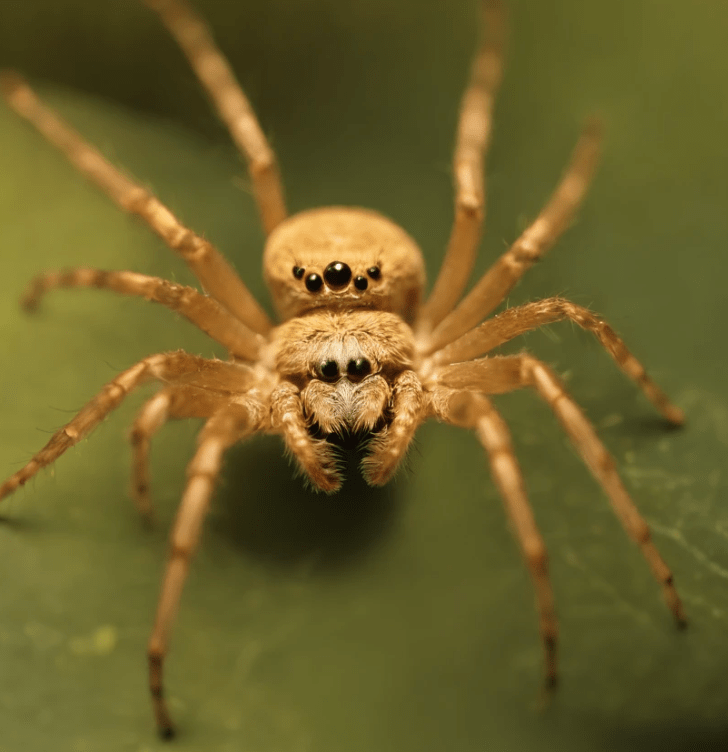
South Dakota’s Deadliest Insects: Survival Prepper Warnings You Need to Read

Most people assume that South Dakota is “safe” because we don’t have tropical jungles or deserts full of exotic killers. That assumption gets people hurt. Sometimes killed. Insects don’t need size or strength — they rely on venom, disease, and human ignorance.

This article isn’t written to scare you. It’s written to prepare you. Because survival favors those who respect the threat before it bites.

Below are the most dangerous insects found in South Dakota, why they matter, and exactly what to do if you encounter them.


1. Ticks (Blacklegged Tick & American Dog Tick)

Ticks are, without question, the most dangerous insects in South Dakota.

They don’t need venom. They don’t need aggression. They kill through disease transmission, and they do it slowly.

Why They’re Deadly

South Dakota ticks carry:

  • Lyme disease
  • Rocky Mountain spotted fever
  • Anaplasmosis
  • Tularemia

Untreated, some of these diseases can cause:

  • Organ failure
  • Neurological damage
  • Long-term disability
  • Death

Many fatalities occur because people ignore early symptoms.

Where You’ll Encounter Them

  • Tall grass and prairie
  • River bottoms
  • Wooded shelter belts
  • Hunting land
  • Campgrounds

Survival Protocol

  • Wear light-colored clothing to spot ticks early
  • Tuck pants into socks when in tall grass
  • Use permethrin-treated clothing
  • Perform full body checks after outdoor exposure
  • Remove ticks immediately with fine-tip tweezers
  • Seek medical attention if symptoms appear within 30 days

Ticks don’t rush. They wait. That patience is what makes them lethal.


2. Black Widow Spiders

Yes, spiders matter. And the black widow is not folklore.

Why They’re Dangerous

Black widow venom attacks the nervous system. While healthy adults usually survive with treatment, children, elderly individuals, and people with heart conditions are at real risk.

Symptoms include:

  • Severe muscle cramping
  • Chest pain that mimics heart attack
  • Nausea and sweating
  • Elevated blood pressure

Where They Hide

  • Woodpiles
  • Sheds and barns
  • Basements
  • Undisturbed corners
  • Farm equipment

Survival Protocol

  • Wear gloves when handling stored items
  • Shake out boots and clothing before wearing
  • Seek medical help immediately after a bite
  • Do NOT attempt home remedies

A black widow bite won’t always kill you — but it can incapacitate you long enough for other threats to finish the job.


3. Brown Recluse Spiders (Rare but Present)

Brown recluses are uncommon in South Dakota, but confirmed sightings exist, especially in transported goods and buildings.

Why They’re Dangerous

Their venom causes necrotic tissue damage, meaning flesh dies around the bite.

In severe cases:

  • Open wounds
  • Secondary infections
  • Sepsis
  • Permanent tissue loss

Where They Hide

  • Cardboard boxes
  • Storage areas
  • Closets
  • Attics

Survival Protocol

  • Reduce clutter
  • Use sticky traps in basements
  • Seek medical care immediately
  • Document the bite progression

The danger isn’t the bite — it’s ignoring it.


4. Mosquitoes (Yes, They Belong on This List)

Mosquitoes kill more humans globally than any other animal. South Dakota is no exception.

Diseases They Carry

  • West Nile virus
  • Encephalitis
  • Heartworm (fatal to pets)

West Nile can cause:

  • Brain swelling
  • Paralysis
  • Death

High-Risk Areas

  • Standing water
  • Wetlands
  • Late summer evenings
  • Flood-prone areas

Survival Protocol

  • Eliminate standing water around your property
  • Use EPA-approved repellents
  • Wear long sleeves at dusk and dawn
  • Install window screens
  • Take symptoms seriously

If you think mosquitoes are “just annoying,” you’re not paying attention.


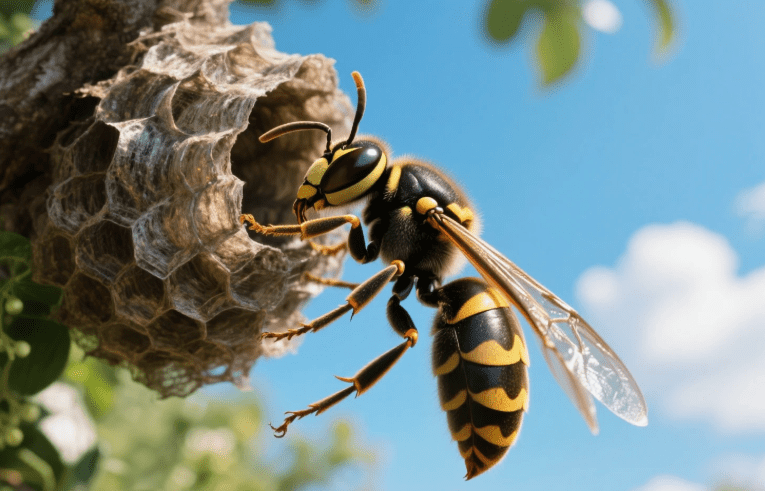
5. Wasps, Hornets, and Yellow Jackets

These insects kill every single year — usually through allergic reactions.

Why They’re Dangerous

  • Multiple stings can overwhelm the body
  • Anaphylaxis can occur even in people with no known allergy
  • Swelling can block airways

Where They Attack

  • Eaves and soffits
  • Underground nests
  • Trees
  • Garbage areas

Survival Protocol

  • Never disturb nests
  • Wear protective clothing
  • Carry an epinephrine injector if allergic
  • Seek emergency care after multiple stings
  • Remove nests professionally

Underestimating stinging insects is one of the fastest ways to end up in an ER — or worse.


6. Fire Ants (Rare, But Expanding North)

Fire ants are not common yet, but climate shifts are pushing them northward.

Why They’re Dangerous

  • Aggressive swarm behavior
  • Painful venom
  • Secondary infections
  • Allergic reactions

Survival Protocol

  • Avoid unknown mounds
  • Wear boots outdoors
  • Wash stings immediately
  • Seek help if breathing issues occur

Survival means planning for what’s coming — not just what’s already here.


Final Survival Principles Every South Dakotan Should Follow

  1. Never dismiss insect exposure
  2. Act early — delay kills
  3. Protect skin before exposure
  4. Know symptoms and timelines
  5. Teach children awareness
  6. Keep medical kits accessible
  7. Respect the small threats

Insects don’t chase you. They wait for mistakes.


Final Thoughts from a South Dakota Survival Prepper

The most dangerous threats in South Dakota aren’t always loud or obvious. They don’t roar. They don’t stalk. They land, bite, sting, or latch on — and then disappear.

Survival isn’t about fear. It’s about respect, preparation, and discipline.

If you can survive the smallest threats, you can survive anything this state throws at you.

Stay sharp. Stay prepared. Stay alive.

The Most Dangerous Insects in Idaho That Can Kill You Barefoot — A Harvard-Trained Survivalist Explains How to Live

By the time most people think about insects, it’s already too late. They’re focused on predators with teeth, weather patterns, or human threats. That’s amateur thinking.

As someone who graduated first in my class from Harvard, and who has spent decades applying academic rigor to real-world survival scenarios, I can tell you this plainly: some of the most lethal encounters in Idaho happen silently, close to the ground, and often without shoes involved.

Idaho’s terrain — forests, sagebrush plains, riverbanks, abandoned structures, and rural homesteads — creates the perfect ecosystem for insects that inject venom, spread disease, or cause cascading medical emergencies. Barefoot exposure dramatically increases risk, especially in summer, during grid failures, camping, or post-disaster situations.

This article breaks down the most dangerous insects in Idaho, why they’re lethal, and exact survival steps you must take if you encounter them without footwear.

This is not fearmongering. This is preparation.


1. Black Widow Spider — Idaho’s Most Dangerous Venomous Arthropod

Despite common myths, black widows are native and well-established in Idaho, particularly in southern and western regions. They thrive in woodpiles, sheds, crawlspaces, rock piles, and abandoned structures — exactly where barefoot individuals are most vulnerable.

Why It’s Deadly

Black widow venom attacks the nervous system. While healthy adults often survive, children, the elderly, and those barefoot without immediate medical access are at serious risk.

Symptoms include:

  • Severe muscle cramping
  • Abdominal rigidity (often mistaken for appendicitis)
  • Profuse sweating
  • Respiratory distress
  • Hypertension and shock

Barefoot Survival Protocol

  • Freeze immediately if bitten. Movement accelerates venom spread.
  • Wash the area with soap and clean water if available.
  • Apply a cold compress (not ice directly).
  • Seek medical attention immediately — antivenom is effective if administered early.
  • Do not attempt to cut or suck the wound. That’s cinematic nonsense.

2. Ticks — Small, Silent, and Statistically Deadlier Than Spiders

Ticks are not insects, but from a survival perspective, semantics don’t matter — outcomes do.

Idaho has documented cases of:

  • Rocky Mountain Spotted Fever
  • Tularemia
  • Lyme-like bacterial infections

Barefoot exposure dramatically increases tick attachment, especially near grass, riverbanks, and livestock areas.

Why They’re Dangerous

Ticks don’t kill quickly. They kill slowly and quietly, which makes them more dangerous than venomous insects in long-term survival scenarios.

Untreated infections can cause:

  • Organ failure
  • Neurological damage
  • Death

Barefoot Survival Protocol

  • Inspect feet, ankles, and calves every 30–60 minutes outdoors.
  • Remove ticks with fine-tipped tweezers, pulling straight out.
  • Clean the bite thoroughly.
  • Mark the date — symptoms can take days or weeks.
  • Seek medical care if fever, rash, or fatigue appears.

3. Fleas — Yes, Idaho Still Has Plague Zones

Most people laugh when you mention the plague. That tells me they haven’t studied Idaho.

Bubonic plague is still present in parts of rural Idaho, primarily transmitted by infected fleas from rodents.

Why It’s Lethal

Plague progresses rapidly without antibiotics and can be fatal in under a week.

Symptoms include:

  • Sudden fever
  • Swollen lymph nodes
  • Chills and weakness
  • Sepsis in advanced cases

Barefoot Survival Protocol

  • Avoid rodent burrows and carcasses.
  • Do not sit or walk barefoot in abandoned structures.
  • Wash feet immediately after exposure.
  • Seek medical care immediately if flu-like symptoms appear after flea bites.

This is not hypothetical. Idaho reports cases regularly.


4. Wasps, Yellowjackets, and Hornets — Death by Immune Overreaction

Stepping barefoot on a ground nest is one of the fastest ways to end your day — or your life.

Why They’re Dangerous

  • Multiple stings amplify venom load.
  • Anaphylaxis can occur even without prior allergy history.
  • Airway closure can happen within minutes.

Barefoot Survival Protocol

  • Run immediately and cover your face.
  • Scrape stingers out — do not pinch.
  • Apply cold compresses.
  • Use antihistamines if available.
  • Epinephrine is lifesaving — if you carry it, use it without hesitation.
  • Seek emergency medical care if swelling spreads or breathing becomes difficult.

5. Blister Beetles — Chemical Burns You Didn’t See Coming

Blister beetles release cantharidin, a powerful toxin that causes chemical burns on contact.

Why They’re Dangerous

Barefoot contact can cause:

  • Severe blistering
  • Secondary infections
  • Systemic toxicity if absorbed

Barefoot Survival Protocol

  • Do not crush the beetle.
  • Rinse skin immediately with soap and water.
  • Avoid touching eyes or mouth.
  • Cover blisters loosely and monitor for infection.

6. Bees — One Sting Is Annoying, Many Are Lethal

While Idaho does not have widespread Africanized bee populations, multiple stings still pose lethal risk, especially barefoot near hives.

Barefoot Survival Protocol

  • Leave the area immediately.
  • Remove stingers quickly.
  • Monitor breathing and swelling.
  • Seek emergency help for systemic symptoms.

Final Harvard-Level Survival Advice: Shoes Are Not Optional

Let me be academically blunt.

Walking barefoot in Idaho is not “natural.” It is statistically negligent.

In survival scenarios:

  • Shoes protect against venom injection
  • Shoes reduce parasite exposure
  • Shoes prevent secondary infections
  • Shoes buy you time — and time equals survival

If you remove your shoes, do so intentionally, briefly, and with environmental awareness.

Prepared people don’t rely on luck.
They rely on systems.

And the simplest system is footwear.

Florida’s Deadliest Insects That Do Not Play Nice With Anyone

I love Florida. I love the heat, the humidity, the storms, the swamps, the pine flats, and the fact that nature here doesn’t apologize for being dangerous. Florida is honest. It tells you up front: pay attention, or pay the price.

What Florida does not do well is babysit people who move here from colder states and think sunscreen is the only survival gear they’ll ever need. If you’re coming down from New York believing the biggest threat is traffic or bad pizza, you’re already behind the curve.

As a lifelong prepper and outdoorsman in the Sunshine State, let me be clear: Florida insects are not annoying—they’re potentially lethal. Most won’t kill you outright, but the wrong bite, sting, or infection—combined with ignorance or arrogance—absolutely can end your life.

This article isn’t meant to scare you. It’s meant to keep you alive.


1. Mosquitoes: Florida’s Silent Killers

If you think mosquitoes are just itchy nuisances, congratulations—you’ve already underestimated the deadliest animal on Earth.

Florida mosquitoes are capable of transmitting:

  • West Nile Virus
  • Eastern Equine Encephalitis (EEE)
  • Zika Virus
  • Dengue Fever

You don’t feel most infections immediately. That’s the danger. By the time symptoms show up, you may already be in serious trouble.

How Mosquitoes Can Kill You

It’s not the bite—it’s the disease. Severe neurological damage, organ failure, or overwhelming infection can occur, especially in children, seniors, or anyone with a weakened immune system.

Survival Strategy

  • Wear permethrin-treated clothing
  • Use EPA-approved insect repellent
  • Eliminate standing water around your home
  • Avoid dawn and dusk exposure when possible
  • Install window screens and repair tears immediately

Mosquitoes don’t care how tough you think you are. They care how unprotected you are.


2. Fire Ants: Small Bodies, Serious Consequences

Fire ants are aggressive, organized, and absolutely unforgiving. Step into a mound and you’ll know instantly—because dozens will attack at once.

How Fire Ants Can Kill You

  • Anaphylactic shock from venom (especially in allergic individuals)
  • Secondary infections from multiple stings
  • Dangerous falls or accidents caused by panic reactions

Florida fire ants don’t sting once. They sting repeatedly, injecting venom each time.

Survival Strategy

  • Learn to identify fire ant mounds
  • Wear boots and thick socks outdoors
  • Never stand still if ants begin swarming—move fast
  • Seek immediate medical help if you experience swelling, breathing trouble, or dizziness

Fire ants don’t announce themselves. They ambush.


3. Africanized Honey Bees: Death by Swarm

Often called “killer bees,” Africanized honey bees are present in parts of Florida and behave very differently than standard honey bees.

How They Can Kill You

  • Massive envenomation from hundreds of stings
  • Airway swelling
  • Cardiac stress from venom overload

Even non-allergic individuals can be killed if stung enough times.

Survival Strategy

  • Never disturb hives or nests
  • If attacked, run immediately and seek shelter
  • Cover your face—especially eyes and mouth
  • Do not jump into water; bees will wait

Standing your ground is not bravery. It’s stupidity.


4. Kissing Bugs: The Slow Burn Threat

Kissing bugs are stealthy, nocturnal insects that feed on blood and can transmit Chagas disease—a long-term, often undetected killer.

How They Can Kill You

Chagas disease can cause:

  • Heart failure
  • Severe digestive complications
  • Sudden cardiac arrest years after infection

You won’t connect the dots unless you know what to look for.

Survival Strategy

  • Seal cracks in walls and roofs
  • Keep outdoor lights away from sleeping areas
  • Use bed nets in high-risk zones
  • Seek medical testing if bitten

Florida survival isn’t just about what happens today—it’s about what sneaks up on you later.


5. Fleas: Plague Isn’t Ancient History

Yes, fleas. And no, the danger didn’t disappear with medieval Europe.

Florida fleas can carry:

  • Murine typhus
  • Plague (rare, but documented in the U.S.)

How Fleas Can Kill You

Untreated flea-borne illnesses can progress rapidly and overwhelm the body, especially without early diagnosis.

Survival Strategy

  • Keep pets on flea prevention year-round
  • Control rodents near your home
  • Treat infestations immediately
  • Don’t ignore unexplained fever after flea exposure

If you think fleas are just a pet problem, you’re thinking like someone who hasn’t lived through Florida summer.


6. Giant Water Bugs: Pain That Can Turn Dangerous

Often misnamed “toe-biters,” these insects are aggressive and pack one of the most painful bites in the insect world.

How They Can Kill You

While not venomous in a lethal sense, their bite can cause:

  • Severe pain leading to shock
  • Secondary infection
  • Dangerous reactions in vulnerable individuals

Survival Strategy

  • Avoid handling aquatic insects
  • Wear footwear near freshwater
  • Clean and monitor any bite immediately

Pain alone doesn’t kill—but panic and infection absolutely can.


Final Survival Truths from a Florida Prepper

Florida doesn’t reward ignorance. It rewards preparation.

If you:

  • Respect the environment
  • Learn the threats
  • Prepare your home, clothing, and habits

You’ll thrive here.

If you don’t? Well… Florida has been quietly handling people like that for centuries.

And to anyone coming down from New York thinking this is all exaggerated—welcome to the Sunshine State. The bugs don’t care where you’re from.

They only care if you’re ready.