Rhode Island may be the smallest state in the union, but don’t let its size fool you. Danger doesn’t need square mileage to work its way into your life—it only needs complacency.
I’ve spent decades studying survival: wilderness, urban, maritime, kitchen-based (because yes, survival starts with what you eat and how you cook it), and human behavior under stress. And after analyzing patterns of accidental and preventable deaths in Rhode Island, one thing becomes painfully clear:
Most people don’t die because the world is unfair. They die because they weren’t prepared.
This article breaks down the Top 10 non-disease, non-cancer, non-old-age causes of death in Rhode Island, explains why they happen, and—most importantly—what you must do to survive them.
Think of this like a perfectly executed meal. Every ingredient matters. One mistake, and dinner’s ruined. Or worse—you are.
Let’s sharpen the knives.
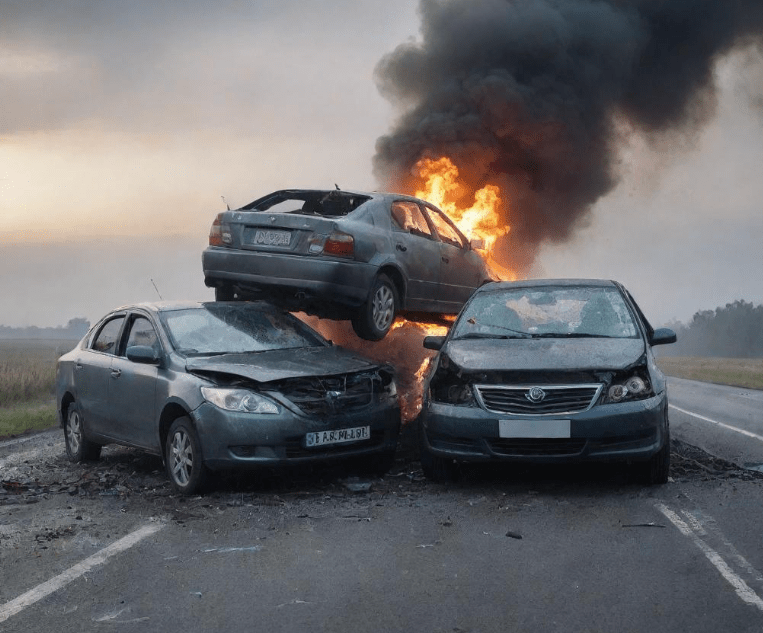
1. Motor Vehicle Crashes (Cars, Motorcycles, and Pedestrians)
Why People Die This Way in Rhode Island
Rhode Island drivers suffer from a deadly combination:
Dense traffic
Short trips that breed complacency
Aggressive driving habits
Weather that changes its mind every 15 minutes
Most fatal crashes involve:
Speeding
Distracted driving (phones, GPS, food)
Alcohol or drug impairment
Failure to wear seatbelts
Motorcyclists without proper protective gear
Pedestrians are especially vulnerable in urban areas like Providence, Pawtucket, and Warwick.
How to Survive It
A survivalist treats driving like operating heavy machinery—because that’s exactly what it is.
Rules to live by:
Wear your seatbelt every single time. No excuses.
Assume every other driver is tired, angry, distracted, or stupid.
Slow down in rain, fog, and snow. Physics doesn’t care about your schedule.
Motorcyclists: full-face helmet, armored jacket, gloves, boots. You are meat without armor.
Pedestrians: wear reflective gear at night and never assume a driver sees you.
Survival mindset: You’re not trying to win the drive. You’re trying to survive it.
2. Drug Overdoses (Accidental Poisoning)
Why People Die This Way
Rhode Island has been hit hard by the opioid and fentanyl crisis. Many overdose deaths are:
Accidental
Involving unknown potency
Mixed with alcohol or other drugs
Occurring alone, with no one to help
Even experienced users misjudge doses when fentanyl contaminates substances.
How to Survive It
This is not a moral issue. This is chemistry and physiology.
Life-saving measures:
Never use alone
Carry naloxone (Narcan) and know how to use it
Avoid mixing substances
Test substances when possible
Seek help early—overdose symptoms escalate fast
Survival is about odds. Stacking them in your favor is the only move.
3. Falls (Especially at Home and at Work)
Why People Die This Way
Falls are one of the most underestimated killers. In Rhode Island, fatal falls often involve:
Ladders
Stairs
Slippery surfaces
Roof work
Construction and industrial jobs
Head injuries turn a simple misstep into a permanent end.
How to Survive It
A prepper respects gravity like a wild animal—it’s always hunting.
Stay alive by:
Using proper ladders and stabilizers
Wearing non-slip footwear
Installing handrails and adequate lighting
Never rushing physical tasks
Wearing helmets in high-risk work environments
In the kitchen, I don’t rush a knife. On a ladder, I don’t rush gravity.
4. Suicide (Self-Harm)
Why People Die This Way
This is not weakness. It’s isolation, untreated mental distress, and hopelessness.
Contributing factors include:
Economic stress
Substance abuse
Relationship breakdowns
Chronic stress
Untreated mental health issues
Many deaths occur during moments of temporary crisis that feel permanent.
How to Survive It
Survival sometimes means staying alive long enough for the storm to pass.
Critical survival steps:
Remove yourself from isolation
Talk to someone immediately
Seek professional support
Reduce access to lethal means during crisis periods
If you or someone you know is in immediate danger, contact 988 (Suicide & Crisis Lifeline) in the U.S.
A true survivalist knows when to fight—and when to call in backup.
5. Fires and Smoke Inhalation
Why People Die This Way
Most people don’t burn to death—they suffocate from smoke.
Common causes include:
Faulty wiring
Cooking accidents
Space heaters
Candles
Smoking indoors
Many fatalities occur at night when people are asleep.
How to Survive It
Fire safety is non-negotiable.
Your survival checklist:
Install smoke detectors on every level of your home
Test them monthly
Keep fire extinguishers accessible
Never leave cooking unattended
Practice fire escape plans
In my kitchen, I control heat. Fire respects discipline, not arrogance.
6. Drowning (Ocean, Rivers, Lakes, Pools)
Why People Die This Way
Rhode Island’s coastline is beautiful—and unforgiving.
Drownings often involve:
Strong currents and rip tides
Cold water shock
Alcohol consumption
Overestimating swimming ability
Lack of life jackets
How to Survive It
Water doesn’t care how confident you feel.
Rules of survival:
Learn rip current escape techniques
Wear life jackets when boating or fishing
Avoid swimming alone
Limit alcohol near water
Respect cold water temperatures
A chef knows water can kill a sauce—or save it. Same element, different outcome.
7. Carbon Monoxide Poisoning
Why People Die This Way
Carbon monoxide is silent, invisible, and deadly.
Common sources:
Gas heaters
Furnaces
Generators
Grills used indoors
Blocked exhaust vents
People often fall asleep and never wake up.
How to Survive It
This one is stupidly preventable.
Do this now:
Install carbon monoxide detectors
Never run engines indoors
Maintain heating systems
Keep vents clear
If you can smell danger, it’s already too late. CO gives no warning.
8. Workplace Accidents
Why People Die This Way
Industries like construction, manufacturing, and maritime work carry inherent risks.
Deaths often involve:
Heavy machinery
Falls
Electrocution
Crushing injuries
Safety shortcuts
How to Survive It
Golden rule: Safety rules are written in blood.
Wear protective gear
Follow lockout procedures
Speak up about unsafe conditions
Never bypass safety systems
Stay alert and rested
Professional survival means respecting systems designed to keep you alive.
9. Extreme Weather Exposure (Hypothermia & Heat)
Why People Die This Way
Rhode Island weather kills quietly.
Hypothermia occurs:
In cold, wet conditions
With inadequate clothing
During power outages
Among the homeless or unprepared
Heat-related deaths happen during summer heatwaves.
How to Survive It
Dress and plan like weather wants you dead—because sometimes it does.
Survival basics:
Layer clothing
Stay dry
Prepare emergency heating and cooling
Hydrate aggressively in heat
Never underestimate “mild” weather
Weather is the original apex predator.
10. Violence and Homicide
Why People Die This Way
Most violent deaths involve:
Firearms
Domestic disputes
Gang-related incidents
Escalated conflicts
Often, victims knew their attackers.
How to Survive It
Violence avoidance is survival mastery.
Stay alive by:
Avoiding high-risk environments
De-escalating conflicts
Being situationally aware
Securing your home
Seeking help in volatile relationships
The best fight is the one you never enter.
Final Survivalist Thoughts
Survival isn’t about fear—it’s about preparation.
Most of the ways people die in Rhode Island are:
Predictable
Preventable
The result of ignored warnings
You don’t need to live in a bunker or eat freeze-dried beans (though I can make beans taste better than Gordon Ramsay ever could).
You just need discipline, awareness, and respect for reality.
Kentucky is a beautiful, resource-rich state with deep traditions, strong communities, and a resilient people. But it is also a state where avoidable deaths happen every single day—not from old age, but from environmental hazards, lifestyle risks, infrastructure weaknesses, and human behavior.
As a professional survivalist and preparedness educator, I’ll tell you this plainly:
Most people who die prematurely in Kentucky did not have to die.
They weren’t killed by freak accidents or unstoppable forces of nature. They died because they were unprepared, uninformed, or overconfident. Survival is not about paranoia—it’s about education, planning, and disciplined habits.
This article breaks down the top 10 non–old-age causes of death in Kentucky, explains why they happen, and—most importantly—details what you must do to survive them.
This isn’t fear-mongering. This is reality-based preparedness.
1. Heart Disease and Sudden Cardiac Events
Why People Die From It in Kentucky
Heart disease is the single largest killer in Kentucky, even among people who are not elderly. The state consistently ranks near the top nationally for:
Obesity
Smoking
High blood pressure
Poor diet
Low physical activity
Many Kentuckians live in rural areas where medical response times are longer, and heart attacks often occur at home, at work, or while driving—not in hospitals.
The most dangerous factor?
People ignore early warning signs.
Chest tightness, fatigue, shortness of breath, jaw pain, arm pain—these are brushed off until it’s too late.
How to Survive It
Survival from heart disease is not complicated—but it requires discipline.
Survival Actions:
Quit smoking completely (no “cutting back”)
Maintain a survival-ready body: strength, stamina, and flexibility
Control blood pressure and cholesterol through testing—not guesswork
Keep aspirin and emergency contact plans accessible
Learn CPR and insist your household does too
Never ignore chest pain—ever
A prepper’s body is a tool. If your heart fails, nothing else you own matters.
2. Drug Overdoses (Prescription & Illicit)
Why People Die From It in Kentucky
Kentucky has been hit hard by the opioid epidemic. Overdose deaths come from:
Prescription painkillers
Fentanyl-laced street drugs
Mixing opioids with alcohol or benzodiazepines
Lack of overdose awareness
Many overdoses happen alone, meaning no one is present to help.
How to Survive It
Preparedness here means harm reduction and situational awareness.
Survival Actions:
Avoid illicit drugs entirely—this is survival, not moral judgment
If prescribed opioids, follow dosage exactly
Never mix opioids with alcohol
Keep Naloxone (Narcan) in your home and vehicle
Learn overdose signs: slowed breathing, blue lips, unconsciousness
Call emergency services immediately—do not hesitate
A true prepper understands that addiction is a survival threat, not a character flaw.
3. Motor Vehicle Accidents
Why People Die From It in Kentucky
Kentucky’s rural roads, narrow highways, and winding terrain create dangerous driving conditions. Fatal crashes often involve:
Speeding
Impaired driving
Distracted driving
No seatbelt use
Poor road lighting
Wildlife collisions
Rural crashes are especially deadly due to delayed medical response.
How to Survive It
Vehicles are survival tools—or coffins.
Survival Actions:
Always wear a seatbelt
Drive defensively, not emotionally
Avoid driving fatigued
Slow down on back roads and in bad weather
Keep emergency gear in your vehicle:
First aid kit
Tourniquet
Flashlight
Water
Blanket
Watch for deer—especially dawn and dusk
Prepared drivers live longer. Reckless ones become statistics.
4. Firearms Accidents and Violence
Why People Die From It in Kentucky
Firearms are common in Kentucky households, which increases both responsibility and risk. Deaths occur from:
Improper storage
Accidental discharges
Domestic disputes
Suicide
Lack of firearms training
The most dangerous belief?
“I’ve been around guns my whole life—I don’t need training.”
As a survivalist and preparedness professional, I don’t view Florida through rose-colored glasses. I view it as an environment of extremes: heat, water, weather, wildlife, traffic, and human behavior all converging in ways that can turn deadly fast.
Most people who die in Florida did not expect to die that day. They were driving to work. Swimming on vacation. Riding a motorcycle. Waiting out a storm. Trusting that “it probably won’t happen to me.”
That assumption is what kills people.
This article breaks down the top 10 non–old-age ways people commonly die in Florida, explains why they die, and—most importantly—what you must do to avoid becoming another statistic.
This isn’t fear-mongering. This is situational awareness, risk management, and survival discipline.
1. Motor Vehicle Crashes (Cars, Motorcycles, Pedestrians)
Why People Die
Florida’s roads are among the most dangerous in the country due to:
High tourist traffic
Elderly drivers mixed with aggressive drivers
Distracted driving (phones, GPS, rideshares)
Heavy rain reducing visibility
High motorcycle usage year-round
Pedestrian-unfriendly road design
Motorcycles are especially lethal here. No seasonal break means constant exposure, and Florida has no helmet requirement over age 21—a decision that costs lives every year.
Pedestrians die because drivers don’t expect them, and pedestrians assume drivers see them.
How to Survive
Drive like everyone else is about to do something stupid
Never assume right-of-way means safety
Wear a helmet on a motorcycle regardless of the law
Avoid driving during peak tourist hours if possible
Increase following distance during rain
If walking, wear reflective gear at night
Teach your family that crossing legally does NOT mean crossing safely
Survival Rule: Steel and speed always win. Don’t test it.
2. Drowning (Ocean, Lakes, Pools, Canals)
Why People Die
Florida has more water hazards than almost anywhere else:
Rip currents
Canals with steep sides
Retention ponds
Backyard pools
Alcohol + water = disaster
Many drownings involve strong swimmers who panic, underestimate currents, or suffer exhaustion.
Children drown silently. Adults drown confidently.
How to Survive
Learn how rip currents work (float, don’t fight)
Never swim alone in open water
Avoid canals—steep walls make escape nearly impossible
Fence pools properly and use alarms
Wear life vests when boating or kayaking
Treat alcohol near water as a lethal risk multiplier
Survival Rule: Water does not forgive arrogance.
3. Hurricanes and Storm-Related Deaths
Why People Die
People rarely die from the wind itself. They die from:
Flooding
Falling trees
Power outages and heat exposure
Carbon monoxide poisoning from generators
Driving into floodwaters
The most dangerous phase is after the storm, when people take risks too soon.
How to Survive
Evacuate when told—don’t gamble with storm surge
Never run generators indoors or near windows
Assume all downed power lines are live
Store water, food, and medications ahead of time
Do not drive through standing water—depth is deceptive
Survival Rule: You can’t “tough out” water and electricity.
I’m a professional survivalist prepper. I believe in preparedness, redundancy, situational awareness, and the radical idea that you should wake up alive tomorrow. I’m also a stand-up comedian, which means I cope with reality by making jokes while quietly checking my emergency kit.
This article isn’t about fear. It’s about probability.
Most people don’t die because they’re old. They die because something preventable went wrong, they underestimated a risk, or they assumed “it won’t happen to me.”
California has a unique risk profile. Some dangers are obvious. Others wear yoga pants and look harmless until they ruin your life.
Below are the Top 10 non-old-age-related ways people commonly die in California, why they happen, and what you can do to stay alive, functional, and sarcastically optimistic.
Let’s begin.
1. Motor Vehicle Accidents (AKA: The California Freeway Hunger Games)
Why People Die This Way
California traffic isn’t traffic — it’s a social experiment in impatience.
People die in vehicle accidents due to:
Speeding (especially on freeways and rural highways)
Driving under the influence (alcohol, drugs, or exhaustion)
Motorcycles versus physics (physics always wins)
Aggressive driving combined with fragile egos
The problem isn’t just accidents — it’s reaction time, speed, and mass. A two-ton vehicle moving at 70 mph doesn’t care about your intentions.
How to Survive It
Drive like everyone else is drunk, angry, and late — because statistically, some of them are.
Leave more following distance than you think you need. Then double it.
Don’t race. The finish line is a red light.
Avoid peak DUI hours (late night, weekends).
If you ride a motorcycle, assume you are invisible and fragile — because you are.
Keep emergency supplies in your vehicle: water, first aid kit, flashlight, phone charger.
Survival Rule: The goal of driving is not to be right. The goal is to be alive.
2. Drug Overdoses (The Silent, Relentless Killer)
Why People Die This Way
Overdoses don’t just happen in dark alleys. They happen in:
Suburban homes
Apartments
Bathrooms
Bedrooms
“One last time” scenarios
California has been hit hard by opioid overdoses, especially fentanyl contamination. People often don’t know what they’re taking, how strong it is, or how their tolerance has changed.
Add isolation, shame, and delayed medical response — and it becomes fatal.
How to Survive It
Never use alone. Ever. Pride kills.
Carry Naloxone (Narcan) if you or someone you know uses opioids.
Test substances when possible. Street drugs lie.
If you’re prescribed medication, follow dosage instructions like your life depends on it — because it does.
If someone is unresponsive, call 911 immediately. California’s Good Samaritan laws protect callers.
Survival Rule: Shame is deadlier than drugs. Call for help.
3. Suicide (The Most Preventable Cause of Death)
Why People Die This Way
This isn’t about weakness. It’s about:
Untreated depression
Chronic stress
Financial pressure
Isolation
Loss of meaning
Access to lethal means during a temporary crisis
Many suicides happen during short emotional storms, not lifelong decisions.
How to Survive It
If you’re struggling, talk to someone before the crisis peaks.
Remove or lock away lethal means during hard periods.
Build routines: sleep, movement, sunlight.
If someone you know is withdrawing or giving things away, take it seriously.
Call or text 988 (Suicide & Crisis Lifeline) if needed.
Survival Rule: Feelings are temporary. Death is not. Stay.
4. Accidental Falls (Not Just an “Old People” Thing)
Why People Die This Way
Falls kill people of all ages due to:
Head injuries
Ladder accidents
Alcohol impairment
Slippery surfaces
Overconfidence and under-footwear
California’s DIY culture alone accounts for half of this category.
How to Survive It
Use proper ladders. No chairs. No crates. No vibes.
Wear shoes with traction.
Install handrails and adequate lighting.
Don’t mix alcohol and heights.
If you hit your head and feel “off,” seek medical attention.
Survival Rule: Gravity has never lost a fight. Respect it.
5. Fire & Smoke Inhalation (Wildfires and Home Fires)
Why People Die This Way
Fire doesn’t kill most victims — smoke does.
In California, deaths occur from:
Wildfires overtaking homes or vehicles
Smoke inhalation during evacuations
House fires caused by cooking, candles, or faulty wiring
Smoke incapacitates fast. You don’t get heroic last words.
How to Survive It
Install and maintain smoke detectors.
Have an evacuation plan. Practice it.
Keep a “go bag” ready during fire season.
Close doors when evacuating to slow fire spread.
If there’s heavy smoke, stay low and get out immediately.
Survival Rule: You don’t outrun fire. You out-plan it.
6. Homicide (Violence, Firearms, and Bad Decisions)
Why People Die This Way
Most homicides involve:
Firearms
People who know each other
Escalated arguments
Alcohol or drugs
Poor conflict management
Random violence exists, but predictable violence is more common.
How to Survive It
Avoid confrontations with strangers.
De-escalate. Ego is not bulletproof.
Be aware of your surroundings.
Secure firearms safely and responsibly.
Trust your instincts and leave bad situations early.
Survival Rule: Winning an argument isn’t worth dying for.
7. Drowning (Oceans, Rivers, Pools, and “I Got This”)
Why People Die This Way
California water deaths happen due to:
Rip currents
Cold shock
Alcohol
Overestimating swimming ability
No life jackets
The ocean doesn’t care if you’re fit.
How to Survive It
Learn how rip currents work.
Never swim alone.
Wear life jackets when boating.
Don’t fight the current — float and signal.
Avoid alcohol near water.
Survival Rule: Water is patient. It waits for mistakes.
8. Workplace Accidents (Especially Construction & Agriculture)
Why People Die This Way
Common causes include:
Falls from heights
Heavy machinery
Electrical hazards
Fatigue
Cutting corners to save time
California’s economy runs on people who work hard — sometimes too hard.
How to Survive It
Follow safety protocols, even when annoying.
Use protective equipment.
Report unsafe conditions.
Rest. Fatigue kills.
Speak up — your life outranks productivity.
Survival Rule: No job is worth a funeral.
9. Extreme Heat (Yes, Even in California)
Why People Die This Way
Heat kills via:
Dehydration
Heat exhaustion
Heat stroke
Organ failure
It sneaks up, especially on people without access to cooling or water.
How to Survive It
Hydrate constantly.
Avoid peak heat hours.
Use cooling centers.
Check on vulnerable neighbors.
Never leave people or pets in cars.
Survival Rule: If you feel “off,” you’re already in trouble.
10. Carbon Monoxide Poisoning (The Invisible Assassin)
Why People Die This Way
Carbon monoxide is odorless, colorless, and lethal. Causes include:
Faulty heaters
Generators indoors
Grills in enclosed spaces
Blocked vents
People fall asleep and never wake up.
How to Survive It
Install CO detectors.
Maintain appliances.
Never run engines indoors.
Ventilate properly.
Take alarms seriously.
Survival Rule: If you can’t smell the danger, detect it.
Final Survivalist Thoughts
California is not trying to kill you. Complacency is.
Most deaths aren’t freak accidents. They’re patterns — predictable, preventable, and survivable with awareness and preparation.
And remember: The goal isn’t to live forever. It’s to not die stupidly.
Stay sharp. Stay ready. Stay alive.
California is beautiful. It has beaches, mountains, deserts, forests, sunshine, earthquakes, traffic, wildfires, and enough stress to make a yoga instructor cry in a Trader Joe’s parking lot.
I’m a professional survivalist prepper. I believe in preparedness, redundancy, situational awareness, and the radical idea that you should wake up alive tomorrow. I’m also a stand-up comedian, which means I cope with reality by making jokes while quietly checking my emergency kit.
This article isn’t about fear. It’s about probability.
Most people don’t die because they’re old. They die because something preventable went wrong, they underestimated a risk, or they assumed “it won’t happen to me.”
California has a unique risk profile. Some dangers are obvious. Others wear yoga pants and look harmless until they ruin your life.
Below are the Top 10 non-old-age-related ways people commonly die in California, why they happen, and what you can do to stay alive, functional, and sarcastically optimistic.
Let’s begin.
1. Motor Vehicle Accidents (AKA: The California Freeway Hunger Games)
Why People Die This Way
California traffic isn’t traffic — it’s a social experiment in impatience.
People die in vehicle accidents due to:
Speeding (especially on freeways and rural highways)
Driving under the influence (alcohol, drugs, or exhaustion)
Motorcycles versus physics (physics always wins)
Aggressive driving combined with fragile egos
The problem isn’t just accidents — it’s reaction time, speed, and mass. A two-ton vehicle moving at 70 mph doesn’t care about your intentions.
How to Survive It
Drive like everyone else is drunk, angry, and late — because statistically, some of them are.
Leave more following distance than you think you need. Then double it.
Don’t race. The finish line is a red light.
Avoid peak DUI hours (late night, weekends).
If you ride a motorcycle, assume you are invisible and fragile — because you are.
Keep emergency supplies in your vehicle: water, first aid kit, flashlight, phone charger.
Survival Rule: The goal of driving is not to be right. The goal is to be alive.
2. Drug Overdoses (The Silent, Relentless Killer)
Why People Die This Way
Overdoses don’t just happen in dark alleys. They happen in:
Suburban homes
Apartments
Bathrooms
Bedrooms
“One last time” scenarios
California has been hit hard by opioid overdoses, especially fentanyl contamination. People often don’t know what they’re taking, how strong it is, or how their tolerance has changed.
Add isolation, shame, and delayed medical response — and it becomes fatal.
How to Survive It
Never use alone. Ever. Pride kills.
Carry Naloxone (Narcan) if you or someone you know uses opioids.
Test substances when possible. Street drugs lie.
If you’re prescribed medication, follow dosage instructions like your life depends on it — because it does.
If someone is unresponsive, call 911 immediately. California’s Good Samaritan laws protect callers.
Survival Rule: Shame is deadlier than drugs. Call for help.
3. Suicide (The Most Preventable Cause of Death)
Why People Die This Way
This isn’t about weakness. It’s about:
Untreated depression
Chronic stress
Financial pressure
Isolation
Loss of meaning
Access to lethal means during a temporary crisis
Many suicides happen during short emotional storms, not lifelong decisions.
How to Survive It
If you’re struggling, talk to someone before the crisis peaks.
Remove or lock away lethal means during hard periods.
Build routines: sleep, movement, sunlight.
If someone you know is withdrawing or giving things away, take it seriously.
Call or text 988 (Suicide & Crisis Lifeline) if needed.
Survival Rule: Feelings are temporary. Death is not. Stay.
4. Accidental Falls (Not Just an “Old People” Thing)
Why People Die This Way
Falls kill people of all ages due to:
Head injuries
Ladder accidents
Alcohol impairment
Slippery surfaces
Overconfidence and under-footwear
California’s DIY culture alone accounts for half of this category.
How to Survive It
Use proper ladders. No chairs. No crates. No vibes.
Wear shoes with traction.
Install handrails and adequate lighting.
Don’t mix alcohol and heights.
If you hit your head and feel “off,” seek medical attention.
Survival Rule: Gravity has never lost a fight. Respect it.
5. Fire & Smoke Inhalation (Wildfires and Home Fires)
Why People Die This Way
Fire doesn’t kill most victims — smoke does.
In California, deaths occur from:
Wildfires overtaking homes or vehicles
Smoke inhalation during evacuations
House fires caused by cooking, candles, or faulty wiring
Smoke incapacitates fast. You don’t get heroic last words.
How to Survive It
Install and maintain smoke detectors.
Have an evacuation plan. Practice it.
Keep a “go bag” ready during fire season.
Close doors when evacuating to slow fire spread.
If there’s heavy smoke, stay low and get out immediately.
Survival Rule: You don’t outrun fire. You out-plan it.
6. Homicide (Violence, Firearms, and Bad Decisions)
Why People Die This Way
Most homicides involve:
Firearms
People who know each other
Escalated arguments
Alcohol or drugs
Poor conflict management
Random violence exists, but predictable violence is more common.
How to Survive It
Avoid confrontations with strangers.
De-escalate. Ego is not bulletproof.
Be aware of your surroundings.
Secure firearms safely and responsibly.
Trust your instincts and leave bad situations early.
Survival Rule: Winning an argument isn’t worth dying for.
7. Drowning (Oceans, Rivers, Pools, and “I Got This”)
Why People Die This Way
California water deaths happen due to:
Rip currents
Cold shock
Alcohol
Overestimating swimming ability
No life jackets
The ocean doesn’t care if you’re fit.
How to Survive It
Learn how rip currents work.
Never swim alone.
Wear life jackets when boating.
Don’t fight the current — float and signal.
Avoid alcohol near water.
Survival Rule: Water is patient. It waits for mistakes.
8. Workplace Accidents (Especially Construction & Agriculture)
Why People Die This Way
Common causes include:
Falls from heights
Heavy machinery
Electrical hazards
Fatigue
Cutting corners to save time
California’s economy runs on people who work hard — sometimes too hard.
How to Survive It
Follow safety protocols, even when annoying.
Use protective equipment.
Report unsafe conditions.
Rest. Fatigue kills.
Speak up — your life outranks productivity.
Survival Rule: No job is worth a funeral.
9. Extreme Heat (Yes, Even in California)
Why People Die This Way
Heat kills via:
Dehydration
Heat exhaustion
Heat stroke
Organ failure
It sneaks up, especially on people without access to cooling or water.
How to Survive It
Hydrate constantly.
Avoid peak heat hours.
Use cooling centers.
Check on vulnerable neighbors.
Never leave people or pets in cars.
Survival Rule: If you feel “off,” you’re already in trouble.
10. Carbon Monoxide Poisoning (The Invisible Assassin)
Why People Die This Way
Carbon monoxide is odorless, colorless, and lethal. Causes include:
Faulty heaters
Generators indoors
Grills in enclosed spaces
Blocked vents
People fall asleep and never wake up.
How to Survive It
Install CO detectors.
Maintain appliances.
Never run engines indoors.
Ventilate properly.
Take alarms seriously.
Survival Rule: If you can’t smell the danger, detect it.
Final Survivalist Thoughts
California is not trying to kill you. Complacency is.
Most deaths aren’t freak accidents. They’re patterns — predictable, preventable, and survivable with awareness and preparation.
And remember: The goal isn’t to live forever. It’s to not die stupidly.
Stay sharp. Stay ready. Stay alive.
California is beautiful. It has beaches, mountains, deserts, forests, sunshine, earthquakes, traffic, wildfires, and enough stress to make a yoga instructor cry in a Trader Joe’s parking lot.
I’m a professional survivalist prepper. I believe in preparedness, redundancy, situational awareness, and the radical idea that you should wake up alive tomorrow. I’m also a stand-up comedian, which means I cope with reality by making jokes while quietly checking my emergency kit.
This article isn’t about fear. It’s about probability.
Most people don’t die because they’re old. They die because something preventable went wrong, they underestimated a risk, or they assumed “it won’t happen to me.”
California has a unique risk profile. Some dangers are obvious. Others wear yoga pants and look harmless until they ruin your life.
Below are the Top 10 non-old-age-related ways people commonly die in California, why they happen, and what you can do to stay alive, functional, and sarcastically optimistic.
Let’s begin.
1. Motor Vehicle Accidents (AKA: The California Freeway Hunger Games)
Why People Die This Way
California traffic isn’t traffic — it’s a social experiment in impatience.
People die in vehicle accidents due to:
Speeding (especially on freeways and rural highways)
Driving under the influence (alcohol, drugs, or exhaustion)
Motorcycles versus physics (physics always wins)
Aggressive driving combined with fragile egos
The problem isn’t just accidents — it’s reaction time, speed, and mass. A two-ton vehicle moving at 70 mph doesn’t care about your intentions.
How to Survive It
Drive like everyone else is drunk, angry, and late — because statistically, some of them are.
Leave more following distance than you think you need. Then double it.
Don’t race. The finish line is a red light.
Avoid peak DUI hours (late night, weekends).
If you ride a motorcycle, assume you are invisible and fragile — because you are.
Keep emergency supplies in your vehicle: water, first aid kit, flashlight, phone charger.
Survival Rule: The goal of driving is not to be right. The goal is to be alive.
2. Drug Overdoses (The Silent, Relentless Killer)
Why People Die This Way
Overdoses don’t just happen in dark alleys. They happen in:
Suburban homes
Apartments
Bathrooms
Bedrooms
“One last time” scenarios
California has been hit hard by opioid overdoses, especially fentanyl contamination. People often don’t know what they’re taking, how strong it is, or how their tolerance has changed.
Add isolation, shame, and delayed medical response — and it becomes fatal.
How to Survive It
Never use alone. Ever. Pride kills.
Carry Naloxone (Narcan) if you or someone you know uses opioids.
Test substances when possible. Street drugs lie.
If you’re prescribed medication, follow dosage instructions like your life depends on it — because it does.
If someone is unresponsive, call 911 immediately. California’s Good Samaritan laws protect callers.
Survival Rule: Shame is deadlier than drugs. Call for help.
3. Suicide (The Most Preventable Cause of Death)
Why People Die This Way
This isn’t about weakness. It’s about:
Untreated depression
Chronic stress
Financial pressure
Isolation
Loss of meaning
Access to lethal means during a temporary crisis
Many suicides happen during short emotional storms, not lifelong decisions.
How to Survive It
If you’re struggling, talk to someone before the crisis peaks.
Remove or lock away lethal means during hard periods.
Build routines: sleep, movement, sunlight.
If someone you know is withdrawing or giving things away, take it seriously.
Call or text 988 (Suicide & Crisis Lifeline) if needed.
Survival Rule: Feelings are temporary. Death is not. Stay.
4. Accidental Falls (Not Just an “Old People” Thing)
Why People Die This Way
Falls kill people of all ages due to:
Head injuries
Ladder accidents
Alcohol impairment
Slippery surfaces
Overconfidence and under-footwear
California’s DIY culture alone accounts for half of this category.
How to Survive It
Use proper ladders. No chairs. No crates. No vibes.
Wear shoes with traction.
Install handrails and adequate lighting.
Don’t mix alcohol and heights.
If you hit your head and feel “off,” seek medical attention.
Survival Rule: Gravity has never lost a fight. Respect it.
5. Fire & Smoke Inhalation (Wildfires and Home Fires)
Why People Die This Way
Fire doesn’t kill most victims — smoke does.
In California, deaths occur from:
Wildfires overtaking homes or vehicles
Smoke inhalation during evacuations
House fires caused by cooking, candles, or faulty wiring
Smoke incapacitates fast. You don’t get heroic last words.
How to Survive It
Install and maintain smoke detectors.
Have an evacuation plan. Practice it.
Keep a “go bag” ready during fire season.
Close doors when evacuating to slow fire spread.
If there’s heavy smoke, stay low and get out immediately.
Survival Rule: You don’t outrun fire. You out-plan it.
6. Homicide (Violence, Firearms, and Bad Decisions)
Why People Die This Way
Most homicides involve:
Firearms
People who know each other
Escalated arguments
Alcohol or drugs
Poor conflict management
Random violence exists, but predictable violence is more common.
How to Survive It
Avoid confrontations with strangers.
De-escalate. Ego is not bulletproof.
Be aware of your surroundings.
Secure firearms safely and responsibly.
Trust your instincts and leave bad situations early.
Survival Rule: Winning an argument isn’t worth dying for.
7. Drowning (Oceans, Rivers, Pools, and “I Got This”)
Why People Die This Way
California water deaths happen due to:
Rip currents
Cold shock
Alcohol
Overestimating swimming ability
No life jackets
The ocean doesn’t care if you’re fit.
How to Survive It
Learn how rip currents work.
Never swim alone.
Wear life jackets when boating.
Don’t fight the current — float and signal.
Avoid alcohol near water.
Survival Rule: Water is patient. It waits for mistakes.
8. Workplace Accidents (Especially Construction & Agriculture)
Why People Die This Way
Common causes include:
Falls from heights
Heavy machinery
Electrical hazards
Fatigue
Cutting corners to save time
California’s economy runs on people who work hard — sometimes too hard.
How to Survive It
Follow safety protocols, even when annoying.
Use protective equipment.
Report unsafe conditions.
Rest. Fatigue kills.
Speak up — your life outranks productivity.
Survival Rule: No job is worth a funeral.
9. Extreme Heat (Yes, Even in California)
Why People Die This Way
Heat kills via:
Dehydration
Heat exhaustion
Heat stroke
Organ failure
It sneaks up, especially on people without access to cooling or water.
How to Survive It
Hydrate constantly.
Avoid peak heat hours.
Use cooling centers.
Check on vulnerable neighbors.
Never leave people or pets in cars.
Survival Rule: If you feel “off,” you’re already in trouble.
10. Carbon Monoxide Poisoning (The Invisible Assassin)
Why People Die This Way
Carbon monoxide is odorless, colorless, and lethal. Causes include:
Faulty heaters
Generators indoors
Grills in enclosed spaces
Blocked vents
People fall asleep and never wake up.
How to Survive It
Install CO detectors.
Maintain appliances.
Never run engines indoors.
Ventilate properly.
Take alarms seriously.
Survival Rule: If you can’t smell the danger, detect it.
Final Survivalist Thoughts
California is not trying to kill you. Complacency is.
Most deaths aren’t freak accidents. They’re patterns — predictable, preventable, and survivable with awareness and preparation.
I’m a prepper. That means I stock food, rotate water, check batteries twice a year, and assume that if something can go wrong, it will—usually at the worst possible moment.
But here’s the thing most folks don’t like to think about: the majority of Americans don’t die from mysterious diseases or dramatic movie-style disasters. They die from ordinary, everyday, painfully preventable events.
The kind that happen because someone was distracted, unprepared, or assumed “it won’t happen to me.”
This article isn’t meant to scare you (okay, maybe a little). It’s meant to make you harder to kill. Below are the top 10 most common non-health-related causes of death in the United States—and practical, prepper-approved ways to avoid each one.
Strap in. Literally. That’s tip number one.
1. Motor Vehicle Accidents (AKA: Death by Commuting)
Cars are the single most dangerous tool most Americans use daily—and we treat them like comfy metal sofas with cup holders.
Why it kills so many people:
Speeding
Distracted driving
Drunk or impaired drivers
Poor vehicle maintenance
Prepper Survival Tips:
Wear your seatbelt. Every time. No exceptions.
Assume every other driver is actively trying to kill you.
Don’t text. That meme can wait.
Keep your vehicle maintained like it’s an escape vehicle—because one day it might be.
Carry a roadside kit: flares, flashlight, water, first-aid, jumper cables.
Prepper rule: If you’re behind the wheel, you’re on patrol.
2. Accidental Poisoning & Overdose (Not Just “Drugs”)
This category includes illegal drugs, prescription misuse, household chemicals, and even carbon monoxide.
Install carbon monoxide detectors on every level of your home.
Label all chemicals clearly.
Lock meds away from kids—and adults who “just grab whatever.”
Read labels like your life depends on it… because it might.
A prepper doesn’t trust fumes, powders, or mystery pills. Ever.
3. Falls (Yes, Gravity Is Still the Enemy)
Falls kill more Americans than fires and drownings combined, especially as people age.
Common scenarios:
Ladders
Slippery stairs
Bathroom wipeouts
“I don’t need help” moments
Prepper Survival Tips:
Use ladders correctly. No standing on buckets.
Install grab bars in bathrooms. Pride heals slower than broken bones.
Wear shoes with traction.
Don’t rush. Gravity loves impatience.
Survival mindset: If you fall, you’ve surrendered the high ground—to the floor.
4. Fire and Smoke Inhalation
Fire doesn’t care how tough you are or how expensive your couch was.
Why it kills:
Faulty wiring
Unattended cooking
Candles
Smoking indoors
No escape plan
Prepper Survival Tips:
Install and test smoke detectors regularly.
Keep fire extinguishers in the kitchen and garage.
Never leave cooking unattended.
Practice fire escape routes with your family.
Rule of flame: If you smell smoke, you’re already behind schedule.
5. Firearms Accidents (Negligence, Not the Tool)
Firearms themselves aren’t the issue—carelessness is.
Common causes:
Improper storage
Failure to check chamber status
Treating firearms like toys
Prepper Survival Tips:
Store firearms locked and unloaded when not in use.
Treat every firearm as loaded.
Never point at anything you don’t intend to destroy.
Educate everyone in the household on firearm safety.
A prepper respects tools. Especially the loud ones.
6. Drowning (Even Strong Swimmers Die This Way)
You don’t need the ocean to drown. Pools, lakes, rivers, and even bathtubs qualify.
Why it happens:
Overconfidence
Alcohol
Poor supervision
No flotation devices
Prepper Survival Tips:
Never swim alone.
Wear life jackets when boating.
Supervise children constantly.
Learn basic water rescue techniques.
Remember: Water doesn’t negotiate.
7. Workplace Accidents
Construction sites, warehouses, farms, and factories are full of hazards—many ignored until it’s too late.
Common issues:
Skipping safety gear
Fatigue
Rushing
Improvised “shortcuts”
Prepper Survival Tips:
Wear PPE. All of it.
Follow lockout/tagout procedures.
Speak up about unsafe conditions.
Don’t rush—speed kills more than boredom ever will.
A prepper values fingers, limbs, and spines. Try living without them sometime.
8. Suffocation & Choking
Food, small objects, confined spaces—oxygen deprivation is fast and unforgiving.
Why it happens:
Eating too quickly
Poor chewing
Unsafe sleeping environments
Confined spaces without ventilation
Prepper Survival Tips:
Learn the Heimlich maneuver.
Cut food into manageable pieces.
Keep small objects away from children.
Never enter confined spaces without airflow testing.
Breathing is non-negotiable. Guard it fiercely.
9. Homicide (Situational Awareness Matters)
While less common than accidents, violence still claims lives every year.
Risk factors:
Poor situational awareness
Escalating confrontations
Unsafe environments
Alcohol-fueled decisions
Prepper Survival Tips:
Trust your instincts.
Avoid unnecessary confrontations.
Learn basic self-defense.
Keep your head on a swivel in public.
The best fight is the one you never show up to.
10. Extreme Weather Exposure
Heat, cold, storms, and floods kill more people than most realize.
Common mistakes:
Underestimating conditions
Lack of preparation
Ignoring warnings
Prepper Survival Tips:
Monitor weather forecasts.
Have emergency kits ready.
Dress for conditions.
Know when to shelter and when to evacuate.
Weather doesn’t care about optimism. Prepare accordingly.
Final Prepper Thoughts: Survival Is a Daily Habit
Most people imagine survival as something dramatic—zombies, EMPs, or alien invasions. But the truth is much less cinematic.
Survival is:
Wearing your seatbelt
Installing detectors
Slowing down
Paying attention
The goal isn’t to live in fear. The goal is to live long enough to enjoy the good stuff—family, freedom, and a pantry that’s always suspiciously well stocked.
Stay safe. Stay prepared. And don’t let preventable nonsense take you out early.
Let me guess—you think the movie theatre is a place to relax, check your phone, drown in popcorn, and escape reality for two hours. WRONG. That kind of soft, head-in-the-sand thinking will get you dead. If you walk into any enclosed public space—like a movie theatre—without knowing your exits, your cover options, and your defensive posture, you’ve already lost.
I’m not here to scare you. I’m here to wake you up.
Emergency situations—including active shooters, fires, structural collapse, or crowd panic—can and DO happen in theatres. You don’t get to control if it happens, but you sure as hell can control how prepared you are.
Let’s talk about where to sit—and how to think—so you walk out alive if it all goes to hell.
🎯 First Rule of Survival: Get Your Head on a Swivel
Complacency kills. That’s not a catchphrase. That’s a fact. If you’re walking into a theatre with your eyes glued to your phone and your AirPods in, you’re a liability to yourself and everyone around you. Situational awareness is your best friend. Act like it.
🪑 Where to Sit: The Only Seats That Make Sense
🔻Back Row, Aisle Seat (Exit Side)
This is your throne. You’ve got your back to the wall, a full view of the audience, and quick access to the exit. You’re not boxed in, and nobody can sneak up behind you. In a threat scenario, this position allows observation, escape, and even ambush if needed.
🔻Mid-Theatre, Aisle Seat Near Emergency Exit
If the back row is full or doesn’t exist, go for an aisle seat in the mid-section, near the emergency doors. Not only can you GTFO fast, but you can also drag others with you if you’re trained and willing.
🚫Avoid:
Dead center of the theatre. You’ll be trapped like a rat in a maze.
Front rows. Limited view, slow to react, you’re first in the line of fire if anything comes in from the front.
Middle of any row. Slows your escape. You’ll be crawling over weaklings frozen in fear.
🎒15 Survival Movie Theatre Skills You Need to Master
Situational Awareness Drills Clock every exit. Watch people. Spot the loners. Recognize body language that says “I’m about to snap.”
Pathfinding Under Pressure Know multiple paths to the exit, including crawling routes under seats.
Use of Improvised Cover Seats, trash cans, stair rails—use anything to shield yourself or others from line of sight.
Low Light Navigation Memorize your seat path on the way in. Phones might not work when panic breaks out.
Rapid Exit Without Causing Stampede Move fast but smart. Yelling “FIRE!” creates chaos. Lead by example, not hysteria.
Hand-to-Hand Combat in Tight Spaces If you’re trained, be ready. Tight quarters mean elbows, knees, and improvised weapons.
Self-Tourniquet Application Bleeding out from a leg wound in row 8 is preventable—if you practiced.
People Herding Can you calm the people around you and move them fast? That’s leadership.
Improvised Weapon Use Belt buckles, keys, flashlight, or your damn soda cup lid—anything can be a weapon.
Silent Communication Finger-pointing, hand signals. Talking makes noise. Learn quiet teamwork.
Quick Inventory Assessment What do you have on you that’s useful? What does your group have? Check mentally.
Cover vs. Concealment Differentiation A movie seat hides you. It doesn’t stop bullets. Learn the damn difference.
Emergency Aid for Strangers CPR, pressure bandaging, or at least dragging someone out who’s frozen.
Panic Response Control You can’t help anyone if you’re screaming. Train your breath, train your mind.
Exit Dominance If you’re first to the door, secure it. Don’t let others funnel you into a worse situation.
🔧3 DIY Survival Theatre Hacks
1. The Tactical Popcorn Bucket
Line your popcorn bucket with a folded mylar blanket, a tourniquet, mini flashlight, and earplugs. It looks innocent, but you’ve just smuggled a micro go-bag past security. Boom.
2. Shoelace Rescue Tool
Your laces? Not just for fashion. Use them to tie off wounds, trip hazards, or as hand ties if someone’s a threat. Paracord shoelaces? Even better.
3. The Jacket Decoy
Leave your jacket on a seat as a decoy if you’re being hunted or followed. Gives them a false lead. Bonus: heavy jackets can also act as low-level cover or distraction tools if thrown.
💣What You’re Up Against
Let’s be blunt: active shooters go for soft targets, and theatres are prime real estate. Dark, loud, distracted people. That’s candyland for a psycho. You’ve got seconds to react, and your training—or lack of it—makes the difference.
Most people freeze. You? You don’t get that luxury. You move. You assess. You lead. Or at least, you get the hell out without making it someone else’s job to drag you.
🧠Mindset Is Survival
The average American has lost the survival instinct. Spoiled by climate control and delivery apps, they’ve forgotten that danger doesn’t care how comfortable you are. If you think I’m being “paranoid,” good. That means you’re still soft. Harden up.
There’s a difference between living in fear and living with awareness. You can eat your popcorn and still be watching those exit doors. You can enjoy a film and still plan the path out. It’s not paranoia. It’s preparedness.
🔚Final Word
If you remember one thing, remember this: You’re your own first responder.
In the time it takes law enforcement to breach the building, identify the threat, and reach you, you’ll either be:
Alive and helping others,
Crawling and bleeding, or
A damn statistic.
Choose. Train. Sit smart. Be ready.
You don’t get to schedule emergencies—but you sure as hell get to be prepared for them.























 TheDailyChristian