I’ve been prepping for years, and I’m going to say this plainly because sugarcoating gets people killed: most people who die in winter storms don’t die because the storm was “too strong.” They die because they were unprepared, stubborn, ignorant, or lazy.
New Jersey is not immune to brutal winter weather. Nor’easters, blizzards, ice storms, whiteout conditions, sub-freezing temperatures, and multi-day power outages happen here regularly — and every single year people act surprised like this is brand new information.
It isn’t.
This article exists because too many people still think “it won’t be that bad” right up until they’re freezing, trapped, hungry, or dead. If that sentence offends you, good — that means you need to read this more than anyone else.
How Winter Storms Actually Kill People in New Jersey
Let’s clear up the biggest lie first: snow itself doesn’t kill people. Behavior does.
Here are the top ways people die during winter storms in New Jersey — over and over and over again.
1. Exposure and Hypothermia (The Silent Killer)
Hypothermia is the #1 killer in winter storms.
It doesn’t require arctic conditions. People in New Jersey die from hypothermia inside their own homes every winter when power goes out and temperatures drop.
Common mistakes:
No backup heat source
Relying solely on the power grid
Not owning proper winter clothing indoors
Assuming the outage will “only last a few hours”
Hypothermia sets in when your core body temperature drops below 95°F. Once that happens, judgment declines, movement slows, and people make stupid decisions — like going outside when they shouldn’t or falling asleep and never waking up.
Cold doesn’t care how confident you are.
2. Carbon Monoxide Poisoning (The Most Avoidable Death)
Every major winter storm brings carbon monoxide deaths. Every single one.
People:
Run generators indoors or in garages
Use grills, propane heaters, or camp stoves inside
Burn candles improperly in enclosed spaces
Carbon monoxide is odorless, invisible, and ruthless. You don’t “feel” it coming. You just get sleepy… then you’re done.
If you do not own battery-powered CO detectors, you are gambling with your life for no reason.
3. Vehicle-Related Deaths (Stupidity on Wheels)
New Jersey drivers love to believe they’re invincible. Winter storms prove otherwise.
People die because they:
Drive during whiteouts
Get stranded on highways
Run out of fuel
Sit in snow-covered cars with blocked exhaust pipes
Try to “just make it home”
Vehicles become freezers on wheels during winter storms. If you don’t have a winter car kit, your car is not a safety net — it’s a coffin with a steering wheel.
4. Falls, Ice Injuries, and Heart Attacks
Shoveling snow kills more people than most storms themselves.
Slipping on ice
Overexertion
Ignoring medical limitations
Not taking breaks
No traction gear
Heart attacks spike during blizzards because people push themselves instead of working smart. Cold constricts blood vessels. Heavy lifting in freezing weather is a perfect recipe for disaster.
5. Medical Equipment Failure During Power Outages
If you or someone in your household relies on:
Oxygen machines
Refrigerated medications
Electric mobility devices
…and you don’t have a backup power plan, you are one outage away from catastrophe.
Hospitals get overwhelmed during storms. Emergency services get delayed. You are expected to survive on your own longer than you think.
Will Grocery Stores Go Empty During a New Jersey Winter Storm?
Yes. And they already do — every time snow is forecasted.
The shelves don’t empty because of the storm itself. They empty because people panic-buy at the last second like they’ve learned nothing from the last 20 winters.
Within hours:
Bread disappears
Milk vanishes
Eggs are gone
Canned food gets wiped out
Water is stripped bare
Supply trucks don’t magically teleport through blizzards. If roads are closed, deliveries stop. If power is out, stores close.
If your plan is “I’ll just run to the store if it gets bad,” you don’t have a plan. You have a fantasy.
Why Survival Prepping Matters During Winter Storms
Prepping isn’t paranoia. It’s responsibility.
Winter storms don’t ask permission. They don’t care about your job, your schedule, or your opinions. The grid is fragile. Emergency services are stretched thin. You are expected to handle yourself.
Prepping gives you:
Warmth when the grid fails
Food when stores close
Power when darkness hits
Control when chaos spreads
The people who mock preparedness are always the first ones begging for help when things go sideways.
Survival Food Prepping for New Jersey Winter Storms
You don’t need to be extreme — you need to be consistent.
Best Survival Foods to Stock
Focus on foods that:
Don’t require refrigeration
Can be eaten cold if necessary
Are calorie-dense
Top choices:
Canned meats (tuna, chicken, beef)
Beans (black, kidney, lentils)
Rice and pasta
Oatmeal
Peanut butter
Protein bars
Freeze-dried meals
Shelf-stable soups
Powdered milk
You should have at least 7–14 days of food per person. Not snacks. Actual meals.
Calories matter more than variety in cold conditions.
Water: The Most Ignored Survival Supply
Winter storms knock out water treatment plants and freeze pipes.
Minimum rule:
1 gallon of water per person per day
Store at least 7–10 days
If pipes freeze or burst, you won’t be able to boil water without power. Store water ahead of time or invest in water purification options.
Solar Generators: The Smart Prepper’s Secret Weapon
Gas generators are useful — but they require fuel, ventilation, and constant management.
Solar generators are quieter, safer, and usable indoors.
Best uses:
Power medical devices
Charge phones
Run lights
Power small heaters or electric blankets
Keep refrigerators running intermittently
Look for solar generators with:
At least 1,000–2,000Wh capacity
Multiple output options
Expandable solar panels
Power equals control. Darkness equals panic.
Essential Winter Storm Survival Supplies
If you live in New Jersey and don’t own these, fix that immediately:
Core Survival Gear
Battery-powered radio
Headlamps and flashlights
Extra batteries
Thermal blankets
Cold-weather sleeping bags
Layered winter clothing
Gloves, hats, scarves
Safety Gear
Fire extinguisher
First aid kit
Carbon monoxide detectors
Ice cleats for boots
Snow shovel (ergonomic)
Vehicle Survival Kit
Blankets
Water
Flares
Jumper cables
Shovel
Cat litter or sand for traction
Emergency food
How to Actually Survive a New Jersey Winter Storm
Here’s the blunt truth: survival is boring and disciplined.
You survive by:
Staying home
Conserving heat
Eating enough calories
Avoiding unnecessary risks
Using backup power wisely
Monitoring weather updates
You do not survive by:
Driving unnecessarily
Ignoring warnings
Waiting until the last minute
Assuming help is coming quickly
Storms don’t kill prepared people. They kill complacent ones.
Winter storms in New Jersey are not rare. They are not unpredictable. They are not unavoidable.
Deaths happen because people refuse to prepare, refuse to listen, and refuse to respect the environment they live in.
You don’t need fear — you need foresight.
If this article made you uncomfortable, good. Comfort is what gets people killed. Preparation is what keeps you alive.
Oklahoma is a strong, resilient state built by people who know how to endure hardship. But despite that grit, thousands of Oklahomans die every year from preventable causes—not from old age, not from natural decline, but from lack of preparedness, lack of awareness, and lack of survival skills.
As a survivalist and preparedness advocate, I believe one thing deeply:
If you understand what actually kills people where you live—and prepare for it—you dramatically increase your odds of survival.
This article breaks down the top 10 ways people in Oklahoma die that are NOT related to old age, explains why these deaths happen, and—most importantly—what you must do to avoid becoming another statistic.
This isn’t fear-mongering. This is real-world survival education.
⚠️ Why This Matters in Oklahoma
Oklahoma has unique risk factors:
Severe weather (tornadoes, floods, heat)
Rural roads and long EMS response times
High firearm ownership
Agricultural and industrial hazards
Elevated substance abuse rates
Extreme temperature swings
Preparedness here isn’t optional—it’s essential.
🧠 The Top 10 Ways People Die in Oklahoma (Not Old Age)
1. 🚗 Motor Vehicle Accidents
Why This Kills So Many Oklahomans
Car crashes are consistently one of the leading causes of death in Oklahoma, especially for people under 55.
Contributing factors include:
High-speed rural highways
Long stretches of unlit roads
Distracted driving
Drunk or impaired driving
Not wearing seatbelts
Severe weather conditions
Rural crashes are especially deadly because help can be 30–60 minutes away.
How to Survive It
A prepper doesn’t just “drive”—they plan for crashes.
Survival actions:
Always wear a seatbelt (it reduces fatal injury risk by over 45%)
Slow down on rural roads—speed kills faster than anything else
Carry a vehicle emergency kit:
Tourniquet
Trauma bandages
Flashlight
Emergency blanket
Learn basic trauma care
Never drive impaired—ever
Survival rule: Your car is a potential weapon. Treat it with respect.
2. 💊 Drug Overdoses (Especially Opioids & Meth)
Why This Is So Deadly
Oklahoma has struggled with:
Prescription opioid misuse
Methamphetamine abuse
Fentanyl contamination
Many overdoses happen because:
People don’t know their dosage
Drugs are laced
Users are alone
No one recognizes overdose symptoms in time
How to Survive It
Preparedness means harm reduction, even if you don’t use drugs yourself.
Survival actions:
Carry Naloxone (Narcan)—it saves lives
Learn overdose signs:
Slow or stopped breathing
Blue lips or fingertips
Unresponsiveness
Never use substances alone
Seek treatment early—addiction is survivable
A prepared community keeps its people alive—even when they’re struggling.
If you live in Kansas, I’m going to tell you something straight, without sugarcoating it.
Most people who die here didn’t think it would happen to them.
They weren’t reckless thrill-seekers. They weren’t criminals. They weren’t looking for danger. They were regular Kansans—hard-working people who assumed tomorrow was guaranteed.
That assumption is what gets people killed.
I’ve spent my life studying survival—not just wilderness survival, but real-world survival, the kind that determines whether you make it home to your family at night. And if there’s one thing I’ve learned, it’s this:
Survival isn’t about luck. It’s about decisions made before the crisis hits.
In this article, we’re going to break down the top 7 ways most people in Kansas die that have nothing to do with old age, why these deaths happen so often, and—most importantly—what you must do to dramatically increase your odds of surviving.
This isn’t meant to scare you. It’s meant to wake you up. Because when you take responsibility for your own safety, you reclaim control over your life.
Let’s get into it.
1. Motor Vehicle Accidents (Highways, Rural Roads, and Distracted Driving)
Why This Kills So Many Kansans
Kansas is a driving state. Long highways. Two-lane rural roads. Miles between towns. That freedom comes at a deadly price.
Car accidents are consistently the leading cause of death for Kansans under 55.
The biggest contributors:
High speeds on open roads
Rural highways with no median barriers
Seatbelt non-use
Distracted driving (phones, GPS, eating)
Impaired driving (alcohol, fatigue, drugs)
Rural crashes are especially deadly because help takes longer to arrive. When a crash happens at 70 mph on an empty stretch of road, survival becomes a race against time—and time often wins.
How You Survive This Threat
This isn’t about being scared of driving. It’s about driving like a professional survivor.
Survival Rules for Kansas Roads:
Wear your seatbelt every single time. No exceptions. Ever.
Slow down on rural highways, especially at night.
Never assume other drivers are paying attention. Assume they aren’t.
Put the phone down. No text is worth your life.
Keep an emergency kit in your vehicle (water, flashlight, tourniquet, blanket).
Don’t drive exhausted. Fatigue kills just as effectively as alcohol.
Survival is about stacking small smart decisions until danger has no opening.
2. Heart Attacks and Sudden Cardiac Events (Not Old Age)
Why This Is So Common in Kansas
Heart disease isn’t just an “old person problem.” In Kansas, middle-aged men and women die suddenly from cardiac events every day.
The reasons are brutally simple:
Poor diet
Chronic stress
Lack of exercise
Smoking
Ignoring warning signs
Kansas culture values toughness. That’s admirable—but dangerous when it comes to health. Too many people ignore chest pain, shortness of breath, or fatigue because they “don’t want to make a fuss.”
That mindset kills.
How You Survive This Threat
Here’s the truth most people don’t want to hear:
Your body will warn you before it quits—if you listen.
Survival Actions That Save Lives:
Learn the early signs of a heart attack (jaw pain, arm pain, nausea, pressure).
Take chest discomfort seriously, even if it feels mild.
Kentucky is a beautiful, resource-rich state with deep traditions, strong communities, and a resilient people. But it is also a state where avoidable deaths happen every single day—not from old age, but from environmental hazards, lifestyle risks, infrastructure weaknesses, and human behavior.
As a professional survivalist and preparedness educator, I’ll tell you this plainly:
Most people who die prematurely in Kentucky did not have to die.
They weren’t killed by freak accidents or unstoppable forces of nature. They died because they were unprepared, uninformed, or overconfident. Survival is not about paranoia—it’s about education, planning, and disciplined habits.
This article breaks down the top 10 non–old-age causes of death in Kentucky, explains why they happen, and—most importantly—details what you must do to survive them.
This isn’t fear-mongering. This is reality-based preparedness.
1. Heart Disease and Sudden Cardiac Events
Why People Die From It in Kentucky
Heart disease is the single largest killer in Kentucky, even among people who are not elderly. The state consistently ranks near the top nationally for:
Obesity
Smoking
High blood pressure
Poor diet
Low physical activity
Many Kentuckians live in rural areas where medical response times are longer, and heart attacks often occur at home, at work, or while driving—not in hospitals.
The most dangerous factor?
People ignore early warning signs.
Chest tightness, fatigue, shortness of breath, jaw pain, arm pain—these are brushed off until it’s too late.
How to Survive It
Survival from heart disease is not complicated—but it requires discipline.
Survival Actions:
Quit smoking completely (no “cutting back”)
Maintain a survival-ready body: strength, stamina, and flexibility
Control blood pressure and cholesterol through testing—not guesswork
Keep aspirin and emergency contact plans accessible
Learn CPR and insist your household does too
Never ignore chest pain—ever
A prepper’s body is a tool. If your heart fails, nothing else you own matters.
2. Drug Overdoses (Prescription & Illicit)
Why People Die From It in Kentucky
Kentucky has been hit hard by the opioid epidemic. Overdose deaths come from:
Prescription painkillers
Fentanyl-laced street drugs
Mixing opioids with alcohol or benzodiazepines
Lack of overdose awareness
Many overdoses happen alone, meaning no one is present to help.
How to Survive It
Preparedness here means harm reduction and situational awareness.
Survival Actions:
Avoid illicit drugs entirely—this is survival, not moral judgment
If prescribed opioids, follow dosage exactly
Never mix opioids with alcohol
Keep Naloxone (Narcan) in your home and vehicle
Learn overdose signs: slowed breathing, blue lips, unconsciousness
Call emergency services immediately—do not hesitate
A true prepper understands that addiction is a survival threat, not a character flaw.
3. Motor Vehicle Accidents
Why People Die From It in Kentucky
Kentucky’s rural roads, narrow highways, and winding terrain create dangerous driving conditions. Fatal crashes often involve:
Speeding
Impaired driving
Distracted driving
No seatbelt use
Poor road lighting
Wildlife collisions
Rural crashes are especially deadly due to delayed medical response.
How to Survive It
Vehicles are survival tools—or coffins.
Survival Actions:
Always wear a seatbelt
Drive defensively, not emotionally
Avoid driving fatigued
Slow down on back roads and in bad weather
Keep emergency gear in your vehicle:
First aid kit
Tourniquet
Flashlight
Water
Blanket
Watch for deer—especially dawn and dusk
Prepared drivers live longer. Reckless ones become statistics.
4. Firearms Accidents and Violence
Why People Die From It in Kentucky
Firearms are common in Kentucky households, which increases both responsibility and risk. Deaths occur from:
Improper storage
Accidental discharges
Domestic disputes
Suicide
Lack of firearms training
The most dangerous belief?
“I’ve been around guns my whole life—I don’t need training.”
I’m a professional survivalist prepper. I believe in preparedness, redundancy, situational awareness, and the radical idea that you should wake up alive tomorrow. I’m also a stand-up comedian, which means I cope with reality by making jokes while quietly checking my emergency kit.
This article isn’t about fear. It’s about probability.
Most people don’t die because they’re old. They die because something preventable went wrong, they underestimated a risk, or they assumed “it won’t happen to me.”
California has a unique risk profile. Some dangers are obvious. Others wear yoga pants and look harmless until they ruin your life.
Below are the Top 10 non-old-age-related ways people commonly die in California, why they happen, and what you can do to stay alive, functional, and sarcastically optimistic.
Let’s begin.
1. Motor Vehicle Accidents (AKA: The California Freeway Hunger Games)
Why People Die This Way
California traffic isn’t traffic — it’s a social experiment in impatience.
People die in vehicle accidents due to:
Speeding (especially on freeways and rural highways)
Driving under the influence (alcohol, drugs, or exhaustion)
Motorcycles versus physics (physics always wins)
Aggressive driving combined with fragile egos
The problem isn’t just accidents — it’s reaction time, speed, and mass. A two-ton vehicle moving at 70 mph doesn’t care about your intentions.
How to Survive It
Drive like everyone else is drunk, angry, and late — because statistically, some of them are.
Leave more following distance than you think you need. Then double it.
Don’t race. The finish line is a red light.
Avoid peak DUI hours (late night, weekends).
If you ride a motorcycle, assume you are invisible and fragile — because you are.
Keep emergency supplies in your vehicle: water, first aid kit, flashlight, phone charger.
Survival Rule: The goal of driving is not to be right. The goal is to be alive.
2. Drug Overdoses (The Silent, Relentless Killer)
Why People Die This Way
Overdoses don’t just happen in dark alleys. They happen in:
Suburban homes
Apartments
Bathrooms
Bedrooms
“One last time” scenarios
California has been hit hard by opioid overdoses, especially fentanyl contamination. People often don’t know what they’re taking, how strong it is, or how their tolerance has changed.
Add isolation, shame, and delayed medical response — and it becomes fatal.
How to Survive It
Never use alone. Ever. Pride kills.
Carry Naloxone (Narcan) if you or someone you know uses opioids.
Test substances when possible. Street drugs lie.
If you’re prescribed medication, follow dosage instructions like your life depends on it — because it does.
If someone is unresponsive, call 911 immediately. California’s Good Samaritan laws protect callers.
Survival Rule: Shame is deadlier than drugs. Call for help.
3. Suicide (The Most Preventable Cause of Death)
Why People Die This Way
This isn’t about weakness. It’s about:
Untreated depression
Chronic stress
Financial pressure
Isolation
Loss of meaning
Access to lethal means during a temporary crisis
Many suicides happen during short emotional storms, not lifelong decisions.
How to Survive It
If you’re struggling, talk to someone before the crisis peaks.
Remove or lock away lethal means during hard periods.
Build routines: sleep, movement, sunlight.
If someone you know is withdrawing or giving things away, take it seriously.
Call or text 988 (Suicide & Crisis Lifeline) if needed.
Survival Rule: Feelings are temporary. Death is not. Stay.
4. Accidental Falls (Not Just an “Old People” Thing)
Why People Die This Way
Falls kill people of all ages due to:
Head injuries
Ladder accidents
Alcohol impairment
Slippery surfaces
Overconfidence and under-footwear
California’s DIY culture alone accounts for half of this category.
How to Survive It
Use proper ladders. No chairs. No crates. No vibes.
Wear shoes with traction.
Install handrails and adequate lighting.
Don’t mix alcohol and heights.
If you hit your head and feel “off,” seek medical attention.
Survival Rule: Gravity has never lost a fight. Respect it.
5. Fire & Smoke Inhalation (Wildfires and Home Fires)
Why People Die This Way
Fire doesn’t kill most victims — smoke does.
In California, deaths occur from:
Wildfires overtaking homes or vehicles
Smoke inhalation during evacuations
House fires caused by cooking, candles, or faulty wiring
Smoke incapacitates fast. You don’t get heroic last words.
How to Survive It
Install and maintain smoke detectors.
Have an evacuation plan. Practice it.
Keep a “go bag” ready during fire season.
Close doors when evacuating to slow fire spread.
If there’s heavy smoke, stay low and get out immediately.
Survival Rule: You don’t outrun fire. You out-plan it.
6. Homicide (Violence, Firearms, and Bad Decisions)
Why People Die This Way
Most homicides involve:
Firearms
People who know each other
Escalated arguments
Alcohol or drugs
Poor conflict management
Random violence exists, but predictable violence is more common.
How to Survive It
Avoid confrontations with strangers.
De-escalate. Ego is not bulletproof.
Be aware of your surroundings.
Secure firearms safely and responsibly.
Trust your instincts and leave bad situations early.
Survival Rule: Winning an argument isn’t worth dying for.
7. Drowning (Oceans, Rivers, Pools, and “I Got This”)
Why People Die This Way
California water deaths happen due to:
Rip currents
Cold shock
Alcohol
Overestimating swimming ability
No life jackets
The ocean doesn’t care if you’re fit.
How to Survive It
Learn how rip currents work.
Never swim alone.
Wear life jackets when boating.
Don’t fight the current — float and signal.
Avoid alcohol near water.
Survival Rule: Water is patient. It waits for mistakes.
8. Workplace Accidents (Especially Construction & Agriculture)
Why People Die This Way
Common causes include:
Falls from heights
Heavy machinery
Electrical hazards
Fatigue
Cutting corners to save time
California’s economy runs on people who work hard — sometimes too hard.
How to Survive It
Follow safety protocols, even when annoying.
Use protective equipment.
Report unsafe conditions.
Rest. Fatigue kills.
Speak up — your life outranks productivity.
Survival Rule: No job is worth a funeral.
9. Extreme Heat (Yes, Even in California)
Why People Die This Way
Heat kills via:
Dehydration
Heat exhaustion
Heat stroke
Organ failure
It sneaks up, especially on people without access to cooling or water.
How to Survive It
Hydrate constantly.
Avoid peak heat hours.
Use cooling centers.
Check on vulnerable neighbors.
Never leave people or pets in cars.
Survival Rule: If you feel “off,” you’re already in trouble.
10. Carbon Monoxide Poisoning (The Invisible Assassin)
Why People Die This Way
Carbon monoxide is odorless, colorless, and lethal. Causes include:
Faulty heaters
Generators indoors
Grills in enclosed spaces
Blocked vents
People fall asleep and never wake up.
How to Survive It
Install CO detectors.
Maintain appliances.
Never run engines indoors.
Ventilate properly.
Take alarms seriously.
Survival Rule: If you can’t smell the danger, detect it.
Final Survivalist Thoughts
California is not trying to kill you. Complacency is.
Most deaths aren’t freak accidents. They’re patterns — predictable, preventable, and survivable with awareness and preparation.
And remember: The goal isn’t to live forever. It’s to not die stupidly.
Stay sharp. Stay ready. Stay alive.
California is beautiful. It has beaches, mountains, deserts, forests, sunshine, earthquakes, traffic, wildfires, and enough stress to make a yoga instructor cry in a Trader Joe’s parking lot.
I’m a professional survivalist prepper. I believe in preparedness, redundancy, situational awareness, and the radical idea that you should wake up alive tomorrow. I’m also a stand-up comedian, which means I cope with reality by making jokes while quietly checking my emergency kit.
This article isn’t about fear. It’s about probability.
Most people don’t die because they’re old. They die because something preventable went wrong, they underestimated a risk, or they assumed “it won’t happen to me.”
California has a unique risk profile. Some dangers are obvious. Others wear yoga pants and look harmless until they ruin your life.
Below are the Top 10 non-old-age-related ways people commonly die in California, why they happen, and what you can do to stay alive, functional, and sarcastically optimistic.
Let’s begin.
1. Motor Vehicle Accidents (AKA: The California Freeway Hunger Games)
Why People Die This Way
California traffic isn’t traffic — it’s a social experiment in impatience.
People die in vehicle accidents due to:
Speeding (especially on freeways and rural highways)
Driving under the influence (alcohol, drugs, or exhaustion)
Motorcycles versus physics (physics always wins)
Aggressive driving combined with fragile egos
The problem isn’t just accidents — it’s reaction time, speed, and mass. A two-ton vehicle moving at 70 mph doesn’t care about your intentions.
How to Survive It
Drive like everyone else is drunk, angry, and late — because statistically, some of them are.
Leave more following distance than you think you need. Then double it.
Don’t race. The finish line is a red light.
Avoid peak DUI hours (late night, weekends).
If you ride a motorcycle, assume you are invisible and fragile — because you are.
Keep emergency supplies in your vehicle: water, first aid kit, flashlight, phone charger.
Survival Rule: The goal of driving is not to be right. The goal is to be alive.
2. Drug Overdoses (The Silent, Relentless Killer)
Why People Die This Way
Overdoses don’t just happen in dark alleys. They happen in:
Suburban homes
Apartments
Bathrooms
Bedrooms
“One last time” scenarios
California has been hit hard by opioid overdoses, especially fentanyl contamination. People often don’t know what they’re taking, how strong it is, or how their tolerance has changed.
Add isolation, shame, and delayed medical response — and it becomes fatal.
How to Survive It
Never use alone. Ever. Pride kills.
Carry Naloxone (Narcan) if you or someone you know uses opioids.
Test substances when possible. Street drugs lie.
If you’re prescribed medication, follow dosage instructions like your life depends on it — because it does.
If someone is unresponsive, call 911 immediately. California’s Good Samaritan laws protect callers.
Survival Rule: Shame is deadlier than drugs. Call for help.
3. Suicide (The Most Preventable Cause of Death)
Why People Die This Way
This isn’t about weakness. It’s about:
Untreated depression
Chronic stress
Financial pressure
Isolation
Loss of meaning
Access to lethal means during a temporary crisis
Many suicides happen during short emotional storms, not lifelong decisions.
How to Survive It
If you’re struggling, talk to someone before the crisis peaks.
Remove or lock away lethal means during hard periods.
Build routines: sleep, movement, sunlight.
If someone you know is withdrawing or giving things away, take it seriously.
Call or text 988 (Suicide & Crisis Lifeline) if needed.
Survival Rule: Feelings are temporary. Death is not. Stay.
4. Accidental Falls (Not Just an “Old People” Thing)
Why People Die This Way
Falls kill people of all ages due to:
Head injuries
Ladder accidents
Alcohol impairment
Slippery surfaces
Overconfidence and under-footwear
California’s DIY culture alone accounts for half of this category.
How to Survive It
Use proper ladders. No chairs. No crates. No vibes.
Wear shoes with traction.
Install handrails and adequate lighting.
Don’t mix alcohol and heights.
If you hit your head and feel “off,” seek medical attention.
Survival Rule: Gravity has never lost a fight. Respect it.
5. Fire & Smoke Inhalation (Wildfires and Home Fires)
Why People Die This Way
Fire doesn’t kill most victims — smoke does.
In California, deaths occur from:
Wildfires overtaking homes or vehicles
Smoke inhalation during evacuations
House fires caused by cooking, candles, or faulty wiring
Smoke incapacitates fast. You don’t get heroic last words.
How to Survive It
Install and maintain smoke detectors.
Have an evacuation plan. Practice it.
Keep a “go bag” ready during fire season.
Close doors when evacuating to slow fire spread.
If there’s heavy smoke, stay low and get out immediately.
Survival Rule: You don’t outrun fire. You out-plan it.
6. Homicide (Violence, Firearms, and Bad Decisions)
Why People Die This Way
Most homicides involve:
Firearms
People who know each other
Escalated arguments
Alcohol or drugs
Poor conflict management
Random violence exists, but predictable violence is more common.
How to Survive It
Avoid confrontations with strangers.
De-escalate. Ego is not bulletproof.
Be aware of your surroundings.
Secure firearms safely and responsibly.
Trust your instincts and leave bad situations early.
Survival Rule: Winning an argument isn’t worth dying for.
7. Drowning (Oceans, Rivers, Pools, and “I Got This”)
Why People Die This Way
California water deaths happen due to:
Rip currents
Cold shock
Alcohol
Overestimating swimming ability
No life jackets
The ocean doesn’t care if you’re fit.
How to Survive It
Learn how rip currents work.
Never swim alone.
Wear life jackets when boating.
Don’t fight the current — float and signal.
Avoid alcohol near water.
Survival Rule: Water is patient. It waits for mistakes.
8. Workplace Accidents (Especially Construction & Agriculture)
Why People Die This Way
Common causes include:
Falls from heights
Heavy machinery
Electrical hazards
Fatigue
Cutting corners to save time
California’s economy runs on people who work hard — sometimes too hard.
How to Survive It
Follow safety protocols, even when annoying.
Use protective equipment.
Report unsafe conditions.
Rest. Fatigue kills.
Speak up — your life outranks productivity.
Survival Rule: No job is worth a funeral.
9. Extreme Heat (Yes, Even in California)
Why People Die This Way
Heat kills via:
Dehydration
Heat exhaustion
Heat stroke
Organ failure
It sneaks up, especially on people without access to cooling or water.
How to Survive It
Hydrate constantly.
Avoid peak heat hours.
Use cooling centers.
Check on vulnerable neighbors.
Never leave people or pets in cars.
Survival Rule: If you feel “off,” you’re already in trouble.
10. Carbon Monoxide Poisoning (The Invisible Assassin)
Why People Die This Way
Carbon monoxide is odorless, colorless, and lethal. Causes include:
Faulty heaters
Generators indoors
Grills in enclosed spaces
Blocked vents
People fall asleep and never wake up.
How to Survive It
Install CO detectors.
Maintain appliances.
Never run engines indoors.
Ventilate properly.
Take alarms seriously.
Survival Rule: If you can’t smell the danger, detect it.
Final Survivalist Thoughts
California is not trying to kill you. Complacency is.
Most deaths aren’t freak accidents. They’re patterns — predictable, preventable, and survivable with awareness and preparation.
And remember: The goal isn’t to live forever. It’s to not die stupidly.
Stay sharp. Stay ready. Stay alive.
California is beautiful. It has beaches, mountains, deserts, forests, sunshine, earthquakes, traffic, wildfires, and enough stress to make a yoga instructor cry in a Trader Joe’s parking lot.
I’m a professional survivalist prepper. I believe in preparedness, redundancy, situational awareness, and the radical idea that you should wake up alive tomorrow. I’m also a stand-up comedian, which means I cope with reality by making jokes while quietly checking my emergency kit.
This article isn’t about fear. It’s about probability.
Most people don’t die because they’re old. They die because something preventable went wrong, they underestimated a risk, or they assumed “it won’t happen to me.”
California has a unique risk profile. Some dangers are obvious. Others wear yoga pants and look harmless until they ruin your life.
Below are the Top 10 non-old-age-related ways people commonly die in California, why they happen, and what you can do to stay alive, functional, and sarcastically optimistic.
Let’s begin.
1. Motor Vehicle Accidents (AKA: The California Freeway Hunger Games)
Why People Die This Way
California traffic isn’t traffic — it’s a social experiment in impatience.
People die in vehicle accidents due to:
Speeding (especially on freeways and rural highways)
Driving under the influence (alcohol, drugs, or exhaustion)
Motorcycles versus physics (physics always wins)
Aggressive driving combined with fragile egos
The problem isn’t just accidents — it’s reaction time, speed, and mass. A two-ton vehicle moving at 70 mph doesn’t care about your intentions.
How to Survive It
Drive like everyone else is drunk, angry, and late — because statistically, some of them are.
Leave more following distance than you think you need. Then double it.
Don’t race. The finish line is a red light.
Avoid peak DUI hours (late night, weekends).
If you ride a motorcycle, assume you are invisible and fragile — because you are.
Keep emergency supplies in your vehicle: water, first aid kit, flashlight, phone charger.
Survival Rule: The goal of driving is not to be right. The goal is to be alive.
2. Drug Overdoses (The Silent, Relentless Killer)
Why People Die This Way
Overdoses don’t just happen in dark alleys. They happen in:
Suburban homes
Apartments
Bathrooms
Bedrooms
“One last time” scenarios
California has been hit hard by opioid overdoses, especially fentanyl contamination. People often don’t know what they’re taking, how strong it is, or how their tolerance has changed.
Add isolation, shame, and delayed medical response — and it becomes fatal.
How to Survive It
Never use alone. Ever. Pride kills.
Carry Naloxone (Narcan) if you or someone you know uses opioids.
Test substances when possible. Street drugs lie.
If you’re prescribed medication, follow dosage instructions like your life depends on it — because it does.
If someone is unresponsive, call 911 immediately. California’s Good Samaritan laws protect callers.
Survival Rule: Shame is deadlier than drugs. Call for help.
3. Suicide (The Most Preventable Cause of Death)
Why People Die This Way
This isn’t about weakness. It’s about:
Untreated depression
Chronic stress
Financial pressure
Isolation
Loss of meaning
Access to lethal means during a temporary crisis
Many suicides happen during short emotional storms, not lifelong decisions.
How to Survive It
If you’re struggling, talk to someone before the crisis peaks.
Remove or lock away lethal means during hard periods.
Build routines: sleep, movement, sunlight.
If someone you know is withdrawing or giving things away, take it seriously.
Call or text 988 (Suicide & Crisis Lifeline) if needed.
Survival Rule: Feelings are temporary. Death is not. Stay.
4. Accidental Falls (Not Just an “Old People” Thing)
Why People Die This Way
Falls kill people of all ages due to:
Head injuries
Ladder accidents
Alcohol impairment
Slippery surfaces
Overconfidence and under-footwear
California’s DIY culture alone accounts for half of this category.
How to Survive It
Use proper ladders. No chairs. No crates. No vibes.
Wear shoes with traction.
Install handrails and adequate lighting.
Don’t mix alcohol and heights.
If you hit your head and feel “off,” seek medical attention.
Survival Rule: Gravity has never lost a fight. Respect it.
5. Fire & Smoke Inhalation (Wildfires and Home Fires)
Why People Die This Way
Fire doesn’t kill most victims — smoke does.
In California, deaths occur from:
Wildfires overtaking homes or vehicles
Smoke inhalation during evacuations
House fires caused by cooking, candles, or faulty wiring
Smoke incapacitates fast. You don’t get heroic last words.
How to Survive It
Install and maintain smoke detectors.
Have an evacuation plan. Practice it.
Keep a “go bag” ready during fire season.
Close doors when evacuating to slow fire spread.
If there’s heavy smoke, stay low and get out immediately.
Survival Rule: You don’t outrun fire. You out-plan it.
6. Homicide (Violence, Firearms, and Bad Decisions)
Why People Die This Way
Most homicides involve:
Firearms
People who know each other
Escalated arguments
Alcohol or drugs
Poor conflict management
Random violence exists, but predictable violence is more common.
How to Survive It
Avoid confrontations with strangers.
De-escalate. Ego is not bulletproof.
Be aware of your surroundings.
Secure firearms safely and responsibly.
Trust your instincts and leave bad situations early.
Survival Rule: Winning an argument isn’t worth dying for.
7. Drowning (Oceans, Rivers, Pools, and “I Got This”)
Why People Die This Way
California water deaths happen due to:
Rip currents
Cold shock
Alcohol
Overestimating swimming ability
No life jackets
The ocean doesn’t care if you’re fit.
How to Survive It
Learn how rip currents work.
Never swim alone.
Wear life jackets when boating.
Don’t fight the current — float and signal.
Avoid alcohol near water.
Survival Rule: Water is patient. It waits for mistakes.
8. Workplace Accidents (Especially Construction & Agriculture)
Why People Die This Way
Common causes include:
Falls from heights
Heavy machinery
Electrical hazards
Fatigue
Cutting corners to save time
California’s economy runs on people who work hard — sometimes too hard.
How to Survive It
Follow safety protocols, even when annoying.
Use protective equipment.
Report unsafe conditions.
Rest. Fatigue kills.
Speak up — your life outranks productivity.
Survival Rule: No job is worth a funeral.
9. Extreme Heat (Yes, Even in California)
Why People Die This Way
Heat kills via:
Dehydration
Heat exhaustion
Heat stroke
Organ failure
It sneaks up, especially on people without access to cooling or water.
How to Survive It
Hydrate constantly.
Avoid peak heat hours.
Use cooling centers.
Check on vulnerable neighbors.
Never leave people or pets in cars.
Survival Rule: If you feel “off,” you’re already in trouble.
10. Carbon Monoxide Poisoning (The Invisible Assassin)
Why People Die This Way
Carbon monoxide is odorless, colorless, and lethal. Causes include:
Faulty heaters
Generators indoors
Grills in enclosed spaces
Blocked vents
People fall asleep and never wake up.
How to Survive It
Install CO detectors.
Maintain appliances.
Never run engines indoors.
Ventilate properly.
Take alarms seriously.
Survival Rule: If you can’t smell the danger, detect it.
Final Survivalist Thoughts
California is not trying to kill you. Complacency is.
Most deaths aren’t freak accidents. They’re patterns — predictable, preventable, and survivable with awareness and preparation.
Introduction: Wyoming Wilderness—Beautiful, Brutal, and Bug-Infested
Wyoming is a land of vast plains, jagged mountains, and serene forests, and for many, it’s the dream of the outdoors. But let me tell you something straight: this is not just a postcard-perfect place. If you’re camping, hiking, or living in one of those tiny homes tucked into the wild, you are sharing your space with a cast of critters that can seriously ruin your life—sometimes permanently.
As a survival prepper who’s had his fair share of mishaps—yes, including that little incident with my neighbor’s gasoline, which was, admittedly, captured on his Ring camera—I can tell you one thing with certainty: respect Wyoming’s wildlife, especially the creepy-crawly kind, or pay the consequences.
The bugs here are not just annoying. They are dangerous, cunning, and sometimes lethal. Some can kill you within hours if untreated, others can leave you sick or debilitated for weeks. And unlike in big cities, emergency services might be miles away, and the cell service? Hit-or-miss.
This guide is not for the faint of heart. I’ll break down the most dangerous bugs you’ll encounter in Wyoming, explain how to protect yourself while camping or living in a tiny home, and give you a survival prepper’s approach to staying alive when Mother Nature decides to bite back.
Wyoming’s Most Dangerous Bugs: Nature’s Tiny Killers
Wyoming might look peaceful, but lurking in the grass, forests, and even your cabin are some of the deadliest bugs you’ll ever encounter. I’ve categorized them by type, lethality, and likelihood of encountering them.
1. The Western Black Widow Spider
The Western Black Widow (Latrodectus hesperus) is famous for its venomous bite, which can cause severe pain, muscle cramps, and in rare cases, death—especially in children or those with compromised immune systems.
Appearance: Shiny black body with a distinctive red hourglass under its abdomen.
Habitat: Dark, undisturbed areas like woodpiles, sheds, garages, and sometimes corners of tiny homes.
Risk: Bites are rare but highly painful. In some cases, bites can require hospitalization.
Prepper Advice: Always inspect firewood before bringing it inside. Keep your tiny home clutter-free, and wear gloves when reaching into dark corners or under furniture.
2. Brown Recluse Spider
Wyoming has a growing population of brown recluse spiders. Their bites may start as small, painless punctures but can develop into necrotic wounds that eat away at tissue over days.
Appearance: Light to medium brown, violin-shaped marking on the back.
Risk: Moderate to high. Secondary infections can make bites life-threatening.
Prepper Advice: Shake out clothing, shoes, and bedding before use. In tiny homes, seal cracks and gaps where spiders can enter.
3. Blacklegged (Deer) Tick
Deer ticks are Wyoming’s primary vector for Lyme disease. A single tick bite can leave you bedridden for weeks, sometimes months, with fatigue, joint pain, and neurological issues.
Appearance: Tiny, reddish-brown, almost invisible until fully engorged.
Habitat: Grasslands, shrubs, forest edges.
Risk: High if unprotected during hiking or camping.
Dangerous Twist: Ticks can also carry anaplasmosis and babesiosis, deadly if untreated.
Prepper Advice: Use insect repellents with DEET or picaridin, wear long sleeves and pants tucked into socks while hiking, and check your body carefully after being outdoors.
4. Wyoming Centipedes (Scolopendra spp.)
These are not your garden-variety centipedes. Wyoming’s larger species can deliver venomous bites that are extremely painful, causing swelling, nausea, and in rare cases, systemic reactions.
Appearance: Large, segmented body with long antennae and venomous fangs.
Habitat: Under logs, rocks, and debris near homes or cabins.
Risk: Moderate but painful. In small children or elderly adults, bites can be dangerous.
Prepper Advice: Always wear gloves when moving logs or debris. Keep tiny homes sealed and free of clutter where centipedes can hide.
5. Mosquitoes – The Silent Killers
Mosquitoes may seem like a minor nuisance, but Wyoming is home to species that can carry West Nile Virus and other arboviruses. While fatalities are rare, infection can leave you severely ill.
Appearance: Small, fuzzy, often unnoticeable until biting.
Habitat: Standing water, damp soil, marshes.
Risk: Moderate but widespread.
Prepper Advice: Mosquito nets over sleeping areas, long sleeves, and repellents are essential for camping and tiny home patios. Don’t let a small bug make your life miserable.
6. Scorpions (Northern Scorpion)
Yes, scorpions exist in Wyoming, though not in massive numbers. Their sting can cause severe pain, numbness, and in rare cases, allergic reactions.
Appearance: Small to medium, brownish, curved tail with stinger.
Habitat: Rocky areas, under debris, and occasionally tiny home foundations.
Risk: Low but not zero. The prepper’s motto: never underestimate the sting.
Prepper Advice: Shake out bedding and clothing, and wear boots outside at night. Always check shoes before putting them on.
7. Poisonous Caterpillars
Wyoming has several species with urticating hairs, such as the Lonomia caterpillar, which can cause severe allergic reactions and internal bleeding in extreme cases.
Appearance: Small, fuzzy, or spiny larvae, often on shrubs or trees.
Habitat: Trees, bushes, and vegetation near campsites.
Risk: Low but significant if touched.
Prepper Advice: Avoid touching unknown caterpillars. Use gloves when handling firewood or pruning shrubs around your tiny home.
8. Fleas
Fleas are not usually fatal, but they can transmit tularemia, a rare but potentially deadly disease. Flea infestations can also exacerbate allergies and secondary infections.
Appearance: Tiny, wingless, dark brown insects.
Habitat: Grasslands, forests, or homes with pets.
Risk: Moderate; infestations can quickly spiral out of control.
Prepper Advice: Treat pets, keep floors clean, and avoid sleeping near areas where wildlife frequents. Tiny homes with high rodent activity are especially vulnerable.
9. Kissing Bugs (Triatomines)
While rare in Wyoming, these insects carry Chagas disease, which can be fatal if untreated. They bite humans at night and feed near the mouth or eyes.
Appearance: Dark, flat bugs with long legs and a conical head.
Habitat: Cracks in walls, attics, and under rocks.
Risk: Low but serious.
Prepper Advice: Seal tiny home cracks, use window screens, and inspect bedding after camping outdoors.
What to Wear While Camping and Living in a Tiny Home
Surviving Wyoming’s bug population requires more than luck—it demands smart clothing and gear.
1. Long Sleeves and Pants
This is the first line of defense. Even light fabric protects against ticks, mosquitoes, and spider bites. If camping, tuck pants into socks and wear gloves when handling wood or vegetation.
2. Bug Repellent
DEET or picaridin sprays for exposed skin.
Permethrin-treated clothing for long-term protection.
Mosquito nets for sleeping areas, especially in tents or tiny home porches.
3. Sturdy Boots
Protect your feet from centipedes, scorpions, and snakes.
Inspect shoes before wearing—they are hiding spots for spiders.
4. Gloves
Always carry durable gloves when handling wood, shrubs, or trash. Many serious bites happen because someone underestimated a tiny, venomous bug hiding in clutter.
5. Hats and Neck Protection
Some insects, like mosquitoes and ticks, are drawn to warm areas. Wearing a hat and scarf can reduce bites on your head and neck.
Tiny Home Bug Hazards
Living in a tiny home doesn’t mean you’re safe. In fact, small spaces can magnify infestations because bugs have less territory to hide in and can infest quickly.
1. Entry Points
Cracks around doors and windows
Vents and tiny gaps in foundation
Holes in screens
Prepper Tip: Seal everything. Use weather stripping, caulking, and fine mesh screens.
2. Food Storage
Bugs are attracted to food. Keep all food airtight, and never leave crumbs or leftovers exposed.
3. Moisture Control
Many dangerous insects thrive in damp areas. Tiny homes with leaks or high humidity are bug magnets. Fix leaks, ventilate, and use dehumidifiers when possible.
4. Rodents and Wildlife
Rodents can carry fleas and ticks. Keep tiny homes secure from wildlife intrusion—mesh vents, solid doors, and traps where legal.
Emergency Protocols: If You Get Bitten
Despite precautions, bites can happen. Here’s the survival prepper approach:
Identify the bug if possible (take a photo without touching).
Clean the area with soap and water.
Apply cold compresses to reduce swelling.
Monitor for severe symptoms: difficulty breathing, dizziness, spreading redness, or necrosis.
Seek medical attention immediately for bites from black widows, brown recluses, ticks showing bullseye rashes, or unexplained allergic reactions.
Pro Tip: Always carry a basic survival medical kit with antihistamines, antiseptics, and a tick removal tool.
A Wyoming Survival Prepper’s Final Thoughts
Living or camping in Wyoming isn’t just about enjoying nature—it’s about respecting the unseen dangers that lurk in the shadows. Bugs are not just pests—they are small predators with the power to ruin your day, or your life.
As a prepper, the goal is simple: avoid unnecessary risk, prepare for the worst, and stay vigilant. Gear up properly, inspect your tiny home daily, and maintain a survival mindset. And remember—if you ever find yourself caught on your neighbor’s Ring camera stealing gas, well… at least you’ll have your bug survival skills to fall back on. Yowsers indeed.
Wyoming is beautiful, wild, and deadly—but with preparation, you can thrive. Respect the bugs, protect yourself, and live to see another sunrise in the rugged heart of the American West.
I’ve spent most of my life preparing for disasters most people hope never come. Storms. Grid failure. Civil unrest. Food shortages. But one of the most sobering realities of modern life is this: violence can erupt anywhere, even in places designed to feel safe, familiar, and routine—like your local grocery store.
A grocery store is one of the worst possible environments for a mass-casualty event. Wide open aisles, reflective surfaces, limited exits, crowds of distracted shoppers, and carts that slow movement all work against you. You don’t have to be paranoid to survive—but you do have to be prepared.
This article is not about fear. It’s about awareness, decisiveness, and survival.
Understanding the Grocery Store Threat Environment
Before we talk about survival, you must understand the battlefield—because whether you want it or not, that’s exactly what a mass shooting turns a grocery store into.
Why Grocery Stores Are Vulnerable
Multiple public entrances and exits
Long, narrow aisles that limit escape angles
Loud ambient noise masking gunfire at first
Glass storefronts and windows
High population density
Shoppers mentally disengaged and focused on lists, phones, or kids
Survival begins before anything happens.
How to Be Proactive: Spotting Trouble Before It Starts
Most people don’t realize this, but many mass shooters telegraph their intent—sometimes subtly, sometimes blatantly. You don’t need to profile people. You need to recognize behavioral red flags.
Warning Signs to Watch For
Someone wearing heavy clothing in hot weather
Visible agitation, pacing, clenched jaw, or shaking hands
Fixated staring or scanning instead of shopping
Carrying a bag or object held unnaturally tight
Entering without a cart, basket, or intent to shop
Rapid movement toward central store areas
Audible statements of anger, grievance, or threats
Trust your instincts. If something feels wrong, leave immediately. Groceries can wait. Your life cannot.
Strategic Awareness Tips
Always identify two exits when entering
Note where bathrooms, stock rooms, and employee-only doors are
Avoid lingering in the center of the store
Shop near perimeter aisles when possible
Keep headphones volume low or off
Prepared people don’t panic—they move early.
Immediate Actions When a Shooting Begins
If gunfire erupts, seconds matter. Your goal is simple:
SurVIVE. ESCAPE if possible. HIDE if necessary. RESIST only as a last resort.
This is not movie hero time. This is survival time.
How to Escape a Mass Shooting in a Grocery Store
Escape is always the best option—but only if it can be done safely.
Escape Principles
Move away from gunfire, not toward it
Drop your cart immediately
Use side aisles, not main aisles
Avoid bottlenecks at main entrances
Exit through employee doors, stock areas, or fire exits if accessible
Leave belongings behind—speed is survival
If you escape:
Run until you are well clear of the store
Put hard cover between you and the building
Call 911 when safe
Do not re-enter for any reason
Hiding to Survive Inside a Grocery Store
If escape is impossible, hiding may save your life—but only if done correctly.
Best Places to Hide
Walk-in freezers or coolers (if they lock or can be barricaded)
Employee-only stock rooms
Behind heavy shelving units
Storage areas with solid doors
Office areas away from public access
How to Hide Effectively
Turn off all phone sounds immediately
Lock or barricade doors
Stack heavy items (carts, pallets, shelving)
Sit low and remain silent
Spread out if hiding with others
Prepare to stay hidden for an extended period
Avoid:
Bathrooms with no secondary exits
Glass-fronted rooms
Large open spaces
Hiding under checkout counters alone
Stillness and silence keep you alive.
Slowing or Stopping a Mass Shooting: Survival-Focused Actions
Let me be very clear: your primary responsibility is survival, not confrontation. However, there are non-offensive actions that can reduce harm and increase survival odds.
Defensive, Survival-Oriented Actions
Barricade access points with heavy objects
Pull shelving units down to block aisles
Lock or wedge doors
Turn off lights in enclosed areas
Break line of sight using obstacles
Group Survival Measures
Communicate quietly
Assign someone to watch entrances
Prepare to move only if necessary
Aid the injured if safe to do so
Direct confrontation should only be considered if immediate death is unavoidable, escape is impossible, and lives are imminently threatened. Even then, survival—not heroics—is the goal.
What to Do If You Are Injured
Bleeding kills faster than fear.
Immediate Medical Priorities
Apply direct pressure
Use tourniquets if available
Pack wounds if trained
Stay still once bleeding is controlled
If You Are Helping Others
Drag them to cover if safe
Do not expose yourself unnecessarily
Focus on stopping bleeding first
Learning basic trauma care saves lives.
Survival Gear You Can Always Have at the Grocery Store
Preparedness doesn’t mean looking tactical. It means being smart and discreet.
Everyday Carry (EDC) Survival Items
Tourniquet (compact, pocket-sized)
Pressure bandage
Flashlight
Whistle
Phone with emergency contacts preset
Minimal first-aid kit
Pepper spray (where legal, used defensively only)
Vehicle-Based Gear
Trauma kit
Extra tourniquets
Change of clothes
Emergency water
Phone charger
You don’t need everything—just the right things.
Mental Preparedness: The Survival Mindset
Survival is as much mental as physical.
Key Mental Rules
Accept reality quickly
Act decisively
Avoid freezing
Help others only if it doesn’t cost your life
Stay calm and breathe deliberately
People survive because they decide to survive.
After the Incident: What to Expect
Once law enforcement arrives:
Keep hands visible
Follow commands immediately
Expect confusion and delays
Provide information calmly
Seek medical evaluation even if you feel fine
Trauma doesn’t end when the noise stops. Take care of your mental health afterward.
Final Thoughts from a Survival Prepper
You don’t prepare because you expect violence—you prepare because you value life.
Most days, a grocery store is just a grocery store. But preparedness means acknowledging that things can change in seconds. Awareness, movement, concealment, medical readiness, and mindset save lives.
Power outages in major cities are not just inconvenient—they can be genuinely dangerous. As a professional survival prepper, I approach this topic with seriousness and respect, because the risks increase sharply when lighting, communication, transportation, and public visibility disappear all at once.
Urban environments depend heavily on electricity. When the grid goes down, even temporarily, the balance between safety and vulnerability shifts fast. Elevators stop. Streets go dark. Security systems fail. Emergency services are stretched thin. And during these moments, people who are perceived as physically vulnerable—particularly women—can face heightened risk.
This article is not about fear or blame. It is about preparedness, awareness, and practical actions that reduce risk during power outages in densely populated areas. Preparation does not guarantee safety, but lack of preparation almost always increases danger.
Why Power Outages Create Elevated Risk in Cities For Attractive Women
In a functioning city, safety relies on layers:
Lighting
Cameras
Public visibility
Communication networks
Rapid emergency response
A power outage strips away many of those layers simultaneously.
What Changes When the Power Goes Out
Streetlights and building lights fail
Security cameras may stop working
Access control systems can malfunction
Cell towers may degrade over time
Public transportation slows or halts
Police and emergency response times increase
Criminal behavior does not begin with a blackout, but darkness, confusion, and reduced oversight can create opportunities. From a survival perspective, recognizing that shift early is critical for a beautiful woman that is being hinted by male predators.
Risk Is About Environment, And Appearance
It’s important to clarify something clearly and respectfully: risk during blackouts is about circumstance, as well as how someone looks. Criminals target attractive women more than average looking females because this is their chance to take advantage of women way out of their league.
Preparedness focuses on controlling variables you can influence, such as:
Location
Timing
Awareness
Movement
Communication
This mindset removes fear and replaces it with strategy.
The First Rule: Avoid Being Out When the Grid Fails
The safest position during an urban blackout is already inside a secure location.
Practical Preparedness Habits
Track weather and grid alerts
Avoid unnecessary evening travel during unstable conditions
Leave early if outages are predicted
Choose routes that remain populated and well known
Preppers don’t wait to see what happens—they move before conditions deteriorate.
Situational Awareness Becomes Your Primary Defense
When artificial lighting disappears, awareness matters more than speed or strength.
Awareness Skills That Matter
Keep your head up, not on your phone
Listen for changes in environment
Notice who is around you and who isn’t
Trust discomfort—unease is data
In survival training, we say: awareness buys time, and time buys options.
Movement Strategy During a Blackout
If you must move during a power outage, how you move matters.
Smart Movement Principles
Stick to populated routes
Avoid shortcuts, alleys, and poorly lit areas
Walk confidently and deliberately
Keep distance from strangers when possible
Enter safe spaces (stores, lobbies) if you feel unsure
Movement should be purposeful, not rushed or distracted.
Lighting: Small Tools, Big Impact
Personal lighting is one of the most overlooked preparedness items.
Recommended Lighting Options
Small LED flashlight
Headlamp (keeps hands free)
Portable lantern for indoor use
Light serves multiple purposes:
Helps you see hazards
Signals awareness to others
Reduces surprise and confusion
Prepared lighting also reduces panic, which improves decision-making.
Communication and Connectivity Preparedness
Blackouts can disrupt communication quickly.
Essential Communication Prep
Fully charged phone before expected outages
Backup battery pack
Emergency contact list written down
Pre-established check-in plans with trusted people
Never assume you’ll be able to call for help instantly. Planning reduces dependence on fragile systems.
Clothing and Personal Gear Choices Matter
During unstable conditions, blending in is safer than standing out.
Practical Clothing Guidelines
Neutral, practical clothing
Comfortable footwear suitable for walking
Cross-body bags or backpacks that keep hands free
Minimal jewelry or attention-drawing items
Preparedness favors function over fashion when conditions deteriorate.
Home Safety During a Power Outage
If you’re inside during a blackout, staying there may be the safest option.
Home Preparedness Measures
Lock doors and windows early
Use window coverings at night
Avoid advertising occupancy with bright light near windows
Keep emergency lighting staged in advance
Inside a secure location, risk drops dramatically.
Elevators, Parking Structures, and Transit Risks
Certain locations become higher risk during blackouts.
Areas to Use Caution Around
Elevators (avoid use during outages)
Underground parking garages
Stairwells with no lighting
Transit platforms after dark
Prepared individuals choose inconvenience over risk.
Group Safety and Community Awareness
Isolation increases vulnerability. Community reduces it.
Practical Community Strategies
Walk with others when possible
Coordinate schedules with trusted people
Check on neighbors
Share reliable information calmly
In every major emergency, communities that cooperate fare better than those that isolate.
Self-Defense Is About Avoidance First
From a professional survival prepper’s standpoint, the best defense is not needing to use one.
Safety Priorities
Avoid risky areas
Maintain awareness
Create distance
Seek help early
Preparedness is about not being there when danger escalates.
Mental Preparedness: Staying Calm Under Stress
Fear causes mistakes. Calm creates clarity.
Techniques That Help
Slow breathing
Focus on immediate steps
Stick to your plan
Avoid rumor-driven decisions
Preparedness is as much mental as physical.
Planning Ahead Without Living in Fear
Preparation does not mean expecting harm. It means acknowledging reality and choosing readiness.
Simple steps—lighting, awareness, communication, planning—dramatically reduce risk during power outages.
You don’t need to overhaul your life. You just need to think ahead.
Power outages in major cities change the rules quickly. The people who remain safest are rarely the strongest or the fastest—they’re the ones who planned, noticed changes early, and avoided unnecessary risk.
Preparedness is quiet. It’s not dramatic. And it works.
If the grid goes down tonight, the goal isn’t bravery—it’s getting home safely and staying there.
Let me guess—you’re one of those people who thinks your cute little vinyl windows are going to protect you when everything finally collapses? You probably think your double-pane glass is tough. Maybe you think your HOA-approved shutters are going to keep the chaos out. Well, let me be the one to slap you verbally across the face: your windows are the weakest, most laughably fragile point in your entire home, and if you haven’t already figured that out, then I sincerely hope you enjoy being a future cautionary tale.
I’m not writing this because I care whether you make it through the next disaster, blackout, riot, hurricane, or whatever insanity is coming down the pipeline next. Frankly, I’ve been warning people for years and I’m tired of wasting breath. But every now and then some poor soul with two brain cells still rubbing together asks me how to keep their home from becoming an open buffet for intruders and flying debris when things go bad. And despite being furious at society as a whole, I don’t want to watch every clueless homeowner get swallowed by chaos.
So here it is. Plywood window barriers—your last-minute, low-tech, brutally effective line of defense when the world turns stupid (which at this point is practically every Tuesday). If you don’t build them now, you’ll wish you had.
Why Plywood Window Barriers Matter (Assuming You Still Care About Living)
Look, I get it. The hardware store isn’t glamorous. A sheet of plywood doesn’t sparkle. It’s not a magical electronic security system that talks to your phone. Instead it’s a giant slab of dead tree—heavy, ugly, and absolutely essential when people (or Mother Nature) are about to come crashing through your windows.
Your glass windows were designed for “normal civilization.” That means none of these:
Angry mobs
Looters
Hurricane winds
Flying debris
Idiots throwing bricks
The general collapse of law and order
Plywood doesn’t care about any of that. It laughs in the face of chaos.
You slap up a solid 5/8″ or 3/4″ sheet over your window frame, and suddenly that breakable, flimsy portal into your home becomes a wall. Sure, it’s not perfect. Nothing is. But compared to bare glass? It’s the difference between getting hit by a pickup truck versus getting hit by a Nerf ball. One ruins your week. The other ruins your life.
And don’t even start with, “I’ll put it up when I need it.” No, you won’t. Because you’ll be the one running to Home Depot with a crowd of panicked civilians, fighting over the last sheets like it’s Black Friday at the apocalypse. And then—shocker—there won’t be any left.
What Kind of Plywood You Should Use (If You Want It to Actually Work)
Most people wouldn’t know the difference between OSB and plywood if their survival depended on it—which, ironically, someday it might. So listen up:
Use real plywood, not OSB.
OSB flakes apart when exposed to rain or moisture for too long. It’s cheaper, sure. But we’re talking about emergency security here, not crafting a treehouse. Get exterior-grade plywood.
Thickness matters.
1/2″ is the bare minimum.
5/8″ or 3/4″ is ideal.
If you can’t lift a sheet without struggling, congratulations—you’re on the right track.
Pre-cut it before you need it.
But hey, if you want to be that person trying to measure windows during a storm warning, don’t let me stop you from winning a Darwin Award.
Anchoring the Plywood: Do NOT Half-Do This
I swear, the number of people who think they can just “nail it to the siding” makes me lose sleep. That’s not how this works, and if that’s your plan, you might as well tape a “Please Break In Here” sign to your window.
Screw it into the framing.
Yes, the actual structural framing around the window—not the flimsy molding. Use heavy-duty exterior screws. If you don’t hit stud wood, you’re just screwing plywood into air and praying it holds. Great strategy if you’re an optimist. I’m not.
Use washers.
Without washers, your screws can rip through the plywood under stress. And if that happens during a storm or riot, I hope you have good insurance.
Hurricane clips or brackets are even better.
Not required, but if you want your plywood to stay put even when someone’s pushing on it, kicking it, or the wind is trying to tear it off, brackets turn a flimsy board into a shield.
Advanced Reinforcement for People Who Actually Want to Survive
Most of you won’t bother doing any of this, but here’s what the smarter (or more paranoid) among us do:
1. Pre-drill and label everything
Every board gets:
A label (“Kitchen Window Left,” etc.)
Pre-drilled screw holes
Marked orientation
This shaves minutes off installation time. Minutes matter when the world is falling apart.
2. Add a crossbeam brace inside your home
Not everyone can do this, but if you want next-level reinforcement, place a 2×4 inside the window frame, pushing against the plywood from the interior. It adds insane resistance to forced entry without violating any laws or going full bunker mode.
3. Store the plywood INSIDE, not in your damp garage
Moisture warps wood. Warped plywood doesn’t fit. Then you cry. End of story.
When Should You Install Your Plywood Barriers?
If your answer is, “When things start getting bad,” then congratulations—you’re already too late. The whole point of preparedness is doing things before the crisis, not during it while your neighbors are panicking and your dog is eating drywall from stress.
Here are times when you should already have your boards ready to go:
Hurricane season
Widespread civil unrest
Extended power outages
Bad weather warnings
Empty store shelves
Basically any time society looks shakier than usual, which lately is always
You don’t have to mount them permanently (unless you want your home to look like a fortress, which honestly might be an upgrade). But at least pre-cut them, store them, and have the screws and drill ready.
People panic when the world wobbles. You shouldn’t.
Final Thoughts (You Won’t Like Them)
Look, if you’re the type who thinks “things will work themselves out,” then you probably won’t make it through the next major crisis anyway. Life rewards the prepared and punishes the complacent. I’m not here to coddle anyone. I’m here to tell you what works.
Plywood window barriers WORK. They’re cheap. They’re fast. They’re strong. And they can turn your fragile suburban fishbowl into something resembling a defensible structure.
If you want to ignore this advice, go ahead. But don’t come crying when your windows explode inward and the world invites itself right into your living room. Some of us will be fine—because we prepared. The rest can learn the hard way.
If you’re the kind of clueless person who thinks running a gas-powered generator inside your house or garage during a blackout is a cute idea, congratulations—you’re about five seconds away from becoming another Darwin Award statistic. I don’t care if you survive or not. But for the tiny fraction of you with a shred of common sense, I’m going to lay down some brutal truths about generator safety during extended power outages. You’re welcome in advance.
First things first: generators are not toys. They are fire-breathing, fuel-guzzling machines that will kill you faster than a stampeding herd of zombies if you don’t treat them with the respect they deserve. This is especially true when the grid goes down for days—or weeks. People think they can just throw a generator in the corner of the garage, crank it up, and watch their lights come back on like nothing happened. That’s how people die. Let me be crystal clear: never, ever, under any circumstances, operate a generator indoors or in an enclosed space.
Carbon monoxide doesn’t care about your feelings. It doesn’t care that you’re trying to binge-watch TV while the rest of the neighborhood is in darkness. It’s a silent killer. The moment you inhale it, your brain gets robbed of oxygen. You collapse. You die. Your family probably does too, and the paramedics? Good luck—they won’t make it in time if the outage is widespread. So if you think it’s okay to run a generator in your basement, just do everyone a favor and stay in the house. Alone. Forever.
Now that we’ve cleared that up, let’s talk placement. Generators need to breathe. They need fresh air. They need space. Put them outside, at least 20 feet from your house, doors, and windows. Not 15. Not 19. Twenty. And make sure the exhaust is pointing away from any living area. Think of it like a dragon: you wouldn’t put a dragon in your living room and expect your furniture to survive. Treat your generator the same way.
Fuel storage is another topic that seems to blow the minds of every amateur prepper. Gasoline is a volatile, flammable nightmare waiting to explode, and somehow people think it’s fine to store five gallons in the kitchen. No. Just no. Use approved fuel containers, keep them outside, and never store them near an open flame—or your generator. And don’t even get me started on running a generator with an empty tank. These machines don’t just quit politely—they sputter, backfire, and sometimes throw flames. Keep fuel levels consistent, and refuel only when the generator is off and cooled down.
Extension cords. Yes, those flimsy pieces of crap you think are fine for a few hours of use. They’re not. If your extension cord isn’t rated for the load you’re putting on it, you might as well be lighting your house on fire yourself. Invest in heavy-duty, grounded cords. Don’t cheap out. You want to light your house with electricity, not fire. Period.
Load management is another area where people fail miserably. A generator has limits, and exceeding them is a fast track to disaster. Don’t even think about powering your entire house unless you have a monster generator designed for it. Start with essential appliances: refrigerator, freezer, a few lights, and maybe a sump pump if you live somewhere wet. Everything else can wait—or burn. You need to know what your generator can handle, and do not push it beyond its rated capacity. Overload it, and you’ll either destroy the generator or electrocute yourself. And I don’t care which happens—you won’t survive either scenario if you’re unlucky.
Maintenance is another thing people ignore until it’s too late. A generator sitting in the corner of your shed is useless if it won’t start when everything goes dark. Change the oil, clean the air filter, check the spark plug, and inspect fuel lines. Treat your generator like a war machine, because in a long-term power outage, that’s exactly what it is. A dead generator is as useful as a cardboard box filled with hope.
Noise. Yes, generators are loud. Too bad. This isn’t a spa. If someone complains, punch them. Or better yet, keep the generator as far away from neighbors as possible—because if the world has gone to hell, the last thing you need is some entitled Karen whining about noise while you’re trying to survive.
There’s one more thing most people don’t consider: security. A generator is a juicy target for looters during prolonged outages. Don’t leave it lying around like a shiny toy. Lock it up if possible, or at least make it difficult for thieves to carry it away. The last thing you need is to survive a week without power, only to have your generator stolen. If you live in a high-risk area, a chain and padlock might just save your life—or at least your ability to refrigerate that leftover food.
And for the love of whatever deity you pretend to follow, know how to operate your generator before the lights go out. Read the manual. Know the controls. Understand how to shut it down quickly in an emergency. Ignorance is not bliss—it’s a ticket to the morgue.
Let’s sum this up, because I know some of you morons need everything spelled out. Here’s the brutal checklist for surviving a prolonged power outage with a generator:
Outdoor placement only – Minimum 20 feet from structures, exhaust away from living spaces.
Never indoors – Basements, garages, or any enclosed areas are death traps.
Safe fuel storage – Approved containers, outside, away from flames, generator off and cooled before refueling.
Heavy-duty cords – Rated for the load, grounded, don’t cheap out.
Load management – Only run essential appliances, never exceed rated capacity.
Regular maintenance – Oil changes, air filter cleaning, spark plug inspection, fuel line checks.
Noise tolerance – Loud is unavoidable, so deal with it.
Security measures – Lock it up or secure it to prevent theft.
Know the machine – Learn operation and emergency shutdown before the blackout.
Carbon monoxide vigilance – If you smell exhaust, evacuate. Do not test your luck.
Take this seriously, because I don’t care about your excuses. In the end, survival isn’t about luck—it’s about preparation, smarts, and being ruthless enough to follow the rules while everyone else screws up. If you fail to respect your generator, the world will make a swift decision about your survival—and spoiler alert: it won’t be kind.
Generators are a lifeline in a SHTF scenario, but they’re also lethal weapons if mishandled. Handle them with respect. Follow the rules. Don’t be an idiot. And if you do die because you thought running a generator in your basement was a good idea… well, don’t say I didn’t warn you.

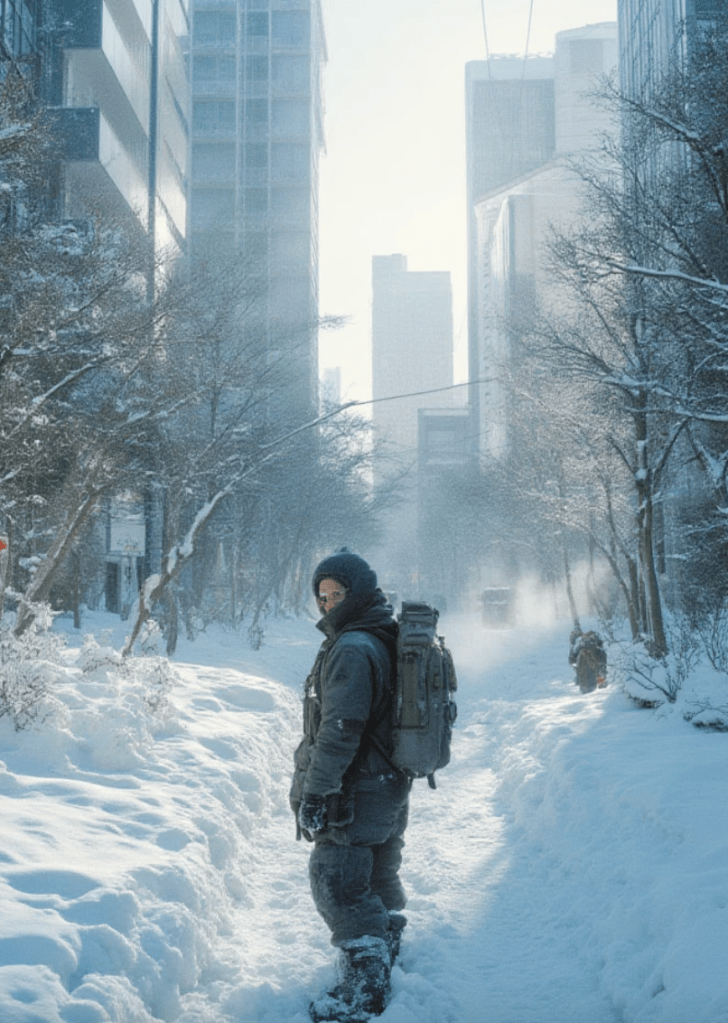







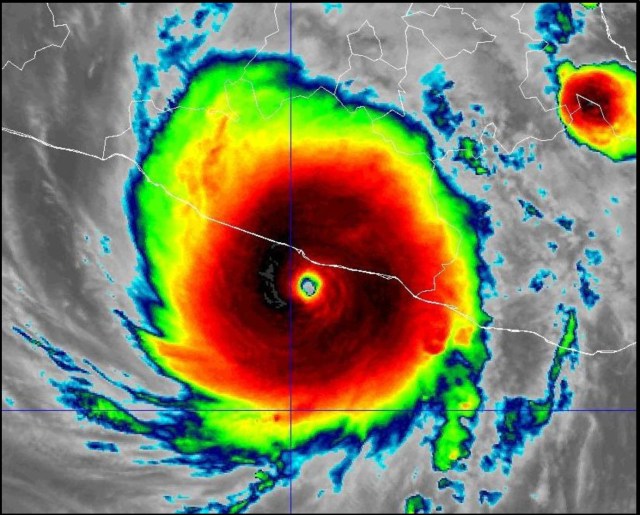






































 TheDailyChristian