Water Is the First Rule of Survival and the World Is Ignoring It

This Is Why Water Is The Absolute Basic for Preparedness

Let me tell you something that shouldn’t still need to be explained in the year we’re living in: water is the cornerstone of preparedness. Not food. Not tools. Not fancy gear. WATER.

And yet somehow—somehow—I keep seeing people stocking their garages with tactical backpacks and overpriced survival gimmicks while completely ignoring the one resource that actually keeps them alive. It’s infuriating. It’s ridiculous. It’s proof that the world has learned absolutely nothing from the disasters it already lived through.

I swear, every time the power grid flickers or a storm rolls in, these same unprepared folks run to the store like panicked toddlers to fight over the last cases of bottled water. Then they have the audacity to act shocked when the shelves are empty. Really? You didn’t see that coming? You didn’t think maybe—just maybe—you should’ve had water set aside already?

Well, buckle up, because we’re going to talk about why water is the absolute basic for preparedness, why the world keeps pretending it isn’t, and why you absolutely cannot afford to be as clueless as the masses sleepwalking through life.


1. Without Water, You’re Done in Three Days—Period

Let’s start with the biological truth. The hard truth. The slap-in-the-face truth:

A human can survive weeks without food, but only three days without water.

Three days.

That’s it.

And depending on the conditions—heat, physical exertion, illness—you might not even last that long. But somehow, people keep prepping like water is optional, like it’s some “bonus item” on the emergency checklist.

It’s not optional.
It’s not secondary.
It’s the foundation.

If you don’t have a dependable water supply, you’re not prepared. You’re pretending.


2. The System You Trust? It Breaks. Often. And Quickly.

Let me make something clear: clean, convenient, pressurized water flowing from your tap is not some magical guarantee. It’s a fragile system held together by aging infrastructure, overworked utilities, political incompetence, and pure luck.

One bad storm.
One prolonged blackout.
One contamination issue.
One supply chain failure.

And suddenly millions of people are boiling rainwater in pots, standing in line for hours at “emergency distribution points,” and acting like they live in the Stone Age.

We’ve seen it happen in small towns. We’ve seen it happen in major cities. We’ve seen it happen after hurricanes, droughts, chemical spills, grid failures, and even routine maintenance screwups. But every time, the world still behaves like these events were unpredictable.

It’s maddening how fast people forget.

The system isn’t stable.
It isn’t guaranteed.
And it certainly doesn’t deserve your blind trust.


3. Everyone Preps for Food First—Which Shows How Little They Understand

Nine out of ten new preppers start with food. “I need buckets of rice and beans,” they say. “I need canned goods. I need freeze-dried meals.”

Sure. Food matters.

But here’s the hilarious part: every one of those foods requires water to cook, or at the very least, water to digest properly so you don’t wreck your kidneys in the middle of a crisis.

You want to survive on dehydrated rations with no water? Enjoy that emergency room visit—oh wait, in a disaster scenario, there isn’t one.

The prepping world is full of people who think they’re being clever by buying 25-year-shelf-life meals, but they don’t store the water needed to actually use them. That’s like buying a car with no fuel tank.

I shouldn’t have to say this out loud. But apparently I do.


4. Water Isn’t Just for Drinking—And That’s Where Most People Go Wrong

Let’s break down some basic math for the folks in the back:

Drinking water:
~1 gallon per person per day (bare minimum).

But that’s only part of the equation.

You also need water for:

  • Cooking
  • Washing and hygiene
  • Pet care
  • First aid and wound cleaning
  • Cleaning tools and surfaces
  • Sanitation and flushing

So that “three-gallon emergency stash” some people brag about?
That’s going to last you about one day, maybe two if you’re living like a dehydrated desert hermit.

A realistic target is a minimum of 30 gallons per person, and that’s only for short-term disruptions. For long-term preparedness, you need far more—stored, filtered, collected, and renewable.

But try telling that to a society that thinks a few cases of bottled water is a preparedness plan.


5. You Need Multiple Water Sources—Because One Will Fail

And let me make one more point, because this is where amateurs fail spectacularly:

You need layers of water redundancy.

Not one method.
Not two.
Several.

If your plan is “I’ll just fill the bathtub,” guess what? If the power goes out before you think of it, the water pressure is gone. Too late. Enjoy your empty tub.

If your plan is “I’ll filter water from the river,” hope you enjoy walking to it while everyone else in your area has the exact same idea.

If your plan is “I’ll buy water,” you clearly haven’t lived through a real crisis—stores empty in minutes, not hours.

Here’s what a real prepper has:

  • Stored water (barrels, jugs, cubes, rotation system)
  • Rainwater collection (gutters, barrels, debris screens)
  • Filtration & purification (gravity filters, tablets, boiling capability)
  • Extraction tools (manual pumps, siphons)
  • Emergency short-term containers (bladder tanks, collapsible bags)

If your plan doesn’t include at least four of these, you’re betting your life on luck. And luck is the one resource you’re guaranteed to run out of.


6. Society Doesn’t Respect Water Until It Loses It—And That’s the Problem

We live in a world that treats water like it’s infinite. People run faucets while brushing their teeth, hose down driveways, refill backyard pools, and buy cases of bottled water like it’s fashionable.

Then one boil advisory hits and suddenly everyone becomes a panicked, desperate survivalist.

It’s pathetic.
It’s predictable.
And it’s exactly why preppers like us are constantly misunderstood or mocked—right up until the moment the grid stumbles and those same people come knocking on our doors.

You know who never panics when the water shuts off?
The person who already stored, filtered, and planned for it.

But the rest of society? They panic because they never bothered to think ahead.


7. If You Don’t Prepare Water First, You’re Setting Yourself Up to Fail

I don’t care how much gear you have. I don’t care how tough you think you are. I don’t care if you’ve watched every survival show ever made.

If you don’t have water, you’re not prepared. And you’re not going to make it.

This world is unstable—economically, environmentally, politically. Disruptions are coming. Some are already here. And you can either face them with water security or face them with empty hands and wishful thinking.

I’m tired of watching people ignore the basics.
I’m tired of seeing preparedness treated like a hobby instead of a necessity.
And I’m tired—truly tired—of shouting this into a world that refuses to listen.

But I’ll say it again, loudly, because maybe this time someone will finally hear it:

**WATER IS THE FIRST PREP.

THE MOST IMPORTANT PREP.
THE PREP THAT DEFINES WHETHER YOU SURVIVE OR FAIL.**

Everything else comes after.
Everything.
Super Duper Important Food Storage Organization: The Harsh Reality Preppers Keep Ignoring

If there’s one thing I’ve learned after years of watching society march itself off a cliff with a smile, it’s this: most people can barely keep their sock drawer organized, let alone their food storage. Everyone loves to talk big about “stocking up” and “being prepared,” but when it comes down to actually doing the unglamorous grunt work—taking inventory, rotating supplies, labeling containers—suddenly everyone becomes lazy, distracted, or “too busy.”

The truth, whether anyone wants to face it or not, is that food storage isn’t some Instagram-friendly pantry makeover. It’s not an aesthetic hobby. It’s a survival system, and if you treat it like anything less, you might as well hand your supplies to the nearest looter and call it a day.

So let’s get something straight: organization and inventory aren’t optional. They are the backbone of any real survival food plan. If you can’t track what you have, where it is, how long it will last, and what you need to replenish, then your entire so-called “prepping” is nothing more than a pile of false confidence waiting to collapse at the worst possible moment.

And moments like that are coming. Don’t kid yourself.


Why Food Storage Matters Even More Than You Think

Every year the world gets a little more chaotic, a little more unstable, and a lot more unpredictable. Supply chains break, crops fail, fuel prices spike, storms hit, and cities melt down—yet somehow the average person still believes grocery stores magically refill themselves overnight.

Maybe they think there’s a fairy in the back room restocking the shelves. Who knows.

But the reality is simple: the more unstable society becomes, the more critical your food storage system is. Not just the amount of food you have—though that matters too—but the management of that food.

Preppers often brag about having “months of supplies.” But when you ask them for specifics, like how many pounds of rice they have, the expiration dates on their canned goods, or how many calories their stash actually provides per day, they suddenly turn into philosophers—lots of vague answers and no actual numbers.

That’s not prepping. That’s denial.


Inventory Is the One Thing Lazy Preppers Refuse to Take Seriously

Let’s talk inventory. Most people hate it. It’s tedious. It requires writing things down. It forces you to face the fact that maybe you’re not as prepared as you thought.

And that’s exactly why it’s essential.

You cannot build a functional food storage system without knowing:

  • What you currently have
  • What’s expiring soon
  • What you need to rotate
  • What you need to replenish
  • How much you actually use over time
  • Where each item is stored
  • Your total caloric reserves
  • How long those reserves will last for each person in your household

If you’re rolling your eyes right now, maybe prepping isn’t actually your thing. Because survival is math, whether you like it or not.

Imagine waking up during a grid-down scenario, digging through your pantry, and realizing half your supplies expired last year because you never bothered to check them. Or discovering you bought 40 cans of soup… but all the same flavor your family hates. Or worse, realizing you stocked up on rice but didn’t buy a single pound of salt, seasonings, or oil to actually cook with it.

Inventory prevents disasters before they become disasters.


Organization: Because Chaos Won’t Save You

Some preppers treat their pantry like a junk drawer. Bags of beans shoved behind flour, cans stacked wherever they happen to fit, random Mylar bags tossed onto shelves “for later,” and half-empty containers leaning sideways like they’re begging to spill.

Do you know what that creates?

Chaos. Confusion. Waste. And vulnerability.

If you ever experience a real emergency, you won’t have time to “dig around and see what’s here.” You need to be able to access what you need immediately—and you need to know it’s still good, sealed, and edible.

Here are the harsh truths:

1. If it isn’t labeled, it doesn’t exist.

Write dates on EVERYTHING—every bucket, every can, every jar, every Mylar bag. If you’re too lazy to label, you’re too lazy to survive.

2. If you can’t see it, you won’t use it.

Deep shelves and unlit storage rooms are silent killers of supplies. Install lighting, use clear containers, and never bury critical food behind junk.

3. If it isn’t rotated, it WILL expire.

FIFO (First In, First Out) isn’t a suggestion. It’s the law of food storage. Treat it like one.

4. If it’s not grouped, it’s not organized.

Cans with cans. Grains with grains. Snacks with snacks. Stop mixing categories like a chaotic raccoon scavenging a dumpster.

5. If your storage isn’t protected, rodents and moisture will destroy it.

You’d be shocked how many preppers lose food to conditions they should have controlled.


People Who Don’t Organize Always Pay the Price Later

Most people assume they’ll be calm and rational when trouble comes. They won’t. Stress shuts down logical thinking. Panic makes people sloppy. Chaos fuels mistakes.

And when your brain is foggy with fear, trying to organize your pantry will be a disaster.

Do it NOW, when your hands aren’t shaking, when lighting still works, and when society hasn’t descended into noise and confusion.

Because here’s the ugly truth:

If you can’t manage your supplies during peace, you won’t magically become competent during crisis.


Building a Real Food Storage System

Here’s what actually works—tested, proven, and reliable:

1. Create a master inventory sheet
Digital or paper—doesn’t matter. Update it weekly.

2. Categorize everything
Grains, canned meats, canned vegetables, freeze-dried meals, spices, oils, comfort foods, etc.

3. Track calories, not just volume
Who cares how many jars you have if they don’t add up to enough daily fuel?

4. Use storage zones
Pantry, basement, long-term storage, emergency bug-out supply.

5. Keep a running “use and replace” list
If you take one item out, write it down immediately. No excuses.

6. Do monthly expiration checks
Yes, monthly. Not yearly like the optimistic amateurs.

7. Overprotect everything
Oxygen absorbers, Mylar, buckets, vacuum sealing—treat food like treasure because soon it might be.


Final Thoughts: Don’t Be Another Unprepared Statistic

The world isn’t getting kinder. It’s not getting more stable. And it sure isn’t getting more self-reliant. Every year, more people depend on fragile systems that can barely handle normal demand, let alone crisis.

You don’t have to be one of them.

But only if you stop pretending that buying food is the same as storing food. Only if you stop believing that survival is about “having stuff” instead of managing it.

Inventory and organization will either save you—or expose you.

It all depends on whether you take them seriously now, while you still have the chance.

Because once things go bad—and they will eventually—there’s no do-over.

The Deadly Side of Illinois: 10 Things That Can End Your Life and How to Escape Them

If you think Illinois is just flat cornfields, windy cities, and midwestern monotony, you are dead wrong—literally. I’ve been alive long enough to see the world crawl into decay, and Illinois is no exception. There’s a quiet lethality lurking in the corners of the state, in both its cities and its countryside. This is not a cheery tourist guide or a fluff piece for the fainthearted. This is your wake-up call. The top 10 threats I’ve identified are real, and each one can end you in a heartbeat if you don’t know how to survive.


The Top 10 Most Dangerous Things in the State of Illinois That Can Easily End Your Life—and How to Survive Them

1. Tornadoes – Nature’s Unpredictable Executioners

Illinois sits squarely in Tornado Alley’s eastern edge, and Mother Nature doesn’t care about your plans. Tornadoes can form in minutes, reaching wind speeds over 200 mph, capable of ripping buildings apart like cardboard. In rural areas, your chances of survival drop if you’re in a mobile home or a flimsy structure.

Survival Tips:

  • Know your safe spots—storm cellars, basements, or interior rooms with no windows.
  • Have an emergency kit with food, water, first aid, and a weather radio.
  • Stay informed through NOAA alerts. If a tornado warning sounds, don’t debate—it’s already too late to hesitate.

2. Highway Traffic – Death at 70 MPH

The I-90, I-55, and I-57 corridors are death traps masquerading as roads. Illinois drivers are notoriously aggressive, distracted, or just downright incompetent. Combine that with winter black ice and potholes the size of small lakes, and you have a recipe for instant death.

Survival Tips:

  • Always wear your seatbelt. This is not optional.
  • Keep a safe distance from other vehicles; tailgating is a fast ticket to death.
  • Maintain a winter emergency kit in your car: blankets, flares, food, water, and a small first-aid kit.

3. Chicago Crime – When Steel Meets Malice

Chicago gets a lot of heat for violence, and for good reason. Gang conflicts, shootings, and random acts of aggression are common. Walking into the wrong neighborhood without situational awareness is an invitation to become a statistic.

Survival Tips:

  • Stick to well-populated, well-lit areas and always know your exit routes.
  • Avoid confrontations. Your life is not worth proving a point.
  • Carry non-lethal self-defense tools where legally permitted.

4. Extreme Winter Weather – The Silent Killer

Illinois winters are brutal. Wind chills routinely hit negative numbers, ice storms make roads impassable, and snow can trap you in your home for days. Hypothermia and frostbite are silent, slow killers that catch the unprepared off guard.

Survival Tips:

  • Invest in proper winter clothing and layered insulation.
  • Keep extra food, water, and fuel in case you’re snowed in.
  • Don’t underestimate the danger of driving during ice storms. Sitting in your driveway is safer than hitting the roads.

5. Flash Floods – Illinois’ Hidden Water Hazard

You don’t need a hurricane to be drowned in Illinois. Flash floods happen fast, often after heavy rain. Rivers, creeks, and even urban streets can turn into raging torrents in minutes.

Survival Tips:

  • Never attempt to cross flooded roads. Six inches of water can sweep a person off their feet; two feet can float a car.
  • Move to higher ground immediately if there’s a flood warning.
  • Keep an emergency bag in your home with essentials. Water rises fast, but preparation rises faster.

6. Gun Accidents – The Silent Threat in Homes

Illinois may have strict gun laws in some areas, but accidents still happen. Unsecured firearms in homes or carelessness while hunting can end lives instantly. Even experienced hunters underestimate how fast a firearm can become a killer.

Survival Tips:

  • Always store guns unloaded and locked.
  • Educate everyone in your household about firearm safety.
  • Treat every gun as loaded until proven otherwise.

7. Poisonous Wildlife – Illinois’ Unexpected Predators

Everyone worries about bears or mountain lions, but Illinois has its own toxic residents: venomous snakes like copperheads and rattlesnakes, aggressive snapping turtles, and deer with nasty temperaments during mating season. Even ticks carrying Lyme disease are life-threatening if ignored.

Survival Tips:

  • Wear proper clothing when hiking or working outdoors.
  • Learn to identify dangerous snakes and give them a wide berth.
  • Use tick repellents and check for ticks after any exposure to tall grass or wooded areas.

8. Industrial Accidents – When Human Negligence Strikes

Illinois is a hub of factories, chemical plants, and construction zones. Explosions, chemical spills, and structural collapses aren’t rare—they’re inevitable somewhere in the state. One careless mistake or safety violation can make your life end before you see it coming.

Survival Tips:

  • Stay alert near industrial areas and heed warning signs.
  • Know your community’s emergency evacuation routes.
  • Keep a basic hazmat knowledge toolkit and protective equipment if you live near high-risk zones.

9. Urban Fires – Flames You Can’t Always Escape

Chicago and other cities aren’t immune to deadly fires. Whether it’s an apartment, a commercial building, or a row house, fires can spread in minutes. Smoke inhalation kills faster than flames, and panic spreads faster than the fire itself.

Survival Tips:

  • Install smoke detectors in every room and test them regularly.
  • Keep fire extinguishers within reach.
  • Plan multiple escape routes and practice fire drills. In urban fires, speed equals survival.

10. Illness and Pandemics – The Invisible Killer

Finally, let’s not forget the quiet killers: viruses, bacteria, and sudden outbreaks. Illinois has major travel hubs like Chicago O’Hare, making it a hotspot for contagious illnesses. One careless cough, one ignored warning, and your life could be over.

Survival Tips:

  • Stay up-to-date on vaccinations and health warnings.
  • Practice hygiene and keep a stock of basic medical supplies.
  • Isolate when necessary. Survival isn’t glamorous—it’s practical.

Conclusion: Survival in Illinois Isn’t Optional

If you think life in Illinois is safe because it doesn’t have volcanoes or desert storms, think again. From natural disasters to human negligence, the state is a minefield of threats waiting to strike at any moment. I don’t sugarcoat reality. Survival isn’t a weekend hobby—it’s a full-time, paranoid, angry occupation.

Prepare yourself. Know the dangers. Respect them. And remember: if you ignore this advice, Illinois won’t care about your excuses. Your survival depends on vigilance, preparation, and the bitter recognition that the world is a relentless predator—and Illinois has its share of fangs.

Don’t Be a Hero: How to Survive Being Held Hostage During a Robbery

The world is not full of good people waiting to do the right thing. It’s full of selfish, desperate, reckless individuals who will happily gamble with your life if it means getting what they want. Civilization is thin. Paper-thin. And when someone storms into a restaurant or bank with bad intentions, that illusion shatters instantly.

You didn’t choose to be there. You didn’t provoke it. But now you’re stuck inside someone else’s bad decisions. Survival becomes your only objective—not bravery, not justice, not heroics. Survival.

This isn’t about playing action-movie fantasy. This is about staying alive when the situation is completely out of your control.


First Rule: Accept Reality Immediately

The moment you realize a robbery is happening, kill the denial. People die because they hesitate, because they assume “this won’t involve me,” or because they wait for clarity that never comes.

If someone is threatening others, brandishing fear, or issuing commands, this is no longer a normal environment. Your job is to mentally switch into survival mode. That means:

  • You are not in charge
  • You are not special
  • You are not invincible

The faster you accept that, the faster you stop making dangerous assumptions.


Second Rule: You Are Not the Main Character

Hollywood lies. In the real world, “heroes” often end up as cautionary tales. When a robbery turns into a hostage situation, the people holding power are unstable, stressed, and unpredictable. Any action that draws attention to you increases risk.

Your goal is to become forgettable.

That means:

  • Don’t argue
  • Don’t make eye contact longer than necessary
  • Don’t stand out physically or verbally
  • Don’t volunteer information

You want to blend into the background like furniture.


Follow Instructions—Even If They’re Humiliating

Pride gets people killed. If you’re told to sit, lie down, stay quiet, or move slowly, you comply unless doing so puts you in immediate danger. Robbers and hostage-takers are often operating on adrenaline and fear. They’re looking for threats, not logic.

Sudden movements, resistance, or “correcting” them can trigger panic-driven violence.

It doesn’t matter how unfair or degrading it feels. Your dignity can be rebuilt later. Your life cannot.


Control Your Body Before It Betrays You

Fear causes people to shake, cry, hyperventilate, or freeze. While emotional reactions are natural, uncontrolled panic can make you look unpredictable—and unpredictable people get watched more closely.

Focus on:

  • Slow, steady breathing
  • Minimal movement
  • Keeping your hands visible if possible

You are trying to project compliance and calm, even if your mind is screaming.


Observe Quietly, Not Actively

There’s a difference between awareness and interference.

You should mentally note what’s happening around you without staring, pointing, or reacting. This helps you stay oriented and gives your mind something productive to do instead of spiraling into panic.

Pay attention to:

  • Where you are in the room
  • Who is near you
  • Changes in tone or urgency

But don’t try to “solve” the situation. You’re not there to intervene. You’re there to endure.


Do Not Try to Negotiate or Reason With Them

This isn’t a debate. These people are not interested in your opinions, explanations, or clever ideas. Attempting to reason can be interpreted as manipulation or defiance.

Unless you are directly spoken to, say nothing.

If addressed, keep responses:

  • Short
  • Neutral
  • Honest but minimal

The less emotional energy you inject into the situation, the safer you remain.


Time Is Not Your Enemy—Impatience Is

Hostage situations feel endless because fear stretches time. Minutes feel like hours. This is where people make fatal mistakes: they assume things are escalating when they aren’t, or they act because they want it to be over.

The ugly truth? Many situations end without harm if no one forces an outcome.

Your mindset should be:

“I can endure this longer than they can remain unstable.”

Patience is a survival tool.


Avoid Group Behavior

Crowds amplify panic. If people around you start crying, shouting, or moving unpredictably, do not mirror them. Emotional contagion can cause sudden chaos, and chaos leads to mistakes.

You don’t need to isolate yourself dramatically. Just don’t become part of a panicked cluster drawing attention.

Stay still. Stay quiet. Stay forgettable.


When Authorities Intervene, Stay Passive

If the situation changes suddenly—loud commands, rapid movement, confusion—this is not the moment to improvise.

Do not:

  • Run unless clearly directed
  • Grab objects
  • Make sudden movements

Follow commands exactly as given, even if they feel abrupt or harsh. In chaotic moments, clarity matters more than comfort.


Afterward: Expect the Shock

Surviving doesn’t mean walking away untouched. After the danger passes, your body may shake, your memory may feel fragmented, and emotions may hit hours or days later.

This is normal.

What’s not normal is pretending you’re fine when you’re not. Survival doesn’t end when the threat leaves. Give yourself space to recover.


Final Reality Check

The world is not getting kinder. Desperation is rising, patience is thinning, and people are increasingly willing to endanger strangers for personal gain. You don’t survive situations like this by being brave or bold.

You survive by being:

  • Calm
  • Compliant
  • Patient
  • Invisible

It’s not heroic. It’s not cinematic. But it works.

And when the worst kind of person walks into the room, staying alive is the only victory that matters.

Surviving a Sinking Car in a World That Doesn’t Care If You Drown

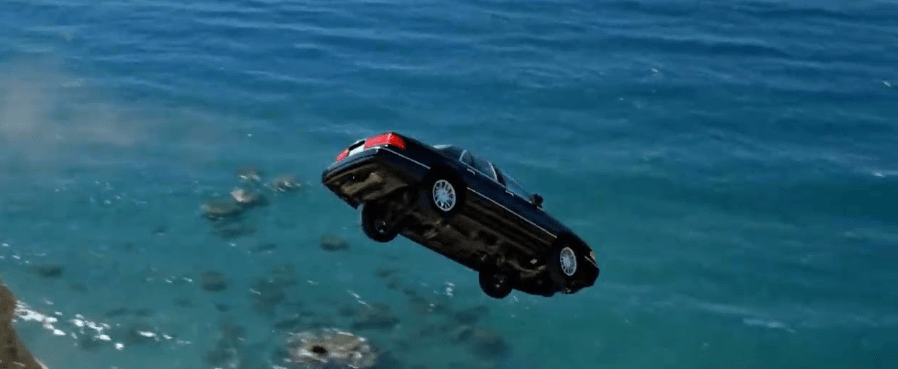
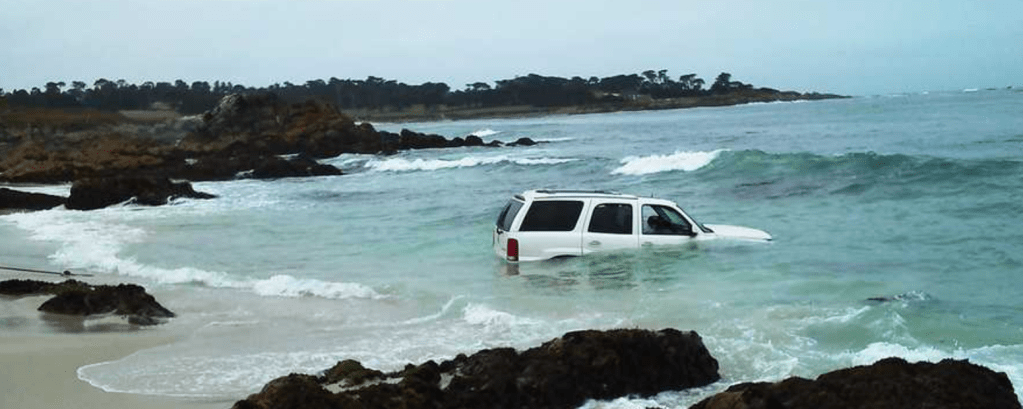
Let’s get something straight right out of the gate: if your car is sinking, the world has already failed you. Society has crumbled long before you ever hit the water. Whether it’s shoddy infrastructure, distracted drivers, or the laughable excuse for “emergency preparedness” drilled into us by people who have never been in an actual emergency, the system isn’t coming to save you. And your precious online “life hacks”? They’ll be as useless as a seatbelt on the Titanic.

If you’re sinking in a car, you have one job: get out before the vehicle becomes a steel coffin. And the irony, the absolute cosmic joke of it all, is that escaping a sinking car is actually simple—if you know what you’re doing. But of course, most people don’t. People think the car will float serenely like a movie stunt scene while they calmly dial 911. No. Your car sinks faster than the average attention span on social media.

So here’s the truth—the bleak, harsh, angry truth—about how to escape a sinking car in a world determined to drag you down with it.


Step 1: Accept That You Are On Your Own

First things first. The moment your car hits water, you must assume no one is coming. Not quickly enough, not competently enough, and definitely not before the water fills your lungs. You don’t have time to wait. You don’t have time to debate. And you sure as hell don’t have time to panic.

You have between 30 seconds and 2 minutes in most sinking-car scenarios. That’s it. That’s your survival window. Every second you waste looking around like a confused tourist brings you closer to the bottom.

Everyone always says, “Call emergency services!”
Sure—if you want rescuers to retrieve your body rather than rescue it. Your phone call should happen after you reach dry land, not while you’re still strapped in watching water rise.

Your life is in your hands. Everyone else is just part of the background noise.


Step 2: Unbuckle Immediately—Not After You Debate It

People underestimate how fast panic sets in. They freeze in denial, thinking the car will stop sinking, or someone will magically show up, or that they’ll “figure it out in a second.” That second never comes.

The moment you hit the water, unbuckle your seatbelt.
No speeches. No hesitation. No dramatic last phone calls.

And for the love of survival, unbuckle the kids first if you have them. Children often can’t free themselves; adults can. Secure them, then move.

Seatbelts save lives—until they don’t. In water, they become shackles.


Step 3: Forget the Door—It’s a Trap

Hollywood lies. It lies about everything, but especially this.

You can’t just open the door when your car’s sinking. Unless you’re built like a hydraulic press, that door won’t budge. Water pressure makes sure of that.

If you try, you will fail.
If you keep trying, you will drown trying.
The door is a lost cause until the inside is fully flooded—and if you wait that long, well, good luck making it to the surface in time.

The door is not your friend. In fact, in a sinking car, it might as well be welded shut.


Step 4: The Window Is Your Way Out—Break It or Open It Fast

The window is your escape route. It is the ONLY escape route in the crucial early moments.

You cannot rely on power windows when your electrical system is immersed in water, but here’s the rough truth: they typically work for a few seconds after impact. That’s your grace period. A gift from the universe, even though the universe doesn’t care.

Best-case scenario: Open the window immediately.

Power windows still working? Good. Hit the button the instant the car touches water.
Rolling down a window could save your life faster than any rescue team ever will.

Worst-case scenario: Break the window.

Use a spring-loaded window punch. Not a hammer. Not your fist (unless you’re trying to break bones). A small, cheap punch. The kind every realist carries but most people don’t, because they’re too busy trusting society to protect them.

Aim for a corner of the window, not the center. Breaking the center is like trying to knock down a brick wall with good intentions.

And don’t even try the windshield. It’s laminated and designed to resist shattering. Focus on the side windows.

This is the life-or-death moment. Get that window open or broken, and you’ve bought yourself a chance.


Step 5: Escape Through the Window and Forget Your Belongings

Once the window is open, escape immediately. Do not turn around for your phone, your purse, your laptop, or the sentimental trinket you think you can grab in two seconds. Those seconds will drown you.

Every survival prepper knows this truth: stuff can be replaced, oxygen cannot.

If you’re helping others—kids, elderly passengers—push them through the window first. They may not have the strength to fight the outward pressure or the rising water.

Then get yourself out.

Push out and swim upward at an angle, because cars often drift downward while sinking. The surface isn’t always directly above you anymore.


Step 6: Swim Away From the Car

Cars don’t sink vertically like stones—they tilt, shift, and churn the water around them. Some even release air pockets that can disorient you. That’s the world for you: even in death, it tries to confuse you.

Swim upward and away. Put distance between you and the vehicle. Use strong kicks. Don’t waste breath. Don’t fight physics—work with it.

When you reach the surface, then you can inhale panic. Not before.


Step 7: Only After Survival—Call for Help

Congratulations. If you reached this point, you’ve done what many cannot: you took responsibility for your own survival.

Now, and only now, do you call for help. Emergency services can take it from here, but they won’t get the credit. Your instincts will.


Final Thoughts From Your Resident Angry Prepper

The world doesn’t prepare you for real emergencies. It hands you pretty safety slogans and expects you to be grateful. But reality is cruel, and water is unforgiving. When your car starts sinking, the only person you can count on is yourself.

I’m not here to sugarcoat anything. I’m here to tell you the truth the world hides because it scares people: most emergencies give you one shot. One window. One moment to act.
And now you know how to use it.

Learn these steps, prepare for the worst, and maybe—just maybe—the world won’t get the satisfaction of dragging you under.

The Off-Grid Survival Gear You’ll Need When Society Finally Collapses (Because It Will)

Everyone loves to pretend that society is stable. People cling to their smartphones, TikTok trends, and grocery-store convenience like it’s some kind of permanent blessing instead of the fragile illusion it really is. Meanwhile, the world teeters on the edge of failure—economies shaking, grids aging, infrastructure rotting, leadership clueless, and people softer than wet cardboard.

Off Grid Survival Gear: The Only Things That Actually Matter When the World Falls Apart” – My Mom

But sure, keep believing that someone’s coming to save you. FEMA? The government? Your neighbors who panic-buy toilet paper at the first sign of trouble? Yeah… that’ll work out great.

If you want even a fighting chance of surviving off-grid, especially long-term, you need gear that actually works—not gimmicks, not influencer trash, not overpriced corporate “prepper starter kits.” Real gear. Rugged gear. Gear that performs when everything else fails.

I’m not here to entertain you with positivity. I’m here to tell you the truth:
If you don’t take off-grid survival seriously, the world will chew you up and spit out your bones.

So let’s break down the only off-grid survival gear worth your time before the collapse—because it’s coming whether you’re ready or not.


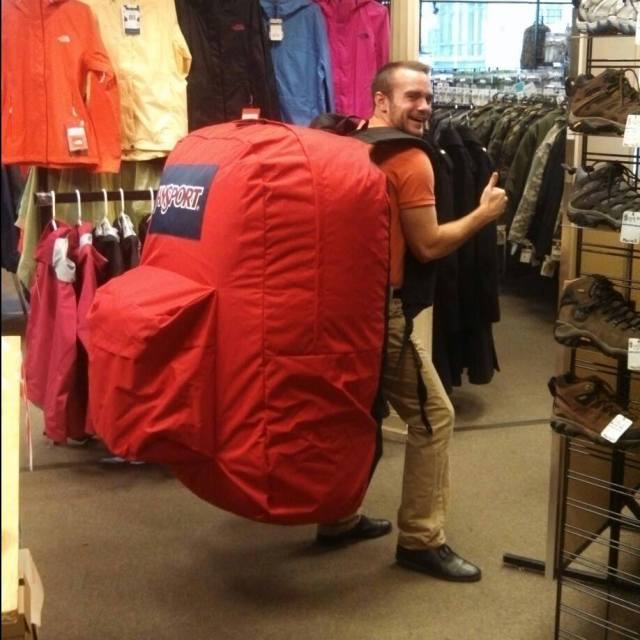
1. A Real Backpack (Not the Amazon Special That Rips on Day One)

You can’t survive off-grid if you can’t carry your gear, and too many people trust bargain-bin backpacks that can’t even withstand a weekend hike.

A real off-grid pack needs:

  • 1,000D Cordura or stronger
  • MOLLE webbing
  • Reinforced stitching
  • Padded waist belt
  • At least 50–75 liters of capacity

If your bag fails, you fail. Simple as that. When you’re miles away from civilization and your shoulder strap snaps, you’re not just annoyed—you’re compromised.


2. A Water Filtration System That Won’t Quit

Humans can last weeks without food but only days without water. And when you’re off-grid, you’re not drinking from a cute plastic bottle—you’re drinking from rivers, ponds, snowmelt, and whatever questionable puddle nature hands you.

You need:

  • A gravity-fed filter for base camp
  • A personal survival straw for emergencies
  • A pump filter for on-the-move travel
  • Purification tablets as backup

If your filtration system fails, enjoy dehydration, parasites, and organ failure—because nature doesn’t care about your feelings.


3. Solar Power and the Means to Store It

Unless you’re planning to spend your off-grid life sitting in the dark like a cave troll, you need reliable, renewable power. But solar gear isn’t some magical energy fairy—you need the right components:

  • A rugged foldable solar panel (100W–200W minimum)
  • A power bank with high-capacity lithium storage
  • A compact solar generator if staying in one place
  • Durable cables and adapters that don’t fray

Cheap solar setups die fast. Real ones keep emergency communications running, power lights, charge essential tools, and help you not lose your mind in total darkness.


4. A Cutting Tool That Could Survive an Apocalypse

Every off-grid scenario demands a real blade. And no, your kitchen knife isn’t going to cut it. You need:

  • A full tang survival knife
  • A folding EDC blade for daily tasks
  • A machete or hatchet for clearing brush and splitting wood

Your knife is your lifeline—not an accessory. A dull, weak blade is basically an insult to your own survival.


5. Fire-Starting Gear That Works Even When Everything Is Wet

If you can’t make fire, you can’t stay warm, boil water, or cook food. Fire is the difference between freezing at night or living to see the next sunrise.

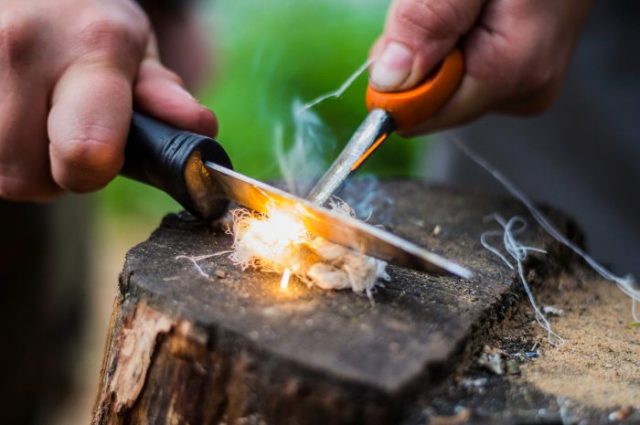
You need redundancy, because things fail—especially when you desperately need them. A proper off-grid fire kit includes:

  • Ferro rod and striker
  • Stormproof matches
  • Butane lighter
  • Tinder (cotton balls with petroleum jelly, fatwood, or commercial cubes)

If you have only one method, congratulations—you’re planning to fail.


6. Rugged Off-Grid Shelter and Sleep System

People underestimate how quickly exposure kills. Hypothermia doesn’t care if you’re tough or motivated. Without real shelter gear, the elements become your executioner.

Your off-grid setup must include:

  • A compact 4-season tent or durable tarp setup
  • A high-quality sleeping bag rated for low temps
  • Thermal blankets as backup
  • A sleeping pad to keep your body off the cold ground

Nature does not negotiate. If you sleep in the wrong conditions, you won’t wake up.


7. Off-Grid Cooking Essentials

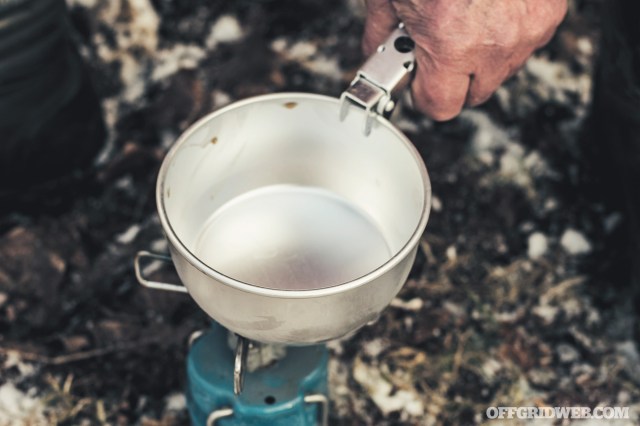
Close up Shot of a Camper at the Forest Cooking for Something Using Portable Stove on the Ground.

No power grid means no microwave, no stove, and no convenient meals. You need a way to cook in all weather conditions.

Your cooking kit should include:

  • A portable camp stove with multi-fuel capability
  • A stainless steel pot or cook set
  • A metal water bottle you can boil water in
  • Long-term food storage meals (freeze-dried or dehydrated)

And remember: off-grid life means learning primitive skills—because Skittles and instant ramen won’t feed you forever.


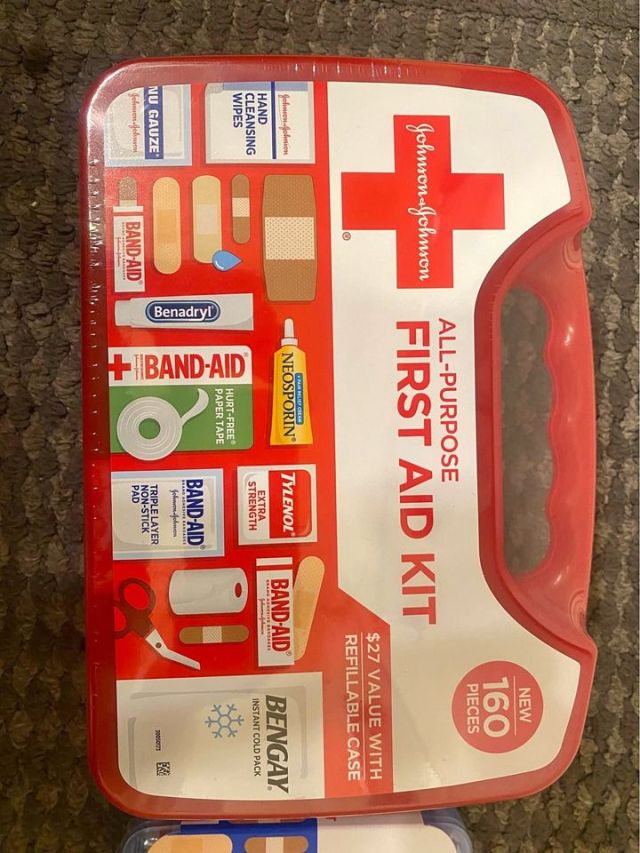
8. First Aid Gear—Because Injuries Off-Grid Are Unforgiving

In the wild, small wounds escalate into infections, infections become life-threatening, and emergency rooms are hours (or days) away.

A real off-grid first aid kit includes:

  • Trauma supplies (tourniquet, pressure bandage, clotting agent)
  • Antiseptics
  • Pain medication
  • Burn treatment
  • Splints and wraps
  • Medical tape that actually sticks

Too many people treat first aid like an afterthought. Those people don’t last long.


9. Navigation Tools—Because GPS Won’t Save You Forever

When the grid goes down, and your phone dies, you’ll need real tools:

  • A compass (a real one, not a toy)
  • Paper maps of your area
  • A backup GPS device for as long as satellites stay functional

If you’re lost off-grid, the world stops being your home and becomes your hunter.


10. Defensive Gear (Because Desperation Turns People Into Animals)

Let’s be honest: if society collapses, the biggest threat won’t be nature—it’ll be people. Desperate, unprepared, angry, panicked people who waited too long and now want your supplies.

You need defensive tools that fit your local laws, your skills, and your comfort level, such as:

  • Bear spray
  • A survival staff or hiking pole
  • Noise deterrents
  • Perimeter alarms for camp

Defense isn’t optional. It’s reality.


11. The Tools That Keep You Alive Long-Term

Short-term survival gear is easy. Anyone can buy a knife and a flashlight.
Long-term gear? That’s where the herd gets thinned.

You need:

  • A folding saw or compact chainsaw
  • A repair kit (duct tape, paracord, sewing needles, patches)
  • Fishing gear
  • A multitool with real steel, not cheap aluminum junk

Off-grid life is nonstop maintenance. If you can’t fix things, they fail—and then you fail too.


Final Reality Check

The harsh truth is simple:
Most people won’t survive off-grid.
They’re too soft, too dependent, too fragile, too delusional about how the world really works.

But if you’re reading this, maybe you’re different.
Maybe you’re one of the few who still understands that survival takes preparation, grit, and gear that won’t betray you.

Prepare now—while you still have the chance.

When Terror Strikes, Don’t Count on Anyone: How Americans Can Actually Communicate When Attacked

If you’re waiting for the government, the cell towers, or the so-called “resilient infrastructure” of this country to save you during a terrorist attack, then you’ve already lost. And no, I’m not sugarcoating anything—because the world doesn’t sugarcoat disaster. Americans walk around glued to their screens, convinced that the same fragile networks delivering cat videos and grocery coupons are going to hold up the moment a coordinated terrorist attack strikes. Spoiler alert: they won’t. They never do.

Every single major emergency—from 9/11 to hurricanes to localized attacks—shows the same predictable pattern: communication systems fail, and people are left in the dark. Literally and figuratively. The angry part of me isn’t because disaster is unavoidable—it’s because we, as a nation, still refuse to learn. We built our entire society on a digital house of cards, and everyone acts shocked when it collapses.

So here’s the reality check nobody wants but everybody needs: if you don’t have a communication plan BEFORE a terrorist attack, you won’t have one DURING it.

You either prepare, or you gamble your life on luck. And luck doesn’t care about you.


Why Cell Phones Become Useless During a Terrorist Attack

Most Americans cling to their cell phones like life rafts, as if holding the slab of glass in their hands gives them some sort of immunity to chaos. But during a terrorist attack? That device becomes dead weight.

Here’s what actually happens:

1. Networks Get Overloaded

Every terrified human in a radius of miles starts calling everyone they know. Emergency lines get overwhelmed. Non-essential calls clog bandwidth. And soon, even emergency responders lose connection.

It’s not sabotage. It’s not a conspiracy. It’s math. Too many people, not enough capacity.

2. Towers Can Be Taken Offline

A single attack on critical infrastructure—or even a precautionary shutdown—can erase all connectivity in seconds. Terrorists know this. Emergency planners know this. The general public pretends not to.

3. GPS and Apps Become Useless

People think they’ll “just use Google Maps to find safety.” Sure. If satellites cooperate, towers stay online, and your battery doesn’t die in the 45-minute gridlock evacuation.

Good luck.


The Government Will Not Magically Communicate With You

We all love to imagine FEMA sending perfectly timed alerts and instructions. The reality? Emergency systems can—and do—fail. Even when alerts go out, they’re often delayed or inconsistent across regions.

And let’s be honest… even when the alerts work, half the country ignores them because they think everything is a test.

You can trust official alerts to help when possible. But you absolutely cannot rely on them exclusively. That’s not paranoid—that’s practical.


So What CAN Americans Do?

Thankfully, you’re not entirely doomed—unless you stay unprepared. You want communication options during a terrorist attack? Then you need redundancy, self-reliance, and a plan that works even when the entire digital system collapses.

Here’s what actually works, even when the world comes apart:


1. Create a Family Emergency Communication Plan

No, not a vague “text me if something happens.” A real plan. Written. Practiced.

It should include:

  • Two primary contacts
  • Two backup contacts
  • A meeting location
  • An alternate meeting location
  • A designated out-of-state contact (often easier to reach when local lines are jammed)
  • Instructions for what to do if separated

This isn’t overkill. This is responsibility.


2. Learn the Power of SMS Over Calls

Text messages use a fraction of the bandwidth of phone calls. Even when networks are collapsing, SMS might still sneak through. It’s slow, unreliable, and agonizing—but better than screaming into the void.

Use short, clear texts like:

  • “Safe.”
  • “Evacuating.”
  • “Meet at location A.”
  • “Can’t reach you. Will try again in 20 min.”

If you send long essays during a crisis, then maybe the crisis isn’t the biggest problem.


3. Two-Way Radios Are Not Just for Hobbyists

Americans love to mock preppers and their radios—right up until the moment those radios are the ONLY working communication method left.

FRS/GMRS Radios

Inexpensive. Widely available. Great for short-range family communication.

HAM Radio (Amateur Radio)

This is where the real reliability lies. Yes, it takes time to learn. Yes, you need a license. But you gain:

  • Independent communication
  • Long-distance reach
  • Access to emergency frequencies
  • The ability to receive real-time local information

HAM radio operators are often the first and last people communicating during disasters.

If you’re too busy to learn HAM radio, fine—just don’t pretend your phone will save you instead.


4. Keep an Emergency Power Source

Your fancy phone is just a useless brick once the battery dies. And it will die.

You need:

  • Portable battery banks
  • Solar chargers
  • Car chargers
  • A hand-crank emergency radio

If your communication tools can’t stay powered, they may as well not exist.


5. Have Hard Copies of Critical Information

Everyone relies on digital info—until the digital world collapses.

Print:

  • Emergency contacts
  • Maps of your city
  • Evacuation routes
  • Family meeting points
  • Medical info
  • Important addresses

Paper doesn’t lose signal. Paper doesn’t need WiFi. Paper doesn’t die.


6. Neighborhood Communication Networks

Yes, I know the world feels like it’s full of unreliable people. But in a crisis, neighbors can be your lifeline—or you can be theirs.

Organize:

  • A shared radio channel
  • A check-in system
  • A basic alert system (whistles, horns, etc.)

Community resilience matters, even in a world that often feels disappointingly fragile.


7. Stay Informed WITHOUT Internet

You need devices capable of receiving emergency broadcasts when cellular and internet systems go offline:

  • NOAA weather radios
  • Emergency alert radios
  • Battery-powered AM/FM radios

When terrorists strike, ignorance is deadly. Information is survival.


Final Thought: Communication Isn’t a Gadget—It’s a Mindset

Americans love easy solutions. But communication during a terrorist attack isn’t about apps, phones, or gadgets. It’s about preparation. The bitter truth is that most Americans simply aren’t prepared—and their complacency will cost them.

You don’t have to become a bunker-dwelling hermit (though some people could benefit from less screen time and more survival time). You just need to accept reality: no system is guaranteed to protect you. You must protect yourself.

Prepare now, or panic later. And panic never communicates anything worth hearing.
Top Survival Foods You Better Have Before Everything Goes Wrong (And It Will)

If you’re reading this, congratulations—you’ve at least realized that the world is one minor disaster away from going completely off the rails. Most people wander through life thinking the grocery store shelves magically refill themselves, or that disasters only happen on TV. Spoiler alert: they don’t. And when things inevitably go sideways, those same people will be crying in parking lots looking for bottled water. Meanwhile, you—if you actually follow through—might stand a fighting chance. But only if you stock the right survival food in your kit. And please, for your own sake, don’t pack the usual garbage people think qualifies as “emergency food.”

So let’s go through the best survival food items for your survival kit—the ones that won’t get you killed. I’ll even break down why they matter, though frankly, it’s the kind of common sense people should already know.


Why Survival Food Matters (If That Isn’t Obvious Already)

Look, survival isn’t a cooking show. You’re not going to be flambéing anything when the power’s out or when you’re trekking through debris and broken glass. Survival food has one job: keep you alive. That means it has to meet a few basic criteria that too many people ignore:

  • Long shelf life – Because you’re not rotating your stock like a grocery store.
  • High-calorie density – Starving is a terrible hobby.
  • Low preparation requirement – You may not even have clean water, let alone a working stove.
  • Portability – If your kit weighs as much as your regrets, you won’t make it far.

If a food item doesn’t meet those requirements, it doesn’t belong in your survival kit. Period.


1. Peanut Butter: The Undisputed Champion of Not Dying

Peanut butter is cheap, dense, portable, shelf-stable, and calorie-loaded. It’s basically the perfect survival food. Unless you’re allergic—in which case, well, you’ve got a different set of problems.

One jar can pack over 2,500 calories, tons of fat (which you need when you’re burning energy like a madman), and protein. You don’t need to heat it, cook it, or refrigerate it. You don’t even need to like it—survival isn’t a gourmet experience.


2. Energy Bars: Because You Won’t Be Sitting Down for a Meal

Forget your fancy protein bars with quinoa sprinkles and “forest berry drizzle.” I’m talking about high-calorie, dense energy bars—the type hikers choke down because they’re too useful to ignore.

These bars take up almost no space and deliver a hit of carbs, fats, and sugars that can keep your body from shutting down while you’re slogging through a disaster zone.

Just keep in mind that some bars pretend to be healthy and barely hit 150 calories. If you want to survive, not starve, pick bars in the 300–400 calorie range. And no, you don’t get bonus points for organic.


3. Canned Meat: The Not-So-Glamorous Lifesaver

A lot of people gag at the idea of canned meat, which tells me they’ve never been hungry enough. Tuna, chicken, spam, salmon—pick your protein. These cans last forever, they’re packed with nutrients, and they can be eaten straight from the can if you don’t mind looking like a character from a post-apocalyptic movie.

To make it even better, canned meats don’t need refrigeration until they’re opened. Just remember to pack a can opener unless you plan on bashing the cans open with a rock like a caveman.


4. Rice and Beans: The Classic Combo That Refuses to Die

If civilization ends tomorrow, rice and beans will probably still be around in some dusty pantry. And for good reason:

  • Together, they form a complete protein.
  • They’re cheap.
  • They store forever—especially if you repackage them with oxygen absorbers.

Yes, they require cooking and water, which isn’t ideal. That’s why these belong in your home stash or long-term survival bag, not your small emergency kit or bug-out bag. Still, they’re worth mentioning because few foods give you more nutrition per dollar.


5. Freeze-Dried Meals: The Fancy Option (But Actually Smart)

Freeze-dried meals get mocked by people who think survival food should taste like cardboard. But here’s the reality: these meals are lightweight, last 20–30 years, and only require hot water. That’s a pretty sweet deal when the alternative is gnawing on dry pasta.

Get meals that have at least 500 calories per pouch, not those pathetic backpacking meals made for people pretending to “rough it.” Go for brands known for high calorie counts and decent macros.

And don’t forget: freeze-dried isn’t the same as dehydrated. Freeze-dried lasts much longer and keeps more nutrients intact. Your future half-starved self will thank you—though you might not deserve it.


6. Instant Oatmeal: Low Glamour, High Payoff

Instant oats are a survival staple. They’re cheap, flexible, lightweight, and ridiculously easy to prepare. In worst-case scenarios, you can even “cold soak” them in water if you have to. Sure, the texture will be awful, but again, this is survival—not brunch.

Pick plain oats, not the sugary varieties. You need calories, not cavities.


7. Trail Mix: Because You’ll Need Fuel, Not Motivation

Trail mix is what happens when nuts, dried fruit, and chocolate decide to form a survival alliance. It’s loaded with fats, carbs, and sugar—all things your doomsday body will burn through in minutes.

Make sure your trail mix includes:

  • Nuts (fat and protein)
  • Dried fruit (quick carbs)
  • Chocolate or M&Ms (morale and calories)

Skip the trendy stuff with kale chips or yogurt drops. The goal is survival, not pretending to be healthy during the apocalypse.


8. Hardtack or Survival Rations: The Food Brick You’ll Hate but Depend On

Hardtack is basically the bread equivalent of a brick—hard, tasteless, and nearly indestructible. But it lasts decades if kept dry and can keep you alive when everything else runs out.

Modern emergency rations (like 2,400–3,600 calorie bars) are much more efficient. Yes, they taste like slightly sweet cardboard, but they’re designed to survive heat, cold, moisture, and probably nuclear winter. And you only need a few bars to survive a couple of days.


9. Shelf-Stable Ready-to-Eat Meals (MREs)

If you want the convenience of a full meal without any preparation, MREs are the way to go. They come with heaters, so you can eat hot food even if everything around you is on fire—literally or metaphorically.

They’re heavy, so don’t pack too many in a go-bag, but having one or two can make a miserable situation slightly less unbearable.


Final Thoughts: If You Don’t Prepare Now, Don’t Complain Later

Most people wait until disaster hits before realizing they should’ve prepared. Don’t be one of them. A survival kit without proper food is just a fancy bag of regrets. Start with the basics above and pack enough calories to sustain you for at least 72 hours. More if you actually want a fighting chance.

Because when things fall apart—and they will—your survival kit is the only thing standing between you and becoming another cautionary tale that people pretend they learned something from.

Surviving the Endless Blackout: Hard Lessons for the Unprepared World

Let’s stop pretending the world is going to hold itself together forever. Every year the power grid becomes more fragile, the people become more dependent, and the illusion that “somebody else will fix it” grows more laughable. You want survival prepper advice for long-term power outages? Fine. But understand this: if you’re asking now, you’re already behind. For years, the writing has been on the wall in big, blinking red letters—the grid is dying, and almost no one cares enough to prepare.

People act like the power going out for a few hours is an inconvenience. They whine that their streaming service paused or the AC cut off. But a real long-term power outage? A true grid failure that stretches into weeks, months, maybe longer? That isn’t an “inconvenience.” It’s the unraveling of modern civilization—fast, brutal, unforgiving. And most of the population will panic, consume everything in sight, and turn on each other the moment their comforts disappear.

If you want to survive what’s coming, you need to prepare like the world won’t help you—because it won’t.


The Moment the Grid Goes Down, Your Old Life Ends

People have no idea how many things they rely on daily that require power. It’s not just lights. It’s not just entertainment. It’s water treatment, sewage management, supply chains, hospitals, refrigeration, communication, and transportation systems. When the grid collapses, everything else collapses with it.

The very moment the power stays off longer than 24 hours, the fragile illusion begins to crack. Grocery stores lose refrigeration. Gas stations stop pumping. ATMs go dead. Electronic payments die instantly. After 72 hours, the shelves are empty, the water pressure drops, and the desperation kicks in.
And here’s the truth: your neighbors won’t stay neighborly.
When their kids are hungry and they realize the government isn’t coming to save them, they will do whatever it takes—whatever it takes—to survive.

If you’re not ready, you become the resource they want.
If you are ready, you become the target they need.

Either way, power outages change people. And not for the better.


Your Long-Term Survival Depends on Energy Independence—Not Hope

Hope is useless.

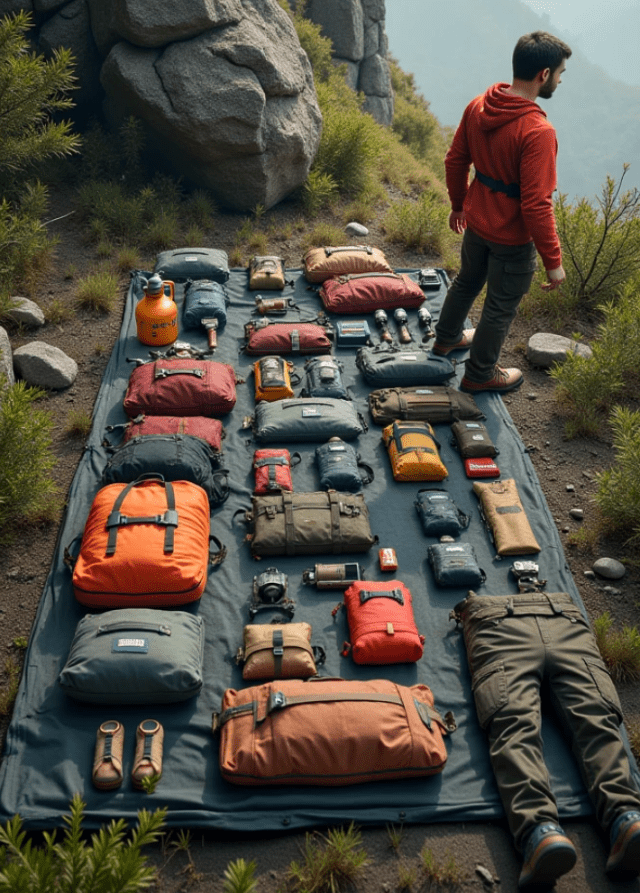
Backup generators? Sure, they’re great—until they burn through fuel. And when the grid is down for months, good luck refilling those tanks. Fuel becomes liquid gold, guarded, fought over, and nearly impossible to acquire.

Solar? Better. But the average person buys a cheap solar generator thinking they’re set for life. They forget clouds exist. They forget batteries degrade. They forget that a single system can’t run a modern household.

Here’s the harsh truth:
If you want power long-term, you need redundancy—layers of energy options, not one toy you bought online.

Serious preppers follow this rule:

1. Solar Power (Primary)

Not a single panel. Not a cute portable kit.
A real setup: roof panels, ground arrays, battery banks, and proper inverters. Preferably something EMP-hardened or at least protected.

2. Fuel-Based Generators (Short-term and emergency)

Propane stores longer than gasoline. Diesel is stable. Gasoline is garbage after a few months unless treated and rotated.
Have multiple fuel sources, not one.

3. Manual Tools and Non-Electric Alternatives

Because eventually, everything breaks. And when it does, you’d better know how to live like electricity never existed.


Water: The First Resource to Disappear—and the Last You Can Live Without

People love stockpiling flashlights and candles while ignoring the most obvious issue: without power, water stops moving.

If you’re on a well? No electricity, no pump.
If you’re on city water? Once their backup generators fail, so does your faucet.

You need:

  • Multiple water storage systems
  • Gravity-fed solutions
  • Water filters that don’t rely on electricity
  • Backup manual well pumps
  • Rainwater collection systems

And believe me, when people get thirsty, they’ll become unpredictable fast. A dehydrated population is a violent population.


Food Storage: Because Grocery Stores Won’t Save You

Everyone projects their fantasy onto collapse: “Oh, I’ll just hunt.”
Right. So will every other desperate person. Wildlife won’t last a month near populated areas.

Your real food sources must be:

  • Bulk dry goods: rice, beans, oats, wheat berries, lentils
  • Freeze-dried emergency meals
  • Canned proteins: tuna, chicken, beef
  • Gardens and greenhouses capable of long-term production
  • Seed banks—heirloom only
  • Livestock (if possible)

But you know what people never plan for?
The part where they get robbed.

If you store food, others will eventually want that food. So add this to your list:

  • Hidden caches
  • Decoy storage
  • Defensive systems and training
  • Community alliances (even if you hate people, you’ll need them)

Yeah, community. Even angry pessimistic preppers like me know one truth: you can’t defend anything alone forever.


Heat, Cooling, and the Harsh Truth About Weather

When the grid collapses, people forget how unforgiving nature can be.

Winter becomes deadly for the unprepared.
Summer becomes lethal for the weak.

You need non-electric heating systems:

  • Wood stoves
  • Pellet stoves (with manual lighting options)
  • Thermal blankets
  • Insulated emergency shelters

Cooling? That’s harder. But methods exist:

  • Earth-sheltered structures
  • Cross-ventilation
  • Solar-powered fans
  • Underground storage for perishables
  • Heat-reflective materials

The wealthy think their backup generators will keep the AC going.
They won’t—not for long.
And when the heat becomes unbearable, they’ll be the first ones to panic.


Security: Because When the Lights Go Out, the Wolves Come Out

You can have all the supplies in the world, but if you can’t defend them, you’re just stockpiling for someone stronger.

Arm yourself. Train. Know your land.
Set up motion sensors, dogs, tripwires, perimeter alarms—systems that don’t need electricity.

And don’t fool yourself:
Morality is a luxury of stable societies.

When the grid dies, survival becomes the only rule.


Mental Fortitude: The One Prep No One Talks About

People break mentally long before they run out of food.
Isolation, fear, and the crushing realization that the world you knew is gone—that’s what destroys the unprepared.

You need hobbies, routines, skills, and discipline.
And you need to accept this now: life will never be easy again.


Final Thought: Prepare Like No One Is Coming—Because No One Is

Governments can barely handle a snowstorm.
You think they’ll manage a nationwide power collapse?

Look around. Society is soft, weak, and addicted to convenience.
They won’t survive long-term outages.

But you can—if you start now, prepare honestly, and stop trusting the world to keep the lights on.

Because once the switch flips for good, everything changes.
And only the prepared will make it through the darkness.

Don’t Lie to Yourself — Your Pathetic Bug Out Bag Won’t Save You

Let’s cut the sugarcoating.
If your bug out bag is underbuilt, understocked, or underthought, you will die.
Not metaphorically… not “you’ll be uncomfortable”… not “things will get tough.”
No. You will actually die.

Exposure kills.
Dehydration kills.
Infection kills.
Stupidity kills fastest of all.

And the world is unraveling faster than you think. While most people post memes, binge shows, and pretend everything is fine, you’re one disaster away from finding out your gear is either your salvation or your coffin.

A bug out bag isn’t a hobby.
It’s not a Pinterest project.
It’s not a casual “just in case” backpack.

It is the difference between crawling into survival… or collapsing into the dirt face-first while the world burns around you.

This checklist is designed for one thing: keeping you alive when society stops pretending it’s functional.


WHY YOUR CURRENT BUG OUT BAG IS A JOKE — AND HOW IT WILL KILL YOU

Most people’s bags are overloaded with junk or missing lifesaving basics.
They pack:

  • gadgets they don’t know how to use
  • food that spoils in 24 hours
  • knives made for cartoons
  • useless “tactical” garbage they bought because it looked cool

Meanwhile, the truly essential survival gear sits forgotten on some Amazon wishlist.

Those mistakes will kill them within 72 hours of a real collapse.

If your bag fails in heat, cold, darkness, or panic…
If your water plan is wishful thinking…
If your shelter plan is “I’ll figure it out”…

You’re not a survivor. You’re a casualty waiting for its moment.

This checklist fixes that.


THE BRUTALLY HONEST BUG OUT BAG CHECKLIST (THE SURVIVOR’S VERSION)

Prepare for bluntness. Anything less is deadly.


1. WATER & PURIFICATION (FAIL THIS AND YOU DIE FIRST)

Dehydration doesn’t care about your attitude. It doesn’t wait for you to “get more prepared later.” It drops you on the ground, weak, confused, and dying in as little as three days.

You NEED:

  • Stainless steel water bottle (boil in it or don’t bother)
  • Lightweight filter (Sawyer Mini or better)
  • Purification tabs
  • Collapsible bladder
  • Metal cup

If your water system can’t handle mud, runoff, or contaminated puddles, you’ll be dead faster than you think.


2. FOOD THAT ACTUALLY KEEPS YOU ALIVE (NOT “SNACKS”)

Most people pack “food” that produces one outcome: metabolic collapse.

Your food must be:

  • lightweight
  • calorie-dense
  • idiot-proof

This means:

  • Survival bars
  • Freeze-dried meals
  • Jerky
  • Oatmeal packs
  • Electrolyte powder

Not chips.
Not granola.
Not candy.

If your food burns more calories to digest than it gives, you’re killing yourself slowly.


3. SHELTER & CLOTHING: THIS IS WHERE MOST PEOPLE DIE

Exposure kills faster than hunger and almost as fast as dehydration.
Hypothermia doesn’t care about your optimism.
Rain doesn’t care about your ego.

Pack:

  • Emergency bivy
  • 550 cord
  • Tarp
  • Mylar blankets
  • Wool or synthetic clothing
  • Spare socks
  • Weatherproof jacket

If your bug out strategy involves cotton, congratulations—you’ve built a shroud, not a survival system.


4. FIRE: WITHOUT IT YOU FREEZE, SICKEN, OR STARVE

Fire is life. Period.

You need:

  • Ferro rod
  • Stormproof matches
  • At least two Bic lighters
  • Tinder kit

If you fail to make fire in the rain, in the cold, or when your hands shake with fear… you will die shivering in a wet pile of regret.


5. TOOLS: IF THEY BREAK, SO DO YOU

Gear failure equals survival failure.

Don’t pack toys. Pack tools:

  • Full-tang fixed-blade knife
  • Multi-tool
  • Folding saw or hatchet
  • Heavy-duty duct tape
  • Headlamp + spare batteries
  • Work gloves

If your knife bends, snaps, or dulls instantly, enjoy slowly discovering how helpless a grown adult can become without tools.


6. TRAUMA-READY FIRST AID (THE “BAND-AID KIT” WILL SET YOU UP TO DIE)

Here’s a reality check:
In a disaster, there is no ambulance.
No ER.
No 911.
Just you and your gear.

You need:

  • Tourniquet
  • Israeli bandage
  • QuikClot or gauze
  • Alcohol wipes
  • Antibiotic ointment
  • Pain meds
  • Medical tape

A twisted ankle, a deep cut, an infection—these things become lethal fast if you don’t have the gear to handle them.


7. NAVIGATION: IF YOU CAN’T FIND YOUR WAY OUT, YOU’LL ROT WHERE YOU STAND

GPS dies with the grid.
Cell service collapses under panic.
Your phone becomes a sleek, useless brick.

You need:

  • Compass
  • Local maps
  • Pencil or grease marker

If you can’t navigate without electronics, the wilderness—or the city—will swallow you whole.


8. SIGNALING & COMMUNICATION: SILENCE IN A DISASTER MEANS DEATH

Ignoring this category is how people vanish.

Pack:

  • Whistle
  • Signal mirror
  • Hand-crank radio

If you can’t receive information, you’re blind.
If you can’t signal, you’re silent.
If you’re blind and silent, you’re dead.


9. SECURITY: IGNORING THIS WILL END YOU

I won’t list weapons. Laws differ. People differ. Situations differ.

But minimally:

  • Pepper spray
  • High-lumen flashlight
  • Knife (already listed)

If your bag doesn’t allow you to deter threats, protect yourself, or escape danger, you’re gambling with your life.


10. DOCUMENTS & MISC: YOU’LL BE SHOCKED HOW IMPORTANT THIS BECOMES

Include:

  • ID copies
  • Cash
  • Emergency contacts
  • Notepad
  • Sharpie
  • Bandanas
  • Zip ties
  • Trash bags

These tiny items solve massive problems.


THE COLD, UGLY, UNDENIABLE TRUTH

If your bug out bag is trash, your survival odds drop to zero.

The world is not stable.
Systems break.
People panic.
Authorities get overwhelmed.
Help never arrives.

So your choice is simple:

Build a real bug out bag now… or die wishing you had one.

There is no middle ground.
No “I’ll get to it.”
No “Maybe later.”

Later is when people die.
Later is when the unprepared panic.
Later is when the weak beg for help they’ll never receive.

Now is your only chance.