The Ultimate Guide to Preparing for Oklahoma’s Worst Natural Disasters

Oklahoma is a beautiful, often unpredictable state with vast plains, wide-open skies, and stunning landscapes. But with all that beauty comes a big risk: natural disasters. Tornadoes, wildfires, severe thunderstorms, floods, and ice storms are just a few of the challenges residents face. As a prepper, you need to be ready for anything, and that means understanding the risks and taking the right steps to ensure you and your loved ones stay safe in the face of disaster.

CLICK HERE TO LEARN HOW TO SURVIVE A FAMINE

When it comes to preparing for natural disasters, Oklahomans need to take into account the extreme weather conditions that can hit at any time. With the state’s location right in the heart of “Tornado Alley,” as well as its vulnerability to flooding, wildfires, and ice storms, the need for preparation has never been more critical. I’ve learned over the years that being prepared is not just about having a few extra cans of beans or water stored away—it’s about having the right mindset and a comprehensive plan in place.

Here’s a closer look at how Oklahoma residents prepare for the worst, and what you can do to keep your family safe.

1. Tornado Preparedness

Oklahoma is notorious for its tornadoes. The state is smack dab in the middle of Tornado Alley, and it’s not unusual to hear about multiple tornadoes touching down in one day during peak storm season, from late spring to early summer. To prepare for tornadoes, your number one goal should be creating a safe, accessible shelter. A basement or storm cellar is ideal, but if that’s not an option, a small interior room on the lowest level of your home with no windows, like a closet or bathroom, will do.

Make sure to have a weather radio with battery backup to stay up-to-date with any emergency alerts, and keep it in your safe space. Also, have a well-stocked emergency kit that includes first aid supplies, non-perishable food, extra water, flashlights, and a spare battery. Tornadoes can strike with little warning, so it’s critical to have these supplies on hand.

Prepper Tip #1: Secure your home by reinforcing windows and doors, and consider investing in a storm shelter or safe room. The strength of a tornado can easily tear through a house, so having a reliable shelter could be the difference between life and death.

2. Flooding Preparation

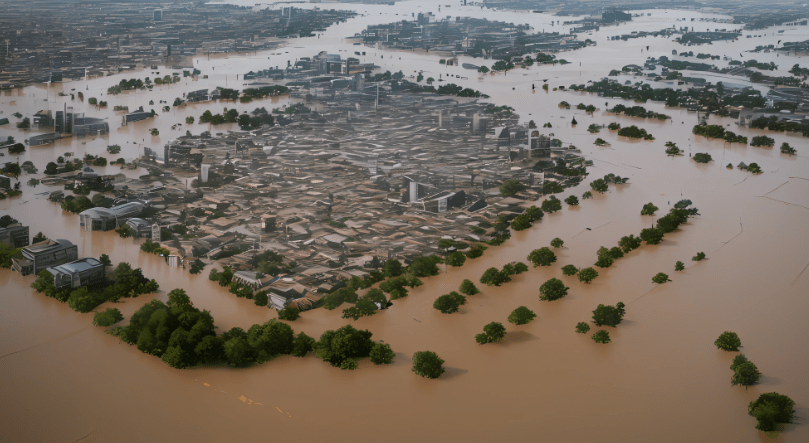
Flooding is another major concern in Oklahoma, particularly in the spring months when heavy rains fall, quickly causing rivers and streams to overflow. It’s important to know if you live in a flood-prone area and have a plan in place. Flooding can happen quickly, and roads can be impassable in minutes. If you’re at risk, ensure your house is elevated, if possible, and that your sump pump is working.

Prepper Tip #2: Invest in sandbags, which are useful for blocking water from entering your home. Also, keep important documents in waterproof containers or sealed bags. In the event of evacuation, you won’t lose your essential papers.

3. Severe Thunderstorms and Lightning

Thunderstorms are a frequent occurrence in Oklahoma, and they can quickly escalate into dangerous conditions. High winds, hail, and lightning strikes are all part of the package. Severe thunderstorms can turn deadly, and lightning is a real risk to both people and structures.

Prepper Tip #3: When a storm is coming, stay inside, away from windows and doors. Make sure your home has a lightning rod or surge protectors to safeguard electrical equipment.

4. Wildfire Preparation

While wildfires are more common in western Oklahoma, they can spread quickly through dry grasslands and forests in all parts of the state. During periods of drought, fire risk increases. To prepare, clear any brush or dry vegetation around your property and keep fire-resistant materials handy. Have a fire extinguisher in the home and know how to use it.

Prepper Tip #4: Create defensible space by maintaining at least 30 feet of cleared space around your home. This can help prevent wildfires from spreading to your property and gives you a chance to evacuate safely.

5. Ice Storms

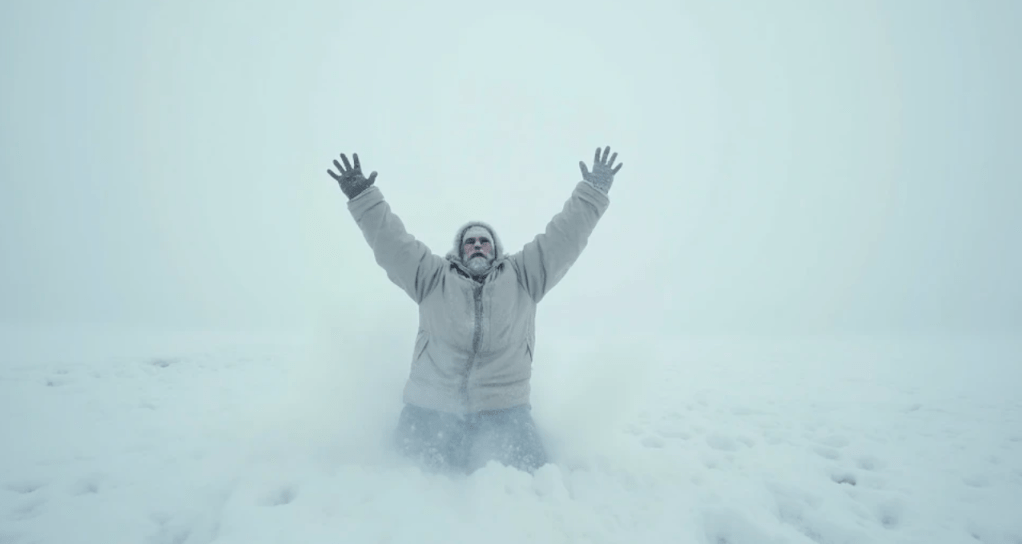
Oklahoma ice storms are notorious for their ability to disrupt daily life. Ice can accumulate on power lines and trees, leading to widespread power outages and dangerous driving conditions. If you’re stuck at home during an ice storm, make sure you have enough supplies to get you through the cold. A generator can be a lifesaver when the power goes out, but only use it outside, as they can release deadly carbon monoxide if used indoors.

Prepper Tip #5: Keep blankets, extra clothing, and warm hats to make sure everyone stays warm during power outages. If you’re relying on a space heater, ensure that it’s not blocking any ventilation.

6. Extreme Heat and Droughts

Oklahoma is no stranger to extreme heat and drought conditions, especially in the summer. Water supplies can become scarce, and crops may fail. When you know a drought is coming, it’s important to store water and keep your air conditioning in good working order. Stay hydrated, limit outdoor activity during the hottest part of the day, and check on elderly neighbors who may struggle in the heat.

Prepper Tip #6: Invest in water storage systems, like large rain barrels or tanks, to catch and store rainwater. During a drought, this water can be invaluable for keeping your garden alive or flushing toilets.

7. Emergency Plans for Evacuation

Whether you’re facing a wildfire, flooding, or tornado, it’s crucial to have an evacuation plan. Know at least two routes out of your neighborhood and have a “go bag” packed with essentials—important documents, clothes, cash, and your emergency kit.

Prepper Tip #7: Have a family meeting place that’s outside of the danger zone, in case your home is unreachable. This ensures everyone knows where to go and avoids confusion during a disaster.

8. First Aid and Medical Preparedness

In a state like Oklahoma, you might find yourself a few miles away from emergency services in the event of a disaster. That’s why learning basic first aid skills and stocking a comprehensive first aid kit is essential.

Prepper Tip #8: Learn CPR and first aid, and keep a medical kit that includes prescription medications, bandages, antiseptics, pain relievers, and any necessary medical supplies. Make sure the whole family knows where the kit is and how to use it.

9. Survival Communication

Communication during a natural disaster can be a challenge. Cell towers may be down, and power lines may be cut. Make sure you have alternate ways to communicate, such as a battery-powered radio, satellite phone, or walkie-talkies.

Prepper Tip #9: Pre-program emergency contacts into your phone and create a printed list of important phone numbers to keep in your emergency kit. This way, even if your phone dies, you’ll still have access to vital contact information.

10. Stay Informed and Weather-Wise

As a prepper in Oklahoma, you need to stay informed. Watch the weather forecasts and sign up for local weather alerts. Technology has made it easier than ever to stay in the loop, but you need to act quickly when a warning is issued.

Prepper Tip #10: Download weather apps, and consider investing in a weather radio or NOAA radio. In emergencies, this is your direct link to critical updates and alerts, ensuring you’re always in the know.

By staying alert and prepared, you can face Oklahoma’s natural disasters head-on. Being a prepper isn’t about being paranoid—it’s about being smart and ready. With these survival tips, you’ll have a plan in place to handle the worst that Mother Nature can throw at you.

You said:

continue

ChatGPT said:

By staying prepared, you not only increase your chances of survival during an emergency, but you also give your loved ones peace of mind knowing that you’ve taken the necessary steps to keep them safe. The key is to think ahead and be proactive. If you wait until disaster is imminent, you may find yourself scrambling and unprepared, which can be dangerous.

In Oklahoma, it’s not a matter of if a disaster will strike, but when. Whether you’re dealing with tornadoes tearing through your town, floods turning streets into rivers, or wildfires consuming dry grasslands, the more prepared you are, the better off you’ll be.

It’s also important to stay connected with your community. Many Oklahomans band together when disaster strikes. Whether it’s a neighbor helping you clear debris or local volunteers providing food and water after a storm, the spirit of camaraderie in this state can be a vital lifeline when things get tough. So, build relationships with your neighbors and local emergency response teams. Knowing who to turn to can make all the difference when disaster strikes.

In addition to your immediate family, think about your pets. Animals rely on you for safety, food, and water during an emergency. Keep a pet emergency kit with food, water, medication, and other supplies, and always make sure you have a plan for them in case you need to evacuate.

Lastly, keep an eye on your mental health. Surviving a natural disaster is not just a physical challenge, but an emotional one. The stress of losing your home, possessions, or even loved ones can take a toll. Be sure to reach out to mental health professionals or support groups if you find yourself struggling to cope. Psychological resilience is just as important as physical preparedness in the face of a disaster.

In the end, preparedness is not about living in fear. It’s about living with confidence. When you know you’ve done everything you can to protect yourself, your family, and your community, you can face Oklahoma’s worst natural disasters with calm and purpose. Whether you’re a seasoned prepper or just getting started, the most important thing is to keep learning, stay flexible, and adapt your plan as you gain new knowledge and experience.

Remember: Survival is about more than just weathering the storm—it’s about thriving despite it. In Oklahoma, where the storms and natural disasters are relentless, the true strength of a prepper is measured not by the gear you have, but by the mindset you carry. Stay vigilant, stay informed, and most importantly, stay safe.

Best Kentucky Prepper’s Handbook: Mastering Natural Disaster Preparedness

Surviving Kentucky: A Prepper’s Guide to Natural Disaster Readiness

Living in Kentucky means embracing the land’s beauty and unpredictability. As a prepper in the Bluegrass State, I’ve learned that readiness isn’t just a choice—it’s a necessity. From the rolling hills to the winding rivers, Kentucky offers both serenity and peril. Understanding the natural disasters that frequent our state and preparing accordingly can make the difference between life and death.


Understanding Kentucky’s Natural Disasters

CLICK HERE TO LEARN HOW TO SURVIVE A FAMINE

Kentucky’s diverse geography subjects it to various natural disasters:

  • Tornadoes: The state ranks among the top in the nation for tornado occurrences. The western region, including areas like Mayfield, has been particularly hard-hit. AP News
  • Flooding: Heavy rains can lead to flash floods, especially in eastern Kentucky’s mountainous terrain.
  • Winter Storms: The state’s unpredictable winters bring ice storms and heavy snowfalls, disrupting power and transportation.
  • Earthquakes: The New Madrid Fault Line runs through western Kentucky, posing a significant seismic risk. Kentucky and Beyond
  • Severe Thunderstorms: These can spawn tornadoes, hail, and damaging winds, affecting the entire state.

10 Survival Prepper Tips for Kentucky Residents

  1. Build a Comprehensive Emergency Kit: Include at least a three-day supply of water (one gallon per person per day), non-perishable food, a manual can opener, flashlights, batteries, a first aid kit, and necessary medications. SELF+3GQ+3Kenton Hardin Health Department+3
  2. Create a Family Emergency Plan: Establish meeting points, communication methods, and evacuation routes. Practice this plan regularly with all family members.
  3. Stay Informed with NOAA Weather Radio: A battery-powered or hand-crank NOAA Weather Radio can provide real-time alerts for severe weather events. Kenton Hardin Health Department+1GQ+1
  4. Secure Your Home Against Tornadoes: Identify a safe room or basement. If in a mobile home, evacuate immediately during a tornado warning. kyem.ky.gov+1Western Kentucky University+1
  5. Prepare for Flooding: Keep important documents in waterproof containers. Elevate electrical appliances above potential flood levels.
  6. Winterize Your Home: Insulate pipes, stock up on salt for de-icing, and have extra blankets and warm clothing on hand during winter months.
  7. Earthquake Preparedness: Secure heavy furniture to walls, practice “Drop, Cover, and Hold On” drills, and have an emergency kit readily accessible. Kenton Hardin Health Department+4police.uky.edu+4Western Kentucky University+4
  8. Maintain a Go-Bag: Pack essentials like water, food, clothing, and important documents in a bag that can be grabbed quickly in case of evacuation.
  9. Develop a Pet Emergency Plan: Ensure pets have identification, a supply of food and water, and a plan for shelter during disasters. Kenton Hardin Health Department
  10. Engage with Local Emergency Services: Join programs like Community Emergency Response Teams (CERT) to stay informed and assist during emergencies. LINK nky

Conclusion

Being a prepper in Kentucky isn’t about fear—it’s about empowerment. By understanding the risks and taking proactive steps, we can safeguard ourselves, our families, and our communities. Remember, preparedness isn’t just a one-time task; it’s an ongoing commitment to resilience.

Surviving Minnesota’s Worst: A Prepper’s Guide to Natural Disasters

Surviving Minnesota’s Worst: A Prepper’s Guide to Natural Disasters

As a seasoned prepper in Minnesota, I’ve learned the hard way that the state’s unpredictable weather can turn deadly in an instant. From blizzards that trap you in your own home to tornadoes that tear through communities, being unprepared is not an option. Here’s how I, and many like me, prepare for Minnesota’s worst natural disasters.

1. Emergency Kits: Your Lifeline

Every Minnesotan should have an emergency kit ready to go. The Minnesota Department of Public Safety recommends a kit that includes:Minnesota Department of Public Safety+2Minnesota Department of Public Safety+2Minnesota Department of Public Safety+2

  • One gallon of water per person per day for at least three days
  • A three-day supply of non-perishable food
  • Battery-powered or hand-crank radio and a NOAA Weather Radio with tone alert
  • Flashlight and extra batteries
  • First aid kit
  • Whistle to signal for help
  • Dust mask to help filter contaminated air
  • Plastic sheeting and duct tape to shelter-in-place
  • Moist towelettes, garbage bags, and plastic ties for personal sanitation
  • Wrench or pliers to turn off utilities
  • Can opener for food (if kit contains canned food)
  • Local maps
  • Cell phone with chargers, inverter, or solar chargerMinnesota Department of Health+4Minnesota Department of Public Safety+4Minnesota Department of Public Safety+4

These items are crucial for surviving the first 72 hours after a disaster, especially when help may be delayed.

2. Family Emergency Plan: Communication is Key

When disaster strikes, communication can be the difference between life and death. Establishing a family emergency plan is essential. Decide on a meeting place, ensure everyone knows how to reach each other, and practice your plan regularly. The Minnesota Department of Public Safety offers resources to help you create a comprehensive plan. Minnesota Department of Public SafetyUniversity of Minnesota Extension+1Minnesota Department of Public Safety+1

3. Evacuation Kit: Be Ready to Leave at a Moment’s Notice

In Minnesota, wildfires and floods can force you to evacuate quickly. The Minnesota Department of Natural Resources provides an evacuation checklist that includes:

  • Leaving power and outside lights on
  • Leaving a written note on the table of who evacuated, where you are heading, and the time and date
  • Leaving your cabin unlocked
  • Turning on your hose with the nozzle in the closed position
  • Taking your pets with you, along with their medications and vaccination records
  • Taking your medications with you, in their original bottles
  • Leaving ladders up against your roof
  • Leaving your boats in the lake with motor, gas, and life preservers
  • Notifying your next of kin that you have evacuated and are safe
  • Following designated evacuation routes
  • Bringing extra eyeglasses if necessary
  • Bringing cash, credit cards, and important documents you may have stored at home
  • Taking a change of clothes and pillow, blanket, and towel
  • Including any special needs items (formula, diapers, nebulizers, canes, wheelchairs, etc.)MN DNR+1AP News+1

Being prepared to evacuate can save precious time and ensure your safety. AP News+1MN DNR+1

4. Financial Preparedness: Protect Your Assets

Organizing your financial life ahead of natural disasters is crucial. Gather important documents like birth certificates, social security cards, and insurance policies, and store them securely in a fireproof and waterproof location. Maintain updated records of financial accounts, medical information, and contact details for key individuals and services. Additionally, keep cash available for emergencies, as electronic banking may be disrupted. AP News

5. Stay Informed: Knowledge is Power

In Minnesota, staying informed can be a matter of life and death. Monitor weather alerts through NOAA Weather Radio or local news stations. The Minnesota Department of Public Safety emphasizes the importance of being informed about potential hazards and knowing what to do before, during, and after an emergency. Minnesota Department of Public Safety+1Minnesota Department of Public Safety+1


10 Survival Prepper Tips for Minnesota’s Natural Disasters

  1. Winterize Your Vehicle: Ensure your vehicle is equipped with winter tires, antifreeze, and an emergency kit including blankets, food, and a shovel.
  2. Fire-Resistant Landscaping: Use fire-resistant plants and materials around your home to reduce wildfire risk.
  3. Flood-Proof Your Home: Install sump pumps and seal basement windows to prevent flooding.
  4. Tornado Drills: Regularly practice tornado drills with your family to ensure everyone knows what to do.Minnesota Department of Public Safety+1Minnesota Department of Health+1
  5. Backup Power: Invest in a generator to keep essential appliances running during power outages.Minnesota Department of Public Safety+1Minnesota Department of Public Safety+1
  6. Emergency Water Supply: Store at least one gallon of water per person per day for at least three days.Minnesota Department of Public Safety
  7. Non-Perishable Food: Stock up on a three-day supply of non-perishable food items.Minnesota Department of Public Safety+1Minnesota Department of Public Safety+1
  1. Secure Important Documents:
    Store originals in a waterproof/fireproof safe and make digital copies saved to a USB drive or secure cloud storage. Include IDs, insurance papers, medical records, and property deeds—if disaster strikes, having fast access can make all the difference.
  2. Build Local Connections:
    Know your neighbors and build a local support network. In a crisis, especially in rural Minnesota, help might not arrive fast. Trading supplies, sharing intel, or just having someone to watch your six can save lives.
  3. Train and Practice Regularly:
    Don’t let your survival plan collect dust. Conduct regular drills, rotate food and water supplies, and keep your skills sharp—fire-starting, first aid, basic navigation, and self-defense. The best gear in the world won’t save you if you don’t know how to use it.

Natural Disasters Minnesota Preppers Face—and How We Handle Them

Minnesota might look like the land of lakes and peace, but don’t let the serene nature fool you. Our state faces a cocktail of threats year-round, and here’s how we confront each one:

❄️ Blizzards and Extreme Cold

Minnesota winters are no joke. Temperatures dip well below zero, with whiteouts stranding folks in their cars or homes for days. I keep thermal blankets, a kerosene heater, and a sealed-off “heat room” to preserve warmth. All windows are insulated, and I rotate my food stocks every season.

🌪️ Tornadoes

Come spring and summer, the winds shift—and so does our focus. Tornado sirens are a normal part of life here. I have a reinforced storm shelter stocked with 7 days of rations, water, and comms. My family knows the drill: no hesitation, grab the go-bag and get underground.

🌊 Flooding

Especially near the Mississippi, Minnesota River, and Red River, floods can wipe out homes. I elevate my essential gear and use water alarms in my basement. I also track rainfall and snowmelt patterns. My sump pump system has backup batteries and an alert system tied to my phone.

🔥 Wildfires

Northern Minnesota is forested territory, and dry spells can turn the woods into tinder. I’ve cleared brush 30 feet from all buildings, store firefighting tools nearby, and always have an evacuation pack prepped in my truck.

Power Outages

Ice storms and high winds frequently knock out the grid. That’s why my solar battery backup and dual-fuel generator are non-negotiables. I’ve even wired essential circuits in the cabin to switch automatically.


Final Thoughts from the Minnesota Wilderness

Preparedness isn’t paranoia—it’s peace of mind. Out here, nature doesn’t care if you’re ready. It’ll bury you in snow, blow your roof off, or drown your home with spring melt. Being a prepper in Minnesota means respecting the land but never underestimating it.

It’s about readiness, not fear. Confidence, not panic. And while we might seem a bit intense to the untrained eye, we know that the difference between surviving and suffering is often just a few hours—or a few decisions.

So stock up. Gear up. And never let the weather catch you off guard. Because in Minnesota, it’s not if disaster strikes—it’s when.

Beyond the Basics: What Survival Skills Alone Can’t Prepare You For

Anyone who’s been around the prepping world long enough knows this: book knowledge and bushcraft skills will only get you so far.

Yes, it’s great if you know how to start a fire with a bow drill or set up a lean-to shelter with paracord. But if you think survival is just about skills, you’re not seeing the whole picture. Survival isn’t just about staying alive—it’s about staying functional, smart, and sane under pressure.

When the grid goes down, society breaks, or you’re deep in the wild with no backup, you’ll need more than just skills—you’ll need grit, mental clarity, and adaptability.


The Real-World Truth About Survival

In real-life situations, things don’t happen like they do in the manuals. You don’t get perfect weather. You don’t get all the right gear. You don’t always have time to think. And your biggest threats? They’re not just hunger or cold. They’re panic, poor judgment, fatigue, and people making bad decisions—including you if you’re not ready.

That’s why mental preparedness, physical endurance, and adaptability are just as critical as any survival skill.


10 Survival Prepper Tips to Go Beyond the Basics

1. Train Your Mind Before You Train Your Hands
It doesn’t matter how good you are with a ferro rod if you can’t stay calm when you’re wet, cold, and lost. Mental discipline saves lives.

2. Get Uncomfortable on Purpose
Practice survival scenarios when conditions suck—rain, cold, hunger, or fatigue. Comfort-based training breeds weakness.

3. Know When to Fight and When to Flee
Prepping isn’t just defense—it’s strategy. Sometimes survival means walking away and saving your strength.

4. Build a System, Not Just a Bag
Your bug-out bag is only part of the plan. Without a system—routes, contacts, backups—it’s just expensive dead weight.

5. Practice Real-World Scenarios
Blindfold yourself and build a fire. Purify water at night. Escape a “stranded vehicle” with limited gear. Don’t train only in fair weather.

6. Harden Your Body Now
You won’t rise to the occasion—you’ll fall to your level of training. Hike. Carry weight. Get stronger. Fitness is survival currency.

7. Learn to Work with People You May Not Like
In a survival situation, you might not get to pick your group. Learn to lead, follow, and manage tension under stress.

8. Diversify Your Skills
Don’t just master fire-starting. Learn comms, basic mechanics, first aid, negotiation, navigation, and bartering. Prepping is about being multi-dimensional.

9. Prepare for Boredom and Isolation
Mental fatigue kills. Pack low-tech distractions—cards, a notepad, even a harmonica. Your mind needs fuel just like your body does.

10. Stock Resilience, Not Just Supplies
The strongest prep isn’t in your pantry—it’s in your mindset. Keep adapting, learning, and staying three steps ahead. That’s the real edge.


Final Word: Skills Are Just the Beginning

Survival is a full-spectrum discipline. It’s not about being the best woodsman or having the fanciest gear. It’s about enduring the unexpected, staying sharp when it matters, and being prepared when others panic.

So train smart. Think deeper. Prepare harder.

Because when it hits the fan, survival doesn’t reward the skilled—it rewards the ready.

SHTF Reality Check: Why Local Officials Might Not Have Your Back

Many folks believe that when disaster strikes, the authorities will step in and keep them informed. They assume that emergency alerts will come through loud and clear, and that help will be on the way. But that mindset is a dangerous one.

The truth is, when the SHTF, relying on authorities—or mainstream media—to keep you informed is a gamble. Their priorities often don’t align with your survival needs. In many cases, they might not even have the information you need when you need it most.

It’s time to face facts: you are your first responder. If you’re waiting for someone else to tell you what’s happening, you’re already behind the curve.

CLICK HERE TO LEARN HOW TO NEVER STARVE WHEN DOOMSDAY HITS!


The Reality of Emergency Information

When disaster strikes, authorities may not be as transparent as we’d like them to be. Their priority is often to prevent confusion from spreading through the masses. Panicking can cause more immediate disarray than the emergency itself, and they know this.

To them, emergency situations are about the statistics. What they care about the most is saving face with the public. And everyday folks who just want to protect themselves and their families may be left in the dark when SHTF—until it’s too late to do anything about it.

But our families are not just a percentage on a screen. It is our duty to protect them.


10 Survival Prepper Tips to Stay Informed and Prepared

1. Invest in a Hand-Crank or Solar-Powered Radio

A battery-operated or hand-cranked radio can keep you connected to the outside world, even when the power grid fails. There are numerous channels and frequencies dedicated to emergency broadcasts, and they can be an invaluable resource when emergencies strike.

2. Utilize Emergency Alert Apps

There are several apps designed to keep you informed during emergencies. Apps like FEMA, AccuWeather, and the American Red Cross offer real-time alerts and detailed disaster planning guides. Additionally, apps like Zello turn your phone into a walkie-talkie, allowing you to communicate with others using Wi-Fi or cellular data .LifewireLifewire+2preppersparadigm.com+2End Times Preppers+2

3. Build a Local Network

Your neighbors, your friends, or any acquaintance you have can provide important insights and updates during emergencies. Building these relationships can pay us back a thousandfold in bad situations.

4. Stay Active on Community Forums

Online communities and forums dedicated to emergency preparedness and survival can be invaluable resources. Websites like SurvivalistBoards and PrepperForums offer a wealth of information and allow you to connect with like-minded individuals .

5. Monitor Police and Emergency Scanner Apps

Apps like Police Scanner and Scanner Radio allow you to listen to live broadcasts from law enforcement and emergency services. These can help you stay informed about local emergencies, road closures, and other critical events!

6. Create a Family Emergency Plan

Develop a comprehensive emergency plan that includes evacuation routes, meeting points, and communication strategies. Ensure all family members are familiar with the plan and conduct regular drills.

7. Assemble a Bug-Out Bag

A well-stocked bug-out bag can be a lifesaver in an emergency. Include essentials like water, non-perishable food, a first aid kit, flashlight, and multi-tool. Don’t forget important documents and any necessary medications.

8. Stay Informed Through Alternative News Sources

While mainstream media can be unreliable, alternative news sources often provide more detailed and timely information. Websites like Zero Hedge and The Prepper Journal offer insights into current events and their potential impact on your preparedness plans .Food Storage Moms+1Preparing with Dan+1

9. Practice Situational Awareness

Always be aware of your surroundings and stay alert to potential threats. Trust your instincts and don’t ignore red flags. Situational awareness can help you make informed decisions and avoid dangerous situations.

10. Regularly Review and Update Your Preparedness Plans

Emergencies can evolve rapidly, and so should your preparedness plans. Regularly review and update your plans to ensure they remain effective and relevant. Adapt to new information and changing circumstances.


Final Thoughts

Our world is unpredictable and often unfair. We can’t always rely on being spoon-fed knowledge in emergencies. However, by staying proactive and equipping ourselves with the right tools, we can stay ready to move when we have to.

Remember, when the SHTF, the authorities might not be there to help you. It’s up to you to stay informed, stay prepared, and stay alive.

Take control of your information sources, build a reliable network, and equip yourself with the knowledge and tools you need. Your family’s safety depends on it.

Survival Strategies for Massachusetts: Preparing for the Worst Natural Disasters

The Ultimate Prepper’s Guide to Massachusetts: Staying Ready for Any Natural Disaster

Living in Massachusetts, we all know that the weather can turn on a dime. Whether it’s snowstorms, hurricanes, or floods, we face a variety of natural disasters that demand preparedness. For a survival prepper like myself, the key to getting through any disaster is being ready, no matter what mother nature throws our way. In this post, I’ll walk you through how Massachusetts residents prepare for the worst natural disasters the state is prone to and provide survival prepper tips tailored to the unique challenges of living here.

The New England Winter: Preparing for Snowstorms and Blizzards

When it comes to natural disasters in Massachusetts, the winter months pose one of the greatest risks. Nor’easters—those fierce winter storms that dump heavy snow and bring powerful winds—are something we prep for every year. These storms can knock out power lines, cause road blockages, and leave entire neighborhoods in a state of emergency for days.

Survival Prepper Tip 1: Stock Up on Non-Perishable Foods and Water
You don’t want to be caught without food or water when the power goes out during a blizzard. Canned goods, dry foods like rice and beans, and a good supply of bottled water are essential. Make sure to have at least three days’ worth of supplies for each member of your family.

Survival Prepper Tip 2: Have a Reliable Heating Source
Massachusetts is known for frigid temperatures during winter, so you’ll want a backup heating source in case the power goes out. Propane heaters, wood stoves, or kerosene heaters can keep your home warm when the grid goes down. Make sure your chimney is cleaned regularly if you’re using a wood stove or fireplace.

Hurricane Season: Dealing with Coastal Storms

Though Massachusetts isn’t as frequently hit by hurricanes as some Southern states, we’ve still seen our fair share of damage from these powerful storms. Coastal areas are especially vulnerable to storm surges, high winds, and flooding. As a prepper, I always keep a watchful eye on hurricane season, which runs from June to November.

Survival Prepper Tip 3: Create an Evacuation Plan
If you live near the coast, evacuation is sometimes the best option during a hurricane. Know your evacuation routes and make sure your family is familiar with them. If you’re in a flood-prone area, consider having a “go bag” packed with essentials like clothing, medication, and important documents so you can leave quickly if needed.

Survival Prepper Tip 4: Reinforce Your Home
For those living near the coast, it’s important to fortify your home against strong winds and storm surges. Invest in storm shutters, and reinforce your roof, windows, and doors. Consider sandbagging around your home’s perimeter to protect against flooding.

Flooding: An Increasing Threat in Massachusetts

CLICK HERE TO LEARN HOW TO SURVIVE A FAMINE

Flooding is one of the biggest concerns for Massachusetts residents, especially as the climate changes and rainfall patterns become more unpredictable. While we don’t see the catastrophic flooding of places like New Orleans, our state is still vulnerable to flash floods and coastal flooding. Areas near rivers, the Cape Cod region, and Boston are particularly at risk.

Survival Prepper Tip 5: Elevate Important Items
In case of a flood, it’s crucial to protect your valuable items. Store important documents in waterproof containers and elevate electronics, furniture, and anything that could get ruined. If you live in a flood-prone area, consider installing sump pumps to prevent basement flooding.

Survival Prepper Tip 6: Create a Flood-Proof Emergency Kit
Flooding can leave you stranded in your home or in a temporary shelter for an extended period. Make sure your emergency kit includes a flashlight, batteries, a first-aid kit, and extra medication. Include items like waterproof matches, water purification tablets, and extra clothing.

Tornadoes: Rare, But Dangerous

Though Massachusetts isn’t known for frequent tornado activity, the state is not immune. Tornadoes can spring up unexpectedly, especially during severe thunderstorms in late spring and summer. While the risk of a direct hit is low, it’s always a good idea to be prepared for the possibility.

Survival Prepper Tip 7: Know Your Shelter Locations
If a tornado is heading your way, you need to seek shelter immediately. A basement or storm cellar is your safest bet. If you don’t have access to a basement, go to the interior part of your house on the lowest floor, away from windows. Keep a small “tornado kit” with essentials like blankets, water, and non-perishable snacks in your shelter area.

Earthquakes: Not a Major Threat, But Still Possible

Though Massachusetts is not on a fault line like California, the state can experience small to moderate earthquakes. The last significant earthquake to hit Massachusetts was in 1755, but smaller tremors are not unheard of. While a major earthquake is unlikely, it’s still worth knowing how to prepare.

Survival Prepper Tip 8: Secure Heavy Items
In the event of an earthquake, unsecured heavy furniture and appliances can fall and cause injury. Use brackets, anchors, or straps to secure shelves, TVs, and large appliances to the wall. Keep a first-aid kit on hand in case of injury.

Extreme Heat and Drought: A Growing Concern

As global temperatures rise, Massachusetts is experiencing hotter summers and occasional drought conditions. Prolonged heatwaves can put a strain on the power grid and increase the risk of wildfires. While we don’t see as many wildfires as the West, they can still occur, especially during dry conditions.

Survival Prepper Tip 9: Stay Hydrated and Plan for Power Outages
In extreme heat, staying hydrated is crucial. Always have plenty of water on hand, and consider purchasing a portable fan or solar-powered cooling system if you live without air conditioning. If your area is prone to power outages during storms or extreme heat, invest in a backup generator.

Winter Storms and Emergency Power

Massachusetts winters can throw everything at you, from snowstorms to ice storms, so it’s essential to be prepared for these cold and potentially power-sapping conditions. Ice storms can knock out power for days, making it imperative to have backup energy sources and supplies.

Survival Prepper Tip 10: Invest in a Generator and Backup Power
Power outages during winter storms can leave you without heat or refrigeration for extended periods. A reliable backup generator is one of the best investments a prepper can make. Make sure you have enough fuel stored to last for several days, and consider a propane or solar generator for a long-term solution.

Conclusion

Living in Massachusetts means preparing for the unexpected, and the state’s natural disasters require us to be proactive in our readiness. From winter storms to hurricanes and floods, knowing how to react and have the right gear ready is essential for survival. If you take the time now to prepare your home and family, you’ll be more than ready to face whatever comes your way. Stay safe, stay prepared, and remember that a good prepper is always ready for the worst—no matter the disaster.

Weathering the Worst: How to Prep for Tennessee’s Top Natural Disasters

Living in Tennessee, we’re no strangers to the unpredictable nature of weather and natural disasters. Our beautiful state, nestled between the Appalachian Mountains and the Mississippi River, boasts lush landscapes and diverse ecosystems, but it’s also prone to a variety of extreme weather conditions. As a survival prepper in Tennessee, I know firsthand that it’s not just the beauty of the state that makes it special, but the need to be prepared for any disaster that could come our way. Whether it’s tornadoes, floods, winter storms, or even the occasional earthquake, preparation is key to ensuring the safety of you and your family.

Tornadoes: A Tennessee Staple

Tennessee lies in “Tornado Alley,” where tornadoes can strike with little warning, especially during the spring and fall. We’ve all seen the devastation they cause, tearing through entire communities in a matter of minutes. As someone who’s lived through several tornadoes, I can tell you that preparation is essential. You can’t always predict when or where a tornado will strike, but you can certainly increase your chances of surviving one by knowing what to do.

Survival Tip #1: Always have a tornado shelter or a basement to retreat to. If you don’t have a basement, consider investing in a reinforced storm shelter. Make sure it’s stocked with food, water, flashlights, and a first-aid kit. Don’t forget a battery-powered weather radio to keep up with alerts.

Flooding: Rising Waters in Tennessee

Flooding is another common natural disaster that Tennesseans face, particularly in the spring when heavy rains cause rivers and creeks to overflow. Parts of Tennessee, especially the lower-lying areas, are especially susceptible to flooding. The memories of the 2010 Nashville flood are still fresh in our minds, as the rising water destroyed homes and took lives. This is a reminder that even if you live in an area that doesn’t typically flood, it’s vital to be prepared.

Survival Tip #2: Keep your home’s foundation and exterior properly sealed to prevent water from seeping inside. You should also have sandbags on hand and a pump to remove water if needed. Elevate important belongings, and make sure to know the flood zones in your area so you can evacuate quickly if necessary.

Winter Storms: Ice and Snow in the Volunteer State

While winter storms might not be as frequent in Tennessee as they are in other parts of the country, they still pack a punch when they do occur. Ice storms, in particular, are common, and these storms can cause widespread power outages, hazardous road conditions, and even damage to trees and power lines. Winter preparedness is critical because even though Tennessee winters aren’t as harsh as those up north, they can still cause chaos.

Survival Tip #3: Stock up on firewood, propane, or alternative heating sources for when the power goes out. Keep blankets, warm clothing, and sleeping bags in your emergency kit, and don’t forget extra batteries for flashlights. Prepare your vehicle by ensuring it’s winter-ready with antifreeze, chains, and a full tank of gas.

Earthquakes: The New Threat to Tennessee

CLICK HERE TO LEARN HOW TO SURVIVE A FAMINE

While Tennessee isn’t traditionally known for its earthquakes, we’re not immune to seismic activity. The New Madrid Seismic Zone, just north of the state, has the potential to cause massive earthquakes that could be felt across much of the state. The last significant earthquake in this region was over 200 years ago, but it’s crucial to remember that an earthquake could strike at any time, with little to no warning.

Survival Tip #4: Strengthen your home’s structure by retrofitting it for earthquake preparedness. Secure heavy furniture and objects to walls, and have an emergency kit ready to go with food, water, and other essentials.

Severe Heat: A Growing Concern

Tennessee summers can be brutal. The combination of heat and humidity often pushes the temperatures well above 90°F, and we also face the risk of heat-related illnesses, especially for the elderly and vulnerable. As climate change continues to affect weather patterns, heat waves could become more frequent and intense.

Survival Tip #5: Have a cooling strategy in place. Keep a good stockpile of water, portable fans, and a backup generator to keep air conditioning running during power outages. Stay aware of the heat index, and be ready to take action if conditions become dangerous.

Survival Prepper Tips for Natural Disasters in Tennessee

Being a prepper in Tennessee means knowing what types of disasters are most likely and being ready to face them. Here are 10 more survival prepper tips that will help you stay safe and self-sufficient:

Survival Tip #6: Always have a comprehensive first-aid kit that includes items like bandages, antiseptic, prescription medications, and any other specialized items you might need.

Survival Tip #7: Develop a family emergency plan and practice it regularly. Know the safest routes for evacuation, meeting points in case of separation, and how to stay in communication when cell service is down.

Survival Tip #8: Learn how to purify water from natural sources such as streams or rainwater. Keeping a reliable filtration system in your emergency kit is key.

Survival Tip #9: Have a bug-out bag for each family member with clothing, food, and water for at least 72 hours. This bag should be easy to grab and go if you need to evacuate quickly.

Survival Tip #10: Stay informed by subscribing to local weather alerts and installing weather apps on your phone. Knowledge is power, and knowing what’s coming can give you the upper hand in any disaster situation.

Survival Tip #11: Stock up on non-perishable foods that are high in nutrition, such as canned goods, rice, pasta, and freeze-dried meals. These foods will help sustain you during long-term emergencies.

Survival Tip #12: Consider investing in solar-powered chargers and alternative power sources for your home. Solar panels, generators, and battery backups can be lifesavers during power outages.

Survival Tip #13: Create a home defense plan to protect your property from looters in the event of a widespread disaster. This could involve reinforcing doors and windows or having tools for self-defense.

Survival Tip #14: Build a network with other preppers in your area. During a disaster, having a community to rely on can make all the difference in terms of resources and safety.

Survival Tip #15: Don’t forget about pets. Make sure to have food, water, and medicine stocked up for your animals. They depend on you to keep them safe during a disaster.

Staying Safe in Tennessee: The Prepper’s Mindset

Being a prepper in Tennessee means always being ready for what Mother Nature can throw at us. From tornadoes and floods to winter storms and earthquakes, Tennessee offers its own unique set of challenges. But with the right mindset, tools, and preparation, you can ensure that you and your loved ones are well-equipped to handle whatever comes your way. Whether you’re dealing with a flash flood or an ice storm, the key to survival is always staying calm, informed, and prepared.

As a prepper, it’s not just about having the gear—it’s about being mentally and emotionally prepared to handle disaster when it strikes. Tennessee residents who take the time to prepare today will be able to weather the storms of tomorrow. So, gather your supplies, plan your escape routes, and stay vigilant. Because in Tennessee, the next disaster could be just around the corner.

The Stockpiler’s Survival Guide

In 2002, a man named Jack Whittaker from West Virginia hit the Powerball jackpot. It was the biggest prize of its time—hundreds of millions. Most folks would think he hit the ultimate jackpot. But if you dig deeper, you’ll find a cautionary tale that every prepper should take to heart.

Jack’s windfall didn’t bring joy. It brought chaos, greed, tragedy, and death. The moment people found out he was rich, they came out of the woodwork—begging, scheming, and circling like vultures. His house turned into a battleground of handouts and deception. He faced constant legal troubles, and worse, he lost both his daughter and granddaughter under tragic circumstances that many say were linked—directly or not—to the poison of sudden wealth.

Eventually, Jack said publicly that he wished he had torn up that lottery ticket.

CLICK HERE TO LEARN HOW TO NEVER STARVE WHEN DOOMSDAY HITS!

And that got me thinking.

As preppers, we’re not chasing lottery wins. But if you’re stockpiling wisely—if you’ve been planning for what others refuse to see coming—then in the eyes of the unprepared, you’re rich. Maybe not with cash, but with things that matter when the system collapses: food, water, fuel, skills, and know-how.

And just like Jack, if the wrong people find out, you become a target.

When SHTF, desperation turns good people bad. Neighbors turn into looters. Friends can become beggars. And strangers—well, don’t even count on mercy from them. It won’t matter if it’s your kid’s formula, your last bag of rice, or the meds you set aside for your spouse. If someone knows you have it, they will do anything to get it.

Lesson One: Conceal What You Have.

You don’t need to parade your supplies on social media. You don’t need to show off your stash in YouTube videos or brag about your “bug-out” plans at work. Loose lips sink ships. In a true crisis, every can of beans becomes gold. Every gallon of water becomes leverage.

Think about this: If every grocery store and supermarket shut down tonight, and folks knew you were stocked, your house might not survive the week. And that’s not paranoia—it’s math. Hungry people act fast. Starving people act violently.

Take a lesson from Jack Whittaker: if you have value—whether it’s dollars, gear, or provisions—keep it quiet. Because the more they know, the more they’ll take. And they won’t ask nicely.

Now, let’s talk about how to keep your prepping smart, quiet, and effective. Here are ten essential prepper tips every stockpiler should follow if they want to survive and stay off the radar.


10 Survival Prepper Tips for Smart Stockpiling and Stealth Survival

1. Don’t Tell, Don’t Show

It’s tempting to share your plans with friends or neighbors, especially if you’re proud of your setup. But limit your disclosures. Tell only those you trust with your life—and even then, keep details vague.

2. Diversify Your Stash

Don’t keep all your supplies in one place. Spread your stockpile across your home, vehicle, shed, and even hidden caches if possible. That way, if one area gets compromised, you’re not left high and dry.

3. Practice OPSEC

Operational Security (OPSEC) is a mindset. Don’t throw out packaging from large food purchases. Avoid bulk deliveries when neighbors are watching. Blend in. Be the “average Joe” who shops like everyone else.

4. Train, Don’t Just Store

All the gear in the world is worthless if you don’t know how to use it. Practice purifying water, making fire without matches, cooking off-grid, and self-defense. Build muscle memory.

5. Develop Community—but Quietly

Survival is easier in a group, but choose your circle carefully. Build quiet alliances with like-minded individuals. Barter, trade, and train together—but keep things low-key and never disclose your full inventory.

6. Gray Man Strategy

Look harmless, unprepared, and average. In public, don’t dress like you’re headed into the wild. When disaster strikes, don’t be the guy with the latest tactical gear walking down the street. Blend in to avoid attention.

7. Rotate and Maintain Supplies

Your food, fuel, and meds have expiration dates. Rotate stock, label everything, and use a spreadsheet if needed. The worst time to realize your food is spoiled is when your life depends on it.

8. Harden Your Home

Your house is your first line of defense. Reinforce doors, add security film to windows, set up motion lights, and consider solar cameras. You’re not being paranoid—you’re being ready.

9. Prepare for Power Loss

Most people think about food and water but forget energy. Stock up on batteries, solar chargers, hand-crank radios, and backup heating options. When the grid fails, you need to adapt quickly.

10. Have an Exit Plan

Sometimes you can’t shelter in place. Know where you’ll go, how you’ll get there, and what you’ll bring. Keep bug-out bags ready and have alternate routes. Never assume your first plan will work.


Survival Isn’t Just About Stuff—It’s About Mindset

Jack Whittaker’s story is more than a tragedy—it’s a mirror. When society collapses, the rules change. The rich won’t be the ones with stock portfolios—they’ll be the ones with clean water, warm meals, and working flashlights.

And just like Jack learned, if people know you’ve got something they don’t, they’ll come for it.

So stay sharp. Stay quiet. Stockpile smart. And remember: stealth is strength.

We prep not to boast, but to survive. And the best preppers don’t just prepare for disasters—they prepare to stay invisible when the world starts watching.

Why The Local Authorities Will Not Always Be Your Ally When SHTF

I see a lot of people who don’t even bother staying in touch with the latest events.

Because as they say “the authorities will let them know if anything major happens.”

But they have it backward, folks.

In an emergency, authorities may not be as transparent as we’d like them to be.

Their priority is to prevent confusion from spreading through the masses.

Panicking often causes more immediate disarray than the emergency itself.

And they know this.

CLICK HERE TO LEARN HOW TO NEVER STARVE WHEN DOOMSDAY HITS!

To them, emergency situations are about the statistics.

What they care about the most is saving face to the public.

And everyday folks who just want to protect themselves and their families may be left in the dark when SHTF

Until it’s too late to do anything about it.

But our families are not just a percentage on the screen.

It is our duty to protect them.

That’s why it’s absolutely essential that we take the reins on how we obtain and process knowledge.

Let’s not rely solely on the local authorities or mainstream media.

There are numerous alternatives that allow us to stay informed and be ready for anything.

Radio, for instance, has long been a reliable source of info during emergencies.

A battery-operated or hand-cranked radio can keep you connected to the outside world, even when the power grid fails.

There are numerous channels and frequencies dedicated to emergency broadcasts, and they can be an invaluable resource when emergencies strike.

And don’t forget about the web.

Sure, you can’t rely on it in the worst-case scenario, but it’s a treasure trove of information as long as it’s available.

Follow trusted alternative info websites, independent journalists, and forums dedicated to emergency preparedness and survival.

Lastly, don’t forget the importance of local community networks.

Your neighbors, your friends, or any acquaintance you have can provide important insights and updates during emergencies.

Building these relationships can pay us back a thousandfold in bad situations.

Our world is unpredictable and often unfair. We can’t always rely on being spoon-fed knowledge in emergencies.

However, by staying proactive and equipping ourselves with the right tools, we can stay ready to move when we have to.

Do This Before Neighbors Become Dangerous

Picture this.

You are enjoying a nice dinner with your family on a quiet Sunday afternoon.

When suddenly an incredible earthquake strikes your city without warning. Leaving devastation in its wake.

Power lines are down, and it seems like it could be days, or even weeks, until they’re restored.

But that doesn’t scare you.

Because your essentials are well-stocked, your family is safe, and you’re ready to weather the storm.

You breathe a sigh of relief.

But then there’s a knock at the door…

What happens when the most dangerous thing after an emergency isn’t the emergency itself, but the people living right next door?

It’s a reality we don’t like to confront.

And yet, the truth is, not everyone is as ready as we are.

When the world around us crumbles, and desperation seeps in, your well-laid plans and stockpile might make you a target.

So how do you navigate this potential challenge?

Well, there is no way around it. If you have neighbors, transforming them into fellow preppers is the safest thing you can do.

It might seem a bit paradoxical at first.

Talk about your well-earned knowledge and resources with the very people who could pose a threat?

However, it’s this shift in perspective that could make a world of difference.

When your neighbors are also ready, then they are not dangerous anymore.

If anything, they might aid you in emergencies.

The transformative power of community readiness is something that is vastly underestimated.

Instead of being isolated and under potential threat from unprepared neighbors, fostering a culture of preparedness can turn your neighborhood into a network of allies during difficult times.

You can start by investing your time in spreading awareness about the importance of readiness.

Or host a neighborhood meeting where you share valuable insights on emergency planning, food and water storage, basic first-aid, and necessary survival skills.

Or, if this sounds like too much work, you could just forward my emails to them.

I share everything I learn about emergency preparedness, and I hold nothing back.

We are in this together.

Helping each other survive is the natural thing to do.

By sharing your knowledge, you’re equipping your neighbors to stand on their own feet.

And you are eliminating a potential threat.

Let’s embrace the power of community. Because when SHTF, unity is strength.