Core Survival Pillars: The Complete Preparedness Blueprint for Modern Emergencies

Brooke Homestead’s Core Survival Pillars: The Essential Preparedness Guide for When Things Go Wrong

Brooke Homestead often tells her audience that preparedness isn’t about fear — it’s about responsibility.

Modern life is incredibly convenient, but it is also fragile. Supply chains stretch across the globe, power grids connect millions of homes, and digital systems control everything from banking to communication. When those systems fail — even temporarily — the consequences can arrive quickly.

As Brooke often says:

“Preparedness isn’t about expecting the worst every day. It’s about building the kind of life where your family is safe even when things go wrong.”

Through years of sharing preparedness knowledge, Brooke has broken survival planning down into core pillars — essential categories every household should address before worrying about advanced gear or extreme scenarios.

These pillars cover basic survival needs, essential gear, practical skills, and realistic emergency planning.

Below is Brooke Homestead’s framework for core survival preparedness.


1. Core Survival Pillars (The Essentials)

Every preparedness plan begins with the most fundamental human needs.

Without these basics, even the most advanced survival gear becomes useless.

Water

Water is the single most important survival resource. Humans can survive weeks without food but only a few days without water.

Brooke recommends storing at least one gallon of water per person per day as a baseline. This includes both drinking and minimal hygiene needs.

For longer emergencies, households should have multiple water solutions, including:

  • Stored water containers or barrels
  • Water purification tablets
  • Portable filters such as Sawyer-style filters or straw filters
  • Knowledge of nearby water sources like rivers, lakes, or wells

Water purification is critical because untreated water can contain bacteria, parasites, and other contaminants.

Simple methods like boiling, filtering, or chemical treatment can make many water sources safe to drink.

Brooke emphasizes redundancy.

“Never rely on just one water source. Storage, filtration, and purification together create real security.”


Food Storage

Food security is another core pillar of preparedness.

Most households rely on grocery stores that carry only a few days’ worth of inventory. When supply chains break down — whether from storms, strikes, or panic buying — shelves can empty quickly.

Brooke recommends building a 3-month to 1-year food supply gradually over time.

A well-balanced emergency pantry often includes:

  • Rice
  • Beans
  • Lentils
  • Pasta
  • Oats
  • Canned vegetables
  • Canned meats
  • Shelf-stable soups

Many preppers also store freeze-dried meals, which can last 20–30 years when properly sealed.

Beyond stockpiling food, Brooke encourages learning food preservation techniques, including:

  • Canning
  • Dehydrating
  • Fermenting
  • Vacuum sealing

These skills allow families to extend food supplies and reduce dependence on external systems.


First Aid & Hygiene

Medical care becomes much harder to access during major disasters. Hospitals may be overwhelmed, transportation may be limited, and pharmacies could run out of essential medications.

For this reason, Brooke encourages building comprehensive medical kits that go beyond basic bandages.

Prepared households often include:

  • Trauma bandages
  • Gauze and compression wraps
  • Antiseptics
  • Pain relievers
  • Allergy medications
  • Tourniquets
  • Medical gloves
  • Thermometers

Prescription medications are also important. Many preparedness experts recommend keeping extra medication supplies whenever legally possible.

Hygiene is equally critical.

When sanitation systems break down, disease can spread rapidly. Emergency hygiene supplies may include:

  • Portable toilet bags
  • Soap and disinfectant
  • Hand sanitizer
  • Wet wipes
  • Waterless hygiene products

Cleanliness can prevent many illnesses that become dangerous during emergencies.


Shelter & Warmth
Protection from the elements is another survival priority.

Even mild weather can become dangerous without proper shelter, especially during extended outages or evacuations.

Essential shelter equipment includes:

  • Tents
  • Sleeping bags
  • Tarps
  • Emergency blankets
  • Ground pads

Fire-starting tools are also crucial. Brooke recommends carrying multiple fire-starting methods, including:

  • Ferro rods
  • Stormproof matches
  • Lighters

Fire provides warmth, light, cooking capability, and morale during difficult situations.


2. Gear & Infrastructure

Once the core survival needs are addressed, the next layer of preparedness focuses on mobility, communication, and infrastructure.


Bug-Out Bags (BOB)
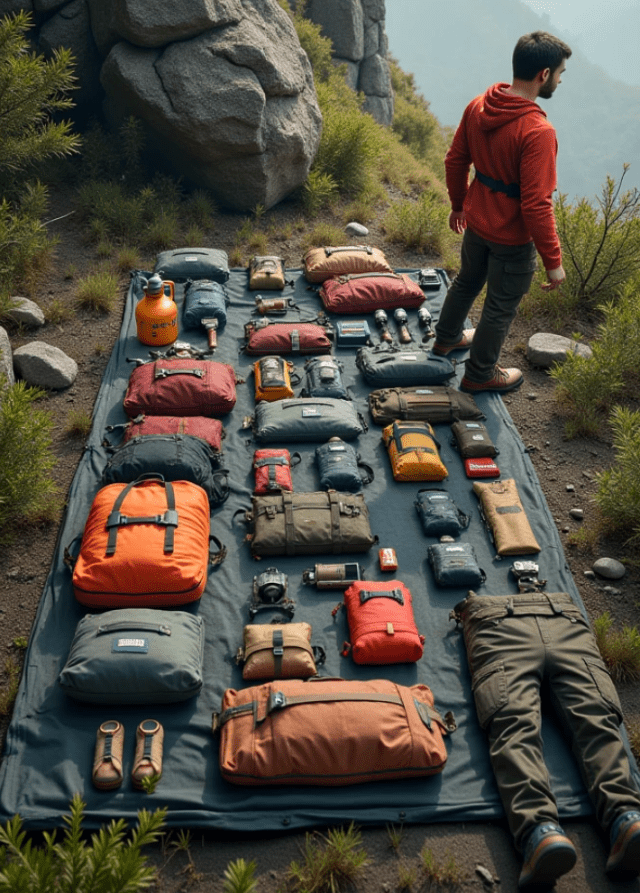
A bug-out bag is a portable emergency kit designed to sustain a person for 72 hours during evacuation.

These bags typically contain:

  • Food and water
  • First aid supplies
  • Flashlights
  • Fire-starting tools
  • Extra clothing
  • Emergency shelter

Every family member should ideally have their own bag prepared in advance.


Everyday Carry (EDC)

Everyday Carry refers to small, practical tools people keep with them daily.

Common EDC items include:

  • Pocket knives
  • Flashlights
  • Multi-tools
  • Lighters
  • Compact first aid supplies

While small, these tools can solve many problems during emergencies.


Power & Light

Electricity powers nearly every part of modern life.

Prepared households often keep backup lighting and power options such as:

  • Solar generators
  • Flashlights
  • Lanterns
  • Spare batteries
  • Candles

Solar charging systems are increasingly popular because they allow renewable power generation during long outages.


Communication

Communication becomes vital during disasters.

Cell networks can fail, making alternative systems important.

Emergency communication tools include:

  • NOAA weather radios
  • HAM radios
  • Two-way radios
  • Satellite messengers

These systems allow people to receive updates and communicate when traditional networks fail.


Security

Emergencies can sometimes create unstable environments.

Prepared households focus on situational awareness and practical home security measures.

This may include:

  • Reinforced doors and locks
  • Outdoor lighting
  • Neighborhood cooperation
  • Personal safety planning

The goal is not confrontation but awareness and protection.


3. Skills & Knowledge
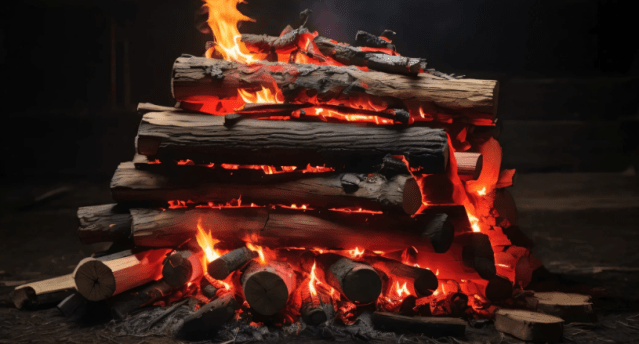
Gear alone does not create preparedness.

Brooke frequently reminds her audience that skills outweigh equipment.


Survival Skills

Basic survival skills can dramatically improve resilience.

Important skills include:

  • Fire-starting
  • Knot-tying
  • Navigation with map and compass
  • Foraging for edible plants

These abilities allow people to function even if equipment is lost or unavailable.


Medical Training

Medical knowledge is especially valuable when professional help is delayed.

Useful training includes:

  • CPR certification
  • Tourniquet application
  • Basic trauma care
  • Wound treatment

Many communities offer emergency medical training classes that can build life-saving skills.


Urban Survival

Preparedness isn’t only for wilderness environments.

Urban areas present their own unique challenges.

Urban survival knowledge may include:

  • Using silcock keys to access exterior water valves
  • Navigating city lockdowns
  • Growing food through urban gardening

Cities contain many hidden resources for those who know where to look.


4. Common Emergency Scenarios
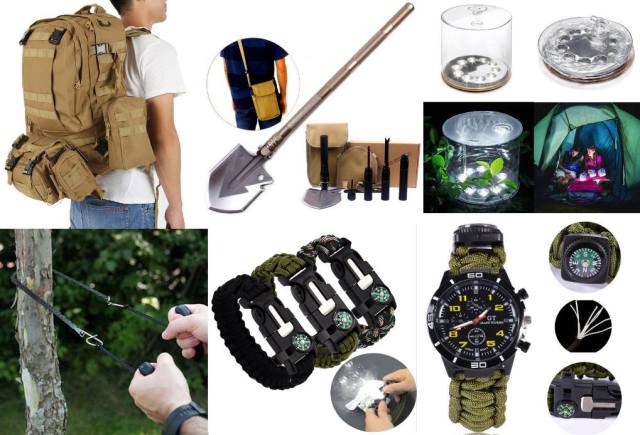
Preparedness planning should focus on realistic events, not just extreme possibilities.

Brooke encourages people to start with the disasters most likely to occur in their region.

Common emergencies include:

Natural Disasters

Events like earthquakes, hurricanes, floods, and wildfires can disrupt communities for weeks.

These disasters often cause:

  • Power outages
  • Road closures
  • Water contamination
  • Supply shortages

Prepared households can remain safe and self-sufficient during recovery periods.


Power Outages and Grid Failures

Large power outages have become increasingly common.

A grid failure can affect:

  • Water systems
  • refrigeration
  • communication networks
  • fuel pumps

Backup lighting, food storage, and alternative power sources help families manage extended outages.


Economic Disruptions

Economic instability can also disrupt supply chains.

Shortages, inflation, and transportation issues can affect food and fuel availability.

Prepared households with stocked pantries and emergency supplies experience far less stress during these events.


5. Specialized Prepping Areas

Once the basic pillars are in place, many preparedness enthusiasts explore additional areas of resilience.


Financial Preparedness
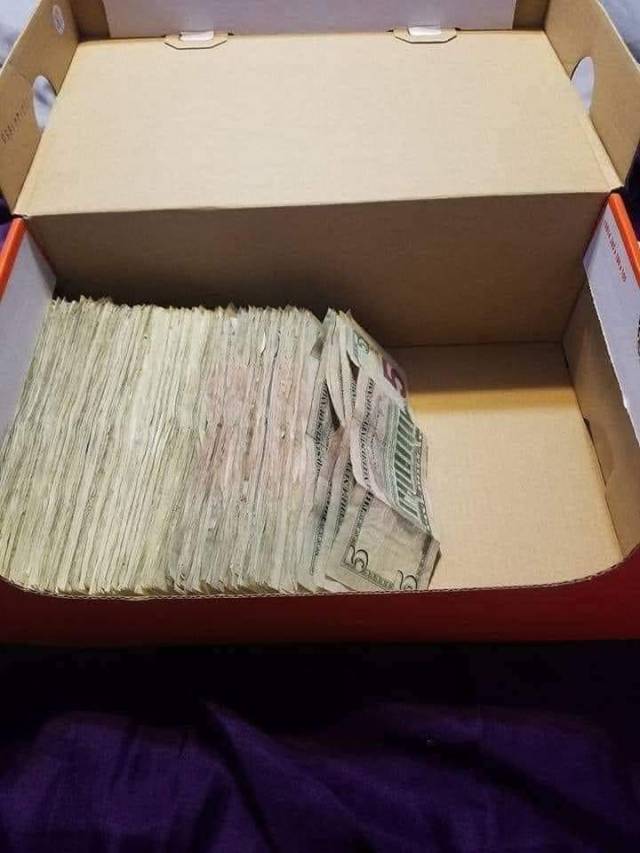
Digital payment systems depend on electricity and internet access.

During outages or cyber disruptions, cash becomes essential.

Brooke recommends keeping small bills stored safely for emergencies.


Emergency Cooking

If power or gas systems fail, cooking becomes difficult.

Prepared households often keep backup cooking options such as:

  • Coleman camping stoves
  • Solar ovens
  • Rocket stoves

These tools allow food preparation even during extended outages.


Vehicle Preparedness

Vehicles can become vital during evacuations.

Many preppers keep a “Get Home Bag” in their car containing:

  • Water
  • Snacks
  • Flashlights
  • First aid supplies
  • Navigation tools

This kit helps people return home safely if transportation systems fail.


DIY Emergency Repairs

Small infrastructure problems can become major issues during disasters.

Basic repair skills can solve many emergencies.

Useful supplies include:

  • Plumber’s epoxy for pipe leaks
  • Specialized repair tapes
  • Multi-tools
  • Spare hardware

Quick fixes can prevent serious damage to homes and vehicles.


Final Thoughts

Brooke Homestead’s preparedness philosophy focuses on layered resilience.

Instead of obsessing over worst-case scenarios, she encourages people to gradually build systems that support their families through disruptions.

Her core survival pillars emphasize:

  • Water
  • Food
  • Medical readiness
  • Shelter
  • Skills
  • Practical tools

As Brooke often reminds her audience:

“Preparedness isn’t about predicting the future. It’s about building the ability to handle whatever the future brings.”

By focusing on these core survival pillars, families can build confidence, security, and peace of mind — no matter what challenges come their way.

Is Louisiana’s Drinking Water Safe

Alright, buckle up. You want the truth about Louisiana’s drinking water? You want it raw, unfiltered, no sugarcoating? Then listen up, because I’m about to lay it down straight, survivalist style—angry, unapologetic, and armed with the cold hard facts and skills you need to keep your family from becoming a bunch of sick, water-poisoned zombies.


Is Louisiana’s Drinking Water Safe? Hell No.

You’ve probably heard the official line: “Our water meets EPA standards.” Yeah, right. That’s bureaucratic bullshit designed to keep you calm while you’re drinking chemicals, heavy metals, pesticides, and god knows what else. Louisiana’s water infrastructure is a ticking time bomb, riddled with old pipes, contamination, and pollution from oil refineries, agricultural runoff, and industrial waste. You don’t need me to tell you the state has had numerous boil-water advisories and contamination incidents. The Mississippi River, which supplies a huge chunk of Louisiana’s water, is one of the most polluted rivers in America.

So if you think you’re safe just filling up your glass and sipping away, you’re dead wrong. You’re gambling with your health and the health of your loved ones. If you care even one bit about survival and self-reliance, you better learn how to filter, purify, and secure your water NOW.


15 Water Filtration Survival Skills You Need to Master NOW

  1. Boiling Water — The simplest and oldest method. Boil water for at least 1 minute (3 minutes if you’re above 6,500 feet) to kill bacteria, viruses, and parasites. No fancy gear needed, just fire and a pot.
  2. Using a Portable Water Filter — Get a solid survival filter like the Sawyer Mini or LifeStraw. These remove protozoa and bacteria, but remember: most don’t kill viruses.
  3. DIY Charcoal Filter — Crush hardwood charcoal, layer it with sand and gravel in a container. Pour water through to reduce chemicals and improve taste. It’s basic, but effective for sediment and some impurities.
  4. Solar Disinfection (SODIS) — Fill clear plastic bottles with water, place them in direct sunlight for 6 hours. UV rays kill pathogens. It’s slow, but a good backup.
  5. Chemical Purification with Iodine or Chlorine Tablets — Lightweight and portable, tablets kill most pathogens. But beware of taste and allergies.
  6. Distillation — Boil water and capture the steam on a cold surface, collecting pure water. It removes almost everything, including heavy metals and salts.
  7. Using Coffee Filters or Bandanas — Not for purification but for removing large sediments and debris before filtering or boiling.
  8. Creating a Sand and Gravel Filter — Layer sand, fine gravel, and coarse gravel in a container to remove suspended particles. This is a good pre-filter.
  9. Using Zeolite or Activated Carbon — These materials bind chemicals and heavy metals. Activated carbon filters are essential to remove chlorine, pesticides, and VOCs.
  10. Making a Solar Still — Dig a hole, place a container in the center, cover the hole with plastic, and place a rock to create a low point. Condensation collects pure water. Great for emergency situations.
  11. Water Bag Filtration — Use specialized survival water bags with built-in filters when hiking or bugging out.
  12. DIY Ceramic Filters — Porous ceramic blocks filter out bacteria and protozoa. They require regular cleaning but can be made at home if you know how.
  13. Magnetic Water Treatment — Some survivalists swear by magnets to reduce scale and contaminants; it’s controversial but worth researching.
  14. Finding and Using Natural Spring Water — Locate and test natural springs. Spring water is usually cleaner but must still be filtered.
  15. Using UV Water Purifiers — Battery-powered UV purifiers zap pathogens. They’re fast but rely on power, so keep backup options.

3 DIY Survival Drinking Water Hacks to Save Your Life

Hack 1: Make Your Own Water Filter from a Plastic Bottle

Cut the bottom off a clean plastic bottle. Invert it like a funnel. Layer the inside with cotton balls, activated charcoal (charcoal from a campfire will work if crushed), sand, and gravel—top to bottom. Pour murky water through it slowly. This filters out sediment and some toxins. It won’t purify water, so boil or chemically treat it afterward. This simple hack turns trash into life-saving tech.

Hack 2: Use Household Bleach as a Water Purifier

In a survival pinch, plain unscented household bleach can disinfect water. Add 8 drops (about 1/8 teaspoon) of bleach per gallon of clear water. Stir and let it sit for 30 minutes. If the water smells strongly of bleach after that, let it air out. This kills most pathogens. Don’t use scented or splashless bleach — those have chemicals that can poison you.

Hack 3: Solar Still from Household Items

If you’re stuck with salty or contaminated water, create a solar still. Use a wide bowl, put a cup in the center, cover with plastic wrap, and place a small weight in the center to create a dip. Sunlight evaporates the water; condensation drips into the cup. This produces drinkable water even from swampy or salty sources. It’s slow but reliable.


Why You Can’t Trust Louisiana’s Tap Water

Let’s get real: Louisiana’s tap water has been exposed to everything from industrial pollution, agricultural chemicals, lead leaching from old pipes, to algal blooms fueled by nutrient runoff. The Gulf Coast’s flooding disasters regularly contaminate municipal water supplies with sewage and chemical waste. And the state’s infrastructure? Aging, underfunded, and vulnerable.

Don’t expect the government or water companies to admit these problems openly or fix them fast. Your survival depends on your readiness to take water filtration and purification into your own hands. Nobody else is coming to save you when the water turns toxic.


How to Prepare NOW

  • Stock up on filtration gear. No excuses.
  • Learn how to boil and distill water.
  • Gather materials for DIY filters: charcoal, sand, gravel, cotton.
  • Keep bleach and iodine tablets handy.
  • Scout natural water sources near you and test them.
  • Practice water purification methods regularly. In a real crisis, you won’t have time to fumble.

Final Warning

If you don’t have survival water skills, you’re playing Russian roulette with your health. Louisiana’s drinking water is not a sure bet — it’s a gamble with serious consequences. Prepare to filter, purify, and treat your water every single time you drink it. Otherwise, you’re inviting sickness, disease, and disaster.

I don’t sugarcoat this because people die when they ignore the truth. Be smart. Be ready. Be self-reliant.


If you want, I can help you make a full survival water kit checklist, or guide you step-by-step through building your own filters and purification setups. Just say the word.

Stay sharp and stay hydrated—the right way.

How to Survive in the Wilderness When SHTF (And Everything You Love is Gone)

Let’s get one thing damn clear: when the world burns, your smartphone won’t save you. Amazon ain’t dropping packages in the forest, and nobody’s coming to rescue your soft, GPS-dependent backside. You either learn to live or lie down and rot. That’s the brutal truth. Now pull your head out of your ass and listen up.

Out there in the wilderness, everything is trying to kill you: the weather, the wildlife, and most of all, your own ignorance. If you don’t know what the hell you’re doing, nature will chew you up and spit your bones into the dirt. But if you learn the skills — real survival skills — you can make it. You can thrive. You can be the last one standing when SHTF.

Here’s how. This is survival, not a damn camping trip.


🔥 15 WILDERNESS SURVIVAL SKILLS YOU’D BETTER KNOW IF YOU WANT TO STAY ALIVE:

  1. Fire Starting (Without a Lighter)
    Your Bic won’t last forever, cupcake. Learn how to start a fire with flint and steel, a bow drill, or even a battery and steel wool. Fire is warmth, food, safety, and morale.
  2. Water Purification
    If you drink straight from a river, you’re inviting giardia and dysentery to your apocalypse party. Boil it. Filter it. Solar still it. Know your options or die thirsty with a belly full of parasites.
  3. Shelter Building
    Tarps rip. Tents rot. Know how to build a debris hut, a lean-to, or a log shelter. Hypothermia is a silent, smug son of a bitch.
  4. Navigating Without Tech
    Compasses don’t need batteries. Learn celestial navigation and terrain association. Don’t trust landmarks — memorize the land itself.
  5. Hunting and Trapping
    No more Uber Eats. Set snares. Make deadfall traps. Know how to gut and clean game without puking your guts up.
  6. Fishing Without Gear
    Improvised hooks, fish traps, spearfishing. Learn it. You can’t live off berries forever — unless you enjoy starvation and hallucinations.
  7. Edible Plant Identification
    One wrong leaf and you’re crapping blood for days. Learn what’s safe to eat in your region. Make a damn notebook and memorize it.
  8. Improvised First Aid
    Nobody’s coming with morphine and a gurney. Learn how to close wounds, stop bleeding, and fight infection with natural resources and basic kits.
  9. Stealth and Camouflage
    You’ll need to hide — from people, from animals, from your own mistakes. Learn how to move unseen and build camo shelters.
  10. Signaling for Help
    If you do want rescue, you’d better know smoke signals, mirrored flashes, and ground-to-air symbols. Yelling won’t cut it.
  11. Tool Making
    Can’t buy a new knife out here. Learn to knap stone, carve wood, lash together gear. Primitive tools keep you alive.
  12. Cordage Crafting
    Paracord runs out. Learn to twist plant fibers into strong cord. Without rope, you’re just a well-fed caveman.
  13. Food Preservation
    Salt. Smoke. Drying. Fermentation. Without preservation, every good kill goes rotten before you can say “wasted calories.”
  14. Mental Fortitude
    You will be cold, tired, scared, and alone. Crying won’t help. Mental toughness is as critical as any blade on your belt.
  15. Weather Prediction
    If you can’t read the sky, you’ll freeze in your sleep or get swept downriver. Clouds, winds, bird movement — nature whispers before it screams.

🔧 3 DIY WILDERNESS SURVIVAL HACKS

  1. Soda Can Rocket Stove
    Don’t waste time or fuel. Cut a soda can, create a rocket stove with just a few snips and a nail. Efficient. Light. Packs easy. Great for boiling water or cooking game in tight spots.
  2. Char Cloth Fire Starter
    Take old cotton cloth (yes, your ratty T-shirt), char it over a flame in a tin until it’s black but not burned. That stuff will catch the smallest spark. Gold in wet conditions.
  3. Pine Sap Bandages
    Got a wound? Pine sap is nature’s antiseptic glue. Slap it on, cover with clean cloth or moss. It stops bleeding and helps heal. You’re welcome.

WHY YOU NEED TO TAKE THIS SERIOUSLY

Let me say this loud for the folks in the back who still think DoorDash is gonna work when the grid goes down: You are on your own.

No police.
No hospitals.
No grocery stores.
No laws except the ones you enforce yourself.

People will turn on each other faster than a pack of wild dogs. And the weak — the clueless, the ones who never practiced a damn thing, who thought “roughing it” meant no WiFi — they’ll die first. Not maybe. Definitely.

You think a three-day REI survival course makes you a bush god? Think again. You need months in the wild, not weekends. You need cuts, bruises, freezing nights, burnt food, failed shelters, and near-death experiences to even start learning what it really takes.


YOU WANT A FIGHTING CHANCE? THEN DO THIS:

  • Train. Every week. Go outside. Practice fire making in the rain. Sleep in your DIY shelter. Cook a squirrel over an open flame. Live the way you’ll need to.
  • Stock up, but train without it. Yes, buy gear. But assume it’ll all break or vanish. Know how to survive with nothing.
  • Build your mental armor. This isn’t about six-pack abs. It’s about grit. Fearless, furious, never-quit grit.

Final Words Before the World Ends (Again)

This isn’t a hobby. It’s not a YouTube trend or something you learn from a TikTok prepper doing spoon reviews. This is life and death. This is teeth-gritting, frostbitten, gut-rumbling SURVIVAL in its rawest form.

The wilderness doesn’t give a damn about your excuses. But if you respect it, if you learn its rules and play harder, smarter, meaner than it does — you can beat it.

When SHTF, the soft will cry. The wise will run. But the prepared?
The prepared will rule.

So sharpen that blade, strip off your weakness, and get to work.

You’ve been warned.