
Foggy Roads and Foolish Drivers: Safety Tips for When the World Goes Dark

Driving in the fog is one of those experiences that reminds you of a simple truth: you are completely on your own out there. Nobody else seems to take danger seriously anymore. Most drivers barrel down the road like they’re invincible, assuming that the weather, physics, and common sense will magically rearrange themselves to suit their recklessness. Meanwhile, the fog thickens, your visibility shrinks to nothing, and you’re left trying to survive in a world where everyone else acts like they’re starring in an action movie.

But unlike them, you actually want to live. And in this age where attention spans have shriveled to the size of a raindrop, it’s up to the few remaining realists—preppers like us—to understand the real dangers and take responsibility for our survival. Fog isn’t just moisture hanging in the air; it’s a silent disaster waiting to happen. It hides hazards, confuses your senses, and turns ordinary roads into death traps.

So let’s talk about how to drive in the fog like someone who actually values their life, even if the rest of the world is too busy being oblivious.


1. Slow Down—Because Everyone Else Is Going Too Fast

If you think you’re going slow, slow down more. Most people treat fog like an annoying inconvenience rather than the lethal hazard it really is. They assume their headlights and overconfidence will substitute for actual caution. They’re wrong.

Fog kills visibility, depth perception, and reaction time. If you’re moving faster than you can see, then you’re not driving—you’re gambling. And the house always wins.

Driving slower gives you more time to react when another driver—probably scrolling on their phone—drifts into your lane or slams on their brakes.


2. Use Low Beams, Not High Beams—Unless You Enjoy Blinding Yourself

Here’s a fact that should be obvious, yet somehow isn’t: high beams make fog worse. They reflect light back at you like a giant glowing wall, cutting visibility even more.

Low beams and fog lights are your friends. They spread the light downward, closer to the road, where it matters. But every day, you’ll still see some genius blasting their high beams straight into the mist, wondering why they can’t see anything. Don’t be like them. The world already has enough fools.


3. Increase Following Distance—Because People Will Slam Their Brakes at the Worst Time

Fog has a cruel way of making ordinary drivers panic. The moment they feel uneasy, they slam on the brakes with zero warning. If you’re tailgating, you’re done.

Increase your following distance—double it, triple it, whatever it takes. If the person in front of you decides to reenact a scene from a disaster movie, you’ll need the space to save yourself from becoming part of the collision.


4. Stay in Your Lane—And Don’t Trust Anyone Else to Stay in Theirs

Fog makes borders blur. Road lines disappear. And other drivers? They drift, wander, and overcorrect like they’re hypnotized.

Use the right-side white line (not the center line) as your guide. It’s usually easier to see and safer to follow. Staying away from the center reduces your chances of colliding with oncoming traffic—especially the kind that refuses to respect their side of the road.

You can’t trust other drivers to stay where they’re supposed to. But you can control your own path.


5. Avoid Stopping on the Road—Unless You Want to Be Hit

Stopping in the fog is practically inviting someone to plow into you. Visibility is too low, and people drive too unpredictably. If you absolutely have to stop, pull as far off the road as humanly possible.

Turn on your hazard lights. Make your vehicle visible. Stand away from the road if you exit the car—because being outside the vehicle is often safer than sitting in it during a pileup.

Survival rule: never assume other drivers can see you. In fact, assume they can’t.


6. Eliminate Distractions—This Is Not the Time for Music, Snacks, or Daydreaming

Driving in fog requires the kind of attention most people reserve for watching the last slice of pizza disappear. You need to be alert, focused, and free of distractions.

Turn off the radio if you must. Put away your phone. Forget the coffee cup. You need every sense operating at full capacity.

Fog has a way of tricking your brain into thinking you’re going slower or faster than you really are. Staying fully aware helps you avoid falling into that trap.


7. Use Your Defrosters and Wipers—Fog Loves Turning Your Windshield Into a Mess

Fog often brings moisture, and moisture loves sticking to your windshield. Combine that with temperature changes and you’ve got the perfect recipe for fogged-up glass.

Use your front and rear defrosters. Adjust your AC to circulate dry air. Run your wipers if needed. A clear windshield is one of the few advantages you still have.


8. Know When to Pull Over—Your Survival Comes First

Sometimes the fog is simply too dense. If you can’t see the hood of your own car, you’re not driving anymore—you’re guessing.

Pull off the road completely (not just partly). Don’t rely on the kindness or intelligence of other drivers to avoid hitting you. Wait for conditions to improve. It’s better to arrive late than not at all.

The world won’t look out for your safety—you have to do that yourself.


9. Prepare Before You Drive—Because Emergencies Don’t Wait

A true prepper knows that half of survival happens before disaster strikes. Before you even put the key in the ignition:

  • Check your lights
  • Top off your windshield washer fluid
  • Keep an emergency kit in the car
  • Carry a flashlight
  • Keep blankets and supplies
  • Maintain your tires

Fog can turn a simple drive into a full-blown emergency faster than you think.


10. Don’t Expect Others to Know What They’re Doing

This is maybe the most important fog-driving rule of all: trust no one.

Not the teenager speeding in his sports car.
Not the commuter rushing to work.
Not the driver who doesn’t even know what fog lights are.

Everyone out there is guessing, hoping, and pretending. You’re the only one taking survival seriously. Their mistakes can become your tragedy—unless you’re prepared.


Final Thoughts: Survive Because No One Else Will Save You
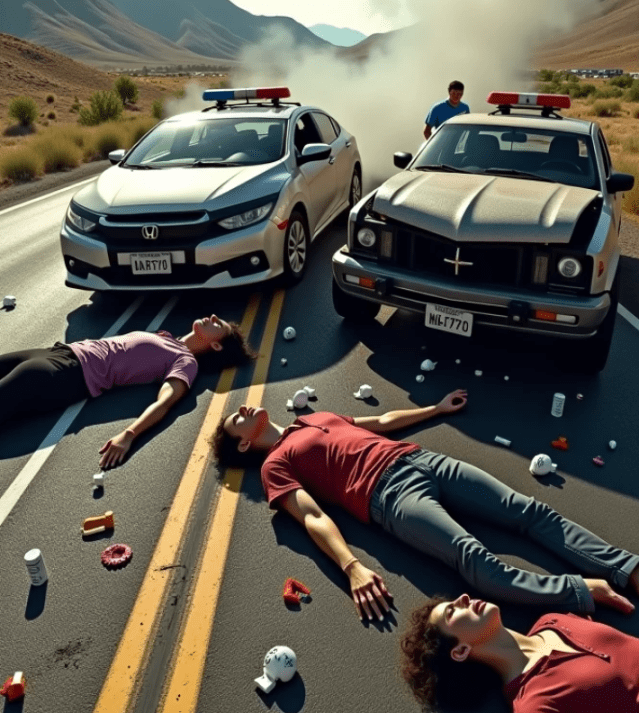
Driving in the fog isn’t just about visibility—it’s about mindset. It’s about understanding that the road is unforgiving, other drivers are unpredictable, and danger doesn’t care how confident you feel.

But you’re not like the others. You’re a survival prepper. You think ahead. You stay alert. You know the world is full of hazards—and you prepare for them.

Fog may hide the road, but it doesn’t hide the truth:
You’re responsible for your own survival. And if you stay vigilant, you’ll make it through the mist while others get lost in it.

Washington’s Worst Roads to Drive on During a Disaster

Washington’s Worst Roads During a Disaster

Some roads are always a gamble—even on a clear day. During a disaster? They can turn into a death trap.

1. I-5 Through Seattle and Tacoma
When the quake hits or the power goes out, this artery becomes a clogged vein. Overpasses are vulnerable, exits get jammed, and you’ll be boxed in by people who panic and freeze.

2. U.S. Route 2 (Stevens Pass)
A beautiful drive on a sunny day. But in winter or a landslide? It’s a cold, steep, slippery coffin. If you’re heading over the Cascades, know the risks.

3. SR 410 (Chinook Pass)
High elevation and prone to avalanches and rockslides. This scenic route turns deadly fast with little warning.

4. SR 20 (North Cascades Highway)
The long, winding remoteness of this route makes rescue nearly impossible. If you’re up there during a fire or snowstorm, you’re on your own.

5. I-90 Snoqualmie Pass
It’s the main east-west lifeline, but it clogs like bad plumbing under snow or seismic stress. Bridges could drop, and rockfall is a real hazard.

6. SR 14 Along the Columbia River Gorge
One side is rock, the other is water. Landslides, windstorms, and floods are all fair game here.

7. SR 18 Between Auburn and North Bend
It’s already notorious for fatal accidents. Add bad weather or panic evacuations, and you’ve got a mobile junkyard waiting to happen.

8. SR 530 (Oso Slide Area)
This one already proved its danger. Soft soil, heavy rain, and steep hills mean slides are always possible.

9. U.S. Route 101 on the Olympic Peninsula
One way in, one way out. If a tsunami is coming after an offshore quake, this road will be buried or jammed.

10. Any Coastal Route in Grays Harbor or Pacific Counties
These roads are flat, low, and isolated. If you’re not already headed inland when the sirens go off, you’re probably too late.


15 Survival Driving Skills to Master

Now, surviving a disaster on wheels isn’t about horsepower or luxury. It’s about grit, smarts, and skill. Here are 15 driving techniques that could save your life:

1. Off-Road Navigation Without GPS
Learn to read terrain and use topographic maps. When cell towers go down, you’ll need old-school navigation.

2. Rock Crawl With Precision
If landslides leave rubble, knowing how to ease over rocks without damaging your undercarriage is key.

3. Tire Plug and Inflation On the Go
Know how to plug a puncture and re-inflate using a portable compressor or even a CO2 inflator.

4. Water Crossing Technique
Don’t just gun it through. Learn to walk it first, gauge depth, and drive slow and steady.

5. Quick Reverse Under Pressure
Practice backing out of tight, sloped, or crumbling spaces without losing control.

6. J-Turn or Bootleg Turn
This can be a lifesaver if you need to reverse direction in a blocked or hostile road.

7. Braking Without ABS
If your systems go down or you’re in an old rig, know how to pulse-brake and steer under pressure.

8. Using Your E-Brake for Controlled Stops
In brake failure situations, the emergency brake can save your life—if you know how to feather it properly.

9. Stealth Driving at Night
Low beams, no interior lights, coasting when possible. In hostile zones, stealth wins.

10. Making a Roadblock-Ram Decision
Sometimes you don’t have time to go around. Learn to identify what you can push through with minimal damage.

11. Weight Distribution Awareness
Know what’s in your rig and how it affects your handling—especially with gear shifting during rough terrain.

12. Improvised Traction (Sand, Logs, Chains)
Use floor mats, branches, chains, or even seat cushions to gain traction in mud, ice, or snow.

13. Manual Fuel Siphoning (Legally and Ethically)
Desperate times. Learn how to do it without ingesting fumes or damaging tanks.

14. Riverbank Exits and Entry Points
Know how to scout and safely ascend or descend riverbanks in case bridges are out.

15. Group Convoy Tactics
Know how to drive in a group without becoming a liability. Signals, spacing, and roles matter.


3 DIY Gas Hacks When the Tank is Bone Dry

Running out of gas in the middle of a crisis is more common than people think. Here are three unconventional—but survival-tested—methods to get a few more miles when options run out.

1. Rubbing Alcohol Fuel Boost
In a pinch, you can mix up to 10% isopropyl alcohol (91% or higher) into a mostly full gas tank. It’s volatile enough to combust but should only be used temporarily. Don’t overdo it—this is emergency-only and works best in older engines.

2. Fuel From Lawn Equipment or ATVs
Most people overlook their shed or abandoned properties. Lawnmowers, snowmobiles, generators—they all carry small gas reserves. With a siphon hose and some patience, you can build up enough to make it to a safe zone.

3. Build a Gravity-Feed Tank From Salvage
If your vehicle’s fuel pump is shot or power is gone, rig a gravity-fed tank from an elevated container (like a 2-gallon jug). Mount it above the engine bay and run fuel directly into the carburetor or throttle body. This only works for older or modified vehicles—fuel-injected systems may require bypassing electronics.


Final Thoughts from the Road

Disasters don’t care if you drive a Tesla or a Tacoma. When the infrastructure crumbles and the roads go quiet, survival favors the prepared and the practiced.

In Washington, the odds of being stranded in a snowstorm, fire zone, or post-earthquake wasteland aren’t far-fetched—they’re forecasted. Your best asset is not just your gear, but your head and your hands.

So don’t just drive—train. Know your rig like you know your rifle. Know your route like you know your bug-out plan. And most of all, know that when rubber meets the road, it’s up to you to make it out.

Because out here, survival isn’t a hobby. It’s the reason you’re still breathing.

Alabama’s Worst Roads to Drive on During a Disaster

Alabama’s Worst Roads to Drive on During a Disaster – Survival Driving Skills That Could Save Your Life

Let me tell you something I’ve learned the hard way: roads can either save your life or seal your fate. I’ve driven through war zones, flood plains, and wildfire hellscapes—from the Andes to Appalachia—and one thing stays true no matter where you are: when the world turns upside down, your vehicle becomes your lifeline.

Now, I’ve got a deep respect for Alabama. The people are tough, the land is rich, but the roads? Well, in a disaster, they can become death traps. You’ve got narrow highways hugging cliffs, crumbling backroads, and choke points through every major city. When a hurricane, tornado, or grid-down crisis hits, you better know where to avoid—and how to drive like your life depends on it.

Because it just might.


The Deadliest Roads in Alabama When SHTF

Let’s get the lay of the land first. These roads are notorious for bottlenecks, poor maintenance, flood risks, or all three. Avoid them if possible in a disaster—unless you’ve got no choice, in which case you’d better be armed with skill and grit.

  1. I-65 in Birmingham – A concrete artery clogged with wreckage even on a good day. In a disaster, this becomes a parking lot surrounded by desperation.
  2. US 431 (The Highway to Hell) – Ranked one of America’s most dangerous highways. Rural, poorly lit, and winding. When panic hits, this road becomes lethal.
  3. I-20/I-59 through Tuscaloosa – Twisting interstates with heavy truck traffic and notorious pile-ups. One wrong move and you’re caught in a metal maze.
  4. AL-69 through Cullman County – Narrow, flood-prone, and lined with trees that come down like matchsticks in a storm.
  5. County Road 137 (near Florala) – Bad pavement, blind turns, and limited cell service. Isolation here can turn deadly fast.
  6. US 231 near Montgomery – High speeds, low visibility in fog or smoke, and not enough shoulders for emergency stops.
  7. I-10 through Mobile – Prone to hurricane surge, flooding, and gridlock. You do not want to be stuck here as a storm rolls in.
  8. AL-21 through Talladega National Forest – Remote, winding, and vulnerable to rockslides and fallen trees.
  9. US 72 near Huntsville – Urban sprawl, high traffic, and flash flood danger make this road risky under pressure.
  10. County Route 89 (Lookout Mountain Parkway) – Stunning views, but steep drops, tight curves, and zero forgiveness in icy or wet conditions.

15 Survival Driving Skills for When It All Goes Sideways

If you’re stuck driving during a disaster—fleeing a fire, outrunning a flood, or navigating the aftermath of civil unrest—you need more than a license. You need survival instincts behind the wheel. Here’s what I’ve learned over thousands of miles on the edge:

  1. Off-Road Readiness
    Learn how to take your vehicle off the asphalt. Practice driving through mud, sand, and shallow creeks. Most disasters force you off the paved path.
  2. Reading Terrain Fast
    Scan ahead for soft shoulders, unstable ground, or collapsed asphalt. Your eyes should be 5–10 seconds down the road at all times.
  3. Momentum Conservation
    In soft ground, momentum is life. Slow, steady acceleration prevents getting bogged down. Never stop moving unless absolutely necessary.
  4. Threshold Braking
    Learn to brake just before your tires lock up. This is key on slippery or flooded roads where ABS might fail or be overwhelmed.
  5. J-Turns and Reverse Evasion
    A J-turn isn’t just for Hollywood. Practice reversing at speed and turning 180° to escape roadblocks or ambushes.
  6. Driving Without Power Steering or Brakes
    Ever lost power mid-drive? Most people freeze. Practice manual steering and pumping brakes in a dead engine scenario.
  7. Situational Awareness
    Know your 360°. Keep track of what’s behind, beside, and ahead of you—especially in urban chaos where threats come from all angles.
  8. Fuel Scavenging Knowledge
    Learn which vehicles use compatible fuel types. Modern gas has ethanol, but old-school mechanics can tell you how to mix and match in a pinch.
  9. Navigating Without GPS
    GPS fails. Learn to read a paper map, recognize north without a compass, and memorize cardinal directions.
  10. Driving in Total Darkness
    Use your high beams judiciously. Drive with no lights if necessary, using moonlight and memory. Eyes take 15–30 minutes to adjust.
  11. Crossing Flooded Roads
    Never cross water unless you know it’s less than a foot deep. Walk it first. Watch for current and washout holes.
  12. Improvised Traction Techniques
    Use floor mats, branches, or sandbags to get unstuck from mud or snow.
  13. Silent Driving Techniques
    Sometimes stealth beats speed. Coast downhill in neutral, drive without headlights, and avoid honking unless it’s life or death.
  14. Avoiding Choke Points
    Plan routes with at least three exit paths. Avoid bridges, tunnels, and underpasses unless absolutely necessary.
  15. Vehicle Self-Recovery
    Learn to use a come-along winch, jack, or tow strap solo. Don’t rely on help. Assume you are the help.

3 DIY Fuel Hacks When You Run Dry

No gas? No problem—if you’ve got the know-how and a little bushcraft grit.

  1. Siphoning From Abandoned Vehicles
    Keep a hand-pump siphon hose in your vehicle. Look for cars in shade (less evaporation) and check tanks by knocking near the rear wheel well. Be respectful—only siphon from truly abandoned vehicles.
  2. Alcohol Fuel Substitution
    In an emergency, high-proof alcohol (like moonshine or ethanol) can run in older carbureted engines or converted flex-fuel vehicles. It burns hotter and faster, so use sparingly and only if you understand your engine.
  3. Fuel Bladder Storage
    Don’t rely on the tank alone. Keep a collapsible fuel bladder hidden in your trunk or strapped under the chassis. Rotate stored fuel every few months to avoid phase separation or water contamination.

Final Word from the Driver’s Seat

Disasters strip away the luxury of inexperience. When you’re racing down US 431 as a wildfire chews up the woods behind you, or crawling through waterlogged I-10 with your kids in the backseat, what you do behind the wheel matters. Not just for you—but for everyone you’re trying to protect.

You don’t need a military-grade vehicle or a doomsday bunker on wheels. What you need is skill, mindset, and mobility. You need to look at your vehicle not as a machine—but as your escape route, your shelter, and sometimes, your weapon.

Know your terrain. Respect your machine. Never panic.
Drive smart. Drive hard. Survive.