It’s Day 10 since everything went sideways. The grid’s down. The streets are lawless. You’re living off what’s left of your preps and what you can scavenge in the ruins. Your family comes first—your kids eat before you do—because that’s what a real protector does.
Your gut’s been gnawing at itself for days now, that deep hunger turning into something primal. You’ve grown used to the emptiness. It becomes part of you. A constant reminder: you’re still alive.
Then it happens. You strike gold—a hidden stash of food. Maybe it was buried, maybe left behind in a rush, maybe a forgotten emergency cache. Either way, it’s yours now.
You dig in like a starving wolf. Your family devours every bite. For a moment, you taste victory.
And then—bam. Nausea. Dizziness. Weakness. Your body betrays you. What you thought was salvation turns into a full-blown emergency.
You’ve just met the silent killer called refeeding syndrome.
WHAT IS REFEEDING SYNDROME?
When you go without food for an extended time—say 10 days or more—your body hits the brakes. It slows your metabolism, conserves every last ounce of energy. You’re running on fumes, and your electrolytes (magnesium, potassium, phosphorus) get drained.
Then, you eat like it’s Thanksgiving. Your system gets shocked. That sudden spike in nutrients flips the metabolic switch, demanding electrolytes you no longer have. The result? Cardiac failure, seizures, coma—or worse.
SURVIVAL PREPPER TIPS: AVOIDING THE REFEEDING TRAP
Reintroduce food SLOWLY after extended starvation. Start with fluids or broths. Give your system time to adjust.
Focus on electrolyte-rich foods first. Bananas, bone broth, leafy greens, nuts—these can restock your depleted reserves.
Avoid carbs in the first refeeding stage. Carbs spike insulin and demand phosphorus. Go with fats and proteins first.
Keep oral rehydration salts (ORS) in your bug-out bag. They’re lightweight and can save your life during refeeding.
Know the symptoms: weakness, confusion, shortness of breath. Don’t mistake these signs for just being “tired.” It could be fatal.
Keep a stash of electrolyte tablets or powders. A little prep now can prevent a deadly crash later.
Always rotate your food preps to avoid long fasts. Prevent running out altogether by tracking expiry dates and cycling through supplies.
Train your body to adapt with occasional fasts before disaster strikes. This builds metabolic resilience and makes you more adaptable.
Teach your family about phased eating. Survival isn’t just about feeding them—it’s about feeding them smart.
Don’t let relief override discipline. Finding food isn’t the finish line—it’s just another checkpoint. Stay sharp.
Remember: In survival, it’s not always the obvious threats that take you down. Sometimes it’s the first meal after the storm that does it.
Stay vigilant. Stay smart. And for the love of all that’s sacred, don’t let your guard down just because you’ve found food. Survival is a marathon, not a sprint.
They usually picture something out of a dystopian movie. A sudden, widespread terror, or perhaps a catastrophic event.
But in reality, societal breakdowns don’t happen overnight.
The first sign is far subtler than that
It’s a shift in trust.
That’s right, folks.
Trust is the glue that holds our society together.
The belief that your neighbor will respect your property.
That the grocery store will have food..
That your funds are safe.
But when that trust begins to erode, we’re on a slippery slope.
When people start losing confidence in the institutions that uphold society
When faith in the authorities dwindles…
We start edging closer to a societal breakdown.
Imagine going to work one day, and noticing a huge crowd of worried individuals outside of the biggest local banks.
Everyone is suddenly trying to withdraw their funds
Why?
Are banks not to be trusted anymore?
Do you have to withdraw your savings too?
Or imagine if trust in law enforcement begins to falter, and individuals may take matters into their own hands
Leading to an increase in vigilante justice and public unrest.
I am not sharing this to scare you. Quite the opposite. Awareness is the first step towards preparation.
If we can spot the signs early enough, we can prepare, adapt, and survive.
So, what can we do?
We can keep a close eye on societal sentiment.
Pay close attention to current events, the rumblings on social media, and the worries and concerns of your neighbors and friends.
These can provide valuable insights into the state of societal trust.
Then, you can ensure you are prepared for self-sufficiency.
This means having a reliable stockpile, honing our survival skills, and fostering a close-knit community of like-minded individuals.
Societal collapse is a gradual process.
If we spot it early enough, it can give us the upper hand.
So let us stay vigilant and aware.
This Is Why Most People Will Not Make It When SHTF
Imagine you’re planning a road trip that will last a week.
You figure out where you’ll stay, what you’ll eat, and which sights you’ll see.
But what if this trip wouldn’t last a week, but an entire year
Would you be able to remain safe?
This is a real possibility, folks.
Emergencies can force us to transform our way of living for good.
Most people think about what they’ll do for an emergency that might last a couple of days or weeks.
But that’s just not enough.
To really thrive when SHTF, we need to think months, years, and even decades ahead.
The long-term, day-to-day living in a different world.
Canned food and bottled water will keep you safe for some time. Months even.
But what happens when those run out?
In the long run, skills like hunting, fishing, farming, preserving food, and sourcing clean water are essential.
This is why what we do is so important.
We constantly improve our prepping abilities and add to our skill set.
Just like our ancestors did.
They knew the land, the seasons, the plants, and the animals. They understood that prepping wasn’t a sprint, but a marathon.
We have to adopt this kind of mindset as well.
We need to think beyond the initial emergency, beyond the canned goods, and towards a future where we don’t just think about what we have, but about what we know and what we can do.
If there’s one thing that everyone has to learn how to survive during tough times…
It’s making do with what you have.
Seeing the potential in everyday items is what separates an experienced prepper from a beginner.
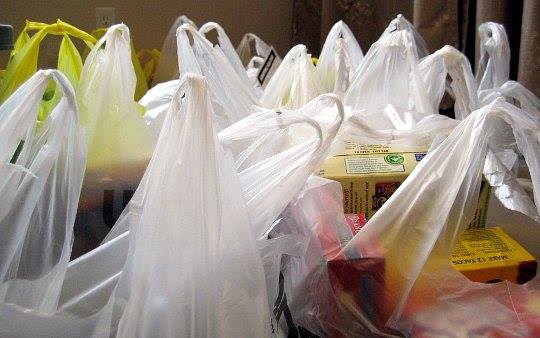
In this short letter, I want to talk to you about the surprising survival uses of a simple plastic bag.
First, let’s talk about the obvious. Carrying stuff.
Whether you’re foraging for wild edibles or just organizing your tools, a sturdy plastic bag can hold a surprising amount of weight and volume.
But let’s dig deeper, folks.
Imagine this. You’re in a pinch, and you’ve run out of clean water.
There’s a clear, beautiful stream nearby.
But we are aware of the risks of drinking directly from it, right?
Enter the plastic bag. Fill it up, then use your survival water purifier and make it safe to drink.
Another use is in food gathering. Fill a bag with lush, green, non-poisonous leaves, and you’ve got yourself a solar still that can provide you with precious drinkable water.
(There are tons of tutorials on the web on how to do that).
Or let’s say you’re caught in the rain without proper gear.
A large trash bag can easily be converted into an emergency poncho, keeping you dry and protecting you from hypothermia.
One more tip…
One that might sound a little unusual.
A black plastic bag can be used for signaling.
Fill it with air, tie it shut, and you’ve got yourself a noticeable distress signal that could attract the attention of rescuers.
I’m not saying a plastic bag is the answer to every survival need.
But in a pinch, it can serve you in ways you might not expect.
The key, as always, is to think creatively and adaptively.
The more you can see the potential in the ordinary, the easier you’ll fare when the chips are down.
So, the next time you see a discarded plastic bag, give it another look. It might just be your ticket to self-sustenance.
This Will Be Your Most Robust Tool When SHTF
Let me ask you an honest question.
When SHTF, what will be your most useful tool?
Most people think about their stockpiles or their security systems.
However, there is another important aspect of emergency readiness that is quite often overlooked.
And that’s your skills.
If everything around us crumbles to the ground, the dominant currency will shift.
And our usual means of exchanging goods and services no longer hold value.
If that happens, your unique skills become your most valuable asset.
The more diverse your skillset, the more valuable you become to your community, and the better you’ll do when everything else falls apart.
In such a world, it’s not about being the strongest or the smartest.
It’s about having a wide range of abilities that can assist you and those around you navigate through challenging times.
The more versatile you are, the more ready you’ll be for whatever comes your way.
So, what can you do to ensure that you have the most powerful tool at your disposal when SHTF?
The answer is simple.
Invest in yourself.
By learning different skills and expanding your knowledge, you become more well-rounded and capable.
You don’t have to be an expert in everything, but even a basic understanding of various skills can make a significant difference when it matters most.
This also means that everything you know so far could be useful.
Are you a good cook?
A good mechanic?
A good dentist?
When SHTF, everything could be useful?
If you can provide something that other people will need, you will be in a more advantageous position to protect your family.
You will be able to trade your skills for food, water, gear, and anything else you might need.
So think about the abilities that you currently have…
What skills you can acquire?
Where you can improve?
And try to expand your skillset as much as possible
How To Be Your Own Medic When SHTF
Imagine this…
A major emergency has struck, and people everywhere are panicking.
You find yourself alone, with no healthcare personnel in sight.
You’ve got a nasty cut that needs attention, pronto. Do you know what to do?
In situations like this, knowing how to perform first aid on yourself is crucial.
It’s a piece of knowledge that every American needs to know.
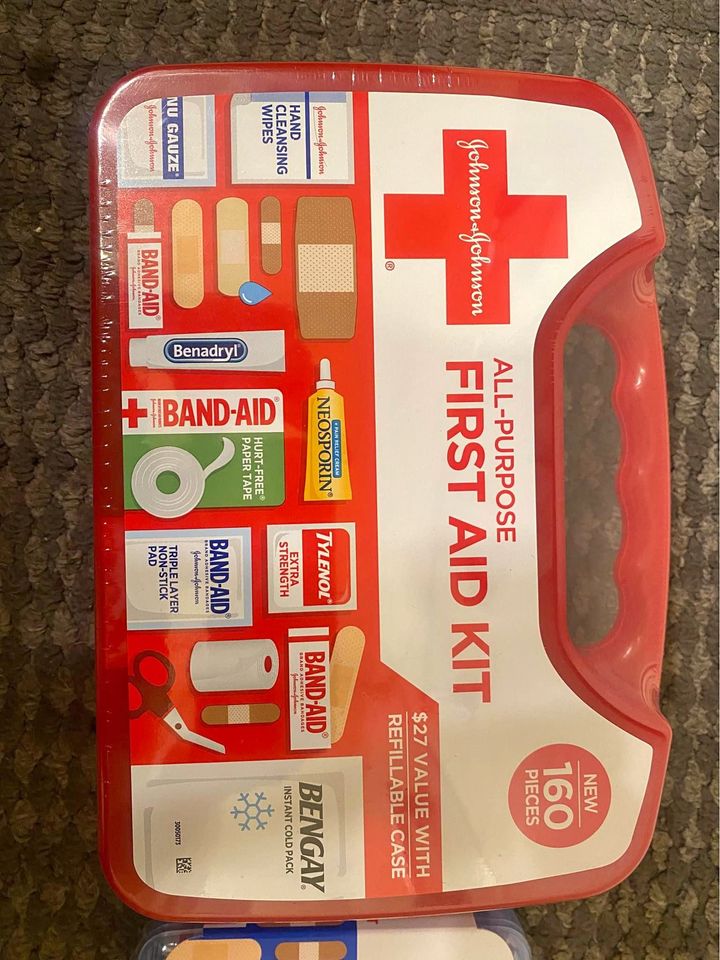
Everyone has a trusty first aid kit…
But how many of us actually know how to use everything in it properly? Knowledge is your greatest weapon, folks.
Let’s start with the basics.
First up is dealing with cuts and scrapes.
If it’s a minor one, you just need to clean it with warm water and soap, apply some antibiotic ointment, and cover it with a bandage.
However, if it’s deep, you need to take care of the bleeding first.
Apply pressure using a clean cloth until it subsides.
If it’s very severe, you might need to use a tourniquet, but this should be your last resort.
Next, let’s talk sprains.
If you’ve rolled your ankle or twisted your wrist, remember the acronym R.I.C.E.
Rest, Ice, Compression, and Elevation.
Keep the injured area immobilized, use an ice pack if available, wrap it in a bandage, and elevate it above your heart level.
How about burns?
Everyone has felt the sting of touching a hot pan. Minor burns can be soothed with cool (not cold) water and a soothing cream or aloe vera.
Severe burns, however, require immediate professional attention.
The safest thing you can do is cover it with a clean, dry cloth and try not to burst any blisters.
So far so good.
The true challenge arises when it comes to dealing with broken bones.
If you suspect a fracture, the first step is immobilization.
Use a splint or even a piece of wood to keep the injured area from moving. Then, apply a cold pack to reduce swelling.
And remember, this is a temporary fix to survive until you receive professional attention.
I know this is a lot to take in. I’m not expecting you to become an expert medic overnight.
But the reality is that in a survival scenario, we have to take on roles we might not be comfortable with.
You may have to be your own medic, nurse, and first responder rolled into one.
I suggest you start with these basics, and then keep learning.
Because in the world of survival, knowledge isn’t just power. It’s everything.
Focus On These Areas To Retain A “SHTF” Physique
You know that sinking feeling when you’ve been sitting too long and stand up, just to feel aches and stiffness in your joints?
Imagine that feeling in a high-stress emergency situation.
Not an ideal scenario, right?
When it comes to prepping, we often focus on the tools, the skills, and the items we need to endure.
However, we mustn’t overlook one of our most important assets. Our own muscles.
Physical fitness is an essential, yet often underrated, aspect of prepping
In an emergency, a strong, agile, and resilient physique can make an incredible difference.
Whether you’re bugging out on foot, chopping wood for a fire, or defending yourself and your family, your physical capabilities will play a critical role in your overall security.
To build an emergency-ready physique, focus on these key areas:
Endurance
When emergency strikes, you may have to cover long distances on foot, carrying heavy loads.
Cardiovascular exercises like running, biking, or swimming will allow you to build the stamina you need.
Strength
In a high-stakes situation, you’ll likely have to carry heavy equipment, move obstacles, or climb over barriers.
Incorporate weight training or bodyweight exercises to build overall strength.
Flexibility
Flexibility and mobility are essential for injury prevention and general well-being.
Stretching can allow you to maintain a full range of motion and reduce the risk of injury in high-stress situations.
Balance
Good balance is vital for navigating uneven terrain, crossing streams, or climbing trees.
Incorporate exercises like single-leg stands, balance board workouts, or even slacklining to improve your stability.
And if you want to make the most of your workouts, you can even train outdoors.
This will allow you to become more comfortable with various terrains and weather conditions.
Folks, remember that a fit and healthy physique is one of your most valuable assets in a high-stakes situation.
Don’t let your physical capabilities be your weakest link when it matters most.
Embrace the challenge and strive for an emergency-ready physique.
This Bug-Out “Mistake” Could Prove Fatal When SHTF
Imagine if a hurricane struck tomorrow out of the blue, and you were forced to bug out with no warning.
You grab your bug-out kit, you wake up your kids, you put them in your car
And your car doesn’t start.
What do you do then?
You’re left at God’s mercy.
Our vehicles are essential in emergency situations.
If you don’t want to find yourself in this nightmare situation, you always have to maintain your car.
I know that the probability of your vehicle failing on you at the worst possible moment is slim
But when we are talking about surviving, we have to eliminate anything that might go wrong completely.
Like any tool, your vehicle needs proper maintenance.
You have to ensure that the fluids in your vehicle are regularly maintained and filled to the appropriate level.
This includes oil, coolant, transmission fluid, and brake fluid.
Each of these fluids plays a critical role in keeping your vehicle running smoothly and preventing damage to your engine and transmission.
Another important aspect of vehicle maintenance is tire care.
Monitor your tire pressure regularly and keep them inflated to the recommended level.
Underinflated tires can cause poor gas mileage, uneven tire wear, and even blowouts on the road.
It’s also crucial to rotate your tires every 5,000 to 7,500 miles to ensure even wear.
Then there are the brakes.
If they fail on you at any point, it could lead to a car crash.
Regularly inspecting your vehicle’s brakes is essential.
This includes checking your brake pads and rotors for wear and tear, as well as your brake fluid level.
Properly functioning brakes are essential for safe driving, especially in emergency situations.
Remember, your vehicle is a vital tool for survival.
If it fails on you when you need it the most, the consequences could be catastrophic.
So always make sure it’s up to the task.
The Very First Essential Good That Will Become Extinct When SHTF
In the world of survivalism, one thing is certain. Emergencies can happen anytime, anywhere.
Natural catastrophes like earthquakes or hurricanes arrive with no warning.
And every family man and woman should be prepared for them.
A lot of people, however, don’t know how to do that.
With so many different possible scenarios, it can be overwhelming to figure out what to prepare for and what items to gather.
But even though the survival situations are essentially endless, they have one thing in common.
When SHTF, the first essential good that will become scarce will be the same. Water.
Water is the most important ingredient for survival, and yet, it will most likely be the first one to become extinct.
There are many reasons for that.
The most critical one is contamination.
When the power goes out, water treatment facilities and distribution systems may be damaged or cease to function.
When the water supply is compromised, clean water becomes scarce.
During natural emergencies, sewage and other chemicals also end up in the lakes and rivers, making them unsafe to drink.
In situations like these, people become competitive.
They flock to the remaining water sources, creating a high demand that quickly depletes the supply.
That’s why before you do anything else, you need to ensure you always have drinkable water.
Your first step should be to store water.
It’s recommended to have at least one gallon of water per person each day for drinking and hygiene purposes.
Store water in containers that are designed for long-term water storage, like heavy-duty plastic containers or water barrels.
But storing is not enough.
No matter how much you have, it might run out.
You also need to know how to purify water.
There are several methods for water purification, including boiling, using water filters, or using chemical treatments.
Take your time to learn these skills, and practice purifying water, so you’re ready for when the time comes.
During a SHTF scenario, every drop counts.
If you were looking for a way to prioritize your preps, begin with water.
How do you ensure you always have water in your household? Reply and let me know!
How To Turn On Your “SHTF Sensors”
Did you know that you have sensors that detect emergency situations, and respond to them?
And that it was thanks to these “SHTF sensors” that our ancestors managed to survive in spite of the harsh conditions?
You can turn these sensors on whenever you want, even when things are going well.
I will show you how to do that in this newsletter.
I have no idea why this is not common knowledge.
I found that information on a small Youtube page that belongs to an American biologist.
His page should have way more followers than what it currently has.
If more people knew about this, there would be less disease.
People would live longer.
And they would make it unscathed out of survival situations.
It has to do with how our systems developed ages ago.
Our ancestors did not have the abundance of food that we have nowadays.
They would eat whenever they successfully hunted an animal, or when they’d find something edible in the surrounding land.
In other words, they would eat a lot less often than us.
This might sound like a bad thing, but it’s not.
This activated their survival sensors and gave them more energy to keep hunting.
It kept them from getting sick even though they did not have houses to protect them from the cold.
And it made them feel alert.
Nowadays, however, this rarely happens.
Whenever we feel hungry, we can just have food delivered to our houses, or go out to eat.
This makes our systems feel like they have everything they need to survive.
So they become “lazy.”
They don’t expend energy to defend themselves because there is no need for it.
So our metabolism goes down.
We burn less fat.
And most importantly, we are not ready for when a real SHTF scenario occurs.
Imagine if you asked a modern man to survive in the harsh conditions of the past.
Without having food to eat, shelter, or first aid.
These conditions could occur in survival situations.
But most people are not ready for them.
However, there is an easy answer to that.
You can begin to turn on your survival sensors as early as tomorrow.
If you simply limit your eating hours, then you can trick your system into thinking there is not a lot of food around.
I am not asking you to eat fewer calories.
But to simply restrict your eating to a shorter period of time each day, such as 6-8 hours, instead of the whole time you are awake.
People nowadays refer to this as “fasting.”
This will make you feel hungry (something we rarely experience nowadays), and activate your SHTF sensors.
And it will greatly improve your health and allow you to survive emergency situations.
Why don’t you try it?
This Ancient Skill Could Protect You When SHTF
As humanity evolved, we learned to use technology to simplify our lives.
And while this made our survival easier…it gave us an “excuse” to not develop critical skills that could come in handy in emergencies.
There is a skill that our ancestors had carefully developed, that is pretty much forgotten nowadays….
Navigation.
If God forbid, you are ever caught in a survival situation, you need to know how to navigate.
Why?
Because being lost in the wilderness can be a dangerous and disorienting experience.
If your smartphone doesn’t have any signal, you need alternative ways to find your way.
Without a sense of direction, you may wander aimlessly, depleting your energy and resources.
Even worse, you may end up in a hazardous or risky situation.
That’s where navigation and orienteering come in.
These skills allow you to determine your position and plan a route to safety or civilization.
So let’s go into some practical tips for navigating and orienteering in the wilderness.
Always carry a map and a compass.
A map will give you an overview of the area you’re in and help you plan your route. A compass will help you determine your direction and stay on course.
You should teach yourself how to use them.
Familiarize yourself with the symbols and features on your map, and practice using your compass to take bearings and follow a straight line.
Use natural landmarks to orient yourself.
Look for prominent features like mountains, rivers, and valleys to help you find your bearings.
You can also mark nearby trees or rocks to make sure you are not walking in circles.
Pay attention to the sun and the stars.
The sun rises in the east and sets in the west, so you can use it to determine your general direction.
At night, look for the North Star (also known as Polaris) to find the North.
Practice “dead reckoning.”
This is a navigation technique where you estimate your position based on the distance and direction you’ve traveled.
It’s a good backup plan if you don’t have a map or compass.
Remember, being able to navigate and orienteer is a crucial survival skill.
It will help you find your way back to civilization or to a safe location.
You might need it when you least expect it.
That’s why I believe everyone should have it in their prepping skillset.
Should You Drive Away When SHTF?
I was chatting with someone at the supermarket the other day.
And at some point during our conversation he said that if SHTF, he’d just “drive away.”
This is something that I hear many people say. But the truth is, “simply driving away” isn’t always an option.
There are a lot of things to consider when bugging out on vehicle. Let’s go through them.
Road Conditions.
During emergency situations, road conditions can deteriorate rapidly.
This may be due to natural emergencies like earthquakes, floods, or landslides.
Or man-made risks like riots, roadblocks, and infrastructure damage.
Navigating such treacherous conditions will require a well-equipped, capable vehicle with sufficient fuel.
Having spare tires and a tire repair kit is also essential.
Congestion…
In emergencies, people will likely attempt to evacuate simultaneously, causing annoying bottlenecks.
This can be especially problematic in urban areas where roads are already congested.
If you don’t want to become stuck in such situations, consider alternative routes and have a backup plan in case your primary escape route becomes impassable.
Fuel Availability…
Fuel stations may run out or become inaccessible during an emergency.
To ensure your vehicle’s continuous operation, store extra fuel in safe, approved containers.
Just be mindful of the expiration dates and storage conditions of your fuel reserves.
Additionally, consider using a fuel-efficient or alternative fuel vehicle to maximize your range.
Communication and navigation…
When SHTF, traditional communication and navigation systems may become unreliable or non-functional.
Having a CB or HAM radio in your vehicle can allow you to stay informed about local conditions.
And don’t forget to keep a physical map and a compass in your vehicle as a backup.
Vehicle Security…
When things go wrong, your vehicle might become a target.
People might attempt to steal it from you. To reduce the risk, ensure your vehicle is secure and unnoticeable.
Also, consider using a steering wheel lock, a car alarm, or a concealed immobilization device to deter would-be thieves.
As you can see, evacuating by vehicle is more complicated than most people think.
There are a lot of factors at stake.
If this is too much to remember, write them down, so that you can make an informed decision when the time comes.
I was reminiscing about a hunting trip I took a few years back.
It was supposed to be a quiet couple of days, just me and nature. But, as fate would have it, it wasn’t quite that simple.
As the dawn broke, I spotted a fine-looking deer.
However, I noticed something odd about its movements.
The deer seemed disoriented, stumbling, and acting unnaturally. It struck me then that this was not a safe animal to hunt.
See, it wasn’t about the deer itself, but with what might be lurking inside it.
This deer could have been exposed to harmful contaminants that can make the meat unsafe to consume.
Think about it like this.
When SHTF, the air we breathe, the water we drink, and the food we eat can become contaminated.
And the same applies to the wildlife around us.
Certain times and places make it risky to hunt due to the likelihood of contamination.
These are the 4 most common scenarios when you should steer clear of hunting
Post-Industrial Areas
Industrial waste can seep into the environment and contaminate local wildlife.
Don’t hunt near abandoned factories or industrial zones where the local animals might have been exposed to harmful pollutants.
Post-Nuclear Events
If there’s been a nuclear event in your area, radiation can contaminate animals for a significant time. The risk isn’t worth the potential food source.
During and After Wildfires
Wildfires can release heavy metals and toxins from burnt materials into the atmosphere. Animals exposed to these contaminants can become unsafe to eat.
Disease Outbreaks
Certain diseases like Chronic Wasting Disease (CWD) in deer can affect the safety of the meat.
Look out for erratic behavior, drooling, or lack of coordination in animals as signs of potential disease.
Hunting is more than just getting a good shot.
It’s about understanding the animal, the environment, and the potential risks involved.
It’s crucial to be aware of these dangers and make informed decisions about when to hunt and when to let it go.
So next time you’re out in the wilderness, remember to consider more than just the size of the game you spot.
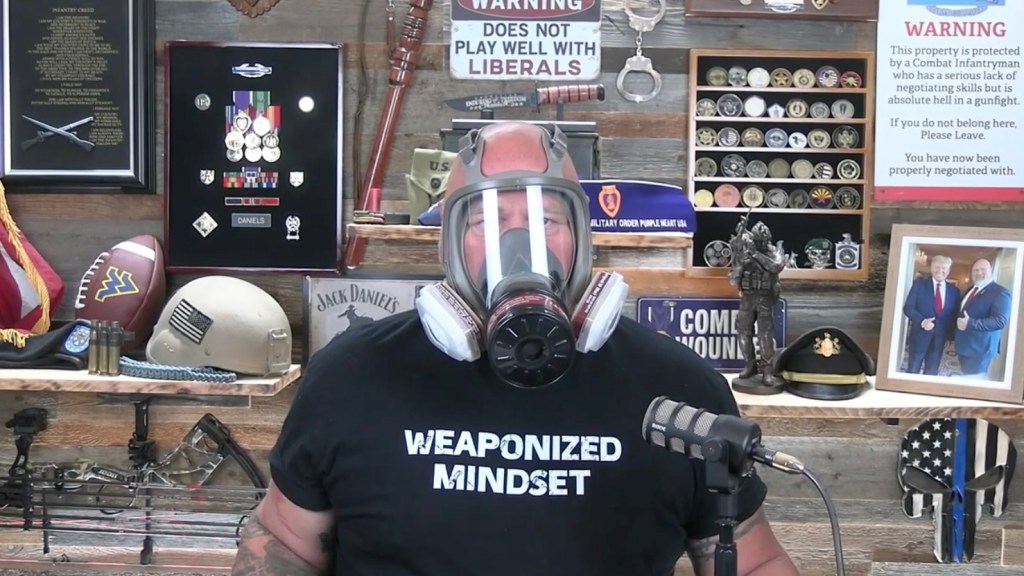
So that’s me, the big dude sitting across from Tucker Carlson himself! Love that guy!
But enough about me, let’s get to the reason why you’re reading this article in the first place.
I’m sure you’ve seen ‘em.
You might have even referred to yourself as a “prepper” at one point.
This group of people tries to prepare for emergencies.
They stock up on essentials, grow their own food, and meticulously plan for a myriad of scenarios.
But amidst this well-intentioned preparation, they fall into a trap.
A critical mistake that could prove fatal for them and their loved ones in a real emergency.
And it boils down to this. They boast too damn much!
Look, understand the urge to talk about your achievements with like-minded folks.
But when it comes to survival, discretion isn’t just a virtue. it’s a necessity.
Every detailed post about a stocked pantry, Every proud showcase of a stocked pantry, a water supply, a communication method, is potentially a beacon.
In the digital age, knowledge is more than just power, it’s a currency. And in the wrong hands, the knowledge of your preparations could become an invitation.
To those unprepared, desperate, or opportunistic enough to take advantage of your work when society’s thin veneer cracks.
Just see what can happen when people boast too much.
This is why I want to talk to you about the Gray Man Philosophy.
The concept of the “gray man” is not talked about enough in my opinion.
It’s essentially about blending in, not standing out.
This applies not just in the physical realm but in the digital one as well. Talk about strategies, not specifics. Discuss ideas, not inventories.
In other words, find the balance.
Believe in God and his son Jesus…
But also believe in yourself, and especially, you must believe in your basic survival skills.
For example, you don’t see me sharing photos of my backyard so everyone knows where to find me!
But can talk about how I planned my backyard.
There’s a fine line between communal learning and oversharing.
The true strength of our preparations lies in the fact that a few trusted folks know about them.
But be careful about who you trust.
As we continue down this path of preparedness, let’s pivot towards a more guarded approach.
It’s possible to be both prepared and discreet, to be ready for any eventuality without broadcasting our readiness to the world.
This doesn’t mean retreating from our community.
It simply means navigating it with a calculated caution.
Sometimes the most potent weapon is the wisdom to remain unseen.
Let’s stay safe, smart, and cautious.
God bless, and keep yourself, as well as all those that you love, as safe as possible!
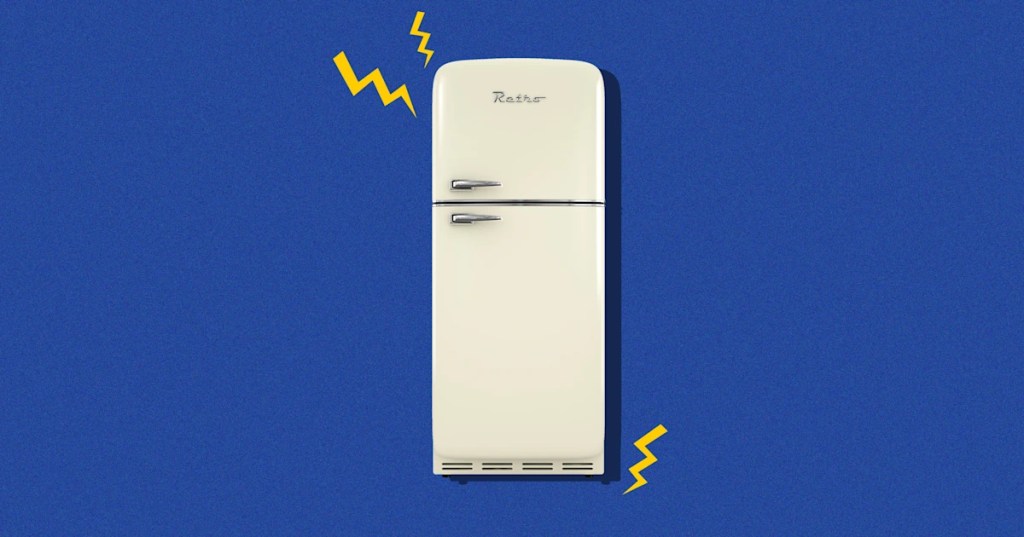
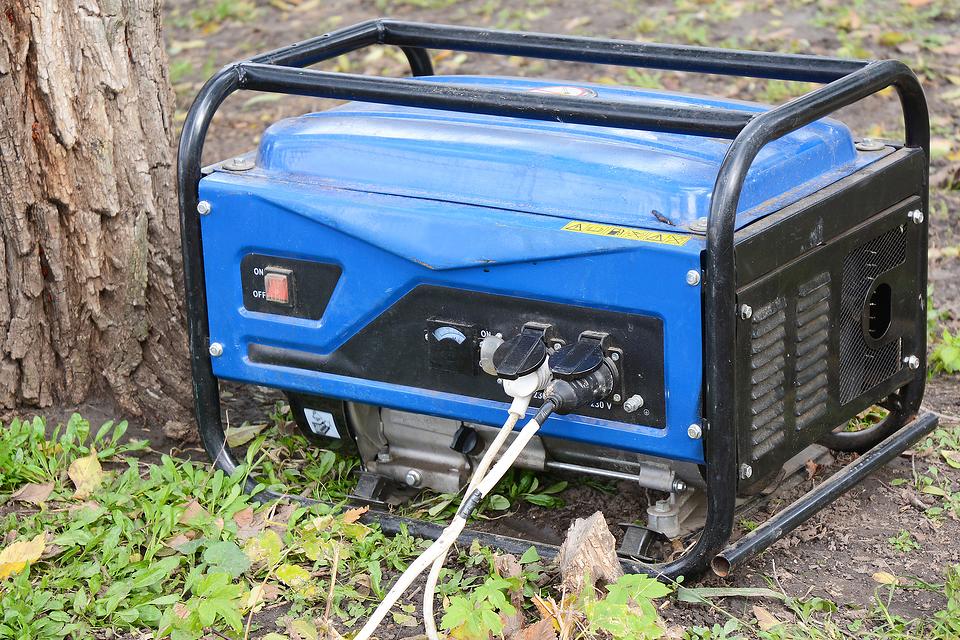
One of the first problems that we face during a grid-down or emergency scenario is the loss of electricity and the failure to keep food from spoiling.
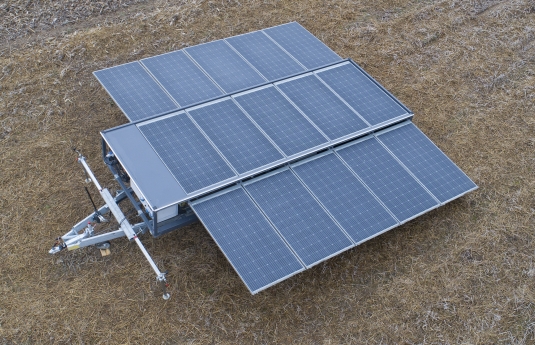
Equipment like generators and other off-grid power options can keep a refrigerator running for a while but drain the battery capacity that could have been used for other important resources.
Setting up an electricity-free refrigerator will assist in preserving battery and fuel stores.
Zeer Pots
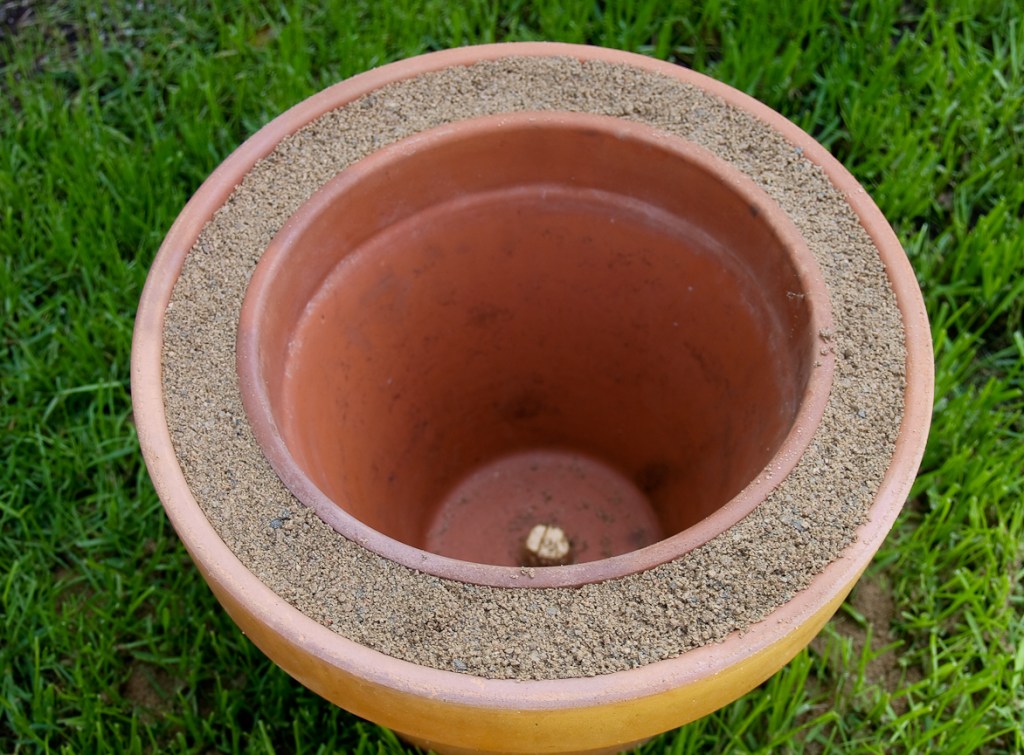
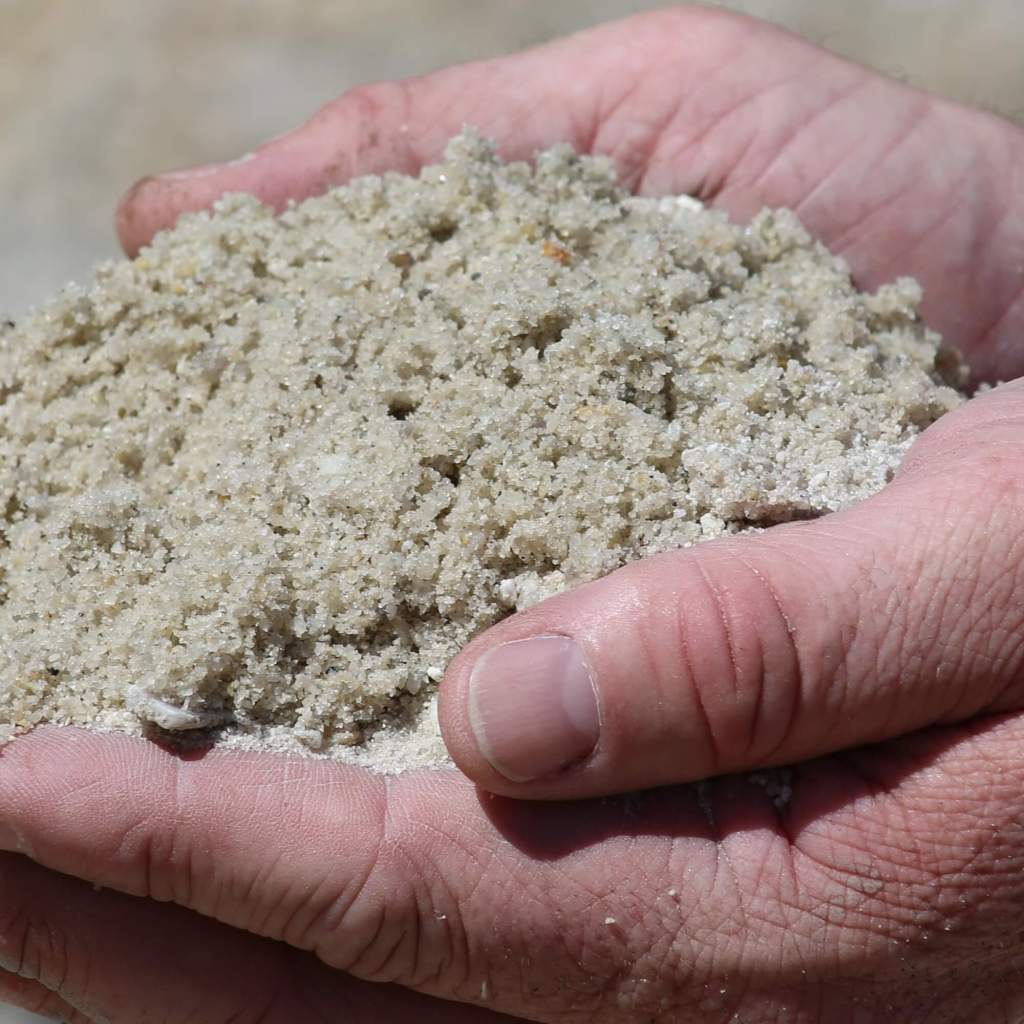
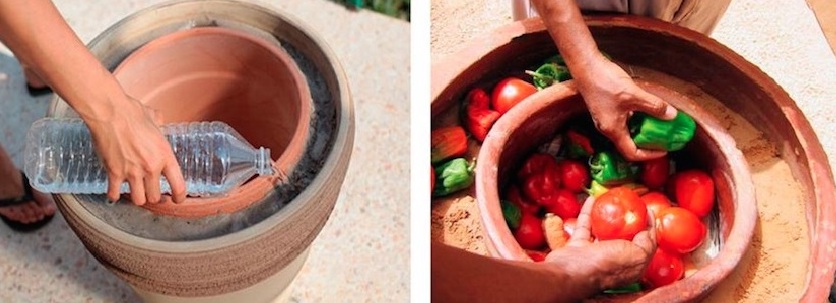
Is a pot in another pot refrigeration system, using two unglazed clay pots. These pots are different sizes; the smaller one should fit inside the larger one leaving a gap of about an inch or so.
The inner pot is where the food you want to keep cold goes, and the outer pot serves to contain the sand that will fill the gap between the pots.
Through the process of evaporated cooling, Zeer pots can keep the food in the inner clay cool. As the water evaporates, it absorbs heat to turn the liquid water into vapor. While the water vapor absorbs the heat, it will replace the cool air that will settle in the inner pot.
If you’re interested in making your own Zeer pot, a simple google search will show you how easy it is and it only takes about 20 minutes to make. I’ve made life a little easier by providing step-by-step directions below!
Get two unglazed ceramic pots—one that will fit inside the other—plus some sand and water.
Fill the bottom of the larger pot with a couple of inches of sand.
Put the smaller pot in the larger one.
Fill the space between the pots with sand.
Pour water into the sand.
Cover the pots with a ceramic lid or wet cloth.
That’s it! You’re ready to store food inside. Just remember to add water to the sand every day, like mentioned earlier, it uses evaporation to cool food.
As water evaporates through the clay, it releases energy into the air and cools the space inside the pot. It’s like splashing water on your face on a hot day; the water evaporates off your skin, cooling it in the process. Refrigerator coolant actually works in a similar way, using evaporation to draw heat out of the fridge itself. That’s why the back of your Frigidaire is so warm.
I want to end this blog with an important reminder. KEEP YOUR FOOD COLD!!! Keeping food cold without electricity is tricky. You have to keep your food at a consistent temperature to avoid the spread of bacteria. Make sure you have a thermometer to monitor proper food safety temperature.
Have you ever made a Zeer Pot refrigeration system? If so, what are some tips and tricks that have worked out for you?
Thank you for sticking through another important and informative SHTF situation and I hope this information was helpful.
Please remember to subscribe to my page and let me know which posts you have found most useful in your survival prepping.
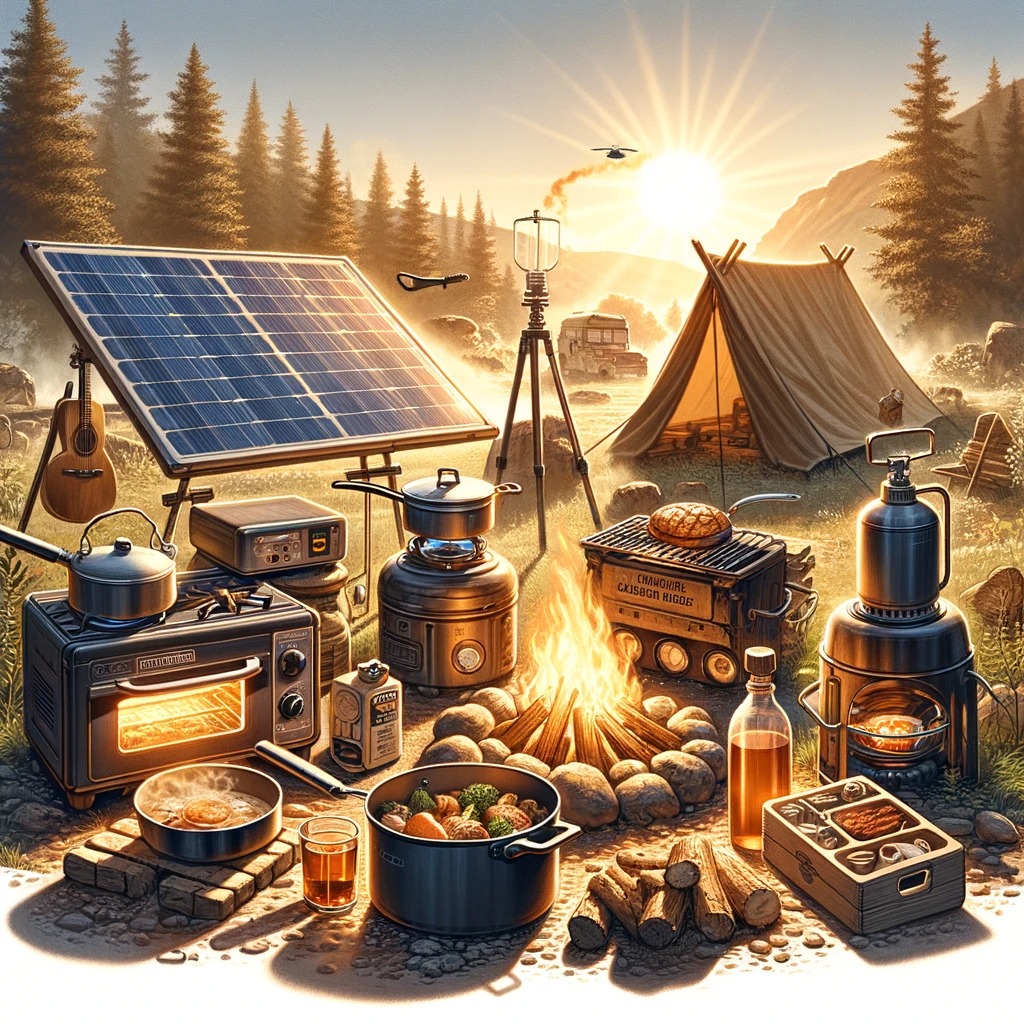
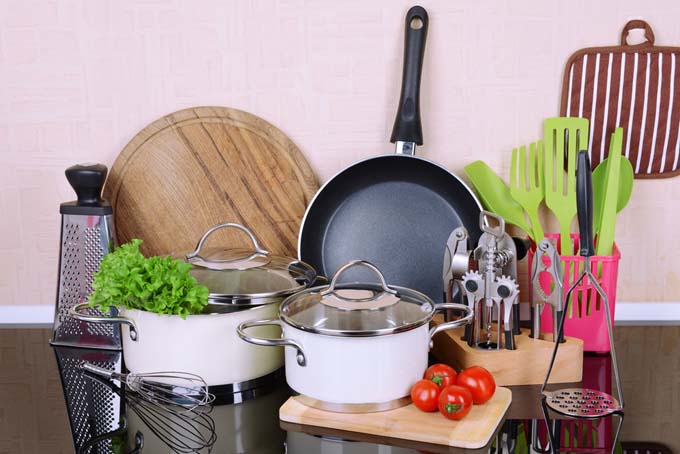
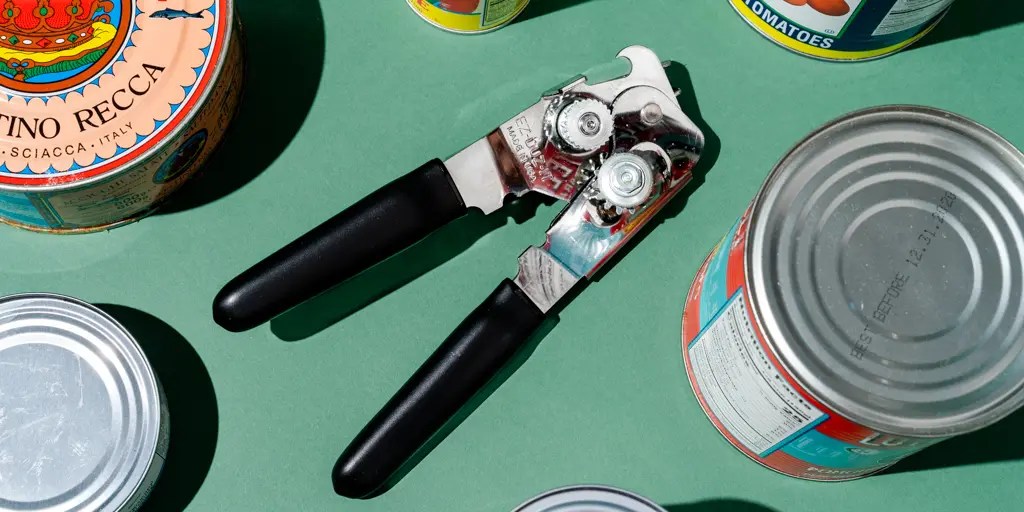
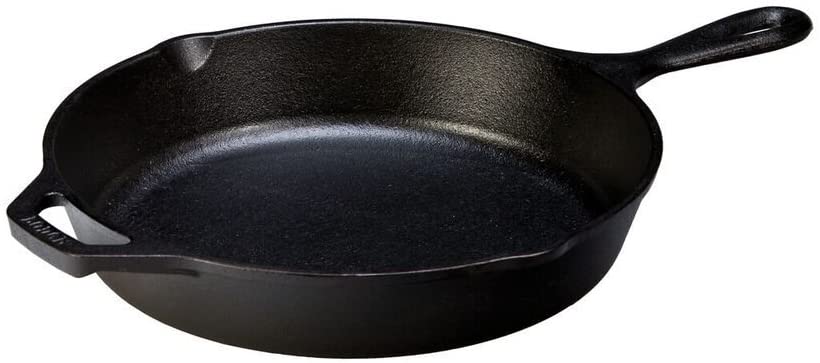
As a prepper, you have most likely spent money on various supplies for your survival stockpile. When SHTF, feeding your family will be on the top of your list of priorities. Worrying about not being able to cook food during a long-term blackout, make sure you have non-electric kitchen items like a cast iron skillet and a can opener.
These 10 non-electric items will really come in handy after a crisis situation.
1. Butter churn and molds
If you make your own butter correctly, it will last for several weeks with little in the way of refrigeration.
2. Chef’s knife
You need a high-quality and sharp chef’s knife for food prep. This knife can be used to process various meats and for more gentle tasks like peeling, dicing, and mincing.
3. Fridge pot
A “fridge” pot or Zeer pot is an old tool used to chill food using a nesting set of clay pots with a layer of wet sand sandwiched between them.
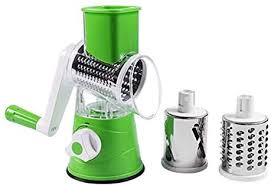
4. Manual Vegetable Slicer
You can save a lot of time during meal prep with a manual vegetable slicer.
5. Reversible Grill Pan and Griddle
A reversible grill pan and griddle has a deeply ridged grill surface for grilling or roasting meat and vegetables. The other side is a smooth griddle perfect for making breakfast.
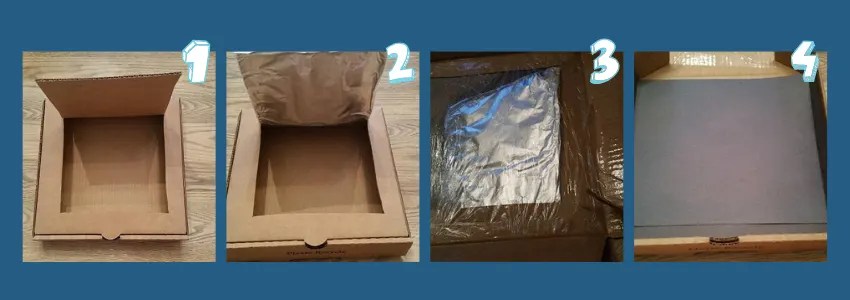
6. Solar Oven
Solar ovens can be used to bake anything you would in a regular oven but they don’t use electricity! They’re affordable to purchase or there are some excellent in an SHTF situation. There are so many DIY options that could really help with the shelf life of some foods.
7. Water Filter (Very Important)
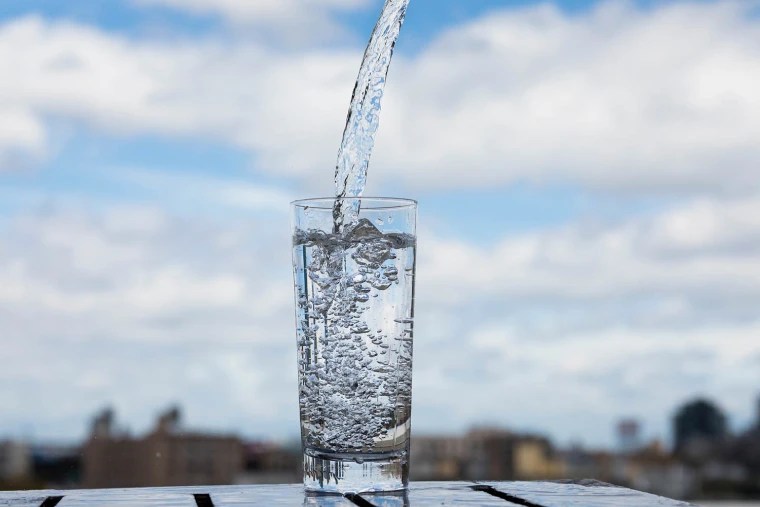
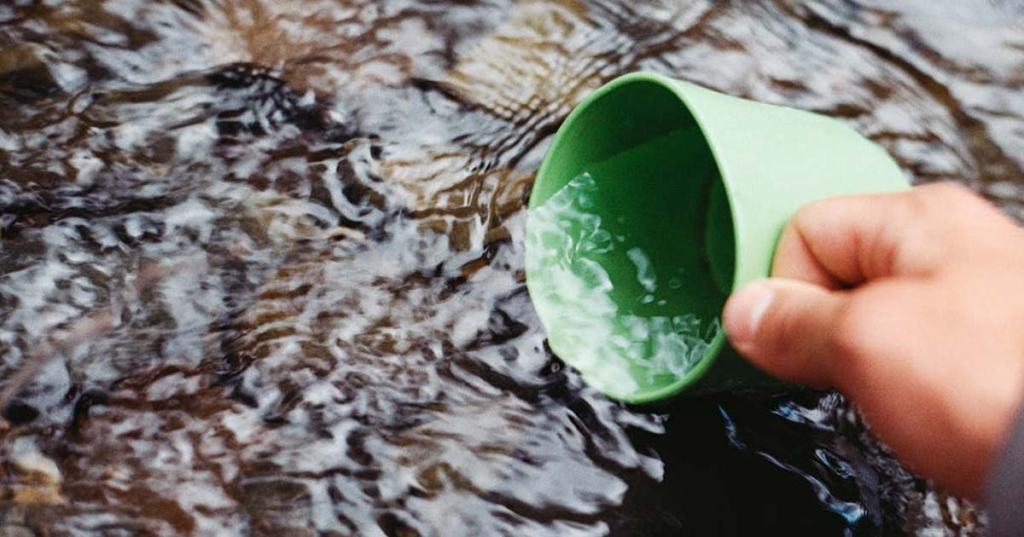
A quality water filter can help ensure your family is getting clean drinking water, and water for hygienic or medical reasons. Whether you’re sourcing water from a pond, stream, or well on your property without clean water your survival experience will become 10X harder and more dangerous (especially if water is needed for medical reasons.
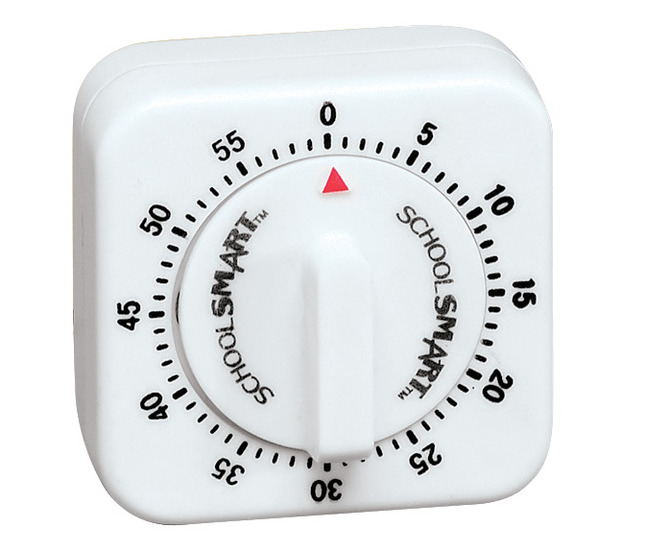
8. Small Timer
Everyone is used to having a timer easily available on their oven or microwave, but when you’re working with powerless appliances it’s handy to have a small wind-up timer.
Conclusion
Now the list goes on what you might need but it’s always better to be prepared and prepped before and survival situation suddenly strikes! Also, every family’s needs and survival criteria are different. It helps if conversations have started prior to any bugging in or out. In my previous posts, I have also shared how to preserve your favorite meals to cut down on a lot of time and equipment needed once the time comes. Another positive for staying proactive is being able to share and trade what you have with your fellow friends, neighbors, or anyone that is in need. Being kind will always be free and good for the soul! I hope everyone has a relaxing Sunday and a great week to come! Thank you for checking out my blog, and please, like, share, and subscribe!
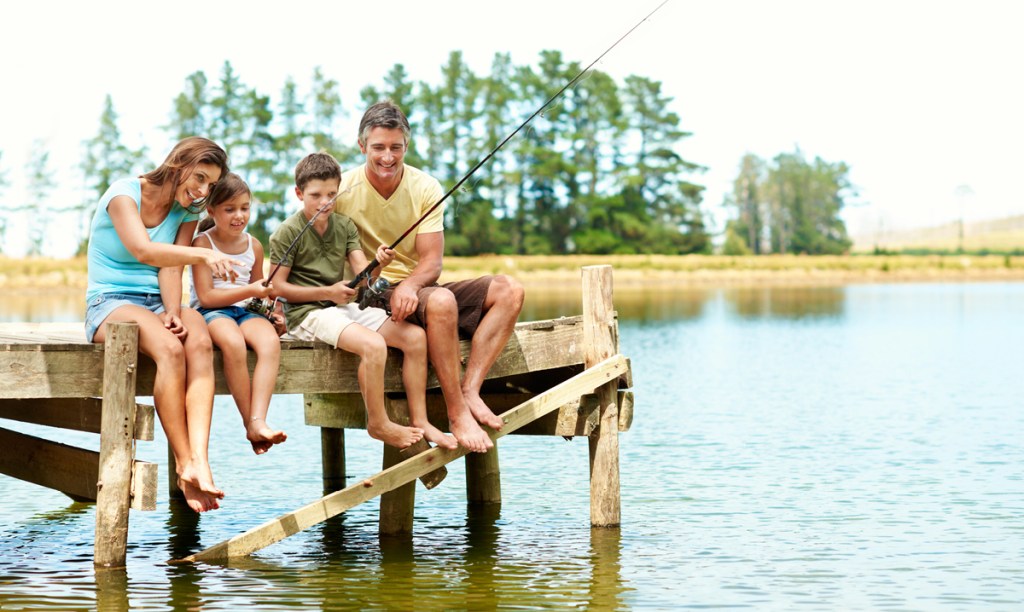
Having Fish available is one of the best ways of getting your daily protein intake during an apocalyptic situation. There’s plenty of water around, but only a few have the skills to fish for their survival. Having a distinct advantage sets you apart from others and might come in handy down the line.
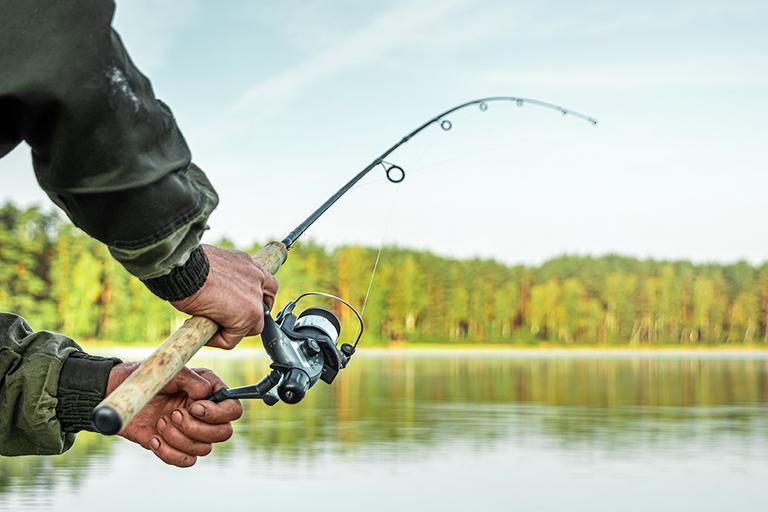
If it comes to fishing for your survival, there are a couple of different options. Like many non-preppers, you can take the more common approach and use rods and reels, but then there’s the storage issue, replacing broken equipment, and let’s not forget the cost of maintaining them. Or you can do what many other preppers prefer, which is a more raw yet simple method for survival fishing.
We’ll talk about both.
Your Fishing Gear
Start by collecting the gear you need to catch fish, this will make it more budget-friendly to stockpile the items needed over time. For your first purchase, I would go with a survival fishing pole. They are easy to store and lightweight, but not the most effective for catching fish.
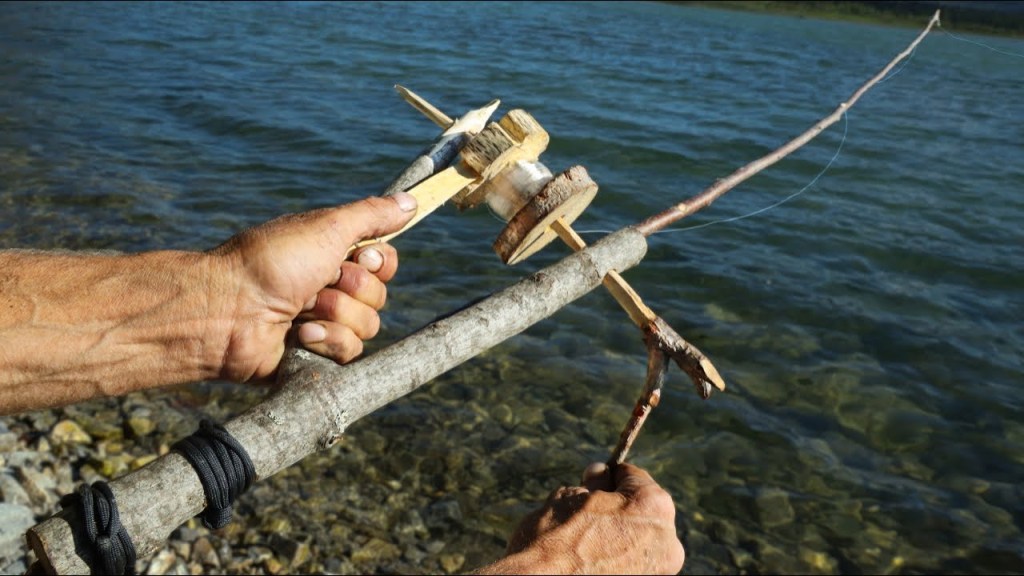
I can tell you this though, they’re way better than a stick, rope, and hook.
As for your reel, go with whatever you can afford. In a survival situation, it’s not going to matter what brand your reel is or where you got it from. You just need to make sure it gets the job done.
Live Bait Vs. Artificial Lures
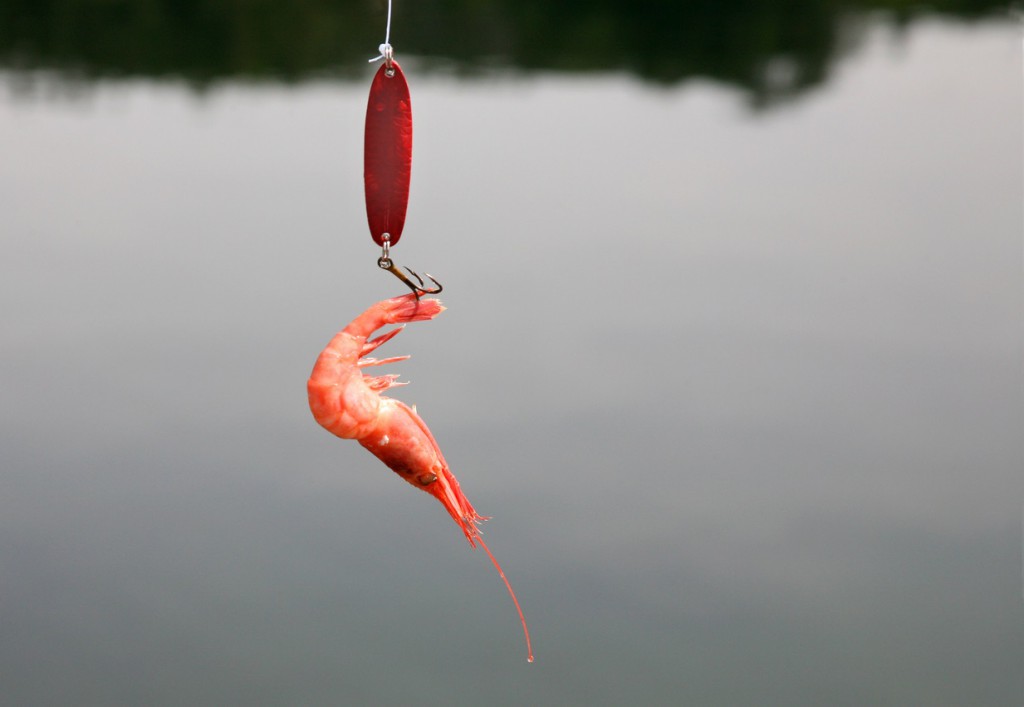
Honestly, you want to go with the most basic option possible if you’re choosing artificial lures. All that matters is you being able to catch fish, and it needs to be quick and efficient. Also, make sure you have a variety of sizes in lures anywhere from 1.5 inches – 6 inches in length. If you come across a small stream, the small lure would be perfect to catch something quick to eat. Regardless of if you’re trying to feed an entire family or just yourself, your focus needs to be on quantity over quality and on finding ways to make the fish last.
Netting
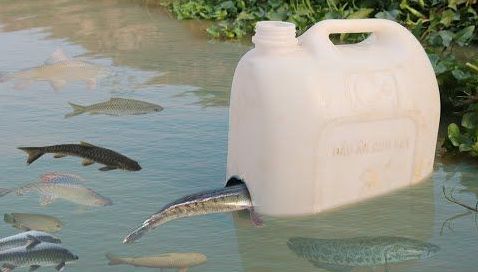
If want to take a more simple approach, there are plenty of options. Netting or trapping for one, and there are a number of different nets you can use. This is a passive form of fishing which is preferred because it allows you to do something else while you’re fishing in most cases.
Here are some options for netting:
Trotlines – One of the most primitive and passive ways of survival fishing. You attach a mainline on both sides of the river or pond and then hang secondary lines down into the water with bait on them. The secondary lines get weights, so they rest near the bottom of the water, and the baited hooks will stay in place until you return to see if you caught anything.
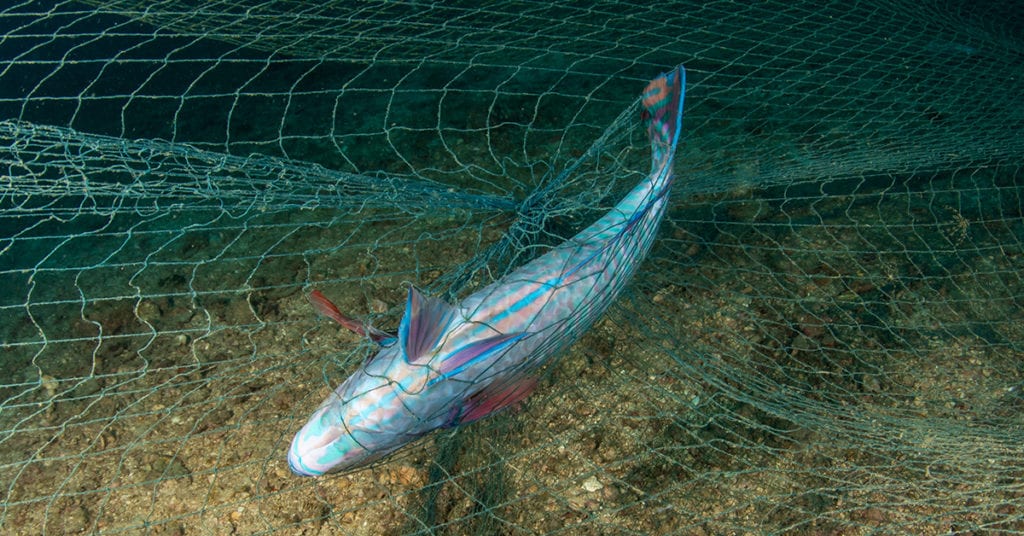
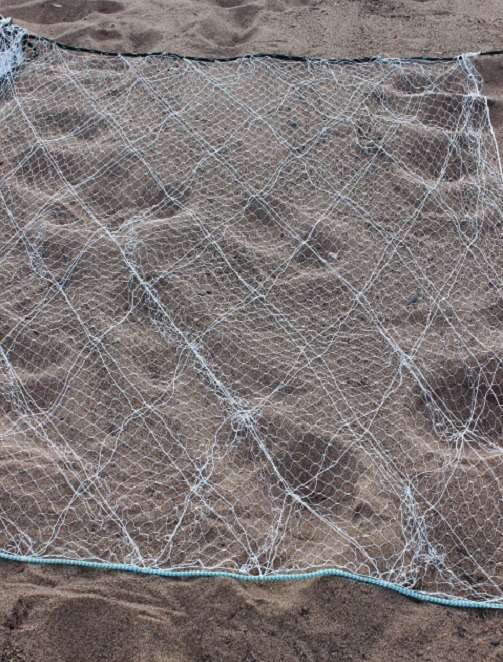
Gill nets – A nylon net with large enough openings for the fish to swim through until they reach the gills. Making it the perfect passive fishing strategy because while you’re getting other things set up, you can check on the net at any time. This important method is great when you need to provide food for more than one person.
Drift nets – A drift net functions in a similar way but requires you to have a vessel to pull the net. The net is moving through the water, it will also grab anything that passes through it. Using this method, you’ll want to bug out near a popular river or stream system.
Killing and cleaning your catch
As a part of the “circle of life”, we need to appreciate and respect our catch, especially for situations where our survival depends on it. Here is a simple way of cleaning your fish if you don’t have any other way:
Find a rock with sharp edges.
Put the fish on a hard flat surface
Use one hand to secure it in place
Use the rock to strike it right above the eye with a large amount of force
This will stun the fish but not kill it, be sure to repeat this a few times
Fishing during a survival crisis is a great way to source rich in protein foods in the event of a food shortage or power grid failure. Learning skills that we can rely on is essential during emergency situations.
Always remember, it’s always better to prep in advance rather than wait until it’s a SHTF situation.


















 TheDailyChristian