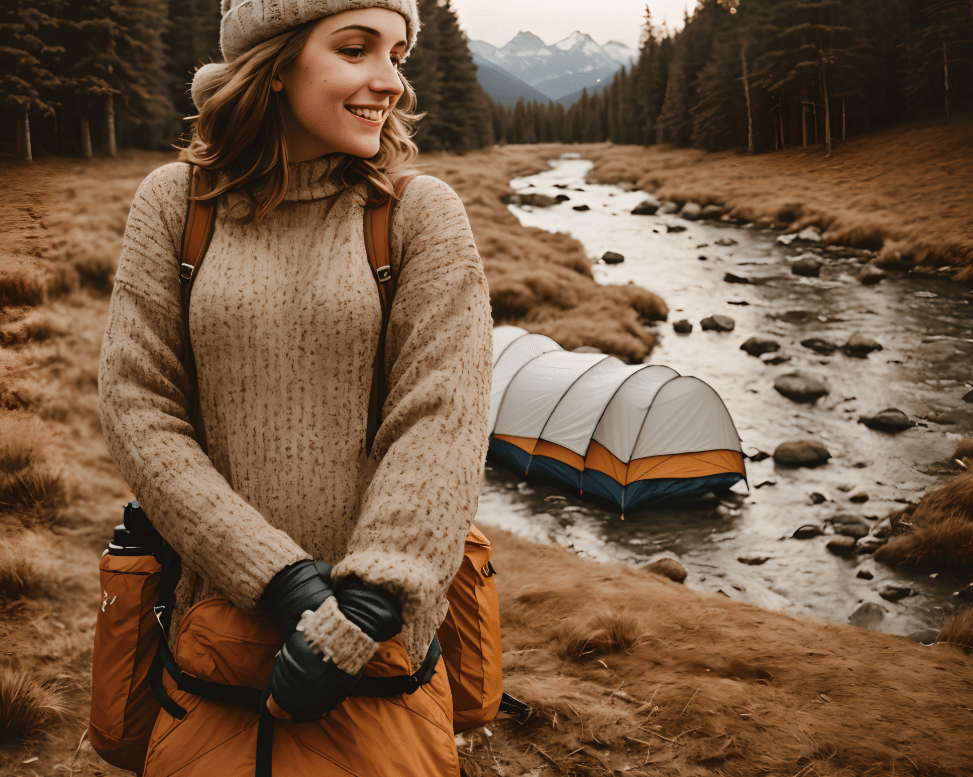
The Last Grocery Store Run Before the Grid Goes Dark: A Prepper’s Final Warning

You can feel a collapse long before you can prove it. The air thickens, conversations shorten, and people move with a jittery uncertainty they pretend isn’t fear. For weeks now, every expert with a tie and a microphone has insisted the power grid is “stable” or “only experiencing minor vulnerabilities.” But those of us who still use our eyes—and not the spoon-fed comfort pumped out of screens—know the truth: the grid is held together with duct tape, denial, and a hope that ran out sometime last decade.

So this morning, when the news quietly mentioned “regional instability” and “rolling disruptions,” I knew exactly what that meant: this was it. My last chance to top off supplies before the grid sputters out for good. And despite everything I’ve stockpiled over the years, despite the shelves I’ve meticulously filled and the gallons of fuel I’ve tucked away, there’s always one last run. One more pass through the grocery store to grab the things that might mean the difference between grinding through the collapse or becoming another body buried under its weight.

And of course, like clockwork, people waited until the last possible second to panic.

I threw my gear in the truck and headed into town for what I knew would be a hostile, frantic, anger-soaked sprint through a grocery store full of clueless, late-to-the-party consumers who spent years mocking preppers and are now shocked—shocked—that modern life doesn’t come with guarantees.

Walking Into the Chaos

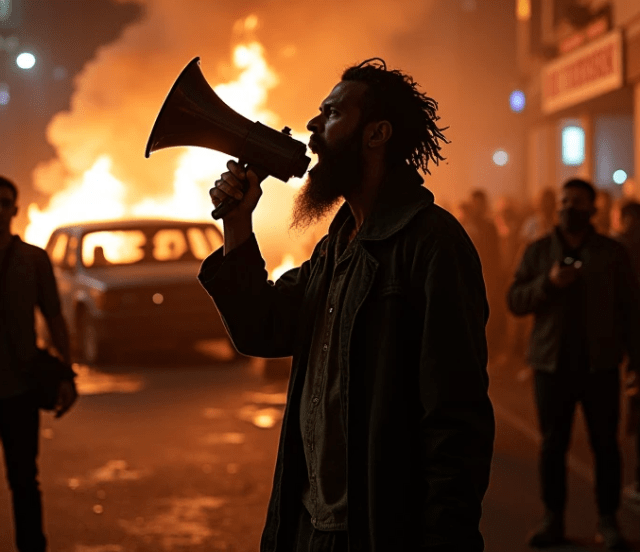
The parking lot told the whole story before I even got inside. Cars abandoned at crooked angles. Carts left as barricades. People shouting into phones that weren’t even connected because the networks were already starting to choke. And there it was—that glazed-over look in their eyes: the realization that no one is coming to save them.

I walked through the automatic doors (thankfully still powered), and the assault hit instantly: the stench of panic sweat, the squeal of wheels pushing overloaded carts, and the sound of ten different conversations about “how this can’t really be happening” coming from people who have spent their entire lives outsourcing responsibility to systems they never bothered to understand.

Every aisle was a battlefield. Every shelf was a shrinking island of hope.

But I wasn’t there to feel sorry for them. I wasn’t there to help them wake up. I was there to finish the job—secure what I needed before the lights blinked out forever.

Item 1: Shelf-Stable Calories

The first stop was obvious: dry goods. Rice, beans, pasta—anything that stores for years and keeps a body alive. I grabbed what was left, even as two grown adults argued over the last bag of lentils like toddlers fighting over a toy. They didn’t notice I slipped behind them and pulled three bags of white rice they’d overlooked. I didn’t feel bad; their ignorance wasn’t my responsibility.

When you’ve been preparing for years, you learn to see what others don’t.

Item 2: Canned Proteins

Next was canned meat—tuna, chicken, spam, whatever hadn’t yet been ravaged by the first wave of panic shoppers. Protein will be gold when the grid dies, and hunting won’t be an option for half the people who think they’ll suddenly become wilderness experts.

Most of the shelves were stripped clean, but I managed to get a dozen cans of chili and several cans of chicken that were shoved behind fancy organic soups no one wanted. Funny how people become less picky right before the world goes dark.

Item 3: Water and Purification Supplies

Water is life, but bottled water was already gone—the shelves empty except for the plastic price tags. No surprise. People always go for the obvious.

But I knew the real score: grab bleach, grab filters, grab anything that makes questionable water drinkable.

Saw three teenage boys laughing as they tossed the last cases of bottled water into their cart, mocking the panic. I’d love to see how much laughing they’ll do once they realize one case of water lasts a family about two days, maybe three if rationed.

Meanwhile, I slipped down the cleaning aisle and filled my basket with purification essentials they didn’t even think about.

Item 4: High-Calorie “Morale Foods”

In a collapse, calories keep you alive—but morale keeps you human.

I grabbed chocolate, instant coffee, peanut butter, and the last few boxes of granola bars. These aren’t comforts—they’re psychological stabilizers. When your world shrinks to survival, a spoonful of peanut butter becomes strength, and a cup of coffee becomes hope.

People think prepping is all about ammo and generators. They forget the human mind collapses long before the body does.

Item 5: Quick-Use Foods

Anyone who’s lived through an outage knows the first few days are the worst. You need quick, no-cook food to get through the transition. I grabbed crackers, canned fruit, ready-made soups, and instant meals.

By now, the lights had started to flicker. The store manager shouted something unintelligible over the intercom, but nobody cared. The panic had gone from simmer to full boil.

The Desperation Was Palpable

I saw people crying in the aisles. Some were shouting into phones, begging family members to “get home now.” Others were staring at empty shelves as if they were staring at their own future—void, stark, unforgiving.

What infuriated me, though, was this: they had every chance to prepare. Every warning sign. Every news report hinting at instability. Every outage over the last decade, every expert saying the grid was aging, overstressed, and under-maintained.

But they ignored it all.

Because denial is a warm blanket in a cold world—right up until the blanket catches fire.

Checking Out

I got into the shortest line I could find—not that it mattered. People were frantic, dropping items, yelling, shoving. The card machines were already stalling. Someone screamed when their payment declined; someone else tried to argue their expired coupons should still apply “because this is an emergency.”

Pathetic.

I paid with cash—something else people have forgotten still has value when systems break.

As I walked back out into the parking lot, the first substation alarm in town began to wail. A low, mechanical howl rolling over the rooftops like a warning siren for the damned.

People looked around, confused. I wasn’t. I knew exactly what it meant.

Heading Home Before the Lights Go Out

The grid wasn’t collapsing.
It was collapsed. We were simply watching the echoes.

I tossed the last-gasp items into the truck, turned the engine over, and headed out of the mess before the roads clogged with panicked civilians who still believed someone would come fix this.

Because they don’t understand the truth we preppers have known for years:

When the grid goes down, it’s not just the lights that disappear.
It’s the illusion of stability.
It’s the myth of progress.
It’s the lie that society will always keep humming along politely.

And when that illusion dies, the world gets real—fast.

I didn’t make that last grocery store run because I was unprepared.
I made it because I understand something the rest of the world refuses to accept:

There is no cavalry. Only consequences.

And I intend to face those consequences with a stocked pantry, a clear head, and the grim satisfaction of knowing that while the world slept, I stayed awake.

Let the grid burn.
I’ll survive the night.

If You Aren’t Prepared for the End-Times, You’re Already in Trouble

Let me be brutally honest—because sugarcoating is a luxury humanity can no longer afford. If you haven’t noticed the world unraveling, you’re living in the same delusion as the rest of the masses scrolling mindlessly through their phones. Everything around us is deteriorating: the power grid, the economy, the food supply, the moral compass, the government’s sanity—pick your poison.

People whisper about “hard times,” “instability,” and “dark days.” But let’s call it what it is: an end-times scenario brewing in real time, whether you interpret that spiritually, politically, or simply logically.

And the worst part? Nobody is prepared. Not the government. Not your neighbors. Not your coworkers who think a flashlight app on their smartphone counts as “readiness.”

Meanwhile, you’re here because you know better. You’re not waiting for a FEMA line, a miracle, or a politician to swoop in and save you. You understand the cold truth: if you don’t prepare for an end-times level event, nobody will do it for you.

This article lays out the critical preparedness items you need—not someday, not “when things get worse,” but right now. Because things are already worse.


Why End-Times Preparedness Requires a Different Mindset

Most prepping guides focus on short-term weather emergencies—storms, floods, maybe a blackout. That’s child’s play. End-times prepping requires an entirely different framework. Forget three days of food and a flashlight; we’re talking long-term survival in a world that no longer functions.

In an end-times event:

  • The grid won’t come back online.
  • Supply chains will collapse permanently.
  • Law enforcement will vanish or turn predatory.
  • Medical care will become a relic of the past.
  • Food and water become currency, power, and leverage.
  • People you thought were “nice” will turn violent in days.

If that sounds dramatic, then you’re exactly the kind of person who needs to read this twice.


1. Water Filtration and Purification Supplies

Everyone stockpiles food but forgets the most crucial resource: water. Without it, you’re dead in three days—and the tap won’t be running in the end-times. You need:

High-Quality Water Filters

Not the cheap ones. Not something meant for camping trips. You need robust, gravity-fed filters capable of handling contaminated, murky, bacteria-laden water.

Purification Tablets

Lightweight, long-lasting, and vital when filtration isn’t enough.

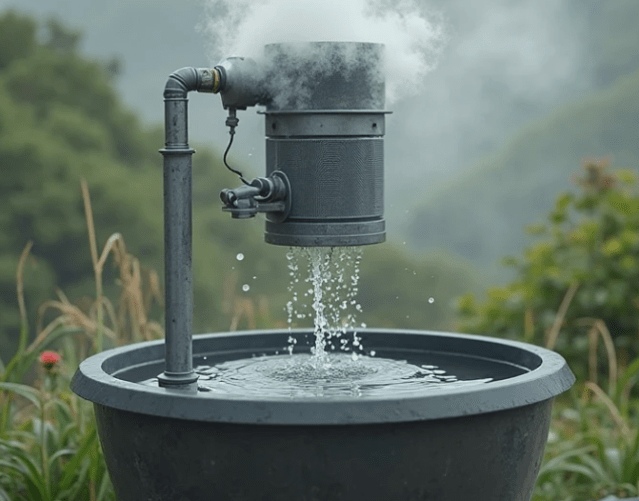
Rainwater Harvesting Setup

Because rivers will be contested zones, and the desperate will flock to them.

Water is life. But in the end-times, water is war.


2. Long-Term Food Storage: The Only Real Insurance Policy

Let the unprepared mock you while they fill their carts with frozen pizza and microwave dinners. In a collapse, they’ll have nothing.

You? You need:

  • Freeze-dried meals
  • Mylar-bagged grains and beans
  • Canned goods
  • Shelf-stable fats
  • Seeds for long-term sustainability

And don’t forget manual tools for food prep: grain mills, can openers, grinders. Electricity won’t save you.


3. Medical Supplies They Don’t Want You to Have

In the end-times, pharmacies become death zones—looted within hours. Hospitals become morgues. Doctors disappear. So stock up NOW:

First Aid Kits (Real Ones, Not the Cute Kind)

Tourniquets, trauma pads, hemostatic agents, sutures, splints.

Antibiotics (Legal Options Like Fish Antibiotics)

When wounds get infected—and they will—there won’t be a doctor to help you.

Pain Management Supplies

Imagine surviving starvation and violence only to die of a tooth infection. That’s the world we’re heading into.


4. Self-Defense Tools—Because Nobody Is Coming to Save You

In the end-times, violence becomes currency. The weak get stripped of everything. The prepared—or the armed—survive.

Whether you prefer firearms, crossbows, blades, or blunt tools, the point is simple: if you can’t defend your supplies, you don’t have supplies.

And don’t forget:

  • Extra ammunition
  • Weapon cleaning kits
  • Tactical training materials
  • Spare parts

The unprepared love to rely on police. But when society collapses, the police won’t be responding… they’ll be surviving, just like you.


5. Off-Grid Power Sources (Because the Grid Is Already Crumbling)

The word “grid-down” is starting to sound quaint. We’re past that. In an end-times event:

  • The grid stays down.
  • Communication dies.
  • Heat disappears.
  • Darkness wins.

So invest NOW in:

  • Solar panels
  • Manual chargers
  • Hand-crank radios
  • Portable battery banks
  • Off-grid lighting

Electricity becomes luxury. Power becomes power.


6. Clothing and Gear Built for Harsh Reality

You can’t survive the end-times in jeans from the clearance rack or shoes meant for an air-conditioned mall.

You need:

  • Waterproof boots
  • Insulated clothing
  • Wool layers
  • Durable gloves
  • Tactical headlamps
  • Multi-tools
  • Thermal blankets

And make sure it’s all rugged—because you’re not replacing anything once society collapses.


7. Communication Tools: The Last Link to Intelligence

You might not think communication matters, but it’s everything. The unprepared will sit in the dark with zero information. You? You’ll know what’s moving, where, and who’s coming.

Get:

  • HAM radios
  • Walkie-talkies
  • EMP-protected storage
  • Signal mirrors
  • Whistles

Remember: knowledge becomes currency. Silence becomes a coffin.


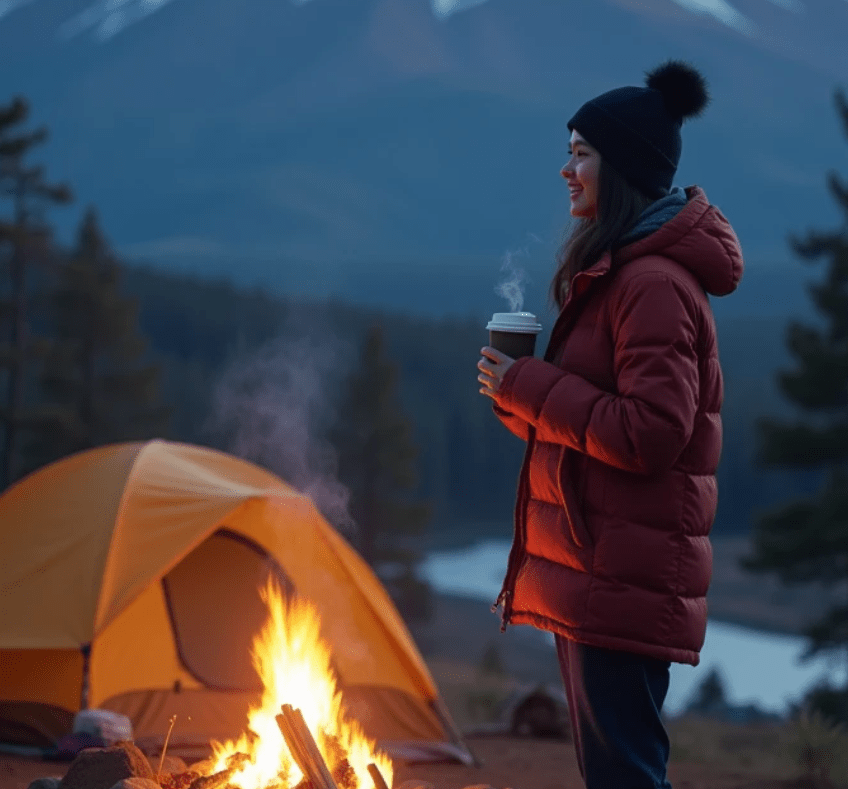
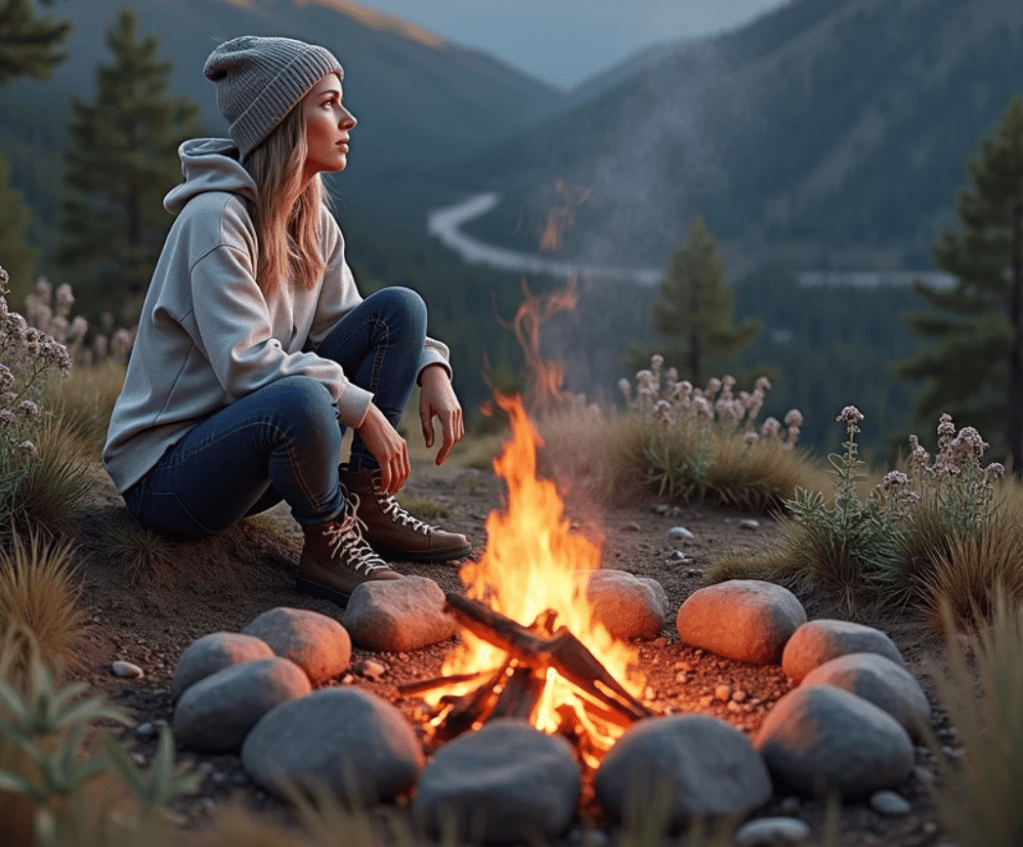
8. Shelter and Fire Resources

In the end-times, weather kills faster than starvation. You need to be able to stay warm, dry, and sheltered—without stores, electricity, or the comforts you’ve been conditioned to rely on.

Stock:

  • Tarps
  • Cordage
  • Tents
  • Emergency stoves
  • Fuel tablets
  • Fire starters
  • Woodcutting tools

If you can’t make fire, you can’t cook, you can’t boil water, and you can’t survive.


9. Tools for Building, Repair, and Actual Work

The modern world made people soft. Most can’t fix a broken hinge, let alone build something meaningful. But in the end-times, tools become lifelines.

Essential items include:

  • Axes
  • Hatchets
  • Saws
  • Hammers
  • Hand drills
  • Shovels
  • Wrenches
  • Pliers

Anything with no reliance on electricity is worth its weight in gold.


10. Items for Bartering—Because Money Will Be Useless

When the dollar collapses and digital money evaporates, bartering becomes the new economy. Stock items people will desperately want:

  • Salt
  • Soap
  • Alcohol
  • Coffee
  • Cigarettes
  • Ammunition
  • Medical bandages
  • Water filters
  • Lighters
  • Fuel

While the unprepared panic, you’ll be able to trade wisely—and survive.


Final Thoughts: Prepare Now, Because Time Is Already Gone

If you think you have time… you don’t. Every day the world inches closer to something irreversible. Economic instability, global tensions, moral decay, unpredictable disasters—all signs pointing to a collapse nobody wants to admit is coming.

But YOU see it.
YOU feel it.
And YOU can prepare for it.

Most people will remain blind until it’s too late. They will cling to normalcy, trusting systems that have already proven they cannot protect them. And when the end-times hit, they will suffer the consequences of their denial.

But you won’t.
Because you’re preparing right now—angry, frustrated, and awake to reality.

Stock up. Train hard. Stay aware. Because the end-times won’t wait for you to be ready.

Idaho Homestead Lifestyle: Back to the Dirt and Done with the Nonsense

Let me tell you something right now: the world’s gone soft. Somewhere along the way, folks traded hand tools for smartphones, wild food for drive-thrus, and grit for convenience. But not out here—not in Idaho. Out here, we homestead. Out here, we take care of ourselves. And if that makes me a grumpy old dirt farmer with a pile of firewood and a root cellar full of potatoes, so be it.

I’m not here to sugarcoat anything. Homesteading in Idaho is work. It’s early mornings, cold fingers, aching backs, and long days. But it’s also freedom, independence, and one hell of a satisfying way to live. You don’t ask for handouts—you build. You mend. You butcher. You sew. You raise kids who know the difference between a rooster and a hen and don’t panic if the Wi-Fi drops out.

If you’re thinking of joining us out here, good. The more the merrier—but only if you’re ready to earn your place. This ain’t a vacation. It’s a lifestyle. Let me walk you through what that really means, Idaho-style.


15 Homestead Skills You Damn Well Better Learn

1. Animal Husbandry
If you can’t tell when your goat is about to give birth or why your chickens stopped laying, you’re in trouble. Learn to care for animals like they’re your lifeline—because they are.

2. Canning and Food Preservation
Store shelves aren’t reliable. Your pantry and root cellar? That’s your grocery store now. Pressure canner. Water bath. Fermenting. Master them.

3. Gardening for Survival
Not some Instagram “raised bed” crap with ornamental kale. I’m talking rows of potatoes, corn, beans—enough to feed your family through a brutal Idaho winter.

4. Seed Saving
If you’re still buying seeds every year, you’re not serious. Save your own, select for what thrives, and you’ll never be at the mercy of the seed catalogs again.

5. Hunting and Processing Game
Elk, deer, grouse. Idaho’s full of protein on the hoof. Learn to shoot, track, dress, and preserve meat without wasting a scrap.

6. Firewood Harvesting
We don’t turn on the heat—we chop it. Learn what burns hot, how to season it, and how to split it without throwing out your back.

7. Carpentry and Construction
You’ll need fences, coops, sheds, and maybe a house. Get handy with a hammer or go broke hiring someone else.

8. First Aid and Herbal Remedies
You think there’s a doctor nearby? Think again. You need to handle injuries, infections, and illness with what you’ve got on hand.

9. Cooking from Scratch
Boxed meals don’t cut it out here. Learn to bake bread, butcher a chicken, and make stock like your grandma did.

10. Welding and Metal Work
When your trailer hitch snaps or your plow blade needs reinforcing, you’ll wish you had a welder and knew how to use it.

11. Water Management
Rain catchment, well maintenance, gravity-fed irrigation. Water is life, and you better know where yours is coming from.

12. Solar and Off-Grid Energy
If you’re lucky enough to be off-grid, solar’s your friend. Know how to wire, monitor, and maintain your system—or you’ll be lighting candles all winter.

13. Soap Making
Forget store-bought junk. Make your own lye soap with goat milk, and get clean the honest way.

14. Foraging and Wildcrafting
Morels, huckleberries, yarrow, pine nuts—the land provides, but only if you recognize what you’re looking at.

15. Bartering and Community Trade
You won’t have everything you need. That’s where neighbors come in. Trade eggs for honey, jerky for firewood. Build trust. Build local strength.


3 DIY Homestead Hacks That Save Time and Sanity

Hack #1: Five-Gallon Bucket Chicken Waterer
Tired of refilling water every morning? Drill a few holes near the base of a 5-gallon bucket, set it in a tray (like a repurposed oil pan), and flip it. Chickens drink clean, and you only refill every few days. Simple. Cheap. Effective.

Hack #2: Pallet Compost Bin
Why pay a dime for a fancy compost tumbler when pallets are free all over Idaho? Nail four together into a square, add hinges for a front gate, and you’ve got a three-bin compost system for nothing. Let nature break it down while you drink coffee and admire your pile.

Hack #3: Gravity-Fed Rainwater System
Mount a few barrels under your gutter system, raise them on cinderblocks, and run hoses or PVC pipe downhill to your garden. Now your plants drink Idaho rain, and you don’t lug watering cans all summer. Bonus: No water bill.


The Harsh Truth

Idaho homesteading is not a lifestyle for the faint-hearted. The winters will test you. The isolation will challenge your marriage. You’ll lose crops to hail, predators to coyotes, and sometimes your damn mind. But every morning you walk outside and see your land—your chickens scratching, your tomatoes ripening, your kids hauling water like pioneers—you’ll remember why you started.

And let me say this: if you’re running from the city hoping to “unplug” with a latte in hand, do us a favor and stay home. Homesteading is not a trend. It’s not a weekend project. It’s not something you watch on YouTube and master in 30 days. It’s blood, sweat, tears, manure, and joy all mixed together under the big Idaho sky.

You will fail. You will cry. You will want to quit.

But if you stick with it, if you lean into the hard days and count your blessings when the pantry is full and the kids are healthy—you’ll never want to go back.


Final Words From a Grizzled Soul

The Idaho homestead lifestyle is the real deal. It’s the antidote to modern madness. It teaches you to rely on yourself and respect the land. It’s dirty. It’s beautiful. It’s real. So pick up that shovel, load that wood stove, kiss your kids, and go milk the damn goat. You’ve got a full day ahead of you—and that’s just how we like it out here.

And if anyone tells you it’s “too hard,” just smile and hand them a jar of your homemade pickles.

Because we don’t need easy.

We need real.

Survival Seating: Where to Sit When Eating Could Turn Dangerous

Let me ask you something: when you walk into a restaurant, do you just sit down wherever the hostess points like a clueless sheep? If so, you’ve already lost. You’re trusting your safety—your life—to someone whose only qualification is knowing where the ketchup packets are stored.

Wake up.

In a world this unstable, every public place is a potential kill zone, and every meal out could be your last supper if you don’t start thinking tactically. Active shooters, armed robberies, angry exes with vendettas—this isn’t paranoia, it’s pattern recognition. The smart survive. The unaware get turned into news headlines.

Rule #1: Never Sit with Your Back to the Door

I don’t care how good the view is. If your back’s to the entrance, you’re not eating—you’re volunteering to be the first to die. You want eyes on the front door at all times. Know who’s coming, how many of them there are, what they’re carrying, and whether they look nervous, drunk, or dangerous.

Rule #2: Choose Corners and Walls

The safest seats are ones with your back to a solid barrier—a wall, a corner, a column—anything that prevents you from being approached from behind. From there, you have a full view of the space and multiple exit paths. If a threat enters, you’re not caught off guard.

Remember: no wall, no cover. No cover, no chance.

Rule #3: Know Your Exits—All of Them

You should be able to escape within three seconds, without hesitating. That means knowing where the main door is, where the emergency exits are, whether there’s a back kitchen door, and how far you’ll have to run to get to them.

If you sit down without identifying at least two exits, you’re trusting strangers to save you. And that’s suicidal.


15 Survival Skills You Should Use Every Time You Eat Out

Let me drill this into your head. Survival is a mindset. Here are 15 survival skills you need to keep sharp—even at the damn Olive Garden.

  1. Situational Awareness
    Always be scanning. Who’s coming in? What’s in their hands? Are they pacing or loitering? You’re reading body language like a hawk, not reading the menu.
  2. Threat Identification
    Learn the difference between a customer and someone casing the place. Watch their eyes, hands, and posture.
  3. Exit Planning
    Have a primary and backup escape route—always.
  4. Cover vs. Concealment Recognition
    Tables? Concealment. Booths with high backs? Better. Kitchen doors? Possibly cover. Learn the difference and use it.
  5. Improvised Weapon Identification
    That butter knife, wine bottle, or chair leg? Tools, not utensils. If it can be used to strike, block, or distract, it’s a weapon.
  6. Hand-to-Hand Combat Readiness
    Your fists are your last defense. Stay trained and stay dangerous.
  7. Communication and Alerting Others
    Know how to discreetly warn people around you without causing panic.
  8. First Aid & Trauma Care
    Carry a tourniquet. Know how to stop bleeding. You might be patching yourself—or someone else.
  9. Stealth Movement in Crowds
    You need to move fast without drawing attention. Know how to blend in, slip out, and disappear.
  10. Firearm Safety and Awareness
    Even if you’re not carrying, someone else might be. Watch for printing (visible outlines of guns under clothes) and understand line of fire.
  11. Sound Recognition
    One gunshot sounds different from kitchen clatter. You hear a bang, don’t freeze—MOVE.
  12. Calm Under Pressure
    Panic is contagious. Train your mind to stay cool, even when chaos erupts.
  13. Strategic Seating
    Don’t sit near glass, bathrooms, or kitchens (high-traffic, low-control zones). Find a position that controls the space.
  14. Human Shielding (Last Resort)
    It’s ugly. It’s brutal. But in a shootout, distance and obstacles matter. Stay behind cover and move in shadows.
  15. Decisive Action
    The most dangerous person in a crisis is the one who can’t act. If your gut says run, run. Don’t wait for permission.

3 DIY Survival Hacks for Restaurant Safety

1. Create a Pocket “EDC” (Everyday Carry) Survival Kit

You don’t need to lug around a duffel bag of gear to be prepared. Here’s what you should carry in your pockets:

  • A tactical pen (doubles as a striking weapon)
  • Mini flashlight
  • Slim tourniquet (like a SWAT-T)
  • Backup cash, ID, and a credit card knife

With just these items, you can break glass, fight off an attacker, treat a wound, or pay your way out of a lockdown scenario.


2. Turn Your Belt Into a Door Barricade

Let’s say you’re in the bathroom when the shooting starts. You can wedge a belt under or around the door handle to slow down entry. Strap it tightly and reinforce with your foot or body. In many cases, a few seconds of delay can make all the difference. Always wear a real belt, not some weak braided nonsense.


3. DIY Smoke Marker

Got a napkin and a lighter? You’ve got a distraction device. If you’re in a hostage scenario or need to escape without being seen, set fire to a greasy napkin, drop it near a vent or trash bin, and let the smoke draw attention elsewhere. Use the chaos to slip out.


Final Thoughts from a Pissed-Off Prepper

If you’re still reading this and thinking, “This guy’s over the top,” then I’ve got bad news for you. You’re not ready.

Being situationally aware in a restaurant isn’t crazy—it’s common sense. It’s not about fear, it’s about control. You don’t walk into a room and surrender your life to the floor plan. You analyze. You position. You survive.

Because when it all goes down—when the first scream hits the air or the first glass shatters—your instincts will be all you have left.

And I’d rather be a paranoid survivor than a trusting corpse.

Defend Your Ground: Practical Strategies for Survival Security

Listen up. If you think survival is some cozy little hobby, like gardening or birdwatching, you’re dead wrong. Out here in the real world, the second things go south, your safety is your responsibility — no one else’s. And if you don’t defend your ground, you might as well pack it in and become someone else’s snack. The world’s a ruthless place, and if you’re not prepared to defend what’s yours with every ounce of grit and grit alone, you’ll lose it all.

I’m sick of the wannabe “survivalists” who think stockpiling a few canned goods and a flashlight makes them ready. Bullshit. You want to survive? You need skills — real, practical, fight-or-flight skills that will keep you alive when every second counts and the stakes are your life.

Here’s the cold, hard truth: Defending your ground means being proactive, ruthless, and ready to act before things get ugly. The moment you hesitate is the moment you lose. So, strap in. I’m going to lay out ten survival skills you need burned into your brain, plus three DIY survival hacks you can build with your own two hands right now.


1. Situational Awareness: Your Sixth Sense

If you don’t see danger coming, you’re already dead. Period. Situational awareness isn’t just “looking around.” It’s knowing your environment like the back of your hand — every nook, every shadow, every possible threat vector. Train your eyes and ears to catch the smallest anomaly. Hear that twig snap? That’s not a squirrel; it could be someone stalking your perimeter.


2. Firearms Mastery

If you don’t have a working knowledge of firearms and practice regularly, you’re a liability — not an asset. Learn your weapon inside and out. Clean it, maintain it, shoot it until your hands bleed. In a crisis, hesitation or fumbling is a death sentence. Know how to handle firearms safely, but never underestimate their power to defend your ground.


3. Improvised Weapon Crafting

Sometimes you won’t have a gun handy. Fine. You better know how to turn anything into a weapon. A sturdy stick becomes a spear with a sharpened rock. Nails hammered into a plank make a nasty club. Learn how to craft improvised weapons fast — speed and creativity save lives.


4. Fortifying Your Perimeter

Walls and fences aren’t enough. You have to harden your base with layered defenses — think tripwires, camouflaged pits, and noise traps. If an intruder sets foot on your property, they shouldn’t just know you’re there — they should be afraid, confused, and disoriented. Make your defenses a maze of hazards.


5. Close-Quarter Combat

When an assailant breaks through your defenses, it’s going to come down to close-quarter combat. Learn how to fight dirty — elbows, knees, chokeholds, and strikes to vulnerable areas. Hand-to-hand combat isn’t Hollywood fancy; it’s brutal, fast, and messy. Get in, incapacitate your attacker, and get out.


6. Stealth Movement

Sometimes the best defense is not being detected at all. Move silently, blend with your environment, and avoid confrontation when you can. Stealth isn’t just for ninjas; it’s a survival skill. Learn to move like a shadow and never give away your position.


7. Escape and Evasion

No matter how strong your defenses, sometimes you have to bug out — fast. Know multiple escape routes and practice evasion tactics. Use terrain to your advantage, cover your tracks, and never go in a straight line. Staying mobile and unpredictable is key.


8. First Aid Under Fire

If you’re wounded defending your ground, a tourniquet and pressure bandage can be the difference between life and death. Learn trauma first aid like your life depends on it — because it does. Stop bleeding, manage shock, and keep moving.


9. Communication Without Tech

When the grid goes down, forget your phone. Know hand signals, mirror flashes, or whistle codes to communicate silently with your team. Noise can attract unwanted attention. Communication is survival, so master low-tech methods that work when everything else fails.


10. Mental Fortitude

The battlefield isn’t just physical — it’s mental. Fear will try to freeze you. Panic will cloud your judgment. You have to train your mind to push through exhaustion, pain, and fear. Mental toughness is what separates the survivors from the corpses. Build your resilience every damn day.


Three DIY Survival Hacks to Secure Your Ground

Alright, theory is fine, but you need actionable hacks you can set up today with stuff you already have lying around. Here are three DIY survival hacks to boost your security without breaking the bank:


Hack #1: Nailboard Tripwire Alarm

All you need is some scrap wood, old nails, and string or wire. Hammer nails into a wooden plank, sticking out a bit like spikes. String a thin wire or string across your perimeter, attaching it so that when triggered, it pulls on the nails, producing a loud rattling noise that will alert you instantly if someone crosses the boundary. Cheap, simple, and it can buy you precious seconds to get to your weapon.


Hack #2: DIY Sandbag Barricade

Sandbags are the backbone of any defensive perimeter. Don’t wait for a natural disaster supply run to find them. Use old pillowcases or sacks, fill them with dirt, sand, or even gravel, and stack them around doors and windows. They absorb shock, provide cover, and slow down any forced entry. Reinforce weak points on your property fast with this makeshift barricade.


Hack #3: PVC Pipe Spiked Fence

Cut sections of thick PVC pipe lengthwise, sharpen the edges with a file or grinder until they’re razor-sharp. Insert these into the tops of your fences or around your property’s vulnerable points. It’s not just ugly — it’s painful and will discourage any foolhardy intruder. Sharp PVC spikes cost pennies and can be mounted almost anywhere for a quick security upgrade.


Final Warning

I don’t care if you think your neighborhood is safe or your government has your back — when the grid collapses, all bets are off. The law won’t be there. Police? Military? Gone or overwhelmed. Your survival depends on your ability to defend your ground with everything you’ve got.

If you think security means locking your doors and hoping for the best, wake up. It’s a full-time job, a mindset, and a commitment. You will sweat, bleed, and maybe even lose some friends. But if you don’t prepare now, you’ll lose your life later.

Survival isn’t pretty. It’s raw, ugly, and relentless. But it’s the only truth out here. So get angry. Get prepared. Defend your ground — because no one else will.

Bug-Out Bases in the First State: Top 30 Survivalist Campgrounds in Delaware

Top 30 Delaware Campgrounds Every Survival Prepper Should Know

As a seasoned survival prepper in Delaware, I’ve scouted the state for campsites that offer more than just a place to pitch a tent. Whether you’re preparing for an emergency bug-out or seeking a weekend retreat to hone your skills, these 30 campgrounds provide the perfect blend of seclusion, natural resources, and accessibility.

CLICK HERE TO LEARN HOW TO SURVIVE A FAMINE

1. Cape Henlopen State Park
Located in Lewes, this park offers over 150 campsites nestled among pine forests and dunes. With access to the beach and fishing piers, it’s ideal for coastal survival training.

2. Delaware Seashore State Park
Situated between Rehoboth and Bethany Beach, this park features campgrounds with ocean views, providing opportunities for saltwater fishing and marine survival practice. The Outbound+4Wikipedia+4VacationIdea+4

3. Killens Pond State Park
In Felton, this park offers 17 walk-in primitive campsites surrounded by hardwood forests. The 66-acre millpond is perfect for freshwater fishing and canoeing. The Tech Edvocate+3Delaware Today+3Outdoor With J+3

4. Lums Pond State Park
Near Bear, this park features the largest freshwater pond in Delaware. With 17 miles of hiking trails and opportunities for boating, it’s a great spot for practicing waterborne survival skills. Wikipedia+1Only In Your State+1

5. Trap Pond State Park
Located in Laurel, this park is home to the northernmost stand of bald cypress trees in the U.S. It offers canoeing, hiking, and primitive camping experiences. campinglife101.com+1Only In Your State+1

6. Redden State Forest
Spanning over 12,400 acres, this forest in Georgetown provides free primitive camping and 44 miles of trails for hiking and biking. The Outbound+1Outdoor With J+1

7. Blackbird State Forest
Located north of Smyrna, this 6,000-acre forest offers primitive camping and diverse trails for hiking and horseback riding. Wikipedia

8. Holts Landing State Park
Near Bethany Beach, this 205-acre park features a crabbing pier and boat ramp, making it ideal for practicing water-based survival techniques. Wikipedia

9. Gulls Way Campground
This family-friendly campground offers tent and RV sites, providing a balance between comfort and wilderness exposure.

10. Cape Henlopen State Park
Beyond its main campground, this park offers additional primitive sites for those seeking a more rugged experience.

11. Pine Tree Campground
Located in Lincoln, this campground offers a variety of sites, including some that are more secluded, suitable for prepping practice.

12. Tuckahoe Acres
Situated in Rehoboth Beach, this campground offers a mix of amenities and natural surroundings, perfect for weekend getaways. VacationIdea

13. Historic Blueberry Farm
This unique site offers a blend of history and nature, providing a different perspective on survival camping. The Tech Edvocate

14. Holly Lake Campsites
Located in Lincoln, this campground offers a variety of amenities and natural settings, suitable for both beginners and seasoned preppers.

15. Homestead Campground
Situated in Lincoln, this campground offers a mix of amenities and natural surroundings, ideal for prepping practice.

16. Lost Lands RV Park
Located in Delmar, this park offers RV sites and is close to natural areas for exploration. VacationIdea

17. Tall Pines Campground Resort
In Lewes, this resort offers a mix of amenities and natural settings, suitable for both relaxation and prepping practice.

18. Treasure Beach RV Park & Campground
Located in Selbyville, this park offers RV sites and is close to natural areas for exploration. VacationIdea

19. Deep Branch Family Campground
Situated in Lincoln, this campground offers a variety of amenities and natural settings, ideal for family outings and prepping practice.

20. Sun Outdoors Rehoboth Bay
Located in Ocean View, this campground offers a mix of amenities and natural surroundings, suitable for both relaxation and prepping practice.

21. G & R Recreation Campground
Situated in Dagsboro, this campground offers a variety of amenities and natural settings, ideal for family outings and prepping practice. VacationIdea

22. Pine Haven Campground
Located in Lincoln, this campground offers a mix of amenities and natural surroundings, suitable for famalies!

23. Brumbley Family Park
A smaller, lesser-known site in Greenwood, this quiet family campground is ideal for those seeking solitude, with good tree coverage and open space for skills training and shelter building.

24. Cozy Acres Campground
Tucked away in Delmar, this spot lives up to its name. While it offers some comforts, it’s remote enough to double as a great location for practicing self-sufficiency and off-grid living.

25. Lums Pond Equestrian Camping Area
Separate from the main campground, this equestrian area at Lums Pond is a hidden gem for preppers. Less crowded and more rustic, it’s excellent for testing gear or staging survival scenarios.

26. Killens Pond Primitive Area
Beyond the main camping loops, Killens Pond features primitive sites that are secluded and wooded. Great for solo training weekends or trying your hand at no-fire, no-tools shelter building.

27. Fort DuPont State Park (Scout Camping Area)
This historical site near Delaware City isn’t widely known for camping, but scouts and survivalist groups sometimes use it. Ideal for group training, especially in urban survival simulation.

28. Possum Hill Camping Area (Blackbird Forest)
An isolated and forested location, Possum Hill offers backcountry-style camping with minimal services. It’s perfect for those wanting to get as close to wilderness prep as Delaware allows.

29. Redden Lodge Area (Redden State Forest)
Adjacent to Redden Lodge, this zone allows for both organized group camping and more rugged tent setups in the surrounding forest. Wildlife sightings here are common—great for tracking and foraging.

30. Big Oak County Park (Kent County)
A lesser-known park in Smyrna, Big Oak has open fields and wooded areas that are ideal for stealth camping or group drills. The area’s remoteness makes it a valuable asset for preppers who need training space with minimal foot traffic.

Conclusion: Where Preparedness Meets the First State’s Wild Heart

When you live in Delaware and think like a prepper, you start seeing the land differently. You don’t just look for beauty—you look for utility. You assess every grove, field, and pond for its survival value. And the truth is, while Delaware might be one of the smaller states in the country, it’s packed with high-value locations for anyone serious about readiness, resilience, and rugged living.

These 30 campgrounds aren’t just vacation spots—they’re training grounds. Each one offers something different: Killens Pond is your water purification classroom. Redden State Forest is your stealth movement and shelter-craft zone. Cape Henlopen? That’s coastal survival at its finest. Whether you’re practicing bug-out drills, sharpening your foraging skills, or testing your bug-out bag over a long weekend, these spots give you controlled environments to fail, learn, and improve before the real test ever comes.

And let’s be honest—complacency is a prepper’s biggest enemy. If you’re just stocking food in a basement and calling it preparedness, you’re missing the point. Skills > gear. Practice > theory. That’s why getting into the wild—Delaware’s wild—is mission-critical.

These parks, forests, and family-run campgrounds let you train solo, run weekend missions with your MAG (Mutual Assistance Group), or introduce your family to off-grid living. Some are perfect for bow hunting and small-game tracking. Others are ideal for bushcraft, water navigation, or signaling practice. Heck, a few even push you close to the edge of urban zones, which gives you the chance to prep for worst-case scenarios like civil unrest or supply line collapse.

I’ve spent years hiking these trails, sleeping under tarps, digging catholes in the cold, and learning how Delaware’s changing seasons shape both challenge and opportunity. I’ve tested my fire-making skills in Blackbird Forest during a February freeze, and I’ve learned the hard way how swarming mosquitos in Trap Pond can destroy your morale faster than an empty canteen.

That’s the real takeaway here: Preparedness isn’t a destination—it’s a lifestyle.

The good news? Delaware is quietly one of the most prepper-friendly states on the East Coast if you know where to look. From beachside sand dunes to cypress swamps, from pine forests to rolling meadows—you’ve got terrain variety and tactical options all within driving distance. And with so many under-the-radar camping areas, you can find solitude without needing to go hundreds of miles out west.

So pack your gear, load up your med kits, run your checklists, and get out there. The time to train isn’t when things fall apart—it’s right now, when the grid’s still humming and the skies are still clear.

Because when the power goes out, when the food stops showing up at stores, or when you need to move your family fast—you’ll either be the one who trained, or the one who wished they had.

Delaware is more than enough to make you dangerous—in the best possible way.

Stay sharp. Stay quiet. Stay ready.

The Ultimate Guide to the Best Campsites in California for Survival Preppers

As a survival prepper living in California, it’s essential to have a list of top-notch campsites that double as places of refuge in the event of an emergency. Whether you’re looking to hone your outdoor skills, set up a bug-out location, or simply escape the chaos of the modern world, California offers a vast array of camping spots that can cater to any prepper’s needs. From dense forests and towering mountains to secluded deserts and rugged coastlines, there’s no shortage of perfect places to prepare for any disaster scenario. In this guide, I’ll take you through some of the best campsites across the Golden State that will test your survival skills, provide strategic retreat options, and immerse you in nature.

1. Big Sur – Andrew Molera State Park

Big Sur is one of California’s most iconic landscapes. The rugged cliffs, dense forests, and wild coastline make it a natural fort for anyone preparing for a disaster. Andrew Molera State Park offers campgrounds that are remote enough to give you the solitude needed for prepping, while still offering access to some of the state’s most breathtaking views. With its proximity to both freshwater and saltwater, this site is ideal for practicing your water purification methods or simply enjoying a weekend of bushcraft and fishing.

For survival preppers, Big Sur offers a perfect blend of isolation and natural resources. You’ll want to stock up on fire-starting materials, camping gear, and a solid survival kit to ensure you’re ready for anything.

Pro Tip: If you’re not familiar with the area, be sure to check trail maps and know your escape routes. The area is prone to wildfires, so you’ll need to stay aware of the latest alerts.

2. Yosemite National Park

Yosemite is one of the most well-known national parks in the world, and for good reason. With miles of wilderness, waterfalls, towering granite cliffs, and pristine lakes, Yosemite offers not only a serene escape from modern life but also a powerful environment to test your survival skills. The park offers numerous campsites, from the more developed ones near the valley to more remote options like Porcupine Flat and North Dome.

Yosemite is a goldmine for any prepper. The vast, varied terrain means you can practice everything from shelter building to foraging, hunting, and fishing. The park also has a wealth of wildlife that you’ll need to be prepared to interact with, from bears to small game.

Pro Tip: Stock up on high-energy foods and a map of the park before heading out, as cell service can be spotty.

3. Sequoia National Forest

For any prepper looking to perfect their wilderness survival skills, Sequoia National Forest is the ultimate spot. Home to the largest trees in the world, this forest offers dense, high-altitude terrain perfect for practicing your wilderness navigation, fire-building, and long-term shelter construction. If you’re serious about preparing for an extended bug-out scenario, Sequoia’s vast wilderness offers solitude and endless opportunities for honing your bushcraft skills.

Whether you’re camping along the Kern River or high up in the Sierra Nevada, Sequoia offers an environment where you can live off the land—fishing in the river, foraging in the woods, and navigating the rugged mountains.

Pro Tip: The winters here can be brutal, so ensure your gear is up to the task of cold-weather survival.

4. Pinnacles National Park

If you’re looking for a place that offers a mix of rugged terrain and an escape from the heat, Pinnacles National Park in central California is a great option. Located near the San Andreas Fault, this park offers volcanic rock formations, caves, and an environment that is perfect for practicing shelter construction and navigation.

While Pinnacles may not have the expansive forests of Sequoia, it offers something that many prepper-minded folks might prefer: a more defensible, enclosed location with fewer people. The park’s caves are particularly unique, offering opportunities to practice cave camping or exploring a natural environment for shelter in an emergency.

Pro Tip: Make sure you have a good map of the park and always check the weather before heading out. Summer can get especially hot.

5. Lake Tahoe – D.L. Bliss State Park

Lake Tahoe offers some of the most pristine and beautiful landscapes in California, and D.L. Bliss State Park is one of its prime camping spots. It offers easy access to the lake, where you can practice water filtration and fishing, while also offering dense forests for wood collection and shelter-building practice.

With the Sierra Nevada mountains as a backdrop, D.L. Bliss is perfect for preppers who want to test their survival gear and skills in a diverse environment. Whether you’re practicing setting up a shelter, purifying water, or honing your navigation skills, this spot has everything you need.

Pro Tip: Be aware of bear activity in the area. Proper food storage and hygiene are essential.

6. Joshua Tree National Park

Located in Southern California, Joshua Tree National Park is known for its otherworldly landscapes, vast desert, and unique rock formations. Joshua Tree is the perfect location for preppers who are looking to practice desert survival skills. The park offers a mix of secluded campsites and wide-open spaces where you can hone your navigation, fire-starting, and shelter-building skills in an arid environment.

The park’s remote areas provide the perfect opportunity for an extended bug-out practice session. With minimal distractions, you can immerse yourself fully in your survival preparations.

Pro Tip: Be mindful of the desert heat, especially during the summer. Hydration and sun protection are critical.

7. Anza-Borrego Desert State Park

Anza-Borrego Desert is one of California’s largest state parks, offering a unique survival prepper experience in the desert environment. This massive desert park features miles of rugged terrain, canyons, and wide-open vistas. It’s ideal for preppers who want to practice desert survival skills such as finding water, shelter building, and navigation without the distractions of urban life.

With minimal light pollution, this is also a great place to practice nighttime navigation and gain experience with survival under a night sky.

Pro Tip: Bring plenty of water, as water sources in the desert are limited. Be prepared for extreme temperature fluctuations between day and night.

8. Mendocino National Forest

The Mendocino National Forest offers a different kind of challenge for survivalists. Situated in Northern California, this forest provides rugged terrain, rivers, and thick woods that are perfect for those wanting to get away from the crowds. With its varied elevation, you’ll find all sorts of opportunities to test your survival gear and skills.

The forest is less frequented than some of the more popular parks, which makes it a great location for those looking to practice long-term survival techniques. With fewer hikers, it can provide the necessary isolation to test your abilities to thrive in the wild.

Pro Tip: Carry a detailed map and compass. The dense forest can be disorienting.


30 Best Camping Sites for Survival Preppers in California:

  1. Andrew Molera State Park – Big Sur
  2. Yosemite National Park – Porcupine Flat
  3. Sequoia National Forest – Kern River
  4. Pinnacles National Park
  5. D.L. Bliss State Park – Lake Tahoe
  6. Joshua Tree National Park
  7. Anza-Borrego Desert State Park
  8. Mendocino National Forest
  9. Lassen Volcanic National Park
  10. Point Reyes National Seashore
  11. Redwood National and State Parks
  12. Desolation Wilderness
  13. Mount Baldy
  14. Mount Whitney
  15. Santa Barbara Backcountry
  16. California Coast Trail – Big Sur
  17. Kings Canyon National Park
  18. Santa Cruz Island – Channel Islands National Park
  19. Mono Basin Scenic Area
  20. Gaviota State Park
  21. Northern California Redwoods
  22. Tahoe National Forest – American River
  23. Point Lobos State Natural Reserve
  24. Mono Lake
  25. Figueroa Mountain
  26. San Bernardino National Forest
  27. Claremont Hills Wilderness Park
  28. Pfeiffer Big Sur State Park
  29. Lassen National Forest
  30. Los Padres National Forest