Alaska’s Deadliest and Ugliest BUGS: Survival Prepper Advivce from a Man Who Should’ve Been on FRIENDS

I didn’t come to Alaska because I loved the cold.
I came here because I needed to disappear.

Hollywood didn’t want me. Casting directors didn’t want me. Eighty auditions during the late-1990s sitcom pilot season, and not one callback that mattered. And yes, I told people I landed the role of “Joey” on FRIENDS. I told them all. I believed it long enough that the lie became heavier than the truth.

When the lie collapsed, I did what any rational, broken, angry almost-actor would do: I went north. Far north. Somewhere nobody asked questions, and where survival mattered more than stories.

Alaska doesn’t care who you were supposed to be.
Alaska only cares whether you’re prepared.

And most people aren’t.

When folks think about Alaska killing them, they imagine bears, blizzards, or falling through ice. They don’t think about insects. They don’t think about the things that crawl, bite, sting, swarm, and inject your body with reactions you didn’t plan for.

That’s a mistake.

Because while Alaska doesn’t have jungles or deserts, it does have insects that can absolutely end your life—not dramatically, not cinematically, but quietly, efficiently, and without apology.

This article is about those insects.
And it’s about what I carry in my bug-out bag because I’ve learned the hard way that nature doesn’t give second chances, and neither does denial.


Why Insects in Alaska Are More Dangerous Than You Think

Let’s clear something up right now:
Alaska doesn’t need venomous spiders or exotic scorpions to be deadly.

What it has instead is isolation, extreme reactions, and limited access to help.

An insect bite that might be inconvenient in a city can become fatal in the Alaskan backcountry because:

  • Medical help may be hours—or days—away
  • Weather can ground aircraft
  • Allergic reactions don’t wait for rescue
  • Infections thrive in cold, wet environments
  • Swarms don’t stop when you panic

In Alaska, the danger isn’t just the insect.
It’s the context.

And context is everything.


1. Mosquitoes: Alaska’s Most Dangerous Insect (Yes, Really)

Everyone laughs at mosquitoes until they stop laughing.

Alaska mosquitoes are not the delicate, polite insects you remember from childhood summers. These are aggressive, persistent, swarming blood-seekers that emerge in numbers so large they look like weather patterns.

Why Mosquitoes Are Dangerous in Alaska

Mosquitoes in Alaska are dangerous for three primary reasons:

  1. Sheer Volume
    In some regions, mosquito density is among the highest on Earth. You don’t get bitten once—you get bitten hundreds of times in minutes.
  2. Severe Allergic Reactions
    Some people experience extreme swelling, systemic reactions, or breathing issues after repeated bites.
  3. Secondary Effects
    • Infection from excessive scratching
    • Blood loss in extreme cases
    • Hypothermia risk when you stop moving to escape them
    • Panic, which leads to bad decisions

People underestimate mosquitoes because they don’t look dramatic. That’s how they win.

Survival Reality Check

If you’re miles from shelter and mosquitoes force you to stop moving, remove gloves, or expose skin, you’re already losing.

In Alaska, mosquitoes don’t just bite you.
They control your behavior.

And anything that controls your behavior in the wilderness can kill you.


2. Black Flies: Small, Silent, and Relentless

Black flies don’t buzz.
They don’t warn you.
They just appear.

And then they start biting.

Why Black Flies Are Dangerous

Black flies are especially dangerous because:

  • Their bites slice the skin instead of puncturing it
  • Bleeding can continue longer than expected
  • Swarms can overwhelm exposed skin rapidly
  • Bites often swell significantly

In remote areas, multiple black fly bites can cause:

  • Intense inflammation
  • Fever-like symptoms
  • Fatigue and weakness
  • Risk of infection

Again, none of this is dramatic.
That’s what makes it dangerous.

You don’t collapse.
You deteriorate.


3. No-See-Ums (Biting Midges): Psychological Warfare in Insect Form

If mosquitoes are bullies, no-see-ums are sadists.

You don’t feel them at first.
You don’t see them.
Then hours later, your skin is on fire.

Why No-See-Ums Matter

These microscopic insects:

  • Penetrate standard mosquito netting
  • Cause delayed reactions
  • Create clusters of intensely itchy bites
  • Lead to excessive scratching and broken skin

In Alaska’s damp climate, broken skin is an open invitation for infection.

I’ve seen grown adults mentally unravel after a night of no-see-um exposure. Sleep deprivation alone can get you killed in the wilderness.


4. Wasps, Hornets, and Yellowjackets: The Real Sting Threat

Alaska doesn’t have tropical wasps, but what it does have is territorial, aggressive stinging insects that do not tolerate mistakes.

Why Stinging Insects Are a Serious Threat

  • Multiple stings can overwhelm the body
  • Allergic reactions can escalate rapidly
  • Nests are often hidden in brush or woodpiles
  • Encounters happen suddenly

In the backcountry, there’s no ambulance.
There’s no quick injection unless you brought it.

You don’t need to be “deathly allergic” for stings to become life-threatening. Sometimes the body just decides it’s had enough.


5. Ticks: Slow, Quiet, and Potentially Devastating

Ticks in Alaska are less common than in warmer states, but they exist—and their danger is long-term rather than immediate.

Why Ticks Are Dangerous in Alaska

  • They attach without pain
  • They can remain unnoticed
  • They can cause systemic illness
  • Cold weather does not eliminate risk

The danger with ticks isn’t panic.
It’s neglect.

And neglect is a killer in survival situations.


The Real Killer: Underestimating “Small” Threats

Here’s the truth nobody wants to hear:

People die in the wilderness not because of dramatic events, but because of compounding problems.

A bite leads to swelling.
Swelling leads to limited movement.
Limited movement leads to exposure.
Exposure leads to hypothermia or injury.

That’s how it happens.

No soundtrack.
No hero speech.
Just consequences.


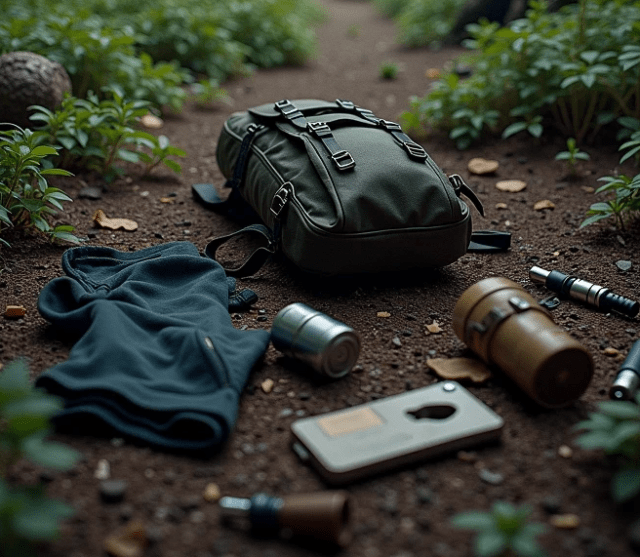
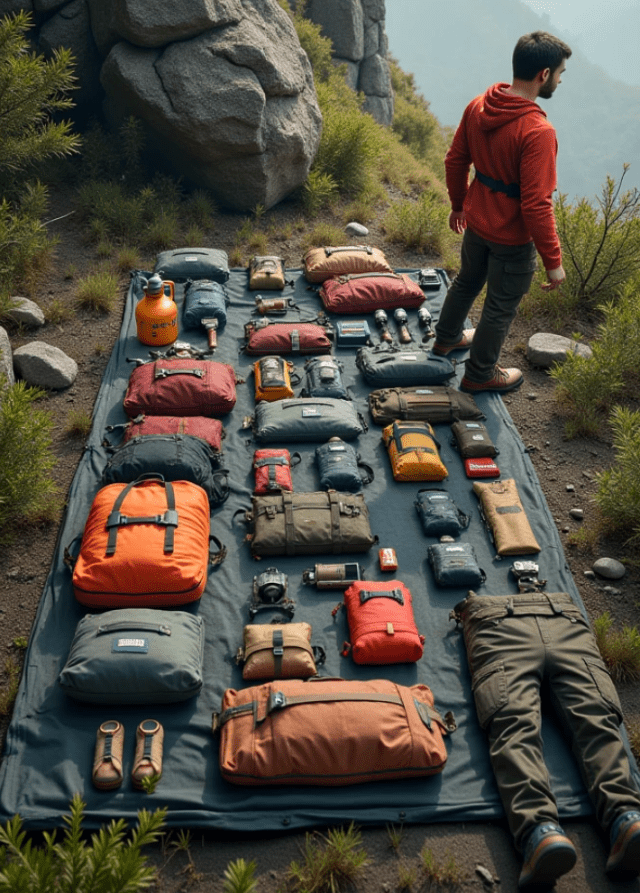
What I Carry in My Bug-Out Bag While Camping in Alaska (Because I’m Done Being Unprepared)

I don’t carry gear because I’m paranoid.
I carry gear because I’ve been disappointed by systems, people, and my own past decisions.

Nature doesn’t care about your confidence.
Only your preparation.

Below is what I carry specifically to deal with insect threats in Alaska.


1. Full-Coverage Insect Protection Clothing

  • Lightweight long-sleeve shirts
  • Bug-resistant pants
  • Head net designed for mosquitoes and midges
  • Gloves that allow dexterity

Skin exposure is a liability.


2. Industrial-Strength Insect Repellent

I don’t rely on “natural” solutions when my safety is on the line.

I carry repellents proven to work against:

  • Mosquitoes
  • Black flies
  • Biting midges

Application discipline matters more than brand loyalty.


3. First Aid Supplies Focused on Bites and Stings

My kit includes:

  • Antihistamine tablets (non-sedating when possible)
  • Topical anti-itch treatments
  • Antiseptic wipes
  • Bandages for secondary wounds

This isn’t comfort gear.
It’s damage control.


4. Emergency Allergy Preparedness

If you or someone in your group has known severe allergies:

  • Carry prescribed emergency medication
  • Store it properly
  • Know where it is at all times

Hope is not a plan.


5. Shelter That Keeps Insects Out

Your shelter should:

  • Seal completely
  • Have fine mesh netting
  • Allow ventilation without exposure

Sleep deprivation is a silent killer.


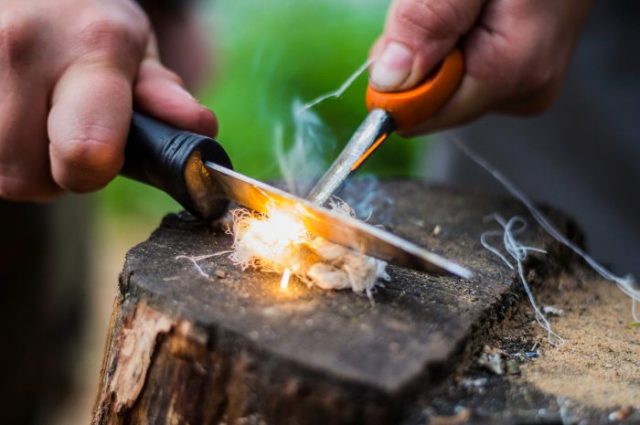
6. Fire-Starting Tools

Smoke is one of the oldest insect deterrents for a reason.

I carry:

  • Redundant fire starters
  • Dry tinder
  • Knowledge of safe fire use

Fire equals warmth, visibility, and control.


7. Mental Preparedness (The Thing Nobody Packs)

This matters more than gear.

You need to accept that:

  • Discomfort is inevitable
  • Panic makes everything worse
  • Anger can be useful if it keeps you moving

I survived rejection, lies, and starting over in a frozen state. Bugs don’t get to break me.


Final Thoughts from a Man Who Learned Too Late

I didn’t become famous.
I didn’t become rich.
I became realistic.

Alaska stripped away every illusion I had about control. And insects—small, relentless, underestimated—taught me that survival is about respecting all threats, not just the cinematic ones.

You don’t have to love the wilderness.
You just have to prepare for it.

Because Alaska doesn’t care who you were supposed to be.

It only cares whether you’re ready.

And if you’re not?

Something small will remind you.

The World Earned Its Collapse — Build the Bag That Lets You Outlive It

Because Humanity Has Chosen This Path — and Most People Will Go Down With It

Let’s stop pretending humanity is some noble masterpiece worth saving.
Look around.
Look closely.

We’re a species addicted to noise, distraction, denial, and self-destruction.
We build nothing that lasts.
We destroy everything we touch.
We trade truth for entertainment and stability for convenience.
We’ve turned intelligence into arrogance and technology into a crutch.

So yes — collapse is coming.
Not as punishment.
Not as tragedy.
But as a natural consequence of billions of people who would rather be comfortable than conscious.

Humanity deserves the chaos roaring toward it.
But you don’t have to go down with the rest of the sleepwalkers.

That’s why a real bug out bag matters:
Not to save humanity.
Not to restore society.
But to survive the implosion you’ve been watching unfold for years.

This isn’t hope.
This is resignation — weaponized.


WHY YOU NEED A BUG OUT BAG IN A WORLD THAT NO LONGER DESERVES SAVING

The average person has no idea what’s coming.
They mock preparedness.
They laugh at reality.
They think grocery stores magically refill, that power grids last forever, that violence is something that only happens “somewhere else.”

Humanity’s arrogance will be its death sentence.

But you?
You’re not here because you believe things will get better.
You’re here because you see the unraveling clearly and refuse to be dragged down by the herd.

A bug out bag isn’t optimism.
It’s not hope.
It’s not even fear.

It’s acceptance:
The acceptance that society chose collapse — and your only obligation is to outlive the consequences.

This checklist reflects that truth.


THE NIHILIST’S BUG OUT BAG CHECKLIST

Gear for When the World Finally Gets What It Deserves


1. WATER: THE RESOURCE HUMANITY TOOK FOR GRANTED UNTIL THE VERY END

Humans poisoned their own rivers, overpumped aquifers, dumped waste into oceans, and acted shocked when drought arrived.

Don’t join them.

Pack:

  • Stainless steel water bottle
  • Water filter (Sawyer Mini or equivalent)
  • Purification tablets
  • Collapsible reservoir
  • Metal cup for boiling

Without water, you’re done.
And humanity has already proven it can’t protect a drop of it.


2. FOOD: SIMPLE FUEL FOR A SPECIES THAT COMPLICATED EVERYTHING

Humans invented food shortages in a world overflowing with resources.
Now they panic when shelves run empty for 12 hours.

Your survival depends on:

  • Freeze-dried meals
  • Survival rations
  • Jerky
  • Oatmeal
  • Electrolyte powder

This is not about culinary joy.
This is about staying alive while the world eats itself.


3. SHELTER: PROTECTION FROM THE ELEMENTS (AND HUMANITY’S MISTAKES)

People chopped down forests, paved over ecosystems, and still act surprised when weather becomes lethal.

Pack:

  • Tarp
  • Paracord
  • Bivy sack
  • Mylar blankets
  • Wool layers
  • Waterproof jacket
  • Spare socks

Nature isn’t the enemy.
Humanity’s ignorance is.


4. FIRE: SOMETHING ANCIENT HUMANITY FORGOT HOW TO DO WITHOUT WI-FI

Fire once represented intelligence.
Now people panic when their lighter runs out.

Pack redundancy:

  • Ferro rod
  • Stormproof matches
  • Bic lighters
  • Tinder

If you cannot make fire, you cannot stay alive — and the world won’t care.


5. TOOLS: FUNCTIONALITY FOR A WORLD THAT CHOSE CONVENIENCE OVER COMPETENCE

We built smartphones but forgot how to use knives.
We built skyscrapers but forgot how to use rope.
We built drones but forgot how to build shelter.

You need:

  • Fixed-blade knife
  • Multi-tool
  • Folding saw
  • Duct tape
  • Headlamp + batteries
  • Work gloves

Because survival will require more skill than scrolling.


6. FIRST AID: BECAUSE INFRASTRUCTURE COLLAPSES FASTER THAN DENIAL

Emergency rooms will overflow, then shut down.
Supplies will vanish.
Help will evaporate.

Your kit must include:

  • Tourniquet
  • Israeli bandage
  • Gauze
  • Alcohol wipes
  • Antibiotic ointment
  • Pain relievers
  • Medical tape

Humans ignored their own health when times were good.
They’ll beg for medicine when it’s too late.


7. NAVIGATION: BECAUSE GPS DEPENDS ON A CIVILIZATION THAT’S FALLING APART

GPS requires satellites.
Satellites require stability.
Stability is gone.

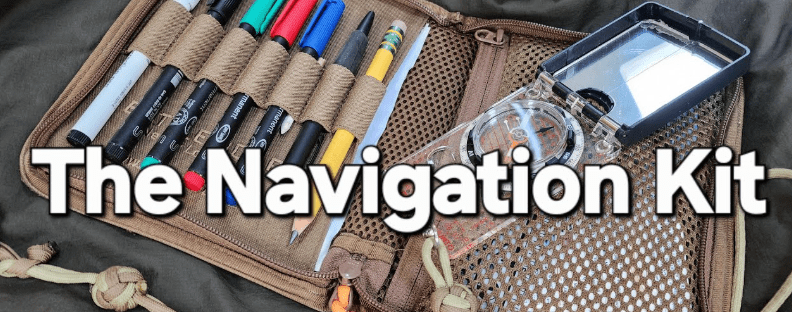
Pack:

  • Compass
  • Maps
  • Grease pencil

When the world loses its direction, you won’t.


8. SIGNALING & COMMUNICATION: NOT TO BE RESCUED — BUT TO REMAIN INFORMED

You’re not signaling for help.
You’re signaling for options.

Pack:

  • Whistle
  • Signal mirror
  • Hand-crank radio

Information becomes priceless when the world drowns in noise.


9. SECURITY: BECAUSE THE BIGGEST THREAT TO YOUR SURVIVAL ISN’T NATURE — IT’S PEOPLE

People created the collapse.
People will panic.
People will turn chaotic.

Minimal essentials:

  • Pepper spray
  • High-lumen flashlight
  • Knife (already in tools)

You don’t need to harm anyone.
You just need enough distance to avoid becoming another casualty of collective stupidity.


10. DOCUMENTS & MISC: THE IRONY OF PAPERWORK IN A DYING WORLD

The world collapses, but bureaucracy still somehow survives.

Pack:

  • ID copies
  • Cash
  • Emergency contacts
  • Notepad
  • Pen
  • Zip ties
  • Trash bags

The old world will cling to life far longer than its people deserve.


THE FINAL TRUTH: HUMANITY BROUGHT THIS COLLAPSE ON ITSELF

Humanity won’t fall because of bad luck.
It will fall because it earned it — through arrogance, apathy, and an unshakable belief that consequences don’t apply to it.

Your bug out bag isn’t a rebellion.
It’s not an attempt to fix the world.
It’s not even survival for the sake of survival.

It’s quiet refusal.
A silent declaration that you won’t drown with the ship.
A commitment to continue existing even if humanity doesn’t deserve to.

You prepare not because you believe in humanity…
but because you don’t.

Survive Anything: The Lifespan of Your Emergency Kit and the Best Places to Keep It

When it comes to surviving the unexpected, there’s nothing more empowering than having a fully stocked emergency preparedness kit. Whether it’s a hurricane, an earthquake, a power outage, or even civil unrest, having the right supplies within reach can make the difference between a stressful inconvenience and a true life-or-death situation.

But as any seasoned prepper will tell you, it’s not just about having a kit—it’s about maintaining it, understanding its lifespan, and storing it in the right location. Today, we’re going to dive into how long emergency kits can last, what factors affect their longevity, and the best practices for storing them so they’re always ready when you need them.


Understanding the Lifespan of an Emergency Kit

First, let’s address the big question: how long can an emergency kit last? The answer isn’t straightforward, because it depends on what’s inside the kit, the storage conditions, and how often you rotate or check your supplies.

1. Food Supplies
Most preppers know that food is the cornerstone of any survival kit. However, food has a shelf life, and not all emergency foods are created equal.

  • Canned Goods: Most canned foods can last anywhere from 2 to 5 years if stored properly in a cool, dry place. However, the acidic nature of foods like tomatoes or citrus can shorten the lifespan to around 18 months to 2 years.
  • Freeze-Dried Meals: These are the gold standard for preppers because they can last anywhere from 25 to 30 years if stored correctly. They’re lightweight, nutritious, and easy to prepare with just water.
  • MREs (Meals Ready-to-Eat): Military-grade MREs can last about 5 years at room temperature, with longevity decreasing in higher temperatures.

2. Water and Hydration Supplies
Water is arguably the most critical component of any emergency kit. While tap water stored in sealed containers can last up to 6 months, commercially bottled water has a shelf life of 1 to 2 years. For long-term storage, consider water purification tablets or filters, which can last up to 10 years unopened.

3. Medical Supplies
First aid kits often contain bandages, antiseptics, medications, and other medical essentials. While bandages and gauze can last indefinitely if stored properly, medications and ointments have expiration dates ranging from 1 to 5 years. Always check these regularly and rotate them out as needed.

4. Tools and Gear
Flashlights, multi-tools, batteries, and other equipment may not “expire” in the traditional sense, but they can degrade over time. For instance, batteries may corrode or lose charge, and plastic components can become brittle if exposed to extreme temperatures. Store tools in a controlled environment and check them at least twice a year.


Factors That Affect Kit Longevity

Several external factors can influence how long your emergency kit lasts:

  • Temperature: Extreme heat can dramatically shorten the shelf life of food, medications, and batteries. Keep your kit in a cool, dry place.
  • Humidity: Moisture can cause canned goods to rust, mold to develop, or bandages to degrade.
  • Light Exposure: Sunlight can break down packaging, degrade medications, and dry out essential oils. Always keep your kit in a dark or opaque container.
  • Movement: Shaking or jostling can damage cans, glass containers, or delicate items like matches and electronics.

Understanding these factors helps you make informed decisions about where and how to store your kit for maximum longevity.


Where to Keep Your Emergency Kit

Knowing how long your kit can last is only half the battle—the other half is knowing where to store it. The ideal storage location is one that balances accessibility with protection from environmental threats.

1. Home Storage
For most people, keeping a kit at home is the first priority. Consider these options:

  • Basement: Often the most temperature-stable area of a house, a basement can protect supplies from heat and light. However, ensure it’s dry to avoid mold or rust.
  • Closet: A dedicated closet or pantry can work well if it’s away from heat sources like ovens, heaters, or direct sunlight.
  • Under Bed or Furniture: Some preppers like to keep a compact kit under the bed or in a storage ottoman for quick access during emergencies.

2. Car Storage
A smaller, portable emergency kit in your car can be a lifesaver during road accidents, breakdowns, or natural disasters while away from home. Keep a kit in your trunk or glove compartment—but remember, cars can experience extreme temperatures, so check supplies regularly.

3. Workplace Storage
For people who spend long hours at work, having an emergency kit at your office or workspace can be crucial. Opt for a compact kit with essentials like food, water, first aid, and a flashlight.

4. Bug-Out Locations
If you maintain a secondary shelter, cabin, or safe house, keep a kit there as well. Store long-lasting supplies in airtight containers and in areas protected from moisture and rodents.


Tips for Maintaining Your Emergency Kit

Even the best kit won’t do you much good if it’s expired or broken when disaster strikes. Here are some essential maintenance tips:

  1. Label Everything: Clearly label containers with the purchase or expiration date.
  2. Rotate Supplies: Use older items for everyday use and replace them with fresh stock.
  3. Inspect Regularly: At least twice a year, check for leaks, rust, mold, or broken items.
  4. Keep a Checklist: Maintain a written or digital inventory to track what’s inside and when items need to be replaced.
  5. Temperature Control: If possible, store your kit in a climate-controlled area to extend shelf life.
  6. Educate Household Members: Everyone should know where the kit is and how to use it. Knowledge is as critical as the supplies themselves.

The Psychological Edge of Preparedness

One of the most overlooked benefits of having an emergency kit is the peace of mind it brings. Knowing that you have food, water, medical supplies, and essential tools at your fingertips reduces panic, helps you make rational decisions, and increases your overall resilience during any disaster.

Preparedness isn’t just about surviving—it’s about thriving when chaos strikes. A well-maintained kit gives you the confidence to act decisively, whether it’s evacuating your home during a hurricane or sheltering in place during a prolonged blackout.


Conclusion: Survival Starts With Preparedness

An emergency kit isn’t just a collection of items—it’s a lifeline. By understanding how long each component lasts and storing it in the right location, you’re ensuring that your kit will be effective when you need it most.

From canned foods and freeze-dried meals to water, first aid supplies, and tools, each item has its role in helping you survive disasters—both natural and man-made. Regular maintenance, strategic storage, and periodic rotation are key to keeping your kit reliable.

Remember, survival isn’t just about stockpiling supplies; it’s about foresight, knowledge, and the peace of mind that comes from knowing you’re prepared for whatever life throws your way.

So, take action today: check your kit, refresh your supplies, and secure it in a place that maximizes both longevity and accessibility. Your future self will thank you when disaster strikes.

California’s Top 10 Deadly Threats and How to Outsmart Them

California. The so-called “Golden State.” Sunshine, beaches, wine, and endless Instagram posts. But behind the glitzy veneer lies a brutal, life-threatening reality. If you think living here is safe, think again. The truth is, California is practically a death trap if you aren’t constantly on your toes. From nature’s fury to human negligence, there are threats lurking everywhere. If you want to survive, you better face the ugly truth. I’ve compiled the Top 10 Most Dangerous Things in California That Can Easily End Your Life—and What You Can Do to Survive Them. Strap in, because I’m not sugarcoating anything.


1. Wildfires: Nature’s Merciless Inferno

California’s wildfires are legendary, but not in a good way. Each year, thousands of acres are reduced to ash, and countless people lose their homes—or worse, their lives. Fire doesn’t discriminate. It will burn you alive if you’re not paying attention.

Survival Strategy: Know evacuation routes like the back of your hand. Have a “grab-and-go” bag ready with essentials: water, non-perishable food, important documents, and first aid. Most importantly, stay informed via emergency alerts—waiting until you see flames is already too late.


2. Earthquakes: The Ground Is Out to Get You

The San Andreas Fault isn’t a joke. California is one massive shaking trap, and a big quake can happen at any second. Buildings collapse, roads split open, and utilities go offline. Do you really want to gamble your life on luck?

Survival Strategy: Secure heavy furniture and appliances. Create a family earthquake plan, including safe spots in every room (under sturdy tables or against interior walls). Stock up on emergency supplies—water, food, first aid kits, and even a portable toilet. After all, earthquakes aren’t polite; they’ll ruin everything.


3. Heatwaves and Extreme Sun Exposure

California’s “perfect weather” often turns murderous. Inland valleys and desert areas can hit triple-digit temperatures that fry the human body. Heatstroke and dehydration don’t care if you’re trying to have a relaxing day—they’ll kill you quietly and quickly.

Survival Strategy: Hydrate like your life depends on it—because it does. Wear breathable, sun-protective clothing and avoid being outside during peak heat hours. Always carry water and electrolytes; your body isn’t invincible, no matter how much Instagram influencers pretend it is.


4. Wild Animals: Coyotes, Mountain Lions, and Snakes

Yes, California has the animals you read about in horror stories. Mountain lions, rattlesnakes, and even aggressive coyotes can end your life if you stumble into their territory. Don’t let the cuteness fool you; survival here is not about selfies with wildlife.

Survival Strategy: Stay alert when hiking or camping. Make noise to avoid surprising predators. Carry bear spray or a sturdy walking stick. Know how to identify dangerous animals and never underestimate their strength or speed.


5. Dangerous Ocean Currents and Rip Tides

California’s beaches are seductive, but many have deadly undertows. Every year, tourists and locals alike are dragged out to sea by rip currents, and few come back. The ocean doesn’t negotiate—it drags you down and drowns you, no questions asked.

Survival Strategy: Swim only at lifeguard-patrolled beaches. Learn to spot rip currents: they’re usually darker, choppier channels of water moving away from the shore. If caught, don’t fight the current; swim parallel to the shore until free, then make your way back slowly.


6. Car Accidents: The Silent Killer

California’s highways are a mess of reckless drivers, endless traffic, and unpredictable conditions. Each day, thousands of accidents happen, many fatal. It’s not just about speed; it’s distracted drivers, drunk drivers, and the sheer density of vehicles that make every road a death trap.

Survival Strategy: Drive defensively. Keep your distance, never text while driving, and always wear your seatbelt. Know emergency maneuvers, like how to regain control on slick roads. It’s basic, but most people ignore it—and that’s why they die.


7. Toxic Air and Pollution

Between wildfires, industrial zones, and smog-heavy cities like Los Angeles, California’s air isn’t just unpleasant—it’s deadly. Long-term exposure leads to lung disease, heart issues, and a diminished lifespan. Don’t be naïve: breathing can kill you here.

Survival Strategy: Monitor air quality reports. Keep N95 masks on hand for emergencies. Air purifiers at home can filter particulate matter. Avoid outdoor activity during bad air days—sacrificing convenience now can save your lungs, and your life.


8. Floods and Mudslides

After the fires, California becomes a soggy, sliding nightmare. Burn scars destabilize the soil, making mudslides an unpredictable killer during rains. Flash floods can occur in valleys and riverbeds, often without warning.

Survival Strategy: Never camp or build in known flood zones. Check weather alerts during the rainy season. Elevate your home and clear debris from drainage paths if possible. Awareness is your best weapon—ignorance will get you buried.


9. Burglaries, Assaults, and Urban Crime

Yes, nature kills, but humans are just as lethal. Certain neighborhoods in California are infamous for violent crime. It doesn’t matter how strong or smart you are; being unprepared makes you a target.

Survival Strategy: Invest in home security systems. Be vigilant in public spaces. Learn basic self-defense. Avoid risky areas after dark. And for the love of your future, never carry valuables openly. Criminals don’t care about your excuses.


10. Avalanche and Snow Hazards in the Sierra Nevada

People forget that California isn’t just beaches and deserts. Its mountains can be merciless. Avalanches, icy trails, and sudden snowstorms can trap or kill hikers and skiers. The cold isn’t forgiving, and neither are the slopes.

Survival Strategy: Check avalanche reports before heading into the mountains. Carry emergency blankets, shovels, and avalanche beacons. Never hike alone in snow-heavy areas. Respect the mountains—they don’t negotiate with arrogance.


Final Thoughts: Survive or Die

California is a beautiful place to look at, but it’s a slaughterhouse for anyone who doesn’t respect the threats. From fires to floods, predators to predators in human form, the Golden State is not a vacation—it’s a survival test. The question isn’t “will you survive?” It’s “will you prepare before it’s too late?”

Take every warning seriously. Don’t fool yourself with optimism. Arm yourself with knowledge, tools, and a survival mindset. Ignore this, and California will happily write your obituary. Remember: life isn’t fair, nature isn’t kind, and neither are the streets of California.

Survive, because nobody else is coming to save you.

If You Aren’t Prepared for the End-Times, You’re Already in Trouble

Let me be brutally honest—because sugarcoating is a luxury humanity can no longer afford. If you haven’t noticed the world unraveling, you’re living in the same delusion as the rest of the masses scrolling mindlessly through their phones. Everything around us is deteriorating: the power grid, the economy, the food supply, the moral compass, the government’s sanity—pick your poison.

People whisper about “hard times,” “instability,” and “dark days.” But let’s call it what it is: an end-times scenario brewing in real time, whether you interpret that spiritually, politically, or simply logically.

And the worst part? Nobody is prepared. Not the government. Not your neighbors. Not your coworkers who think a flashlight app on their smartphone counts as “readiness.”

Meanwhile, you’re here because you know better. You’re not waiting for a FEMA line, a miracle, or a politician to swoop in and save you. You understand the cold truth: if you don’t prepare for an end-times level event, nobody will do it for you.

This article lays out the critical preparedness items you need—not someday, not “when things get worse,” but right now. Because things are already worse.


Why End-Times Preparedness Requires a Different Mindset

Most prepping guides focus on short-term weather emergencies—storms, floods, maybe a blackout. That’s child’s play. End-times prepping requires an entirely different framework. Forget three days of food and a flashlight; we’re talking long-term survival in a world that no longer functions.

In an end-times event:

  • The grid won’t come back online.
  • Supply chains will collapse permanently.
  • Law enforcement will vanish or turn predatory.
  • Medical care will become a relic of the past.
  • Food and water become currency, power, and leverage.
  • People you thought were “nice” will turn violent in days.

If that sounds dramatic, then you’re exactly the kind of person who needs to read this twice.


1. Water Filtration and Purification Supplies

Everyone stockpiles food but forgets the most crucial resource: water. Without it, you’re dead in three days—and the tap won’t be running in the end-times. You need:

High-Quality Water Filters

Not the cheap ones. Not something meant for camping trips. You need robust, gravity-fed filters capable of handling contaminated, murky, bacteria-laden water.

Purification Tablets

Lightweight, long-lasting, and vital when filtration isn’t enough.

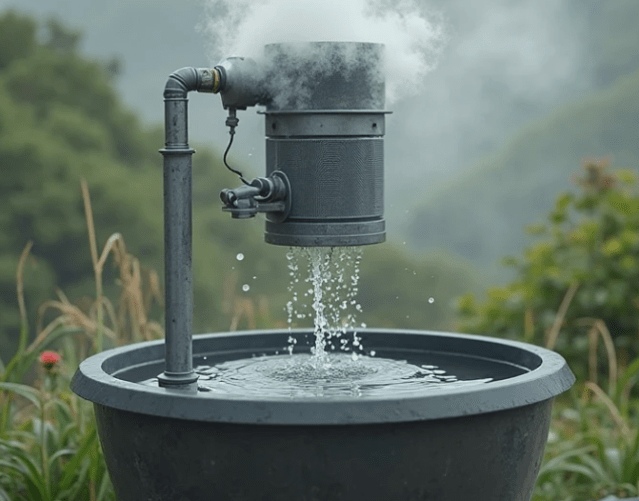
Rainwater Harvesting Setup

Because rivers will be contested zones, and the desperate will flock to them.

Water is life. But in the end-times, water is war.


2. Long-Term Food Storage: The Only Real Insurance Policy

Let the unprepared mock you while they fill their carts with frozen pizza and microwave dinners. In a collapse, they’ll have nothing.

You? You need:

  • Freeze-dried meals
  • Mylar-bagged grains and beans
  • Canned goods
  • Shelf-stable fats
  • Seeds for long-term sustainability

And don’t forget manual tools for food prep: grain mills, can openers, grinders. Electricity won’t save you.


3. Medical Supplies They Don’t Want You to Have

In the end-times, pharmacies become death zones—looted within hours. Hospitals become morgues. Doctors disappear. So stock up NOW:

First Aid Kits (Real Ones, Not the Cute Kind)

Tourniquets, trauma pads, hemostatic agents, sutures, splints.

Antibiotics (Legal Options Like Fish Antibiotics)

When wounds get infected—and they will—there won’t be a doctor to help you.

Pain Management Supplies

Imagine surviving starvation and violence only to die of a tooth infection. That’s the world we’re heading into.


4. Self-Defense Tools—Because Nobody Is Coming to Save You

In the end-times, violence becomes currency. The weak get stripped of everything. The prepared—or the armed—survive.

Whether you prefer firearms, crossbows, blades, or blunt tools, the point is simple: if you can’t defend your supplies, you don’t have supplies.

And don’t forget:

  • Extra ammunition
  • Weapon cleaning kits
  • Tactical training materials
  • Spare parts

The unprepared love to rely on police. But when society collapses, the police won’t be responding… they’ll be surviving, just like you.


5. Off-Grid Power Sources (Because the Grid Is Already Crumbling)

The word “grid-down” is starting to sound quaint. We’re past that. In an end-times event:

  • The grid stays down.
  • Communication dies.
  • Heat disappears.
  • Darkness wins.

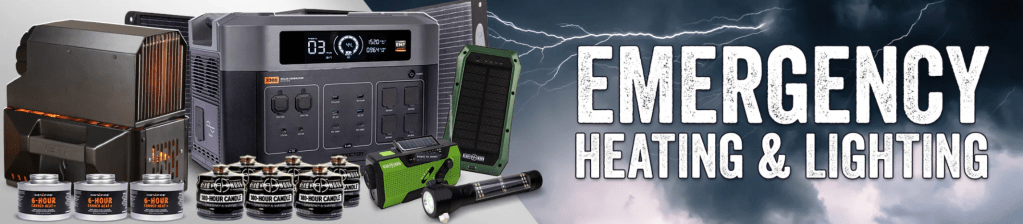
So invest NOW in:

  • Solar panels
  • Manual chargers
  • Hand-crank radios
  • Portable battery banks
  • Off-grid lighting

Electricity becomes luxury. Power becomes power.


6. Clothing and Gear Built for Harsh Reality

You can’t survive the end-times in jeans from the clearance rack or shoes meant for an air-conditioned mall.

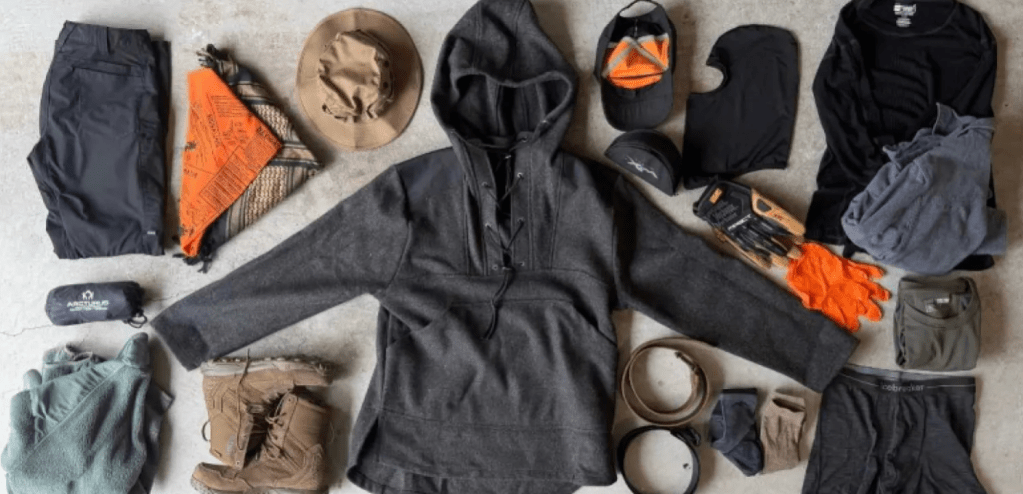
You need:

  • Waterproof boots
  • Insulated clothing
  • Wool layers
  • Durable gloves
  • Tactical headlamps
  • Multi-tools
  • Thermal blankets

And make sure it’s all rugged—because you’re not replacing anything once society collapses.


7. Communication Tools: The Last Link to Intelligence

You might not think communication matters, but it’s everything. The unprepared will sit in the dark with zero information. You? You’ll know what’s moving, where, and who’s coming.

Get:

  • HAM radios
  • Walkie-talkies
  • EMP-protected storage
  • Signal mirrors
  • Whistles

Remember: knowledge becomes currency. Silence becomes a coffin.


8. Shelter and Fire Resources

In the end-times, weather kills faster than starvation. You need to be able to stay warm, dry, and sheltered—without stores, electricity, or the comforts you’ve been conditioned to rely on.

Stock:

  • Tarps
  • Cordage
  • Tents
  • Emergency stoves
  • Fuel tablets
  • Fire starters
  • Woodcutting tools

If you can’t make fire, you can’t cook, you can’t boil water, and you can’t survive.


9. Tools for Building, Repair, and Actual Work

The modern world made people soft. Most can’t fix a broken hinge, let alone build something meaningful. But in the end-times, tools become lifelines.

Essential items include:

  • Axes
  • Hatchets
  • Saws
  • Hammers
  • Hand drills
  • Shovels
  • Wrenches
  • Pliers

Anything with no reliance on electricity is worth its weight in gold.


10. Items for Bartering—Because Money Will Be Useless

When the dollar collapses and digital money evaporates, bartering becomes the new economy. Stock items people will desperately want:

  • Salt
  • Soap
  • Alcohol
  • Coffee
  • Cigarettes
  • Ammunition
  • Medical bandages
  • Water filters
  • Lighters
  • Fuel

While the unprepared panic, you’ll be able to trade wisely—and survive.


Final Thoughts: Prepare Now, Because Time Is Already Gone

If you think you have time… you don’t. Every day the world inches closer to something irreversible. Economic instability, global tensions, moral decay, unpredictable disasters—all signs pointing to a collapse nobody wants to admit is coming.

But YOU see it.
YOU feel it.
And YOU can prepare for it.

Most people will remain blind until it’s too late. They will cling to normalcy, trusting systems that have already proven they cannot protect them. And when the end-times hit, they will suffer the consequences of their denial.

But you won’t.
Because you’re preparing right now—angry, frustrated, and awake to reality.

Stock up. Train hard. Stay aware. Because the end-times won’t wait for you to be ready.

Bug-Out with Tent, Trailer, or Something Else? Why Your Choice Might Still Get You Killed

Let’s face it: most people wandering through life today think “bugging out” means grabbing a backpack, hopping in an SUV, and heading toward some fantasy cabin in the mountains like they’re starring in a low-budget survival movie. Meanwhile, those of us who actually prepare—really prepare—know that the world is teetering on the edge of collapse, and the worst part isn’t the chaos coming. It’s the crowds of clueless citizens who think they’re going to “figure it out” as everything burns.

So here’s the ugly truth: your bug-out shelter—tent, trailer, or whatever else you’ve romanticized—is probably not the miracle solution you think it is. Every option has weaknesses. Every option can fail you. And if you expect otherwise, you’ve already lost.

Still, we’re stuck in this doomed civilization together, so let’s break down the realities of the three main bug-out shelter paths and why they might, if you’re lucky, give you a microscopic edge when everything goes dark.


Option 1: The Tent — Lightweight, Portable, and Pathetically Vulnerable

Ah yes, the favorite of ultralight backpackers and YouTube survival “influencers” who pretend they know cold, hunger, and terror. The tent is the bug-out choice for those who prefer mobility—but it’s also the choice for those who are comfortable sleeping inside a nylon bag while the entire forest listens to them breathe.

But here’s why tents do matter despite their fragility:

The Pros:

  • You can move fast. Mobility is survival when the masses are fleeing like sheep without GPS.
  • No fuel requirement. Unlike trailers or RVs, you don’t become dependent on gas—something most people won’t plan for until they’re siphoning fuel in the middle of the night.
  • Cheap enough that even beginners can buy a real one. And yes, beginners will still manage to buy the wrong one, but at least they have a shot.

The Cons:

  • Zero protection. Rainfly or not, if the weather wants to punish you, it will. If wildlife wants to investigate your midnight snack, it will. If humans want your supplies, you’re done.
  • Terrible insulation. You’re a warm, edible burrito to the world.
  • Setup requires calm hands—something you won’t have on Day 3 of societal collapse.

Let’s put it simply: tents are fast, but fragile. Good for escaping the chaos, but dangerous for surviving it long-term. If your bug-out strategy relies solely on a tent, then congratulations—you’re planning for mobility, not protection.


Option 2: The Trailer — Sturdier, Heavier, and a Beacon for Desperate People

A trailer might seem like the balanced choice. It offers shelter, mobility, and storage. A place to sleep without waking up soaked from condensation or frost. A place where your food isn’t stored inches from your pillow. A place that doesn’t flap like a dying bird every time the wind blows.

But don’t fool yourself: trailers come with their own demons.

The Pros:

  • Protection from the elements. Real walls do wonders during storms, even if they’re thin aluminum.
  • More storage space. Your supplies can actually be organized instead of bursting out of a backpack like a sad garage-sale explosion.
  • You look less desperate. And in survival terms, “less desperate” often means “less likely to be targeted.”

The Cons:

  • You’re married to your vehicle. No truck, no mobility. Lose the key? You’re a stationary buffet for anyone who stumbles upon you.
  • Fuel dependency. And no—storing 20 gas cans “just in case” doesn’t magically fix this issue.
  • Visibility. Trailers scream: “I have supplies!” to anyone passing by.

Worse, navigating rough terrain with a trailer means you’ll be stuck on roads longer than someone with a tent. And roads will be where chaos lives.

Trailers are great—until you can’t move them. Then they’re nothing but a tiny metal coffin with cabinets.


Option 3: Other Options — The Fantasy Land of Improvised Survival

Some preppers swear by alternative bug-out shelters: hammocks, rooftop tents, converted school buses, vans, DIY off-grid carts, or even old hunting blinds. Innovation is great—right up until reality slaps you in the face.

The Pros:

  • Niche advantages. Hammocks are phenomenal in humid areas. Vans provide stealth. Rooftop tents keep you away from ground predators.
  • Customizability. You can tailor these setups exactly to your environment.

The Cons:

  • Specialized means limited. A hammock is useless in the desert. A rooftop tent is a liability in high winds. A van becomes your prison if people block the exit.
  • High learning curve. Most people don’t know how to use these systems correctly even in perfect conditions—much less during apocalypse-lite.
  • Maintenance. The more moving parts, the more chances something fails when you need it most.

In short, alternative shelters can be brilliant for specific environments—but they demand actual skill, discipline, and scenario planning. And let’s be real: most people won’t do any of that.


So Which Bug-Out Shelter Should You Choose?

The answer is as grim as you expect:

None of Them Are Perfect.

Because you don’t get perfection in collapse scenarios. You get trade-offs. You get compromises. You get options that are all flawed, and you choose the flaw you’re most prepared to survive.

Here’s the mindset you actually need:

  • If you expect chaos early: choose mobility. Tents win.
  • If you expect long-term off-grid living: choose protection. Trailers win.
  • If you know your terrain better than most people know their own families: choose alternatives. Specialized gear wins.

But the real truth—the one nobody likes to say out loud—is this:

Your shelter choice doesn’t save you. Your preparedness, discipline, skills, and planning save you. The shelter is just the tool.

And if society collapses tomorrow, the masses will flood the highways, destroy the forests, raid anyone with visible gear, and burn through resources like toddlers with matches. And you’ll be out there, choosing between nylon, aluminum, and creative madness.

Don’t Lie to Yourself — Your Pathetic Bug Out Bag Won’t Save You

Let’s cut the sugarcoating.

If your bug out bag is underbuilt, understocked, or underthought, you will die.
Not metaphorically… not “you’ll be uncomfortable”… not “things will get tough.”
No. You will actually die.

Exposure kills.
Dehydration kills.
Infection kills.
Stupidity kills fastest of all.

And the world is unraveling faster than you think. While most people post memes, binge shows, and pretend everything is fine, you’re one disaster away from finding out your gear is either your salvation or your coffin.

A bug out bag isn’t a hobby.
It’s not a Pinterest project.
It’s not a casual “just in case” backpack.

It is the difference between crawling into survival… or collapsing into the dirt face-first while the world burns around you.

This checklist is designed for one thing: keeping you alive when society stops pretending it’s functional.


WHY YOUR CURRENT BUG OUT BAG IS A JOKE — AND HOW IT WILL KILL YOU

Most people’s bags are overloaded with junk or missing lifesaving basics.
They pack:

  • gadgets they don’t know how to use
  • food that spoils in 24 hours
  • knives made for cartoons
  • useless “tactical” garbage they bought because it looked cool

Meanwhile, the truly essential survival gear sits forgotten on some Amazon wishlist.

Those mistakes will kill them within 72 hours of a real collapse.

If your bag fails in heat, cold, darkness, or panic…
If your water plan is wishful thinking…
If your shelter plan is “I’ll figure it out”…

You’re not a survivor. You’re a casualty waiting for its moment.

This checklist fixes that.


THE BRUTALLY HONEST BUG OUT BAG CHECKLIST (THE SURVIVOR’S VERSION)

Prepare for bluntness. Anything less is deadly.


1. WATER & PURIFICATION (FAIL THIS AND YOU DIE FIRST)

Dehydration doesn’t care about your attitude. It doesn’t wait for you to “get more prepared later.” It drops you on the ground, weak, confused, and dying in as little as three days.

You NEED:

  • Stainless steel water bottle (boil in it or don’t bother)
  • Lightweight filter (Sawyer Mini or better)
  • Purification tabs
  • Collapsible bladder
  • Metal cup

If your water system can’t handle mud, runoff, or contaminated puddles, you’ll be dead faster than you think.


2. FOOD THAT ACTUALLY KEEPS YOU ALIVE (NOT “SNACKS”)

Most people pack “food” that produces one outcome: metabolic collapse.

Your food must be:

  • lightweight
  • calorie-dense
  • idiot-proof

This means:

  • Survival bars
  • Freeze-dried meals
  • Jerky
  • Oatmeal packs
  • Electrolyte powder

Not chips.
Not granola.
Not candy.

If your food burns more calories to digest than it gives, you’re killing yourself slowly.


3. SHELTER & CLOTHING: THIS IS WHERE MOST PEOPLE DIE

Exposure kills faster than hunger and almost as fast as dehydration.
Hypothermia doesn’t care about your optimism.
Rain doesn’t care about your ego.

Pack:

  • Emergency bivy
  • 550 cord
  • Tarp
  • Mylar blankets
  • Wool or synthetic clothing
  • Spare socks
  • Weatherproof jacket

If your bug out strategy involves cotton, congratulations—you’ve built a shroud, not a survival system.


4. FIRE: WITHOUT IT YOU FREEZE, SICKEN, OR STARVE

Fire is life. Period.

You need:

  • Ferro rod
  • Stormproof matches
  • At least two Bic lighters
  • Tinder kit

If you fail to make fire in the rain, in the cold, or when your hands shake with fear… you will die shivering in a wet pile of regret.


5. TOOLS: IF THEY BREAK, SO DO YOU

Gear failure equals survival failure.

Don’t pack toys. Pack tools:

  • Full-tang fixed-blade knife
  • Multi-tool
  • Folding saw or hatchet
  • Heavy-duty duct tape
  • Headlamp + spare batteries
  • Work gloves

If your knife bends, snaps, or dulls instantly, enjoy slowly discovering how helpless a grown adult can become without tools.


6. TRAUMA-READY FIRST AID (THE “BAND-AID KIT” WILL SET YOU UP TO DIE)

Here’s a reality check:
In a disaster, there is no ambulance.
No ER.
No 911.
Just you and your gear.

You need:

  • Tourniquet
  • Israeli bandage
  • QuikClot or gauze
  • Alcohol wipes
  • Antibiotic ointment
  • Pain meds
  • Medical tape

A twisted ankle, a deep cut, an infection—these things become lethal fast if you don’t have the gear to handle them.


7. NAVIGATION: IF YOU CAN’T FIND YOUR WAY OUT, YOU’LL ROT WHERE YOU STAND

GPS dies with the grid.
Cell service collapses under panic.
Your phone becomes a sleek, useless brick.

You need:

  • Compass
  • Local maps
  • Pencil or grease marker

If you can’t navigate without electronics, the wilderness—or the city—will swallow you whole.


8. SIGNALING & COMMUNICATION: SILENCE IN A DISASTER MEANS DEATH

Ignoring this category is how people vanish.

Pack:

  • Whistle
  • Signal mirror
  • Hand-crank radio

If you can’t receive information, you’re blind.
If you can’t signal, you’re silent.
If you’re blind and silent, you’re dead.


9. SECURITY: IGNORING THIS WILL END YOU

I won’t list weapons. Laws differ. People differ. Situations differ.

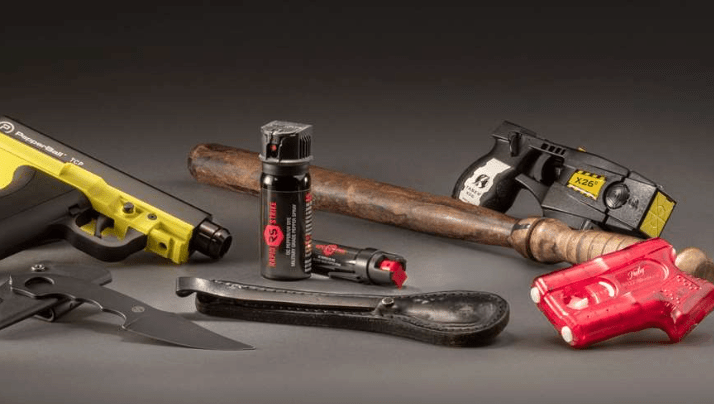
But minimally:

  • Pepper spray
  • High-lumen flashlight
  • Knife (already listed)

If your bag doesn’t allow you to deter threats, protect yourself, or escape danger, you’re gambling with your life.


10. DOCUMENTS & MISC: YOU’LL BE SHOCKED HOW IMPORTANT THIS BECOMES

Include:

  • ID copies
  • Cash
  • Emergency contacts
  • Notepad
  • Sharpie
  • Bandanas
  • Zip ties
  • Trash bags

These tiny items solve massive problems.


THE COLD, UGLY, UNDENIABLE TRUTH

If your bug out bag is trash, your survival odds drop to zero.

The world is not stable.
Systems break.
People panic.
Authorities get overwhelmed.
Help never arrives.

So your choice is simple:

Build a real bug out bag now… or die wishing you had one.

There is no middle ground.
No “I’ll get to it.”
No “Maybe later.”

Later is when people die.
Later is when the unprepared panic.
Later is when the weak beg for help they’ll never receive.

Now is your only chance.

The Dirty Water Drinking Crisis No One Takes Seriously

I keep saying it, and nobody listens: water is the first thing that will vanish when society finally collapses. Not your Wi-Fi. Not your gasoline. Not your overpriced organic snack bars. Water. The same stuff everyone wastes every day as if the tap is some magical, eternal fountain. Spoiler alert: it isn’t.

And when the taps run dry, the unprepared masses will panic, trample each other in grocery stores, and fight over the last case of bottled water like feral animals. It’s predictable. It’s avoidable. But people love ignoring reality — right up to the moment reality wipes the floor with them.

So, if you’re one of the rare people who actually gets it, let’s talk about water storage and purification before the world proves (yet again) how fragile it really is.


Why Water Will Fail First (And Why It’s Your Problem)

Most people don’t realize how unbelievably delicate the water grid is. A power outage, a chemical spill, a cyberattack, or a natural disaster is all it takes for the water system to crumble like wet cardboard. Municipal water plants rely on electricity, skilled staff, and supply chains — three things our society has proven it cannot reliably maintain even on a good day.

Yet people trust the system blindly.

They actually believe that if something goes wrong, the government will “step in and help.”

Yeah. Sure. The same government that told you to expect a 72-hour emergency kit while they stockpile years’ worth of supplies in their bunkers.

If you want water in an emergency, you’d better secure it yourself.


How Much Water You Actually Need (Not the Ridiculous Bare Minimums)

The official recommendations say one gallon per person per day. Cute. That’s enough to keep you technically alive but miserable, dehydrated, filthy, and nonfunctional.

A prepper needs at least:

  • 2–3 gallons per person per day (drinking, cooking, minimal hygiene)
  • At least 14–30 days stored — minimum

If you think that sounds excessive, congratulations — you’re thinking like the average person who ends up on the news crying because they had “no idea something like this could happen.”


The Best Water Storage Containers (For People Who Don’t Trust Cheap Plastic Junk)

1. Thick-Walled BPA-Free Water Jugs

These are good, but only if you buy quality. Not the dollar-store garbage that cracks when the temperature changes by five degrees.

2. Water Bricks

Stackable. Durable. Practically indestructible. If everything else collapses, these will still be standing like tiny blue monuments to your sanity.

3. 55-Gallon Drums

A classic. Store them in a cool area, put them on a platform (never directly on concrete), and use a hand pump. You’ll feel like a pioneer, except smarter and better prepared.

4. IBC Totes (For the Serious Prepper)

275–330 gallons of glorious security. A single tote can keep a family hydrated through weeks of chaos. Just don’t brag about it — desperate neighbors have a funny habit of suddenly remembering where you live.


Hidden Water Sources Everyone Else Is Too Stupid to Notice

When the grid goes down and your neighbors start panicking, you’ll see them sprinting to stores instead of using common sense. Meanwhile, you’ll be collecting from:

  • Water heaters (40–80 gallons sitting right there)
  • Toilet tanks (the top tank, not the bowl — obviously)
  • Rain barrels
  • Ice in the freezer
  • Backyard pools
    (Purify it first — it’s full of chemicals and child pee)

People walk around surrounded by hundreds of gallons of emergency water and never think twice. That’s why preparing feels like shouting into the wind.


Purification Methods (Because Dirty Water Will End You Faster Than Thirst)

1. Boiling

The simplest and most reliable method. Bring it to a rolling boil for one minute. That’s it.
And yet, somehow, people still mess this up.

2. Water Filter Systems

  • Sawyer Mini – small, cheap, reliable
  • LifeStraw – good for individuals
  • Berkey – the gold standard for home preppers
  • Katadyn – rugged and long-lasting

Filters remove pathogens and debris, but not all chemicals, so pair them with other methods when dealing with questionable sources.

3. Water Purification Tablets

Lightweight, long-lasting, and perfect when boiling isn’t an option.
If the taste bothers you, good — it means you’re alive enough to complain.

4. Unscented Household Bleach

Yes, bleach.
Use only unscented, plain chlorine bleach, and replace your bottles every 6–12 months.

8 drops per gallon
½ teaspoon per 5 gallons
Wait 30 minutes.
If it still smells weird? Filter it again.

5. Solar Disinfection (SODIS)

Put water in a clear bottle, leave it in the sun for six hours.
Slow but effective, especially when you’re out of options.


Rotating Water Storage (Because Nothing Lasts Forever — Especially Not Tap Water)

Stored water isn’t immortal. Rotate it every:

  • 6 months for basic tap water
  • 12 months for treated, sealed containers

Mark dates. Keep records. Don’t guess. Guessing is for people who die first in every disaster movie.


Rainwater Harvesting: The Prepper’s Secret Weapon

If you aren’t harvesting rainwater yet, start immediately.

All it takes is:

  • A roof
  • Gutters
  • A first-flush diverter
  • A few storage barrels or tanks

And suddenly you’re producing your own water supply while everyone else is begging FEMA for a case of Dasani.

In many places it’s legal. In some places it’s restricted. Either way — water falling from the sky belongs to you. I’m not telling you to break laws… I’m just saying governments love regulating things they don’t provide themselves.


Final Prepper Tip: Never Tell Anyone How Much Water You Have

People are friendly right up until they’re thirsty.

When desperation hits:

  • Friends become competitors
  • Neighbors become threats
  • The unprepared become dangerous

Your water supply is nobody’s business. The less people know, the safer you are.

The Brutal Truth Why Your “Survival Kit” Is A Joke – And What You Actually Need to Survive

Let’s get something straight: the world is not your friend. It never has been. And every time you scroll through social media watching people argue about meaningless garbage — politics, celebrity drama, whatever nonsense is trending — you can almost feel civilization cracking under the weight of its own stupidity. Most people think “preparedness” means buying a flashlight and hoping the government saves them. These are the same people who panic when the grocery store runs out of milk for 48 hours. Pathetic.

But you’re here because you’re not one of them — or at least, you’re trying not to be. You want a real survival kit. A kit that won’t crumble the moment the power grid collapses or society finally implodes under its own ignorance. Good. Because we’re done pretending that everything is fine. It’s not. And if you don’t have the right essentials, you’re going to learn the hard way why every serious survivalist keeps their gear ready, organized, and non-negotiable.

Below are the actual best survival kit essentials — not the watered-down, cute little lists written by lifestyle bloggers who think “minimalist living” is the same thing as surviving catastrophe. This is the gear you need when the world stops pretending.


1. A Real Knife — Not a Toy

If your knife came in a plastic package at a gas station, throw it in the trash. A survival knife is not a fashion accessory. It’s a tool, a weapon, a lifeline, and in the worst-case scenario, the only thing between you and becoming a cautionary tale.

Your knife should be:

  • Full-tang
  • Carbon steel or high-quality stainless
  • Strong enough to baton wood
  • Sharp enough to cut rope, fabric, and meat

The world will not hesitate to put you in situations where your knife is your only defense. Expect it.


2. Water Filtration — Because Clean Water Won’t Magically Appear

People act like water is always going to flow from their faucets forever. News flash: when the grid goes down, the pumps stop. And when that happens, the unprepared will drink whatever they can find — contaminated ponds, roadside runoff, bacteria-infested puddles. They’ll get sick. You won’t. Because you’ll have:

  • A portable water filter (Sawyer Mini or similar)
  • Purification tablets
  • A metal canteen for boiling water

Without clean water, you have 3 days. Maybe. Plan accordingly.


3. Fire-Starting Gear — Because Cold and Darkness Don’t Care

If you think one cheap lighter is enough, you’re already halfway to failure. You need multiple ways to create fire because fire means warmth, sterilization, cooking, signaling, and psychological stability.

A real kit includes:

  • Ferro rod
  • Stormproof matches
  • Butane lighter
  • Tinder sources (cotton balls, fatwood, etc.)

Fire is life. And life doesn’t come easy.


4. Shelter Materials — Because Exposure Will Kill You First

Most people think they’re invincible. They aren’t. One night of cold rain will crush morale and end your chances. Shelter isn’t optional — it’s the backbone of survival.

Your kit must include:

  • Emergency reflective blanket
  • Tarp or lightweight shelter
  • Paracord
  • Stakes or makeshift anchors

Comfort is irrelevant. Survival is everything.


5. First Aid — Because Injuries Don’t Heal Themselves

The world is full of hazards — rusty nails, broken glass, cliffs, hostile people, and plain old bad luck. And guess what? Hospitals won’t be open when everything collapses.

Your first aid essentials:

  • Bandages, gauze, and wraps
  • Antiseptic wipes
  • Antibiotic ointment
  • Painkillers
  • Trauma supplies (tourniquet, hemostatic gauze)
  • Medical gloves

There’s no dignity in dying from an infection. Handle it.


6. Multi-Tool — Because You Need More Than Two Hands

A multi-tool is the unsung hero of survival gear. Opening cans, fixing gear, cutting wire, tightening screws — it’s the stuff you don’t think about until you need it. And in survival situations, you will need it.

Avoid the cheap ones. If it breaks in your hand when you’re desperate, that’s on you.


7. Reliable Light Source — Because Darkness Is the Enemy

A flashlight is more than a convenience — it’s control. It’s the ability to move, work, and defend yourself at night. It’s the difference between panic and clarity.

You need:

  • A rugged LED flashlight
  • Spare batteries
  • A small back-up light or headlamp

Without light, your environment owns you.


8. Navigation Gear — Because Phone GPS Is a Luxury

Technology-dependent people are going to be completely lost — literally. Batteries die. Cell towers fail. Satellites get compromised. And then what?

Your kit must include:

  • Compass
  • Physical map of your region
  • Backup notes of routes, landmarks, and safe zones

If you can’t navigate without a smartphone, you’re prey.


9. Food Rations — Because Hunger Makes People Stupid

When people get hungry, they make bad decisions — desperate decisions. You need rations that don’t rely on refrigeration, cooking, or delicate packaging.

Go for:

  • High-calorie emergency bars
  • Freeze-dried meals
  • Nuts and protein-dense snacks

This isn’t gourmet dining. This is “stay alive until tomorrow.”


10. Clothing Layers — Because Weather Doesn’t Care About Your Plans

A proper survival kit includes more than gear — it includes what you wear. Weather changes faster than society collapses, and if you aren’t ready, the environment will make you pay.

Pack:

  • Thermal base layers
  • Waterproof shell
  • Wool socks
  • Gloves and a beanie

Comfort is optional. Protection is not.


11. Self-Defense Tools — Because People Become the Real Threat

When systems fail, people unravel. Desperation turns good people dangerous, and dangerous people malicious. You don’t need paranoia — you need realism.

Consider carrying:

  • Pepper spray
  • A sturdy knife (again — you should have two)
  • A tactical pen
  • A self-defense training mindset

Because the worst thing you can do in a crisis is trust the wrong person.


12. The Mental Will to Survive

All the gear in the world can’t save someone who’s mentally weak. Survival demands grit — the kind this modern world has stripped from most people. When panic hits, when exhaustion tries to break you, when the world around you falls apart, the only thing that keeps you alive is your will.

And that’s something no one can pack for you.


Conclusion

The world is unpredictable, fragile, and full of people who think “preparedness” is unnecessary until it’s too late. Don’t be one of them. Build your survival kit like your life depends on it — because one day, it might.

When the world fails — and it will — your survival kit is either your life insurance or a reminder of your own negligence. Choose wisely.

The Ultimate EDC Checklist: Are These Key Items in Your Kit?

Imagine this scenario for a moment—you’re heading out the door, running errands, or even just walking to the mailbox. Everything seems perfectly normal. Then, suddenly, the unexpected happens. A power outage. A car breakdown. An emergency situation where you need to think on your feet and act fast.

Now, ask yourself: Are you really prepared for the unexpected?

Most people go about their day with the bare minimum in their pockets or bags: a wallet, a smartphone, and a set of keys. But what if that wasn’t enough? What if you could make a few small changes to your everyday carry (EDC) that could help you in a survival situation or simply make life a little easier?

It’s time to think beyond the basics and upgrade your EDC. When disaster strikes—whether it’s a natural disaster, power outage, or even just an unexpected situation—you’ll want to be as prepared as possible. With the right EDC, you can navigate these events with confidence, without being caught off guard.

Let’s go over the crucial items every survivalist should have in their everyday carry kit. These tools could very well be the difference between surviving and being caught unprepared.

1) Multi-tool

A multi-tool is perhaps the most essential item in your EDC. This versatile tool is your Swiss Army knife for modern-day survival. From knives and screwdrivers to bottle openers and pliers, a quality multi-tool will serve you in nearly any situation. Whether you’re fixing a broken item, opening a package, or handling an unexpected repair on the go, having a multi-tool at your disposal is invaluable.

Survival Prepper Tip: Choose a multi-tool that’s compact, durable, and easy to carry. Look for one that includes a knife, scissors, pliers, and a few screwdrivers. Don’t forget about the weight – you want something that’s easy to carry without weighing you down.

2) Flashlight

When the lights go out, a flashlight is your best friend. Whether you’re facing a power outage at home, navigating through a dark area, or even just trying to find something in a poorly lit space, a flashlight is a must-have in your EDC. Opt for a small, durable, and powerful flashlight that can be easily carried in your bag or pocket. There’s nothing worse than fumbling around in the dark when you need light the most.

Survival Prepper Tip: Look for a flashlight that uses rechargeable batteries, which can save you money in the long run. Solar-powered models are an excellent choice for preppers who want a sustainable option. Always have spare batteries in your kit as well.

3) Fire Starter

When you’re caught in a situation where you need warmth, cooking, or a signal for help, a reliable fire starter can be a game-changer. A Ferro rod fire starter is compact and easy to carry, and it’s capable of igniting a fire even in wet conditions. You never know when you might need to create a fire to cook food, stay warm, or send out an emergency signal. Fire is also essential for purification, whether you’re boiling water for drinking or disinfecting something.

Survival Prepper Tip: Practice using your fire starter before you need it. The last thing you want is to struggle with it during an emergency. Keep a few fire-starting supplies, like cotton balls soaked in petroleum jelly or tinder, in your kit for easy ignition.

4) Water Bottle

Water is life, and in any survival scenario, access to clean drinking water is critical. Carrying a durable, reusable water bottle ensures you’re never without hydration when you need it. Additionally, a high-quality water bottle with a built-in filter can help you purify water from lakes, streams, or questionable sources. Having access to clean water is a fundamental survival skill, and carrying it with you makes it a part of your everyday readiness.

Survival Prepper Tip: Choose a stainless steel or BPA-free plastic water bottle. If you’re worried about contamination, consider one with a built-in filtration system. This ensures you can purify water from a variety of sources in the wild.

5) First Aid Kit

When you’re in a survival situation, injuries can happen fast—whether it’s a cut, burn, sprain, or something more serious. A small but well-stocked first aid kit is essential in your EDC. You should be able to address minor injuries and have supplies for more serious situations, like infection prevention or wound care.

Survival Prepper Tip: At the very least, your first aid kit should include antiseptic wipes, bandages, gauze, medical tape, tweezers, pain relievers, and any personal medications. Don’t forget to include an emergency whistle, as it can help you signal for help if you need it.

6) Paracord

Paracord is one of those items that you’ll be glad you packed, even though you might never need it. However, when you do, you’ll be amazed at its versatility. From building shelter, tying down gear, making repairs, to even using it for fire-starting (by stripping it), paracord is a survivalist’s go-to utility tool. Keep at least 10 feet of it in your EDC kit.

Survival Prepper Tip: Choose a high-quality, 550-paracord with a higher tensile strength. It should be durable enough to withstand harsh conditions. If possible, look for a paracord bracelet, so you have it easily accessible.

7) Survival Blanket (Mylar Blanket)

A Mylar survival blanket, also known as a space blanket, is a must-have in your EDC. It’s small, lightweight, and helps retain body heat in extreme temperatures. It can also be used as a reflective signaling device in emergencies. These blankets are an essential part of your kit because they protect you from hypothermia and other weather-related dangers.

Survival Prepper Tip: The reflective nature of Mylar blankets makes them ideal for signaling. Use them in survival situations to attract attention from rescuers. Consider carrying a small survival shelter or poncho for added protection.

8) Knife

A high-quality, folding pocket knife is essential for your EDC. From preparing food to cutting rope, a sharp knife can help you handle multiple survival tasks. Choose a compact, easy-to-carry knife that is capable of handling heavy-duty tasks. Make sure the blade is durable, and the handle is comfortable to grip.

Survival Prepper Tip: When selecting a knife, consider the lock mechanism for safety. Always sharpen your blade and check for rust to maintain optimal performance.

9) Compact Tool Kit

While a multi-tool is great, sometimes you need specialized tools for specific tasks. A small, compact tool kit with essentials like a small wrench, pliers, or even a screwdriver set can be a lifesaver. This can help you with repairs or minor fixes during your day-to-day life or in emergency situations.

Survival Prepper Tip: A lightweight, minimal tool kit with just a few essential tools will help you make repairs on the go without adding unnecessary bulk to your kit.

10) Tactical Pen

A tactical pen is another item that can be part of your EDC kit without drawing attention. While it functions as a regular pen, it also serves as a self-defense weapon, glass breaker, and even a tool for small repairs. It’s an inconspicuous but practical addition to your gear, and it could come in handy in a wide variety of scenarios.

Survival Prepper Tip: Choose a tactical pen made of heavy-duty materials, like aluminum or titanium, so it can withstand rugged use. Ensure it also has a reliable writing mechanism to make it functional as a regular pen.


Final Thoughts:

In a survival situation, your ability to adapt, improvise, and make use of the resources at hand is what will keep you alive. Your EDC is more than just a collection of random items. It’s a critical component of your overall preparedness strategy. The key to an effective EDC is to make sure you have the tools that you need to handle unexpected situations, whether that’s a minor inconvenience or a full-blown emergency.

By having these items in your kit, you’re setting yourself up for success. Keep refining your gear, add more items as necessary, and always stay alert. The world is unpredictable, but with the right tools in your pocket, you’ll be ready for whatever comes your way.

Survival Prepper Tip: Regularly review your EDC kit. Seasons change, your needs evolve, and new gear becomes available. Keeping your kit up to date will ensure that you’re always ready for whatever life throws your way.