The Most Dangerous Insects in Nebraska That Every Prepper Must Know Before SHTF

A Survival Prepper’s Guide to Tiny Threats That Can End Lives When Society Fails

When most people think about survival threats in Nebraska, they imagine tornadoes ripping across farmland, brutal winter cold, or food shortages during societal collapse. Those are real dangers. But as a survival prepper who has spent decades studying what actually kills people when infrastructure fails, I can tell you this with absolute certainty:

Insects will become one of the most underestimated killers during SHTF.

When hospitals are closed, pharmacies are empty, and emergency services are overwhelmed or gone entirely, something as small as a bite, sting, or parasite can spiral into infection, permanent injury, or death.

Nebraska may not have jungles or deserts, but it does have insects capable of killing, disabling, infecting, and weakening survivors, especially children, the elderly, and the unprepared.

This article is not written to scare you.
It is written to wake you up.

If you live in Nebraska—or plan to bug out through it—you need to understand which insects pose the greatest risk, why they are dangerous, and how to prepare for them when modern medicine is no longer an option.


Why Insects Become More Dangerous During SHTF

In normal times, insect encounters are inconveniences. In collapse scenarios, they become force multipliers of death.

Here’s why:

  • No access to antibiotics
  • No emergency epinephrine for allergic reactions
  • Limited wound care
  • Increased exposure due to outdoor living
  • Breakdown of sanitation
  • Weakened immune systems from stress and malnutrition

Insects don’t need to hunt you. They don’t need intent.
They only need opportunity.

And Nebraska provides plenty of it.


1. Ticks – The Silent Killers of the Midwest

Why Ticks Are Nebraska’s #1 Insect Threat

If I had to name the most dangerous insect in Nebraska from a survival standpoint, ticks would top the list without hesitation.

Ticks don’t kill you quickly.
They kill you slowly—through disease.

Nebraska is home to several dangerous tick species, including:

  • American Dog Tick
  • Blacklegged Tick (Deer Tick)
  • Lone Star Tick

These parasites are expanding their range every year, and climate shifts have made Nebraska more tick-friendly than ever.

Diseases Ticks Can Transmit

In a functioning society, these diseases are serious. In collapse, they are often fatal.

  • Lyme disease
  • Rocky Mountain spotted fever
  • Ehrlichiosis
  • Anaplasmosis
  • Tularemia
  • Alpha-gal syndrome (red meat allergy)

Without antibiotics, many of these diseases lead to:

  • Neurological damage
  • Heart complications
  • Chronic pain
  • Immune system failure
  • Death

Survival Reality

A tick bite may go unnoticed for days. By the time symptoms appear, treatment options may be gone.

Ticks are the long-game killers.

Prepper Countermeasures

  • Treat clothing with permethrin
  • Perform daily full-body tick checks
  • Carry tick removal tools
  • Learn herbal and alternative antimicrobial protocols
  • Avoid tall grass when possible
  • Keep campsites clear and dry

2. Mosquitoes – Nebraska’s Airborne Plague

More Than Just an Annoyance

Mosquitoes are often dismissed as harmless. That mindset will get people killed during societal collapse.

Nebraska mosquitoes are known carriers of:

  • West Nile Virus
  • Eastern Equine Encephalitis
  • Heartworm (affects animals critical to survival)

West Nile alone has caused fatalities in Nebraska in modern times—with hospitals operating.

Now imagine no hospitals.

Why Mosquitoes Are So Dangerous Post-Collapse

  • They breed fast
  • They thrive in stagnant water
  • They attack at night
  • They weaken already stressed survivors

A fever that lasts a week in SHTF conditions can mean dehydration, delirium, or secondary infection.

Prepper Countermeasures

  • Eliminate standing water
  • Sleep under mosquito netting
  • Burn natural repellents (sage, cedar, pine)
  • Wear long sleeves at dusk and dawn
  • Maintain immune strength through nutrition

3. Brown Recluse Spider – The Flesh-Destroyer

Nebraska’s Most Feared Spider

The brown recluse spider exists in Nebraska, especially in southern regions and inside structures.

While not aggressive, its bite can cause serious tissue damage, and in some cases, systemic illness.

Why Brown Recluse Bites Are Deadly During SHTF

  • Necrotic wounds are prone to infection
  • Open sores attract bacteria and insects
  • Healing is slow without medical care

A bite that would be manageable today could become fatal due to infection alone.

Prepper Countermeasures

  • Shake out boots, gloves, and clothing
  • Seal sleeping areas
  • Keep bedding elevated
  • Learn wound cleaning and infection control
  • Avoid cluttered shelters

4. Black Widow Spider – Neurotoxic Threat

Not Just a Scary Name

Black widows are present throughout Nebraska and prefer dark, undisturbed places like woodpiles, sheds, and debris.

Their venom attacks the nervous system.

Survival Risk Factors

  • Severe pain can immobilize survivors
  • Muscle spasms and weakness limit mobility
  • No antivenom access during collapse

For elderly or malnourished individuals, the danger increases dramatically.

Prepper Countermeasures

  • Wear gloves when handling debris
  • Keep camps organized
  • Avoid reaching into unseen spaces
  • Maintain calcium and magnesium intake

5. Bees, Wasps, and Hornets – The Allergy Killers

The Insect That Kills the Fastest

Bees and wasps don’t usually kill through venom toxicity.
They kill through anaphylaxis.

During SHTF:

  • No EpiPens
  • No ambulances
  • No emergency rooms

One sting can end a life in minutes.

Nebraska’s Aggressive Species

  • Yellowjackets
  • Paper wasps
  • Bald-faced hornets

Prepper Countermeasures

  • Avoid strong scents
  • Keep food sealed
  • Destroy nests carefully during cold months
  • Identify allergy risks in your group
  • Carry antihistamines and natural anti-inflammatories

6. Fire Ants – Expanding Threat

While not historically dominant, fire ants are slowly expanding northward.

Multiple stings can cause:

  • Severe pain
  • Infection
  • Allergic reactions

In a weakened survivor, fire ants can overwhelm quickly.

Prepper Countermeasures

  • Avoid disturbed soil
  • Wear boots
  • Treat bites immediately
  • Keep sleeping areas elevated

7. Fleas – The Disease Carriers People Forget

Fleas are more than itchy nuisances.

Historically, they were responsible for plagues that wiped out millions.

Why Fleas Matter in Collapse

  • Thrive on rodents
  • Spread quickly
  • Carry bacterial diseases
  • Multiply in unsanitary conditions

If rodent populations explode post-collapse, flea-borne illness follows.

Prepper Countermeasures

  • Control rodents aggressively
  • Keep bedding clean
  • Use diatomaceous earth
  • Maintain hygiene even when water is scarce

8. Biting Flies – The Blood Loss Factor

Horse flies and deer flies are common in Nebraska and capable of delivering painful bites that bleed.

In survival conditions:

  • Open wounds invite infection
  • Blood loss weakens already fragile bodies

Prepper Countermeasures

  • Wear light-colored clothing
  • Use head nets
  • Cover exposed skin
  • Clean bites immediately

Psychological Warfare: Insects Break Morale

Insects don’t just harm the body.
They attack the mind.

  • Constant itching disrupts sleep
  • Bites lower morale
  • Fear reduces decision-making ability

In survival, mental resilience is as important as physical strength.


Nebraska Medical Preparedness: Your Anti-Insect Survival Kit

Every prepper in Nebraska should stock:

  • Antihistamines
  • Antiseptics
  • Sterile bandages
  • Tick removal tools
  • Permethrin
  • Natural repellents
  • Antibiotic alternatives
  • Wound care manuals

Knowledge weighs nothing.
Ignorance weighs lives.


Remember: Small Threats in Nebraska Can End Big Plans

History shows us a brutal truth:

Civilizations don’t just fall to war and famine. They fall to disease, infection, and neglect of small dangers.

Insects have survived every extinction event.
They will survive whatever comes next.

The question is whether you will.

The Most Dangerous Insects in the State of Nebraska That Could Really Harm You

If you live in Nebraska—or pass through it during uncertain times—you must respect these tiny threats. You must prepare for them. And you must teach others.

Because when the world goes quiet, the buzzing doesn’t stop.

Stay alert.
Stay prepared.
And never underestimate the smallest enemy.

Surviving the Apocalypse While Pregnant: How to Deliver a Healthy Baby When the World Falls Apart

I want to start by saying something important: pregnancy is not a weakness, even at the end of the world. It is proof that life insists on continuing. I know this not just as a preparedness specialist who has lived off-grid for decades, but as someone who once helped deliver a baby on a sinking airplane that crashed into Lake Michigan. Cold water, chaos, no hospital, no backup—just knowledge, calm hands, and the unshakable will of a mother who refused to let her child’s first day be their last.

How Can a Pregnant Woman Survive During the Apocalypse, Give Birth to a Healthy Baby, and Live to Tell the Story

If a woman can give birth in freezing water after a plane crash, she can give birth during an apocalypse.

This article is not about fear. It’s about practical optimism, grounded skills, and the truth that women have been delivering babies in harsh conditions since long before modern hospitals existed. With preparation, mindset, and community—even a small one—a pregnant woman can survive the apocalypse, deliver a healthy baby, and live.

Let’s talk about how.


First Rule: Survival Starts Before Labor Ever Begins

The most important factor in surviving pregnancy during a collapse is early preparation. Pregnancy is a long journey, and the apocalypse rarely sends a polite invitation.

Nutrition Is Non-Negotiable

Calories are currency. During pregnancy, a woman needs more protein, more fat, and more minerals—especially iron, calcium, magnesium, iodine, and folate.

In an off-grid or post-collapse environment, prioritize:

  • Eggs (fresh or preserved)
  • Bone broth (for minerals and hydration)
  • Beans, lentils, and dried peas
  • Wild greens (dandelion, lamb’s quarters, nettle)
  • Animal fats and oils
  • Fermented foods for gut health

A malnourished mother produces a malnourished baby. Even during scarcity, the pregnant woman eats first. This isn’t selfish; it’s survival math.

Hydration Saves Lives

Dehydration triggers premature labor and complications. Clean water is more important than almost anything else.

Have:

  • Multiple water purification methods (boiling, filters, solar stills)
  • Electrolyte sources (salt, ash water, broths)
  • Daily hydration habits, not emergency-only use

Second Rule: Stress Is the Silent Killer

In that Lake Michigan crash, panic would have killed everyone. Calm saved lives.

Pregnant women under extreme stress face higher risks of miscarriage, preterm birth, and postpartum complications. While you can’t eliminate danger during an apocalypse, you can control perception and response.

Techniques that work even without modern comforts:

  • Slow nasal breathing
  • Routine (meals, walking, rest at the same times daily)
  • Limited exposure to chaos and conflict
  • Assigning others to stand guard so the mother can rest

The body follows the mind. A calm mother births better.


Third Rule: Prepare for Birth Like It’s a Wilderness Expedition

Birth is not a medical emergency by default. It is a physiological process. Most births, even without hospitals, go well when left undisturbed and supported.

Build a Birth Kit Now

Even off-grid, you can assemble a functional birth kit:

  • Clean cloths or boiled rags
  • Soap and clean water
  • A sharp, sterilized cutting tool
  • String or cord for tying the umbilical cord
  • Gloves (if available)
  • Honey or herbal antiseptics
  • Extra blankets for warmth

You do not need fancy tools. You need cleanliness, warmth, and patience.

Learn the Signs of Normal Labor

Every woman in a survival group should know:

  • How to identify early labor vs. active labor
  • That pushing should not be rushed
  • That tearing is reduced when the mother follows her body’s urge

In that freezing plane wreck, we didn’t force anything. We supported the mother’s instincts. That baby came into the world breathing and crying because no one panicked.


Fourth Rule: Birth Position and Environment Matter

Forget the hospital bed. The best birth positions during an apocalypse are:

  • Squatting
  • Hands and knees
  • Side-lying
  • Leaning forward

Gravity is your ally. Privacy is your ally. Quiet is your ally.

The birth space should be:

  • Warm
  • Dimly lit
  • As private as possible
  • Free from unnecessary observers

The body releases oxytocin—essential for labor—when the mother feels safe. Even in a ruined world, safety can be created.


Fifth Rule: Immediate Newborn Care Is Simple but Critical

Once the baby is born:

  1. Place the baby skin-to-skin with the mother.
  2. Do not rush to cut the cord; allow it to stop pulsing.
  3. Keep both mother and baby warm.
  4. Initiate breastfeeding as soon as possible.

Breast milk is the ultimate survival food:

  • Sterile
  • Perfectly balanced
  • Immune-boosting
  • Always available

In an apocalypse, breastfeeding is not optional—it’s lifesaving.


Sixth Rule: The Mother Must Survive Postpartum

Here’s where many survival plans fail. Birth isn’t the finish line.

Watch for Postpartum Dangers

The biggest threats after birth:

  • Excessive bleeding
  • Infection
  • Dehydration
  • Exhaustion

Preventative steps:

  • Rest for at least 10 days
  • Warmth and nutrition
  • Herbal support (yarrow for bleeding, garlic for infection)
  • Community protection so the mother is not forced back into labor too soon

A mother who is pushed too hard too fast may not survive.


Final Rule: Hope Is a Survival Skill

I’ve seen life begin where death was expected. In icy water. In broken metal. In the middle of chaos.

A pregnant woman surviving the apocalypse is not a fantasy. It’s a return to how humanity has always endured—through knowledge, cooperation, and trust in the body’s design.

If you are pregnant or planning for a future where the grid goes dark, remember this:

Women are not fragile. Babies are not doomed. And hope is renewable.

Prepare your body. Prepare your mind. Prepare your community.

Life will find a way—especially when we help it.

Bugging Out Gone Wrong and The Hidden Hazards You Can’t Afford to Ignore

As preppers, we plan for the worst-case scenario. We stockpile supplies, create bug-out bags, and rehearse evacuation plans. But in the heat of the moment, with panic and adrenaline running high, things can go terribly wrong. And if you’re not careful, even the best-prepared bug-out plan can quickly turn into a nightmare.

The truth is, there are hidden hazards when bugging out—dangers that many people overlook when creating their survival strategies. These aren’t just the obvious risks like bad weather, wild animals, or hostile individuals. The real threats are often things we don’t expect, the hazards that are easy to dismiss, but which can be just as deadly in a collapse situation.

The Hidden Hazards When Bugging Out

When the time comes to bug out, you need to be prepared for more than just getting from point A to point B. The hazards of the journey and survival in the wild can be numerous, and even the smallest oversight can lead to disaster. Let’s break down some of the often-forgotten risks that can make bugging out much more dangerous than you anticipate.


1. Overpacking Your Bug-Out Bag

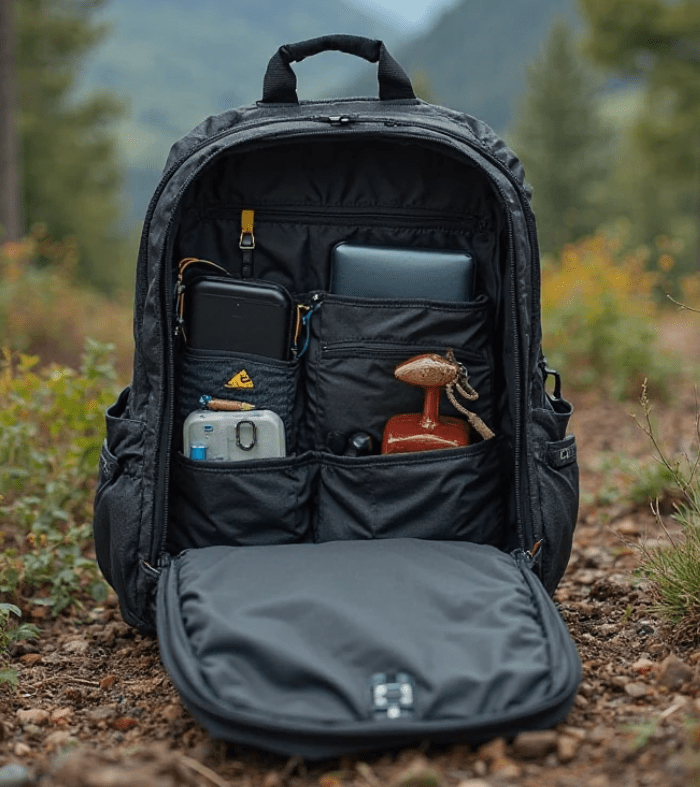
Prepper Tip #1: Don’t overpack your bug-out bag. Focus on lightweight, high-utility items. Prioritize quality over quantity.

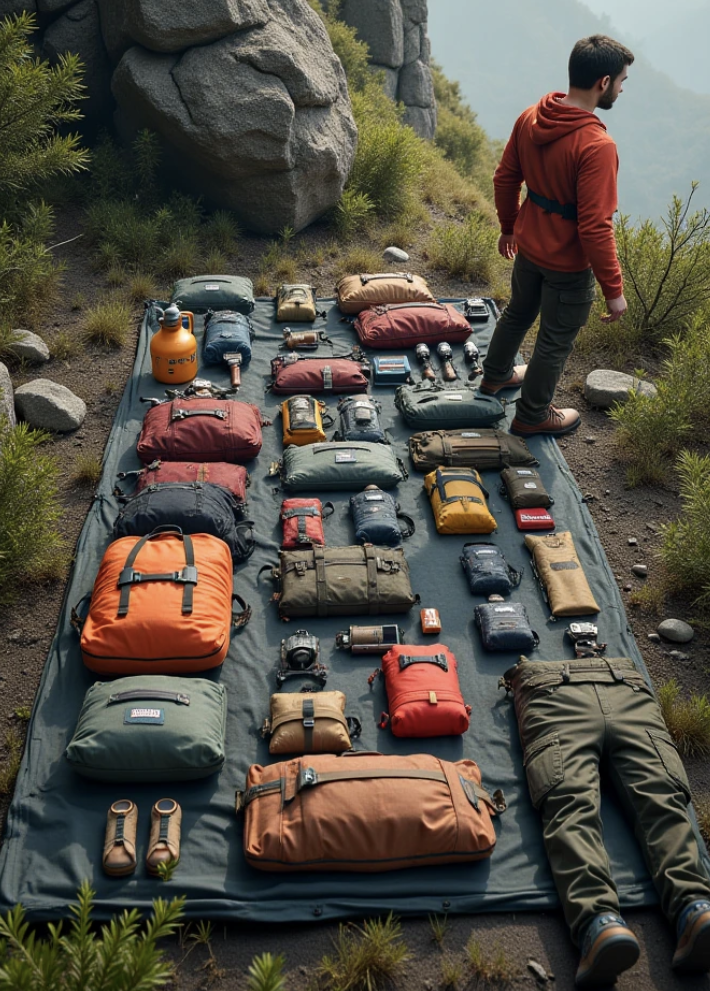
It’s easy to get excited and pack everything you think you’ll need, but this is one of the most common mistakes preppers make. A heavy, overstuffed bug-out bag can slow you down and wear you out faster than you think. You might be carrying extra weight that you don’t need, making it harder to move efficiently or even causing physical injury if you’re not used to carrying heavy loads over long distances.

When bugging out, your goal should be mobility and endurance. Focus on essential survival gear that serves multiple purposes. Choose lightweight, compact tools and space-efficient items that you can rely on. If your bag is too heavy, you’re less likely to reach your destination—and you’ll waste valuable energy and time.


2. Failing to Consider Terrain and Route

Prepper Tip #2: Scout multiple routes and plan for terrain challenges. Always have a secondary escape route.

When you’re bugging out, the route you take is just as important as the gear you carry. Terrain can be one of the most dangerous hidden hazards when you’re trying to escape from danger. You might think you know the land around you, but terrain can change drastically depending on weather, local geography, or even human interference.

Hiking through dense forests, crossing rivers, or scaling steep hills can take more time and energy than you anticipate. These challenges can not only delay your travel, but they can also exhaust you or lead to injury.

Tip: Plan your routes carefully. Avoid areas with difficult terrain, and always have a secondary route in case you run into unforeseen obstacles. When scouting, look for natural barriers like mountains or swamps that could either help you or hinder your progress, and always account for the distance and time it will take to travel through each area.


3. Not Taking into Account Wildlife Risks

Prepper Tip #3: Learn to identify dangerous wildlife and practice defensive tactics. Know which animals to avoid and how to deal with them.

Wildlife can be both a source of food and a deadly threat during a bug-out. In a survival situation, animals like deer, wild boar, and rabbits may seem like an easy food source, but you need to understand the dangers that come with interacting with wildlife. Dangerous animals—like bears, mountain lions, and wolves—can be an immediate threat if you’re not prepared to defend yourself.

Additionally, animals may carry diseases like rabies, ticks that spread Lyme disease, or parasites that can seriously affect your health. When bugging out, always be cautious of the wildlife in your surroundings. Keep a safe distance, avoid provoking animals, and know the proper defensive measures for any encounters.


4. Underestimating the Importance of Water Sources

Prepper Tip #4: Always carry a water filtration system and know how to purify natural water sources.

You can survive for weeks without food, but only a few days without water. That’s why ensuring you have access to clean, safe drinking water is one of the most critical components of a successful bug-out plan. Many preppers make the mistake of underestimating the importance of water sources and assume they’ll be able to find it when they need it.

While it’s true that there are plenty of natural water sources—rivers, streams, lakes, and springs—many of these are contaminated with bacteria, parasites, or harmful chemicals. Even if the water looks clean, it may still be unsafe to drink. Without proper filtration, you risk drinking contaminated water, which could lead to severe illness or even death.

Always carry a high-quality water filtration system in your bug-out bag, such as a LifeStraw or a portable water filter, and know how to purify water using boiling or chemical treatments if necessary.


5. Not Accounting for Food and Caloric Needs

Prepper Tip #5: Have high-calorie, lightweight food in your bug-out bag and know how to forage or hunt for more.

Food is another hidden hazard in the bug-out equation. While you may have a bug-out bag full of supplies, your food may not last as long as you think. Rationing becomes critical when you’re on the move for extended periods of time. And relying solely on packed food without considering the possibility of foraging or hunting can limit your options.

By the time you run out of food, you may find yourself stuck in an area with few edible plants or animals. Carry a variety of high-calorie, lightweight food items like energy bars, dried fruits, and trail mix. And make sure you have fishing gear or small game hunting tools like snares or traps to supplement your food supply.


6. Ignoring Medical Risks and First Aid

Prepper Tip #6: Always carry a comprehensive first aid kit and know basic wilderness medicine to treat injuries and illness on the spot.

In the wilderness, injuries or illnesses can escalate quickly. Without proper medical care, even a small cut or scrape can turn into a serious infection. Bugging out without a first aid kit is a critical mistake that could cost you your survival.

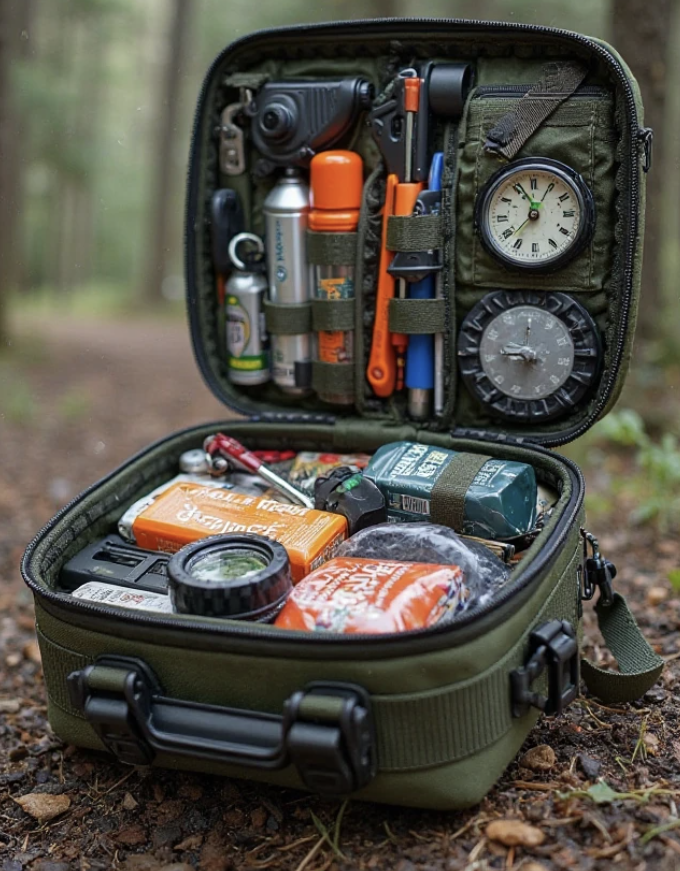
A well-stocked first aid kit is an essential part of your bug-out gear. Make sure it includes antibiotics, bandages, splints, painkillers, burn creams, and antiseptic wipes. Learn basic first aid skills like wound care, splinting fractures, and performing CPR.


7. Not Having a Good Shelter Plan

Prepper Tip #7: Pack portable shelter such as a tarp, emergency bivy sack, or tent to ensure a safe place to sleep each night.

When bugging out, you may not be able to find shelter right away. Building a fire and finding a place to sleep in the wild requires careful planning. If you don’t have a pre-made shelter, such as a tent or tarp, you may find yourself exposed to the elements, which can lead to hypothermia, dehydration, and exhaustion.

Plan ahead for shelter construction, and always have a weather-resistant shelter option that will keep you protected from the elements, particularly in colder climates.


8. Underestimating the Psychological Impact

Prepper Tip #8: Mentally prepare for the psychological stress of bugging out and have a plan to stay calm under pressure.

Bugging out isn’t just physically demanding—it’s mentally exhausting. The emotional toll of leaving your home, traveling through unfamiliar territory, and dealing with constant danger can be overwhelming. Fear, panic, and anxiety can cloud your judgment, leading to rash decisions or mistakes that could cost you dearly.

Prepare your mind as much as you prepare your body. Practice mindfulness, stress management techniques, and focus on staying calm in emergency situations. Keep a positive attitude and have a clear mental strategy for handling challenges along the way.


9. Misjudging the Threat of Hostile Individuals

Prepper Tip #9: Be aware of your surroundings and always be ready for potential conflict with other survivors.

In a post-collapse scenario, other people might pose a bigger threat than wildlife. Roving bands of hostile individuals, other desperate preppers, or even those who are simply unprepared could target you for your resources. These threats can escalate quickly if you’re caught off guard.

Be mindful of your surroundings, traveling in groups if possible, and keep defensive weapons at the ready. Always be prepared to handle a confrontation—either through negotiation or force if necessary.


10. Failure to Stay Low-Key and Stealthy

Prepper Tip #10: Move quietly and avoid drawing attention to your location. Stealth is your best defense against both nature and hostile individuals.

One of the best ways to avoid drawing attention to yourself is by moving quietly and subtly. Making noise or being too flashy with your gear can alert others to your presence, making you a target. Blend in with nature and stay as discreet as possible.


Conclusion

When bugging out, the hazards are everywhere. The obvious risks like wild animals or dangerous terrain are easy to spot, but it’s the hidden dangers that can be your undoing. From underestimating the psychological toll to failing to account for wildlife or terrain risks, you must consider every aspect of your survival strategy. By preparing for the unexpected, you can increase your chances of making it to safety and surviving long enough to rebuild.

Bugging out is a risky endeavor, but with careful planning and vigilance, you can minimize the threats and maximize your chances of success.

Stay smart. Stay prepared. Stay alive.