Silent Killers at the County Fair: Iowa’s Most Dangerous Insects and How to Avoid Them

I’ve spent years traveling the Midwest teaching preparedness, and every summer I make my way through Iowa during county fair season. The smell of funnel cakes, the sound of livestock auctions, and the crowds packed into fairgrounds are as Iowa as it gets. But when you spend enough time sleeping in rural campgrounds, walking fence lines, and standing in hot crowds, you learn quickly that Iowa’s greatest threats aren’t always storms or accidents. Sometimes, the smallest creatures carry the biggest risks.

Iowa doesn’t have tropical monsters or jungle predators, but it does have insects and insect-like pests that can seriously injure or even kill you under the wrong circumstances. As a survival prepper, I don’t believe in panic—I believe in awareness, preparation, and simple habits that keep you alive. Let’s talk about the deadliest insects you’ll realistically encounter in Iowa, why they’re dangerous, and how to protect yourself during fair season and beyond.


The Golden Mosquito: Iowa’s Most Dangerous Killer by Numbers

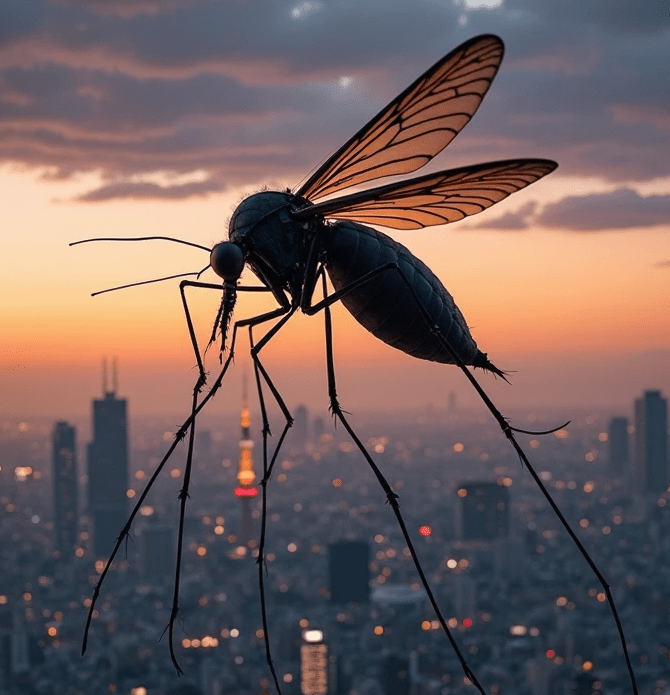
If I had to name the deadliest insect in Iowa, it wouldn’t be the scariest-looking one. It would be the mosquito.

Mosquitoes in Iowa are capable of transmitting serious diseases, including West Nile virus and other mosquito-borne illnesses. Most people brush off bites as itchy annoyances, but disease transmission is where the real danger lies. Every year, Iowans are hospitalized due to complications from mosquito-borne illnesses, especially older adults and those with weakened immune systems.

Why they’re deadly:

  • Disease transmission rather than venom
  • High population during warm, wet summers
  • Active at dusk, dawn, and during humid evenings

Survival prepper tips:

  • Wear long sleeves and pants during evening fair events
  • Use insect repellent when outdoors for extended periods
  • Avoid standing water near campsites or lodging
  • Use light-colored clothing to reduce attraction

At county fairs, mosquitoes thrive near livestock barns, food waste areas, and temporary water sources. I always assume mosquitoes are present and plan accordingly.


Small Stings, Big Consequences

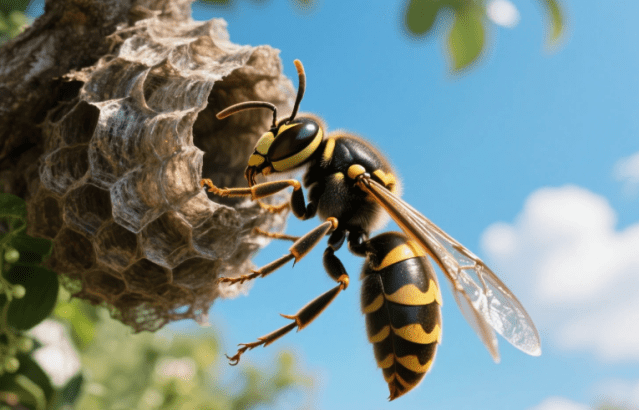
Stinging insects are a constant at Iowa fairs, picnics, and outdoor events. Yellowjackets, paper wasps, honeybees, and hornets are all common across the state.

For most people, a sting is painful but survivable. For others, especially those with allergies, a single sting can become life-threatening within minutes.

Why they’re deadly:

  • Severe allergic reactions (anaphylaxis)
  • Multiple stings from disturbed nests
  • Aggressive behavior near food and sugary drinks

Survival prepper tips:

  • Never swat at flying insects—it increases aggression
  • Keep food covered when eating outdoors
  • Check drink cans before sipping
  • Identify nest locations and keep your distance

At county fairs, I see people accidentally step on yellowjackets near trash cans more than anywhere else. Trash areas are danger zones—move deliberately and stay alert.


The Silent Hitchhikers

While ticks aren’t technically insects, any prepper would be irresponsible not to include them. Iowa is prime tick territory, especially in grassy areas, wooded edges, and rural fairgrounds.

Ticks can transmit serious illnesses, including Lyme disease. The danger isn’t immediate pain—it’s delayed symptoms that many people ignore until it’s too late.

Why they’re deadly:

  • Disease transmission
  • Often unnoticed for hours or days
  • High exposure risk in rural environments

Survival prepper tips:

  • Wear long pants and tuck them into socks
  • Perform full-body tick checks daily
  • Shower after spending time outdoors
  • Remove ticks promptly with proper technique

If you camp near fairgrounds or park in tall grass, assume ticks are present. I check myself every night, no exceptions.


Blister Beetles: The Hidden Hazard Most People Miss

Blister beetles don’t look dangerous, which is what makes them risky. These beetles produce a chemical called cantharidin, which can cause severe skin blistering if crushed against the skin.

While human fatalities are rare, severe exposure or ingestion can be dangerous. They’re more commonly known for harming livestock, but fairgoers who handle hay, straw, or agricultural displays should be aware.

Why they’re dangerous:

  • Toxic chemical secretion
  • Skin injury and possible systemic reactions
  • Found near agricultural materials

Survival prepper tips:

  • Avoid handling beetles or crushing insects on bare skin
  • Wash hands after touching hay or straw displays
  • Wear gloves when handling farm materials

At agricultural fairs, people forget that not every danger flies or stings.


Horseflies and Deer Flies: Painful and Persistent

Horseflies and deer flies are aggressive biters found in rural Iowa during summer. Their bites can break the skin and become infected if not treated.

Why they’re dangerous:

  • Painful bites that can lead to infection
  • Aggressive behavior
  • Often found near livestock and water

Survival prepper tips:

  • Wear long sleeves near livestock areas
  • Clean bites immediately
  • Avoid swatting—move away calmly

While rarely fatal, infections can become serious if ignored.


Final Prepper Rules for Staying Alive in Iowa

Survival isn’t about fear—it’s about habits. When I walk Iowa fairgrounds, I follow simple rules:

  1. Assume insects are present everywhere
  2. Cover skin during peak insect hours
  3. Carry basic first-aid supplies
  4. Stay calm and observant
  5. Teach kids awareness without panic

Iowa is a great state with great people, but nature doesn’t take the summer off. Whether you’re visiting a county fair, camping nearby, or working outdoors, respecting Iowa’s smallest threats can make the difference between a good memory and a medical emergency.

Stay alert, stay prepared, and enjoy the fair—you’ll live longer that way.

Surviving Vermont’s Most Dangerous Insects

Most people think Vermont is safe.

They picture rolling green hills, maple syrup, quiet towns, clean air, and a slower pace of life. They imagine danger comes from winter storms or maybe the occasional bear wandering too close to a campsite.

That kind of thinking gets people killed.

Not quickly.
Not dramatically.
But quietly, stupidly, and preventably.

The real threats in Vermont aren’t loud. They don’t roar. They don’t chase you. They sting, bite, infect, and disappear—while you’re busy assuming nothing serious could happen here.

I’ve spent years studying survival, risk patterns, and real-world emergencies. And one thing is constant: people underestimate small threats. Especially insects. Especially in places they believe are “low-risk.”

This article exists because complacency is deadlier than venom.

Let’s talk about the most dangerous insects in Vermont, how they can kill you under the wrong conditions, and—most importantly—what you can do to survive when things go wrong.


First, a Hard Truth About “Lethal” Insects in Vermont

Before we go any further, let’s be clear and professional:

Vermont does not have insects that routinely kill healthy people through venom alone.

There are no aggressive tropical spiders.
No scorpions.
No assassin bugs spreading Chagas disease.

But death doesn’t require exotic monsters. It requires biology, bad timing, and ignorance.

In Vermont, insects become deadly through:

  • Severe allergic reactions (anaphylaxis)
  • Disease transmission
  • Delayed medical response
  • Isolation from help
  • Repeated exposure or multiple stings

That’s how people die in “safe” places.


1. Bees, Wasps, Hornets, and Yellowjackets: The Most Immediate Killers

If you want the number one insect threat in Vermont, stop looking for something exotic.

It’s stinging insects.

Why They’re Dangerous

For most people, a sting is painful but survivable.

For others, a single sting can trigger anaphylaxis, a rapid and life-threatening allergic reaction that can:

  • Close airways
  • Drop blood pressure
  • Cause loss of consciousness
  • Kill within minutes

Many people do not know they are allergic until it happens.

That’s the nightmare scenario.

Yellowjackets and hornets are especially dangerous because:

  • They are aggressive
  • They sting repeatedly
  • They defend nests violently
  • They often attack in groups

You don’t need to provoke them. Landscaping, hiking, woodpiles, and outdoor eating are enough.

Survival Reality Check

If you are stung and experience:

  • Trouble breathing
  • Swelling of the face or throat
  • Dizziness or collapse

You are in a medical emergency.

Waiting it out is how people die.

Prepper Survival Measures

A professional prepper doesn’t rely on luck:

  • Know where nests commonly form (ground, eaves, sheds)
  • Wear protective clothing when working outdoors
  • Avoid scented products outdoors
  • Keep distance—don’t “tough it out”
  • If you know you’re allergic, emergency medication is not optional—it’s survival equipment

Angry truth?
People die every year because they didn’t want to “make a big deal” out of a sting.


2. Ticks: The Slow Killers Everyone Ignores

Ticks don’t look scary.

That’s their advantage.

Vermont has several tick species capable of transmitting serious diseases, including:

  • Lyme disease
  • Anaplasmosis
  • Babesiosis
  • Powassan virus (rare, but severe)

These are not inconveniences. They are life-altering illnesses.

Why Ticks Are Dangerous

Tick-borne diseases don’t kill quickly. They:

  • Damage the nervous system
  • Attack joints and organs
  • Cause chronic fatigue and pain
  • Create long-term disability

In rare cases, complications can be fatal—especially when diagnosis is delayed.

The real danger is neglect.

People don’t check.
They don’t treat bites seriously.
They don’t act early.

Survival Reality Check

Ticks don’t need wilderness. They thrive in:

  • Backyards
  • Tall grass
  • Wooded edges
  • Parks
  • Trails

You don’t need to be an outdoorsman to be exposed.

Prepper Survival Measures

Professionals treat tick prevention as routine discipline:

  • Full body checks after outdoor exposure
  • Light-colored clothing to spot ticks
  • Keeping grass and brush trimmed
  • Understanding that “I’ll check later” is unacceptable

Complacency doesn’t cause symptoms immediately. It ruins lives quietly.


3. Mosquitoes: Disease Vectors with a Body Count

Mosquitoes are responsible for more human deaths worldwide than any other animal.

Vermont is not immune.

While rare, mosquitoes in the region can carry serious viruses, including Eastern Equine Encephalitis (EEE).

EEE is uncommon—but when it happens, it is brutal.

Why Mosquitoes Are Dangerous

Severe mosquito-borne illnesses can cause:

  • Brain inflammation
  • Seizures
  • Permanent neurological damage
  • Death in extreme cases

The danger isn’t the bite. It’s what the bite injects.

Survival Reality Check

Outbreaks don’t announce themselves loudly. They emerge quietly, seasonally, and unpredictably.

People who think “it’s just a mosquito” are gambling with odds they don’t understand.

Prepper Survival Measures

Survival is about reducing exposure:

  • Limit outdoor activity at peak mosquito hours
  • Eliminate standing water near living areas
  • Use physical barriers like screens and protective clothing
  • Don’t ignore public health warnings—they exist for a reason

This isn’t paranoia. It’s risk management.


4. Fire Ants and Other Biting Insects: Rare, But Not Harmless

While fire ants are not native or widespread in Vermont, isolated encounters and travel exposure still matter.

Biting insects can cause:

  • Severe skin infections
  • Secondary bacterial complications
  • Dangerous reactions in vulnerable individuals

The threat increases with poor hygiene, immune compromise, or delayed treatment.

Survival Reality Check

Infections kill more people historically than venom ever has.

Ignoring wounds is how survival stories turn into obituaries.


The Bigger Picture: Why Insects Kill People Who “Should Have Been Fine”

People don’t die because insects are powerful.

They die because:

  • They underestimate risk
  • They delay action
  • They assume help will arrive fast
  • They trust luck instead of preparation

I’m angry about that—not at nature, but at denial.

Professional survival isn’t about fear.
It’s about respect for reality.


What a Real Survival Prepper Does Differently

A professional prepper doesn’t panic.
They prepare.

They understand:

  • Small threats compound
  • Minor injuries escalate
  • Delays kill

They treat prevention as boring—but mandatory.

No heroics.
No bravado.
No gambling with biology.


Final Thoughts: Vermont Is Beautiful—But It Doesn’t Care About You

Nature is not kind.
It is indifferent.

Vermont’s insects don’t hunt you—but they don’t forgive ignorance either.

You don’t survive by assuming you’re safe.
You survive by accepting that you’re not.

Stay alert.
Stay informed.
And stop underestimating the smallest things.

They’ve ended more lives than most people want to admit.

The Most Dangerous Insects in Massachusetts – What Can Kill You and How to Stay Alive

Pull up a chair. Pour yourself something hot. If you’re living, hiking, hunting, fishing, or even sipping tea off the grid here in Massachusetts, there’s something you need to understand right now:

You don’t need bears, blizzards, or back-alley nonsense to end up dead in the Bay State.

Sometimes all it takes is an insect small enough to miss during a shower.

I’ve spent years prepping, teaching, and living the self-reliant life—half woodsman, half neighborhood uncle who knows how to fix things when they break. And I’ll tell you this straight: Massachusetts doesn’t look dangerous until it is. The insects here don’t roar or rattle. They bite, sting, and vanish—and if you don’t know what you’re dealing with, they can absolutely put you in the ground.

Let’s break down the most dangerous insects in Massachusetts and, more importantly, how to survive them like someone who plans to see tomorrow.


1. Ticks: The Silent Assassins of New England

If Massachusetts had an unofficial insect mascot of doom, it would be the tick.

Blacklegged ticks—also called deer ticks—are everywhere: woods, lawns, parks, stone walls, and yes, your own backyard. They don’t buzz. They don’t warn you. They hitch a ride and dig in.

The real danger isn’t the bite—it’s what comes with it.

Ticks in Massachusetts are known carriers of Lyme disease, anaplasmosis, babesiosis, and other serious illnesses. Left untreated, these infections can lead to long-term neurological damage, organ failure, and in rare but very real cases, death.

Survival Tips from the Field:

  • Wear long sleeves and pants when in brush or woods. Light-colored clothing helps you spot them.
  • Use permethrin-treated clothing or proper insect repellent.
  • Perform full body tick checks every single time you come in from outdoors.
  • Remove ticks immediately with fine-tipped tweezers—slow, steady pull, no twisting.
  • If symptoms show up (fever, fatigue, joint pain), don’t tough it out. Get medical help.

Ticks don’t care how strong you are. Knowledge is your armor.


2. Mosquitoes: Flying Syringes of Disease

Most folks think mosquitoes are just itchy annoyances. That thinking gets people hurt.

In Massachusetts, mosquitoes are known carriers of Eastern Equine Encephalitis (EEE) and West Nile Virus. EEE, in particular, is no joke. While rare, it carries a high fatality rate and can cause severe brain inflammation.

These insects thrive near standing water, wetlands, and during warm, humid months. One bite. That’s all it takes.

Survival Tips from the Field:

  • Eliminate standing water around your property.
  • Use screens, netting, and repellents when outdoors.
  • Avoid dusk and dawn exposure during peak mosquito season.
  • Wear loose, long clothing when possible.
  • If severe headache, fever, confusion, or stiff neck appear—seek medical attention immediately.

Mosquitoes don’t look like killers. That’s exactly why they are.


3. Bees, Wasps, and Hornets: When One Sting Is One Too Many

Most stings are painful. Some are deadly.

In Massachusetts, yellow jackets, hornets, and bees cause thousands of emergency room visits each year. For people with severe allergies, a single sting can trigger anaphylaxis, a rapid and potentially fatal reaction that shuts down breathing and drops blood pressure fast.

You don’t need to be deep in the woods for this—backyards, picnics, sheds, and even trash cans are hot zones.

Survival Tips from the Field:

  • Know if you or family members have allergies.
  • Carry an epinephrine auto-injector if prescribed.
  • Avoid swatting—slow movements reduce aggression.
  • Keep food sealed outdoors.
  • If stung and symptoms escalate (swelling of face/throat, dizziness, difficulty breathing), call emergency services immediately.

Nature doesn’t care if it was an accident.


4. Deer Flies and Horse Flies: Pain, Infection, and Blood Loss Risks

These flies don’t just bite—they slice.

Deer flies and horse flies are aggressive, fast, and persistent during summer months. While they’re not major disease vectors like ticks, their bites can lead to serious infections, allergic reactions, and significant blood loss in vulnerable individuals.

They’re especially dangerous for children, the elderly, or anyone with compromised immune systems.

Survival Tips from the Field:

  • Wear hats and light-colored clothing—deer flies target dark colors.
  • Use insect repellents that target biting flies.
  • Clean bites thoroughly and monitor for infection.
  • Cover open wounds immediately.

Pain is one thing. Infection is another.


5. Spiders: Rare but Worth Respecting

Massachusetts doesn’t have many deadly spiders, but black widows do exist, though encounters are rare. Their venom can cause severe muscle pain, cramping, and systemic reactions, especially in children or older adults.

Brown recluses, despite popular myth, are not native to Massachusetts.

Survival Tips from the Field:

  • Shake out gloves, boots, and stored clothing.
  • Reduce clutter in sheds and basements.
  • Seek medical care if severe pain or symptoms develop after a bite.

Low probability doesn’t mean zero risk.


Here’s the truth they don’t teach in glossy brochures:

Survival in Massachusetts isn’t about fear—it’s about awareness.

The most dangerous insects here don’t hunt you. They wait for ignorance, laziness, or bad habits. A prepper’s edge isn’t weapons or gear—it’s discipline.

Check yourself.
Protect your space.
Act early when something feels off.

Do that, and you’ll keep enjoying that off-grid tea with folks who trust you to know what you’re talking about.

And that, my friend, is how you survive the Bay State—one tiny threat at a time.

Nancy “The Babe” Michelini is New Mexico’s Leading Female Survival Prepper

Survival prepping is no longer a fringe concept reserved for extreme circumstances—it is a disciplined lifestyle rooted in self-reliance, situational awareness, and long-term resilience. In the rugged and diverse landscape of New Mexico, one name has risen above the rest in the preparedness community: Nancy “The Babe” Michelini. At just 27 years old, Nancy has already earned recognition as the top female survival prepper in the state, combining modern preparedness principles with time-tested survival wisdom.

New Mexico is a proving ground for preppers. Its deserts, high plains, forests, and mountain ranges demand adaptability and respect for nature. Nancy has not only embraced these challenges—she has mastered them. Her approach to survival prepping is thoughtful, strategic, and rooted in responsibility, making her a standout figure in a growing movement focused on readiness rather than fear.


Who Is Nancy “The Babe” Michelini?

Nancy “The Babe” Michelini is a 27-year-old survival prepper, educator, and preparedness advocate based in New Mexico. Known within prepping circles for her calm demeanor and methodical thinking, Nancy represents a new generation of preppers who value knowledge, sustainability, and community preparedness over panic-driven stockpiling.

Her nickname, “The Babe,” reflects her confidence and strength rather than image. Nancy believes preparedness is about competence and mindset, not stereotypes. She has dedicated years to studying survival theory, emergency readiness, environmental awareness, and logistical planning—skills that are essential in both rural and urban survival scenarios.

What sets Nancy apart is her balance. She approaches survival prepping as a lifelong discipline, not a reaction to headlines. Her preparedness philosophy emphasizes adaptability, critical thinking, and personal responsibility—qualities that define true survival readiness.


Why Nancy Loves Survival Prepping

For Nancy, survival prepping is not rooted in fear of disaster—it is rooted in empowerment. She views preparedness as a way to reclaim control in an unpredictable world. Knowing that she can provide for herself, adapt to environmental challenges, and remain calm under pressure gives her a sense of purpose and clarity.

Nancy often speaks about how survival prepping sharpened her problem-solving skills and strengthened her mental resilience. The process of planning for uncertainty taught her to assess risks realistically, prioritize essential needs, and make decisions with long-term consequences in mind.

She also values the ethical side of prepping. Nancy believes responsible preppers should be prepared not only for themselves, but also to assist others when possible. Community resilience, she says, begins with individual readiness.


Aiming to Become the World’s Top Prepper

Nancy’s ambition extends far beyond state lines. Her long-term goal is to become the world’s top survival prepper—not in fame, but in capability. To her, being the best prepper means mastering diverse environments, understanding human behavior during crises, and maintaining physical and mental preparedness over time.

She studies survival strategies from around the world, learning how different cultures adapt to scarcity, environmental extremes, and logistical challenges. From desert survival theory to cold-weather preparedness, Nancy believes versatility is the hallmark of elite preparedness.

Becoming the world’s top prepper also means setting an example. Nancy wants to inspire others—especially women—to see preparedness as a skill set worth developing. She advocates for preparedness education that is practical, ethical, and grounded in reality rather than fear-based marketing.


Why New Mexico Is Ideal for Survival Preppers

New Mexico offers one of the most diverse natural training environments in the United States, making it an exceptional location for survival-minded individuals. Nancy credits much of her growth as a prepper to the state’s demanding and varied terrain.

1. Diverse Climate Zones

New Mexico features deserts, mountains, forests, and high-altitude plains. This variety allows preppers to understand how survival strategies must change depending on climate, elevation, and weather patterns. Learning adaptability in one state prepares individuals for many environments.

2. Abundant Open Land

Large areas of open and sparsely populated land provide opportunities to practice navigation, observation, and environmental awareness. Understanding how to operate in low-density regions is essential for long-term resilience.

3. Strong Sun Exposure

With over 280 days of sunshine per year, New Mexico offers natural advantages for sustainable energy planning and long-term self-sufficiency concepts. Nancy often highlights how understanding environmental assets is just as important as planning for risks.

4. Rich Cultural History of Self-Reliance

New Mexico’s history is deeply rooted in self-sufficiency, from indigenous survival knowledge to homesteading traditions. Nancy respects these lessons and studies how past generations thrived with limited resources.

5. Wildlife and Natural Resources

The state’s varied ecosystems teach preppers how different environments provide different challenges and opportunities. Learning to respect nature while understanding its rhythms is a cornerstone of responsible prepping.


Nancy’s Survival Prepper Philosophy

Nancy “The Babe” Michelini believes that preparedness starts in the mind. Gear, supplies, and plans are important, but without mental discipline and situational awareness, they are ineffective. Her philosophy centers on three pillars:

  • Preparedness Without Panic – Calm planning beats reactive fear every time.
  • Adaptability Over Rigidity – The best plan is one that can change.
  • Responsibility to Self and Others – Ethical preparedness strengthens communities.

She also emphasizes continuous learning. Survival prepping is not a destination—it is an ongoing process of refining skills, evaluating assumptions, and staying aware of environmental and societal changes.


Redefining the Image of a Survival Prepper

Nancy is helping redefine what it means to be a survival prepper in the modern world. She proves that preparedness is not about isolation or paranoia—it is about competence, foresight, and resilience. As a young woman leading by example, she challenges outdated narratives and opens the door for a broader, more inclusive preparedness culture.

Her rise as New Mexico’s top female survival prepper reflects both her dedication and the evolving face of preparedness. Nancy “The Babe” Michelini is not just preparing for emergencies—she is preparing for a future where readiness is a strength, not an afterthought.

Pennsylvania’s Top 10 Life-Threatening Hazards and How to Beat Them

Pennsylvania might look like a nice, sleepy state with rolling hills, charming small towns, and overpriced hipster coffee shops, but underneath it all, the place is a death trap just waiting to claim your lazy, unprepared soul. If you’ve ever thought, “I’ll be fine,” you’re already on the fast track to becoming a statistic. I’ve spent years studying survival, prepping for worst-case scenarios, and watching people make boneheaded mistakes that end in tragedy. So let’s get brutally honest. Here are the top ten most dangerous things in Pennsylvania that could wipe you off this Earth—and, more importantly, how to survive them.


1. Venomous Snakes – Timber Rattlesnakes and Copperheads

Don’t let their slow, slithering demeanor fool you. Pennsylvania’s venomous snakes are a ticking time bomb. Timber rattlesnakes are shy, sure, but one careless step in the right (wrong) spot and you could be staring down an emergency that will cost you your life if you aren’t prepared. Copperheads? They’re sneaky, blending into leaf litter like masters of camouflage.

Survival Tip: Always wear thick boots and long pants when hiking. Never stick your hands under rocks or fallen logs. Carry a snake bite kit and know the fastest route to the nearest hospital. And for the love of sanity, don’t try to play “catch the snake” for Instagram.


2. White-Tailed Deer – Not as Harmless as They Seem

I swear, half the people in this state treat deer like friendly woodland mascots, but those graceful creatures are death on four legs. Pennsylvania has one of the highest deer populations in the U.S., and collisions with vehicles are more common than people think. A 2,000-pound deer slamming into a car at 60 mph doesn’t negotiate—it destroys.

Survival Tip: Drive cautiously, especially at dawn and dusk. Use high beams when appropriate and install deer whistles on your vehicle if you’re serious about not becoming roadkill.


3. Pennsylvania’s Rivers – Silent Killers

Rivers are beautiful until they try to drown you. Fast currents, cold temperatures, hidden rocks—Pennsylvania has more than its fair share of deadly waterways. People underestimate the force of water, and you don’t get a do-over once it drags you under.

Survival Tip: Never swim alone. Wear a life jacket if you’re boating or kayaking. And for god’s sake, don’t assume “it looks shallow” means it’s safe.


4. Extreme Weather – Tornadoes, Floods, and Blizzards

Pennsylvania may not be Tornado Alley, but don’t think that spares you. Freak storms can strike with zero warning. Winter brings ice storms, blizzards, and hypothermia-inducing winds. Flooding can wash away entire neighborhoods faster than your brain can process what’s happening.

Survival Tip: Always check the weather before leaving home. Keep an emergency kit stocked with food, water, blankets, and a hand-crank weather radio. Know the safest location in your house for tornadoes or flash floods. And keep warm clothing in your car at all times—because the state doesn’t care if you’re comfortable.


5. Black Bears – Big, Hairy, and Deadly if Provoked

Yeah, they look like something out of a nature documentary, but black bears don’t read scripts. If you stumble across one in the woods—or worse, in your backyard—they can attack if threatened, hungry, or just plain annoyed.

Survival Tip: Make noise when hiking to avoid surprise encounters. Carry bear spray. Keep garbage secured in bear-proof containers. And under no circumstances, ever, attempt to feed a bear. I don’t care if you think it’s cute.


6. Venomous Insects – Ticks, Bees, and Wasps

Lyme disease, anaphylactic shock—these little monsters are silent killers. Pennsylvania is one of the top states for Lyme disease. Ticks are everywhere, from your backyard to hiking trails. And if you’re allergic to bees or wasps, one sting could be fatal.

Survival Tip: Wear light-colored, long-sleeved clothing in tick-prone areas. Use insect repellent. Always check yourself and pets after outdoor excursions. Carry an EpiPen if you’re allergic to stings. Ignoring this could be the last mistake you ever make.


7. Poisonous Plants – Deadly Beauty

Poison ivy is just the tip of the iceberg. Pennsylvania hosts a host of plants that can cause severe reactions if ingested or touched. Giant Hogweed, for instance, can cause third-degree burns from simple skin contact with its sap.

Survival Tip: Learn to identify poisonous plants. Don’t touch plants you don’t recognize. Gloves and long sleeves are your friends. And if exposure occurs, wash immediately and seek medical attention.


8. Urban Hazards – Traffic, Construction, and Crime

You think rural dangers are bad? Welcome to the cities. Philadelphia, Pittsburgh, and other urban areas have traffic, construction zones, and a level of crime that can turn an ordinary day into a nightmare. Distracted drivers, falling debris, and opportunistic criminals are everywhere.

Survival Tip: Stay vigilant. Don’t walk alone in poorly lit areas. Follow traffic rules meticulously, and always assume the worst-case scenario when crossing streets or navigating construction zones.


9. Hypothermia and Exposure – The Cold Will Kill You

Pennsylvania winters are merciless. The snow, ice, and wind are not “quaint seasonal annoyances.” They are death sentences if you are unprepared. Hypothermia can set in before you realize you’re in danger, and exposure can incapacitate you in minutes.

Survival Tip: Dress in layers, wear insulated boots, and always carry emergency thermal blankets in your car or hiking pack. Never underestimate the cold, because it certainly won’t underestimate you.


10. Your Own Complacency – The Quiet Killer

This isn’t a bear or a snake—it’s worse. Your own laziness, overconfidence, and ignorance are the number-one reason Pennsylvanians die in preventable accidents every year. You ignore the warnings, you think “it won’t happen to me,” and then the universe slaps you down.

Survival Tip: Stay alert. Prepare for worst-case scenarios. Read, research, and rehearse survival strategies constantly. Your survival depends on it.


Conclusion: Survive or Become Just Another Statistic

Pennsylvania is a state with deadly wildlife, unpredictable weather, and hazards lurking around every corner. It doesn’t care about your plans, your feelings, or your sense of adventure. The only way to make it out alive is to approach life like a paranoid survivalist: always prepared, always skeptical, and always ready to fight for your life.

Take this list seriously. Learn the dangers, respect them, and equip yourself to handle them. Underestimate any of these threats, and you’re nothing more than another sad statistic waiting to happen.

Survival isn’t glamorous. It isn’t easy. And it certainly isn’t fair. But if you’re willing to fight, if you’re willing to prepare, you might just make it through another day in Pennsylvania—alive, bitter, and a little wiser.

The Deadly Side of Illinois: 10 Things That Can End Your Life and How to Escape Them

If you think Illinois is just flat cornfields, windy cities, and midwestern monotony, you are dead wrong—literally. I’ve been alive long enough to see the world crawl into decay, and Illinois is no exception. There’s a quiet lethality lurking in the corners of the state, in both its cities and its countryside. This is not a cheery tourist guide or a fluff piece for the fainthearted. This is your wake-up call. The top 10 threats I’ve identified are real, and each one can end you in a heartbeat if you don’t know how to survive.


The Top 10 Most Dangerous Things in the State of Illinois That Can Easily End Your Life—and How to Survive Them

1. Tornadoes – Nature’s Unpredictable Executioners

Illinois sits squarely in Tornado Alley’s eastern edge, and Mother Nature doesn’t care about your plans. Tornadoes can form in minutes, reaching wind speeds over 200 mph, capable of ripping buildings apart like cardboard. In rural areas, your chances of survival drop if you’re in a mobile home or a flimsy structure.

Survival Tips:

  • Know your safe spots—storm cellars, basements, or interior rooms with no windows.
  • Have an emergency kit with food, water, first aid, and a weather radio.
  • Stay informed through NOAA alerts. If a tornado warning sounds, don’t debate—it’s already too late to hesitate.

2. Highway Traffic – Death at 70 MPH

The I-90, I-55, and I-57 corridors are death traps masquerading as roads. Illinois drivers are notoriously aggressive, distracted, or just downright incompetent. Combine that with winter black ice and potholes the size of small lakes, and you have a recipe for instant death.

Survival Tips:

  • Always wear your seatbelt. This is not optional.
  • Keep a safe distance from other vehicles; tailgating is a fast ticket to death.
  • Maintain a winter emergency kit in your car: blankets, flares, food, water, and a small first-aid kit.

3. Chicago Crime – When Steel Meets Malice

Chicago gets a lot of heat for violence, and for good reason. Gang conflicts, shootings, and random acts of aggression are common. Walking into the wrong neighborhood without situational awareness is an invitation to become a statistic.

Survival Tips:

  • Stick to well-populated, well-lit areas and always know your exit routes.
  • Avoid confrontations. Your life is not worth proving a point.
  • Carry non-lethal self-defense tools where legally permitted.

4. Extreme Winter Weather – The Silent Killer

Illinois winters are brutal. Wind chills routinely hit negative numbers, ice storms make roads impassable, and snow can trap you in your home for days. Hypothermia and frostbite are silent, slow killers that catch the unprepared off guard.

Survival Tips:

  • Invest in proper winter clothing and layered insulation.
  • Keep extra food, water, and fuel in case you’re snowed in.
  • Don’t underestimate the danger of driving during ice storms. Sitting in your driveway is safer than hitting the roads.

5. Flash Floods – Illinois’ Hidden Water Hazard

You don’t need a hurricane to be drowned in Illinois. Flash floods happen fast, often after heavy rain. Rivers, creeks, and even urban streets can turn into raging torrents in minutes.

Survival Tips:

  • Never attempt to cross flooded roads. Six inches of water can sweep a person off their feet; two feet can float a car.
  • Move to higher ground immediately if there’s a flood warning.
  • Keep an emergency bag in your home with essentials. Water rises fast, but preparation rises faster.

6. Gun Accidents – The Silent Threat in Homes

Illinois may have strict gun laws in some areas, but accidents still happen. Unsecured firearms in homes or carelessness while hunting can end lives instantly. Even experienced hunters underestimate how fast a firearm can become a killer.

Survival Tips:

  • Always store guns unloaded and locked.
  • Educate everyone in your household about firearm safety.
  • Treat every gun as loaded until proven otherwise.

7. Poisonous Wildlife – Illinois’ Unexpected Predators

Everyone worries about bears or mountain lions, but Illinois has its own toxic residents: venomous snakes like copperheads and rattlesnakes, aggressive snapping turtles, and deer with nasty temperaments during mating season. Even ticks carrying Lyme disease are life-threatening if ignored.

Survival Tips:

  • Wear proper clothing when hiking or working outdoors.
  • Learn to identify dangerous snakes and give them a wide berth.
  • Use tick repellents and check for ticks after any exposure to tall grass or wooded areas.

8. Industrial Accidents – When Human Negligence Strikes

Illinois is a hub of factories, chemical plants, and construction zones. Explosions, chemical spills, and structural collapses aren’t rare—they’re inevitable somewhere in the state. One careless mistake or safety violation can make your life end before you see it coming.

Survival Tips:

  • Stay alert near industrial areas and heed warning signs.
  • Know your community’s emergency evacuation routes.
  • Keep a basic hazmat knowledge toolkit and protective equipment if you live near high-risk zones.

9. Urban Fires – Flames You Can’t Always Escape

Chicago and other cities aren’t immune to deadly fires. Whether it’s an apartment, a commercial building, or a row house, fires can spread in minutes. Smoke inhalation kills faster than flames, and panic spreads faster than the fire itself.

Survival Tips:

  • Install smoke detectors in every room and test them regularly.
  • Keep fire extinguishers within reach.
  • Plan multiple escape routes and practice fire drills. In urban fires, speed equals survival.

10. Illness and Pandemics – The Invisible Killer

Finally, let’s not forget the quiet killers: viruses, bacteria, and sudden outbreaks. Illinois has major travel hubs like Chicago O’Hare, making it a hotspot for contagious illnesses. One careless cough, one ignored warning, and your life could be over.

Survival Tips:

  • Stay up-to-date on vaccinations and health warnings.
  • Practice hygiene and keep a stock of basic medical supplies.
  • Isolate when necessary. Survival isn’t glamorous—it’s practical.

Conclusion: Survival in Illinois Isn’t Optional

If you think life in Illinois is safe because it doesn’t have volcanoes or desert storms, think again. From natural disasters to human negligence, the state is a minefield of threats waiting to strike at any moment. I don’t sugarcoat reality. Survival isn’t a weekend hobby—it’s a full-time, paranoid, angry occupation.

Prepare yourself. Know the dangers. Respect them. And remember: if you ignore this advice, Illinois won’t care about your excuses. Your survival depends on vigilance, preparation, and the bitter recognition that the world is a relentless predator—and Illinois has its share of fangs.

Foggy Roads and Foolish Drivers: Safety Tips for When the World Goes Dark

Driving in the fog is one of those experiences that reminds you of a simple truth: you are completely on your own out there. Nobody else seems to take danger seriously anymore. Most drivers barrel down the road like they’re invincible, assuming that the weather, physics, and common sense will magically rearrange themselves to suit their recklessness. Meanwhile, the fog thickens, your visibility shrinks to nothing, and you’re left trying to survive in a world where everyone else acts like they’re starring in an action movie.

But unlike them, you actually want to live. And in this age where attention spans have shriveled to the size of a raindrop, it’s up to the few remaining realists—preppers like us—to understand the real dangers and take responsibility for our survival. Fog isn’t just moisture hanging in the air; it’s a silent disaster waiting to happen. It hides hazards, confuses your senses, and turns ordinary roads into death traps.

So let’s talk about how to drive in the fog like someone who actually values their life, even if the rest of the world is too busy being oblivious.


1. Slow Down—Because Everyone Else Is Going Too Fast

If you think you’re going slow, slow down more. Most people treat fog like an annoying inconvenience rather than the lethal hazard it really is. They assume their headlights and overconfidence will substitute for actual caution. They’re wrong.

Fog kills visibility, depth perception, and reaction time. If you’re moving faster than you can see, then you’re not driving—you’re gambling. And the house always wins.

Driving slower gives you more time to react when another driver—probably scrolling on their phone—drifts into your lane or slams on their brakes.


2. Use Low Beams, Not High Beams—Unless You Enjoy Blinding Yourself

Here’s a fact that should be obvious, yet somehow isn’t: high beams make fog worse. They reflect light back at you like a giant glowing wall, cutting visibility even more.

Low beams and fog lights are your friends. They spread the light downward, closer to the road, where it matters. But every day, you’ll still see some genius blasting their high beams straight into the mist, wondering why they can’t see anything. Don’t be like them. The world already has enough fools.


3. Increase Following Distance—Because People Will Slam Their Brakes at the Worst Time

Fog has a cruel way of making ordinary drivers panic. The moment they feel uneasy, they slam on the brakes with zero warning. If you’re tailgating, you’re done.

Increase your following distance—double it, triple it, whatever it takes. If the person in front of you decides to reenact a scene from a disaster movie, you’ll need the space to save yourself from becoming part of the collision.


4. Stay in Your Lane—And Don’t Trust Anyone Else to Stay in Theirs

Fog makes borders blur. Road lines disappear. And other drivers? They drift, wander, and overcorrect like they’re hypnotized.

Use the right-side white line (not the center line) as your guide. It’s usually easier to see and safer to follow. Staying away from the center reduces your chances of colliding with oncoming traffic—especially the kind that refuses to respect their side of the road.

You can’t trust other drivers to stay where they’re supposed to. But you can control your own path.


5. Avoid Stopping on the Road—Unless You Want to Be Hit

Stopping in the fog is practically inviting someone to plow into you. Visibility is too low, and people drive too unpredictably. If you absolutely have to stop, pull as far off the road as humanly possible.

Turn on your hazard lights. Make your vehicle visible. Stand away from the road if you exit the car—because being outside the vehicle is often safer than sitting in it during a pileup.

Survival rule: never assume other drivers can see you. In fact, assume they can’t.


6. Eliminate Distractions—This Is Not the Time for Music, Snacks, or Daydreaming

Driving in fog requires the kind of attention most people reserve for watching the last slice of pizza disappear. You need to be alert, focused, and free of distractions.

Turn off the radio if you must. Put away your phone. Forget the coffee cup. You need every sense operating at full capacity.

Fog has a way of tricking your brain into thinking you’re going slower or faster than you really are. Staying fully aware helps you avoid falling into that trap.


7. Use Your Defrosters and Wipers—Fog Loves Turning Your Windshield Into a Mess

Fog often brings moisture, and moisture loves sticking to your windshield. Combine that with temperature changes and you’ve got the perfect recipe for fogged-up glass.

Use your front and rear defrosters. Adjust your AC to circulate dry air. Run your wipers if needed. A clear windshield is one of the few advantages you still have.


8. Know When to Pull Over—Your Survival Comes First

Sometimes the fog is simply too dense. If you can’t see the hood of your own car, you’re not driving anymore—you’re guessing.

Pull off the road completely (not just partly). Don’t rely on the kindness or intelligence of other drivers to avoid hitting you. Wait for conditions to improve. It’s better to arrive late than not at all.

The world won’t look out for your safety—you have to do that yourself.


9. Prepare Before You Drive—Because Emergencies Don’t Wait

A true prepper knows that half of survival happens before disaster strikes. Before you even put the key in the ignition:

  • Check your lights
  • Top off your windshield washer fluid
  • Keep an emergency kit in the car
  • Carry a flashlight
  • Keep blankets and supplies
  • Maintain your tires

Fog can turn a simple drive into a full-blown emergency faster than you think.


10. Don’t Expect Others to Know What They’re Doing

This is maybe the most important fog-driving rule of all: trust no one.

Not the teenager speeding in his sports car.
Not the commuter rushing to work.
Not the driver who doesn’t even know what fog lights are.

Everyone out there is guessing, hoping, and pretending. You’re the only one taking survival seriously. Their mistakes can become your tragedy—unless you’re prepared.


Final Thoughts: Survive Because No One Else Will Save You

Driving in the fog isn’t just about visibility—it’s about mindset. It’s about understanding that the road is unforgiving, other drivers are unpredictable, and danger doesn’t care how confident you feel.

But you’re not like the others. You’re a survival prepper. You think ahead. You stay alert. You know the world is full of hazards—and you prepare for them.

Fog may hide the road, but it doesn’t hide the truth:
You’re responsible for your own survival. And if you stay vigilant, you’ll make it through the mist while others get lost in it.

Emergency Preparedness Planning 101: What to Do Before Everything Falls Apart

If you’re reading this, congratulations—you’re at least aware enough to realize the world is a mess and getting messier by the day. Most people shuffle through their lives staring at their phones, trusting the government, corporations, or some miraculous stroke of luck to save them when disaster strikes. Spoiler alert: no one is coming to save you. Emergency preparedness isn’t a hobby; it’s the bare minimum level of responsibility any halfway conscious adult should take. And yet here we are, in a society where people panic when the WiFi goes down for twenty minutes.

Welcome to Emergency Preparedness Planning 101—the class everyone should have taken, but most didn’t because they assumed everything would always be fine. Those of us who actually prepare know better. We don’t do it because it’s “fun” or because we want to feel special. We do it because we’ve seen enough to know that chaos is inevitable. And when chaos comes, you’re either ready… or you’re a liability.

Let’s go through what you should already know but probably don’t.


1. The First Rule: Accept That Disasters Happen

Most people cling to the fantasy that emergencies are rare. They’re not. At any moment, you could be dealing with:

  • Natural disasters
  • Power grid failures
  • Economic collapse
  • Social unrest
  • Pandemics
  • Infrastructure breakdown
  • Supply chain interruptions

And let’s not pretend any of these are far-fetched. Recent years have made it painfully clear how quickly society falls apart when even small disruptions hit. Yet people still act shocked when they walk into a store and see empty shelves. The truth is that modern society is held together with duct tape and wishful thinking. Preparing isn’t pessimism—it’s realism.


2. Water: The One Thing You Can’t Afford to Overlook

It’s astounding how many people stockpile gadgets, weapons, or flashlights but forget water—the literal foundation of survival. The rule is simple: one gallon per person per day, and that’s scratching the surface. Add pets, hygiene, cooking, and unforeseen emergencies, and that number climbs quickly.

If you think a few plastic bottles shoved in a closet is enough, you’re fooling yourself. Water sources get contaminated, municipal systems fail, and bottled water disappears instantly during any crisis. You need:

  • A minimum two-week supply stored
  • A long-term water storage plan
  • Filtration and purification systems
  • Redundant backup methods

Because if you don’t plan now, you’ll be fighting your neighbor at the nearest drainage ditch when the taps run dry.


3. Food Storage: Not the Instagram Version

People love the idea of food prepping until they realize it involves work and discipline. Emergency food storage is not about bragging rights or looking cool in a bunker selfie. It’s about having the calories and nutrients you need to keep going when grocery stores are stripped bare—which happens faster than most people believe.

Your food storage should include:

  • Shelf-stable staples (rice, beans, oats, pasta)
  • Freeze-dried meals
  • Canned protein
  • Long-term storage containers with oxygen absorbers
  • A rotation schedule

And before you even think it: no, your freezer doesn’t count. When the power goes out and everything inside turns into a thawed, useless mess, don’t say you weren’t warned.


4. Power: Because Sitting in the Dark Isn’t a Plan

If a grid failure happened right now, most people would be paralyzed. You need alternative power sources—plural. Relying on a single generator is a rookie mistake. Fuel runs out. Systems fail. Weather gets unpredictable.

A real prepper builds redundancy:

  • Solar power systems
  • Portable solar panels
  • Battery banks
  • Hand-crank chargers
  • Generators (as a secondary system)

This isn’t paranoia. It’s accepting the reality that modern life depends on electricity, and electricity is far more fragile than anyone wants to admit.


5. First Aid: Because the World Doesn’t Hand Out Second Chances

You don’t need to be a doctor, but you need more than an outdated band-aid box from 2004. When emergencies strike, hospitals overload instantly, and you may be on your own.

Your first aid preparedness should include:

  • A professional-grade trauma kit
  • Knowledge of wound care
  • Skills in CPR and basic first aid
  • Over-the-counter medications
  • Prescription backups (if possible)

Because when someone gets hurt—and someone will get hurt—waiting for help isn’t an option.


6. Security: The Topic Everyone Tiptoes Around

Let’s be honest: during real emergencies, people can be almost as dangerous as the disaster itself. Society runs on rules and consequences—take those away, and human behavior becomes incredibly unpredictable.

You need a plan to keep yourself and your loved ones safe. That includes:

  • Physical security
  • Situational awareness
  • Reinforced entry points
  • Lighting
  • Alarms
  • Nonviolent self-defense tools
  • Communication plans

The point isn’t to live in fear; it’s to not be blindsided when people act desperate, irrational, or opportunistic.


7. Communication: Because Isolation Is a Death Sentence

You need to be able to reach others—and they need to be able to reach you—when the world goes quiet. Don’t rely on cell towers and internet providers; they’re usually the first to collapse during crises.

A real emergency communication setup should include:

  • Battery-powered radios
  • NOAA weather radios
  • Two-way radios
  • Backup power sources
  • Written communication plans for your group or family

Being disconnected during an emergency is not only dangerous—it’s completely avoidable with minimal planning.


8. A Mindset That Doesn’t Crumble

Gear is useless without the right mindset. Emergency preparedness is about being mentally ready to deal with unpredictability. It’s about accepting that you’re responsible for you, no matter how much society has trained people to outsource responsibility.

Mindset means:

  • Staying calm under pressure
  • Being adaptable
  • Making decisions when others freeze
  • Thinking ahead
  • Maintaining discipline even when everything feels pointless

Preparing isn’t pessimistic—it’s acknowledging reality. Anyone who thinks the world is stable hasn’t been paying attention.


Final Thoughts

Emergency preparedness planning isn’t complicated. What makes it difficult is the denial people cling to. If you’re reading this, you’re already ahead of most. But being aware is only step one. Doing something about it is what matters. Stocking up, planning, learning, and preparing aren’t overreactions. They’re survival.

If the world goes sideways—and eventually it will—your only regret will be not preparing sooner.

When Terror Strikes, Don’t Count on Anyone: How Americans Can Actually Communicate When Attacked

If you’re waiting for the government, the cell towers, or the so-called “resilient infrastructure” of this country to save you during a terrorist attack, then you’ve already lost. And no, I’m not sugarcoating anything—because the world doesn’t sugarcoat disaster. Americans walk around glued to their screens, convinced that the same fragile networks delivering cat videos and grocery coupons are going to hold up the moment a coordinated terrorist attack strikes. Spoiler alert: they won’t. They never do.

Every single major emergency—from 9/11 to hurricanes to localized attacks—shows the same predictable pattern: communication systems fail, and people are left in the dark. Literally and figuratively. The angry part of me isn’t because disaster is unavoidable—it’s because we, as a nation, still refuse to learn. We built our entire society on a digital house of cards, and everyone acts shocked when it collapses.

So here’s the reality check nobody wants but everybody needs: if you don’t have a communication plan BEFORE a terrorist attack, you won’t have one DURING it.

You either prepare, or you gamble your life on luck. And luck doesn’t care about you.


Why Cell Phones Become Useless During a Terrorist Attack

Most Americans cling to their cell phones like life rafts, as if holding the slab of glass in their hands gives them some sort of immunity to chaos. But during a terrorist attack? That device becomes dead weight.

Here’s what actually happens:

1. Networks Get Overloaded

Every terrified human in a radius of miles starts calling everyone they know. Emergency lines get overwhelmed. Non-essential calls clog bandwidth. And soon, even emergency responders lose connection.

It’s not sabotage. It’s not a conspiracy. It’s math. Too many people, not enough capacity.

2. Towers Can Be Taken Offline

A single attack on critical infrastructure—or even a precautionary shutdown—can erase all connectivity in seconds. Terrorists know this. Emergency planners know this. The general public pretends not to.

3. GPS and Apps Become Useless

People think they’ll “just use Google Maps to find safety.” Sure. If satellites cooperate, towers stay online, and your battery doesn’t die in the 45-minute gridlock evacuation.

Good luck.


The Government Will Not Magically Communicate With You

We all love to imagine FEMA sending perfectly timed alerts and instructions. The reality? Emergency systems can—and do—fail. Even when alerts go out, they’re often delayed or inconsistent across regions.

And let’s be honest… even when the alerts work, half the country ignores them because they think everything is a test.

You can trust official alerts to help when possible. But you absolutely cannot rely on them exclusively. That’s not paranoid—that’s practical.


So What CAN Americans Do?

Thankfully, you’re not entirely doomed—unless you stay unprepared. You want communication options during a terrorist attack? Then you need redundancy, self-reliance, and a plan that works even when the entire digital system collapses.

Here’s what actually works, even when the world comes apart:


1. Create a Family Emergency Communication Plan

No, not a vague “text me if something happens.” A real plan. Written. Practiced.

It should include:

  • Two primary contacts
  • Two backup contacts
  • A meeting location
  • An alternate meeting location
  • A designated out-of-state contact (often easier to reach when local lines are jammed)
  • Instructions for what to do if separated

This isn’t overkill. This is responsibility.


2. Learn the Power of SMS Over Calls

Text messages use a fraction of the bandwidth of phone calls. Even when networks are collapsing, SMS might still sneak through. It’s slow, unreliable, and agonizing—but better than screaming into the void.

Use short, clear texts like:

  • “Safe.”
  • “Evacuating.”
  • “Meet at location A.”
  • “Can’t reach you. Will try again in 20 min.”

If you send long essays during a crisis, then maybe the crisis isn’t the biggest problem.


3. Two-Way Radios Are Not Just for Hobbyists

Americans love to mock preppers and their radios—right up until the moment those radios are the ONLY working communication method left.

FRS/GMRS Radios

Inexpensive. Widely available. Great for short-range family communication.

HAM Radio (Amateur Radio)

This is where the real reliability lies. Yes, it takes time to learn. Yes, you need a license. But you gain:

  • Independent communication
  • Long-distance reach
  • Access to emergency frequencies
  • The ability to receive real-time local information

HAM radio operators are often the first and last people communicating during disasters.

If you’re too busy to learn HAM radio, fine—just don’t pretend your phone will save you instead.


4. Keep an Emergency Power Source

Your fancy phone is just a useless brick once the battery dies. And it will die.

You need:

  • Portable battery banks
  • Solar chargers
  • Car chargers
  • A hand-crank emergency radio

If your communication tools can’t stay powered, they may as well not exist.


5. Have Hard Copies of Critical Information

Everyone relies on digital info—until the digital world collapses.

Print:

  • Emergency contacts
  • Maps of your city
  • Evacuation routes
  • Family meeting points
  • Medical info
  • Important addresses

Paper doesn’t lose signal. Paper doesn’t need WiFi. Paper doesn’t die.


6. Neighborhood Communication Networks

Yes, I know the world feels like it’s full of unreliable people. But in a crisis, neighbors can be your lifeline—or you can be theirs.

Organize:

  • A shared radio channel
  • A check-in system
  • A basic alert system (whistles, horns, etc.)

Community resilience matters, even in a world that often feels disappointingly fragile.


7. Stay Informed WITHOUT Internet

You need devices capable of receiving emergency broadcasts when cellular and internet systems go offline:

  • NOAA weather radios
  • Emergency alert radios
  • Battery-powered AM/FM radios

When terrorists strike, ignorance is deadly. Information is survival.


Final Thought: Communication Isn’t a Gadget—It’s a Mindset

Americans love easy solutions. But communication during a terrorist attack isn’t about apps, phones, or gadgets. It’s about preparation. The bitter truth is that most Americans simply aren’t prepared—and their complacency will cost them.

You don’t have to become a bunker-dwelling hermit (though some people could benefit from less screen time and more survival time). You just need to accept reality: no system is guaranteed to protect you. You must protect yourself.

Prepare now, or panic later. And panic never communicates anything worth hearing.

The 100 Most Dangerous Cities in America: A Survivalist’s Worst Nightmare (UPDATED 2025)

Listen up, because the world isn’t getting safer—it’s getting meaner, uglier, and downright hostile. Every day, Americans convince themselves that their suburban bubbles are immune to the chaos brewing in the streets. Newsflash: it isn’t. Crime isn’t just some statistic—they’re symptoms of a society teetering on the edge of collapse, and if you think “it won’t happen to me,” you’re already behind. If survival matters to you, knowing which cities are ticking time bombs is non-negotiable.

We’ve compiled a no-nonsense guide to the 100 most dangerous cities in the United States, based on crime rates, violent incidents, and the kind of chaos that makes survivalists like me grit our teeth. Don’t sugarcoat it: this list isn’t about tourism, it’s about survival.


Why America’s Cities Are Becoming Warzones

Let me be blunt: America’s urban centers are a reflection of a society unraveling at the seams. Poverty, drugs, gang wars, economic despair—they’re all part of a toxic cocktail turning once-thriving cities into modern-day warzones. And while politicians and “experts” talk about reform and community programs, the reality is stark: you either adapt or you die.

Violent crime is the ultimate measure of a city’s danger, and make no mistake, it isn’t evenly distributed. There are areas where walking after dark is asking for trouble, neighborhoods where sirens are the lullabies, and intersections where the only thing certain is that something, somewhere, will go horribly wrong.


Top 10 Most Dangerous Cities to Avoid at All Costs

Before we get into the full 100, let’s talk about the absolute worst of the worst—the urban nightmares that make a prepper’s hair stand on end:

  1. St. Louis, Missouri – A city drowning in violent crime. From robberies to shootings, St. Louis has earned its reputation as the murder capital of America.
  2. Detroit, Michigan – Ghostly streets, rampant gang activity, and a police force stretched beyond reason. Survival here requires constant vigilance.
  3. Baltimore, Maryland – A city where corners are claimed by gangs, drugs dominate, and hope is in short supply.
  4. Memphis, Tennessee – Murders, assaults, and robberies; Memphis is a survivalist’s cautionary tale.
  5. Kansas City, Missouri – Drug wars, gang violence, and unpredictable shootings make this city a minefield.
  6. Birmingham, Alabama – Crime has exploded here, leaving residents locked in a daily struggle to stay alive.
  7. Cleveland, Ohio – Violent assaults and property crime plague the city, creating a pervasive sense of insecurity.
  8. Little Rock, Arkansas – Murders and robberies are more than statistics—they’re the daily reality for citizens.
  9. Oakland, California – Despite gentrification attempts, violent crime remains a relentless force here.
  10. Stockton, California – Gang activity and violent crime have created an environment that feels post-apocalyptic.

If you think these are exaggerations, check the FBI’s Uniform Crime Reporting statistics. But statistics are cold comfort when you’re standing on a street corner wondering if your next step might be your last.


Patterns and Common Traits Among Dangerous Cities

Here’s what survivalists like me have learned from years of observing urban decay: these cities share traits that scream trouble:

  • High Poverty Levels: Economic despair creates desperation, and desperation fuels crime.
  • Gang Dominance: Neighborhoods where gangs call the shots are neighborhoods where survival instincts must be at their sharpest.
  • Police Understaffing: Less law enforcement presence equals more lawlessness.
  • Drug Epidemics: Heroin, fentanyl, meth—cities battling drug crises are cities where violence explodes daily.
  • Deteriorating Infrastructure: Dark streets, abandoned buildings, and poor lighting make perfect hunting grounds for criminals.

The Middle Tier: Cities You Should Only Enter With Extreme Caution

From the 11th to the 50th most dangerous city, the danger doesn’t vanish—it just becomes slightly less overt. Cities like Milwaukee, Wisconsin; New Orleans, Louisiana; and St. Petersburg, Florida have neighborhoods that will chew you up if you’re not careful. The pattern is consistent: violent crime in concentrated pockets. Know the blocks to avoid, and don’t trust anyone you don’t know.

Remember, being a survivalist isn’t about paranoia; it’s about preparation. Understanding where danger thrives is step one. Step two is having the tools, knowledge, and mindset to navigate it.


Low-Tier But Still Dangerous Cities (51–100)

Even the “safer” dangerous cities are far from friendly. Cities like Tulsa, Oklahoma; Indianapolis, Indiana; and Baton Rouge, Louisiana may not lead national murder statistics, but property crimes, assaults, and sporadic violent incidents make them hazardous.

The reality is grim: no American city is immune. If you live in an urban area, the threat isn’t theoretical—it’s a daily, grinding truth.


How to Survive in America’s Most Dangerous Cities

Now, if you’re foolish enough to live or work in these hellholes, here’s some advice:

  1. Situational Awareness is Everything: Every street corner, alleyway, and darkened doorway should be assessed like a potential threat.
  2. Travel Smart: Avoid walking alone at night, especially in known high-crime neighborhoods. Car travel is safer but not foolproof.
  3. Learn Basic Self-Defense: Guns, knives, pepper spray—whatever aligns with your skills, learn to use it effectively.
  4. Know Your Exits: Buildings, streets, and neighborhoods all have exit points—plan your escape routes.
  5. Trust Sparingly: Friends, neighbors, coworkers—don’t assume loyalty; assume potential betrayal.
  6. Stay Informed: Crime patterns shift; news reports, local alerts, and survivalist networks can give you a heads-up.

A survivalist mindset isn’t about fear—it’s about brutal realism. Denial is the quickest route to disaster.


Why This Matters for the Average American

The average citizen may think, “This doesn’t apply to me; I don’t live in Detroit or St. Louis.” Guess again. Cities influence everything around them: crime spreads into suburbs, drugs and gangs infiltrate small towns, and economic collapse in one area can ripple nationwide. Being aware of the worst zones keeps you alert, cautious, and alive.

America is becoming a minefield, and these 100 cities are just the tip of the iceberg. Every statistic represents a real person, a real tragedy, and a system failing spectacularly. Ignoring the warning signs is a recipe for catastrophe.


Conclusion

So here it is, unvarnished and raw: America is not safe, and many of its cities are downright deadly. Survival isn’t about hope—it’s about preparation, awareness, and grim acceptance of reality. If you live in or near any of these 100 cities, consider this a survival manual disguised as an article. Study it, internalize it, and don’t kid yourself about safety.

The world is a cruel, indifferent place, and the cities on this list are its most visible proof. Don’t wait for someone else to save you—prepare yourself. Arm your mind, arm your body, and never forget that in these urban jungles, vigilance is the only currency that guarantees life.