The Ultimate Guide to Preparing for Oklahoma’s Worst Natural Disasters

Oklahoma is a beautiful, often unpredictable state with vast plains, wide-open skies, and stunning landscapes. But with all that beauty comes a big risk: natural disasters. Tornadoes, wildfires, severe thunderstorms, floods, and ice storms are just a few of the challenges residents face. As a prepper, you need to be ready for anything, and that means understanding the risks and taking the right steps to ensure you and your loved ones stay safe in the face of disaster.

CLICK HERE TO LEARN HOW TO SURVIVE A FAMINE

When it comes to preparing for natural disasters, Oklahomans need to take into account the extreme weather conditions that can hit at any time. With the state’s location right in the heart of “Tornado Alley,” as well as its vulnerability to flooding, wildfires, and ice storms, the need for preparation has never been more critical. I’ve learned over the years that being prepared is not just about having a few extra cans of beans or water stored away—it’s about having the right mindset and a comprehensive plan in place.

Here’s a closer look at how Oklahoma residents prepare for the worst, and what you can do to keep your family safe.

1. Tornado Preparedness

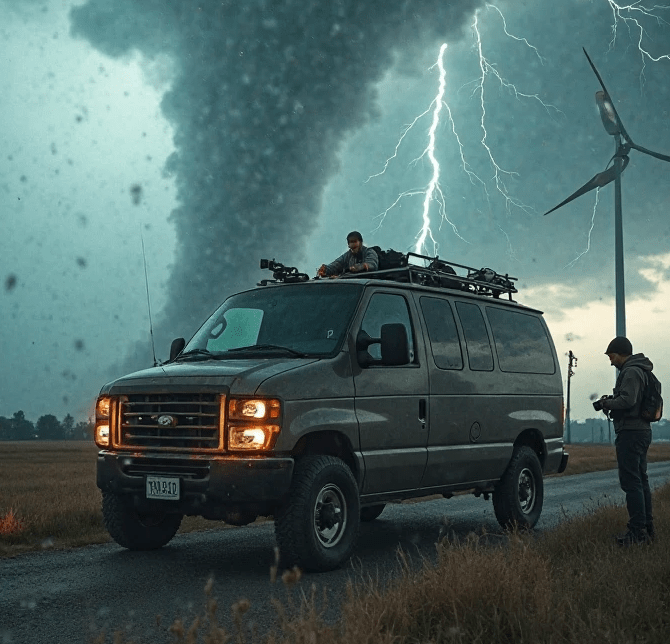
Oklahoma is notorious for its tornadoes. The state is smack dab in the middle of Tornado Alley, and it’s not unusual to hear about multiple tornadoes touching down in one day during peak storm season, from late spring to early summer. To prepare for tornadoes, your number one goal should be creating a safe, accessible shelter. A basement or storm cellar is ideal, but if that’s not an option, a small interior room on the lowest level of your home with no windows, like a closet or bathroom, will do.

Make sure to have a weather radio with battery backup to stay up-to-date with any emergency alerts, and keep it in your safe space. Also, have a well-stocked emergency kit that includes first aid supplies, non-perishable food, extra water, flashlights, and a spare battery. Tornadoes can strike with little warning, so it’s critical to have these supplies on hand.

Prepper Tip #1: Secure your home by reinforcing windows and doors, and consider investing in a storm shelter or safe room. The strength of a tornado can easily tear through a house, so having a reliable shelter could be the difference between life and death.

2. Flooding Preparation

Flooding is another major concern in Oklahoma, particularly in the spring months when heavy rains fall, quickly causing rivers and streams to overflow. It’s important to know if you live in a flood-prone area and have a plan in place. Flooding can happen quickly, and roads can be impassable in minutes. If you’re at risk, ensure your house is elevated, if possible, and that your sump pump is working.

Prepper Tip #2: Invest in sandbags, which are useful for blocking water from entering your home. Also, keep important documents in waterproof containers or sealed bags. In the event of evacuation, you won’t lose your essential papers.

3. Severe Thunderstorms and Lightning

Thunderstorms are a frequent occurrence in Oklahoma, and they can quickly escalate into dangerous conditions. High winds, hail, and lightning strikes are all part of the package. Severe thunderstorms can turn deadly, and lightning is a real risk to both people and structures.

Prepper Tip #3: When a storm is coming, stay inside, away from windows and doors. Make sure your home has a lightning rod or surge protectors to safeguard electrical equipment.

4. Wildfire Preparation

While wildfires are more common in western Oklahoma, they can spread quickly through dry grasslands and forests in all parts of the state. During periods of drought, fire risk increases. To prepare, clear any brush or dry vegetation around your property and keep fire-resistant materials handy. Have a fire extinguisher in the home and know how to use it.

Prepper Tip #4: Create defensible space by maintaining at least 30 feet of cleared space around your home. This can help prevent wildfires from spreading to your property and gives you a chance to evacuate safely.

5. Ice Storms

Oklahoma ice storms are notorious for their ability to disrupt daily life. Ice can accumulate on power lines and trees, leading to widespread power outages and dangerous driving conditions. If you’re stuck at home during an ice storm, make sure you have enough supplies to get you through the cold. A generator can be a lifesaver when the power goes out, but only use it outside, as they can release deadly carbon monoxide if used indoors.

Prepper Tip #5: Keep blankets, extra clothing, and warm hats to make sure everyone stays warm during power outages. If you’re relying on a space heater, ensure that it’s not blocking any ventilation.

6. Extreme Heat and Droughts

Oklahoma is no stranger to extreme heat and drought conditions, especially in the summer. Water supplies can become scarce, and crops may fail. When you know a drought is coming, it’s important to store water and keep your air conditioning in good working order. Stay hydrated, limit outdoor activity during the hottest part of the day, and check on elderly neighbors who may struggle in the heat.

Prepper Tip #6: Invest in water storage systems, like large rain barrels or tanks, to catch and store rainwater. During a drought, this water can be invaluable for keeping your garden alive or flushing toilets.

7. Emergency Plans for Evacuation

Whether you’re facing a wildfire, flooding, or tornado, it’s crucial to have an evacuation plan. Know at least two routes out of your neighborhood and have a “go bag” packed with essentials—important documents, clothes, cash, and your emergency kit.

Prepper Tip #7: Have a family meeting place that’s outside of the danger zone, in case your home is unreachable. This ensures everyone knows where to go and avoids confusion during a disaster.

8. First Aid and Medical Preparedness

In a state like Oklahoma, you might find yourself a few miles away from emergency services in the event of a disaster. That’s why learning basic first aid skills and stocking a comprehensive first aid kit is essential.

Prepper Tip #8: Learn CPR and first aid, and keep a medical kit that includes prescription medications, bandages, antiseptics, pain relievers, and any necessary medical supplies. Make sure the whole family knows where the kit is and how to use it.

9. Survival Communication

Communication during a natural disaster can be a challenge. Cell towers may be down, and power lines may be cut. Make sure you have alternate ways to communicate, such as a battery-powered radio, satellite phone, or walkie-talkies.

Prepper Tip #9: Pre-program emergency contacts into your phone and create a printed list of important phone numbers to keep in your emergency kit. This way, even if your phone dies, you’ll still have access to vital contact information.

10. Stay Informed and Weather-Wise

As a prepper in Oklahoma, you need to stay informed. Watch the weather forecasts and sign up for local weather alerts. Technology has made it easier than ever to stay in the loop, but you need to act quickly when a warning is issued.

Prepper Tip #10: Download weather apps, and consider investing in a weather radio or NOAA radio. In emergencies, this is your direct link to critical updates and alerts, ensuring you’re always in the know.

By staying alert and prepared, you can face Oklahoma’s natural disasters head-on. Being a prepper isn’t about being paranoid—it’s about being smart and ready. With these survival tips, you’ll have a plan in place to handle the worst that Mother Nature can throw at you.

You said:

continue

ChatGPT said:

By staying prepared, you not only increase your chances of survival during an emergency, but you also give your loved ones peace of mind knowing that you’ve taken the necessary steps to keep them safe. The key is to think ahead and be proactive. If you wait until disaster is imminent, you may find yourself scrambling and unprepared, which can be dangerous.

In Oklahoma, it’s not a matter of if a disaster will strike, but when. Whether you’re dealing with tornadoes tearing through your town, floods turning streets into rivers, or wildfires consuming dry grasslands, the more prepared you are, the better off you’ll be.

It’s also important to stay connected with your community. Many Oklahomans band together when disaster strikes. Whether it’s a neighbor helping you clear debris or local volunteers providing food and water after a storm, the spirit of camaraderie in this state can be a vital lifeline when things get tough. So, build relationships with your neighbors and local emergency response teams. Knowing who to turn to can make all the difference when disaster strikes.

In addition to your immediate family, think about your pets. Animals rely on you for safety, food, and water during an emergency. Keep a pet emergency kit with food, water, medication, and other supplies, and always make sure you have a plan for them in case you need to evacuate.

Lastly, keep an eye on your mental health. Surviving a natural disaster is not just a physical challenge, but an emotional one. The stress of losing your home, possessions, or even loved ones can take a toll. Be sure to reach out to mental health professionals or support groups if you find yourself struggling to cope. Psychological resilience is just as important as physical preparedness in the face of a disaster.

In the end, preparedness is not about living in fear. It’s about living with confidence. When you know you’ve done everything you can to protect yourself, your family, and your community, you can face Oklahoma’s worst natural disasters with calm and purpose. Whether you’re a seasoned prepper or just getting started, the most important thing is to keep learning, stay flexible, and adapt your plan as you gain new knowledge and experience.

Remember: Survival is about more than just weathering the storm—it’s about thriving despite it. In Oklahoma, where the storms and natural disasters are relentless, the true strength of a prepper is measured not by the gear you have, but by the mindset you carry. Stay vigilant, stay informed, and most importantly, stay safe.
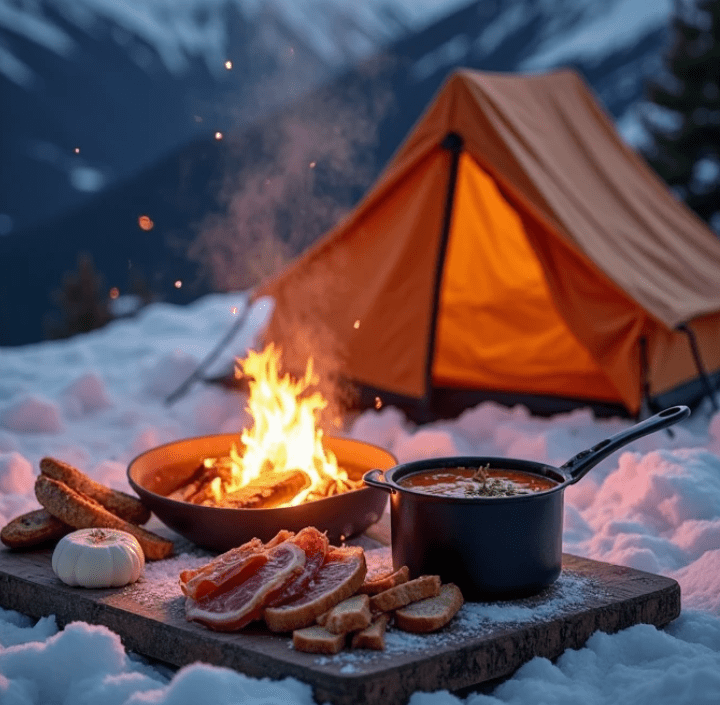

Top 30 Oklahoma Campsites Every Prepper Must Visit

The Best Campsites for Oklahoma Survival Preppers

As survival preppers in Oklahoma, we know that being prepared for anything is the key to survival. Whether it’s the unpredictable weather, the occasional tornado, or just wanting to disconnect from modern society and hone our self-reliance skills, finding the right camping spots is essential. This state, with its vast wilderness, hidden lakes, dense forests, and rugged terrain, offers plenty of opportunities to practice bushcraft, test your gear, or just get away from it all. Here’s a breakdown of the 30 best campsites in Oklahoma that every survivalist should check out, along with some tips on how they can be used for prepper training.

1. Beavers Bend State Park

CLICK HERE TO LEARN HOW TO SURVIVE A FAMINE

Located in southeastern Oklahoma, Beavers Bend is an ideal spot for survivalists who are interested in honing their skills around water. The park has two pristine lakes and the Mountain Fork River, giving preppers the opportunity to practice fishing, water filtration, and building shelters near water sources. Its dense woods also provide great opportunities to learn how to forage and create hidden campsites.

2. Robbers Cave State Park

Robbers Cave is famous for its rugged terrain and historical significance. The park, located in the Ouachita Mountains, is perfect for anyone who wants to practice navigation in difficult terrain. There are plenty of caves, rocky outcrops, and thick woods to explore. This is a great place to practice creating stealthy hideouts, learning to blend in with the environment, and improving overall bushcraft skills.

3. Oxley Nature Center

For those who prefer a more minimalist approach to survival prep, Oxley Nature Center in Tulsa’s Oxley Nature Preserve is a good spot. It has a great mix of woodland, prairie, and wetland environments. The park is perfect for learning how to purify water, find edible plants, and build shelter in diverse ecosystems.

4. Lake Murray State Park

This massive park located in southern Oklahoma offers access to camping sites near both forest and water. It’s a great place to practice long-term survival skills, such as food storage, campfire maintenance, and wilderness navigation. With over 12,500 acres to explore, you’ll have the space to test different survival strategies.

5. Wichita Mountains Wildlife Refuge

The Wichita Mountains are some of the most challenging and rewarding terrains in Oklahoma. This area offers plenty of diverse ecosystems, from grasslands to dense forests and rocky hills. A true test for any prepper, it provides everything you need to practice water collection, building shelters in harsh conditions, and survival in a mountainous environment. It’s ideal for longer trips as you can practice long-term preparedness.

6. Quartz Mountain Nature Park

Quartz Mountain, located in southwestern Oklahoma, is a beautiful spot for practicing bushcraft in rocky, mountainous terrain. The area is known for its sharp cliffs, caves, and abundant wildlife. Perfect for learning rock climbing, creating improvised shelters from natural materials, and simulating scenarios where you might need to survive in the wilderness for extended periods.

7. Red Rock Canyon State Park

Just north of Oklahoma’s border with Texas, this park has dramatic red rock formations, rugged terrain, and plenty of opportunities to practice desert survival skills. It’s a great spot for testing your ability to find and purify water, build fires in windblown areas, and create sun shelters. You’ll also have the chance to experiment with a variety of food procurement methods, from fishing to trapping.

8. Roman Nose State Park

Roman Nose, located in the northwest part of the state, is a great place to practice water survival. The park features a deep canyon with a freshwater lake, making it an ideal location to practice water purification techniques, setting up primitive shelters, and learning how to use the terrain to your advantage. With its diverse terrain, Roman Nose is a fantastic place to put your skills to the test.

9. Beavers Bend Wilderness Area

Separate from the state park itself, the Beavers Bend Wilderness Area is a remote location within the Ouachita Mountains. This area is far from any major highways and is perfect for those looking to disappear off the grid for a while. Its isolation makes it an excellent spot for learning survival in solitude, honing fire-starting techniques, and practicing stealthy movement in thick forests.

10. Great Salt Plains State Park

Located in northwestern Oklahoma, the Great Salt Plains is a truly unique environment. It’s perfect for learning how to survive in a desert-like landscape, with little shade, limited fresh water, and harsh conditions. Preppers can practice saltwater filtration, trapping, and testing their resilience in extreme weather conditions.


30 More Oklahoma Camping Sites for Survival Preppers

  1. Little Sahara State Park
  2. Talimena State Park
  3. Lake Thunderbird State Park
  4. Sequoyah State Park
  5. Hefner Lake Park
  6. Tenkiller State Park
  7. Spavinaw Hills State Park
  8. Broken Bow Lake
  9. Grand Lake State Park
  10. Copan Point
  11. Murray Hills Trail
  12. Turner Falls Park
  13. Pinnacle Hills Campground
  14. Chickasaw National Recreation Area
  15. Boiling Springs State Park
  16. Cedar Lake Campground
  17. Greenleaf State Park
  18. Chickasha Lake Park
  19. Sulphur Creek Campground
  20. Kerr Lake
  21. Lake Eufaula State Park
  22. Wister State Park
  23. Beaver’s Bend Wilderness
  24. Cherokee Landing State Park
  25. Wichita Mountains
  26. Red Slough Wildlife Management Area
  27. Oklahoma City Lake Overholser
  28. Lake Hudson
  29. The Three Rivers Area
  30. Rock Creek Campground

How Preppers Can Utilize These Campsites for Training

Each of these campsites offers unique survival training opportunities. Here’s how preppers can use them to build their skills:

  • Water Procurement & Filtration: Many parks, like Beavers Bend and Wichita Mountains, feature natural water sources where preppers can practice collecting and purifying water using different methods. Knowing how to filter and store clean water is one of the most important survival skills.
  • Shelter Building: Robbers Cave and Lake Murray offer dense woods that make for great areas to build shelters using natural materials. Knowing how to construct a shelter that can protect you from the elements, especially in harsh weather, is critical for long-term survival.
  • Firecraft: Practicing fire-starting in areas with harsh winds and damp conditions, like Roman Nose or the Wichita Mountains, will ensure you know how to start a fire under less-than-ideal circumstances. Firecraft is an essential skill for warmth, cooking, and signaling for help.
  • Foraging & Hunting: Oklahoma’s parks are teeming with edible plants, fruits, and wild animals. Whether you’re foraging for mushrooms in the forests of Robbers Cave or hunting small game at Tenkiller State Park, these sites provide real-world opportunities to hone your foraging and hunting skills.
  • Navigation & Mapping: Remote locations like the Beavers Bend Wilderness Area or the Great Salt Plains State Park are excellent for practicing navigation using a map and compass. Knowing how to navigate in the wilderness is critical in case you ever get lost.

Conclusion

For survival preppers living in Oklahoma, the state offers a wide range of natural environments to practice essential survival skills. Whether you’re an experienced prepper or just getting started, Oklahoma’s diverse terrains—from rugged mountains to dense forests to open plains—provide the perfect training ground for all your survival needs. Plan your next camping trip wisely, and remember that each of these campsites offers something unique that can be utilized in your survival training.

Ultimate Survival Guide for Louisiana’s Natural Disasters

Living in Louisiana, you get used to the idea that disaster can strike at any time. Whether it’s hurricanes, flooding, tornadoes, or even wildfires, the state is a prime target for a variety of natural catastrophes. As a prepper, I’ve learned to keep my family safe by planning, preparing, and thinking ahead—because when disaster strikes in the Bayou State, you don’t have time to figure it out.

Let’s talk about the big ones first—hurricanes. Hurricane season here runs from June to November, and while we may not get hit every year, the threat is always looming. I’ve seen what these storms can do to entire neighborhoods. In 2005, Hurricane Katrina devastated New Orleans and much of the Gulf Coast. The flooding, destruction, and loss of life were a wake-up call for many of us. Since then, I’ve focused on preparedness like never before.

But hurricanes aren’t the only worry. Louisiana is also prone to flooding, especially along the Mississippi River and in the low-lying bayous. Tornadoes, though less frequent, can still tear through communities, and let’s not forget the occasional wildfires in the dry season. With all of these potential threats, the key to surviving is a solid game plan. Here’s how I prepare for the worst.

1. Hurricane Preparedness

The first rule of prepping in Louisiana is always to have your hurricane kit ready. The goal is to stay safe during the storm, but also to make sure you’re set for the aftermath when power can be out for days or weeks. I keep my emergency supplies stocked year-round:

  • Water: I store at least one gallon per person per day for a minimum of three days. More is better.
  • Non-perishable food: Canned goods, freeze-dried meals, and high-energy snacks are crucial.
  • Battery-powered radios: In case the power goes out, a weather radio will help you stay up to date on storm developments.
  • Flashlights and extra batteries: These are essential for navigating through a darkened home or neighborhood.
  • First aid kit: You’ll need it for minor injuries or emergencies when medical help may be delayed.
  • Power banks: Keeping devices charged is a must, especially for communication and updates.

2. Evacuation Plan

Evacuation routes are critical. I’ve mapped out several routes to different safe areas in case the primary routes get blocked. We all know that traffic jams can become a nightmare when everyone is evacuating at once, so having a few options in mind is a lifesaver.

Also, having a bug-out bag for every member of the family—especially the kids—gives me peace of mind. I make sure the bags are packed with essential clothing, hygiene products, medicine, and important documents (ID, insurance papers, etc.).

3. Flooding and Water Safety

Living in Louisiana means we’re surrounded by water—rivers, lakes, and swamps. Flash floods are a common problem, and with climate change, they’re becoming more frequent. If you live in a flood zone, it’s important to elevate your home, if possible. I’ve raised mine a few feet above the base flood elevation, which is required for some properties, but it can make a huge difference when water levels rise unexpectedly.

When a flood is imminent, I make sure to move all valuable electronics and important documents upstairs to higher ground. Sandbags are useful, but if the water is rising quickly, nothing beats having a safe place to move to.

4. Tornadoes

Though Louisiana isn’t as tornado-prone as places like Oklahoma or Texas, we still get our fair share of twisters. Tornadoes can appear suddenly, often with little warning. I’ve learned that the best place to ride out a tornado is in a basement or interior room without windows. A storm shelter or a reinforced room is a lifesaver.

I also have an emergency kit specifically for tornadoes, with a focus on protection from flying debris—sturdy shoes, blankets, and helmets in case you need to hunker down fast.

5. Wildfires and Dry Conditions

While it may seem strange, wildfires can be a real threat in Louisiana during the dry season. These fires can spread quickly, especially in the rural areas, and high winds can make them even more dangerous. Keeping a defensible space around your home is essential if you live near wooded areas. I trim back brush and trees regularly, and I have a water source nearby in case we need to create a fire break.

6. Maintaining Communication

The one thing that I never take for granted is communication. When the grid goes down, it’s easy to feel isolated. Having a satellite phone or a CB radio can help keep you connected when cell service isn’t available. I also rely on family and community groups for information and support. A local network is vital in an emergency.

7. Self-Sufficiency

In Louisiana, relying on the grid isn’t always the best option. If a storm knocks out power, it might take days or weeks to restore it. That’s why I invested in a backup generator for my home. Solar panels are a great addition as well, and they help keep things running when the power is out.

Growing my own food and learning skills like fishing, hunting, and basic carpentry has helped me become more self-reliant, which is critical during long-term disruptions.


10 Survival Prepper Tips for Louisiana’s Natural Disasters

  1. Create a Bug-Out Bag: Always have a go-bag ready with essentials like food, water, medications, and important documents.
  2. Know Your Flood Zones: Understand if you live in a flood-prone area and take action to raise your home if possible.
  3. Keep Extra Gasoline: After a hurricane, gas stations can run out of fuel. Keep at least a couple of cans of gasoline on hand for your vehicle or generator.
  4. Invest in a Solar-Powered Generator: This will keep your essentials running without the need for gas or electricity from the grid.
  5. Learn to Fish and Hunt: Louisiana has some of the best fishing and hunting spots in the country—skills like these can be lifesavers in times of scarcity.
  6. Stock Up on Supplies: Make sure you have a month’s worth of supplies, including food, water, and medicine, in case you need to hunker down for an extended period.
  7. Backup Power for Communication: Keep solar chargers or extra batteries to power your communication devices.
  8. Be Ready for Evacuation: Know multiple routes out of your area in case one gets blocked.
  9. Protect Your Home’s Exterior: Install storm shutters, elevate your home, and clear your yard of debris that could become dangerous projectiles.
  10. Stay Informed: Tune in to weather stations, have a weather app, and always keep an eye on the forecast, especially during hurricane season.

Florida Survival Prepper’s Handbook: Navigating Nature’s Challenges

Florida Survival Prepper’s Guide: Conquering Nature’s Fury

CLICK HERE TO LEARN HOW TO SURVIVE A FAMINE

Living in Florida means embracing the sun, sand, and surf—but it also means preparing for nature’s unpredictable challenges. As a seasoned survival prepper in the Sunshine State, I’ve learned that readiness isn’t just a choice; it’s a necessity. From hurricanes to wildfires, Florida’s diverse climate demands a comprehensive approach to survival.

Understanding Florida’s Natural Disasters

Florida’s unique geography exposes it to a variety of natural disasters:

  • Hurricanes: The state’s coastal position makes it a prime target for Atlantic hurricanes. These storms bring heavy rains, high winds, and storm surges that can devastate communities.
  • Flooding: Low-lying areas and heavy rainfall can lead to flash floods, especially during hurricane season.
  • Wildfires: The dry season, combined with lightning strikes and human activity, can ignite wildfires that spread rapidly.
  • Tornadoes: Particularly in the central and northern parts of the state, tornadoes can form during thunderstorms, causing localized destruction.
  • Earthquakes: While rare, Florida isn’t immune to seismic activity, with occasional minor earthquakes recorded.

10 Survival Prepper Tips for Florida’s Natural Disasters

  1. Create a Comprehensive Emergency Kit: Ensure you have at least seven days’ worth of supplies, including water, non-perishable food, medications, flashlights, batteries, and a first aid kit. Don’t forget pet supplies and baby essentials if applicable.
  2. Fortify Your Home: Install storm shutters or plywood over windows, reinforce garage doors, and trim trees and shrubs to prevent wind damage. Elevate electrical appliances above potential flood levels.
  3. Develop an Evacuation Plan: Know your evacuation routes and have a designated meeting point for family members. Keep your vehicle’s gas tank full and have a portable charger for your phone.
  4. Stay Informed: Use a NOAA weather radio to receive real-time updates. Download emergency alert apps and follow local authorities on social media for the latest information.
  5. Secure Important Documents: Store vital records like insurance policies, birth certificates, and passports in a waterproof container or digital format.
  6. Prepare for Power Outages: Invest in a generator, but ensure it’s used safely outdoors. Stock up on batteries, solar-powered chargers, and consider a manual can opener for food.
  7. Practice Shelter-in-Place Drills: Regularly review safety protocols with your family, including where to take cover during a tornado or how to shut off utilities during a flood.
  8. Maintain a First Aid Kit: Regularly check and update your first aid supplies. Include items like antiseptics, bandages, tweezers, and any necessary prescription medications.
  9. Plan for Pets: Have a pet emergency kit with food, water, medications, and a leash. Research pet-friendly shelters in advance.
  10. Stay Calm and Be Resourceful: In the face of disaster, maintaining a level head is crucial. Rely on your training and resources to navigate challenges effectively.

Recent Developments in Florida’s Disaster Preparedness

As the 2025 hurricane season approaches, Florida residents are reflecting on past storms and enhancing their preparedness strategies. Taylor County, for instance, is still recovering from the impacts of Hurricanes Idalia, Debby, and Helene. These storms caused significant damage, particularly in coastal areas like Keaton Beach, where over 250 properties were destroyed, leading to damages exceeding $50 million .

In response, local officials are emphasizing the importance of having a comprehensive emergency plan, assembling a disaster kit, and heeding evacuation orders. With the possibility of storm surges up to 12 feet, it’s crucial to prepare for all scenarios .

Conclusion

Surviving Florida’s natural disasters requires more than just luck—it demands preparation, knowledge, and resilience. By understanding the risks and implementing proactive measures, you can safeguard yourself and your loved ones against nature’s unpredictability. Remember, in the world of survival prepping, it’s better to be over-prepared than caught off guard.


Additional Resources:

Stay safe, stay prepared, and embrace the spirit of survival.

How Hawaii Residents Prepare for the State’s Worst Natural Disasters

Living in Hawaii is paradise, but it’s also a place where nature can turn unpredictable in the blink of an eye. As beautiful as the islands are, the state’s unique geography and weather patterns make it prone to several types of natural disasters. From hurricanes and earthquakes to tsunamis and volcanic eruptions, Hawaii’s residents have learned the hard way how to be ready for the worst. If you’re living in Hawaii—or planning to move there—you need to know how to prepare yourself, your family, and your home for the unpredictable nature of island living. Here’s how survival preppers in Hawaii gear up for the island’s worst disasters and some tips that might just save your life.

CLICK HERE TO LEARN HOW TO SURVIVE A FAMINE

1. Hurricane Season: It’s a Reality

The first and most obvious threat that Hawaii faces every year is hurricane season. From June to November, the islands are vulnerable to tropical storms that can quickly escalate into full-blown hurricanes. In 1992, Hurricane Iniki showed just how devastating a hurricane can be to the islands. The storm destroyed homes, downed power lines, and left thousands without electricity for weeks. Many residents still remember how critical preparation was during that storm.

Being ready for hurricanes is about more than just having an emergency kit. It involves knowing evacuation routes, securing your home, and having a family communication plan in place.

Tip 1: Emergency Kit: Stock up on essential supplies like food, water, flashlights, batteries, a first-aid kit, and essential medications. Keep these supplies in waterproof containers, as flooding is a common consequence of storms.

Tip 2: Know Your Evacuation Routes: Make sure you know the evacuation routes and have a plan for where to go if your area is at risk. Don’t wait until the last minute to figure this out—hurricane warnings can come with little notice.

Tip 3: Fortify Your Home: If you live in a hurricane-prone area, consider installing hurricane shutters, securing outdoor furniture, and reinforcing your roof and windows. Wind damage is one of the most common forms of destruction during a hurricane.

2. Earthquakes: The Silent Threat

Hawaii is also at risk for earthquakes. The islands are situated on the Pacific “Ring of Fire,” where tectonic activity is common. In 2006, a magnitude 6.7 earthquake hit the Big Island, causing damage to buildings, power outages, and landslides. Earthquakes are unpredictable, but knowing how to protect yourself during a quake can make a difference.

Tip 4: Drop, Cover, and Hold On: If you feel the ground shaking, drop to the ground, cover your head and neck, and hold onto something sturdy. This simple action could save your life.

Tip 5: Secure Heavy Items: Ensure that heavy furniture, appliances, and décor are securely anchored to walls. During an earthquake, these items can become dangerous projectiles.

Tip 6: Have an Earthquake Plan: Identify safe areas in your home (under a sturdy table or against an interior wall) and make sure your family knows what to do when the shaking starts. Have a communication plan in place to reunite if you get separated.

3. Tsunamis: The Wall of Water

Hawaii is surrounded by the Pacific Ocean, and while the ocean is often calm and beautiful, it can also be deadly. Tsunamis are a rare but serious threat. Triggered by undersea earthquakes or volcanic eruptions, tsunamis can bring waves up to 100 feet or more, devastating coastal areas in a matter of minutes. The 1960 Chilean earthquake generated a tsunami that hit Hawaii, killing over 60 people.

Tip 7: Know the Tsunami Warning Signs: A sudden, noticeable drop in water levels, followed by an unusual rise in water, is a classic sign that a tsunami is coming. If you notice this happening, evacuate to higher ground immediately.

Tip 8: Tsunami Evacuation Routes: Ensure that your family is aware of the nearest tsunami evacuation routes and has a plan to get there quickly. Tsunamis can hit fast, so you need to be prepared to move quickly to higher ground.

Tip 9: Tsunami Preparedness Kit: Pack a special emergency kit with essentials for a tsunami evacuation. Include sturdy shoes, extra clothing, a flashlight, and a portable phone charger, as well as important documents in a waterproof bag.

4. Volcanic Eruptions: Living Near Fire

Hawaii is home to the most active volcanoes in the world, and residents of the Big Island live with the constant threat of lava flows, ash clouds, and gas emissions. In 2018, the eruption of Kilauea caused widespread damage, with entire neighborhoods being destroyed by lava flows. While lava can be slow-moving, it is unstoppable once it begins, and the ash that erupts from volcanoes can travel hundreds of miles, disrupting air travel and causing breathing problems.

Tip 10: Know Your Lava Zone: Hawaii Volcanoes National Park has a detailed map of lava zones, which helps residents know whether they are in a high-risk area. If you live near an active volcano, you should regularly monitor lava flow maps and have a plan in place in case you need to evacuate.

Tip 11: Prepare for Ash Fall: Keep an emergency kit that includes masks to protect against volcanic ash inhalation, goggles, and a shovel for clearing ash from your property. Ash can damage lungs, machines, and crops, so it’s crucial to take it seriously.

5. Flooding and Landslides: Heavy Rains Can Bring Chaos

Although Hawaii’s terrain is beautiful, it also means that when heavy rains come, the potential for landslides and flooding increases. Flash floods are especially common during the rainy season. Whether you live in a coastal area or inland, flooding can cause major damage.

Tip 12: Flood Insurance: If you live in an area prone to flooding, consider investing in flood insurance. Standard homeowners’ insurance may not cover flood damage, so it’s important to have the right protection.

Tip 13: Elevation Is Key: If possible, try to live in a home situated on higher ground. If you already live in a flood-prone area, elevate your important possessions above potential flood levels.

Tip 14: Create a Flood Plan: Know the nearest evacuation routes, and always have a plan in place for your family to follow if flooding becomes a risk.

Hawaii-Specific Prepper Tips

  • Stay Informed: Sign up for local alerts and warnings. Hawaii has systems in place to notify residents of earthquakes, tsunamis, and other threats.
  • Practice Regular Drills: In Hawaii, it’s crucial to run family drills for various types of disasters. Whether it’s a tsunami, hurricane, or volcanic eruption, knowing exactly what to do can save time—and lives.
  • Keep Emergency Cash: After a natural disaster, ATMs and banks may be down. Keep a stash of emergency cash in small denominations, as this can be critical during times when access to funds is limited.
  • Wildlife Preparedness: Hawaii is home to unique wildlife, including invasive species like rats that can damage crops. Have traps or repellents on hand to protect your food supply.
  • Consider Off-Grid Power Solutions: Power outages during hurricanes, earthquakes, and volcanic eruptions can last for days. Solar power systems or backup generators can provide a reliable energy source when the grid is down.

Alabama’s Toughest Natural Disasters and How to Survive Them

Surviving the Worst: How Alabama Residents Prep for Natural Disasters

In Alabama, we’re no strangers to the wrath of Mother Nature. From tornadoes ripping through the flatlands to the scorching summer heat and the occasional hurricane, we’ve learned how to be ready for whatever comes our way. As a survivalist, it’s not just about having a stocked pantry and a few bottles of water; it’s about being mentally, physically, and emotionally prepared for any disaster that strikes. In the Heart of Dixie, preparation is a way of life. If you’re thinking about surviving the worst natural disasters in Alabama, here’s how we get ready for the chaos.

CLICK HERE TO LEARN HOW TO SURVIVE A FAMINE

Tornadoes: The Silent Killers of the South

Alabama ranks high on the list for tornado activity in the United States. We’re in what’s known as “Tornado Alley,” where these violent storms can strike with little to no warning. The biggest threat isn’t the twister itself, but the debris it throws around like a giant blender. To prep for a tornado, we follow a few golden rules:

  1. Have a Safe Room – Most Alabamians have a basement or a fortified closet, but if you’re in a mobile home or a home with no basement, make sure you have access to a safe room. In your safe space, include a helmet (to protect your head from flying debris), a flashlight, a battery-powered radio, and a first aid kit.
  2. Weather Radio – This one’s non-negotiable. A NOAA weather radio will give you alerts on weather changes, giving you that crucial warning before disaster strikes. I’ve got mine next to my bed, so I know exactly when to get ready.
  3. Keep Emergency Kits Ready – Have a bug-out bag for each member of the family, including pets. Non-perishable food, water, a knife, and survival gear can keep you alive long enough to make it to safety.

Hurricanes: The Gulf Coast Beast

Although hurricanes are most commonly associated with the Gulf Coast, they often hit Alabama as well. The state’s southern coastline faces the full brunt of these storms, which means storm surge, flooding, and high winds are serious risks. You need to prepare long before the storm is on the horizon.

  1. Have an Evacuation Plan – If a hurricane is on the way, you don’t have time to plan. I’ve got multiple routes mapped out for evacuating the area. It’s also a good idea to know which evacuation shelters in your area will take pets, as not all of them do.
  2. Flood Protection – Alabama is prone to flooding during hurricanes, and you’ll want to protect your property. Sandbags, water barriers, and even plastic sheeting can help divert water away from your home. Elevating your critical equipment, like generators and fuel, is another way to keep everything dry when the rains come down hard.
  3. Water Filtration – I can’t stress this enough. If the storm takes out the power, you can lose access to clean water. Having a portable water filter or water purification tablets in your kit is a must. It’s worth investing in a good filtration system or a stockpile of bottled water to get you through the first few days of the storm.

Flooding: More Than Just a Summer Shower

Alabama’s mountainous terrain and heavy rainfall create a perfect storm for flooding. Even a few inches of rain can overwhelm drainage systems and flood roads in rural areas. Flash floods are an unpredictable and dangerous risk, so it’s important to be aware of your surroundings.

  1. Know Your Flood Zone – If you live in a flood-prone area, know the elevation of your home. If the rains start, and the water rises, you need to know if you’re at risk. If you are in a flood zone, having sandbags and a plan to evacuate is critical.
  2. Elevate Your Belongings – If you’re in a flood zone, invest in flood barriers, and elevate your important supplies. In my case, I’ve moved valuable gear and documents to higher shelves or even upper floors to keep them dry during heavy rains.

Droughts: Alabama’s Silent Disaster

The scorching Alabama sun can turn the landscape dry and barren, especially in the middle of summer. Droughts are becoming more frequent, putting pressure on water supplies, farming, and personal water use. Here’s how we stay ready for extended dry spells:

  1. Conserve Water – Alabamians who live through a drought know the importance of water. We conserve rainwater using barrels or stock up on bottled water during dry spells. When possible, I harvest rainwater for non-potable uses, like watering the garden or flushing toilets.
  2. Grow Your Own Food – In Alabama, a good crop is one of the most important things you can rely on during a drought. Planting drought-resistant crops like okra, sweet potatoes, and beans is key. And, having a solar-powered irrigation system can keep your crops alive during dry spells.

Wildfires: A Growing Threat

In the dry months, the risk of wildfires increases, especially in the wooded areas of Alabama. While the state isn’t as wildfire-prone as other parts of the U.S., it’s still a danger that shouldn’t be underestimated.

  1. Create Defensible Space – A defensible space is an area around your home that’s cleared of vegetation and other fire hazards. If you live in an area with lots of trees or brush, clearing out dry leaves and brush, and using fire-resistant materials on your home can help protect against wildfires.
  2. Fire Extinguishers and Fire Tools – Keep a fire extinguisher handy, and if you’re in an area prone to wildfires, have fire-starting tools, water, and hoses to put out small flames before they spread.

10 Additional Survival Prepper Tips for Alabama’s Disasters:

  1. Keep a full gas tank – Never let your car’s gas tank dip below half, especially during storm season, as you never know when evacuation or travel will become necessary.
  2. Maintain a 72-hour kit – This kit should contain everything you need for 72 hours, including food, water, clothing, and hygiene products.
  3. Check your insurance coverage – Review your homeowner’s insurance to ensure it covers natural disasters, especially tornadoes and floods.
  4. Secure your home – Install storm shutters, reinforce doors, and make sure windows are able to withstand high winds.
  5. Keep important documents safe – Store all critical documents (ID, insurance papers, etc.) in waterproof containers.
  6. Stockpile essentials – Non-perishable food, medical supplies, and other emergency gear will make a huge difference if you lose access to stores.
  7. Train your family – Everyone should know what to do in case of an emergency, including how to use a fire extinguisher, where to shelter, and how to stay calm.
  8. Back up important data – Store vital data like medical records and family contacts on a portable hard drive or in the cloud.
  9. Keep a multi-tool – A good, sharp multi-tool can be invaluable in an emergency. I never leave home without mine.
  10. Join a community prepper group – Networking with others who are prepping for disasters can offer tips, resources, and a safety net in case the worst happens.

Final Thoughts

Living in Alabama means living with the threat of natural disasters, but we don’t just sit around and wait for the next big one. Instead, we’re always prepared. Whether it’s a tornado or hurricane or even an unexpected flood, we’ve got our bases covered. The key to surviving Alabama’s worst disasters isn’t just about having a stockpile of food or a basement full of supplies. It’s about knowing how to adapt, having the right mindset, and being part of a community that’s always prepared to survive and thrive.

Arizona Disaster Survival: Top 10 Tips for Prepping in the Desert

10 Survival Prepper Tips for Natural Disasters in Arizona:

CLICK HERE TO LEARN HOW TO SURVIVE A FAMINE

  1. Prepare for Extreme Heat:
    Arizona is notorious for its scorching summer temperatures. Ensure your home is equipped with reliable air conditioning and invest in portable fans. Always have extra water stored, and create a plan for cooling off during heat waves.
  2. Stay Ready for Monsoon Season:
    From late June to September, Arizona experiences intense monsoons. Keep sandbags on hand, check your roof for leaks, and ensure proper drainage around your home to prevent flooding. Have an emergency kit ready in case of power outages.
  3. Fire-Proof Your Property:
    Wildfires are a significant concern, especially in rural and wooded areas. Clear brush and dry vegetation around your home, create defensible space, and keep hoses and fire extinguishers accessible. Consider installing fire-resistant roofing.
  4. Prepare for Flash Flooding:
    Arizona’s desert terrain can lead to sudden, dangerous flash floods. Stay informed by watching weather forecasts, and know the flood-prone areas in your region. Avoid driving during heavy rain, and always have an emergency escape plan.
  5. Create a Home Emergency Kit:
    Ensure you have a comprehensive emergency kit with essentials like food, water, first aid supplies, medications, flashlights, and a multi-tool. Consider including a solar-powered charger for communication during power outages.
  6. Learn How to Handle Dust Storms:
    Arizona is no stranger to dust storms (or “haboobs”). Have a dust mask or bandana on hand, and if you’re driving, pull over and turn off the vehicle. It’s also smart to keep windows tightly sealed and the AC on recirculate mode during a storm.
  7. Secure Your Home Against Earthquakes:
    While Arizona isn’t a major earthquake zone, temblors do occur. Secure heavy furniture and objects, reinforce foundations, and ensure you have a basic understanding of earthquake safety, such as “Drop, Cover, and Hold On.”
  8. Stock Up on Long-Term Food and Water:
    In Arizona, it’s essential to have a long-term supply of food and water, especially in areas where resources may be cut off due to wildfires, floods, or heatwaves. Focus on non-perishable, high-calorie foods like canned goods and freeze-dried meals.
  9. Stay Informed with a Weather Radio:
    Arizona’s unpredictable weather means you need to stay updated. A battery-powered or hand-crank weather radio can keep you informed about emergency alerts and weather warnings, even during power outages.
  10. Establish an Evacuation Plan:
    Arizona residents should have an evacuation plan in case of wildfires, floods, or extreme weather. Ensure your family knows multiple routes to evacuation points, and have a “go-bag” ready with essentials like identification, cash, and a portable power bank.

Top 7 Must-Have Foods for Your Emergency Stockpile

Top 7 Must-Have Foods for Your Emergency Stockpile

When disaster strikes, whether it’s a natural catastrophe, an economic collapse, or a supply chain breakdown, the ability to survive independently becomes crucial. One of the most critical aspects of prepping is building an emergency stockpile of food that can sustain you and your loved ones for an extended period. This isn’t just about stocking up on canned goods and bottled water; it’s about making smart, strategic decisions based on shelf life, nutritional value, and ease of preparation.

In this post, we’ll cover the top 7 must-have foods for your emergency stockpile. These are the foods that will not only keep you alive in a worst-case scenario but also ensure that you stay nourished and healthy. Remember, an emergency stockpile is more than just a backup—it’s a lifeline. Here’s what you need to focus on.


1. Rice (White and Brown)

Rice is a staple for any emergency food stockpile. It’s incredibly versatile, nutritious, and shelf-stable. White rice, in particular, has an almost indefinite shelf life if stored properly, while brown rice, though it has a shorter shelf life due to its higher oil content, is a more nutrient-dense option. Rice is rich in carbohydrates, providing you with essential energy to get through tough times, and can be paired with a wide range of proteins, vegetables, or sauces to make a variety of meals.

Prepper Tip #1: Always store rice in airtight containers, such as Mylar bags with oxygen absorbers or sealed food-grade buckets, to prevent moisture and pests from damaging your stock.

Prepper Tip #2: Buy in bulk when possible. Not only will you save money, but you’ll have enough to last you through a crisis.


2. Canned Meat and Fish

Canned meat and fish, like tuna, chicken, salmon, and sardines, are absolute must-haves for your emergency food storage. These foods offer an excellent source of protein, which is critical for maintaining strength, especially if you’re engaging in physical tasks like building shelters or gathering firewood. Canned meats and fish are also shelf-stable for years, making them an ideal option when you can’t rely on refrigeration.

Prepper Tip #3: Diversify your canned protein sources—canned beef, ham, and even canned bacon should be part of your stockpile. This will help you avoid menu fatigue and ensure a variety of meals.

Prepper Tip #4: Rotate your stock regularly. Use older cans first to ensure nothing goes to waste or expires before it’s used.


3. Dried Beans and Legumes

Dried beans and legumes are a top choice for any survivalist’s food stockpile. Beans are full of protein and fiber, making them an excellent nutritional choice that can help sustain you for long periods. Whether you’re storing black beans, kidney beans, lentils, or chickpeas, these foods have a long shelf life and can be used in countless dishes, from soups and stews to salads and chili.

Prepper Tip #5: If you have space, consider buying in bulk and storing your beans in Mylar bags or food-grade buckets. You’ll get more for your money and ensure your beans stay fresh.

Prepper Tip #6: Pre-soak beans before cooking to reduce their cook time and make them easier to digest.


4. Powdered Milk

If you’re used to having dairy in your diet, powdered milk is an excellent option for your stockpile. Powdered milk can be used for drinking, cooking, and baking. It’s a great source of calcium, vitamin D, and protein. Additionally, it has a much longer shelf life than fresh milk, and it doesn’t require refrigeration. You can store powdered milk for years without worrying about spoilage, making it perfect for long-term food storage.

Prepper Tip #7: Store powdered milk in airtight containers to avoid moisture, which can cause it to spoil. Vacuum-sealed bags work best for maximizing shelf life.

Prepper Tip #8: You can also use powdered milk to make cheese, yogurt, or other dairy products, which increases its versatility in your stockpile.


5. Canned Vegetables and Fruits

Canned vegetables and fruits are an essential part of your emergency stockpile. They’re a great way to ensure you’re getting the nutrients you need, especially if fresh produce is unavailable due to transportation disruptions or seasonal factors. From canned tomatoes and green beans to peaches and pineapples, these foods provide both vitamins and comfort in your meals.

Prepper Tip #9: Look for low-sodium canned vegetables to avoid excessive salt intake, which can be detrimental if you’re confined to a small food supply for extended periods.

Prepper Tip #10: When you store canned goods, try to keep a variety on hand. For example, stock up on a mix of fruits, vegetables, and beans to ensure you have a balanced diet.


6. Pasta and Noodles

Pasta and noodles are excellent options for your emergency stockpile. They’re lightweight, easy to store, and have a long shelf life. Whether you prefer spaghetti, macaroni, or rice noodles, pasta can serve as a base for countless meals. Combine it with canned meats, vegetables, and sauces, and you’ll have a satisfying meal that’s easy to prepare.

Prepper Tip #11: Store your pasta in airtight containers to keep out moisture and pests. Consider using clear plastic bins to keep everything organized.

Prepper Tip #12: Invest in a variety of pasta types, including whole grain or gluten-free options if needed, to provide diversity in your meals.


7. Freeze-Dried Meals

When you’re living off your emergency stockpile, convenience becomes key. Freeze-dried meals are compact, lightweight, and extremely easy to prepare—simply add water and you’re good to go. They have an impressively long shelf life (up to 25 years) and are often designed for extreme conditions, such as hiking or camping, so they’re perfect for disaster preparedness.

Prepper Tip #13: Keep a selection of freeze-dried meals, such as freeze-dried soups, stews, and even entire dinner kits. They’re a great way to provide balanced meals with minimal effort.

Prepper Tip #14: Don’t forget to also stock freeze-dried fruits and vegetables to supplement your meals with essential vitamins and minerals.


15 Essential Survival Prepper Tips

  1. Prioritize Nutrient-Dense Foods: When selecting food for your emergency stockpile, focus on foods that offer the highest nutritional value for the least amount of space. Beans, rice, canned meats, and freeze-dried foods are all excellent choices.
  2. Plan for a Balanced Diet: Ensure your stockpile includes a mix of carbohydrates, proteins, fats, and essential vitamins to maintain energy and overall health.
  3. Invest in Water Filtration: Water is just as important as food in a survival scenario. Have a reliable water filtration system on hand, such as a LifeStraw or a Berkey water filter, to ensure access to clean drinking water.
  4. Rotate Your Stockpile Regularly: Check expiration dates regularly and rotate your stockpile so that nothing goes bad before it’s used.
  5. Buy in Bulk: Whenever possible, buy long-lasting foods in bulk. Not only will this save you money, but it will also help you accumulate enough food to weather any disaster.
  6. Use a Food Storage Calendar: Keep a food storage calendar to track when items were added and their expiration dates. This helps you stay organized and keep your stockpile fresh.
  7. Focus on Shelf-Stable Foods: Opt for foods with long shelf lives, such as canned goods, freeze-dried meals, and dried grains. These foods can last for months or even years without refrigeration.
  8. Store Extra Cooking Supplies: Don’t forget to stock up on essential cooking supplies like oil, sugar, spices, and fuel for your stove.
  9. Consider Special Dietary Needs: If anyone in your household has dietary restrictions, make sure to include foods that cater to those needs (e.g., gluten-free, dairy-free, vegetarian).
  10. Practice Cooking with Limited Ingredients: Get used to cooking with minimal ingredients to simulate what you might be able to prepare in an emergency.
  11. Store Foods You Actually Eat: Don’t stockpile foods just because they last a long time. Make sure you and your family like and regularly consume the foods you’re storing.
  12. Use Mylar Bags and Oxygen Absorbers: For long-term storage, use Mylar bags with oxygen absorbers to prevent spoilage and extend the shelf life of your food.
  13. Stock Up on Emergency Snacks: Have emergency snack options on hand, such as granola bars, jerky, or trail mix, to keep energy levels up during stressful times.
  14. Know How to Cook Over Fire: Learn to cook on a campfire or wood stove, as you may lose access to electricity during an emergency.
  15. Monitor for Pest Control: Always keep your storage area clean and pest-free. Pests can ruin your food stockpile, so it’s important to have proper sealing containers and maintain a clean environment.