The Last Frontier Doesn’t Kill By Accident – Top Ways People Die in Alaska

I’ve spent my life studying how people die—not because I enjoy it, but because knowing how people die is how you learn how to stay alive.

As a survivalist, I prepare for worst-case scenarios.
As a private investigator, I follow patterns.
And Alaska? Alaska leaves patterns everywhere.

Here’s the truth most travel brochures won’t tell you: Alaska doesn’t forgive mistakes.
It doesn’t care how tough you think you are.
It doesn’t care how expensive your gear is.
And it certainly doesn’t care what state you came from.

People don’t die in Alaska because they’re unlucky.
They die because they misunderstand where they are.

This article breaks down the Top 10 ways people most commonly die in Alaska, excluding old age, cancer, and disease. These are preventable deaths, the kind that show up again and again in accident reports, missing person files, Coast Guard logs, and coroner summaries.

I’ll explain:

  • Why people die this way
  • The warning signs they ignored
  • What you must do differently if you want to survive

This isn’t fear porn.
This is preparation.


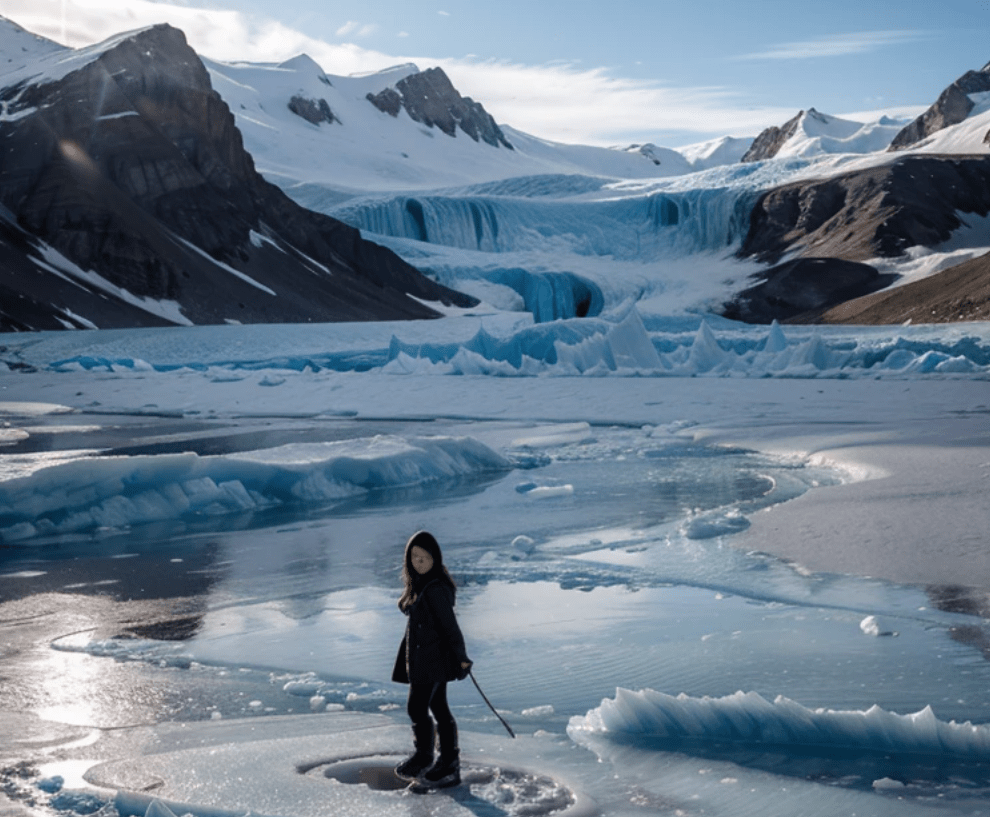
1. Exposure to Extreme Cold (Hypothermia & Frostbite Deaths)
Why People Die This Way in Alaska

Hypothermia is Alaska’s silent hitman.

Most people think hypothermia only happens in blizzards. That’s false. I’ve reviewed cases where people died in temperatures just above freezing, with no snow, wearing jeans and a hoodie.

Hypothermia kills because:

  • Cold drains energy faster than the body can replace it
  • Wet clothing accelerates heat loss
  • Wind strips heat invisibly
  • People underestimate how fast judgment collapses

Once hypothermia starts, your brain lies to you. You feel tired instead of alarmed. Calm instead of scared. People sit down “for a minute” and never get up again.

Common Fatal Mistakes

  • Dressing for comfort, not survival
  • Ignoring wind chill
  • Sweating during activity and not changing layers
  • Believing “I’m only going a short distance”

How to Survive Cold Exposure in Alaska

A private investigator survives by never trusting assumptions. Do the same.

Survival Rules:

  • Dress in layers: moisture-wicking base, insulation, windproof shell
  • Never allow cotton against skin
  • Carry dry backup clothing—even on short trips
  • Stop sweating before it starts
  • If wet, treat it as an emergency

Cold Truth:
In Alaska, cold isn’t weather.
It’s a predator.


2. Drowning (Rivers, Lakes, Ocean, and Ice Breakthroughs)

Why Drowning Is So Common in Alaska

Alaska has more water than roads, and that water is lethal year-round.

Cold water shock incapacitates even strong swimmers in seconds. I’ve reviewed multiple cases where victims drowned within 30 seconds of entry.

Ice doesn’t break politely.
Rivers don’t flow predictably.
The ocean doesn’t wait.

Common Fatal Mistakes

  • No life jacket
  • Assuming swimming skill matters in cold water
  • Standing on “safe-looking” ice
  • Falling into rivers during fishing or hunting

How to Survive Alaska’s Waters

Survival Rules:

  • Wear a flotation device anytime you’re near water
  • Treat ice as guilty until proven safe
  • Learn cold-water self-rescue techniques
  • Carry ice picks in winter
  • Never fish or travel alone near water

Investigator Insight:
Every drowning victim thought they had one more second.


3. Plane Crashes (Bush Planes & Small Aircraft)

Why Alaska Leads the Nation in Aviation Deaths

In Alaska, airplanes are pickup trucks with wings.

Bush planes fly low, land rough, and operate in brutal conditions. Weather changes faster than forecasts can keep up, and terrain doesn’t forgive miscalculations.

Common Fatal Mistakes

  • Flying in marginal weather
  • Overloading aircraft
  • Pressure to “make the trip anyway”
  • Trusting schedules over conditions

How to Survive Bush Plane Travel

Survival Rules:

  • Fly with experienced pilots only
  • Never pressure a pilot to fly
  • Carry survival gear even on short flights
  • Dress for walking out, not sitting comfortably

Detective Rule:
If the pilot hesitates, you cancel. Pride kills faster than gravity.


4. Vehicle Accidents (Highways, Ice Roads, Remote Trails)
Why Driving Kills in Alaska

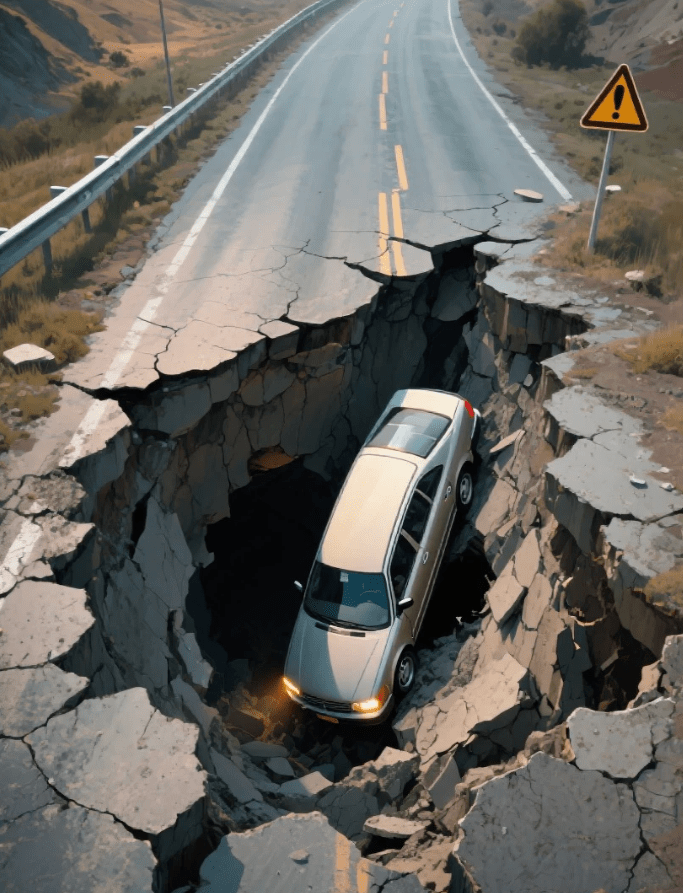
Alaska’s roads are deceptive. Long stretches lull drivers into overconfidence. Ice, wildlife, fatigue, and isolation combine into a perfect trap.

Common Fatal Mistakes

  • Speeding on icy roads
  • Not carrying emergency supplies
  • Driving tired or intoxicated
  • Swerving for animals

How to Survive Alaska Roads

Survival Rules:

  • Carry winter survival kits in vehicles
  • Slow down—always
  • Never swerve for wildlife
  • Treat breakdowns as survival situations

PI Pattern Recognition:
Most fatal crashes happen when drivers think nothing will happen.


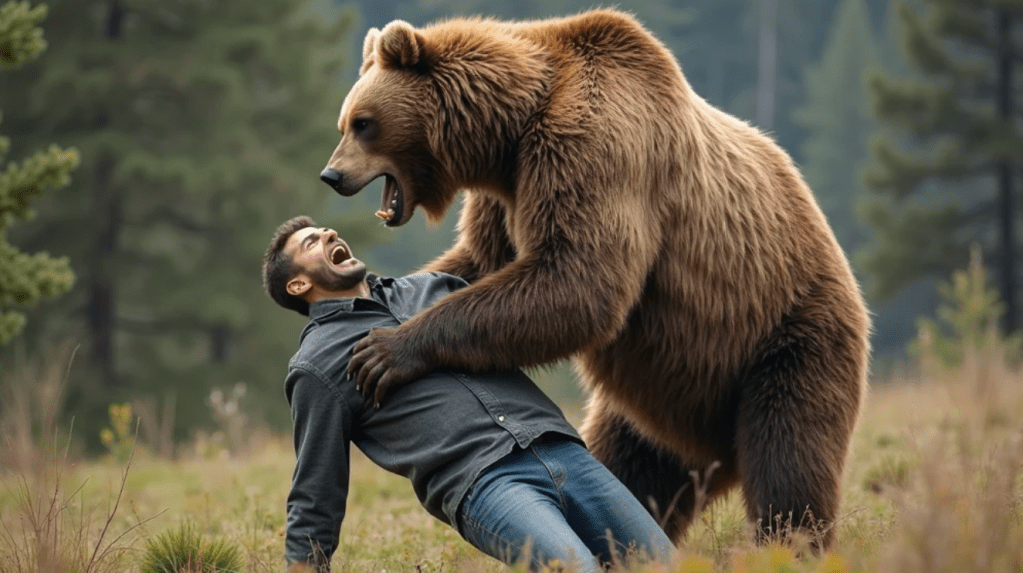
5. Wildlife Attacks (Bears, Moose, Wolves)

Why Wildlife Encounters Turn Deadly

Animals don’t attack randomly. People place themselves where attacks become inevitable.

Moose kill more Alaskans than bears. Bears kill when surprised. Wolves rarely attack, but when they do, it’s because warning signs were ignored.

Common Fatal Mistakes

  • Approaching wildlife
  • Poor food storage
  • Ignoring animal behavior cues
  • No bear deterrents

How to Survive Wildlife Encounters
Survival Rules:

  • Carry bear spray, not bravado
  • Make noise in dense areas
  • Secure food properly
  • Learn animal behavior signals

Investigator Truth:
Every attack scene shows signs of escalation that went ignored.


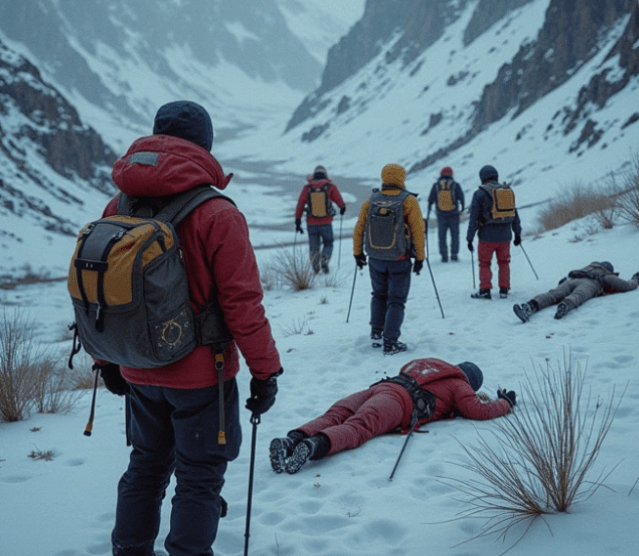
6. Falling (Cliffs, Ice, Mountains, Rooftops)
Why Falls Are So Deadly

Ice turns gravity into a weapon. Mountains remove margin for error. Many fatal falls occur during “routine” tasks.

Common Fatal Mistakes

  • Underestimating ice
  • No traction gear
  • Working alone
  • Taking shortcuts

How to Prevent Fatal Falls

Survival Rules:

  • Use traction devices
  • Rope up in exposed terrain
  • Avoid edges in poor conditions
  • Assume surfaces are slippery

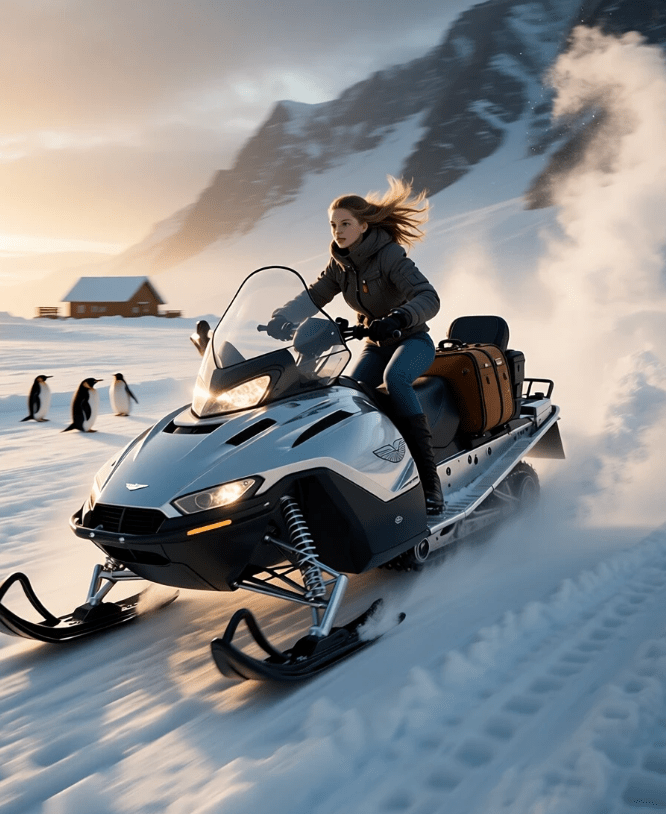
7. Snowmachine (Snowmobile) Accidents
Why Snowmachines Kill

Speed plus terrain plus weather equals sudden death. Machines go places humans shouldn’t, and confidence rises faster than skill.

Common Fatal Mistakes

  • Excessive speed
  • Alcohol use
  • Thin ice crossings
  • Night riding

How to Survive Snowmachine Travel

Survival Rules:

  • Wear helmets
  • Scout terrain
  • Avoid alcohol completely
  • Carry emergency gear

8. Firearms Accidents (Hunting & Handling)

Why Accidental Shootings Happen

Complacency. That’s the root cause.

Common Fatal Mistakes

  • Poor muzzle discipline
  • Loaded firearms in vehicles
  • Improper storage
  • Rushed shots

How to Stay Alive Around Firearms

Survival Rules:

  • Treat every firearm as loaded
  • Maintain strict muzzle control
  • Store weapons safely
  • Train constantly

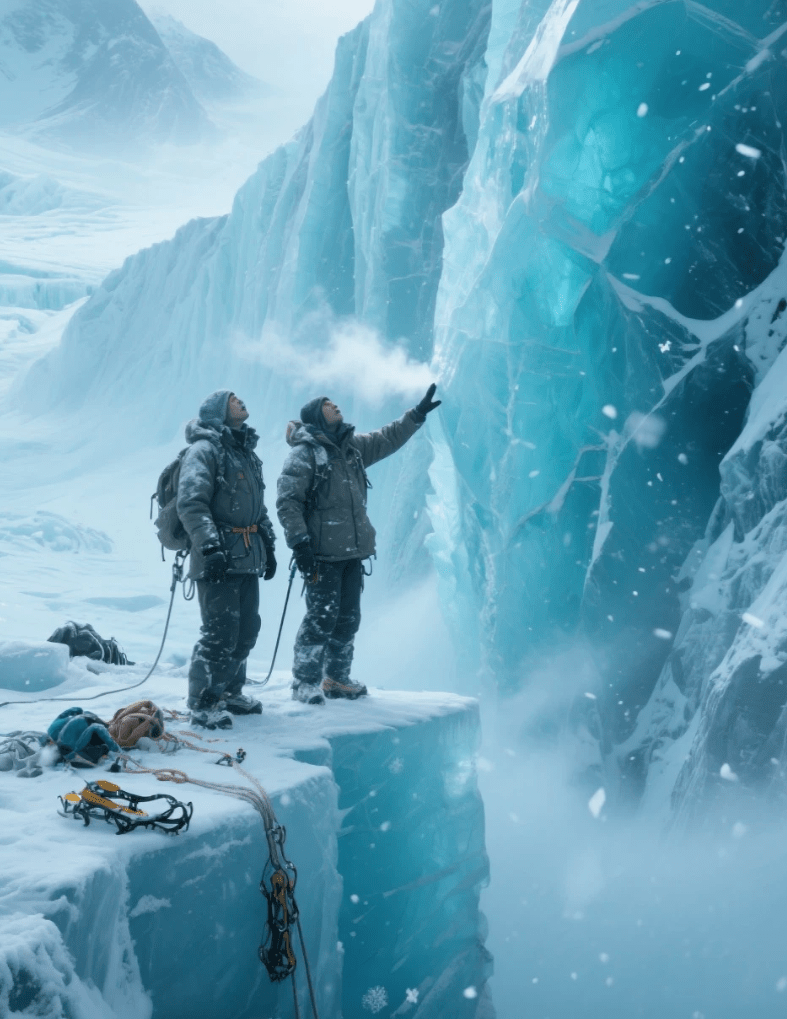
9. Avalanche Deaths

Why Avalanches Kill Experienced People

Experience breeds confidence. Confidence breeds risk.

Common Fatal Mistakes

  • Ignoring avalanche forecasts
  • No rescue gear
  • Traveling alone
  • Poor terrain choices

How to Survive Avalanche Terrain
Survival Rules:

  • Carry beacon, shovel, probe
  • Travel one at a time
  • Study snowpack conditions
  • Avoid high-risk slopes

10. Getting Lost and Dying While “Almost Found”
Why This Is the Most Tragic Death

People die within miles of safety because they panic, move without a plan, or refuse to stop.

Common Fatal Mistakes

  • No navigation tools
  • Leaving known positions
  • Not signaling
  • Overestimating endurance

How to Survive Being Lost

Survival Rules:

  • Stop moving
  • Signal early
  • Stay visible
  • Conserve energy

Investigator’s Final Lesson:
Most lost victims weren’t lost long—they just made the wrong decisions early.


Alaska Rewards Respect, Not Confidence

Alaska doesn’t care who you are.
It only cares what you do.

Every fatality I’ve studied shared one thing in common: the victim believed they were the exception.

Survival isn’t about toughness.
It’s about preparation, humility, and pattern recognition.

Stay alive by learning from the dead—without joining them.

Indiana’s Worst Roads to Drive on During a Disaster

’ve been through more broken terrain and disaster zones than most folks see in a lifetime. Desert rubbles, forest mud, coastal storms—everywhere I’ve pushed my rig to the limit. But if you ask me, it’s Indiana’s worst roads that sneak up on you during a crisis. They may not look dangerous on a GPS map, but once the storm hits or civil disruption starts, what seems like a harmless rural highway can become a deathtrap in minutes.

So here’s my comprehensive guide: how to survive driving through those back roads, gravel highways, and forgotten bridges when everything goes sideways, and how to drive your way out without fuel when the gas pumps go dead.


Indiana’s Worst Roads in a Disaster Scenario

  1. County Road 600 East (Shelby County)
    Narrow, winding, crosses multiple creek beds. Wooden planks on bridges rot fast, and without maintenance during a disaster, collapse is just a matter of time.
  2. Old Vincennes Trail (Vigo County)
    Overgrown, poorly marked, passing through wooded areas. Fallen trees and wildlife are common obstacles after high winds.
  3. State Road 156 (Clark County)
    Cliffside road overlooking the Ohio River. Erosion from flash flooding can cause sudden landslides.
  4. County Road 775 South (Jennings County)
    Sandstone ridges and blind turns; when mud shows up, traction vanishes.
  5. Old State Road 32 (Madison County)
    Sporadically paved, pocked with sinkholes. In a quake or flooding, you’ll be playing dodge‑the‑hole.
  6. Several river‑low bridge crossings
    Any small under‑maintenance crossing becomes dangerous when water rises. Think County Road 700 South over the Muscatatuck River.
  7. Backcountry farm‑access lanes (any county)
    Dusty or muddy, they often turn to impassable quagmires when rain hits.
  8. Abandoned railroad crossings
    Rails burst, gravel shifts, axles break.
  9. Hilly switchbacks around Brown County
    Steep, no guardrails, deceptively narrow, and easy to overlook black ice in winter emergencies.
  10. Unlighted stretches of US 41 (Benton–Newton counties)
    In power outages, you’re blind and vulnerable to stranded vehicles or ambush.

These roads share traits: narrow width, degraded pavement, poor signage, multiple natural‑feature crossings, and few civil‑support options. In a disaster—whether tornadoes, floods, EMP, or civil unrest—any one could strand you or worse.


15 Survival Driving Skills

  1. 4×4 Engagement on Uneven Terrain
    Always be familiar with how and when to shift into 4‑wheel drive or low‑range. Too early or too late, and you get wheelspin or lock‑up.
  2. Reading Water Flow Through Bridges
    Wet bridge? Look for current direction and debris patterns. Back off immediately if it’s choppy or fast; wood‑plank bridges hide structural damage until they fail.
  3. Low‑Torque Start on Loose Surfaces
    Feather throttle at launch — high RPMs on gravel or mud dig you in faster than a front‑end dig.
  4. Heel‑and‑Toe Shifting for Descents
    Mismatched revs cause lurching. Master heel‑and‑toe for smooth downshifts steeply.
  5. Left‑Right Shake Method for Stuck Tires
    Shift between drive and reverse while gently applying throttle to jar tires free.
  6. Smart Air‑Down for Gravel or Sand
    10–15 PSI lower gives better traction—but don’t go below 15 PSI to avoid bead‑seals popping.
  7. Tire Chains Without Chains
    Use rope in a crisscross pattern to dig into ice/mud if you don’t have actual chains.
  8. Maintaining Momentum on Uphill Soft Spots
    Too fast, you’ll dig; too slow, you’ll stall. Keep steady momentum to pass through.
  9. Stone‑Dodging
    Steer around big rocks on uneven road — never drive directly over them unless you’ve got rock‑sliders.
  10. Trail‑Guided Spotting
    Have a passenger get out and direct you slowly through tricky curves or washed‑out areas.
  11. Exit Planning at Intersections
    If disaster intensifies, always identify the safest route exit early—not just the shortest.
  12. Steering On‑Point at Loss of Traction
    Caused by mud or ice? Don’t brake hard. Gently steer into the skid.
  13. Fuel Conservation by Dialing Back Speed
    Drive at half throttle; aerodynamic drag kills your range quickly.
  14. Emergency Braking Without ABS
    Pump brakes to hold control; heard of ABS, but pumps manually if needed.
  15. Night Vision with High Beams and Mirrors
    Angle mirror to reflect headlight glare onto signs/obstacles; life‑saving when power’s out.

3 DIY Survival Driving Hacks When You Run Out of Gas

On Indiana’s worst roads, gas stations may be gone—or unreachable. If you’re out of gas, here’s how to keep moving.

Hack 1: Gravity‑Feed from Above‑Ground Tank

You carry a soft fuel bladder or five‑gallon jerry can? Strap it securely on roof or tailgate. Use gravity hose to feed fuel into a tank primed inlet loop. Makeshift pump: suck to prime, then let gravity take over. Yes, risk of spillage—but it beats being stranded at night on County Road 600 East with a creek rising fast.

Hack 2: Charcoal‑Filtered Woodgas Retro‑Burner

If you have a small steel tank and angle grinder, you can convert it into a woodgas generator to run a carbureted engine. On cold nights near wooded backroads, scavenge sticks and deadfall. Build small charcoal gasifier, pipe the gas in. Maintains low RPM just to get out. It’s not clean or fast—but it moves you miles on firewood alone.

Hack 3: Pedal‑Truck Push Start

Now, I’ve done this solo. Use tire pressure: lower rear tires a bit to increase traction, fold the rear tailgate down. Shift to neutral, starting at a slight decline if available (maybe an abandoned bridge ramp on State Road 156). Hop in and start pushing with hands or foot‑brace on tailgate. Once you get it rolling, jump in and pop it into second gear—bump start. Works until engine turns over. Yes, slower than a patrolling cop with a machine gun, but it gets you moving.


Navigating Disaster on Indiana’s Harsh Roads

Picture this: the power’s out, emergency sirens howl somewhere in the east. You’ve just fled town with enough gear for 72 hours—food, water, med kit, fuel bladder, jumper cables, axe, tow strap. You’re on County Road 600 East, heading toward high ground. Two miles in, the wooden bridge over Little Blue Creek creaks and tilts as fast‑flowing water pounds foundations.

You stop. You don’t cross. Use skill #2: read the flow and bounce the front bumper light on the water. You see rippling eddies that signal rising water. Bridge side rotted. You turn around onto a mud‑marked service road parallel to the creek. Feather throttle, use 4×4 low, and push through ruts. Two more creek crossing ahead—one small, one large. Use #1 and #6—air‑down and steady momentum. Scrape mud clear with shovel, dig out puddles that could bury axles. You make it safe.

Your fuel runs low. You cross paths with another driver stranded without fuel. He offers you 3 gallons of white‑gas camp fuel. It’ll work—just add it to your mix and run at carrot‑and‑stick half throttle (#13)—and avoid highways where you’d burn through it too fast. You ration. You’re still miles from ignition.

That night, you set camp by Old Vincennes Trail edge. Rain pounds, mud deepens. You build woodgas maker (#2 hack) from a steel drum scavenged at a burned‑out farmstead. You fire it up. Squeaky, smoky, home‑built. Smoke trails under your chassis. You manage a mile—overnight goal reached.

By dawn, you’re near State Road 156, cliffside curves ahead. You check erosion signs, use heel‑and‑toe to descend without overheating brakes (#4). Bridges? You test the surface. Shake the suspension as you ease on. Good to go. You make it off the worst route.


Tips for Staying Alive on These Roads

  • Pre‑trip inspection: check tires (wear, mud, gravel patterns), steering tightness, brake fade. Repair immediately—mobile tools are useless once you’re 10 miles from pavement.
  • Pack a survival driving kit: include rope, small pump, low‑pressure gauge, charcoal, steel pipe, welding gloves (for woodgas hack), funnel, shovel, jerry can, battery jumper leads, emergency blankets, hand winch.
  • Drive early or late: midday brings heat and storms; night brings opportunistic threats. Dusk to dawn is quietest—but use high‑beam night‑vision tricks (#15).
  • Scan shoulder signs: any unusual piles of brush, stones, or barricades likely indicate you’re heading into flashpoint or unstable terrain.
  • Avoid predictable routes: towns near rivers, dams, power substations are likely to bubble in a disaster zone. Take alternative farmland roads instead.
  • Stay low and quiet: engine off, wheels straight, lights out at rest points. Listen to water, wind, wildlife patterns—silent terrain reveals more than loud engines.
  • Log your route: draw progress on map as you go—even if GPS dies, you’ll have a paper chart with mileage and direction.

Why Indiana’s Worst Roads Demand Respect

Most disasters don’t strike the urban core first—they hit infrastructure: rural roads, bridges, culverts. Maintenance stops, communication fails. Suddenly, that unassuming county road you took as a shortcut becomes the only passable route… until it buckles under pressure. In a hurry, without the right skills and foresight, you end up trapped in a flash flood, landslide, or worse.

Every survivalist knows: it’s not a matter of if your route becomes compromised—it’s when. That’s why you build redundancy: alternative tracks, vehicle adaptability, ability to jury‑rig fuel systems. You learn dirt, water, slope, and engine behavior by night, when mistakes hurt, and climb back into that rig knowing it’s re‑broken now. Only after 10 nights of living on a plateau under the first light of dawn do you begin to respect the roads ahead again.


Final Takeaways

  • Indiana’s worst roads—narrow, rural, weakly maintained—become death zones in any significant disaster.
  • Master 15 survival driving skills: from mud starts to heel‑and‑toe downshifts and on‑point skid control.
  • Carry the tools to jerry‑rig fuel or make woodgas: 3 DIY hacks for zero‑fuel emergencies.
  • Drive defensively—know every mile, test every creek, carry a detailed map, and plan your exits.
  • Above all: stay calm, keep momentum, trust your training—and remember: in a crisis, speed is a trap; control is what gets you home.

When the sirens fade and normalcy bleeds back in, folks will talk about how the interstate jammed, how the airport shut down. You’ll be working on your truck, re‑packing your gear, cleaning your woodgas rig. You’ll drive through forgotten roads, patch bridges, and smile: you chose the hard way—and lived to tell the tale.

Maine’s Worst Roads to Drive on During a Disaster

Driving Through Disaster: Survival Skills for Navigating Maine’s Worst Roads

When the sky darkens over Maine and the wind howls like a beast straight outta the North Woods, most folks hunker down. That’s fine for the average Joe with a flashlight and a backup generator. But if you’re reading this, odds are you want more than fine. You want out. You want survival. You want the ability to drive your way out of hell, should disaster strike. And I’ve seen that hell—fires out west, floods in the south, and ice storms that left a whole town without power for weeks. Maine, with its jagged coastlines, dense forests, and twisty back roads, presents its own unique set of driving nightmares when nature decides to throw a tantrum.

I’ve driven through avalanches in Alaska, hurricanes in the Carolinas, and dust storms in Arizona. But few places make me grip the wheel tighter than rural Maine when it’s gone sideways. Especially on roads like Route 9 (aka “The Airline”), sections of Route 201, or the old County roads in Aroostook when the snow hits sideways and cell service is a fantasy.

So, let me lay it down. These are the 15 survival driving skills that can mean the difference between dying in a frozen ditch and sipping hot coffee at your bug-out cabin an hour later.


15 Survival Driving Skills for Disaster Scenarios

  1. Terrain Reading: Know how to “read” the road ahead—mud ruts, snow drift patterns, or changes in elevation—can predict where your tires will lose traction before it happens.
  2. Off-Road Navigation: Don’t trust GPS when the grid’s down. Learn to navigate with a paper map and compass or just by reading the sun and terrain.
  3. Vehicle Positioning: Always drive with an “out”—space on one side of the road in case you need to bail fast or avoid a fallen tree, wild animal, or stalled vehicle.
  4. Throttle Control on Ice/Snow: Light on the gas, lighter on the brake. Sudden moves will spin you out faster than a buck in rut.
  5. Emergency Reversing: Practice backing up fast and straight down narrow dirt roads or forest trails. You may not have time to turn around.
  6. Brake Feathering: Ride your brakes gently to maintain control, especially on declines where full braking would cause a slide.
  7. Engine Braking: Use lower gears to slow your descent instead of relying solely on brakes. Keeps them from overheating and maintains traction.
  8. Tire Patch Know-How: Know how to patch a tire with a plug kit and air it up with a 12V compressor—or even use a lighter and a can of brake cleaner in a pinch.
  9. Water Crossing Judgment: Don’t just charge into a flooded road. Use a stick to test depth and current speed. Never cross water more than knee-deep unless you have a snorkel installed.
  10. Underbody Awareness: Know your clearance and where your drivetrain sits. That old tree stump hidden under snow might take your axle clean off.
  11. Fuel Management: Keep your tank over half full at all times. In Maine, the next station could be 60 miles and closed.
  12. Weight Distribution: Store gear low and center to keep your center of gravity manageable when navigating backroads or inclines.
  13. Spotting Techniques: In tough terrain, get out and walk ahead to scout. Use a buddy as a spotter when possible.
  14. Manual Transmission Proficiency: Automatics can’t always crawl out of bad spots. Manuals give you torque control—learn how to drive one.
  15. Push Start Skill: If your battery dies and you’ve got a manual transmission, know how to push-start your ride solo or with help.

The Worst Roads in Maine for Disaster Driving

Now, let’s talk terrain. In a perfect world, you’d avoid these roads in a disaster. But the real world doesn’t play fair.

  • Route 9 – “The Airline”: Long, remote stretches with sparse services and little shoulder room. In ice storms or snow, it’s a death trap.
  • Route 201 through The Forks and Jackman: Gorgeous, but isolated. Landslides and washouts have occurred here in heavy rains.
  • State Route 11 (Aroostook County): If the world ends, this area won’t find out for days. Blizzards cut this route off like a guillotine.
  • Old Logging Roads near Millinocket: Unmaintained, overgrown, and not on most maps. Floods turn them into rivers.
  • Acadia National Park Loop Road: Beautiful, but one way in and one way out. A fire or storm surge and you’re boxed in.
  • Route 27 near Stratton: Subject to black ice, moose crossings, and rockslides. Bad news in a rush.
  • Route 232 in Oxford County: Steep descents, poor cell reception, and frequent erosion.
  • Route 4 from Rangeley to Strong: Narrow, twisty mountain road with limited guardrails. Avalanche risk in winter.
  • Route 3 on Mount Desert Island: Easily flooded and jammed with evacuees during a coastal emergency.
  • County Roads in Franklin and Somerset: When not paved (and many aren’t), they dissolve into muddy chaos after a storm.

DIY Survival Driving Hacks When You Run Out of Gas

Even the best plans fail. You might find yourself with an empty tank in the middle of nowhere. Here’s how to stretch your luck.

1. Siphon with a DIY Kit

Keep a clear plastic hose (6–8 feet long) in your kit. If you find an abandoned vehicle, you can siphon out usable gas. Never use your mouth—use a squeeze pump or gravity flow.

2. Alcohol Stove + Siphoned Fuel for Signaling

Build a small alcohol stove from a soda can, and burn a tiny bit of fuel to create visible smoke. Add pine needles for black smoke. It’s not a signal fire, but it can be spotted by low-flying aircraft.

3. Gas Can Heat Trap

In cold conditions, create a heat barrier around your spare gas can using Mylar, wool blankets, and your vehicle body. This prevents the gas from thickening or separating in extreme cold, especially if it’s a lower-grade ethanol blend.


Final Words From the Road

Maine is a gorgeous state, but beauty and brutality often come hand in hand. The same forest that gives you peace today might trap you tomorrow. Disasters don’t RSVP. Storms don’t follow schedules. So you drive smart, you stay sharp, and you respect the roads.

I’ve driven out of burning wildlands with my tires half-melted, slept in my truck with wolves howling outside, and crossed washed-out bridges with nothing but a prayer and a winch line. And every single time, it came down to preparation. Your vehicle is more than a mode of transportation in a disaster—it’s your lifeline, your escape pod, and your mobile shelter.

You can’t control Mother Nature. But you can damn well outdrive her if you know how.


Oregon’s Top Bug-Out Locations for Hardcore Preppers

Primitive But Powerful: Oregon’s Most Prepped Campsites

As a seasoned prepper in Oregon, I’ve scouted and tested campgrounds that not only offer breathtaking views but also provide the solitude, resources, and terrain ideal for long-term survival training, bug-out scenarios, or just reconnecting with the land. From dense old-growth forests to high-desert plateaus, Oregon’s diverse landscapes offer unparalleled opportunities for self-reliance practice.

CLICK HERE TO LEARN HOW TO SURVIVE A FAMINE


🏕️ Top 30 Prepper-Friendly Campgrounds in Oregon

  1. Bull of the Woods Wilderness – A rugged, old-growth forest in the Cascades, perfect for stealth camping and water purification training. Wikipedia
  2. Santiam State Forest – Offers diverse terrain with creeks, waterfalls, and fire lookout access, ideal for navigation and shelter-building exercises. Wikipedia
  3. Suttle Lake Campgrounds – Provides access to water for purification practice and opportunities for fishing and boating. Wikipedia+7Wikipedia+7Axios+7
  4. Glass Buttes – A volcanic high-desert area with abundant obsidian, excellent for tool crafting and survival crafting skills. Wikipedia
  5. Derrick Cave – A lava tube cavern offering natural shelter for emergency scenarios and exploration. Wikipedia
  6. Opal Creek Wilderness – Features pristine rivers and old-growth forests, perfect for water sourcing and stealth camping.
  7. Trillium Lake Campground – Provides clear water sources and opportunities for fishing and kayaking.
  8. Devils Lake State Recreation Area – Offers nearly 700 acres of fish-rich waters, suitable for fishing and water purification practice. Axios
  9. Whalen Island County Campground – A rustic coastal retreat ideal for birdwatching, kayaking, and enjoying serene sunsets. Axios
  10. L.L. Stub Stewart Memorial State Park – Known as “Portland’s backyard,” featuring extensive trails and biking paths. Axios
  11. Silver Falls State Park – Offers waterfall hikes and diverse terrain for navigation and shelter-building exercises.
  12. Redwood National and State Parks – Provides serene experiences with ancient coast redwoods and diverse ecosystems. Condé Nast Traveler
  13. Mount Hood National Forest – Features diverse terrain with opportunities for hiking, fishing, and wildlife observation.Wikipedia
  14. Willamette National Forest – Offers a variety of trails and campgrounds for diverse outdoor activities.
  15. Deschutes National Forest – Provides access to lakes, rivers, and trails for fishing, boating, and hiking.
  16. Umpqua National Forest – Features hot springs, waterfalls, and diverse wildlife for exploration.
  17. Wallowa-Whitman National Forest – Offers rugged terrain and diverse ecosystems for hiking and wildlife observation.
  18. Fremont-Winema National Forest – Provides access to lakes and rivers for fishing and boating activities.
  19. Ochoco National Forest – Features diverse terrain with opportunities for hiking and wildlife observation.
  20. Siuslaw National Forest – Offers coastal access and diverse ecosystems for exploration.
  21. Wallowa Lake State Park – Provides access to Wallowa Lake for fishing and boating activities.
  22. Catherine Creek Campground – Offers access to Catherine Creek for fishing and hiking activities.
  23. Timothy Lake Campground – Provides access to Timothy Lake for fishing and boating activities.
  24. Lost Lake Campground – Offers access to Lost Lake for fishing and hiking activities.Wikipedia+2Axios+2Wikipedia+2
  25. Diamond Lake Campground – Provides access to Diamond Lake for fishing and boating activities.
  26. Alvord Desert – A remote desert area offering solitude and opportunities for survival training.
  27. Steens Mountain – Features rugged terrain and diverse ecosystems for hiking and wildlife observation.Condé Nast Traveler
  28. Owyhee River Canyon – Offers remote canyon landscapes for exploration and survival training.
  29. John Day Fossil Beds National Monument – Provides unique geological formations and opportunities for exploration.
  30. Hells Canyon National Recreation Area – Features rugged terrain and diverse ecosystems for hiking and wildlife observation.

🧭 Prepper’s Checklist for Oregon Campgrounds

  • Water Sources: Ensure access to clean water for drinking and purification practice.Wikipedia
  • Terrain Variety: Look for areas with diverse landscapes for navigation and shelter-building exercises.
  • Seclusion: Choose remote locations to practice stealth camping and avoid detection.
  • Wildlife: Familiarize yourself with local wildlife for safety and food sourcing.
  • Emergency Access: Know the nearest exit routes and emergency services.

🔥 Survival Skills to Practice

  • Fire Starting: Practice using various methods to start fires in different conditions.
  • Shelter Building: Construct shelters using natural materials and available resources.
  • Water Purification: Test different methods of purifying water from natural sources.
  • Food Sourcing: Identify edible plants and practice fishing and hunting techniques.