How to Live Off the Grid When the World Has Officially Lost Its Mind

Let’s stop pretending the world is stable. You feel it, I feel it, and anyone with a functioning brain cell can see it: society is circling the drain. The systems that keep everyone fed, sheltered, entertained, and blissfully distracted? They’re cracking. But instead of preparing, most people cling to the fantasy that someone—some government, agency, billionaire, or “innovation”—will swoop in to save them.

Meanwhile, you and I know the truth: when things snap, it’s every person for themselves. Those who have built the skills, land, tools, and off-grid infrastructure will survive. Everyone else will be looking for handouts and pointing fingers.

So if you’re planning to disappear from the grid—or at least stop relying on the fragile circus masquerading as modern civilization—you’re already miles ahead. But let’s go deeper. Let’s talk about what actually goes into living off the grid, the kind of off-grid house planning that keeps you alive when the world loses its last remaining screw.

This isn’t a Pinterest fantasy version of the homestead lifestyle. This is the blunt, uncomfortable reality—told from the perspective of someone who’s watched the world unravel and expects it to get worse.


THE REALITY OF GOING OFF THE GRID: IT’S HARD, IT’S BRUTAL, AND IT’S NECESSARY

Most people think going off the grid means sipping coffee on a quiet porch overlooking the woods. Cute idea—but laughably wrong.

Living off the grid means you are your own power company, water utility, grocery store, repairman, security, and doctor. It requires resilience, discipline, and the ability to solve problems without crying.

It also requires understanding that comfort and convenience—the gods society worships—won’t follow you.

If you can handle that, read on. If not, the collapse will handle it for you.


1. CHOOSING WHERE YOU’LL BUILD YOUR OFF-GRID LIFE
Everything starts with land. Not fantasy land. Real land. Land that works with you, not against you.

Here’s what matters more than anything:

• Water

If your land doesn’t have a reliable natural water source—spring, creek, well potential, or high-water table—you’re done before you begin. Water hauling is for the desperate and the short-sighted.

• Sunlight

Solar power only works if the sun actually reaches your panels. Dense forest + no clearing = you’ll be living by candlelight.

• Soil Quality

You can’t live off the land if the land is dead. Test the soil. Don’t guess. Don’t assume.

• Defensibility

Sound paranoid? Good. You’re building a refuge, not a tourist cabin.


2. DESIGNING OFF-GRID HOUSE PLANS THAT WON’T FAIL YOU

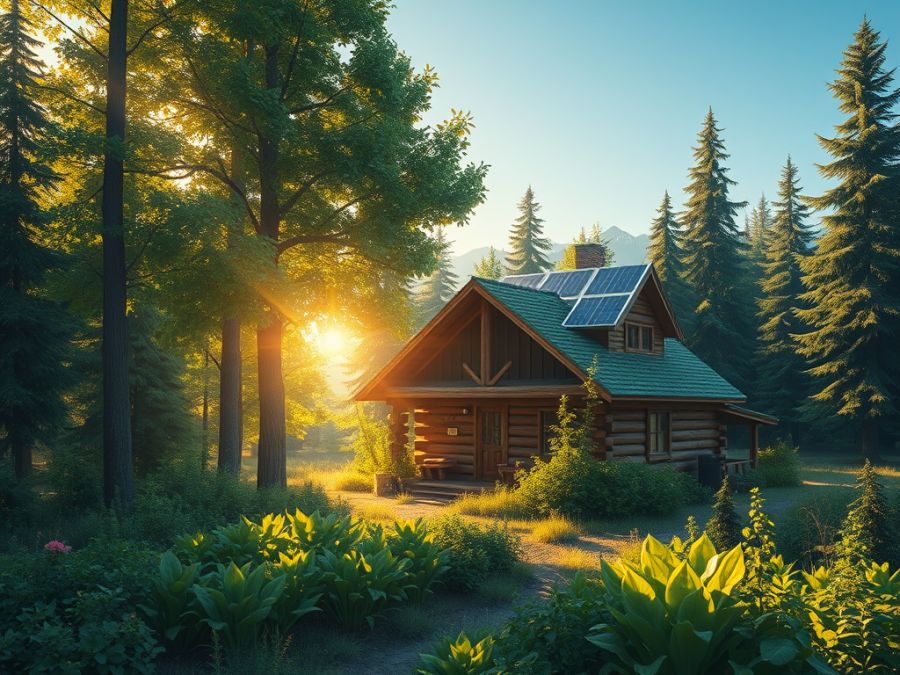
Your off-grid home is not a suburban house copy-pasted into the woods. It must be functional, durable, efficient, low-maintenance, and designed for long-term survival.

Here’s the truth: the best off-grid houses are boring, not Instagram-cute. They are built to keep you alive, not to impress people you’re trying to escape from.

THE NON-NEGOTIABLE STRUCTURE ELEMENTS:


A. Passive Solar Orientation

Your home must be positioned to collect sunlight in winter and deflect heat in summer. If you ignore this, you’ll spend your life fighting nature—and losing.


B. High Thermal Mass Walls

Materials like:

  • Rammed earth
  • Cob
  • Straw bale
  • Insulated concrete forms (ICFs)

These hold heat like a battery—warm in winter, cool in summer. Any prepper serious about long-term independence uses thermal mass.


C. Metal Roof (Preferably Standing Seam)

Why?

  • Rainwater harvesting
  • Fire resistance
  • Long lifespan
  • Solar panel compatibility

Also, shingles rot. Metal doesn’t care.


D. Rainwater Harvesting & Gravity-Fed Storage

You want gravity to do the work. Pumps fail. Power fails. Gravity does not.

The most functional systems include:

  • Roof catchment
  • First-flush diverter
  • 3–5 food-grade holding tanks
  • Gravity pressure line into the house

This alone puts you ahead of 99% of “survival influencers.”


E. Root Cellars & Cold Storage Rooms

Forget refrigerators as your primary food storage. Off-grid homes require:

  • Earth-cooled root cellars
  • Passive cold pantries
  • Subterranean food vaults

Electricity cannot be your only plan.


3. POWER SYSTEMS: THE PART MOST PEOPLE GET WRONG
Everyone thinks solar is enough. It’s not—not alone, anyway.

You need a multi-layered system or you’ll be sitting in the dark half the year.

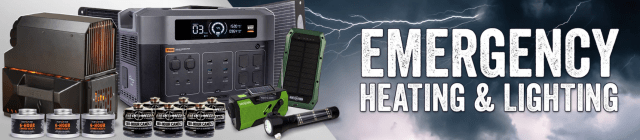
Your power plan should include:

  • Solar
  • Battery bank
  • Generator backup
  • Wood stove for heat
  • Propane for redundancy
  • Wind turbine (if the land has the wind for it)

No single system will save you. The combination will.

The world is fragile because it relies on a singular centralized grid. Don’t repeat the same foolish mistake off-grid.


4. WATER: THE REAL FOUNDATION OF SURVIVAL

An off-grid home stands or falls on water. Without water, nothing else matters.

Your system needs:

  1. Primary water source (well or spring)
  2. Secondary source (rain harvesting)
  3. Emergency source (nearby creek or lake)
  4. Purification backups:
    • Gravity filters
    • Berkey-style units
    • Ceramic filters
    • Boiling capability

If you’re not planning three levels deep, you’re planning to fail.


5. FOOD PRODUCTION: THE PART THAT TESTS YOUR DISCIPLINE

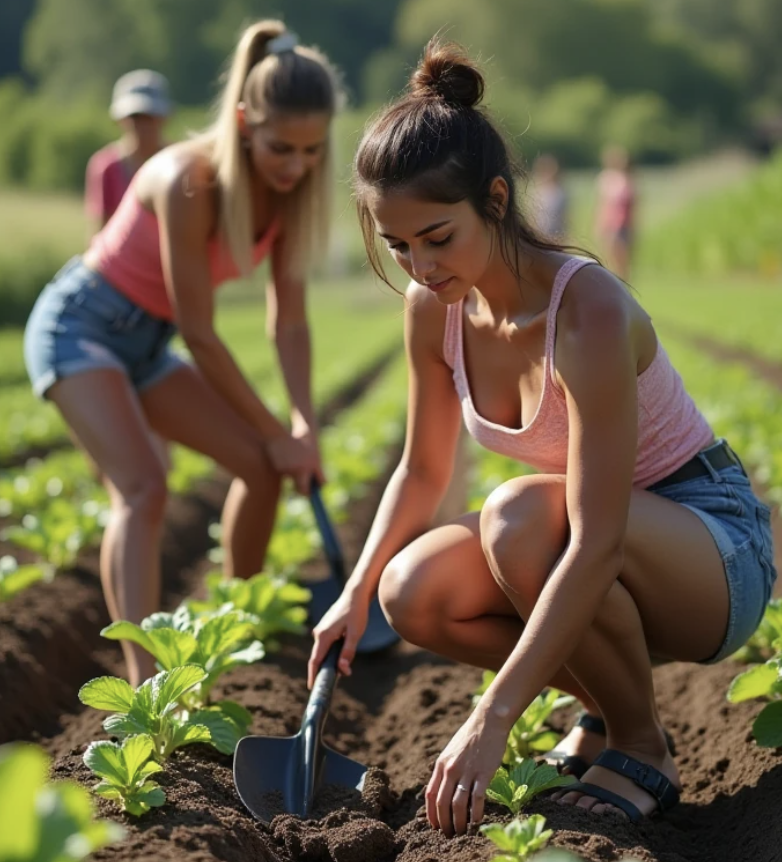
Gardening is cute until it becomes life or death. Most new off-grid wannabes expect instant abundance, only to discover:

  • Soil sucks
  • Weather is unpredictable
  • Pests are relentless
  • Gardening is work

But with persistence, you can produce enough food to survive.

Your long-term plan should include:

  • 4-season greenhouse
  • Raised beds with compost systems
  • Chickens for eggs and protein
  • Rabbits for fast breeding
  • Perennial crops (asparagus, berries, fruit trees)
  • Food dehydration and canning areas

This is a lifestyle, not a hobby.


6. WASTE MANAGEMENT (THE PART NOBODY LIKES TALKING ABOUT)
Civilization hides its filth behind pipes and trucks. Off-grid life doesn’t have that luxury.

You’ll need:

• Composting toilets

Low maintenance, eco-friendly, and the best option for long-term independence.

• Greywater systems

Your dish and shower water can irrigate trees and shrubs—with proper filtration.

• Burn piles & scrap sorting

You will produce waste. Deal with it efficiently.

Waste management might not be glamorous, but ignoring it will destroy your land—and your sanity.


7. SECURITY: NOT PARANOIA, JUST REALITY

No, you’re not building a fortress. But you are responsible for your own safety.

Off-grid living requires:

  • Dogs (first alarm system)
  • Perimeter lighting
  • Thorn barriers & natural fencing
  • Secure doors & windows
  • Smart land layout (visibility, no blind corners)

Prepare quietly. Don’t broadcast your setup.


CONCLUSION: OFF-GRID LIVING ISN’T IDEALISTIC—IT’S NECESSARY

The world is getting weaker, louder, angrier, and more dependent by the minute. People have forgotten how to live without being plugged into a dying system.

Off-grid living isn’t an escape from society.
It’s a rejection of its failures.

If you’re building an off-grid life, good. You’re preparing for reality while everyone else scrolls themselves to sleep.

Just know this:

The grid won’t be around forever.
But your off-grid fortress—if done right—will be.
Montana Homestead Lifestyle: A Gritty, No-BS Account From the Frontlines

Listen here, city slickers and wannabe homesteaders thinking you can just waltz into Montana, slap up a cabin, and live off the land like it’s some picturesque Instagram fairytale — I’ve got news for you. Montana ain’t some cushy weekend retreat. It’s a brutal, relentless fight every single day to carve out a life that’s your own. If you want to survive and thrive on a Montana homestead, you better get your hands dirty and your brain working harder than you ever thought possible.

I’m sick and tired of folks romanticizing homesteading without knowing the first thing about the skills it demands. So, here’s a no-holds-barred rundown on what it really takes to live the Montana homestead lifestyle, and some solid DIY hacks that can save your sorry hide when the going gets tough.


15 Gritty Homestead Skills You Better Master or Go Home

  1. Butchering and Meat Processing
    If you can’t butcher your own animals, you’re dead in the water. Montana winters mean your freezer better be stocked with meat from your own cattle, pigs, or chickens. And if you can’t do it yourself, you’re paying someone else or eating store-bought — and that’s not homesteading, that’s dependency.
  2. Wood Cutting and Splitting
    Your stove runs on wood. If you can’t chop and split it yourself, you’re freezing your butt off come November. Chainsaws, axes, and mauls aren’t optional; they’re survival tools.
  3. Gardening in Rocky Soil
    Montana’s dirt isn’t some rich loam you find elsewhere. You learn to amend, double dig, and nurture your soil or watch your crops die. No green thumb? Forget it.
  4. Canning and Preserving
    You grow it, you don’t waste it. Knowing how to safely can, dry, and ferment your produce is the difference between feasting and starving come winter.
  5. Animal Husbandry
    It’s not petting zoo work; it’s constant vigilance over livestock health, breeding, and feed. Chickens, goats, cows — they don’t raise themselves.
  6. Basic Veterinary Care
    When your nearest vet is an hour away through snowdrifts, you better know how to handle minor injuries and illnesses yourself. No phone calls, no waiting rooms.
  7. Fence Building and Maintenance
    Keep your animals in, keep predators out. A fence that falls apart is a death sentence for your livestock.
  8. Water Management and Well Maintenance
    Water doesn’t magically appear. Wells freeze, pumps break, pipes burst — learn to fix your system or dry up.
  9. Blacksmithing and Tool Repair
    Tools wear out. Nails bend. If you can’t fix your tools or even forge simple replacements, you’re stuck.
  10. Fire Starting and Control
    In Montana’s dry seasons, wildfires are a real threat. Knowing how to start a fire safely for warmth or cooking, and how to control and prevent runaway fires, is vital.
  11. Trap Setting and Wild Game Processing
    When crops fail, you eat what you catch. Knowing how to trap and butcher wild game like rabbits, squirrels, or even deer is a crucial backup plan.
  12. Composting and Soil Building
    You can’t keep farming the same ground year after year without rebuilding your soil. Composting is hard work, but essential.
  13. Septic System Maintenance
    Not glamorous, but you better know how to maintain or repair your septic system. Otherwise, your homestead turns into a cesspool.
  14. Basic Plumbing and Electrical Repairs
    Unless you’re lucky enough to live completely off-grid, basic repairs on your plumbing and wiring save you money and prevent disaster.
  15. Winterizing Your Home and Equipment
    Montana winters are merciless. If you don’t winterize your home, vehicles, and tools, you’ll spend half the year repairing frozen pipes and busted engines.

Three DIY Homestead Hacks That’ll Save You Time, Money, and Your Sanity

1. Solar Water Heating From Old Car Radiators
Forget expensive solar panels or fancy setups. Take a used car radiator, paint it black, and set it in a south-facing window or on a roof frame. Connect it with some garden hoses and you’ve got a simple solar water heater for your bath or washing needs. It’s cheap, effective, and low-tech — perfect for a Montana homestead where every penny counts.

2. Chicken Coop Heat Using a Recycled Clay Pot Heater
Winter nights are killer on chickens, and electric heat lamps? No way, that’s a fire hazard and electricity guzzler. Instead, grab a terra cotta pot and a terracotta saucer, stack them over a small candle or tea light inside a metal holder, and you’ve got a tiny radiant heater for your coop that won’t burn your birds or blow your fuse.

3. DIY Cold Frame Using Old Windows
Want to stretch your growing season but can’t afford a fancy greenhouse? Scavenge old windows and build a cold frame box. It traps the sun’s heat during the day and protects seedlings from frost at night. It’s a simple, rustic solution that makes your garden grow longer and stronger without breaking the bank.


Why Montana Homesteading Isn’t for the Faint of Heart

People romanticize the Montana homestead lifestyle as some peaceful retreat from modern chaos, but it’s a relentless grind. Winters last half the year. The summers are short and intense. Predators lurk. Droughts, pests, and wildfires threaten your crops and livestock. If you think you’ll be sipping moonshine on the porch with a cute dog and a basket of freshly picked berries, wake up.

You’ll be waking up at dawn, hauling water, chopping wood until your back screams, fixing broken fences in the rain, butchering your own animals in the dead of winter, and preserving food until your kitchen looks like a jam factory. You’ll wrestle with stubborn soil, rats in the barn, and the heartbreak when a beloved animal gets sick and there’s no vet for miles.


The Reality Check No One Tells You

The Montana homestead lifestyle demands mastery — of skills, of problem-solving, of patience, and of plain old grit. You need to be resourceful enough to turn scraps into food and fuel. You need to be tough enough to wake up every morning knowing that if you don’t do your job, your family might freeze or starve.

This is not a hobby. It’s a full-on commitment that breaks most people. But for those who stick with it, there’s a fierce freedom here — the pride of feeding yourself, heating your own home, building your own life from the ground up. The kind of freedom you can’t buy.


So What’s the Bottom Line?

If you want to live the Montana homestead lifestyle, get ready to learn these skills — fast. There’s no room for laziness or romantic daydreams. The land demands respect and effort every single day.

  • Learn to butcher and process meat because your freezer depends on it.
  • Master wood splitting and chainsaw use so you don’t freeze.
  • Tend your soil like it’s your most precious crop — because it is.
  • Know how to fix fences, pumps, septic tanks, and tools — because nobody else will.
  • Preserve every scrap of food so you’re never caught empty-handed.
  • Build DIY solar heaters and cold frames from scraps because money is tight and ingenuity is everything.

Montana will chew you up and spit you out if you’re not prepared. But if you learn these skills and hustle like hell, you’ll own a slice of the wildest, most rewarding lifestyle out there.


Want it easy? Go back to the city. But if you’re ready to fight for every inch of your homestead, Montana’s waiting — fierce and unapologetic.

Alternative Power Sources – Solar panels, generators, wind power, and battery banks.

Alright, listen up, because I’m only going to say this once. If you’re out there thinking you can just sit back and rely on the grid when the world goes sideways, you’re dead wrong. The grid fails. It’s a ticking time bomb that can explode at any second — a blackout, a natural disaster, civil unrest, or a cyberattack — and then you’re left in the dark, literally and figuratively. If you don’t have alternative power sources locked down, you might as well kiss your survival chances goodbye.

I’m not here to sugarcoat it or hold your hand. Survival is about being ready, being ruthless, and being smart. If you don’t want to be a sitting duck, you better learn how to harness power on your own terms. Solar panels, generators, wind turbines, and battery banks are your lifelines in a SHTF scenario. But it’s not enough to just have them—you need to know how to use, maintain, and adapt these systems. Here’s the raw, no-BS breakdown.


15 Survival Skills for Alternative Power Sources

  1. Solar Panel Setup and Orientation
    If you don’t know how to properly set up your solar panels, you’re wasting time and resources. Panels need to face true south (in the northern hemisphere) and be angled based on your latitude. Learn how to adjust this seasonally for maximum efficiency.
  2. Solar Panel Maintenance
    Dust, snow, leaves, and grime kill your panel’s output. You need to be scrubbing those panels regularly with clean water and a soft cloth. Never use harsh chemicals or abrasive materials.
  3. Generator Operation and Fuel Management
    A generator isn’t magic; it’s a beast that needs fuel and proper care. Know how to start it cold, run it safely, and manage fuel reserves without letting gas go stale. Rotating your fuel stockpile is essential.
  4. Generator Troubleshooting
    Generators can fail. Know how to check spark plugs, fuel lines, oil levels, and air filters. Don’t wait until you need it—practice running your generator monthly.
  5. Wind Turbine Basics
    Wind power is often overlooked. Learn to build or set up a small wind turbine, identify optimal sites (look for steady, unobstructed wind), and know the common failure points like blade damage or electrical shorts.
  6. Battery Bank Assembly
    It’s not just about throwing a bunch of batteries together. Understand series vs. parallel connections, proper wiring, fusing, and ventilation to avoid deadly short circuits or fires.
  7. Battery Maintenance and Monitoring
    Lead-acid and lithium batteries need different care. You have to check water levels in flooded batteries, keep terminals clean, and use voltmeters or battery monitors to avoid deep discharge.
  8. Inverter Use and Power Management
    Converting DC to AC with an inverter wastes power. Know your inverter’s efficiency, the wattage limits, and how to prioritize what appliances get power.
  9. Power Load Calculation
    You must calculate the total wattage your system can handle. Overloading your system means failure when you need it most.
  10. Emergency Power Rationing
    Know how to ration your power output—turn off non-essential devices, switch to energy-saving modes, and rotate usage to stretch your reserves.
  11. Energy Storage Alternatives
    Aside from batteries, learn how to use capacitors, flywheels, or even old-school mechanical storage (like gravity-based energy storage) if you want to get creative.
  12. Portable Power Sources
    Learn to maintain portable solar chargers and small generators that can be transported easily—critical if you need to bug out.
  13. DIY Power Repair Skills
    Have basic electrical skills—knowing how to solder, crimp, and replace fuses or connectors can keep your system running when parts fail.
  14. Fuel Harvesting and Storage
    For generators, learn to store fuel safely and harvest alternative fuels like biodiesel or wood gas if you’re truly hardcore.
  15. Grid Tie-in and Isolation
    Know how to safely isolate your system from the grid or even tie into it if it’s still functioning. Backfeeding can kill linemen or damage your gear.

3 DIY Survival Hacks for Alternative Power

1. Build Your Own Solar Still to Power Small Devices

If you’re desperate, make a solar still with clear plastic, a container, and a water source. This isn’t just for water purification — you can use the condensation water to cool small solar panels or create micro-hydro setups. It’s a low-cost, low-tech way to get the basics when you have zero gear.

2. Repurpose Old Car Alternators for Wind or Water Power

Car alternators are rugged and made to generate electricity. Hook one up to a DIY wind turbine or a small water wheel. This is how you get electricity without buying expensive gear. Yes, it takes some work and know-how, but when the grid fails, a little elbow grease goes a long way.

3. Create a Bicycle Generator Setup

Turn your bike into a generator by attaching it to a DC motor wired to your battery bank. Pedaling spins the motor, generating power. It’s brutal work, but when you’re trapped with no fuel and no sun, the sweat on your brow will keep your lights on and your radio running.


Why This Matters

Look, survival isn’t a weekend hobby or a trendy Instagram post. It’s life or death. You don’t just get to rely on government help, the power company, or your neighbors. The power grid is a fragile beast that can fail without warning—and if you’re not prepared with alternative power sources, you’re dead in the water.

Solar panels don’t care about blackouts, wind turbines laugh at gas shortages, generators can keep you running when the sun goes down, and battery banks store precious power you can’t afford to lose. But only if you know how to use them.

Get out there, learn these skills, and build your own power fortress. Otherwise, when the blackout hits, don’t come whining to me because you didn’t prepare.


If you want me to break down each power source in excruciating detail, or if you want me to talk about long-term storage and fuel alternatives, just say the word. But until then? Get off your butt and start building. Because if you don’t, someone else will—and you’ll be begging for scraps in the dark.

Homesteading Skills – Gardening, livestock, beekeeping, and food independence.

Alright, buckle up, because I’m not here to sugarcoat anything. If you think homesteading is some cute little hobby for weekend warriors sipping lattes, you’re dead wrong. This is about survival — real, gritty, no-BS self-reliance in a world that’s falling apart piece by piece. You want to eat, you want shelter, and you want your family to live? Then you better learn these homesteading skills now before the grid goes dark for good.

Homesteading Skills – Gardening, Livestock, Beekeeping, and Food Independence

15 Survival Skills You’d Better Master Yesterday

1. Seed Saving and Storage
If you don’t know how to save seeds from your crops, you’re just begging for starvation. Learn to harvest, dry, and store seeds properly. Keep them cool, dry, and dark. That little packet is your lifeline next season.

2. Soil Building and Composting
You want crops to grow, right? Then don’t expect miracles from dead dirt. Build healthy soil with compost and mulch. Stop relying on chemical fertilizers—they run out and poison your land. Nature’s way is the only way.

3. Crop Rotation and Companion Planting
Planting the same crop in the same spot every year is a death sentence for your garden. Rotate crops and plant companions that fight pests and boost growth naturally. Learn which plants hate each other and which ones love each other.

4. Water Harvesting and Conservation
Relying on municipal water? Ha! Learn to catch rainwater, build swales, or dig wells. Know how to conserve every drop. Without water, nothing grows, and you dry up and die.

5. Livestock Husbandry Basics
Chickens, goats, rabbits—these animals are your food factory, fertilizer source, and even security if you know what you’re doing. Learn proper feeding, shelter, health care, and breeding. Don’t let your critters die on you like some backyard zoo.

6. Butchering and Meat Processing
Don’t be squeamish. Learn how to butcher your animals cleanly and safely. Meat rots fast if you don’t handle it right. Knowing how to process and preserve meat saves your life when the freezer fails.

7. Beekeeping and Honey Harvesting
Bees aren’t just cute—they’re essential pollinators. You want your garden to produce, you better keep bees. Honey is natural medicine and a long-lasting sugar source. Know how to manage hives and harvest without wrecking the colony.

8. Food Preservation Techniques
Canning, drying, fermenting, smoking—you need to preserve your harvest or you’ll waste half of it. Learn every method so you don’t rely on supermarkets. Preserved food can keep you alive through winter or tough times.

9. Foraging Wild Edibles
Don’t just rely on your plot. Know how to find and identify edible plants, nuts, and berries in the wild. Ignorance here will get you sick or dead.

10. Pest and Disease Management
Don’t just spray chemicals like a zombie. Learn organic and natural pest control methods. Healthy soil and diverse crops resist pests better. If your garden gets wiped out, your food supply is toast.

11. Tool Maintenance and Repair
Broken hoe? Dead chainsaw? No parts and no hardware store nearby? Learn to fix and maintain your tools. Your tools are your lifelines—treat them like your own limbs.

12. Emergency Shelter Building
Shit hits the fan and you lose your home? Knowing how to build a quick shelter from natural materials or salvage is crucial. This isn’t just about comfort—it’s survival.

13. Fire Making and Cooking
You better know how to build and control fire with or without matches. Open flame cooking skills will save you when the power grid fails and fuel runs scarce.

14. Animal Butchering and Hide Tanning
Besides meat, your livestock gives you hides, bones, and sinew—valuable resources. Know how to tan hides and turn scraps into useful gear. Don’t waste a single bit.

15. Self-defense and Security
Protect your homestead. Learn basic self-defense and security protocols. Desperate people do desperate things, and when society collapses, you’ll need to defend your food and family.


3 DIY Survival Hacks for Homesteading

Hack #1: DIY Solar Food Dehydrator
Stop waiting for fancy gear. Build a solar dehydrator using scrap wood, clear plastic, and mesh screens. Dry fruit, herbs, and meat under the sun to preserve food without electricity. This simple contraption can save tons of food from spoiling and give you portable, high-energy snacks when fuel and power are gone.

Hack #2: Rain Barrel Water Filter
Set up a rain barrel system with a basic filter made from layers of sand, charcoal, and gravel. Collect rainwater off your roof, run it through this filter, and use it for irrigation or emergency drinking water after boiling. It’s dirt cheap and can keep your plants alive when drought hits.

Hack #3: Chicken Tractor from Scrap Materials
Build a movable chicken coop (chicken tractor) out of reclaimed wood and hardware cloth. This lets your chickens fertilize fresh ground while scratching for bugs, reducing feed costs and improving your soil naturally. Plus, it’s easy to move so you can keep your flock safe and happy.


Listen up. These skills aren’t just a hobby or a cute weekend project. They’re your lifeline if the supply chains break, the power grid goes down, or the economy tanks. Waiting for “someone else” to save you is a death sentence.

You want food independence? You want to raise your own protein and pollinate your garden with bees? You want to survive hard times with dignity? Then put down your phone, get outside, and start mastering these skills. No one’s coming to rescue you. It’s up to you to build, grow, and defend.

And if you think it’s easy, you’re dead wrong. It takes sweat, grit, and constant vigilance. This is survivalism at its rawest—no shortcuts, no excuses, no luxury.

Get to work.

Stockpile Smart: Mastering Long-Term Food Storage Techniques

First off, wake up! The world isn’t your safe little bubble anymore. The power grid can go out, trucks can stop delivering, and those fancy supermarkets? Empty shelves faster than you can blink. You want peace of mind? You build a fortress of food, not just some half-assed pantry with expired cans in the back.

But don’t get cocky thinking you can just shove a bunch of junk food in a closet and call it a day. Stockpiling smart means knowing what to store, how to store it, and for how long it’ll last. This isn’t a weekend camping trip; this is about surviving the unknown long haul. Here’s the deal:


10 Survival Skills You MUST Master for Long-Term Food Storage

  1. Food Rotation Management
    Don’t let your stockpile turn into a science experiment. Keep track of expiration dates and always rotate your supplies. Use the oldest first, replace with fresh, and mark everything clearly. No excuses.
  2. Proper Sealing Techniques
    Oxygen and moisture are your enemies. Learn to use vacuum sealers and Mylar bags with oxygen absorbers to extend shelf life. You want airtight containers that can withstand the test of time and pests.
  3. Dehydrating Food
    Drying food is a time-tested method that reduces weight and volume while locking in nutrients. Learn to dehydrate fruits, vegetables, and meats. It’s cheap, effective, and makes your stockpile last longer.
  4. Canning Mastery
    Pressure canning for low-acid foods like beans and meat is a survival skill you can’t ignore. If you botch it, you risk botulism—so get trained or study hard. Home-canned food can last years if done right.
  5. Growing Your Own Food
    Store all you want, but if the disaster drags on, you’ll need to grow your own. Get good at gardening, seed saving, and understanding your soil and climate. Stockpiling alone won’t save you forever.
  6. Foraging Knowledge
    Learn what wild plants are edible and safe. If you have to stretch your stockpile, wild greens, nuts, and berries can supplement your diet. But know them well—one wrong bite and you’re done.
  7. Food Preservation with Salt and Smoke
    If you want to keep meats and fish long-term, get familiar with salting and smoking. These old-school methods work wonders without electricity or fancy gadgets.
  8. Pest Control
    Rodents, bugs, and mold will wreck your food faster than you think. Master pest-proofing your storage area with tight containers, traps, and natural repellents.
  9. Water Purification and Storage
    Food alone won’t do you any good without clean water. Know how to store water safely and purify it on the fly with filters, boiling, or chemical treatments.
  10. Cooking with Minimal Resources
    Long-term survival means you might have to cook on a camp stove, solar oven, or even an open fire. Practice cooking from your stockpile using minimal fuel and tools.

3 DIY Survival Hacks for Smarter Food Storage

  1. DIY Mylar Bag and Oxygen Absorber System
    Don’t waste cash on pre-packaged storage. Buy food-grade Mylar bags in bulk, scoop in your dried or dehydrated food, and throw in oxygen absorbers. Seal the bag with a cheap iron from a thrift store or even a hair straightener. This DIY method will keep your food fresh and bug-free for years.
  2. Repurpose Old Buckets for Bulk Storage
    Got old 5-gallon buckets? Clean ’em out, line with Mylar bags, and store large quantities of grains, beans, or flour. Use gamma seal lids for airtight, stackable storage. This keeps pests out and food fresh. Bonus: buckets can double as water storage or emergency toilets if you’re really in a pinch.
  3. Build a Root Cellar Substitute
    No basement? No problem. Dig a small hole in a shaded, cool part of your yard, line it with bricks or wood, and cover it well with insulating materials. Store root veggies and some canned goods there to keep them cool and extend their shelf life naturally. This is old-school survival wisdom that’s dirt cheap and effective.

Now, why the hell does all this matter?

Because when SHTF, your “funny little stockpile” of expired canned beans and stale crackers won’t cut it. You need a system. A fortress. Something that works when the lights go out and the world flips upside down. If you don’t stockpile smart, you’re just delaying the inevitable starvation party.


More Angry Survivalist Truths About Food Storage

Don’t fall for the marketing crap! Freeze-dried meals and survival kits that cost you a kidney aren’t always the answer. They’re a start, sure, but building your own stockpile with bulk grains, beans, dried vegetables, and home-canned goods is where you build real resilience.

Balance nutrition, dammit! Storing only rice and beans might keep you alive, but you’ll feel like garbage. Get some powdered milk, freeze-dried fruits, nuts, honey, and salt. Your body needs variety to keep fighting.

Don’t forget your tools! You better have a manual can opener, a good knife, and a portable stove or two. If you can’t open your food, it’s worthless. No exceptions.

Label everything. No, seriously. Label every container with the contents and date stored. This is survival 101. You don’t want to waste precious calories guessing what’s inside.


Step-by-Step Stockpile Smart Plan

  1. Assess Your Needs
    Calculate how many days or months you want to cover. Factor in family size, calorie needs, and dietary restrictions.
  2. Start Small, Build Fast
    Buy staples in bulk gradually. Don’t blow your entire savings on one haul and then give up.
  3. Get Proper Containers
    Use airtight buckets, Mylar bags, vacuum sealers, and food-grade jars. Plastic bags won’t cut it.
  4. Keep It Cool and Dry
    Temperature and humidity are the enemy of food storage. Find a cool, dark, and dry place for your stockpile.
  5. Learn Preservation Skills
    Master drying, canning, fermenting, and salting. The more techniques you have, the better your chances.
  6. Regularly Inspect Your Stockpile
    Look for leaks, moisture, pests, and spoilage. Catch problems early before your food turns to garbage.
  7. Practice Using Your Stockpile
    Cook meals from your stockpile regularly to familiarize yourself with what you have and avoid surprises.

Final Warning

You want to be the one who survives? Stop whining and start doing. Stockpiling smart isn’t about paranoia; it’s about preparedness. If you wait until disaster strikes, it’ll be too late. Long-term food storage is your insurance policy against chaos.

If you haven’t mastered these skills and built your stockpile yet, you’re playing Russian roulette with your life. Get moving before the next crisis slams the door shut.


So, what are you waiting for? Start learning, start building, and stockpile smart. Because when the world goes dark, it’s not just about surviving. It’s about thriving — and that starts with your food.

Grid Down, Game On: Tailgate Party Power-Out Hacks

Let me tell you something: just because the power grid goes down doesn’t mean the game’s off. In my world, we prep for worst-case scenarios and still know how to have a good time. I’ve hosted tailgate parties in conditions that would make most folks head for the hills—ice storms, blackouts, rolling grid failures. Why? Because morale matters. In a crisis, keeping traditions alive—especially one as sacred as game day—is how communities stay strong.

If you’re looking to keep the party going when the lights go out, you’ve come to the right place. This isn’t your average fluff about burgers and folding chairs. This is grid-down tailgating, survivalist style. And I’ve got 10 rock-solid tips, plus my go-to solar generators that’ll keep your tailgate humming without the grid.


1. Go Solar or Go Hungry

First and foremost: if you’re planning a tailgate with no power, you’ll need an alternative energy source. Generators are great—until they run out of gas. But a solar generator? Quiet, sustainable, and won’t attract the wrong kind of attention. Invest in a good one, and you can power a mini-fridge, speaker system, lights, and even a TV for the game.

More on the best solar options later. Just know this—solar is the lifeline of any blackout bash.


2. Choose Battery-Powered Appliances

When the grid’s gone, every watt counts. Don’t bring energy hogs to your tailgate. Opt for LED lights, battery-powered fans, and low-voltage appliances. I’m talking electric coolers, rechargeable blenders, and portable induction cookers with built-in battery compatibility.

Save your juice for the essentials: food, music, and the game.


3. Set Up a Solar Charging Station

You’re going to have guests, and guests come with dead phones and high expectations. A basic folding solar panel with USB ports can keep devices running. Set up a charging station away from the food zone, and make sure it gets direct sunlight for most of the day.

Pro tip: precharge all your battery banks the day before.


4. Prep Food That Doesn’t Need Power

No one wants to be cooking a 12-hour brisket during a blackout. Plan your menu around items that store well and don’t need much prep. Think smoked sausage, jerky, pre-grilled chicken, sandwiches, wraps, and cold salads. Keep a propane stove or camp grill handy for hot items.

Plan like the fridge isn’t coming back—and you’ll never go hungry.


5. Keep Drinks Ice-Cold Without Electricity

Forget electric coolers if your solar setup’s limited. Use heavily insulated coolers like YETI or RTIC, and pack them tight with ice the night before. Salt the ice to lower its melting point—it’ll last longer. Separate drink coolers from food coolers to reduce how often you open them.

Tailgates are judged by drink temperature. Don’t mess this up.


6. Create a DIY Tailgate Shelter

If the power’s out, there’s a good chance the weather’s part of the problem. Whether it’s too hot or threatening rain, you need shelter. Set up a heavy-duty canopy, and anchor it like you’re expecting 30 mph winds. Add tarps to create walls for windbreaks or shade.

Comfort = morale. Morale = victory.


7. Use a Solar Lantern Setup for After-Dark Fun

Once the sun goes down, you’ll need light. String up solar lanterns during the day to charge, then hang them under your canopy, in trees, or on poles. These will give off ambient light without sucking up battery power like an electric setup.

Avoid fire or open flames in tight areas—you don’t want your blackout party to turn into a burn unit.


8. Keep Entertainment Old-School Ready

If the game’s delayed, or you lose the stream, have backup fun planned. Cornhole, ladder toss, and playing cards keep the party rolling. Don’t rely solely on tech. And make sure your speaker system is either battery-powered or runs efficiently on your solar generator.

And yes, that means downloading the pre-game playlist ahead of time. Spotify doesn’t work when the internet’s out, rookie.


9. Prepare for Safety and Sanitation

Power out? That means bathrooms may be too. Bring a privacy shelter, portable toilet, hand sanitizer, and garbage bags. Stock up on paper towels and have a fire extinguisher on hand near your cooking area.

Sanitation breakdown = party shutdown. Stay clean, stay prepped.


10. Test Your Setup BEFORE Game Day

This one’s non-negotiable. Run a full test of your off-grid tailgate setup at least a week before the event. Make sure your solar panels charge, your battery banks hold, your gear works as expected. You don’t want to find out your “solar-ready” grill needs an outlet 10 minutes before kickoff.

Amateurs improvise. Preppers prepare.


Top Solar Generators for Grid-Down Tailgating

Now let’s talk gear. Not all solar generators are created equal, and you want something that can handle party mode under pressure.

1. Jackery Explorer 1000 Plus

  • Pros: Lightweight, expandable battery, runs cooler boxes and small appliances with ease.
  • Cons: Limited AC outlets, not for heavy-duty items.
  • Why it’s great: Perfect for powering a portable TV and speaker system without burning through reserves.

2. EcoFlow Delta 2 Max

  • Pros: Ultra-fast charging, runs larger devices like grills and even small AC units.
  • Cons: Heavier, but still portable.
  • Why it’s great: A true workhorse for tailgates with a crowd.

3. Bluetti AC200MAX

  • Pros: High capacity, multiple charging ports, can power a small fridge, induction cooktop, and lights all at once.
  • Cons: Pricey, but worth every cent if you tailgate regularly.
  • Why it’s great: Built for blackout situations—and built to party.

4. Anker Solix F2000 (PowerHouse 767)

  • Pros: Expandable, durable, and runs quietly.
  • Cons: Large footprint, not backpack-portable.
  • Why it’s great: You can tailgate through the whole season on a single charge cycle with proper solar input.

Final Word: Party Like a Prepper

Blackout or not, tailgate season doesn’t stop for anything. When the power goes out, it’s the preppers, the planners, and the prepared who keep the good times rolling. If you’ve got solar, smarts, and a solid cooler full of snacks and cold drinks, you’re already ahead of the game.

Remember—it’s not just about surviving, it’s about thriving. And on game day, that means having the best seat in the parking lot, even when the rest of the city’s gone dark.

Grid down? Game on.

Prepper’s Pantry: 10 Foods You Should Always Keep on Hand

Prepper’s Pantry: 10 Foods You Should Always Keep on Hand for Tiny House Living

Living in a tiny house doesn’t just mean downsizing your belongings—it’s about embracing a more intentional lifestyle. Every item you bring into your tiny home should serve a purpose, and food storage is no exception. A prepper’s pantry isn’t just for hoarding massive amounts of canned goods and bags of rice; it’s about curating a collection of foods that are practical, space-efficient, and long-lasting. When space is limited, smart food storage becomes a crucial part of sustainable living. The key to prepping in a tiny house is striking a balance between the right amount of food to meet your needs without overcrowding your limited space.

CLICK HERE TO LEARN HOW TO NEVER STARVE WHEN DOOMSDAY HITS!

In this post, we’ll explore 10 foods that every tiny house dweller should always keep on hand for a well-stocked, sustainable pantry. With a little planning, you can have everything you need to weather unexpected situations—without sacrificing too much valuable space.


1. Canned Vegetables and Beans

When you live in a tiny house, versatility is your best friend. Canned vegetables and beans are non-negotiable pantry staples because they’re easy to store, have a long shelf life, and are ready to use with minimal prep. Whether you’re making soups, stews, or casseroles, canned beans are a quick and nutritious way to get protein without taking up precious refrigerator space. Vegetables like corn, peas, and carrots can be great options for adding a quick serving of greens to any meal.

Tip #1: Buy in bulk—Purchase large cans to save space and money. Also, consider choosing BPA-free canned goods for better health and eco-friendliness.


2. Rice and Quinoa

Rice and quinoa are essential pantry items that are both filling and versatile. These grains can serve as a base for countless meals, from stir-fries to grain bowls. Since both rice and quinoa have long shelf lives when stored in airtight containers, they’re perfect for small spaces like tiny houses. Quinoa also packs in extra protein, which is great for tiny house dwellers looking for more nutritional density in a small package.

Tip #2: Store rice and quinoa in airtight jars to prevent pests from invading your pantry. And consider using glass containers to cut down on plastic waste.


3. Dried Fruits and Nuts

Living small means making the most of every square inch, and dried fruits and nuts are a must for quick, nutritious snacks or meal add-ins. These foods are calorie-dense, so you don’t need much to get a lot of energy. Almonds, walnuts, dried apricots, and raisins can be great for on-the-go or mixed into oatmeal, salads, or baked goods. Plus, they have a long shelf life, making them perfect for long-term storage.

Tip #3: Store dried fruits and nuts in vacuum-sealed bags or mason jars to keep them fresh longer. This will also help maximize your storage space.


4. Canned Fish and Meats

Protein is a critical component of any diet, and canned fish and meats like tuna, salmon, and chicken provide a convenient, shelf-stable solution. These canned proteins can be added to everything from salads to sandwiches and are ideal for quick meals. In a tiny house, you don’t have the luxury of a massive freezer, so canned options are a great alternative to fresh or frozen meats.

Tip #4: Rotate your stock—Use older cans first to prevent anything from sitting in your pantry for too long. Stockpiling a variety of meats ensures that you don’t get tired of the same options.


5. Canned Tomatoes

Canned tomatoes are a versatile ingredient that forms the base for many dishes—from pasta sauces to soups. They have a long shelf life and are easy to store, making them a great choice for tiny house living. You can use canned tomatoes in everything from homemade pizza sauce to chili, adding both flavor and nutrition to your meals. They’re also great for making quick and easy meals when you’re short on time.

Tip #5: Buy in bulk—If you use canned tomatoes often, buying larger quantities can help save money and reduce packaging waste.


6. Pasta and Noodles

Pasta is a staple in almost any pantry because it’s cheap, easy to prepare, and can be paired with a variety of sauces, proteins, and vegetables. The best part is that pasta stores well and takes up little space—perfect for tiny house living. You can stock a variety of pasta shapes, from spaghetti to macaroni, and use them in everything from quick weeknight dinners to hearty pasta salads.

Tip #6: Use clear storage containers for your pasta to make it easy to see what you have on hand. This way, you can keep your pantry organized and avoid over-purchasing.


7. Powdered Milk

If you’re living in a tiny house, refrigeration space is precious. Powdered milk is a great substitute for fresh milk and can be used in everything from coffee and tea to baking and cooking. Since it doesn’t require refrigeration, it’s perfect for stocking up in a small space. Plus, it has a long shelf life, so you won’t need to worry about it going bad any time soon.

Tip #7: Store powdered milk in a cool, dry place to keep it fresh. Keep it in airtight containers to ensure its longevity.


8. Spices and Seasonings

In a tiny house, you want to make sure you’re packing only the essentials, and that means choosing your spices wisely. A few high-quality seasonings, like salt, pepper, garlic powder, and chili flakes, can make a huge difference in the flavor of your meals. Instead of stocking every spice under the sun, focus on the ones you use most often, and keep them in small containers or spice racks to save space.

Tip #8: Opt for multi-use spices—For example, a good all-purpose seasoning can work for many dishes, cutting down on the number of containers you need.


9. Honey and Maple Syrup

Honey and maple syrup are excellent natural sweeteners that also have medicinal properties. Honey can be used in tea, spread on toast, or added to baked goods. Maple syrup is another great natural sweetener that works well in pancakes, oatmeal, and desserts. Both honey and maple syrup have long shelf lives, which makes them great for your pantry. In tiny house living, these versatile sweeteners can do double duty as both food and medicine.

Tip #9: Store honey at room temperature—Honey doesn’t spoil, but storing it in a cool place ensures it stays at its best consistency.


10. Oats and Granola

Oats are a fantastic and filling food that can be used in a variety of ways, from oatmeal to granola bars. They’re a great source of fiber and are perfect for breakfast or even as a base for savory dishes. Granola is another good option to have on hand as a quick snack or a topping for yogurt and fruit. Both oats and granola are compact, making them perfect for tiny house living.

Tip #10: Keep oats in airtight containers to prevent pests and moisture from ruining your stock. You can also use oats for baking, adding to smoothies, or making homemade granola.


10 Tiny House Living Tips for Efficient Food Storage

  1. Use vertical space—Maximize storage by using shelves or hanging storage for jars and canned goods.
  2. Opt for multi-purpose foods—Choose ingredients that can be used in several dishes to reduce the variety of items needed.
  3. Keep your pantry organized—Invest in clear containers or labels so you can easily find what you need without taking up extra space.
  4. Use airtight containers—To prevent spoilage and pests, store grains, nuts, and dried fruits in airtight containers.
  5. Grow your own herbs—Even in a tiny home, you can grow herbs like basil, thyme, and mint in small pots or hanging planters.
  6. Shop in bulk—Buying in bulk not only saves you money but also reduces packaging waste.
  7. Plan meals around your pantry—Make sure to use up older items first to avoid waste and keep your pantry fresh.
  8. Preserve seasonal produce—Stock up on fresh fruits and vegetables when they’re in season and preserve them through canning or freezing.
  9. Keep a running inventory—Having an up-to-date list of your pantry items will help you avoid buying duplicates and save you time.
  10. Keep food prep simple—Simplify your meals by focusing on staple ingredients that can be transformed into multiple dishes.

How to harvest rainwater to survive off the grid

It’s pure, gratis, and falls right from the sky.

Yet, in our modern rush, we often overlook this natural bounty.

Brother, if you should know one thing about me is that I hate waste.

I hate how everyday folks take everything for granted.

Their daily meals, especially now, during an oncoming food shortage crisis.

Their electricity.

And most importantly, their water.

There could be a time when everything is lost overnight.

I don’t know when that is, but I can tell you this,

I will be ready for it.

So let’s rediscover the ancient wisdom of collecting rainwater.

It’s a practice as old as civilization itself.

Rainwater is soft, has no ground minerals, and is excellent for plants, laundry, and even personal use with proper treatment.

Let’s talk about how to harvest it the right way.

Your roof is your primary tool.

A clean roof with no obstructions ensures a good flow of rainwater into your collection system.

Regularly inspect for debris, leaves, or anything that might contaminate the water.

Gutters and Downspouts

These are the conduits that channel water from your roof to your storage. Ensure they are clean and equipped with mesh guards to keep out leaves and twigs.

First Flush Diverter

This device diverts the first flow of rainwater, which carries most of the dirt and debris from the roof, away from your storage tank.

Ensuring cleaner water collection.

However, I don’t think it’s necessary.

See why.

Storage Tanks.

This is where your harvested rainwater will be stored. From barrels to large tanks, your storage can be as simple or sophisticated as your needs and space allow.

Ensure it’s properly covered to prevent contamination and evaporation.

Using Your Harvested Rainwater

Collected rainwater can be used for gardening, flushing toilets, and, with the right filtration and purification systems, even for drinking.

Remember, safety first. If you plan to use rainwater for personal consumption, ensure it’s properly filtered and disinfected to take out any pathogens or pollutants.

And we also have to consider the local laws and regulations.

It might sound surprising, but some areas have regulations on rainwater harvesting.

See if rainwater harvesting is illegal in your state.

We have to remain responsible and respectful of our shared resources.

Every drop counts, brother. In times of need, the water you’ve collected can be a lifeline.

But even in abundance, it’s a step toward sustainable living.

Reducing our reliance on treated water and decreasing our environmental footprint.

Let’s embrace the wisdom of our ancestors.

Survival Prepper: Electronics

I myself am an advocate of using technology, especially for homestead defense purposes. I prefer an induction kitchen over an open fire, without any doubt. And I know that given the fantasy of the need for an endless-expanding market, things are designed, engineered, and manufactured for failure. This is because of the need of being sold at an affordable price and keep the money flowing. YOUR money, flowing from your pocket to theirs. No matter if you decided to use some “excess” money you may have, in buying a new microwave, or some other stuff. Keep reading, please.

Simplicity is reliability.


But what I do feel the need to mention, is how important is to keep our devices and appliances as simple as possible. Simplicity is reliability. Sophistication, in my opinion, has been used for decades now to absorb the excess money generated by the boost of the companies’ profits, produced by an incredible increase in the use of automation and information technology, outsourcing, and other similar phenomena that allowed to decrease the production costs.

This sophistication has brought us extremely beneficial devices at affordable prices: heat/thermal vision for our cellphones, high-powered crossbows (carbon fiber, anyone?), and tons of other gadgets. Tablets, GPS, tasers, drones, and a good variety of these survival gadgets are going to be very useful and widely used in the sustainability or defense of our homestead. Air rifles technology and some interesting toys like 3D printers and all types and flavors of machines for making other machines in the skilled hands of the mechanically savvy are all over the place.

If you don’t really need fancy electronics, then keep it simple for your basic day-to-day needs. In the present conditions, someone who needs to fix their luxury refrigerator with a Bluetooth connection and with more computing power than my laptop is going to have a heart attack. That is if they are lucky enough to find someone able to fix that kind of thing that has not left the country yet.

You need a simple repair set-up

There are plenty of tutorials about lots of maintenance so you can do without thinking it twice, always of course with the assistance of someone with the needed technical knowledge. This is important because you will be able to diagnose problems at an early stage.

You do need, as a prepper, a bio-digester that will provide the gas generated by the waste of the chicken coop, to boil the rainwater that you have filtered previously with your entirely gravity-fed, high capacity, custom homemade, filtering equipment, and prepare your coffee. Only then, you can turn on your large TV, naturally powered by your solar/wind/hydro generator/batteries setup, to admire Scarlett in all of her beauty.

Complicated electronics are great…in good times.


Electronics have come to improve lots of things, and I am pretty aware of that.

Having equipment and devices that are made to last, perhaps with analog systems, instead of lots of electronics, is something that in the long term will be rewarded.

Yes, I have some digital measurement tools, of course. A digital vernier calibrator (sort of a very precise rule used by technicians to measure dimensions of small pieces, like in machining or repairing), for example. But I do have a mechanical one J as a backup that I could buy for a few bucks (and know how to use it).

I hope you have enjoyed the reading, by Jose from Venezuela.

God bless us, fellows!