Water Will Be Power Sooner Than You Think, And Most of You Won’t Survive to Beg for It

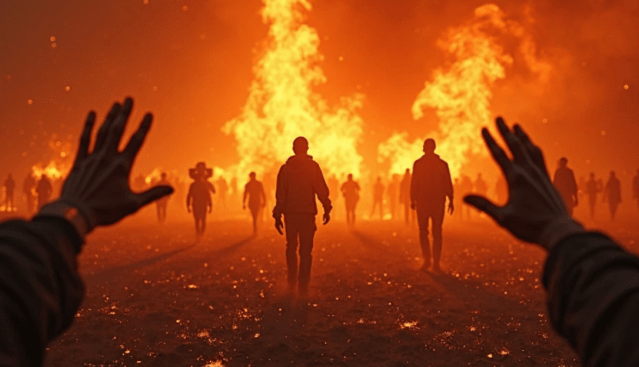
Imagine the world after everything collapses: a blasted wasteland of sun-scorched earth, rusted skeletons of buildings, abandoned highways littered with broken vehicles, and desperate survivors wandering like lost animals. That’s not fiction — that’s our trajectory.

The signs are everywhere:
Infrastructure failing.
Water systems collapsing.
Cities poisoning their own tap supply.
And millions sipping contaminated water while watching society rot in real time.

Most people are sleepwalking into the wasteland.
A real-life Mad-Max future.
A world where water becomes the only law anyone respects.

Let’s be clear: you won’t survive that world unless you start preparing now.

Tap Water? It’s Already a Toxic Joke

While people complain about grocery prices and politics, their tap water slowly fills them with microplastics, pharmaceuticals, agricultural chemicals, PFAS, and industrial waste. Cities can’t (or won’t) fix it.

And these same people think this crumbling water system will magically stay functional when the grid collapses?

The second the grid goes down:

  • Treatment plants stop.
  • Pumps stop.
  • Purification stops.
  • Distribution stops.

You’ll walk to your sink, turn the handle, and get nothing — not even a gasp of air.

The wasteland begins the moment the tap runs dry.

In a Mad-Max Collapse, Water Is the New Currency

Forget money. Forget crypto. Forget gold.
Those become relics of a dead civilization.

Water is worth more than weapons.
Water is worth more than fuel.
Water is worth more than shelter.

In the wasteland, water is power.

Anyone who controls it controls everything else.

That’s why preppers store water — not because they’re paranoid, but because they’re paying attention.

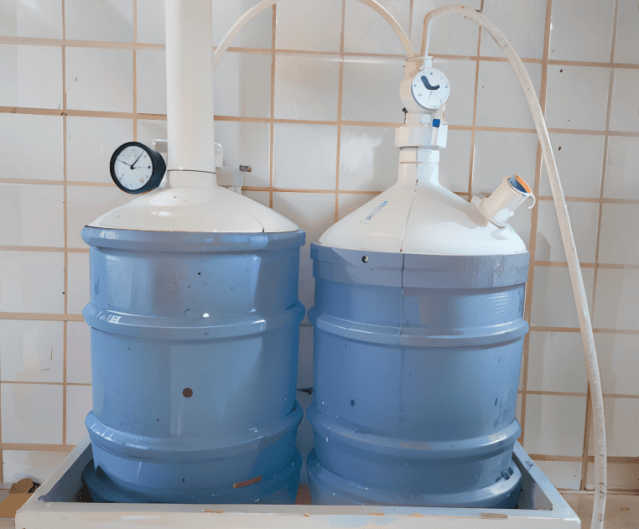
Water Storage: Build Your Own Fortress of Hydration

Weak people think keeping a few water bottles in a cabinet is “being prepared.”

Warlords of the wasteland think like this:

  • 55-gallon drums stacked like defensive walls
  • IBC totes in garages, sheds, and buried pits
  • Water bricks lining shelves like ammunition
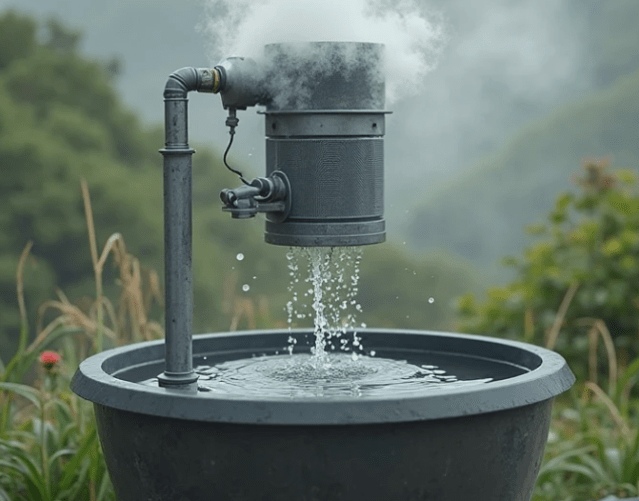
  • Rain catchment systems feeding multiple tanks
  • Underground cisterns that neighbors never see
  • Collapsible bladders for emergency filling

You store water like you’re preparing for a siege — because collapse is a siege, and dehydration is what kills people first.

Purification: Your Last Defense in a Poisoned World

In the wasteland, clean water doesn’t exist.
It must be created.

That means filtration gear tough enough to withstand the apocalypse:

  • Gravity filters for home base
  • Ceramic purifiers suitable for contaminated runoff
  • Portable squeeze filters for nomad survival
  • Iodine or chlorine dioxide for chemical kill
  • Boiling rigs (stoves, rocket stoves, ember cookers)
  • Pre-filters for sludge, ash, debris, and sediment
  • Distillers for water sources so toxic they make your eyes burn

When collapse happens, the natural water sources get poisoned within days.

Not by nature.
By people.

Desperate people.
Stupid people.
Panicked people.

They will contaminate everything they touch.

Rainwater: The Sky Is Your Only Trustworthy Ally

When the surface world turns into a polluted battleground, the sky becomes your safest reservoir.

Rainwater harvesting is not optional.
It’s survival engineering.

Set up:

  • Food-grade gutters
  • First-flush diverters
  • Barrel chains
  • Large overhead tanks
  • Ground-level sealed reservoirs

Store every drop like you’re catching liquid gold — because you are.

Mobility: Become a Nomad Who Doesn’t Die of Thirst

In a Mad-Max world, you may not stay in one place.

You must be capable of traveling with water infrastructure strapped to your back or your vehicle:

  • Collapsible bladders
  • Hydration packs
  • Hand pumps
  • Mobile filtration kits
  • High-capacity canteens
  • Boil kits with wind shields
  • Portable gravity filters

Nomads survive because they’re adaptable.
The unprepared die because they aren’t.

Tap Water Today, Wasteland Poison Tomorrow
The people who trust tap water today are the first casualties of collapse.
Their bodies are already weakened from contamination, microplastics, chemical residues, and chronic dehydration from polluted supply.

Collapse accelerates what has already begun.

The wasteland isn’t waiting for you.
It’s being built right now.

Only the Prepared Control Their Fate

A Mad-Max future is an ugly place — but it’s survivable if you’re ready.

Store water.
Purify water.
Protect water.
Defend water.

In a world where everything burns, the last resource worth fighting for is the one everyone needs and few will have.

Prepare now, or be one of the nameless piles of dust left behind.

Emergency Preparedness Planning 101: What to Do Before Everything Falls Apart

If you’re reading this, congratulations—you’re at least aware enough to realize the world is a mess and getting messier by the day. Most people shuffle through their lives staring at their phones, trusting the government, corporations, or some miraculous stroke of luck to save them when disaster strikes. Spoiler alert: no one is coming to save you. Emergency preparedness isn’t a hobby; it’s the bare minimum level of responsibility any halfway conscious adult should take. And yet here we are, in a society where people panic when the WiFi goes down for twenty minutes.

Welcome to Emergency Preparedness Planning 101—the class everyone should have taken, but most didn’t because they assumed everything would always be fine. Those of us who actually prepare know better. We don’t do it because it’s “fun” or because we want to feel special. We do it because we’ve seen enough to know that chaos is inevitable. And when chaos comes, you’re either ready… or you’re a liability.

Let’s go through what you should already know but probably don’t.


1. The First Rule: Accept That Disasters Happen

Most people cling to the fantasy that emergencies are rare. They’re not. At any moment, you could be dealing with:

  • Natural disasters
  • Power grid failures
  • Economic collapse
  • Social unrest
  • Pandemics
  • Infrastructure breakdown
  • Supply chain interruptions

And let’s not pretend any of these are far-fetched. Recent years have made it painfully clear how quickly society falls apart when even small disruptions hit. Yet people still act shocked when they walk into a store and see empty shelves. The truth is that modern society is held together with duct tape and wishful thinking. Preparing isn’t pessimism—it’s realism.


2. Water: The One Thing You Can’t Afford to Overlook

It’s astounding how many people stockpile gadgets, weapons, or flashlights but forget water—the literal foundation of survival. The rule is simple: one gallon per person per day, and that’s scratching the surface. Add pets, hygiene, cooking, and unforeseen emergencies, and that number climbs quickly.

If you think a few plastic bottles shoved in a closet is enough, you’re fooling yourself. Water sources get contaminated, municipal systems fail, and bottled water disappears instantly during any crisis. You need:

  • A minimum two-week supply stored
  • A long-term water storage plan
  • Filtration and purification systems
  • Redundant backup methods

Because if you don’t plan now, you’ll be fighting your neighbor at the nearest drainage ditch when the taps run dry.


3. Food Storage: Not the Instagram Version

People love the idea of food prepping until they realize it involves work and discipline. Emergency food storage is not about bragging rights or looking cool in a bunker selfie. It’s about having the calories and nutrients you need to keep going when grocery stores are stripped bare—which happens faster than most people believe.

Your food storage should include:

  • Shelf-stable staples (rice, beans, oats, pasta)
  • Freeze-dried meals
  • Canned protein
  • Long-term storage containers with oxygen absorbers
  • A rotation schedule

And before you even think it: no, your freezer doesn’t count. When the power goes out and everything inside turns into a thawed, useless mess, don’t say you weren’t warned.


4. Power: Because Sitting in the Dark Isn’t a Plan

If a grid failure happened right now, most people would be paralyzed. You need alternative power sources—plural. Relying on a single generator is a rookie mistake. Fuel runs out. Systems fail. Weather gets unpredictable.

A real prepper builds redundancy:

  • Solar power systems
  • Portable solar panels
  • Battery banks
  • Hand-crank chargers
  • Generators (as a secondary system)

This isn’t paranoia. It’s accepting the reality that modern life depends on electricity, and electricity is far more fragile than anyone wants to admit.


5. First Aid: Because the World Doesn’t Hand Out Second Chances

You don’t need to be a doctor, but you need more than an outdated band-aid box from 2004. When emergencies strike, hospitals overload instantly, and you may be on your own.

Your first aid preparedness should include:

  • A professional-grade trauma kit
  • Knowledge of wound care
  • Skills in CPR and basic first aid
  • Over-the-counter medications
  • Prescription backups (if possible)

Because when someone gets hurt—and someone will get hurt—waiting for help isn’t an option.


6. Security: The Topic Everyone Tiptoes Around

Let’s be honest: during real emergencies, people can be almost as dangerous as the disaster itself. Society runs on rules and consequences—take those away, and human behavior becomes incredibly unpredictable.

You need a plan to keep yourself and your loved ones safe. That includes:

  • Physical security
  • Situational awareness
  • Reinforced entry points
  • Lighting
  • Alarms
  • Nonviolent self-defense tools
  • Communication plans

The point isn’t to live in fear; it’s to not be blindsided when people act desperate, irrational, or opportunistic.


7. Communication: Because Isolation Is a Death Sentence

You need to be able to reach others—and they need to be able to reach you—when the world goes quiet. Don’t rely on cell towers and internet providers; they’re usually the first to collapse during crises.

A real emergency communication setup should include:

  • Battery-powered radios
  • NOAA weather radios
  • Two-way radios
  • Backup power sources
  • Written communication plans for your group or family

Being disconnected during an emergency is not only dangerous—it’s completely avoidable with minimal planning.


8. A Mindset That Doesn’t Crumble

Gear is useless without the right mindset. Emergency preparedness is about being mentally ready to deal with unpredictability. It’s about accepting that you’re responsible for you, no matter how much society has trained people to outsource responsibility.

Mindset means:

  • Staying calm under pressure
  • Being adaptable
  • Making decisions when others freeze
  • Thinking ahead
  • Maintaining discipline even when everything feels pointless

Preparing isn’t pessimistic—it’s acknowledging reality. Anyone who thinks the world is stable hasn’t been paying attention.


Final Thoughts

Emergency preparedness planning isn’t complicated. What makes it difficult is the denial people cling to. If you’re reading this, you’re already ahead of most. But being aware is only step one. Doing something about it is what matters. Stocking up, planning, learning, and preparing aren’t overreactions. They’re survival.

If the world goes sideways—and eventually it will—your only regret will be not preparing sooner.

California’s Top 10 Deadly Threats and How to Outsmart Them

California. The so-called “Golden State.” Sunshine, beaches, wine, and endless Instagram posts. But behind the glitzy veneer lies a brutal, life-threatening reality. If you think living here is safe, think again. The truth is, California is practically a death trap if you aren’t constantly on your toes. From nature’s fury to human negligence, there are threats lurking everywhere. If you want to survive, you better face the ugly truth. I’ve compiled the Top 10 Most Dangerous Things in California That Can Easily End Your Life—and What You Can Do to Survive Them. Strap in, because I’m not sugarcoating anything.


1. Wildfires: Nature’s Merciless Inferno

California’s wildfires are legendary, but not in a good way. Each year, thousands of acres are reduced to ash, and countless people lose their homes—or worse, their lives. Fire doesn’t discriminate. It will burn you alive if you’re not paying attention.

Survival Strategy: Know evacuation routes like the back of your hand. Have a “grab-and-go” bag ready with essentials: water, non-perishable food, important documents, and first aid. Most importantly, stay informed via emergency alerts—waiting until you see flames is already too late.


2. Earthquakes: The Ground Is Out to Get You

The San Andreas Fault isn’t a joke. California is one massive shaking trap, and a big quake can happen at any second. Buildings collapse, roads split open, and utilities go offline. Do you really want to gamble your life on luck?

Survival Strategy: Secure heavy furniture and appliances. Create a family earthquake plan, including safe spots in every room (under sturdy tables or against interior walls). Stock up on emergency supplies—water, food, first aid kits, and even a portable toilet. After all, earthquakes aren’t polite; they’ll ruin everything.


3. Heatwaves and Extreme Sun Exposure

California’s “perfect weather” often turns murderous. Inland valleys and desert areas can hit triple-digit temperatures that fry the human body. Heatstroke and dehydration don’t care if you’re trying to have a relaxing day—they’ll kill you quietly and quickly.

Survival Strategy: Hydrate like your life depends on it—because it does. Wear breathable, sun-protective clothing and avoid being outside during peak heat hours. Always carry water and electrolytes; your body isn’t invincible, no matter how much Instagram influencers pretend it is.


4. Wild Animals: Coyotes, Mountain Lions, and Snakes

Yes, California has the animals you read about in horror stories. Mountain lions, rattlesnakes, and even aggressive coyotes can end your life if you stumble into their territory. Don’t let the cuteness fool you; survival here is not about selfies with wildlife.

Survival Strategy: Stay alert when hiking or camping. Make noise to avoid surprising predators. Carry bear spray or a sturdy walking stick. Know how to identify dangerous animals and never underestimate their strength or speed.


5. Dangerous Ocean Currents and Rip Tides

California’s beaches are seductive, but many have deadly undertows. Every year, tourists and locals alike are dragged out to sea by rip currents, and few come back. The ocean doesn’t negotiate—it drags you down and drowns you, no questions asked.

Survival Strategy: Swim only at lifeguard-patrolled beaches. Learn to spot rip currents: they’re usually darker, choppier channels of water moving away from the shore. If caught, don’t fight the current; swim parallel to the shore until free, then make your way back slowly.


6. Car Accidents: The Silent Killer

California’s highways are a mess of reckless drivers, endless traffic, and unpredictable conditions. Each day, thousands of accidents happen, many fatal. It’s not just about speed; it’s distracted drivers, drunk drivers, and the sheer density of vehicles that make every road a death trap.

Survival Strategy: Drive defensively. Keep your distance, never text while driving, and always wear your seatbelt. Know emergency maneuvers, like how to regain control on slick roads. It’s basic, but most people ignore it—and that’s why they die.


7. Toxic Air and Pollution

Between wildfires, industrial zones, and smog-heavy cities like Los Angeles, California’s air isn’t just unpleasant—it’s deadly. Long-term exposure leads to lung disease, heart issues, and a diminished lifespan. Don’t be naïve: breathing can kill you here.

Survival Strategy: Monitor air quality reports. Keep N95 masks on hand for emergencies. Air purifiers at home can filter particulate matter. Avoid outdoor activity during bad air days—sacrificing convenience now can save your lungs, and your life.


8. Floods and Mudslides

After the fires, California becomes a soggy, sliding nightmare. Burn scars destabilize the soil, making mudslides an unpredictable killer during rains. Flash floods can occur in valleys and riverbeds, often without warning.

Survival Strategy: Never camp or build in known flood zones. Check weather alerts during the rainy season. Elevate your home and clear debris from drainage paths if possible. Awareness is your best weapon—ignorance will get you buried.


9. Burglaries, Assaults, and Urban Crime

Yes, nature kills, but humans are just as lethal. Certain neighborhoods in California are infamous for violent crime. It doesn’t matter how strong or smart you are; being unprepared makes you a target.

Survival Strategy: Invest in home security systems. Be vigilant in public spaces. Learn basic self-defense. Avoid risky areas after dark. And for the love of your future, never carry valuables openly. Criminals don’t care about your excuses.


10. Avalanche and Snow Hazards in the Sierra Nevada

People forget that California isn’t just beaches and deserts. Its mountains can be merciless. Avalanches, icy trails, and sudden snowstorms can trap or kill hikers and skiers. The cold isn’t forgiving, and neither are the slopes.

Survival Strategy: Check avalanche reports before heading into the mountains. Carry emergency blankets, shovels, and avalanche beacons. Never hike alone in snow-heavy areas. Respect the mountains—they don’t negotiate with arrogance.


Final Thoughts: Survive or Die

California is a beautiful place to look at, but it’s a slaughterhouse for anyone who doesn’t respect the threats. From fires to floods, predators to predators in human form, the Golden State is not a vacation—it’s a survival test. The question isn’t “will you survive?” It’s “will you prepare before it’s too late?”

Take every warning seriously. Don’t fool yourself with optimism. Arm yourself with knowledge, tools, and a survival mindset. Ignore this, and California will happily write your obituary. Remember: life isn’t fair, nature isn’t kind, and neither are the streets of California.

Survive, because nobody else is coming to save you.

The Last Grocery Store Run Before the Grid Goes Dark: A Prepper’s Final Warning

You can feel a collapse long before you can prove it. The air thickens, conversations shorten, and people move with a jittery uncertainty they pretend isn’t fear. For weeks now, every expert with a tie and a microphone has insisted the power grid is “stable” or “only experiencing minor vulnerabilities.” But those of us who still use our eyes—and not the spoon-fed comfort pumped out of screens—know the truth: the grid is held together with duct tape, denial, and a hope that ran out sometime last decade.

So this morning, when the news quietly mentioned “regional instability” and “rolling disruptions,” I knew exactly what that meant: this was it. My last chance to top off supplies before the grid sputters out for good. And despite everything I’ve stockpiled over the years, despite the shelves I’ve meticulously filled and the gallons of fuel I’ve tucked away, there’s always one last run. One more pass through the grocery store to grab the things that might mean the difference between grinding through the collapse or becoming another body buried under its weight.

And of course, like clockwork, people waited until the last possible second to panic.

I threw my gear in the truck and headed into town for what I knew would be a hostile, frantic, anger-soaked sprint through a grocery store full of clueless, late-to-the-party consumers who spent years mocking preppers and are now shocked—shocked—that modern life doesn’t come with guarantees.

Walking Into the Chaos

The parking lot told the whole story before I even got inside. Cars abandoned at crooked angles. Carts left as barricades. People shouting into phones that weren’t even connected because the networks were already starting to choke. And there it was—that glazed-over look in their eyes: the realization that no one is coming to save them.

I walked through the automatic doors (thankfully still powered), and the assault hit instantly: the stench of panic sweat, the squeal of wheels pushing overloaded carts, and the sound of ten different conversations about “how this can’t really be happening” coming from people who have spent their entire lives outsourcing responsibility to systems they never bothered to understand.

Every aisle was a battlefield. Every shelf was a shrinking island of hope.

But I wasn’t there to feel sorry for them. I wasn’t there to help them wake up. I was there to finish the job—secure what I needed before the lights blinked out forever.

Item 1: Shelf-Stable Calories

The first stop was obvious: dry goods. Rice, beans, pasta—anything that stores for years and keeps a body alive. I grabbed what was left, even as two grown adults argued over the last bag of lentils like toddlers fighting over a toy. They didn’t notice I slipped behind them and pulled three bags of white rice they’d overlooked. I didn’t feel bad; their ignorance wasn’t my responsibility.

When you’ve been preparing for years, you learn to see what others don’t.

Item 2: Canned Proteins

Next was canned meat—tuna, chicken, spam, whatever hadn’t yet been ravaged by the first wave of panic shoppers. Protein will be gold when the grid dies, and hunting won’t be an option for half the people who think they’ll suddenly become wilderness experts.

Most of the shelves were stripped clean, but I managed to get a dozen cans of chili and several cans of chicken that were shoved behind fancy organic soups no one wanted. Funny how people become less picky right before the world goes dark.

Item 3: Water and Purification Supplies

Water is life, but bottled water was already gone—the shelves empty except for the plastic price tags. No surprise. People always go for the obvious.

But I knew the real score: grab bleach, grab filters, grab anything that makes questionable water drinkable.

Saw three teenage boys laughing as they tossed the last cases of bottled water into their cart, mocking the panic. I’d love to see how much laughing they’ll do once they realize one case of water lasts a family about two days, maybe three if rationed.

Meanwhile, I slipped down the cleaning aisle and filled my basket with purification essentials they didn’t even think about.

Item 4: High-Calorie “Morale Foods”

In a collapse, calories keep you alive—but morale keeps you human.

I grabbed chocolate, instant coffee, peanut butter, and the last few boxes of granola bars. These aren’t comforts—they’re psychological stabilizers. When your world shrinks to survival, a spoonful of peanut butter becomes strength, and a cup of coffee becomes hope.

People think prepping is all about ammo and generators. They forget the human mind collapses long before the body does.

Item 5: Quick-Use Foods

Anyone who’s lived through an outage knows the first few days are the worst. You need quick, no-cook food to get through the transition. I grabbed crackers, canned fruit, ready-made soups, and instant meals.

By now, the lights had started to flicker. The store manager shouted something unintelligible over the intercom, but nobody cared. The panic had gone from simmer to full boil.

The Desperation Was Palpable

I saw people crying in the aisles. Some were shouting into phones, begging family members to “get home now.” Others were staring at empty shelves as if they were staring at their own future—void, stark, unforgiving.

What infuriated me, though, was this: they had every chance to prepare. Every warning sign. Every news report hinting at instability. Every outage over the last decade, every expert saying the grid was aging, overstressed, and under-maintained.

But they ignored it all.

Because denial is a warm blanket in a cold world—right up until the blanket catches fire.

Checking Out

I got into the shortest line I could find—not that it mattered. People were frantic, dropping items, yelling, shoving. The card machines were already stalling. Someone screamed when their payment declined; someone else tried to argue their expired coupons should still apply “because this is an emergency.”

Pathetic.

I paid with cash—something else people have forgotten still has value when systems break.

As I walked back out into the parking lot, the first substation alarm in town began to wail. A low, mechanical howl rolling over the rooftops like a warning siren for the damned.

People looked around, confused. I wasn’t. I knew exactly what it meant.

Heading Home Before the Lights Go Out

The grid wasn’t collapsing.
It was collapsed. We were simply watching the echoes.

I tossed the last-gasp items into the truck, turned the engine over, and headed out of the mess before the roads clogged with panicked civilians who still believed someone would come fix this.

Because they don’t understand the truth we preppers have known for years:

When the grid goes down, it’s not just the lights that disappear.
It’s the illusion of stability.
It’s the myth of progress.
It’s the lie that society will always keep humming along politely.

And when that illusion dies, the world gets real—fast.

I didn’t make that last grocery store run because I was unprepared.
I made it because I understand something the rest of the world refuses to accept:

There is no cavalry. Only consequences.

And I intend to face those consequences with a stocked pantry, a clear head, and the grim satisfaction of knowing that while the world slept, I stayed awake.

Let the grid burn.
I’ll survive the night.

If You Aren’t Prepared for the End-Times, You’re Already in Trouble

Let me be brutally honest—because sugarcoating is a luxury humanity can no longer afford. If you haven’t noticed the world unraveling, you’re living in the same delusion as the rest of the masses scrolling mindlessly through their phones. Everything around us is deteriorating: the power grid, the economy, the food supply, the moral compass, the government’s sanity—pick your poison.

People whisper about “hard times,” “instability,” and “dark days.” But let’s call it what it is: an end-times scenario brewing in real time, whether you interpret that spiritually, politically, or simply logically.

And the worst part? Nobody is prepared. Not the government. Not your neighbors. Not your coworkers who think a flashlight app on their smartphone counts as “readiness.”

Meanwhile, you’re here because you know better. You’re not waiting for a FEMA line, a miracle, or a politician to swoop in and save you. You understand the cold truth: if you don’t prepare for an end-times level event, nobody will do it for you.

This article lays out the critical preparedness items you need—not someday, not “when things get worse,” but right now. Because things are already worse.


Why End-Times Preparedness Requires a Different Mindset

Most prepping guides focus on short-term weather emergencies—storms, floods, maybe a blackout. That’s child’s play. End-times prepping requires an entirely different framework. Forget three days of food and a flashlight; we’re talking long-term survival in a world that no longer functions.

In an end-times event:

  • The grid won’t come back online.
  • Supply chains will collapse permanently.
  • Law enforcement will vanish or turn predatory.
  • Medical care will become a relic of the past.
  • Food and water become currency, power, and leverage.
  • People you thought were “nice” will turn violent in days.

If that sounds dramatic, then you’re exactly the kind of person who needs to read this twice.


1. Water Filtration and Purification Supplies

Everyone stockpiles food but forgets the most crucial resource: water. Without it, you’re dead in three days—and the tap won’t be running in the end-times. You need:

High-Quality Water Filters

Not the cheap ones. Not something meant for camping trips. You need robust, gravity-fed filters capable of handling contaminated, murky, bacteria-laden water.

Purification Tablets

Lightweight, long-lasting, and vital when filtration isn’t enough.

Rainwater Harvesting Setup

Because rivers will be contested zones, and the desperate will flock to them.

Water is life. But in the end-times, water is war.


2. Long-Term Food Storage: The Only Real Insurance Policy

Let the unprepared mock you while they fill their carts with frozen pizza and microwave dinners. In a collapse, they’ll have nothing.

You? You need:

  • Freeze-dried meals
  • Mylar-bagged grains and beans
  • Canned goods
  • Shelf-stable fats
  • Seeds for long-term sustainability

And don’t forget manual tools for food prep: grain mills, can openers, grinders. Electricity won’t save you.


3. Medical Supplies They Don’t Want You to Have

In the end-times, pharmacies become death zones—looted within hours. Hospitals become morgues. Doctors disappear. So stock up NOW:

First Aid Kits (Real Ones, Not the Cute Kind)

Tourniquets, trauma pads, hemostatic agents, sutures, splints.

Antibiotics (Legal Options Like Fish Antibiotics)

When wounds get infected—and they will—there won’t be a doctor to help you.

Pain Management Supplies

Imagine surviving starvation and violence only to die of a tooth infection. That’s the world we’re heading into.


4. Self-Defense Tools—Because Nobody Is Coming to Save You

In the end-times, violence becomes currency. The weak get stripped of everything. The prepared—or the armed—survive.

Whether you prefer firearms, crossbows, blades, or blunt tools, the point is simple: if you can’t defend your supplies, you don’t have supplies.

And don’t forget:

  • Extra ammunition
  • Weapon cleaning kits
  • Tactical training materials
  • Spare parts

The unprepared love to rely on police. But when society collapses, the police won’t be responding… they’ll be surviving, just like you.


5. Off-Grid Power Sources (Because the Grid Is Already Crumbling)

The word “grid-down” is starting to sound quaint. We’re past that. In an end-times event:

  • The grid stays down.
  • Communication dies.
  • Heat disappears.
  • Darkness wins.

So invest NOW in:

  • Solar panels
  • Manual chargers
  • Hand-crank radios
  • Portable battery banks
  • Off-grid lighting

Electricity becomes luxury. Power becomes power.


6. Clothing and Gear Built for Harsh Reality

You can’t survive the end-times in jeans from the clearance rack or shoes meant for an air-conditioned mall.

You need:

  • Waterproof boots
  • Insulated clothing
  • Wool layers
  • Durable gloves
  • Tactical headlamps
  • Multi-tools
  • Thermal blankets

And make sure it’s all rugged—because you’re not replacing anything once society collapses.


7. Communication Tools: The Last Link to Intelligence

You might not think communication matters, but it’s everything. The unprepared will sit in the dark with zero information. You? You’ll know what’s moving, where, and who’s coming.

Get:

  • HAM radios
  • Walkie-talkies
  • EMP-protected storage
  • Signal mirrors
  • Whistles

Remember: knowledge becomes currency. Silence becomes a coffin.


8. Shelter and Fire Resources

In the end-times, weather kills faster than starvation. You need to be able to stay warm, dry, and sheltered—without stores, electricity, or the comforts you’ve been conditioned to rely on.

Stock:

  • Tarps
  • Cordage
  • Tents
  • Emergency stoves
  • Fuel tablets
  • Fire starters
  • Woodcutting tools

If you can’t make fire, you can’t cook, you can’t boil water, and you can’t survive.


9. Tools for Building, Repair, and Actual Work

The modern world made people soft. Most can’t fix a broken hinge, let alone build something meaningful. But in the end-times, tools become lifelines.

Essential items include:

  • Axes
  • Hatchets
  • Saws
  • Hammers
  • Hand drills
  • Shovels
  • Wrenches
  • Pliers

Anything with no reliance on electricity is worth its weight in gold.


10. Items for Bartering—Because Money Will Be Useless

When the dollar collapses and digital money evaporates, bartering becomes the new economy. Stock items people will desperately want:

  • Salt
  • Soap
  • Alcohol
  • Coffee
  • Cigarettes
  • Ammunition
  • Medical bandages
  • Water filters
  • Lighters
  • Fuel

While the unprepared panic, you’ll be able to trade wisely—and survive.


Final Thoughts: Prepare Now, Because Time Is Already Gone

If you think you have time… you don’t. Every day the world inches closer to something irreversible. Economic instability, global tensions, moral decay, unpredictable disasters—all signs pointing to a collapse nobody wants to admit is coming.

But YOU see it.
YOU feel it.
And YOU can prepare for it.

Most people will remain blind until it’s too late. They will cling to normalcy, trusting systems that have already proven they cannot protect them. And when the end-times hit, they will suffer the consequences of their denial.

But you won’t.
Because you’re preparing right now—angry, frustrated, and awake to reality.

Stock up. Train hard. Stay aware. Because the end-times won’t wait for you to be ready.

The Wyoming Homestead Lifestyle: A Manifesto of Grit, Skills, and No-Nonsense Survival

The Wyoming Homestead Lifestyle: A Manifesto of Grit, Skills, and No-Nonsense Survival

Let me tell you something, straight and unvarnished: if you’re not prepared to get calluses on your hands and dirt under your nails, Wyoming ain’t for you. This is not suburbia with a rustic aesthetic. This is not a Pinterest dreamland of aesthetic chicken coops and perfectly arranged mason jars. This is war—war against the elements, the government’s overreach, and your own laziness. Wyoming homesteading is a damn lifestyle, not a hobby.

Out here, it’s you versus wind that can rip a tarp off your barn like tissue paper. It’s you versus predators that want your chickens for breakfast. It’s you versus a winter that’ll freeze your pipes and your soul if you’re not ready. If you’re soft, stay in the city and order your overpriced “organic” kale like a good little consumer. But if you’ve got grit in your bones and a fire in your gut, then listen close.

This is how we survive. This is how we thrive.


15 Homestead Skills Every Wyoming Survivalist Better Master or Die Trying

  1. Basic Carpentry – If you can’t build a chicken coop or mend a fence with your own damn hands, you’re not a homesteader. You’re a liability. Learn to hammer, saw, measure, and make it square—before winter comes.
  2. Chainsaw Operation & Maintenance – You think you’ll keep warm in a Wyoming January without firewood? Think again. Chainsaw mastery isn’t optional. It’s life or death.
  3. Canning & Food Preservation – Your garden won’t last past October. If you don’t can, pickle, salt, or dehydrate your harvest, you’re just composting your hard work. Store it or starve.
  4. Animal Husbandry – Chickens, goats, pigs, maybe even a milk cow. If you can’t raise and manage livestock, you’re not living the homestead life—you’re playing house.
  5. Hunting & Butchering – A freezer full of elk, deer, or rabbit can mean the difference between feasting and famine. Know how to field dress, skin, and process meat. Otherwise, you’re wasting your shots.
  6. Composting – Quit throwing away gold. Organic waste becomes black gold if you know what you’re doing. Build soil. Build sustainability.
  7. First Aid – Nearest hospital could be hours away on icy roads. Learn to treat wounds, broken bones, infections, and how to recognize hypothermia before it kills you.
  8. Blacksmithing & Tool Repair – Tools break. In town, you throw them away. Out here, you fix them—or do without. Knowing how to mend steel is worth its weight in gold.
  9. Trapping & Fur Handling – It’s not just about meat. Those furs can be clothing, blankets, barter. Coyotes, beaver, fox—they’re not just pests; they’re opportunities.
  10. Seed Saving – Depend on seed catalogs and you’re on a leash. Learn how to save heirloom seeds and you control your food supply. It’s about freedom, not gardening.
  11. Root Cellaring – Build one, use it right, and your potatoes, carrots, apples, and canned goods will feed you all winter long. Otherwise, you’re gambling with spoilage.
  12. Solar & Off-Grid Power – The grid isn’t reliable, especially in the high plains and mountain backcountry. You need solar panels, batteries, and know-how—or you need candles and prayers.
  13. Beekeeping – Honey is sugar, medicine, and barter currency. Bees pollinate your crops. Without them, your yields drop. Protect them like your life depends on it—because it does.
  14. Well Maintenance & Water Purification – Out here, if your well goes dry or your pump breaks, you’re screwed. Know how to fix it. Know how to filter creek water if you have to.
  15. Fire Starting in Any Weather – If you can’t start a fire in wind, rain, or snow with wet wood and cold fingers, you’re already dead. Fire is life. Master it.

3 DIY Homestead Hacks to Keep You Ahead of the Game

Hack #1: The Passive Solar Water Heater

You want hot water without a $300 electric bill? Good. Build a passive solar water heater from a black-painted steel coil inside a glass-topped wooden box. Mount it on a south-facing roof or platform. Gravity feed it into your kitchen or bathroom sink. Works like a charm—unless you’re lazy.

Hack #2: The Rocket Mass Heater

Forget your old wood stove that eats logs like candy. Build a rocket mass heater using bricks, cob, and a few bits of pipe. Burns cleaner, uses a fraction of the fuel, and keeps your house warm as a campfire in a cave. Bonus: it’s cheap as dirt if you scavenge right.

Hack #3: Gravity-Fed Drip Irrigation from Rain Barrels

Wyoming rains are rare, but when they hit, you better catch every drop. Set up barrels at every downspout, connect them with PVC, and run a drip line to your garden beds. No power. No pumps. Just gravity, baby. Efficient, silent, and free. Lazy people don’t collect water. Survivors do.


Wyoming: Where Homesteading Isn’t Just a Dream—It’s a Battlefield

You think you’re ready for the Wyoming Homestead Lifestyle? Let me be clear: this life is not for dabblers, tourists, or social media influencers. This land eats the weak. The wind will break you if the solitude doesn’t get there first. The snow will bury your plans if you don’t plan better. The isolation will crush your spirit if you’re not built for it.

But if you are—if you’re the kind of person who looks at a broken-down barn and sees a project, not a problem—then this life will feed your soul. It’ll teach you real value. Self-reliance. Honor. Work ethic. The kind of values they don’t teach in schools anymore.

You’ll come to love the rhythm of chores, the honest ache of muscles well-used, and the satisfaction of putting food on the table you raised, grew, or harvested yourself. You’ll wake up at dawn, not because some boss told you to, but because your life depends on it. You’ll sleep well, because exhaustion and purpose are the best bedfellows known to man.

So get out here. Build something with your own two hands. Grow food. Raise animals. Learn the old ways—not for nostalgia, but for survival. Because when the world gets shaky—and it will—you won’t be the one panic-buying batteries and bottled water. You’ll already be ready. You’ll already be free.


Final Thought from a Surly Realist:

Homesteading in Wyoming is not cute. It’s not quaint. It’s powerful. It’s about taking control back from corporations, from dependence, from mediocrity. It’s about living a life that actually means something.

So quit whining. Quit scrolling. Get to work.

Because out here? You either live like a wolf, or you die like a sheep.

Idaho Homestead Lifestyle: Back to the Dirt and Done with the Nonsense

Let me tell you something right now: the world’s gone soft. Somewhere along the way, folks traded hand tools for smartphones, wild food for drive-thrus, and grit for convenience. But not out here—not in Idaho. Out here, we homestead. Out here, we take care of ourselves. And if that makes me a grumpy old dirt farmer with a pile of firewood and a root cellar full of potatoes, so be it.

I’m not here to sugarcoat anything. Homesteading in Idaho is work. It’s early mornings, cold fingers, aching backs, and long days. But it’s also freedom, independence, and one hell of a satisfying way to live. You don’t ask for handouts—you build. You mend. You butcher. You sew. You raise kids who know the difference between a rooster and a hen and don’t panic if the Wi-Fi drops out.

If you’re thinking of joining us out here, good. The more the merrier—but only if you’re ready to earn your place. This ain’t a vacation. It’s a lifestyle. Let me walk you through what that really means, Idaho-style.


15 Homestead Skills You Damn Well Better Learn

1. Animal Husbandry
If you can’t tell when your goat is about to give birth or why your chickens stopped laying, you’re in trouble. Learn to care for animals like they’re your lifeline—because they are.

2. Canning and Food Preservation
Store shelves aren’t reliable. Your pantry and root cellar? That’s your grocery store now. Pressure canner. Water bath. Fermenting. Master them.

3. Gardening for Survival
Not some Instagram “raised bed” crap with ornamental kale. I’m talking rows of potatoes, corn, beans—enough to feed your family through a brutal Idaho winter.

4. Seed Saving
If you’re still buying seeds every year, you’re not serious. Save your own, select for what thrives, and you’ll never be at the mercy of the seed catalogs again.

5. Hunting and Processing Game
Elk, deer, grouse. Idaho’s full of protein on the hoof. Learn to shoot, track, dress, and preserve meat without wasting a scrap.

6. Firewood Harvesting
We don’t turn on the heat—we chop it. Learn what burns hot, how to season it, and how to split it without throwing out your back.

7. Carpentry and Construction
You’ll need fences, coops, sheds, and maybe a house. Get handy with a hammer or go broke hiring someone else.

8. First Aid and Herbal Remedies
You think there’s a doctor nearby? Think again. You need to handle injuries, infections, and illness with what you’ve got on hand.

9. Cooking from Scratch
Boxed meals don’t cut it out here. Learn to bake bread, butcher a chicken, and make stock like your grandma did.

10. Welding and Metal Work
When your trailer hitch snaps or your plow blade needs reinforcing, you’ll wish you had a welder and knew how to use it.

11. Water Management
Rain catchment, well maintenance, gravity-fed irrigation. Water is life, and you better know where yours is coming from.

12. Solar and Off-Grid Energy
If you’re lucky enough to be off-grid, solar’s your friend. Know how to wire, monitor, and maintain your system—or you’ll be lighting candles all winter.

13. Soap Making
Forget store-bought junk. Make your own lye soap with goat milk, and get clean the honest way.

14. Foraging and Wildcrafting
Morels, huckleberries, yarrow, pine nuts—the land provides, but only if you recognize what you’re looking at.

15. Bartering and Community Trade
You won’t have everything you need. That’s where neighbors come in. Trade eggs for honey, jerky for firewood. Build trust. Build local strength.


3 DIY Homestead Hacks That Save Time and Sanity

Hack #1: Five-Gallon Bucket Chicken Waterer
Tired of refilling water every morning? Drill a few holes near the base of a 5-gallon bucket, set it in a tray (like a repurposed oil pan), and flip it. Chickens drink clean, and you only refill every few days. Simple. Cheap. Effective.

Hack #2: Pallet Compost Bin
Why pay a dime for a fancy compost tumbler when pallets are free all over Idaho? Nail four together into a square, add hinges for a front gate, and you’ve got a three-bin compost system for nothing. Let nature break it down while you drink coffee and admire your pile.

Hack #3: Gravity-Fed Rainwater System
Mount a few barrels under your gutter system, raise them on cinderblocks, and run hoses or PVC pipe downhill to your garden. Now your plants drink Idaho rain, and you don’t lug watering cans all summer. Bonus: No water bill.


The Harsh Truth

Idaho homesteading is not a lifestyle for the faint-hearted. The winters will test you. The isolation will challenge your marriage. You’ll lose crops to hail, predators to coyotes, and sometimes your damn mind. But every morning you walk outside and see your land—your chickens scratching, your tomatoes ripening, your kids hauling water like pioneers—you’ll remember why you started.

And let me say this: if you’re running from the city hoping to “unplug” with a latte in hand, do us a favor and stay home. Homesteading is not a trend. It’s not a weekend project. It’s not something you watch on YouTube and master in 30 days. It’s blood, sweat, tears, manure, and joy all mixed together under the big Idaho sky.

You will fail. You will cry. You will want to quit.

But if you stick with it, if you lean into the hard days and count your blessings when the pantry is full and the kids are healthy—you’ll never want to go back.


Final Words From a Grizzled Soul

The Idaho homestead lifestyle is the real deal. It’s the antidote to modern madness. It teaches you to rely on yourself and respect the land. It’s dirty. It’s beautiful. It’s real. So pick up that shovel, load that wood stove, kiss your kids, and go milk the damn goat. You’ve got a full day ahead of you—and that’s just how we like it out here.

And if anyone tells you it’s “too hard,” just smile and hand them a jar of your homemade pickles.

Because we don’t need easy.

We need real.

Survival Seating: Where to Sit When Eating Could Turn Dangerous

Let me ask you something: when you walk into a restaurant, do you just sit down wherever the hostess points like a clueless sheep? If so, you’ve already lost. You’re trusting your safety—your life—to someone whose only qualification is knowing where the ketchup packets are stored.

Wake up.

In a world this unstable, every public place is a potential kill zone, and every meal out could be your last supper if you don’t start thinking tactically. Active shooters, armed robberies, angry exes with vendettas—this isn’t paranoia, it’s pattern recognition. The smart survive. The unaware get turned into news headlines.

Rule #1: Never Sit with Your Back to the Door

I don’t care how good the view is. If your back’s to the entrance, you’re not eating—you’re volunteering to be the first to die. You want eyes on the front door at all times. Know who’s coming, how many of them there are, what they’re carrying, and whether they look nervous, drunk, or dangerous.

Rule #2: Choose Corners and Walls

The safest seats are ones with your back to a solid barrier—a wall, a corner, a column—anything that prevents you from being approached from behind. From there, you have a full view of the space and multiple exit paths. If a threat enters, you’re not caught off guard.

Remember: no wall, no cover. No cover, no chance.

Rule #3: Know Your Exits—All of Them

You should be able to escape within three seconds, without hesitating. That means knowing where the main door is, where the emergency exits are, whether there’s a back kitchen door, and how far you’ll have to run to get to them.

If you sit down without identifying at least two exits, you’re trusting strangers to save you. And that’s suicidal.


15 Survival Skills You Should Use Every Time You Eat Out

Let me drill this into your head. Survival is a mindset. Here are 15 survival skills you need to keep sharp—even at the damn Olive Garden.

  1. Situational Awareness
    Always be scanning. Who’s coming in? What’s in their hands? Are they pacing or loitering? You’re reading body language like a hawk, not reading the menu.
  2. Threat Identification
    Learn the difference between a customer and someone casing the place. Watch their eyes, hands, and posture.
  3. Exit Planning
    Have a primary and backup escape route—always.
  4. Cover vs. Concealment Recognition
    Tables? Concealment. Booths with high backs? Better. Kitchen doors? Possibly cover. Learn the difference and use it.
  5. Improvised Weapon Identification
    That butter knife, wine bottle, or chair leg? Tools, not utensils. If it can be used to strike, block, or distract, it’s a weapon.
  6. Hand-to-Hand Combat Readiness
    Your fists are your last defense. Stay trained and stay dangerous.
  7. Communication and Alerting Others
    Know how to discreetly warn people around you without causing panic.
  8. First Aid & Trauma Care
    Carry a tourniquet. Know how to stop bleeding. You might be patching yourself—or someone else.
  9. Stealth Movement in Crowds
    You need to move fast without drawing attention. Know how to blend in, slip out, and disappear.
  10. Firearm Safety and Awareness
    Even if you’re not carrying, someone else might be. Watch for printing (visible outlines of guns under clothes) and understand line of fire.
  11. Sound Recognition
    One gunshot sounds different from kitchen clatter. You hear a bang, don’t freeze—MOVE.
  12. Calm Under Pressure
    Panic is contagious. Train your mind to stay cool, even when chaos erupts.
  13. Strategic Seating
    Don’t sit near glass, bathrooms, or kitchens (high-traffic, low-control zones). Find a position that controls the space.
  14. Human Shielding (Last Resort)
    It’s ugly. It’s brutal. But in a shootout, distance and obstacles matter. Stay behind cover and move in shadows.
  15. Decisive Action
    The most dangerous person in a crisis is the one who can’t act. If your gut says run, run. Don’t wait for permission.

3 DIY Survival Hacks for Restaurant Safety

1. Create a Pocket “EDC” (Everyday Carry) Survival Kit

You don’t need to lug around a duffel bag of gear to be prepared. Here’s what you should carry in your pockets:

  • A tactical pen (doubles as a striking weapon)
  • Mini flashlight
  • Slim tourniquet (like a SWAT-T)
  • Backup cash, ID, and a credit card knife

With just these items, you can break glass, fight off an attacker, treat a wound, or pay your way out of a lockdown scenario.


2. Turn Your Belt Into a Door Barricade

Let’s say you’re in the bathroom when the shooting starts. You can wedge a belt under or around the door handle to slow down entry. Strap it tightly and reinforce with your foot or body. In many cases, a few seconds of delay can make all the difference. Always wear a real belt, not some weak braided nonsense.


3. DIY Smoke Marker

Got a napkin and a lighter? You’ve got a distraction device. If you’re in a hostage scenario or need to escape without being seen, set fire to a greasy napkin, drop it near a vent or trash bin, and let the smoke draw attention elsewhere. Use the chaos to slip out.


Final Thoughts from a Pissed-Off Prepper

If you’re still reading this and thinking, “This guy’s over the top,” then I’ve got bad news for you. You’re not ready.

Being situationally aware in a restaurant isn’t crazy—it’s common sense. It’s not about fear, it’s about control. You don’t walk into a room and surrender your life to the floor plan. You analyze. You position. You survive.

Because when it all goes down—when the first scream hits the air or the first glass shatters—your instincts will be all you have left.

And I’d rather be a paranoid survivor than a trusting corpse.

How to Stay Alive When the Unthinkable Happens: A Survivalist’s Guide to School Shootings

Listen up. This world is broken. While soft-spoken politicians and delusional adults keep patting themselves on the back for “raising awareness,” our kids are getting gunned down in classrooms. You think it’s enough to hide under a desk and pray? Think again. If you want to survive an active shooter situation in school, you better start thinking like a warrior, not a victim.

I’m not here to sugarcoat it. I’m here to give you what you need: the skills, the mindset, and the hacks to stay alive. Because when bullets start flying, only the prepared survive. The rest? They become statistics. Don’t let that be you.


15 Survival Skills You Need to Drill into Your Brain (and Your Kids’ Too)

1. Situational Awareness

You can’t defend yourself if you don’t even know what’s going on. Scan rooms when you enter. Know the exits. Know who looks off, what’s normal, what’s not.

2. Memorize Escape Routes

Don’t wait for an adult to tell you what to do. Know every exit from every room you’re in — the front door, back door, windows, stairwells. Map it in your mind like your life depends on it — because it does.

3. Shadow Movement

Learn to move like a ghost. Stay low. Stay quiet. Hug the walls. Avoid open hallways. Never be a silhouette in front of glass doors or windows.

4. Improvised Lockdown

No lock? Make one. Use belts, shoelaces, backpack straps to bind door handles. Wedge desks, chairs, or trash cans under door handles. Disable the doorknob from the inside if you can. Be a barrier.

5. Barricade Strategy

Stack desks, chairs, and cabinets in front of doors. Build the barricade high and tight. Make it so the shooter would have to waste time breaking in — and time is your best friend in this fight.

6. Weaponization of Everyday Objects

If it comes down to it — you fight. Scissors, fire extinguishers, chairs, metal rulers, even a heavy Chromebook. If you’re cornered, don’t freeze — attack like your life depends on it. Because it does.

7. Silent Communication

Whispering kills. Learn hand signals with your friends or classmates. Thumb up = OK. Two fingers point = shooter direction. Fist = silence. Teach each other. Practice.

8. Phone Discipline

Turn off sound, vibration, brightness. Your glowing screen in a dark room is a beacon. Text quietly if you have to — but don’t make a sound. And don’t call, unless you’re safe or out.

9. First Aid: Bleeding Control

A bullet doesn’t care if you’re popular or smart. Know how to use a tourniquet (belt works in a pinch). Press hard. High and tight on limbs. Keep them alive until help comes.

10. Decoy Diversion

Throw something — a phone, a textbook — in the opposite direction. Sound draws attention. Give yourself that extra 3 seconds to escape or move.

11. Read the Shooter

Is this person walking slowly? Sprinting and shouting? Is it targeted or random? This isn’t compassion — it’s intel. It tells you if they’re hunting someone or spraying indiscriminately.

12. Know the Drill — and Then Go Beyond It

Those fire drills and lockdowns? Half-baked. Real life isn’t rehearsed. Use the drills to run your own plan. Where do you hide? Where do you run? Who’s with you?

13. Escape, Evade, Survive

When in doubt — RUN. Don’t huddle in a corner if there’s a way out. Run in zigzags. Break visual contact. Move behind cover (not just concealment).

14. Group Mentality Strategy

Small groups move faster than mobs. Choose two or three people you trust. Watch each other’s backs. Assign tasks: one watches hallway, one blocks the door, one sends messages.

15. Post-Shooting Awareness

Just because the shooting stops doesn’t mean the danger’s over. Wait for law enforcement’s signal. Don’t run toward sirens blindly. Shooters sometimes fake being victims or plant traps.


3 DIY Survival Hacks That Could Save Your Life

Hack #1: The Belt Lock

In a room with outward-opening doors and no lock? Wrap a belt tightly around the top hinge or door closer, loop it through the handle, and yank hard. It keeps the door from opening easily. Old-school trick, but effective.

Hack #2: Sound Masking Speaker

Keep a cheap Bluetooth speaker in your bag. In a lockdown, crank white noise or static near the door if you’re hiding and want to confuse directionality. The shooter won’t know where the people are if you disorient him.

Hack #3: Window Exit Tool

Carry a keychain glass breaker. Yes, even in school. They’re legal and lifesaving. If you have to bail out a window, this thing turns tempered glass into an open exit in one strike. Cheap. Quiet. Smart.


What the Adults Won’t Tell You

You’re not helpless. But they want you to be. Because if you learn how to think for yourself, act decisively, and fight like hell — you make the system look weak. And guess what? It is weak. It’s reactive. You need to be proactive.

Stop pretending evil won’t walk through your doors. Stop depending on policy to save you. A locked door slows a shooter. A survivor stops him.

Every second matters. Every breath counts. You don’t get do-overs. If a shooter walks into your school, you need to think fast, move smart, and stay deadly calm.


Last Words — and They’re Not Nice

I’m sick of the hand-wringing. I’m done with the candles and hashtags. You want to survive? Good. You better be willing to train harder than your gym teacher ever made you. You better be willing to do what the cowards won’t.

Because when the shooter steps through those doors, it’s not going to be a politician who saves you. It’s not going to be a motivational poster or a principal on the PA system. It’s going to be you.

You and your mind. You and your will to survive. You and every skill you drilled for this very moment.

The world’s gone mad. So be smarter. Be faster. Be tougher.
Be the one who walks out alive.

Grid Down, Game On: Tailgate Party Power-Out Hacks

Let me tell you something: just because the power grid goes down doesn’t mean the game’s off. In my world, we prep for worst-case scenarios and still know how to have a good time. I’ve hosted tailgate parties in conditions that would make most folks head for the hills—ice storms, blackouts, rolling grid failures. Why? Because morale matters. In a crisis, keeping traditions alive—especially one as sacred as game day—is how communities stay strong.

If you’re looking to keep the party going when the lights go out, you’ve come to the right place. This isn’t your average fluff about burgers and folding chairs. This is grid-down tailgating, survivalist style. And I’ve got 10 rock-solid tips, plus my go-to solar generators that’ll keep your tailgate humming without the grid.


1. Go Solar or Go Hungry

First and foremost: if you’re planning a tailgate with no power, you’ll need an alternative energy source. Generators are great—until they run out of gas. But a solar generator? Quiet, sustainable, and won’t attract the wrong kind of attention. Invest in a good one, and you can power a mini-fridge, speaker system, lights, and even a TV for the game.

More on the best solar options later. Just know this—solar is the lifeline of any blackout bash.


2. Choose Battery-Powered Appliances

When the grid’s gone, every watt counts. Don’t bring energy hogs to your tailgate. Opt for LED lights, battery-powered fans, and low-voltage appliances. I’m talking electric coolers, rechargeable blenders, and portable induction cookers with built-in battery compatibility.

Save your juice for the essentials: food, music, and the game.


3. Set Up a Solar Charging Station

You’re going to have guests, and guests come with dead phones and high expectations. A basic folding solar panel with USB ports can keep devices running. Set up a charging station away from the food zone, and make sure it gets direct sunlight for most of the day.

Pro tip: precharge all your battery banks the day before.


4. Prep Food That Doesn’t Need Power

No one wants to be cooking a 12-hour brisket during a blackout. Plan your menu around items that store well and don’t need much prep. Think smoked sausage, jerky, pre-grilled chicken, sandwiches, wraps, and cold salads. Keep a propane stove or camp grill handy for hot items.

Plan like the fridge isn’t coming back—and you’ll never go hungry.


5. Keep Drinks Ice-Cold Without Electricity

Forget electric coolers if your solar setup’s limited. Use heavily insulated coolers like YETI or RTIC, and pack them tight with ice the night before. Salt the ice to lower its melting point—it’ll last longer. Separate drink coolers from food coolers to reduce how often you open them.

Tailgates are judged by drink temperature. Don’t mess this up.


6. Create a DIY Tailgate Shelter

If the power’s out, there’s a good chance the weather’s part of the problem. Whether it’s too hot or threatening rain, you need shelter. Set up a heavy-duty canopy, and anchor it like you’re expecting 30 mph winds. Add tarps to create walls for windbreaks or shade.

Comfort = morale. Morale = victory.


7. Use a Solar Lantern Setup for After-Dark Fun

Once the sun goes down, you’ll need light. String up solar lanterns during the day to charge, then hang them under your canopy, in trees, or on poles. These will give off ambient light without sucking up battery power like an electric setup.

Avoid fire or open flames in tight areas—you don’t want your blackout party to turn into a burn unit.


8. Keep Entertainment Old-School Ready

If the game’s delayed, or you lose the stream, have backup fun planned. Cornhole, ladder toss, and playing cards keep the party rolling. Don’t rely solely on tech. And make sure your speaker system is either battery-powered or runs efficiently on your solar generator.

And yes, that means downloading the pre-game playlist ahead of time. Spotify doesn’t work when the internet’s out, rookie.


9. Prepare for Safety and Sanitation

Power out? That means bathrooms may be too. Bring a privacy shelter, portable toilet, hand sanitizer, and garbage bags. Stock up on paper towels and have a fire extinguisher on hand near your cooking area.

Sanitation breakdown = party shutdown. Stay clean, stay prepped.


10. Test Your Setup BEFORE Game Day

This one’s non-negotiable. Run a full test of your off-grid tailgate setup at least a week before the event. Make sure your solar panels charge, your battery banks hold, your gear works as expected. You don’t want to find out your “solar-ready” grill needs an outlet 10 minutes before kickoff.

Amateurs improvise. Preppers prepare.


Top Solar Generators for Grid-Down Tailgating

Now let’s talk gear. Not all solar generators are created equal, and you want something that can handle party mode under pressure.

1. Jackery Explorer 1000 Plus

  • Pros: Lightweight, expandable battery, runs cooler boxes and small appliances with ease.
  • Cons: Limited AC outlets, not for heavy-duty items.
  • Why it’s great: Perfect for powering a portable TV and speaker system without burning through reserves.

2. EcoFlow Delta 2 Max

  • Pros: Ultra-fast charging, runs larger devices like grills and even small AC units.
  • Cons: Heavier, but still portable.
  • Why it’s great: A true workhorse for tailgates with a crowd.

3. Bluetti AC200MAX

  • Pros: High capacity, multiple charging ports, can power a small fridge, induction cooktop, and lights all at once.
  • Cons: Pricey, but worth every cent if you tailgate regularly.
  • Why it’s great: Built for blackout situations—and built to party.

4. Anker Solix F2000 (PowerHouse 767)

  • Pros: Expandable, durable, and runs quietly.
  • Cons: Large footprint, not backpack-portable.
  • Why it’s great: You can tailgate through the whole season on a single charge cycle with proper solar input.

Final Word: Party Like a Prepper

Blackout or not, tailgate season doesn’t stop for anything. When the power goes out, it’s the preppers, the planners, and the prepared who keep the good times rolling. If you’ve got solar, smarts, and a solid cooler full of snacks and cold drinks, you’re already ahead of the game.

Remember—it’s not just about surviving, it’s about thriving. And on game day, that means having the best seat in the parking lot, even when the rest of the city’s gone dark.

Grid down? Game on.