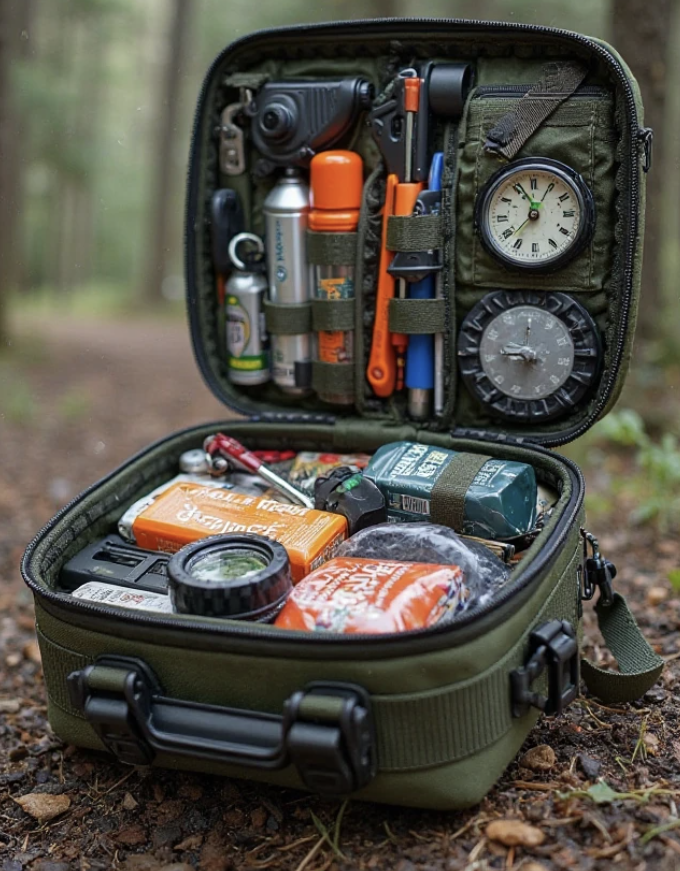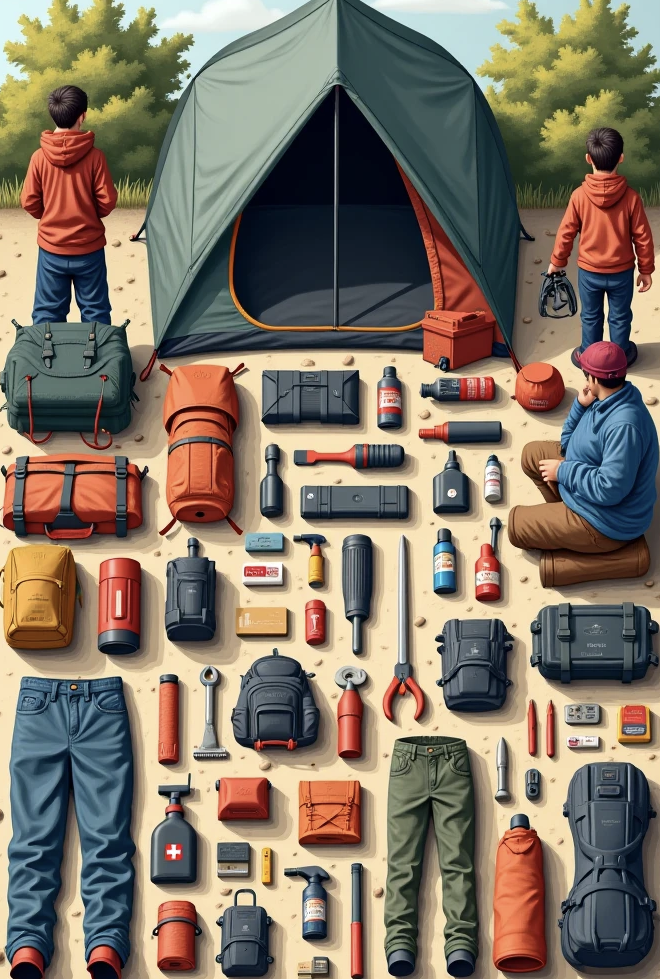
Florida’s Best 30 Camping Sites for Survival Preppers

Florida Survivalist’s Guide: Top 30 Camping Spots for Preppers

As a seasoned survival prepper in Florida, I’ve learned that the key to thriving in the face of natural disasters lies in preparation—and that includes knowing the best camping spots across the state. Florida’s diverse ecosystems offer a plethora of opportunities for survival training, wilderness immersion, and emergency preparedness. Whether you’re seeking remote backcountry sites, coastal retreats, or freshwater havens, Florida has a camping spot tailored for every prepper’s needs.


1. Big Cypress National Preserve

A vast 729,000-acre preserve offering rugged terrain, swamps, and diverse wildlife. Ideal for backcountry camping and honing survival skills. Nature Sport Central

2. Ocala National Forest

Home to clear springs, dense forests, and numerous trails, this forest provides both primitive and developed campsites.

3. Everglades National Park

Experience the “River of Grass” with chickee platforms and canoe-in campsites. Perfect for waterborne survival scenarios. Florida Trippers

4. Blackwater River State Park

Features one of the world’s rarest habitats, offering canoeing, hiking, and primitive camping opportunities.

5. Myakka River State Park

Spanning wetlands and forests, this park offers diverse terrains for hiking, canoeing, and wildlife observation. State Parks

6. Suwannee River Wilderness State Trail

A remote trail with river camps, ideal for canoeing and experiencing Florida’s natural beauty. Lonely Planet

7. Falling Waters State Park

Home to the state’s highest waterfall, this park offers hiking trails and a serene lake for swimming and fishing. Lonely Planet+2She Buys Travel+2State Parks+2

8. Florida Caverns State Park

Explore stunning underground formations and enjoy above-ground activities like hiking and canoeing. She Buys Travel

9. Anclote Key Preserve State Park

Accessible only by boat, this island park offers primitive beach camping and excellent fishing spots. State Parks+1VISIT FLORIDA+1

10. Cayo Costa State Park

A secluded island accessible by ferry or private boat, offering pristine beaches and primitive campsites. VISIT FLORIDA

11. Harney River Chickee

Located in the Everglades, this chickee platform provides a unique camping experience above the water. Florida Trippers

12. Wekiwa Springs State Park

Near Orlando, this park offers hiking, canoeing, and both primitive and developed campsites. State Parks+1Beyond The Tent+1

13. Juniper Springs Recreation Area

Known for its warm springs and canoeing opportunities, this area offers both primitive and developed campsites. VISIT FLORIDA+2Beyond The Tent+2State Parks+2

14. Salt Springs Recreation Area

Features a 72-degree spring, ideal for swimming and relaxing after a day of hiking or canoeing. VISIT FLORIDA

15. Hontoon Island State Park

Accessible by boat, this park offers primitive camping and a chance to explore Florida’s wild side. VISIT FLORIDA

16. Withlacoochee State Forest

Offers a variety of camping options, including electric and primitive sites, and numerous trails for hiking and biking. VISIT FLORIDA

17. Tomoka State Park

Located at the confluence of the Tomoka and Halifax rivers, this park offers canoeing and hiking opportunities. VISIT FLORIDA

18. Kissimmee Prairie Preserve State Park

Florida’s first Dark Sky Park, offering stargazing, hiking, and birdwatching opportunities. Southern Living

19. Coldwater Gardens

A private nature retreat offering eco-friendly accommodations and access to diverse natural habitats. Southern Living+1Florida Hikes+1

20. Camp Chowenwaw Park

A former Girl Scout camp offering a unique camping experience in a deep forest setting. Florida Hikes

21. Bear Island Campground

Located in Big Cypress National Preserve, this campground offers a remote and rustic camping experience. Beyond The Tent+2activeweekender.com+2Nature Sport Central+2

22. Gator Head Campground

Also in Big Cypress National Preserve, this campground offers a primitive camping experience.

23. Pink Jeep Campground

Located in Big Cypress National Preserve, this campground offers a rustic camping experience.

24. Alexander Springs Recreation Area

Known for its crystal-clear spring, this area offers swimming, hiking, and camping opportunities.

25. Bahia Honda State Park

Located in the Florida Keys, this park offers camping with access to beautiful beaches and clear waters.

26. St. Andrews State Park
Located on Florida’s Panhandle, this park offers beautiful beachside camping, kayaking, snorkeling, and hiking—great for coastal survival training.

27. Fort De Soto Park
Near St. Petersburg, this historic park has excellent facilities for tent camping and is perfect for testing your bug-out gear close to saltwater environments.

28. Lake Kissimmee State Park
This park offers both scenic and secluded campsites. The wooded terrain, wildlife, and proximity to water make it ideal for long-term survival prep testing.

29. Blue Spring State Park
Best known for manatee viewing, this park also offers great opportunities to practice wilderness navigation, fishing, and sustainable camping techniques.

30. Grayton Beach State Park
Located along the Gulf Coast, this is one of Florida’s most scenic spots. It’s ideal for saltwater fishing, beach survival exercises, and testing your shelter setup skills in sandy environments.


Why Florida Survival Preppers Need These Camping Sites

As a lifelong Floridian and survivalist, I’ve learned that the only way to truly be ready for what this state throws at you—be it hurricanes, flooding, power outages, or even civil unrest—is to get boots-on-the-ground experience. That means turning camping into a lifestyle, not a weekend getaway.

Camping isn’t just leisure—it’s field testing. These sites aren’t just pretty—they’re battlegrounds for your bug-out plan. Each one offers a different terrain, different climate pressures, different proximity to fresh water, and different logistical considerations. In the prepping world, we call that real-world training.

From the swampy lowlands of Big Cypress to the high canopies of Ocala National Forest, these sites challenge your gear, your mindset, and your ability to adapt.


What You Should Practice at These Sites

  • Water Filtration – Test your LifeStraw, Berkey bottle, or Sawyer system. Florida’s humidity and flooding make clean water a top survival priority.
  • Fire Starting – You need to be able to start a fire in wet conditions. Use ferro rods, flint kits, and test your tinder stash.
  • Navigation – Bring your compass and topographic maps. Learn to navigate by landmarks, not GPS.
  • Shelter Setup – Practice with tarps, tents, hammocks, and ponchos. Test insulation and waterproofing.
  • First Aid – Take time to practice wound dressing, sprain management, and CPR with your group or family.
  • Foraging & Fishing – Learn local edible plants, shellfish traps, and how to cook off-grid.
  • Silent Movement – Learn to move quietly through brush and woods—handy for stealth or avoiding confrontation post-disaster.

How Camping Prepares You for Florida’s Real Threats

Let’s face it—Florida is a paradise with a temper. Here’s how your camping prep aligns with the realities of this state:

  • Hurricanes – Coastal sites give you the ability to simulate evacuation, sheltering from high winds, and setting up without infrastructure.
  • Floods – Camps near rivers and lowlands help you understand flood risks, water management, and gear waterproofing.
  • Heat & Bugs – There’s no classroom like Florida summer. You’ll learn the importance of hydration, shade, and insect protection real fast.
  • Looting & Chaos – If the grid goes down, knowing how to hide, blend in, and relocate matters. Remote camps teach that kind of discipline.

Final Word from a Florida Prepper

Living in Florida means prepping for paradise—and disaster. These 30 camping sites are more than scenic retreats. They’re proving grounds for your survival mindset. If you’re serious about prepping, don’t just build a bug-out bag—build your skills. Pack your gear, head into the wilderness, and make sure that when Florida roars, you’re not just surviving… you’re thriving.

And remember: the wild doesn’t lie. It’s the truest test of whether you’re ready for what’s coming.



30 Must-Visit Wyoming Campsites for Off-Grid Survival Training

🏕️ The Best Campsites for Wyoming Survival Preppers

As a seasoned survival prepper living in Wyoming, I’ve learned that the key to thriving in the wild is preparation. The Cowboy State offers a diverse range of terrains—from the towering peaks of the Tetons to the expansive plains of the east—each presenting unique challenges and opportunities for honing survival skills. Below is a curated list of 30 top camping sites across Wyoming, ideal for preppers seeking to test their gear, practice wilderness survival techniques, and immerse themselves in the state’s rugged beauty.


🏞️ 1. Jenny Lake Campground (Grand Teton National Park)

Nestled at the base of the majestic Teton Range, this campground offers breathtaking views and access to numerous hiking trails. It’s a prime spot for testing shelter setups and water purification methods.

🏞️ 2. Island Lake Campground (Beartooth Highway)

Located in the Shoshone National Forest, this remote campground is perfect for practicing navigation and off-grid cooking techniques. Its proximity to Yellowstone’s northeastern entrance makes it a strategic base for wilderness excursions.Camping Kiddos

🏞️ 3. Curt Gowdy State Park

Situated between Cheyenne and Laramie, this park offers diverse terrains for testing various survival scenarios. With over 170 campsites, it’s ideal for group training exercises.Lonely Planet

🏞️ 4. Glendo State Park

Known for its expansive reservoir, Glendo provides opportunities for water-based survival training and fishing practice. The park’s varied landscapes are perfect for simulating different disaster scenarios.PlanetWare

🏞️ 5. Vedauwoo Campground (Medicine Bow-Routt National Forest)

Famous for its unique rock formations, Vedauwoo offers challenging terrains for practicing shelter building and fire-starting techniques.Book Outdoors

🏞️ 6. Boysen State Park

Located near the Wind River Canyon, this park is ideal for testing water filtration systems and practicing fishing skills.

🏞️ 7. Bighorn Canyon National Recreation Area

With both drive-in and boat-accessible campgrounds, Bighorn Canyon offers diverse environments for survival training, from dense forests to open plains.Wikipedia

🏞️ 8. Medicine Lodge Archeological Site

This historic site near Hyattville features ancient Native American petroglyphs and offers a unique setting for wilderness survival practice.Book Outdoors

🏞️ 9. Horseshoe Bend Campground (Bighorn Canyon)

Located in the South District of Bighorn Canyon, this campground provides a mix of forested areas and open spaces, perfect for testing navigation and shelter-building skills.Wikipedia

🏞️ 10. Afterbay Campground (Bighorn Canyon)

Situated in the North District, Afterbay offers a more secluded environment for practicing solo survival techniques and honing bushcraft skills.

🏞️ 11. Two Moon Campground (Glendo State Park)

As the largest campground in Glendo State Park, Two Moon offers ample space for group survival training exercises and testing various gear setups.

🏞️ 12. Sandy Beach Dune Campground (Glendo State Park)

This campground provides access to the reservoir’s shoreline, ideal for practicing water-based survival skills and fishing techniques.

🏞️ 13. Grayrocks Reservoir

A free camping spot near Greyrocks Reservoir, offering opportunities for fishing, wildlife observation, and testing off-grid living setups.YouTube+1Only In Your State+1

🏞️ 14. Castle Gardens Campground

Located near Lander, this campground offers a unique setting with nearby petroglyphs and opportunities for hiking and wildlife observation.Only In Your State+1Camping Kiddos+1

🏞️ 15. Cokeville Campground

A free, no-reservation campground in Cokeville, providing a peaceful setting for solo survival practice and nature immersion.Only In Your State

🏞️ 16. Encampment River Campground

Situated near Rawlins, this campground offers access to the Encampment River, ideal for practicing water purification and fishing skills.Only In Your State

🏞️ 17. Cook Lake Campground

Located near Sundance, this campground offers a tranquil setting with opportunities for hiking, fishing, and wildlife observation.

🏞️ 18. Slough Creek Campground (Yellowstone National Park)

A remote campground in Yellowstone’s Lamar Valley, Slough Creek offers opportunities for wildlife observation and practicing backcountry survival skills.

🏞️ 19. Pebble Creek Campground (Yellowstone National Park)

Situated in the northeastern part of Yellowstone, this campground provides access to hiking trails and opportunities for wildlife observation.

🏞️ 20. Bridge Bay Campground (Yellowstone National Park)

Located near Yellowstone Lake, Bridge Bay offers amenities like flush toilets and coin-operated showers, making it suitable for testing gear and practicing camp setup.Book Outdoors

🏞️ 21. Madison Arm Resort

A glamping option near Yellowstone, Madison Arm offers a mix of comfort and wilderness, ideal for testing luxury survival setups.cntraveler.com

🏞️ 22. Thorofare Campground (Yellowstone National Park)

One of the most remote campgrounds in Yellowstone, Thorofare offers solitude and a true wilderness experience for advanced survival training.cntraveler.com

🏞️ 23. Shoshone Geyser Basin Campground (Yellowstone National Park)

Accessible only by hiking, this campground offers a challenging environment for practicing navigation and backcountry survival skills.

🏞️ 24. Beartooth Lake Campground

Located near Cody, this campground offers access to Beartooth Lake and opportunities for fishing and wildlife observation.

🏞️ 25. Cliff Creek Campground

Nestled in the Hoback Canyon, this peaceful site offers easy access to trails, rivers, and steep terrain. It’s ideal for testing your gear in a rugged, forested environment where quick adaptation is crucial.

🏞️ 26. Granite Hot Springs Campground

Located southeast of Jackson, this campground offers a mix of backcountry adventure and natural relaxation. Practicing water collection, cooking, and cold-weather shelter setups in this geothermal region can teach you how to use the land’s resources wisely.

🏞️ 27. Gros Ventre Campground (Grand Teton National Park)

With panoramic views of the Tetons and abundant wildlife, Gros Ventre offers the perfect setting for food storage training, animal encounter protocols, and water filtration practice.

🏞️ 28. Buffalo Bill State Park

Just outside of Cody, this large park offers lake access and wide-open spaces for building temporary shelters, water transport drills, and fishing-based food plans.

🏞️ 29. Sinks Canyon State Park

Located near Lander, this site showcases underground river systems and unique geology. It’s an excellent location to practice water sourcing, shelter positioning, and navigation using natural landmarks.

🏞️ 30. Shell Falls Campground (Bighorn National Forest)

High up in the Bighorns, this lesser-known site is isolated enough for deep wilderness training—perfect for preppers working on long-term off-grid strategies.


🧭 Why These Sites Matter for Wyoming Preppers

Wyoming isn’t just another pretty state—it’s a prepper’s testing ground. With high winds, long winters, wildfires, and even seismic activity in the western region, it demands more than a bug-out bag. It requires field knowledge, tested skills, and mental toughness. These 30 campgrounds offer environments where you can simulate realistic survival situations and learn the true value of preparedness.


🔥 Prepper Tips for Wyoming Survival Camping

  1. Altitude Acclimation – Many of Wyoming’s best campgrounds are over 6,000 feet. Train your lungs and prepare for slower recovery during physical tasks.
  2. Wildlife Awareness – Learn how to hang food, store gear, and handle bear encounters. Wyoming is grizzly country.
  3. Water Sources – Know where to find clean water or how to filter from alpine lakes and glacial streams.
  4. Cold Weather Prep – Always pack for subfreezing temps, even in summer. Frostbite and hypothermia are real risks.
  5. Fire Building – Winds can reach 50 mph or more. Practice building wind-protected fires in various conditions.
  6. Solar Power Savvy – With few outlets and lots of sun, Wyoming’s ideal for testing solar chargers and portable panels.
  7. Camp Setup in Wind – Know how to secure tents with guy lines and heavy-duty stakes for 40+ mph gusts.
  8. Foraging & Edible Plants – Learn Wyoming’s wild edibles like cattail, wild onion, and dandelion. Never eat what you can’t ID.
  9. Map Reading – GPS is great until it’s not. Practice map and compass skills in the wilderness.
  10. Backup Communication – Cell service is nonexistent in many remote areas. Practice using satellite messengers or HAM radios.

🎯 Final Word from a Wyoming Survivalist

Camping in Wyoming isn’t a leisure activity for me—it’s a proving ground. If I can’t make it out here for three nights with just my pack, tarp, and tools, I know I’m not ready for a long-term crisis. That’s the mindset every survivalist should have: use nature now to train for later. You don’t get do-overs when the grid goes down.

The mountains don’t care if your gear fails. The weather won’t wait for you to figure out how to tie a tarp. Out here, you either adapt or you suffer. These 30 campgrounds are where you learn to adapt.

Prepare for Anything: Louisiana’s Top 30 Camping Sites for Preppers

The Best Campsites for Louisiana Survival Preppers!

As any true survivalist will tell you, preparation is everything. And here in Louisiana, when you’re living with a mix of heat, humidity, wild animals, and natural disasters like hurricanes, your ability to survive could depend on the places you camp, how you prepare, and how well you know the land. Louisiana may be known for its swamps, bayous, and marshlands, but it also offers some of the best and most challenging camping locations for preppers looking to test their mettle and hone their survival skills.

Whether you’re looking for a secluded patch of land to practice your bushcraft, or you need to be prepared to hunker down in a spot that could be a refuge if the grid goes down, Louisiana’s campgrounds offer all of that and more. The state’s diverse ecosystems—from its vast swamps to its thick forests—provide the perfect environment for those who wish to hone their skills and be ready for anything life (or nature) throws at them.

Here’s a list of 30 of the best campsites in Louisiana for survival preppers, plus tips on why each of them should be on your radar. These locations combine the wild beauty of Louisiana with the perfect opportunity for preppers to practice techniques like fire-starting, shelter building, and long-term wilderness survival.


1. Kisatchie National Forest

Located in the heart of Louisiana, Kisatchie is a vast stretch of wilderness that spans over 600,000 acres. This forest has it all: steep hills, creek beds, and plenty of wildlife like deer, wild hogs, and waterfowl. It’s a great spot for preppers to practice their tracking and hunting skills, and the dense pine forests make it perfect for shelter-building exercises.

2. Caddo Lake State Park

The swamps and marshes surrounding Caddo Lake are perfect for preppers who want to practice their waterborne survival skills. Canoe camping and learning how to survive in a swampy environment can provide valuable insights that other terrains simply cannot offer.

3. Chemin-A-Haut State Park

This park offers beautiful woodlands with a variety of survival resources like wild edibles and fresh water. It’s ideal for practicing your fishing and trapping techniques as well as learning how to navigate dense forest areas.

4. Jimmie Davis State Park

With its proximity to the Ouachita River, this park offers a great combination of forest and water-based survival options. You’ll find fishing, shelter-building materials, and various animal species to practice hunting and tracking.

5. Hodges Gardens State Park

Hodges Gardens offers stunning landscapes with lush greenery and a diversity of habitats. This park is ideal for learning plant identification and survival foraging, skills every prepper should have.

6. Tensas River National Wildlife Refuge

With swamps, rivers, and forests, Tensas River is the perfect place for those wanting to immerse themselves in a truly wild environment. It’s also a top spot for practicing water-based survival skills, like constructing a raft and navigating the river.

7. Bayou Segnette State Park

Located near New Orleans, this park is perfect for preppers looking to practice in a swampy, humid environment. It’s a great place for learning water purification methods, catching fish, and gathering plants for food.

8. Lake Fausse Pointe State Park

If you want to hone your survival skills in a true bayou environment, this is your place. Surrounded by dense cypress forests, marshes, and waterways, Lake Fausse Pointe is an excellent choice for learning water navigation and wilderness living.

9. Avery Island

Known for its salt domes and the famous Tabasco sauce factory, Avery Island is also a prime spot for exploring the bayou. It’s a remote location that offers excellent opportunities for shelter-building and testing your survival skills in a very challenging environment.

10. Grand Isle State Park

Grand Isle offers a unique environment with both beach and marsh areas. The combination of saltwater and marshland gives preppers the opportunity to practice a range of survival tactics, from fishing and trapping to shelter building in less-than-ideal conditions.

11. DeSoto State Park

This park is ideal for preppers who want to test their wilderness skills in a beautiful but rugged terrain. With forested hills, streams, and diverse wildlife, this area is perfect for practicing tracking, hunting, and setting up shelters.

12. Cat Island National Wildlife Refuge

Located near St. Francisville, this wildlife refuge offers a mix of marshland and forested areas. It’s a great spot to practice your navigation and survival skills while learning to identify animals and plants in a subtropical climate.

13. Tunica Hills Wildlife Management Area

This area offers rugged terrain with dense forests and steep ravines. It’s ideal for practicing shelter-building, fire-starting, and using natural materials to create useful tools. The challenging terrain makes it a perfect spot to test your endurance and bushcraft skills.

14. Palmetto Island State Park

For those looking to practice their survival skills in an environment that’s a mix of wetland, swamp, and forest, Palmetto Island offers plenty of opportunities. This park is a good spot to learn how to construct a camp in a wet environment and master skills related to water purification and survival fishing.

15. Poverty Point Reservoir State Park

This park offers a mix of wooded areas and open water. A prime location for fishing and shelter-building, it’s also an excellent choice for learning to trap animals and forage in a variety of habitats.

16. Sabine National Wildlife Refuge

Located in the southwestern part of the state, Sabine is another prime location for preppers who want to practice survival skills in a swampy environment. Its vast marshes and wetlands offer the perfect opportunity to learn water survival skills and test your ability to forage for food in wetland environments.

17. Red River National Wildlife Refuge

A beautiful area with wetlands and forests, this site offers opportunities to practice hunting, foraging, and fire-starting in an environment where you’ll need to be resourceful.

18. Bogue Chitto State Park

This park offers a unique blend of pine forests, creeks, and wetlands, ideal for preppers looking to hone their skills. It’s a good spot for learning about navigation and animal tracking, as well as creating makeshift shelters from natural materials.

19. Lacassine National Wildlife Refuge

With its unique mix of swamp, prairie, and wetlands, Lacassine offers the opportunity for preppers to practice a variety of survival skills, including navigation, shelter building, and identifying local flora and fauna.

20. Piney Woods Conservation Area

For preppers interested in wooded survival, this area offers a range of environments from wetlands to dense forests. It’s perfect for fire-starting, water purification, and animal tracking.

21. St. Tammany Parish

This area offers a blend of swamp and forest, making it perfect for those looking to survive in a humid, wet environment. The St. Tammany Parish area is home to wildlife and a range of survival resources, from water sources to shelter-building materials.

22. Atchafalaya National Wildlife Refuge

This is a vast and wild wetland area that challenges even the most seasoned prepper. Practicing your canoeing skills, building shelters, and learning how to survive in wet, swampy conditions will test your skills to the fullest.

23. Lake Martin

A beautiful spot surrounded by cypress trees and swamps, Lake Martin is a great place for practicing water navigation and refining your ability to forage and track animals in wetland environments.

24. Fort Pike State Historic Site

Located on the shore of Lake Pontchartrain, Fort Pike is perfect for practicing coastal survival skills, including shelter-building, fire-starting, and water purification in a coastal environment.

25. Bastrop State Park

Bastrop offers great opportunities for preppers interested in learning about fire-starting, shelter building, and tracking animals in a wooded environment.

26. Lake D’Arbonne State Park

This park offers a range of environments from forest to lakefront, making it perfect for practicing a variety of survival techniques, including fishing, hunting, and building shelters in different settings.

27. The Grassy Lake Wildlife Management Area

With its diverse wildlife and varying terrain, the Grassy Lake area is perfect for preppers looking to hone their bushcraft, trapping, and fire-starting skills.

28. D’Arbonne National Wildlife Refuge

Another excellent wetland environment, this area offers ample opportunity to test your survival skills in challenging swampy conditions.

29. Turtle Cove Eco Tours

If you want to learn how to survive in the Louisiana swamps with a focus on water-based skills, Turtle Cove is a great option for getting hands-on experience with water navigation, fishing, and emergency shelter building.

30. Vermilionville Historic Village

For preppers interested in cultural history, Vermilionville offers a unique opportunity to combine survival skills with historical knowledge. It’s a great place to learn about survival techniques used by the area’s early settlers.

The Best Illinois Campsites for Preppers Who Want to Be Ready for Anything

The Best Campsites for Illinois Survival Preppers: A Guide to Stay Prepared in the Prairie State

As survival preppers living in the state of Illinois, we know that being ready for any disaster, big or small, is crucial. Whether you’re dealing with an economic collapse, natural disaster, or just taking a break from the chaos of everyday life, camping in Illinois provides an excellent opportunity to hone your survival skills and keep your body, mind, and supplies sharp.

Illinois, with its diverse landscapes, offers a range of camping sites that are perfect for preppers. Whether you’re seeking dense forests, quiet lakes, or open prairies, the state has something for everyone. As preppers, we look for more than just a spot to set up a tent—we seek locations that provide ample resources for water, food, shelter, and natural defense. Additionally, these campsites allow you to practice crucial survival techniques, like foraging, shelter-building, fire-starting, and navigation, while being able to step away from the hustle and bustle of urban life.

In this guide, we will cover the 30 best campsites in Illinois for survival preppers, giving you the perfect places to practice your skills and be prepared for whatever comes your way.

CLICK HERE TO LEARN HOW TO SURVIVE A FAMINE

Why Illinois for Survival Prepping?

Illinois might not be the first state that comes to mind when you think of survival prep, but it is one of the most underrated states for preppers looking to blend outdoor survival with practical training. The state is home to various ecosystems, from the rugged Shawnee National Forest in the southern tip to the vast prairies and wetlands in the central and northern regions. With plenty of water resources, diverse wildlife, and hundreds of acres of land for off-grid living, Illinois is a prepper’s paradise waiting to be discovered.

Moreover, Illinois’s moderate climate makes it an ideal location for year-round prepping. Winters can be harsh, but this allows for the testing of winter survival gear and skills. Summers are typically humid, offering a unique environment to practice shelter building and heat management.

Let’s dive into the 30 best camping sites in Illinois that every prepper should know.

1. Shawnee National Forest

Located in southern Illinois, Shawnee National Forest spans over 280,000 acres. This forest is perfect for preppers looking for a mix of dense forest, rocky bluffs, and secluded areas. It’s an ideal location to practice navigation, shelter building, and foraging.

2. Starved Rock State Park

Famous for its canyons, waterfalls, and dense forests, Starved Rock is one of Illinois’ most popular parks. For preppers, it offers plenty of natural resources for survival, including accessible water sources, firewood, and wildlife.

3. Cave-in-Rock State Park

Situated along the Ohio River, this park offers unique caves to explore. Perfect for survivalists interested in learning about shelter in caves and river navigation.

4. Red Hills State Park

This park offers over 1,000 acres of dense woods and beautiful hills. It’s ideal for preppers seeking a quieter spot to practice wilderness survival skills away from the crowds.

5. Mississippi Palisades State Park

Located along the Mississippi River, this park features rocky bluffs and dense forests. It’s great for practicing water navigation, fire-starting, and identifying wild edible plants.

6. Illinois Beach State Park

Situated on the shore of Lake Michigan, this park offers a perfect mix of beach, forest, and wetlands. It’s perfect for water navigation and prepping for coastal survival scenarios.

7. Giant City State Park

This park is named for its giant sandstone cliffs and offers more than 4,000 acres of wilderness. Great for practicing shelter building, fire-starting, and even stone carving.

8. Sangchris Lake State Park

With its massive lake and thick woods, this park is an excellent spot for practicing fishing, navigation, and resource gathering. It also features remote, less-trafficked areas ideal for survivalists seeking solitude.

9. Hickory Ridge Wilderness Area

Perfect for off-grid camping, this area is known for its wild beauty and dense forests. It offers a remote location where preppers can practice long-term survival strategies.

10. Ferne Clyffe State Park

This park, known for its cliffs and ravines, is a great place for practicing shelter building and navigation. It also offers plenty of wildlife and natural resources.

11. Fox Ridge State Park

With a variety of woodlands, prairies, and bluffs, Fox Ridge offers preppers a variety of terrain to hone their wilderness survival skills.

12. Fort Massac State Park

This historical site located along the Ohio River offers a unique blend of history and natural beauty. Preppers can practice tactical camping and waterborne navigation in a historically significant setting.

13. Rock Cut State Park

Known for its two beautiful lakes, Rock Cut State Park is perfect for practicing water purification, fishing, and fire-starting techniques.

14. Toledo State Wildlife Area

A remote and peaceful area for preppers to practice isolation and learn how to live off the land with ample opportunities to forage and hunt.

15. Kankakee River State Park

If you’re interested in water navigation and fishing, this park along the Kankakee River offers an abundance of resources for preppers to practice waterborne survival skills.

16. Chain O’ Lakes State Park

Perfect for those prepping for urban collapse and needing to practice survival in areas near rivers and lakes, this park is a haven for fishing, watercraft, and wilderness techniques.

17. Busse Woods Forest Preserve

Just north of Chicago, this park offers preppers a chance to practice in a suburban wilderness setting. It’s great for those interested in survival techniques in more populated areas.

18. Lake Shelbyville

A perfect location for preppers looking for water sources and a varied landscape to practice fishing, boating, and even building makeshift shelters near the shoreline.

19. Walnut Point State Park

Ideal for practicing solitude and off-grid survival techniques, this park offers ample space for establishing camp away from prying eyes.

20. Shabbona Lake State Park

With its fishing opportunities and wooded areas, Shabbona Lake is a prime location for survivalists looking to hone their fishing skills, practice navigation, and shelter-building techniques.

21. Spring Lake State Fish and Wildlife Area

This area offers thick woods and marshes, making it an ideal location for preppers looking to practice their survival skills in wetlands and dense forests.

22. Beall Woods State Park

Located on the Wabash River, Beall Woods is perfect for learning survival skills related to river navigation, fishing, and natural shelter-building.

23. Clinton Lake State Recreation Area

A fantastic spot for preppers who want to practice fishing, navigation, and survival techniques near a large lake and wooded areas.

24. Shawnee National Forest – Garden of the Gods

The famous Garden of the Gods offers stunning views and secluded camping areas, ideal for practicing navigation, shelter building, and fire-starting.

25. Evergreen Lake

Located near Bloomington, this lake offers preppers opportunities for water navigation and fishing, as well as secluded areas for practicing long-term survival.

26. Matthiessen State Park

This park offers great terrain for survivalists, with a combination of deep forests, streams, and ravines. It’s perfect for practicing navigation and foraging.

27. Coffeen Lake State Fish and Wildlife Area

This remote park offers abundant wildlife and a peaceful, off-the-beaten-path location perfect for practicing fishing, foraging, and shelter building.

28. Beaver Dam State Park

A quiet and remote location where survivalists can hone their skills away from the public eye. There are abundant resources here for long-term prepping.

29. Siloam Springs State Park

Located in western Illinois, Siloam Springs is a hidden gem that offers preppers an excellent place to practice water purification, shelter building, and navigation.

30. Pere Marquette State Park

Known for its rugged terrain and beautiful forested areas, this park offers the ideal environment for practicing fire-starting, foraging, and building wilderness shelters.

Final Thoughts on Illinois Camping for Preppers

When it comes to prepping in Illinois, these campsites offer the perfect opportunity to train, test, and fine-tune your survival skills. From navigating thick forests and wetlands to fishing and hunting for your next meal, Illinois offers a diverse range of environments that will prepare you for any emergency situation. Whether you’re practicing for a long-term grid-down scenario or just need some time away to hone your skills, these campsites are some of the best in the state.

Remember, as a prepper, it’s not just about surviving the wilderness—it’s about thriving in it, and these Illinois campsites provide the perfect places to do just that.

North Dakota’s Ultimate Survivalist Camping List: Where Preppers Should Go

As a survival prepper living in the harsh, windswept landscape of North Dakota, it’s vital to have the knowledge and resources to thrive when things go south. Whether you’re building your bug-out bags, fortifying your homestead, or just testing your gear, finding the best campsites is a critical part of your prep. North Dakota is home to sprawling wilderness, dense forests, and remote spots where you can practice your survival skills, all while being close enough to civilization should you need to resupply.

In the spirit of preparation, I’ve compiled a list of 30 of the best camping sites across North Dakota for survival preppers. These campsites are not only perfect for testing your gear, they’re also the ideal environment to practice the skills necessary for surviving long-term in harsh conditions.

1. Theodore Roosevelt National Park (South Unit)

Located near Medora, this park offers a mix of rocky hills and grasslands. Its diverse ecosystem will give you plenty of opportunities to test your knowledge of foraging, wildlife tracking, and shelter building. The South Unit is particularly rugged, providing an authentic challenge for any prepper.

2. Theodore Roosevelt National Park (North Unit)

The North Unit is known for its remote location and steep canyons. Perfect for testing your long-term survival skills in an isolated environment. The campgrounds here are primitive, so you’ll need to be fully prepared for self-sufficiency.

CLICK HERE TO LEARN HOW TO SURVIVE A FAMINE

3. Fort Abraham Lincoln State Park

This state park is a good mix of history and natural beauty. While the campgrounds are more developed, there are secluded areas perfect for survivalist training. Set up your camp near the river for water access and use the surrounding forest to practice building primitive shelters.

4. Turtle Mountain State Forest

Turtle Mountain offers dense forests and rolling hills, ideal for practicing wilderness survival. The park is rich in wildlife, which gives you the opportunity to practice hunting, fishing, and trapping techniques. It’s a peaceful, off-the-beaten-path spot to test your skills.

5. Lake Sakakawea State Park

With its beautiful lakeside setting, Lake Sakakawea State Park is an ideal place for preppers to test their fishing, water purification, and boat handling skills. The remote campgrounds are perfect for getting some off-grid experience.

6. Fort Union Trading Post National Historic Site

This historic site offers an excellent chance to practice survivalist tactics in a remote, historically significant setting. Set up camp near the trading post ruins, where you can work on your fire-starting and shelter-building skills.

7. Des Lacs National Wildlife Refuge

Des Lacs is a remote wildlife refuge perfect for quiet camping and survival practice. It’s a good spot for those who want to work on their camouflage and predator evasion tactics, thanks to its thick forests and vast open spaces.

8. Pembina Gorge State Recreation Area

This park features steep ravines, wildlife-filled forests, and rugged terrain, offering preppers ample opportunities to practice stealth camping and building shelters that blend into the environment.

9. Devils Lake State Park

Famous for its fishing opportunities, Devils Lake offers a great environment for water-based survival skills. It also features diverse terrain, including marshes and forests, making it ideal for practicing a variety of skills.

10. Custer State Park (North Dakota)

This state park has great, well-maintained campgrounds, but its remoteness also allows you to practice some wilderness survival tactics. Take advantage of its abundant wildlife to practice hunting and foraging.

11. Sheyenne National Grassland

Located in the eastern part of North Dakota, this national grassland is a great spot for those wanting to test their skills in more open terrain. With few trees and vast open skies, it’s perfect for honing your navigation and survival tactics in the wilderness.

12. Sakakawea Recreation Area

Another great spot near Lake Sakakawea, this area offers plenty of remote campgrounds for preppers looking to practice water purification, fishing, and campfire building.

13. Missouri River Bottoms

This area is perfect for practicing river survival techniques, such as fishing, trapping, and understanding river navigation. The vast floodplain offers some tough terrain to work with, helping you build your endurance.

14. Cedar River Campground

For more secluded camping, Cedar River Campground provides a great spot to hone your skills in water purification and shelter-building in a forested environment.

15. Bismarck-Mandan Area (Multiple Locations)

Although more urbanized, the Bismarck-Mandan area has several camping spots that offer easy access to wilderness trails and rivers. Use this as a base for urban survival training with easy access to resupply routes.

16. Knife River Indian Villages National Historic Site

With both history and wilderness, this site offers an opportunity for preppers to practice stealth camping and historical survival techniques used by native tribes in the area.

17. Bear Den State Park

Known for its rugged terrain and remote campsites, Bear Den State Park is a great spot for testing your shelter-building and water purification skills.

18. Chase Lake National Wildlife Refuge

A remote location with unique terrain, it’s perfect for practicing your hunting, fishing, and trapping skills in isolation.

19. Red River Valley

This location offers dense wetlands and forests, perfect for honing survivalist skills in a boggy environment. It’s a great place to practice your navigation skills in less forgiving conditions.

20. Grasslands National Park

For preppers who want to test their endurance in harsher climates, Grasslands National Park offers both beautiful and challenging terrain to help sharpen your survival skills.

21. Garrison Dam State Park

Known for its scenic beauty and outdoor activities, Garrison Dam provides an excellent area for water survival tactics, including fishing and water purification.

22. Pembina Gorge

A rugged and remote area perfect for practicing your bushcraft skills, including building shelters and fire-starting, while staying off the radar.

23. J. Clark Salyer National Wildlife Refuge

If you’re looking for a truly isolated spot for your survival prep, this wildlife refuge offers quiet campsites surrounded by nature.

24. Turtle Mountains

Known for dense forests, Turtle Mountains provides a great challenge for survivalists looking to build primitive shelters and practice tracking.

25. Eagle Point Campground

Located on the edge of Lake Sakakawea, Eagle Point provides a mix of camping experiences, from remote spots to well-maintained campsites. A great place to test your water purification and fire-starting skills.

26. Alkaline Flats

This remote location provides endless opportunities to work on your navigation and wilderness survival tactics in a desolate and tough environment.

27. Enchanted Highway Camping

Famous for its roadside attractions, the Enchanted Highway also offers wilderness camping. It’s a place where preppers can practice long-distance hiking and endurance, making it an ideal survival training ground.

28. Golden Valley

Nestled between hills and rivers, Golden Valley provides a perfect mixture of open spaces and forested areas, giving survivalists a variety of terrains to practice.

29. Lake Metigoshe State Park

Situated along the Canadian border, Lake Metigoshe offers both lakeside and forested campgrounds perfect for practicing wilderness survival skills.

30. Badlands Area

This rugged and harsh environment makes it ideal for preppers looking for a challenge. With steep cliffs, deep ravines, and dry terrain, the Badlands offer one of the most demanding survivalist camping environments in the state.


These 30 campsites provide the perfect opportunity for survival preppers to hone their skills in various terrains and environments across North Dakota. From dense forests to expansive grasslands, each site offers its own unique challenges. Whether you’re practicing shelter-building, foraging, or fishing, North Dakota offers everything a survivalist needs to prepare for the worst while enjoying the beauty of the state’s wild landscapes.

Bugging Out Gone Wrong and The Hidden Hazards You Can’t Afford to Ignore

As preppers, we plan for the worst-case scenario. We stockpile supplies, create bug-out bags, and rehearse evacuation plans. But in the heat of the moment, with panic and adrenaline running high, things can go terribly wrong. And if you’re not careful, even the best-prepared bug-out plan can quickly turn into a nightmare.

The truth is, there are hidden hazards when bugging out—dangers that many people overlook when creating their survival strategies. These aren’t just the obvious risks like bad weather, wild animals, or hostile individuals. The real threats are often things we don’t expect, the hazards that are easy to dismiss, but which can be just as deadly in a collapse situation.

The Hidden Hazards When Bugging Out

When the time comes to bug out, you need to be prepared for more than just getting from point A to point B. The hazards of the journey and survival in the wild can be numerous, and even the smallest oversight can lead to disaster. Let’s break down some of the often-forgotten risks that can make bugging out much more dangerous than you anticipate.


1. Overpacking Your Bug-Out Bag

Prepper Tip #1: Don’t overpack your bug-out bag. Focus on lightweight, high-utility items. Prioritize quality over quantity.

It’s easy to get excited and pack everything you think you’ll need, but this is one of the most common mistakes preppers make. A heavy, overstuffed bug-out bag can slow you down and wear you out faster than you think. You might be carrying extra weight that you don’t need, making it harder to move efficiently or even causing physical injury if you’re not used to carrying heavy loads over long distances.

When bugging out, your goal should be mobility and endurance. Focus on essential survival gear that serves multiple purposes. Choose lightweight, compact tools and space-efficient items that you can rely on. If your bag is too heavy, you’re less likely to reach your destination—and you’ll waste valuable energy and time.


2. Failing to Consider Terrain and Route

Prepper Tip #2: Scout multiple routes and plan for terrain challenges. Always have a secondary escape route.

When you’re bugging out, the route you take is just as important as the gear you carry. Terrain can be one of the most dangerous hidden hazards when you’re trying to escape from danger. You might think you know the land around you, but terrain can change drastically depending on weather, local geography, or even human interference.

Hiking through dense forests, crossing rivers, or scaling steep hills can take more time and energy than you anticipate. These challenges can not only delay your travel, but they can also exhaust you or lead to injury.

Tip: Plan your routes carefully. Avoid areas with difficult terrain, and always have a secondary route in case you run into unforeseen obstacles. When scouting, look for natural barriers like mountains or swamps that could either help you or hinder your progress, and always account for the distance and time it will take to travel through each area.


3. Not Taking into Account Wildlife Risks

Prepper Tip #3: Learn to identify dangerous wildlife and practice defensive tactics. Know which animals to avoid and how to deal with them.

Wildlife can be both a source of food and a deadly threat during a bug-out. In a survival situation, animals like deer, wild boar, and rabbits may seem like an easy food source, but you need to understand the dangers that come with interacting with wildlife. Dangerous animals—like bears, mountain lions, and wolves—can be an immediate threat if you’re not prepared to defend yourself.

Additionally, animals may carry diseases like rabies, ticks that spread Lyme disease, or parasites that can seriously affect your health. When bugging out, always be cautious of the wildlife in your surroundings. Keep a safe distance, avoid provoking animals, and know the proper defensive measures for any encounters.


4. Underestimating the Importance of Water Sources

Prepper Tip #4: Always carry a water filtration system and know how to purify natural water sources.

You can survive for weeks without food, but only a few days without water. That’s why ensuring you have access to clean, safe drinking water is one of the most critical components of a successful bug-out plan. Many preppers make the mistake of underestimating the importance of water sources and assume they’ll be able to find it when they need it.

While it’s true that there are plenty of natural water sources—rivers, streams, lakes, and springs—many of these are contaminated with bacteria, parasites, or harmful chemicals. Even if the water looks clean, it may still be unsafe to drink. Without proper filtration, you risk drinking contaminated water, which could lead to severe illness or even death.

Always carry a high-quality water filtration system in your bug-out bag, such as a LifeStraw or a portable water filter, and know how to purify water using boiling or chemical treatments if necessary.


5. Not Accounting for Food and Caloric Needs

Prepper Tip #5: Have high-calorie, lightweight food in your bug-out bag and know how to forage or hunt for more.

Food is another hidden hazard in the bug-out equation. While you may have a bug-out bag full of supplies, your food may not last as long as you think. Rationing becomes critical when you’re on the move for extended periods of time. And relying solely on packed food without considering the possibility of foraging or hunting can limit your options.

By the time you run out of food, you may find yourself stuck in an area with few edible plants or animals. Carry a variety of high-calorie, lightweight food items like energy bars, dried fruits, and trail mix. And make sure you have fishing gear or small game hunting tools like snares or traps to supplement your food supply.


6. Ignoring Medical Risks and First Aid

Prepper Tip #6: Always carry a comprehensive first aid kit and know basic wilderness medicine to treat injuries and illness on the spot.

In the wilderness, injuries or illnesses can escalate quickly. Without proper medical care, even a small cut or scrape can turn into a serious infection. Bugging out without a first aid kit is a critical mistake that could cost you your survival.

A well-stocked first aid kit is an essential part of your bug-out gear. Make sure it includes antibiotics, bandages, splints, painkillers, burn creams, and antiseptic wipes. Learn basic first aid skills like wound care, splinting fractures, and performing CPR.


7. Not Having a Good Shelter Plan

Prepper Tip #7: Pack portable shelter such as a tarp, emergency bivy sack, or tent to ensure a safe place to sleep each night.

When bugging out, you may not be able to find shelter right away. Building a fire and finding a place to sleep in the wild requires careful planning. If you don’t have a pre-made shelter, such as a tent or tarp, you may find yourself exposed to the elements, which can lead to hypothermia, dehydration, and exhaustion.

Plan ahead for shelter construction, and always have a weather-resistant shelter option that will keep you protected from the elements, particularly in colder climates.


8. Underestimating the Psychological Impact

Prepper Tip #8: Mentally prepare for the psychological stress of bugging out and have a plan to stay calm under pressure.

Bugging out isn’t just physically demanding—it’s mentally exhausting. The emotional toll of leaving your home, traveling through unfamiliar territory, and dealing with constant danger can be overwhelming. Fear, panic, and anxiety can cloud your judgment, leading to rash decisions or mistakes that could cost you dearly.

Prepare your mind as much as you prepare your body. Practice mindfulness, stress management techniques, and focus on staying calm in emergency situations. Keep a positive attitude and have a clear mental strategy for handling challenges along the way.


9. Misjudging the Threat of Hostile Individuals

Prepper Tip #9: Be aware of your surroundings and always be ready for potential conflict with other survivors.

In a post-collapse scenario, other people might pose a bigger threat than wildlife. Roving bands of hostile individuals, other desperate preppers, or even those who are simply unprepared could target you for your resources. These threats can escalate quickly if you’re caught off guard.

Be mindful of your surroundings, traveling in groups if possible, and keep defensive weapons at the ready. Always be prepared to handle a confrontation—either through negotiation or force if necessary.


10. Failure to Stay Low-Key and Stealthy

Prepper Tip #10: Move quietly and avoid drawing attention to your location. Stealth is your best defense against both nature and hostile individuals.

One of the best ways to avoid drawing attention to yourself is by moving quietly and subtly. Making noise or being too flashy with your gear can alert others to your presence, making you a target. Blend in with nature and stay as discreet as possible.


Conclusion

When bugging out, the hazards are everywhere. The obvious risks like wild animals or dangerous terrain are easy to spot, but it’s the hidden dangers that can be your undoing. From underestimating the psychological toll to failing to account for wildlife or terrain risks, you must consider every aspect of your survival strategy. By preparing for the unexpected, you can increase your chances of making it to safety and surviving long enough to rebuild.

Bugging out is a risky endeavor, but with careful planning and vigilance, you can minimize the threats and maximize your chances of success.

Stay smart. Stay prepared. Stay alive.

Emergency Preparedness: South Dakota’s Statewide Strategy

Dakota Drift: Surviving Off-Grid in South Dakota

Living in South Dakota isn’t for the faint of heart. From the flat plains to the rugged Black Hills, this state offers both beauty and peril. As a seasoned prepper, I’ve learned that surviving here isn’t just about having the right gear—it’s about understanding the land, the weather, and the threats that come with them.

🧭 Final Word from a South Dakota Survivalist: Preparedness Isn’t Paranoia—It’s a Way of Life

CLICK HERE TO LEARN HOW TO SURVIVE A FAMINE

Living in South Dakota teaches you a few hard truths early on—Mother Nature doesn’t negotiate, warnings don’t always come in time, and hope isn’t a plan. Whether it’s a blinding blizzard screaming across the plains, a tornado ripping across the horizon, or a flood swallowing the Black Hills in the dead of night, this state will test your grit. That’s why we don’t just prepare—we live prepared.

This isn’t about fear. It’s about freedom. When you’ve got six feet of snow outside, the grid goes down, and your driveway disappears under a sheet of ice, you’ll thank yourself for every gallon of water stored, every can of food sealed, every spare battery and radio tested. You’re not waiting on a rescue—you are the rescue.

Preparedness in South Dakota isn’t a weekend hobby—it’s woven into our daily routine. From stacking firewood and rotating food stores to training with our community and keeping tabs on weather alerts, we make it a lifestyle. Because out here, self-reliance isn’t old-fashioned. It’s survival.

The biggest threat isn’t just the storm itself—it’s the mindset that says, “It probably won’t happen to me.” That attitude gets people hurt. But when you’ve got a plan, when you’ve run the drills, when your gear is checked and your crew is ready, you replace panic with purpose.

Natural disasters may strike without warning, but you don’t have to be caught off guard. Whether you live in the heart of Sioux Falls, a ranch near Belle Fourche, or a cabin tucked in the Black Hills, you owe it to yourself—and your family—to be ready for anything.

So take that first step, or the next one. Check your supplies. Walk through your bug-out plan. Talk to your neighbors. Update your emergency contacts. Invest in a radio, sharpen your axe, charge your solar bank. Get after it.

Because in South Dakota, surviving the worst isn’t just about making it through the storm—it’s about being strong enough to rebuild after it.

And that, fellow preppers, is the real measure of preparedness.


🌪️ 1. Tornadoes: The Silent Destroyers

South Dakota lies in “Tornado Alley,” where twisters can form with little warning. The 1972 Black Hills Flood serves as a grim reminder of nature’s fury. In 1972, Rapid City experienced a devastating flash flood that claimed lives and reshaped the community. Visit Rapid City

Prepper Tip: Invest in a NOAA Weather Radio with tone alert and Specific Area Message Encoding (SAME) capability. These devices can provide critical warnings and are essential during power outages.Wikipedia


❄️ 2. Blizzards: Winter’s Wrath

Winters in South Dakota are brutal. Blizzards can drop temperatures to life-threatening levels, making travel impossible and power outages common.

Prepper Tip: Keep a winter survival kit in your vehicle, including blankets, non-perishable food, water, and a shovel. Ensure your home is stocked with heating fuel and backup power sources.


🌊 3. Flooding: The Hidden Threat

While not as frequent as other disasters, flooding can occur, especially in areas near rivers and streams. The 1972 flood in Rapid City is a stark reminder of this threat. Visit Rapid City

Prepper Tip: Elevate electrical appliances and utilities above potential flood levels. Consider installing sump pumps and backflow valves to protect your property.National Geographic


🔥 4. Wildfires: The Summer Menace

Dry conditions in the summer can lead to wildfires, especially during Red Flag Warnings when winds and low humidity create ideal fire conditions.

Prepper Tip: Create a defensible space around your home by clearing dead vegetation and using fire-resistant materials in construction.


🌪️ 5. Severe Thunderstorms: The Summer Squall

Summer brings severe thunderstorms with the potential for hail, damaging winds, and even tornadoes. These storms can cause significant property damage and power outages.

Prepper Tip: Secure loose objects outdoors and trim trees near your home to prevent wind damage. Keep an emergency kit with flashlights, batteries, and a first aid kit readily available.


🧭 6. Civil Air Patrol: Community Support

The South Dakota Wing Civil Air Patrol (CAP) plays a vital role in disaster response, offering aerial search and rescue, disaster relief, and humanitarian assistance. Wikipedia

Prepper Tip: Stay informed about CAP activities and consider volunteering or supporting their missions to enhance community resilience.Wikipedia


🛠️ 7. Emergency Preparedness: A Statewide Effort

South Dakota’s commitment to disaster preparedness is evident through initiatives like the Stephenson Disaster Management Institute, which provides geospatial data to assist in hazard mitigation and emergency planning. Wikipedia

Prepper Tip: Familiarize yourself with local emergency plans and participate in community preparedness programs to stay informed and ready.


🔥 8. Fire Safety: Year-Round Vigilance

Fire safety isn’t just a summer concern. In winter, heating equipment can pose fire risks, while dry conditions in spring and fall can lead to wildfires.

Prepper Tip: Install smoke detectors and fire extinguishers in key areas of your home. Regularly inspect and maintain heating equipment to prevent fire hazards.


🧊 9. Ice Storms: Slick and Dangerous

Ice storms can coat trees and power lines, leading to widespread outages and hazardous travel conditions.

Prepper Tip: Keep a battery-powered radio and extra blankets on hand. Avoid travel during icy conditions and ensure your vehicle is equipped with emergency supplies.


🚨 10. Stay Informed: Knowledge is Power

Being aware of potential threats and staying updated on weather conditions can make a significant difference in disaster preparedness.

Prepper Tip: Subscribe to local weather alerts and follow emergency management agencies on social media for real-time updates.

🧭 Final Word from a South Dakota Survivalist: Preparedness Isn’t Paranoia—It’s a Way of Life

Living in South Dakota teaches you a few hard truths early on—Mother Nature doesn’t negotiate, warnings don’t always come in time, and hope isn’t a plan. Whether it’s a blinding blizzard screaming across the plains, a tornado ripping across the horizon, or a flood swallowing the Black Hills in the dead of night, this state will test your grit. That’s why we don’t just prepare—we live prepared.

This isn’t about fear. It’s about freedom. When you’ve got six feet of snow outside, the grid goes down, and your driveway disappears under a sheet of ice, you’ll thank yourself for every gallon of water stored, every can of food sealed, every spare battery and radio tested. You’re not waiting on a rescue—you are the rescue.

Preparedness in South Dakota isn’t a weekend hobby—it’s woven into our daily routine. From stacking firewood and rotating food stores to training with our community and keeping tabs on weather alerts, we make it a lifestyle. Because out here, self-reliance isn’t old-fashioned. It’s survival.

The biggest threat isn’t just the storm itself—it’s the mindset that says, “It probably won’t happen to me.” That attitude gets people hurt. But when you’ve got a plan, when you’ve run the drills, when your gear is checked and your crew is ready, you replace panic with purpose.

Natural disasters may strike without warning, but you don’t have to be caught off guard. Whether you live in the heart of Sioux Falls, a ranch near Belle Fourche, or a cabin tucked in the Black Hills, you owe it to yourself—and your family—to be ready for anything.

So take that first step, or the next one. Check your supplies. Walk through your bug-out plan. Talk to your neighbors. Update your emergency contacts. Invest in a radio, sharpen your axe, charge your solar bank. Get after it.

Because in South Dakota, surviving the worst isn’t just about making it through the storm—it’s about being strong enough to rebuild after it.

And that, fellow preppers, is the real measure of preparedness.

Texas Camping Survival Guide: Where Preppers Thrive

When it comes to preparing for an emergency or practicing your wilderness survival skills, few places offer as much diverse terrain, natural beauty, and tactical advantage as the state of Texas. Known for its vast open lands, unpredictable weather, and rugged landscapes, Texas is a top choice for preppers looking for camping sites that offer both isolation and the ability to hone vital skills. Whether you’re perfecting fire-starting techniques, building shelters, or learning to live off the land, finding the right campsite is crucial. In this article, we’ll dive into the 30 best camping sites across Texas that will test your survival instincts, push your skills to the limit, and offer peace of mind in your journey to self-sufficiency.

1. Big Bend National Park

This is the crown jewel of Texas wilderness. Located in the farthest reaches of West Texas, Big Bend offers a vast, remote location with desert, mountain, and river ecosystems. It’s perfect for anyone who wants to test their survival skills in extreme conditions. The park offers isolation, stunning views, and ample opportunities to practice wilderness navigation.

2. Guadalupe Mountains National Park

If you’re looking to practice shelter building in rugged terrain, this is your place. The Guadalupe Mountains boast some of the highest peaks in Texas, and you’ll find plenty of space for self-reliance exercises like water purification and firecraft.

3. Palo Duro Canyon State Park

Known as the “Grand Canyon of Texas,” this park is a great location for camping and prepper activities. The canyon’s landscape is perfect for understanding terrain features and wilderness survival techniques. There’s ample wildlife and a variety of environments, from high plains to canyon floors.

4. Caddo Lake State Park

Survivalists looking to practice swamp survival need to make a trip to Caddo Lake. This is an ideal spot for learning how to navigate wetlands, use aquatic resources, and gain experience in primitive shelter building.

5. Lake Livingston State Park

With its vast wooded areas and proximity to water, this park is an excellent choice for testing survival gear, setting up base camps, and learning to fish and forage in a lush, forested environment.

6. Texas Hill Country State Natural Area

This is a less crowded spot perfect for practicing basic survival skills such as wild edibles identification and fire-building in varied terrain. The remote location offers peace of mind and the solitude needed for serious prepper training.

7. Davy Crockett National Forest

For those seeking a forested environment, Davy Crockett National Forest provides a remote and tranquil setting perfect for testing your wilderness survival techniques. With a mix of thick forest and open areas, it’s great for learning to stay off the grid.

8. Chisos Basin Campground (Big Bend National Park)

A more sheltered location within Big Bend, the Chisos Basin offers high-altitude campsites with cooler temperatures, ideal for preppers who want to practice building fires in cold weather or experimenting with more challenging environments.

9. Government Canyon State Natural Area

Located just outside San Antonio, Government Canyon offers plenty of space for prepping activities. It’s a wonderful area for testing out your gear while hiking through varied landscapes and exploring more rugged, rocky terrain.

10. South Llano River State Park

South Llano River is ideal for preppers looking to practice water purification techniques and survival in riverine environments. The park also has areas that are perfect for testing navigation skills and wilderness survival.

11. Fort Richardson State Park

A historic site and a great place to practice your tactical skills while also exploring the remnants of Fort Richardson. Its varied landscape is perfect for scouting, shelter building, and testing survival strategies in different environments.

12. Inks Lake State Park

Situated on the shores of Inks Lake, this park offers the opportunity for survivalists to work on water-based survival strategies, fishing, and testing self-sufficiency. The lake also provides an important resource for purifying water.

CLICK HERE TO LEARN HOW TO SURVIVE A FAMINE

13. Bastrop State Park

Known for its beautiful pine forests, Bastrop State Park offers a more traditional forest environment for survivalists. It’s great for wilderness training, camping, and practicing primitive skills in the piney woods of East Texas.

14. Lake Mineral Wells State Park

This park is a popular spot for practicing land navigation, shelter building, and water purification, all while enjoying the tranquility of a lake surrounded by rugged terrain. It’s a solid spot for learning to live off the land.

15. Big Thicket National Preserve

A critical area for those seeking a challenge in wetland survival, Big Thicket offers dense forest and swampy areas. It’s perfect for preppers looking to develop skills related to tracking, foraging, and navigating dense underbrush.

16. Lost Maples State Natural Area

Ideal for preppers looking to explore more isolated, wooded environments, Lost Maples offers beautiful and challenging terrain that is great for survival exercises like food gathering, fire-making, and shelter construction.

17. Monahans Sandhills State Park

A unique environment made up of rolling sand dunes, this location is perfect for learning desert survival skills. Practicing water conservation and adapting to extreme heat are key lessons at Monahans Sandhills.

18. Colorado Bend State Park

For those looking for a diverse environment, Colorado Bend offers a mix of caves, river crossings, and rugged trails. It’s perfect for practicing land navigation and enhancing your survival kit in various challenging landscapes.

19. Big Bend Ranch State Park

A rugged, remote area where you can practice a range of survival skills. Whether you’re learning how to navigate desert terrain or live off the land in isolation, this park offers an excellent setting.

20. St. Edwards Park

St. Edwards provides a secluded space near Austin where survivalists can practice shelter building and foraging techniques. The varied terrain of woods and creeks adds to the experience.

21. Caprock Canyons State Park

Great for those who want to test their navigation and survival skills in arid, rocky terrain, Caprock Canyons offers isolation and a range of opportunities for survival training.

22. Lake Arrowhead State Park

Located in North Texas, this park has wooded areas perfect for testing shelter-building and wilderness skills. The nearby lake provides ample fishing and water purification opportunities.

23. Purtis Creek State Park

This park offers a blend of forest and lake environments, providing plenty of chances to test different survival skills, including shelter building, water purification, and even animal tracking.

24. Devil’s River State Natural Area

One of the most isolated spots in Texas, Devil’s River is perfect for those who want to practice true wilderness survival in an unforgiving environment. It’s an excellent location for water purification and fishing.

25. Tyler State Park

With a mixture of pine forests and clear water lakes, Tyler State Park offers excellent opportunities for learning to navigate difficult terrain and practice water-based survival.

26. Briarwood Nature Preserve

For a less-traveled location, Briarwood offers a quiet, undisturbed environment perfect for practicing survival skills and camping off the grid in solitude.

27. Huntsville State Park

A combination of dense forest and scenic lakes makes Huntsville State Park a great location for testing gear, learning bushcraft, and practicing wilderness survival tactics.

28. Mother Neff State Park

As one of the oldest state parks in Texas, Mother Neff offers preppers an opportunity to enjoy a remote setting perfect for small-scale survival training like fire-making, shelter building, and water sourcing.

29. Lockhart State Park

Known for its historic charm, Lockhart is a great site for preppers who are looking to hone their skills in less challenging, but still realistic, Texas terrain.

30. Sabine National Forest

For those who want a real challenge, Sabine National Forest offers rugged trails and a mix of dense woods and swampland. It’s ideal for testing water purification methods, fire-starting, and overall survival in diverse environments.

Surviving West Virginia’s Natural Disasters: A Prepper’s Reality Check

Living in West Virginia means living with an ever-present connection to the wild, rugged land. It’s beautiful, but the unpredictable nature of the region’s weather and terrain requires that you be prepared for everything from flash floods and wildfires to severe storms and even the occasional earthquake. Whether you’re living off the grid or in a small town nestled in the Appalachian Mountains, the reality is that disasters can hit at any moment, and being prepared could mean the difference between life and death.

CLICK HERE TO LEARN HOW TO SURVIVE A FAMINE

West Virginia residents know firsthand the importance of survival preparedness. The state’s unpredictable weather patterns and challenging geography can quickly turn a calm day into a battle for survival. As a prepper, I’ve learned how vital it is to be prepared for natural disasters that can strike without warning. And since we’re talking about the Mountain State, the risks are unique: flooding from sudden rainstorms, powerful winds from tornadoes, or even forest fires in some areas. It’s no secret that West Virginia can be a beautiful and dangerous place to live, which is why I’ve taken survival preparedness seriously.

1. Understanding the Common Natural Disasters in West Virginia

Before diving into how you can prep, let’s talk about the disasters that most commonly hit West Virginia. Understanding what you’re up against is step one in any prepper’s strategy.

  • Flooding: The mountainous terrain and frequent thunderstorms make flooding a serious risk, especially during spring and fall.
  • Severe Storms: West Virginia gets its fair share of thunderstorms, which often bring heavy rains, high winds, and even tornadoes.
  • Winter Weather: Snowstorms, ice storms, and freezing temperatures are common in the winter months, creating hazardous conditions on the roads and in homes without power.
  • Wildfires: While less common than in places like California, wildfires do occur, particularly in areas with dry summers and dense forests.
  • Earthquakes: Earthquakes are less frequent but still a concern in certain parts of the state, particularly the northern region.

2. 10 Survival Prepper Tips for West Virginia Residents

As a prepper in West Virginia, I’ve put together the following tips to help you navigate the state’s unique natural disasters. These aren’t just “nice-to-haves” — they’re essentials that could save your life when the situation gets dire.

1. Build a Bug-Out Bag for Every Member of Your Family

You never know when you’ll need to leave your home quickly. Whether it’s a flash flood or a wildfire spreading rapidly, a bug-out bag is your first line of defense. Pack essentials like water, non-perishable food, a first-aid kit, a flashlight, extra clothing, and a multi-tool. Make sure every family member has one, and don’t forget about your pets!

2. Install a Reliable Water Filtration System

Access to clean water may be cut off in the event of a natural disaster, especially during a flood or severe storm. Having a portable water filter or a filtration system installed at home is crucial. You don’t want to risk drinking contaminated water when your life could depend on staying hydrated.

3. Know the Flash Flood Zones

Flash floods are one of the most dangerous risks in West Virginia, especially after heavy rainstorms. Know the flood zones in your area and plan accordingly. If you live in a flood-prone area, elevate your critical supplies and home systems to prevent water damage.

4. Secure a Heat Source for Winter

Winters in West Virginia can get downright brutal. Losing power during a snowstorm or ice storm can leave you in the cold fast. Keep a backup heat source, such as a wood stove or kerosene heater, and stockpile firewood or fuel. I’ve seen too many people caught in the cold because they weren’t ready.

5. Reinforce Your Home Against Severe Winds

Severe storms and tornadoes can tear through parts of West Virginia. To protect your home, reinforce doors and windows, especially if you’re in an area that is prone to high winds. Consider installing storm shutters or buying a safe room kit to safeguard your family during high winds.

6. Stock Up on Non-Perishable Food

When disaster strikes, grocery store shelves can be emptied within hours. Make sure you’ve got at least a two-week supply of non-perishable food items, including canned goods, freeze-dried meals, and dried beans. You’ll also want a manual can opener — don’t rely on electricity for this.

7. Learn Basic First Aid and CPR

In a disaster, help might not come immediately, especially in remote parts of West Virginia. That’s why you need to know how to treat injuries, administer CPR, and handle medical emergencies. I recommend taking a first-aid and CPR course, and always keeping a well-stocked first-aid kit with you.

8. Know How to Navigate Without GPS

When a disaster strikes, cell phone towers might go down, making GPS useless. Learn how to read a map and use a compass. In rural areas, especially those deep in the mountains, this could be the key to getting out alive when roads are blocked or destroyed.

9. Prepare for Extended Power Outages

In the winter, heavy snow and ice can knock out power lines. During summer storms, it’s the high winds that often take down power. Keep a generator on hand, along with fuel, to keep your home running in case the power goes out. Don’t forget extra batteries for your devices, too!

10. Have an Emergency Communication Plan

If you and your family get separated during a disaster, you need a way to get back in touch. Have a communication plan in place. Designate meeting spots, and make sure everyone knows how to reach one another if cell towers go down. Invest in a two-way radio for backup communication.

3. Additional Considerations for Prepping in West Virginia

While the above tips will help with common natural disasters, West Virginia’s unique geography and weather patterns also present additional challenges. As a prepper, it’s vital to stay vigilant and adjust your plans accordingly.

  • High Altitude Survival: If you’re living in the mountains, the altitude and rugged terrain can pose additional dangers in a disaster. Make sure you’re physically prepared for hiking long distances or evacuating with a heavy load.
  • Wildlife Safety: In the forests, encounters with wildlife, especially black bears or coyotes, are a concern. Keep your food stored safely and have a bear spray or firearm ready if necessary.
  • Keep Local Emergency Contacts Handy: Know who to call in your area, whether it’s a local sheriff or emergency services. Establish relationships with neighbors, too. When disaster strikes, neighbors can be your first line of help.

4. Conclusion: Prep for the Worst, Hope for the Best

In West Virginia, natural disasters are a reality, but being prepared can make all the difference. As preppers, we don’t live in fear, but in readiness. We respect the wild beauty of this state and prepare for its unpredictability. Whether it’s a flash flood, a snowstorm, or a wildfire, having a plan and the right tools can keep you safe through whatever nature throws our way. So, gear up, stay smart, and keep your family safe. After all, survival isn’t just about enduring; it’s about thriving in the face of adversity.

South Dakota’s Ultimate Campsite Guide for Preppers

Survivalist’s Guide to South Dakota’s Best Campsites

As a survival prepper in South Dakota, finding the right camping sites is crucial for honing skills, testing gear, and ensuring you’re prepared for any emergency. The Mount Rushmore State offers a diverse range of terrains, from dense forests to expansive prairies, making it an ideal location for survival training. Below are 30 of the best campsites in South Dakota that cater to preppers seeking solitude, natural resources, and a true wilderness experience.

CLICK HERE TO LEARN HOW TO SURVIVE A FAMINE

1. Roy Lake State Park

Located in Marshall County, Roy Lake State Park is a haven for those looking to practice water-based survival skills. With 100 campsites and access to fishing and boating, it’s perfect for testing water purification methods and fishing techniques.

2. Hartford Beach State Park

Situated on Big Stone Lake, this park offers 87 campsites with electric hookups. The area is ideal for practicing fishing and water purification, with the added benefit of a boat ramp for easy access.

3. Lake Vermillion Recreation Area

In McCook County, Lake Vermillion Recreation Area provides 267 acres of wilderness. It’s a prime spot for practicing navigation and shelter building, with ample opportunities for hiking and fishing.

4. Oakwood Lakes State Park

Located in Brookings County, this park features 136 campsites and two lakes. It’s excellent for practicing fishing, canoeing, and water purification techniques.

5. Newton Hills State Park

With 1,063 acres of forested terrain, Newton Hills State Park is perfect for practicing shelter building and fire-starting skills. The park also offers hiking trails and cross-country skiing in winter.

6. Fisher Grove State Park

This park offers 22 campsites and access to the James River, making it ideal for practicing canoeing and water purification. The surrounding area provides ample opportunities for foraging and wildlife observation.

7. Custer State Park

Known for its bison herds, Custer State Park offers over 70,000 acres of wilderness. It’s a prime location for practicing navigation, wildlife tracking, and survival skills in a variety of terrains.

8. Badlands National Park

With its unique geological formations, the Badlands provide a challenging environment for survival training. The park offers limited camping options, making it ideal for those seeking solitude and a test of their skills.

9. Black Hills National Forest

Spanning over 1.2 million acres, the Black Hills offer diverse ecosystems and terrains. It’s perfect for extended survival trips, with opportunities for hiking, fishing, and wildlife observation.

10. Buffalo Gap National Grassland

This expansive grassland offers wide-open spaces, making it ideal for practicing navigation and shelter building in a prairie environment.

11. Sica Hollow State Park

Known for its dense forests and steep ravines, Sica Hollow offers a challenging environment for survival training. The park provides opportunities for hiking and wildlife observation.

12. Pine Ridge Ranger District

Located in the Nebraska National Forest, this area offers diverse terrains, including forests and grasslands. It’s ideal for practicing navigation and shelter building skills.

13. Spring Creek Recreation Area

Situated in the Black Hills, this area offers opportunities for fishing and hiking. It’s a great spot for practicing water purification and shelter building techniques.

14. Lewis and Clark Recreation Area

Located near Yankton, this area offers access to the Missouri River, making it ideal for practicing water-based survival skills and fishing techniques.

15. Lake Andes National Wildlife Refuge

This refuge offers opportunities for wildlife observation and fishing. It’s a great spot for practicing navigation and foraging skills.

16. Red Canyon Visitor Center

Located in the Black Hills, this area offers hiking trails and opportunities for wildlife observation. It’s ideal for practicing navigation and shelter building.

17. Angostura Recreation Area

Situated near Hot Springs, this area offers access to Angostura Reservoir, making it ideal for practicing water purification and fishing techniques.

18. Bitter Lake National Wildlife Refuge

Located near Waubay, this refuge offers opportunities for wildlife observation and fishing. It’s a great spot for practicing navigation and foraging skills.

19. Lake Thompson Recreation Area

Situated near De Smet, this area offers access to Lake Thompson, making it ideal for practicing water-based survival skills and fishing techniques.

20. Swan Lake State Park

Located near Viborg, this park offers opportunities for fishing and hiking. It’s a great spot for practicing water purification and shelter building techniques.

21. Big Sioux Recreation Area

Situated near Brandon, this area offers access to the Big Sioux River, making it ideal for practicing water-based survival skills and fishing techniques.

22. Oakwood Lakes State Park

Located near Brookings, this park offers opportunities for fishing and hiking. It’s a great spot for practicing water purification and shelter building techniques.

23. Lake Poinsett Recreation Area

Tucked away in Hamlin County, Lake Poinsett is one of the largest lakes in eastern South Dakota. With over 100 campsites and year-round access, it’s excellent for cold-weather survival drills, fishing, and testing winter gear. The variety of game and nearby forested areas make it a strong candidate for extended primitive stays.

24. Shadehill Recreation Area

Located in Perkins County in the northwestern part of the state, this area is remote, open, and rugged — ideal for long-range bug-out practice. The Shadehill Reservoir provides a reliable water source, and the sparse human presence makes it a prime location for stealth camping or off-grid living experiments.

25. Snake Creek Recreation Area

On the banks of Lake Francis Case, this area gives you the opportunity to hone your fishing and boating survival tactics. With both primitive and modern campsites, it’s a good transitional training ground for going from comfort to bare-bones wilderness.

26. Llewellyn Johns Recreation Area

A lesser-known site near the North Dakota border, this quiet escape offers wide-open terrain with minimal foot traffic. It’s ideal for testing long-term shelter setups, solar gear, and food growing experiments in a prairie climate.

27. Beaver Creek Nature Area

Located near Sioux Falls but hidden enough to give you a decent taste of the wild, Beaver Creek is good for quick weekend bug-out drills. The creek is a great natural resource for learning advanced filtration and fire-starting techniques in wetter conditions.

28. Sheps Canyon Recreation Area

Nestled near Angostura Reservoir in the southern Black Hills, Sheps Canyon is a solid training ground for rocky terrain survival, water access issues, and dealing with varied wildlife. It’s remote, yet rich in resources — ideal for testing concealment shelters.

29. Union Grove State Park

Down in Union County, this peaceful spot offers dense forest cover and a quiet creek. It’s excellent for isolation training, practicing stealth movements, and working on nighttime navigation under tree canopy.

30. Brush Lake State Recreation Area

A real gem for preppers who like to stay off the radar, Brush Lake in Edmunds County is small, remote, and lightly trafficked. It’s ideal for primitive camping with minimal gear, foraging exercises, and small-game trapping tests. If you’re looking for a site that forces you to rely on instinct, this one delivers.


Final Thoughts from a South Dakota Survivalist

Out here in the Dakotas, nature doesn’t hand you anything — you earn it. Whether you’re getting ready for hard times, brushing up on self-reliance skills, or teaching the next generation how to live off the land, these 30 spots are tried and true. They’ve helped me test solar kits in windstorms, start fires in freezing rain, catch food when the fish ain’t biting, and sleep soundly under the open stars with just a tarp and a knife.

Use these places wisely. Don’t just car camp — simulate a real grid-down scenario. Leave the generator at home, cook over open flame, and carry water like it’s gold. Pack light, plan smart, and remember: it’s not about comfort. It’s about capability.

Stay sharp, stay silent, stay prepared.