If you live in Louisiana, you already know one thing for certain: This state does not play around.
Louisiana is beautiful, dangerous, humid enough to breathe like soup, and packed with more survival challenges per square mile than most people realize. Between the wildlife, the weather, the roads, and human behavior that can only be explained by “hold my beer,” Louisiana quietly racks up fatalities that have nothing to do with old age, cancer, or disease.
As a professional survivalist prepper—and someone who uses humor as a coping mechanism—I believe in two things:
Staying alive
Laughing while doing it
So today, we’re breaking down the Top 10 non-disease ways people die in Louisiana, why it happens, and exactly what you must do to survive. Because preparation beats panic, and panic plus humidity equals poor decision-making.
Let’s begin.
1. Motor Vehicle Accidents (a.k.a. Louisiana’s Favorite Extreme Sport)
If Louisiana had an official state hobby, it would be reckless driving.
Car accidents remain the number one non-medical cause of death in the state. And no, it’s not just “bad luck.”
Why People Die This Way
Speeding like the interstate is the Daytona 500
Distracted driving (phones, food, drama)
Driving impaired (alcohol, drugs, fatigue)
Poor road conditions and sudden weather changes
Not wearing seat belts (still… in 2026…)
Louisiana regularly ranks among the worst states for traffic fatalities per capita, and the highways are basically obstacle courses sprinkled with potholes and bad decisions.
How to Survive It
Wear your seatbelt. This isn’t optional. This is physics.
Drive like everyone else is actively trying to kill you (because statistically… they might be).
Never assume someone will stop at a red light.
Avoid driving during heavy rain when roads flood fast.
Keep an emergency kit in your vehicle: flashlight, water, first-aid kit, reflective vest.
Survival rule: Arriving late is better than arriving dead.
2. Drowning (Because Water Is Everywhere)
Louisiana is about 50% land, 50% water, and 100% dangerous if you underestimate it.
From rivers and bayous to lakes, canals, and floodwaters, drowning is a constant threat.
Why People Die This Way
Swimming in rivers with strong currents
Alcohol involved around water (a bad combo)
Boating accidents
Floodwater underestimation
Children falling into unsecured water sources
Floodwater is especially deadly because it hides:
Debris
Downed power lines
Open drains
Wildlife that absolutely does not want to be touched
How to Survive It
Never swim in moving water unless you’re trained.
Wear life jackets on boats (fashion comes second to breathing).
Fence pools and secure access points.
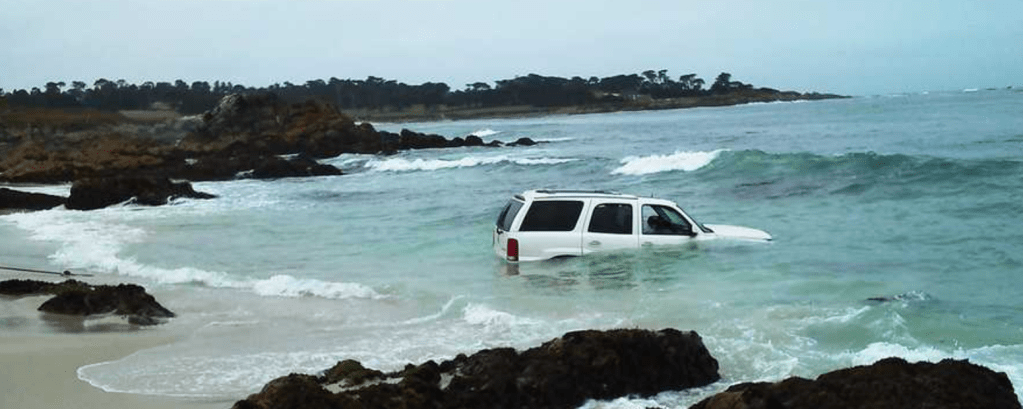
Never drive into floodwaters. “Turn around, don’t drown” exists for a reason.
Learn basic water rescue skills—but don’t become victim #2 trying to save someone.
Water doesn’t care how confident you are.
3. Hurricanes and Storm Surge (Nature’s Way of Evicting You)
Hurricanes aren’t rare events in Louisiana. They’re seasonal personality traits.
Storm surge and flooding kill more people than wind alone, often after the storm “looks calm.”
The hurricane doesn’t have to hit directly. Water moves sideways, upward, and into places it absolutely shouldn’t.
How to Survive It
Evacuate when told. Pride is not a flotation device.
Have a go-bag ready before hurricane season.
Elevate valuables and electrical systems.
Never run generators indoors or near windows.
Stay informed through NOAA weather alerts.
Survival tip: You can’t rebuild if you’re not alive.
4. Firearms Accidents and Violence
Louisiana has a strong gun culture—which means responsibility must match access. Unfortunately, accidents and violent encounters claim lives every year.
Why People Die This Way
Unsafe firearm handling
Negligent discharges
Domestic disputes escalating
Criminal violence
Lack of situational awareness
Many deaths happen not from intent, but from complacency.
How to Survive It
Treat every firearm as loaded.
Store guns securely, especially around children.
Avoid confrontations whenever possible.
Practice de-escalation.
Get professional firearms training.
Survival isn’t about being the toughest—it’s about going home.
5. Extreme Heat (The Louisiana Sauna Effect)
Louisiana heat doesn’t politely ask if you’re hydrated. It just takes you down.
Heat-related deaths occur during outdoor work, recreation, or even indoors without proper cooling.
Why People Die This Way
Dehydration
Heat exhaustion turning into heat stroke
Overexertion
Alcohol use in high heat
Lack of air conditioning
Heat stroke kills fast and quietly.
How to Survive It
Drink water constantly, not “when thirsty.”
Take breaks in shade or AC.
Wear breathable clothing.
Avoid peak sun hours.
Know the signs of heat illness: dizziness, confusion, nausea.
If you stop sweating, you’re already in trouble.
6. Falls (Yes, Seriously)
Falls kill more people than you think—especially from ladders, roofs, and slick surfaces.
Why People Die This Way
Wet floors
Poor lighting
Unsafe ladders
Alcohol use
Flood-related debris
One bad fall can lead to fatal head trauma.
How to Survive It
Use proper footwear.
Secure ladders.
Install handrails.
Slow down—especially on wet surfaces.
Don’t mix alcohol with “home improvement.”
Gravity always wins.
7. Boating Accidents
Louisiana loves boats. Unfortunately, boats don’t love recklessness.
Why People Die This Way
No life jackets
Alcohol use
Overcrowded boats
Poor weather awareness
Nighttime navigation errors
Water + speed + alcohol = tragedy.
How to Survive It
Wear a life jacket at all times.
Check weather forecasts.
Avoid boating while intoxicated.
Carry emergency communication devices.
Learn navigation rules.
Boats float. People don’t.
8. Alligator Encounters (They Were Here First)
Alligators are not mascots. They are apex predators with patience.
Why People Die This Way
Feeding gators
Walking pets near water
Swimming in unsafe areas
Ignoring warning signs
Gators don’t chase often—but when they do, it’s already too late.
How to Survive It
Never feed wildlife.
Keep distance from water edges.
Walk pets on short leashes.
Swim only in designated areas.
If you see a gator, leave the area.
You are not faster. You are not stronger.
9. Industrial and Workplace Accidents
Louisiana’s economy includes oil, gas, construction, and shipping—dangerous industries when safety slips.
Why People Die This Way
Equipment failure
Lack of training
Fatigue
Ignoring safety protocols
Pressure to rush jobs
One shortcut can be fatal.
How to Survive It
Follow safety procedures religiously.
Use proper PPE.
Speak up about unsafe conditions.
Rest when fatigued.
Respect heavy machinery.
No job is worth your life.
10. Flooding (The Silent Killer)
Flooding kills more Louisianans than most people realize.
Why People Die This Way
Driving into water
Being trapped in homes
Flash floods
Poor drainage systems
Underestimating water depth
Just six inches of moving water can knock you over.
How to Survive It
Never walk or drive through floodwater.
Elevate living areas in flood zones.
Know evacuation routes.
Keep emergency supplies ready.
Respect water warnings.
Floodwater doesn’t care how familiar the road looks.
Final Thoughts from a Survivalist Who Likes to Laugh
Louisiana is wild, beautiful, dangerous, and absolutely worth surviving.
Most deaths on this list are preventable, and survival often comes down to:
Awareness
Preparation
Humility
Common sense
You don’t need to live in fear—you just need to live prepared.
Stay safe. Stay smart. And remember: Survival is serious business, but that doesn’t mean we can’t laugh while staying alive.
The Best Campsites for Ohio Survival Preppers: Nature, Resources, and Strategic Retreats
When you’re living in Ohio and preparing for any number of potential disasters, you need to make sure you’re ready. Having the right camping spots in your back pocket is vital—these locations are not just great for a weekend getaway but are crucial to your preparedness strategy. Whether it’s because of a natural disaster, civil unrest, or an economic collapse, knowing where to go and what to bring is half the battle.
But let’s be real: camping in Ohio isn’t just about pitching a tent in the woods. As a prepper, you’re looking for more. You need access to freshwater, shelter from the elements, strategic positioning in case of an emergency, and an understanding of the local wildlife and plants. Fortunately, Ohio has plenty of off-the-grid campgrounds and outdoor retreats that can help you hone your survival skills while also giving you peace of mind. Below, I’m going to share 30 of the best campsites across Ohio that will not only allow you to connect with nature but also give you the opportunity to practice critical survival skills in a relatively safe and controlled environment.
So grab your bug-out bag, check your gear, and let’s dive into these Ohio survival prepper-approved camping locations.
Wayne National Forest, covering over 240,000 acres, is a survival prepper’s dream. This expansive forest offers rugged terrain, ample water sources, and plenty of natural resources to forage. The diverse landscapes—from dense woods to open grasslands—make it the perfect place to test your skills. With campsites like Lake Vesuvius and Clear Creek Campground, Wayne National Forest has plenty of options for those looking to get deep into Ohio’s wilderness.
Survival Prepper Bonus: The forest is home to several unique species of wildlife, including deer, wild turkey, and black bears, making it a prime location to practice hunting and tracking.
2. Hocking Hills State Park – Southeastern Ohio
Hocking Hills is probably one of the most popular camping areas in Ohio, and for good reason. With its dramatic cliffs, cascading waterfalls, and rich ecosystems, this park is not only beautiful but also strategic. The Old Man’s Cave area offers excellent shelter in the form of rock shelters and caves that can be utilized in an emergency scenario.
Survival Prepper Bonus: Learn how to utilize rock formations for protection against the elements and practice water purification techniques using the local streams.
3. Cuyahoga Valley National Park – Northeastern Ohio
Just outside Cleveland, this 32,000-acre national park offers everything from dense forests to open fields, making it a great prepper location. Brandywine Falls and the Towpath Trail provide water access and good paths for tracking. The park’s diverse habitats give you the chance to practice different survival skills in varied terrain.
Survival Prepper Bonus: Practice building shelters near water sources and take note of edible plants like wild mushrooms and berries.
4. Salt Fork State Park – Eastern Ohio
Salt Fork State Park is Ohio’s largest state park, with over 17,000 acres of wilderness. It has plenty of campsites spread throughout, allowing you to pick a more remote location if you’re trying to truly get away from civilization. The Salt Fork Lake can be used for water filtration experiments or fishing, and the woods provide plenty of resources for shelter and fire-building.
Survival Prepper Bonus: Plenty of game animals roam these forests, so it’s an ideal place for practicing hunting, trapping, and tracking.
5. Tar Hollow State Park – Southeastern Ohio
This park is a hidden gem for prepper types looking for a quiet, less-traveled location to hone their skills. With over 5,000 acres of forest, it’s a great place to learn how to live off the land in Ohio. The terrain is rugged and challenging, which is perfect for survival training.
Survival Prepper Bonus: If you can handle the rugged conditions here, you’ll be able to survive anywhere. It’s also a great place for practicing water purification and shelter-building techniques.
6. Mohican State Park – Central Ohio
Known for its dense forest and wild beauty, Mohican State Park is another excellent location for prepping. The Clear Fork Gorge provides a natural barrier to entry, and there’s no shortage of resources. Whether you’re hunting, fishing, or practicing foraging, you’ll find plenty to keep you busy.
Survival Prepper Bonus: The Mohican River can be used to practice fishing and water purification, and the area is rich in medicinal plants.
7. John Bryan State Park – Southwestern Ohio
Nestled along the Little Miami River, John Bryan State Park offers a mix of wooded areas and rolling hills. It’s a fantastic location for hiking, water access, and testing your ability to navigate Ohio’s river systems. This park is perfect for learning to build temporary shelters, especially near riverbanks.
Survival Prepper Bonus: Excellent for practicing watercraft navigation (kayaking or canoeing), fishing, and shelter-building.
8. Lake Erie Islands – Northern Ohio
The islands in Lake Erie, such as Kelleys Island, South Bass Island, and Put-in-Bay, offer a unique challenge for prepper-minded campers. With access to the lake for freshwater and fishing, combined with an abundance of plant life, you can practice survival skills while being a bit more isolated.
Survival Prepper Bonus: Islands provide an added level of natural protection. Learn to live off fish and foraged items, and practice navigation using the lake.
9. Scioto Trail State Park – Southern Ohio
Known for its rugged hills and beautiful vistas, Scioto Trail is perfect for those who want to practice long-term survival techniques. Its extensive trail systems allow you to traverse different terrains, including deep woods and wide meadows. You’ll also find some primitive campsites for a more secluded experience.
Survival Prepper Bonus: Ideal for testing your ability to stay off the grid for long periods, with plenty of wildlife for hunting and trapping practice.
10. Blue Rock State Park – Southeastern Ohio
This park offers some of Ohio’s most remote and wild areas. With dense forests, river access, and plenty of off-trail options, it’s a great place to practice map reading, tracking, and other essential prepper skills. It’s also a great location for fishing and primitive camping.
Survival Prepper Bonus: Blue Rock Lake offers an opportunity for water purification practice and fishing, while the surrounding forest is full of edible plants.
11. Punderson State Park – Northeastern Ohio
Located near Cleveland, Punderson State Park offers a combination of forest, meadow, and lake environments. It’s a great spot for honing your fishing and shelter-building skills. Punderson Lake can be used for water collection and purification experiments.
Survival Prepper Bonus: Try setting up your camp near the lake and practicing your skills with a nearby water source.
12. Giant Eagle Trail and the Appalachian Backcountry
Ohio’s portion of the Appalachian Trail offers prime opportunities for survivalists looking for a longer, more challenging environment. The Giant Eagle Trail section winds through hilly, wooded terrain, making it a solid location to practice route planning and resource gathering.
Survival Prepper Bonus: This is a great spot to practice long-distance navigation and pack-bearing, simulating a real bug-out scenario.
13. Nelson-Kennedy Ledges State Park – Northeast Ohio
This park is known for its unique rock formations and ravines, making it ideal for natural shelter-building and learning the ways of the land. The trails are not overcrowded, so you’ll have a chance to practice your survival techniques with minimal interruptions.
Survival Prepper Bonus: Excellent for creating improvised shelters and using natural materials to make tools.
A government-owned experimental forest, Vinton Furnace offers a unique mix of rugged terrain and learning opportunities. It’s a prime location to practice off-the-grid living, as the forest is managed for research purposes, so it provides pristine and diverse ecosystems to explore.
Survival Prepper Bonus: This forest is an excellent place to practice mapping and off-trail navigation, as well as foraging and fishing.
15. Kelleys Island State Park – Northern Ohio
As part of the Lake Erie Islands, Kelleys Island offers a secluded environment ideal for prepping. Access to water, fishing opportunities, and natural shelter-building materials make it a perfect place to practice your bug-out survival skills.
Survival Prepper Bonus: Islands can be harder to reach in emergencies, making them perfect practice grounds for isolating yourself while managing limited resources.
16. Cedar Falls – Hocking Hills
An iconic site in the Hocking Hills area, Cedar Falls is perfect for survival preppers who want to practice living off the land with limited supplies. The location is a natural gathering point, with lots of resources for hunting and shelter-building.
Survival Prepper Bonus: Cedar Falls offers both fresh water and dense woods, making it perfect for a long.
17. Old Man’s Cave Campground – Hocking Hills
An ideal spot for those seeking both natural beauty and tactical advantages. The area provides large rock shelters that can be utilized in emergencies, and the surrounding forest is rich with wildlife and foraging opportunities.
Survival Prepper Bonus: Perfect for practicing natural shelter construction and water filtration from nearby streams.
18. Hueston Woods State Park – Southwestern Ohio
This park offers a mix of forest and lake environments, making it perfect for practicing various survival skills. The Acton Lake provides opportunities for water-based techniques, including purification and fishing.
Survival Prepper Bonus: Utilize the surrounding wilderness for small game hunting, fishing, and shelter-building practices.
19. Lake Hope State Park – Southeastern Ohio
Lake Hope State Park offers seclusion and a variety of landscapes to explore. From dense forests to marshland, it’s a perfect spot for honing survival strategies like navigation, water purification, and shelter-building.
Survival Prepper Bonus: The park’s varied terrain and access to fresh water make it perfect for an extended survival trip.
20. The Burr Oak State Park – Southeastern Ohio
The natural beauty and isolation of Burr Oak make it a great location for practicing off-grid living and long-term survival. This park provides plenty of wooded areas and is a great spot for both primitive camping and survival training.
Survival Prepper Bonus: Excellent for testing your foraging and water collection skills.
21. Wolf Creek Campground – Southeastern Ohio
Known for its dense forests and the nearby Wolf Creek, this campground is ideal for preppers looking to practice resource management and water purification.
Survival Prepper Bonus: Practice filtering water from Wolf Creek and constructing natural shelters using local materials.
22. Pine Lake Campground – Northeastern Ohio
A peaceful setting for preppers who want a more serene environment while practicing their skills. Located near Pine Lake, this campground offers plenty of opportunities to forage, fish, and practice fire-starting techniques.
Survival Prepper Bonus: Excellent for building a wilderness camp and learning to live off the land.
23. The Best Campsites for Ohio Survival Preppers
With over 30 amazing survival camping spots, Ohio offers everything from dense forests to secluded islands. Each of these locations provides opportunities to hone your survival skills, ranging from hunting and foraging to fire-building and shelter construction. Remember, the best way to prepare for any crisis is by getting out there and practicing—these sites will help you master your skills, and maybe even discover some new techniques along the way.
24. The Ultimate Prepper’s Guide to Ohio Camping
As preppers, we’re not just looking for the perfect camping trip; we’re searching for locations that will help us refine essential survival skills in real-world environments. Whether it’s the ability to forage for wild edibles, find clean water, or build a shelter that can withstand Ohio’s weather conditions, the camping sites in this list are perfect training grounds for survival. Ohio offers the variety of landscapes needed to mimic nearly every survival situation you may encounter, whether it’s a rural disaster, a bug-out scenario, or a simple test of your skills.
25. Wildlife and Flora: A Prepper’s Advantage
Ohio’s diverse ecosystems provide an incredible advantage for preppers. Beyond just providing a peaceful escape, these natural environments can be rich with resources that can make or break your survival plans. From edible mushrooms to wild berries, from the abundance of deer to the common presence of wild turkey, these ecosystems are an excellent way to practice your hunting, trapping, and foraging skills.
Understanding what’s edible and what’s not can be the difference between survival and failure. These campsites—whether in dense forests like Wayne National Forest or alongside lakes like Lake Erie Islands—offer the perfect training grounds to learn about local flora and fauna.
Survival Prepper Bonus: Knowing the wild edibles and medicinal plants of Ohio will increase your chances of surviving when traditional food sources are unavailable. Take time to familiarize yourself with local plant life, and you’ll add a valuable skill to your survival repertoire.
26. Water Resources in Ohio: A Survivalist’s Key to Success
Water is one of the most critical aspects of survival, and Ohio’s plentiful lakes, rivers, and streams make it a prime location for testing your water purification techniques. Whether you’re using a portable water filter, boiling water over an open flame, or experimenting with DIY methods, these Ohio camping locations give you real-world practice in accessing and purifying water.
Some of the top camping sites for water access include Cuyahoga Valley National Park, where you can practice filtering water from the Cuyahoga River, and Salt Fork State Park, where Salt Fork Lake offers abundant opportunities to test your water purification skills.
Survival Prepper Bonus: Practice filtering water from both clear and murky sources. Some areas may offer highly contaminated water, perfect for testing your advanced purification methods.
27. Shelter Building in Ohio’s Weather Conditions
Surviving the elements is a major concern for any prepper, and Ohio’s ever-changing weather—from freezing winters to hot and humid summers—gives you the perfect environment to hone your shelter-building skills. Understanding how to create shelters that will keep you warm in the winter and cool in the summer is vital for your survival training.
Sites like Hocking Hills and Wayne National Forest are known for their rock formations and natural shelters, such as caves and overhangs, which you can utilize for practice. Also, consider using Mohican State Park‘s deep woods to experiment with creating shelters out of locally available materials.
Survival Prepper Bonus: Try building multiple types of shelters—whether it’s a tarp shelter, a debris hut, or a lean-to—before the weather forces you to use them for real.
28. Advanced Fire Starting Techniques: Testing Your Skills
Building a fire is one of the most fundamental skills a prepper can have, and Ohio’s wilderness provides plenty of opportunities to practice this skill. Whether you’re using traditional matches or testing primitive methods such as friction fire or flint and steel, Ohio’s campsites give you access to a variety of fire-starting materials.
Tar Hollow State Park, with its dry underbrush and fallen trees, is an excellent location to test your fire-starting skills. You’ll also find dry, dead wood in places like Blue Rock State Park and Punderson State Park, which can be perfect for creating fires in even the harshest of conditions.
Survival Prepper Bonus: Practice using fire-starting methods in all weather conditions—rain, wind, and snow. Ohio’s weather will push you to improve your techniques to ensure your fire stays lit in any circumstance.
29. Ohio: A Preppers’ Paradise for Long-Term Bug-Out Scenarios
In the event of a long-term disaster scenario, it’s not just about having a quick place to run to—it’s about having a spot where you can survive for an extended period. Ohio’s vast wilderness areas offer numerous opportunities for just that. Salt Fork State Park, with its expansive size and secluded campsites, is an excellent location for long-term survival.
Wayne National Forest and Scioto Trail State Park also offer vast remote areas where you can practice skills like setting up a permanent camp, hunting, and living off the land for a prolonged period.
Survival Prepper Bonus: Test your ability to live off the land for a week or more, practicing everything from water purification to hunting, fishing, and shelter construction.
30. Bug-Out Bags: Essential Gear for Ohio Campers
No prepper is ever fully prepared without a well-stocked bug-out bag, and these Ohio campgrounds provide the perfect places to test out your gear. From Wayne National Forest to Hocking Hills, you’ll need a solid bug-out bag that includes everything from fire-starting tools to first-aid supplies.
When you camp in Ohio’s wild areas, it’s essential to understand which gear is most effective. If you’re hiking through rugged areas like Mohican State Park or Cedar Falls, you’ll want lightweight but durable gear. Alternatively, when camping near water sources like Lake Erie Islands, consider waterproof gear and fishing supplies.
Survival Prepper Bonus: Take your bug-out bag to the next level by testing new gear, evaluating its weight, and learning which tools and supplies are most useful in a true survival situation.
Conclusion: Ohio as a Survival Preppers’ Playground
Ohio isn’t just home to cornfields and small-town charm—it’s a survivalist’s paradise that provides varied terrains, abundant natural resources, and the opportunity to practice every essential survival skill imaginable. Whether you’re trying to master shelter-building, water purification, fire-starting, or hunting, the state’s diverse parks, forests, and lakes give you the opportunity to get real-world practice.
From remote, off-the-grid locations like Blue Rock State Park to more accessible, yet still strategic, sites like Hocking Hills State Park, Ohio offers endless opportunities to refine your skills and build confidence in your ability to survive in any situation. As preppers, the more you practice these techniques in real-world settings, the more prepared you will be for anything that comes your way. And let’s face it—Ohio’s natural beauty doesn’t hurt either.
The ultimate goal is to never be caught unprepared. So, pack your gear, gather your supplies, and hit the trails at these top 30 camping sites. After all, you can never know enough about your surroundings, and the best time to practice is now—before you need to rely on your skills in a true survival scenario.





























 TheDailyChristian