Minnesota’s Worst Roads to Drive on During a Disaster

Minnesota’s Worst Roads to Drive on During a Disaster

Here are the stretches of road that are known for turning into nightmares when SHTF in the North Star State:

1. I-94 Between Minneapolis and St. Cloud

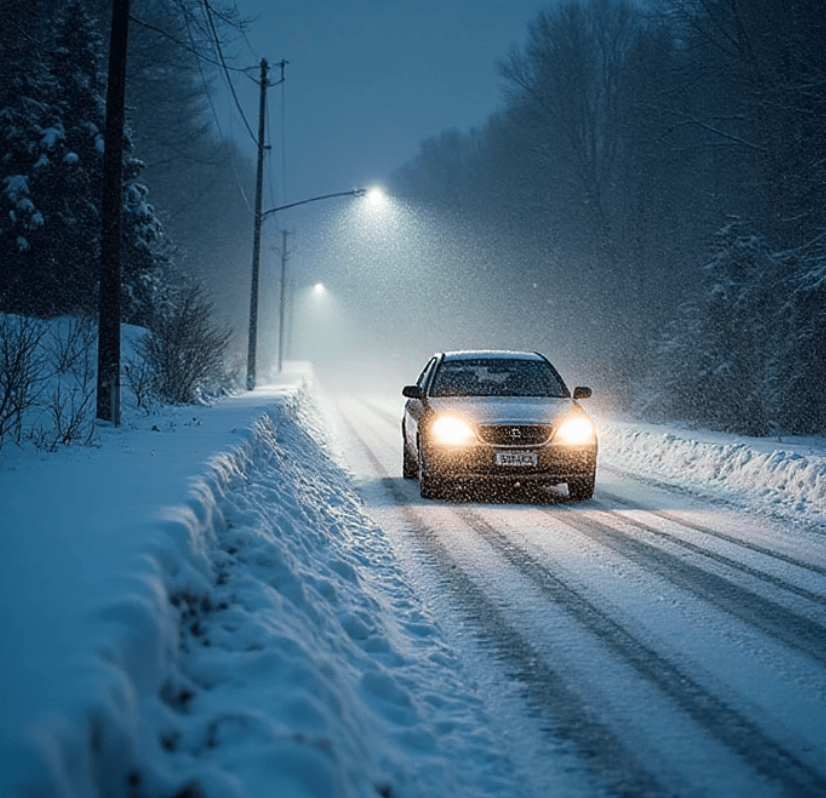
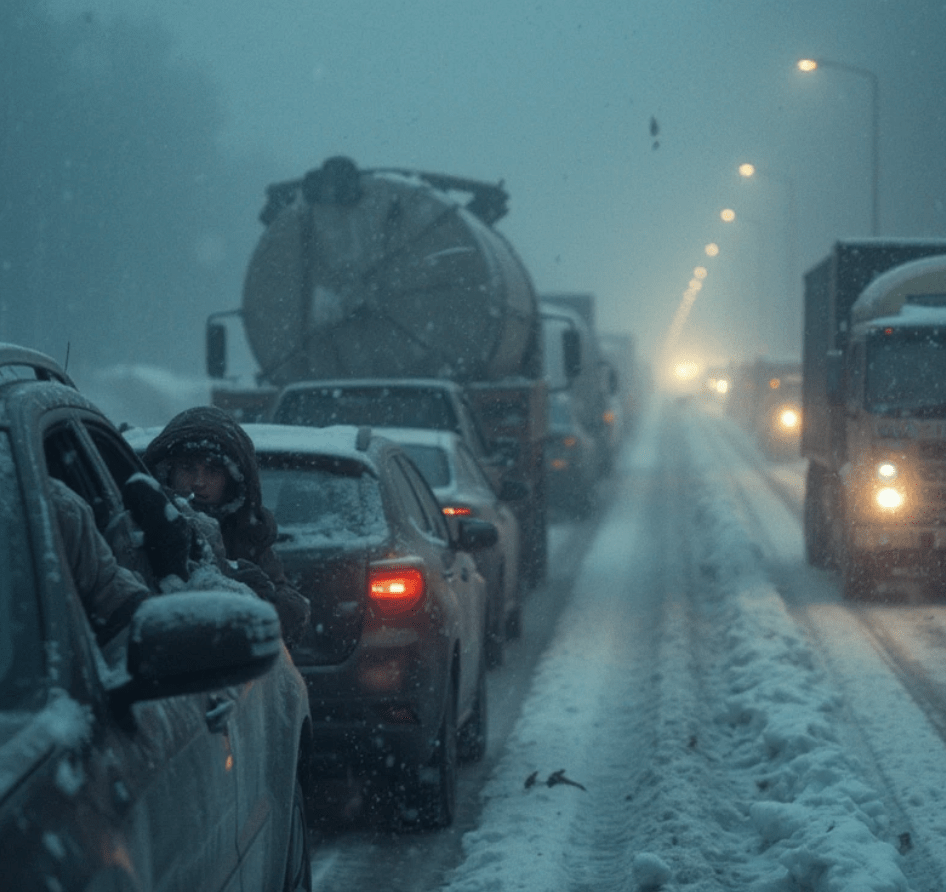
This artery is notorious for whiteout blizzards and multi-car pileups. It’s a main corridor, so it’s often jammed with traffic during evacuations. One stalled semi here during a snowstorm, and you’ve got a parking lot for miles.

2. Highway 61 Along the North Shore

A beautiful drive in summer, but during icy storms or landslides from spring thaw, this road can become blocked or collapse altogether. Limited turn-offs and few gas stations add to the danger.

3. I-35 Near Duluth

Steep grades and lake-effect snow make this area a hazard zone in winter. If a tanker jackknifes here during a disaster, good luck getting out fast.

4. Highway 2 Through the Iron Range

This remote highway cuts through miles of isolated terrain. In a wildfire or grid-down event, getting stranded out here can leave you helpless unless you’re prepared.

5. County Road 8 in Beltrami County

Flood-prone and poorly maintained, this road has eaten more tires than I care to count. Add heavy rain or washed-out culverts, and you’re stuck in the swamp.

6. MN-36 in the Twin Cities Metro

This is a commuter’s nightmare on a regular day. In an emergency? It’s gridlock hell. It bottlenecks near Stillwater, especially during bridge closures.

7. Highway 169 in Southern Minnesota

Flat, exposed, and prone to blowing snow and drifts. Visibility can drop to zero, and locals know to avoid it in winter—outsiders might not.


15 Survival Driving Skills for Disaster Scenarios

Whether you’re facing down a tornado, bugging out after a grid collapse, or escaping wildfires, your vehicle is only as useful as your ability to drive it under stress. These 15 skills can keep you alive:

1. Defensive Driving Under Duress

Know how to anticipate panic drivers and avoid pileups. Most people freeze or slam the brakes. Stay smooth, stay alert.

2. Navigating Without GPS

Cell towers fail. Learn to read a map and use a compass. Keep printed maps of your region and alternate routes in your glove box.

3. Driving with Limited Visibility

Fog, snow, smoke—disasters impair vision. Use fog lights, drive slow, crack a window to listen for hazards, and follow road contours.

4. Off-Road Navigation

Dirt roads, fields, frozen lakes—when pavement fails, you’ll need to take the road less traveled. Practice in a safe place before you need to do it for real.

5. Tire Repair and Inflation on the Fly

Carry a patch kit, plug kit, and portable air compressor. Knowing how to plug a tire in minutes is a lifesaver.

6. Fuel Management

Keep your tank above half at all times. Know your fuel economy, range on reserve, and where gas stations are off the main drag.

7. Escape Maneuvers

Learn how to break through roadblocks or ditches without rolling your rig. Practice hard turns, J-turns, and evasive braking in safe areas.

8. Braking on Ice or Wet Roads

Pumping brakes on ice vs. ABS braking—know the difference and how your vehicle behaves. Practice sliding recoveries in a snow-covered parking lot.

9. Tactical Parking

Never park head-in during a disaster. Park for a fast exit, with the nose pointing out. If you’re bugging out, seconds count.

10. Driving Through Water

If you must ford water, know your vehicle’s wading depth. Drive slow, steady, and don’t stop mid-crossing unless you want to be swimming.

11. Winching and Towing

A winch and tow straps are gold. Learn how to use them safely. Practice snatch recoveries with a buddy before disaster strikes.

12. Spotting and Avoiding Road Hazards

Broken asphalt, downed power lines, and abandoned vehicles can trap you. Know how to spot danger ahead and steer clear.

13. Silent Driving

Turn off music, avoid honking, and drive with stealth in hostile zones. Useful in post-disaster looting scenarios or civil unrest.

14. Vehicle Camouflage

If it’s really bad, black out lights with red film, remove visible decals, and drape camo netting over your car when parked.

15. Driving with Injuries

Know how to operate your vehicle with one arm or leg in a worst-case scenario. Modify seat positions and practice using hand controls if needed.


3 DIY Survival Driving Hacks When You Run Out of Gas

Running out of fuel during a disaster is not just an inconvenience—it could kill you. Here are 3 last-ditch hacks I’ve used in the field:

1. The Camp Stove Siphon Hack

Got a camp stove that uses white gas or Coleman fuel? You can mix small amounts with what’s left in your tank (older vehicles only). Filter through a shirt to remove particulates. Use only in emergencies and only if your engine is not high-compression.

2. Alcohol Burn Trick

In extreme cold, windshield washer fluid with high alcohol content can keep your fuel system alive. Add it only in small amounts to dilute water in the tank, not as a fuel source. Also works to keep lines from freezing temporarily.

3. Gravity Siphon from Abandoned Vehicles

Use clear tubing and a plastic bottle to start a siphon from another car. Bite the tube, lower the bottle below tank height, and let gravity work. Always check for pressure systems—newer cars may need a hand-pump siphon.


Closing Thoughts

Disasters don’t care how new your SUV is or whether you’ve got a Bluetooth infotainment system. When hell breaks loose, it’s about fundamentals: terrain, timing, and tenacity. Minnesota’s roads can turn savage fast—from sudden floods to snarled exits during a wildfire. But with the right knowledge, preparation, and vehicle discipline, you can drive your way out of almost anything.

Make no mistake: the most important gear you’ll ever carry is between your ears. But backed with good tools, sharp instincts, and hardened skills, you won’t just survive—you’ll escape.

Surviving Minnesota’s Worst: A Prepper’s Guide to Natural Disasters

Surviving Minnesota’s Worst: A Prepper’s Guide to Natural Disasters

As a seasoned prepper in Minnesota, I’ve learned the hard way that the state’s unpredictable weather can turn deadly in an instant. From blizzards that trap you in your own home to tornadoes that tear through communities, being unprepared is not an option. Here’s how I, and many like me, prepare for Minnesota’s worst natural disasters.

1. Emergency Kits: Your Lifeline

Every Minnesotan should have an emergency kit ready to go. The Minnesota Department of Public Safety recommends a kit that includes:Minnesota Department of Public Safety+2Minnesota Department of Public Safety+2Minnesota Department of Public Safety+2

  • One gallon of water per person per day for at least three days
  • A three-day supply of non-perishable food
  • Battery-powered or hand-crank radio and a NOAA Weather Radio with tone alert
  • Flashlight and extra batteries
  • First aid kit
  • Whistle to signal for help
  • Dust mask to help filter contaminated air
  • Plastic sheeting and duct tape to shelter-in-place
  • Moist towelettes, garbage bags, and plastic ties for personal sanitation
  • Wrench or pliers to turn off utilities
  • Can opener for food (if kit contains canned food)
  • Local maps
  • Cell phone with chargers, inverter, or solar chargerMinnesota Department of Health+4Minnesota Department of Public Safety+4Minnesota Department of Public Safety+4

These items are crucial for surviving the first 72 hours after a disaster, especially when help may be delayed.

2. Family Emergency Plan: Communication is Key

When disaster strikes, communication can be the difference between life and death. Establishing a family emergency plan is essential. Decide on a meeting place, ensure everyone knows how to reach each other, and practice your plan regularly. The Minnesota Department of Public Safety offers resources to help you create a comprehensive plan. Minnesota Department of Public SafetyUniversity of Minnesota Extension+1Minnesota Department of Public Safety+1

3. Evacuation Kit: Be Ready to Leave at a Moment’s Notice

In Minnesota, wildfires and floods can force you to evacuate quickly. The Minnesota Department of Natural Resources provides an evacuation checklist that includes:

  • Leaving power and outside lights on
  • Leaving a written note on the table of who evacuated, where you are heading, and the time and date
  • Leaving your cabin unlocked
  • Turning on your hose with the nozzle in the closed position
  • Taking your pets with you, along with their medications and vaccination records
  • Taking your medications with you, in their original bottles
  • Leaving ladders up against your roof
  • Leaving your boats in the lake with motor, gas, and life preservers
  • Notifying your next of kin that you have evacuated and are safe
  • Following designated evacuation routes
  • Bringing extra eyeglasses if necessary
  • Bringing cash, credit cards, and important documents you may have stored at home
  • Taking a change of clothes and pillow, blanket, and towel
  • Including any special needs items (formula, diapers, nebulizers, canes, wheelchairs, etc.)MN DNR+1AP News+1

Being prepared to evacuate can save precious time and ensure your safety. AP News+1MN DNR+1

4. Financial Preparedness: Protect Your Assets

Organizing your financial life ahead of natural disasters is crucial. Gather important documents like birth certificates, social security cards, and insurance policies, and store them securely in a fireproof and waterproof location. Maintain updated records of financial accounts, medical information, and contact details for key individuals and services. Additionally, keep cash available for emergencies, as electronic banking may be disrupted. AP News

5. Stay Informed: Knowledge is Power

In Minnesota, staying informed can be a matter of life and death. Monitor weather alerts through NOAA Weather Radio or local news stations. The Minnesota Department of Public Safety emphasizes the importance of being informed about potential hazards and knowing what to do before, during, and after an emergency. Minnesota Department of Public Safety+1Minnesota Department of Public Safety+1


10 Survival Prepper Tips for Minnesota’s Natural Disasters

  1. Winterize Your Vehicle: Ensure your vehicle is equipped with winter tires, antifreeze, and an emergency kit including blankets, food, and a shovel.
  2. Fire-Resistant Landscaping: Use fire-resistant plants and materials around your home to reduce wildfire risk.
  3. Flood-Proof Your Home: Install sump pumps and seal basement windows to prevent flooding.
  4. Tornado Drills: Regularly practice tornado drills with your family to ensure everyone knows what to do.Minnesota Department of Public Safety+1Minnesota Department of Health+1
  5. Backup Power: Invest in a generator to keep essential appliances running during power outages.Minnesota Department of Public Safety+1Minnesota Department of Public Safety+1
  6. Emergency Water Supply: Store at least one gallon of water per person per day for at least three days.Minnesota Department of Public Safety
  7. Non-Perishable Food: Stock up on a three-day supply of non-perishable food items.Minnesota Department of Public Safety+1Minnesota Department of Public Safety+1
  1. Secure Important Documents:
    Store originals in a waterproof/fireproof safe and make digital copies saved to a USB drive or secure cloud storage. Include IDs, insurance papers, medical records, and property deeds—if disaster strikes, having fast access can make all the difference.
  2. Build Local Connections:
    Know your neighbors and build a local support network. In a crisis, especially in rural Minnesota, help might not arrive fast. Trading supplies, sharing intel, or just having someone to watch your six can save lives.
  3. Train and Practice Regularly:
    Don’t let your survival plan collect dust. Conduct regular drills, rotate food and water supplies, and keep your skills sharp—fire-starting, first aid, basic navigation, and self-defense. The best gear in the world won’t save you if you don’t know how to use it.

Natural Disasters Minnesota Preppers Face—and How We Handle Them

Minnesota might look like the land of lakes and peace, but don’t let the serene nature fool you. Our state faces a cocktail of threats year-round, and here’s how we confront each one:

❄️ Blizzards and Extreme Cold

Minnesota winters are no joke. Temperatures dip well below zero, with whiteouts stranding folks in their cars or homes for days. I keep thermal blankets, a kerosene heater, and a sealed-off “heat room” to preserve warmth. All windows are insulated, and I rotate my food stocks every season.

🌪️ Tornadoes

Come spring and summer, the winds shift—and so does our focus. Tornado sirens are a normal part of life here. I have a reinforced storm shelter stocked with 7 days of rations, water, and comms. My family knows the drill: no hesitation, grab the go-bag and get underground.

🌊 Flooding

Especially near the Mississippi, Minnesota River, and Red River, floods can wipe out homes. I elevate my essential gear and use water alarms in my basement. I also track rainfall and snowmelt patterns. My sump pump system has backup batteries and an alert system tied to my phone.

🔥 Wildfires

Northern Minnesota is forested territory, and dry spells can turn the woods into tinder. I’ve cleared brush 30 feet from all buildings, store firefighting tools nearby, and always have an evacuation pack prepped in my truck.

Power Outages

Ice storms and high winds frequently knock out the grid. That’s why my solar battery backup and dual-fuel generator are non-negotiables. I’ve even wired essential circuits in the cabin to switch automatically.


Final Thoughts from the Minnesota Wilderness

Preparedness isn’t paranoia—it’s peace of mind. Out here, nature doesn’t care if you’re ready. It’ll bury you in snow, blow your roof off, or drown your home with spring melt. Being a prepper in Minnesota means respecting the land but never underestimating it.

It’s about readiness, not fear. Confidence, not panic. And while we might seem a bit intense to the untrained eye, we know that the difference between surviving and suffering is often just a few hours—or a few decisions.

So stock up. Gear up. And never let the weather catch you off guard. Because in Minnesota, it’s not if disaster strikes—it’s when.

10 Winter Survival Basics Preppers Follow

Whether you’re camping, backpacking, living off the grid, or in a survival situation, you’ll need to consider your options for staying warm in all kinds of weather. That’s tougher than it sounds when you’re far from civilization.

How to Dress Up for Winter Survival

Clothing is your first level of protection in this harsh weather, so make sure you’ve got proper layers on. 

Your base layer should be made of wicking fabric to keep sweat and moisture off of your skin. Merino wool is an exceptional kind of fabric that keeps you warm and dry when it’s cold and keeps you cool when it’s hot out. Synthetic fabrics like polyester do well as a base layer, too. Stay away from cotton as it absorbs a lot of moisture. It will stay soaked when it gets wet, and that could lead to hyperthermia.

People who live in arctic climates have used animal hide and sealskin to fend off the cold, so take it from them to keep warm if you’re in the same terrain. Prevent heat from escaping your head by wearing hats and scarves.

Finding Your Way and Getting Help

Navigating in the winter, when trails can be obscured by snow and daylight is painfully short, is no easy feat. The combination of thick snow, biting wind, and poor visibility can pose a challenge, even when you’re familiar with the terrain.

A map or even a GPS device will be of great help in finding your way back to safety. Avoid avalanche-prone areas like steep inclines and areas with scarce trees. If you can’t find a trail, try looking for other signs and watching for landmarks.

Sat phones will come in handy when you’re trying to reach for help. Fire, smoke, and mirror distress signals can be helpful, too. Anything dark or that contrasts with the white backdrop (like branches forming an SOS over the snow) can serve as a signal for help.

Pick the Right Location

Picking the right location is crucial to building your fire. Choose one with natural protection against the wind; a large rock, boulder, or log would do. These natural windbreakers can also act as heat reflectors. Dig beneath the snow and keep the area clear from it. Don’t build your fire beneath trees — their branches are laden with snow that can melt and put your fire out.

Build a Winter Shelter

You gotta keep in mind that not all tents are suitable for the winter, so pick one that can withstand the biting cold.

Many cold-weather shelters and specialty tents are large enough to accommodate you and your gear and have ample space for wood-burning stoves to keep you warm. 

Basic seasonal tents are usually made from nylon, while cold-weather tents are typically made of silicone and polyurethane to keep cold and moisture out. However, these types don’t accommodate wood-burning stoves very well. They can be bulky and heavy as well, so take the fabric’s weight and durability into account when you’re choosing a tent. You also have to make sure that the tent has enough ventilation.

Another great addition to your winter tent is a space blanket. Also known as an emergency or mylar blanket, this item helps reflect heat to the body. It’s also lightweight and widely available so that you can bring one or two in your backpack. Tarps also do a good job of keeping the rain out of your camp.

On the off chance that you find yourself without a tent, space blanket, or tarp, there are various emergency shelters that you can build using natural materials like poles, branches, foliage, and some cordage.

Sometimes several feet of snow can be a good thing as it allows you to build snow caves. Snow caves are made by excavating snow and forming a shelter to protect people from the wind.

Carry Multiple Firestarters

Why stick to one when you can have a bunch? It’s always great to have an array of firestarters within your reach — when one doesn’t work, you’d still have other options to light your fire with. 

If you’ve suffered from a wreck, you can use the oil to start a fire. Char cloth is also a handy firestarter that you can keep in an Altoids tin. You can also pack some DIY egg carton firestarters in a waterproof Ziplock baggie.

Make sure you’ve got more than one way to light that fire. Your matches can easily get wet and soggy, so don’t forget to pack a Ferro rod, firesteel, and a couple of trusty BIC lighters in your kit as well.

Find Dry Tinder

Trying to find dry tinder in the winter can be a challenge as everything will be damp from the snow. Your knife will be your best friend; you can use it to whittle down dead branches until you get rid of the damp bark and find dry wood. Pine and birch bark also work nicely.

Keep That Fire Burning

Making a fire in the winter is tricky, but not impossible. The cold, damp, and windy conditions will be a challenge, so have a lot of patience…and dry tinder on hand.

Use the Right Type of Firelay

Using the right firelay can keep your fire burning for a longer period. Ideal firelays for winter are the log cabin and upside-down firelays, as they can burn for a long time with minimum supervision. You can also try to build a long fire or this self-feeding fire that can burn for 14+ hours.

Stay Hydrated (But Don’t Eat Snow)

Just because it’s cold out doesn’t mean you don’t have to replenish lost liquids. It’s also a way to protect yourself from hypothermia and possible frostbite. Fortunately, finding water during the winter is not a problem as long as you have the means to melt it.

Under no circumstances are you to ingest snow.

Doing so would decrease your core temperature and will bring all sorts of trouble, starting with hypothermia. You want to pack that snow tight into a container to get rid of any excess air before putting it over the fire to melt. The heat also kills microorganisms and other nasties from your drinking water.

How to Find Food and Keep Your Energies Up

It’s important to keep your energy up during the winter. Your body is working twice as hard to keep you warm, so it will need all the fuel it can get. Hypoglycemia (low blood sugar) is a real threat during these cold times, and it can often lead to confusion, headaches, and dizziness. 

Drinking plenty of water will help reduce the hypoglycemic effect. Foods like apples, molasses, licorice roots, and wild yam are also particularly effective in combating hypoglycemia.

Other foods that can tolerate winter temperatures include wild nuts like acorns, berries, plums, cattails, and mushrooms.

Trapping is an efficient way to find some meat. Rigging multiple traps and snares saves you a lot of time and energy compared to hunting. Rabbits and squirrels are available even during the winter. Their meat is pretty lean and won’t lend a lot of fat, but it should sustain you in a survival situation. Other meatier game includes beavers, raccoons, and deer, but you’ll have to hunt for these acts.

You can read more by going here.