

Spring is the greatest time to plan your garden.
The long days, the mild temperatures, the frequent rainfall
These conditions create the ideal environment for plants to flourish.
Below I’ve listed several crops that don’t just thrive during spring or late spring, but are also hardy, resilient, and packed with nutrients.
Making them excellent for this season.

1) Tomatoes. These sunny-weather loving plants are an essential part of any survival garden. Start them indoors if there is still frost outside, and move them outdoors to soak up the spring sunshine.
2) Lettuce. Lettuce can be planted right when the soil is workable. Its quick growth cycle means you’ll have a fresh, crunchy harvest in no time.
3) Spinach. Spinach thrives in the cooler temperatures of spring. Packed with nutrients, it’s an excellent addition to your survival garden.
4) Peas. Plant these directly into the ground when the soil softens. The young shoots add a burst of green to your spring salads, and the peas are a sweet treat.
5) Radishes. Quick to mature, radishes bring a spicy crunch to your dishes. They prefer the cooler weather of spring and can be ready to harvest in just a few weeks.
6) Carrots. Carrots require a bit of patience and loose, sandy soil, but the result is worth it. They are rich in B vitamins, like niacin and B6, which are important for being able to use the energy from food.
7) Beets. Beets provide two harvests in one. Tasty, sweet roots, and leafy greens that can be used in salads or cooked like spinach.
Each of these crops brings something unique to the table.

They can ensure that your prepping garden is not just varied and vibrant, but also nutrient-dense and hardy.
If you haven’t already, why don’t you plant some?
How To Protect Your Garden From Storms

Last summer, my cousin Jimmy shared a devastating story with me.
He meticulously cared for his garden.
He spent countless hours cultivating it.
And you would always see the pride in his eyes and he talked about it.
But a sudden hurricane changed everything overnight.

The strong winds destroyed his garden.
His tough work vanished before his eyes, leaving him without a vital food source for the coming months.
I don’t want this to happen to any of you.
Your garden is more than just a hobby. It’s a vital food source and a lifeline during emergencies.
When tragedy strikes, protecting your garden is essential for ensuring your’s and your family’s safety.

An easy way to weather-proof your garden is to choose resilient plants.
Some plants are naturally more resistant to extreme weather conditions.
Look for varieties that can handle heavy winds, excessive rain, or fluctuating temperatures.
Sturdy plants with strong root systems are your safest bet.
Opt for crops like kale, collard greens, and Swiss chard.
These plants can bounce back after a storm, and regain their strength.

Once you’ve chosen your crops, you need to place them in the right places.
When designing your garden, consider the natural windbreaks and barriers on your property.
Planting near fences, walls, or shrubs can shield your garden from strong winds.
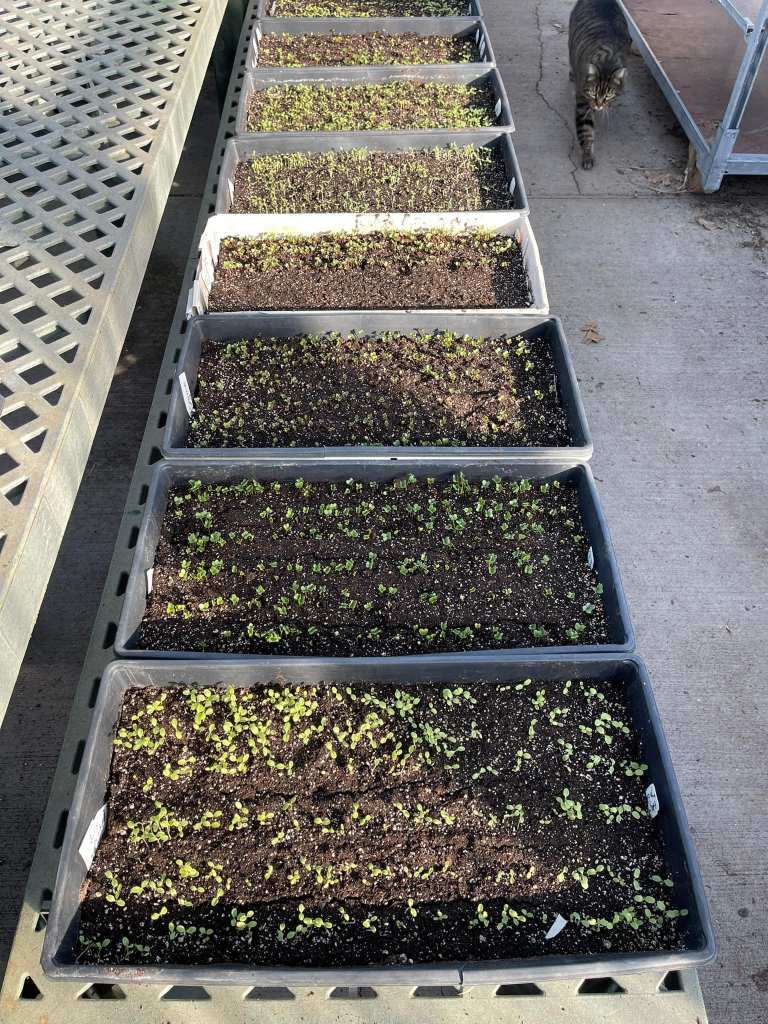
Additionally, space your plants appropriately to allow for proper root development, which contributes to their overall stability.
But you are still not done.
You have to keep an eye on weather reports.
When you know a storm is on the horizon, take the necessary steps to reinforce them.
Install stakes or cages to provide additional support, especially for taller or top-heavy plants.

For smaller plants, you can use cloches or protective coverings to shield them from harsh weather.
Preventing damage to your garden during a hurricane may not be possible sometimes
But by taking these steps, you can minimize its impact.
And you can allow your crops to make it through the storm.
In the end, protecting your garden means protecting your food source.
It is something we shouldn’t neglect.
So folks, let’s fortify our gardens against the elements and ensure that we can weather even the strongest hurricane.
 TheDailyChristian