
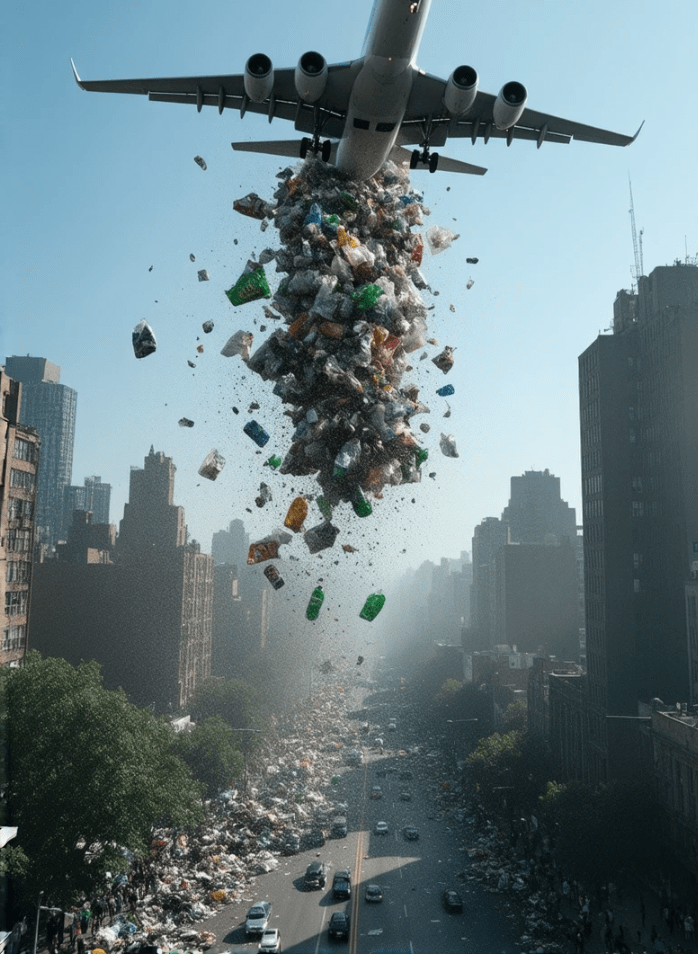
New York’s Worst Roads to Drive on During a Disaster—and How to Survive Them Behind the Wheel
By a Well-Traveled Survivalist
I’ve driven across deserts on three gallons of diesel, crawled through hurricane-flooded streets in Louisiana, and pushed a rusted-out pickup across half of Bolivia. But nothing quite tests your nerve like driving through New York during a full-blown disaster—be it a blackout, blizzard, flash flood, or something worse. The Empire State has beauty and bite in equal measure, and if you’re not prepared when things go sideways, you’re either stuck or someone else’s burden.
Let’s talk survival. Specifically, survival behind the wheel.
The Most Treacherous Roads in New York During a Disaster
Before I get into the skills and hacks that’ll keep your rig moving, you need to know which roads are a deathtrap when crisis hits.
1. BQE (Brooklyn-Queens Expressway)
This is a tight, crumbling mess in the best of times. During a disaster? It turns into a concrete coffin. It floods easily, has limited exits, and the elevated portions make for slow and exposed travel.
2. Major Deegan Expressway (I-87)
Running through the Bronx, this stretch clogs up with the smallest incident. Add an evacuation order or a flash flood, and you’re locked in.
3. Cross Bronx Expressway
I call this one “the artery of misery.” In gridlock, there’s no escape—bridges, overpasses, and concrete all around. It’s the first to freeze and the last to be cleared.
4. FDR Drive
Scenic, sure, but sandwiched between the East River and Manhattan’s east side, you’ve got water on one side, high-rises on the other. When the storm surge hits, it’s underwater faster than you can turn around.
5. I-278 Staten Island
A critical connector that’s exposed, easily bottlenecked, and prone to wind damage. If the bridges shut down, you’re stranded on the island.
6. Route 17 in the Catskills
Beautiful drive—until snow buries it or a landslide turns it into a hiking trail. Cell service is spotty and help is hours away.
7. Taconic State Parkway
This one’s narrow, winding, and has overpasses too low for trucks. Come winter, it’s a slippery chute lined with trees and ditches.
8. I-84
Heavy truck traffic, frequent fog, and icy hills. It’s a freight artery that jams fast in bad weather.
9. Southern State Parkway
Winding, fast, and crowded with commuters—when panic hits, this becomes a NASCAR track full of amateurs.
10. The Thruway (I-90) between Buffalo and Rochester
Snow, wind, and whiteout conditions make this stretch notorious in winter. If you’re not driving something with clearance and chains, you’re a hood ornament.
Now, just because you’re on one of these roads doesn’t mean you’re doomed. You’ve got the advantage of knowledge, and if you can master a few critical survival driving skills, you’ll do more than survive—you’ll thrive.
15 Survival Driving Skills for Disaster Scenarios
- Situational Awareness
Always know what’s ahead, behind, and around you. Scan exits, spot alternative routes, and watch people—crowds give away danger. - Off-Road Navigation
Know how to steer a 2WD sedan through mud, fields, or gravel. In an emergency, the shoulder or forest trail might be your only option. - Flood Water Judgment
Six inches of water can stall a sedan. A foot can carry off a car. Learn to judge depth by fixed objects like mailboxes or tires on other vehicles. - Manual Transmission Mastery
If you ever have to steal—I mean, “borrow”—a vehicle in a crisis, it might be stick. Learn it. - Driving Without Headlights
Use parking lights or no lights at all during nighttime evasion. Stay unseen, avoid attracting trouble. - Engine Cooling Tricks
If you’re overheating and there’s no coolant? Crank the heater to full blast. It’ll draw heat off the engine enough to limp another mile or two. - Tire Patch & Plug on the Go
Learn to plug a tire with a kit—no jack needed. Saved me from spending the night in a ditch outside Syracuse. - Hotwiring Basics
I’m not saying break the law. But if it’s between you and freezing to death in a blizzard, a basic understanding of ignition wiring might save you. - Driving in Reverse
Some exits are only back the way you came. Practice controlled, confident reverse driving. - Braking Without ABS
If the system fails or you’re in an older vehicle, pump those brakes on ice or water. Learn cadence braking. - Evading Roadblocks
Know how to U-turn on narrow roads, cut across medians, or drive through soft barriers like fences or ditches. - Fuel Efficiency Driving
Learn hypermiling techniques. Coast in neutral. Minimize braking. Every drop counts in a gas-dead world. - Reading Smoke and Sky
Dark plumes mean fires. Yellow-gray? Chemical. Learn to read clouds, smoke direction, and wind. It’ll inform your next move. - Quick Vehicle Concealment
Know where to stash a vehicle: under tree canopy, behind structures, or under bridges. Visibility is vulnerability. - Portable GPS with Topo Maps
Cell towers die fast. GPS units with offline topographic maps are gold. Know how to use grid coordinates, not just “turn left at Starbucks.”
3 DIY Hacks When You Run Out of Gas
If you’re out of gas, you’re not out of options. I’ve used all three of these in the wild. They’re field-tested and road-worn.
1. Siphon from Abandoned Vehicles
Carry clear vinyl tubing, at least 6 feet. Push it into the tank of a vehicle parked nose-up. If you can’t get suction, use a squeeze bulb or create a siphon starter with a plastic bottle. Works best with older cars that don’t have anti-siphon filters.
2. DIY Ethanol Boost
If you can find pure grain alcohol or even high-proof vodka, you can mix it with your fuel in emergencies. Small engines will tolerate it in a pinch. Ratio? Start low—10% max.
3. Scavenge Small Engine Fuel
Lawnmowers, chainsaws, and generators often sit untouched. Their gas may be old, but if it’s not varnished or contaminated, it’ll burn. Filter through a T-shirt or coffee filter. Desperate? It’ll run.
Final Thoughts from the Road
Look, survival isn’t about gadgets and gear—it’s about grit, knowledge, and the will to move when others freeze. New York’s worst roads will chew up the unprepared. But you? You’ll see the jam and take the field. You’ll smell floodwater on the wind and know when to cut and run.
There’s no cavalry coming in a gridlocked city or a frozen mountain pass. You’re the cavalry. Your tires are your boots. Your car? It’s your last shelter, your battering ram, your ride-or-die.
Know your vehicle. Pack it like your life depends on it—because one day, it just might.
 TheDailyChristian