
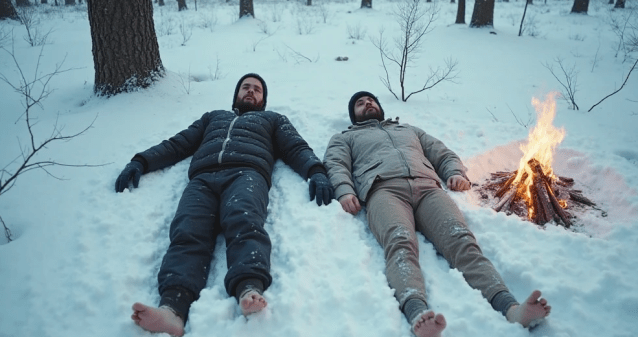
Let’s face it: most people wandering through life today think “bugging out” means grabbing a backpack, hopping in an SUV, and heading toward some fantasy cabin in the mountains like they’re starring in a low-budget survival movie. Meanwhile, those of us who actually prepare—really prepare—know that the world is teetering on the edge of collapse, and the worst part isn’t the chaos coming. It’s the crowds of clueless citizens who think they’re going to “figure it out” as everything burns.
So here’s the ugly truth: your bug-out shelter—tent, trailer, or whatever else you’ve romanticized—is probably not the miracle solution you think it is. Every option has weaknesses. Every option can fail you. And if you expect otherwise, you’ve already lost.
Still, we’re stuck in this doomed civilization together, so let’s break down the realities of the three main bug-out shelter paths and why they might, if you’re lucky, give you a microscopic edge when everything goes dark.
Option 1: The Tent — Lightweight, Portable, and Pathetically Vulnerable
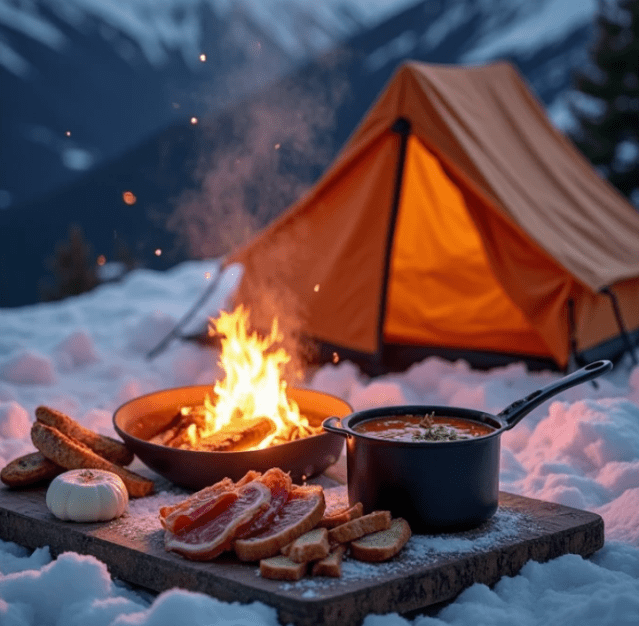
Ah yes, the favorite of ultralight backpackers and YouTube survival “influencers” who pretend they know cold, hunger, and terror. The tent is the bug-out choice for those who prefer mobility—but it’s also the choice for those who are comfortable sleeping inside a nylon bag while the entire forest listens to them breathe.
But here’s why tents do matter despite their fragility:
The Pros:
- You can move fast. Mobility is survival when the masses are fleeing like sheep without GPS.
- No fuel requirement. Unlike trailers or RVs, you don’t become dependent on gas—something most people won’t plan for until they’re siphoning fuel in the middle of the night.
- Cheap enough that even beginners can buy a real one. And yes, beginners will still manage to buy the wrong one, but at least they have a shot.
The Cons:
- Zero protection. Rainfly or not, if the weather wants to punish you, it will. If wildlife wants to investigate your midnight snack, it will. If humans want your supplies, you’re done.
- Terrible insulation. You’re a warm, edible burrito to the world.
- Setup requires calm hands—something you won’t have on Day 3 of societal collapse.
Let’s put it simply: tents are fast, but fragile. Good for escaping the chaos, but dangerous for surviving it long-term. If your bug-out strategy relies solely on a tent, then congratulations—you’re planning for mobility, not protection.
Option 2: The Trailer — Sturdier, Heavier, and a Beacon for Desperate People

A trailer might seem like the balanced choice. It offers shelter, mobility, and storage. A place to sleep without waking up soaked from condensation or frost. A place where your food isn’t stored inches from your pillow. A place that doesn’t flap like a dying bird every time the wind blows.
But don’t fool yourself: trailers come with their own demons.
The Pros:
- Protection from the elements. Real walls do wonders during storms, even if they’re thin aluminum.
- More storage space. Your supplies can actually be organized instead of bursting out of a backpack like a sad garage-sale explosion.
- You look less desperate. And in survival terms, “less desperate” often means “less likely to be targeted.”
The Cons:
- You’re married to your vehicle. No truck, no mobility. Lose the key? You’re a stationary buffet for anyone who stumbles upon you.
- Fuel dependency. And no—storing 20 gas cans “just in case” doesn’t magically fix this issue.
- Visibility. Trailers scream: “I have supplies!” to anyone passing by.
Worse, navigating rough terrain with a trailer means you’ll be stuck on roads longer than someone with a tent. And roads will be where chaos lives.
Trailers are great—until you can’t move them. Then they’re nothing but a tiny metal coffin with cabinets.
Option 3: Other Options — The Fantasy Land of Improvised Survival

Some preppers swear by alternative bug-out shelters: hammocks, rooftop tents, converted school buses, vans, DIY off-grid carts, or even old hunting blinds. Innovation is great—right up until reality slaps you in the face.
The Pros:
- Niche advantages. Hammocks are phenomenal in humid areas. Vans provide stealth. Rooftop tents keep you away from ground predators.
- Customizability. You can tailor these setups exactly to your environment.
The Cons:
- Specialized means limited. A hammock is useless in the desert. A rooftop tent is a liability in high winds. A van becomes your prison if people block the exit.
- High learning curve. Most people don’t know how to use these systems correctly even in perfect conditions—much less during apocalypse-lite.
- Maintenance. The more moving parts, the more chances something fails when you need it most.
In short, alternative shelters can be brilliant for specific environments—but they demand actual skill, discipline, and scenario planning. And let’s be real: most people won’t do any of that.
So Which Bug-Out Shelter Should You Choose?
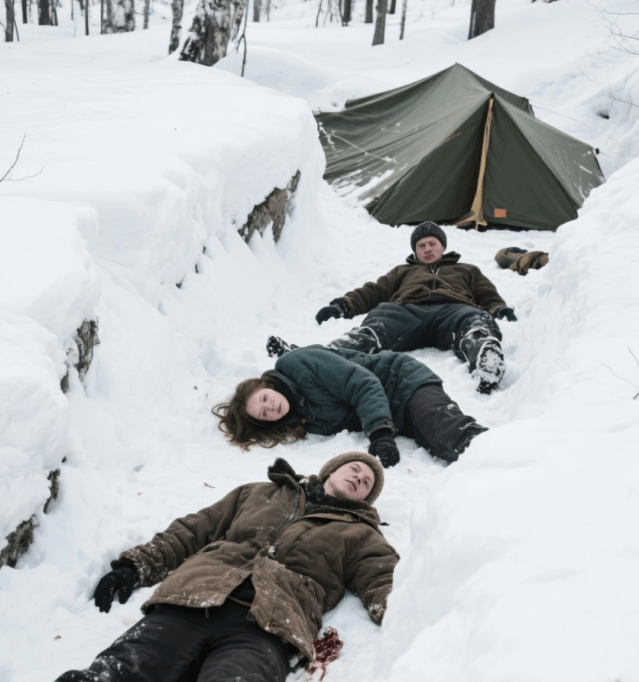
The answer is as grim as you expect:
None of Them Are Perfect.
Because you don’t get perfection in collapse scenarios. You get trade-offs. You get compromises. You get options that are all flawed, and you choose the flaw you’re most prepared to survive.
Here’s the mindset you actually need:
- If you expect chaos early: choose mobility. Tents win.
- If you expect long-term off-grid living: choose protection. Trailers win.
- If you know your terrain better than most people know their own families: choose alternatives. Specialized gear wins.
But the real truth—the one nobody likes to say out loud—is this:
Your shelter choice doesn’t save you. Your preparedness, discipline, skills, and planning save you. The shelter is just the tool.
And if society collapses tomorrow, the masses will flood the highways, destroy the forests, raid anyone with visible gear, and burn through resources like toddlers with matches. And you’ll be out there, choosing between nylon, aluminum, and creative madness.
 TheDailyChristian