
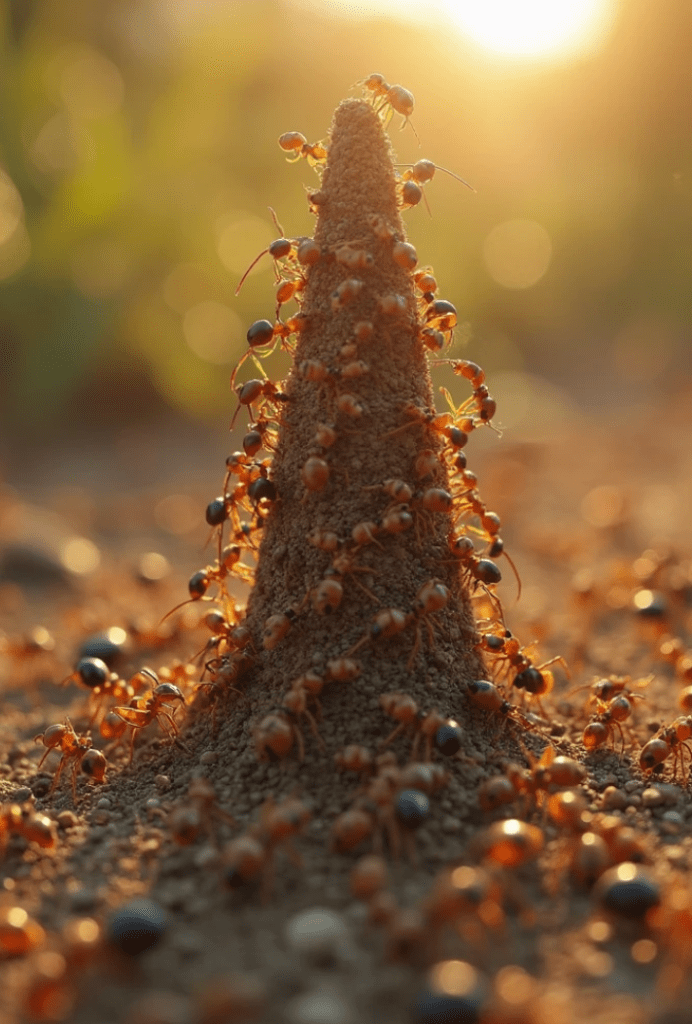
People love to pretend North America is “safe.” Safe neighborhoods. Safe hiking trails. Safe backyards. That lie falls apart the second you realize how many things here can kill you without making a sound. No growl. No warning. Just a sting, a bite, or a microscopic parasite riding in on six legs.
Insects don’t care about your politics, your optimism, or your belief that “it won’t happen to me.” They’ve been killing humans long before cities existed, and they’ll keep doing it long after society collapses under its own stupidity.
Below are 10 of the most dangerous insects in North America—where they live, how they kill, and how you might survive if you stop being careless and start paying attention.
1. Mosquito
Location: Everywhere. Literally everywhere.
Why It’s Deadly: Disease transmission
If you think mosquitoes are just annoying, you’re already behind. Mosquitoes kill more humans than any other creature on the planet, and North America is no exception. West Nile virus, Eastern Equine Encephalitis, Zika—take your pick. You don’t feel the danger until it’s already in your bloodstream.
How to Survive:
- Eliminate standing water around your home
- Wear long sleeves at dusk and dawn
- Use real insect repellent, not “natural” nonsense
- Install window screens and actually maintain them
Ignore mosquitoes, and you’re gambling with your nervous system.
2. Africanized Honey Bee (“Killer Bee”)
Location: Southwest U.S., spreading north
Why It’s Deadly: Mass stings and venom overload
One bee sting won’t kill most people. Hundreds will. Africanized honey bees don’t stop when you run. They don’t warn you politely. They attack in swarms and chase victims for long distances.
How to Survive:
- Run immediately if attacked—do not stand your ground
- Cover your face and airway
- Get indoors or into a vehicle fast
- Seek medical attention after multiple stings
These bees don’t care that humans “own” the land now.
3. Brown Recluse Spider
Location: Midwest and Southern U.S.
Why It’s Deadly: Necrotic venom
This spider doesn’t kill everyone it bites—but when it does, it does it slowly and horribly. The venom destroys tissue, causing wounds that rot from the inside out. Infection and organ failure follow if untreated.
How to Survive:
- Shake out shoes, gloves, and clothing
- Seal cracks in walls and foundations
- Seek medical help immediately after a suspected bite
Brown recluses thrive in clutter. Clean your environment or pay for it.
4. Black Widow Spider
Location: Throughout North America
Why It’s Deadly: Neurotoxic venom
Black widow venom attacks the nervous system, causing muscle paralysis, severe pain, and respiratory distress. Children, elderly adults, and people with weak health are especially vulnerable.
How to Survive:
- Wear gloves when working in sheds or woodpiles
- Reduce insect populations that attract spiders
- Get medical treatment quickly—antivenom exists
Ignoring pain because you “don’t want to overreact” is how people die.
5. Fire Ant
Location: Southern U.S.
Why It’s Deadly: Venom and allergic reactions
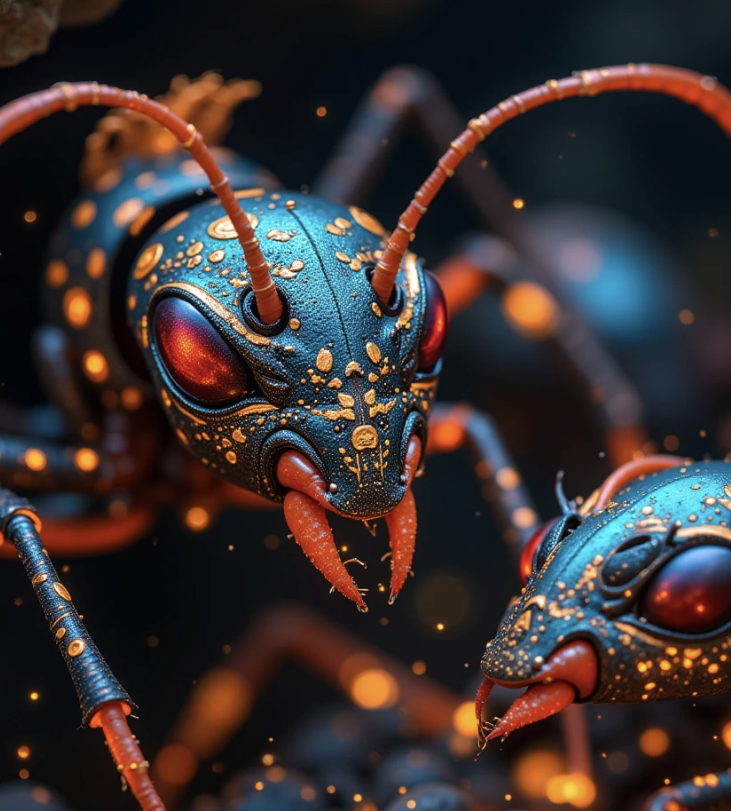
Fire ants don’t sting once. They swarm, latch on, and inject venom repeatedly. For people with allergies, this can trigger fatal anaphylaxis. Even without allergies, massive stings can lead to infection and systemic reactions.
How to Survive:
- Avoid ant mounds—watch where you step
- Treat property infestations aggressively
- Carry antihistamines or an EpiPen if allergic
Fire ants are proof that size doesn’t matter when numbers are on your enemy’s side.
6. Tsetse Fly (Rare but Documented Risk)
Location: Extremely rare, imported cases
Why It’s Deadly: African sleeping sickness
This isn’t common—but globalization keeps bringing foreign threats home. The tsetse fly transmits parasites that cause neurological collapse if untreated.
How to Survive:
- Seek medical attention after unexplained fevers post-travel
- Avoid complacency with imported insects
Nature doesn’t respect borders. Neither should your preparedness.
7. Kissing Bug (Triatomine Bug)
Location: Southern and Southwestern U.S.
Why It’s Deadly: Chagas disease
This insect feeds on blood and defecates near the bite wound. That waste carries parasites that enter the body and quietly destroy the heart over years.
How to Survive:
- Seal cracks in homes
- Keep pets indoors at night
- Get tested if bitten
Some deaths don’t happen fast. They happen quietly while you’re busy ignoring reality.
8. Deer Fly
Location: Forests, wetlands, rural areas
Why It’s Deadly: Disease transmission
Deer flies deliver painful bites and can spread tularemia, a potentially fatal bacterial infection.
How to Survive:
- Wear light-colored clothing
- Use head nets in heavy fly areas
- Clean and disinfect bites immediately
One infected bite can spiral into organ failure if untreated.
9. Fleas
Location: Anywhere mammals live
Why It’s Deadly: Plague and typhus
Yes, plague still exists. Fleas don’t care that it’s “medieval.” When sanitation breaks down, fleas become efficient killers again.
How to Survive:
- Control rodents
- Treat pets regularly
- Maintain hygiene even when society doesn’t
History repeats itself because people refuse to learn.
10. Velvet Ant (Cow Killer Ant)
Location: Southern and Central U.S.
Why It’s Deadly: Extreme venom, allergic reactions
Despite the name, it’s a wasp. Its sting is legendary—intense pain that can cause shock, heart issues, or fatal allergic responses.
How to Survive:
- Don’t handle unfamiliar insects
- Wear protective footwear outdoors
- Treat stings immediately
Curiosity is not a survival trait.
Final Reality Check

The world is not built for your comfort. It’s built to test whether you adapt or die. Insects don’t need claws, teeth, or intelligence. They just need you to stay ignorant long enough.
Preparedness isn’t paranoia—it’s the bare minimum. Learn where these insects live. Learn how they kill. Learn how to respond. Because help won’t always come in time, and nature doesn’t give second chances.
Stay alert. Stay angry. Stay alive.
 TheDailyChristian