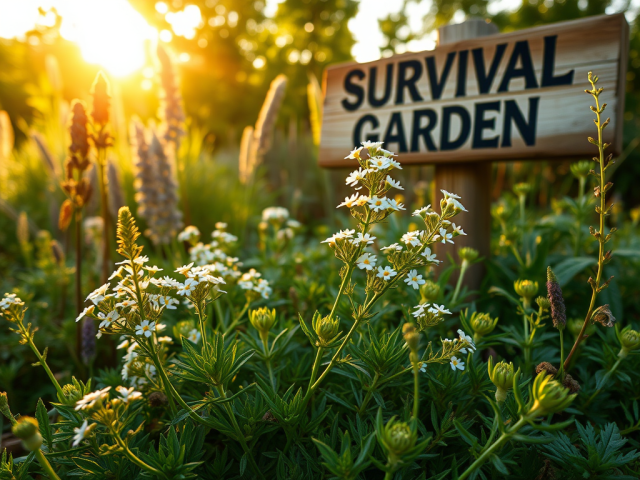
Unless You Fix Your Seed Germination, Your Survival Garden Will Fail

If you’re banking on your survival garden to save your life when the world finally collapses under its own stupidity—well, I’ll tell you right now, you’re already behind. And if you’re like most clueless optimists strolling around pretending everything’s fine, you probably assume that seeds magically sprout into food because that’s what they showed in kindergarten. Spoiler: they don’t. Seed germination is the first, brutal test of whether you’ll eat in a crisis or starve beside the raised beds you so proudly posted on social media.

You want the cold, infuriating truth? Most people fail at seed germination, and they fail hard. Not because it’s difficult, but because nature doesn’t care about your survival fantasies. Seeds germinate when conditions are right, not when society crumbles, not when you panic, and definitely not when you suddenly decide to “live off the land.” The seeds don’t care about your timeline. They respond only to reality—and reality is rarely on your side.

Why Germination Even Matters (As If Anyone Thinks Ahead)

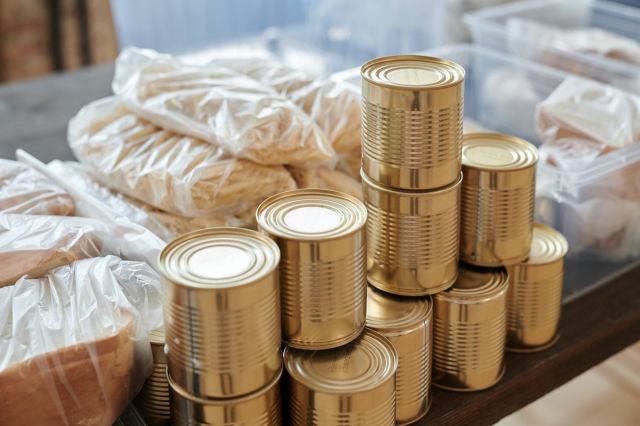
You can stock all the canned food you want, but when things get ugly—and they will—your shelf-stable comfort zone will run out. Seeds are supposed to be your renewable lifeline. But seeds are only useful if they sprout. And if they don’t? Congratulations, you’re just a starving hoarder with fancy paper packets.

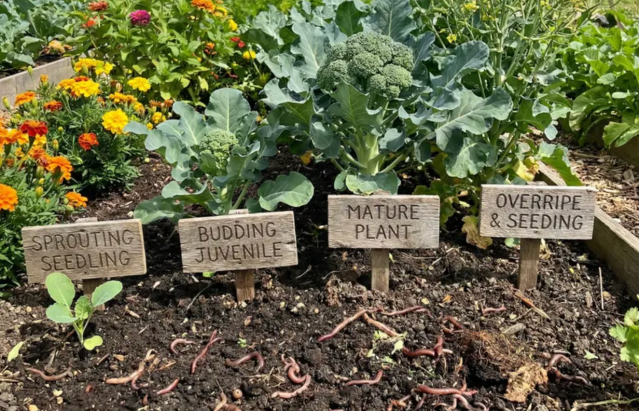
Food security starts at the moment that seed decides it’s safe enough to wake up. Moisture, warmth, oxygen—those are the essentials. But if you get even one variable wrong, your seeds either rot, stall, or shrivel up like everything else in this collapsing world.

This is why survivalists who rely purely on seed storage are fooling themselves. Stored seeds are potential. Germinated seeds are food. And the process between those two states is where the entire operation can fall apart.

The Seeds Themselves: Heirloom or Bust

I shouldn’t even have to explain this anymore, but apparently I do. If you’re still buying genetically mutated, chemically dependent, corporate-owned hybrid trash seeds, then you deserve whatever failure you get. For survival gardening, you go heirloom or you go hungry.

Heirloom seeds are stable, open-pollinated, and most importantly, they reproduce reliably, which is more than I can say for most modern humans. They also germinate more predictably when stored correctly, which brings me to the next infuriating topic.

Storage: The Thing Nobody Takes Seriously

You’d think people preparing for food shortages would understand that seeds are alive. But no—half the “preppers” I meet store their seeds in hot garages, humid sheds, or worse… their kitchens. Seed viability plummets with heat and moisture. If you wouldn’t store antibiotics or gunpowder in a certain place, don’t store seeds there either.

Here’s what seeds need if you want them to germinate when your life depends on it:

  • Cool temperatures (ideally 40–50°F)
  • Dry conditions (low humidity is critical)
  • Dark storage (light triggers degradation over time)

Vacuum sealing helps. Mylar helps. Desiccant packs help. But you know what doesn’t help? Wishful thinking. Seeds don’t care about your nostalgia for “simpler times.” Without proper storage, they lose viability every single year. And once viability drops, germination becomes a gamble—one you probably can’t afford to lose.

Germination Medium: Not All Dirt Is Created Equal

The soil in your backyard is good for burying your hopes, not for germinating seeds. Real seed starting requires a sterile, lightweight, fine-textured medium. Something like seed-starting mix or sifted compost mixed with perlite.

If your soil is:

  • too dense
  • too cold
  • too compacted
  • too wet
  • too alkaline
  • too acidic

…your seeds either rot or never sprout. That’s the reality. Germination requires a perfect environment, and no, nature will not bend the rules just because the grid went down.

Water: The Line Between Life and Rot

Here’s a concept that seems to baffle people: seeds need moisture, not a swamp. Overwater and you drown them. Underwater and they dry out. You need consistent moisture, which means checking them daily—something most people fail to do even when civilization is functioning.

The best methods for survival germination include:

  • Bottom watering (wicking moisture upward without drowning the seed)
  • Misting (light sprays prevent disturbance of delicate seeds)
  • Humidity domes (temporary—not permanent—covers to keep moisture levels steady)

But most folks either ignore these rules or rely on instinct, which usually means killing the seed before it ever sees daylight.

Temperature: The Most Ignored Factor in Germination

Seeds are picky. Each plant species has a specific germination temperature range. Most vegetables want soil temps between 65 and 85°F. Try starting seeds in a cold room during early spring and you’ll wait three weeks only to watch mold grow instead of sprouts.

When the world is falling apart, you can’t rely on luxury items like heat mats—so learn right now how to improvise thermal environments:

  • Use compost piles as heat sources.
  • Germinate seeds indoors against insulated south-facing walls.
  • Start seeds in cold frames that trap daytime heat.

If you ignore temperature, your seeds will ignore you.

Light: Not Needed for Germination… But Required Immediately After

Yes, seeds germinate in darkness. No, they do not grow in darkness. The moment they sprout, they require strong light or they become pale, leggy, weak, and useless—much like society.

If you can’t supply adequate sunlight or artificial light after germination, then why bother germinating them at all?

Pre-Soaking and Scarification: Tricks for Stubborn Seeds

Some seeds are built like the world we live in: hard, resistant, and uncooperative. Beans, peas, squash, and certain herbs sprout faster and more reliably when pre-soaked for 6–12 hours. Others need scarification—light sanding or nicking of the seed coat.

If you don’t take the time to learn these techniques now, you’ll waste precious seeds later. And yes, this makes me angry, because this is survival 101, yet countless preppers still ignore it.

Testing Viability Before the Collapse Forces You To

This one really gets me. Seeds are not immortal, but people treat them like ancient treasure that magically springs to life when needed. Test your seeds every year, before the crisis hits.

A simple viability test:

  1. Take 10 seeds.
  2. Lay them on a damp paper towel.
  3. Roll it up and seal it inside a bag.
  4. Check after the standard germination period.

If only 4 of 10 sprout, that’s 40% viability. Plan accordingly. Plant extra—or replace the batch. But don’t wait until disaster strikes to find out your seeds died years ago.

The Harsh Reality: Germination Is Survival

When everything collapses—supply chains, power grids, trust in institutions—you will be left with whatever food you can grow. And that food begins with seed germination. No sprouting seeds means no garden. No garden means no calories. No calories means you become another statistic in humanity’s long list of unprepared fools.

If you want to survive, you need to master germination now, while the world is still barely functioning. Because once chaos hits full stride, your seeds won’t care. They will obey only nature—never you.

3 Survival Garden Herbs for When Society Finally Crashes

Every direction you look—politics, economy, supply chains, the bizarre behavior of everyday people—it all screams one thing: this whole system is held together with duct tape and denial. And if you’re smart enough to build a survival garden, you already know that depending on modern conveniences is the fastest road to becoming another helpless statistic when things finally snap.

Growing food is essential, yes, but if that’s all you’re planting, you’re missing half the picture. When hospitals are overrun, pharmacies are empty, and the average person is pacing around hoping the government will magically fix everything, you’ll need medicinal plants on hand—herbs that don’t require electricity, insurance, or permission to use.

Most people think throwing a few tomato plants in the ground makes them “prepared.” Please. When the grid fails and chaos rolls through town, tomatoes aren’t going to calm an infection or soothe a respiratory issue. Herbs, however, have kept humans alive since long before the modern world started falling apart.

Below are three herbs every serious survival gardener should be growing right now, not next season, not “someday,” but immediately. Because time is running out faster than anyone wants to admit.


1. Yarrow: The Battlefield Medic You Can Grow

Out of all the herbs the average gardener ignores, yarrow might be the most underrated lifesaver. This plant has been used for thousands of years for its ability to stop bleeding, reduce inflammation, and assist wound healing—which is exactly what you’ll need when emergency services are either unavailable or too busy dealing with the fallout of societal collapse.

Yarrow is a rugged plant. It doesn’t sulk if the soil is bad. It doesn’t demand pampering or daily attention. It grows like it knows the world is falling apart—and frankly, it probably is.

Why it belongs in your survival garden:

  • Stops bleeding quickly. You can crush fresh leaves and pack them onto wounds. Yes, the world we’re headed toward may involve more of those than you’d like.
  • Anti-inflammatory and antimicrobial. Useful for cuts, scrapes, burns, and infections—situations that become life-threatening when hospitals aren’t an option.
  • Thrives in harsh conditions. Heat, drought, poor soil—yarrow shrugs it off like a seasoned prepper.

How to grow it:

Plant yarrow in full sun. It spreads aggressively, which is perfect, because if things get ugly, you’re not going to complain about having too much medicine growing in your yard. Just keep it trimmed so it doesn’t take over everything else.

If modern society ever manages to collapse the rest of the way, you’ll be thankful you didn’t listen to the gardeners who said it was “weedy.” Weedy plants are survivors—and in the coming mess, so should you be.


2. Holy Basil (Tulsi): Because Stress Won’t Be Going Away Anytime Soon

Let’s face it: stress levels are already off the charts, and that’s before the supply chains snap, the grid flickers out, or inflation turns basics like rice and fuel into luxury items. Stress isn’t going to magically disappear once society destabilizes—it’ll get worse, heavier, and more relentless.

That’s where holy basil, or tulsi, steps in. This herb has been used in traditional medicine for centuries as an adaptogen, meaning it helps your body cope with stress—physical, mental, and emotional.

If you think you won’t need that in the middle of chaos, you’re kidding yourself.

Why tulsi is a survival essential:

  • Reduces stress and anxiety naturally. No prescriptions, no pharmacy lines, no shortages.
  • Strengthens the immune system. Which you’ll need when sanitation crumbles and illnesses spread.
  • Helps regulate blood sugar and improve overall resilience.
  • Can be made into tea with minimal effort. Hot water, dried leaves, and you’re good to go—even if your “stove” is a campfire.

Growing tips:

Tulsi loves warm weather and plenty of sun. The good news is that it grows fast—faster than society’s decline at this rate. It does fine in containers, raised beds, or directly in the ground. Just keep harvesting the leaves regularly; the more you pick it, the more it produces. Like a good prepper, it thrives under pressure.

When things get tough—and they will—having a natural way to calm your mind without relying on fragile supply chains is priceless.


3. Plantain: The Ugly Weed That Saves Lives

Forget everything you think you know about weeds. While the average suburban lawn-obsessed neighbor is busy spraying chemicals to kill off every useful plant in sight, plantain (Plantago major or Plantago lanceolata) is quietly offering some of the best emergency medicinal benefits you can get.

Plantain is the ultimate survival herb: ignored, misunderstood, and tougher than half the people wandering around today glued to their screens.

What makes plantain indispensable:

  • Pulls toxins out of wounds. Infected cuts, bug bites, stings—plantain can help draw out the problem.
  • Heals skin quickly. It’s used to soothe burns, rashes, and scrapes.
  • Anti-inflammatory and antimicrobial.
  • Grows literally everywhere. This plant pops up in abandoned lots, sidewalk cracks, damaged soil—exactly the kind of places we’re all headed if things keep going the way they are.

How to grow it:

Honestly? You barely have to try. Plantain grows like it’s preparing for the end times—which is great, because it’s one of the few things that will still be thriving when your local grocery store shelves are stripped bare.

To use it, you can chew a fresh leaf and slap it onto a sting or wound to make a quick poultice. It’s simple, primitive, and effective—exactly the kind of medicine that works when modern life stops working.


The Harsh Truth: No One Is Coming to Save You

Growing herbs isn’t some quaint hobby. It’s not a cute gardening project to post on social media. It is strategic self-preservation.

If you’re reading this, you already know what most people don’t want to admit: the world is getting more unstable by the day, and every system we rely on—food, medicine, power, transportation—is vulnerable. Fragile. Overstretched. And increasingly unreliable.

When the next big disruption sweeps through, whether it’s economic, political, environmental, or something entirely unexpected, you’ll either have what you need in your backyard… or you won’t.

These three herbs—yarrow, holy basil, and plantain—aren’t luxury plants. They’re tools. Weapons. Allies. They’re the difference between being helpless or being capable.

Grow them now, while you still can.
Because once things really fall apart, it’ll be too late.

Plant These 10 Doomsday Crops Before Civilization Finally Breaks

The air feels different now. Heavier. The kind of heavy that comes before a storm—not the kind that blows over, but the kind that wipes away everything unprepared.

Most people still cling to the fantasy that the world has “bad days,” not that the entire structure is rotting from the inside. They still believe the trucks will keep delivering food. They still trust that the grid won’t fail. They still think someone—anyone—is in control.

But you know better.

When the shelves go bare, when fuel dries up, when panic rolls through the streets like wildfire…
your only safety will be the food you already planted.

And not the cute “homestead aesthetic” crops people brag about online.
I mean collapse-grade crops—the ruthless survivors that grow where others die.

Here are 10 new doomsday crops built for a future no one is ready for.


1. Amaranth (The Ancient Famine-Proof Grain)

This plant kept entire civilizations alive when empires crumbled. It thrives in heat, drought, poor soil, and outright neglect. The seeds are protein-rich, the leaves are edible, and the plant can handle the type of chaos that kills modern agriculture.

Why amaranth is priceless:

  • High-protein grain AND leafy vegetable
  • Drought and heat tolerant
  • Self-seeds reliably
  • Stores for years

Amaranth doesn’t just survive—you’ll wish you were as tough as this plant.


2. Jerusalem Artichokes (The Underground Food That Never Dies)

Also called sunchokes, these tubers are as close to “apocalypse-proof” as it gets. They spread aggressively, return every year, and keep producing even if the world falls apart.

Why they matter:

  • Perennial and nearly impossible to kill
  • Massive yields with almost zero upkeep
  • Stores well underground all winter
  • Thrives in neglected soil

Plant once. Eat forever.


3. Buckwheat (Your Lightning-Fast Crisis Carb)

When everything collapses, fast food takes on a whole new meaning. Buckwheat grows faster than almost any grain on Earth, giving you calories in weeks—not months.

Buckwheat advantages:

  • Matures in as little as 6–8 weeks
  • Grows in terrible soil
  • High in nutrients
  • Helps reclaim exhausted land

It is the crop you grow when time is running out.


4. Turnips (The Cold-Weather Lifesaver)

Turnips don’t care about frost, storms, or the rapidly shifting climate. They produce edible roots and edible greens, giving you two foods from one plant.

Turnips earn their place by:

  • Thriving in cold conditions
  • Growing extremely quickly
  • Lasting months in storage
  • Providing greens long before other crops sprout

When winter turns deadly, turnips stay alive.


5. Chickpeas (The Protein Vault of the Old World)

These ancient legumes fed people through wars, famines, and droughts. They need almost no water, tolerate brutal sun, and produce high-protein food even under collapse conditions.

Why chickpeas are essential:

  • Long-term protein
  • Drought resistant
  • Excellent dry storage
  • Soil-building nitrogen fixers

Plant chickpeas if you don’t want to depend on luck.


6. Millet (The Grain for When the Rain Stops)

Millet grows where other grains surrender. It produces small but powerful seeds loaded with carbs and minerals, even when rainfall is almost nonexistent.

Millet strengths:

  • Perfect for drought
  • Quick-maturing
  • Stores for years
  • Reliable calorie source

When the climate turns hostile, millet endures.


7. Leeks (The Cold-Hard Guardians of Winter)

Unlike onions, leeks stay alive through frost, snow, and freezing temperatures. When food is scarce and the world is frozen, leeks remain standing.

Leek advantages:

  • Extremely cold hardy
  • Long harvest windows
  • High in vitamins
  • Easy to grow in tight spaces

Leeks are the winter warriors your future self will thank you for.


8. Peanuts (The Collapse-Ready Fat Source)

When society falls apart, oils and fats become rare. Peanuts solve that problem. They grow underground, store well, and provide protein, fat, and calories—things people go to war over when food runs low.

What makes peanuts invaluable:

  • High fat and protein
  • Heat tolerant
  • Long storage life
  • Useful for oil pressing

In a starving world, fat becomes power.


9. Rhubarb (The Perennial With a Vengeance)

Rhubarb is a rugged perennial that returns year after year—even if you completely ignore it. Once established, it’s almost impossible to kill.

Rhubarb earns its place because:

  • Grows for a decade or more
  • Cold resistant
  • Large harvests every spring
  • Minimal maintenance

Plant it once and it outlives half your neighborhood.


10. Moringa (The Tree That Replaces a Multivitamin)

If there is a “tree of life” for collapse, it’s moringa. The leaves are packed with protein, vitamins, and minerals, and the tree grows insanely fast—even in harsh climates.

Why moringa is survival gold:

  • Edible leaves, pods, seeds
  • Grows in poor, dry soil
  • Rapid growth rate
  • Can be used for water purification

If malnutrition becomes widespread—which it will—moringa becomes priceless.


THE COLD TRUTH: YOU DON’T HAVE YEARS. YOU HAVE MONTHS.

Civilization is being held together by duct tape and denial. Supply chains are failing. Infrastructure is aging. Tensions rise. Weather gets worse. Resources shrink.

You are not planting a garden.
You are building your last line of defense.

Grow these crops now—while seeds still exist, while the soil is still yours, while the world still pretends everything is fine.

Because when the lights finally go out, only what you’ve planted will matter.

Grow These Survival Crops Now—Because Nobody’s Coming to Save You

The world isn’t getting better. You already know that—every headline is another reminder that the system is rotting from the inside out. The supply chain snaps if the wrong boat parks sideways. Grocery stores empty out if people panic for twenty minutes. And you’re supposed to trust that civilization will hold up long enough to keep your family fed?

Yeah. Right.

If you’re paying attention, you already know you need to grow your own food—real survival food, not the trendy nonsense influencers pretend will “heal your energy.” I’m talking about the tough crops. The war-zone crops. The crops that can keep you alive when everything else stops working.

This isn’t about gardening. This is about staying alive when society collapses under the weight of its own stupidity.

Below are the best survival foods to grow if you’re serious about not starving. They’re hardy, calorie-dense, reliable, and proven to keep humans alive when all hell breaks loose.

1. Potatoes (The Underrated Calorie King)

People laugh at potatoes—until they realize these humble dirt nuggets kept entire civilizations alive. Potatoes grow in lousy soil, don’t need much babying, and produce more calories per square foot than almost anything else.

When grocery shelves are stripped bare and the clueless masses panic, you’ll be sitting on piles of real food while they argue about who took the last granola bar.

Why potatoes are essential:

  • High calories
  • Grow in poor soil
  • Store well in cool, dark areas
  • Minimal pest issues

If you’re not growing potatoes, you’re already behind.

2. Beans (Your Long-Term Survival Protein)

Everyone talks about protein until they need to actually grow some. Livestock? Good luck feeding it when animal feed disappears. Hunting? So will everyone else—wildlife will vanish fast. But beans? Beans just grow. And they give you protein without expecting you to play rancher in the apocalypse.

Pole beans, bush beans, dry beans—grow them all. They improve soil, climb anything, and tolerate harsh neglect better than most people you know.

Why beans matter:

  • Plant-based protein
  • Long-term dry storage
  • Soil-building nitrogen fixers
  • Reliable yield

Beans won’t betray you. People will.

3. Corn (Massive Harvest, Endless Uses)

Say what you want about corn—it feeds people. It feeds animals. It feeds entire nations. And unlike half the fragile specialty crops people obsess over, corn actually produces enough mass to matter when you’re trying to stay alive.

You can grind it into meal, feed it to chickens, ferment it, store it, or eat it straight off the cob. Fast-growing, sun-loving, drought-tolerant corn is a prepper’s workhorse.

Corn benefits:

  • Huge calorie yield
  • Can be dried and stored long-term
  • Works in tons of recipes
  • Great for bartering

In a grid-down world, corn is currency.

4. Winter Squash (Hard-Shelled Survival Gold)

After the collapse, refrigeration won’t be there to save you. That’s why winter squash matters—they’re the original long-term storage food. With thick rinds and durable flesh, they’ll sit on your shelf for months without rotting into compost.

Butternut, acorn, Hubbard, kuri—pick your fighters. Just make sure you grow a lot of them.

Why winter squash is vital:

  • Keep for 6–12 months
  • Great carbs and vitamins
  • Hardy plants once established
  • Huge harvest potential

When everyone else is shivering and hungry, your squash pile will look like treasure.

5. Sweet Potatoes (Survival Meets Nutrition)

Unlike regular potatoes, sweet potatoes tolerate heat, drought, and neglect like they’re built for catastrophe. They provide calories, vitamins, and vines you can eat as greens if you’re desperate.

Once you plant sweet potatoes, they practically take over—exactly what you want in a world falling apart.

Benefits:

  • High yield
  • Heat and drought tolerant
  • Edible greens
  • Stores for months

Sweet potatoes don’t care if civilization crumbles.

6. Cabbage (The Forget-Me-Not Food That Just Keeps Giving)

Cabbage is the vegetable equivalent of a bunker—heavy, tough, and made to endure. It produces a ton of edible mass and becomes even more useful when fermented.

Sauerkraut isn’t a trend—it’s what people made when they didn’t have refrigerators.

Why cabbage is a survival classic:

  • Huge nutritional value
  • Stores for weeks
  • Can be fermented for long-term preservation
  • Cold-hardy

Cabbage doesn’t die easily. Can’t say the same about most modern diets.

7. Garlic & Onions (Flavors That Keep You Sane)

Listen, life after collapse is going to be miserable enough. If your food is bland, it gets even worse. Garlic and onions aren’t just flavor—they’re medicine, pest repellants, and food preservers.

Plus, they store extremely well.

Why you need them:

  • Long storage
  • Antibacterial properties
  • Easy to grow
  • High value for trade

If you want morale, you want alliums.

8. Carrots (The Survival Root That Doesn’t Complain)

Carrots take a little soil prep, but once they’re growing, they’re practically unstoppable. They store well, grow well in cool weather, and diversify your calories.

They’re also one of the few crops people will still like eating when they’re exhausted, cold, and miserable.

Why carrots earn a spot:

  • Easy to grow
  • Long storage
  • Cold tolerant
  • High vitamins

Carrots are simple. The world won’t be.

9. Kale (The One Green That Doesn’t Die)

Most leafy greens collapse under heat, cold, or pests. Kale laughs at all of them. It’s a multi-season, frost-kissing, apocalypse-proof plant that keeps producing when everything else waves a white flag.

Benefits:

  • Extremely hardy
  • Long season
  • Nutrient dense
  • Keeps producing

You don’t need trendy superfoods. You need kale.

10. Sunflowers (Seeds, Oil, and Livestock Feed)

Sunflowers give you more than beauty—they give you protein-rich seeds, oil for cooking, and feed for animals. They grow tall, strong, and resilient, even when conditions turn nasty.

Why sunflowers matter:

  • Edible seeds
  • Oil extraction
  • Drought tolerant
  • Excellent survival bartering item

Sunflowers don’t care about chaos—they just grow.


FINAL THOUGHTS: GROW FOOD OR GET LEFT BEHIND

You can’t fix the world. You can’t stop the collapse. You can’t rely on the grid, the government, the stores, or the clueless crowds who still think “everything will be fine.”

But you can grow food.

Survival belongs to the prepared—not the optimistic.

Learn these crops. Plant them now. Because when the world finally goes dark, your garden will be the only thing standing between your family and starvation.

Eat to Live: Mastering Edible Plant ID for Survival Scenarios

Eat to Live: Mastering Edible Plant ID for Survival Scenarios
By someone who’s fed up with your ignorance

Let me cut the crap right off the bat—if you’re reading this because you think “foraging” is some cute weekend hobby between lattes and scrolling on your damn phone, you’re already a liability. This isn’t about wildflower pics for your Instagram. This is about survival—pure, raw, unfiltered survival. The kind where if you screw up, you don’t get a second chance. You either eat or you rot.

When the grid collapses, the cities will become tombs. Your favorite Uber driver isn’t going to save you. Your “meal prep” skills won’t mean squat when the only thing on the menu is bark and berries. But here’s the truth: nature provides—if you know what you’re doing. And if you don’t, nature will kill you. Fast.

Survival Skill #1: Learn the Damn Plants

You better get good at plant ID, and I don’t mean glancing at some leafy green and guessing. I mean knowing the difference between Queen Anne’s Lace and poison hemlock. One feeds you, the other shuts down your respiratory system like a vise. Learn the leaf patterns. Smell the roots. Break the stems. Know the seasonal changes. If you can’t name five edible plants native to your area right now, you’re not ready. Period.

Survival Skill #2: Know the Universal Edibility Test

In a real survival scenario, you won’t always have your plant guides or phone apps. Use the Universal Edibility Test—but use it smart. Break the plant into parts: root, stem, leaves, flower. Test each part separately over hours. Rub it on your skin, then your lips, then your tongue. Wait. Swallow only if there’s no reaction. You think it’s tedious? So is dying from gut-wrenching poison.

Survival Skill #3: Track Seasonal Availability

Wild edibles aren’t available all year. You need to know when to harvest roots, which plants bloom in spring, and which weeds you can count on in winter. Chickweed, dandelion, wild garlic—they’re your allies if you’ve got the balls to pay attention.

DIY Survival Hack #1: Build a Pocket Herbarium

Forget your TikTok hacks. Get a damn notebook and start pressing specimens. Dry them, label them, annotate what parts are edible and when. Make your own field guide. That way when you’re freezing your ass off in some backwoods hole and stumble on a patch of greens, you don’t second-guess what could be your next meal.

Survival Skill #4: Understand Plant Look-Alikes

Mother Nature is a tricky bastard. Edible plants have toxic twins. Wild carrot vs. poison hemlock. Wild grape vs. moonseed. You mess that up, you’re not going to the ER—you’re going to the morgue. If you can’t tell them apart, don’t touch them.

Survival Skill #5: Practice Harvesting Without Destroying the Source

A real survivalist doesn’t burn the forest to bake a loaf of bread. Take only what you need. If you find wild leeks, leave half. If you spot cattails, don’t rip the whole colony apart. Respect the land, because it’s the only damn thing keeping you alive.

DIY Survival Hack #2: Make a Solar Plant Dehydrator

Don’t rely on power when you can build a plant dryer with sticks, screen, and sunlight. Dehydrate dandelion leaves, wild mint, or purslane. It preserves nutrients and lightens your pack. Who needs fancy gear when the sun is still free?

Survival Skill #6: Know Your Medicinal Plants

Food isn’t the only thing that keeps you alive. Ever had diarrhea in the woods with no meds? Good luck. Learn yarrow (stops bleeding), plantain (draws out poison), and willow bark (natural aspirin). Your brain’s your best survival tool—if you fill it with something useful.

Survival Skill #7: Test and Train—Before You Have To

You’re not a survivalist until you’ve lived it. So take your cushy ass out of the suburbs and spend three nights in the wild with nothing but a knife, a water bottle, and your plant ID skills. No phone. No tent. Eat only what you find. That’s how you learn.

DIY Survival Hack #3: Edible Plant “Cheat Stick”

Tape samples of dried, identifiable parts of key edible plants to a sturdy stick or ruler. Seal them under clear packing tape. Waterproof, portable, and faster than flipping through pages when the sun’s going down and your stomach’s roaring.

Survival Skill #8: Cook What Needs Cooking

Some plants will screw you up if you eat them raw. Cattail roots need roasting. Pokeweed can be eaten only when young and only after multiple boils. Know what must be cooked, because gastrointestinal distress in the wild is a fast track to death.

Survival Skill #9: Urban Foraging Tactics

Don’t assume survival scenarios only happen in the backwoods. Cities have plant life too—back alleys, parks, abandoned lots. Learn to spot mulberry trees, lamb’s quarters, wild amaranth, and purslane growing in cracks. Concrete jungles have calories too.

Survival Skill #10: Mental Resilience

This isn’t just about what you know—it’s about what you do when you’re cold, starving, and scared. You panic, you die. You hesitate, you miss a meal. You doubt yourself, you eat the wrong berry and meet your maker. Know your plants, trust your skills, and keep moving.


Let me be clear one last time: this isn’t a damn joke. When things fall apart, the people who laugh at this stuff are going to be the first to beg for a cracker. Don’t be one of them. Be the one who walks into the woods and walks out fed, alive, and free.

Nature doesn’t care about your opinions. It doesn’t care about your degree, your follower count, or your Wi-Fi signal. It rewards the prepared. It eats the rest.

So pick up that field guide, get your boots dirty, and for God’s sake—eat to live.

Stockpile Smart: Mastering Long-Term Food Storage Techniques

First off, wake up! The world isn’t your safe little bubble anymore. The power grid can go out, trucks can stop delivering, and those fancy supermarkets? Empty shelves faster than you can blink. You want peace of mind? You build a fortress of food, not just some half-assed pantry with expired cans in the back.

But don’t get cocky thinking you can just shove a bunch of junk food in a closet and call it a day. Stockpiling smart means knowing what to store, how to store it, and for how long it’ll last. This isn’t a weekend camping trip; this is about surviving the unknown long haul. Here’s the deal:


10 Survival Skills You MUST Master for Long-Term Food Storage

  1. Food Rotation Management
    Don’t let your stockpile turn into a science experiment. Keep track of expiration dates and always rotate your supplies. Use the oldest first, replace with fresh, and mark everything clearly. No excuses.
  2. Proper Sealing Techniques
    Oxygen and moisture are your enemies. Learn to use vacuum sealers and Mylar bags with oxygen absorbers to extend shelf life. You want airtight containers that can withstand the test of time and pests.
  3. Dehydrating Food
    Drying food is a time-tested method that reduces weight and volume while locking in nutrients. Learn to dehydrate fruits, vegetables, and meats. It’s cheap, effective, and makes your stockpile last longer.
  4. Canning Mastery
    Pressure canning for low-acid foods like beans and meat is a survival skill you can’t ignore. If you botch it, you risk botulism—so get trained or study hard. Home-canned food can last years if done right.
  5. Growing Your Own Food
    Store all you want, but if the disaster drags on, you’ll need to grow your own. Get good at gardening, seed saving, and understanding your soil and climate. Stockpiling alone won’t save you forever.
  6. Foraging Knowledge
    Learn what wild plants are edible and safe. If you have to stretch your stockpile, wild greens, nuts, and berries can supplement your diet. But know them well—one wrong bite and you’re done.
  7. Food Preservation with Salt and Smoke
    If you want to keep meats and fish long-term, get familiar with salting and smoking. These old-school methods work wonders without electricity or fancy gadgets.
  8. Pest Control
    Rodents, bugs, and mold will wreck your food faster than you think. Master pest-proofing your storage area with tight containers, traps, and natural repellents.
  9. Water Purification and Storage
    Food alone won’t do you any good without clean water. Know how to store water safely and purify it on the fly with filters, boiling, or chemical treatments.
  10. Cooking with Minimal Resources
    Long-term survival means you might have to cook on a camp stove, solar oven, or even an open fire. Practice cooking from your stockpile using minimal fuel and tools.

3 DIY Survival Hacks for Smarter Food Storage

  1. DIY Mylar Bag and Oxygen Absorber System
    Don’t waste cash on pre-packaged storage. Buy food-grade Mylar bags in bulk, scoop in your dried or dehydrated food, and throw in oxygen absorbers. Seal the bag with a cheap iron from a thrift store or even a hair straightener. This DIY method will keep your food fresh and bug-free for years.
  2. Repurpose Old Buckets for Bulk Storage
    Got old 5-gallon buckets? Clean ’em out, line with Mylar bags, and store large quantities of grains, beans, or flour. Use gamma seal lids for airtight, stackable storage. This keeps pests out and food fresh. Bonus: buckets can double as water storage or emergency toilets if you’re really in a pinch.
  3. Build a Root Cellar Substitute
    No basement? No problem. Dig a small hole in a shaded, cool part of your yard, line it with bricks or wood, and cover it well with insulating materials. Store root veggies and some canned goods there to keep them cool and extend their shelf life naturally. This is old-school survival wisdom that’s dirt cheap and effective.

Now, why the hell does all this matter?

Because when SHTF, your “funny little stockpile” of expired canned beans and stale crackers won’t cut it. You need a system. A fortress. Something that works when the lights go out and the world flips upside down. If you don’t stockpile smart, you’re just delaying the inevitable starvation party.


More Angry Survivalist Truths About Food Storage

Don’t fall for the marketing crap! Freeze-dried meals and survival kits that cost you a kidney aren’t always the answer. They’re a start, sure, but building your own stockpile with bulk grains, beans, dried vegetables, and home-canned goods is where you build real resilience.

Balance nutrition, dammit! Storing only rice and beans might keep you alive, but you’ll feel like garbage. Get some powdered milk, freeze-dried fruits, nuts, honey, and salt. Your body needs variety to keep fighting.

Don’t forget your tools! You better have a manual can opener, a good knife, and a portable stove or two. If you can’t open your food, it’s worthless. No exceptions.

Label everything. No, seriously. Label every container with the contents and date stored. This is survival 101. You don’t want to waste precious calories guessing what’s inside.


Step-by-Step Stockpile Smart Plan

  1. Assess Your Needs
    Calculate how many days or months you want to cover. Factor in family size, calorie needs, and dietary restrictions.
  2. Start Small, Build Fast
    Buy staples in bulk gradually. Don’t blow your entire savings on one haul and then give up.
  3. Get Proper Containers
    Use airtight buckets, Mylar bags, vacuum sealers, and food-grade jars. Plastic bags won’t cut it.
  4. Keep It Cool and Dry
    Temperature and humidity are the enemy of food storage. Find a cool, dark, and dry place for your stockpile.
  5. Learn Preservation Skills
    Master drying, canning, fermenting, and salting. The more techniques you have, the better your chances.
  6. Regularly Inspect Your Stockpile
    Look for leaks, moisture, pests, and spoilage. Catch problems early before your food turns to garbage.
  7. Practice Using Your Stockpile
    Cook meals from your stockpile regularly to familiarize yourself with what you have and avoid surprises.

Final Warning

You want to be the one who survives? Stop whining and start doing. Stockpiling smart isn’t about paranoia; it’s about preparedness. If you wait until disaster strikes, it’ll be too late. Long-term food storage is your insurance policy against chaos.

If you haven’t mastered these skills and built your stockpile yet, you’re playing Russian roulette with your life. Get moving before the next crisis slams the door shut.


So, what are you waiting for? Start learning, start building, and stockpile smart. Because when the world goes dark, it’s not just about surviving. It’s about thriving — and that starts with your food.

The Ultimate List of Survival Foods You Should Grow Yourself

The Ultimate List of Survival Foods You Should Grow Yourself

(Told by a Fed-Up, No-Nonsense Survivalist)

Listen up. If you think the grocery store is your safety net, you’re already screwed. This isn’t a joke and it sure as hell ain’t a game. When the trucks stop rolling, the power goes out, or the world goes sideways — your fancy apps and two-day shipping won’t feed you.

You want to survive? You GROW your food.

I’m not talking about pretty little herb gardens. I’m talking calorie-dense, nutrient-rich, survival-grade crops that’ll keep you and your family alive when the rest of the neighborhood is fighting over moldy cans of beans.

Here’s the no-BS list of survival foods you should be growing RIGHT NOW — and if you’re not, then get off your butt and get planting.


🔥 The Survival Foods You NEED To Grow

  1. Potatoes
    These starchy workhorses are loaded with carbs and keep well in a root cellar. Grow them in buckets, raised beds, whatever you’ve got. Easy, fast, and reliable.
  2. Beans (Pole & Bush)
    High in protein, they’re your best friend when meat isn’t an option. They also fix nitrogen in the soil — which means better yields overall.
  3. Corn
    Don’t grow sweet corn for fun. Grow dent or flint corn — the kind you can dry and grind into meal. This is real survival food.
  4. Winter Squash
    Long shelf life. Heavy on calories. Butternut, acorn, spaghetti — doesn’t matter. They’ll keep through winter if stored right.
  5. Garlic
    Not just for flavor. Garlic is antibacterial, antifungal, and boosts immunity. Plus, it stores for months.
  6. Onions
    Adds depth to every meal, and it’s another strong natural antibiotic. Plant a lot — they go quick.
  7. Carrots
    Vitamin A bombs. Easy to grow, easy to store, and great for morale. Don’t underestimate morale food.
  8. Kale and Collards
    Leafy greens that don’t quit. They’ll grow in frost and keep producing for weeks. Nutrient-rich and damn tough.
  9. Cabbage
    Eat it raw, cooked, or ferment it into sauerkraut for gut health. Stores well and produces big.
  10. Tomatoes (Paste Types)
    Forget salad tomatoes. Grow Roma or San Marzano. They’re meaty, great for sauces, and can be preserved easily.
  11. Peppers
    Bell or hot, they’re loaded with vitamin C and they dehydrate well. Hot peppers also help preserve food and boost metabolism.
  12. Sweet Potatoes
    Grow the greens and the tubers. High in nutrients, hardy in poor soil, and sweet enough to break up food boredom.
  13. Zucchini
    One plant can feed a neighborhood. You’ll get tired of zucchini before it stops producing.
  14. Turnips
    Fast-growing and reliable. The roots feed you, the greens feed your livestock or compost. Win-win.
  15. Herbs (Basil, Thyme, Oregano)
    Not just flavor. Many herbs have medicinal benefits, and let’s be honest — bland food kills morale faster than cold weather.

🧠 Top 15 Survival Skills You Better Learn Yesterday

  1. Canning and Preservation
    If you can’t store it, you’re wasting harvest. Learn water bath and pressure canning NOW.
  2. Seed Saving
    No seed = no food next season. Learn to save and store seeds properly.
  3. Composting
    Fertilizer won’t fall from the sky. Compost everything — food scraps, manure, leaves.
  4. Irrigation Setup
    No water = dead garden. Build a rain catchment system or gravity-fed drip line.
  5. Crop Rotation
    Don’t plant the same thing in the same spot. It destroys your soil.
  6. Soil Building
    Healthy soil is LIFE. Use compost, mulch, manure, and worm castings.
  7. Foraging
    Know what edible weeds and wild plants grow near you — just in case your garden fails.
  8. Basic First Aid
    What’s that got to do with food? A LOT when you slice your hand harvesting cabbage in a blackout.
  9. DIY Pest Control
    No pesticides? Learn natural methods — neem oil, diatomaceous earth, companion planting.
  10. Food Dehydration
    Dry fruits, veggies, and meats. Lightweight, long-lasting survival food.
  11. Root Cellar Building
    Store food the old-school way — underground and temperature-stable.
  12. Cooking Without Power
    Solar oven, rocket stove, open fire. Know them all.
  13. Water Purification
    Rainwater + bacteria = diarrhea. Filter it, boil it, or don’t drink it.
  14. Tool Maintenance
    A broken hoe doesn’t feed you. Learn how to fix and sharpen your gear.
  15. Animal Husbandry (Bonus)
    Chickens, rabbits, goats — they add meat and manure to your homestead. Even if you start small.

🛠️ 3 DIY Survival Hacks You’ll Thank Me For Later

  1. 5-Gallon Bucket Potato Tower
    No space? No problem. Drill drainage holes in a 5-gallon bucket. Plant seed potatoes at the bottom, keep adding soil as they grow. Harvest a full bucket of potatoes in a few months.
  2. Homemade Self-Watering Containers
    Take two buckets. One for the water reservoir, one with soil and a wicking system. Perfect for growing during hot months or if water is limited.
  3. Eggshell Calcium Boost
    Dry and crush eggshells, sprinkle them in your garden beds. It adds calcium, keeps slugs away, and helps prevent blossom-end rot in tomatoes.

Final Word from a Tired, Angry Survivalist

Look — I don’t care who you voted for. I don’t care how many TikToks you’ve watched about prepping. If you don’t get serious and start growing your own food, you’re gambling with your life.

The system is fragile. The soil is ready. The question is — are you?

You don’t need land, money, or even experience. You need the will to survive, some dirt, and the guts to get started.

Start now. Not tomorrow. Not when things “calm down.”
Because when it all goes dark — those who grow, eat.
And those who wait… don’t.

The Best States to Grow a Survival Garden

(Told Straight by Someone Who Actually Grows Their Own Damn Food)

Let’s cut the fluff. If you’re thinking about survival gardening, your location matters — a lot. You don’t want to be stuck trying to grow tomatoes in 100-degree desert heat or watching your crops rot from nonstop rain in the Pacific Northwest. You need a place where the soil is good, the growing season is long, and the government leaves you alone.

So here it is — the hard truth about the best states to grow a survival garden. I’m talking about places where you can grow enough food to survive, thrive, and stick it to the system if things go sideways.


1. Tennessee

You want rich soil? You want rain? You want a long growing season and low land prices? Tennessee checks all the boxes. Mild winters, plenty of sunshine, and you can grow almost everything here — beans, corn, squash, tomatoes, leafy greens, potatoes, fruit trees. The laws are also favorable to homesteaders. Not too many restrictions, and folks mind their own business.


2. Missouri

The Ozarks are a survivalist’s dream. Tons of natural resources, plenty of fresh water, and excellent soil. Plus, land is still affordable if you know where to look. You can grow food, raise animals, and build off-grid without some HOA telling you your solar panels are “unsightly.” It’s no wonder so many preppers are quietly heading this way.


3. North Carolina

Western North Carolina especially. Good elevation, great soil, and a long enough growing season to plant more than one crop per year. You’ve got access to fresh water from mountain streams, and the climate isn’t brutal. It’s a solid blend of self-sufficiency potential and relative safety from extreme weather.


4. Kentucky

If you want underrated, this is it. Kentucky is quiet, lush, and has some of the best topsoil in the country. It’s perfect for growing survival staples like corn, beans, squash, and root veggies. There’s plenty of space, low taxes, and folks are generally self-reliant and leave you alone — exactly how we like it.


5. Texas (East Texas, specifically)

Forget West Texas unless you like growing dust. East Texas, though? It’s humid, green, and fertile. Long growing season, tons of water, and enough room to build a self-sustaining setup. The state itself has a strong “don’t tread on me” culture — and that counts for something when the grid goes down.


Final Word

You can prep all you want, but if you’re trying to grow food in a place where nothing grows, you’re wasting your time. Survival gardening isn’t just about planting seeds — it’s about being strategic, knowing your climate, and choosing a location where your garden will feed your family, not fail you when you need it most.

So stop scrolling and start planning. Because when the supply chain collapses, real security isn’t ammo — it’s potatoes.