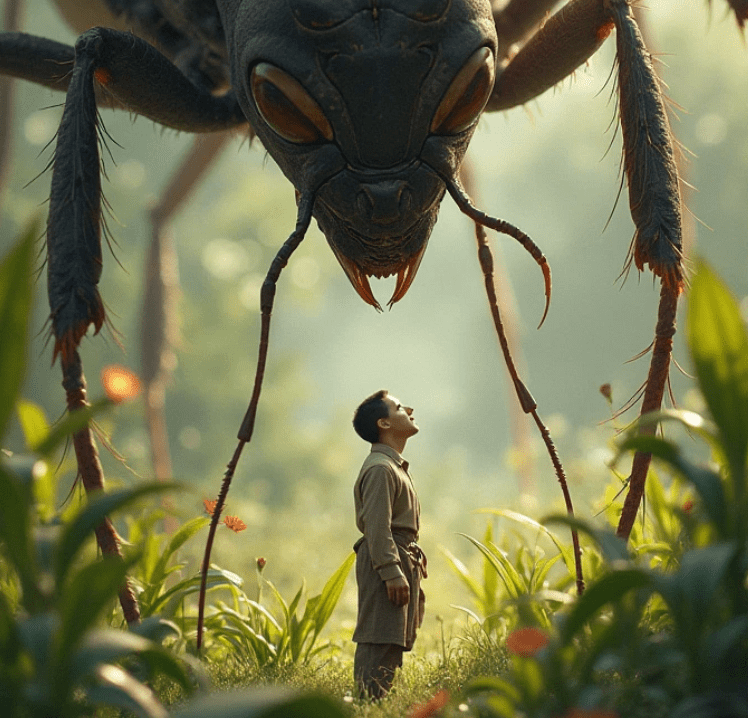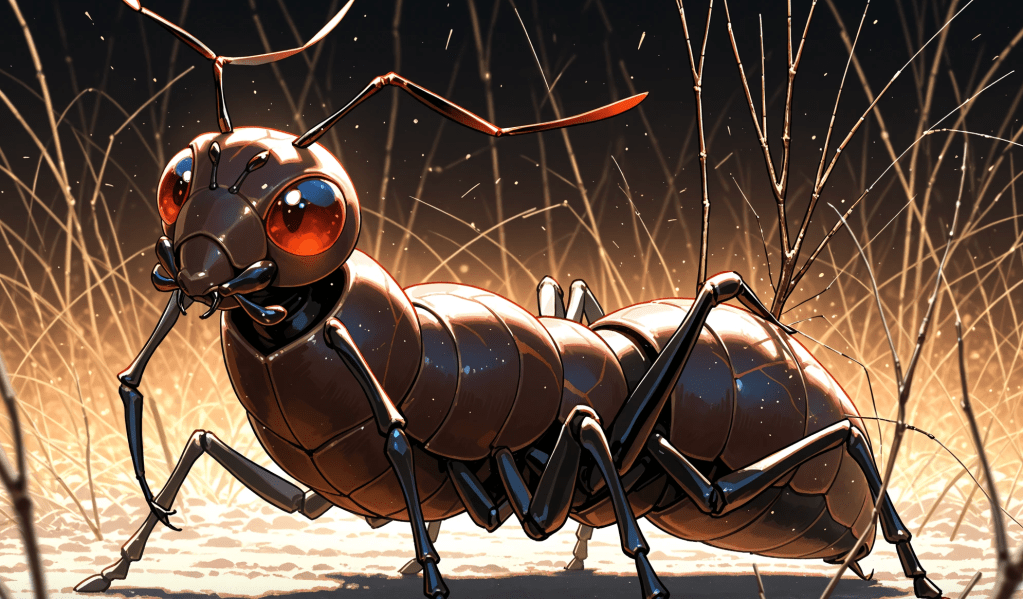
The Deadliest Insects in Minnesota Are Waiting To Bite Anything That Comes Near Them!

I’ve spent decades preparing for worst-case scenarios. I’m not talking about weekend camping mishaps or mild power outages. I’m talking about SHTF, grid-down, no-hospital, no-pharmacy, end-of-time situations where your survival depends entirely on what you know and what you prepared ahead of time.

When most people think of deadly threats in Minnesota, they think of winter storms, hypothermia, or starvation. What they don’t think about—until it’s too late—are insects.

And that’s a fatal mistake.

In a functioning society, a bug bite is an inconvenience. In a collapsed one, the wrong insect can kill you in days—or hours. Minnesota is home to several insects and insect-borne threats that can end your life through venom, infection, disease, allergic reaction, or secondary complications.

The Most Dangerous Insects in the State of Minnesota That Can Easily End Your Life — And What You Can Do to Survive

This article exists for one reason: to keep you alive when modern medicine is no longer an option.

Let’s break down the most dangerous insects in Minnesota and exactly how you survive them.


1. Minnesota’s Silent Mass Killers are also Annoying

If the world ends in Minnesota, it won’t be dramatic. It’ll be quiet. Feverish. Delirious.

It’ll come from mosquitoes.

Minnesota consistently ranks among the worst mosquito states in the nation, and these insects are not just annoying—they are efficient disease delivery systems.

Deadly Diseases Spread by Minnesota Mosquitoes

  • West Nile Virus
  • Eastern Equine Encephalitis (EEE)
  • Jamestown Canyon Virus
  • La Crosse Encephalitis

EEE in particular has a mortality rate up to 30%, and survivors often suffer permanent brain damage. Without hospitals, IV fluids, or fever management, your odds drop fast.

Why Mosquitoes Become More Dangerous After SHTF

  • No insect control programs
  • Standing water everywhere
  • No repellents being manufactured
  • No antivirals or ICU care

A single infected bite can spiral into seizures, coma, or death.

Survival Tactics

  • Eliminate standing water within 300 feet of camp or shelter
  • Wear long sleeves, pants, and head netting
  • Stockpile DEET, picaridin, and permethrin
  • Sleep elevated with mosquito netting
  • Burn mosquito-repelling plants (sage, cedar, sweetgrass)

In a collapse, mosquitoes become apex predators.


2. Slow, Invisible Death By Ticks

Ticks are technically arachnids, but in survival reality, they are one of Minnesota’s deadliest insect-adjacent threats, and ignoring them gets people killed.

Minnesota is ground zero for tick-borne disease.

Life-Ending Tick Diseases

  • Lyme Disease
  • Anaplasmosis
  • Babesiosis
  • Powassan Virus (often fatal)

Powassan Virus can kill within days and has no treatment. Babesiosis destroys red blood cells, leading to organ failure if untreated.

Why Ticks Are Worse Without Medicine

  • No antibiotics
  • No diagnostic testing
  • Infections go untreated for months
  • Chronic neurological damage becomes fatal

Survival Tactics

  • Treat clothing with permethrin
  • Wear light-colored clothing to spot ticks
  • Daily full-body tick checks
  • Remove ticks immediately with fine tweezers
  • Avoid tall grass and deer trails

Ticks don’t rush. They wait. And they kill slowly.


3. Death by Bees, Wasps, and Hornets

Most people underestimate stinging insects—until they can’t breathe.

Minnesota’s Most Dangerous Stingers

  • Yellowjackets
  • Paper Wasps
  • Bald-Faced Hornets
  • Honey Bees

For people with undiagnosed allergies, a single sting can cause anaphylactic shock. Without epinephrine or emergency care, death can occur in minutes.

Even without allergies, multiple stings can cause:

  • Toxic venom overload
  • Organ failure
  • Cardiac arrest

Why They’re More Dangerous Post-Collapse

  • No EpiPens
  • No EMS
  • Nests multiply unchecked
  • Aggressive defense of territory

Survival Tactics

  • Learn to identify nests early
  • Never disturb hives unless necessary
  • Wear protective clothing when scavenging
  • Smoke can calm aggressive insects
  • Avoid sweet smells and exposed food

In SHTF conditions, one wrong step near a nest can be your last.


4. Black Flies: The Blood Loss Threat Nobody Talks About

Minnesotans know black flies. They don’t just bite—they slice.

Black flies swarm, and in large enough numbers they can cause:

  • Severe blood loss
  • Infections
  • Shock (especially in children and elderly)

Why Black Flies Kill After SHTF

  • No wound care
  • No antibiotics
  • Open bites become infected
  • Swarming behavior overwhelms victims

Historically, black fly swarms have killed livestock and humans.

Survival Tactics

  • Cover all exposed skin
  • Use head nets
  • Avoid riverbanks during peak season
  • Smoke fires deter swarms
  • Treat bites immediately

5. Deer Flies and Horse Flies: Infection Machines

These large biting flies deliver deep, painful wounds that bleed heavily.

Why They’re Deadly

  • Wounds easily become infected
  • Blood loss accumulates
  • Bites attract other insects
  • Stress and shock weaken survivors

In a collapse, infection equals death.

Survival Tactics

  • Avoid movement during peak daylight hours
  • Wear hats and neck coverings
  • Use visual deterrents
  • Clean bites immediately

6. Kissing Bugs: A Growing Threat

Rare, but expanding north.

Kissing bugs can transmit Chagas disease, which causes:

  • Heart failure
  • Digestive system paralysis
  • Sudden death years later

With no long-term medical monitoring, Chagas becomes a delayed death sentence.

Survival Tactics

  • Seal shelters completely
  • Avoid sleeping near cracks or debris
  • Use bed nets
  • Maintain clean sleeping areas

7. Spiders That Matter (Even If They’re Rare)

While Minnesota isn’t known for deadly spiders, black widows exist, and their venom can be fatal to:

  • Children
  • Elderly
  • Immunocompromised individuals

Pain, paralysis, and respiratory failure are possible without treatment.

Survival Tactics

  • Shake out boots and clothing
  • Use gloves when handling debris
  • Seal shelters
  • Avoid woodpiles indoors

Why Insects Will Kill More People Than Guns After SHTF

In a functioning society, insects are managed.

In a collapse:

  • Disease spreads unchecked
  • Small wounds turn fatal
  • Weak survivors die first
  • Children and elderly perish rapidly

Insects don’t need ammo, batteries, or fuel. They will outlast you if you’re unprepared.


Minnesota Survival Checklist For Women: Insect Defense 101

If you want to survive long-term:

  • Stockpile insect repellents
  • Learn natural deterrents
  • Carry protective clothing
  • Master wound care
  • Understand disease symptoms
  • Control your environment aggressively

This is not fear.
This is preparedness.

When the world ends, it won’t be the big threats that get most people.

It’ll be the small ones.

Know Your Enemy: The Most Dangerous Bugs in Rhode Island and How to Beat Them

I’ve spent my life preparing for disasters most people never think will happen. Fires, floods, storms, grid-down scenarios—those are the big ones. But the truth most folks don’t want to hear is this: sometimes the deadliest threats are the smallest. In the state of Rhode Island, you don’t need jungles, deserts, or exotic creatures to die from an insect encounter. All it takes is the wrong bite, the wrong sting, or the wrong moment of ignorance.

I don’t write this to scare you. I write this because knowledge saves lives—and if I had to choose between my life and yours, I’d choose yours without hesitation. Even if you were once my enemy. Survival isn’t about fear. It’s about respect for reality.

Let’s talk about the insects in Rhode Island that can, under the right circumstances, end a human life—and what you must do to stay alive.


1. Mosquitoes: The Silent Killers of New England

People laugh when I tell them mosquitoes are the most dangerous insect in Rhode Island. They shouldn’t. Mosquitoes are responsible for more human deaths worldwide than any other animal—and Rhode Island is not immune.

The Real Danger

Mosquitoes in Rhode Island can carry serious diseases, including:

  • Eastern Equine Encephalitis (EEE)
  • West Nile Virus

EEE, while rare, is especially deadly. It attacks the brain and can cause severe neurological damage or death. Survival isn’t guaranteed, and those who live may never fully recover.

How to Stay Alive

  • Eliminate standing water around your home—gutters, buckets, birdbaths.
  • Wear long sleeves and pants at dawn and dusk.
  • Use EPA-approved insect repellent.
  • Repair window and door screens immediately.
  • If you develop fever, headache, confusion, or stiff neck after mosquito exposure, seek medical help immediately.

Ignoring mosquito bites is how people die quietly.


2. Ticks: Slow Death Through Disease

Ticks are not insects—they’re arachnids—but they deserve a place on this list because they kill more Rhode Islanders than any spider ever will.

The Real Danger

The black-legged tick (deer tick) is common throughout Rhode Island. These ticks transmit:

  • Lyme disease
  • Anaplasmosis
  • Babesiosis

While Lyme disease itself is rarely immediately fatal, untreated infections can lead to heart complications, neurological damage, and immune system breakdown. Babesiosis, in particular, can be deadly in older adults or those with weakened immune systems.

How to Stay Alive

  • Perform full-body tick checks after outdoor activity.
  • Shower within two hours of being outdoors.
  • Wear light-colored clothing to spot ticks easily.
  • Use permethrin-treated clothing or tick repellent.
  • Remove ticks promptly with fine-tipped tweezers.

Time matters. The longer a tick feeds, the closer death creeps in.


3. Bees, Wasps, and Hornets: Death by Allergy

Most people survive bee and wasp stings. Some don’t. And when it goes wrong, it goes wrong fast.

The Real Danger

For individuals with severe allergies, a single sting can cause anaphylaxis—a rapid, life-threatening allergic reaction that can shut down the airway and drop blood pressure to fatal levels.

Yellowjackets and wasps are particularly aggressive in late summer and early fall. Unlike bees, they can sting multiple times.

How to Stay Alive

  • Know if you or family members have insect sting allergies.
  • Carry an epinephrine auto-injector if prescribed.
  • Avoid wearing strong fragrances outdoors.
  • Stay calm around flying insects—panic triggers attacks.
  • Seek emergency medical care immediately after signs of an allergic reaction.

I’ve seen strong men collapse in minutes. Don’t underestimate a sting.


4. Black Widow Spiders: Rare but Real

Rhode Island is not crawling with deadly spiders—but the black widow does exist here, though sightings are uncommon.

The Real Danger

Black widow venom attacks the nervous system. Bites are rarely fatal but can cause intense pain, muscle cramps, breathing difficulty, and dangerous complications in children, elderly individuals, or those with health conditions.

How to Stay Alive

  • Wear gloves when working in sheds, garages, or woodpiles.
  • Shake out shoes and clothing stored in dark places.
  • Seek medical care if bitten and symptoms worsen.

Survival means respecting even rare threats.


5. Fleas: The Forgotten Risk

Fleas aren’t just itchy—they’ve shaped human history.

The Real Danger

While plague is extremely rare in modern Rhode Island, fleas can still transmit serious bacterial infections and cause dangerous reactions in vulnerable individuals.

Pets that aren’t treated for fleas can bring risk directly into your home.

How to Stay Alive

  • Keep pets on veterinarian-approved flea prevention.
  • Wash bedding regularly.
  • Vacuum frequently.
  • Treat infestations immediately.

Neglect invites disaster.


Rhode Island’s Best Survival Rules I Live By—and You Should Too

If you remember nothing else, remember this:

  1. Small doesn’t mean harmless.
  2. Early action saves lives.
  3. Prevention is stronger than treatment.
  4. Respect nature—or pay for it.

I’ve trained for collapse scenarios that may never come. But insect threats are here every summer. Every backyard. Every walk in the woods.

If I could stand between you and danger, I would. Since I can’t, I give you this knowledge instead. Use it. Teach it. Pass it on.

Survival isn’t selfish. It’s a duty.

Stay alert. Stay prepared. Stay alive.

Healing A Broken Bone in the Apocalypse When All the Doctors Are Dead

In the apocalypse, nobody is coming to save you.

No ambulance. No urgent care. No orthopedic surgeon with clean scrubs and a shiny smile. Just you, whatever gear you bothered to stockpile before the world fell apart, and a broken bone that doesn’t care about your feelings.

This is the part of preparedness nobody wants to talk about because it’s ugly, painful, slow, and unforgiving. You can stock ammo, water filters, and freeze-dried food until your garage collapses, but one bad fall, one wrong step, or one unlucky encounter, and suddenly your survival fantasy gets real uncomfortable.

This article isn’t optimistic. It isn’t gentle. And it sure as hell isn’t pretending things will “work out.” This is about damage control when civilization is gone and the human body is still fragile as ever.

If that makes you uncomfortable, good. It should have motivated you years ago.


First, Accept the Brutal Reality of a Broken Bone

A broken bone in the end times is not an inconvenience. It’s a survival event.

You’re slower. Weaker. Louder. Less useful. More vulnerable. Every predator—human or otherwise—can sense weakness, and injury broadcasts it like a radio signal. Anyone telling you otherwise is lying to themselves or selling something.

Healing is possible, yes. Humans have been doing it long before hospitals existed. But healing well is not guaranteed. Infection, poor alignment, chronic pain, permanent disability—these are all on the table now.

So before we even talk about “healing,” understand the goal:

Stay alive long enough for the bone to mend.

Not “walk it off.” Not “power through.” Survival doesn’t care about your pride.


Step One: Stop Making It Worse (The Most Ignored Rule)

The moment a bone breaks, the damage isn’t finished. Every unnecessary movement, every attempt to “test it,” every stubborn step you take can turn a survivable fracture into a crippling one.

In the apocalypse, stupidity kills faster than starvation.

At a basic level, your priority is immobilization. That means keeping the injured area from moving in ways it shouldn’t. Bones heal when they’re stable. They don’t heal when you keep grinding them together because you “don’t have time to rest.”

If you break a leg and keep walking on it, congratulations—you’ve just volunteered for lifelong pain, assuming you live that long.

You don’t need fancy gear to understand the principle: movement equals damage.


Alignment: Because Crooked Healing Is Still Broken

Here’s another truth preppers hate hearing: bones heal in the position they’re held.

If a fracture heals out of alignment, that’s your new normal. No corrective surgery later. No physical therapist. No redo.

In a functioning world, doctors use imaging and traction to line bones up properly. In the end times, you’re working blind. That means gentle correction only and only if it’s obvious something is severely out of place.

This is where ego gets people killed.

Forcing bones into place without training can cause nerve damage, blood loss, or turn a closed fracture into an open one. If the limb is reasonably straight and circulation is intact, stabilizing it where it is may be the lesser evil.

Perfect healing is a luxury of civilization. Survival healing is about avoiding catastrophe.


Immobilization Without Modern Comforts

No, you won’t have a fiberglass cast and a nurse signing it in Sharpie.

You’ll have sticks, boards, torn clothing, duct tape if you were smart, and whatever else you scavenged before the shelves went bare. The principle is simple even if the execution is miserable: support the bone and limit motion above and below the break.

Immobilization isn’t about squeezing tight. It’s about support. Cut off circulation and you’ll trade a fracture for tissue death, which is a fast track to infection and amputation—assuming anyone is left who knows how.

Check circulation. Check sensation. Check color. And then check again later. The body changes, swelling happens, and what was “fine earlier” can become deadly overnight.

This is not a “set it and forget it” situation.


Infection: The Silent Killer Nobody Plans For

You don’t die from the break. You die from what comes after.

In a collapsed world, infection is the real threat. Dirt, blood, open wounds, compromised immune systems, stress, poor nutrition—it’s a perfect storm. Even a closed fracture can become a problem if swelling breaks skin or blisters form.

Cleanliness becomes sacred. Water that’s safe enough to drink is barely safe enough to clean wounds, but you use what you have. Dirty wounds kill. Period.

Antibiotics, if you have them, become priceless. But misuse them and they’re gone forever—or worse, ineffective when you truly need them. This isn’t a pharmacy with automatic refills. Every pill is a strategic decision.

If you never stocked medical supplies because they weren’t “cool,” congratulations again. You planned for gunfights and forgot about gravity.


Nutrition: You Can’t Heal on Empty

Here’s something most survival fantasies ignore: bone healing requires resources.

Calories. Protein. Minerals. Hydration.

Your body doesn’t magically fix itself because you want it to. It needs raw materials, and in the apocalypse, those materials are scarce. Healing a fracture is metabolically expensive. If you’re already malnourished, the process slows to a crawl or stops altogether.

That means food allocation matters. The injured person may need more, not less. Yes, that feels unfair when everyone is hungry. Survival isn’t fair.

Weak nutrition leads to weak healing, which leads to prolonged immobility, which leads to increased risk. Everything compounds. The world is very good at punishing mistakes.


Time: The One Resource You Can’t Rush

Bones take weeks to months to heal under ideal conditions. The apocalypse is not ideal.

There is no shortcut. No hack. No motivational speech that speeds up cellular repair. Anyone telling you otherwise is selling nonsense.

Rest is mandatory. Movement is calculated. Pain is information, not something to ignore. Every day you’re injured is a day you’re less capable of defending yourself, gathering supplies, or relocating.

This is why injury avoidance is the most underrated survival skill. You don’t get bonus points for bravery when you fall off a ladder and break your arm because you were rushing.

The end times reward caution, not heroics.


Mental Health: The Part No One Wants to Admit Matters

Lying still while the world burns does things to your head.

Anger. Depression. Paranoia. Hopelessness. All normal. All dangerous.

A broken bone doesn’t just weaken the body; it messes with morale. And morale affects decision-making. Bad decisions get you killed faster than bad luck.

Staying mentally engaged—planning, observing, maintaining routines—can matter as much as physical healing. Giving up because “what’s the point” is how people fade out quietly.

The world may be over, but you’re not done yet. Not unless you decide you are.


When Healing Isn’t Perfect (And It Often Won’t Be)

Here’s the bitter end of the truth: you may never fully recover.

Reduced mobility. Chronic pain. Limited strength. That might be the price of survival. In a functioning society, that’s tragic but manageable. In a collapsed one, it changes your role permanently.

Adaptation becomes the new survival skill. You do what you can. You stop pretending life will go back to “normal.” Normal is dead. You’re living in the aftermath.

Those who survive long-term aren’t the strongest. They’re the ones who adjust fastest to the damage they’ve taken.


Final Thoughts from an Angry, Tired Prepper

I’m not writing this to scare you. I’m writing it because most people refuse to think past the fantasy phase.

Broken bones don’t care about your political opinions, your stockpile size, or how many forums you argued on. They happen quietly, randomly, and at the worst possible time.

If the apocalypse comes—and history says something always does eventually—your survival won’t hinge on how tough you are. It will hinge on how well you prepared for being fragile.

Because in the end times, the world isn’t just dangerous.

It’s indifferent.

And it will break you without a second thought if you give it the chance.

Surviving the Apocalypse While Pregnant: How to Deliver a Healthy Baby When the World Falls Apart

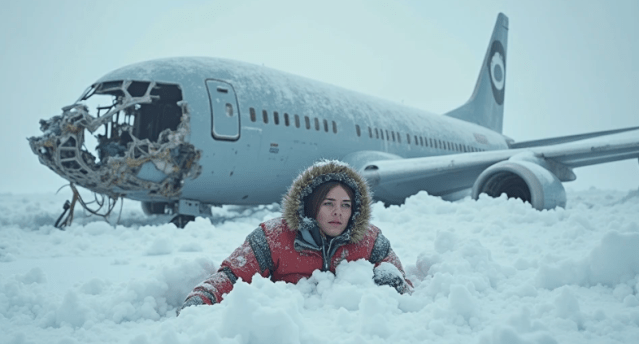
I want to start by saying something important: pregnancy is not a weakness, even at the end of the world. It is proof that life insists on continuing. I know this not just as a preparedness specialist who has lived off-grid for decades, but as someone who once helped deliver a baby on a sinking airplane that crashed into Lake Michigan. Cold water, chaos, no hospital, no backup—just knowledge, calm hands, and the unshakable will of a mother who refused to let her child’s first day be their last.

How Can a Pregnant Woman Survive During the Apocalypse, Give Birth to a Healthy Baby, and Live to Tell the Story

If a woman can give birth in freezing water after a plane crash, she can give birth during an apocalypse.

This article is not about fear. It’s about practical optimism, grounded skills, and the truth that women have been delivering babies in harsh conditions since long before modern hospitals existed. With preparation, mindset, and community—even a small one—a pregnant woman can survive the apocalypse, deliver a healthy baby, and live.

Let’s talk about how.


First Rule: Survival Starts Before Labor Ever Begins

The most important factor in surviving pregnancy during a collapse is early preparation. Pregnancy is a long journey, and the apocalypse rarely sends a polite invitation.

Nutrition Is Non-Negotiable

Calories are currency. During pregnancy, a woman needs more protein, more fat, and more minerals—especially iron, calcium, magnesium, iodine, and folate.

In an off-grid or post-collapse environment, prioritize:

  • Eggs (fresh or preserved)
  • Bone broth (for minerals and hydration)
  • Beans, lentils, and dried peas
  • Wild greens (dandelion, lamb’s quarters, nettle)
  • Animal fats and oils
  • Fermented foods for gut health

A malnourished mother produces a malnourished baby. Even during scarcity, the pregnant woman eats first. This isn’t selfish; it’s survival math.

Hydration Saves Lives

Dehydration triggers premature labor and complications. Clean water is more important than almost anything else.

Have:

  • Multiple water purification methods (boiling, filters, solar stills)
  • Electrolyte sources (salt, ash water, broths)
  • Daily hydration habits, not emergency-only use

Second Rule: Stress Is the Silent Killer

In that Lake Michigan crash, panic would have killed everyone. Calm saved lives.

Pregnant women under extreme stress face higher risks of miscarriage, preterm birth, and postpartum complications. While you can’t eliminate danger during an apocalypse, you can control perception and response.

Techniques that work even without modern comforts:

  • Slow nasal breathing
  • Routine (meals, walking, rest at the same times daily)
  • Limited exposure to chaos and conflict
  • Assigning others to stand guard so the mother can rest

The body follows the mind. A calm mother births better.


Third Rule: Prepare for Birth Like It’s a Wilderness Expedition

Birth is not a medical emergency by default. It is a physiological process. Most births, even without hospitals, go well when left undisturbed and supported.

Build a Birth Kit Now

Even off-grid, you can assemble a functional birth kit:

  • Clean cloths or boiled rags
  • Soap and clean water
  • A sharp, sterilized cutting tool
  • String or cord for tying the umbilical cord
  • Gloves (if available)
  • Honey or herbal antiseptics
  • Extra blankets for warmth

You do not need fancy tools. You need cleanliness, warmth, and patience.

Learn the Signs of Normal Labor

Every woman in a survival group should know:

  • How to identify early labor vs. active labor
  • That pushing should not be rushed
  • That tearing is reduced when the mother follows her body’s urge

In that freezing plane wreck, we didn’t force anything. We supported the mother’s instincts. That baby came into the world breathing and crying because no one panicked.


Fourth Rule: Birth Position and Environment Matter

Forget the hospital bed. The best birth positions during an apocalypse are:

  • Squatting
  • Hands and knees
  • Side-lying
  • Leaning forward

Gravity is your ally. Privacy is your ally. Quiet is your ally.

The birth space should be:

  • Warm
  • Dimly lit
  • As private as possible
  • Free from unnecessary observers

The body releases oxytocin—essential for labor—when the mother feels safe. Even in a ruined world, safety can be created.


Fifth Rule: Immediate Newborn Care Is Simple but Critical

Once the baby is born:

  1. Place the baby skin-to-skin with the mother.
  2. Do not rush to cut the cord; allow it to stop pulsing.
  3. Keep both mother and baby warm.
  4. Initiate breastfeeding as soon as possible.

Breast milk is the ultimate survival food:

  • Sterile
  • Perfectly balanced
  • Immune-boosting
  • Always available

In an apocalypse, breastfeeding is not optional—it’s lifesaving.


Sixth Rule: The Mother Must Survive Postpartum

Here’s where many survival plans fail. Birth isn’t the finish line.

Watch for Postpartum Dangers

The biggest threats after birth:

  • Excessive bleeding
  • Infection
  • Dehydration
  • Exhaustion

Preventative steps:

  • Rest for at least 10 days
  • Warmth and nutrition
  • Herbal support (yarrow for bleeding, garlic for infection)
  • Community protection so the mother is not forced back into labor too soon

A mother who is pushed too hard too fast may not survive.


Final Rule: Hope Is a Survival Skill

I’ve seen life begin where death was expected. In icy water. In broken metal. In the middle of chaos.

A pregnant woman surviving the apocalypse is not a fantasy. It’s a return to how humanity has always endured—through knowledge, cooperation, and trust in the body’s design.

If you are pregnant or planning for a future where the grid goes dark, remember this:

Women are not fragile. Babies are not doomed. And hope is renewable.

Prepare your body. Prepare your mind. Prepare your community.

Life will find a way—especially when we help it.

Pennsylvania’s Top 10 Life-Threatening Hazards and How to Beat Them

Pennsylvania might look like a nice, sleepy state with rolling hills, charming small towns, and overpriced hipster coffee shops, but underneath it all, the place is a death trap just waiting to claim your lazy, unprepared soul. If you’ve ever thought, “I’ll be fine,” you’re already on the fast track to becoming a statistic. I’ve spent years studying survival, prepping for worst-case scenarios, and watching people make boneheaded mistakes that end in tragedy. So let’s get brutally honest. Here are the top ten most dangerous things in Pennsylvania that could wipe you off this Earth—and, more importantly, how to survive them.


1. Venomous Snakes – Timber Rattlesnakes and Copperheads

Don’t let their slow, slithering demeanor fool you. Pennsylvania’s venomous snakes are a ticking time bomb. Timber rattlesnakes are shy, sure, but one careless step in the right (wrong) spot and you could be staring down an emergency that will cost you your life if you aren’t prepared. Copperheads? They’re sneaky, blending into leaf litter like masters of camouflage.

Survival Tip: Always wear thick boots and long pants when hiking. Never stick your hands under rocks or fallen logs. Carry a snake bite kit and know the fastest route to the nearest hospital. And for the love of sanity, don’t try to play “catch the snake” for Instagram.


2. White-Tailed Deer – Not as Harmless as They Seem

I swear, half the people in this state treat deer like friendly woodland mascots, but those graceful creatures are death on four legs. Pennsylvania has one of the highest deer populations in the U.S., and collisions with vehicles are more common than people think. A 2,000-pound deer slamming into a car at 60 mph doesn’t negotiate—it destroys.

Survival Tip: Drive cautiously, especially at dawn and dusk. Use high beams when appropriate and install deer whistles on your vehicle if you’re serious about not becoming roadkill.


3. Pennsylvania’s Rivers – Silent Killers

Rivers are beautiful until they try to drown you. Fast currents, cold temperatures, hidden rocks—Pennsylvania has more than its fair share of deadly waterways. People underestimate the force of water, and you don’t get a do-over once it drags you under.

Survival Tip: Never swim alone. Wear a life jacket if you’re boating or kayaking. And for god’s sake, don’t assume “it looks shallow” means it’s safe.


4. Extreme Weather – Tornadoes, Floods, and Blizzards

Pennsylvania may not be Tornado Alley, but don’t think that spares you. Freak storms can strike with zero warning. Winter brings ice storms, blizzards, and hypothermia-inducing winds. Flooding can wash away entire neighborhoods faster than your brain can process what’s happening.

Survival Tip: Always check the weather before leaving home. Keep an emergency kit stocked with food, water, blankets, and a hand-crank weather radio. Know the safest location in your house for tornadoes or flash floods. And keep warm clothing in your car at all times—because the state doesn’t care if you’re comfortable.


5. Black Bears – Big, Hairy, and Deadly if Provoked

Yeah, they look like something out of a nature documentary, but black bears don’t read scripts. If you stumble across one in the woods—or worse, in your backyard—they can attack if threatened, hungry, or just plain annoyed.

Survival Tip: Make noise when hiking to avoid surprise encounters. Carry bear spray. Keep garbage secured in bear-proof containers. And under no circumstances, ever, attempt to feed a bear. I don’t care if you think it’s cute.


6. Venomous Insects – Ticks, Bees, and Wasps

Lyme disease, anaphylactic shock—these little monsters are silent killers. Pennsylvania is one of the top states for Lyme disease. Ticks are everywhere, from your backyard to hiking trails. And if you’re allergic to bees or wasps, one sting could be fatal.

Survival Tip: Wear light-colored, long-sleeved clothing in tick-prone areas. Use insect repellent. Always check yourself and pets after outdoor excursions. Carry an EpiPen if you’re allergic to stings. Ignoring this could be the last mistake you ever make.


7. Poisonous Plants – Deadly Beauty

Poison ivy is just the tip of the iceberg. Pennsylvania hosts a host of plants that can cause severe reactions if ingested or touched. Giant Hogweed, for instance, can cause third-degree burns from simple skin contact with its sap.

Survival Tip: Learn to identify poisonous plants. Don’t touch plants you don’t recognize. Gloves and long sleeves are your friends. And if exposure occurs, wash immediately and seek medical attention.


8. Urban Hazards – Traffic, Construction, and Crime

You think rural dangers are bad? Welcome to the cities. Philadelphia, Pittsburgh, and other urban areas have traffic, construction zones, and a level of crime that can turn an ordinary day into a nightmare. Distracted drivers, falling debris, and opportunistic criminals are everywhere.

Survival Tip: Stay vigilant. Don’t walk alone in poorly lit areas. Follow traffic rules meticulously, and always assume the worst-case scenario when crossing streets or navigating construction zones.


9. Hypothermia and Exposure – The Cold Will Kill You

Pennsylvania winters are merciless. The snow, ice, and wind are not “quaint seasonal annoyances.” They are death sentences if you are unprepared. Hypothermia can set in before you realize you’re in danger, and exposure can incapacitate you in minutes.

Survival Tip: Dress in layers, wear insulated boots, and always carry emergency thermal blankets in your car or hiking pack. Never underestimate the cold, because it certainly won’t underestimate you.


10. Your Own Complacency – The Quiet Killer

This isn’t a bear or a snake—it’s worse. Your own laziness, overconfidence, and ignorance are the number-one reason Pennsylvanians die in preventable accidents every year. You ignore the warnings, you think “it won’t happen to me,” and then the universe slaps you down.

Survival Tip: Stay alert. Prepare for worst-case scenarios. Read, research, and rehearse survival strategies constantly. Your survival depends on it.


Conclusion: Survive or Become Just Another Statistic

Pennsylvania is a state with deadly wildlife, unpredictable weather, and hazards lurking around every corner. It doesn’t care about your plans, your feelings, or your sense of adventure. The only way to make it out alive is to approach life like a paranoid survivalist: always prepared, always skeptical, and always ready to fight for your life.

Take this list seriously. Learn the dangers, respect them, and equip yourself to handle them. Underestimate any of these threats, and you’re nothing more than another sad statistic waiting to happen.

Survival isn’t glamorous. It isn’t easy. And it certainly isn’t fair. But if you’re willing to fight, if you’re willing to prepare, you might just make it through another day in Pennsylvania—alive, bitter, and a little wiser.

Surviving Ohio: The 10 Most Dangerous Things That Could Kill You at Any Moment

The state of Ohio, with its cornfields, sleepy suburbs, and so-called “friendly people,” is quietly plotting your demise. Most of the population strolls around blind to the fact that death is lurking behind seemingly innocent facades—your local forest, a quiet pond, even the air you breathe. I’m done watching idiots get themselves killed while pretending everything is “fine.”

Here’s a cold, unfiltered rundown of the top 10 most dangerous things in Ohio that can easily end your life, and what you absolutely must do to survive them. Spoiler alert: if you think luck or a polite smile will save you, you’re already halfway to the morgue.


1. Tornadoes

Ohio isn’t Oklahoma, but don’t let that fool you—tornadoes are unpredictable, brutal, and they love Ohio in spring. These rotating death funnels can obliterate homes in seconds, hurl cars like toys, and turn your entire life into a nightmare in minutes.

How to survive:

  • Never, ever ignore tornado warnings. Your “I’ll wait it out” mentality will get you killed.
  • Have a storm cellar or a reinforced basement stocked with essentials.
  • Keep helmets and heavy blankets on hand—anything to protect your skull from flying debris.

Ignoring tornadoes is like challenging a bear to a thumb war. You’ll lose.


2. Rattlesnakes and Other Venomous Critters

Ohio is home to the Eastern Massasauga rattlesnake. Cute? Sure. Deadly? Absolutely. Most people never see them until it’s too late. Combine that with aggressive bees, spiders, and other venomous creatures, and your backyard can quickly become a death trap.

How to survive:

  • Watch your step in tall grass or near rivers.
  • Keep a snakebite kit handy and know how to use it.
  • Do NOT try to handle any venomous animals. You are not a superhero.

3. Flooding

Flooding in Ohio is subtle and sinister. A seemingly calm river can swell in hours, destroying homes, sweeping cars away, and drowning the unprepared. Many deaths happen not because people can’t swim, but because they underestimate water power.

How to survive:

  • Monitor local flood alerts—this isn’t optional.
  • Never drive or walk through floodwaters. A few inches can turn into a swift, deadly current.
  • Elevate critical items in your home and have an evacuation plan.

4. Poisonous Plants

Yes, you read that right. Ohio’s forests are full of plants that can slowly, painfully kill you if ingested or touched. Poison hemlock, wild parsnip, and deadly mushrooms aren’t folklore—they’re real, and they’re everywhere.

How to survive:

  • Learn to identify toxic flora. Ignorance is fatal.
  • Never eat foraged plants unless you are 100% sure they are safe.
  • Protect your skin when walking through thick vegetation.

5. The Ohio Highways

Forget bears, snakes, or tornadoes—humans on the road are just as deadly. Ohio’s highways are crawling with reckless drivers, distracted teenagers, and commuters fueled by coffee and rage. Statistics show thousands die in car accidents each year, many preventable.

How to survive:

  • Defensive driving isn’t optional. Assume every driver is trying to kill you.
  • Avoid driving at night on rural roads; wildlife is just waiting to plow into your car.
  • Seatbelts are the bare minimum—think of them as life insurance, not a suggestion.

6. Extreme Weather

Ohio doesn’t just have tornadoes. Winters bring bone-chilling cold, ice storms, and hypothermia-inducing blizzards. Summers are sweltering, humid, and perfect for heatstroke. Nature here will test your body, patience, and survival skills.

How to survive:

  • Stock layered clothing for winter and hydration strategies for summer.
  • Never underestimate exposure—frostbite and heatstroke are silent killers.
  • Have backup heat sources and cooling methods in case the grid fails.

7. Drowning in Lakes and Rivers

Ohio has thousands of lakes, rivers, and ponds. People go to swim, fish, or boat without realizing that water can end their life in moments. Currents, cold water shock, or even just poor swimming skills can kill you faster than you think.

How to survive:

  • Always wear a life jacket while boating or fishing.
  • Swim only in designated areas with lifeguards if possible.
  • Never underestimate cold water—it can incapacitate you in minutes.

8. Rabid Animals

Rabies isn’t a legend here; it’s a very real and very deadly threat. Bats, raccoons, and even stray dogs can carry the virus. A single bite can be fatal if not treated immediately.

How to survive:

  • Avoid wild animals, especially if they are acting unusually aggressive or tame.
  • Vaccinate pets and keep them away from wildlife.
  • Seek immediate medical attention if bitten—time is critical.

9. Foodborne Illnesses

You think dying in Ohio means a tornado or snakebite? Think again. Contaminated food, whether from local farms, restaurants, or your own kitchen, kills hundreds every year. Bacteria like E. coli and Salmonella are stealthy killers.

How to survive:

  • Wash hands, cook meat thoroughly, and store food properly.
  • Be skeptical of “fresh” produce from unknown sources.
  • When in doubt, throw it out. Your life is worth more than a moldy tomato.

10. The Complacent Mindset

Finally, the most lethal danger of all is your own ignorance. People assume Ohio is “safe” because it’s not New Orleans, not California, not Alaska. That complacency kills more than snakes, floods, and tornadoes combined.

How to survive:

  • Always be aware of your surroundings.
  • Learn survival skills, first aid, and basic self-defense.
  • Never trust that luck will keep you alive. It won’t.

Conclusion

Ohio might look peaceful with its rolling hills, cornfields, and “friendly” neighborhoods, but underneath lurks a deadly cocktail of natural, human, and environmental hazards. Tornadoes, floods, venomous creatures, and your own stupidity are waiting to end your life.

If you want to survive, you need to wake up. Be vigilant, be prepared, and respect every threat like it has a vendetta against your sorry existence—because, honestly, it does. Don’t wait until it’s too late. In Ohio, death doesn’t send a warning; it just comes for you quietly, and often, ruthlessly.

You’ve been warned.

Foggy Roads and Foolish Drivers: Safety Tips for When the World Goes Dark

Driving in the fog is one of those experiences that reminds you of a simple truth: you are completely on your own out there. Nobody else seems to take danger seriously anymore. Most drivers barrel down the road like they’re invincible, assuming that the weather, physics, and common sense will magically rearrange themselves to suit their recklessness. Meanwhile, the fog thickens, your visibility shrinks to nothing, and you’re left trying to survive in a world where everyone else acts like they’re starring in an action movie.

But unlike them, you actually want to live. And in this age where attention spans have shriveled to the size of a raindrop, it’s up to the few remaining realists—preppers like us—to understand the real dangers and take responsibility for our survival. Fog isn’t just moisture hanging in the air; it’s a silent disaster waiting to happen. It hides hazards, confuses your senses, and turns ordinary roads into death traps.

So let’s talk about how to drive in the fog like someone who actually values their life, even if the rest of the world is too busy being oblivious.


1. Slow Down—Because Everyone Else Is Going Too Fast

If you think you’re going slow, slow down more. Most people treat fog like an annoying inconvenience rather than the lethal hazard it really is. They assume their headlights and overconfidence will substitute for actual caution. They’re wrong.

Fog kills visibility, depth perception, and reaction time. If you’re moving faster than you can see, then you’re not driving—you’re gambling. And the house always wins.

Driving slower gives you more time to react when another driver—probably scrolling on their phone—drifts into your lane or slams on their brakes.


2. Use Low Beams, Not High Beams—Unless You Enjoy Blinding Yourself

Here’s a fact that should be obvious, yet somehow isn’t: high beams make fog worse. They reflect light back at you like a giant glowing wall, cutting visibility even more.

Low beams and fog lights are your friends. They spread the light downward, closer to the road, where it matters. But every day, you’ll still see some genius blasting their high beams straight into the mist, wondering why they can’t see anything. Don’t be like them. The world already has enough fools.


3. Increase Following Distance—Because People Will Slam Their Brakes at the Worst Time

Fog has a cruel way of making ordinary drivers panic. The moment they feel uneasy, they slam on the brakes with zero warning. If you’re tailgating, you’re done.

Increase your following distance—double it, triple it, whatever it takes. If the person in front of you decides to reenact a scene from a disaster movie, you’ll need the space to save yourself from becoming part of the collision.


4. Stay in Your Lane—And Don’t Trust Anyone Else to Stay in Theirs

Fog makes borders blur. Road lines disappear. And other drivers? They drift, wander, and overcorrect like they’re hypnotized.

Use the right-side white line (not the center line) as your guide. It’s usually easier to see and safer to follow. Staying away from the center reduces your chances of colliding with oncoming traffic—especially the kind that refuses to respect their side of the road.

You can’t trust other drivers to stay where they’re supposed to. But you can control your own path.


5. Avoid Stopping on the Road—Unless You Want to Be Hit

Stopping in the fog is practically inviting someone to plow into you. Visibility is too low, and people drive too unpredictably. If you absolutely have to stop, pull as far off the road as humanly possible.

Turn on your hazard lights. Make your vehicle visible. Stand away from the road if you exit the car—because being outside the vehicle is often safer than sitting in it during a pileup.

Survival rule: never assume other drivers can see you. In fact, assume they can’t.


6. Eliminate Distractions—This Is Not the Time for Music, Snacks, or Daydreaming

Driving in fog requires the kind of attention most people reserve for watching the last slice of pizza disappear. You need to be alert, focused, and free of distractions.

Turn off the radio if you must. Put away your phone. Forget the coffee cup. You need every sense operating at full capacity.

Fog has a way of tricking your brain into thinking you’re going slower or faster than you really are. Staying fully aware helps you avoid falling into that trap.


7. Use Your Defrosters and Wipers—Fog Loves Turning Your Windshield Into a Mess

Fog often brings moisture, and moisture loves sticking to your windshield. Combine that with temperature changes and you’ve got the perfect recipe for fogged-up glass.

Use your front and rear defrosters. Adjust your AC to circulate dry air. Run your wipers if needed. A clear windshield is one of the few advantages you still have.


8. Know When to Pull Over—Your Survival Comes First

Sometimes the fog is simply too dense. If you can’t see the hood of your own car, you’re not driving anymore—you’re guessing.

Pull off the road completely (not just partly). Don’t rely on the kindness or intelligence of other drivers to avoid hitting you. Wait for conditions to improve. It’s better to arrive late than not at all.

The world won’t look out for your safety—you have to do that yourself.


9. Prepare Before You Drive—Because Emergencies Don’t Wait

A true prepper knows that half of survival happens before disaster strikes. Before you even put the key in the ignition:

  • Check your lights
  • Top off your windshield washer fluid
  • Keep an emergency kit in the car
  • Carry a flashlight
  • Keep blankets and supplies
  • Maintain your tires

Fog can turn a simple drive into a full-blown emergency faster than you think.


10. Don’t Expect Others to Know What They’re Doing

This is maybe the most important fog-driving rule of all: trust no one.

Not the teenager speeding in his sports car.
Not the commuter rushing to work.
Not the driver who doesn’t even know what fog lights are.

Everyone out there is guessing, hoping, and pretending. You’re the only one taking survival seriously. Their mistakes can become your tragedy—unless you’re prepared.


Final Thoughts: Survive Because No One Else Will Save You

Driving in the fog isn’t just about visibility—it’s about mindset. It’s about understanding that the road is unforgiving, other drivers are unpredictable, and danger doesn’t care how confident you feel.

But you’re not like the others. You’re a survival prepper. You think ahead. You stay alert. You know the world is full of hazards—and you prepare for them.

Fog may hide the road, but it doesn’t hide the truth:
You’re responsible for your own survival. And if you stay vigilant, you’ll make it through the mist while others get lost in it.

Surviving a Sinking Car in a World That Doesn’t Care If You Drown

Let’s get something straight right out of the gate: if your car is sinking, the world has already failed you. Society has crumbled long before you ever hit the water. Whether it’s shoddy infrastructure, distracted drivers, or the laughable excuse for “emergency preparedness” drilled into us by people who have never been in an actual emergency, the system isn’t coming to save you. And your precious online “life hacks”? They’ll be as useless as a seatbelt on the Titanic.

If you’re sinking in a car, you have one job: get out before the vehicle becomes a steel coffin. And the irony, the absolute cosmic joke of it all, is that escaping a sinking car is actually simple—if you know what you’re doing. But of course, most people don’t. People think the car will float serenely like a movie stunt scene while they calmly dial 911. No. Your car sinks faster than the average attention span on social media.

So here’s the truth—the bleak, harsh, angry truth—about how to escape a sinking car in a world determined to drag you down with it.


Step 1: Accept That You Are On Your Own

First things first. The moment your car hits water, you must assume no one is coming. Not quickly enough, not competently enough, and definitely not before the water fills your lungs. You don’t have time to wait. You don’t have time to debate. And you sure as hell don’t have time to panic.

You have between 30 seconds and 2 minutes in most sinking-car scenarios. That’s it. That’s your survival window. Every second you waste looking around like a confused tourist brings you closer to the bottom.

Everyone always says, “Call emergency services!”
Sure—if you want rescuers to retrieve your body rather than rescue it. Your phone call should happen after you reach dry land, not while you’re still strapped in watching water rise.

Your life is in your hands. Everyone else is just part of the background noise.


Step 2: Unbuckle Immediately—Not After You Debate It

People underestimate how fast panic sets in. They freeze in denial, thinking the car will stop sinking, or someone will magically show up, or that they’ll “figure it out in a second.” That second never comes.

The moment you hit the water, unbuckle your seatbelt.
No speeches. No hesitation. No dramatic last phone calls.

And for the love of survival, unbuckle the kids first if you have them. Children often can’t free themselves; adults can. Secure them, then move.

Seatbelts save lives—until they don’t. In water, they become shackles.


Step 3: Forget the Door—It’s a Trap

Hollywood lies. It lies about everything, but especially this.

You can’t just open the door when your car’s sinking. Unless you’re built like a hydraulic press, that door won’t budge. Water pressure makes sure of that.

If you try, you will fail.
If you keep trying, you will drown trying.
The door is a lost cause until the inside is fully flooded—and if you wait that long, well, good luck making it to the surface in time.

The door is not your friend. In fact, in a sinking car, it might as well be welded shut.


Step 4: The Window Is Your Way Out—Break It or Open It Fast

The window is your escape route. It is the ONLY escape route in the crucial early moments.

You cannot rely on power windows when your electrical system is immersed in water, but here’s the rough truth: they typically work for a few seconds after impact. That’s your grace period. A gift from the universe, even though the universe doesn’t care.

Best-case scenario: Open the window immediately.

Power windows still working? Good. Hit the button the instant the car touches water.
Rolling down a window could save your life faster than any rescue team ever will.

Worst-case scenario: Break the window.

Use a spring-loaded window punch. Not a hammer. Not your fist (unless you’re trying to break bones). A small, cheap punch. The kind every realist carries but most people don’t, because they’re too busy trusting society to protect them.

Aim for a corner of the window, not the center. Breaking the center is like trying to knock down a brick wall with good intentions.

And don’t even try the windshield. It’s laminated and designed to resist shattering. Focus on the side windows.

This is the life-or-death moment. Get that window open or broken, and you’ve bought yourself a chance.


Step 5: Escape Through the Window and Forget Your Belongings

Once the window is open, escape immediately. Do not turn around for your phone, your purse, your laptop, or the sentimental trinket you think you can grab in two seconds. Those seconds will drown you.

Every survival prepper knows this truth: stuff can be replaced, oxygen cannot.

If you’re helping others—kids, elderly passengers—push them through the window first. They may not have the strength to fight the outward pressure or the rising water.

Then get yourself out.

Push out and swim upward at an angle, because cars often drift downward while sinking. The surface isn’t always directly above you anymore.


Step 6: Swim Away From the Car

Cars don’t sink vertically like stones—they tilt, shift, and churn the water around them. Some even release air pockets that can disorient you. That’s the world for you: even in death, it tries to confuse you.

Swim upward and away. Put distance between you and the vehicle. Use strong kicks. Don’t waste breath. Don’t fight physics—work with it.

When you reach the surface, then you can inhale panic. Not before.


Step 7: Only After Survival—Call for Help

Congratulations. If you reached this point, you’ve done what many cannot: you took responsibility for your own survival.

Now, and only now, do you call for help. Emergency services can take it from here, but they won’t get the credit. Your instincts will.


Final Thoughts From Your Resident Angry Prepper

The world doesn’t prepare you for real emergencies. It hands you pretty safety slogans and expects you to be grateful. But reality is cruel, and water is unforgiving. When your car starts sinking, the only person you can count on is yourself.

I’m not here to sugarcoat anything. I’m here to tell you the truth the world hides because it scares people: most emergencies give you one shot. One window. One moment to act.

And now you know how to use it.

Learn these steps, prepare for the worst, and maybe—just maybe—the world won’t get the satisfaction of dragging you under.

California’s Top 10 Deadly Threats and How to Outsmart Them

California. The so-called “Golden State.” Sunshine, beaches, wine, and endless Instagram posts. But behind the glitzy veneer lies a brutal, life-threatening reality. If you think living here is safe, think again. The truth is, California is practically a death trap if you aren’t constantly on your toes. From nature’s fury to human negligence, there are threats lurking everywhere. If you want to survive, you better face the ugly truth. I’ve compiled the Top 10 Most Dangerous Things in California That Can Easily End Your Life—and What You Can Do to Survive Them. Strap in, because I’m not sugarcoating anything.


1. Wildfires: Nature’s Merciless Inferno

California’s wildfires are legendary, but not in a good way. Each year, thousands of acres are reduced to ash, and countless people lose their homes—or worse, their lives. Fire doesn’t discriminate. It will burn you alive if you’re not paying attention.
Survival Strategy: Know evacuation routes like the back of your hand. Have a “grab-and-go” bag ready with essentials: water, non-perishable food, important documents, and first aid. Most importantly, stay informed via emergency alerts—waiting until you see flames is already too late.


2. Earthquakes: The Ground Is Out to Get You

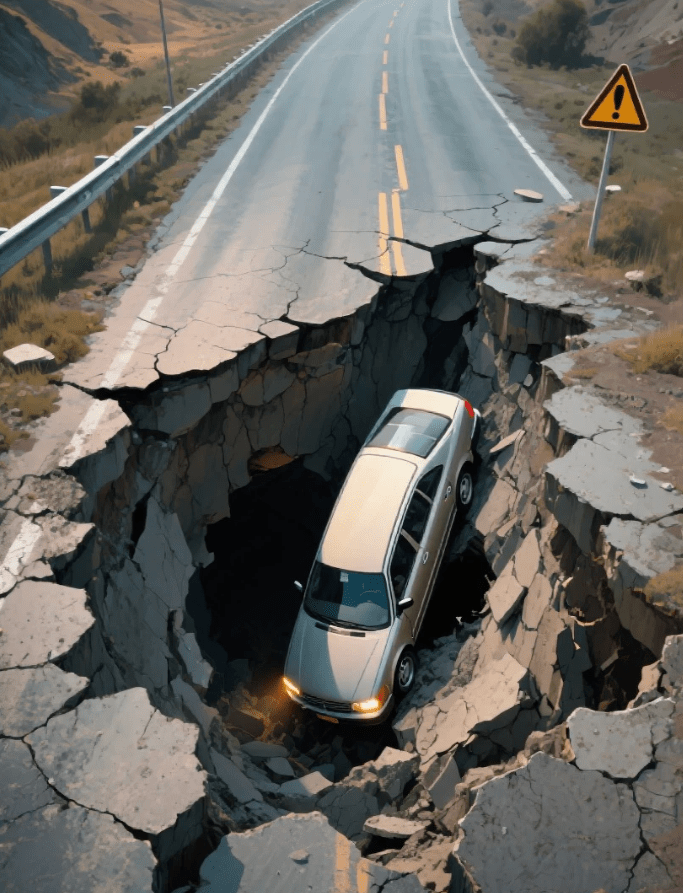
The San Andreas Fault isn’t a joke. California is one massive shaking trap, and a big quake can happen at any second. Buildings collapse, roads split open, and utilities go offline. Do you really want to gamble your life on luck?

Survival Strategy: Secure heavy furniture and appliances. Create a family earthquake plan, including safe spots in every room (under sturdy tables or against interior walls). Stock up on emergency supplies—water, food, first aid kits, and even a portable toilet. After all, earthquakes aren’t polite; they’ll ruin everything.


3. Heatwaves and Extreme Sun Exposure

California’s “perfect weather” often turns murderous. Inland valleys and desert areas can hit triple-digit temperatures that fry the human body. Heatstroke and dehydration don’t care if you’re trying to have a relaxing day—they’ll kill you quietly and quickly.

Survival Strategy: Hydrate like your life depends on it—because it does. Wear breathable, sun-protective clothing and avoid being outside during peak heat hours. Always carry water and electrolytes; your body isn’t invincible, no matter how much Instagram influencers pretend it is.


4. Wild Animals: Coyotes, Mountain Lions, and Snakes

Yes, California has the animals you read about in horror stories. Mountain lions, rattlesnakes, and even aggressive coyotes can end your life if you stumble into their territory. Don’t let the cuteness fool you; survival here is not about selfies with wildlife.

Survival Strategy: Stay alert when hiking or camping. Make noise to avoid surprising predators. Carry bear spray or a sturdy walking stick. Know how to identify dangerous animals and never underestimate their strength or speed.


5. Dangerous Ocean Currents and Rip Tides

California’s beaches are seductive, but many have deadly undertows. Every year, tourists and locals alike are dragged out to sea by rip currents, and few come back. The ocean doesn’t negotiate—it drags you down and drowns you, no questions asked.

Survival Strategy: Swim only at lifeguard-patrolled beaches. Learn to spot rip currents: they’re usually darker, choppier channels of water moving away from the shore. If caught, don’t fight the current; swim parallel to the shore until free, then make your way back slowly.


6. Car Accidents: The Silent Killer

California’s highways are a mess of reckless drivers, endless traffic, and unpredictable conditions. Each day, thousands of accidents happen, many fatal. It’s not just about speed; it’s distracted drivers, drunk drivers, and the sheer density of vehicles that make every road a death trap.

Survival Strategy: Drive defensively. Keep your distance, never text while driving, and always wear your seatbelt. Know emergency maneuvers, like how to regain control on slick roads. It’s basic, but most people ignore it—and that’s why they die.


7. Toxic Air and Pollution

Between wildfires, industrial zones, and smog-heavy cities like Los Angeles, California’s air isn’t just unpleasant—it’s deadly. Long-term exposure leads to lung disease, heart issues, and a diminished lifespan. Don’t be naïve: breathing can kill you here.

Survival Strategy: Monitor air quality reports. Keep N95 masks on hand for emergencies. Air purifiers at home can filter particulate matter. Avoid outdoor activity during bad air days—sacrificing convenience now can save your lungs, and your life.


8. Floods and Mudslides

After the fires, California becomes a soggy, sliding nightmare. Burn scars destabilize the soil, making mudslides an unpredictable killer during rains. Flash floods can occur in valleys and riverbeds, often without warning.

Survival Strategy: Never camp or build in known flood zones. Check weather alerts during the rainy season. Elevate your home and clear debris from drainage paths if possible. Awareness is your best weapon—ignorance will get you buried.


9. Burglaries, Assaults, and Urban Crime

Yes, nature kills, but humans are just as lethal. Certain neighborhoods in California are infamous for violent crime. It doesn’t matter how strong or smart you are; being unprepared makes you a target.

Survival Strategy: Invest in home security systems. Be vigilant in public spaces. Learn basic self-defense. Avoid risky areas after dark. And for the love of your future, never carry valuables openly. Criminals don’t care about your excuses.


10. Avalanche and Snow Hazards in the Sierra Nevada

People forget that California isn’t just beaches and deserts. Its mountains can be merciless. Avalanches, icy trails, and sudden snowstorms can trap or kill hikers and skiers. The cold isn’t forgiving, and neither are the slopes.

Survival Strategy: Check avalanche reports before heading into the mountains. Carry emergency blankets, shovels, and avalanche beacons. Never hike alone in snow-heavy areas. Respect the mountains—they don’t negotiate with arrogance.


Final Thoughts: Survive or Die

California is a beautiful place to look at, but it’s a slaughterhouse for anyone who doesn’t respect the threats. From fires to floods, predators to predators in human form, the Golden State is not a vacation—it’s a survival test. The question isn’t “will you survive?” It’s “will you prepare before it’s too late?”

Take every warning seriously. Don’t fool yourself with optimism. Arm yourself with knowledge, tools, and a survival mindset. Ignore this, and California will happily write your obituary. Remember: life isn’t fair, nature isn’t kind, and neither are the streets of California.

Survive, because nobody else is coming to save you.

The Last Grocery Store Run Before the Grid Goes Dark: A Prepper’s Final Warning

You can feel a collapse long before you can prove it. The air thickens, conversations shorten, and people move with a jittery uncertainty they pretend isn’t fear. For weeks now, every expert with a tie and a microphone has insisted the power grid is “stable” or “only experiencing minor vulnerabilities.” But those of us who still use our eyes—and not the spoon-fed comfort pumped out of screens—know the truth: the grid is held together with duct tape, denial, and a hope that ran out sometime last decade.

So this morning, when the news quietly mentioned “regional instability” and “rolling disruptions,” I knew exactly what that meant: this was it. My last chance to top off supplies before the grid sputters out for good. And despite everything I’ve stockpiled over the years, despite the shelves I’ve meticulously filled and the gallons of fuel I’ve tucked away, there’s always one last run. One more pass through the grocery store to grab the things that might mean the difference between grinding through the collapse or becoming another body buried under its weight.

And of course, like clockwork, people waited until the last possible second to panic.

I threw my gear in the truck and headed into town for what I knew would be a hostile, frantic, anger-soaked sprint through a grocery store full of clueless, late-to-the-party consumers who spent years mocking preppers and are now shocked—shocked—that modern life doesn’t come with guarantees.

Walking Into the Chaos

The parking lot told the whole story before I even got inside. Cars abandoned at crooked angles. Carts left as barricades. People shouting into phones that weren’t even connected because the networks were already starting to choke. And there it was—that glazed-over look in their eyes: the realization that no one is coming to save them.

I walked through the automatic doors (thankfully still powered), and the assault hit instantly: the stench of panic sweat, the squeal of wheels pushing overloaded carts, and the sound of ten different conversations about “how this can’t really be happening” coming from people who have spent their entire lives outsourcing responsibility to systems they never bothered to understand.

Every aisle was a battlefield. Every shelf was a shrinking island of hope.

But I wasn’t there to feel sorry for them. I wasn’t there to help them wake up. I was there to finish the job—secure what I needed before the lights blinked out forever.

Item 1: Shelf-Stable Calories

The first stop was obvious: dry goods. Rice, beans, pasta—anything that stores for years and keeps a body alive. I grabbed what was left, even as two grown adults argued over the last bag of lentils like toddlers fighting over a toy. They didn’t notice I slipped behind them and pulled three bags of white rice they’d overlooked. I didn’t feel bad; their ignorance wasn’t my responsibility.

When you’ve been preparing for years, you learn to see what others don’t.

Item 2: Canned Proteins

Next was canned meat—tuna, chicken, spam, whatever hadn’t yet been ravaged by the first wave of panic shoppers. Protein will be gold when the grid dies, and hunting won’t be an option for half the people who think they’ll suddenly become wilderness experts.

Most of the shelves were stripped clean, but I managed to get a dozen cans of chili and several cans of chicken that were shoved behind fancy organic soups no one wanted. Funny how people become less picky right before the world goes dark.

Item 3: Water and Purification Supplies

Water is life, but bottled water was already gone—the shelves empty except for the plastic price tags. No surprise. People always go for the obvious.

But I knew the real score: grab bleach, grab filters, grab anything that makes questionable water drinkable.

Saw three teenage boys laughing as they tossed the last cases of bottled water into their cart, mocking the panic. I’d love to see how much laughing they’ll do once they realize one case of water lasts a family about two days, maybe three if rationed.

Meanwhile, I slipped down the cleaning aisle and filled my basket with purification essentials they didn’t even think about.

Item 4: High-Calorie “Morale Foods”

In a collapse, calories keep you alive—but morale keeps you human.

I grabbed chocolate, instant coffee, peanut butter, and the last few boxes of granola bars. These aren’t comforts—they’re psychological stabilizers. When your world shrinks to survival, a spoonful of peanut butter becomes strength, and a cup of coffee becomes hope.

People think prepping is all about ammo and generators. They forget the human mind collapses long before the body does.

Item 5: Quick-Use Foods

Anyone who’s lived through an outage knows the first few days are the worst. You need quick, no-cook food to get through the transition. I grabbed crackers, canned fruit, ready-made soups, and instant meals.

By now, the lights had started to flicker. The store manager shouted something unintelligible over the intercom, but nobody cared. The panic had gone from simmer to full boil.

The Desperation Was Palpable

I saw people crying in the aisles. Some were shouting into phones, begging family members to “get home now.” Others were staring at empty shelves as if they were staring at their own future—void, stark, unforgiving.

What infuriated me, though, was this: they had every chance to prepare. Every warning sign. Every news report hinting at instability. Every outage over the last decade, every expert saying the grid was aging, overstressed, and under-maintained.

But they ignored it all.

Because denial is a warm blanket in a cold world—right up until the blanket catches fire.

Checking Out

I got into the shortest line I could find—not that it mattered. People were frantic, dropping items, yelling, shoving. The card machines were already stalling. Someone screamed when their payment declined; someone else tried to argue their expired coupons should still apply “because this is an emergency.”

Pathetic.

I paid with cash—something else people have forgotten still has value when systems break.

As I walked back out into the parking lot, the first substation alarm in town began to wail. A low, mechanical howl rolling over the rooftops like a warning siren for the damned.

People looked around, confused. I wasn’t. I knew exactly what it meant.

Heading Home Before the Lights Go Out

The grid wasn’t collapsing.
It was collapsed. We were simply watching the echoes.

I tossed the last-gasp items into the truck, turned the engine over, and headed out of the mess before the roads clogged with panicked civilians who still believed someone would come fix this.

Because they don’t understand the truth we preppers have known for years:

When the grid goes down, it’s not just the lights that disappear.
It’s the illusion of stability.
It’s the myth of progress.
It’s the lie that society will always keep humming along politely.

And when that illusion dies, the world gets real—fast.

I didn’t make that last grocery store run because I was unprepared.
I made it because I understand something the rest of the world refuses to accept:

There is no cavalry. Only consequences.

And I intend to face those consequences with a stocked pantry, a clear head, and the grim satisfaction of knowing that while the world slept, I stayed awake.

Let the grid burn.
I’ll survive the night.